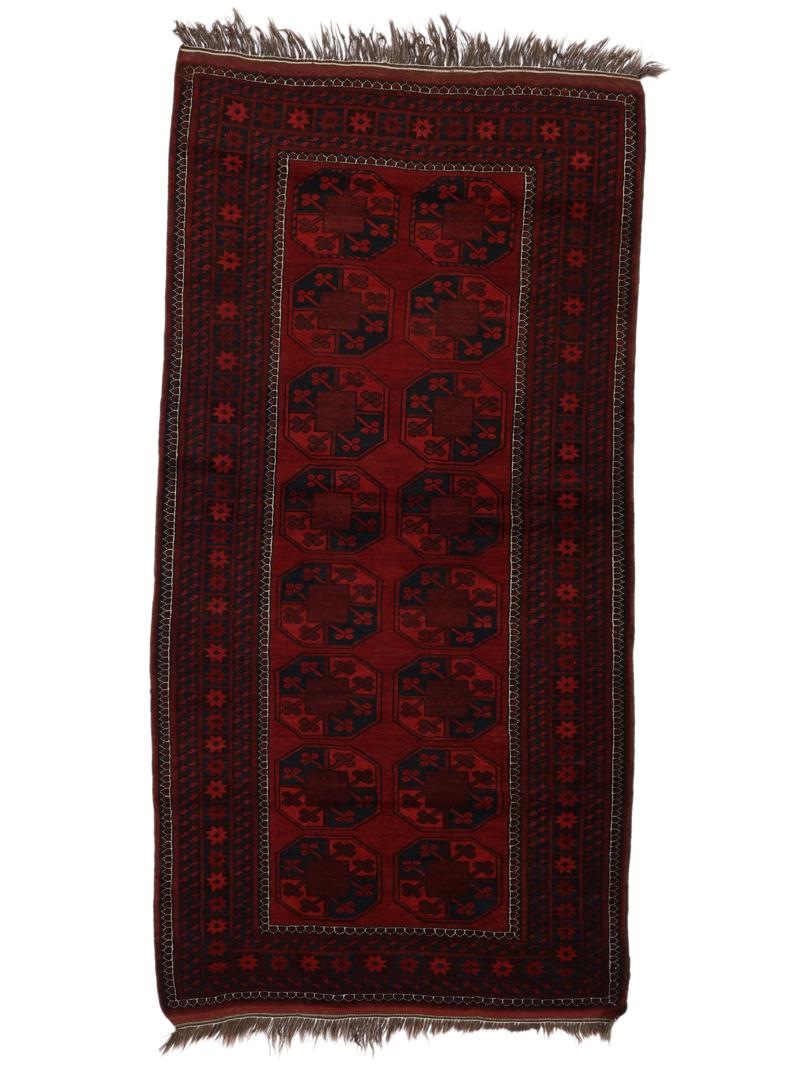
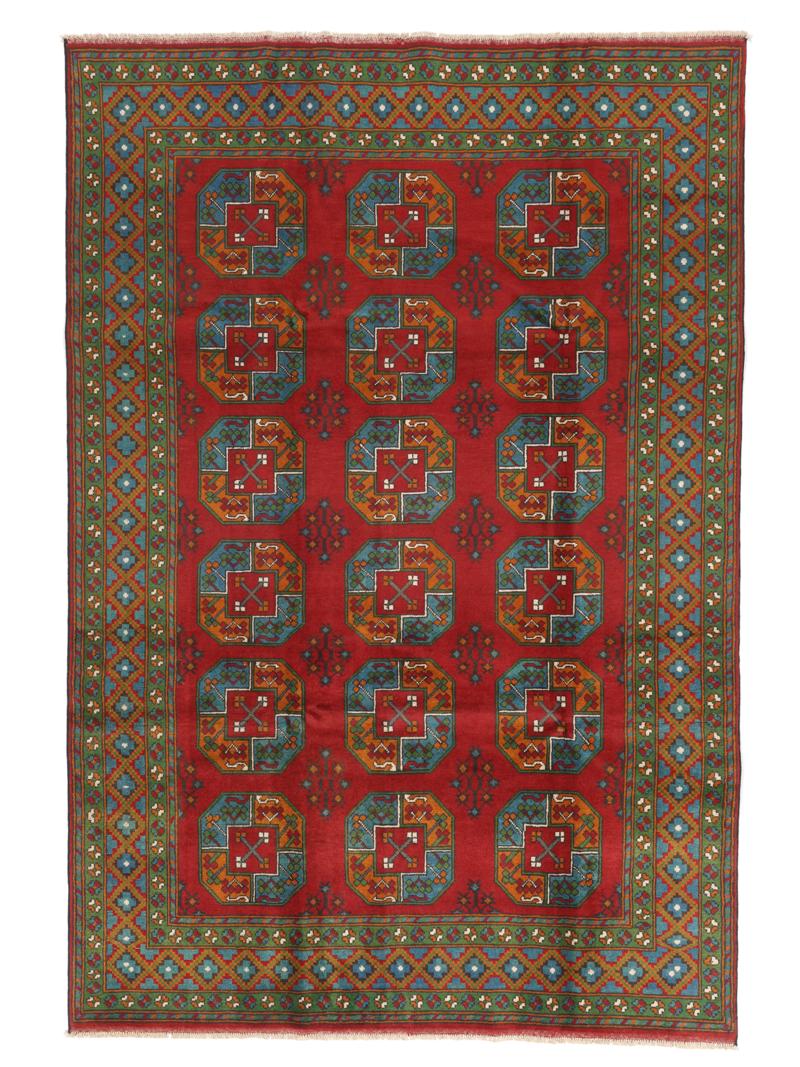
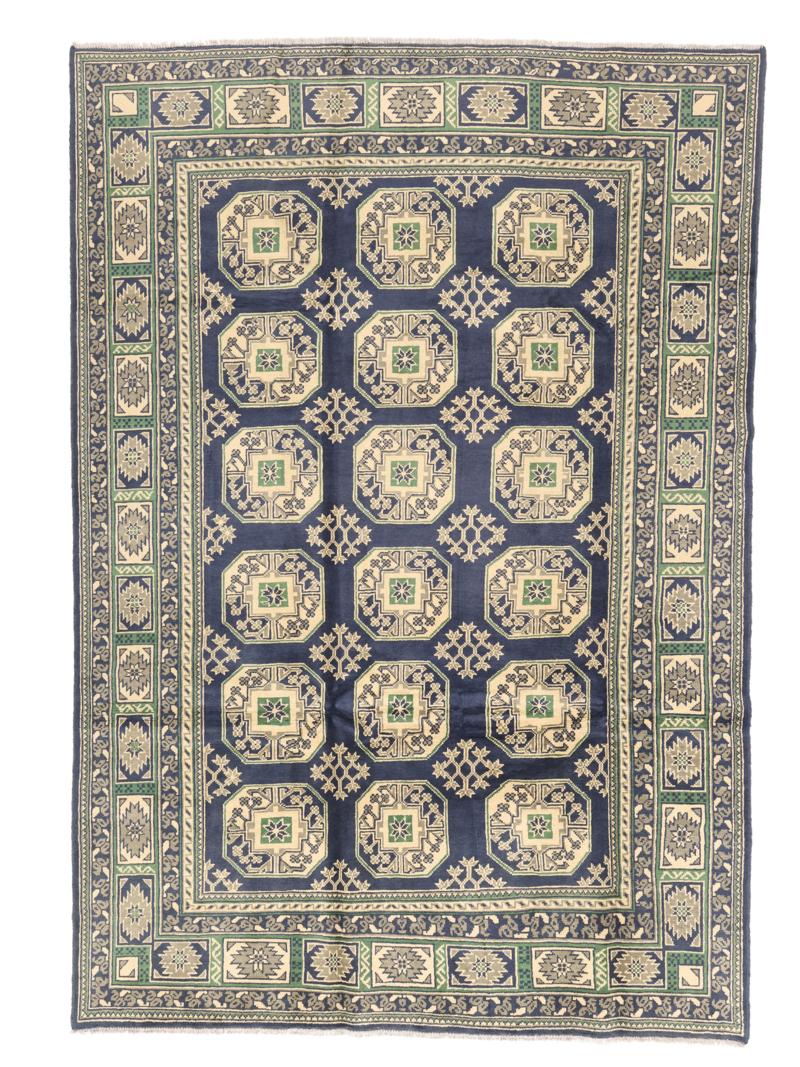
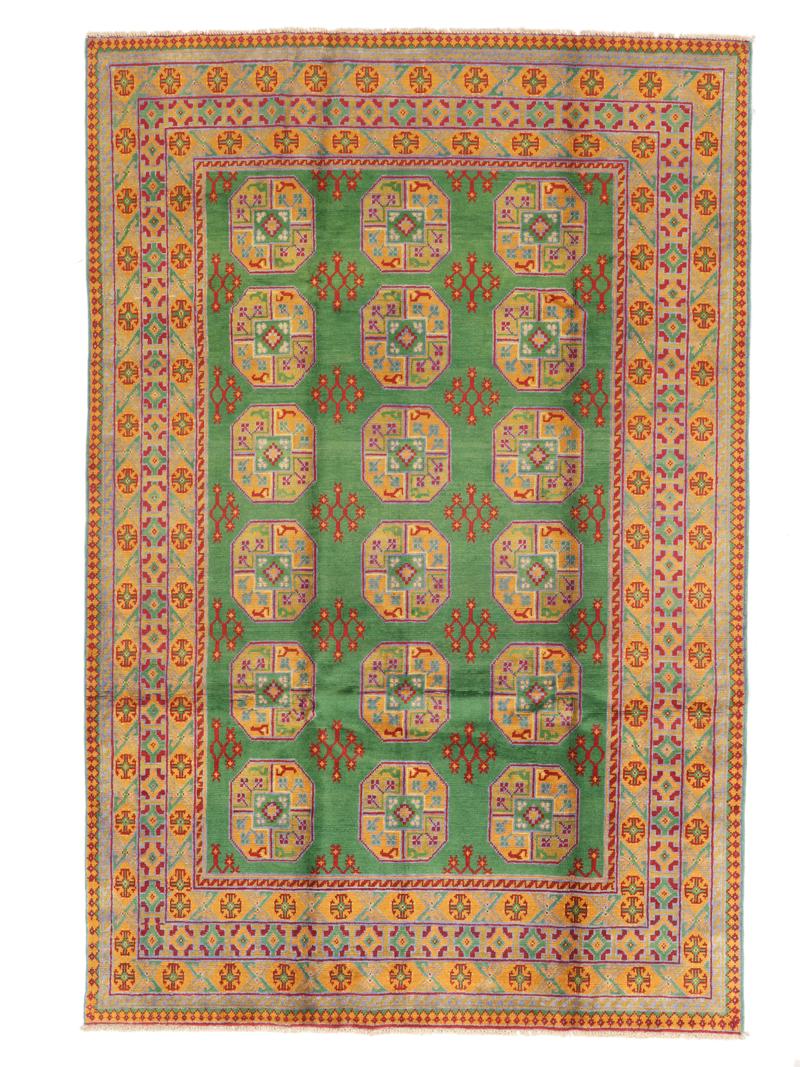
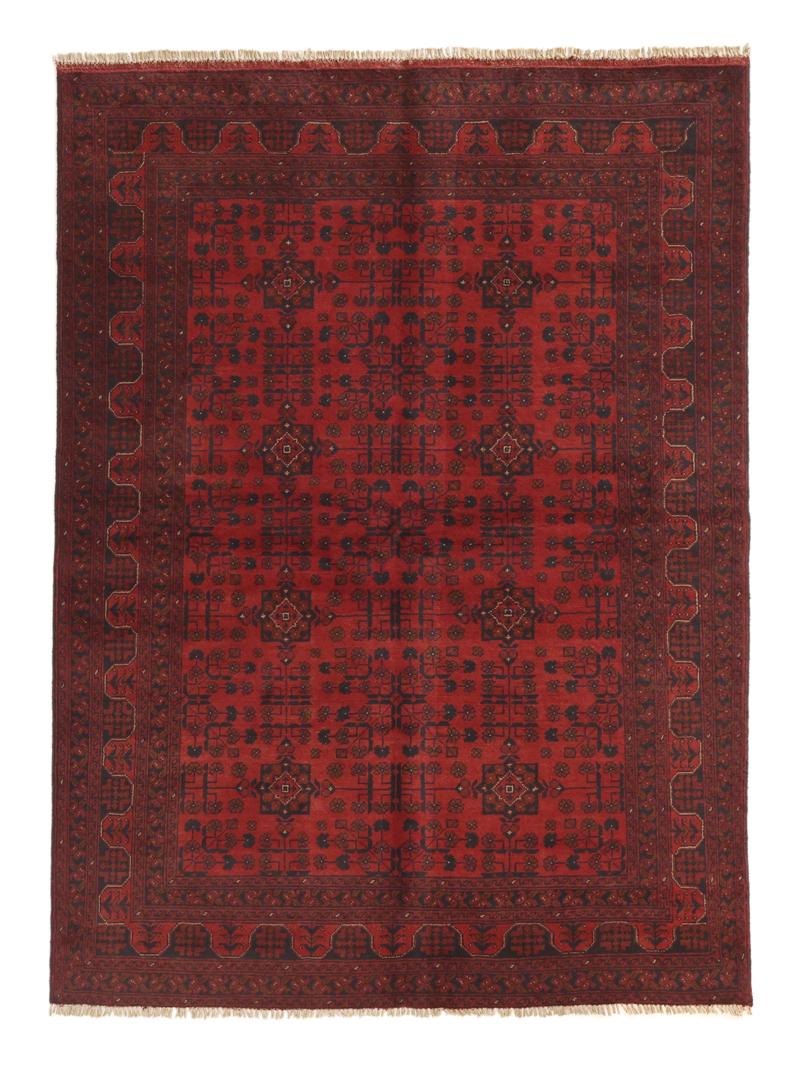
What is an Afghan rug?
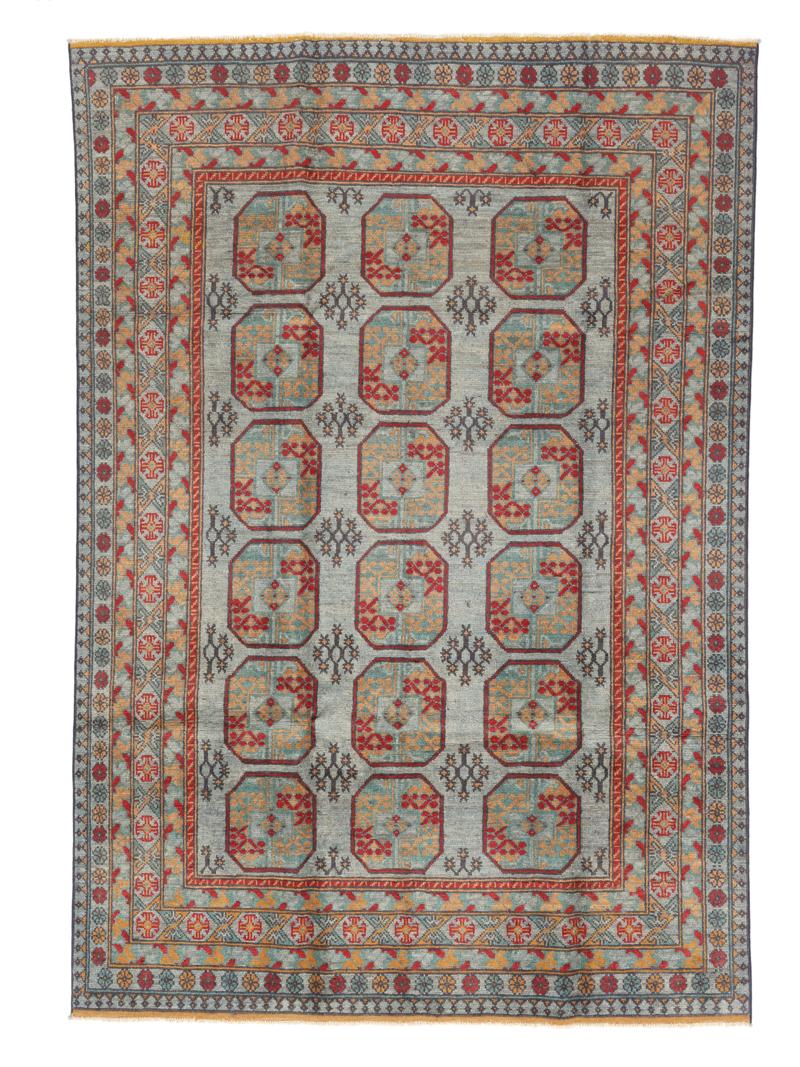
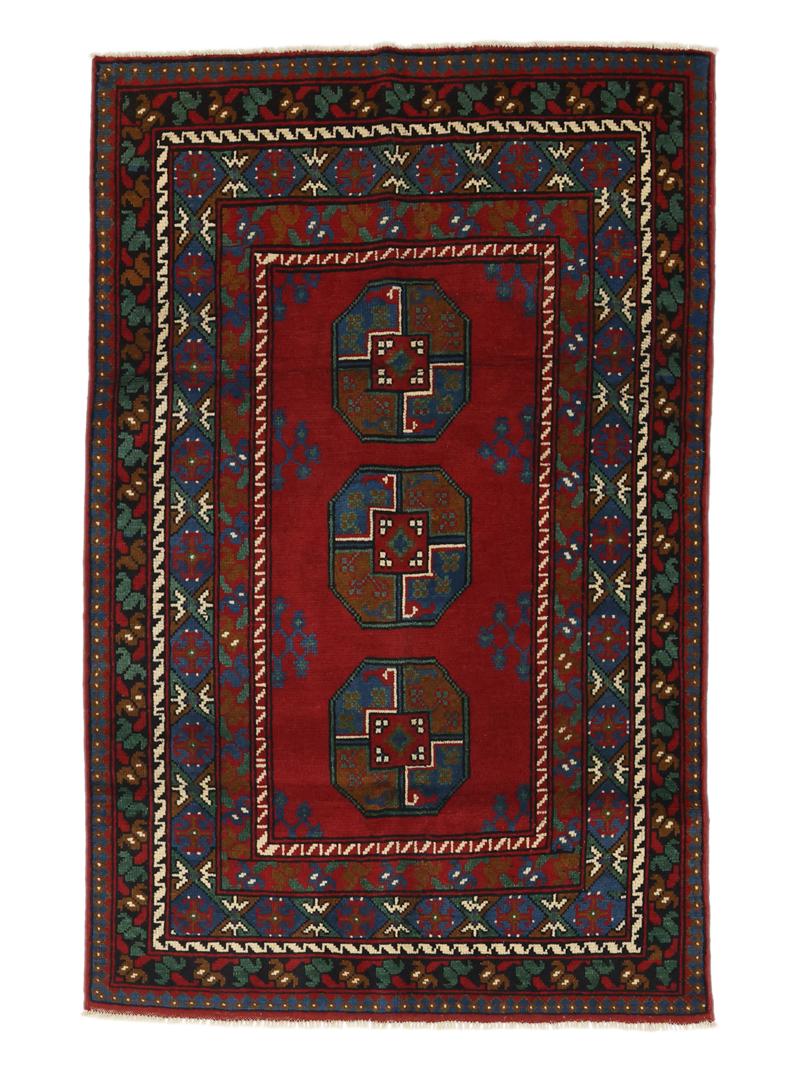
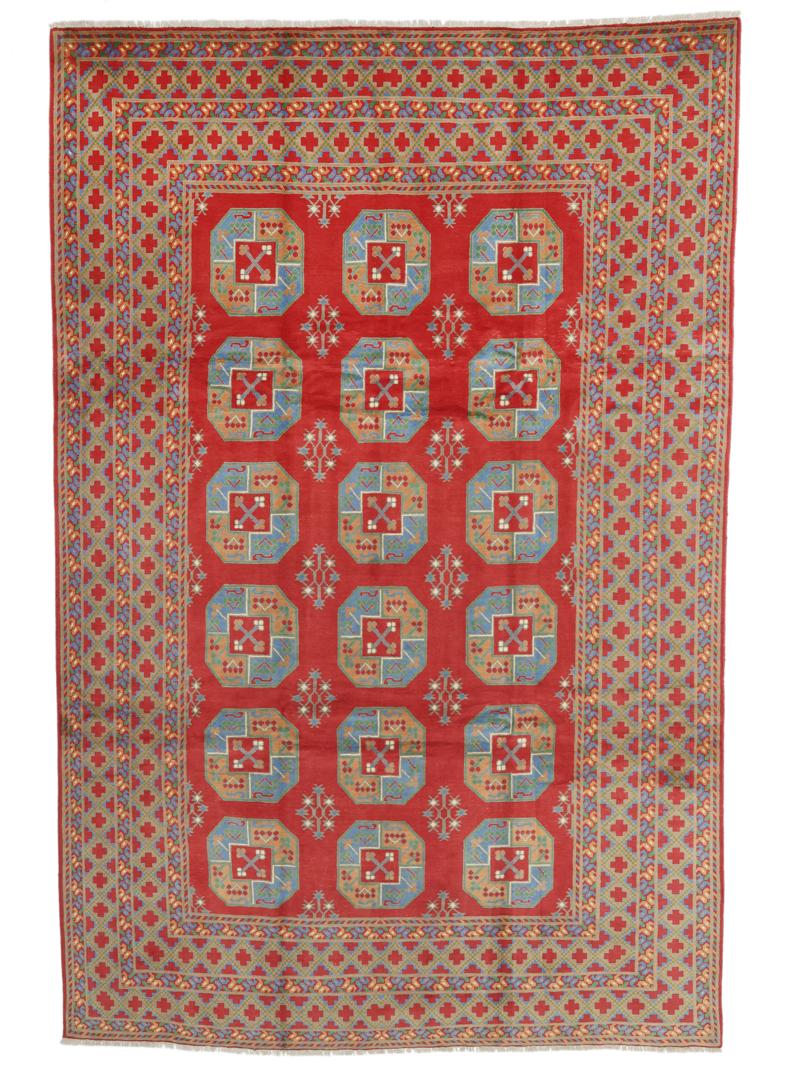
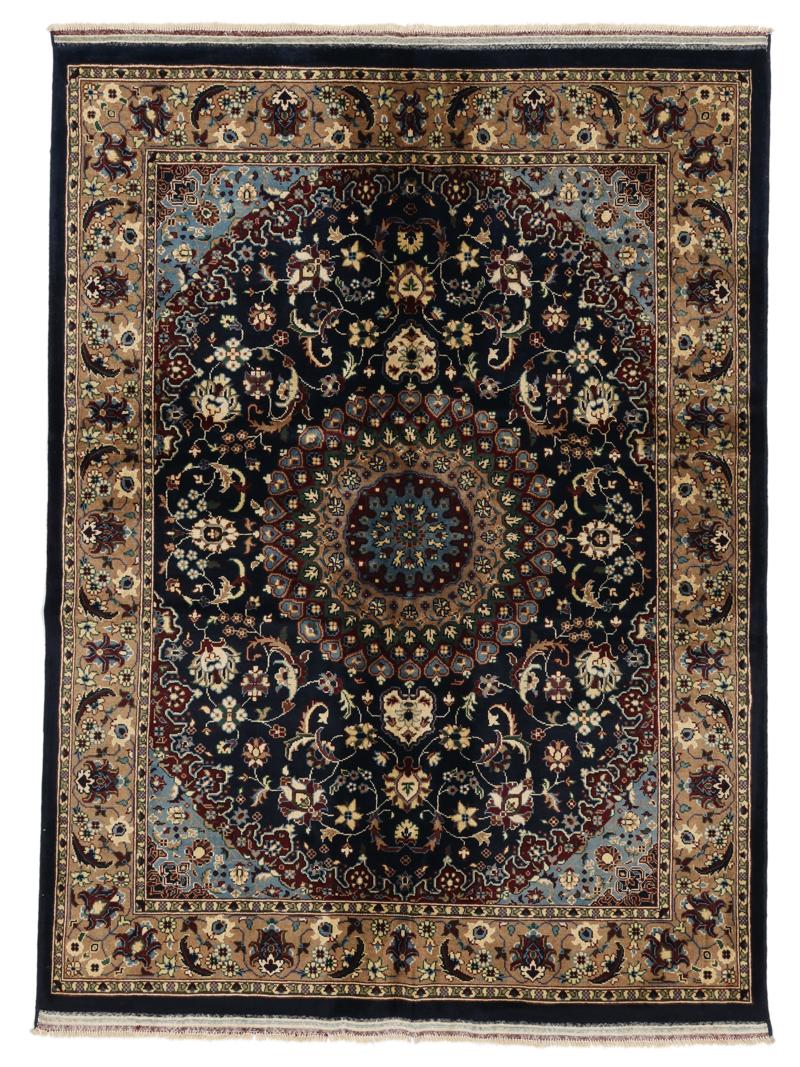
Afghan rugs are hand-knotted carpets crafted by artisans across Afghanistan. They’re well-known for their deep colours, bold patterns and incredible durability. Each Afghan rug tells a story — a handcrafted legacy passed down through generations.
You’ll often find these rugs made from natural wool, dyed with vegetable-based colours, and featuring tribal or geometric designs. They’re especially popular for people looking for authentic, handmade rugs that don’t just sit on the floor — they make a statement.
History and origin of Afghan rugs
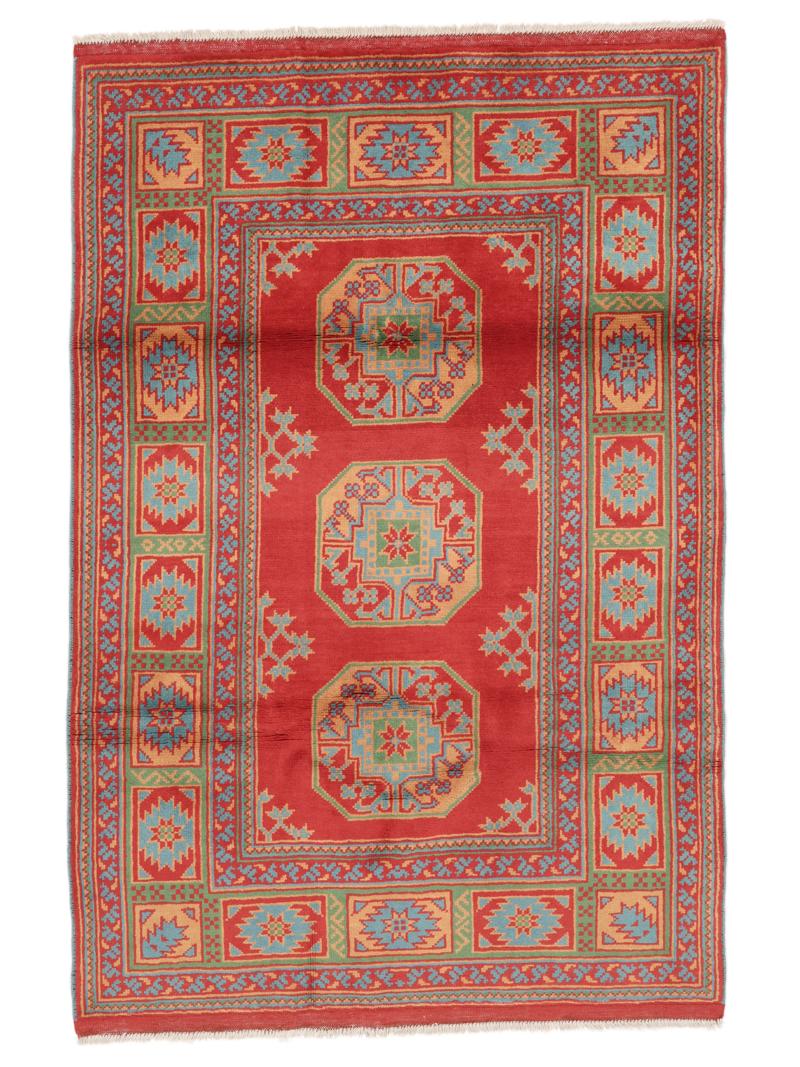
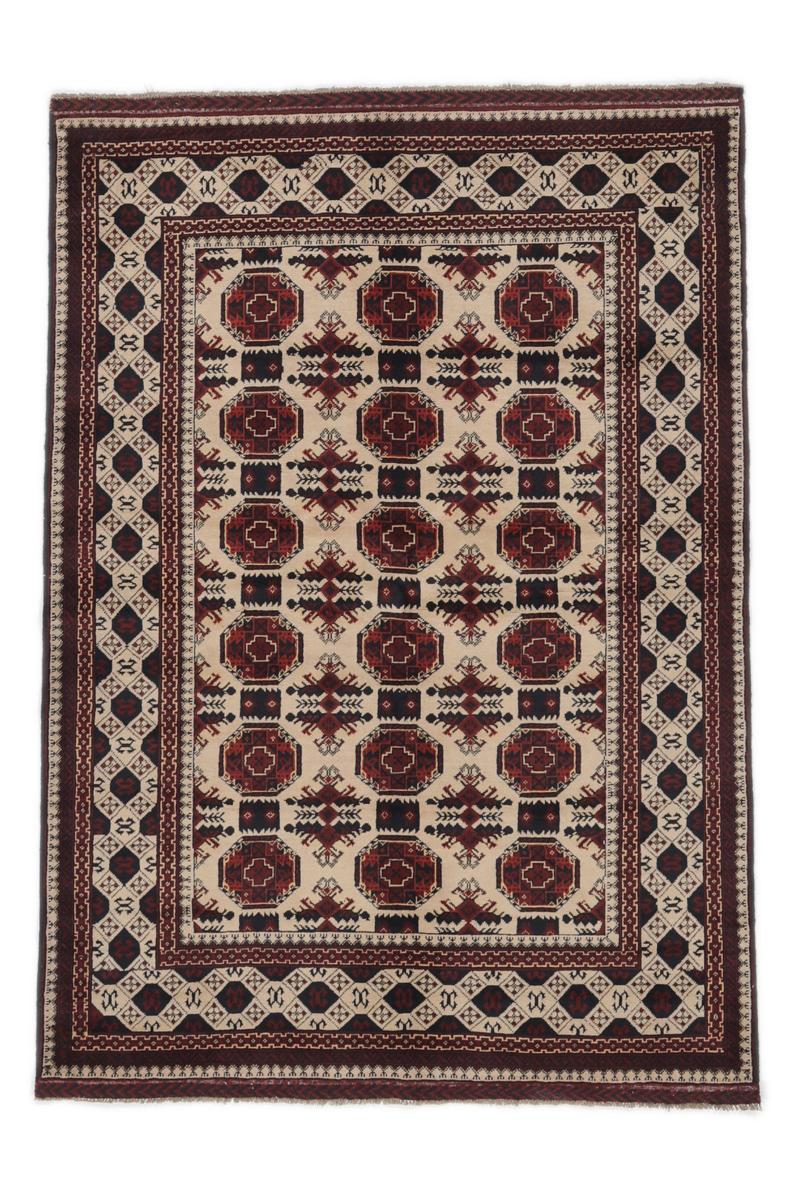
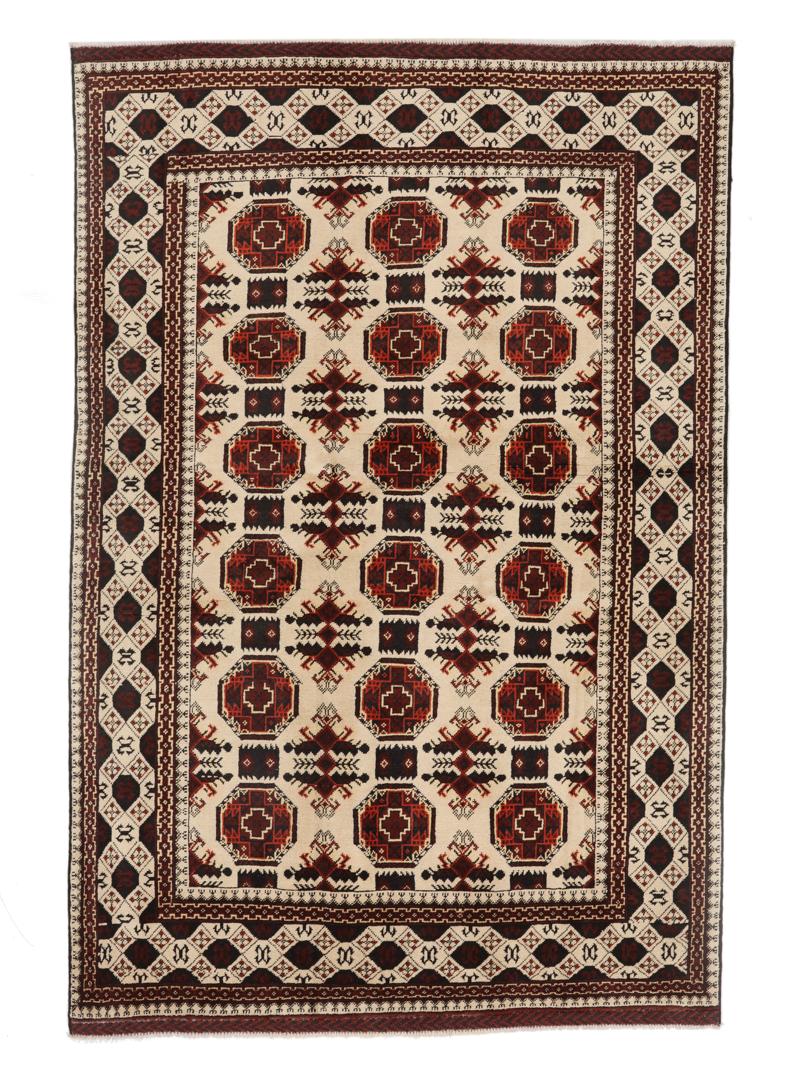
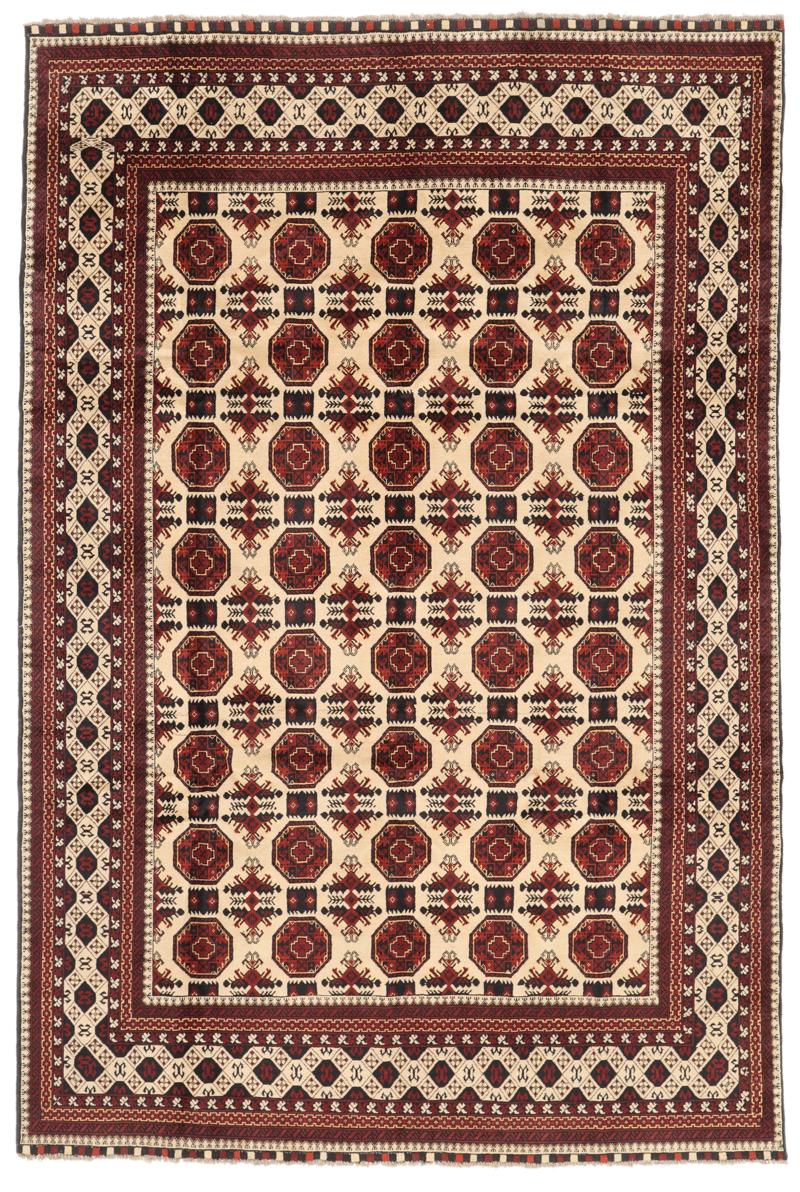
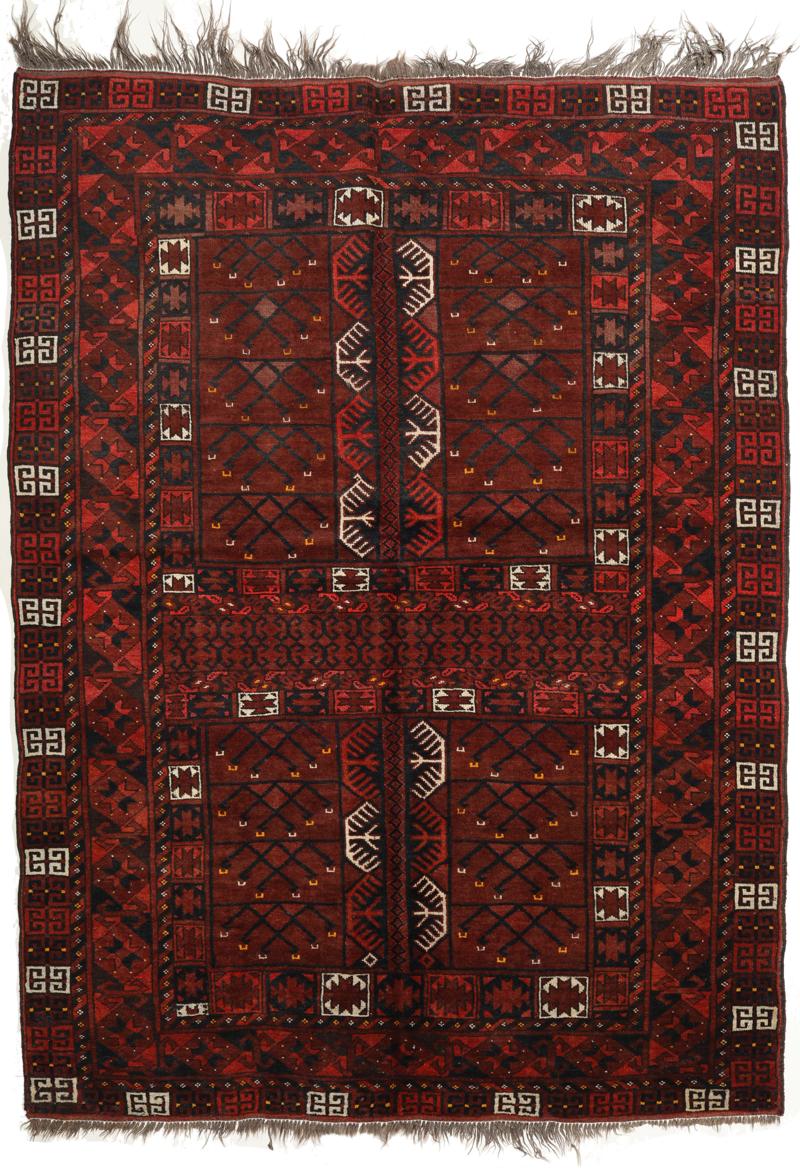
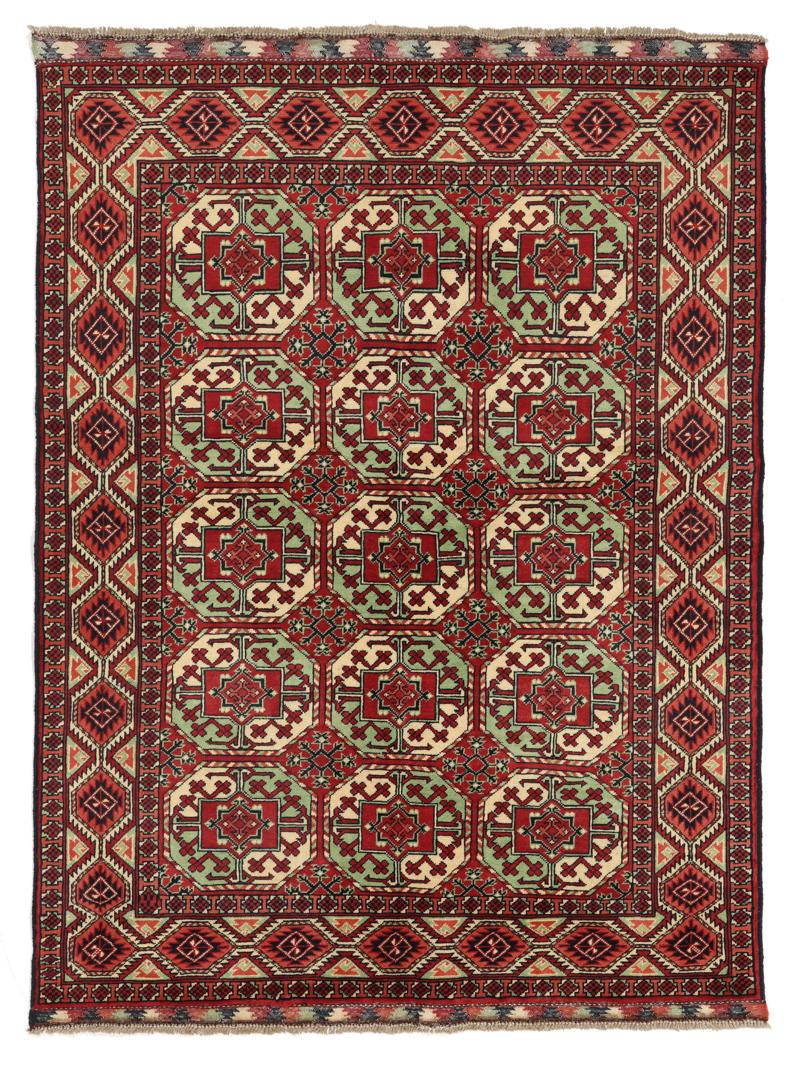
Afghan rug-making goes back centuries, with many styles rooted in Turkmen, Baluchi, and Hazara traditions. These tribal groups each have their own distinct styles, but what unites them is a love for deep reds, octagonal motifs, and bold borders.
Materials and craftsmanship
What makes an Afghan rug stand out is the hand-knotting technique and the use of high-quality wool. Most rugs are made from:
- 100% wool pile
- Cotton or wool warps and wefts
- Natural dyes like madder root and walnut shells
This makes them super resilient, ideal for high-traffic areas like the hallway or living room. You won’t find two Afghan rugs that look exactly the same — that’s the charm.
Popular Afghan rug styles
When shopping Afghan rugs, you’ll likely come across:
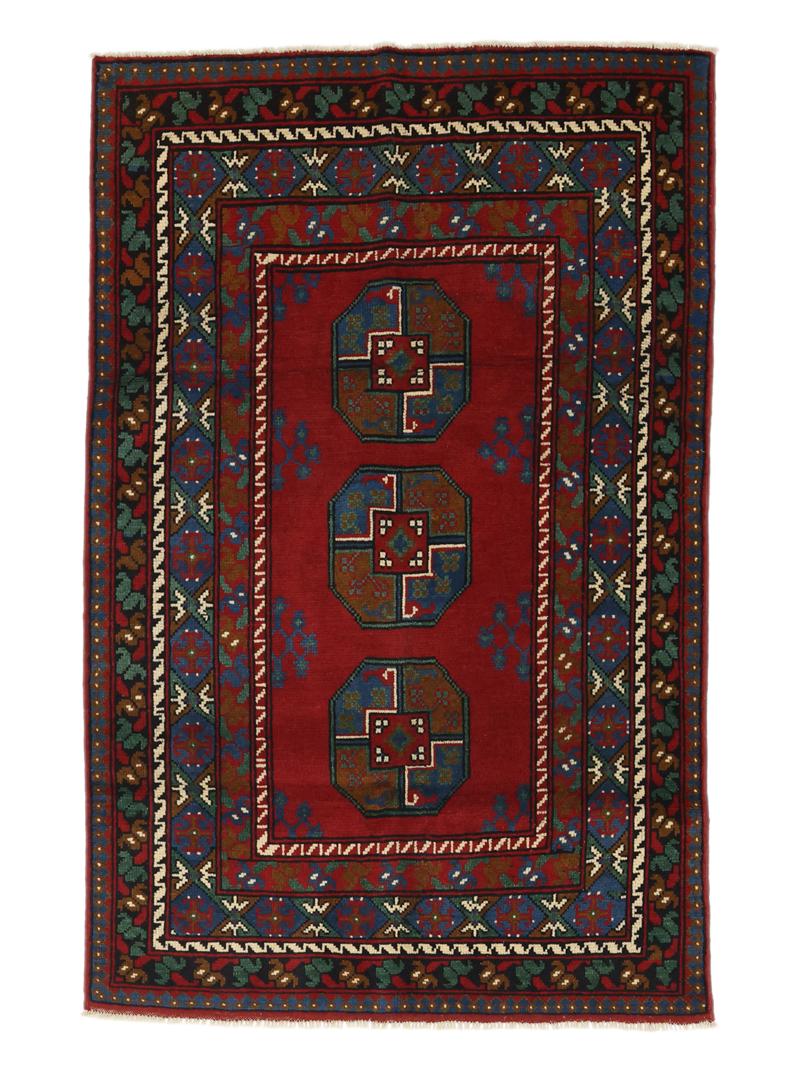
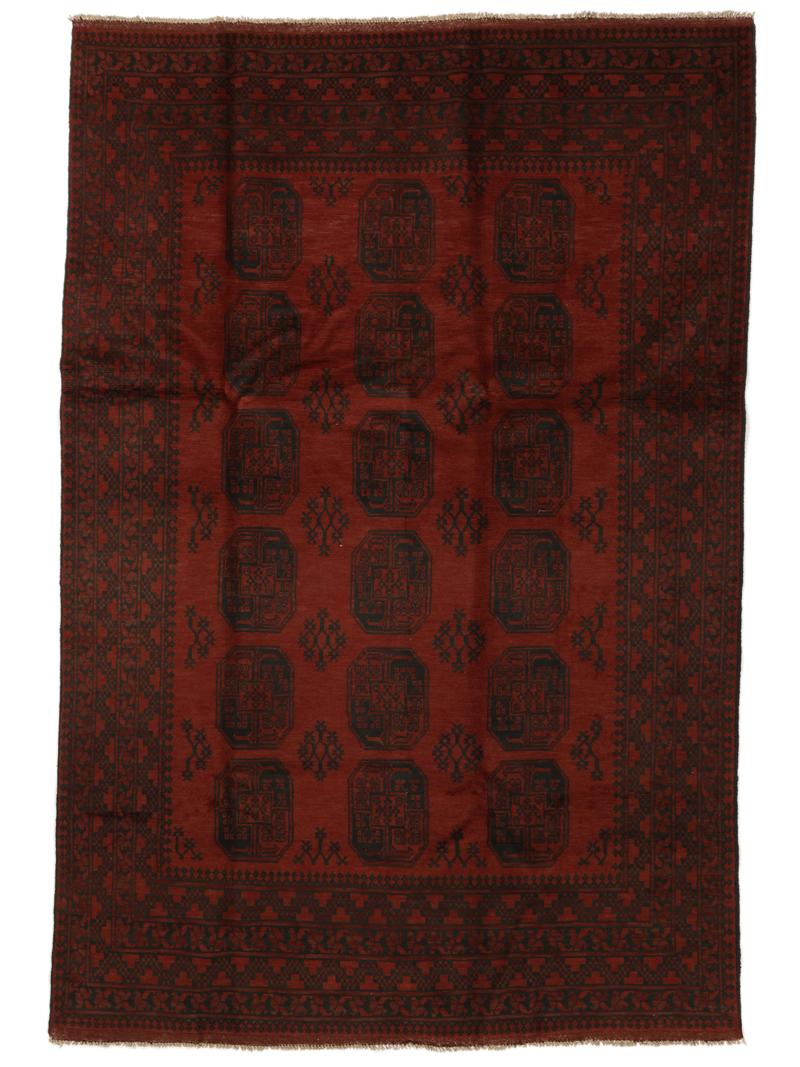
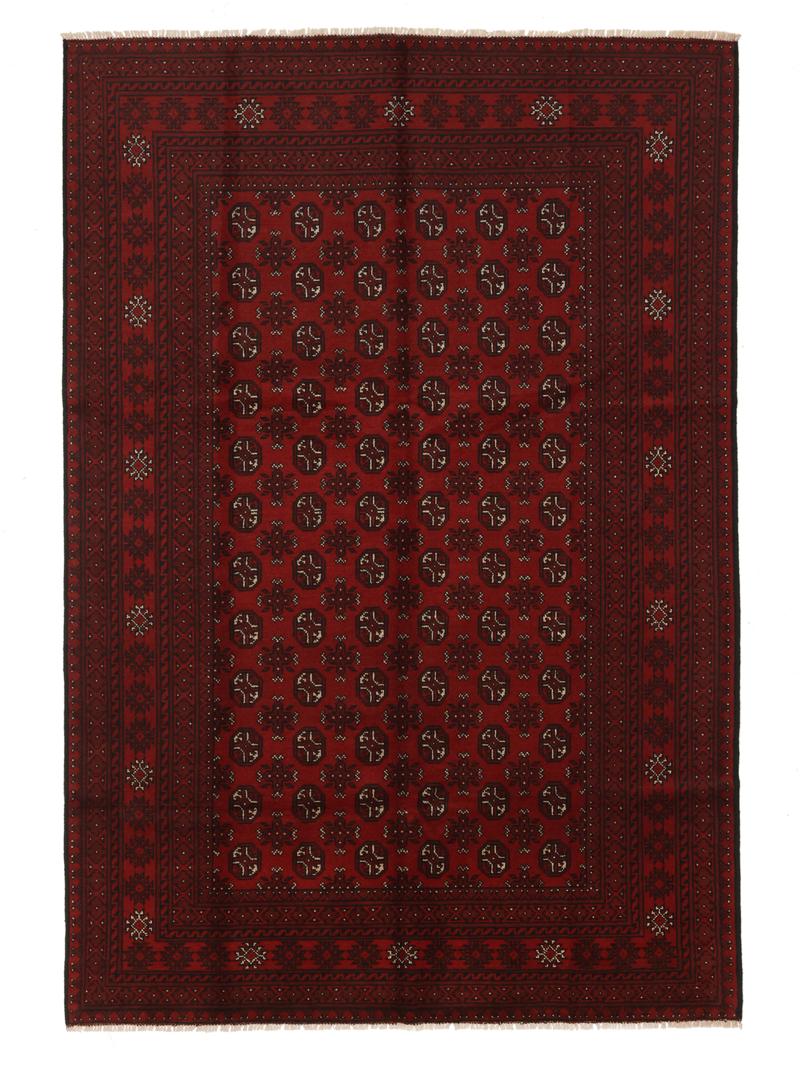
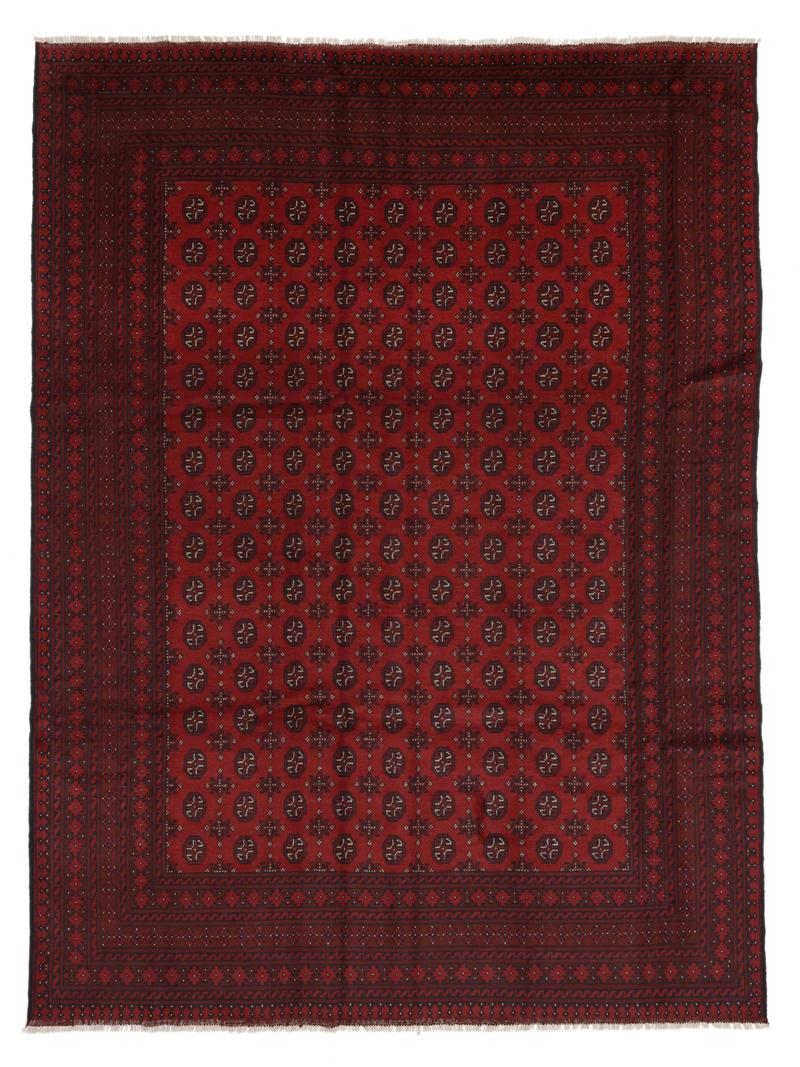
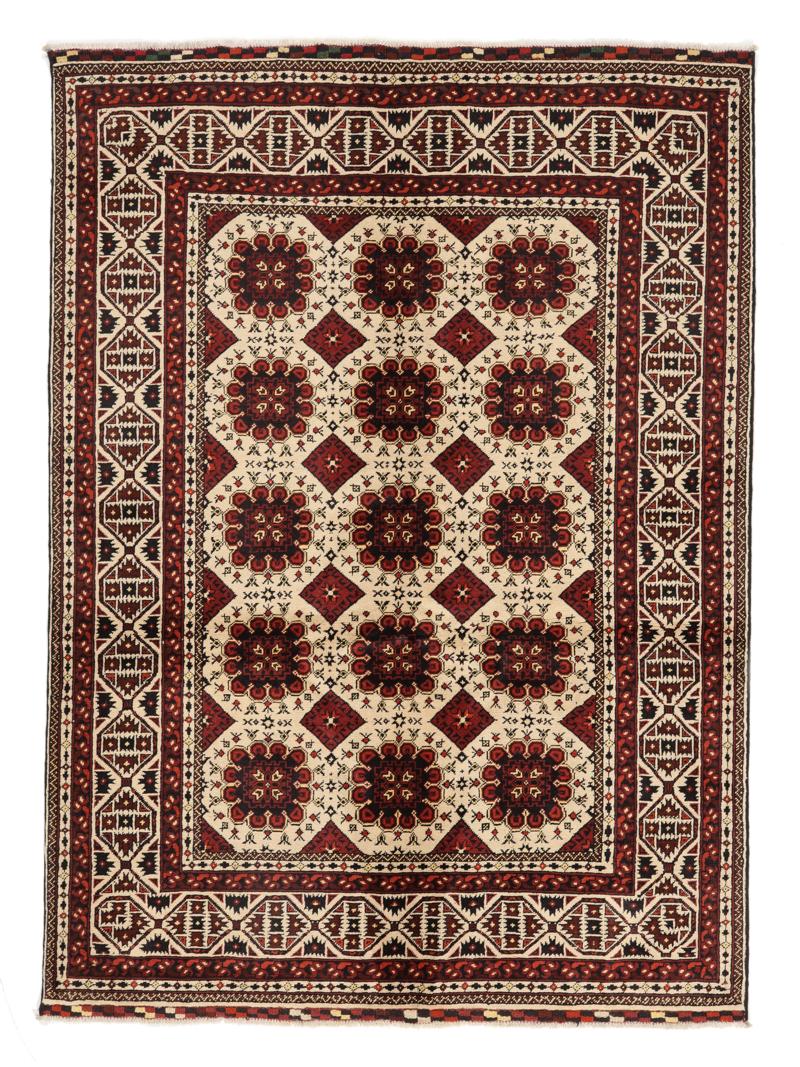
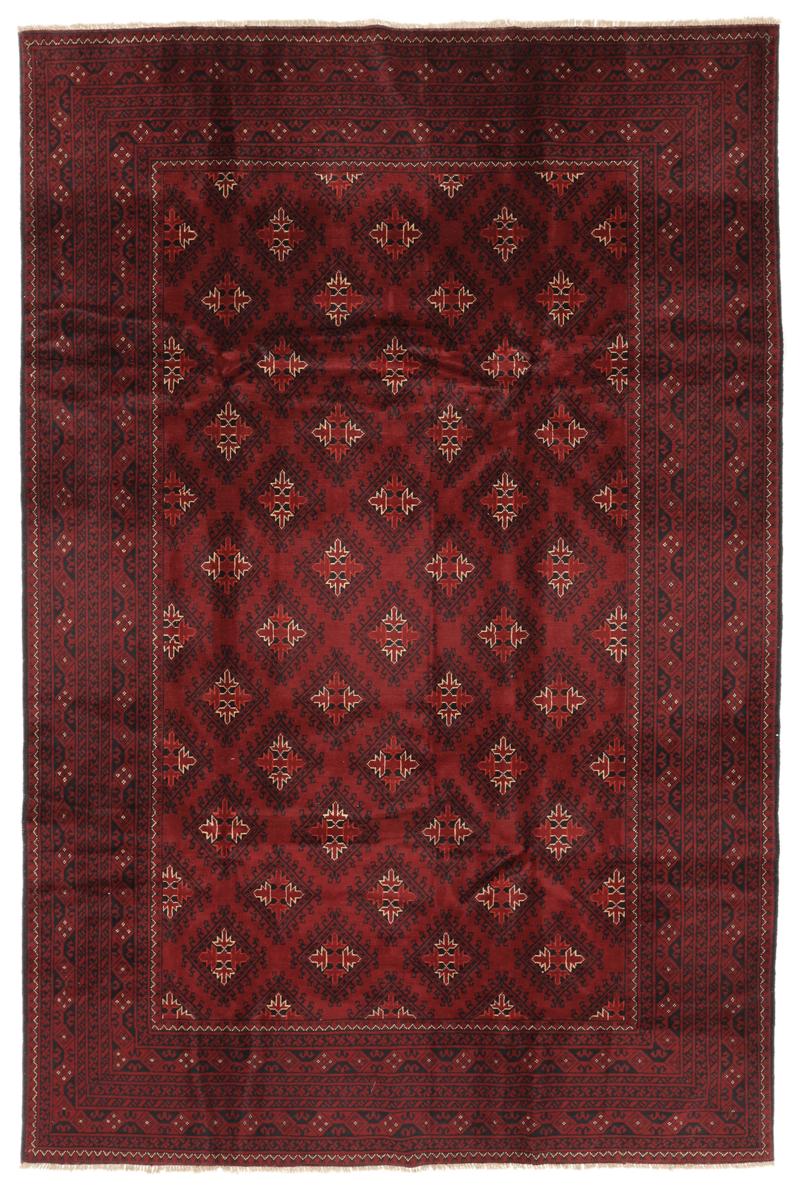
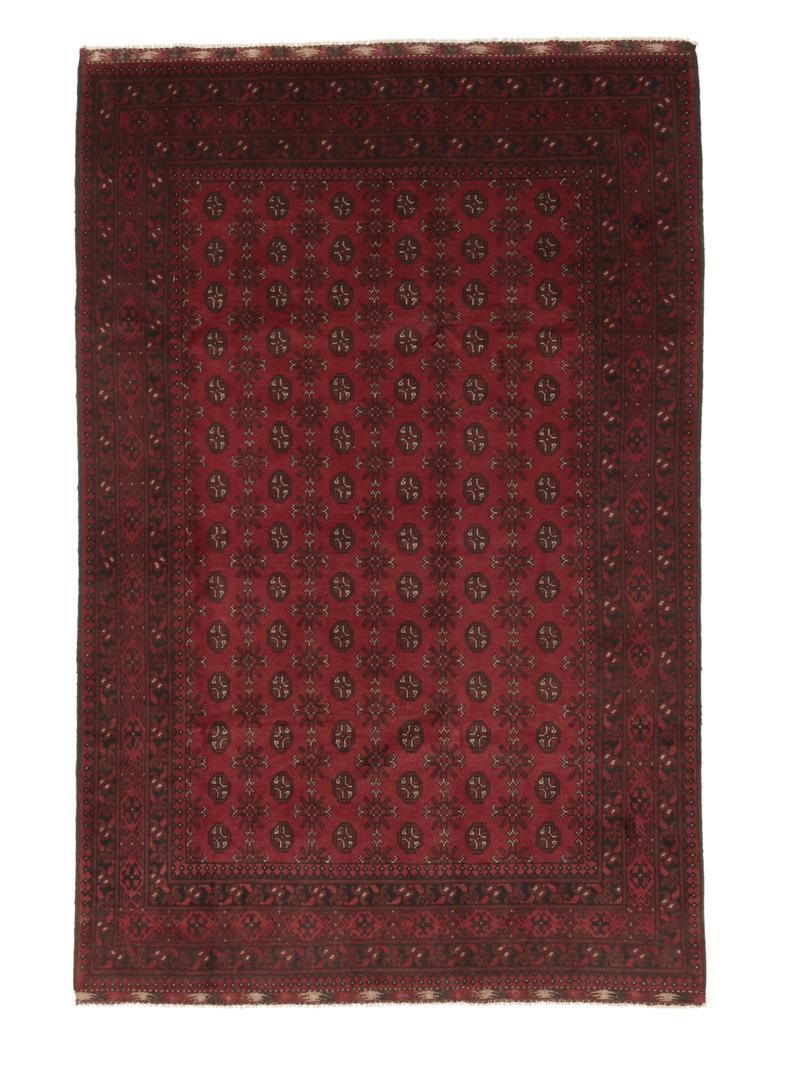
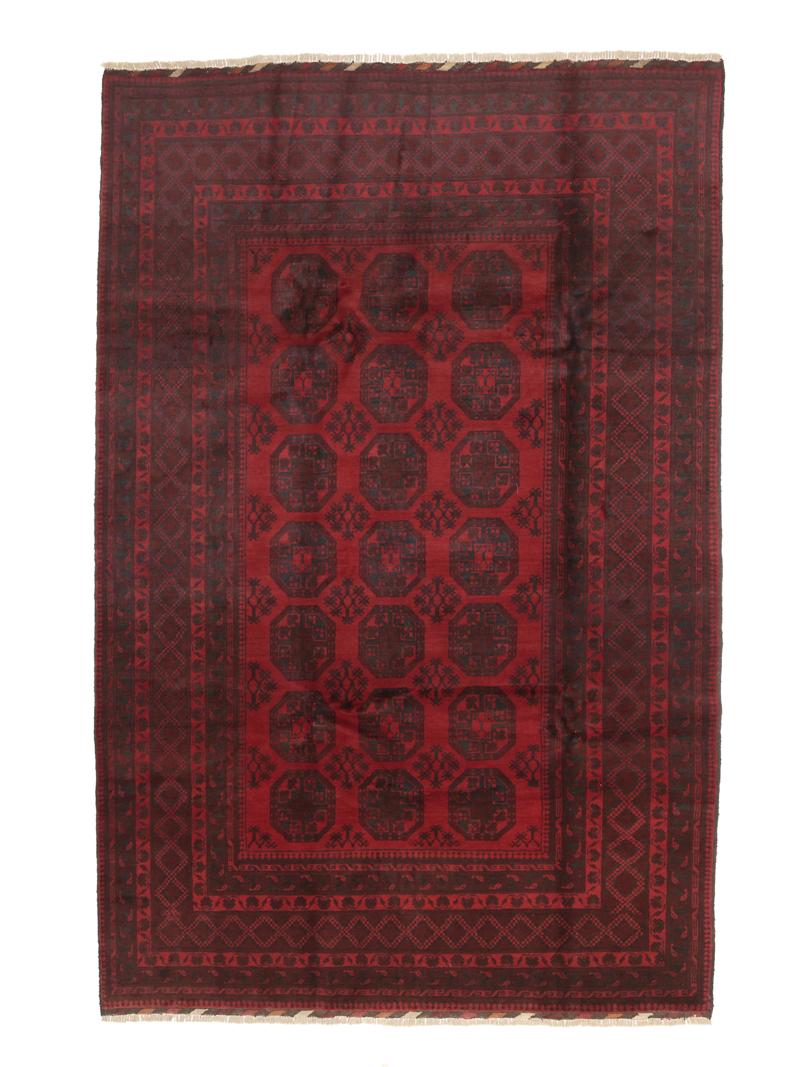
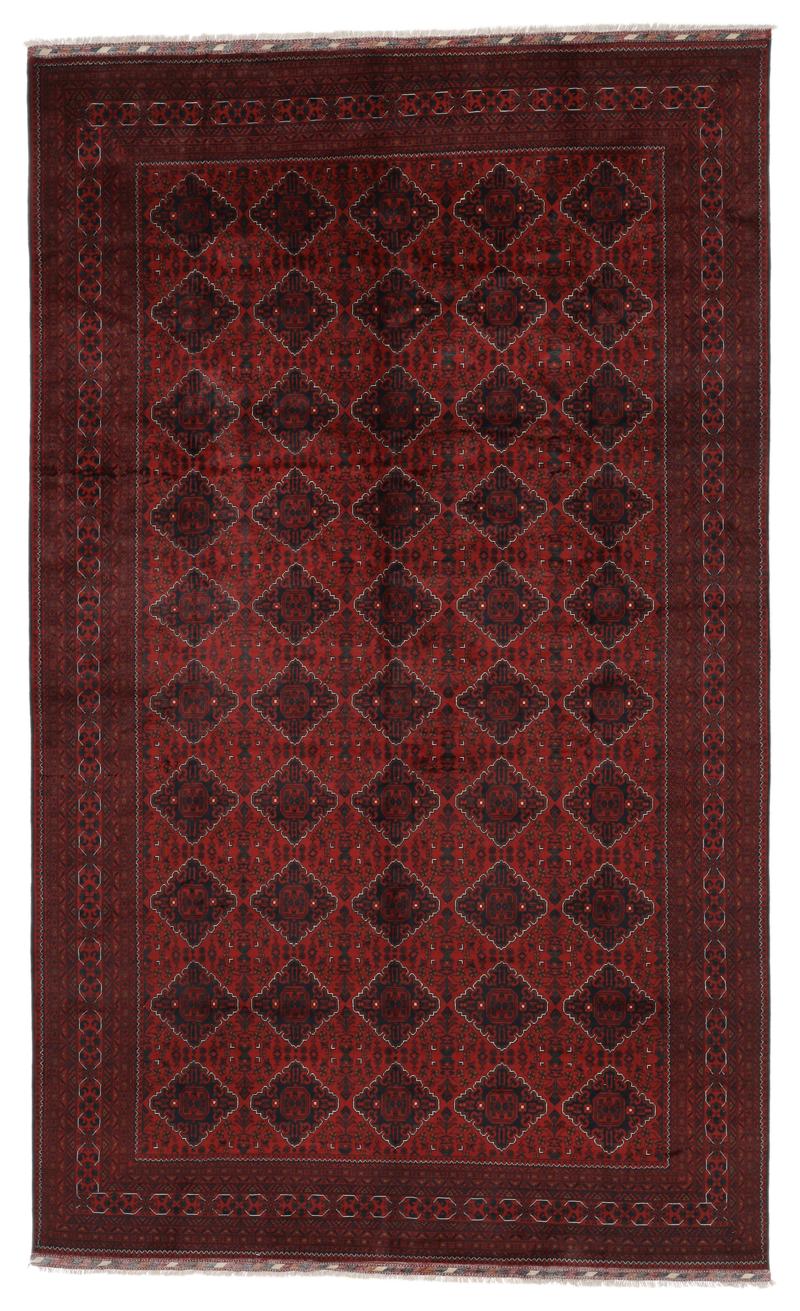
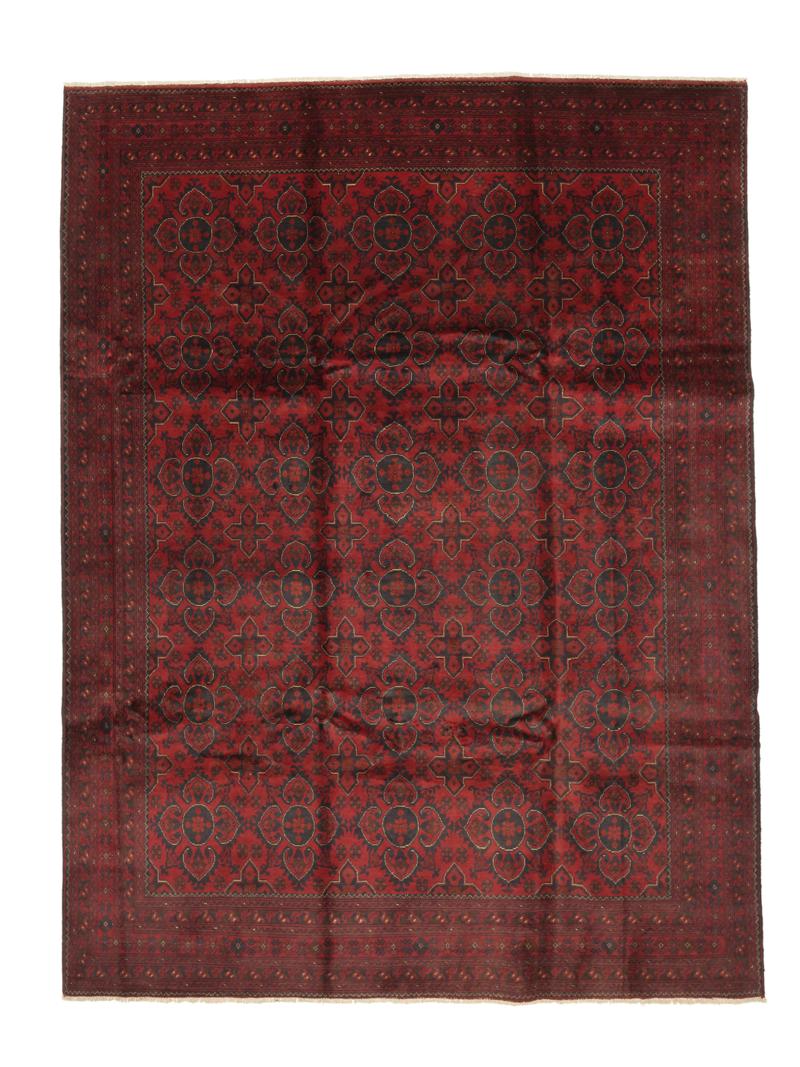
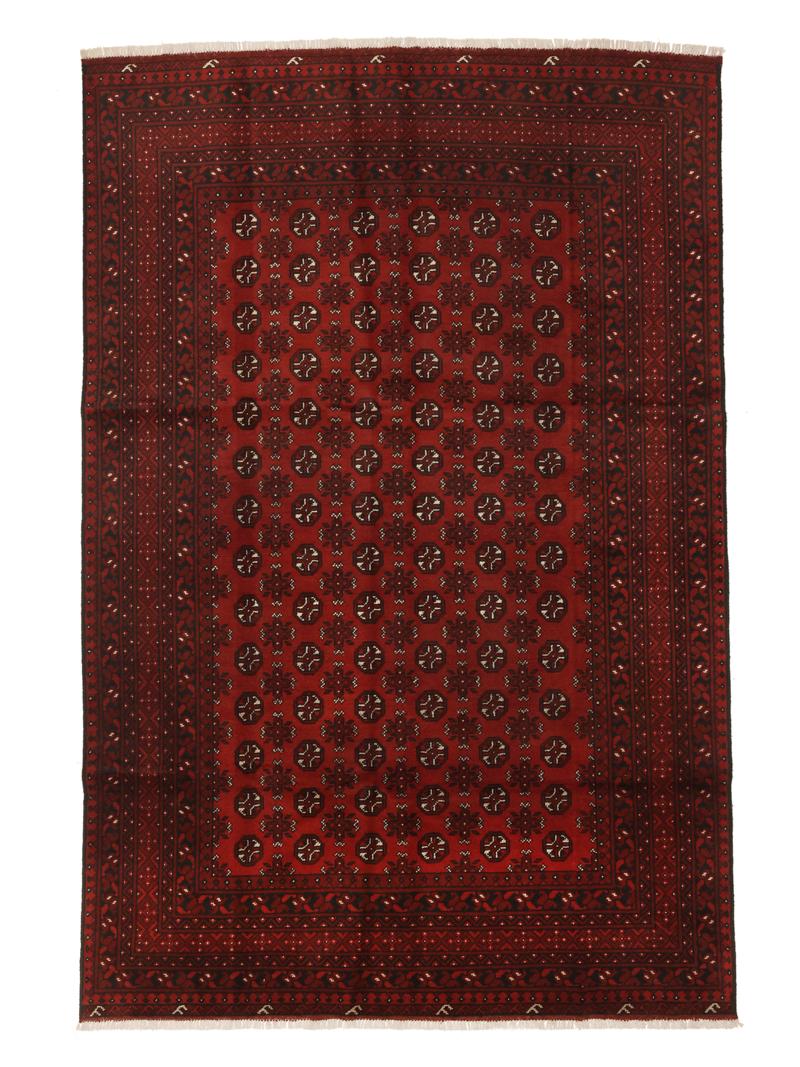
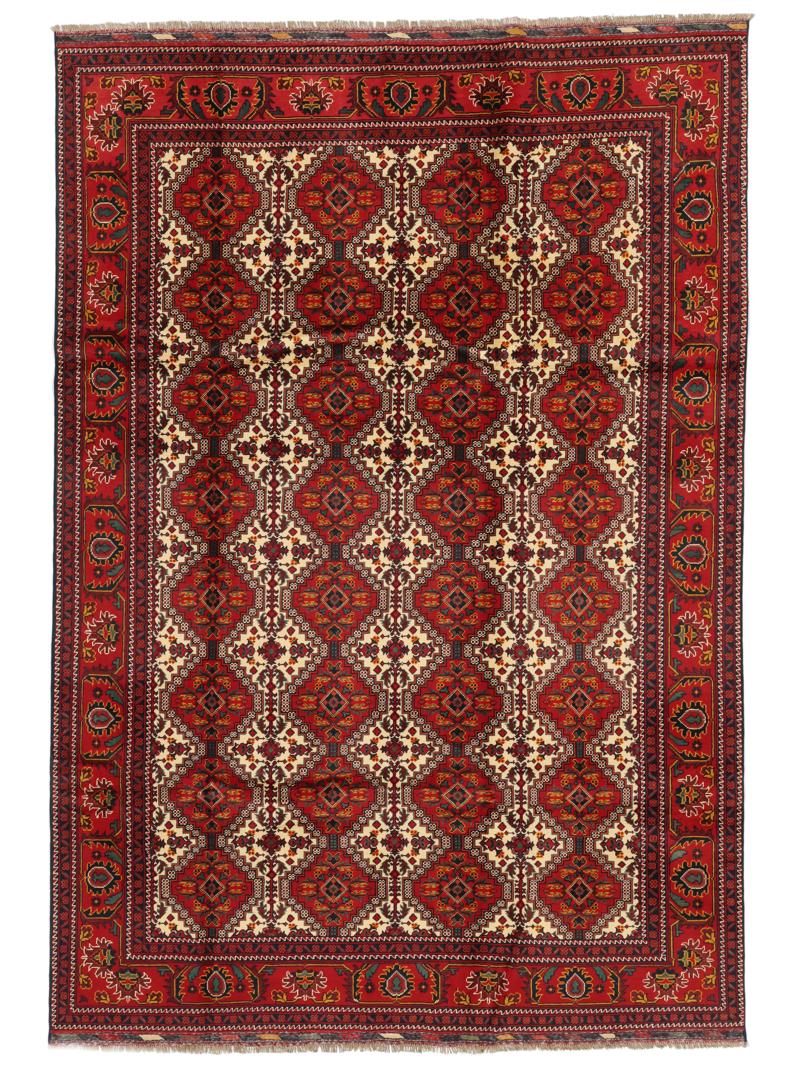
- Afghan Khal Mohammadi: Known for their deep red tones and repeating gul motifs, these are tightly woven and durable, ideal for high-traffic areas while offering a refined look.
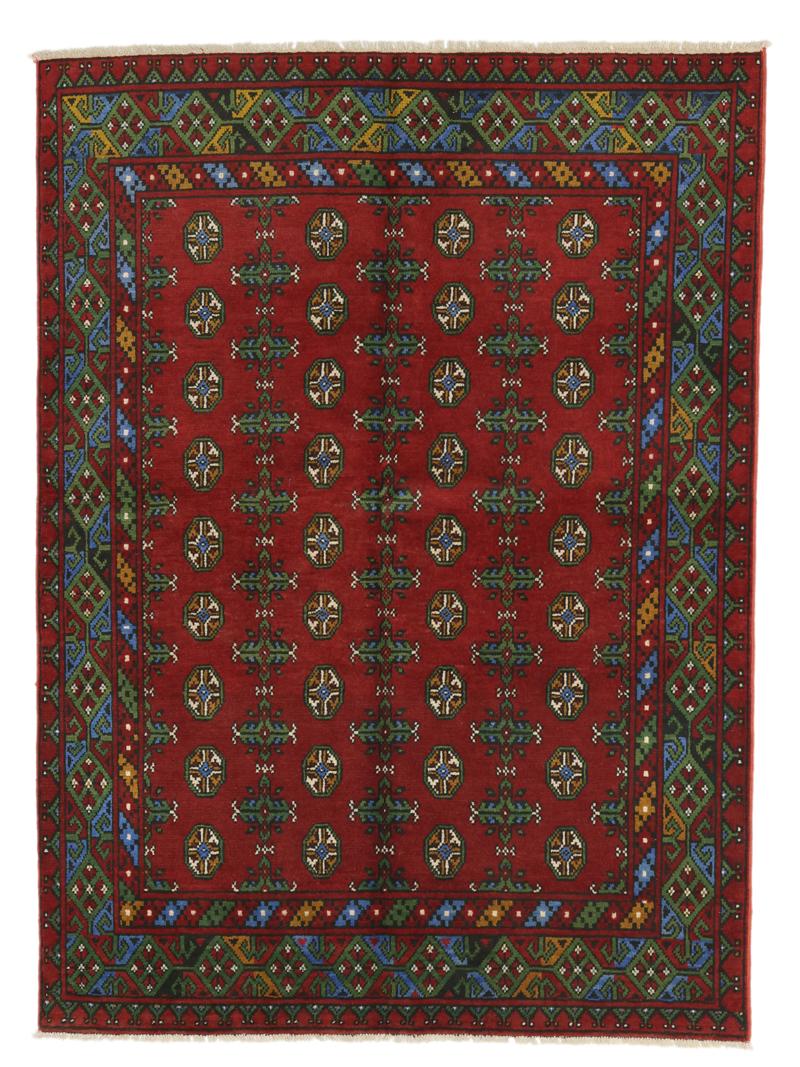
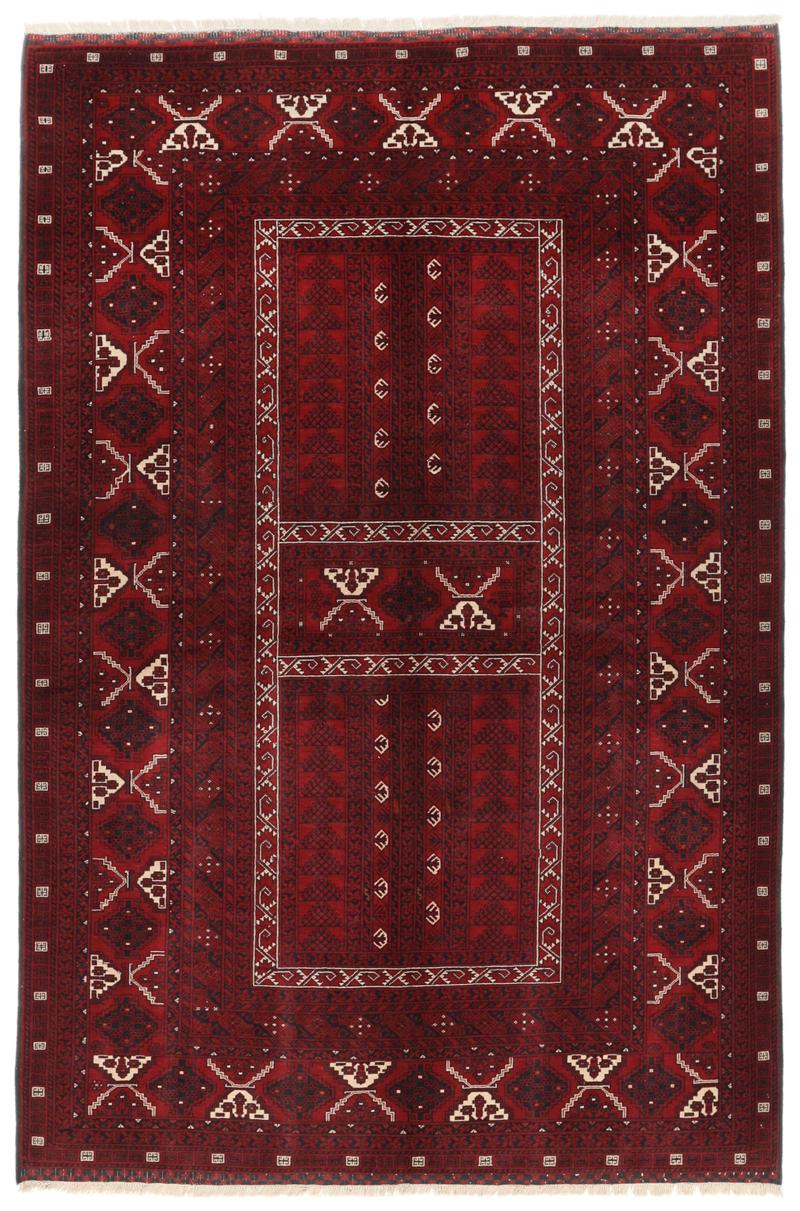
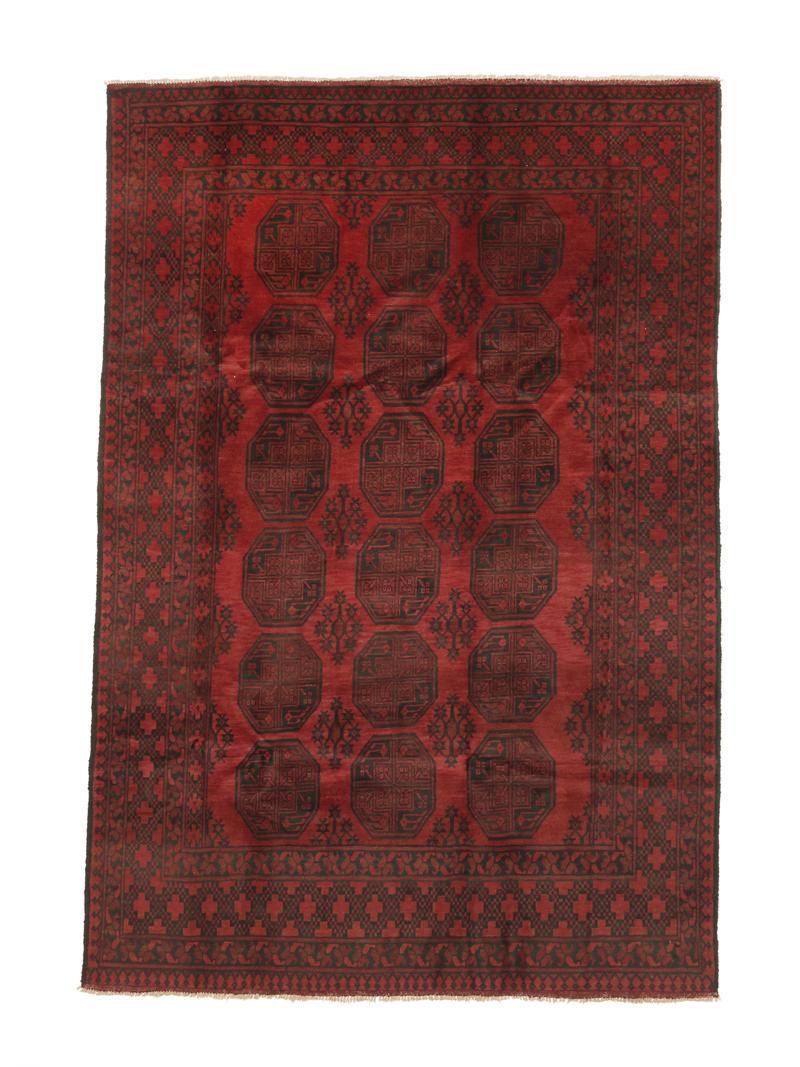
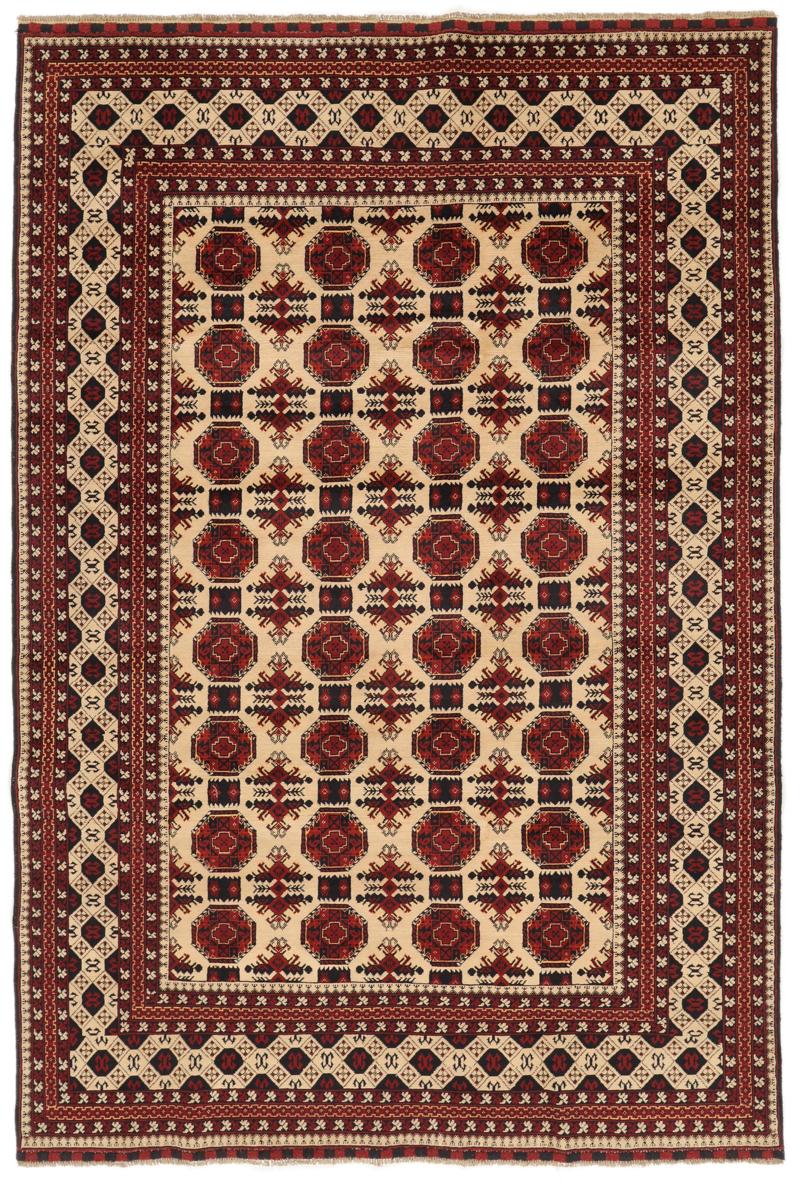
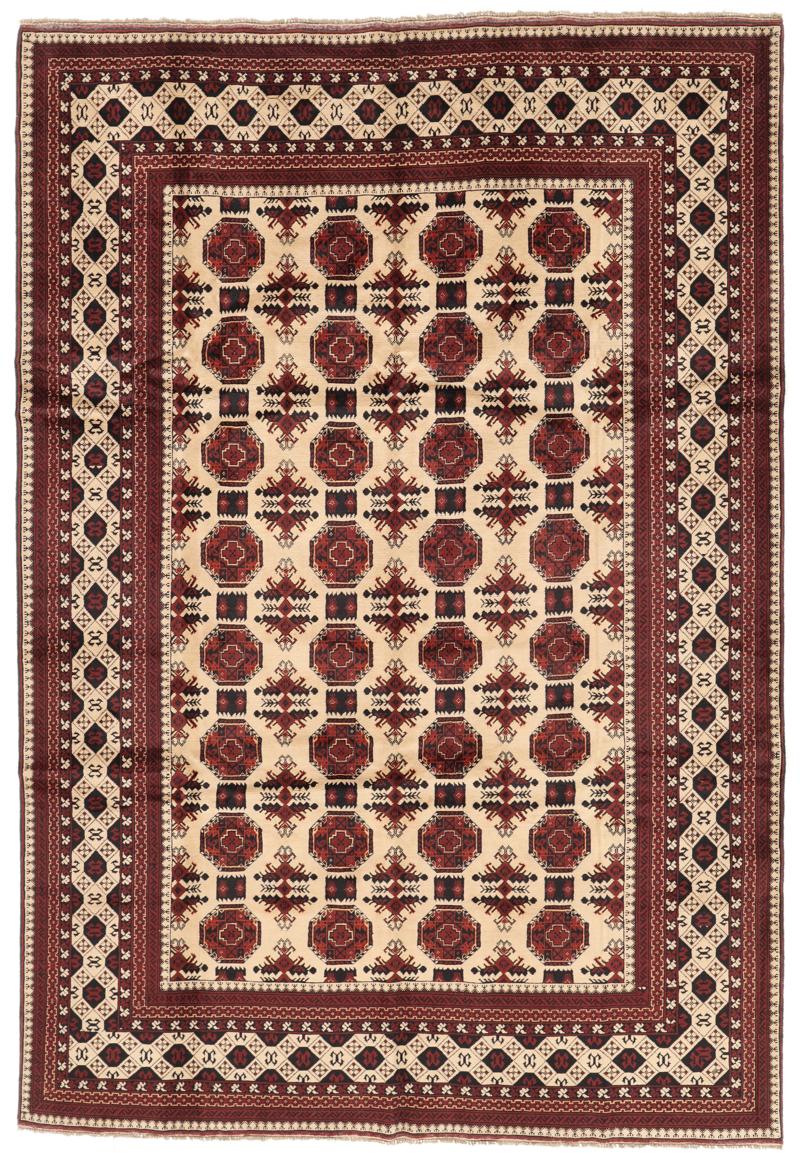
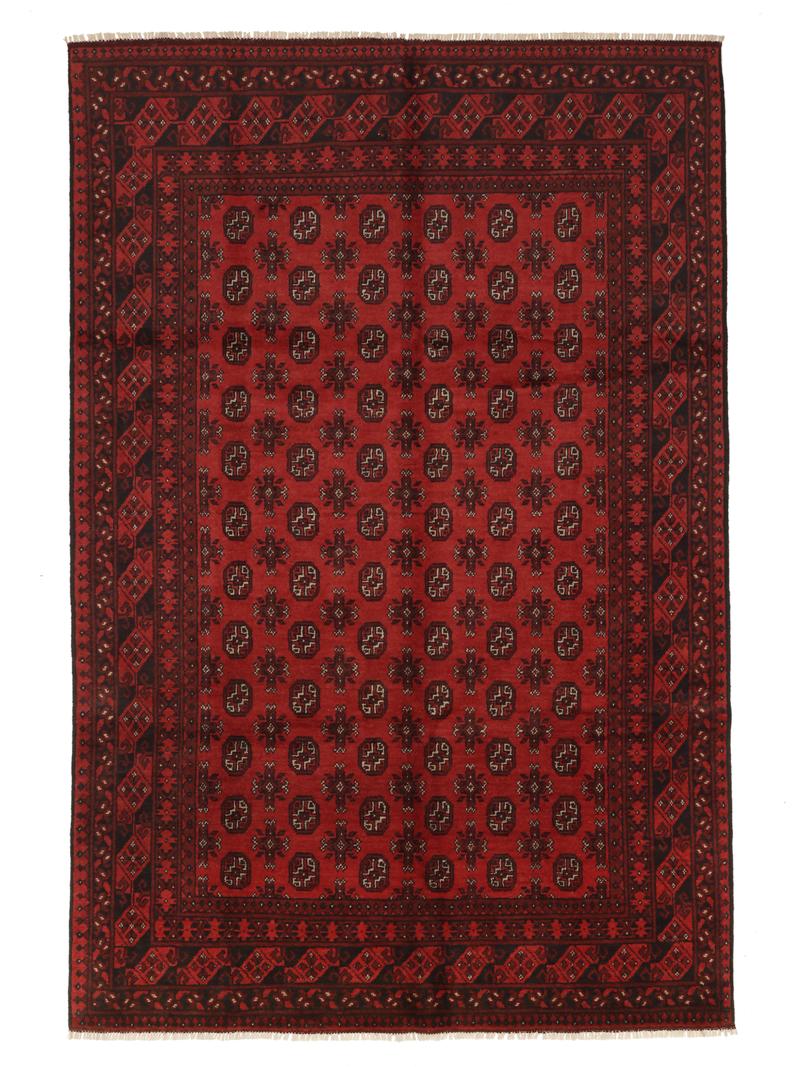
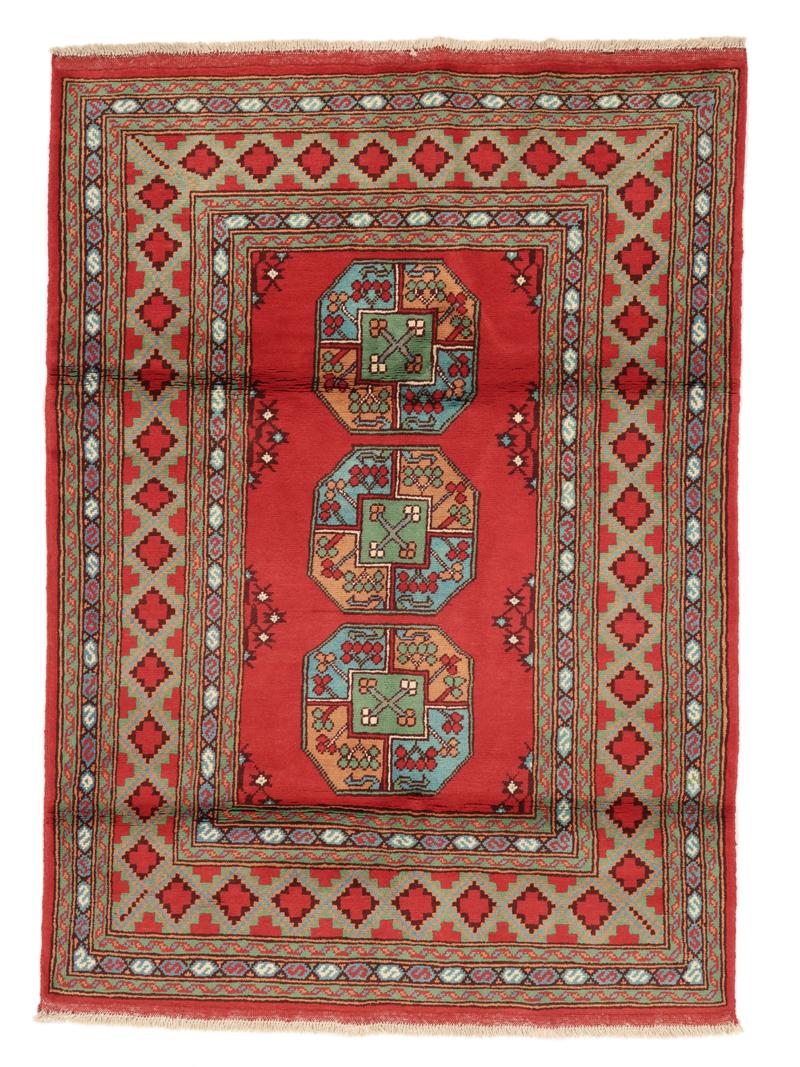
- Afghan Akhche: Woven by Turkmen tribes, Akhche rugs stand out for their claret red colour and intricate patterns. They’re traditional, balanced, and timeless.
- Baluch: Darker in tone and featuring symbolic or abstract tribal designs, these small Afghan rugs boast a handmade look adds rustic charm to any room.
- Kilim Afghan old style: Flatwoven without pile, these are handcrafted using traditional techniques and materials, boasting intricate designs and vibrant colours.
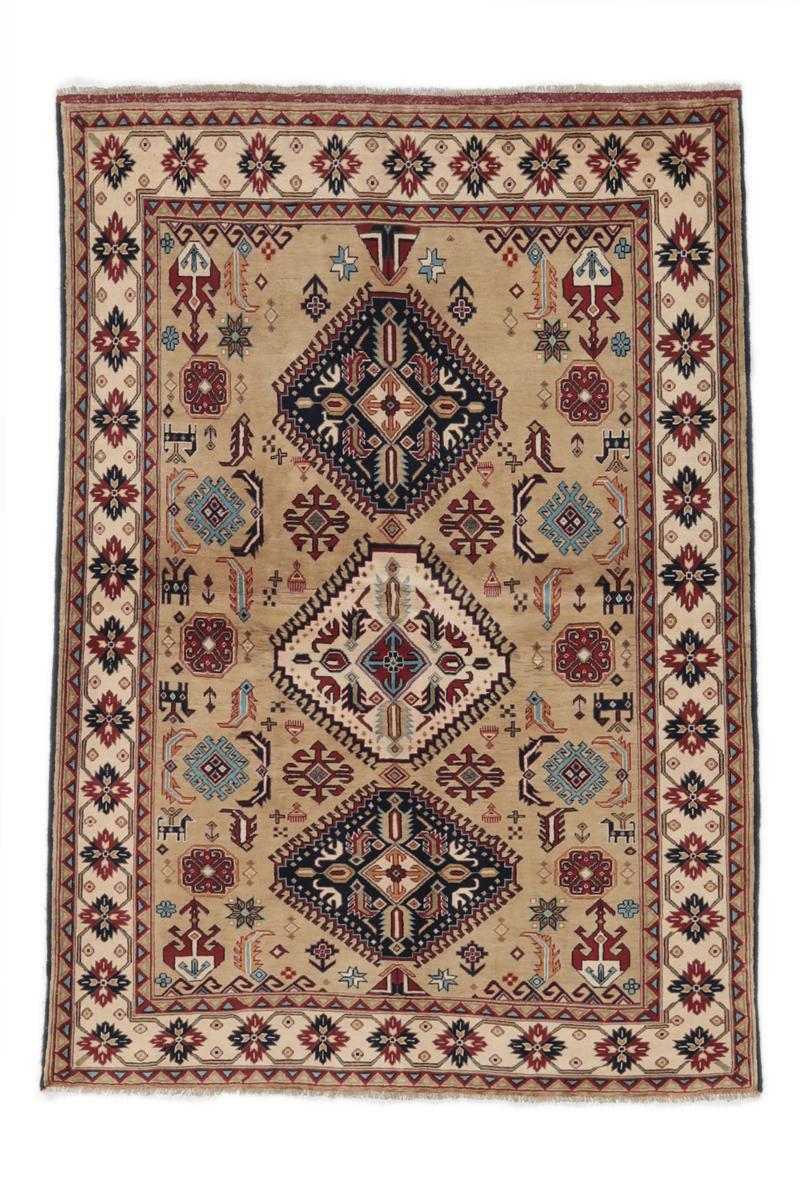
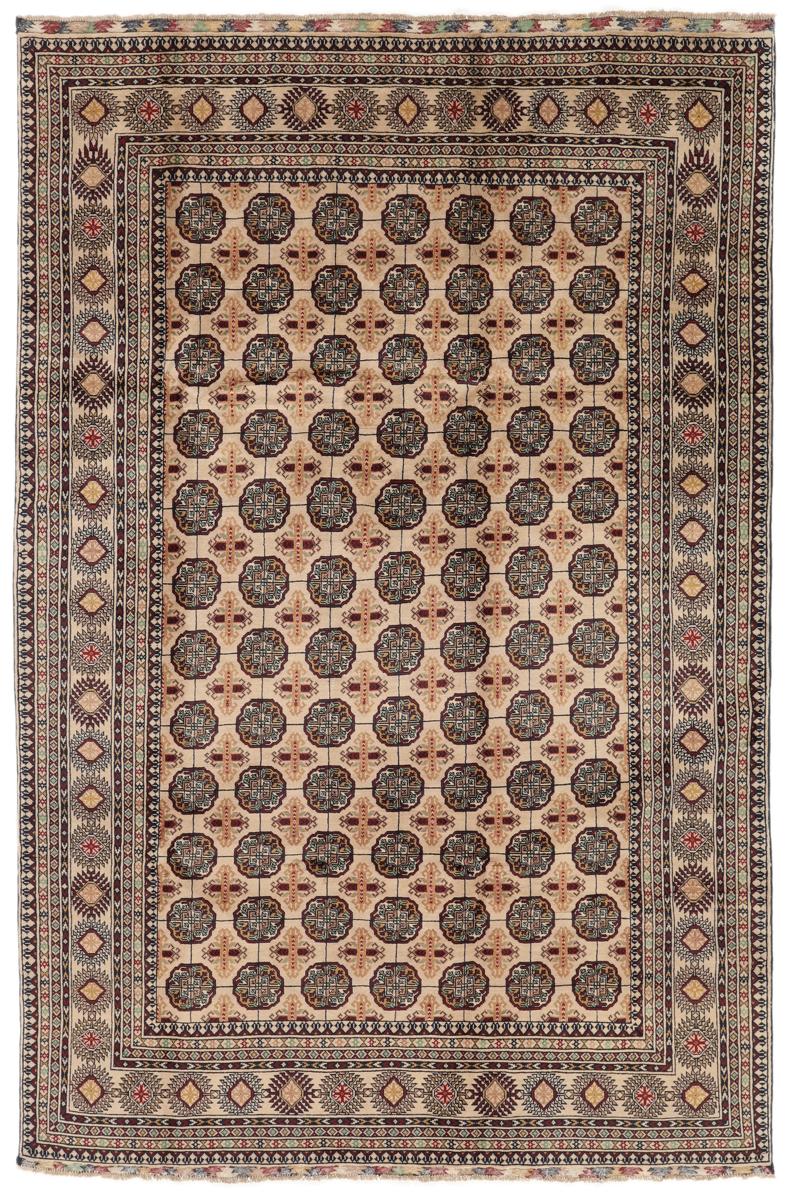
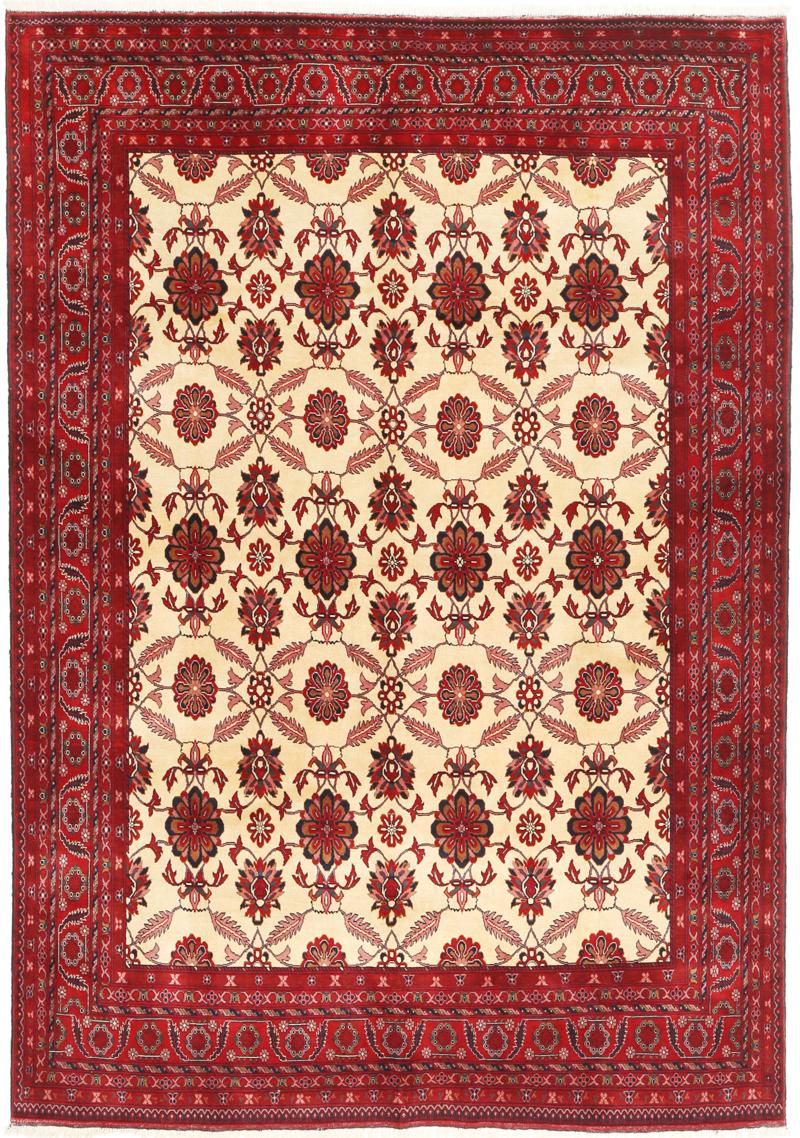
- Kunduz: These rugs feature high knot density, deep natural colours, and soft wool. They’re slightly finer in weave and bring a luxurious yet understated tribal charm.
Each style has its own weave count, symbolism, and tribal heritage.
Afghan rug patterns and colours to expect
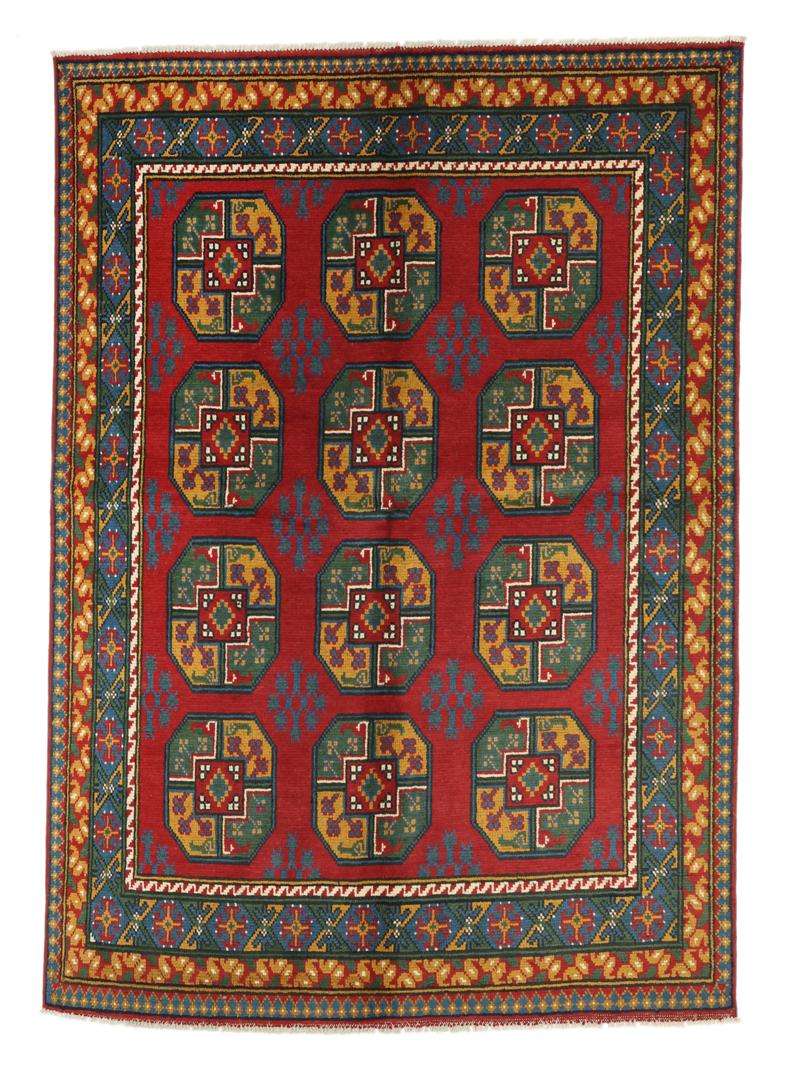
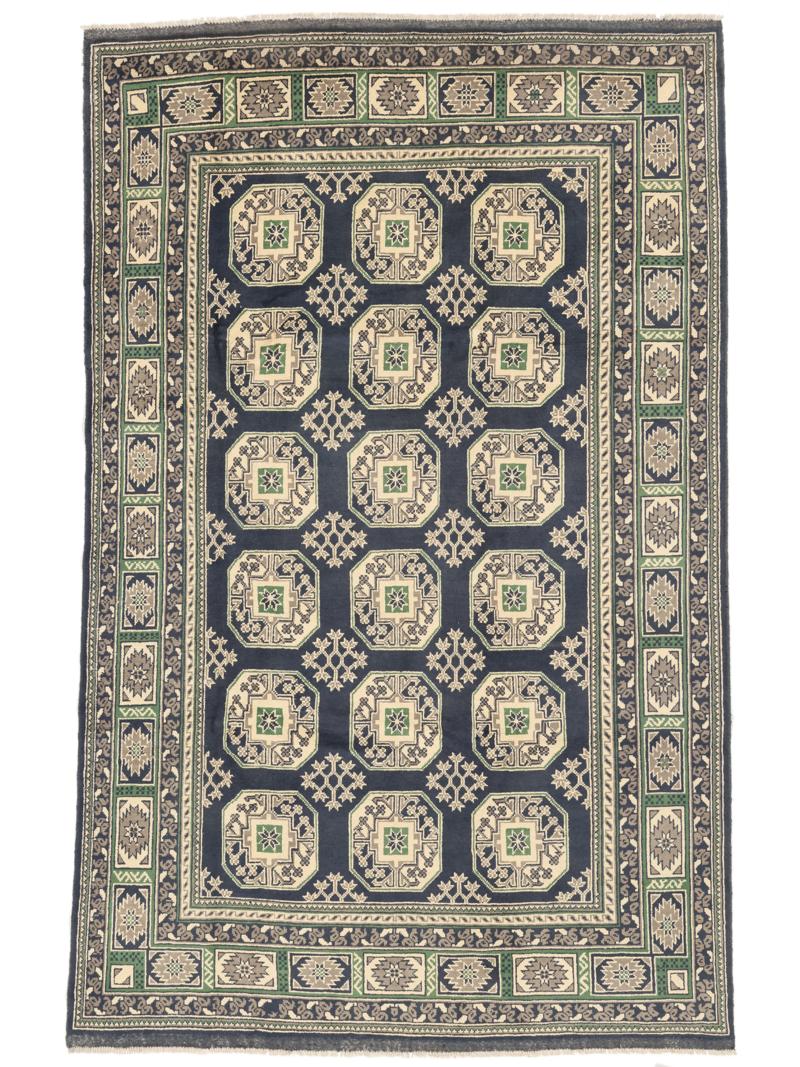
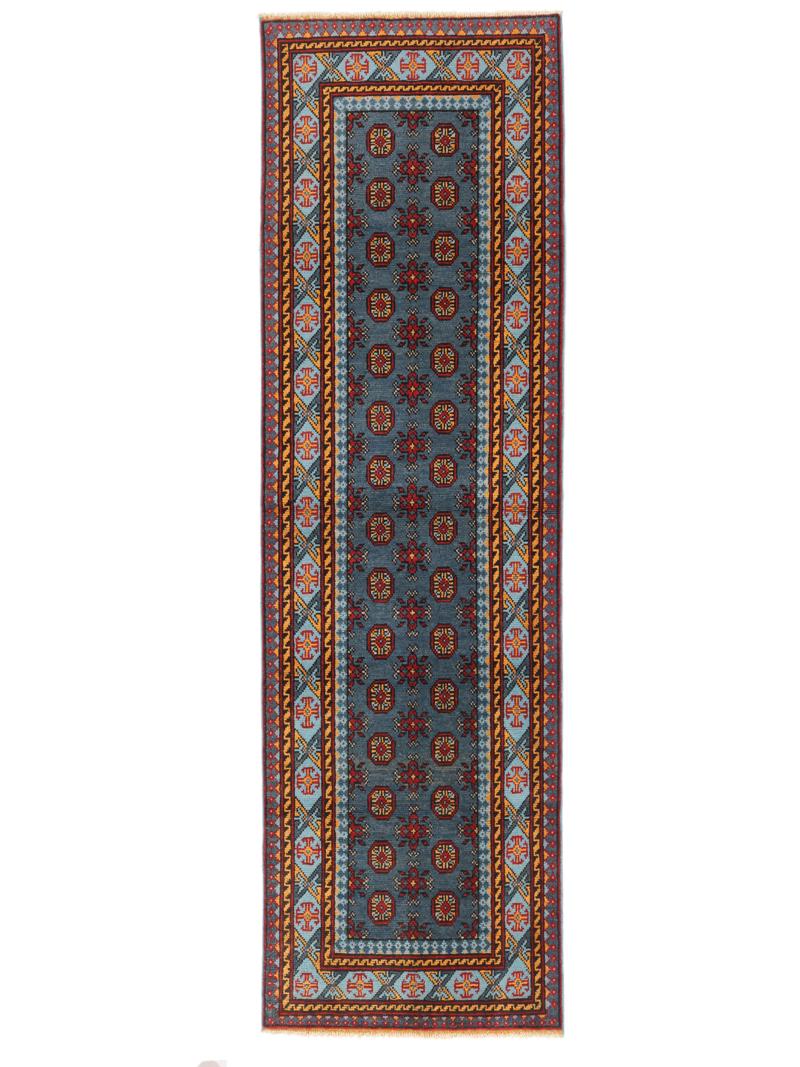
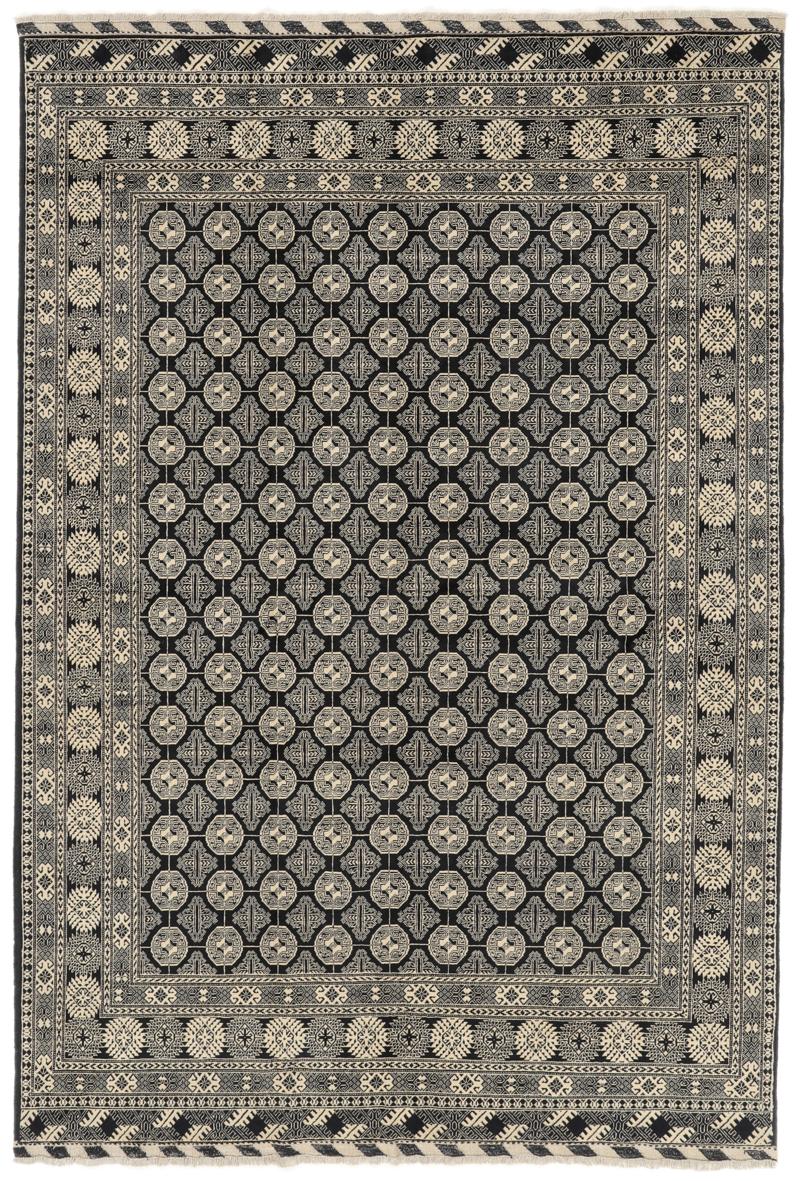
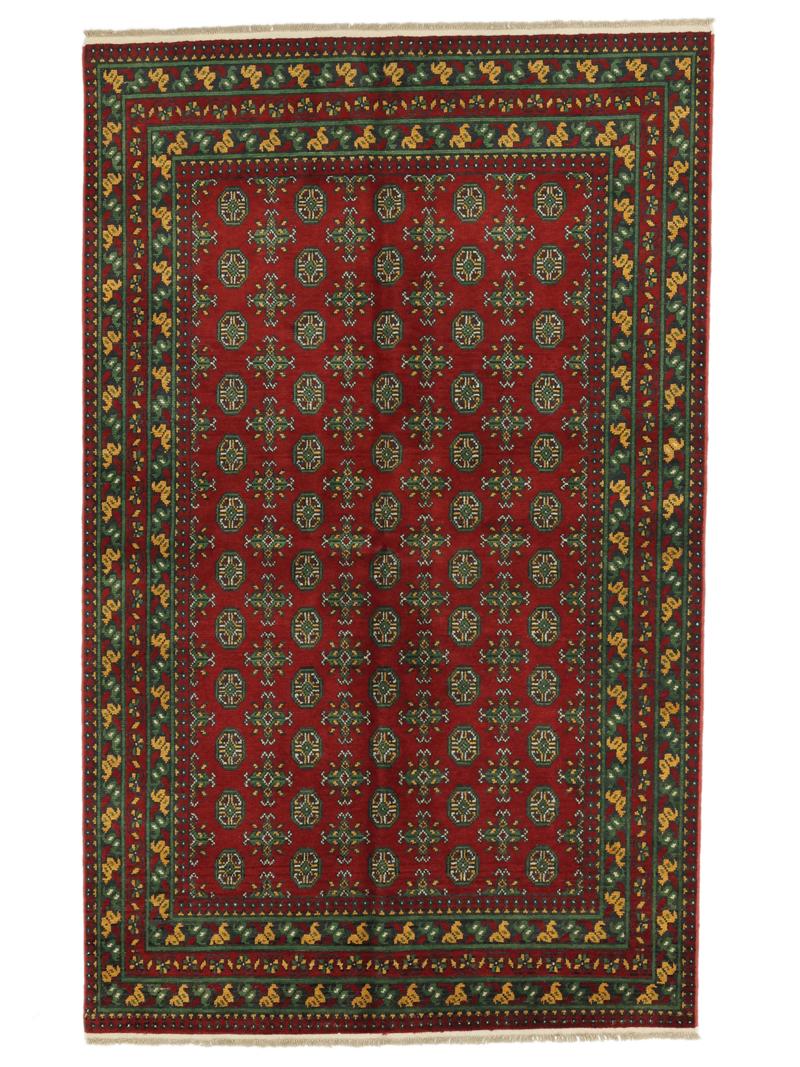
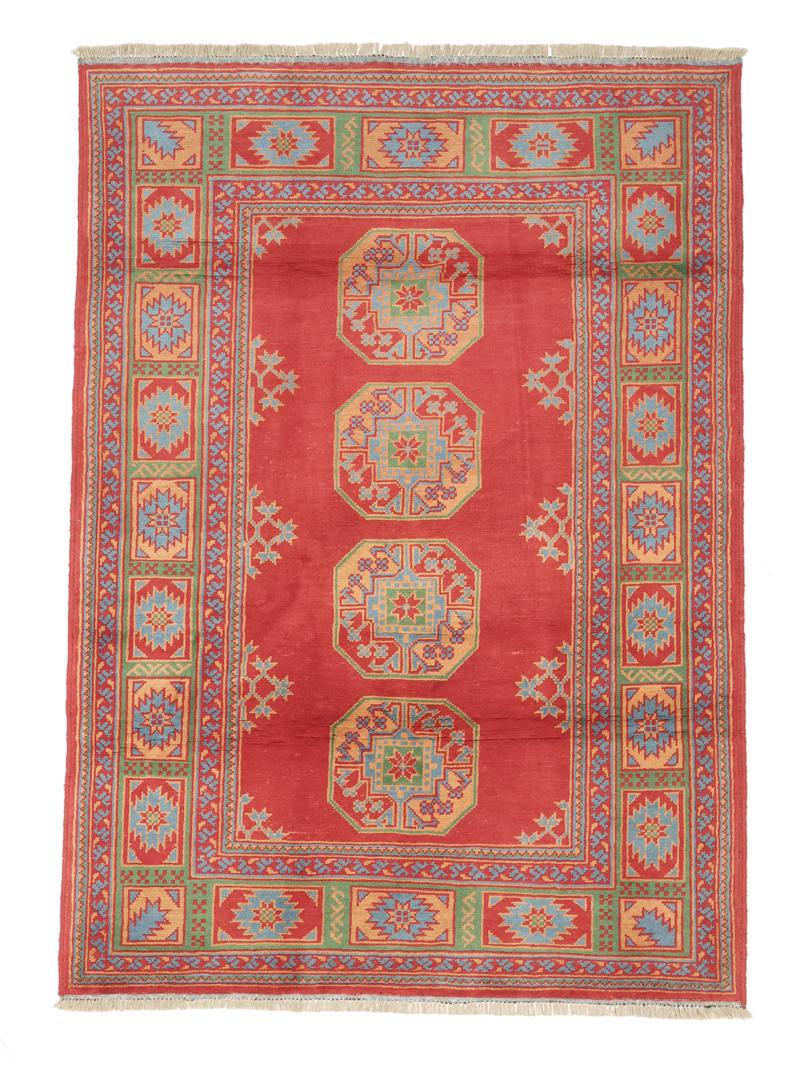
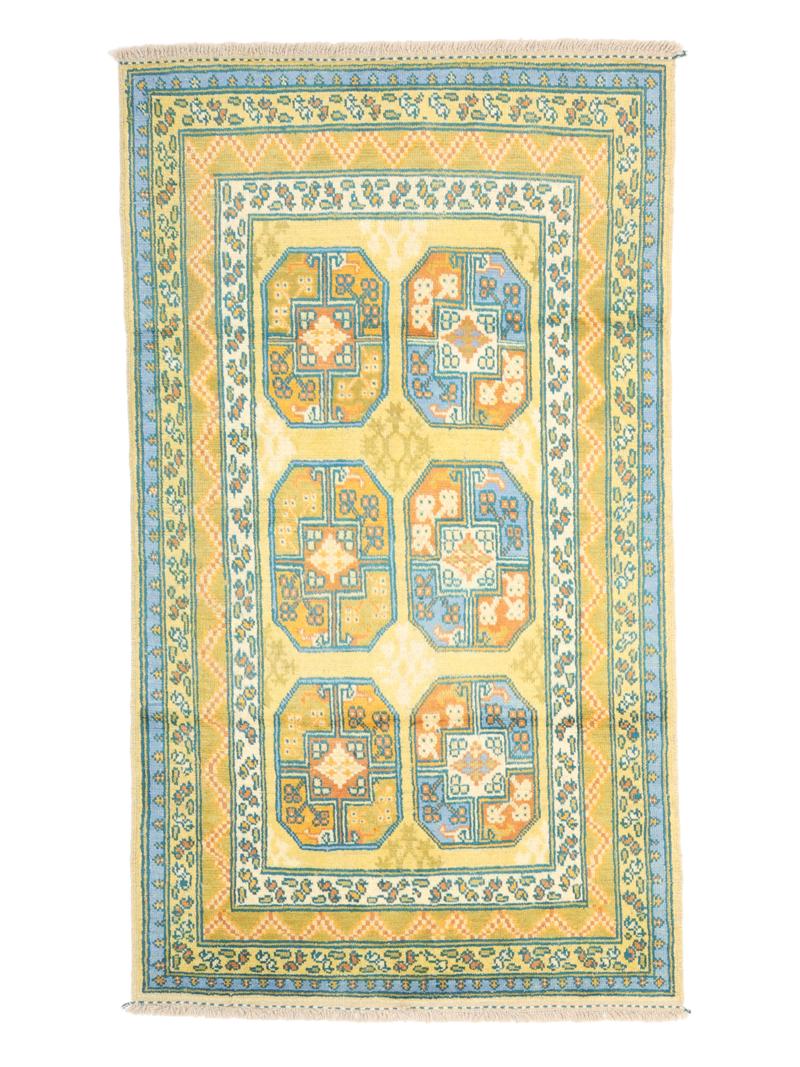
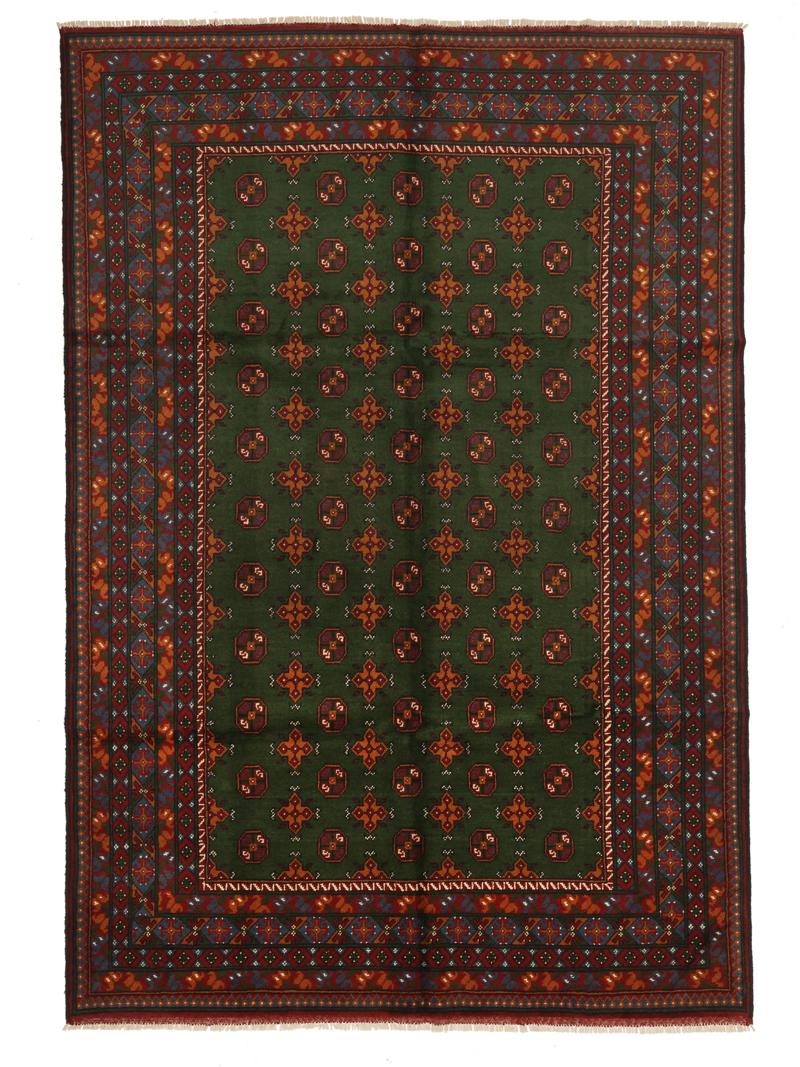
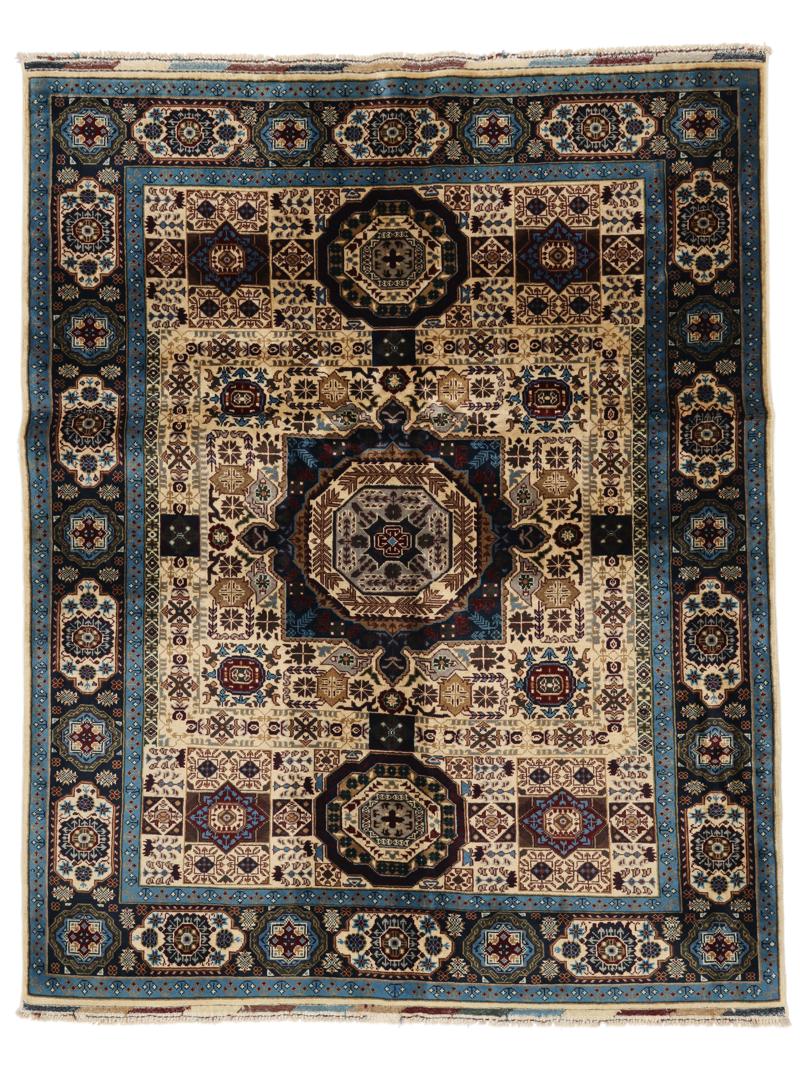
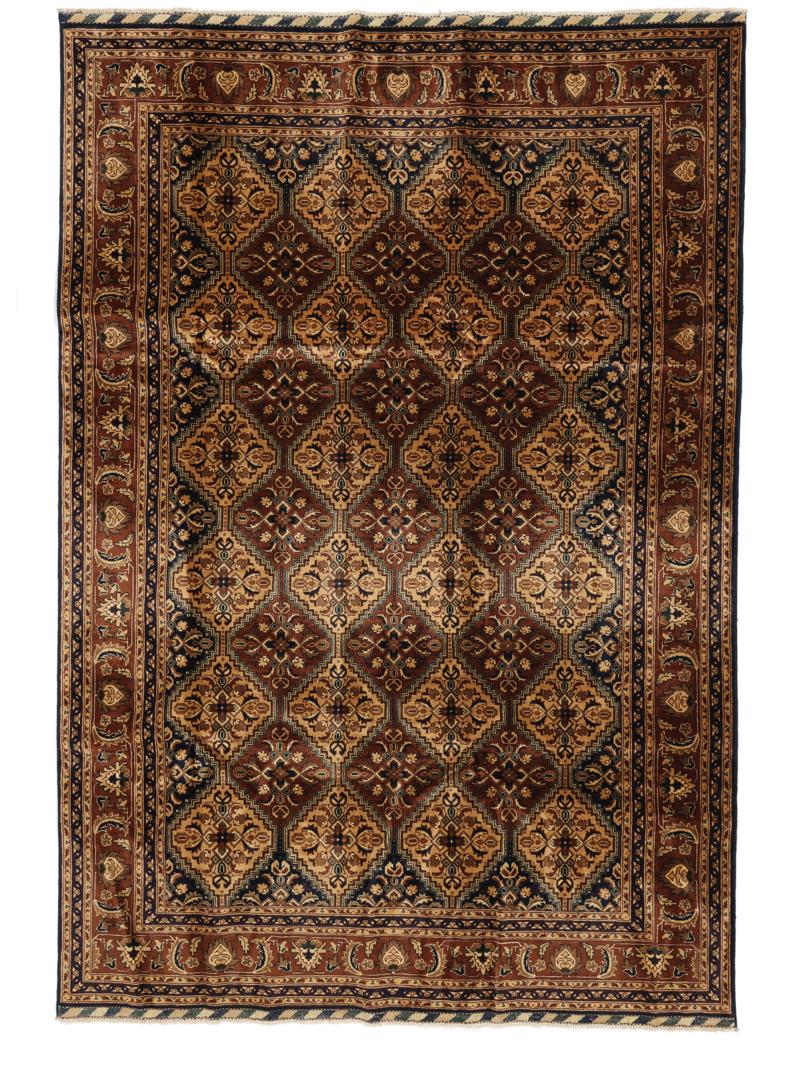
Afghan rugs patterns and symbols are typically geometric and carry symbolic meaning, such as the elephant’s foot (gul), diamond lattice structures, and octagonal medallions. These motifs aren’t just decorative—they reflect the tribal heritage and artistry behind every piece.
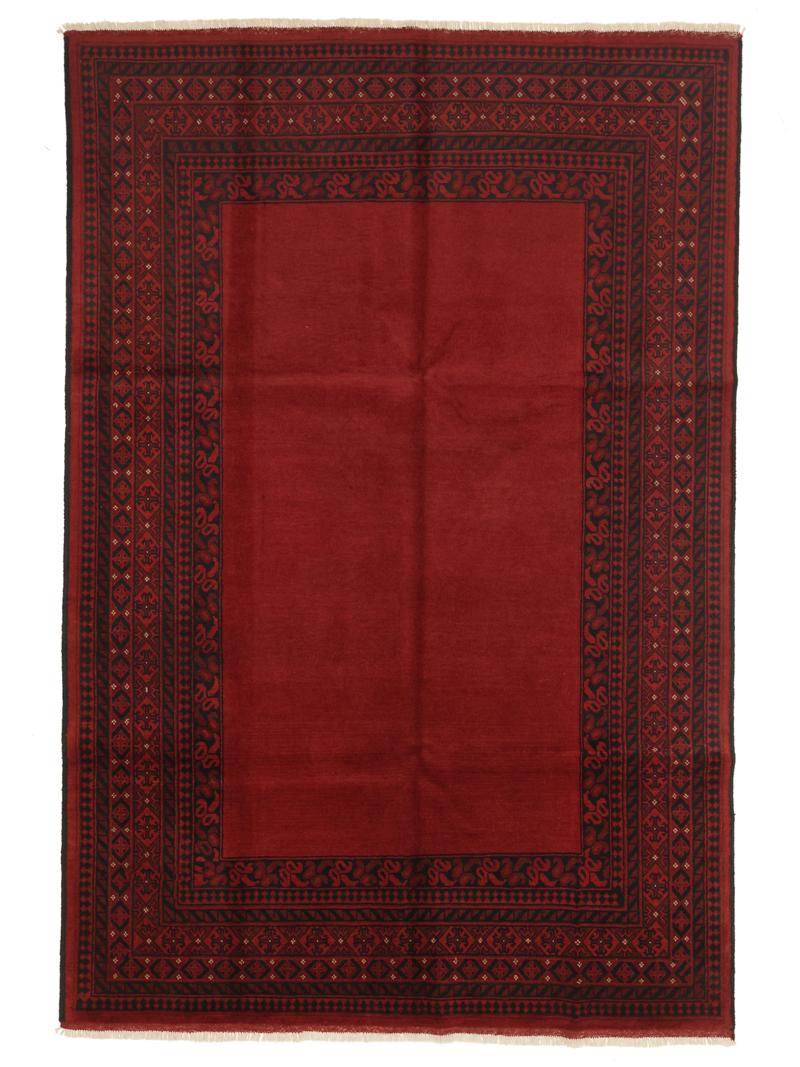
In terms of colours, Afghan rugs are known for their rich, earthy colour palettes, typically featuring deep red, burgundy, navy blue, and black tones, with occasional highlights of ivory or beige. These colours age beautifully and bring a warm, grounding feel to any room.
Where to place an Afghan rug at home
Thanks to their durability and warm tones, Afghan rugs work brilliantly in different rooms. Whether your style is classic or modern, these rugs add serious character.
Top placements:
- Living room: As a centrepiece an under a coffee table or sofa.
- Bedroom: Layered at the foot or sides of the bed.
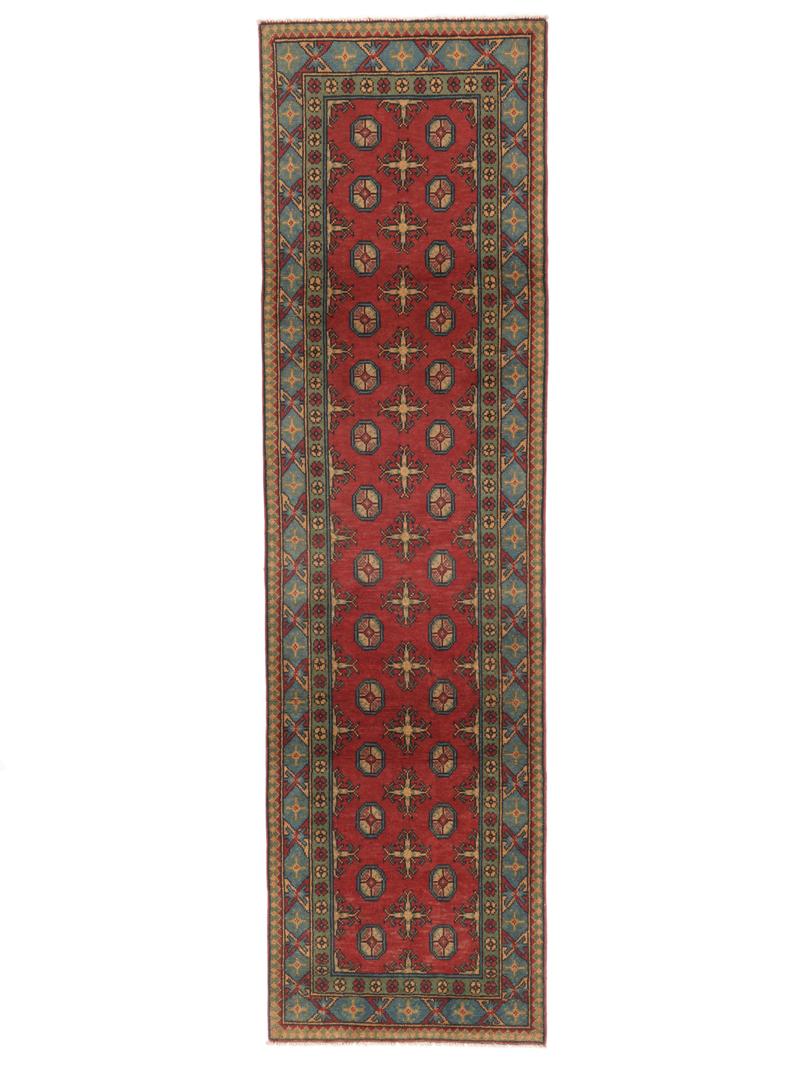
- Hallways: Slim Afghan runner styles that can handle heavy foot traffic.
- Dining room: Large Afghan rugs that frame a dining set beautifully.
Let your Afghan rug be the room’s focal point — it’s designed to draw attention. Need ideas? Our living room rug collection is full of inspiration.
How to care for your Afghan rug
Afghan rugs are tough, but they still need some TLC.
Afghan rug care tips
- Vacuum regularly (but skip the beater bar!)
- Rotate every 6–12 months for even wear
- Avoid direct sunlight to preserve dye vibrancy
- Spot clean with cold water and a touch of white vinegar
- For deep cleans, always use a rug specialist
If you’re after a rug that’s full of culture, craftsmanship, and character, Afghan rugs are a perfect choice. Whether you want a piece for your living room, a hallway runner, or something bold for the bedroom — these hand-knotted beauties won’t disappoint.