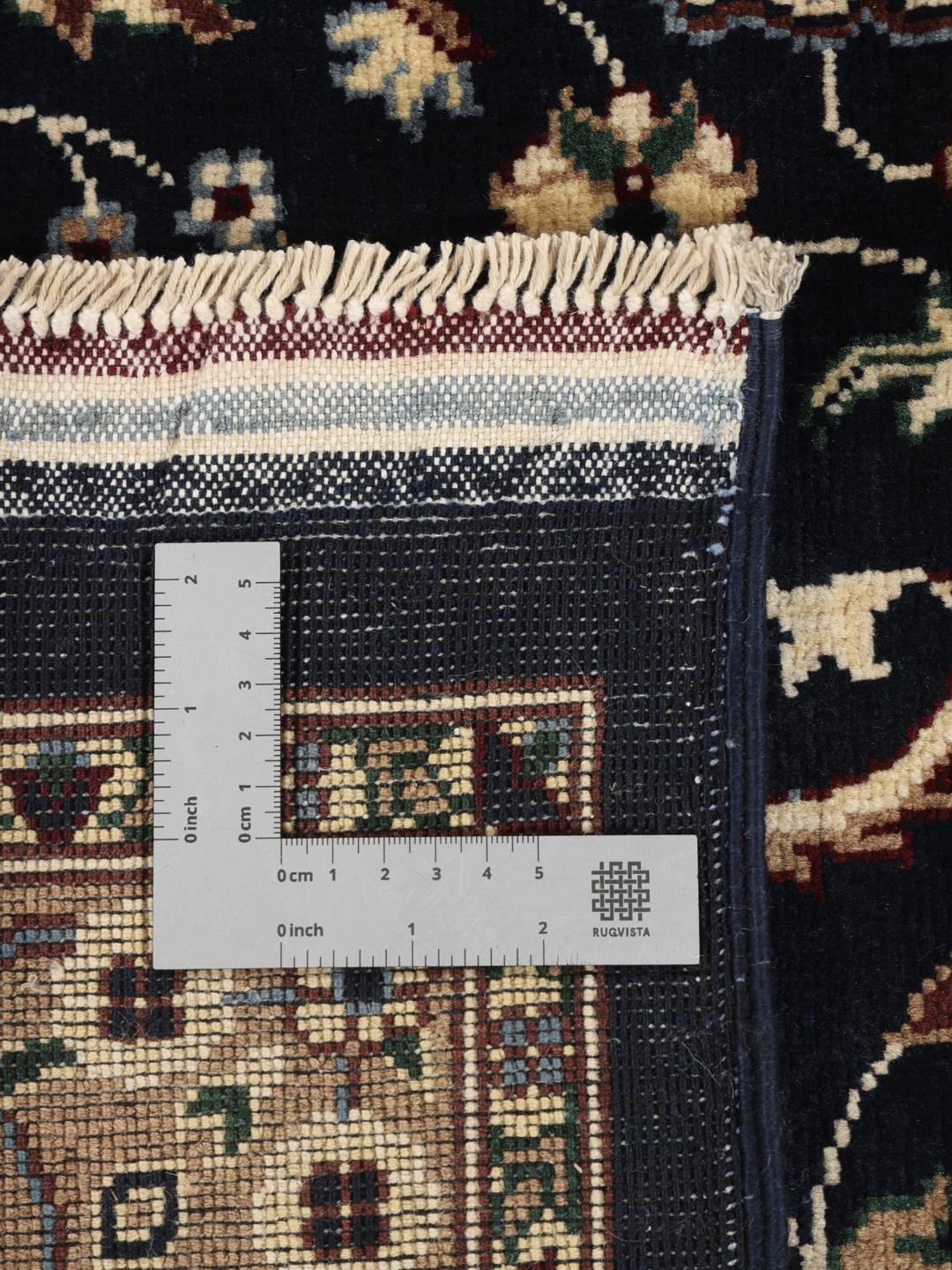
The Kunduz rug finds its roots in the northern regions of Afghanistan, a land with a storied history of textile production that stretches back centuries. These rugs are deeply influenced by the nomadic and semi-nomadic traditions of the region, where weaving was not merely a craft but a vital expression of cultural identity and storytelling.
The term Kunduz refers to both the city and the surrounding province, which has long served as a vibrant trade hub along historical transit routes. Rugs from this area are often characterised by their robust construction and the use of high-quality, hand-spun wool, which is prized for its natural sheen and ability to hold deep, complex dyes.
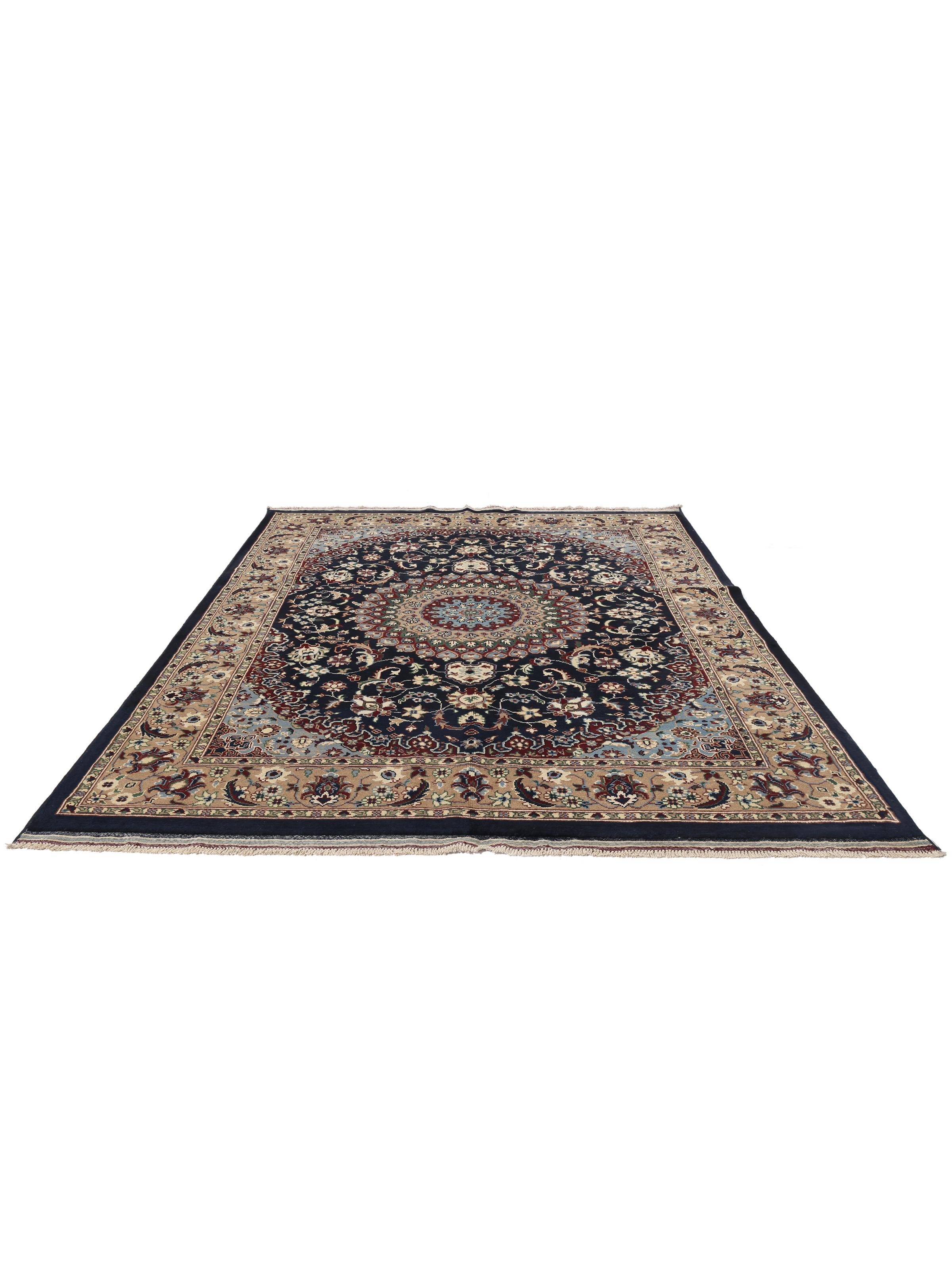
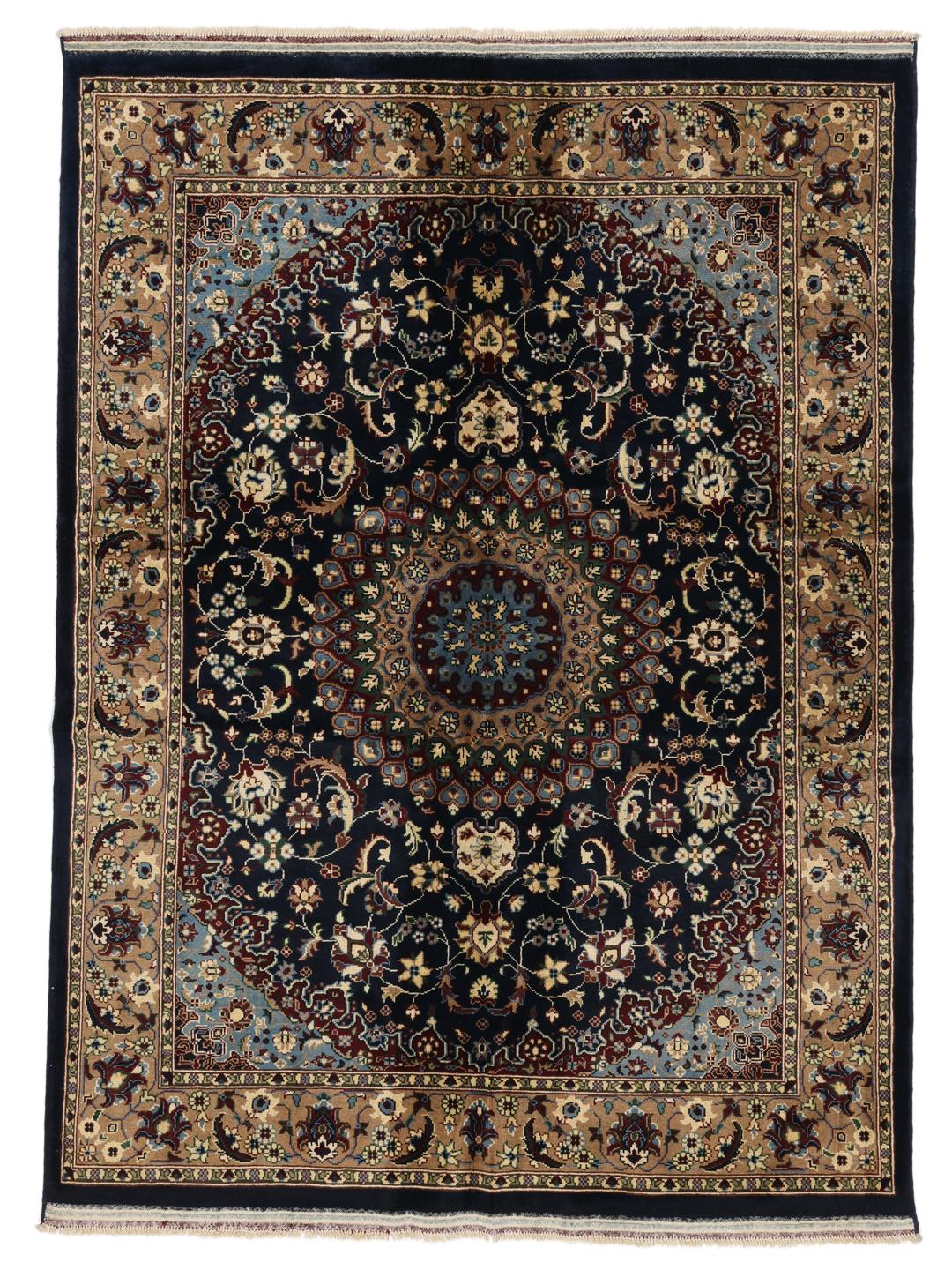
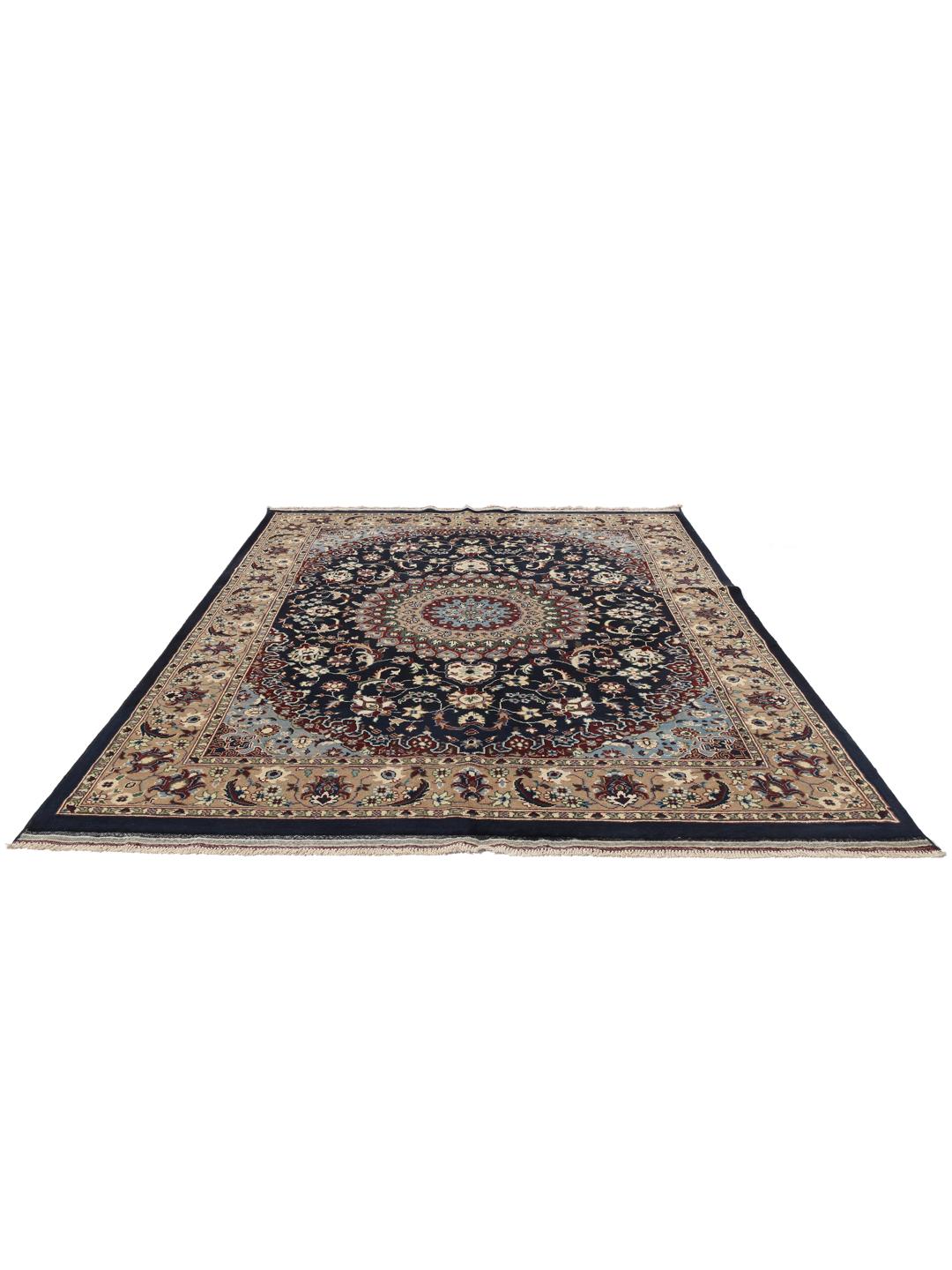
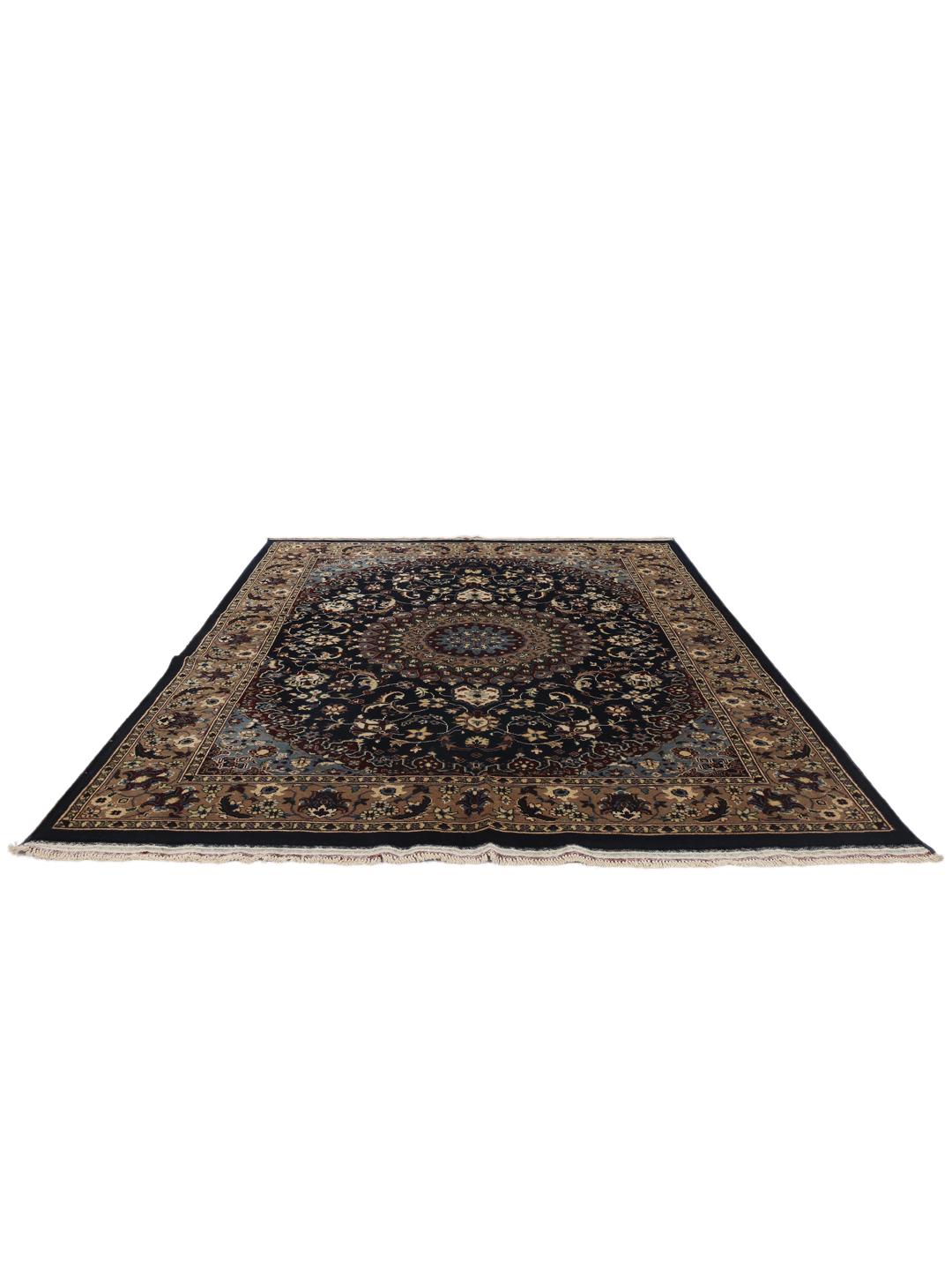
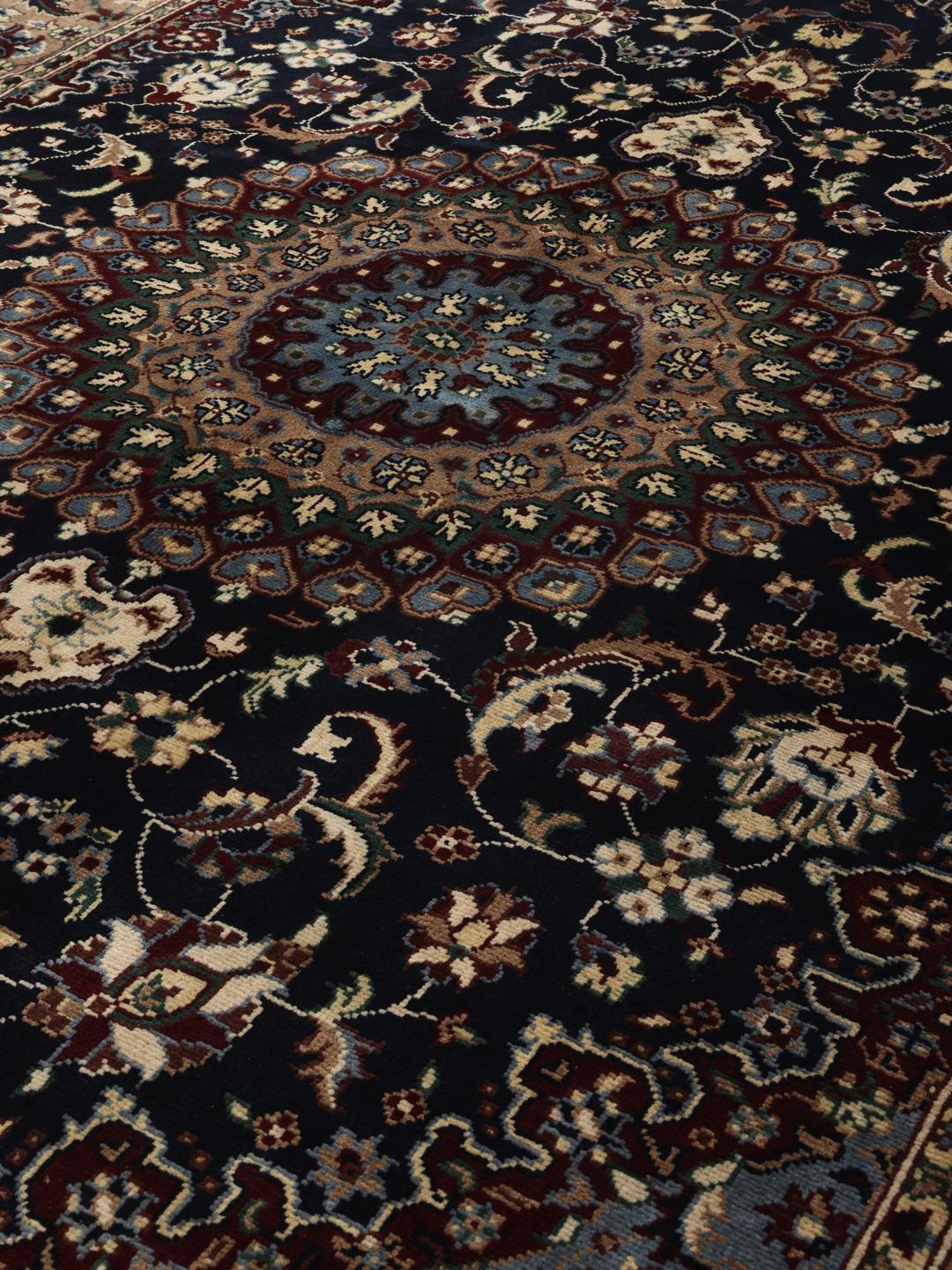
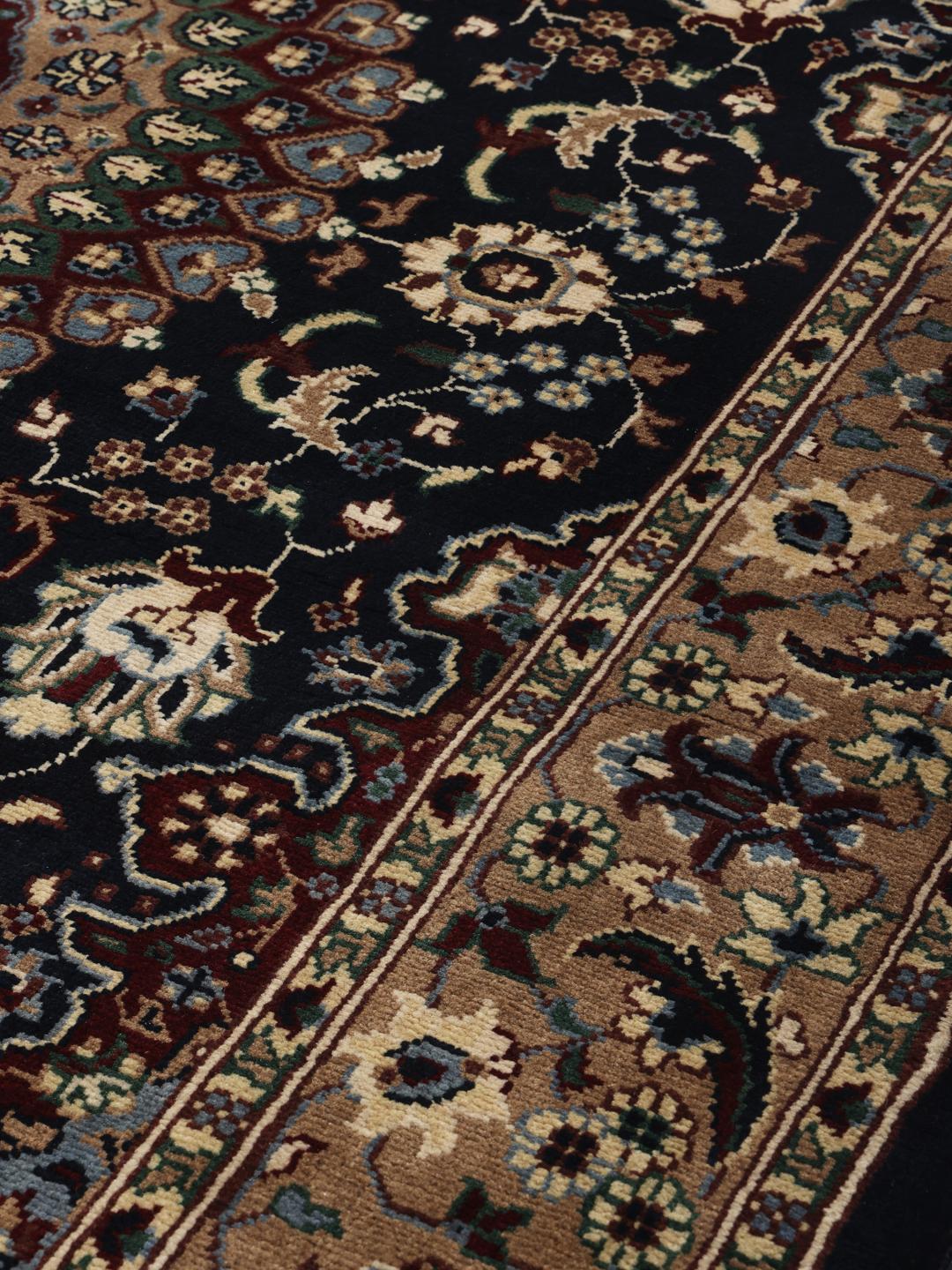
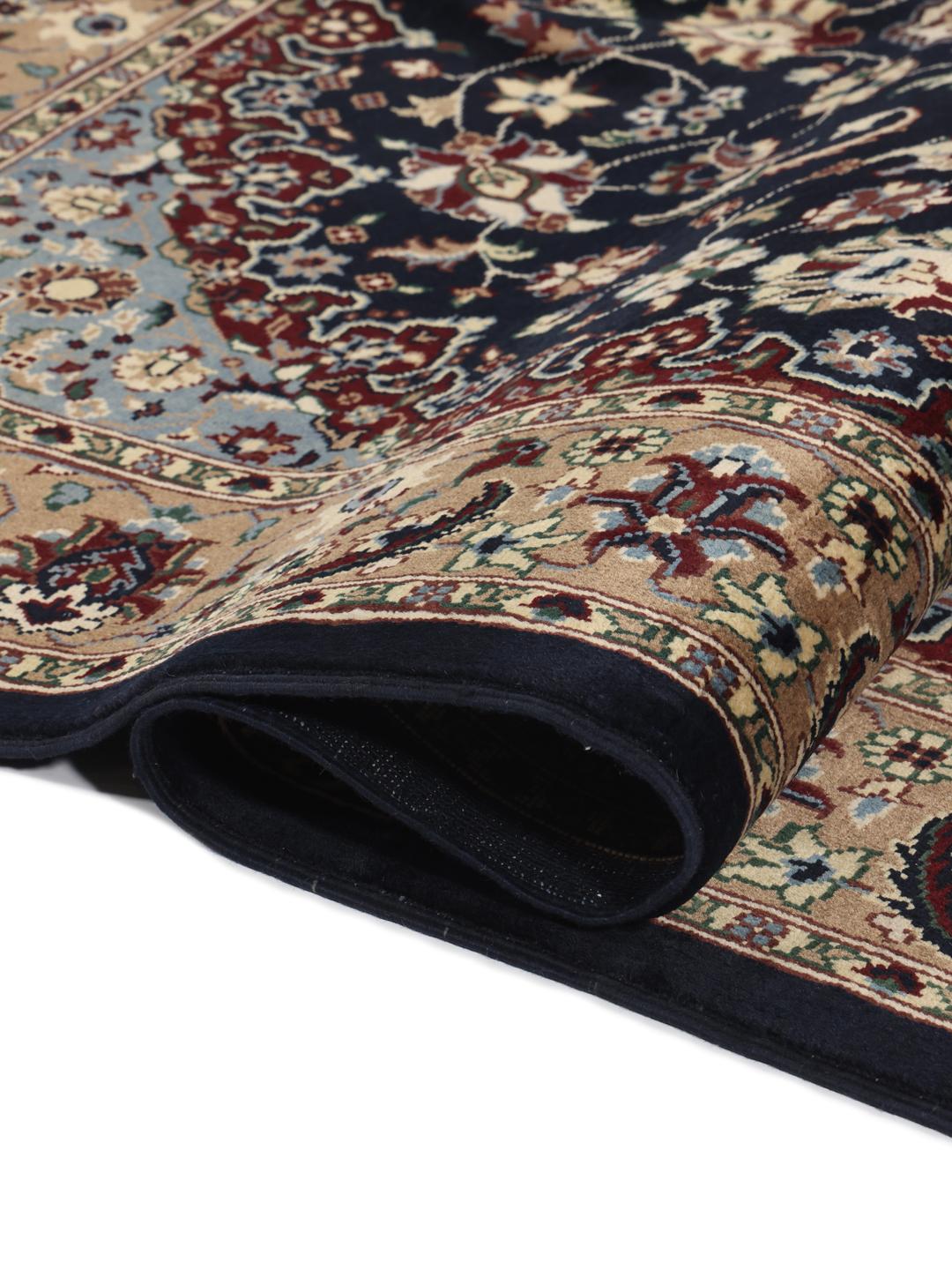
Visually, Kunduz rugs are known for their sophisticated use of space, often featuring central medallions surrounded by elaborate floral and vine-work patterns. The colour palettes tend to favour deep, earthy tones, with midnight blues, rich browns, and subtle accents of red, creating a harmonious and balanced aesthetic that feels both grounded and elegant.
Owning a Kunduz rug is an investment in cultural heritage. Collectors and enthusiasts value these pieces for the skill required to create them and their ability to bring a sense of history into a modern home. Each rug serves as a tangible connection to a timeless craft, representing the dedication of the artisans who continue to keep these ancient techniques alive today.