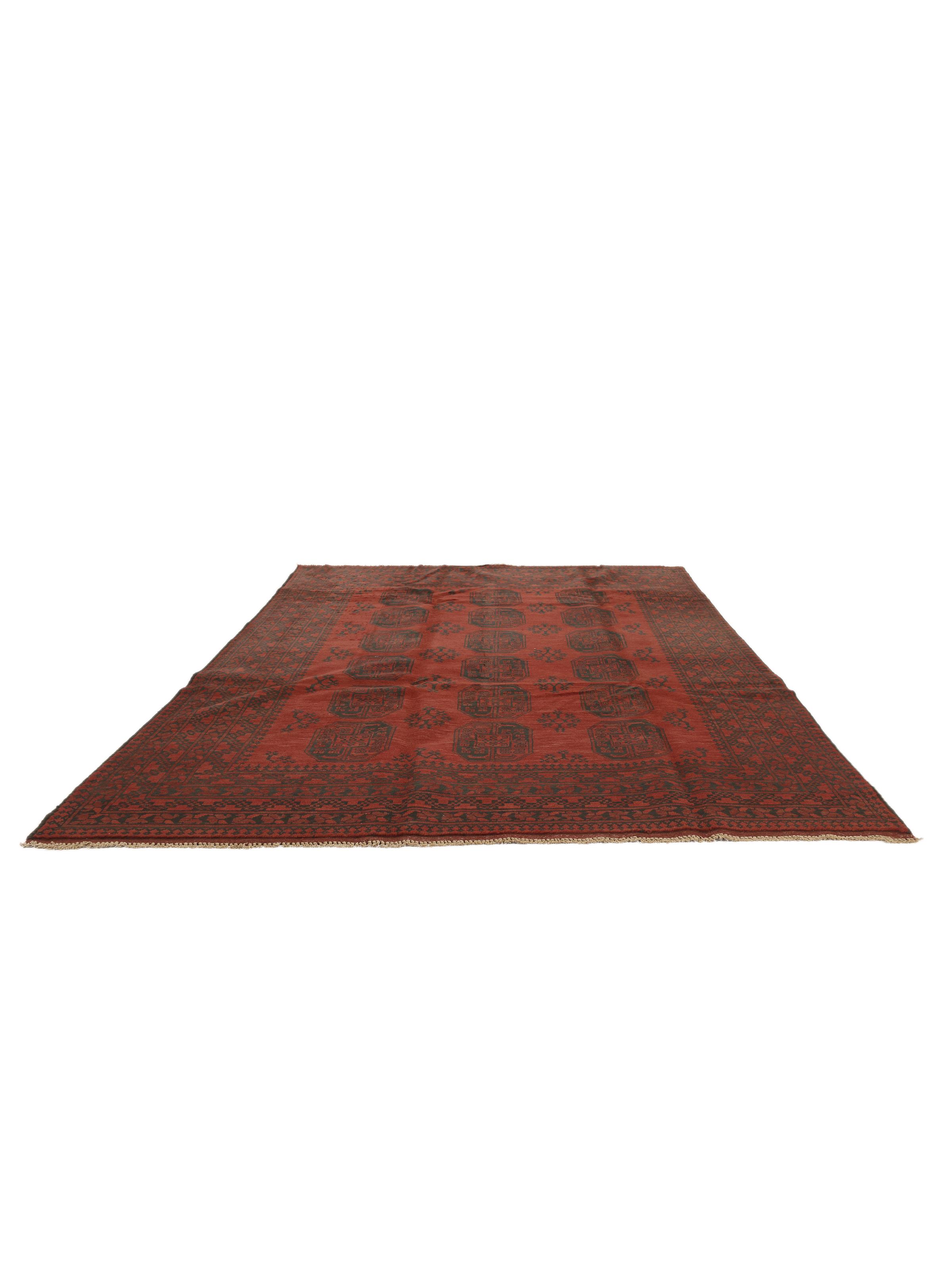
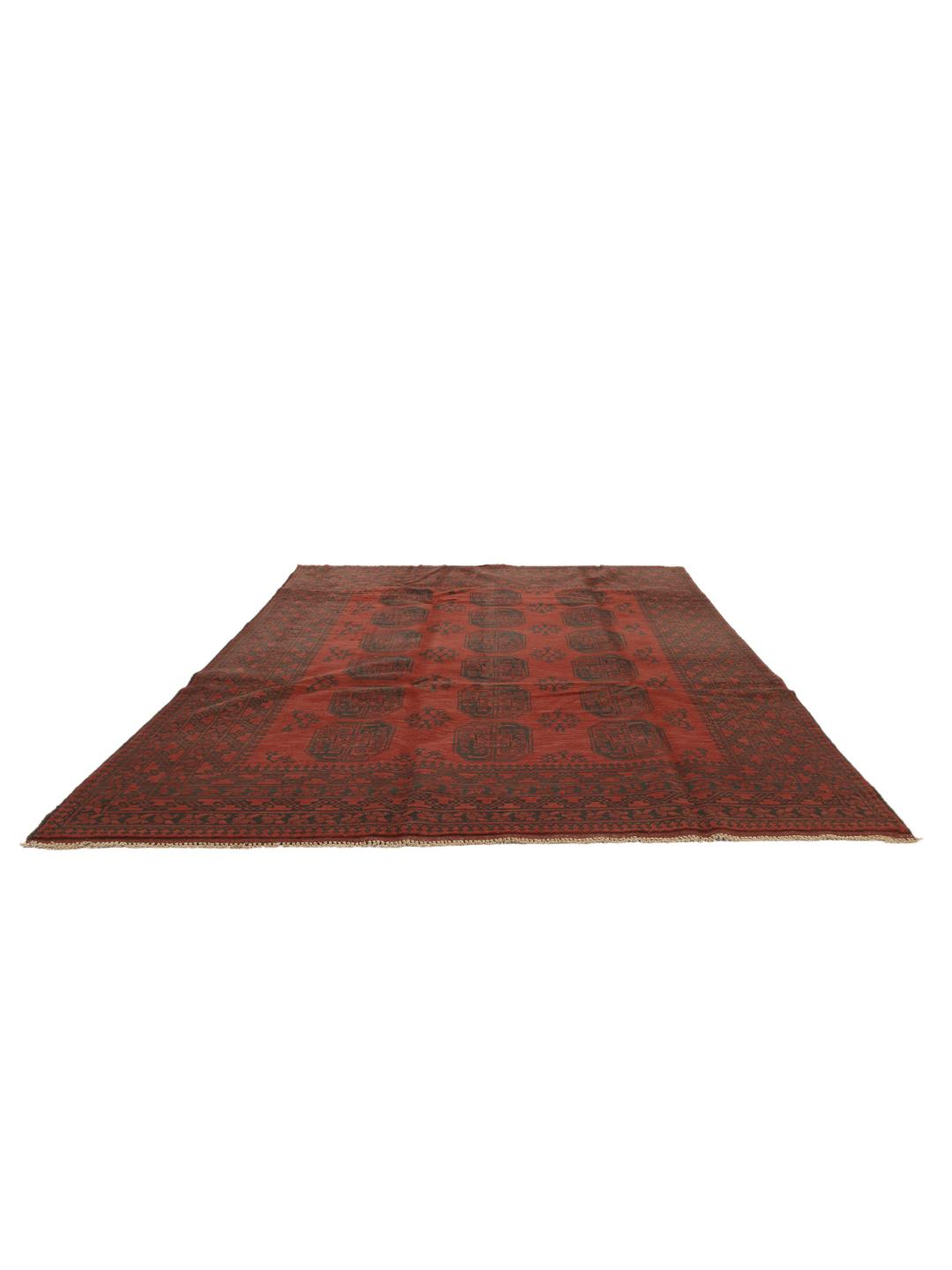
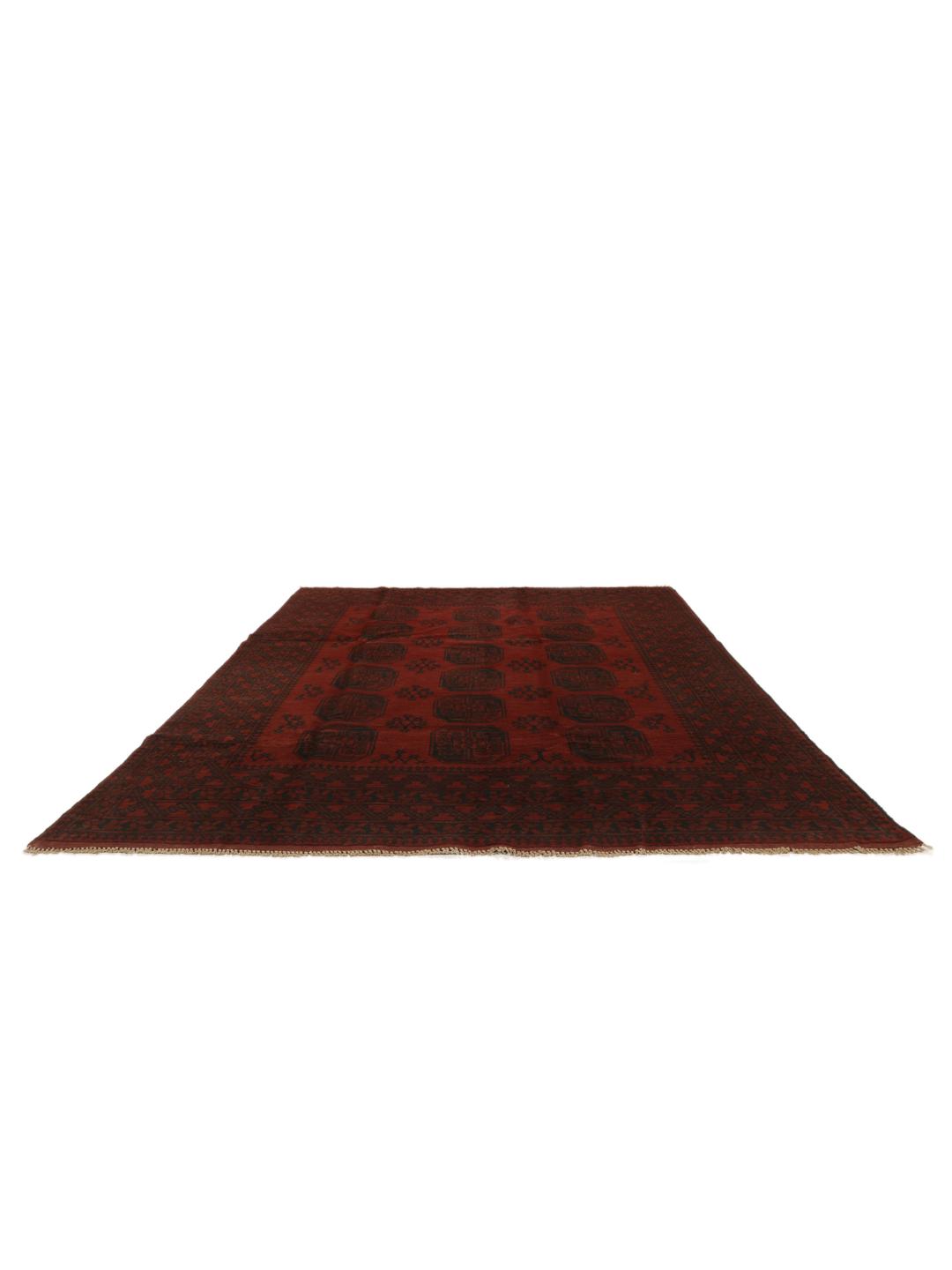
The Afghan Fine rug finds its roots in the rich weaving traditions of Afghanistan, a region where rug-making is not merely a trade but a deeply embedded cultural practice. These rugs are often produced in the northern provinces, where generations of families have preserved traditional techniques, passing down the knowledge of dyeing and knotting through centuries of history.
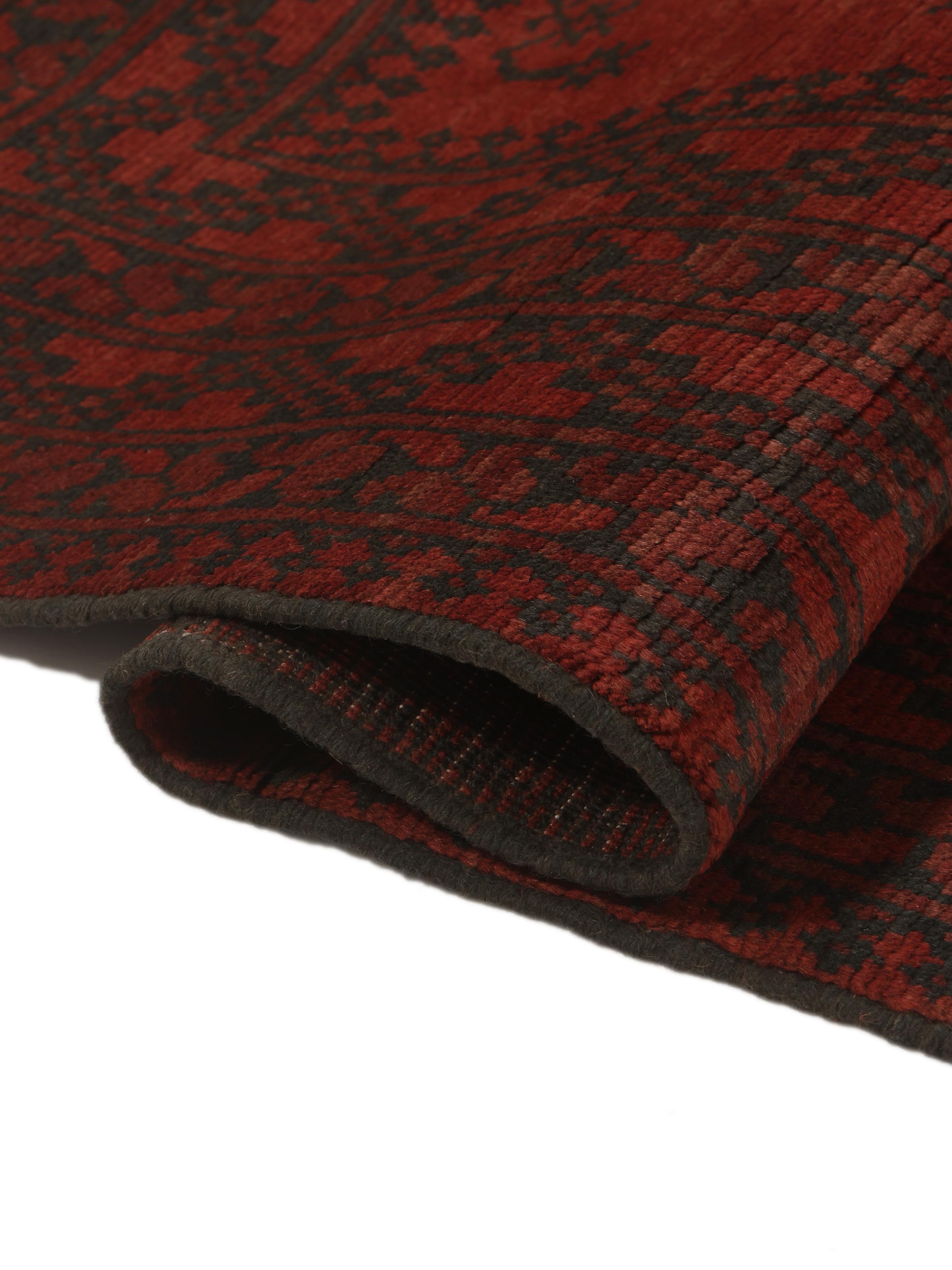
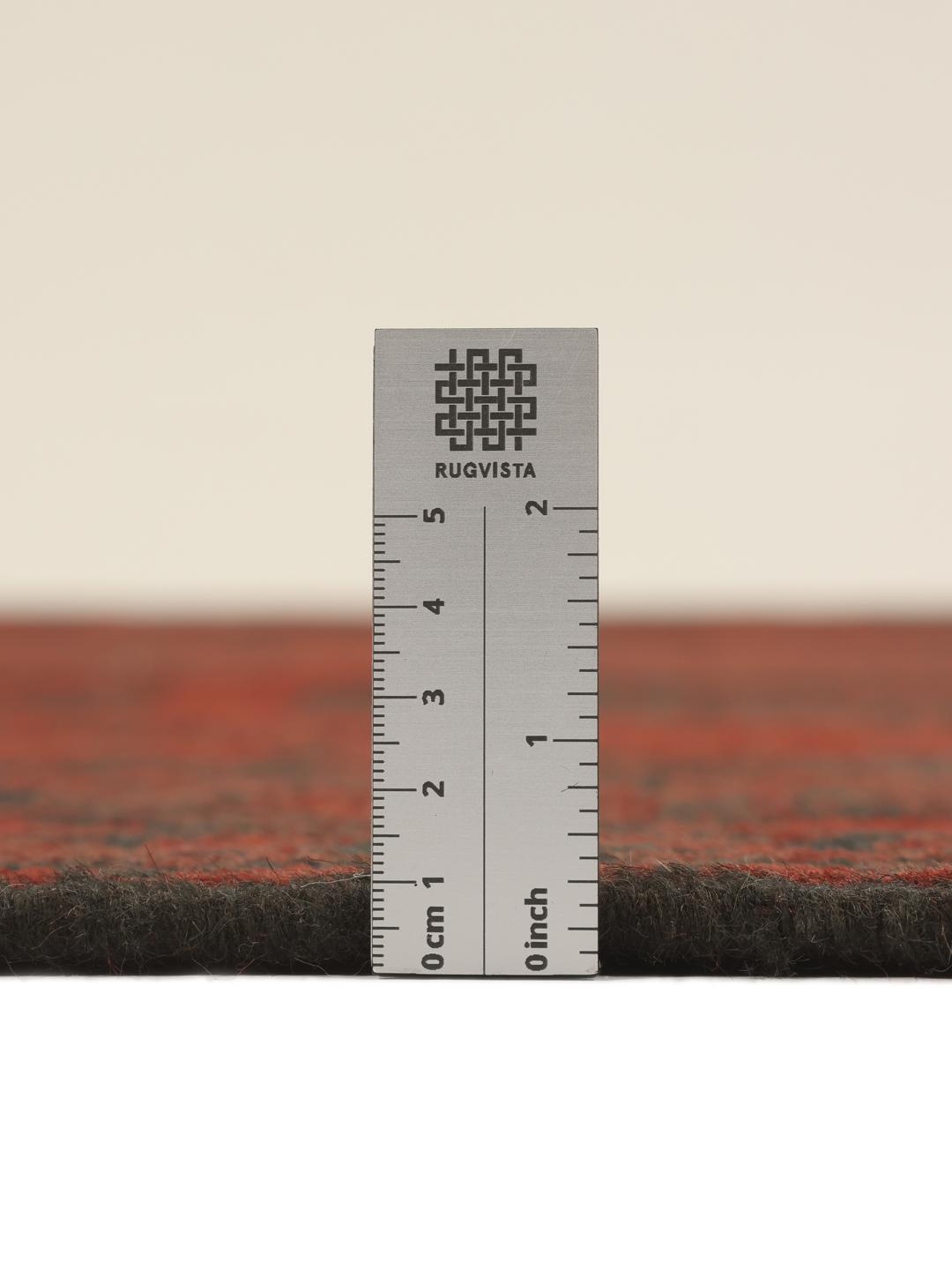
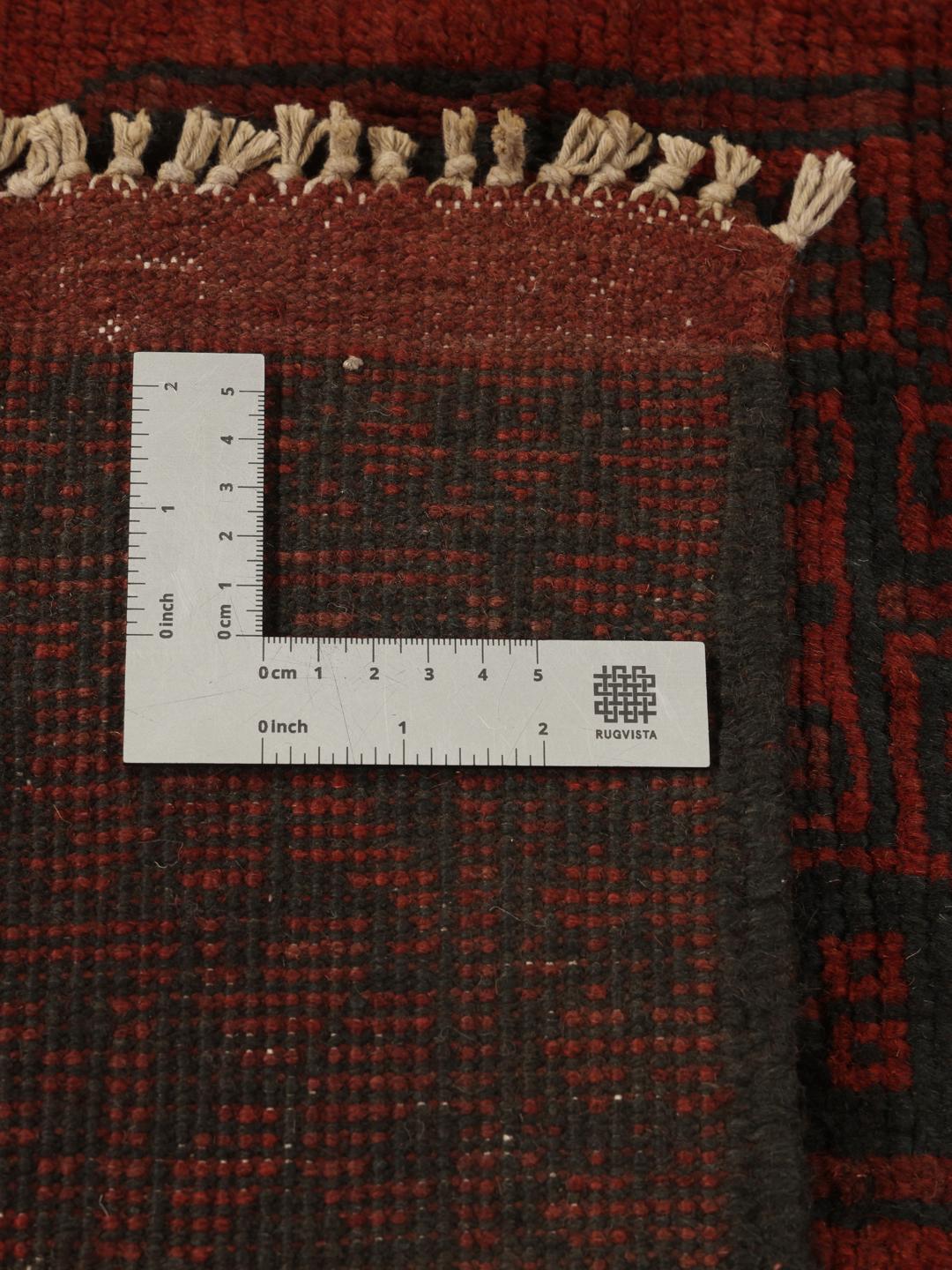
The term 'Afghan Fine' refers to the high standard of construction and the refined quality of the wool used in these pieces. By using carefully selected wool that is spun into a strong, lustrous pile, these rugs achieve a durability that allows them to age gracefully. This quality of construction is essential for maintaining the clarity of the intricate patterns over many years of use.
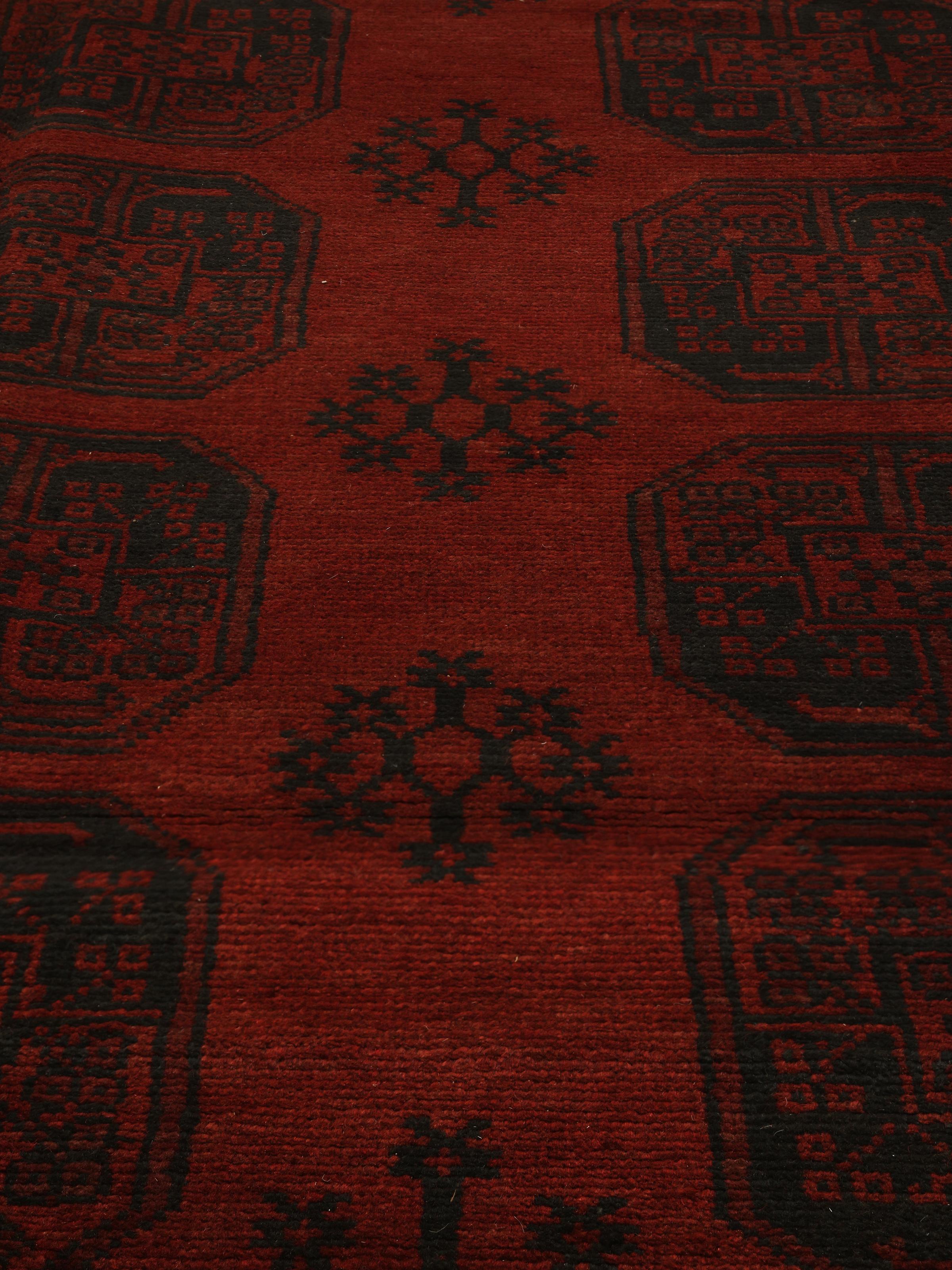
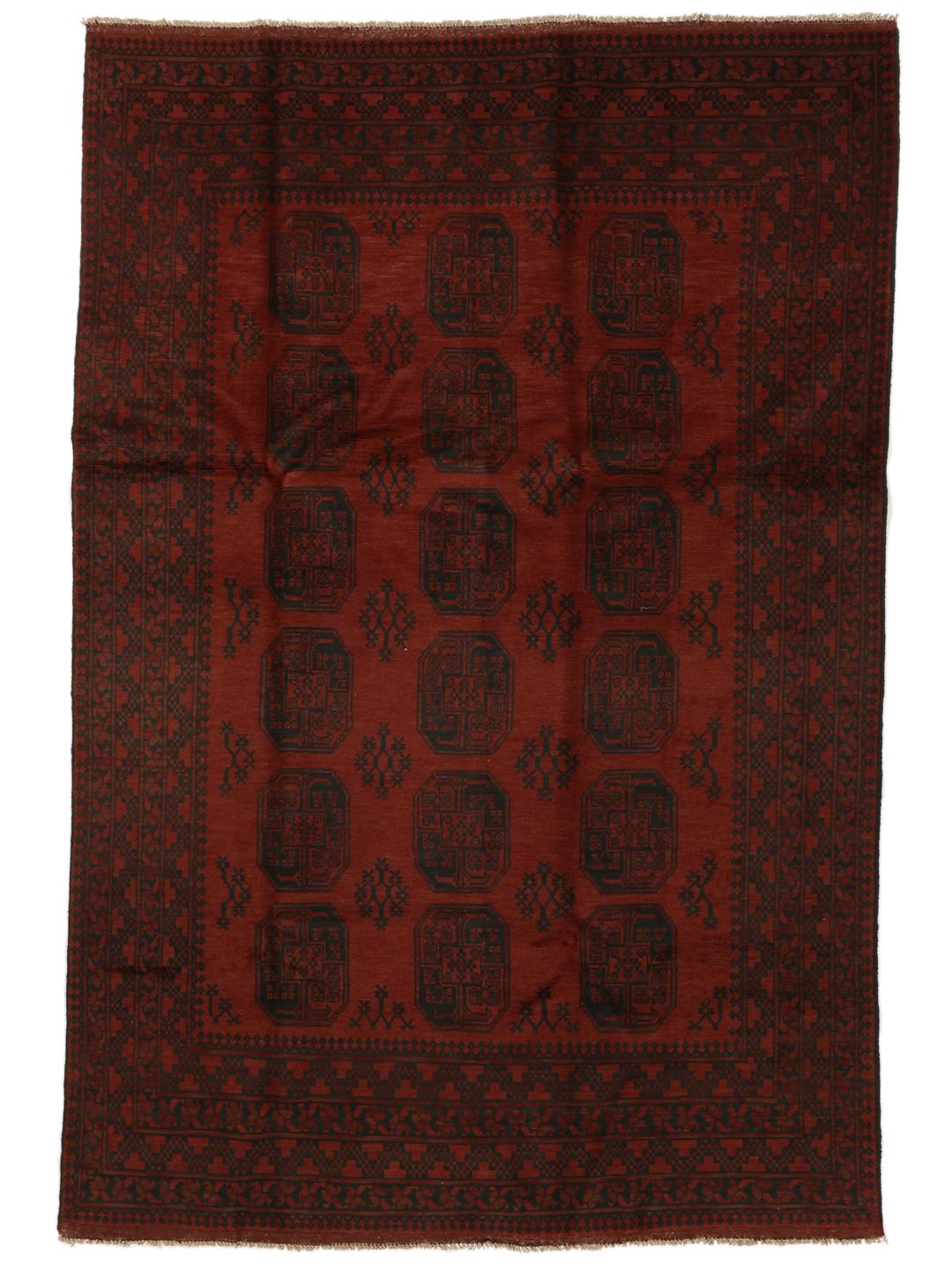
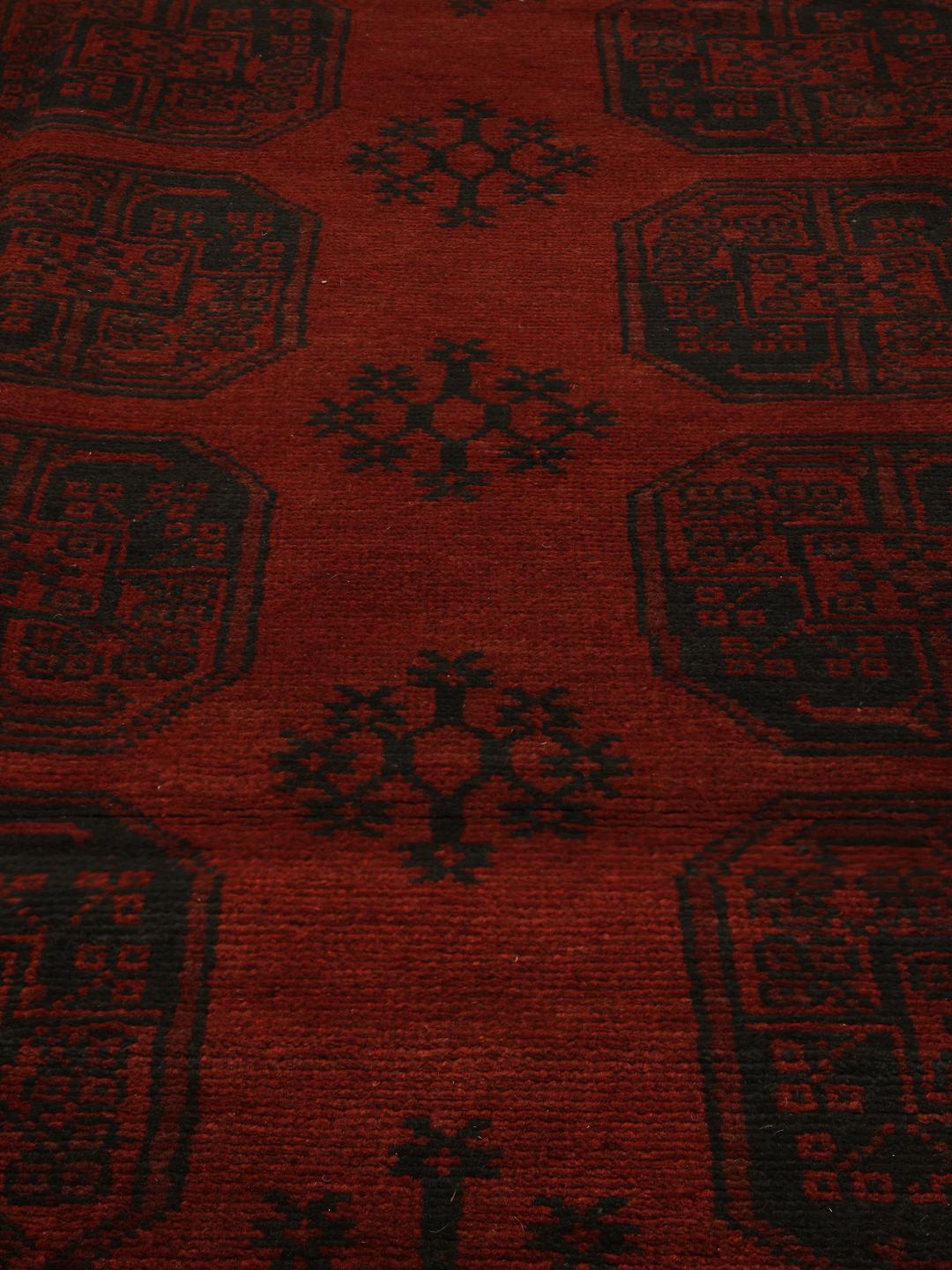
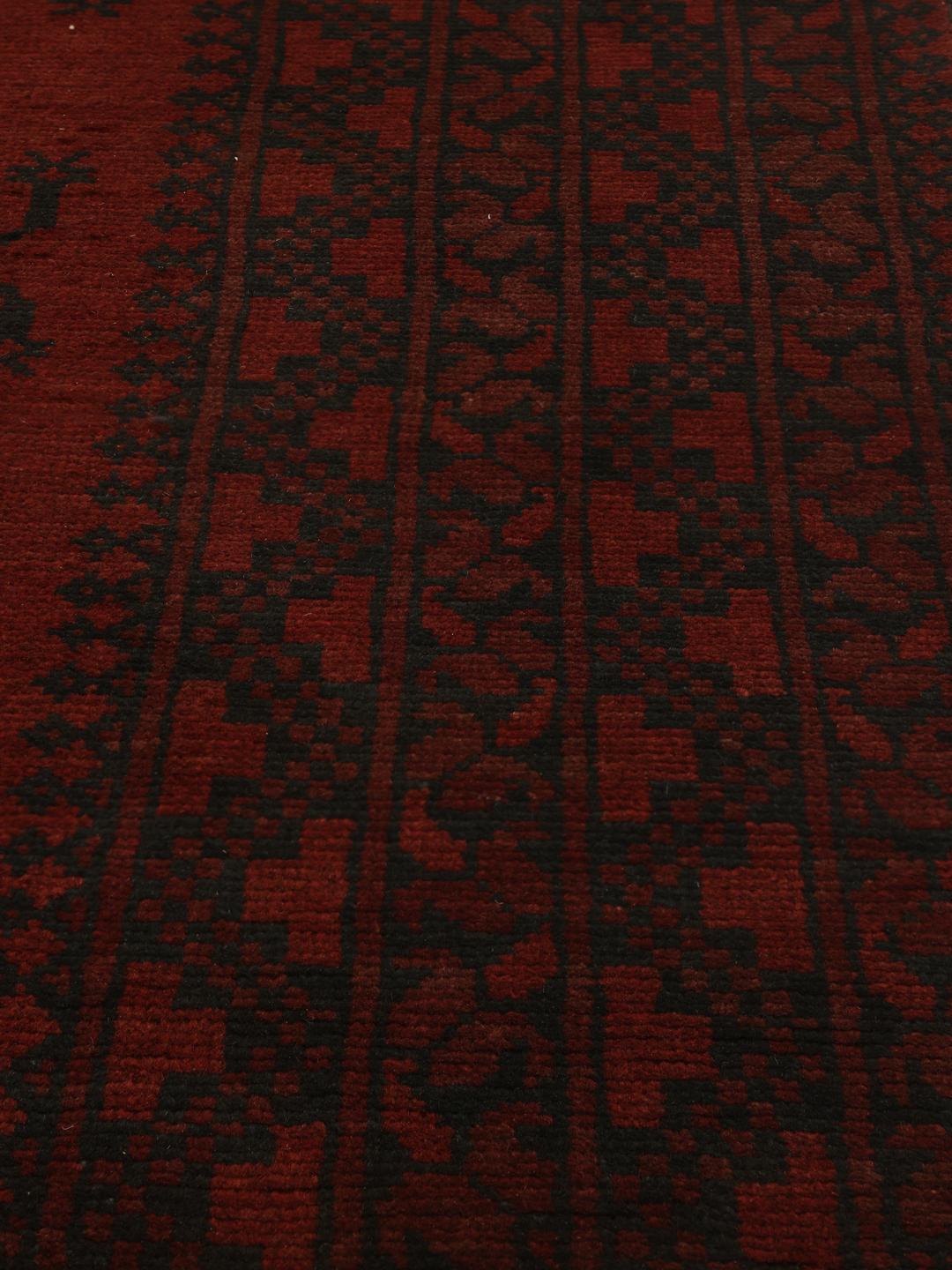
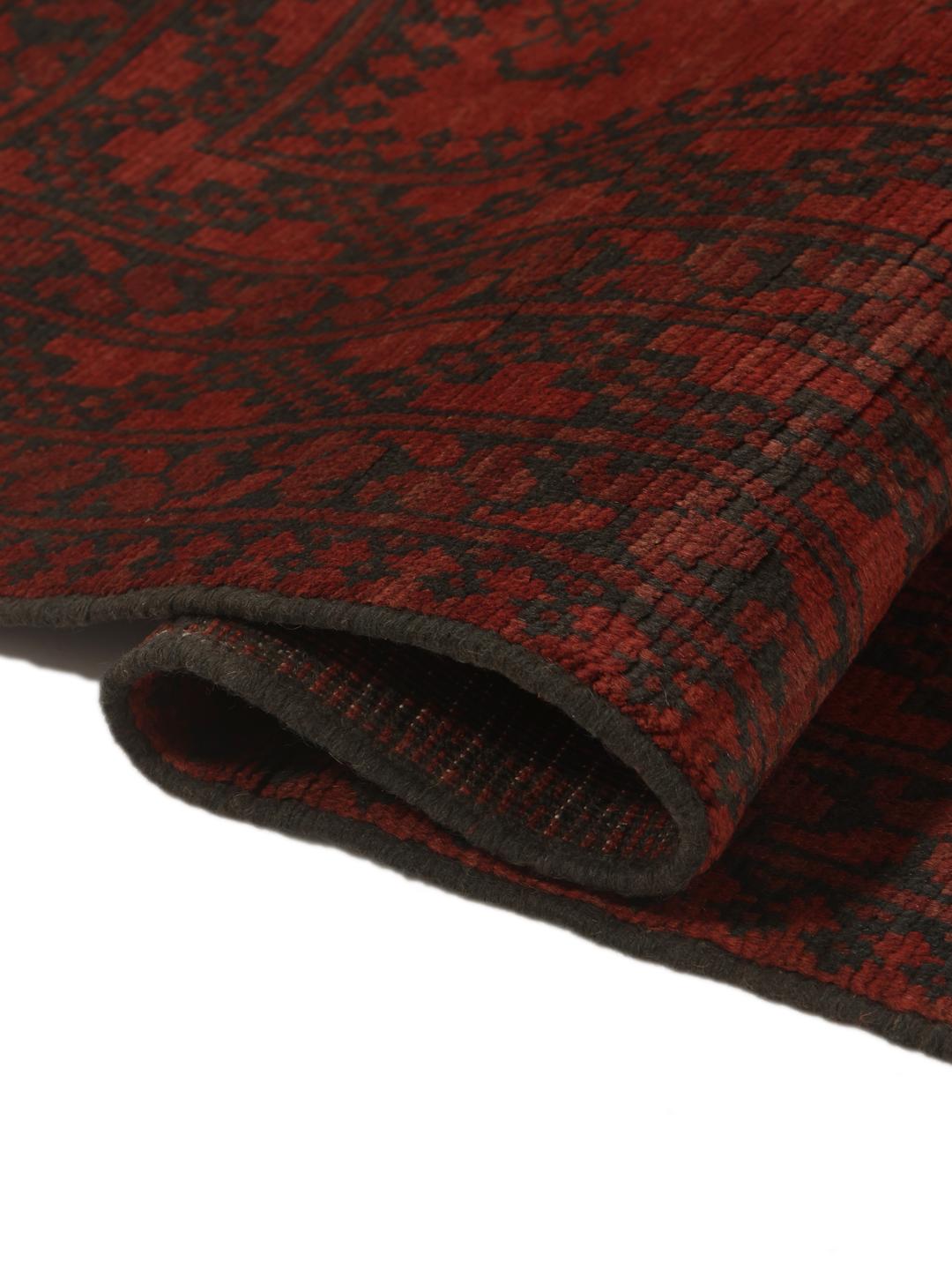
Visually, these rugs are defined by their deep, saturated colours, often achieved through natural or high-quality synthetic dyes that mimic traditional hues. The field is typically adorned with bold, geometric tribal patterns or the iconic 'gul' motifs, which are stylised, octagonal emblems representing cultural symbols or floral interpretations. These patterns are framed by complex, decorative borders that showcase the weaver's attention to symmetry and detail.
Collectors value Afghan rugs for their authenticity and the sheer skill required to produce them by hand. Owning a piece from this tradition is an opportunity to connect with a storied history of craftsmanship. These rugs are collected not only for their striking aesthetic appeal but for their ability to serve as a lasting testament to a cultural heritage that continues to thrive in the modern world.