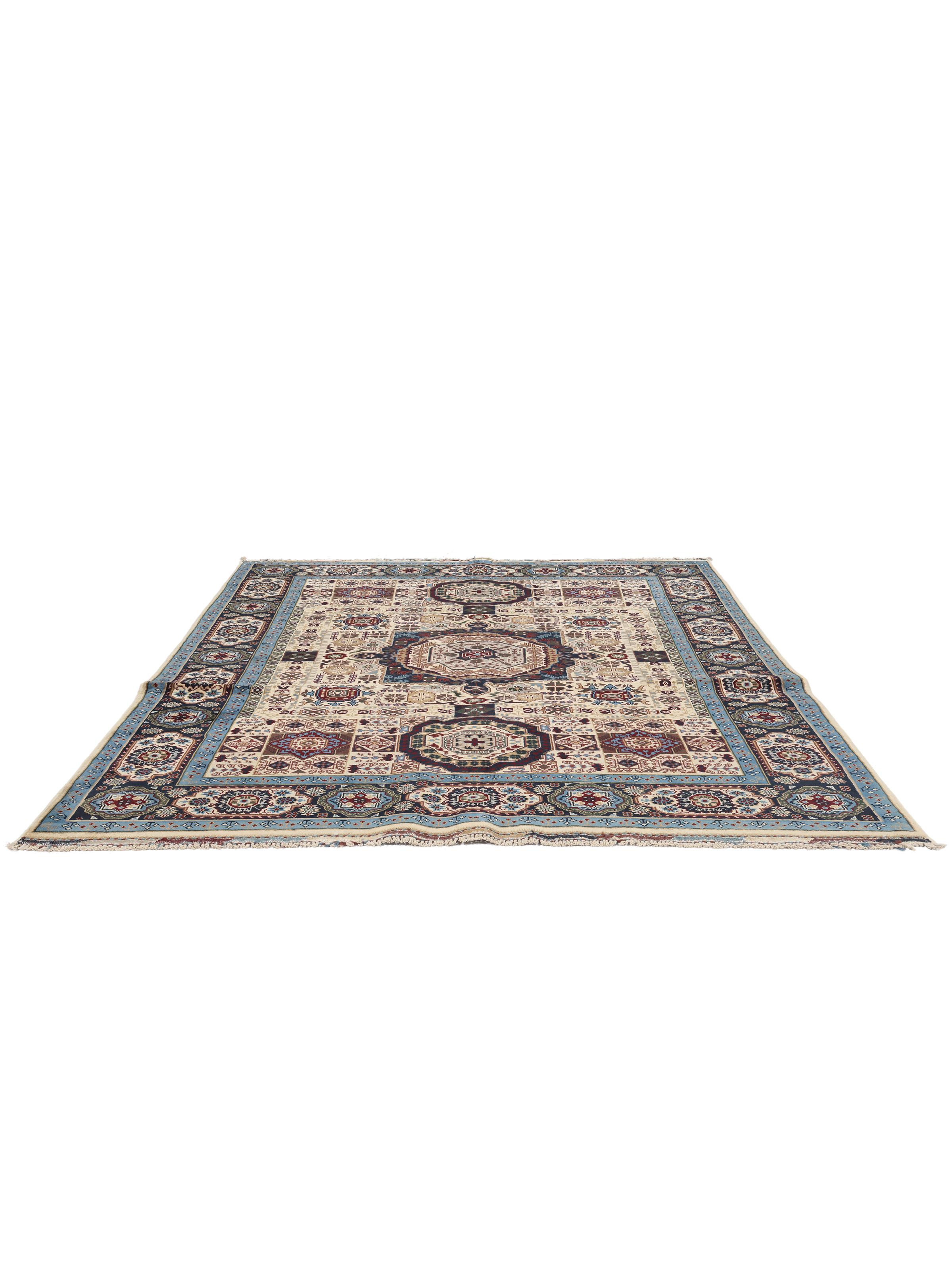
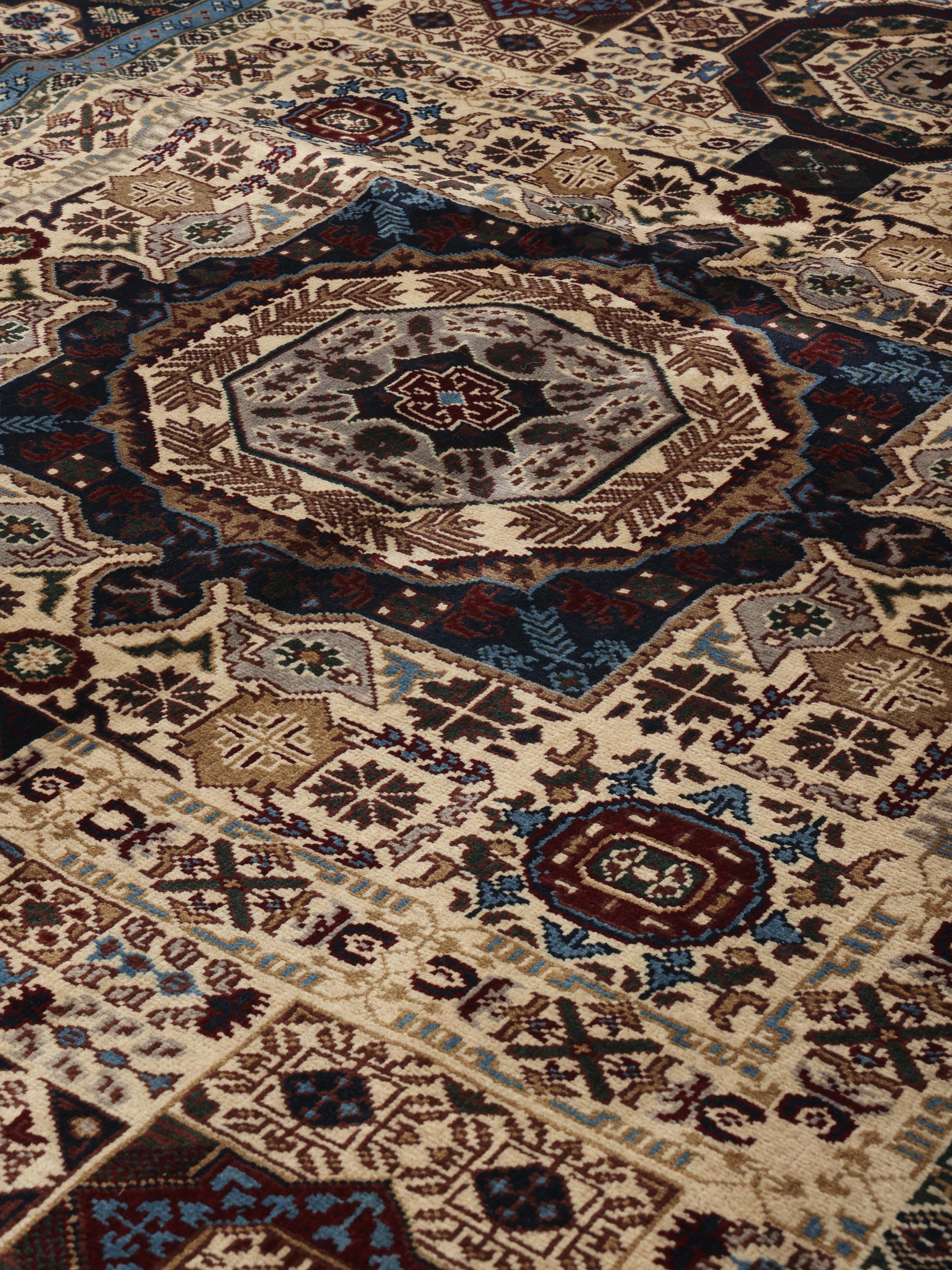
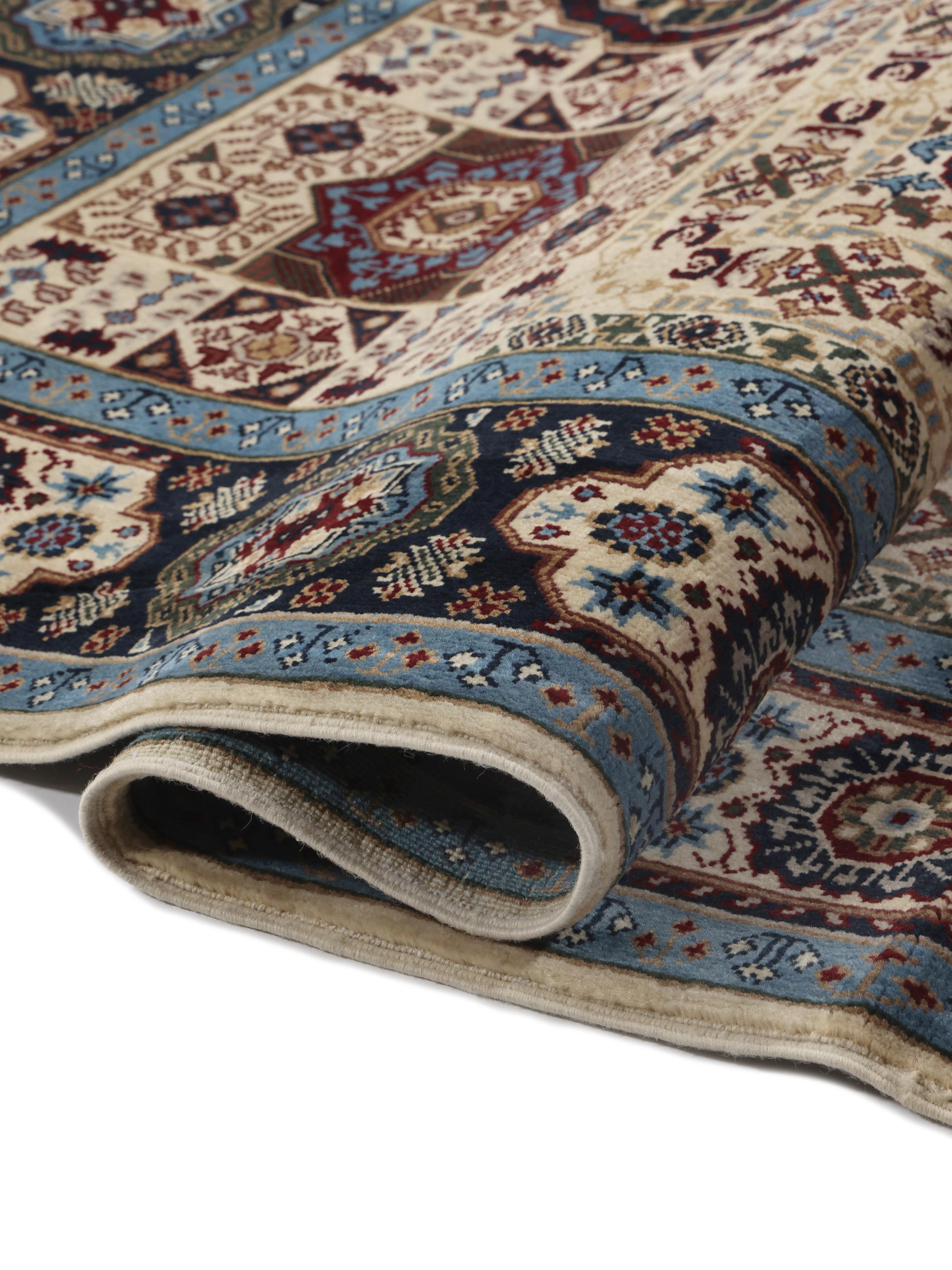
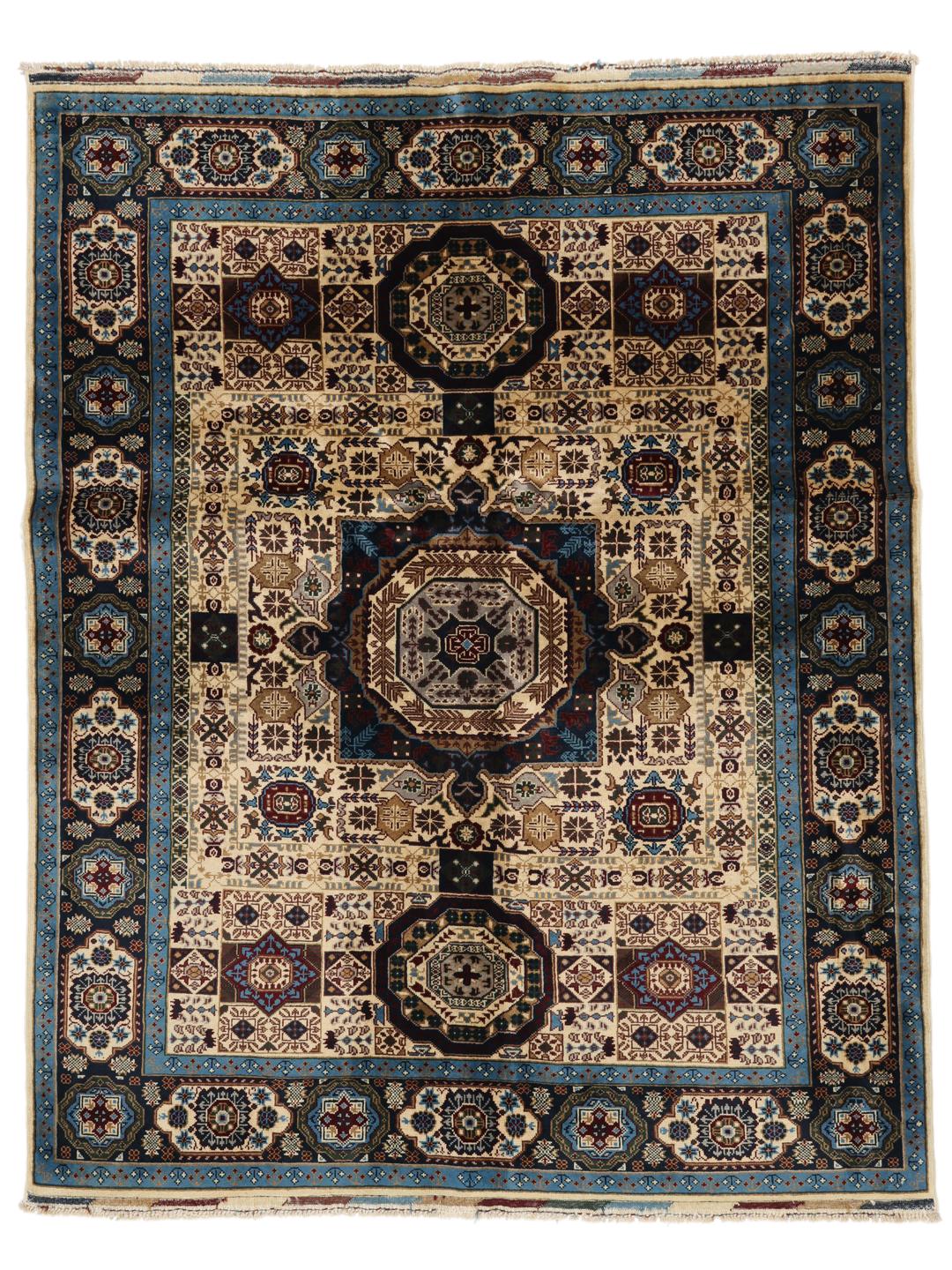
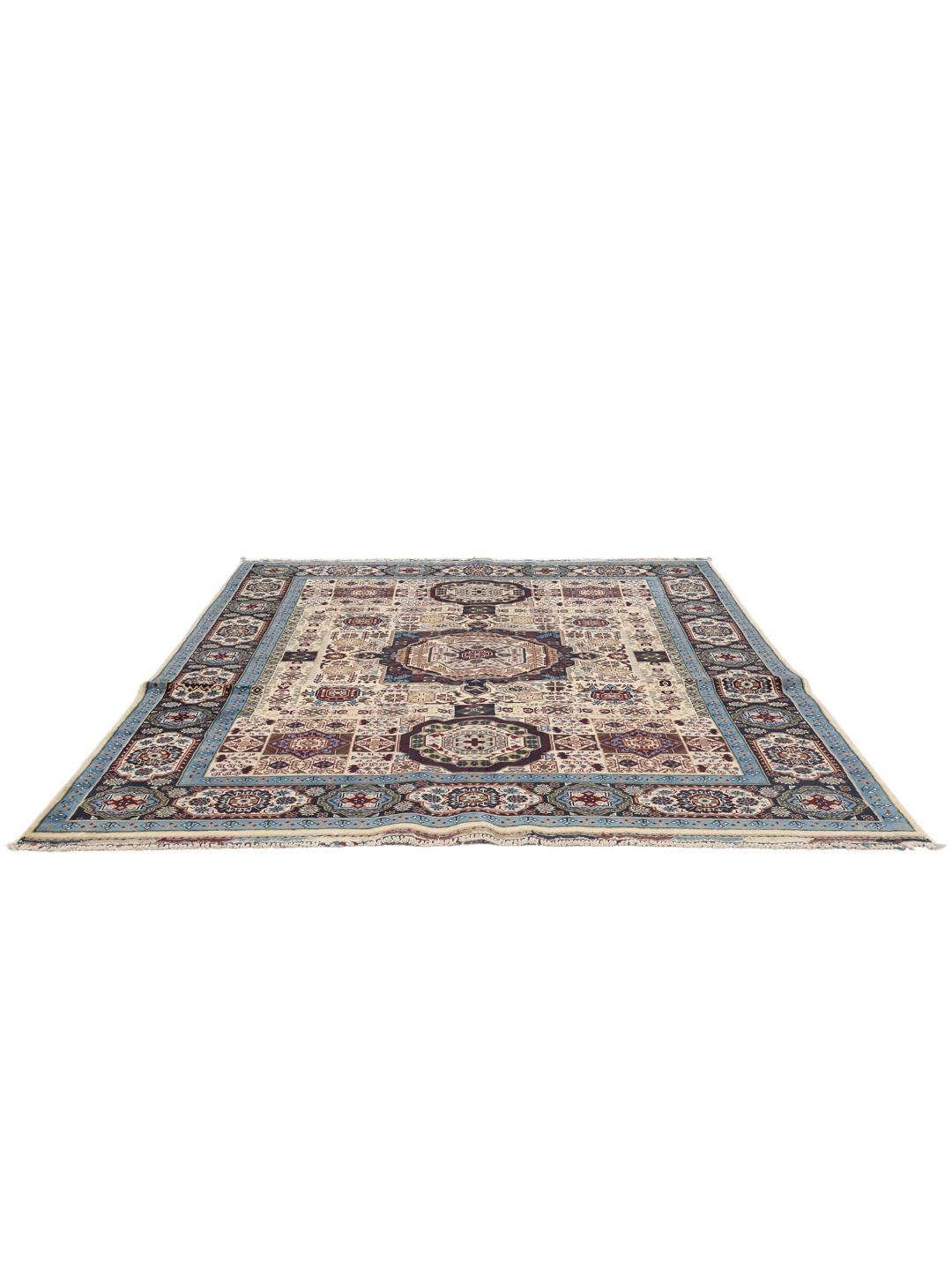
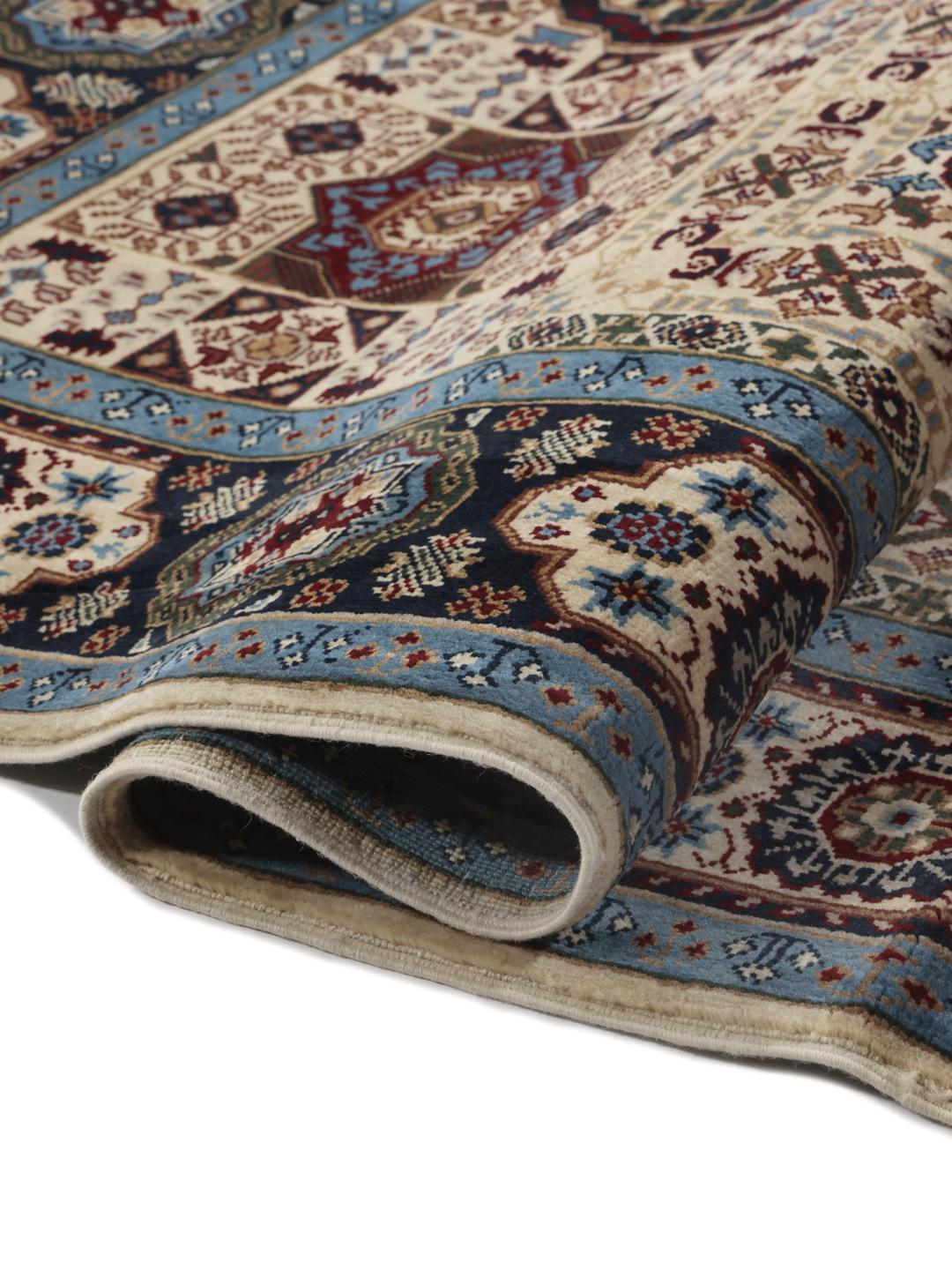
The Kunduz rug tradition finds its roots in the northern regions of Afghanistan, a land with a deep and enduring connection to textile arts. These rugs are deeply influenced by the nomadic and semi-nomadic cultures that have traversed the Central Asian plains for centuries, blending local tribal aesthetics with techniques passed down through generations of families.
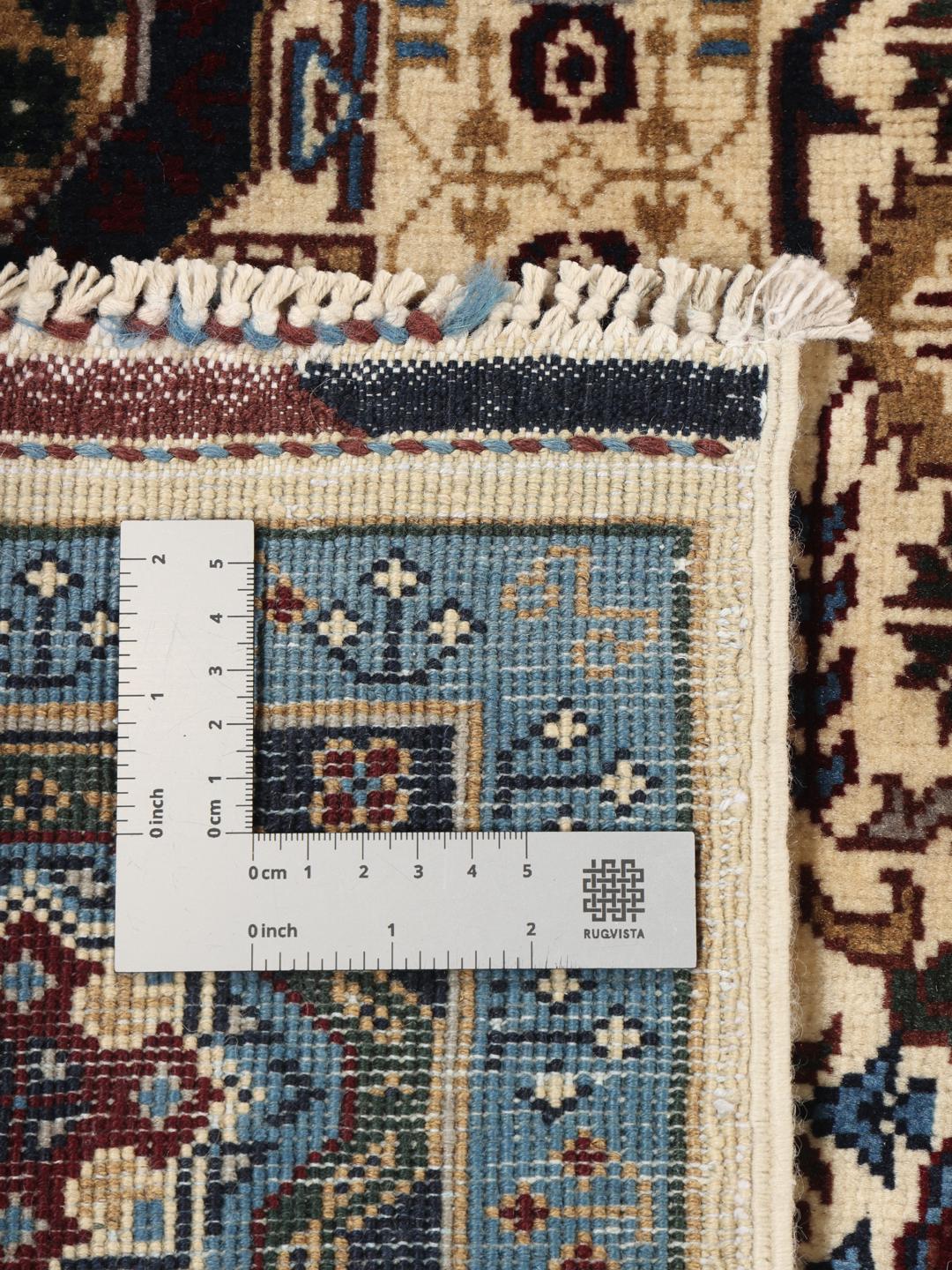
The term 'Kunduz' refers to both the city and the weaving tradition of the area, known for producing rugs that balance rugged durability with refined visual appeal. The construction focuses on high-quality Wool, often sourced from local mountain sheep, which is prized for its natural lanolin content, providing a lustrous finish and superior longevity.
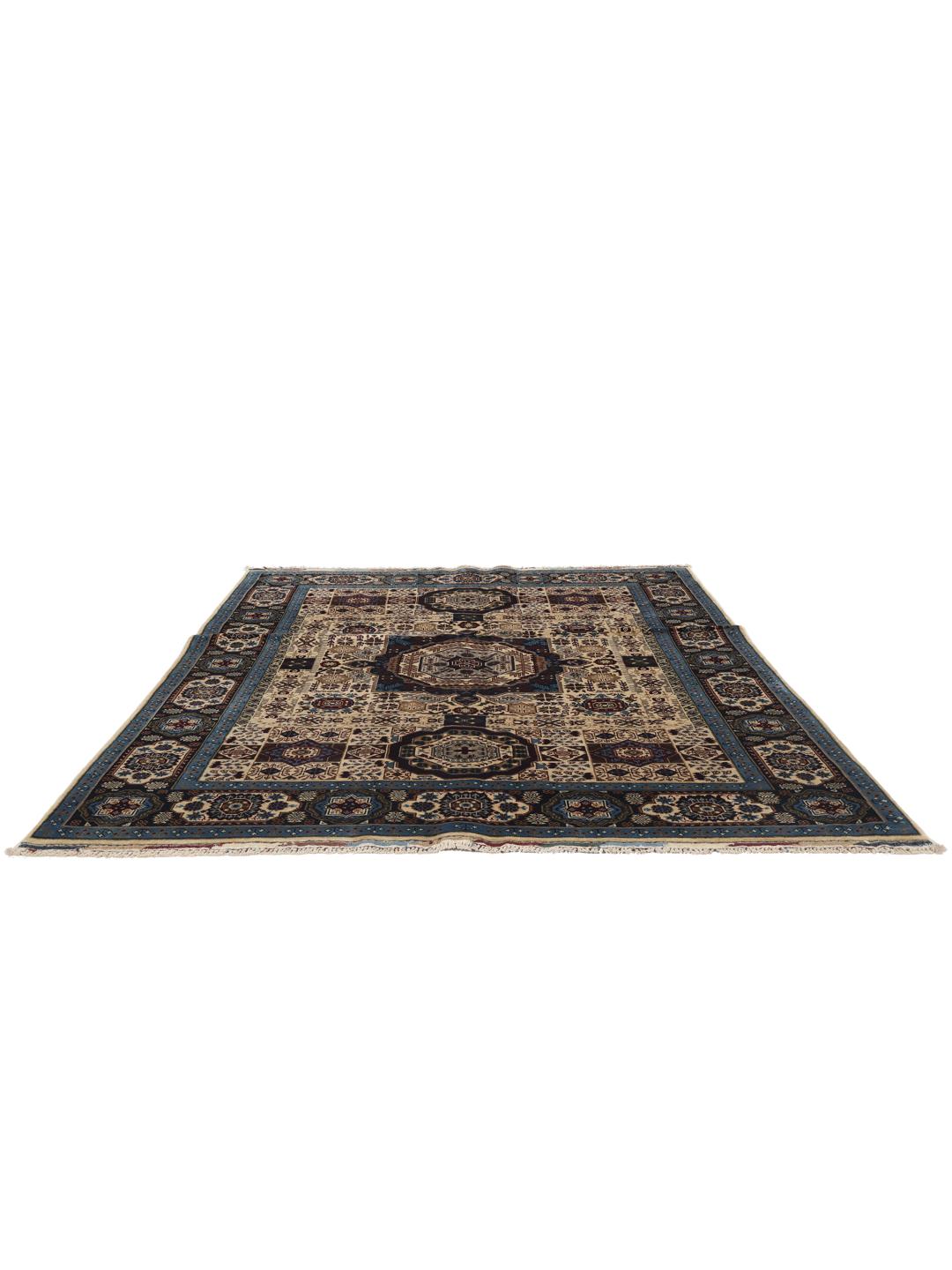
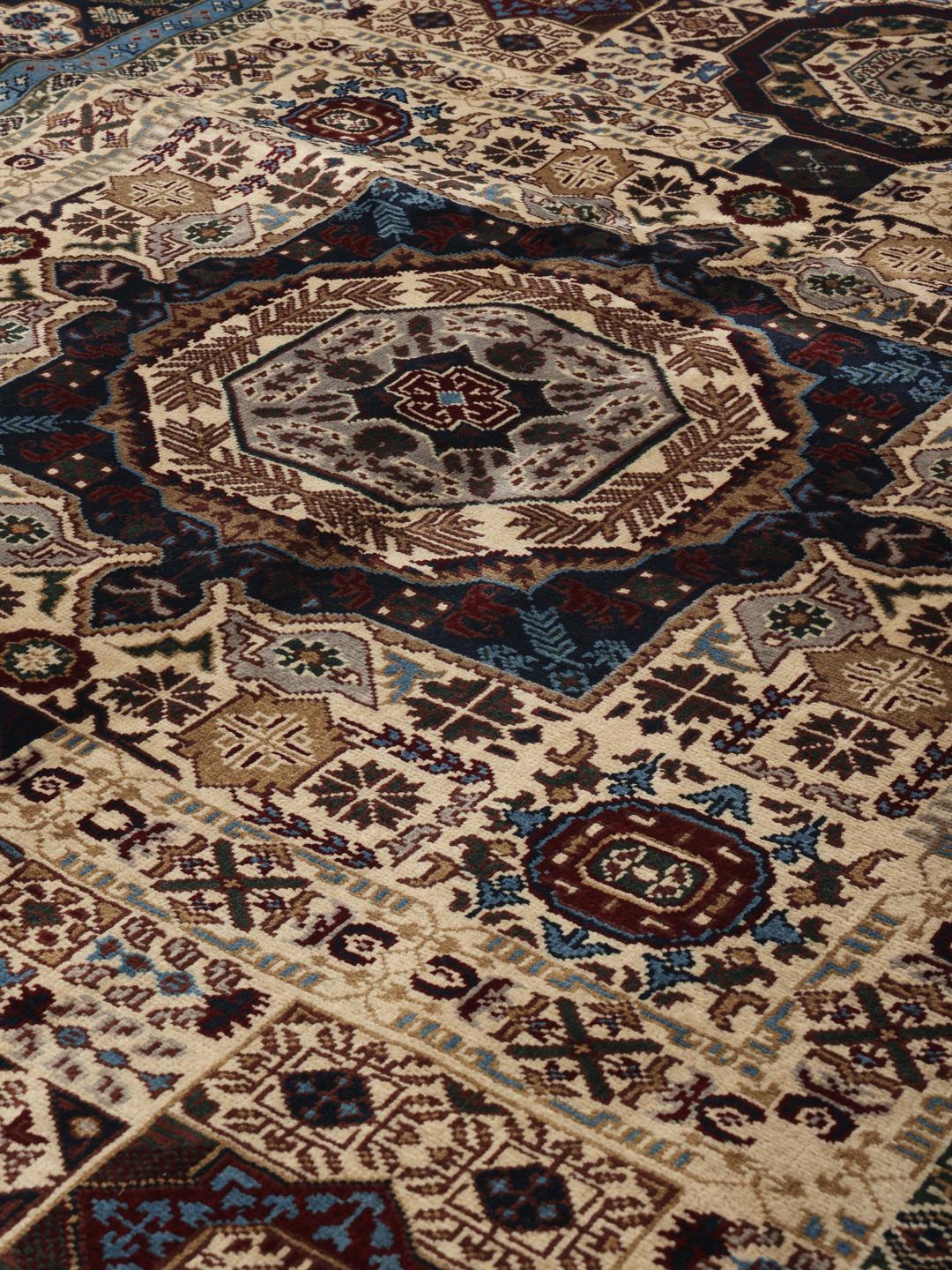
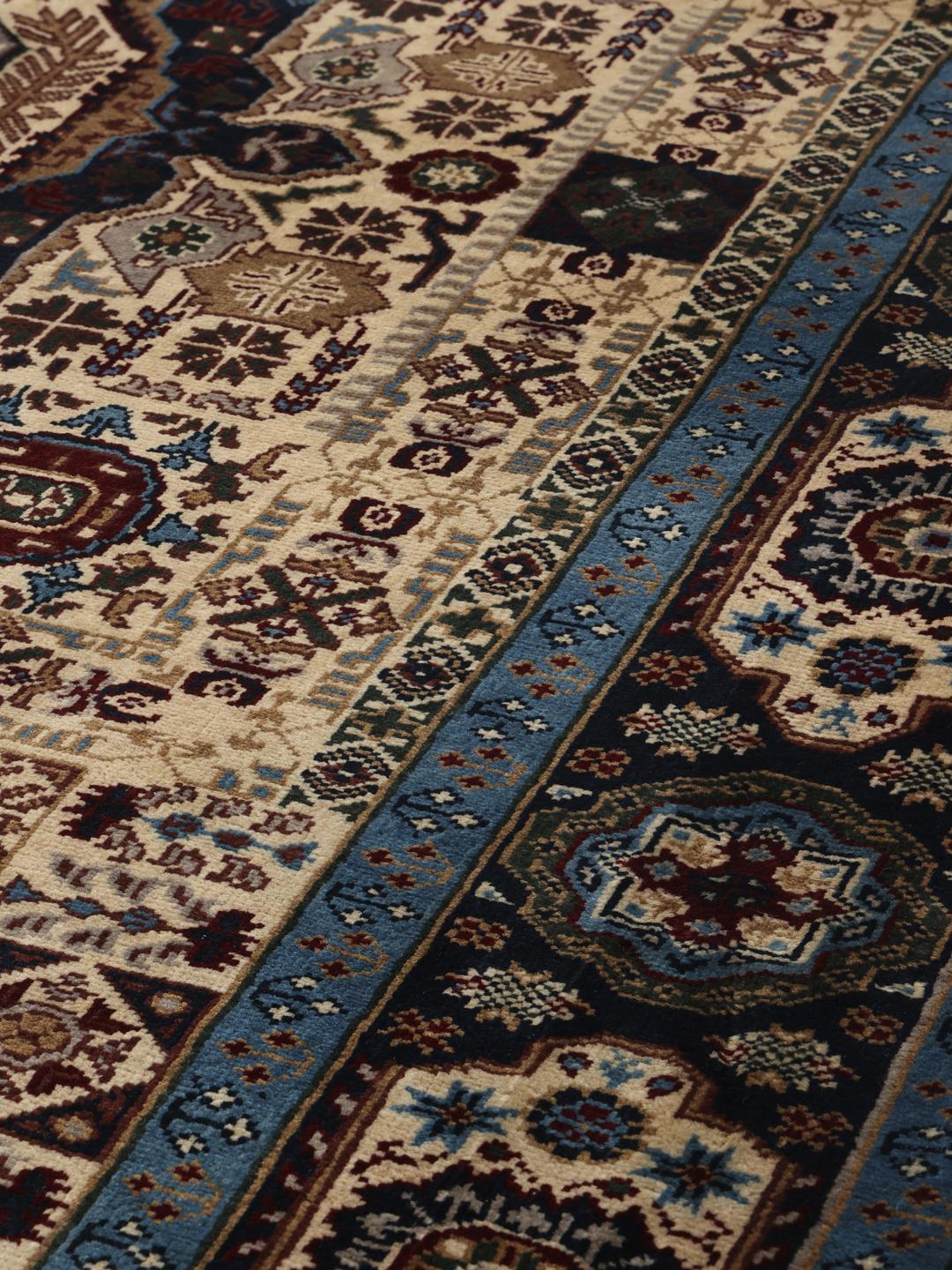
Visually, Kunduz rugs are distinguished by their geometric motifs, often featuring bold, stylized medallions or repeating patterns that draw from ancient symbolism. The borders are typically formal and structured, framing the field with intricate details that demonstrate the weaver's ability to maintain symmetry and balance across the entire surface of the rug.
Collecting a Kunduz rug is an investment in cultural heritage. These pieces are valued not only for their beauty but for the skill required to produce them, representing a commitment to preserving traditional methods in an increasingly automated world. Owning such a rug is a testament to the appreciation of human creativity and the lasting value of authentic, hand-crafted objects.