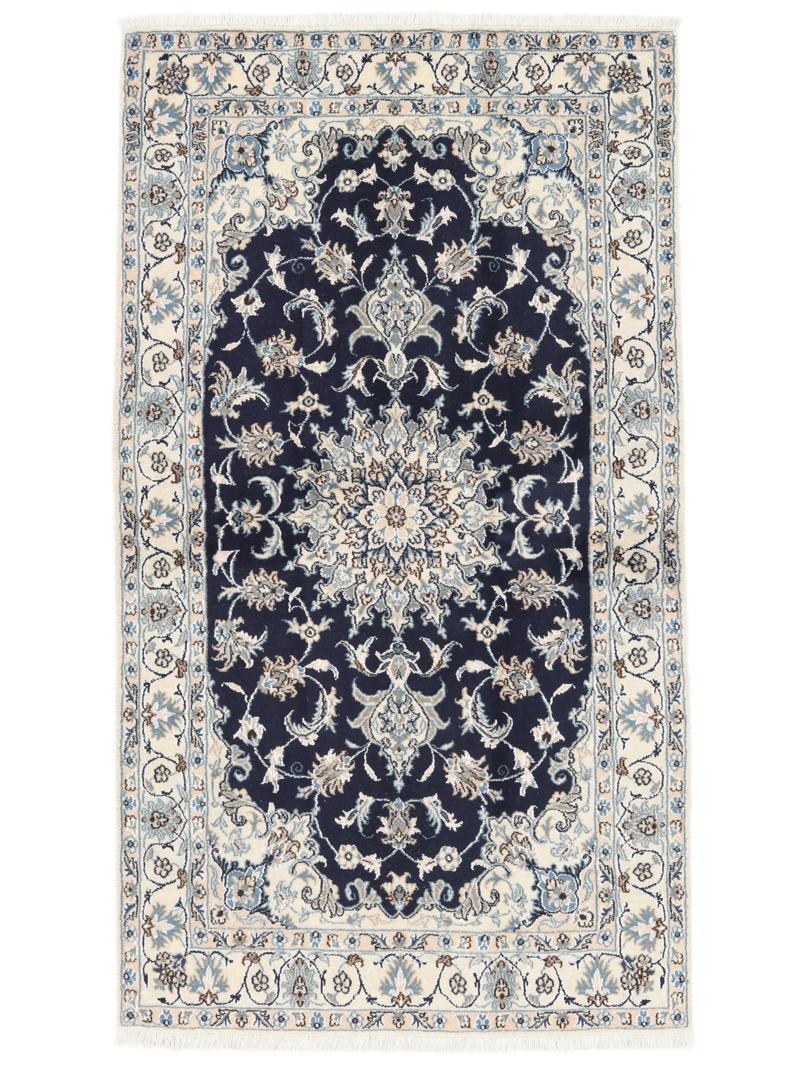
A guide to Chinese rugs: history and origin
A Chinese rug is a traditional hand-knotted textile originating primarily from northern China. Symbolic motifs, spacious compositions, soft colour palettes and high-quality wool construction distinguish it. Historically woven for imperial courts, temples and wealthy households, Chinese rugs remain valued for their craftsmanship and timeless design.
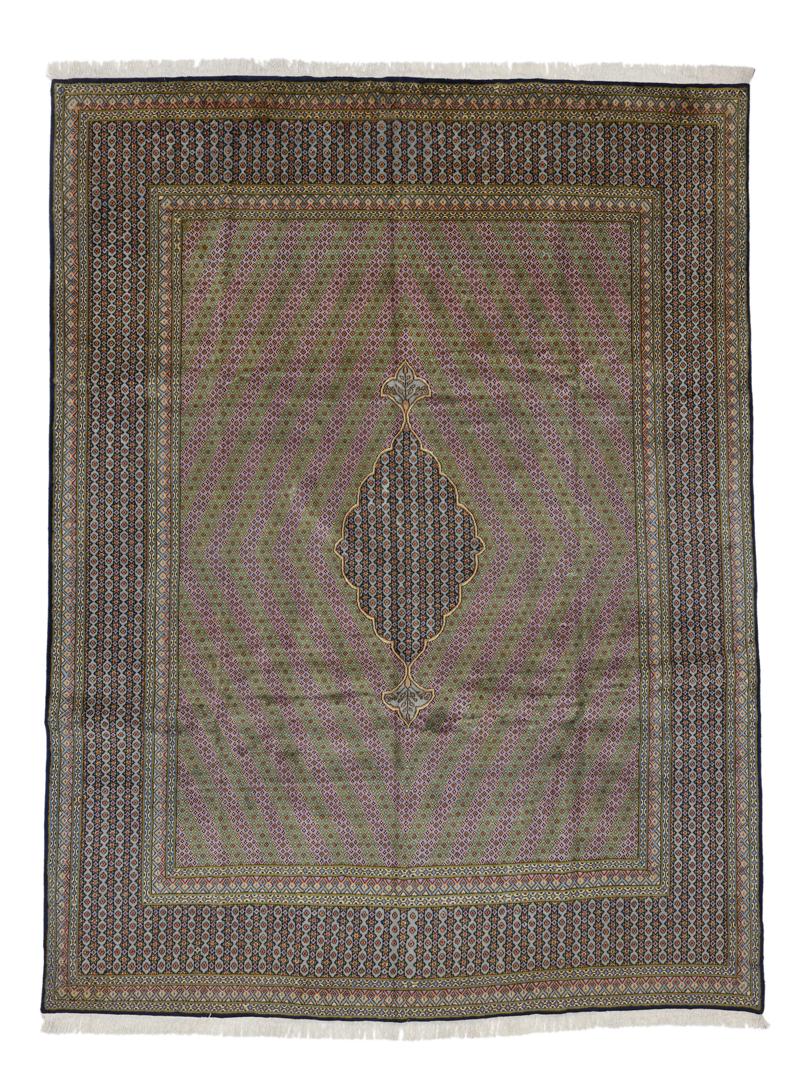
Unlike many other traditional rugs with dense, intricate patterns, Chinese rugs often feature open layouts and balanced motifs, creating a calm and harmonious look. Today, Chinese rugs are appreciated for their timeless style and versatility, making them a natural choice for both classic and modern homes.
History of Chinese rugs
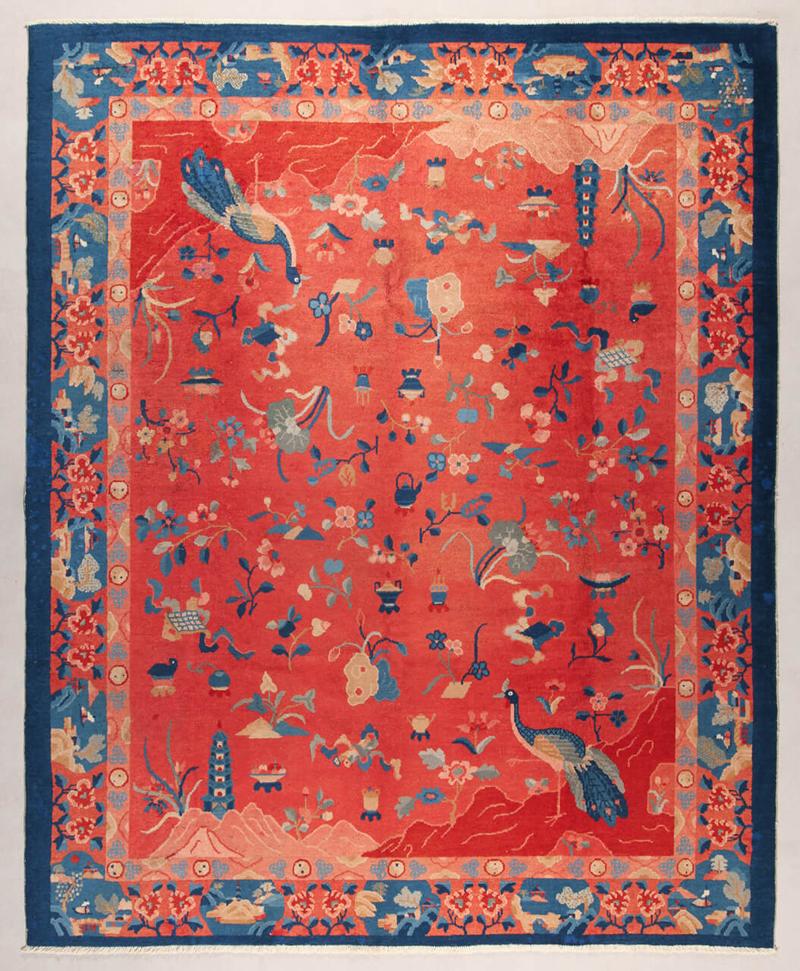
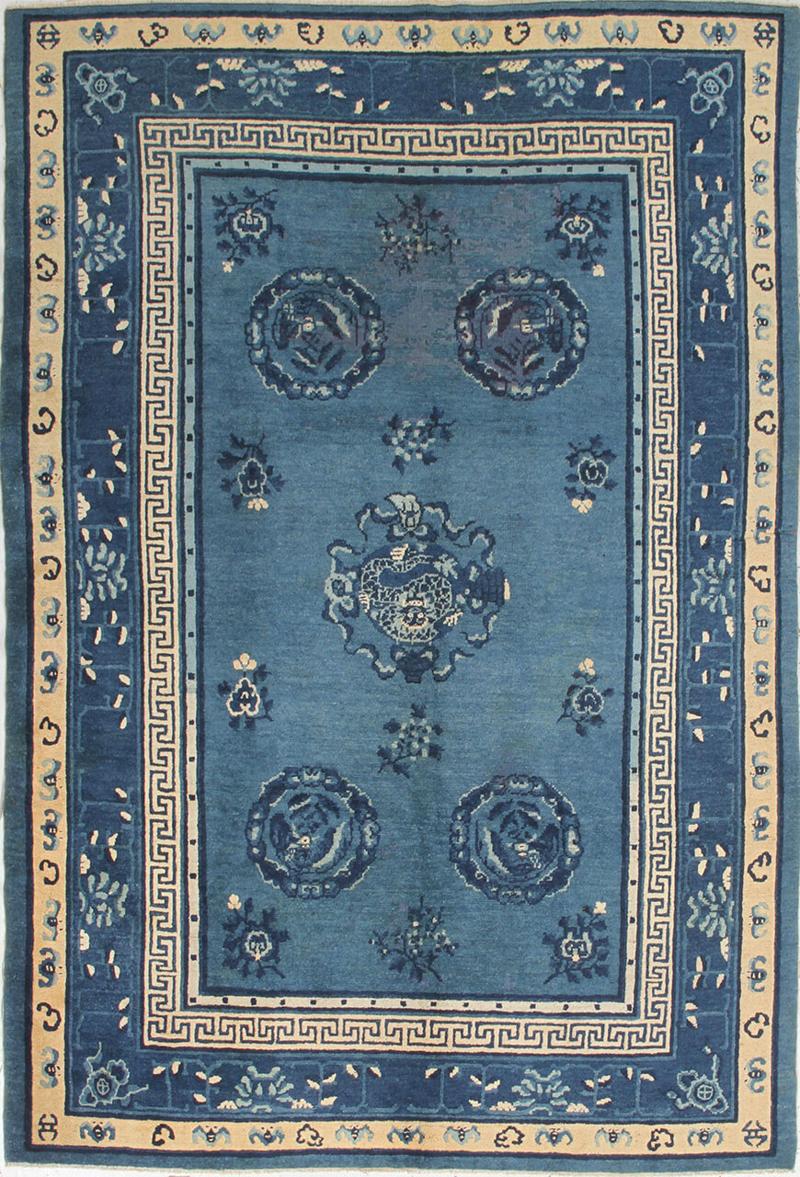
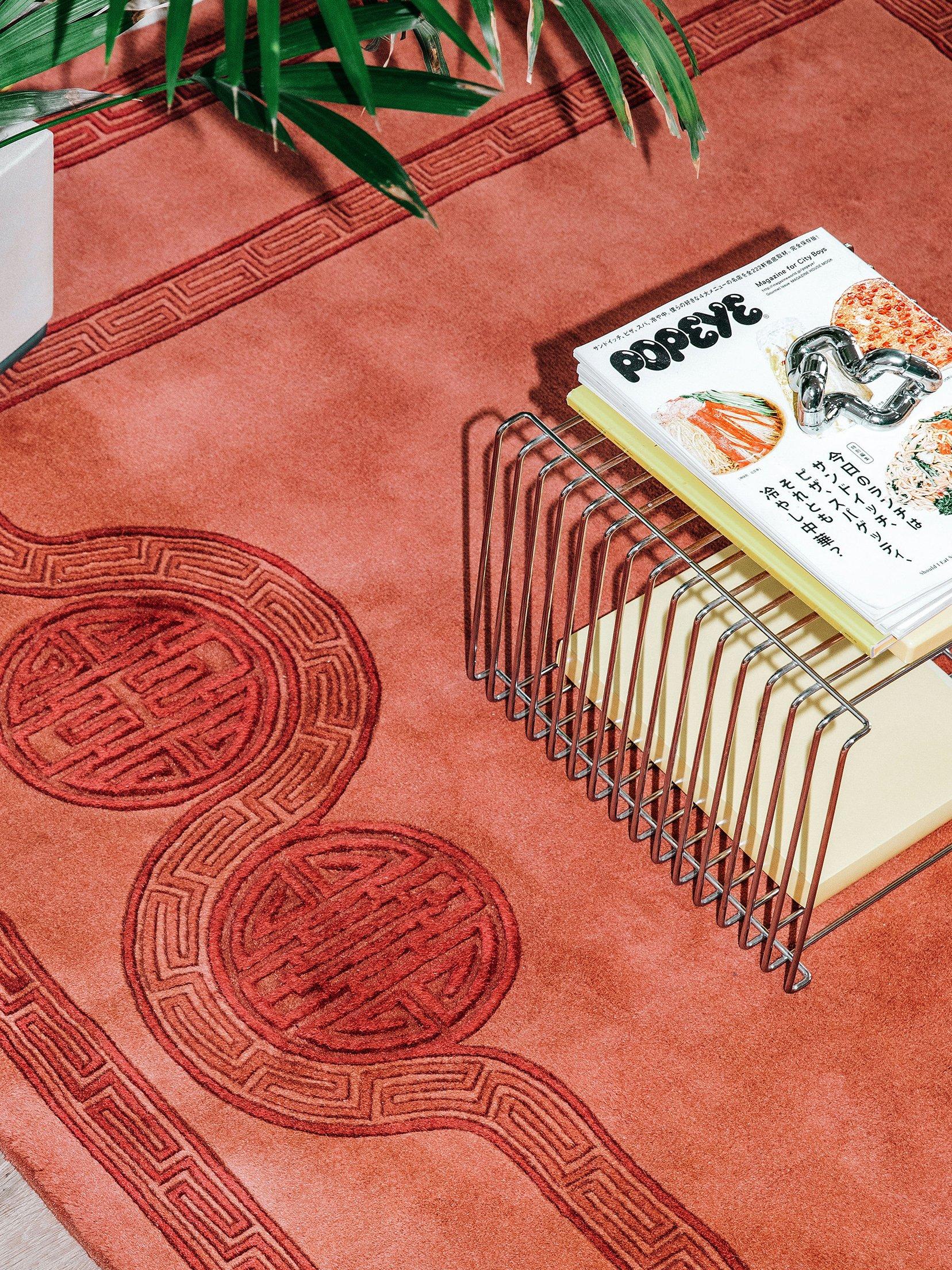
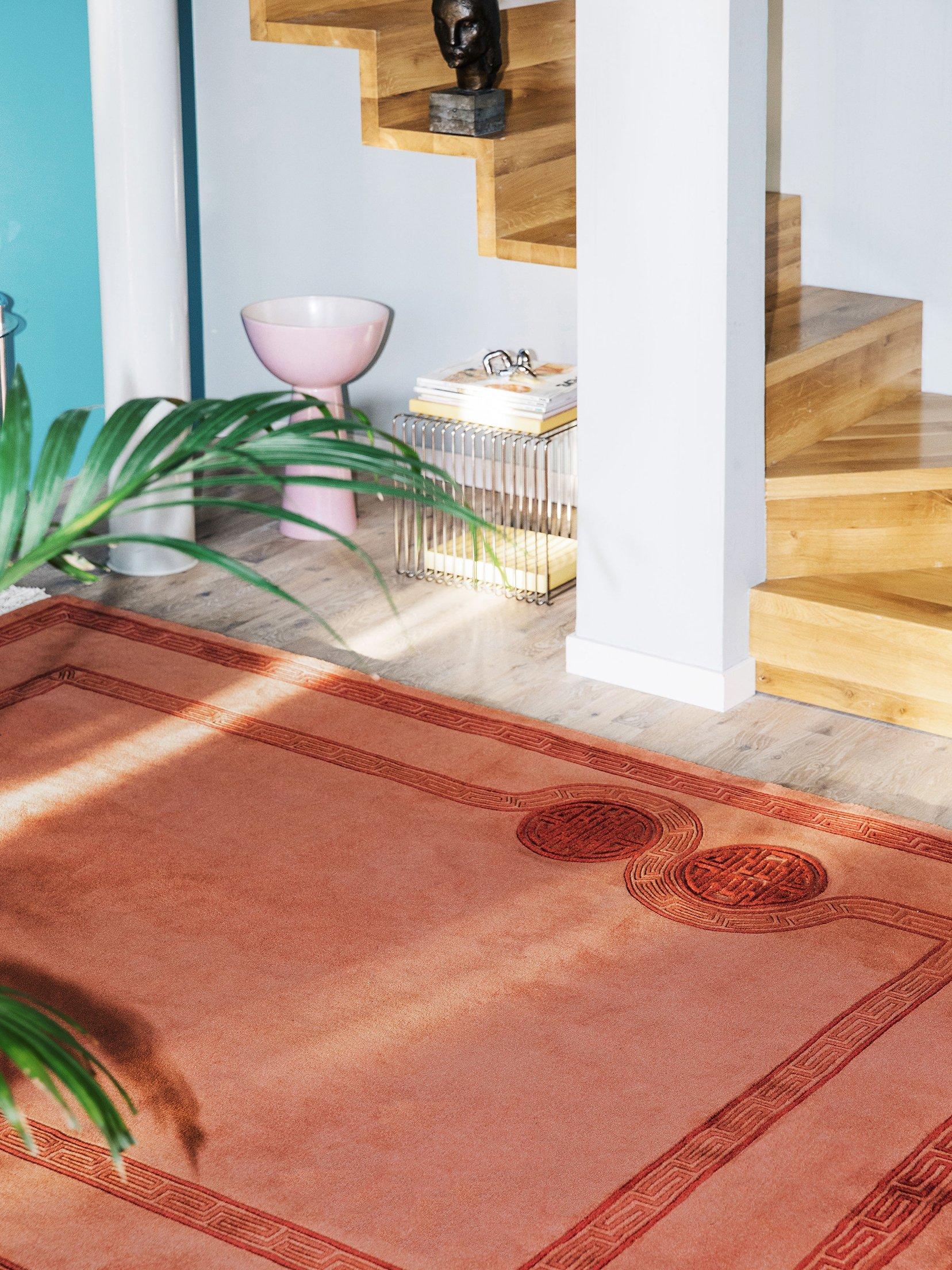
Chinese rug weaving is believed to have developed over many centuries, drawing influences from both Chinese decorative arts and the weaving traditions of neighbouring regions in Central Asia and Tibet. By the Qing Dynasty (1644–1912), rug weaving had become a well-established craft, with finely woven carpets produced for imperial palaces, Buddhist temples, and the homes of wealthy families. Many designs reflected traditional Chinese symbolism, featuring dragons, lotus flowers, peonies, bats, and cloud motifs that represented prosperity, longevity, protection, and harmony.
The main weaving centres were located in northern China, particularly around Beijing, Tianjin, and Ningxia, where access to high-quality wool supported the production of thick, durable rugs with a soft texture. Each region developed its own distinctive style, although Chinese rugs generally remained recognisable for their spacious compositions, balanced layouts, and restrained colour palettes.
During the twentieth century, Chinese rugs became increasingly popular in Europe and North America, leading to greater production for export while retaining many traditional design elements. Most vintage Chinese rugs available today were woven between the early 1900s and the 1980s. Since then, the production of traditional hand-knotted Chinese rugs has declined significantly, making original vintage examples increasingly sought after by collectors and homeowners who appreciate their craftsmanship, cultural heritage, and timeless aesthetic.
Characteristics of Chinese rugs
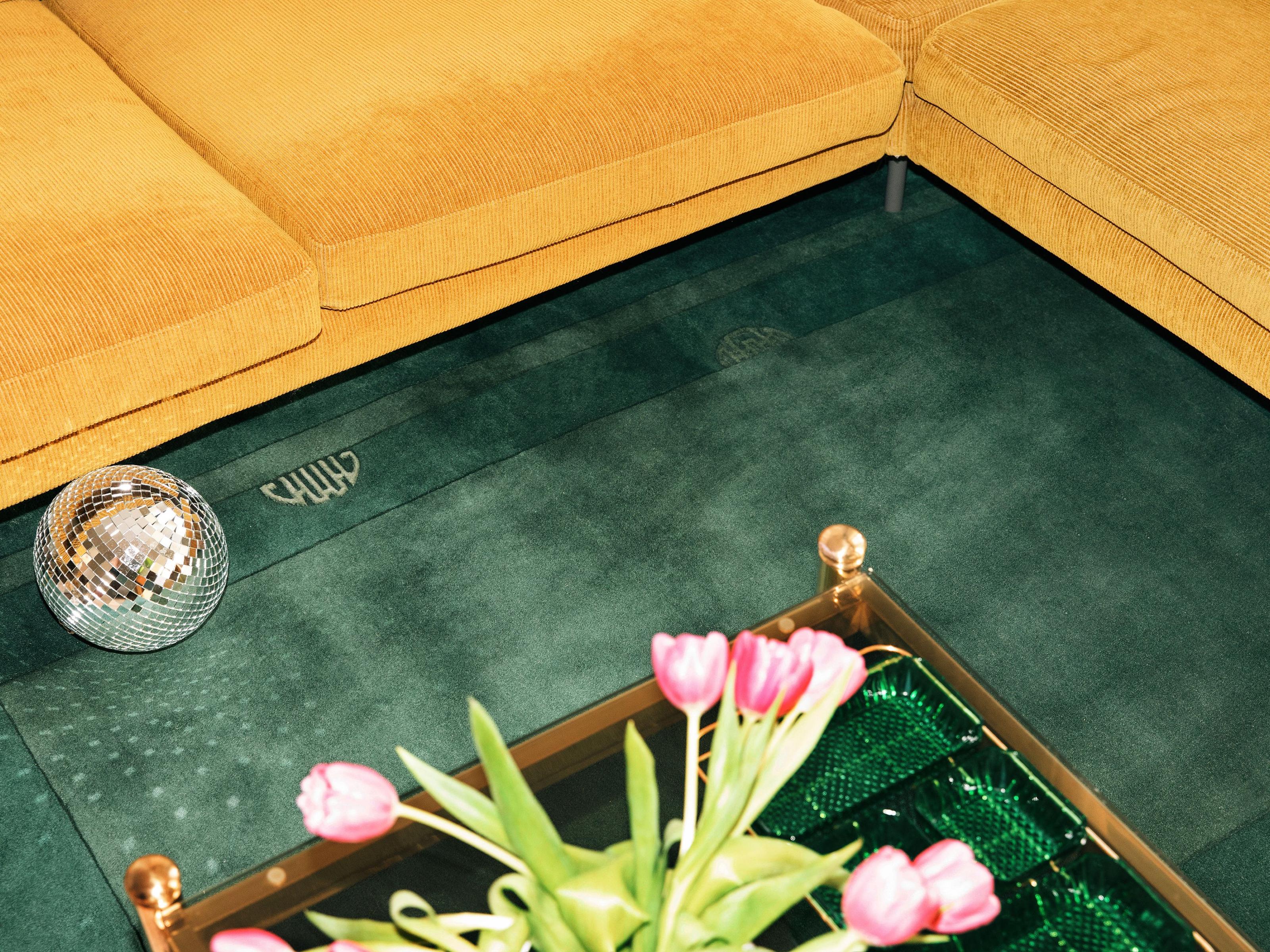
Chinese rugs are distinguished by their balance, symbolism, and quiet refinement. Rooted in centuries of textile tradition, they reflect an aesthetic that values harmony, restraint, and meaning rather than ornate excess.
Symbolic motifs
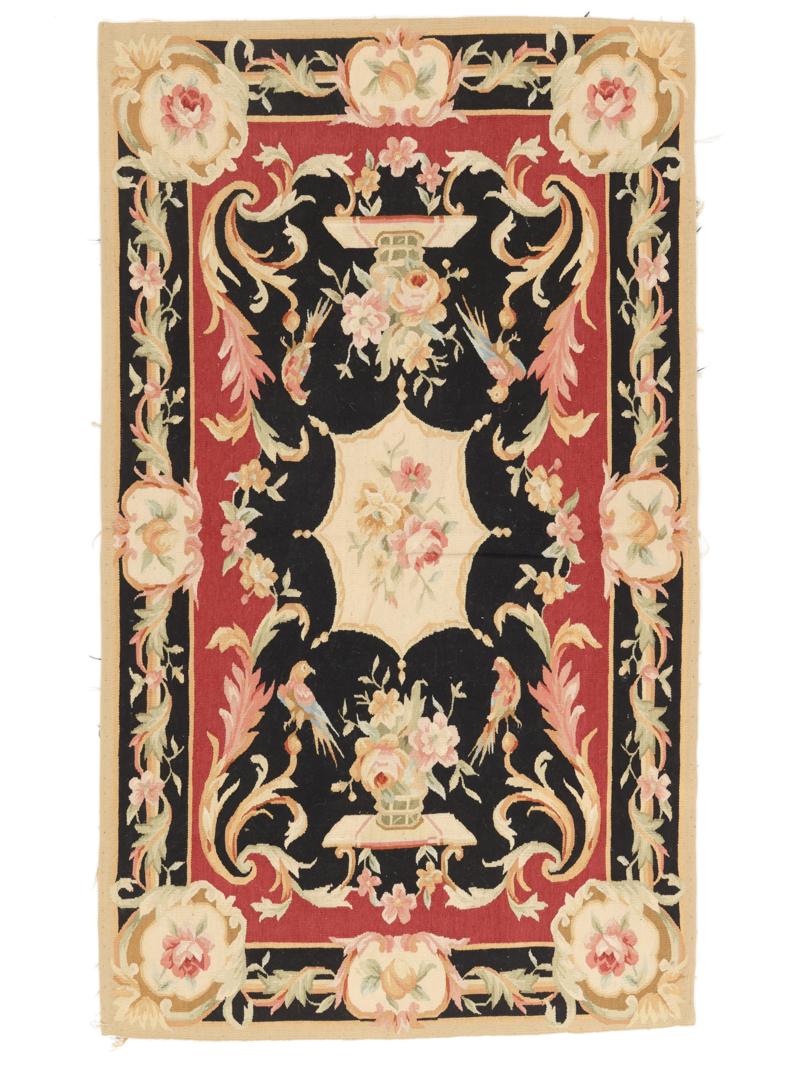
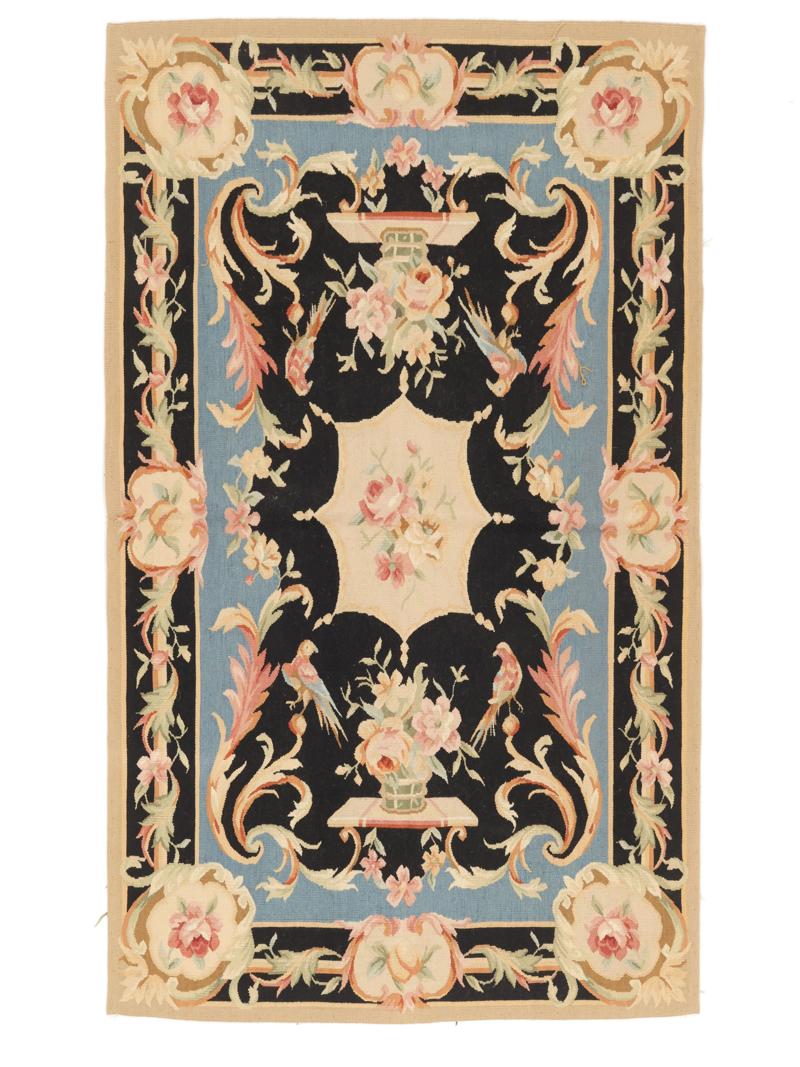
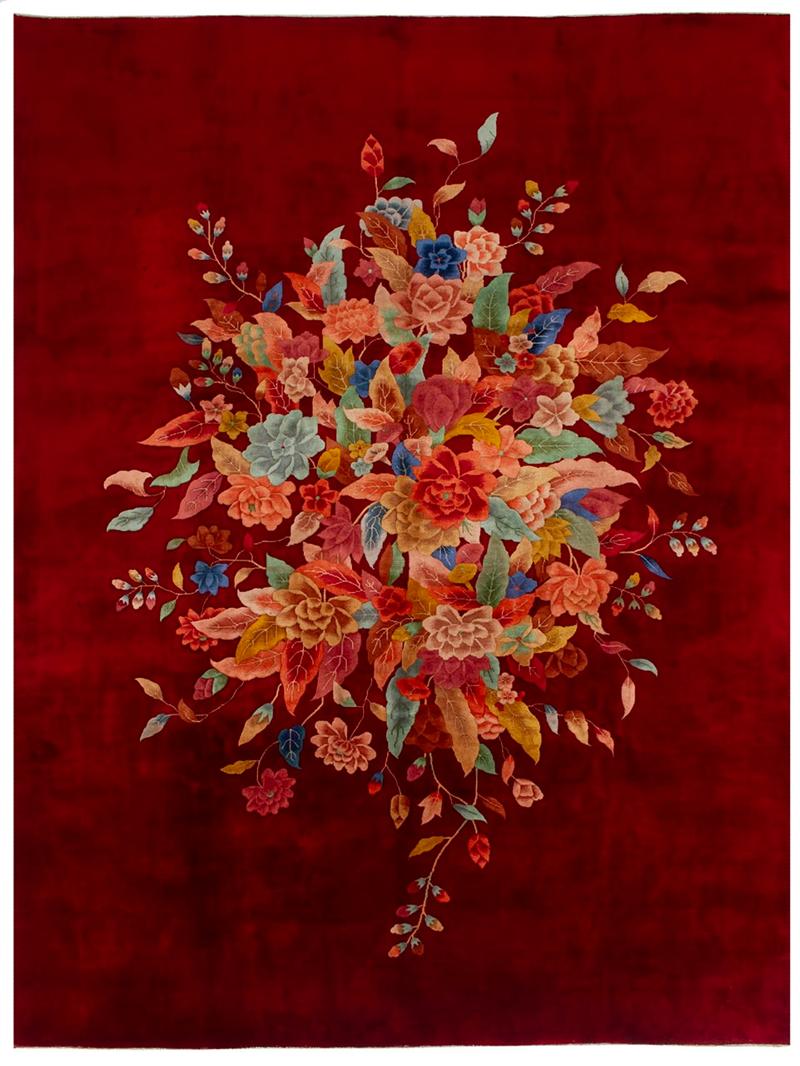
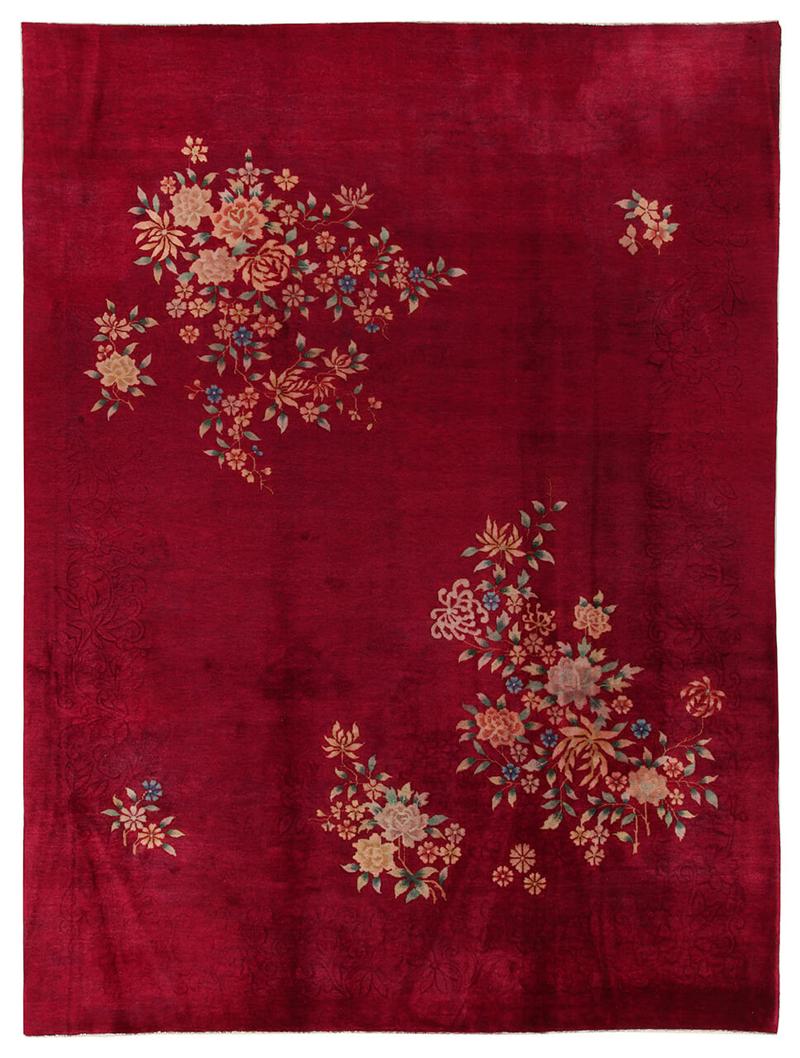
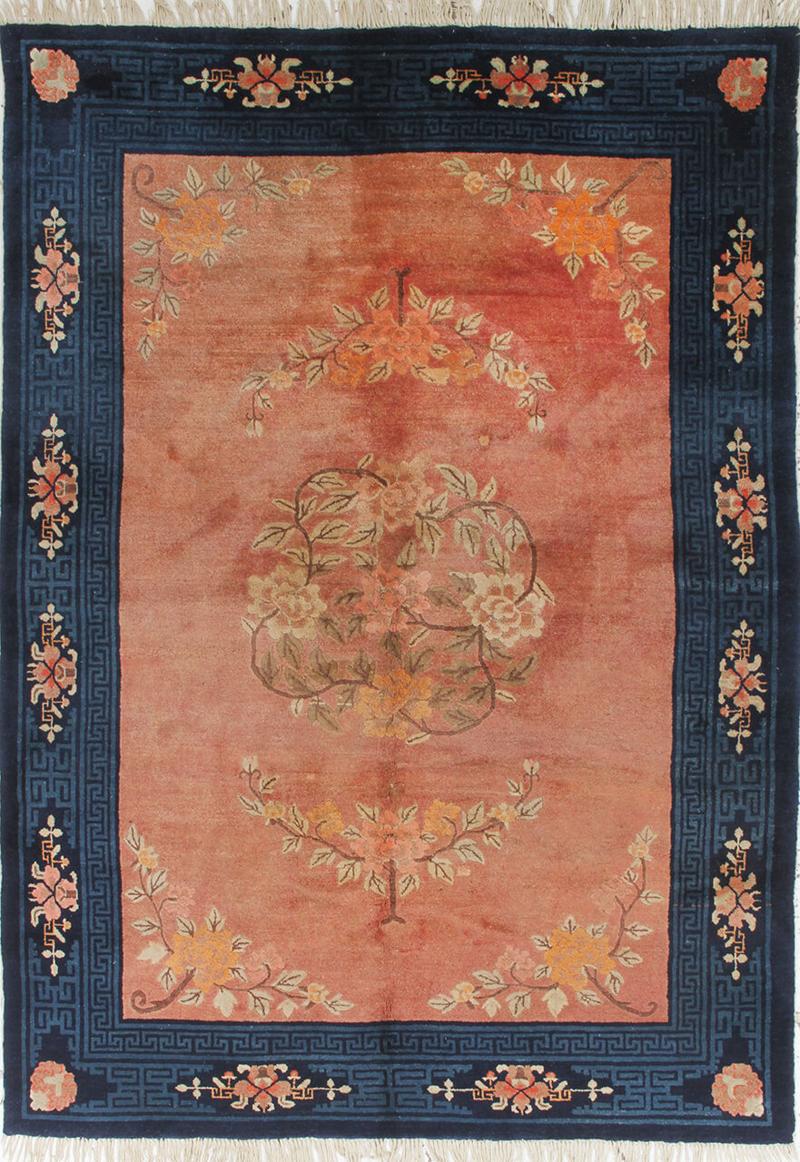
Designs often feature medallions, florals, clouds and animals, each carrying cultural symbolism. Dragons symbolise strength and protection, peonies represent prosperity, while cloud motifs are associated with continuity and good fortune. These elements are rarely decorative alone, they are woven expressions of cultural philosophy.
Open and balanced compositions
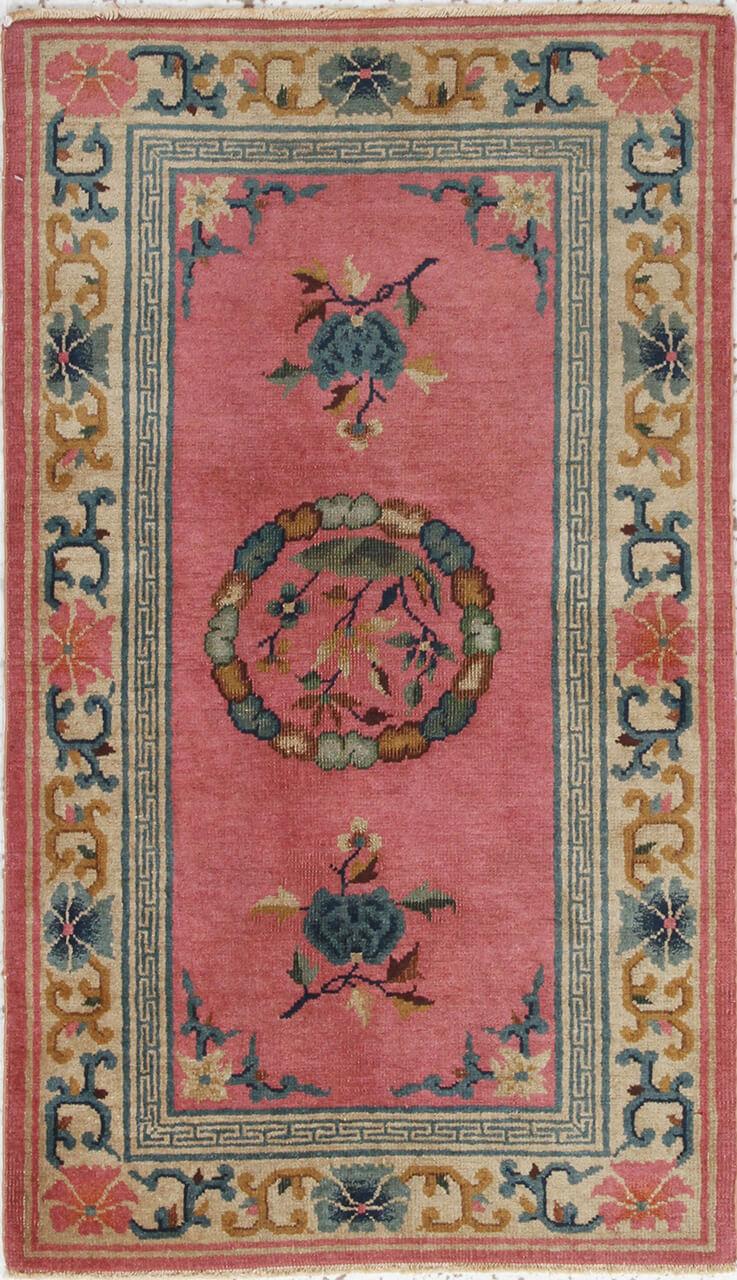
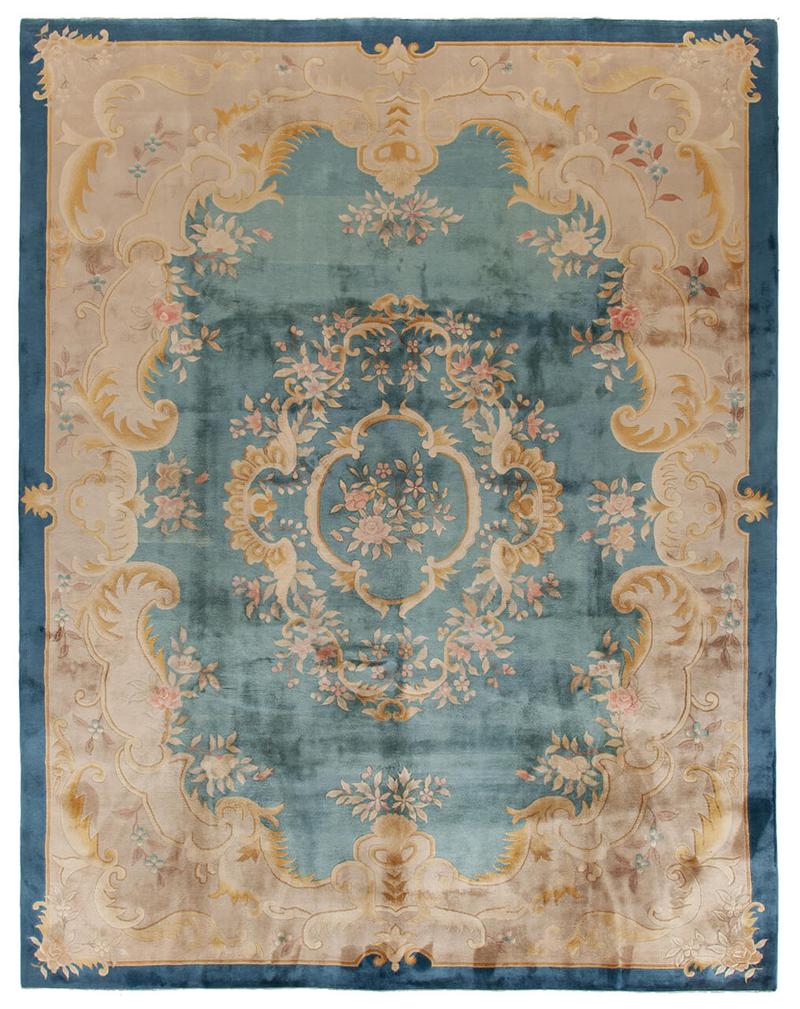
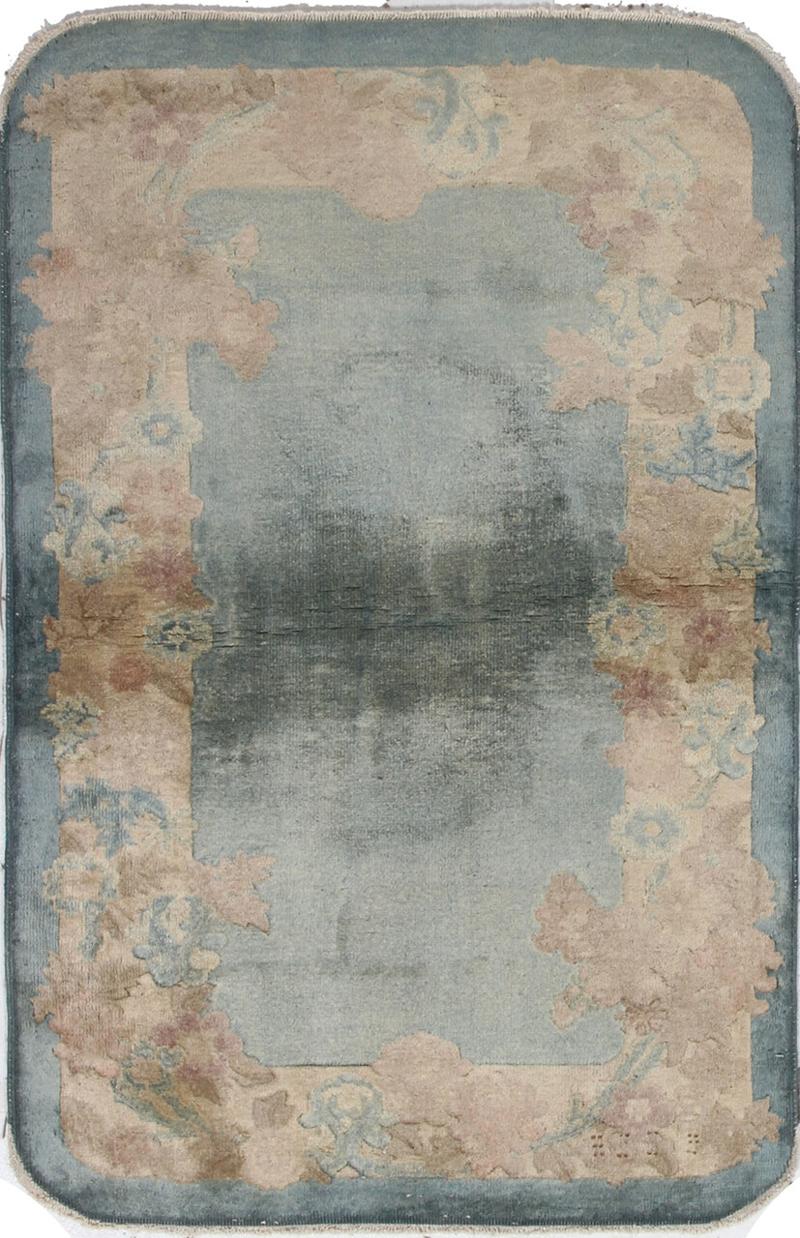
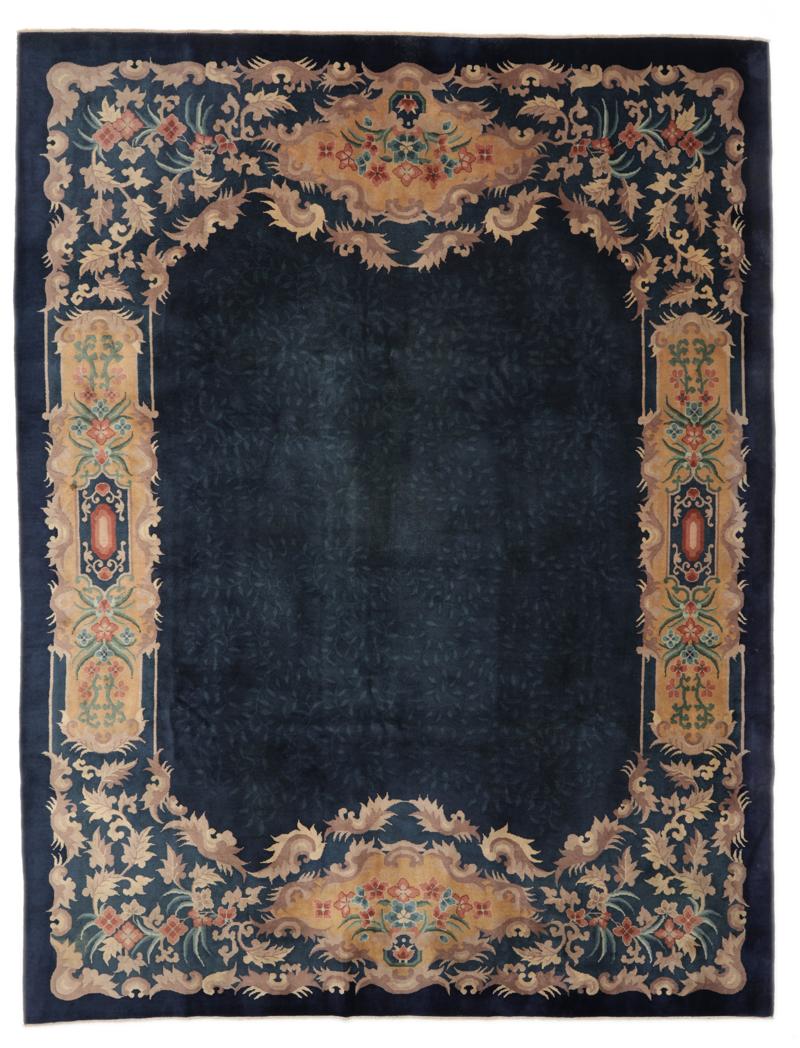
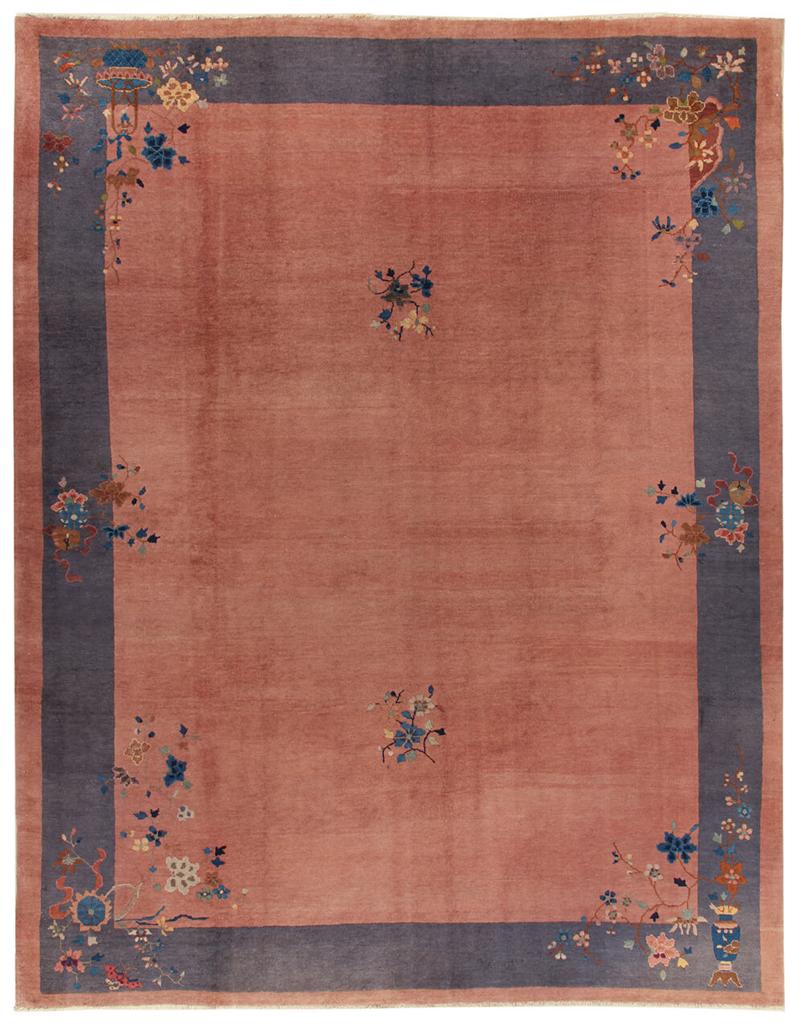
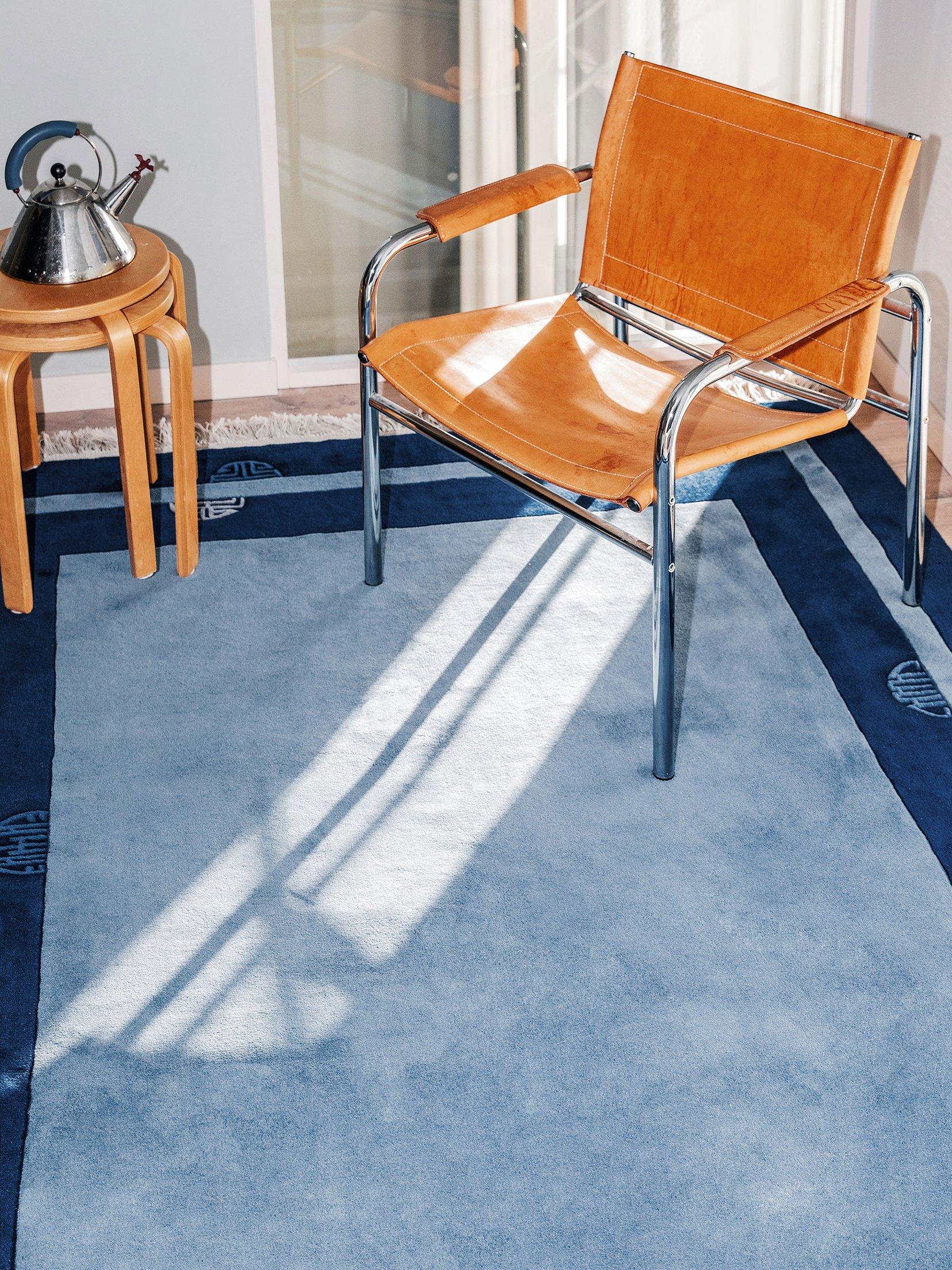
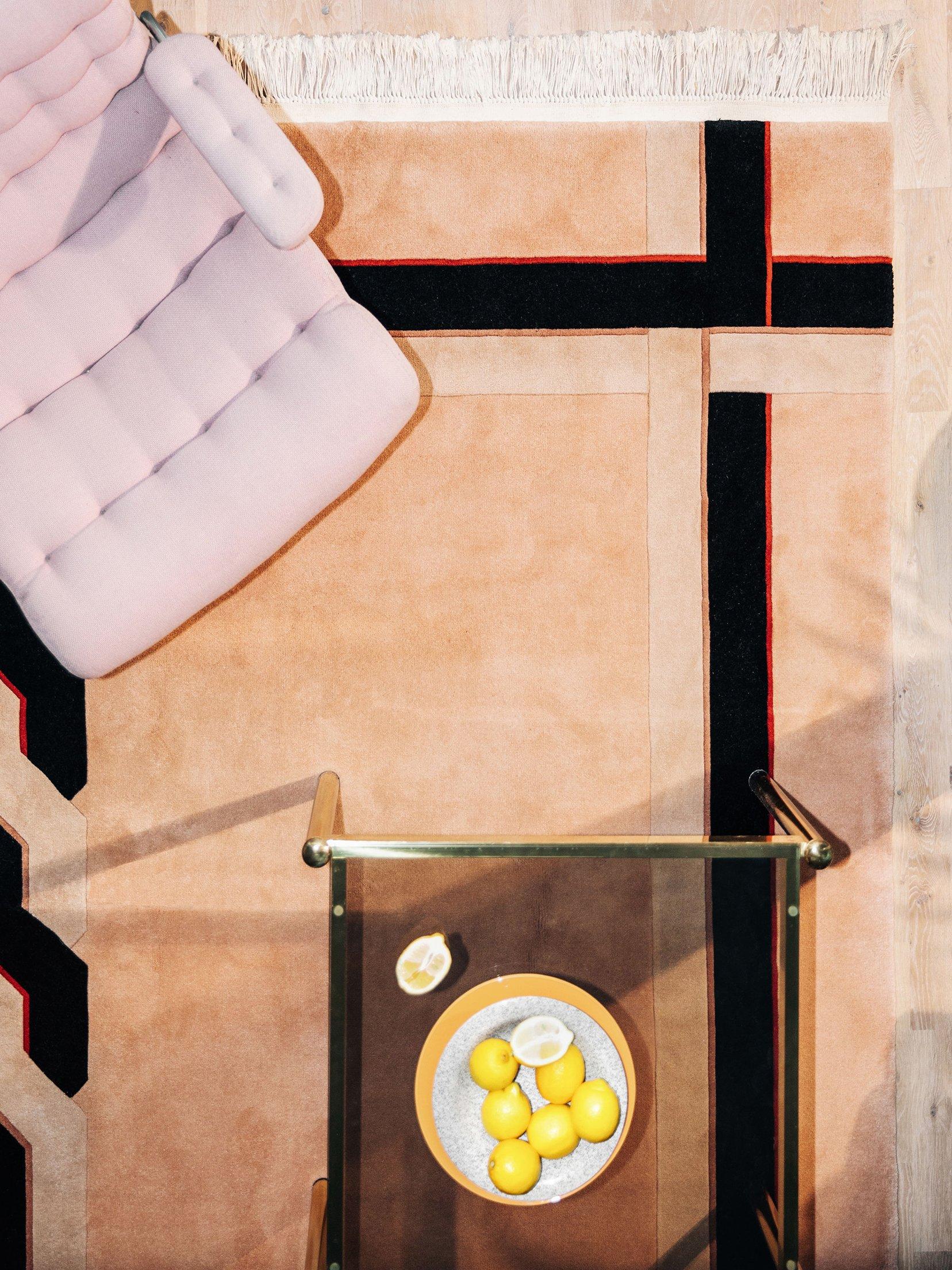
Unlike densely patterned carpets, Chinese rugs typically embrace negative space. Their layouts feel measured and calm, allowing individual motifs to breathe and creating a sense of visual serenity.
Soft, nuanced colours
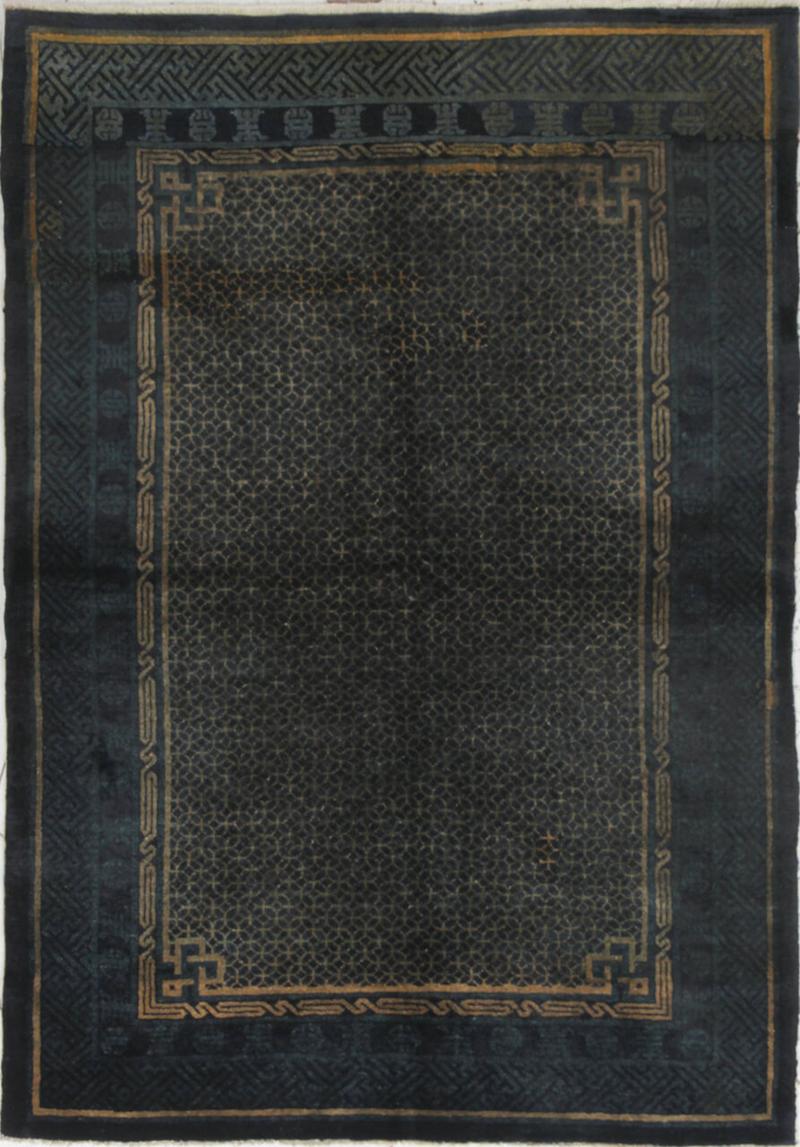
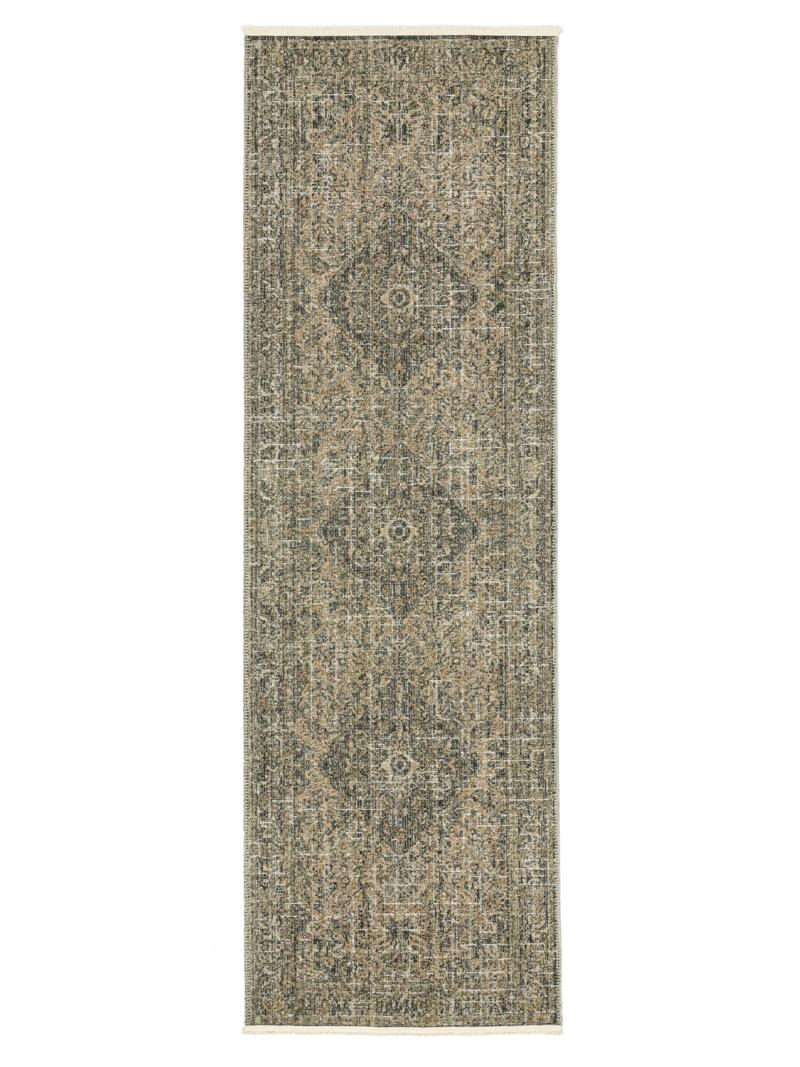
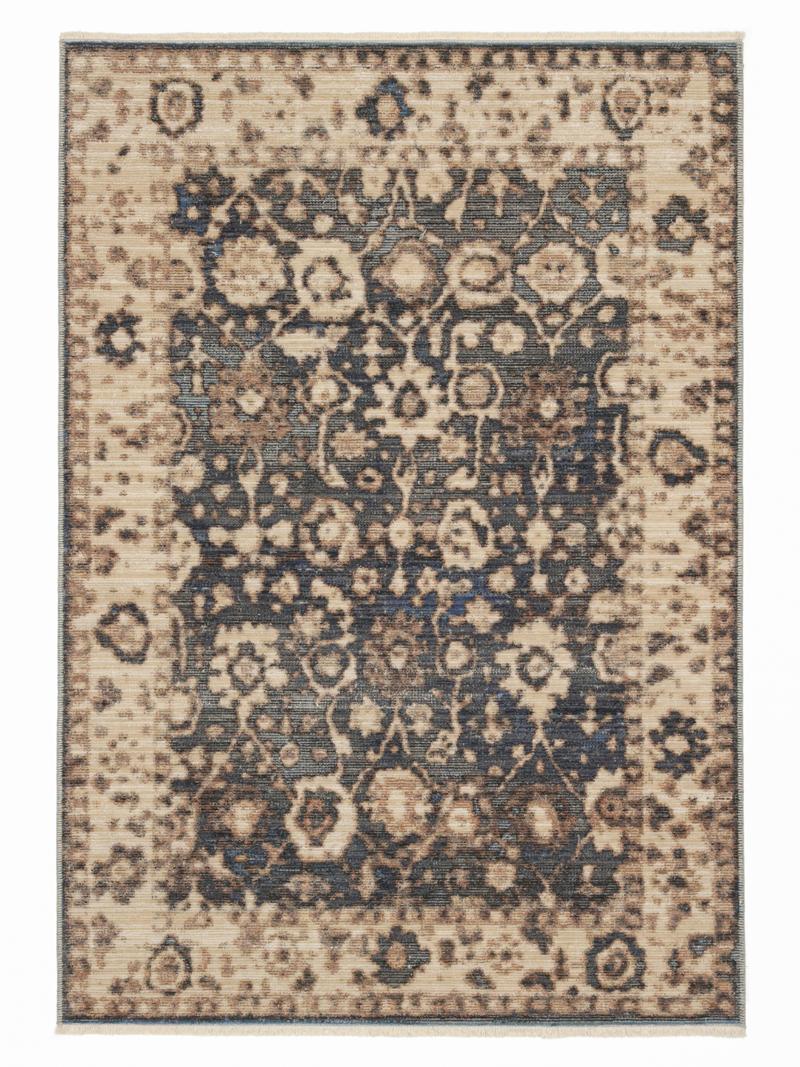
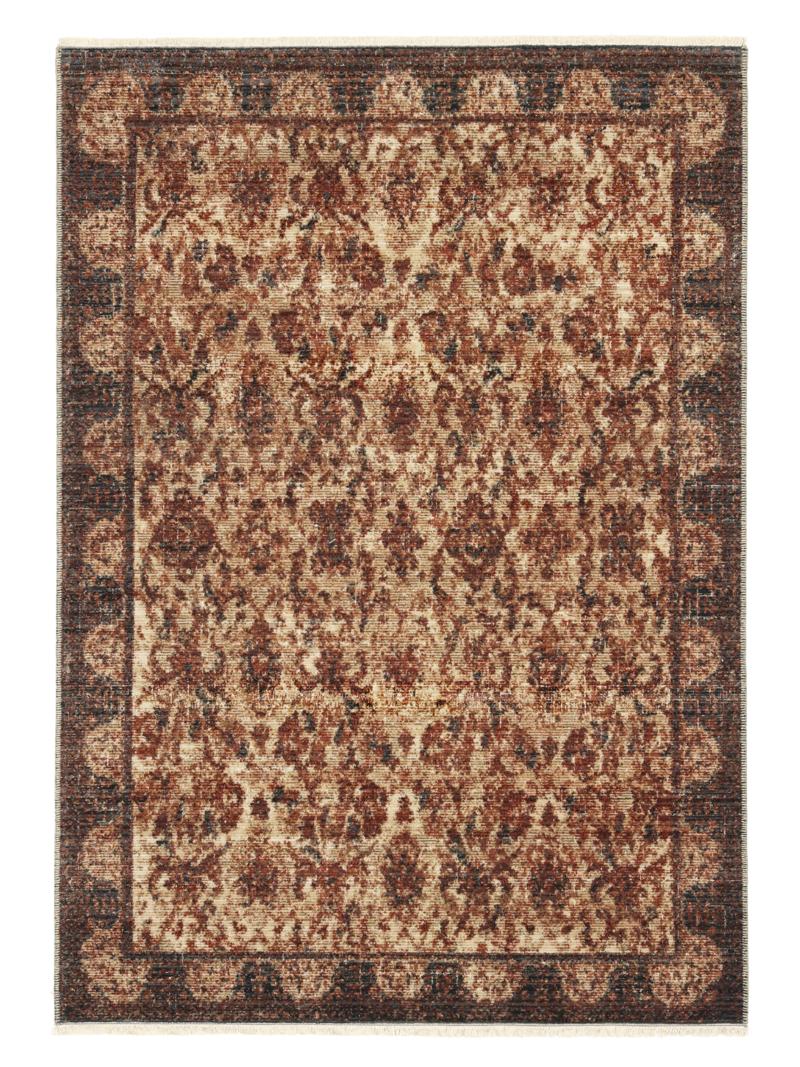
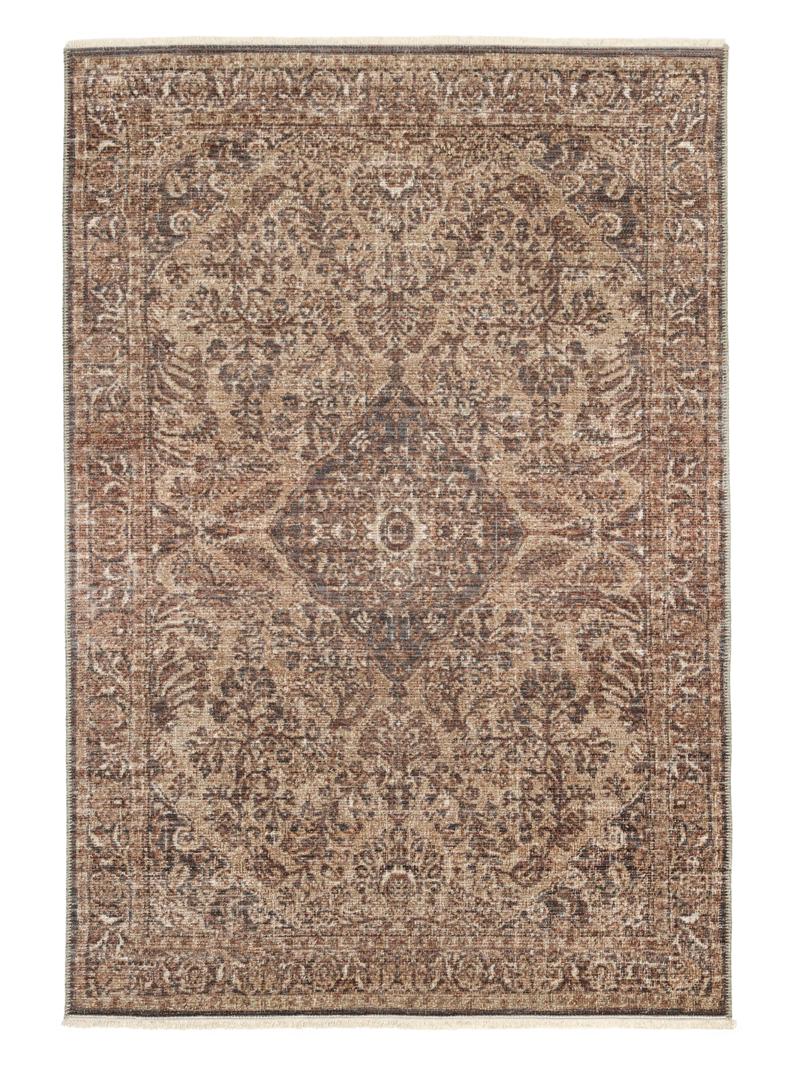
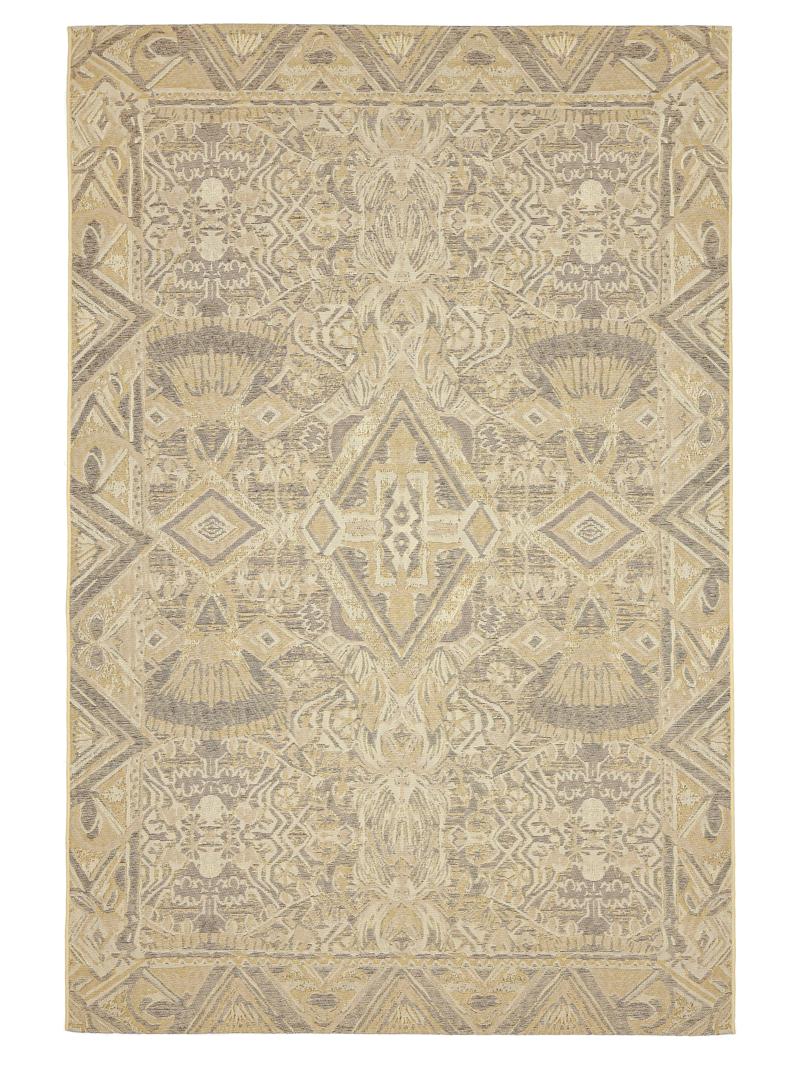
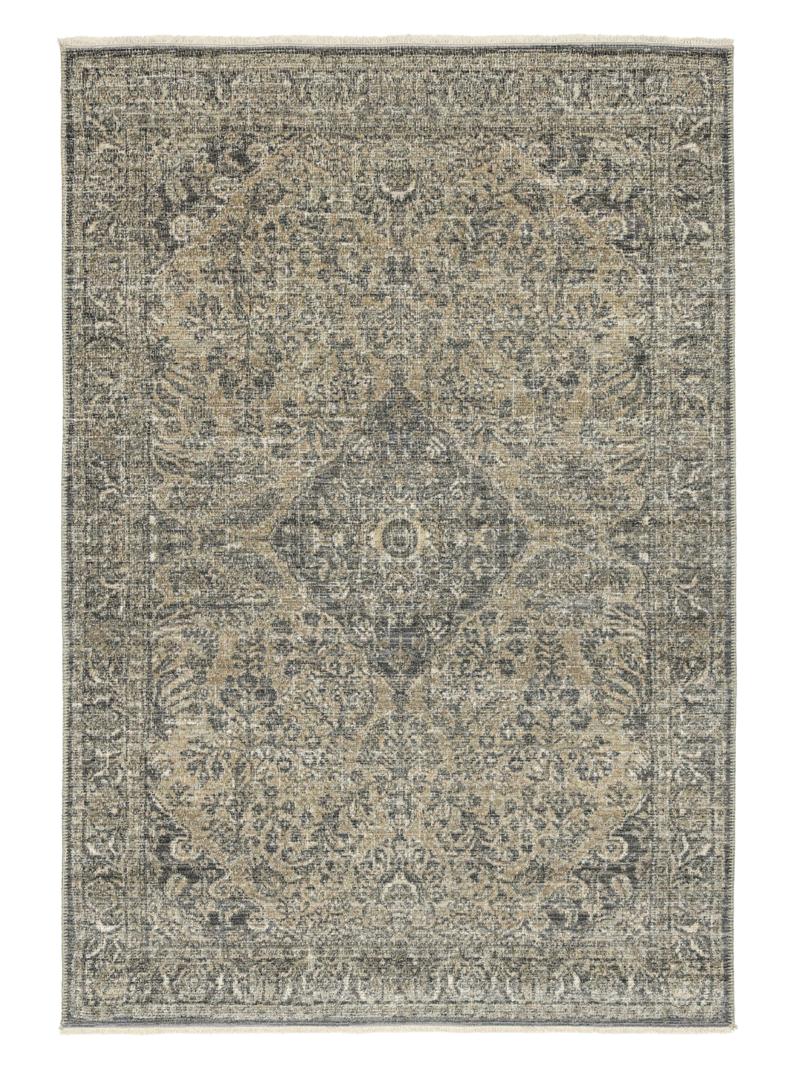
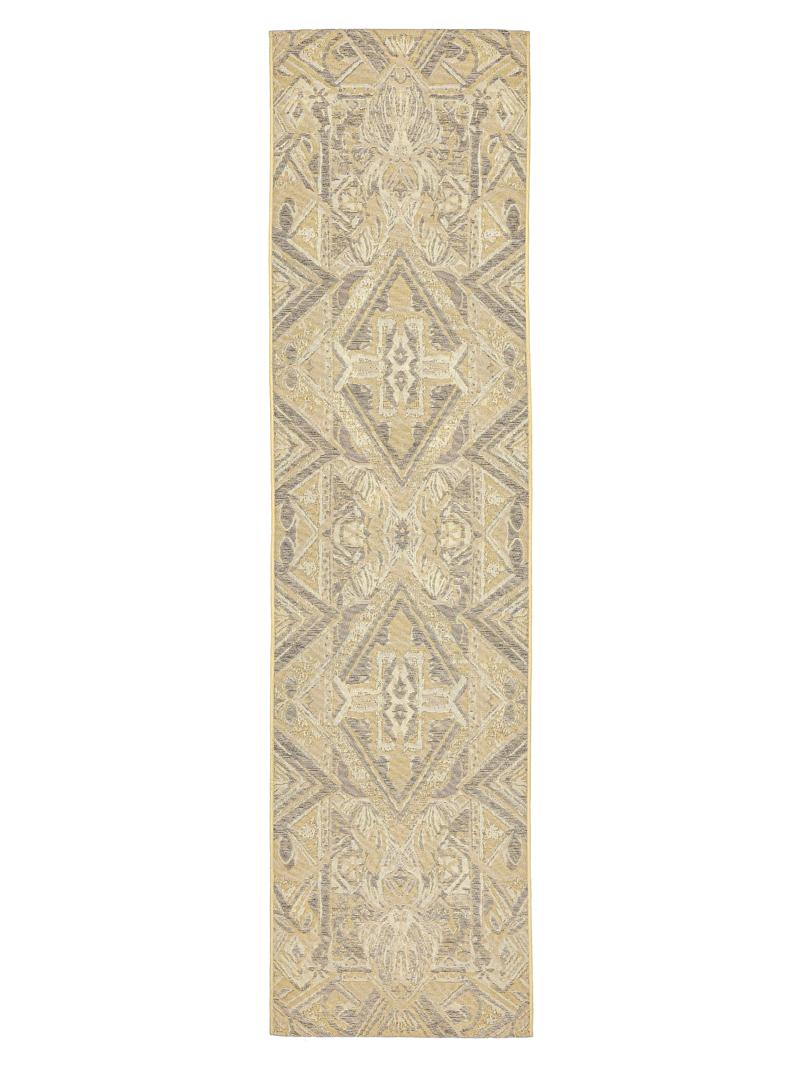
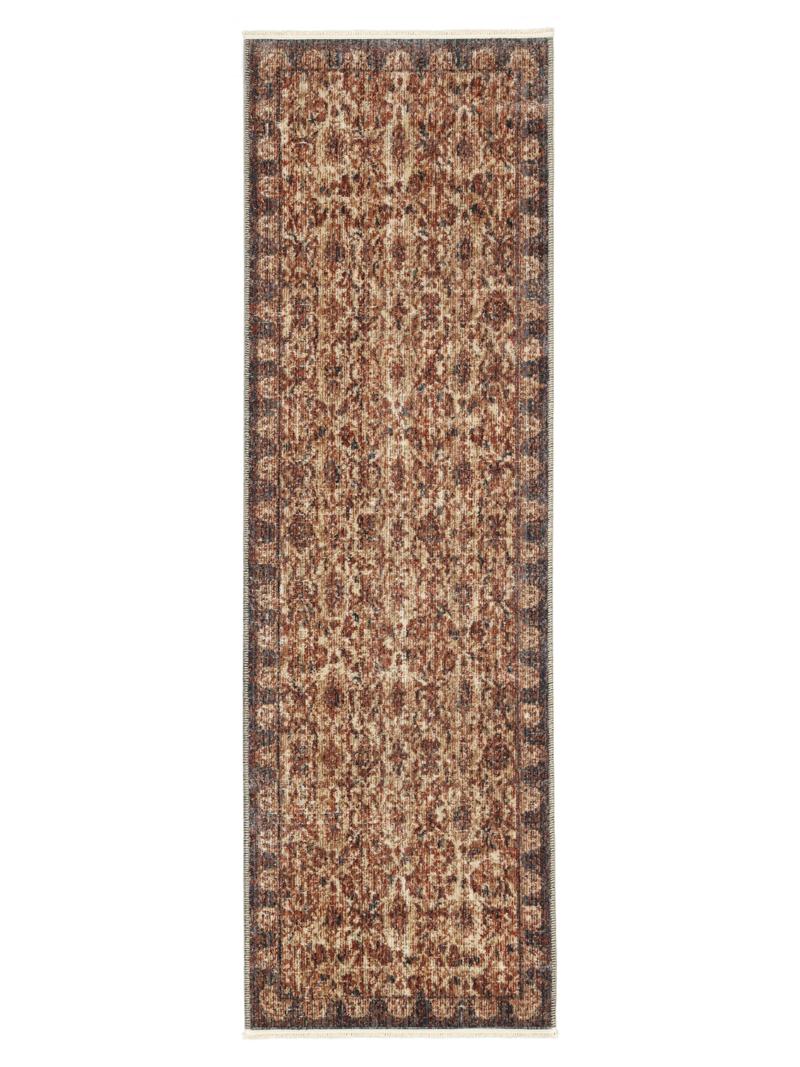
Tones such as ivory, beige, indigo, soft gold, and muted reds are chosen for harmony rather than contrast. The colours are often gently aged or washed, contributing to a subtle, time-worn character.
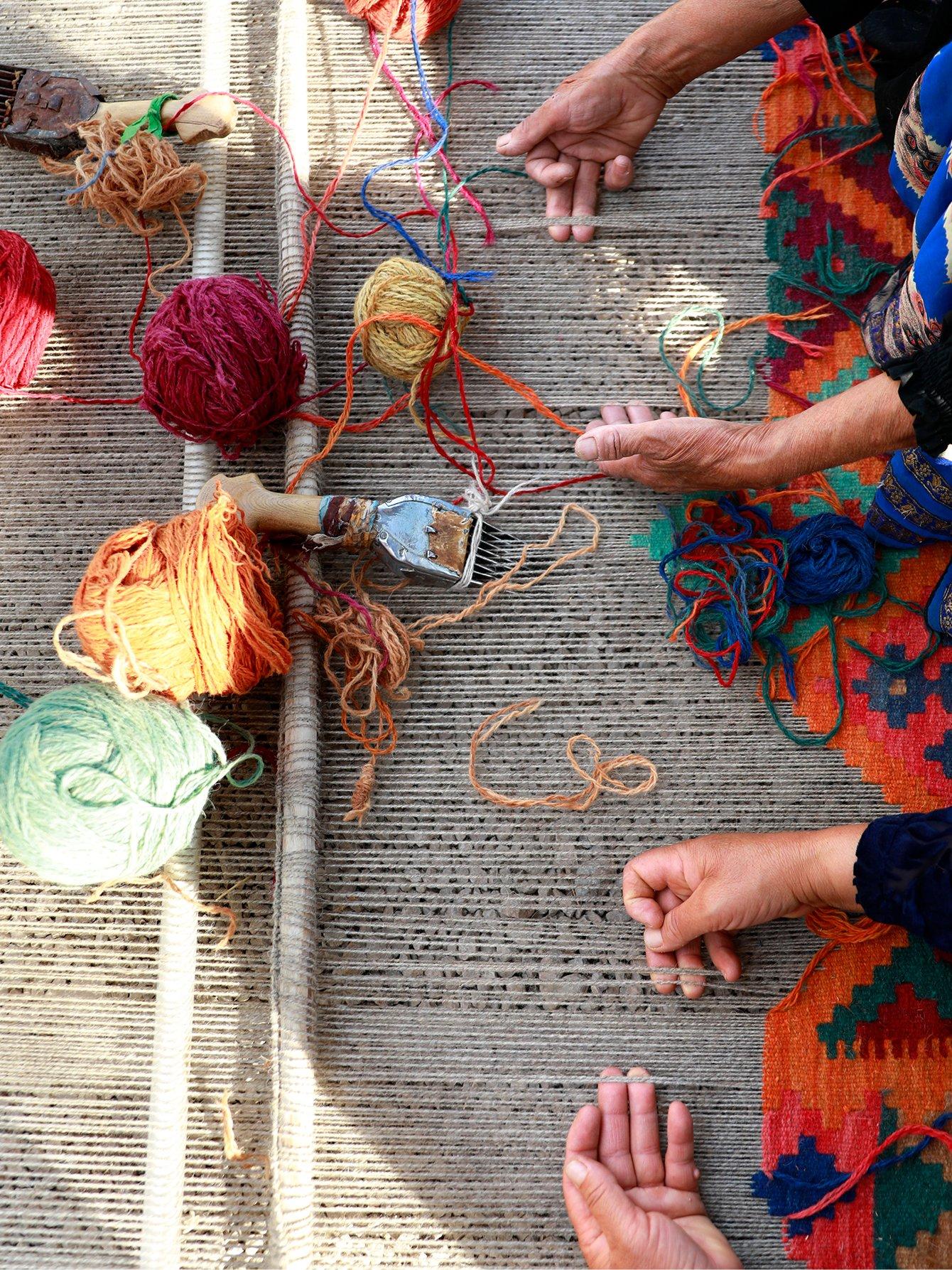
Hand-knotted craftsmanship
Traditional Chinese rugs are hand-knotted and often woven with a slightly lower knot density. This gives them a softer handle and a more fluid surface texture that enhances their understated elegance.
Refined borders and framing
Borders are typically structured yet restrained, designed to frame the central field without dominating it. This balance reinforces the overall sense of order and proportion.
Timeless versatility
Because of their clarity of design and muted palette, Chinese rugs transition effortlessly between classical interiors and contemporary minimalist spaces.
Chinese rugs vs oriental rugs
Chinese rugs are one type of oriental rug, a broad term used to describe handmade rugs produced across regions including China, Turkey, India, the Caucasus, and Central Asia. While all Chinese rugs are oriental rugs, not all oriental rugs are Chinese.
What sets Chinese rugs apart is their distinctive design philosophy. Compared with many authentic oriental rugs, which often feature dense patterns and intricate floral designs, Chinese rugs typically embrace open compositions, softer colour palettes, and carefully balanced motifs. Symbolic elements such as dragons, clouds, lotus flowers, and peonies are common, reflecting Chinese artistic traditions and cultural beliefs.
Chinese rugs are also recognised for their understated elegance and versatility. Their refined aesthetic allows them to complement both traditional interiors and contemporary spaces, making them a popular choice for homeowners seeking a timeless and harmonious look.
How to care for your Chinese rug
Proper care helps maintain the beauty and longevity of Chinese rugs, which can be made from different materials such as wool or blended fibres. Regular cleaning, mindful placement, and gentle handling allow the rug to age gracefully and retain its original character.
To maintain its condition over time:
- Hover gently and regularly: Use low suction to remove surface dust and grit before particles settle deep into the pile. Avoid aggressive suction settings that may strain delicate fibres.
- Rotate periodically to encourage even aging: Turning the rug every few months helps distribute foot traffic evenly and prevents uneven fading, particularly in rooms with natural light.
- Protect from prolonged direct sunlight: While subtle colour changes can add character, extended exposure to strong sunlight may gradually soften original tones. Curtains or blinds can help moderate light during peak hours.
- Treat spills with care: Blot immediately with a clean, dry cloth, never rub, as friction can disturb the pile and push liquid deeper into the fibres.
- Clean wool rugs with restraint: Natural wool fibres respond best to mild, wool-safe solutions. Harsh chemicals or excessive water may compromise both colour and structural integrity.
- Use a supportive underlay: An anti-slip can reduce friction against the floor, improves stability, and helps preserve the rug’s woven foundation.
- Avoid excess moisture: Because wool is absorbent, prolonged dampness can affect the rug’s shape and internal structure. Proper ventilation is essential if the rug becomes wet.
FAQs: Chinese rugs
Yes. Traditional Chinese rugs are hand-knotted from wool, built to last, and valued for their soft handle and authentic craftsmanship.
Most available today were produced during the 1900s, from workshops active until the 1980s, making them genuine vintage pieces.
New production is very limited. Most Chinese rugs on the market today are vintage pieces from the twentieth century.
Look for hand-knotted construction, quality wool, and symbolic motifs. Rugs from Beijing, Tianjin, or Ningxia traditions tend to be particularly sought after.
Chinese rugs work well in living rooms, bedrooms, and dining rooms where their calm, balanced aesthetic and muted palette can be fully appreciated.
Shop Chinese rugs at Rugvista
If you’re inspired by the history and craftsmanship behind these rugs, explore our full collection of Chinese rugs to discover a range of sizes, colours, and designs suited to both modern and classic interiors.