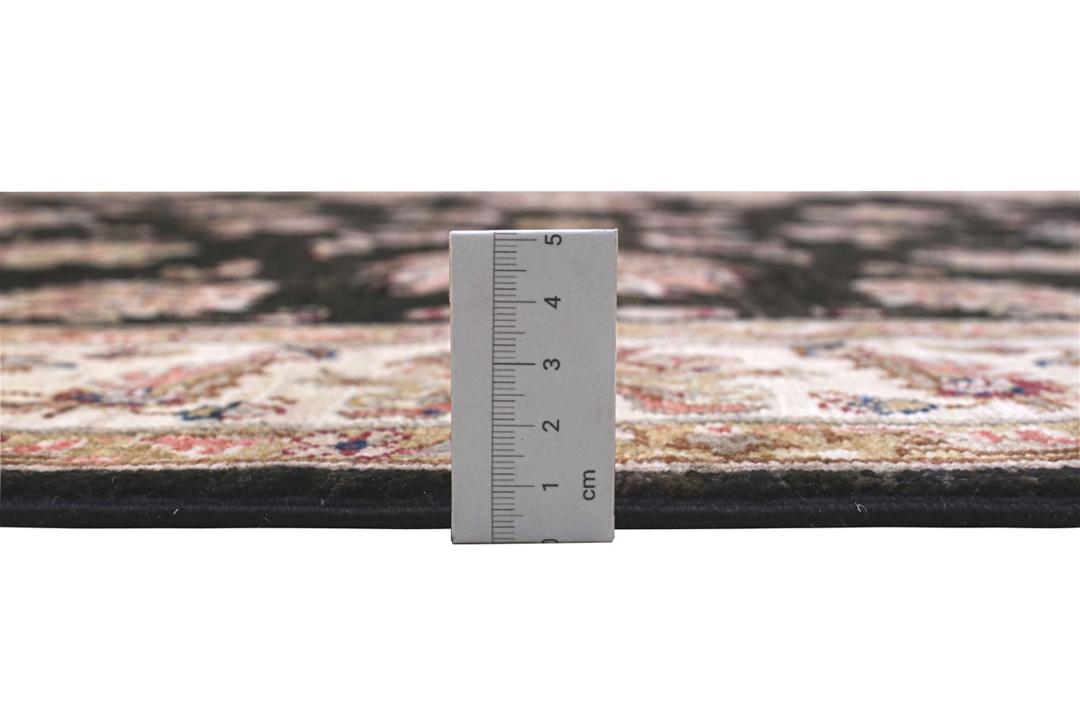
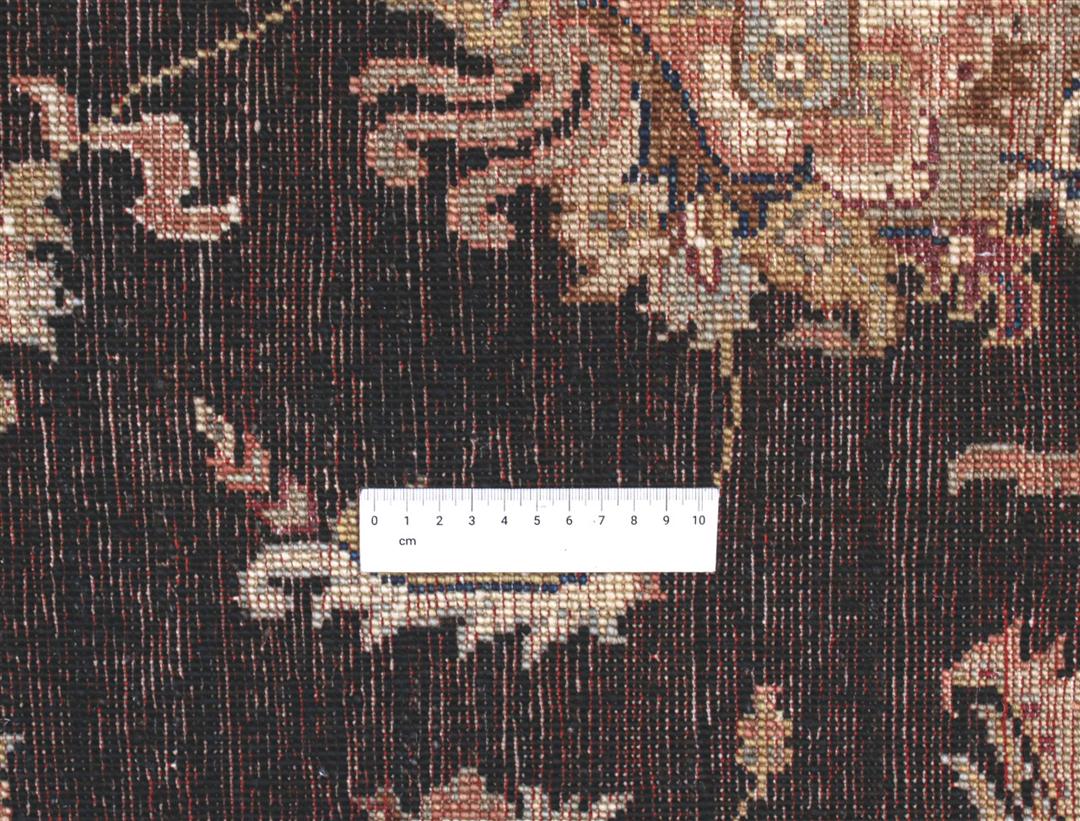
Ziegler rugs originated in the late 19th century as a collaborative effort between the Swiss-German firm Ziegler and Co. and local artisans in the Middle East. The goal was to create pieces that appealed to Western tastes while maintaining the traditional, high-quality hand-knotting techniques of the region. Today, this tradition is expertly continued in Afghanistan, where weavers create these pieces with a focus on durability and classic beauty.
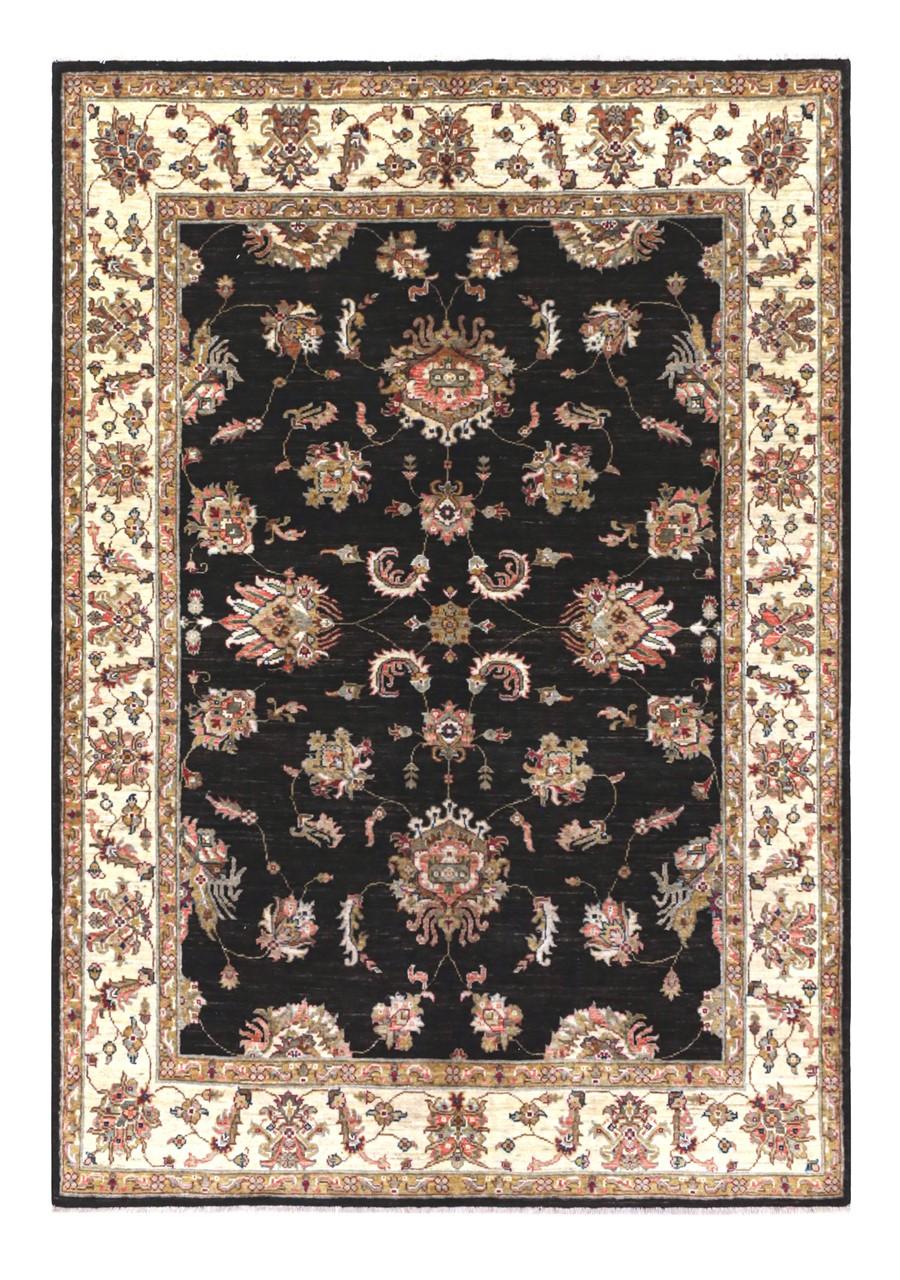
The term 'Ziegler' refers to a specific design philosophy that emphasises a more open field and larger, simplified floral motifs compared to the dense, cluttered patterns of other traditional styles. This evolution in design makes them highly versatile for modern homes, as the patterns are bold enough to be noticed but balanced enough to remain harmonious in various settings.
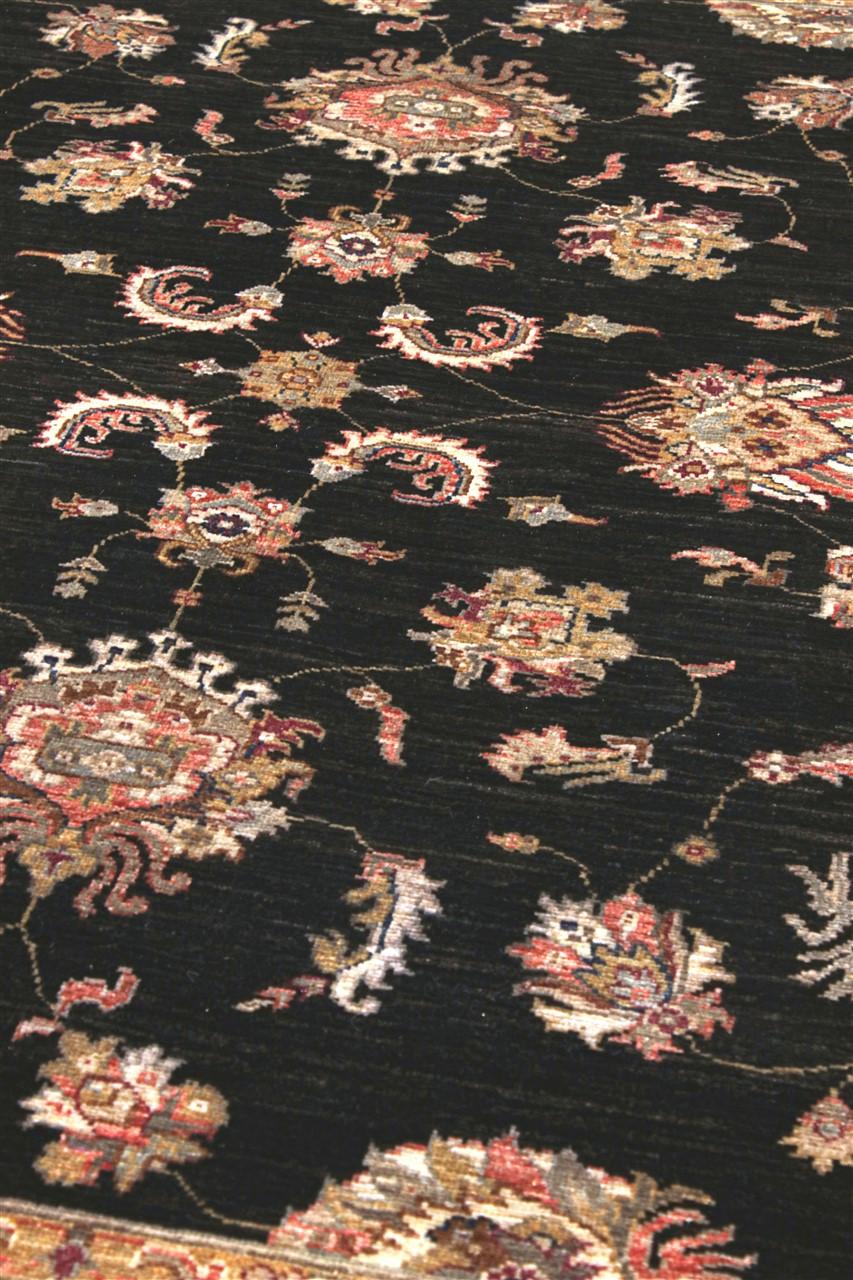
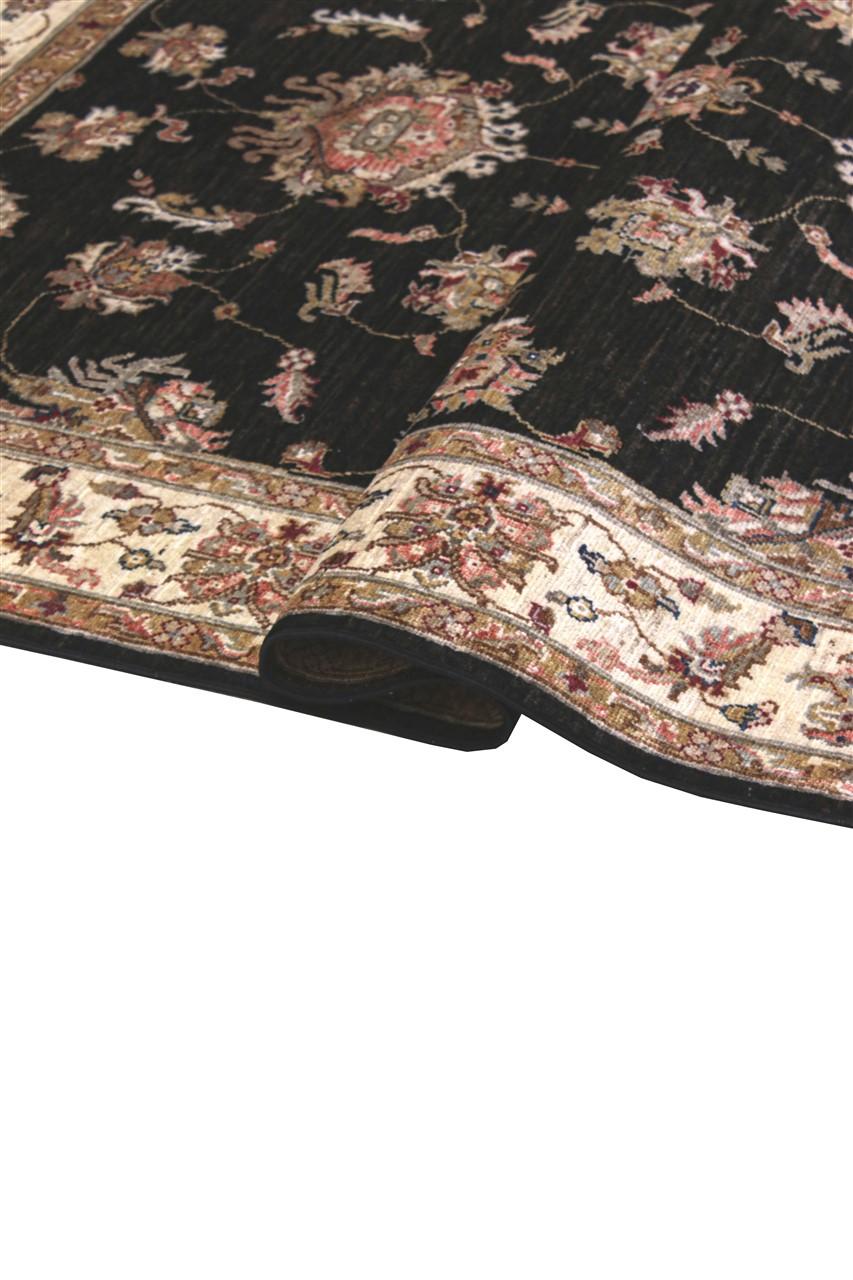
Visual language in these rugs is characterised by elegant scrolls, palmettes, and vine-work that often appear slightly distressed or aged, giving them an immediate sense of history. The border is usually formal and frames the field, creating a sense of completeness. The use of natural, earthy tones—often achieved through traditional vegetable dyeing—is a hallmark of the style, lending the rugs a soft, muted look that feels both grounded and refined.
Collectors value Ziegler rugs for their ability to bridge the gap between antique aesthetics and contemporary needs. Owning one is an investment in a storied craft tradition that values human skill and enduring materials. These rugs are not just floor coverings; they are a link to a long lineage of artistry, designed to be passed down through generations as a testament to quality.