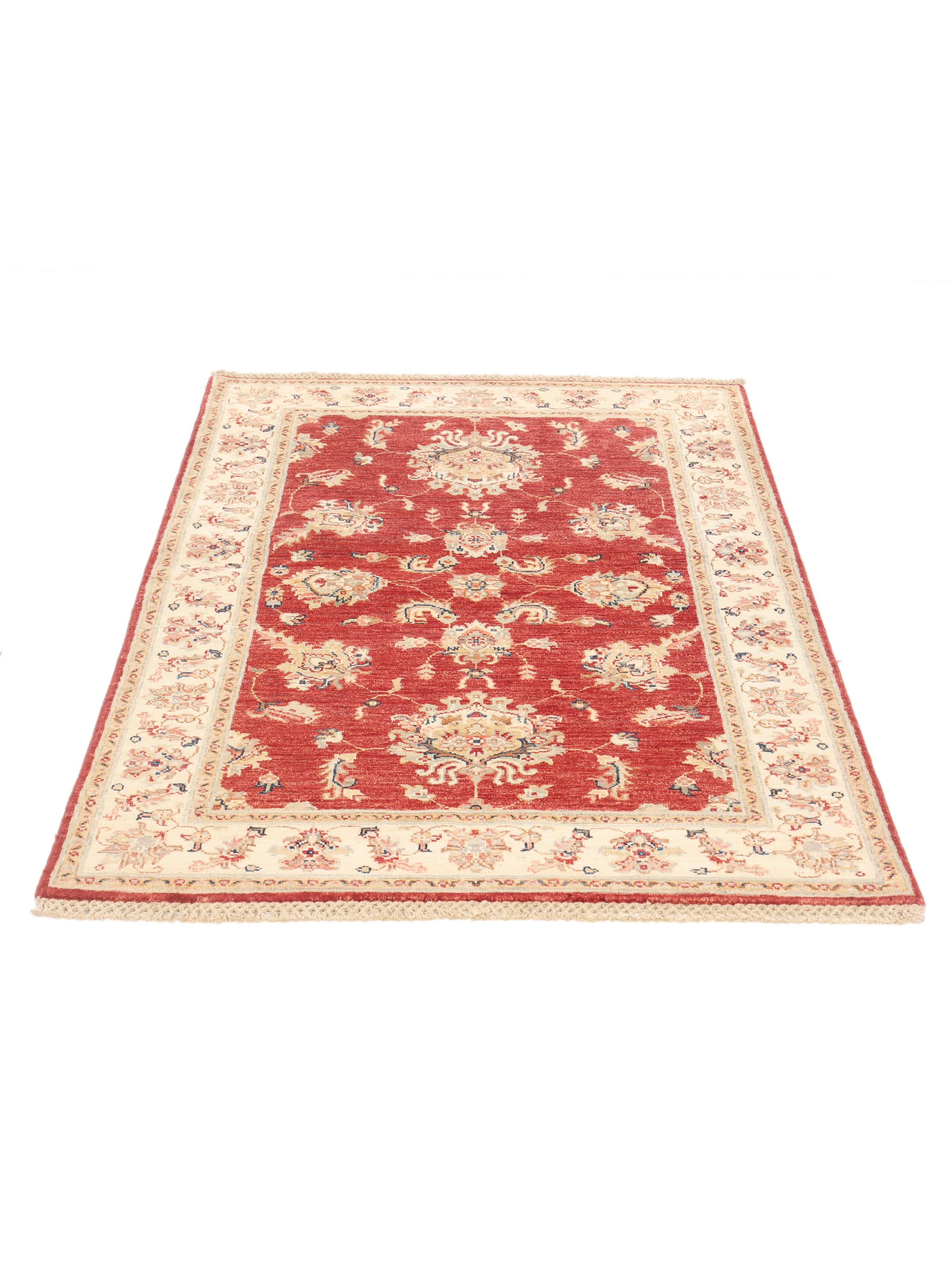
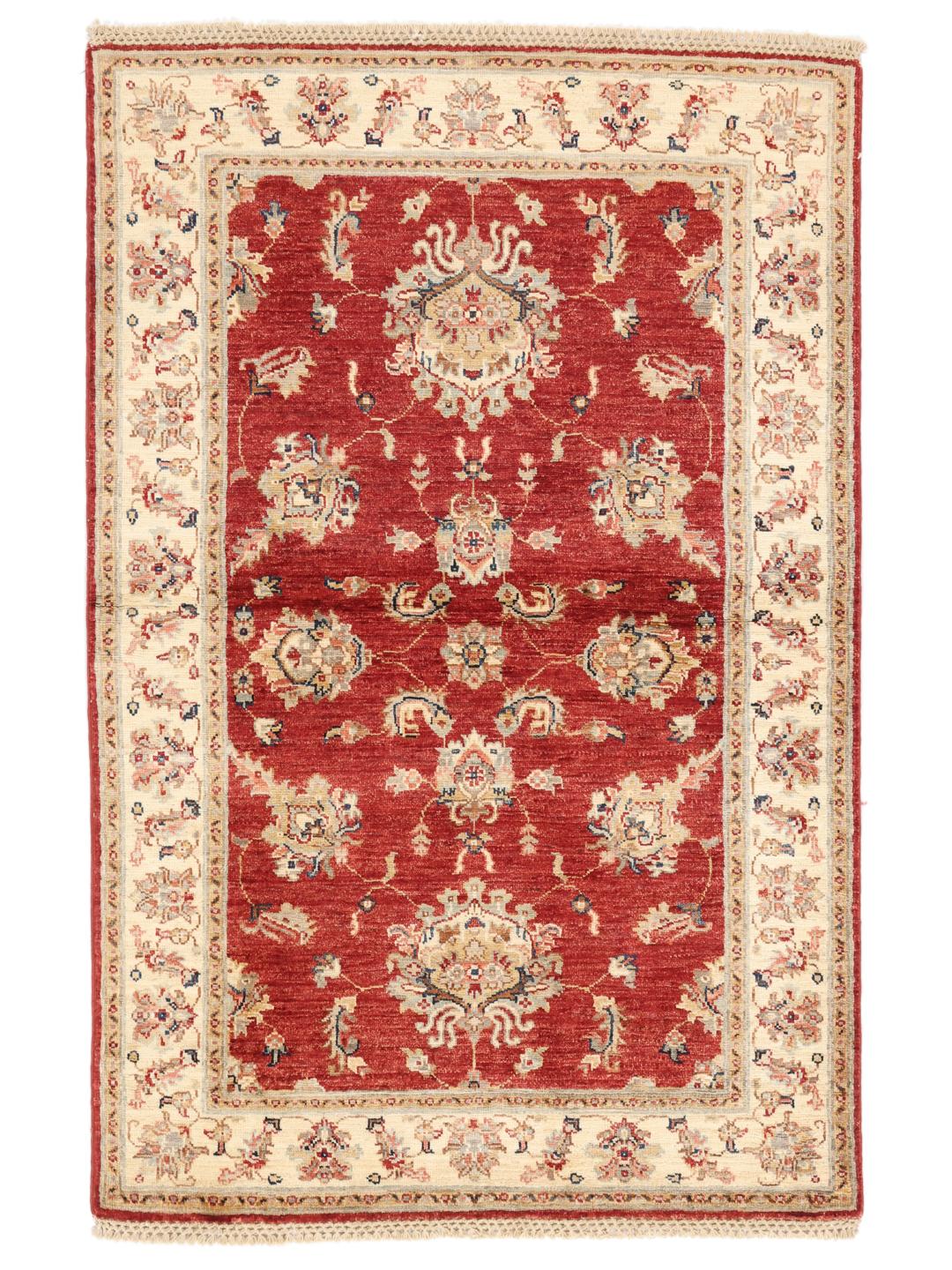
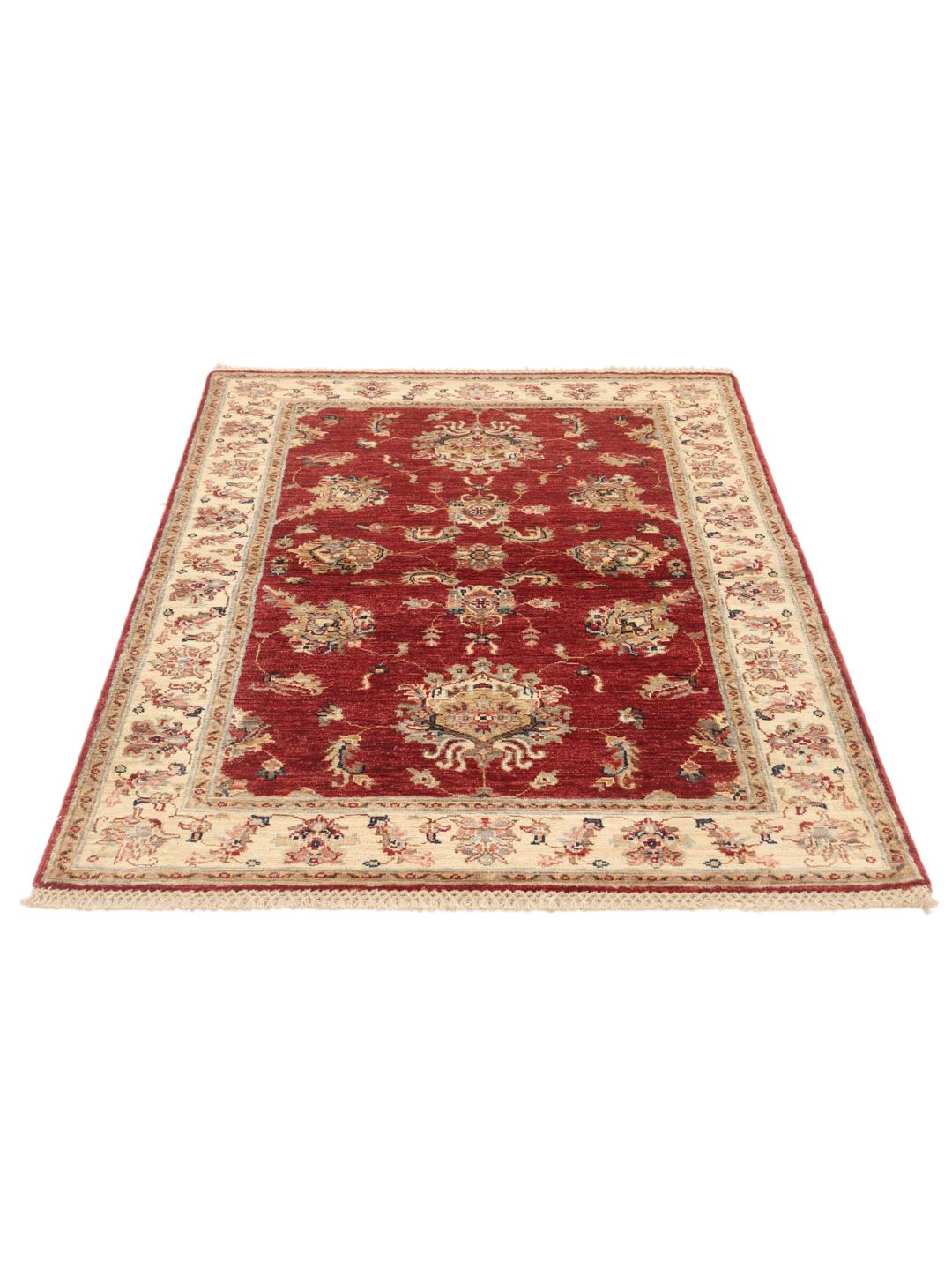
The Ziegler style, often associated with the late 19th century, represents a fascinating chapter in the history of rug weaving. Originally developed by a Swiss firm of the same name, this tradition sought to adapt the intricate, formal designs of older Middle Eastern rugs for Western homes. They introduced a softer, more muted palette and larger-scale patterns, which allowed these pieces to fit seamlessly into diverse interior styles while retaining their traditional roots.
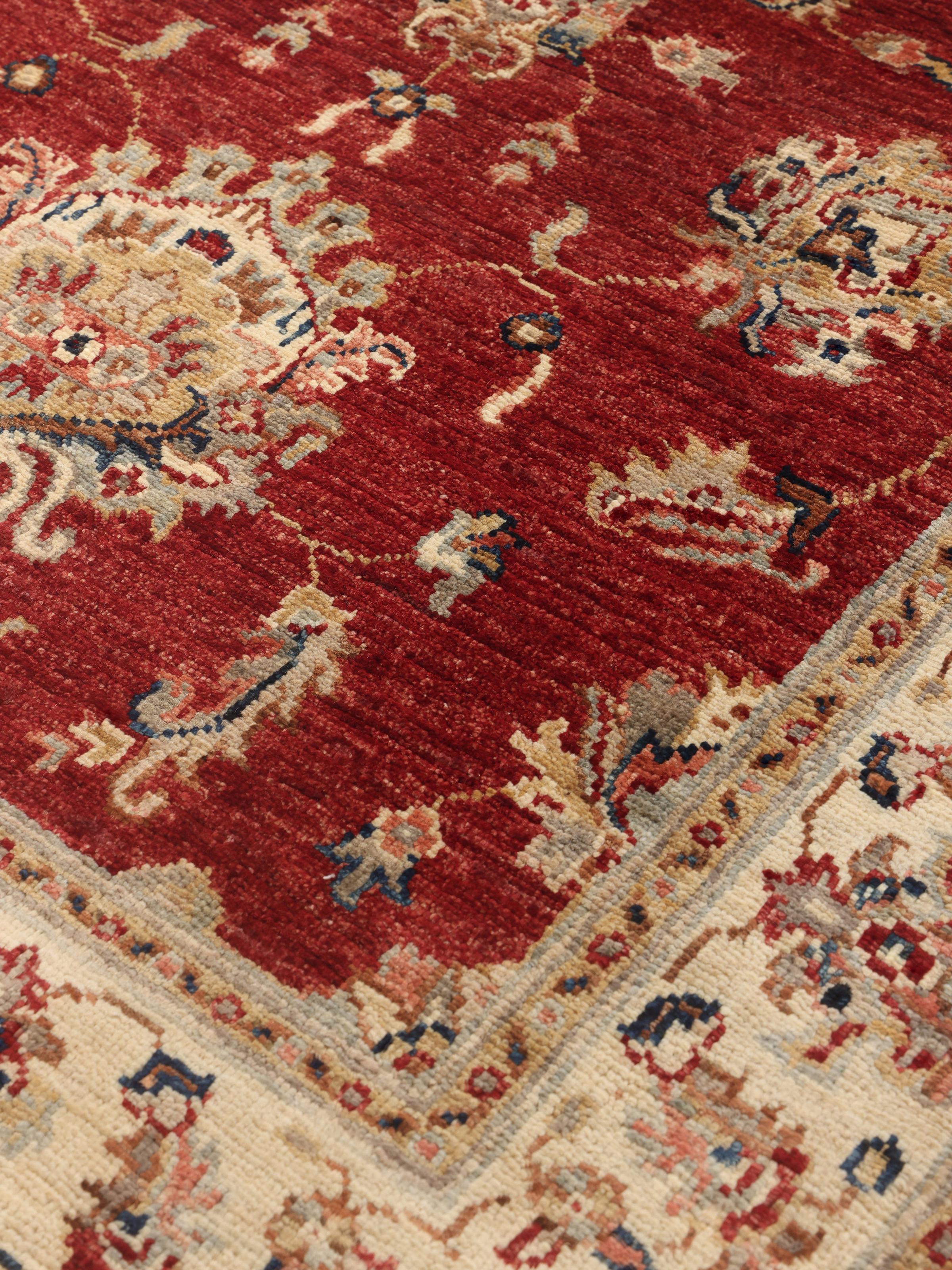
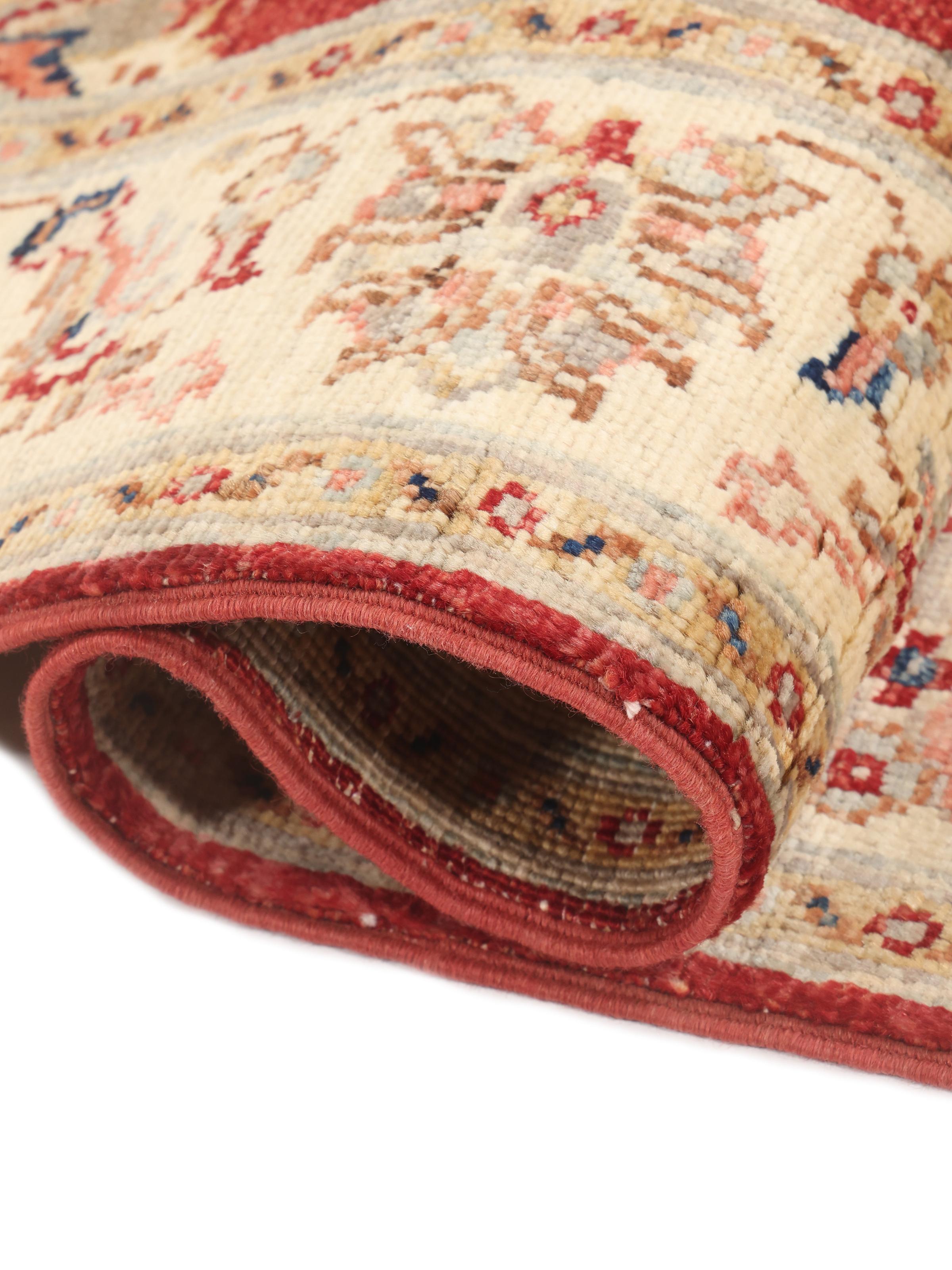
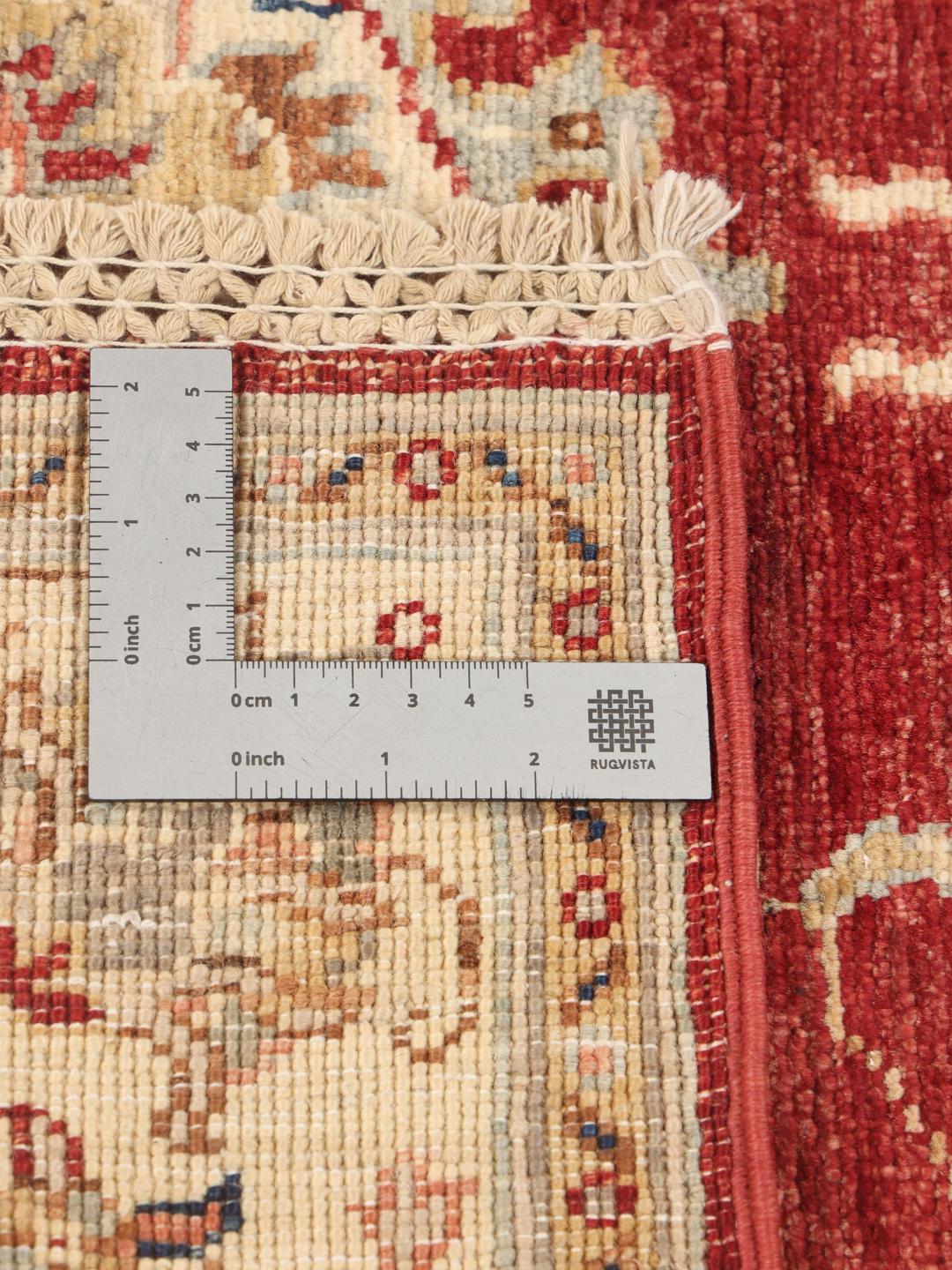
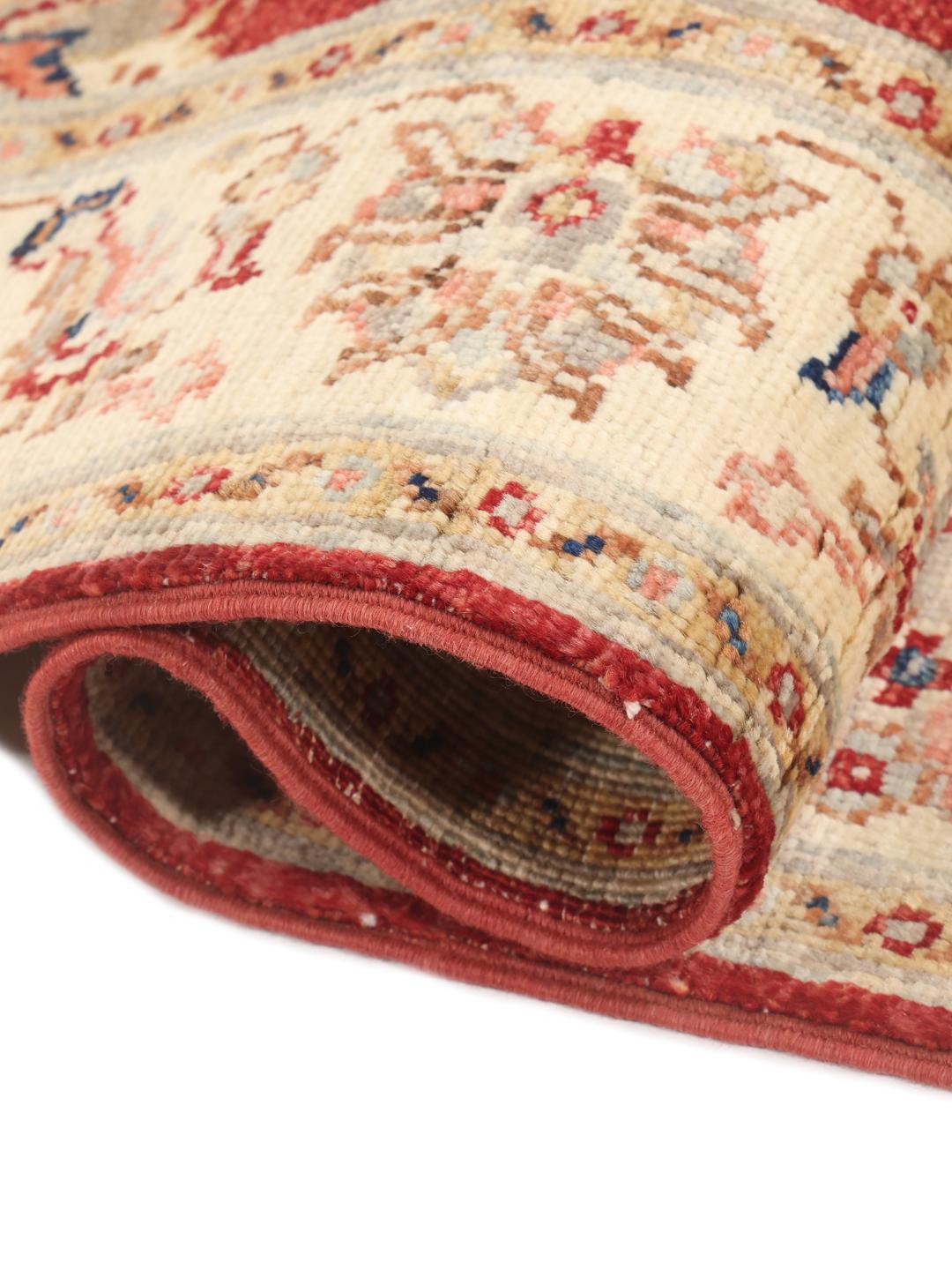
Today, this tradition is expertly carried forward by artisans in Afghanistan. These weavers have refined the style, utilising high-quality wool and traditional hand-knotting techniques to produce rugs that feel both historic and current. The use of wool is central to this craft, as its natural lanolin content provides a durable, stain-resistant, and lustrous finish that matures beautifully over time.
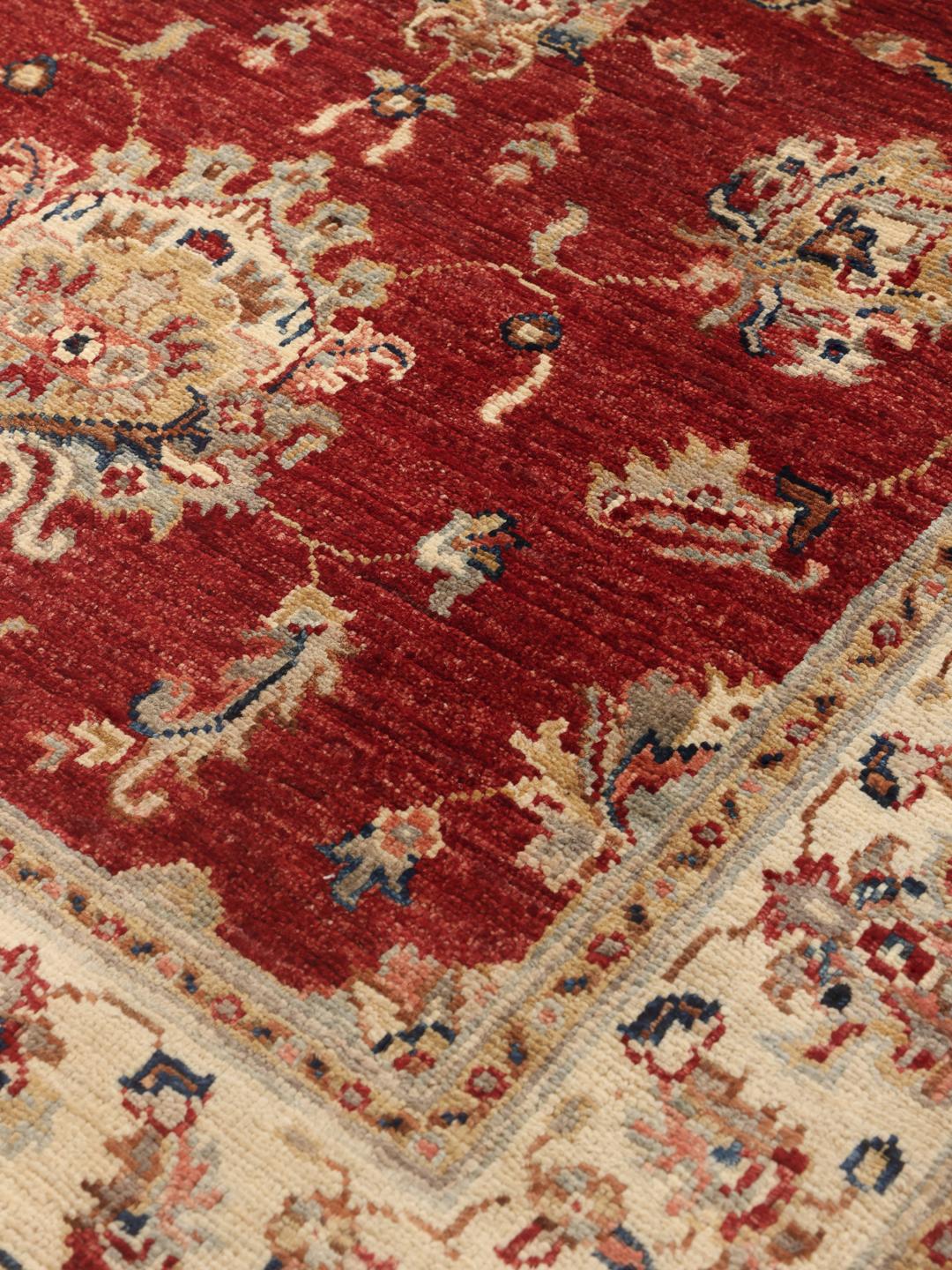
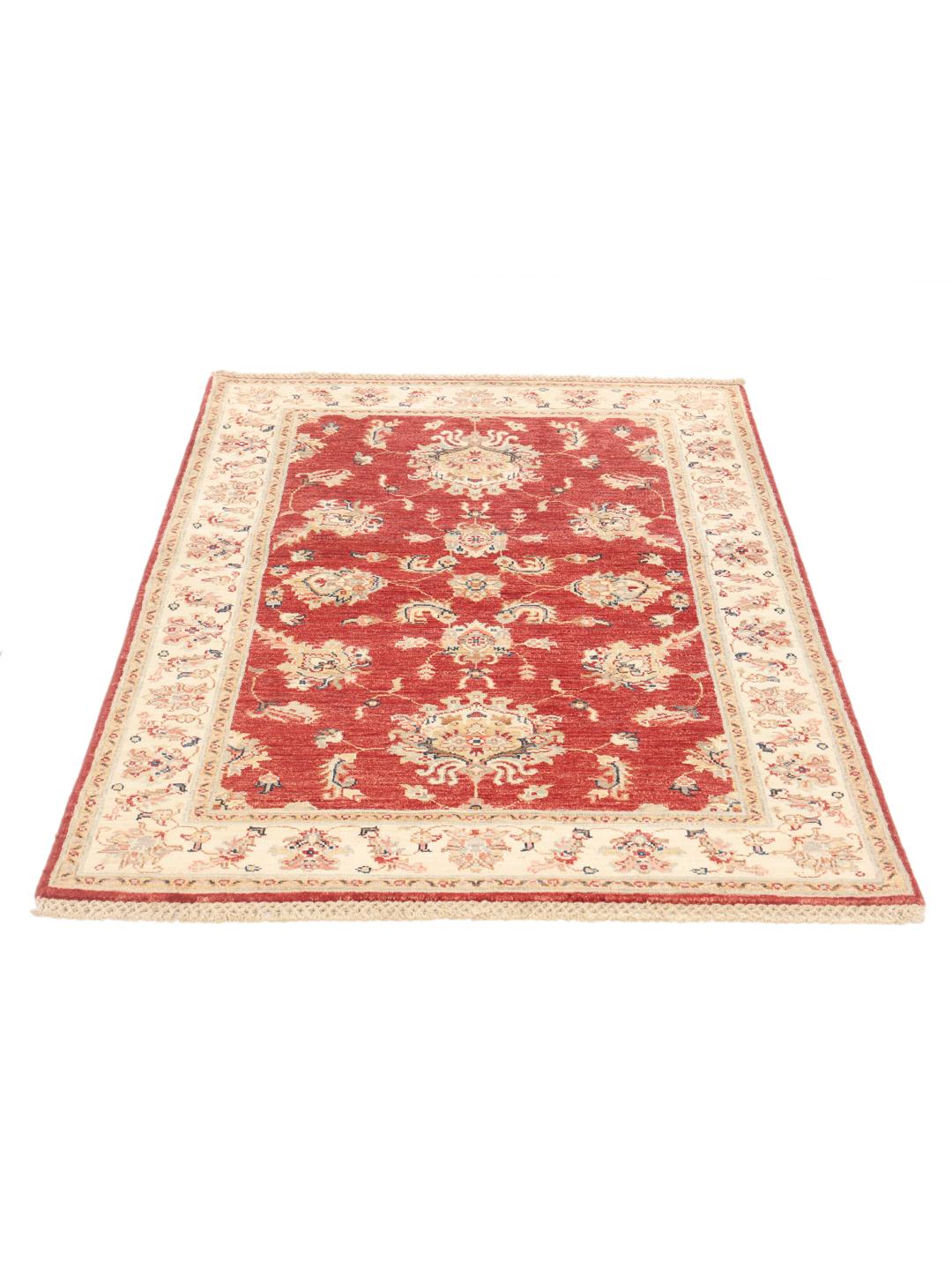
The design language of a Ziegler rug is typically defined by a balanced, open field adorned with stylized floral vines, palmettes, and delicate medallions. These motifs are often framed by a wide, decorative border that grounds the composition. The aesthetic is one of graceful harmony, where the complexity of the patterns is balanced by the warmth of the colour palette, creating a sense of balance and calm in any space.
Collecting a rug from this tradition is an opportunity to own a piece of cultural evolution. It represents a bridge between ancient techniques and the needs of modern living, embodying a level of skill and heritage that is increasingly rare. By choosing such a rug, you are supporting a living craft that celebrates the human touch, ensuring that these weaving stories continue to be told for generations to come.