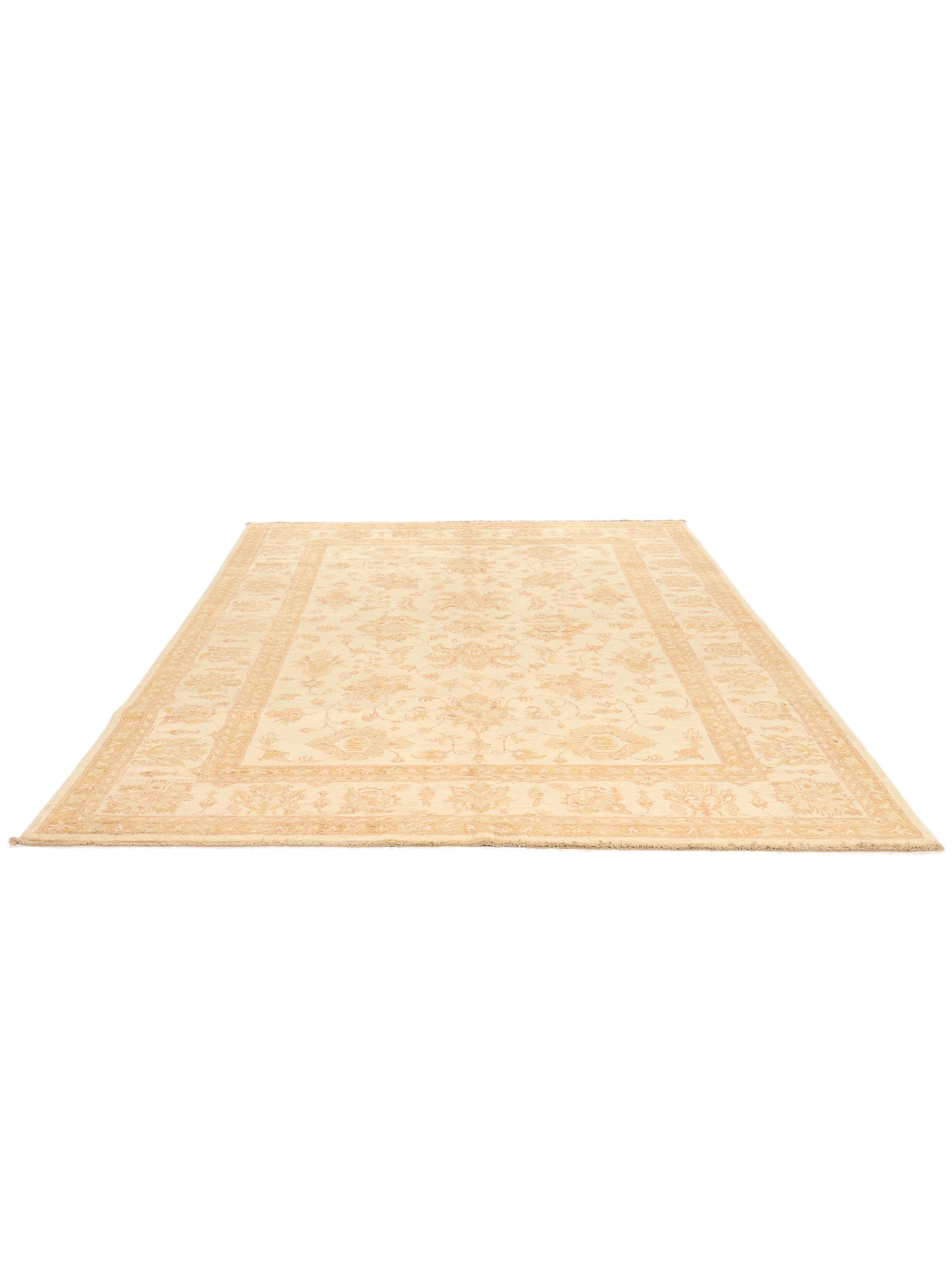
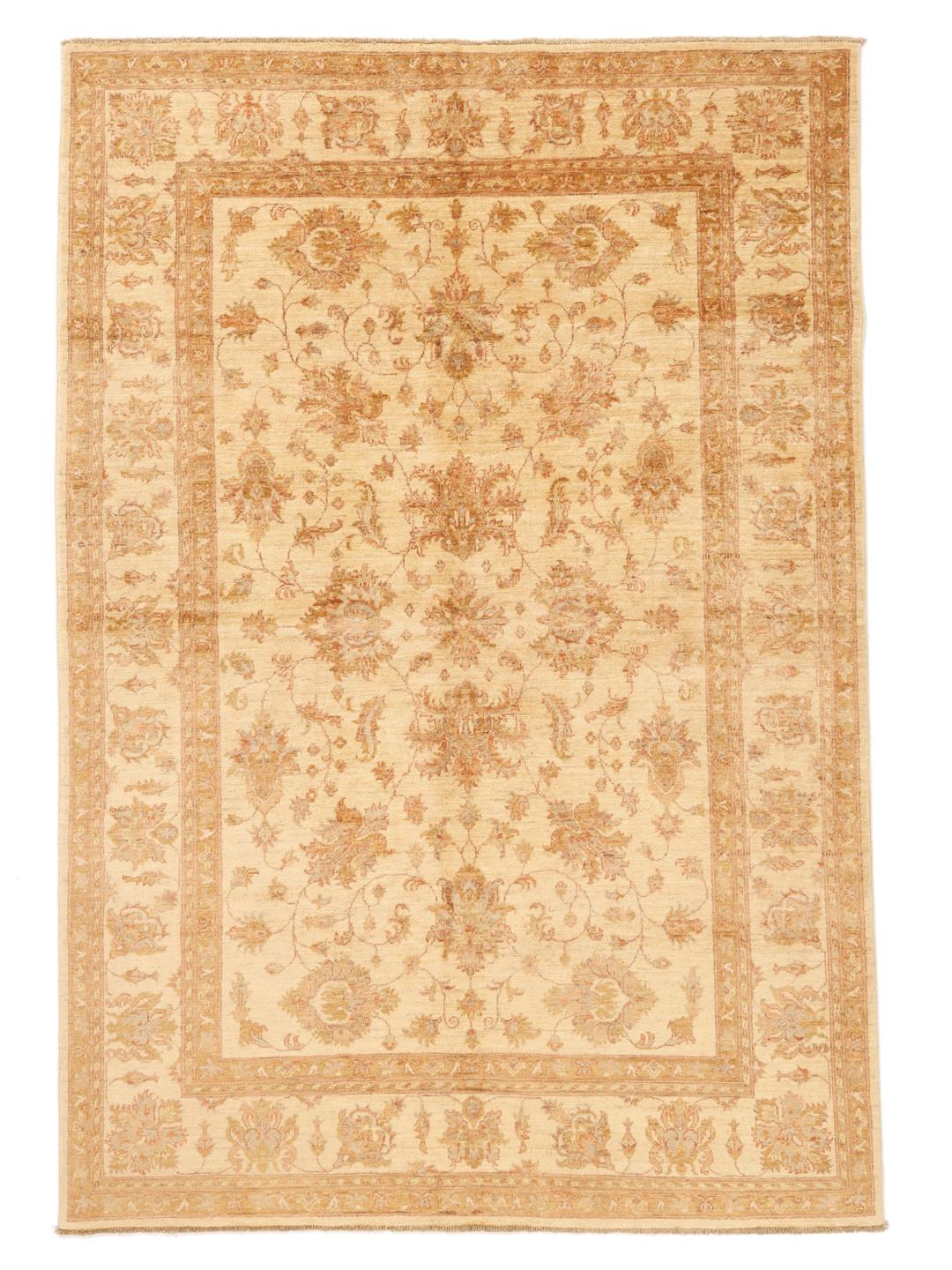
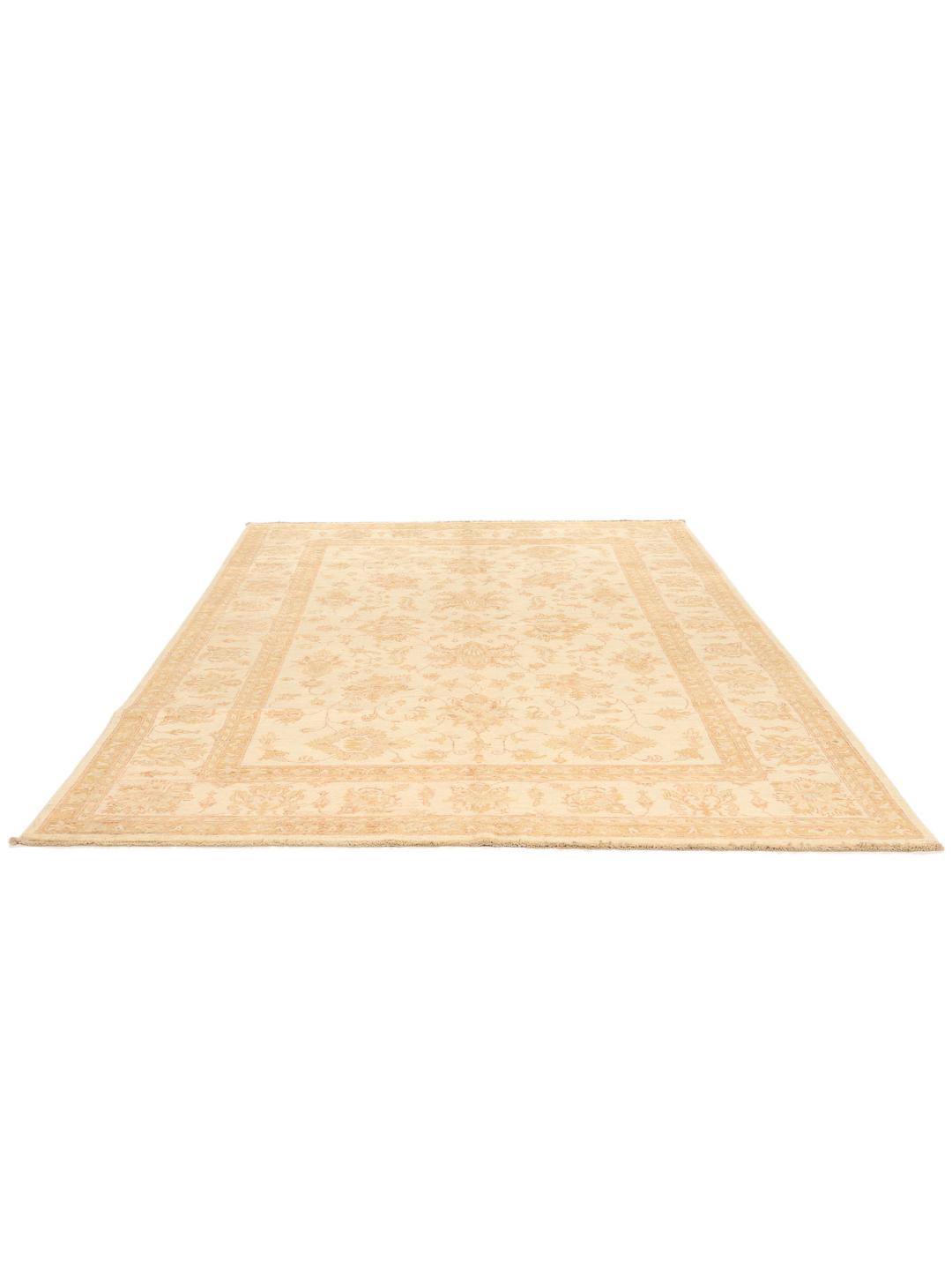
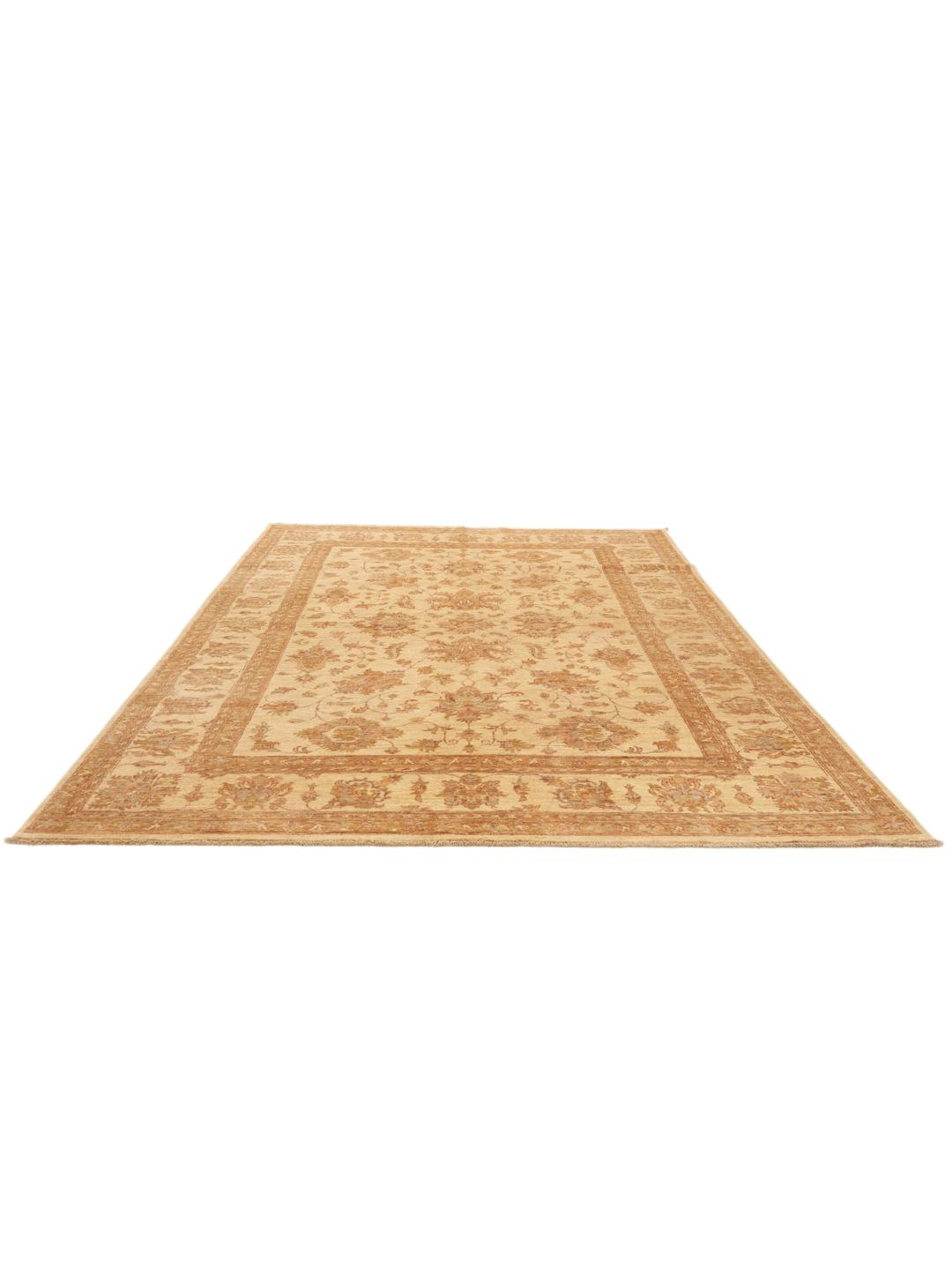
Ziegler rugs are a fascinating evolution of the weaving traditions that originated in the Middle East. Originally developed in the late 19th century by the Swiss firm Ziegler & Co., these rugs were designed to appeal to Western tastes by adapting classical floral patterns into more open, airy compositions with a softer, more muted colour palette.
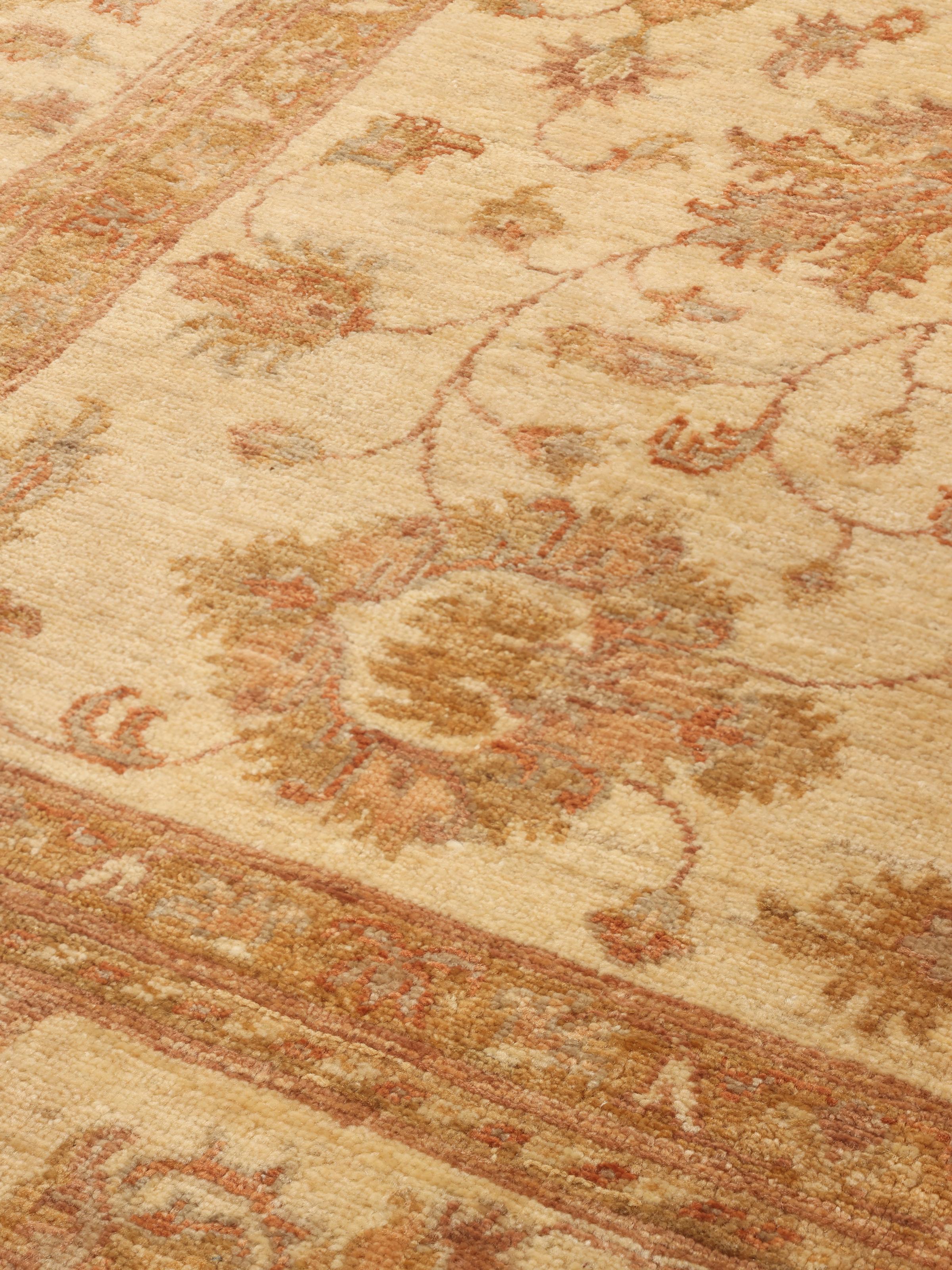
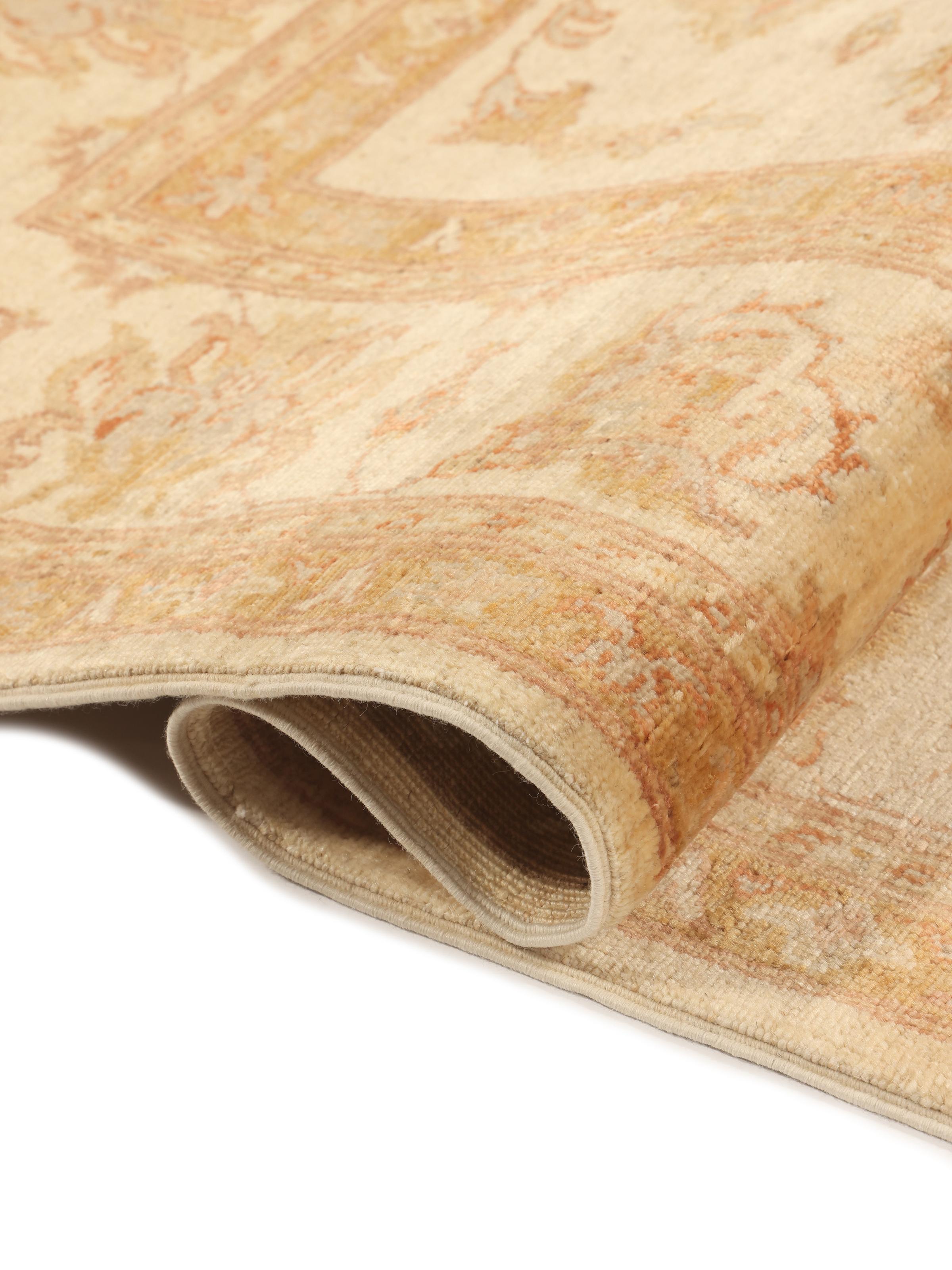
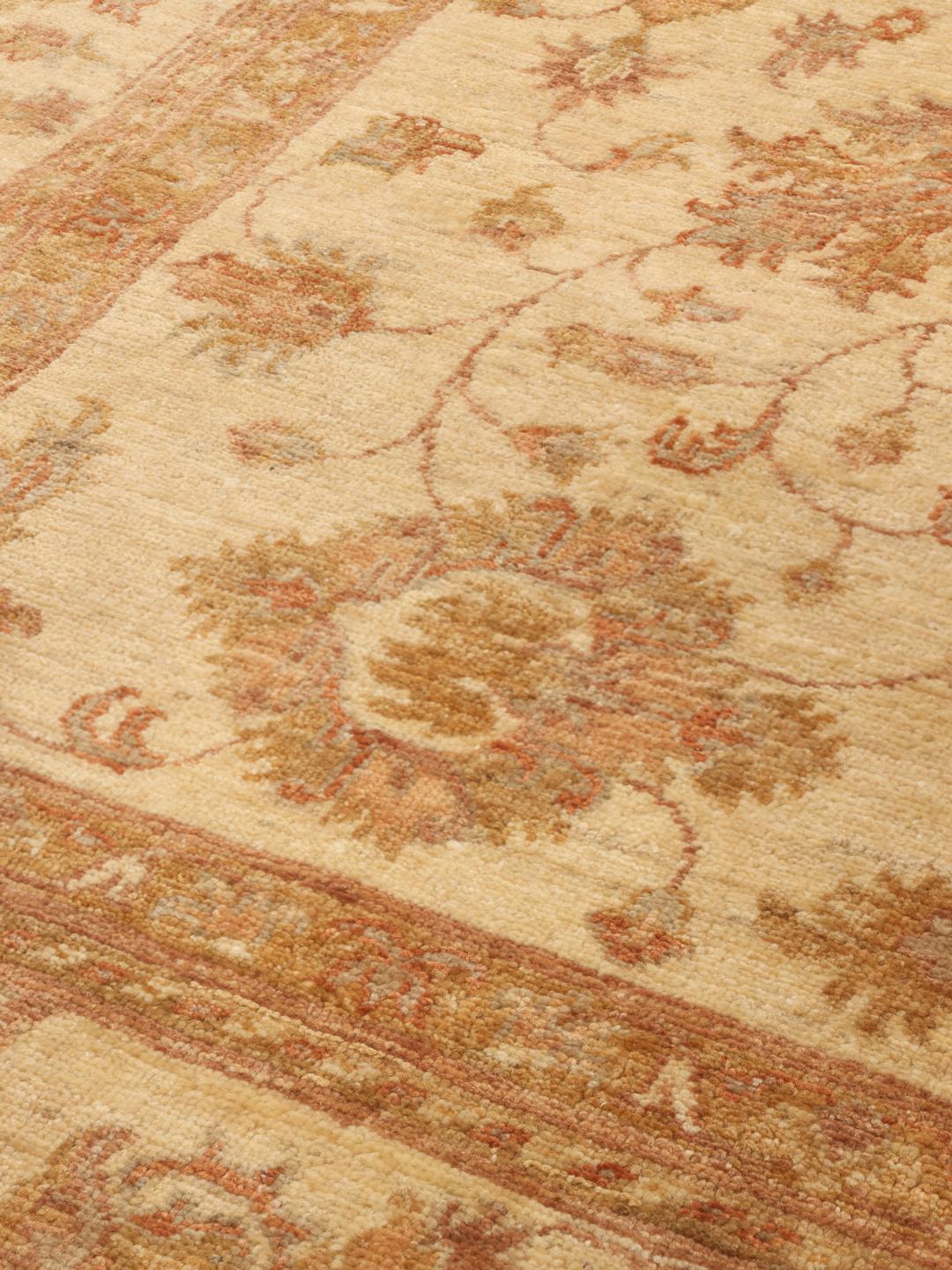
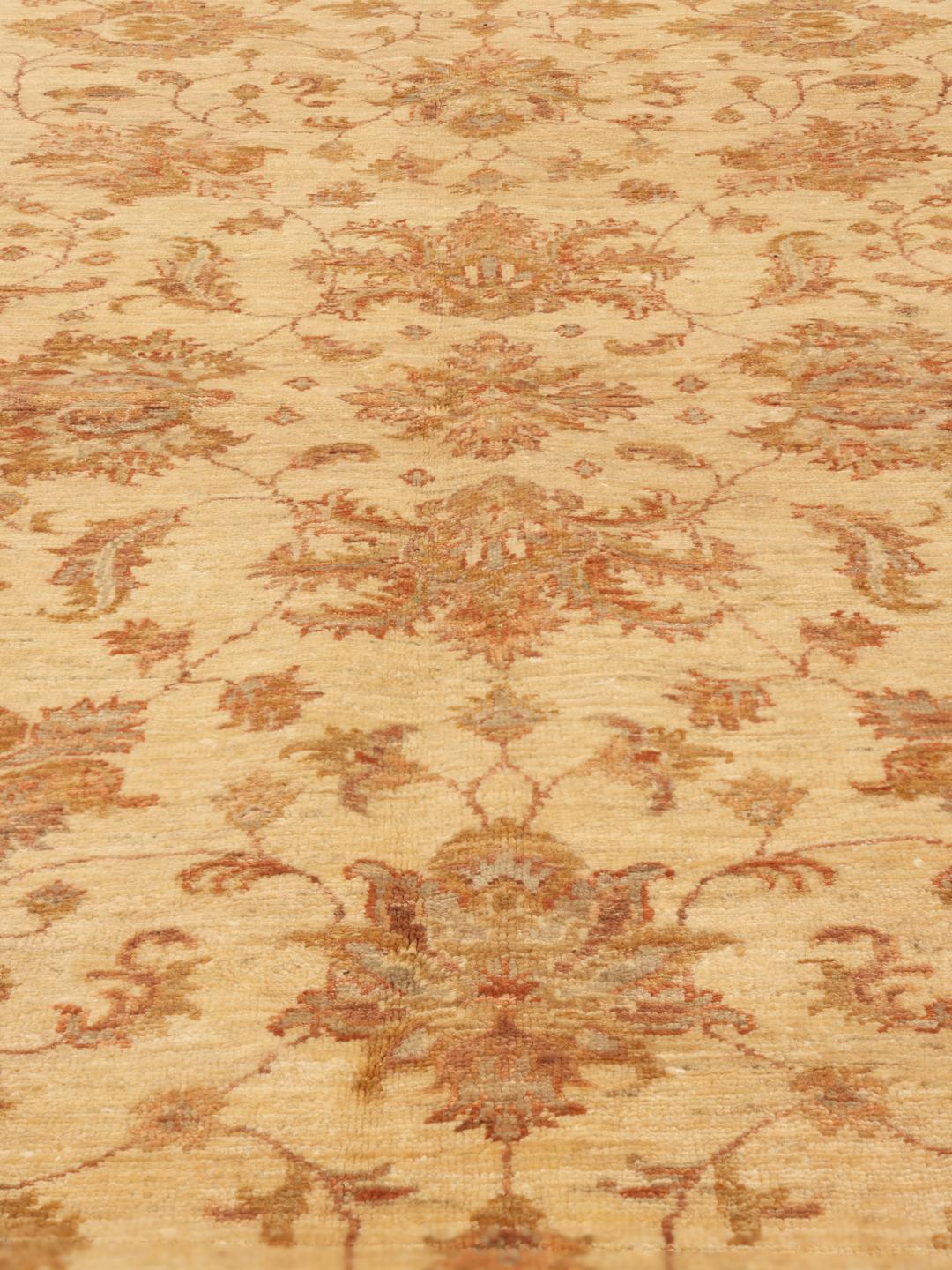
The term 'Ziegler' refers to this distinct style of design rather than a specific village or region. These rugs are highly regarded for their ability to bridge the gap between historical artistry and modern interior needs, utilising high-quality wool that is often washed to achieve a slightly aged, vintage look that feels lived-in and soft from the very first day.
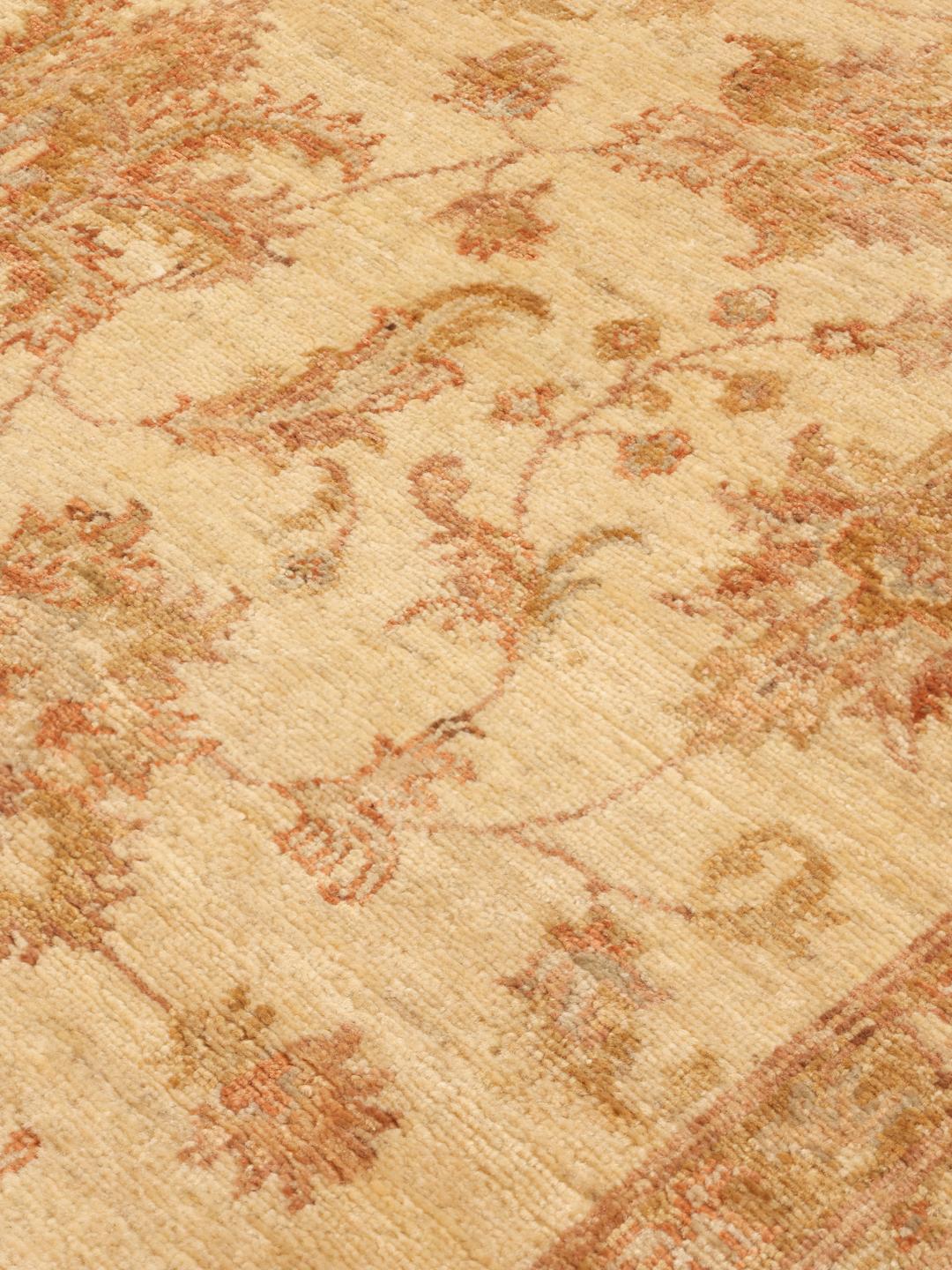
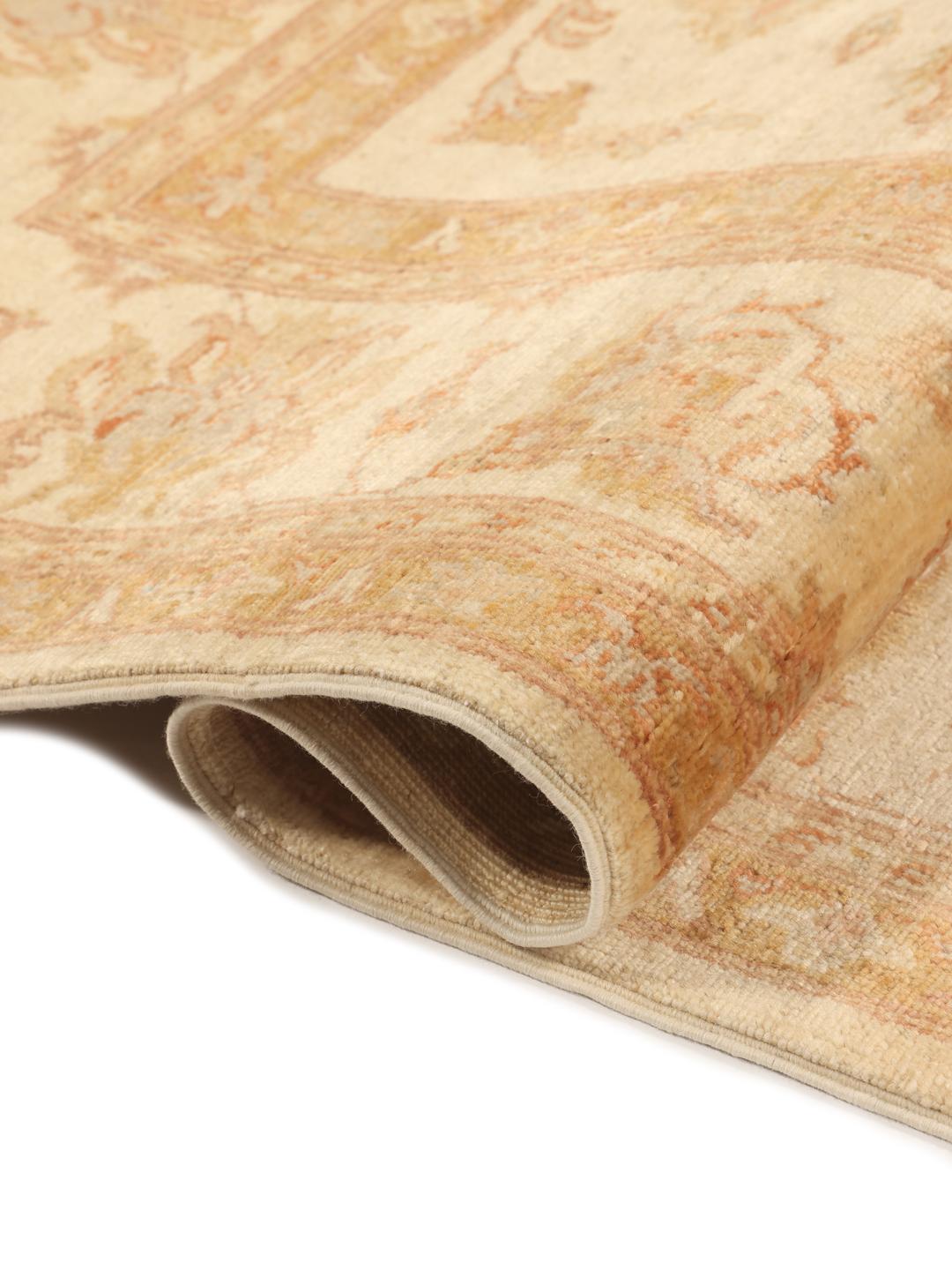
Visually, these rugs are defined by their grand, sprawling floral patterns, often featuring palmettes and vines that appear to float across the field. Unlike some more rigid, geometric traditions, the Ziegler style favours a more flowing, organic approach to design, framed by wide, decorative borders that complement the central motifs.
Today, the finest examples of this tradition are woven in Pakistan. Collectors value these pieces not only for their aesthetic flexibility but also for the preservation of age-old weaving techniques that ensure each rug remains a durable, culturally rich object of art that tells a story of cross-cultural design history.