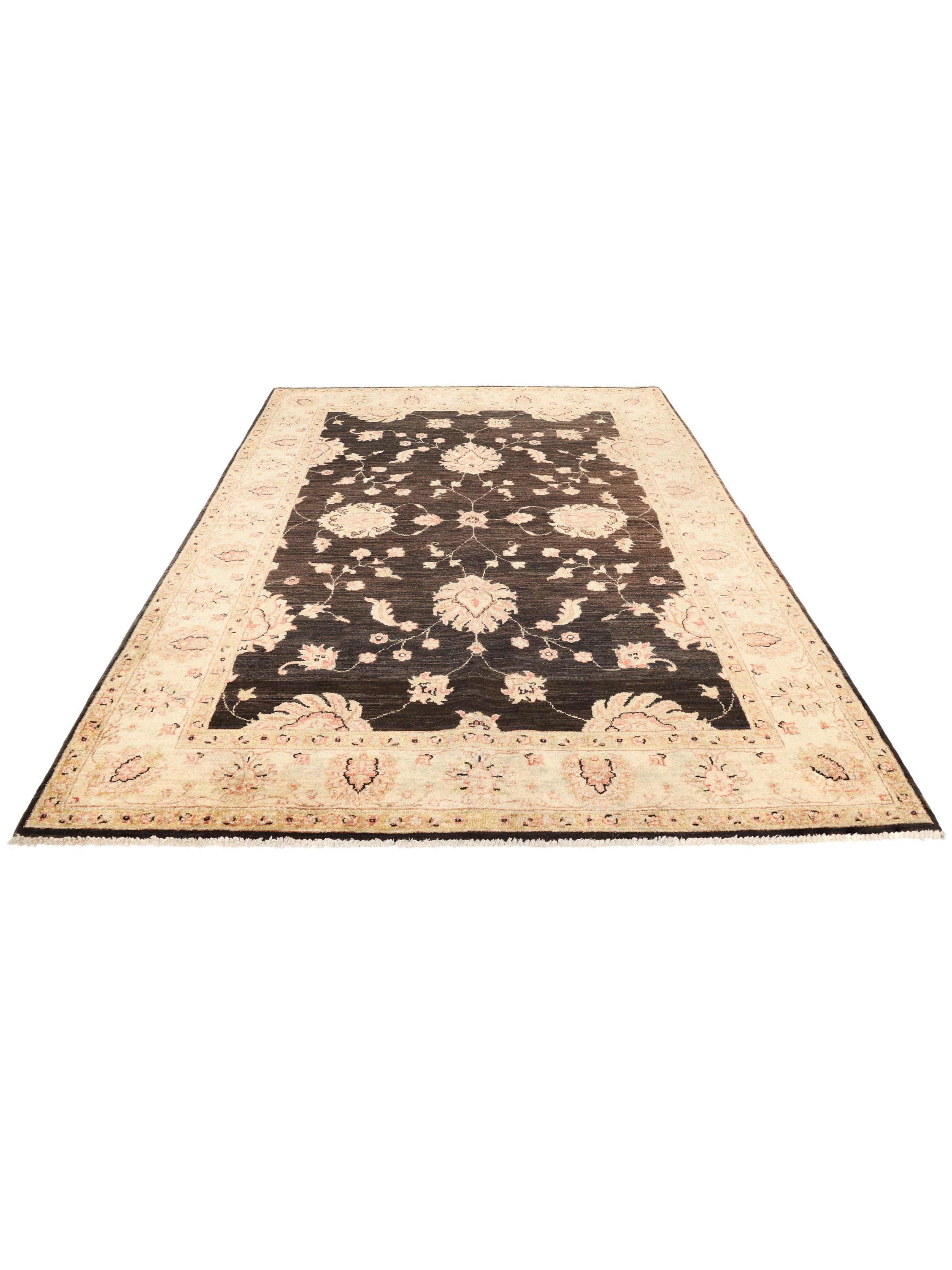
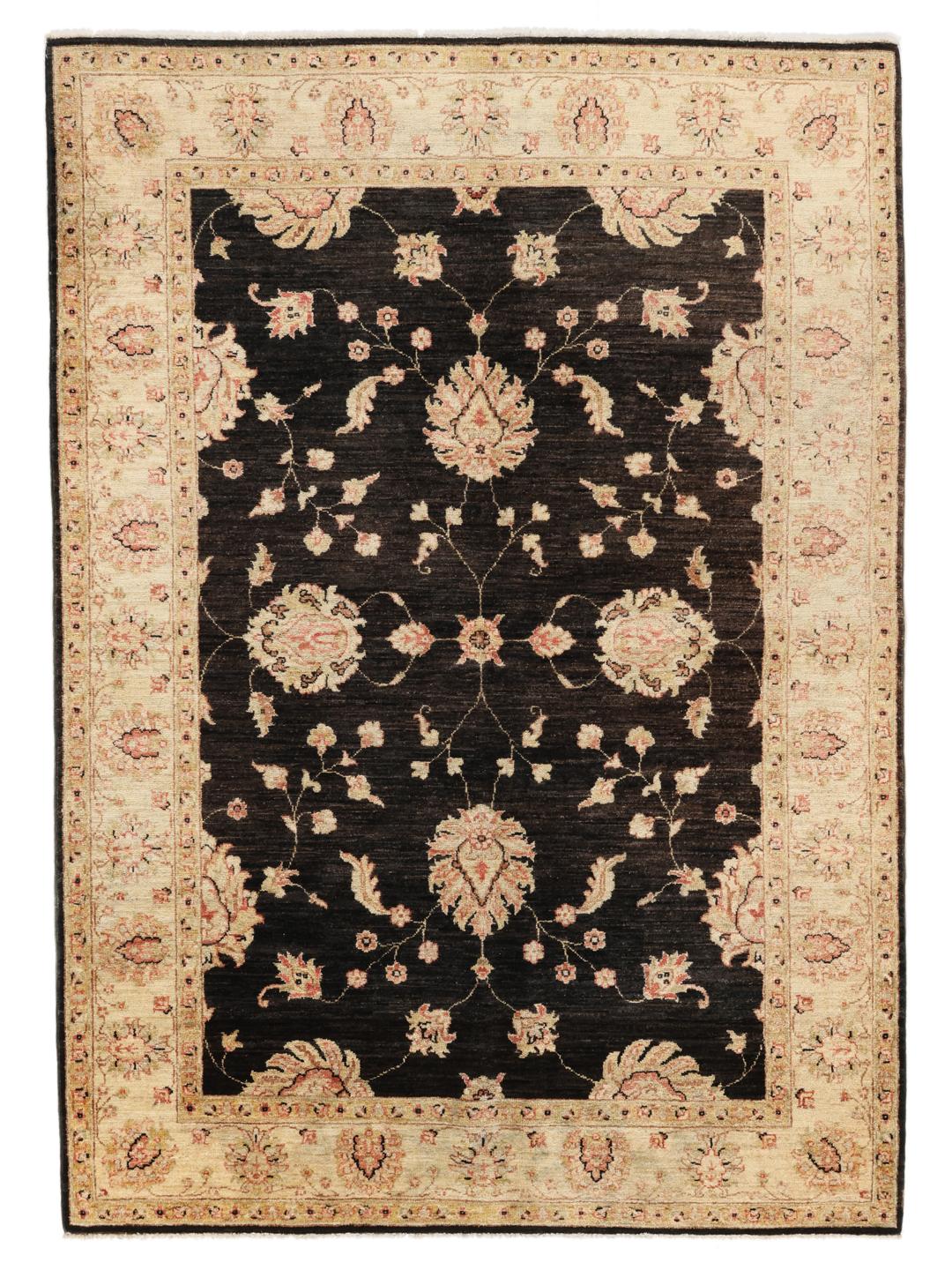
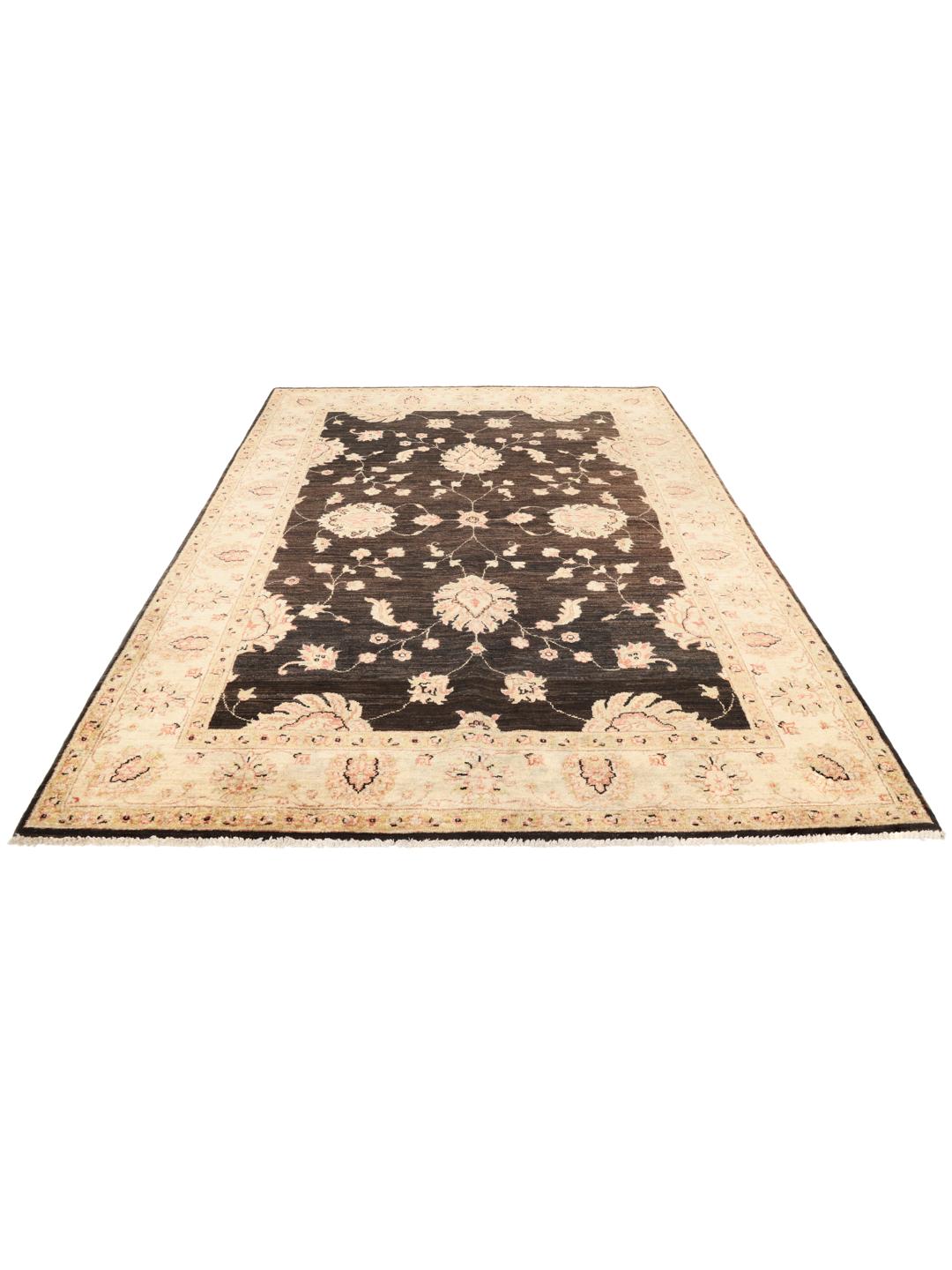
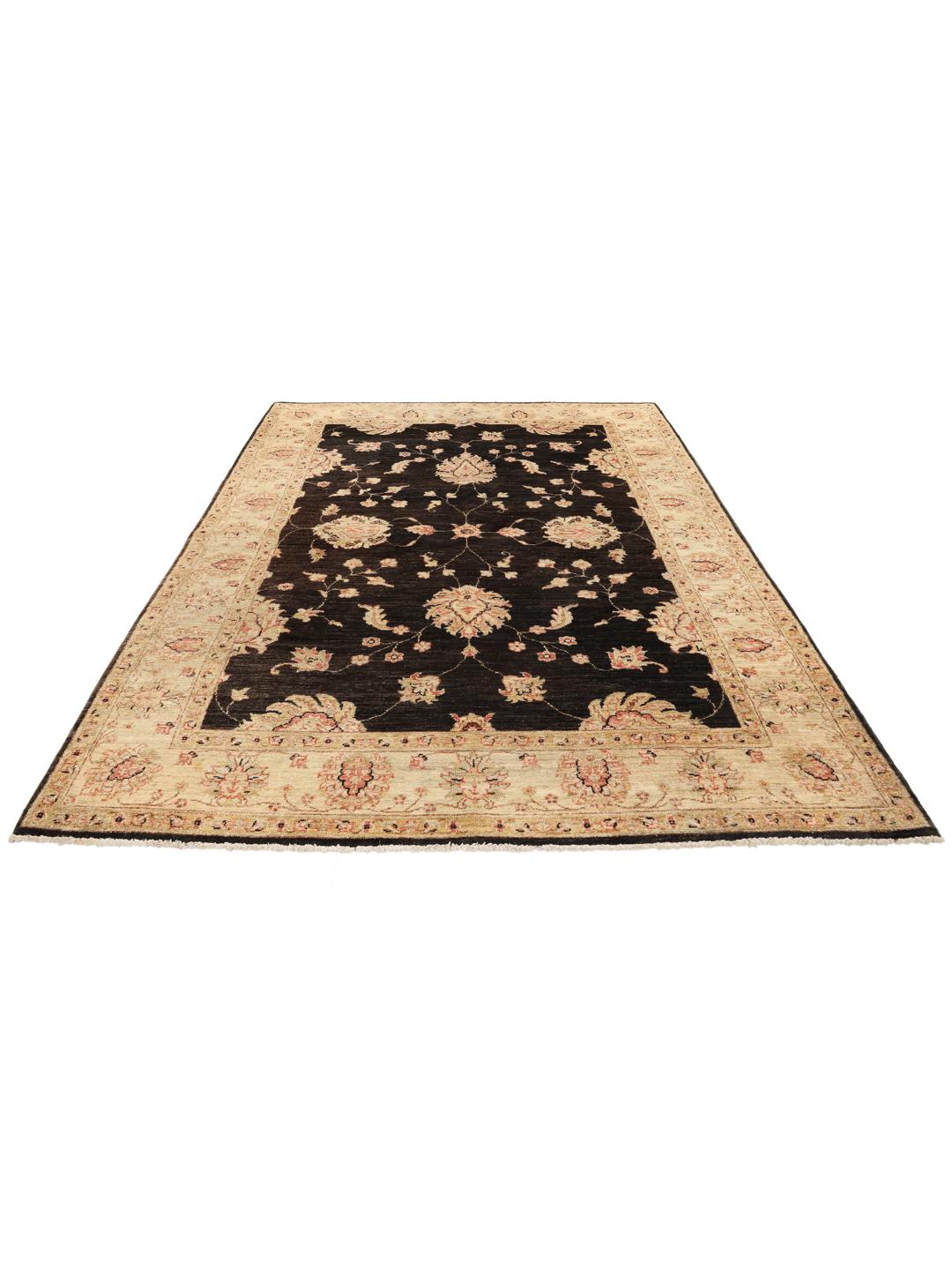
The Ziegler tradition is deeply rooted in the history of the late 19th century, when European design houses sought to blend the classic, intricate patterns of Middle Eastern rugs with a more muted and versatile aesthetic. Originally commissioned to satisfy the tastes of Western markets, these rugs were designed to be both decorative and highly durable.
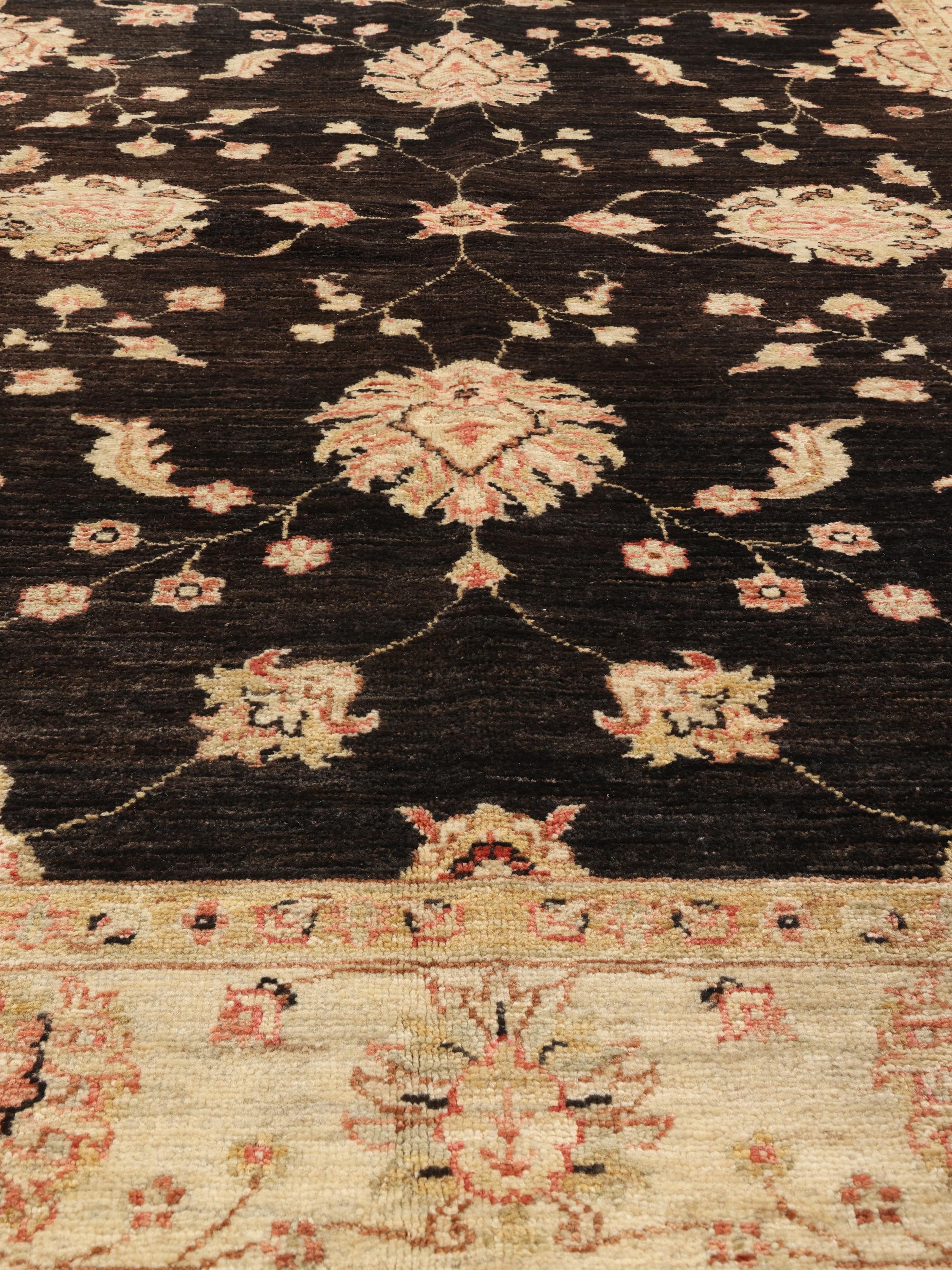
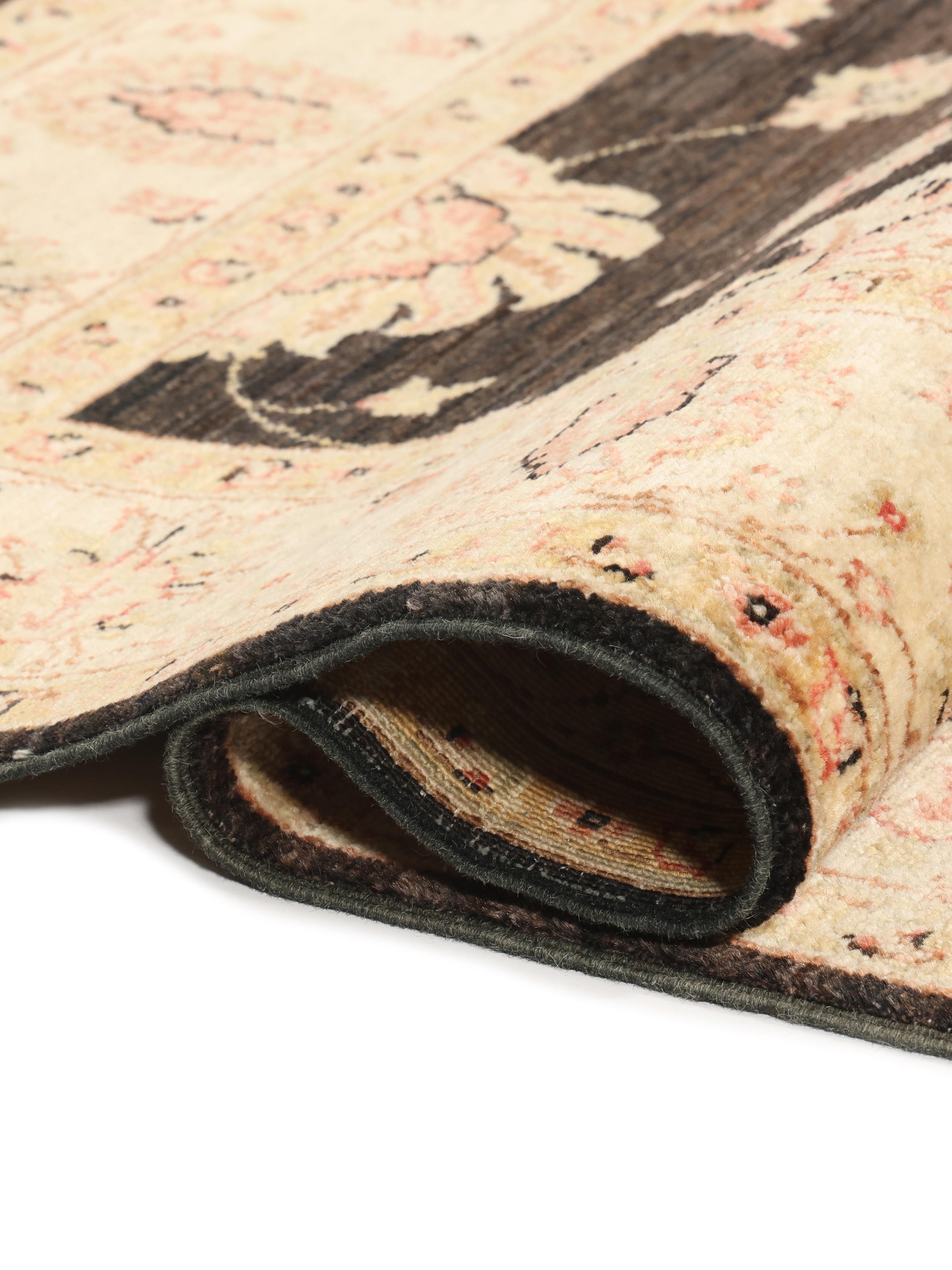
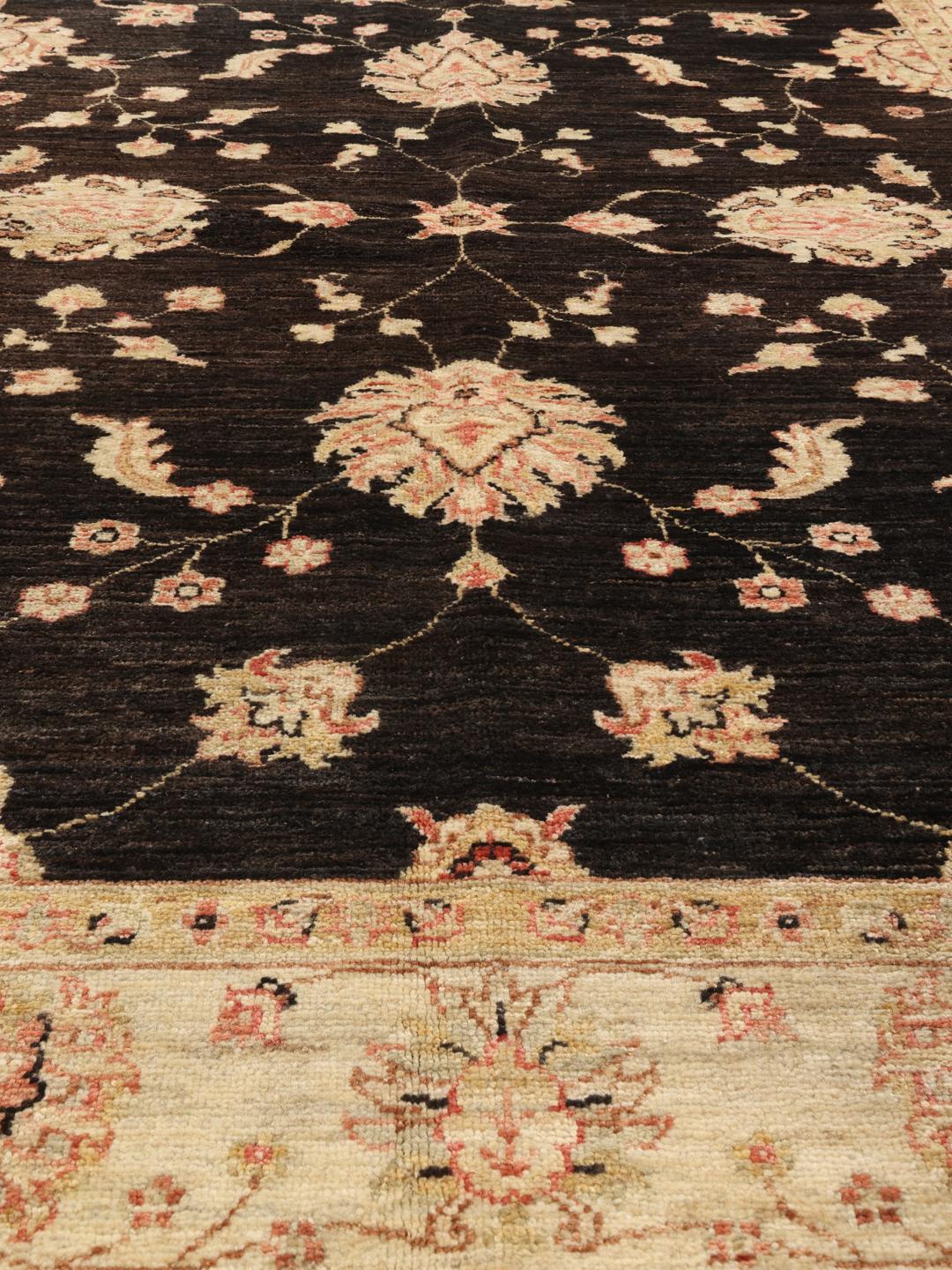
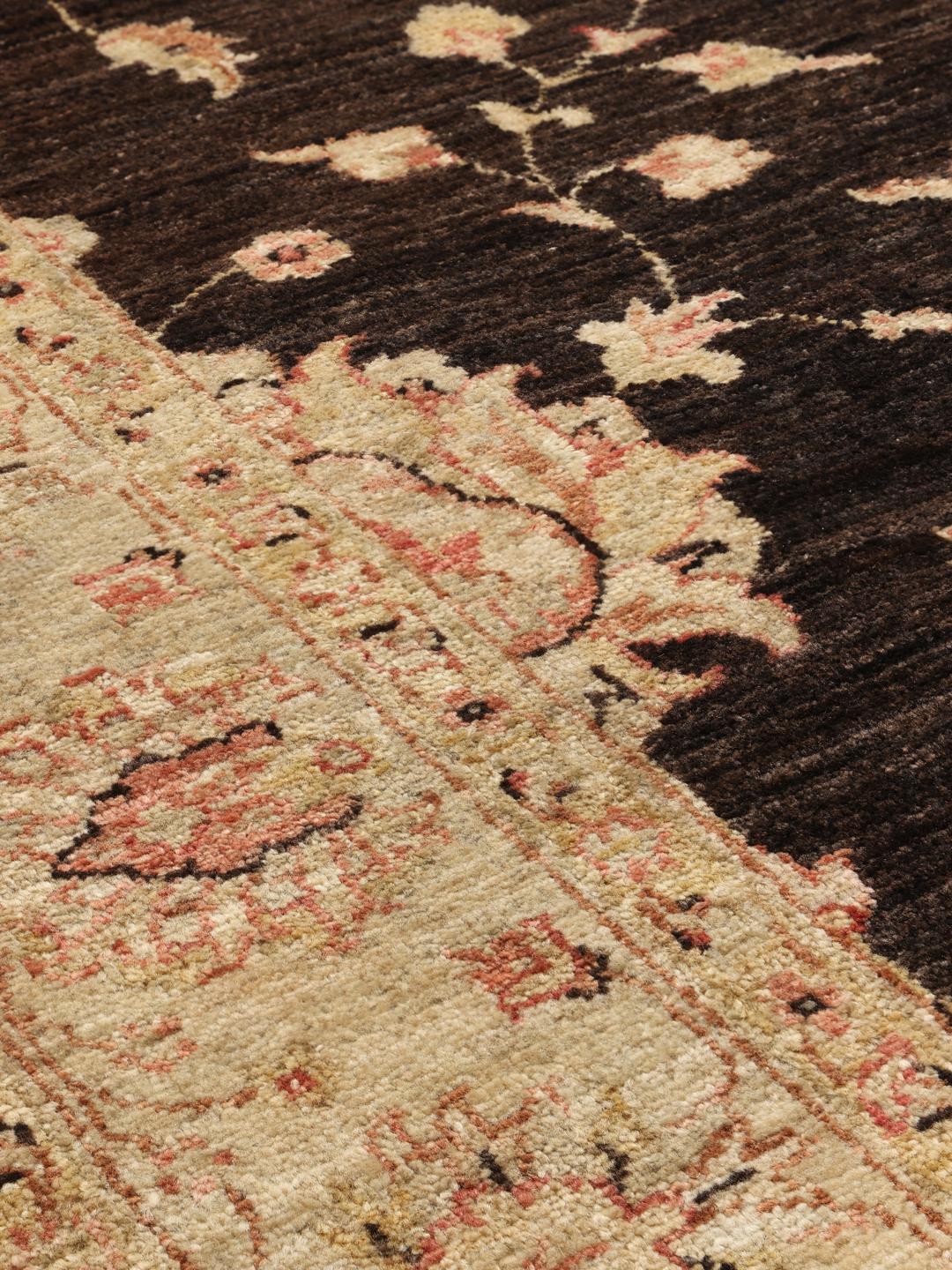
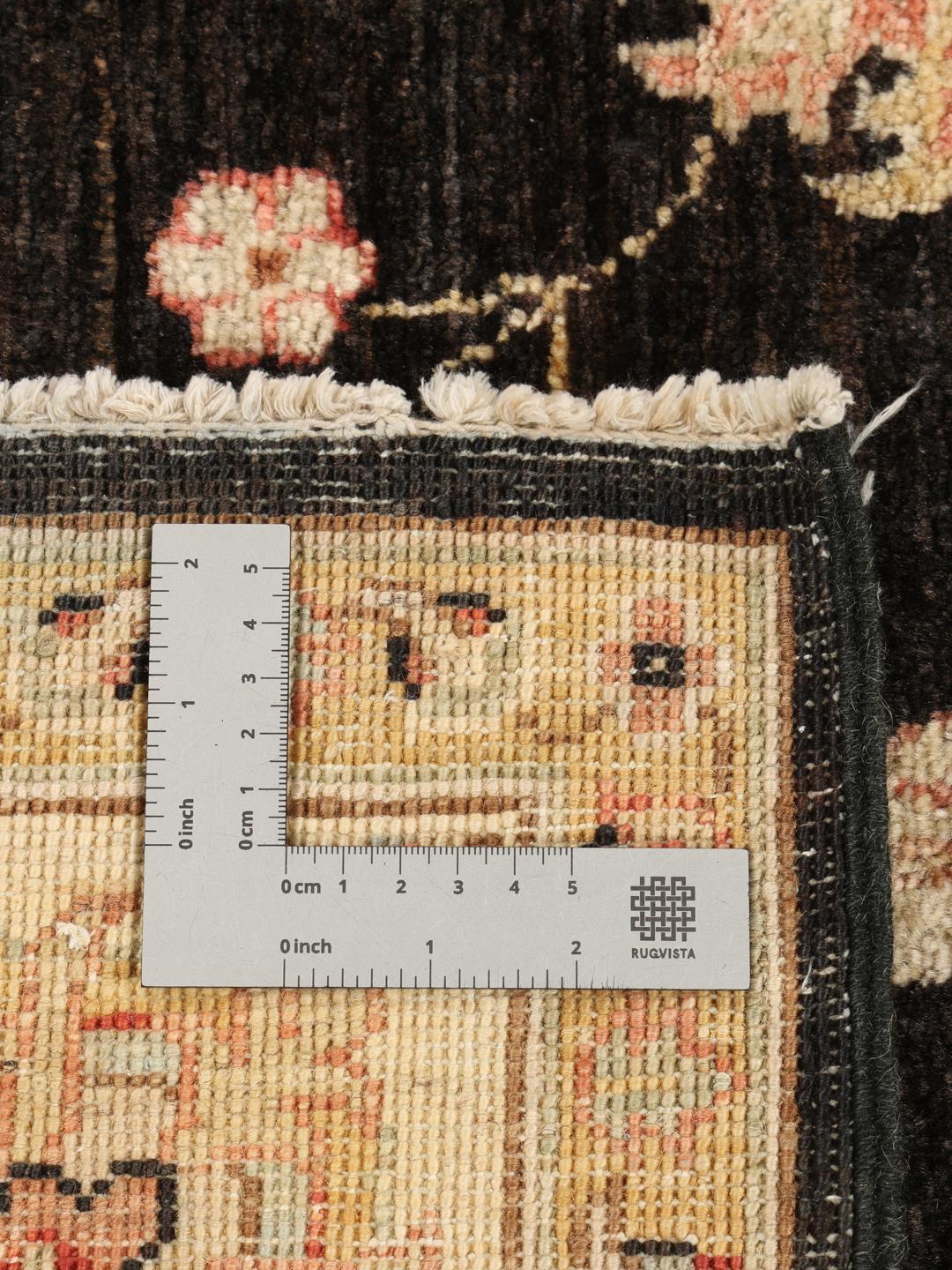
The craft terminology often associated with these pieces refers to the specific way the wool is spun and the foundation is prepared. Using high-quality wool, the yarn is often treated to create a subtle, aged patina that gives the rug a look of heritage, even from the moment it is finished. This technical approach ensures the rug feels soft yet maintains a structural integrity that lasts for generations.
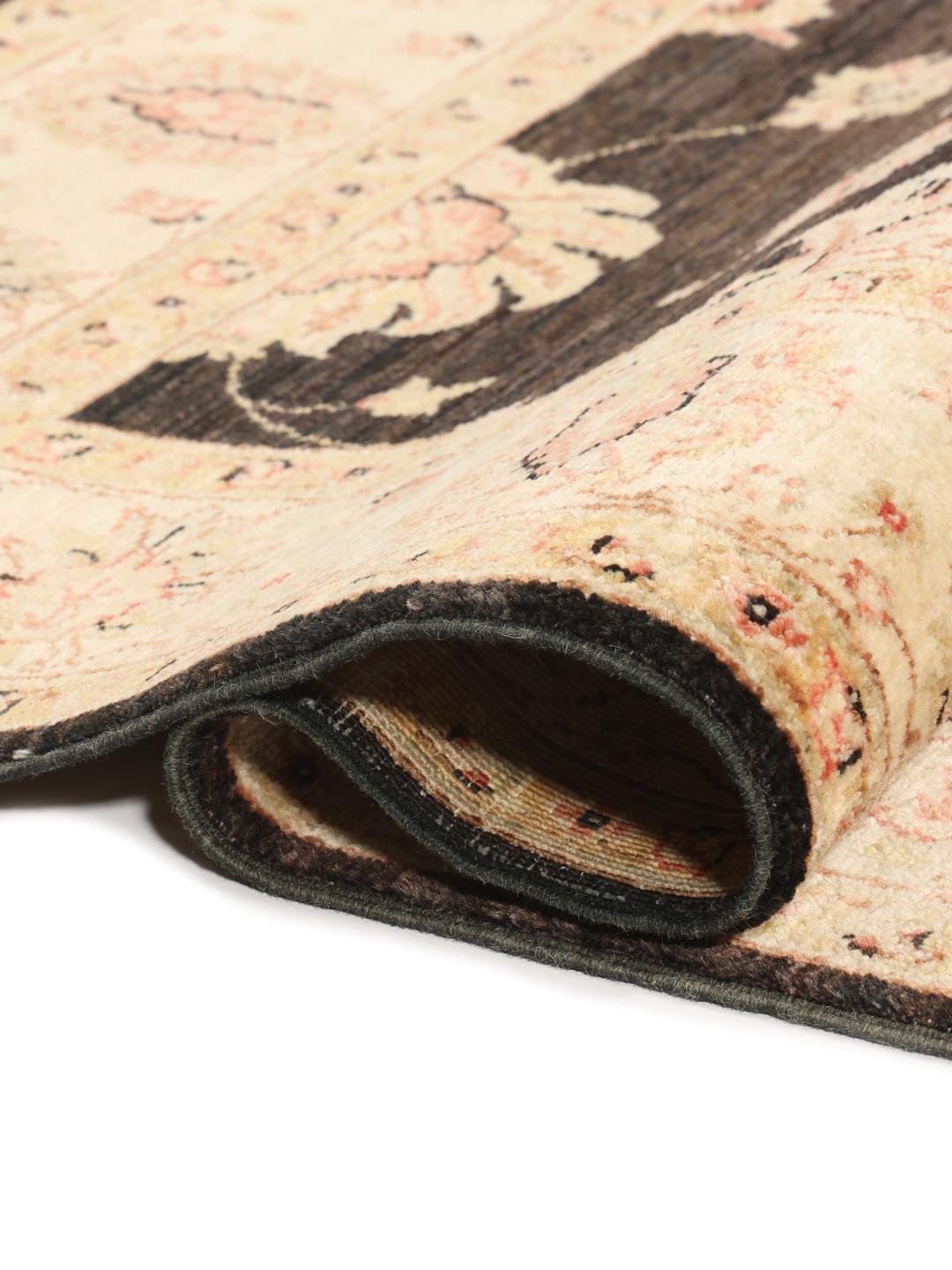
Visually, Ziegler rugs are celebrated for their open fields and elegant, oversized floral motifs. Unlike many other traditional styles that feature dense, all-over patterns, this tradition favours a balanced composition where the flowers and vines have room to breathe, often framed by a wide, decorative border that grounds the entire design.
Owning a piece from this tradition is an act of preserving a cross-cultural legacy. These rugs are highly valued by collectors and homeowners alike for their ability to bridge the gap between historical artistry and contemporary home design, representing a level of skill and cultural continuity that is increasingly rare in the modern world.