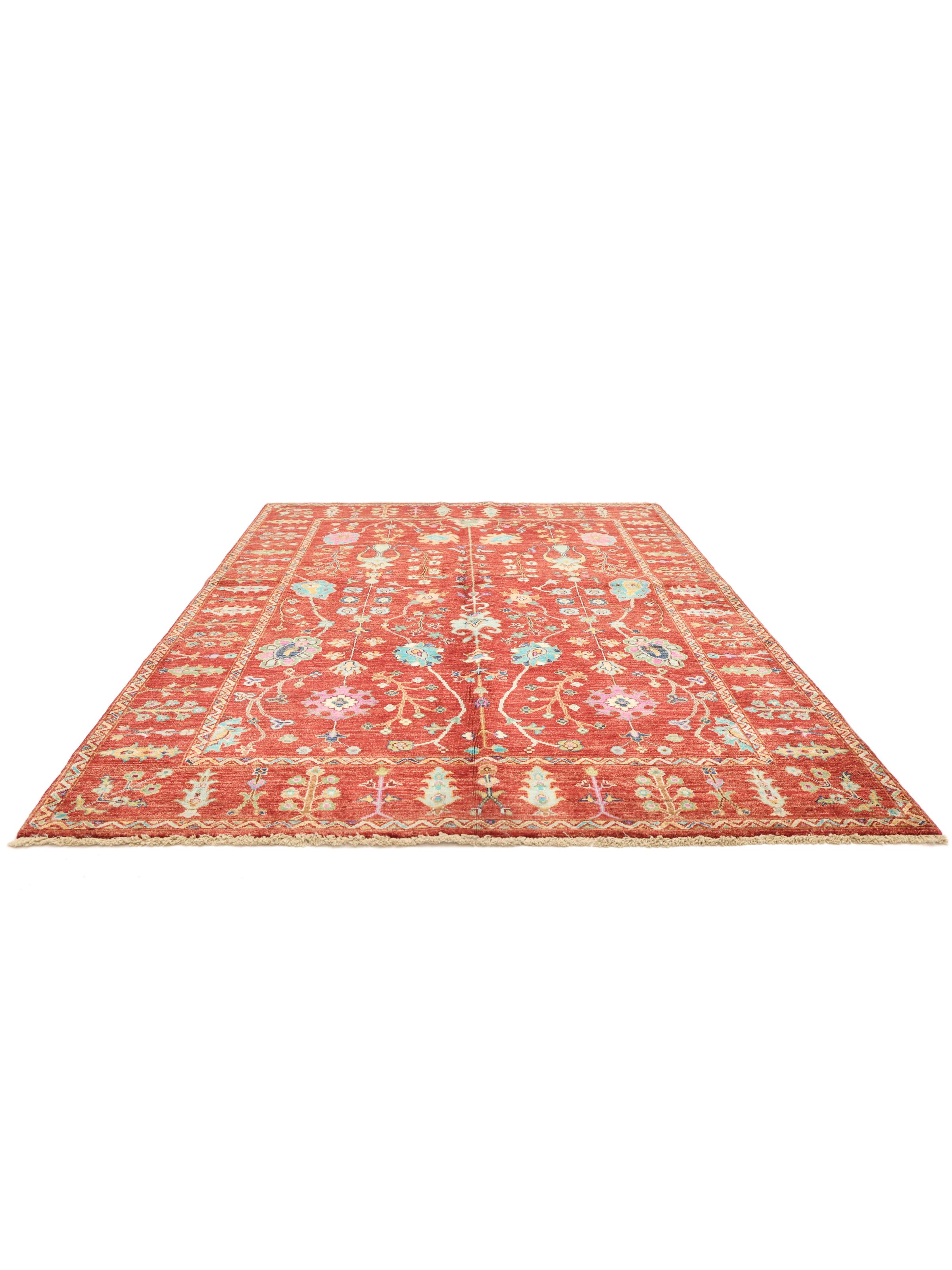
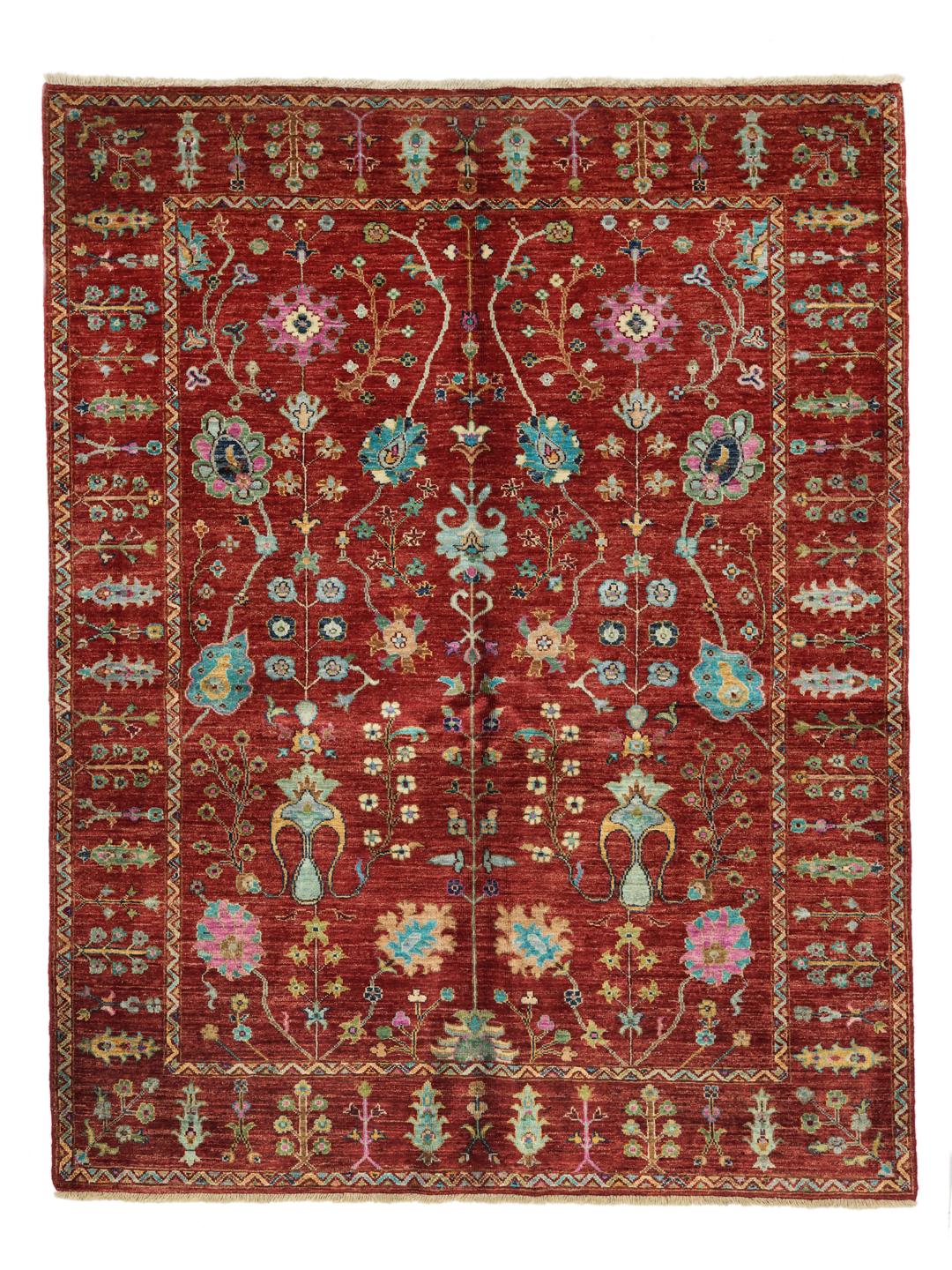
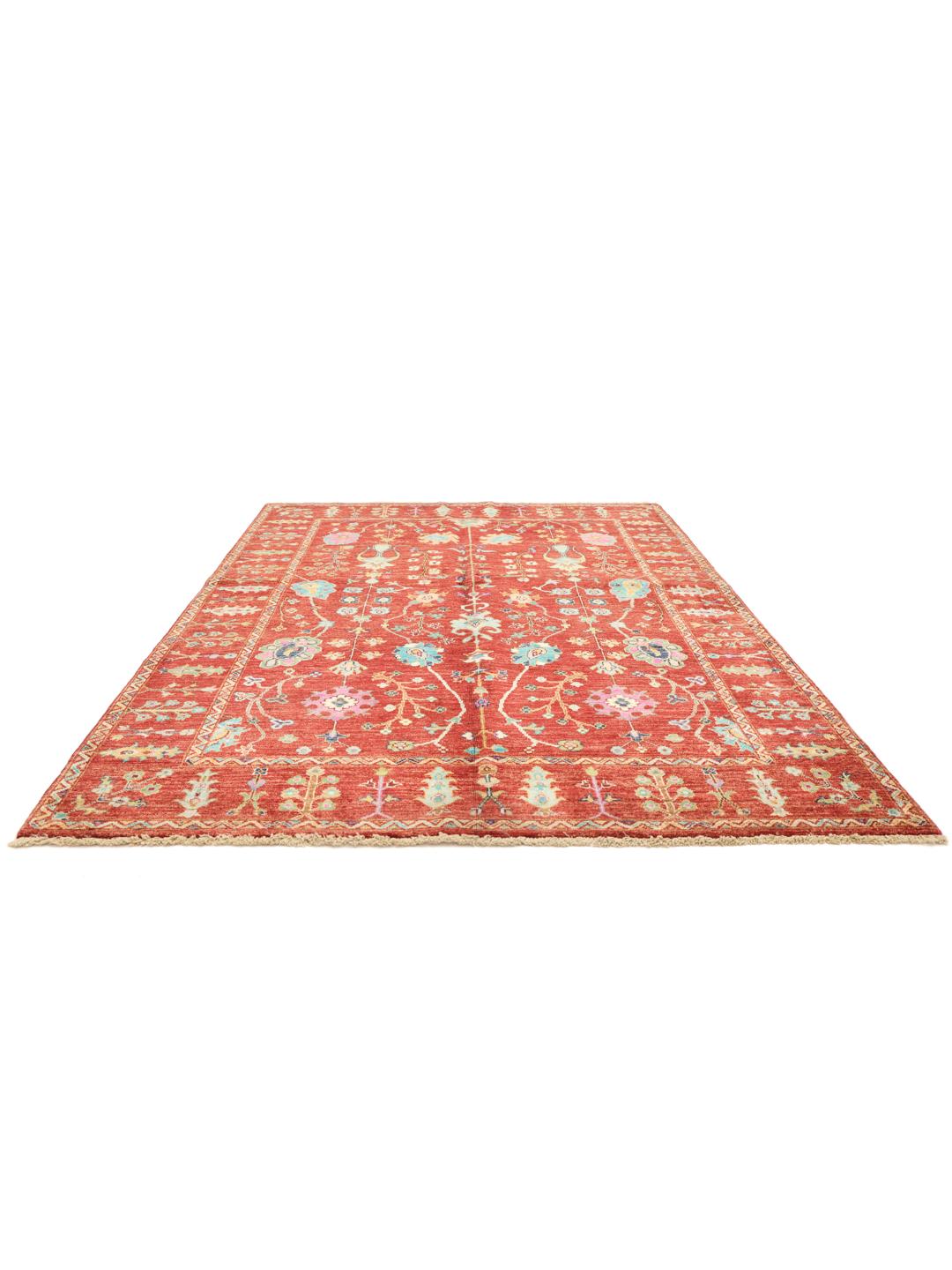
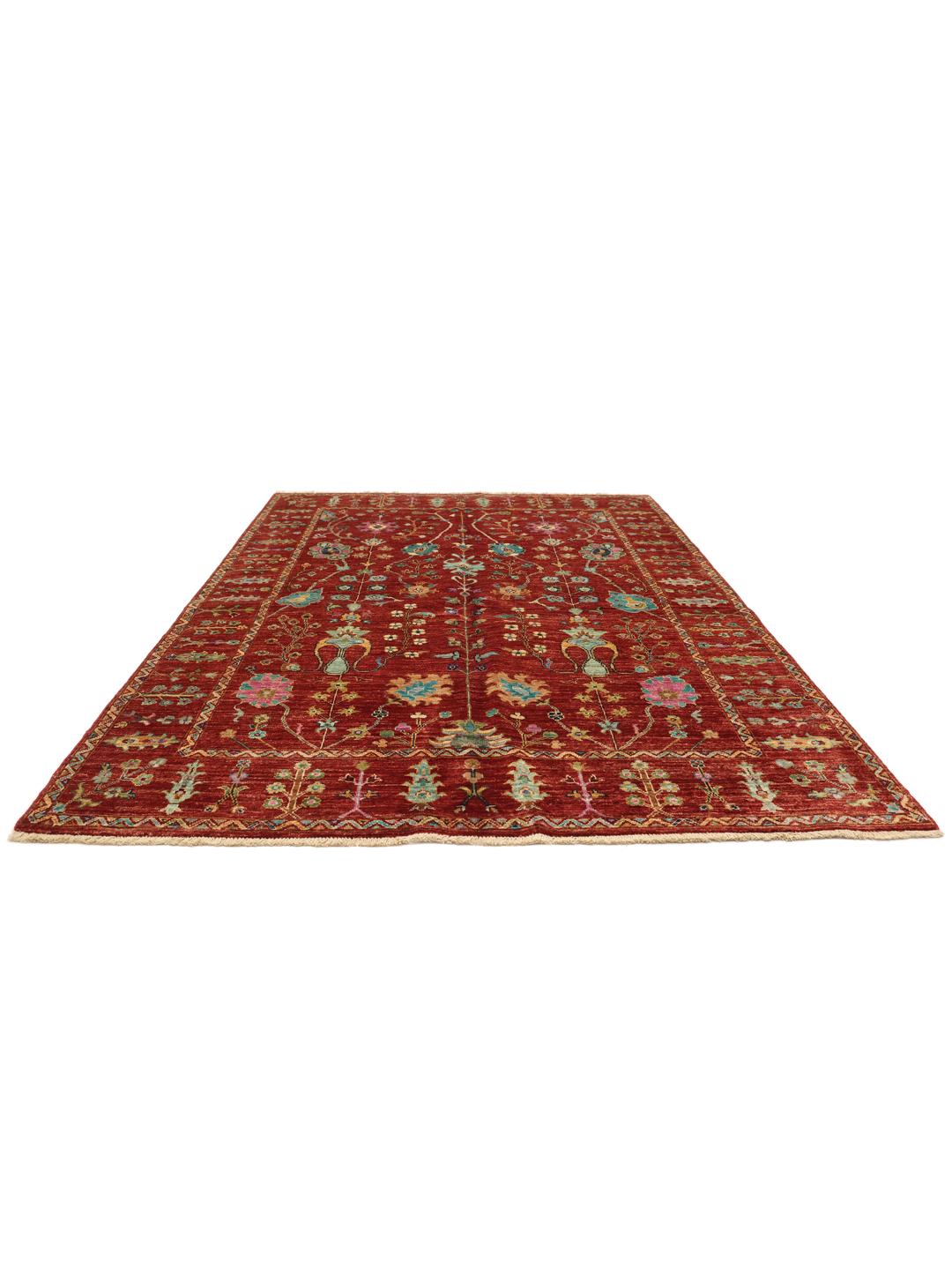
The Ziegler Ariana rug tradition represents a fascinating chapter in the history of textile art. Originally developed in the late 19th century by the Swiss firm Ziegler & Co. for the Western market, these rugs were designed to capture the elegance of classical patterns while adapting them to more contemporary tastes. Today, the finest examples are produced in Afghanistan, where local artisans have mastered the ability to blend these historical designs with a rustic, slightly distressed aesthetic that feels both antique and fresh.
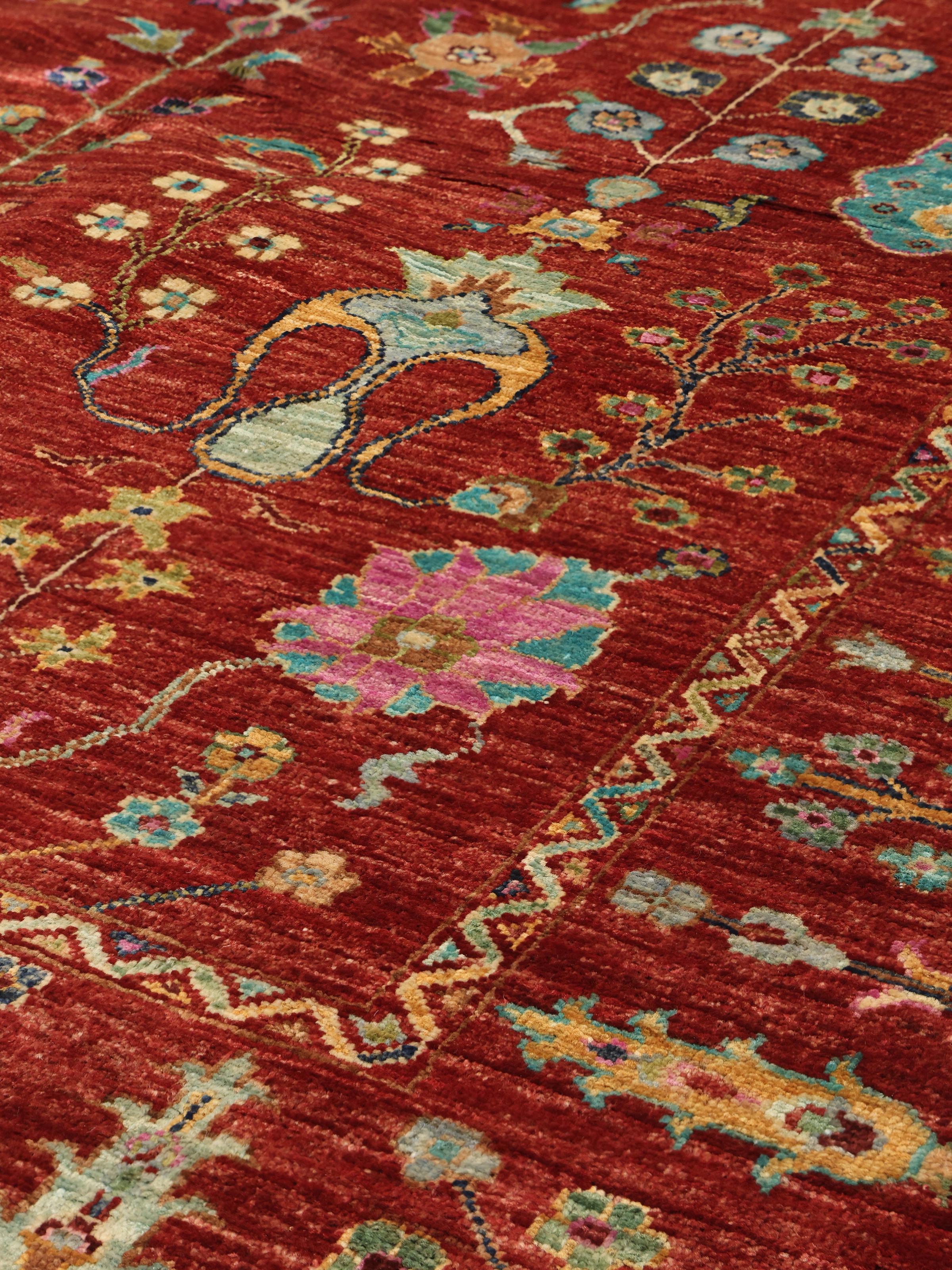
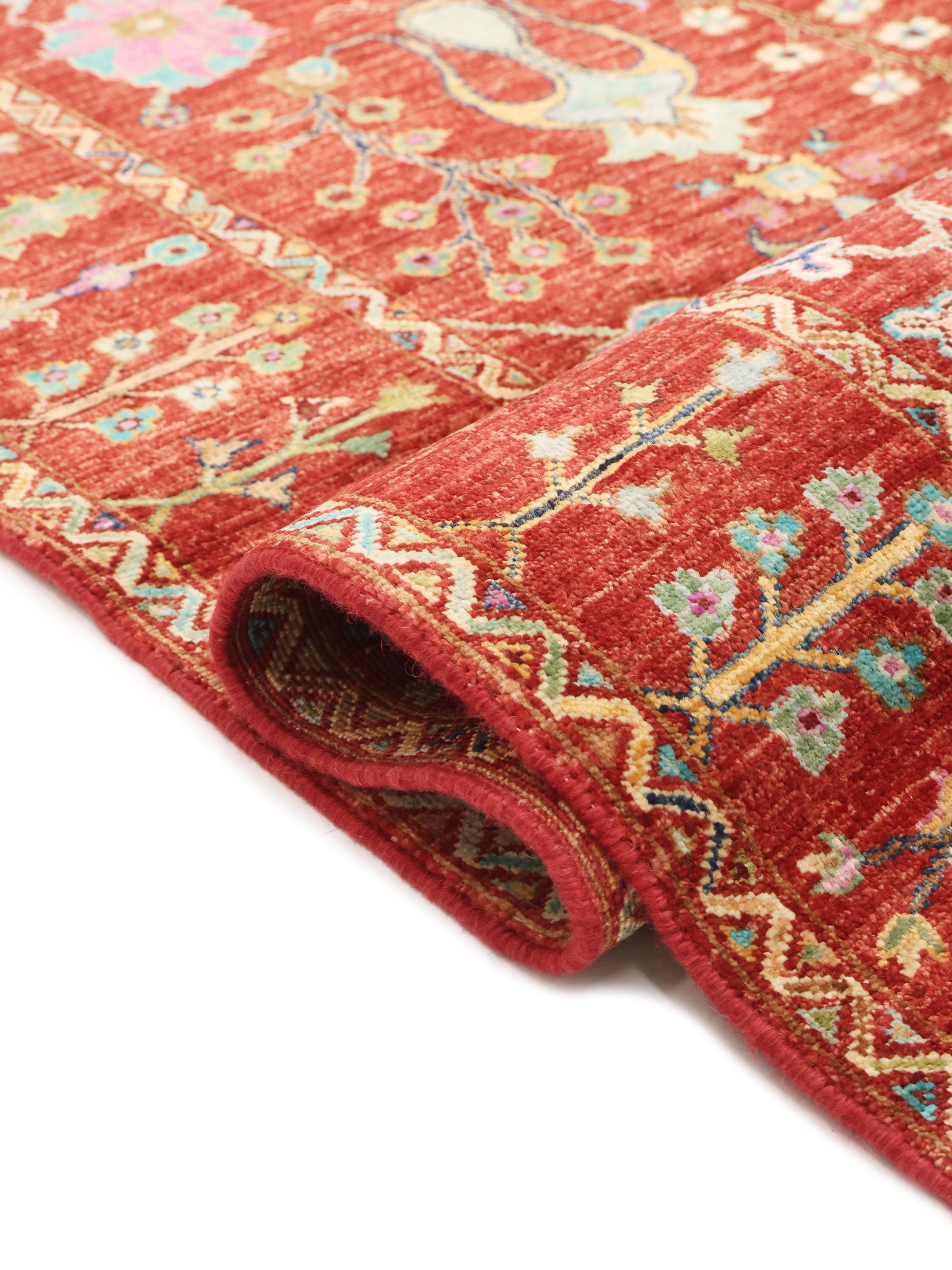
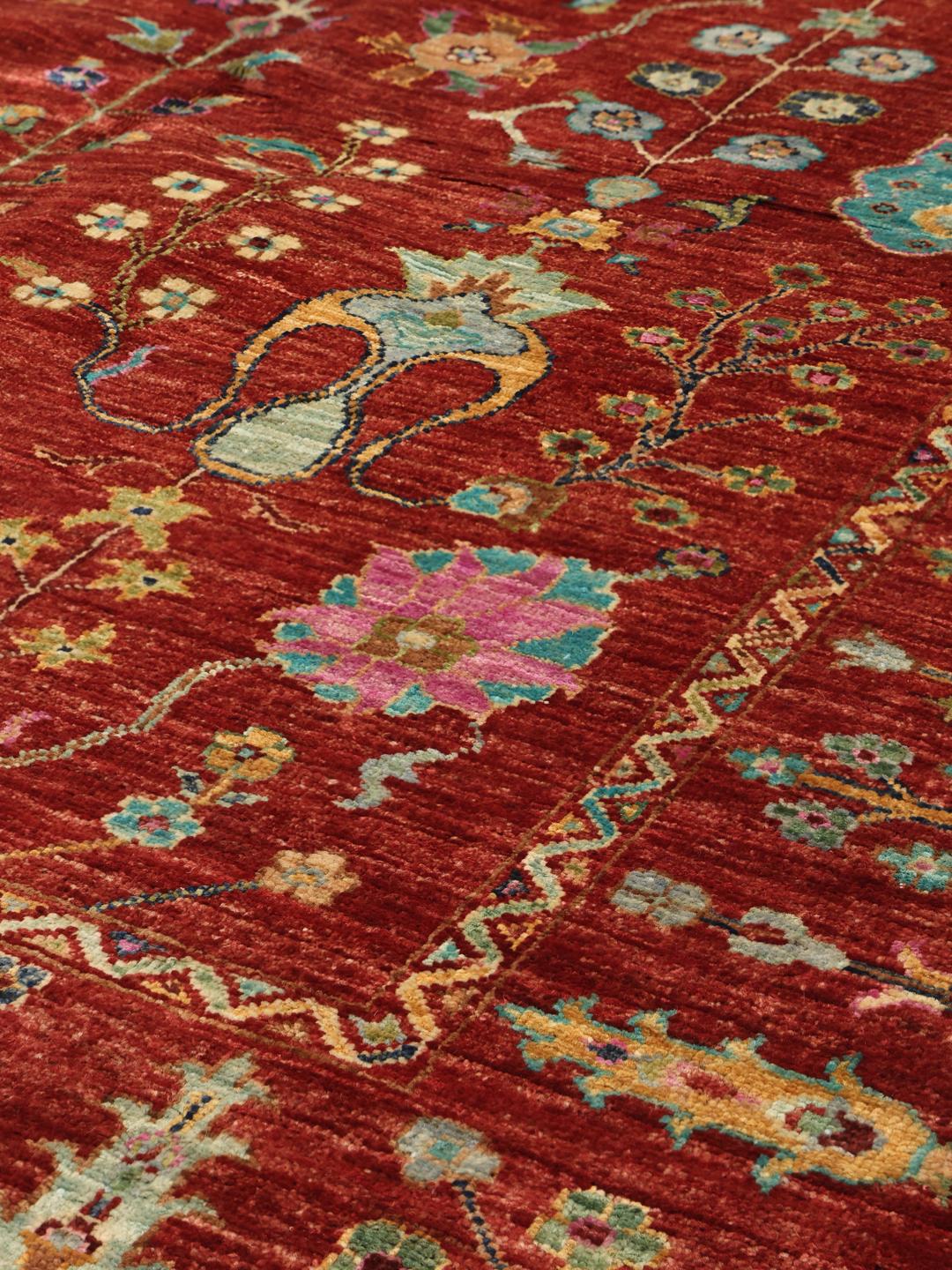
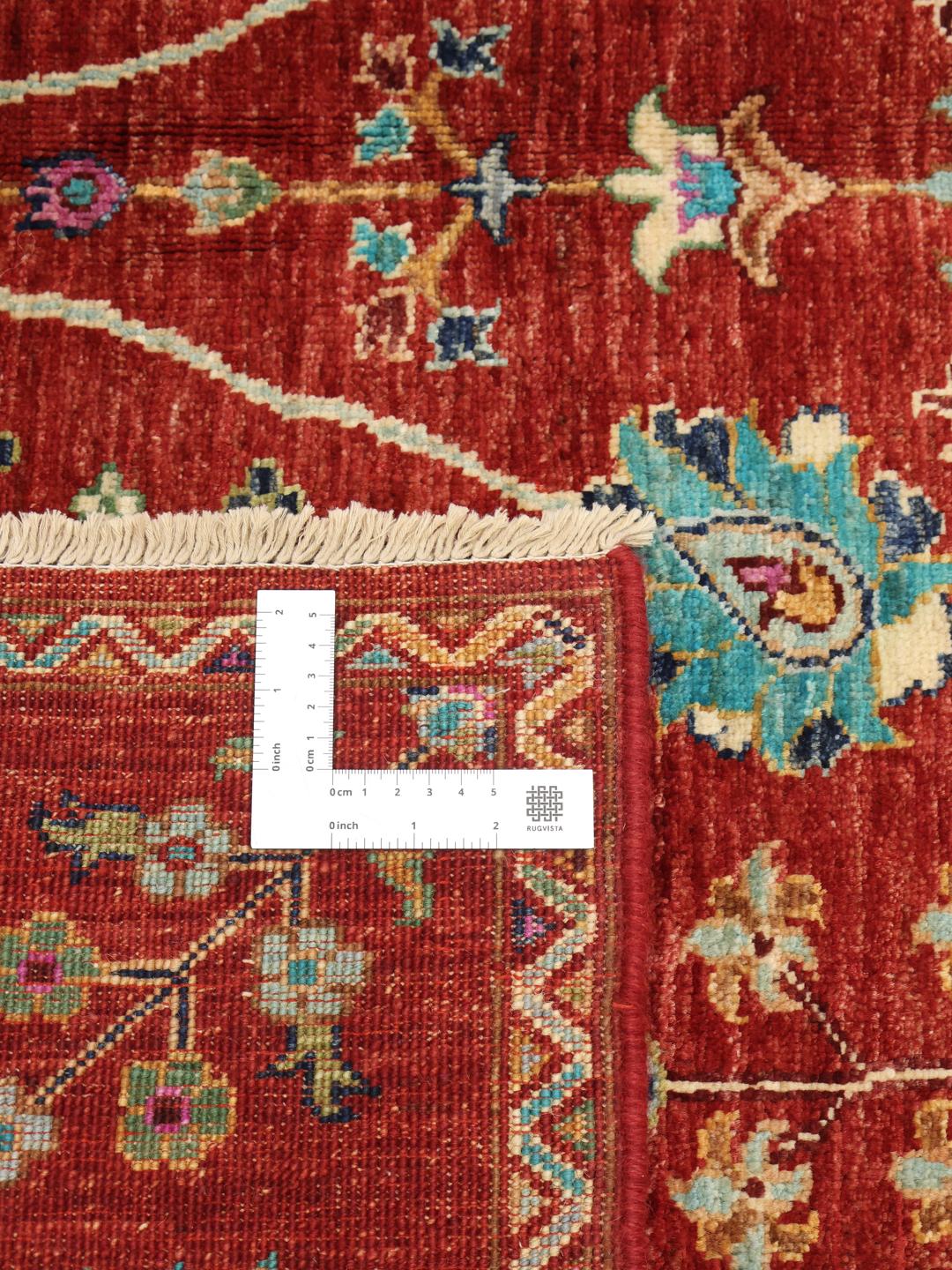
These rugs are distinguished by their use of high-quality, long-staple wool, which is often hand-spun to create a natural, slightly uneven texture. This technical choice is intentional, as it allows the wool to absorb natural dyes in a way that creates subtle variations in tone known as abrash. This characteristic is highly prized by collectors, as it gives the rug a sense of life and movement, ensuring that the colour palette remains rich and nuanced rather than flat or uniform.
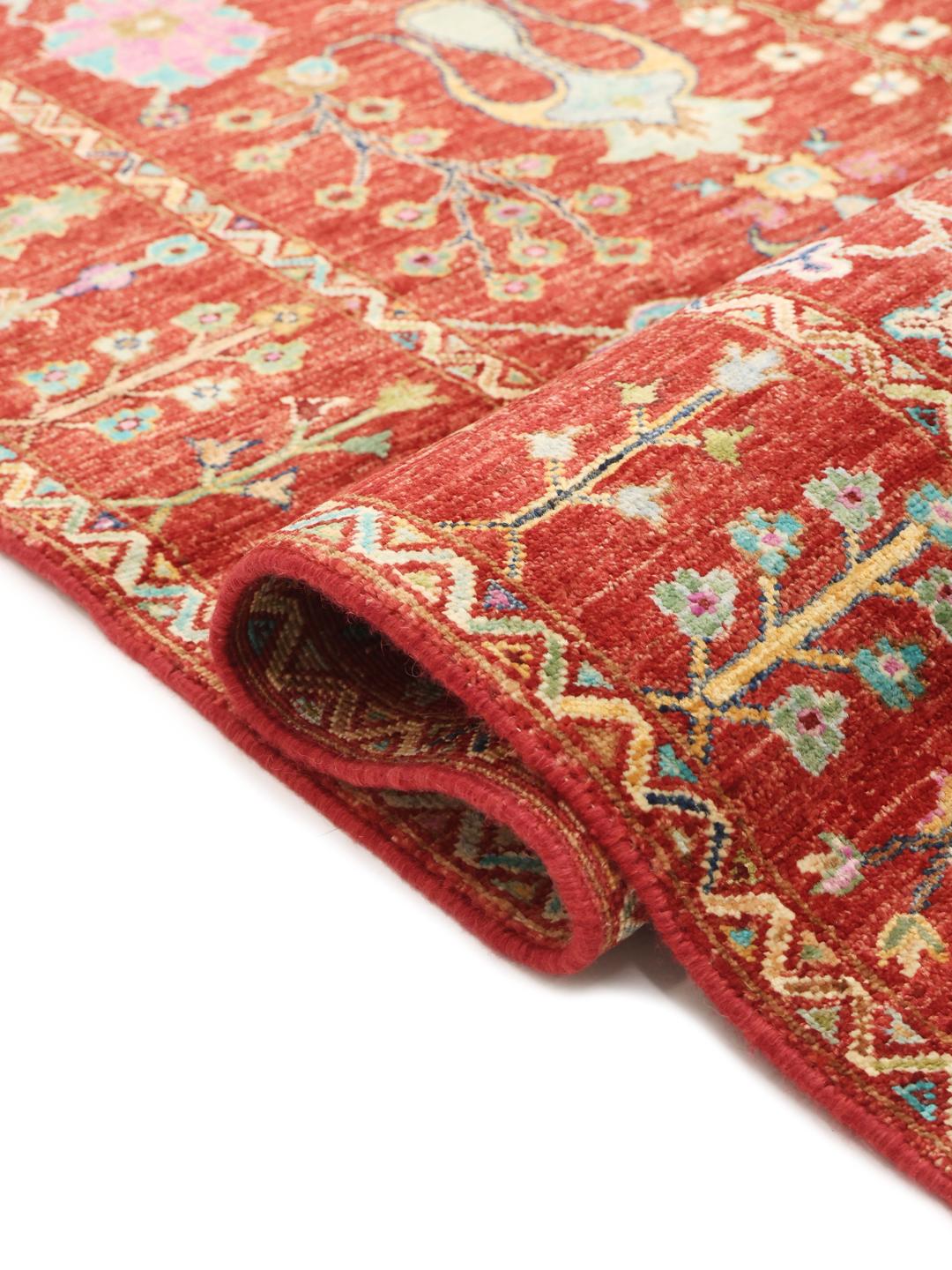
The design language of the Ziegler Ariana is rooted in traditional floral motifs, often featuring large-scale palmettes, scrolling vines, and delicate blossoms. Unlike the more rigid, geometric patterns found in some other traditions, these rugs favour a fluid, organic composition that feels expansive and airy. The borders are typically formal yet generous, framing the central field in a way that draws the eye inward and highlights the complexity of the central floral arrangement.
Owning a Ziegler Ariana is an investment in cultural heritage and skilled artistry. Because each piece is created by hand, it carries the unique signature of the weaver, making it a prized possession for those who value authenticity. These rugs are not merely decorative items but are instead seen as functional art, celebrated for their ability to bridge the gap between historical tradition and modern interior design while retaining their value and beauty over generations.