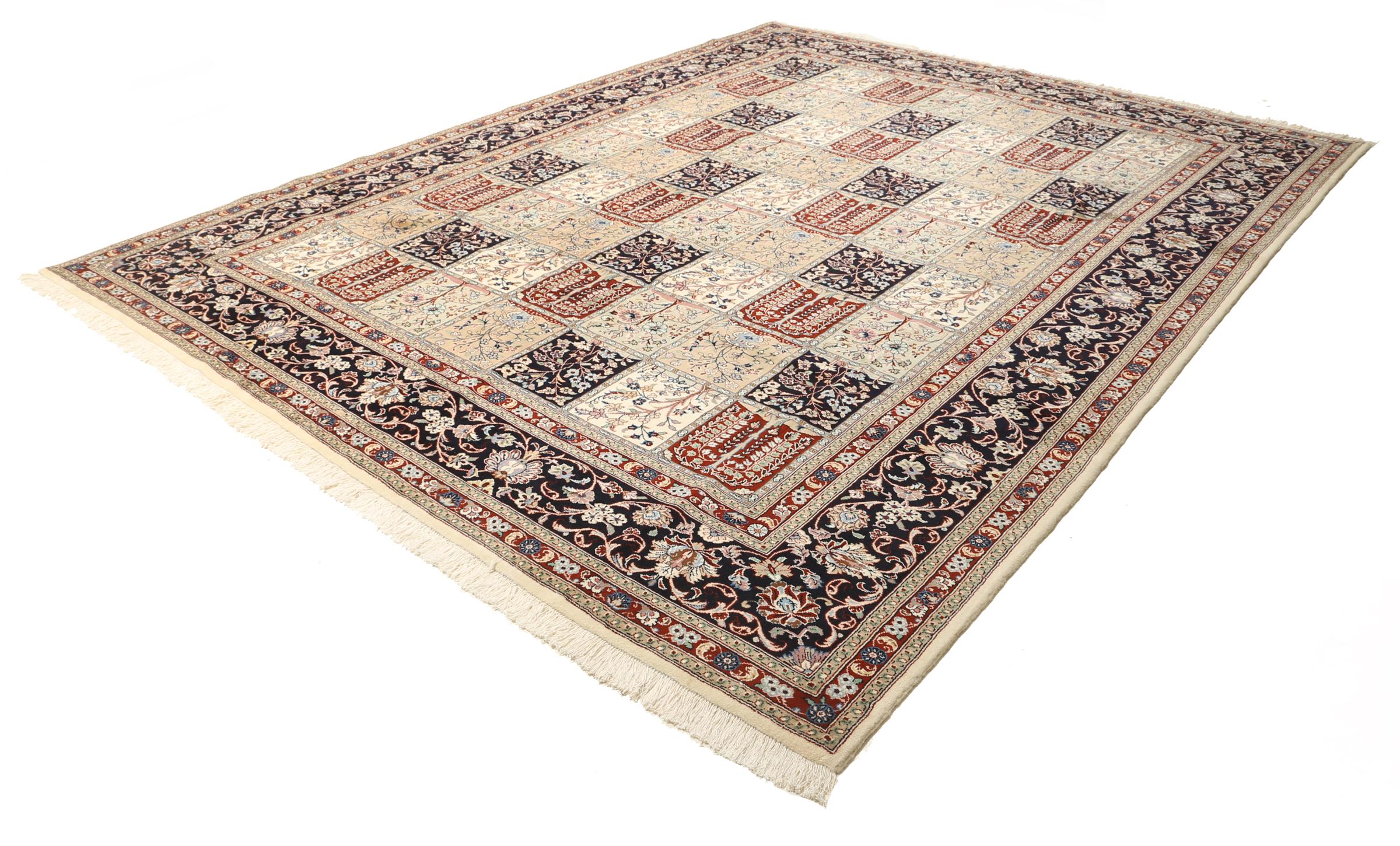
The city of Yazd, located in the heart of the Middle East, is one of the oldest living cities in the world and a historic centre for textile production. Weaving in this region has been shaped by the harsh desert environment, leading to a tradition that values durability and intricate design. Over centuries, Yazd has become synonymous with a specific style of weaving that balances traditional geometry with the graceful, fluid forms of floral and garden imagery.
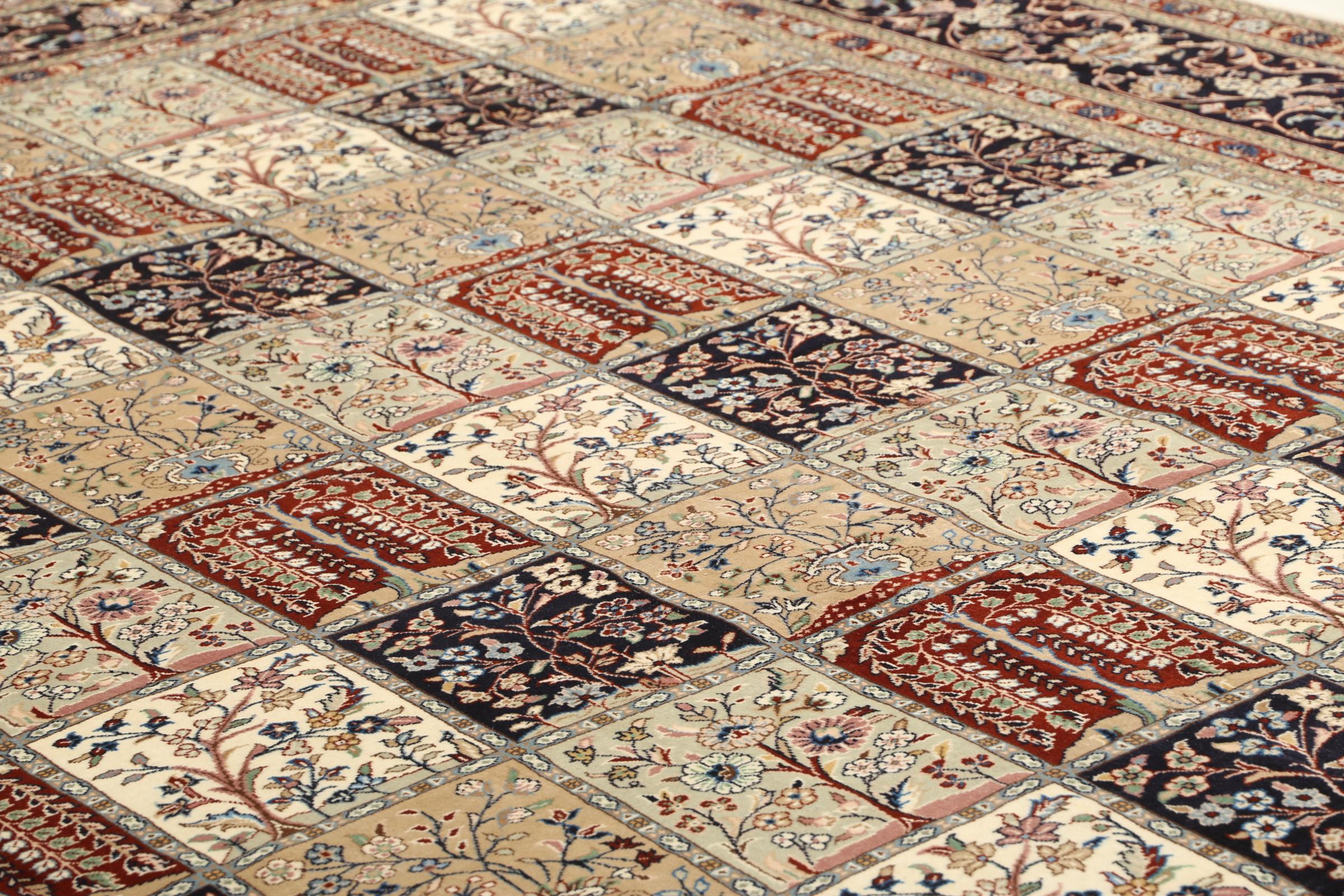
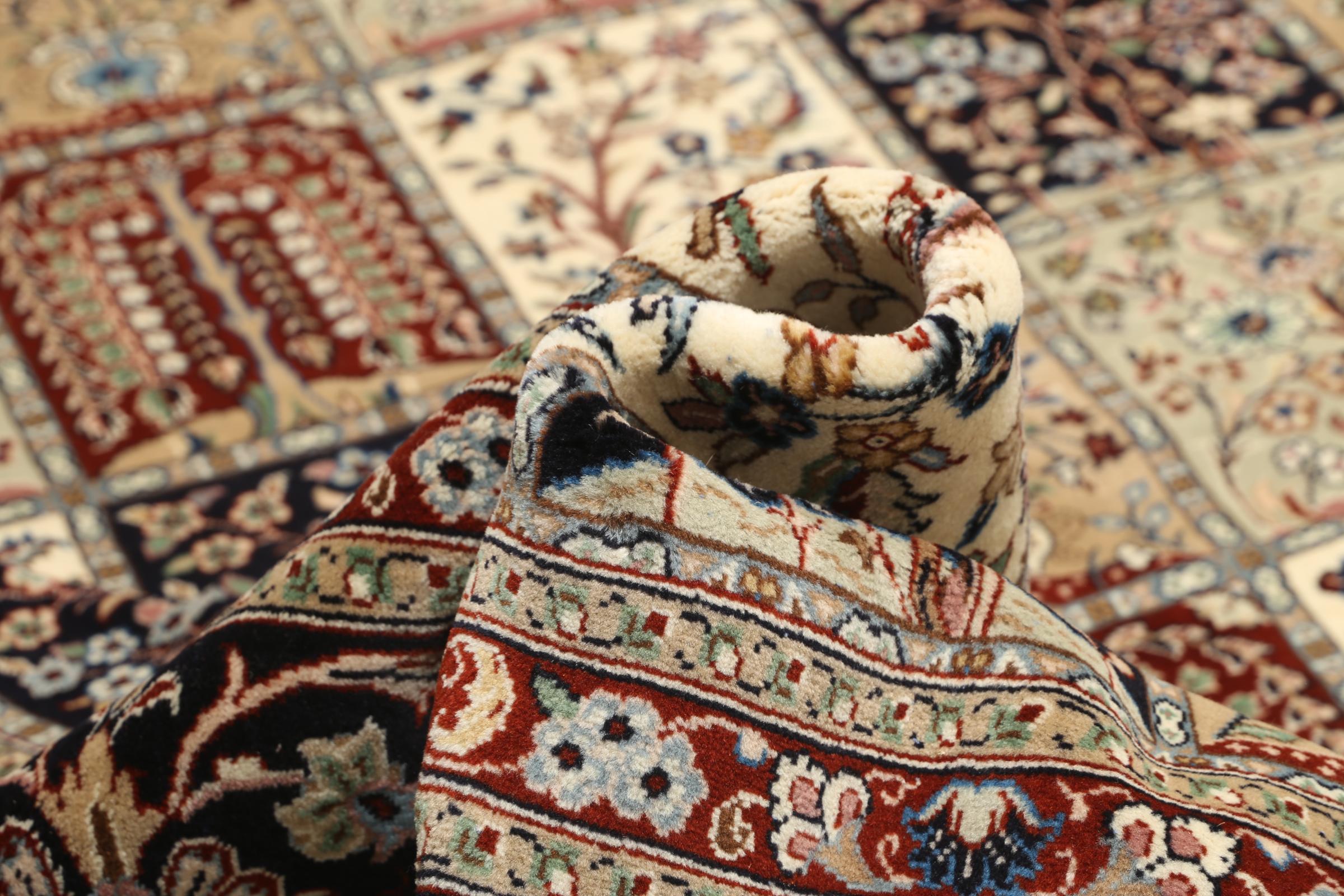
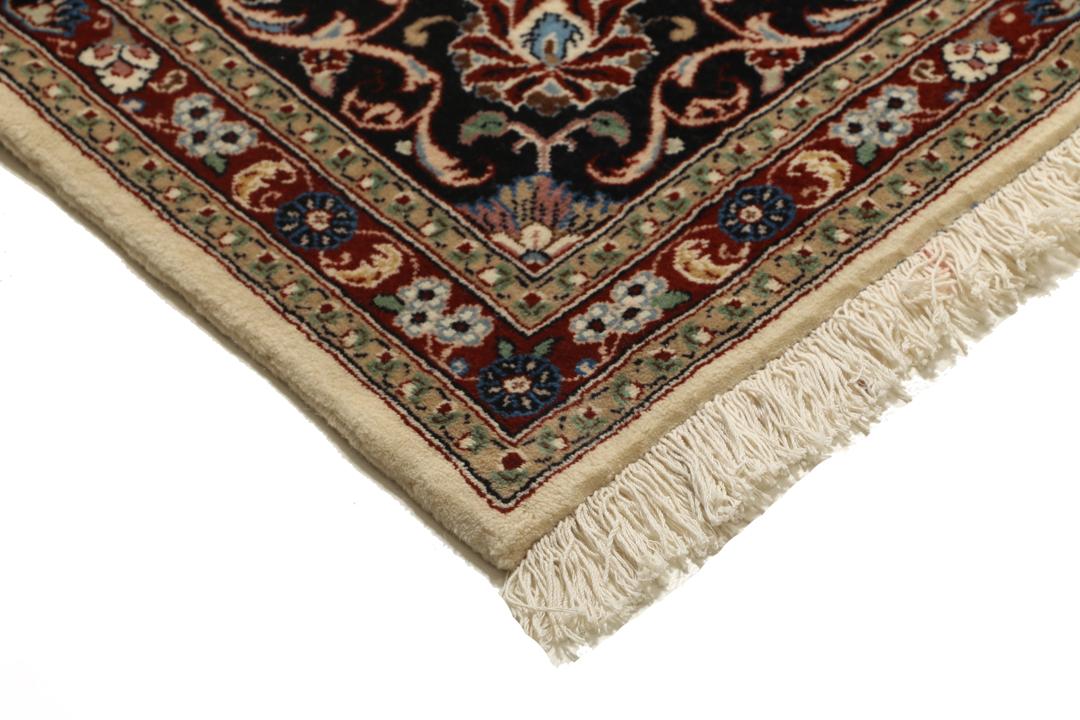
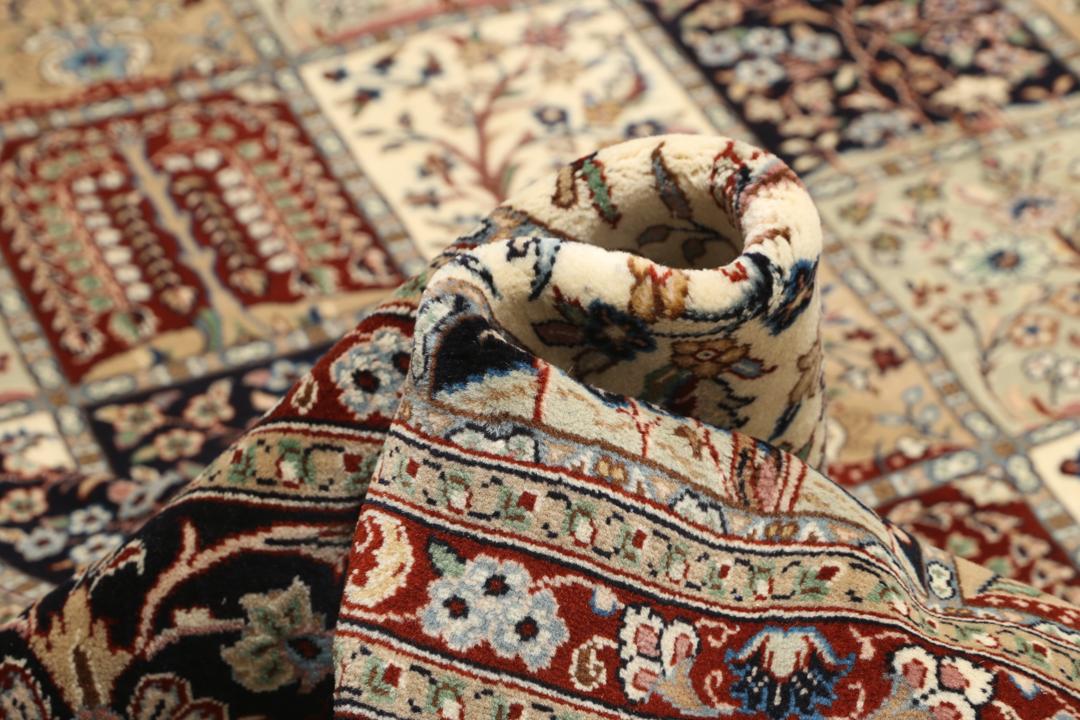
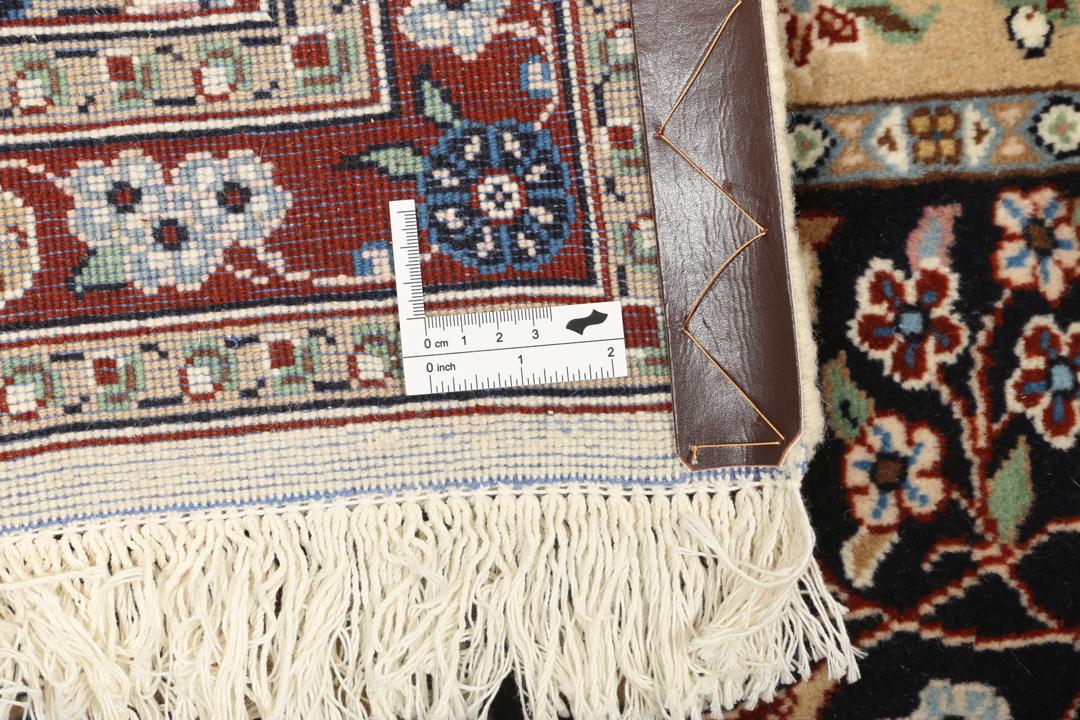
Technical quality in a Yazd rug is often defined by the use of high-quality wool and a precise, dense knotting structure. The term 'hand-knotted' refers to the painstaking process where each knot is tied individually onto the warp threads, a technique that allows for the creation of incredibly detailed and lasting patterns. This method not only provides the rug with its structural integrity but also gives the surface a depth of colour and a soft, luxurious feel that machine-made alternatives cannot replicate.
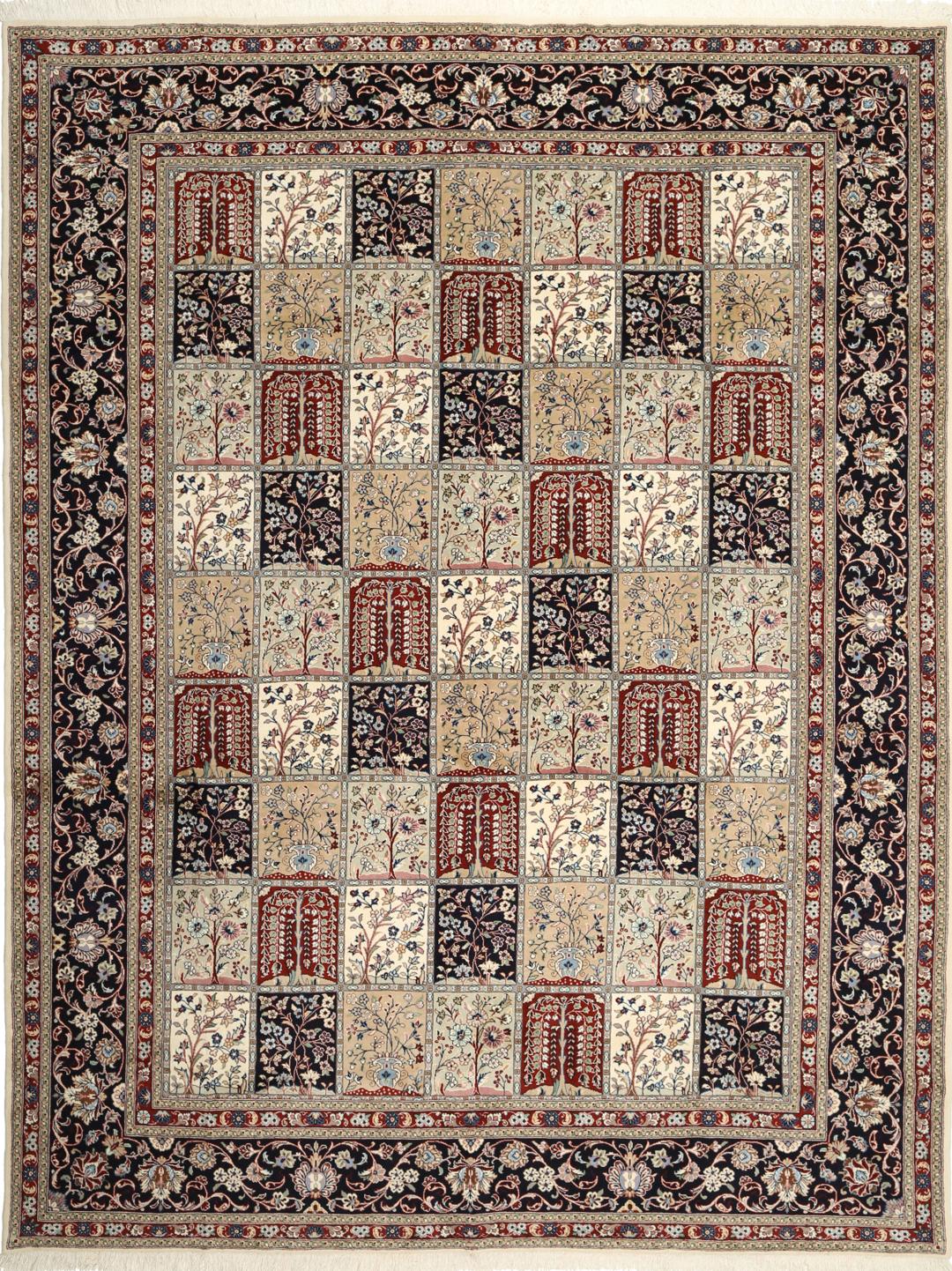
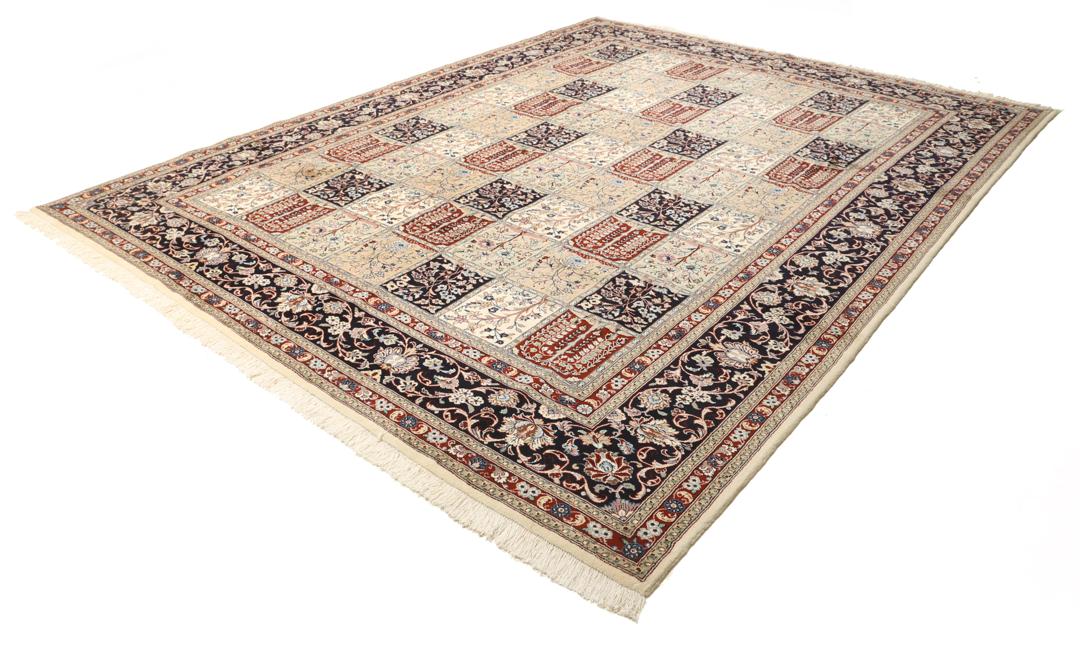
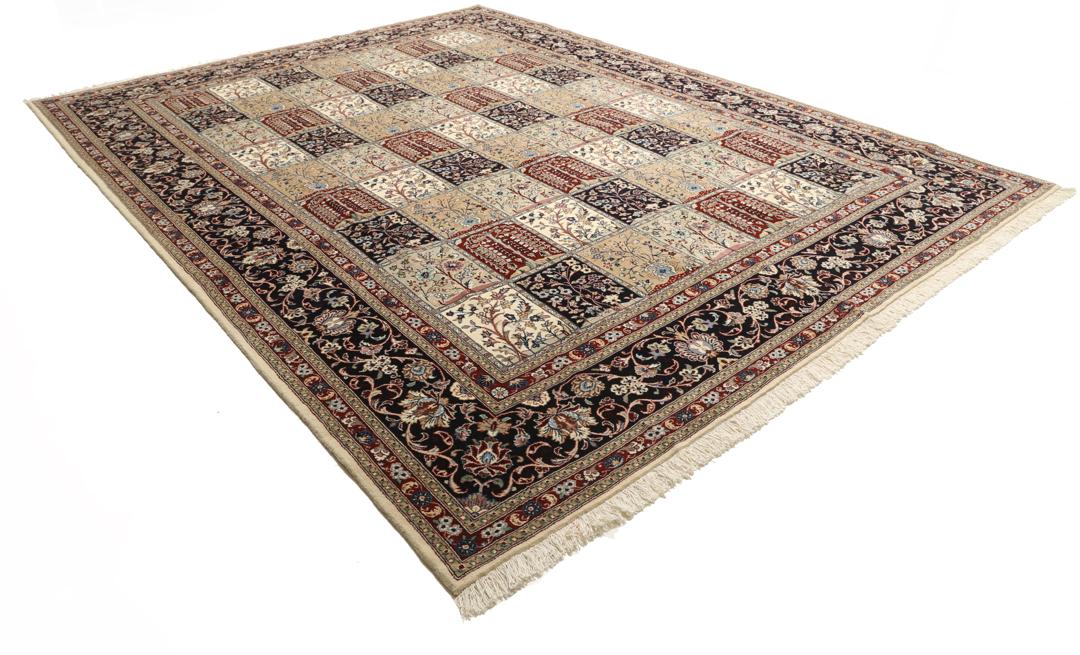
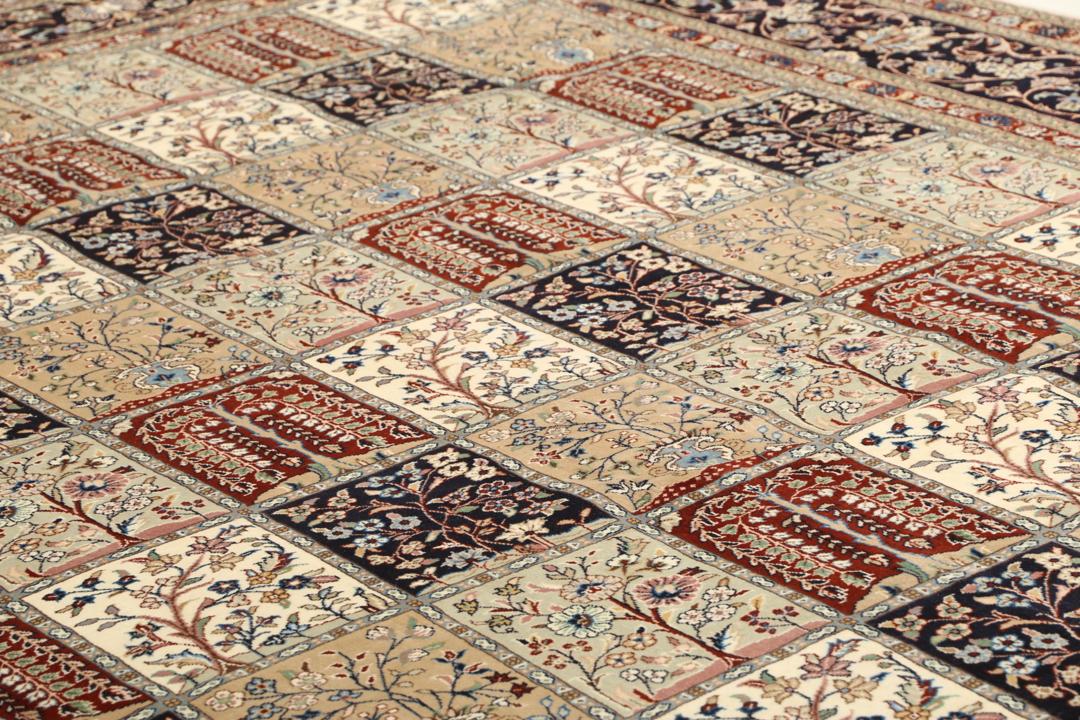
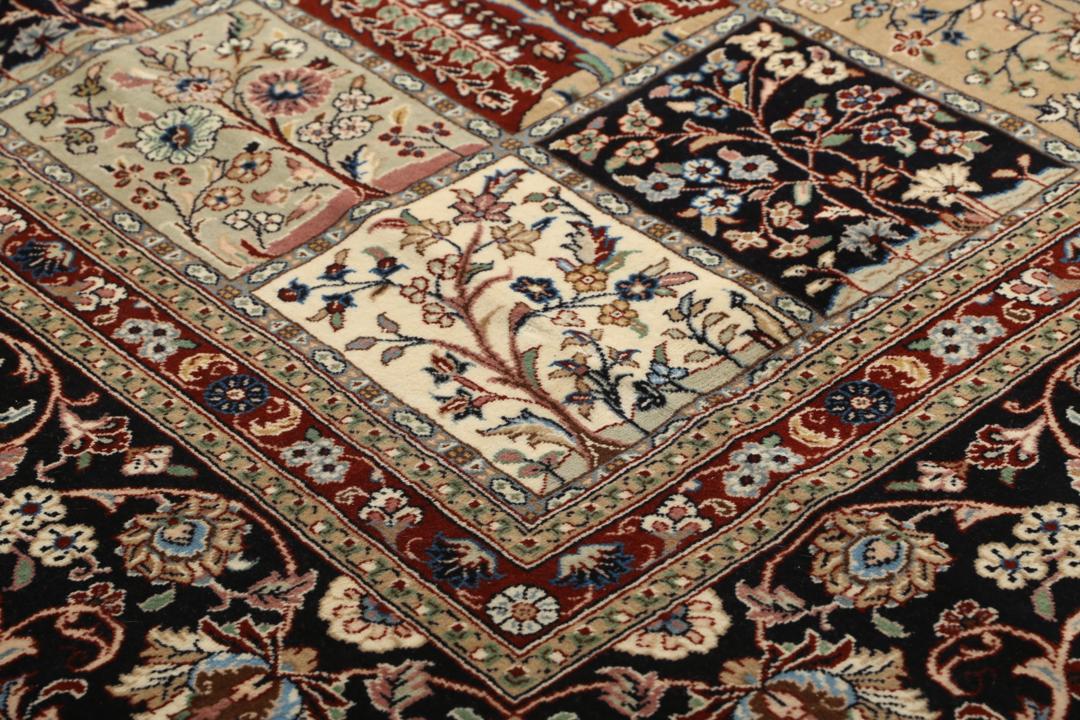
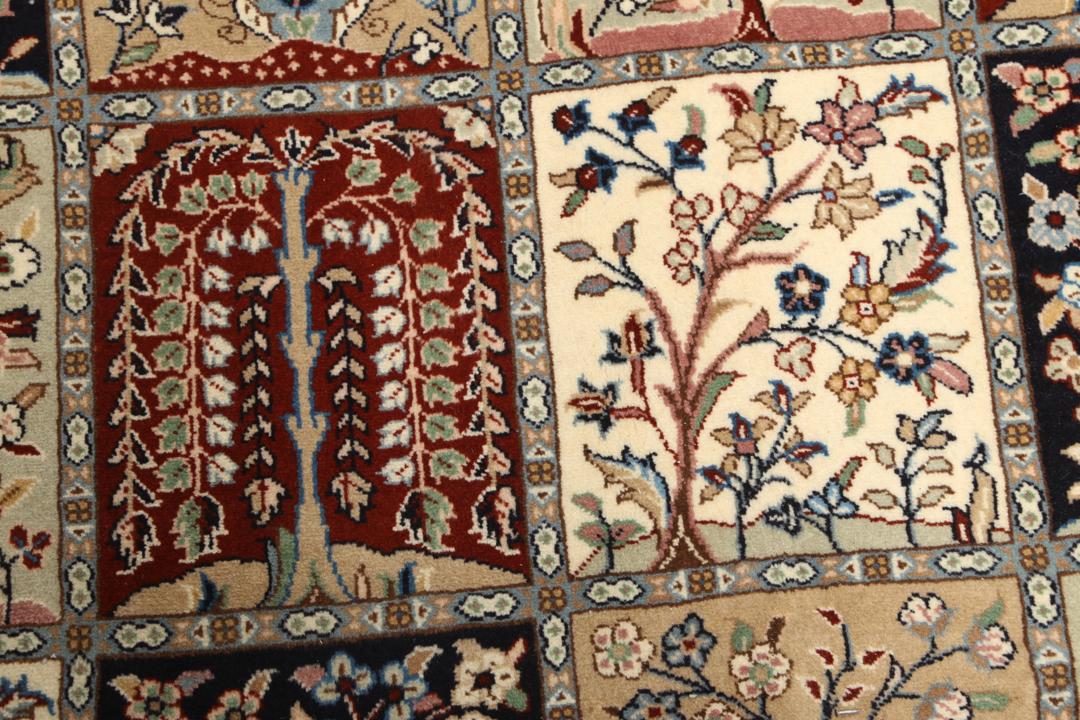
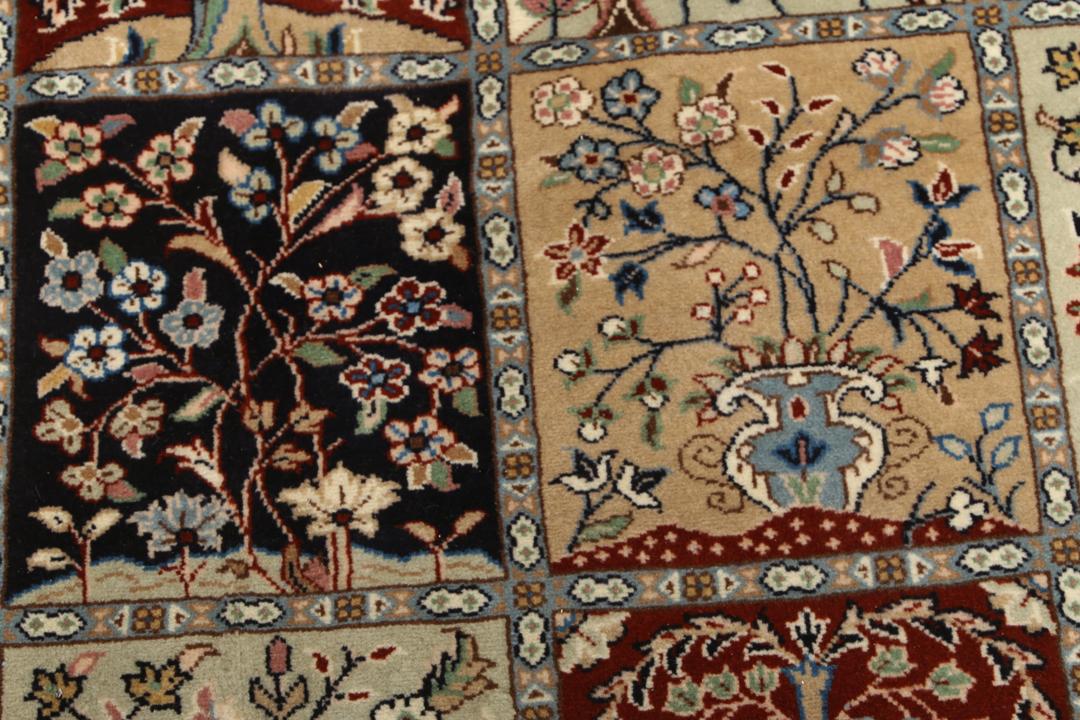
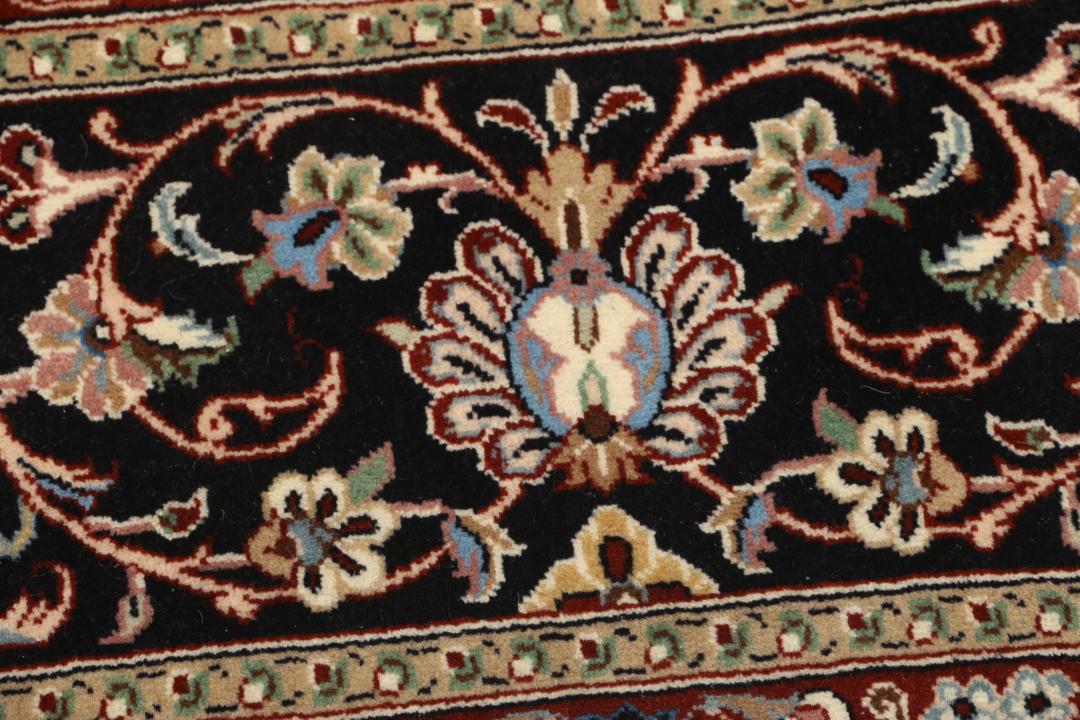
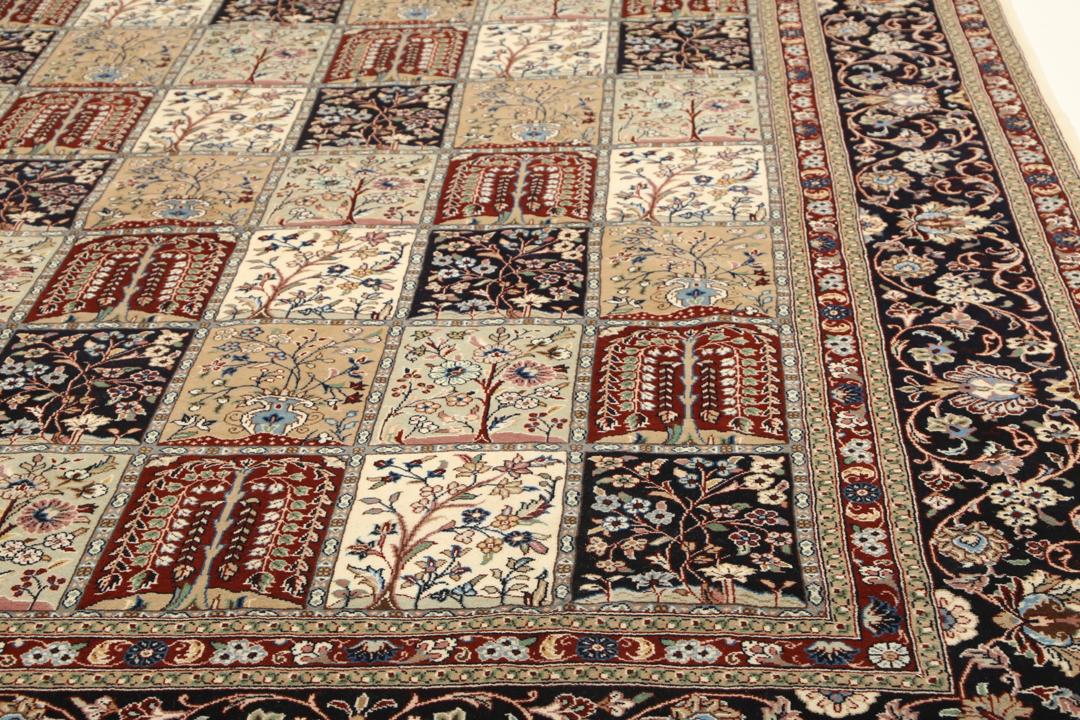
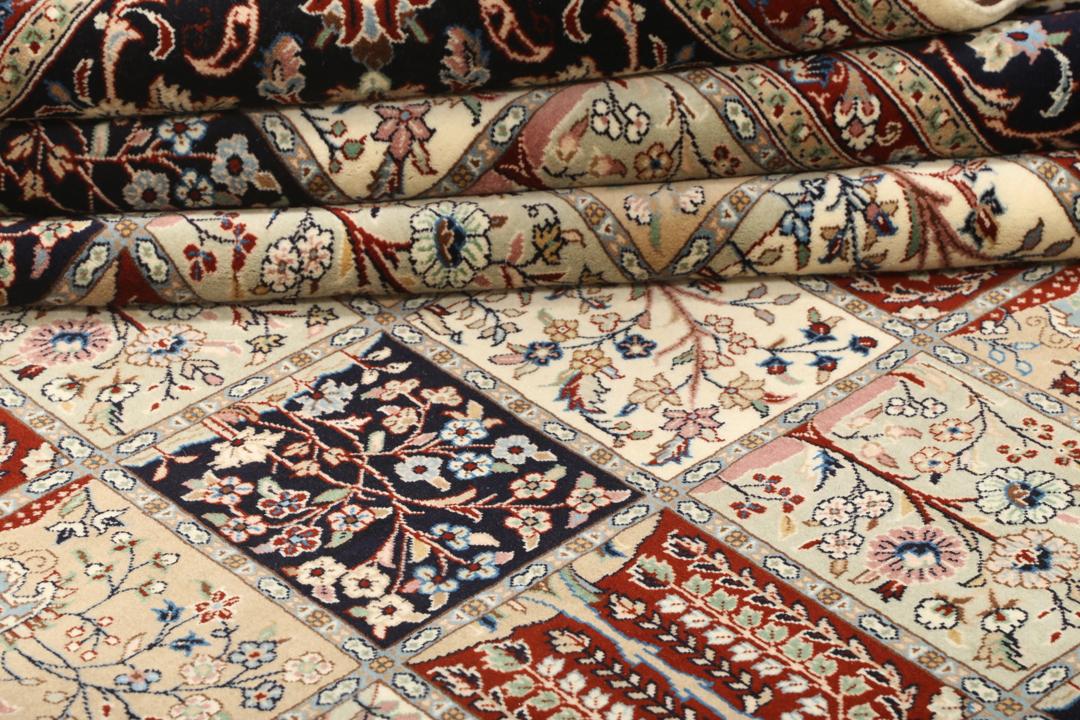
Visually, this rug tradition is famous for its 'garden' or 'panel' designs, which divide the field into distinct, repeating squares or rectangles. Each panel often depicts a tree of life or a floral arrangement, representing the concept of a paradise garden, a powerful symbol in Middle Eastern culture. The borders are typically ornate, featuring complex vines and floral sprays that provide a formal frame for the interior panels, reflecting a deep appreciation for symmetry and natural beauty.
Owning a Yazd rug is an investment in cultural heritage and long-standing skill. Collectors and homeowners value these pieces not only for their visual impact but for the story they tell about the communities and traditions that created them. Each rug serves as a bridge to the past, preserving techniques and motifs that have been passed down through generations, making it a meaningful acquisition for anyone who values authentic craftsmanship and enduring quality.