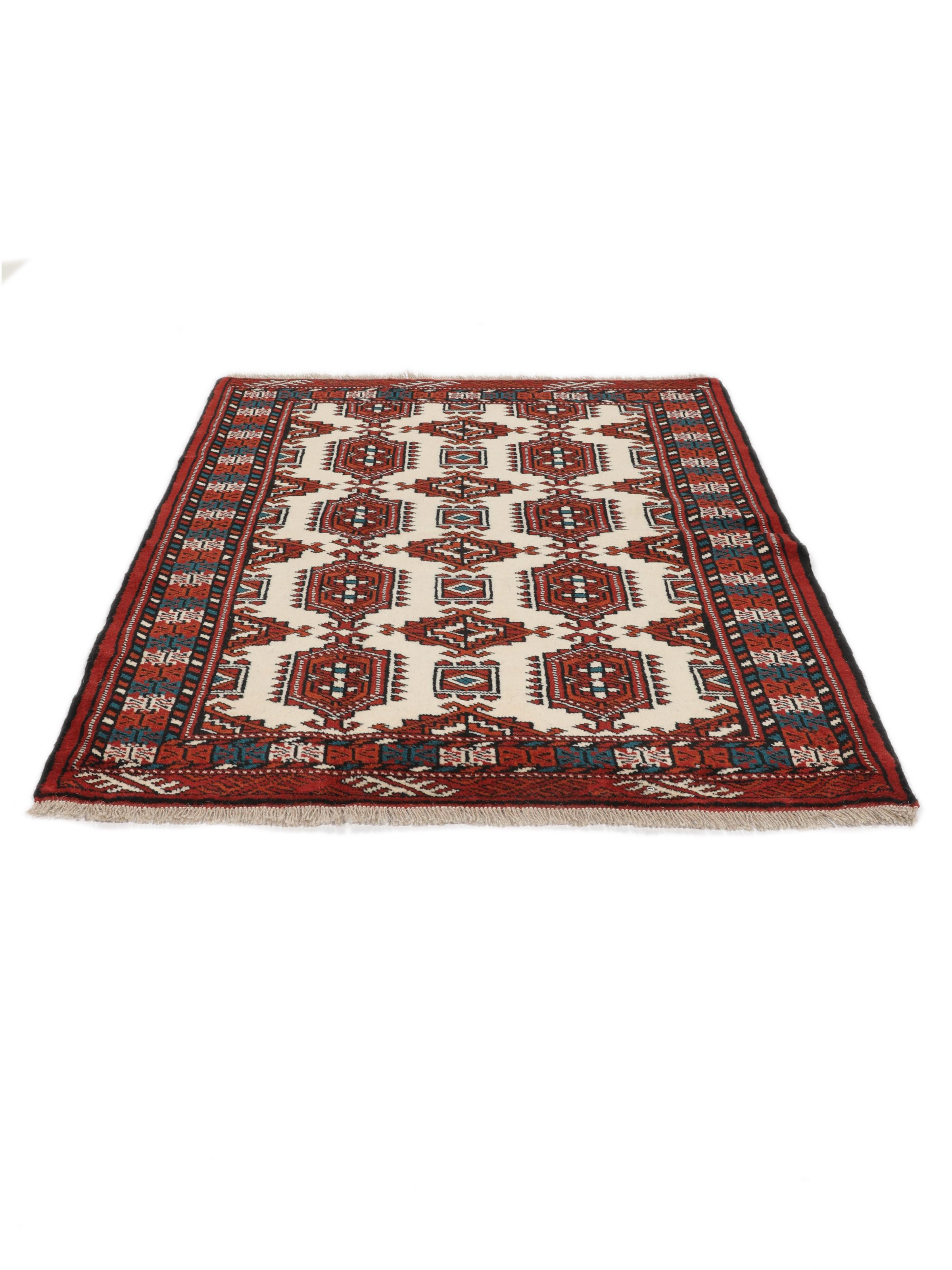
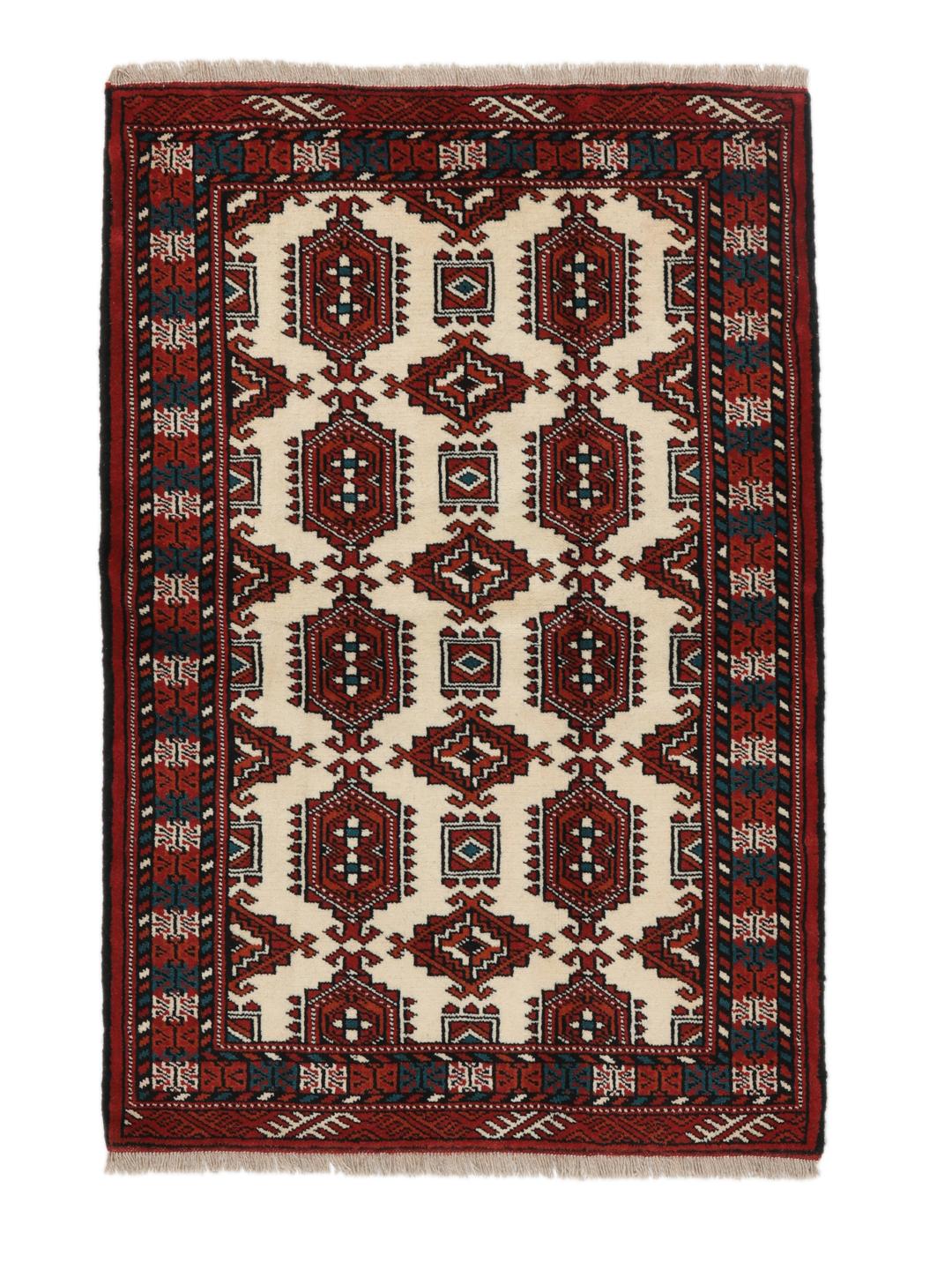
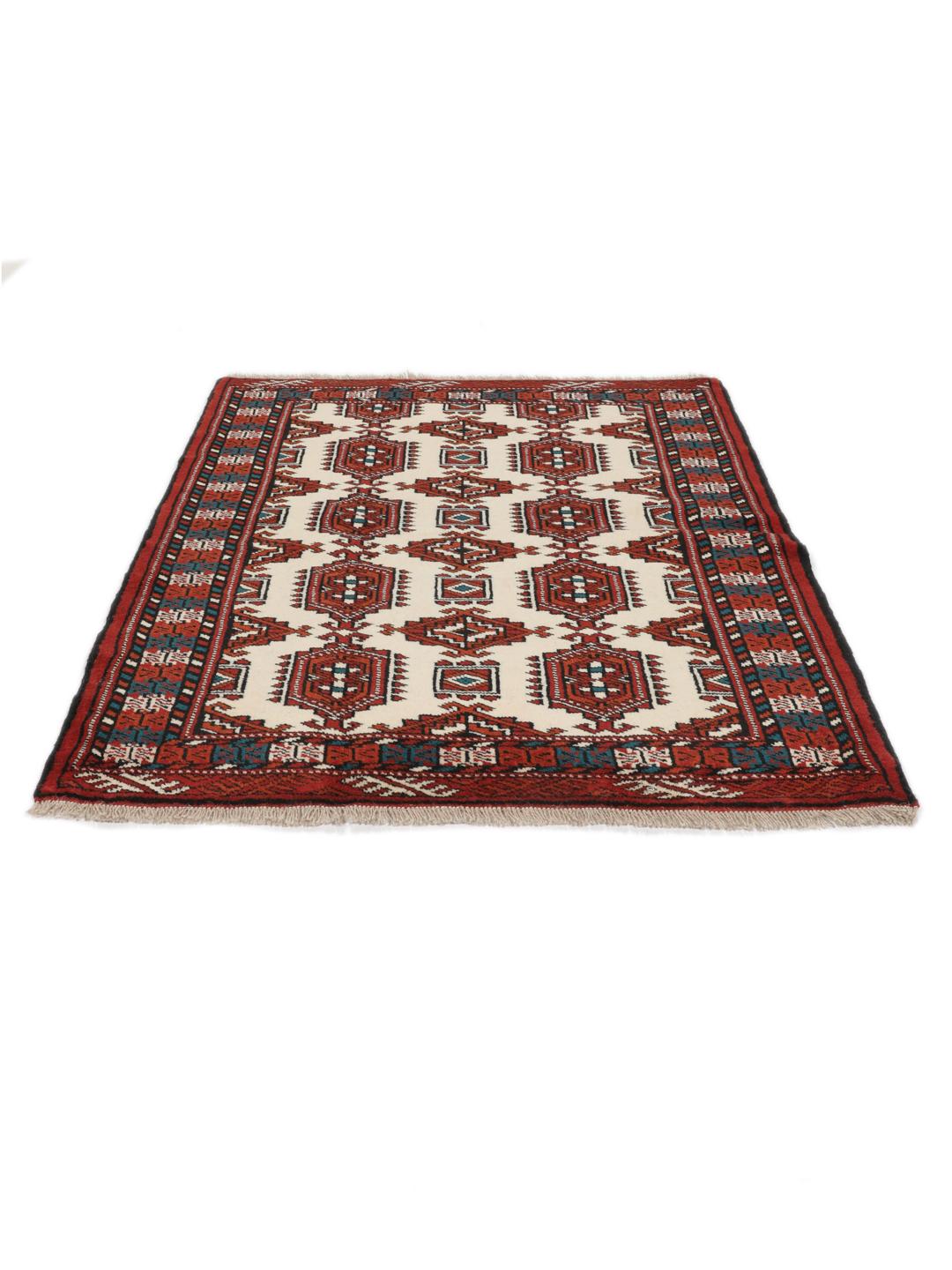
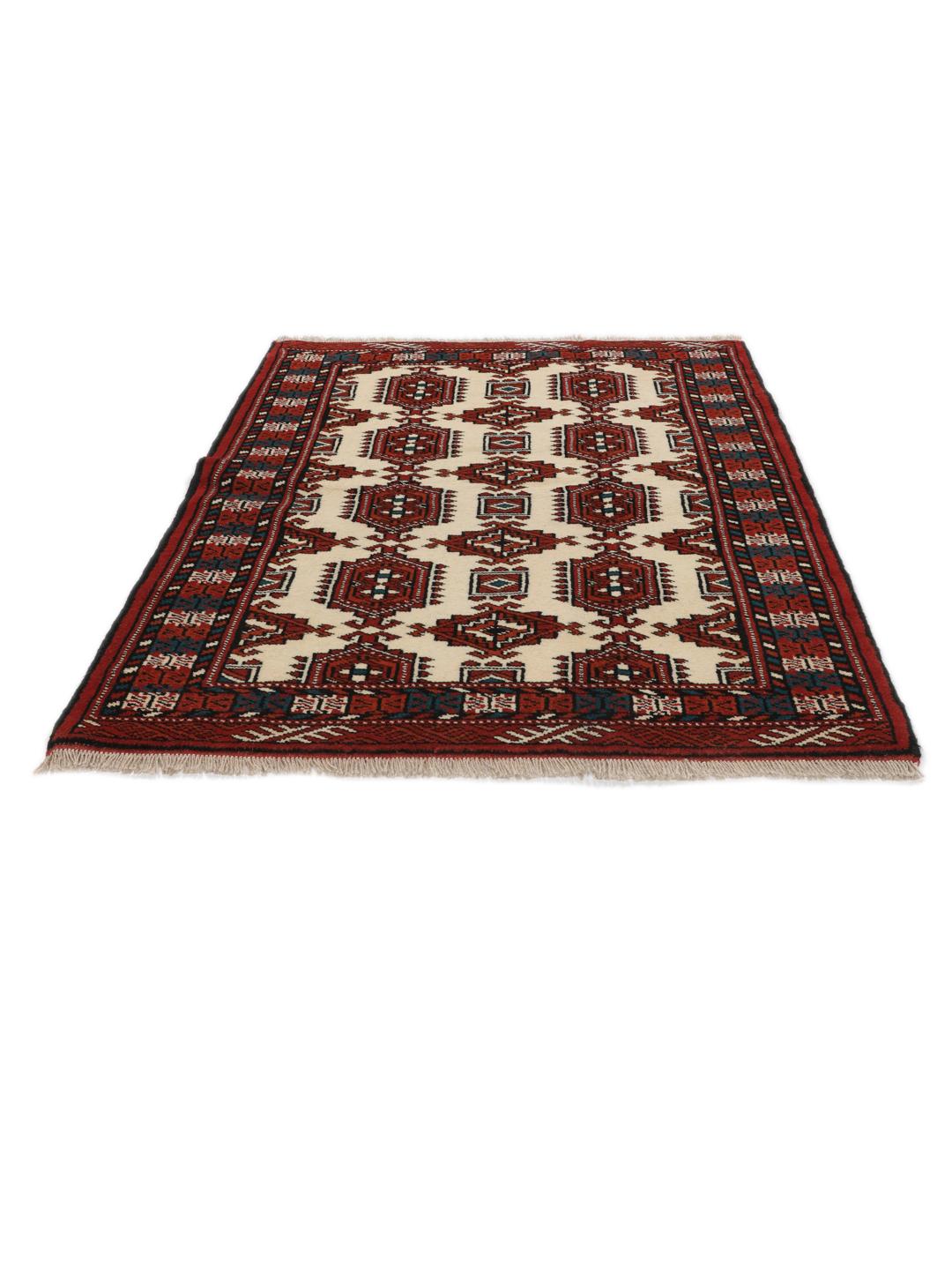
The Turkaman rug tradition finds its roots in the nomadic tribes of Central Asia, where weaving was a vital expression of cultural identity and heritage. Over centuries, these designs evolved and migrated, eventually finding a home in the workshops of the Middle East, where the techniques were refined and preserved by master weavers.
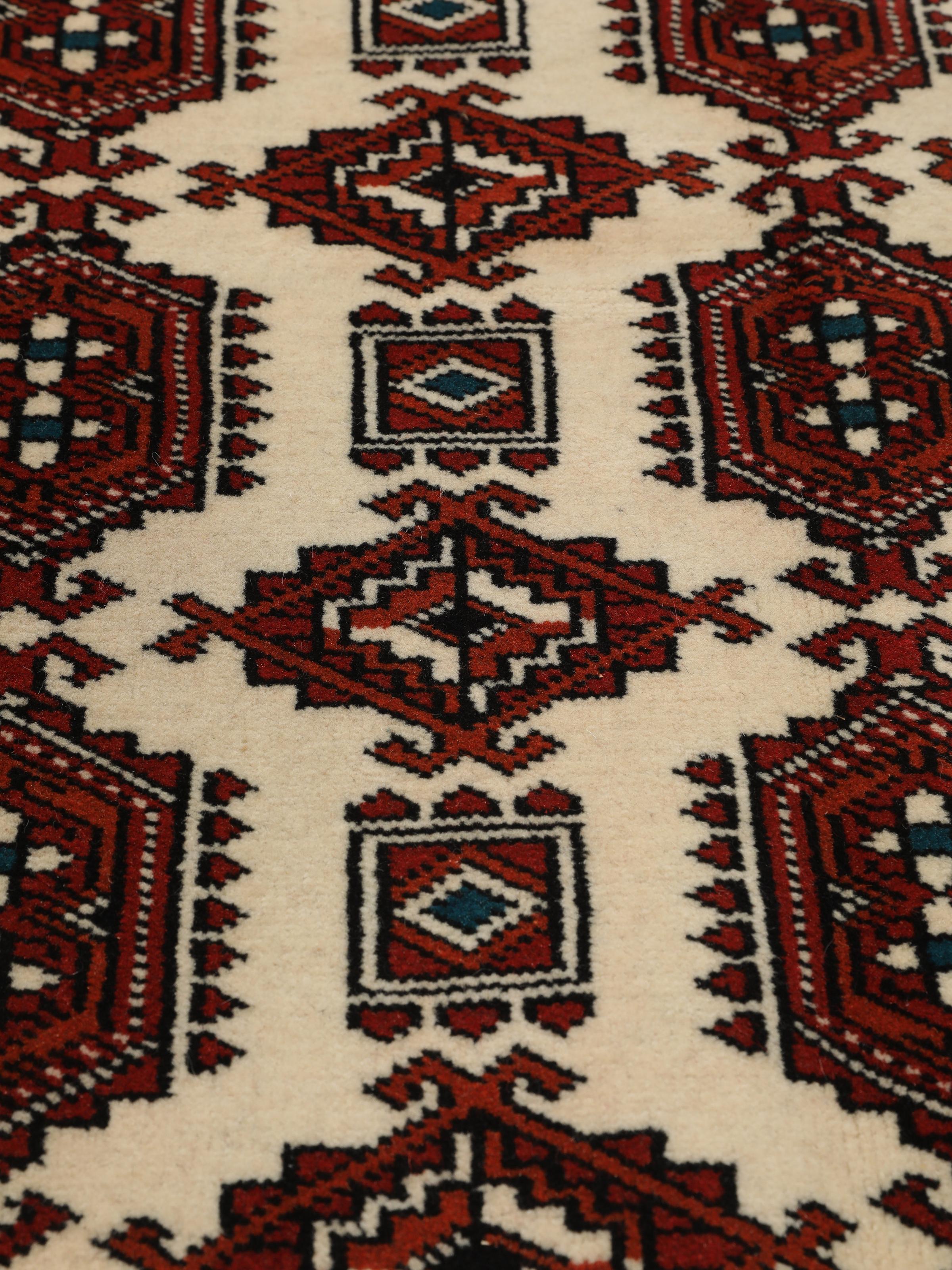
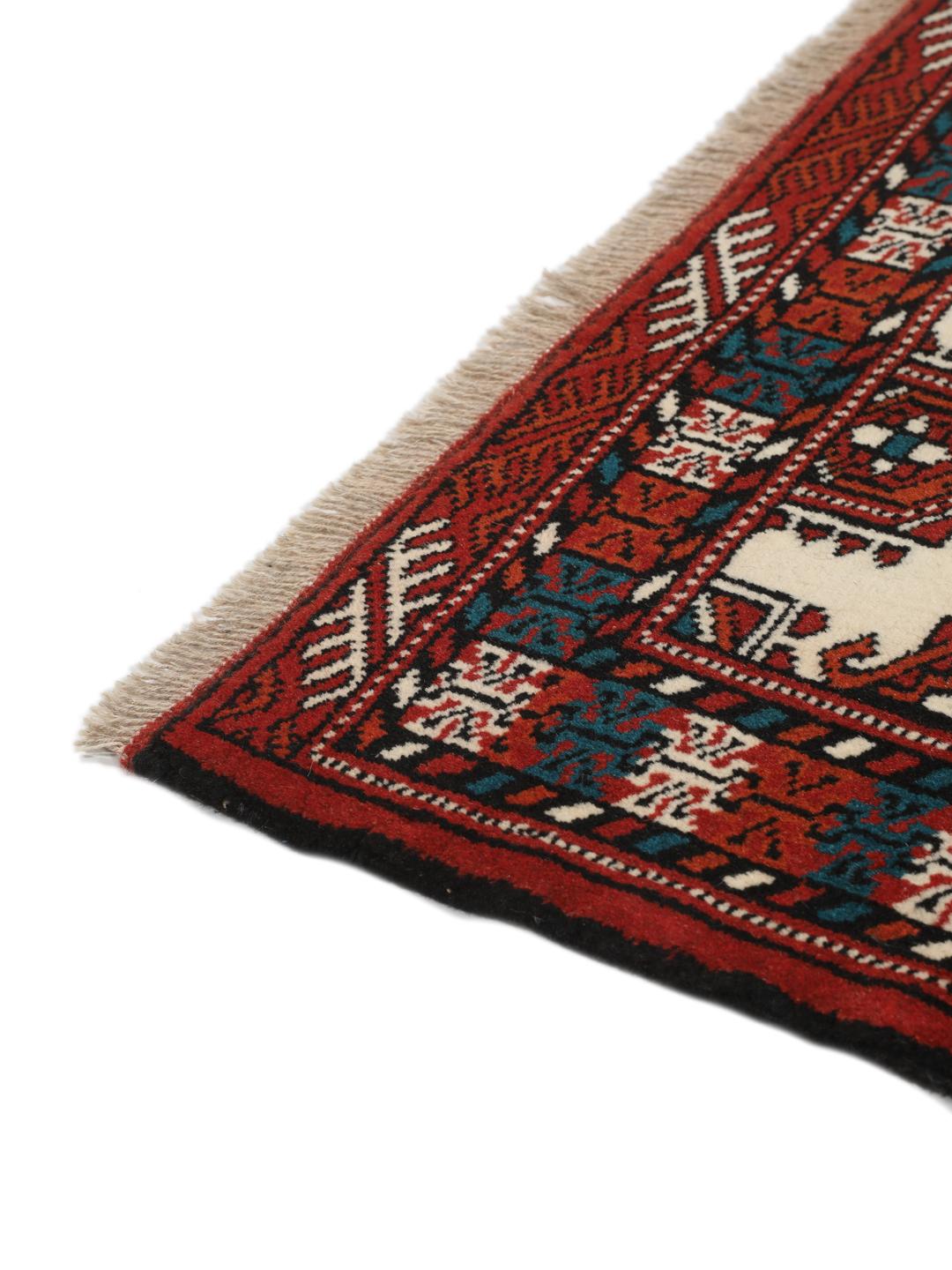
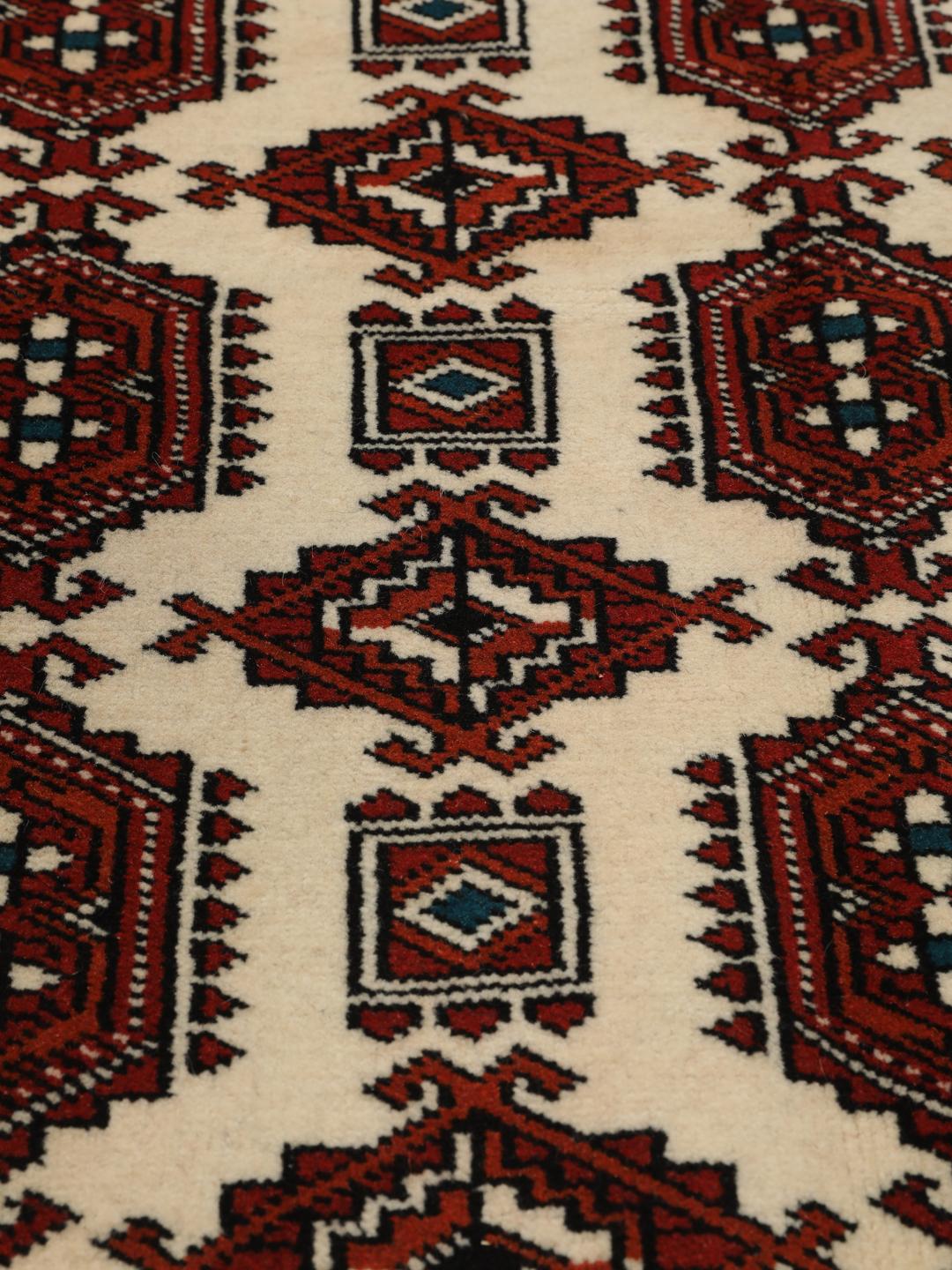
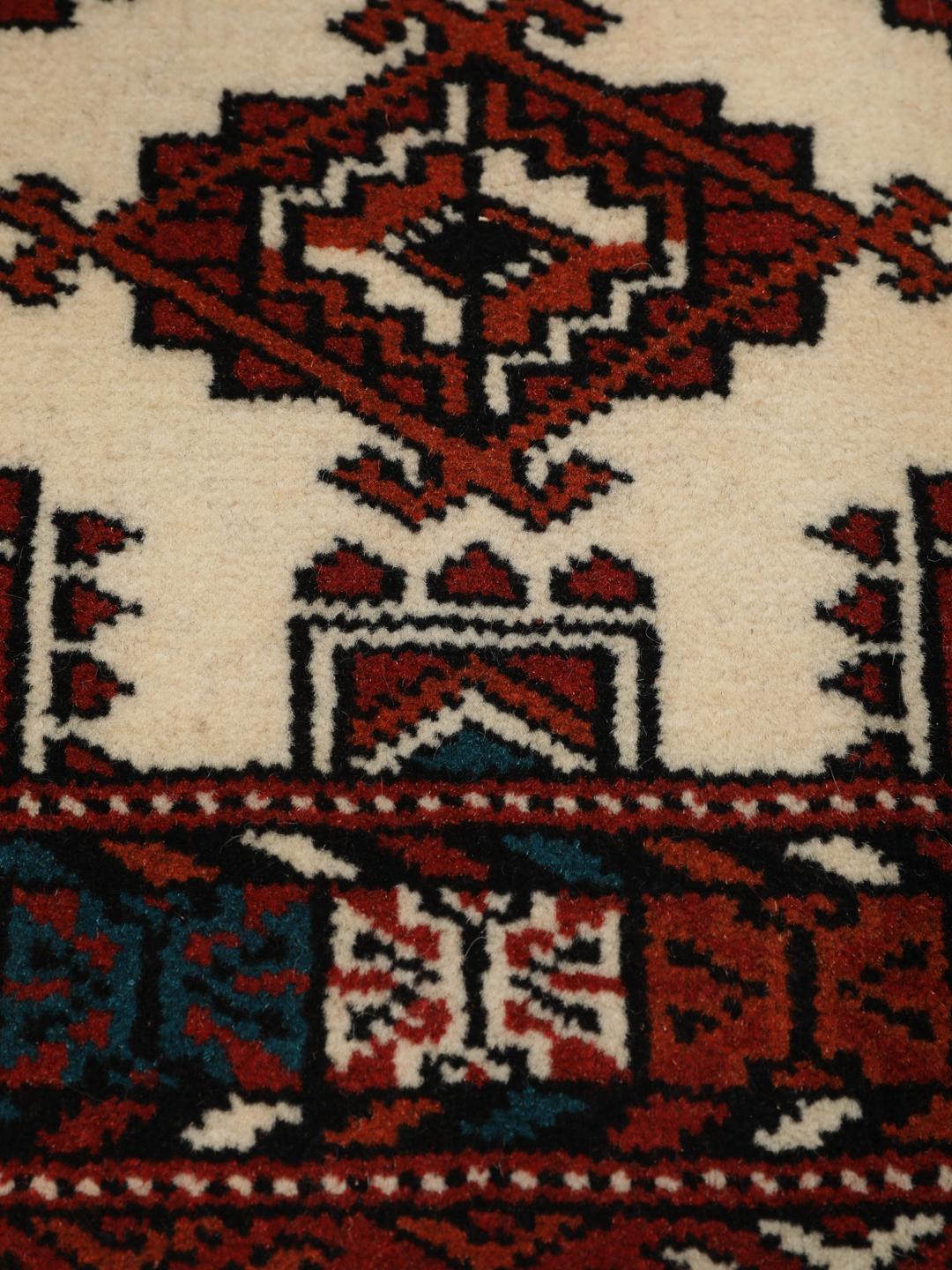
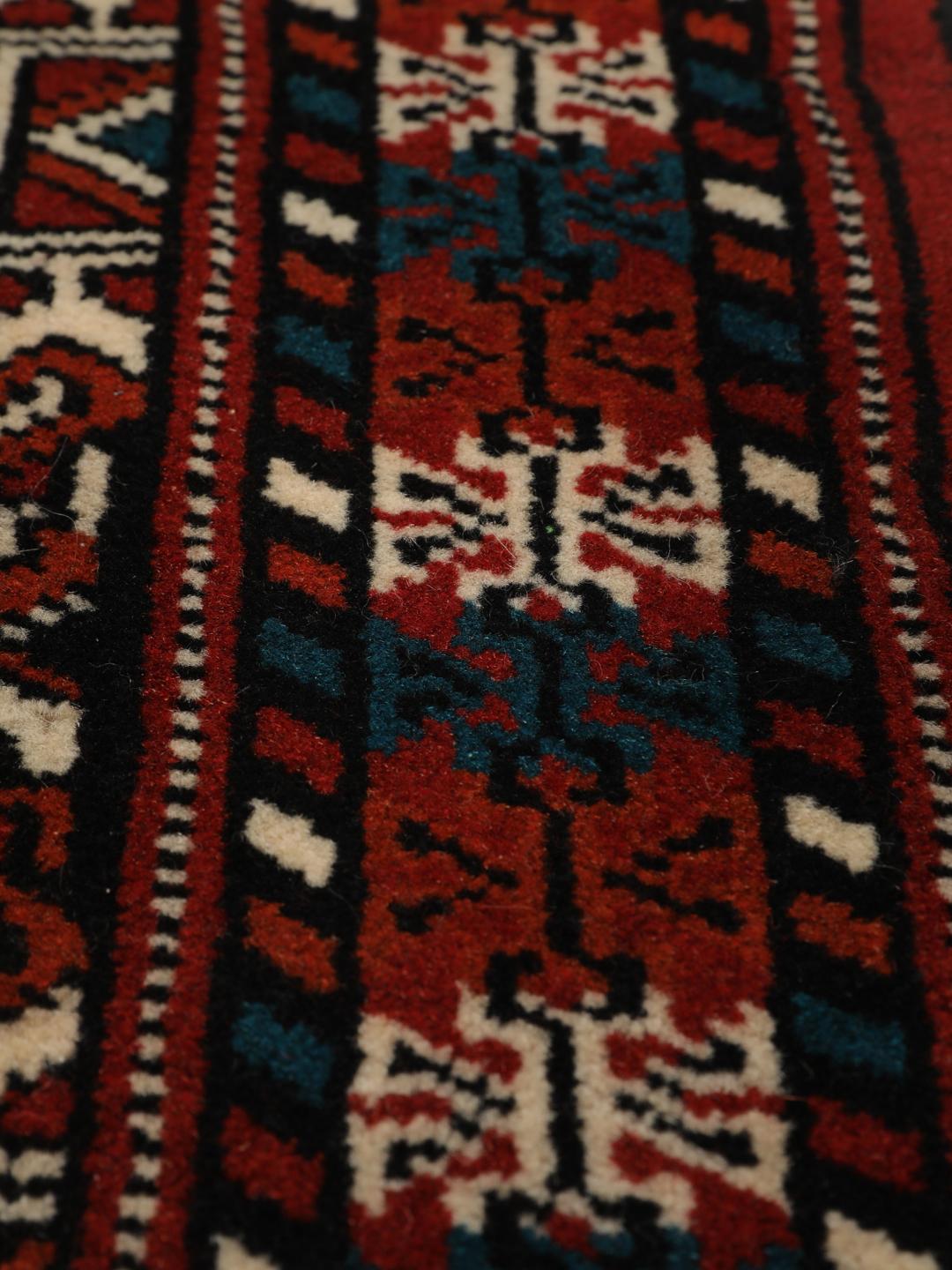
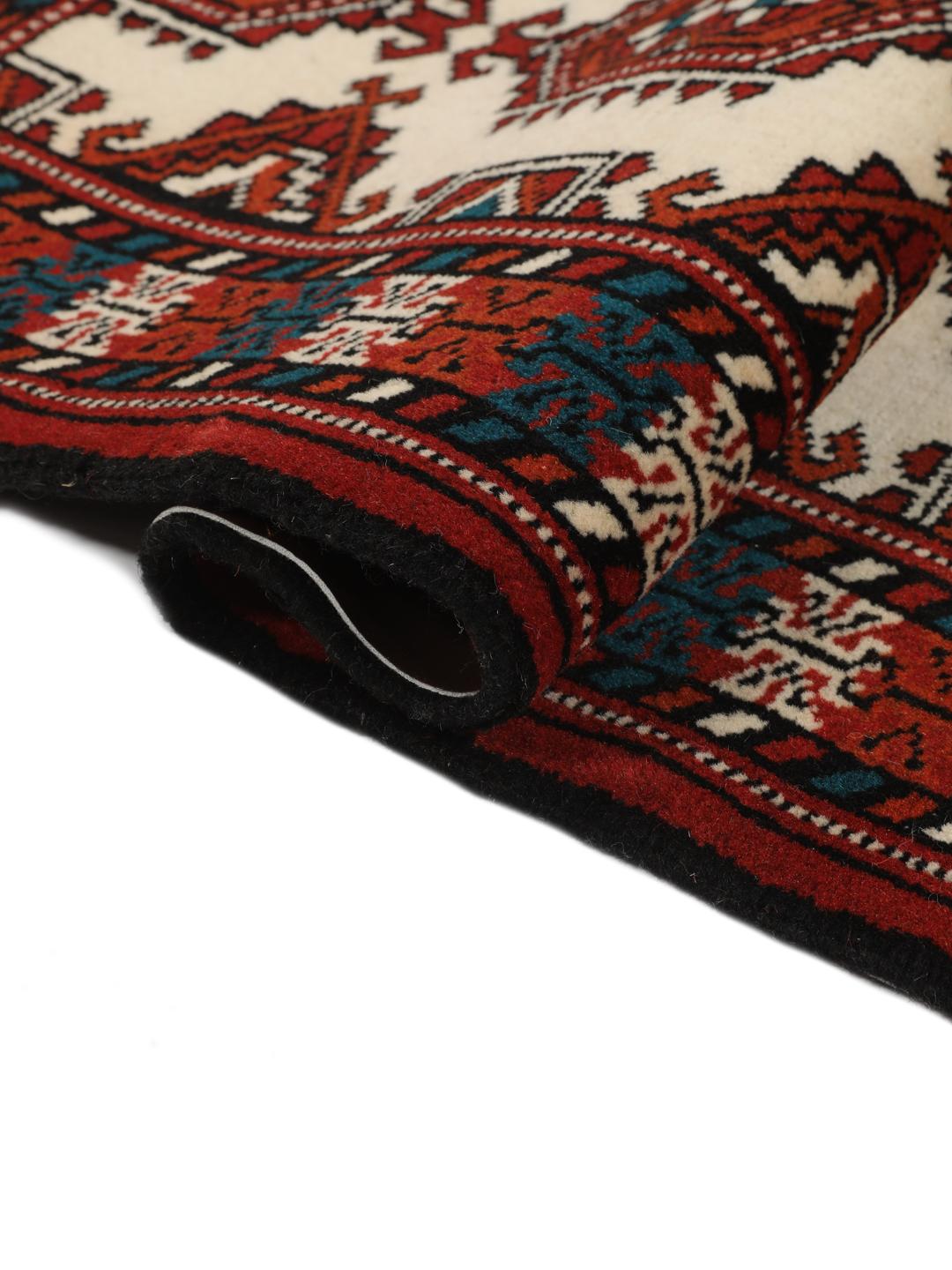
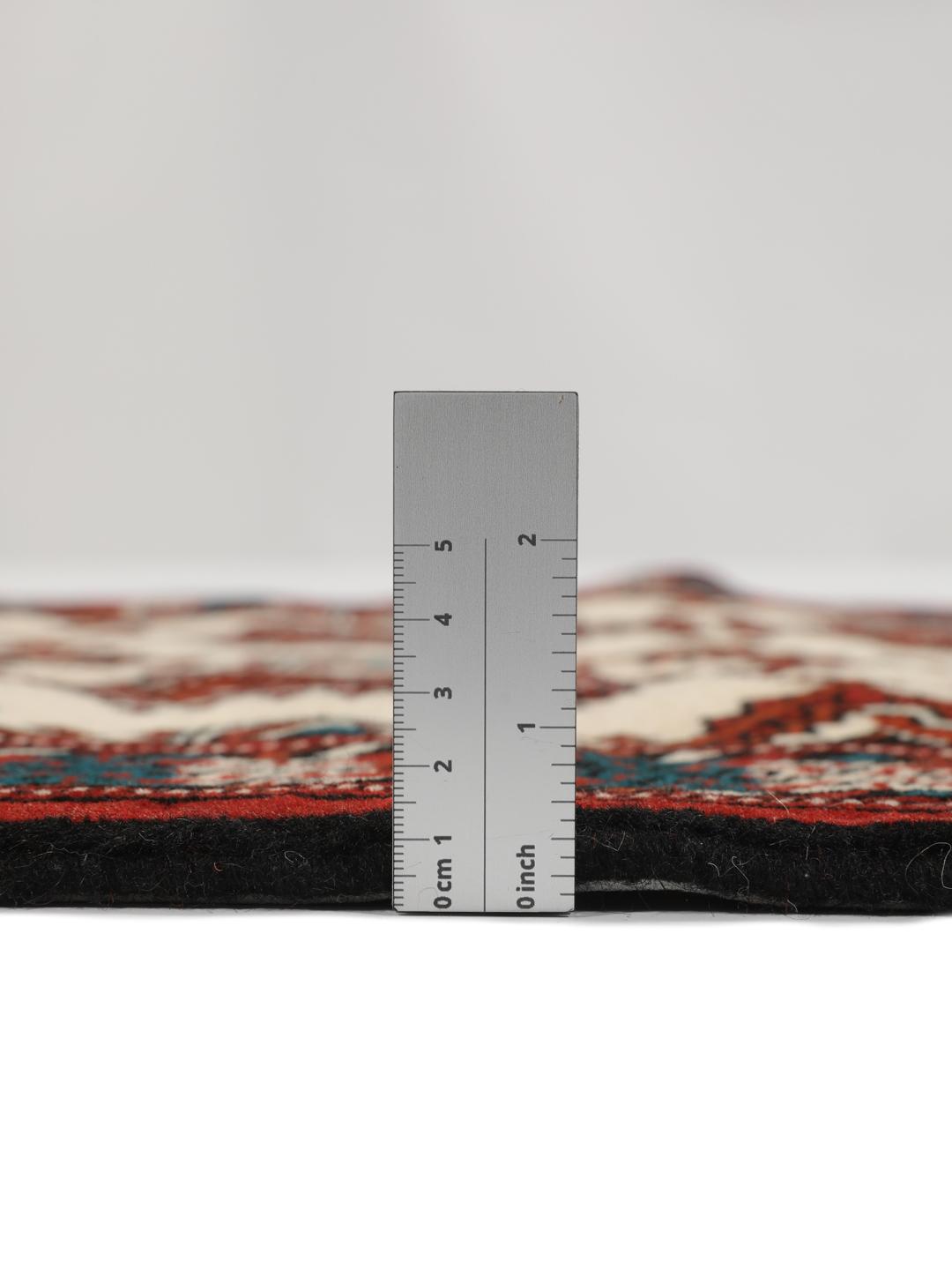
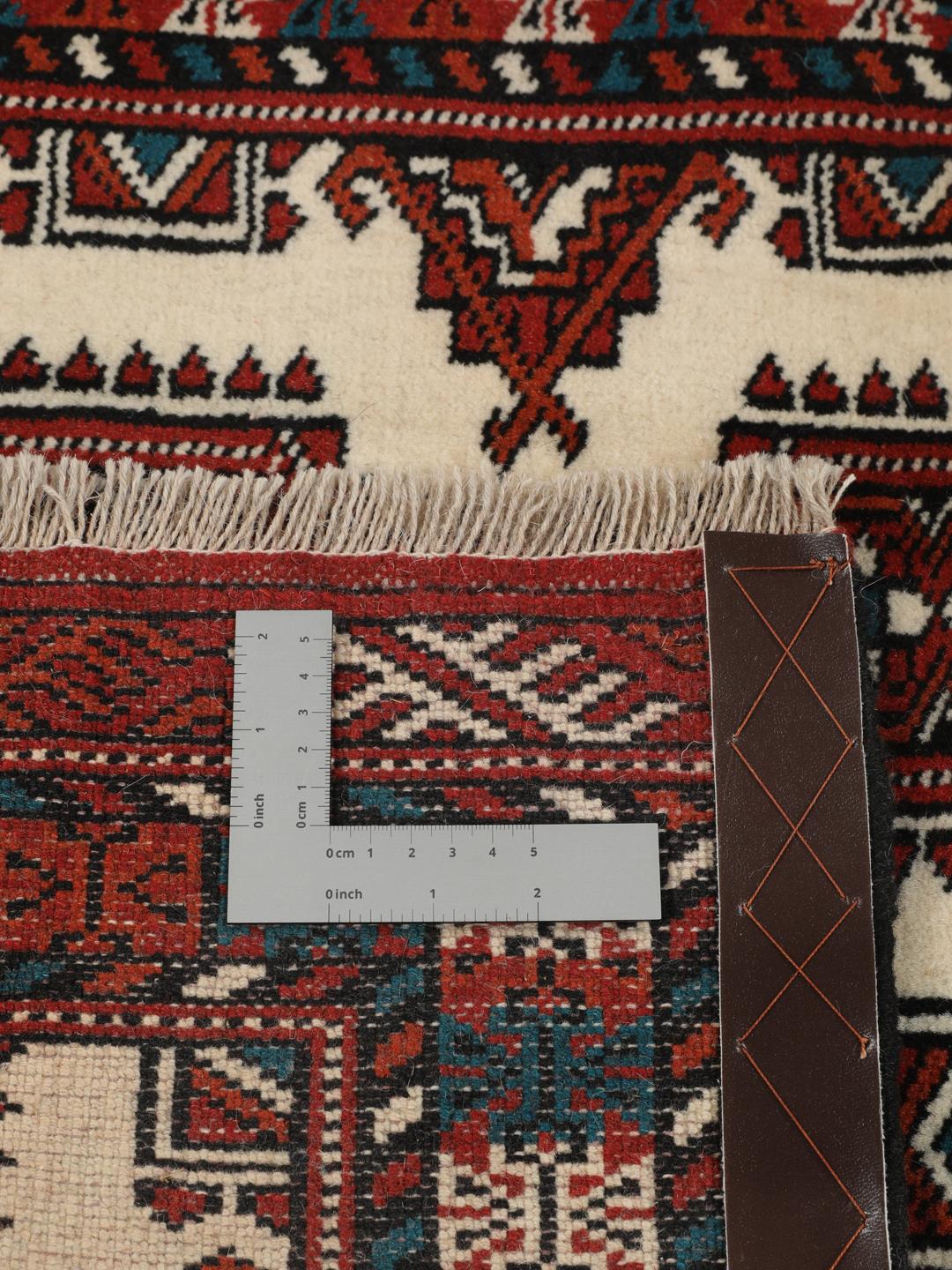
The term Turkaman refers to these specific tribal-inspired traditions, which are renowned for their use of deep, earthy colour palettes and highly disciplined, repetitive patterns. The construction of these rugs typically involves Wool pile on a cotton foundation, a combination chosen for its balance of softness and structural stability.
At the heart of the Turkaman design language are the repeating gul motifs—stylised, octagonal forms that represent the lineage and history of the tribes that created them. These medallions are typically framed by elaborate, symbolic borders that create a sense of harmony and enclosure, giving the rug a formal and balanced appearance.
Owning a Turkaman rug is an invitation to connect with a long lineage of textile artistry. These pieces are highly valued by collectors for their consistency, their rich historical symbolism, and the immense skill required to produce them, making them not just floor coverings, but storied artefacts that bring depth to any interior.