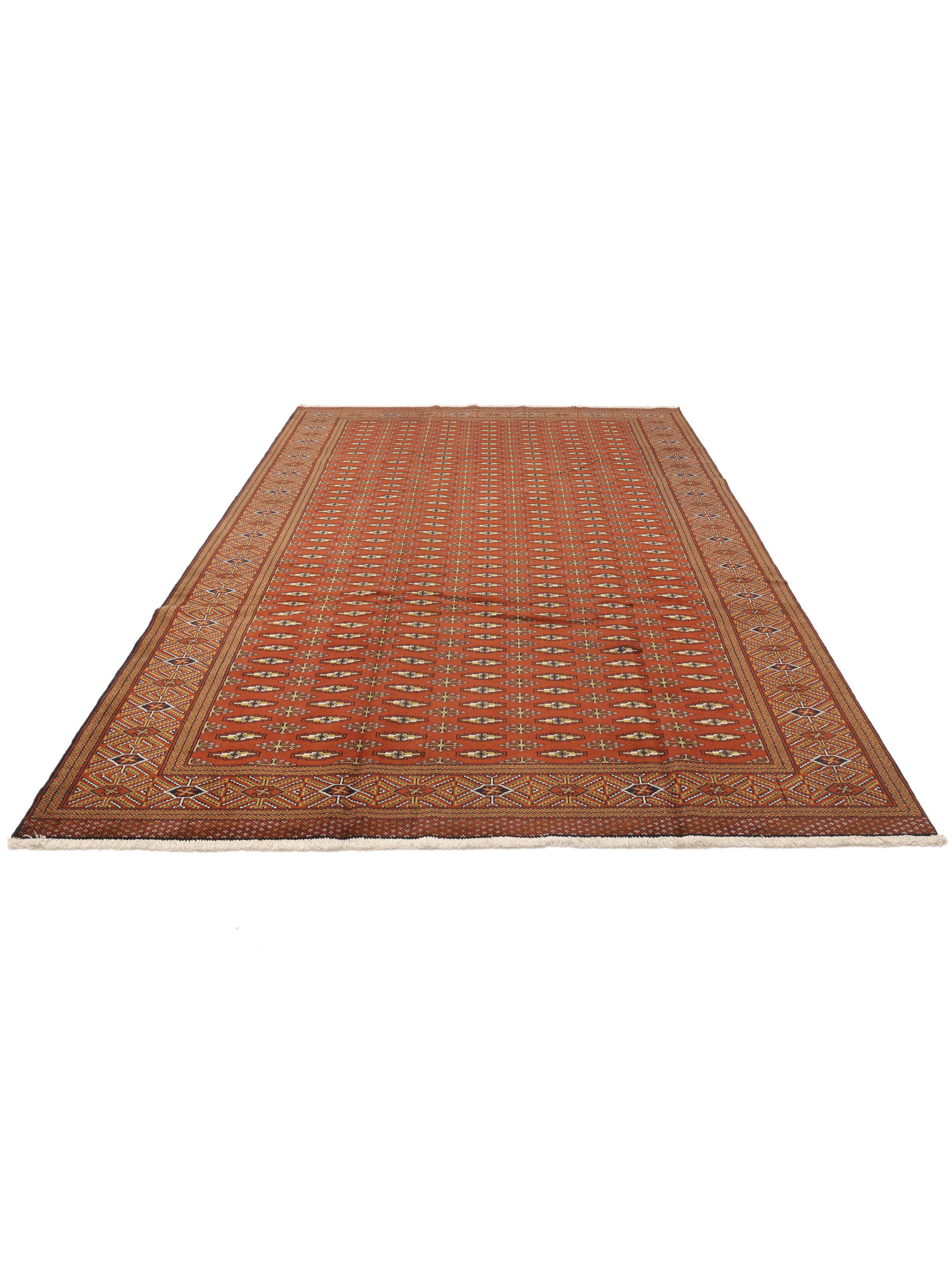
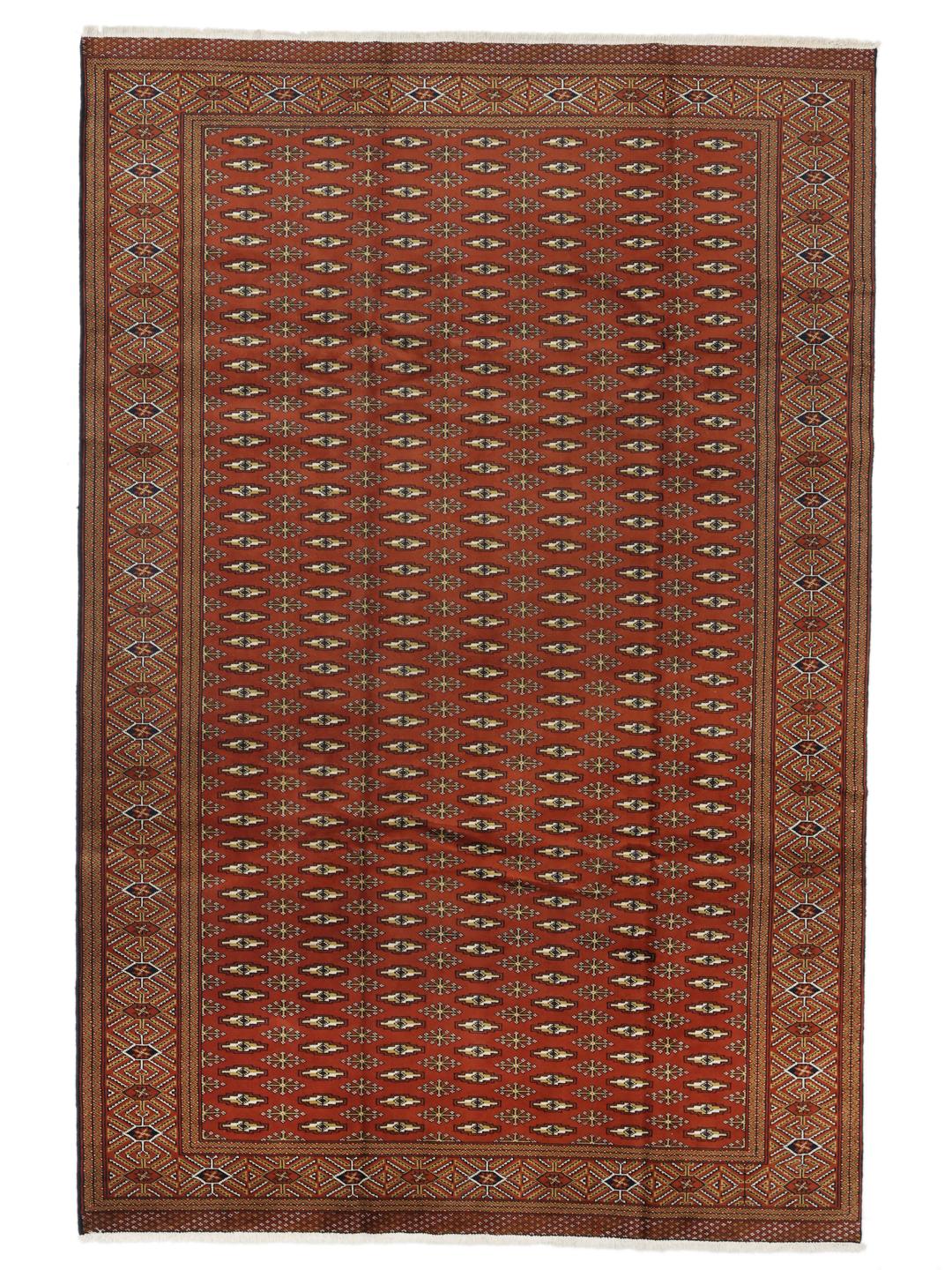
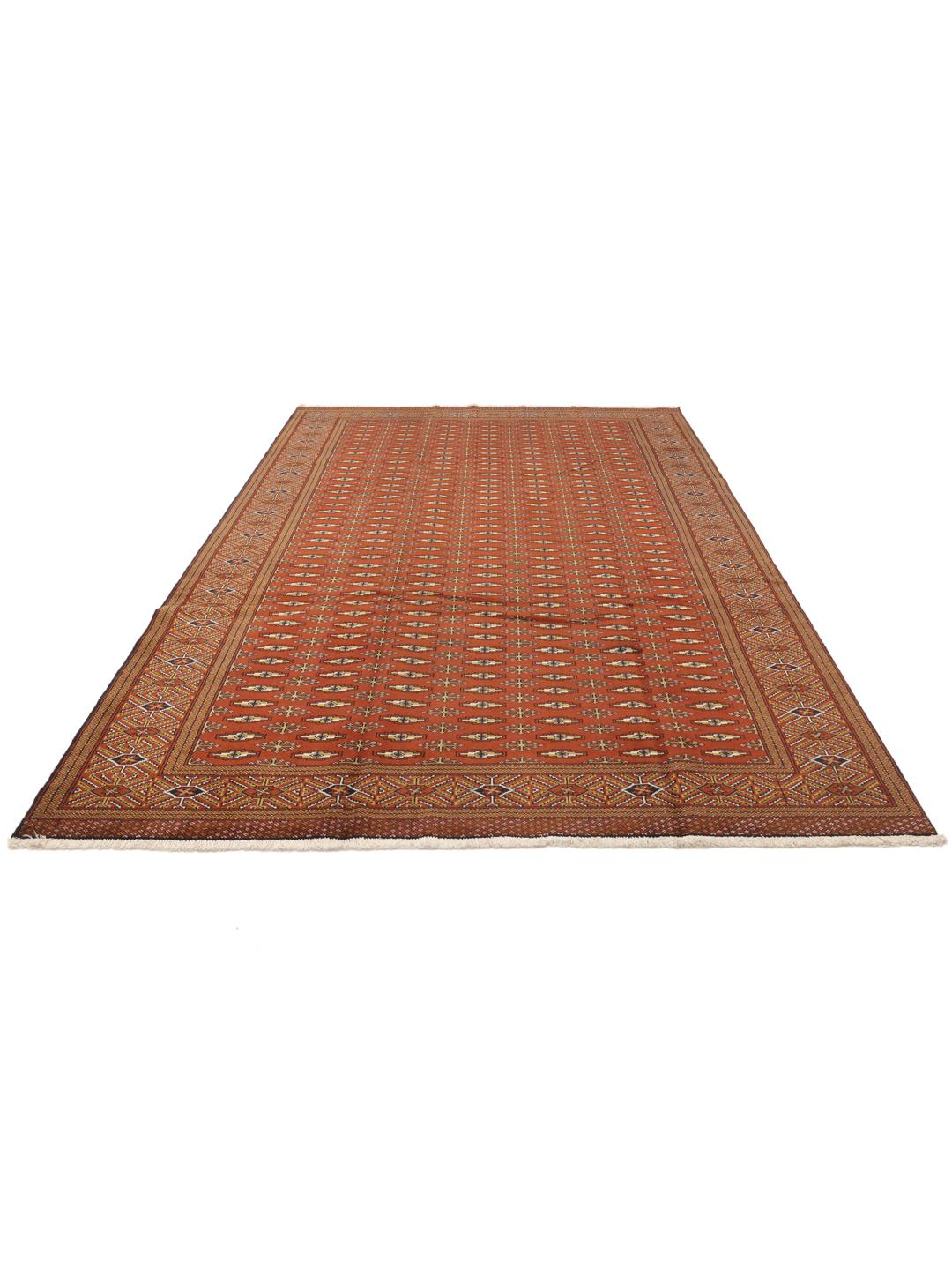
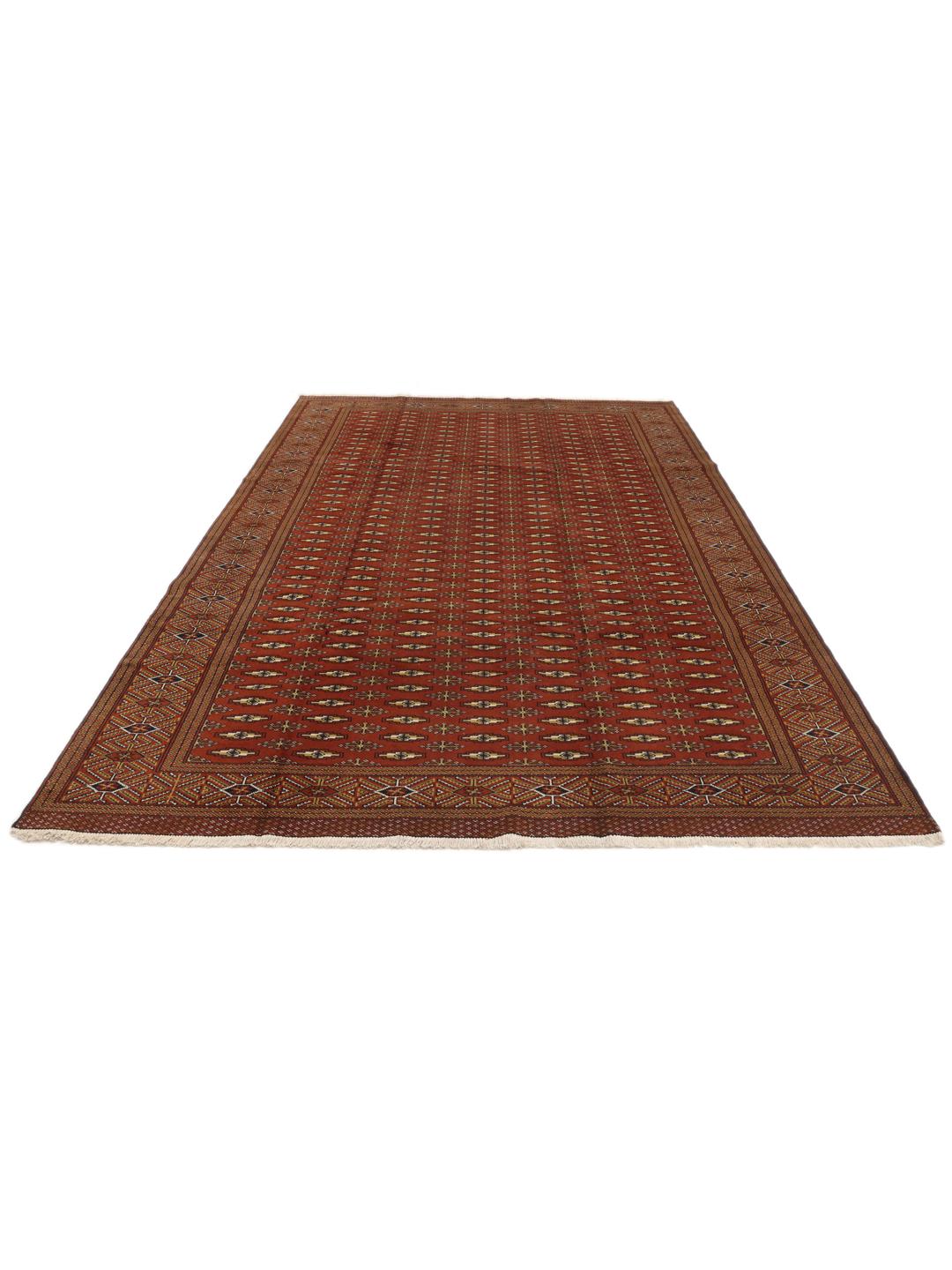
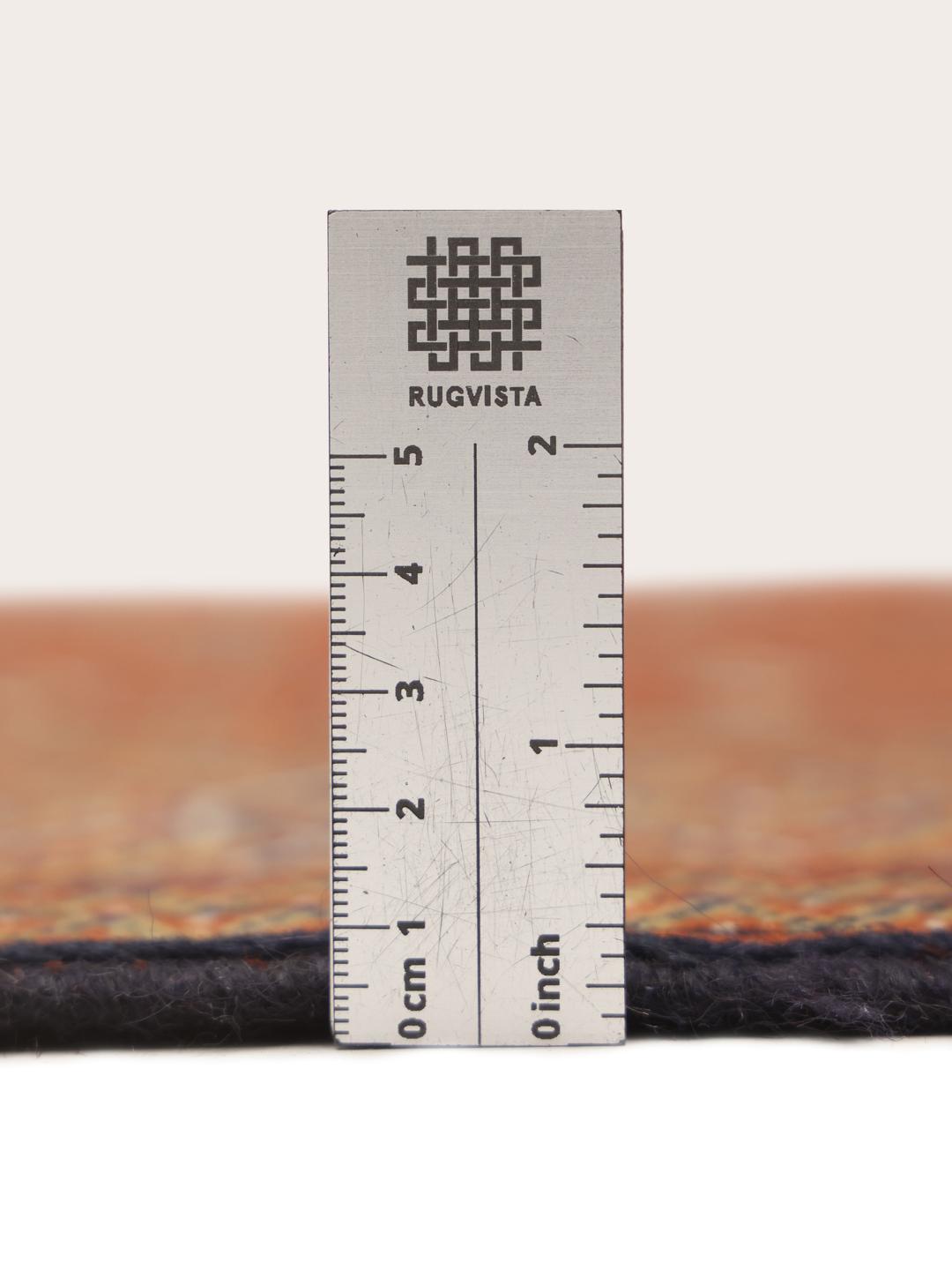
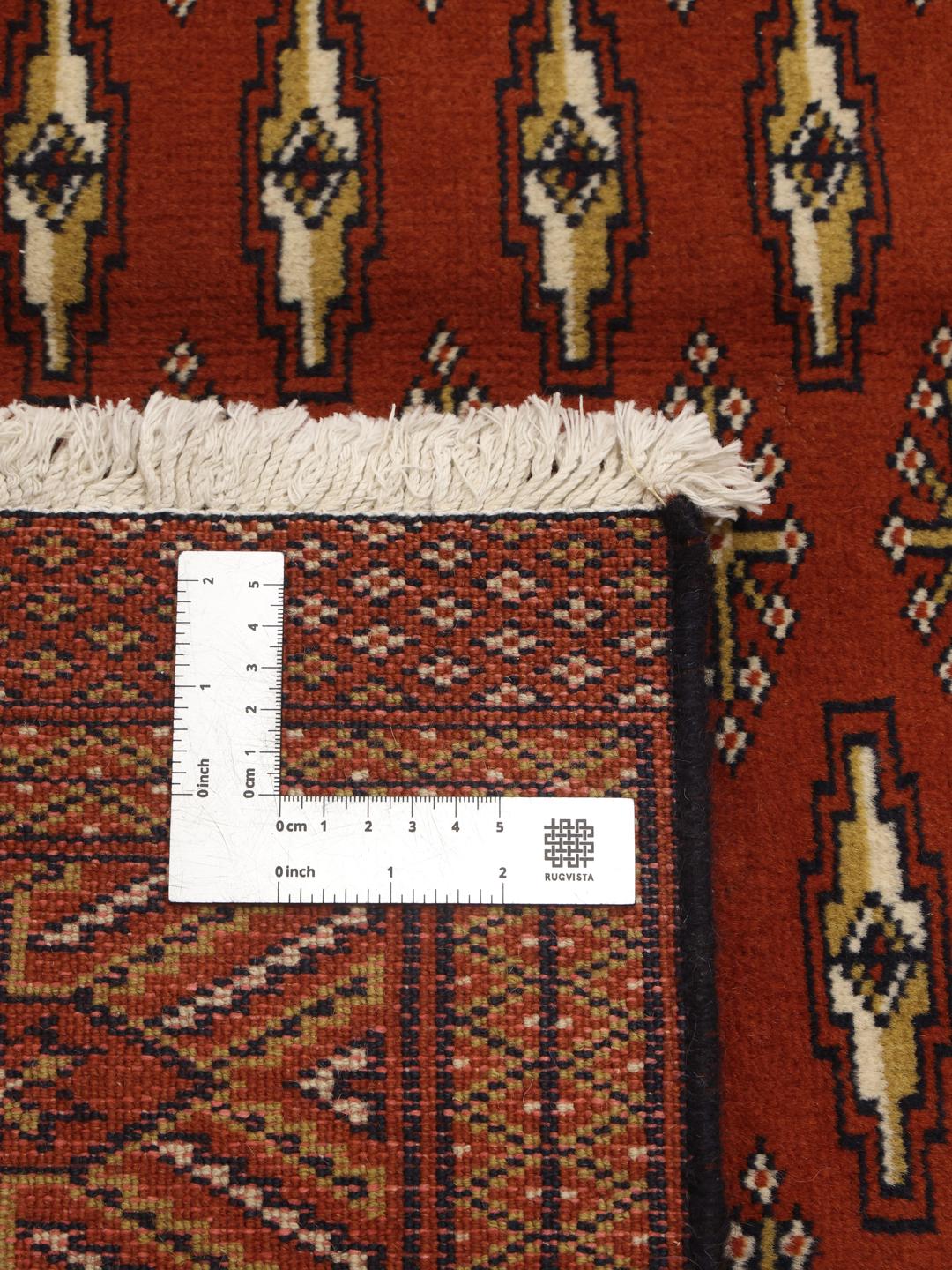
Turkaman rugs originate from the nomadic tribes of Central Asia, historically spanning regions across the Middle East. These rugs were traditionally woven by tribal groups to serve both functional and symbolic purposes, often acting as portable floor coverings, storage bags, or wall hangings that defined the aesthetic of a tent or home.
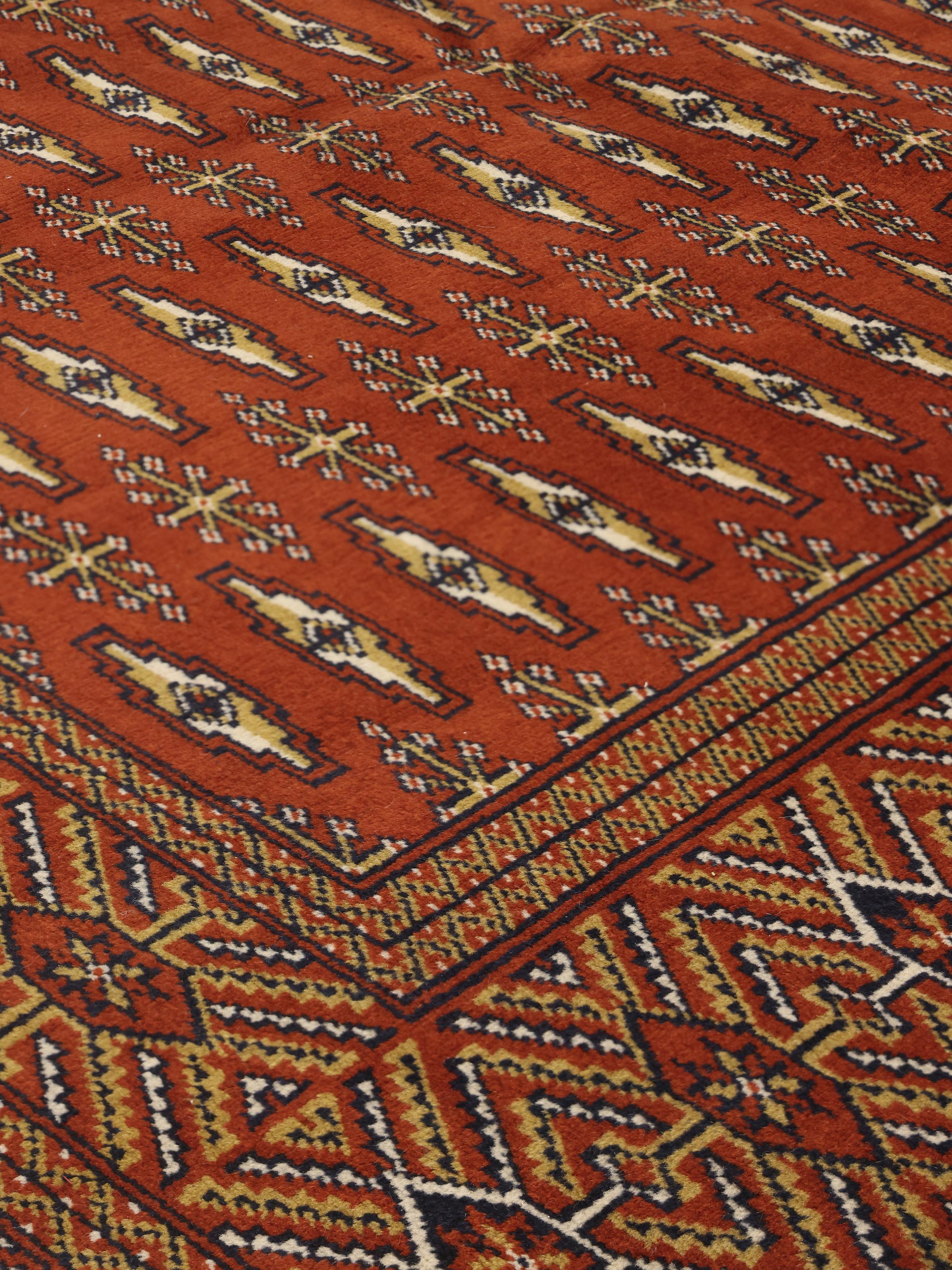
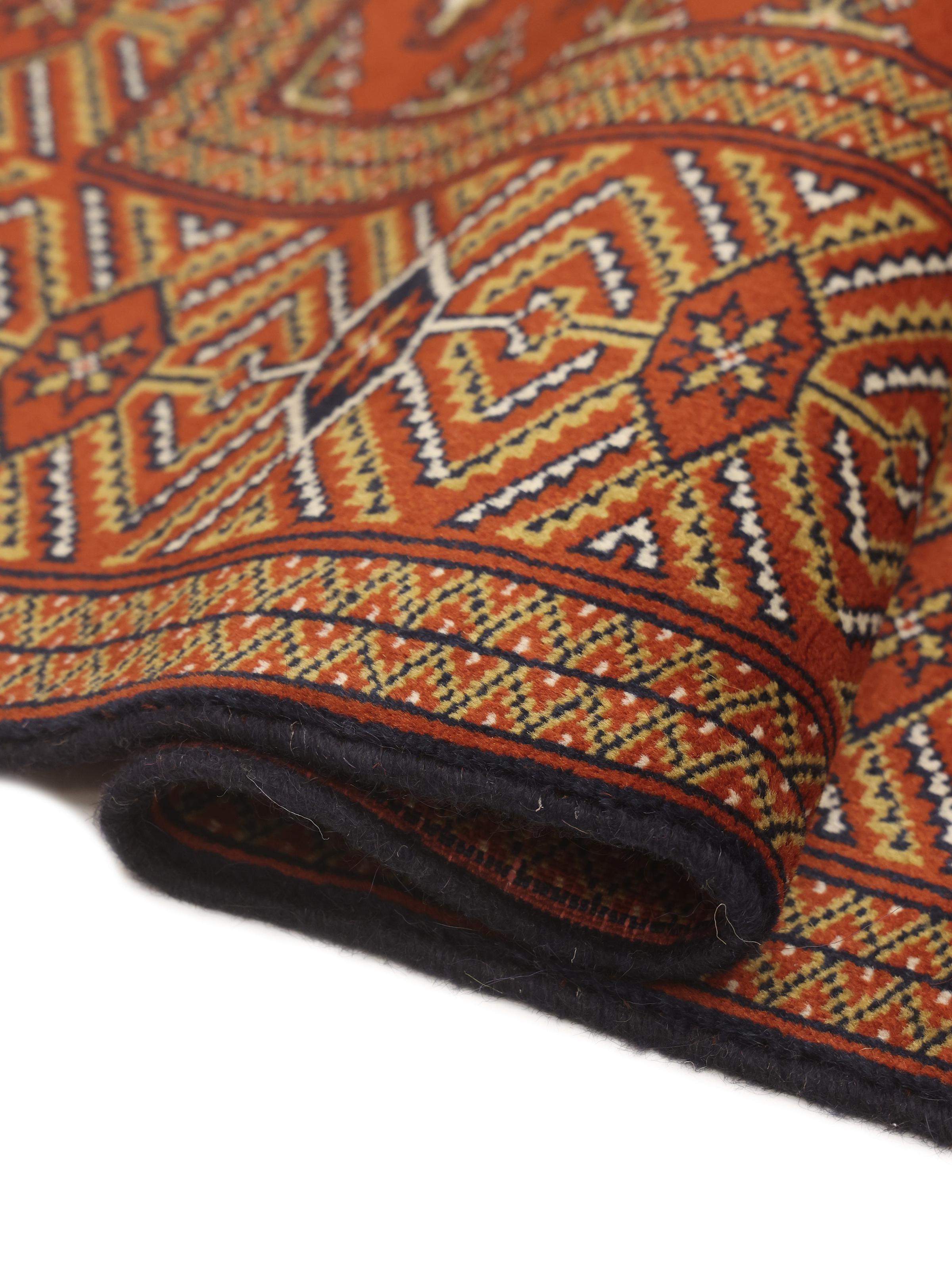
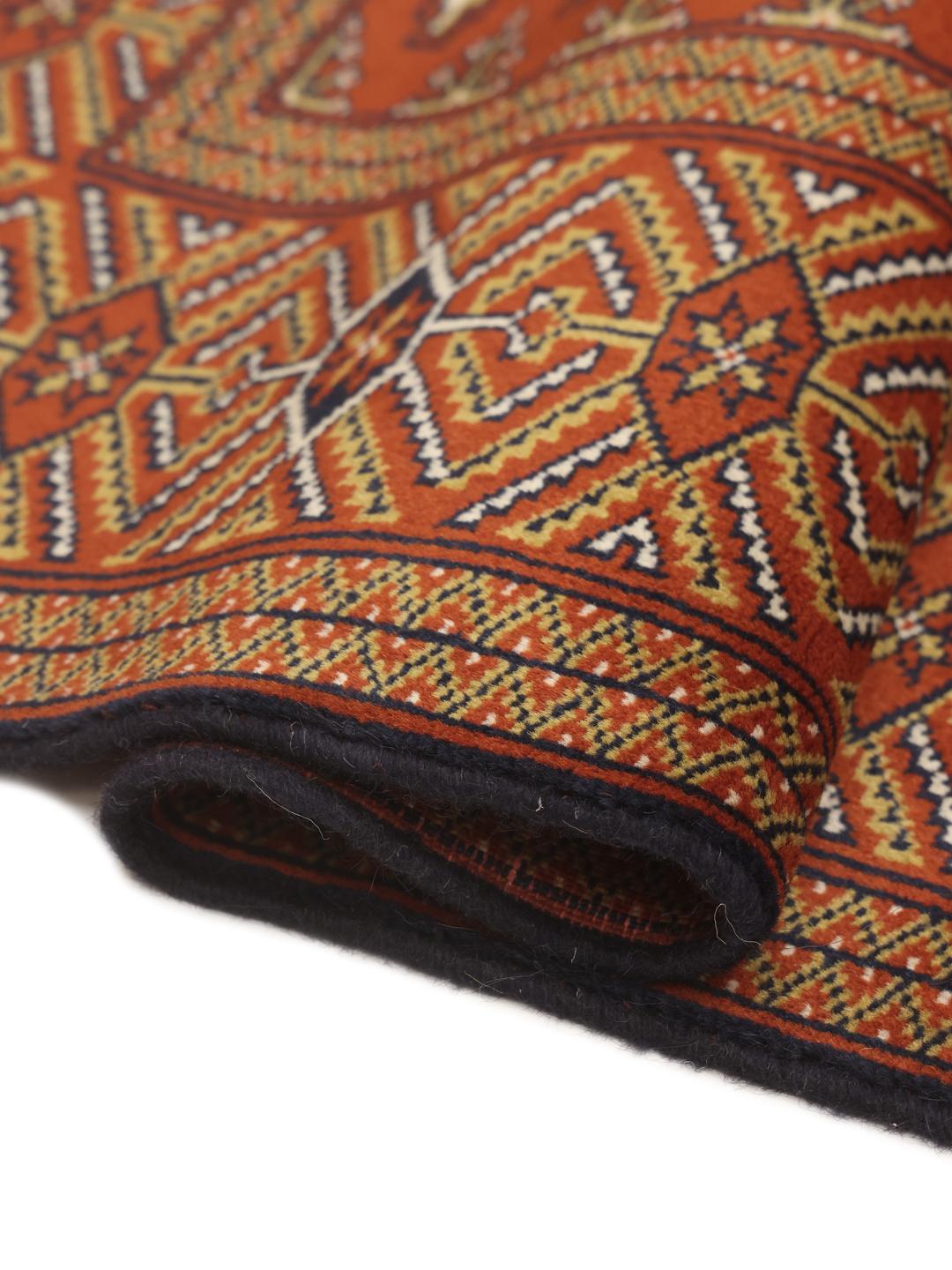
The term Turkaman refers to this specific lineage of tribal weaving, which is celebrated for its disciplined, geometric aesthetic. The construction is known for using a dense, durable weave that creates a sturdy surface. This technical approach is a hallmark of the tradition, ensuring that the rugs can withstand the rigours of nomadic life while retaining their structured, elegant appearance.
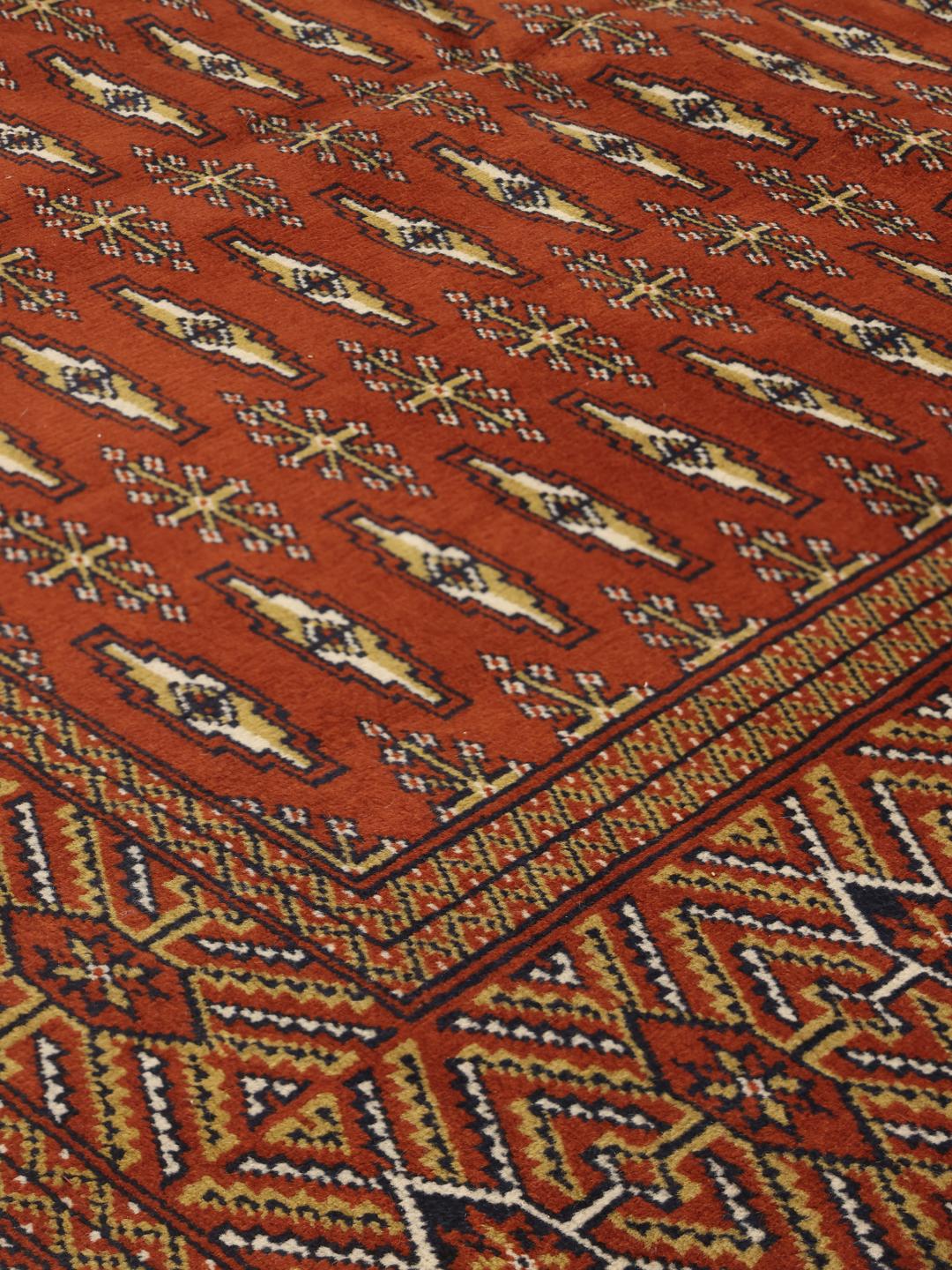
Signature design elements of these rugs include the iconic gul motif—a repeating, octagonal emblem that represents the identity of the specific tribe that created it. These medallions are typically arranged in a structured, grid-like field, framed by complex, decorative borders that often feature hooked motifs or latch-key patterns. The use of deep, earthy reds is a defining characteristic, often offset by ivory, black, or blue highlights.
Today, these rugs are highly prized by collectors for their cultural significance and the immense skill required to produce them. Owning a piece from this tradition is an investment in a living history, connecting your modern space to ancient patterns and techniques. It represents an appreciation for the human element of craft and the enduring beauty of traditional design.