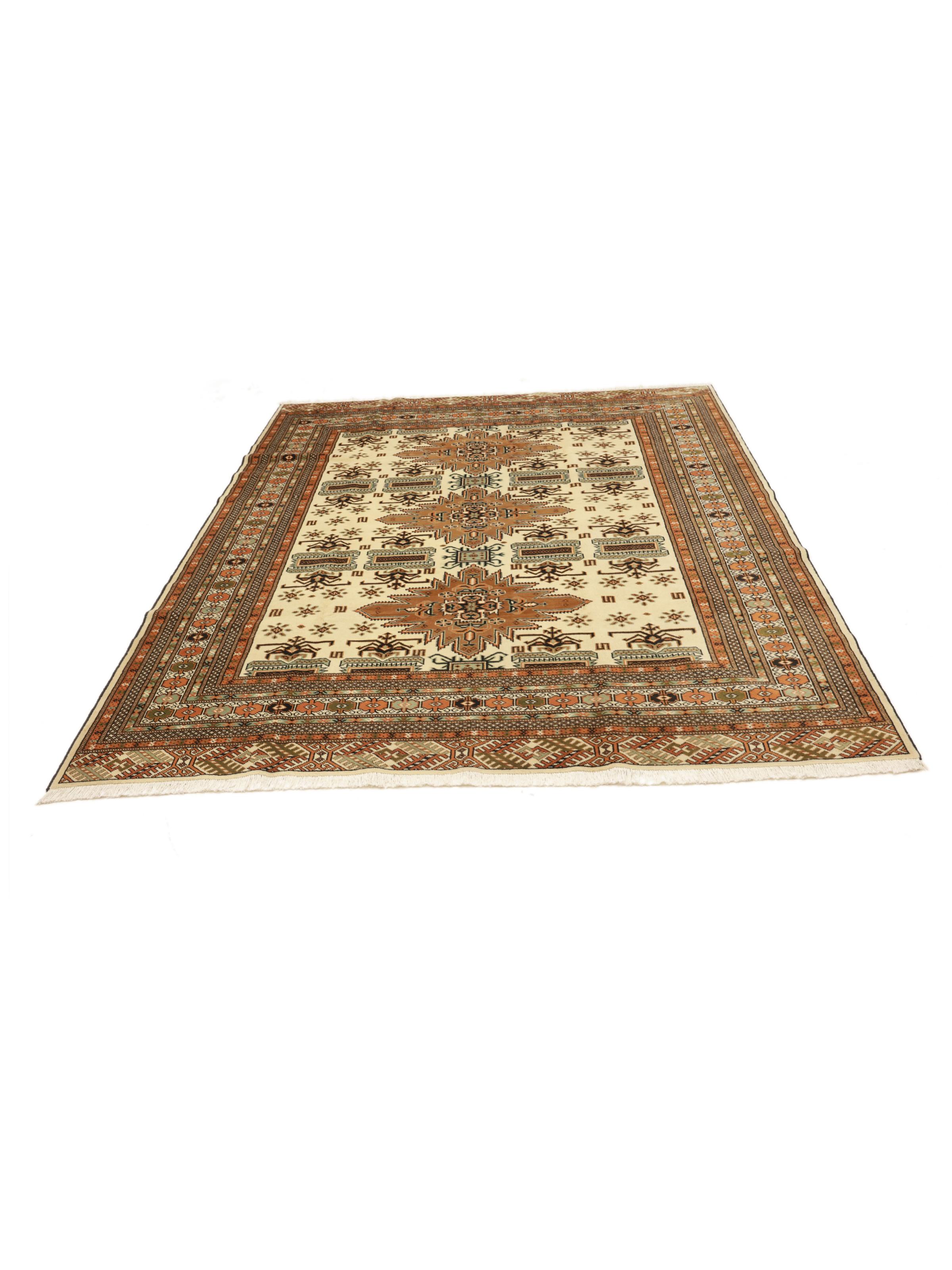
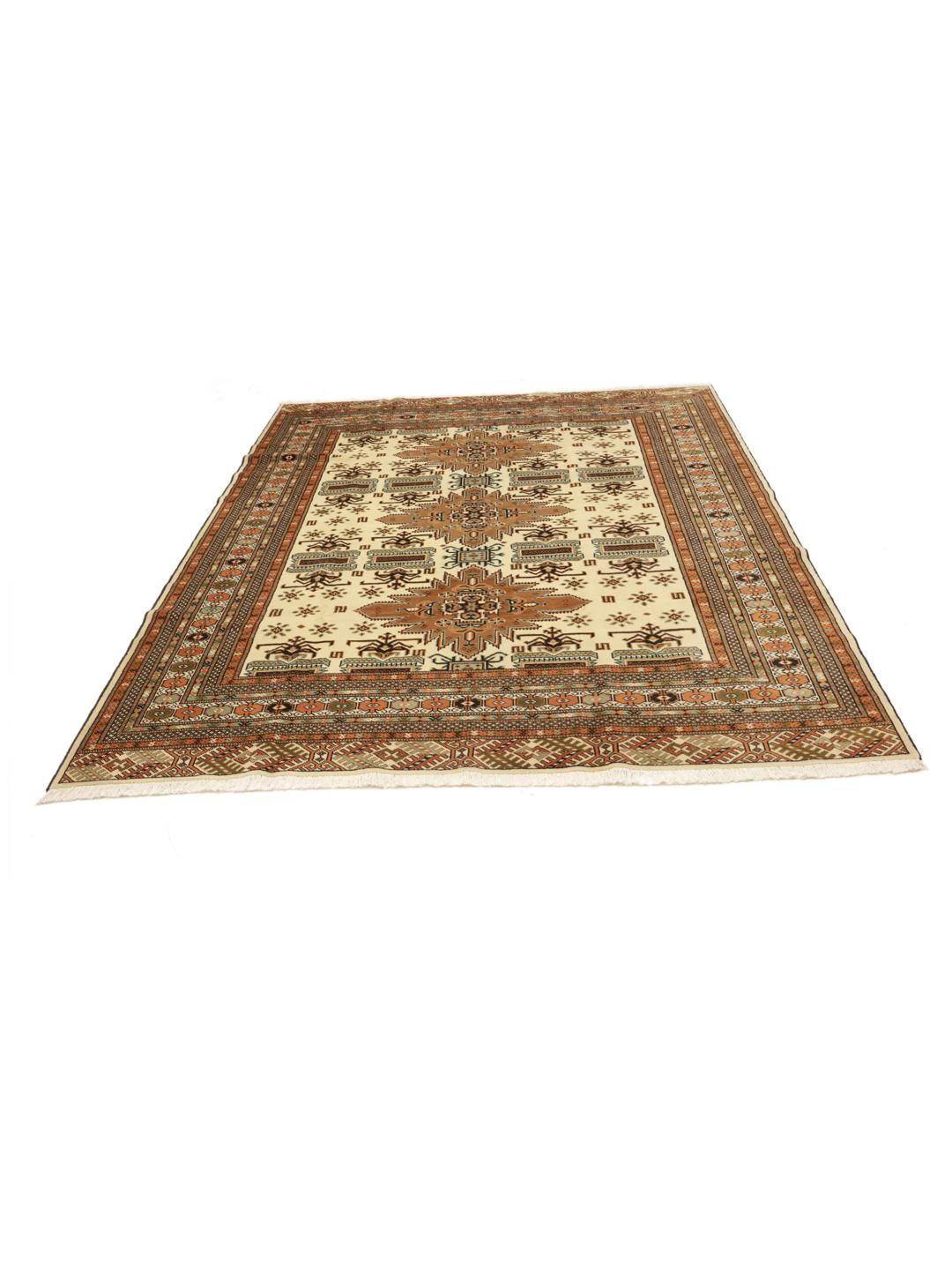
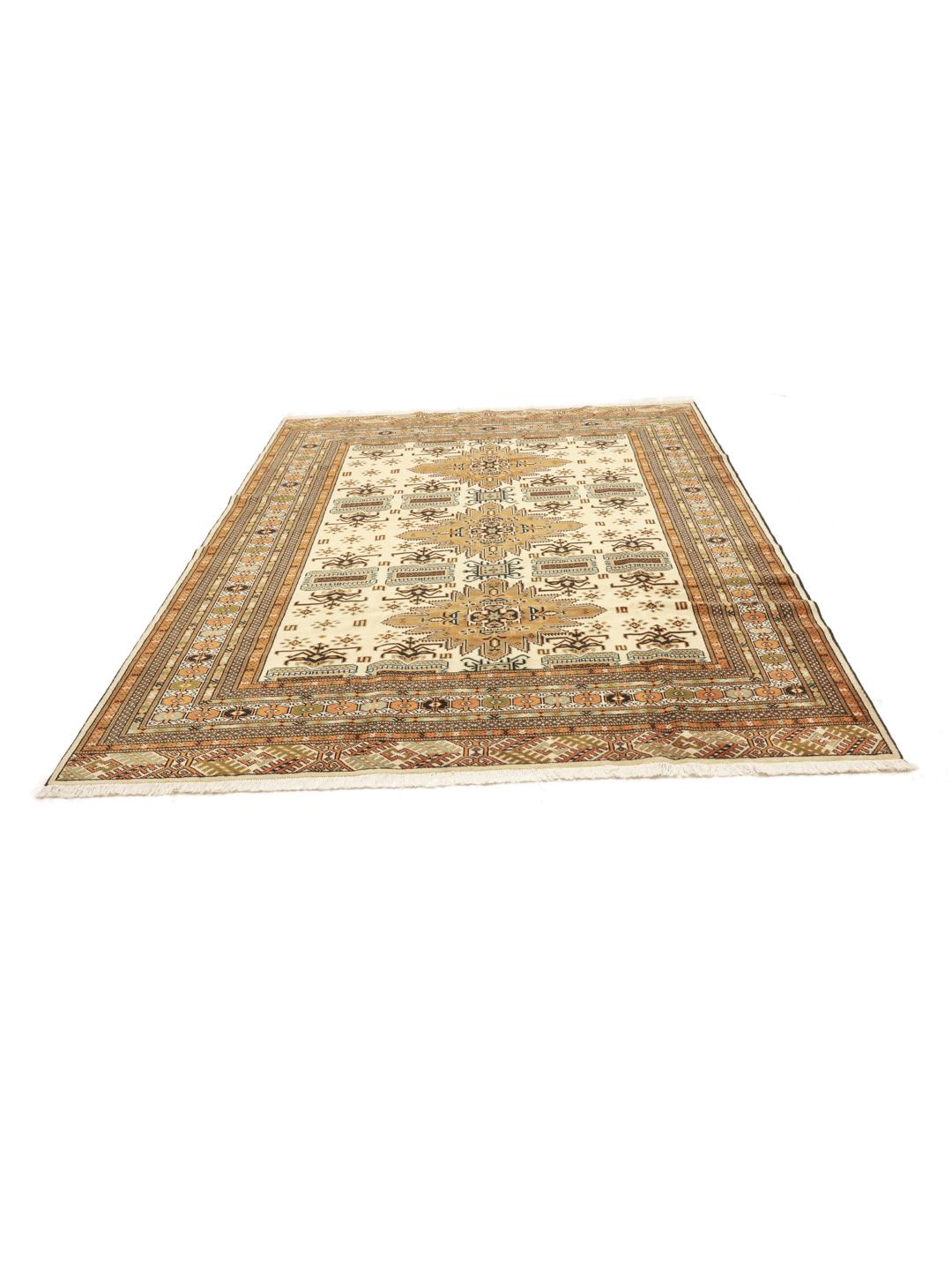
Turkaman rugs originate from the nomadic tribes of Central Asia, a region with a deep-rooted history of weaving that has evolved over centuries. While these designs are deeply tied to the heritage of the Turkmen people, the tradition has flourished across the Middle East, where weavers have adapted and refined these patterns to create some of the most recognisable and highly sought-after rugs in the world.
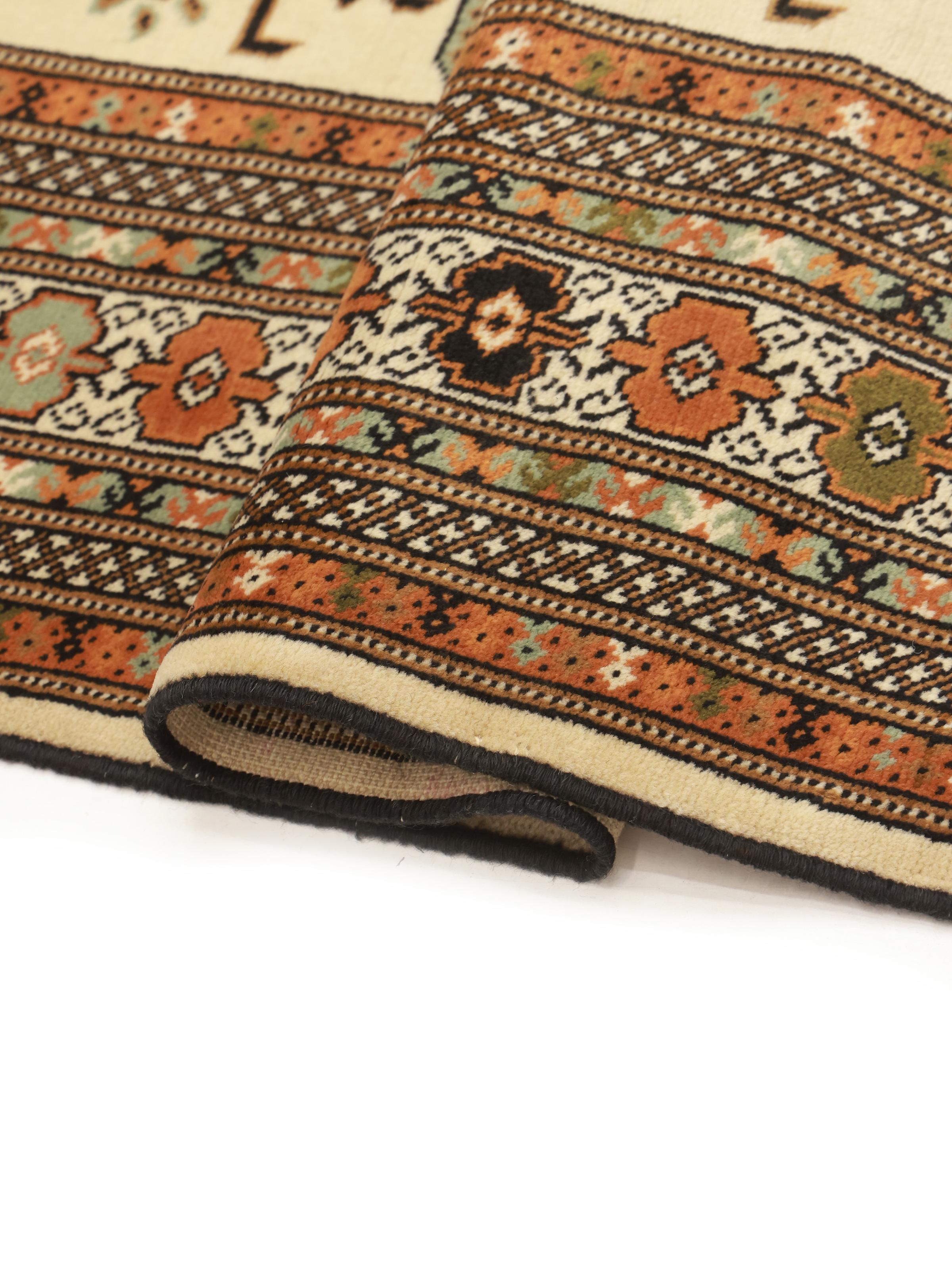
The term Turkaman refers to a specific design vocabulary that is cherished for its geometric precision and deep, symbolic colour palettes. These rugs are known for their consistent pile height and strong structural integrity, which are achieved through traditional knotting techniques that have been passed down through generations of skilled artisans.
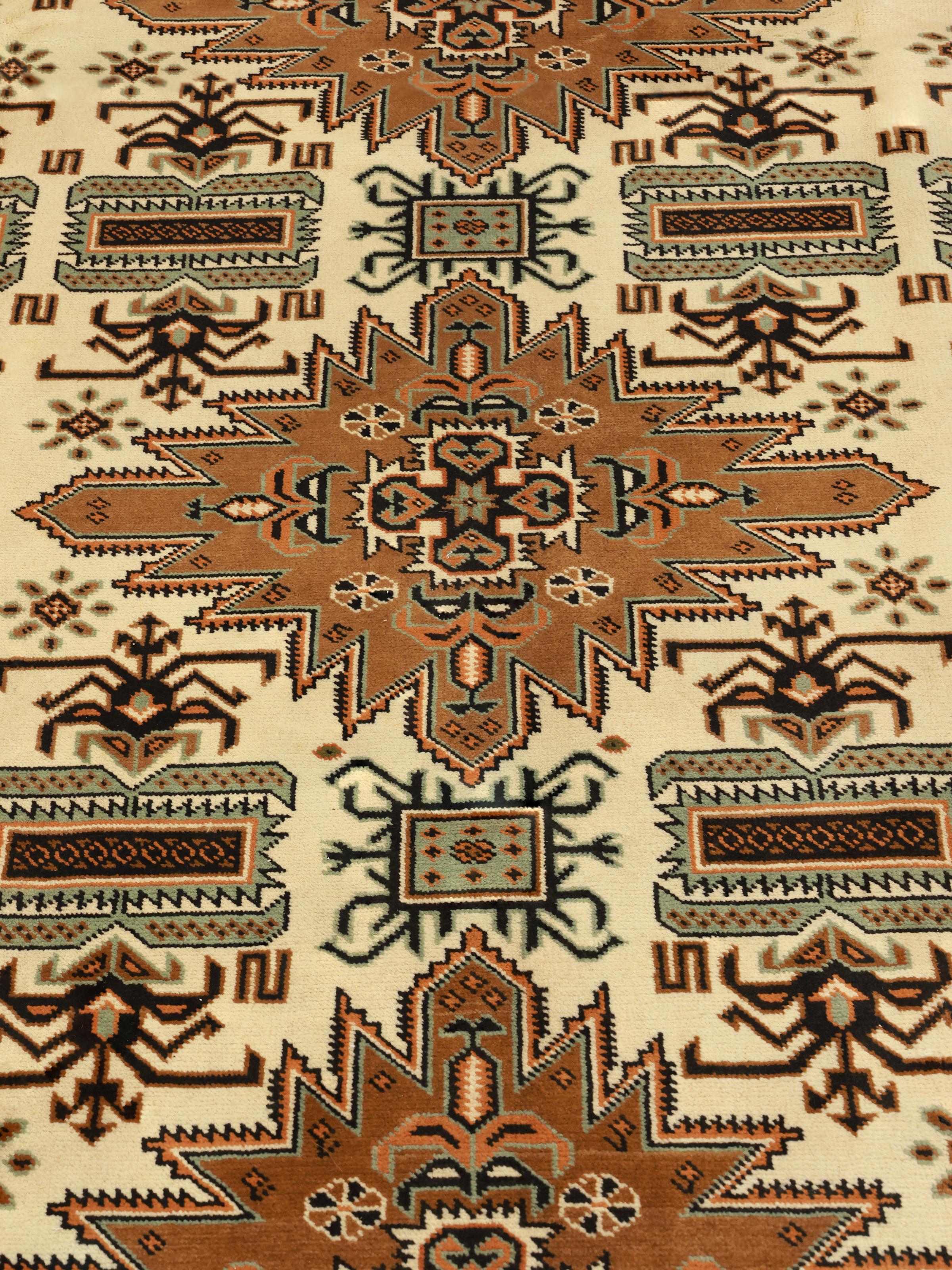
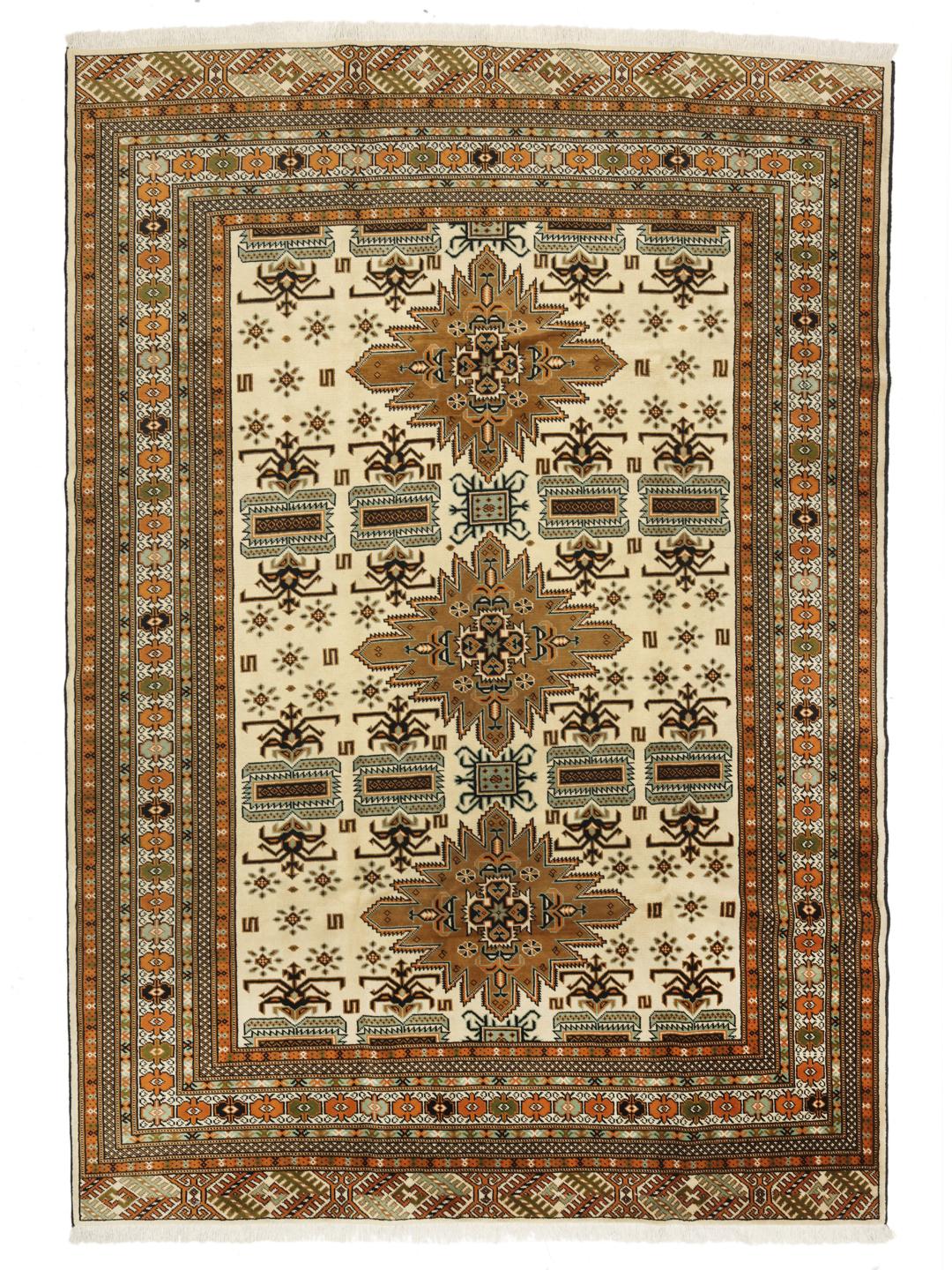
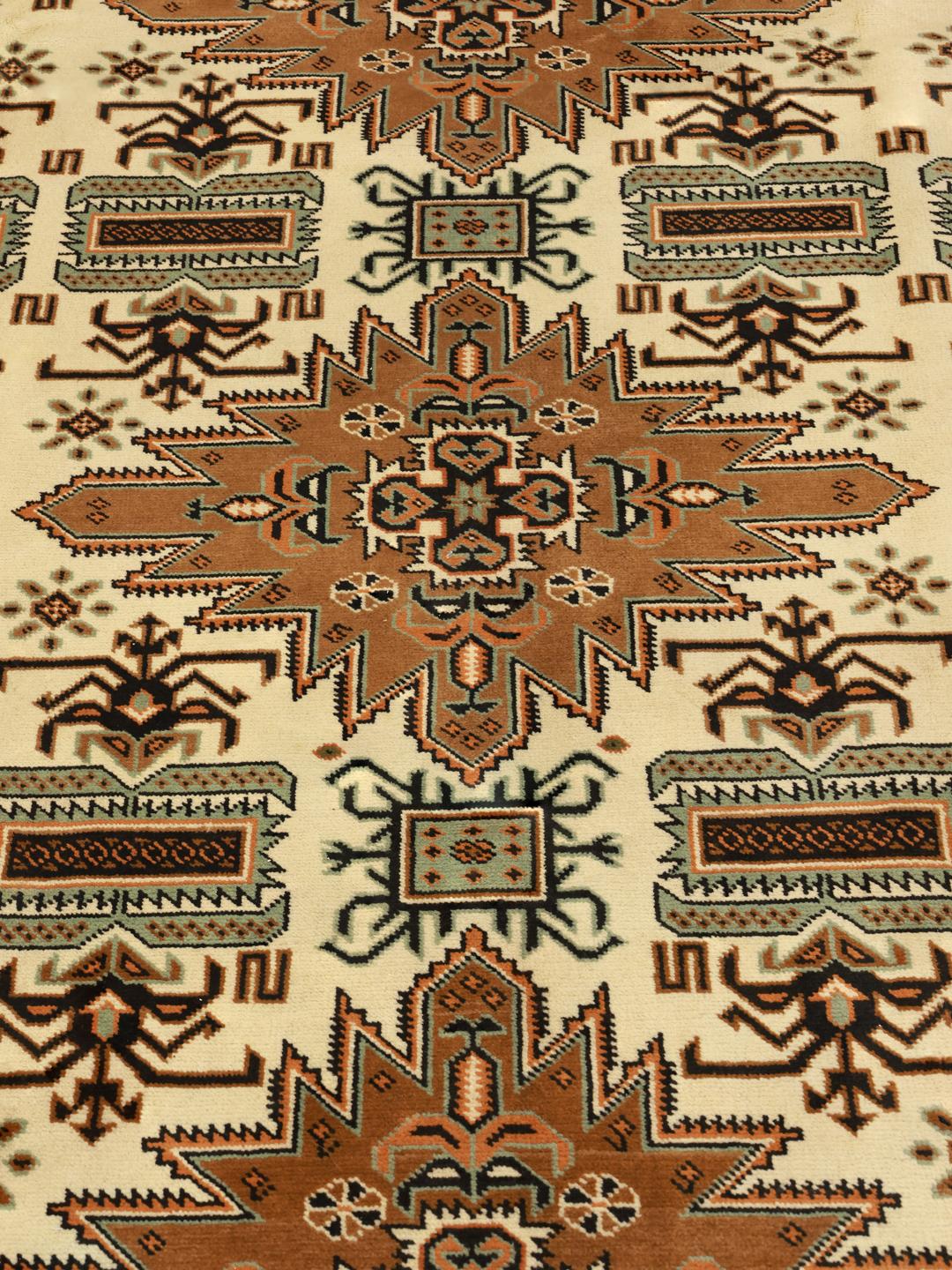
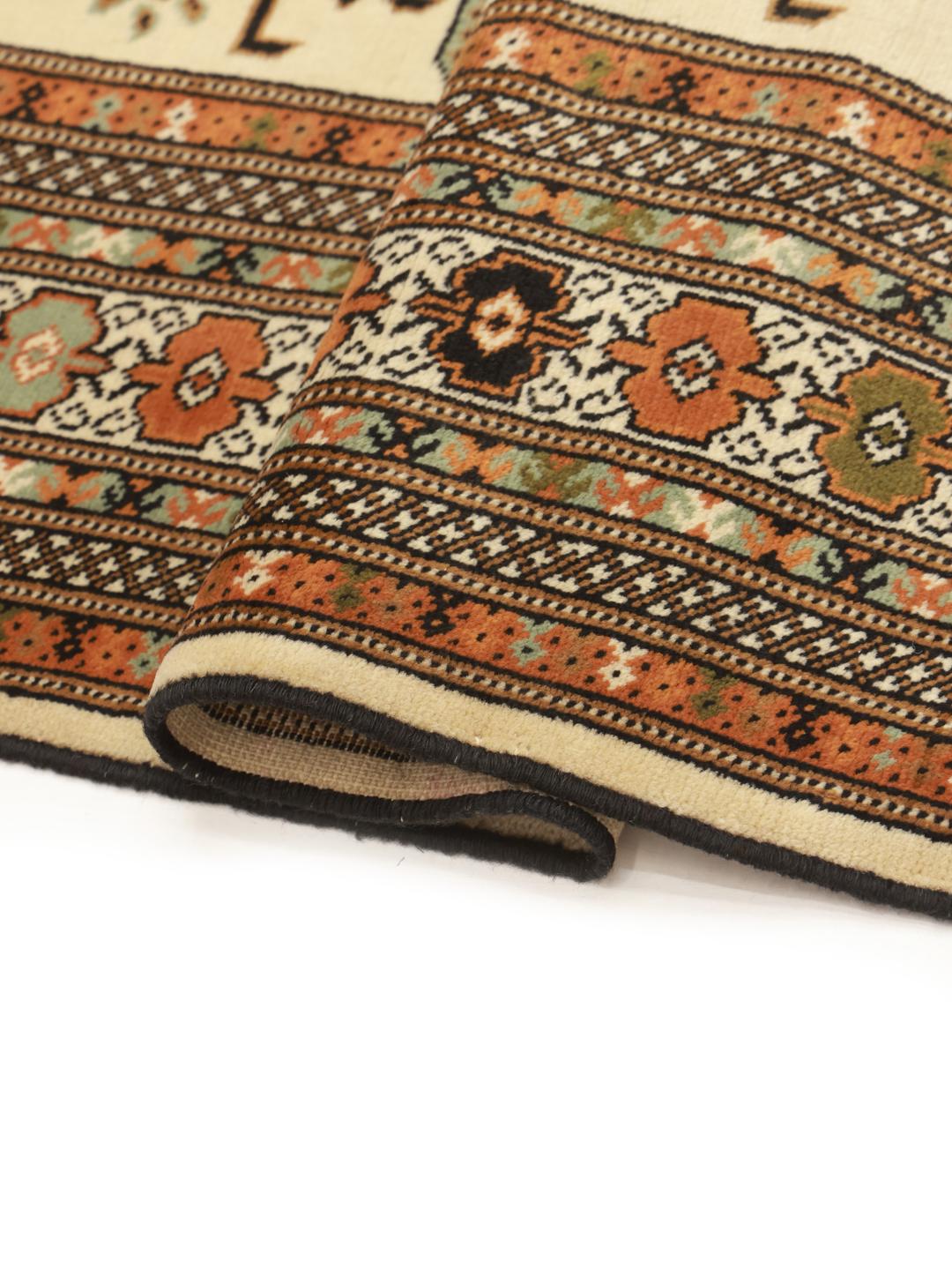
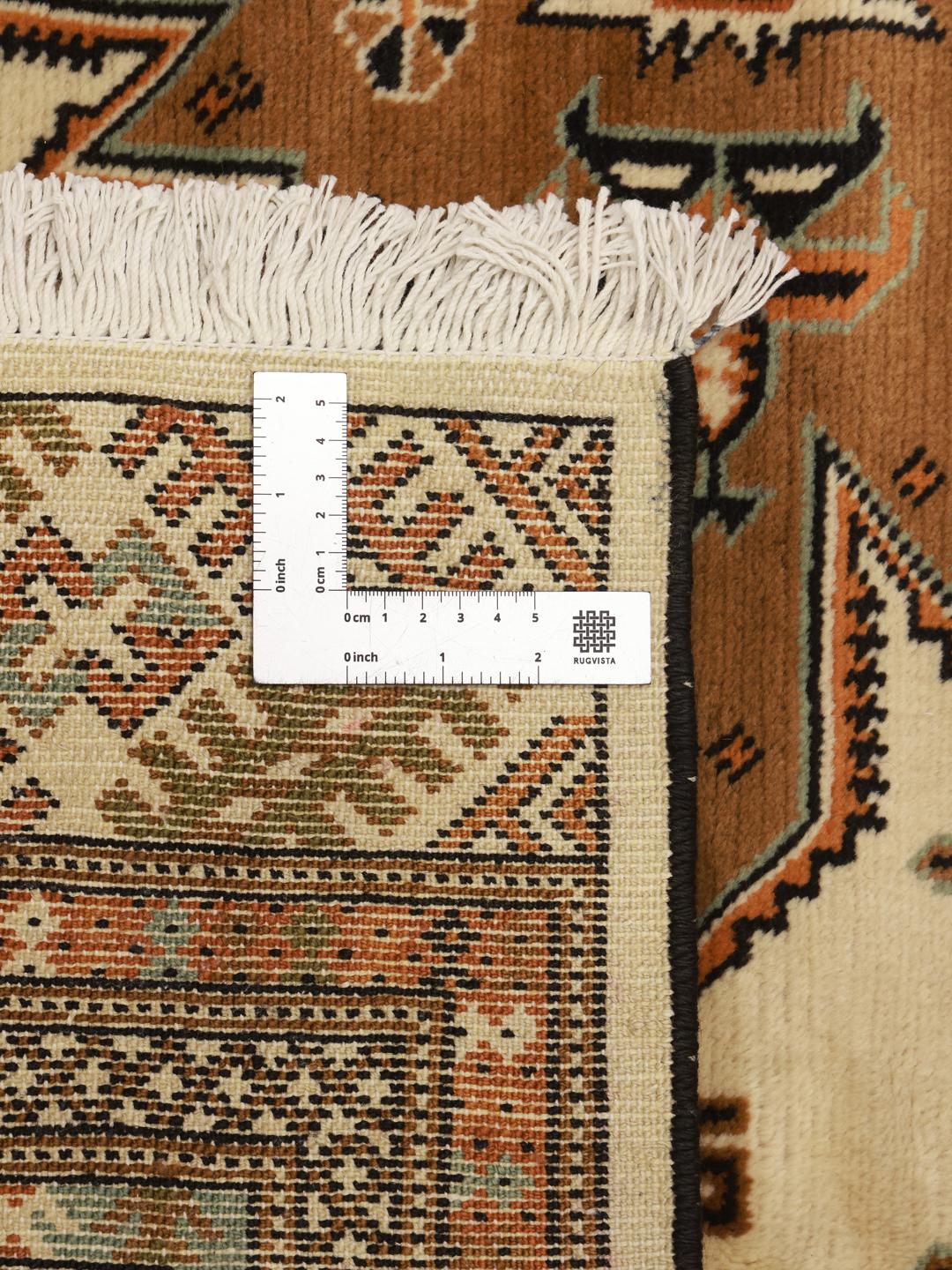
A signature element of this tradition is the repeating gul motif, a geometric emblem that often represents the history, lineage, or identity of the tribe that created it. These medallions are typically arranged in a structured grid, creating a sense of order and harmony that is balanced by elaborate, multi-layered borders filled with smaller, complementary geometric shapes.
These rugs are highly valued by collectors and homeowners alike for their cultural weight and lasting quality. Owning a Turkaman piece is an investment in a living tradition, offering a connection to a craft that prioritises patience, symmetry, and a profound respect for the materials used.