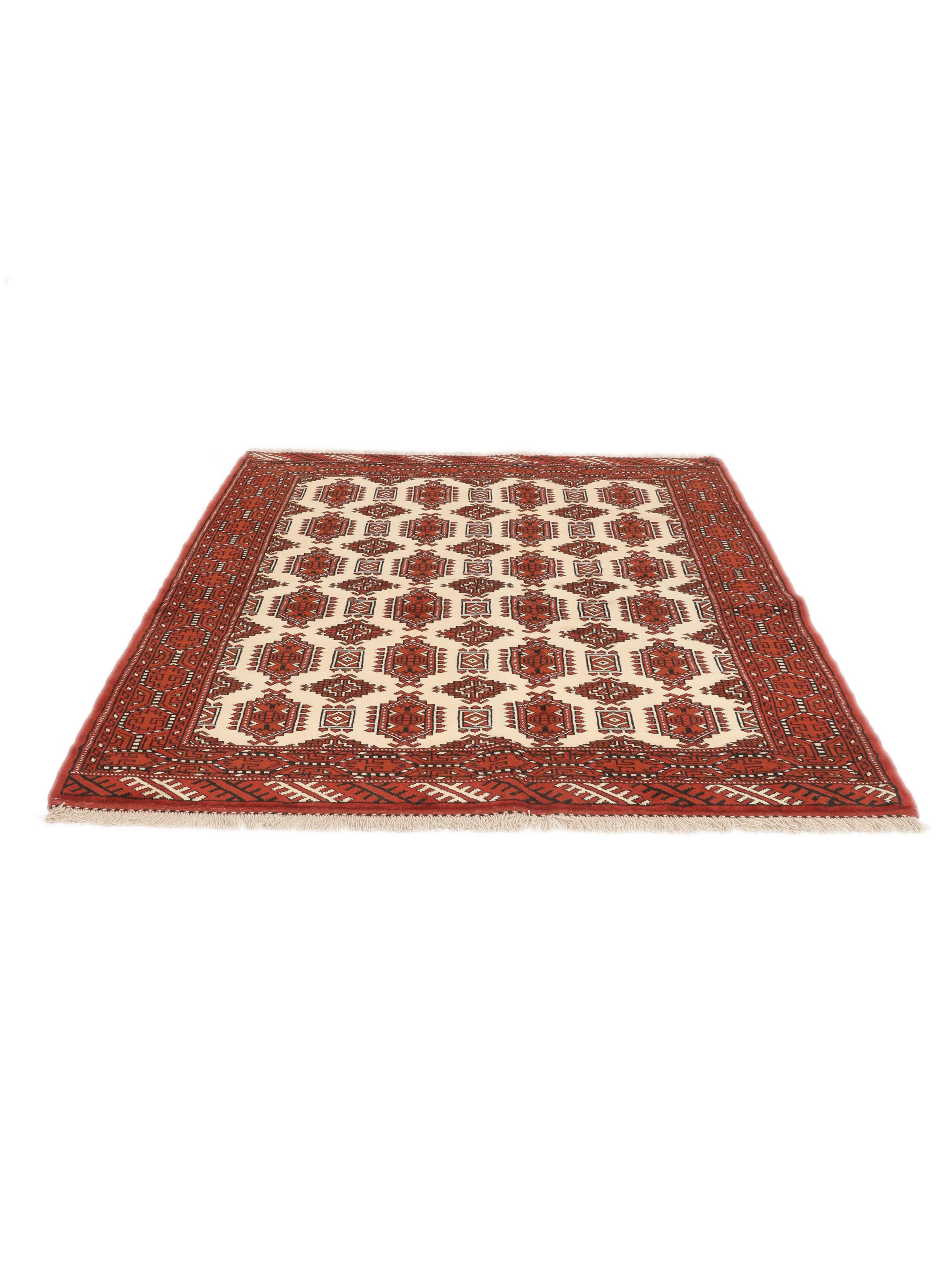
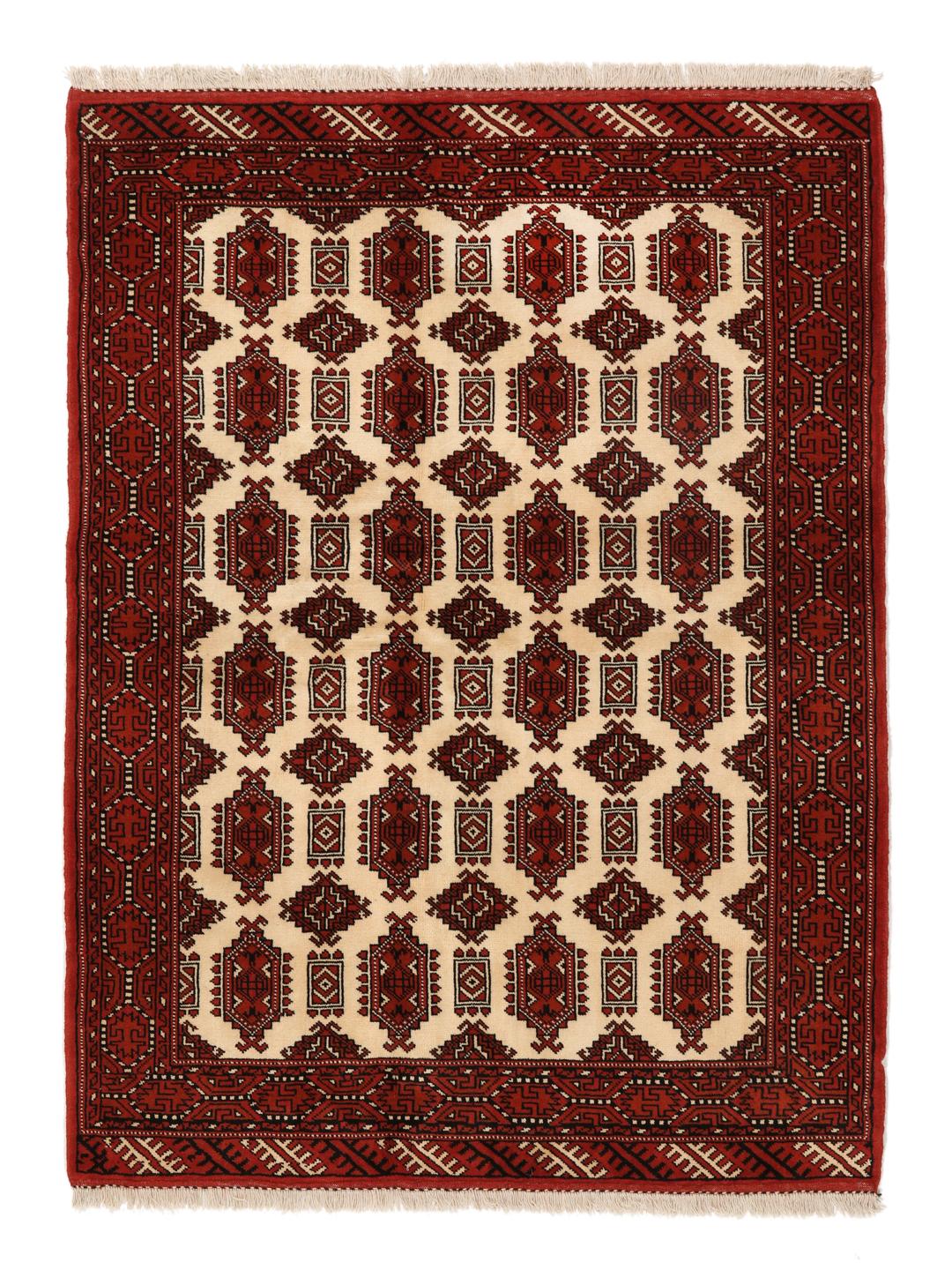
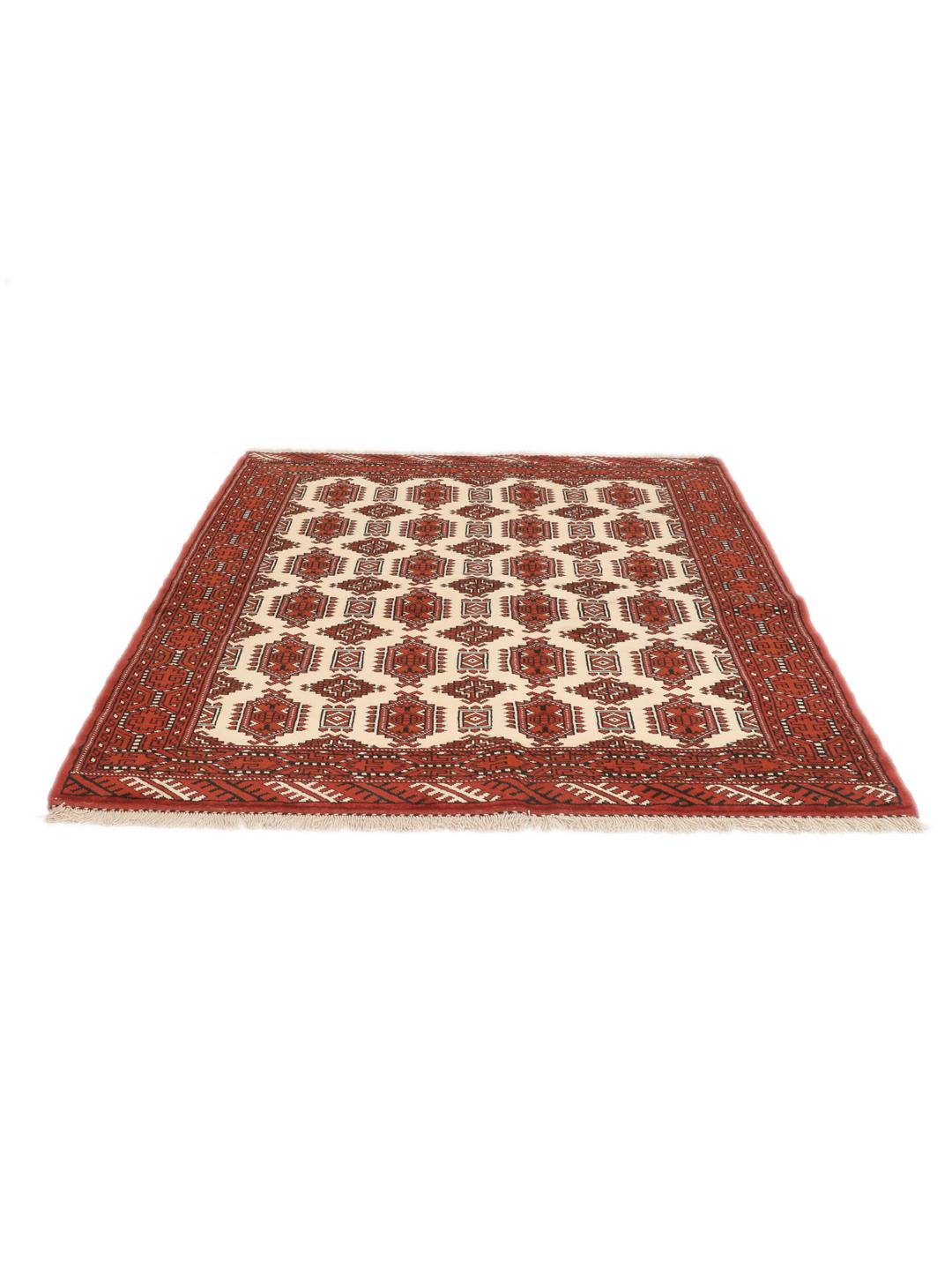
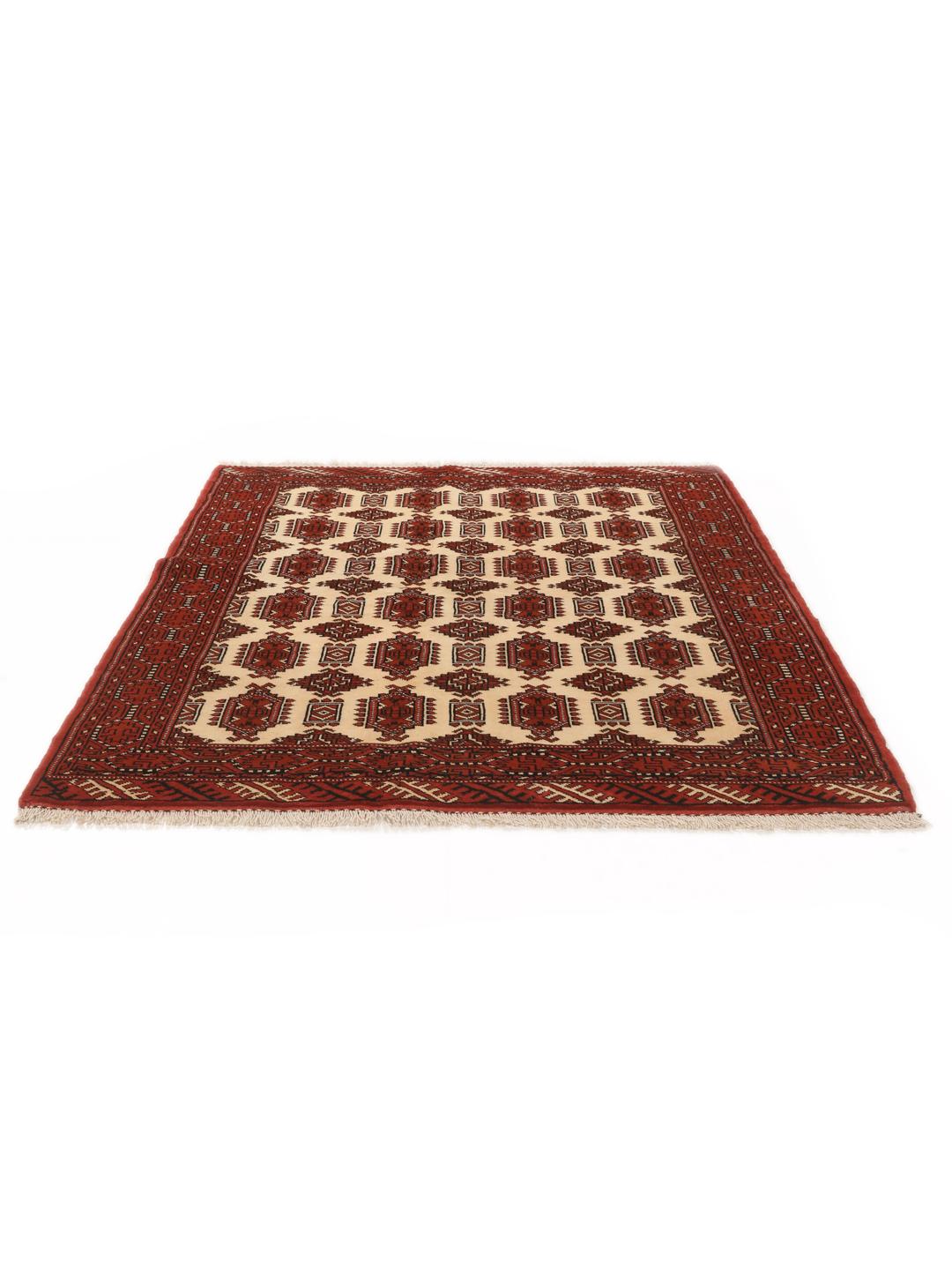
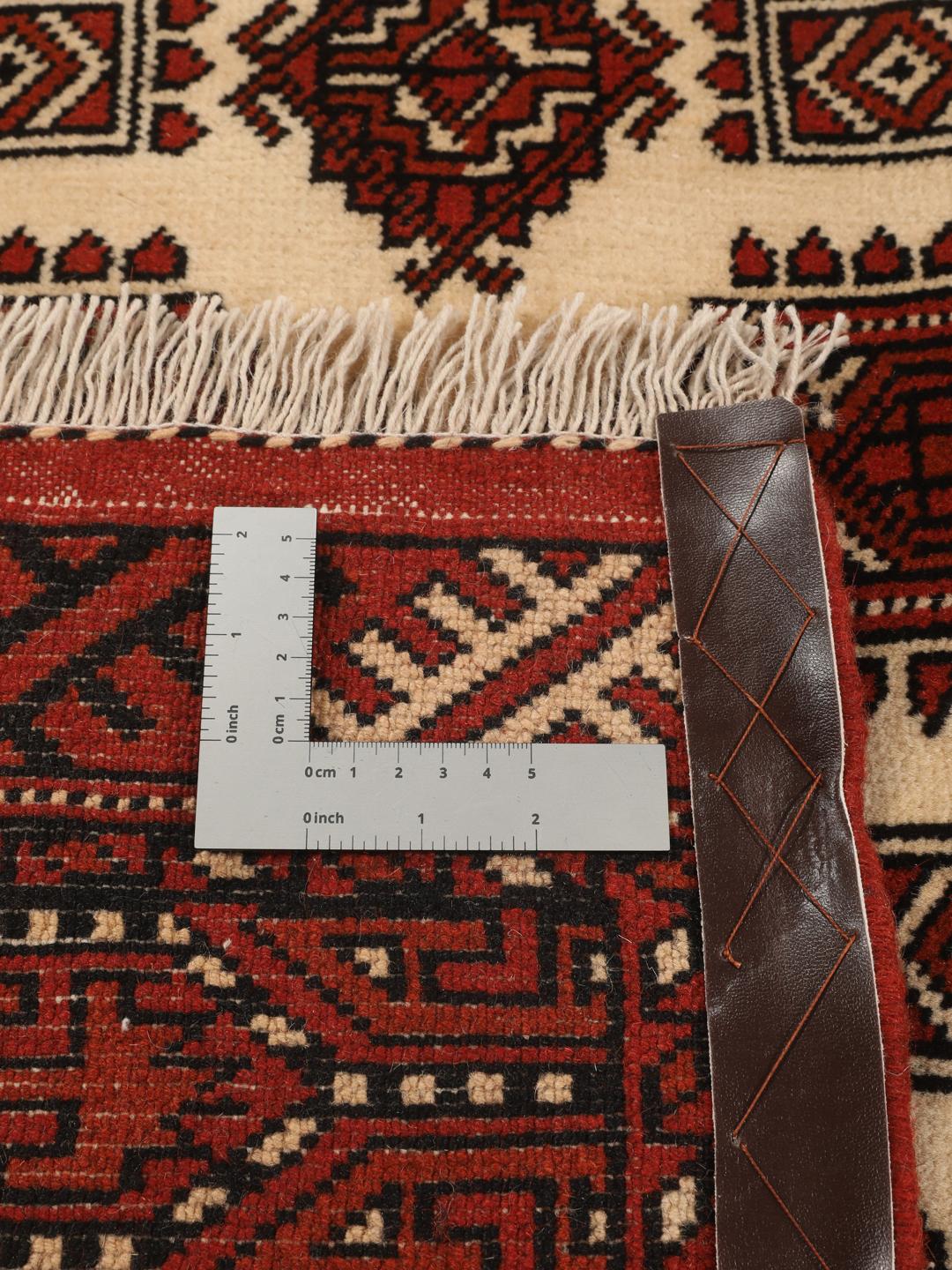
Turkaman rugs originate from the nomadic tribes of Central Asia, a region with a deep-rooted history of textile weaving. Over centuries, these traditions migrated and evolved, with the finest contemporary examples often being woven in the Middle East. This cultural journey has allowed the Turkaman style to refine its techniques while staying true to its ancestral roots.
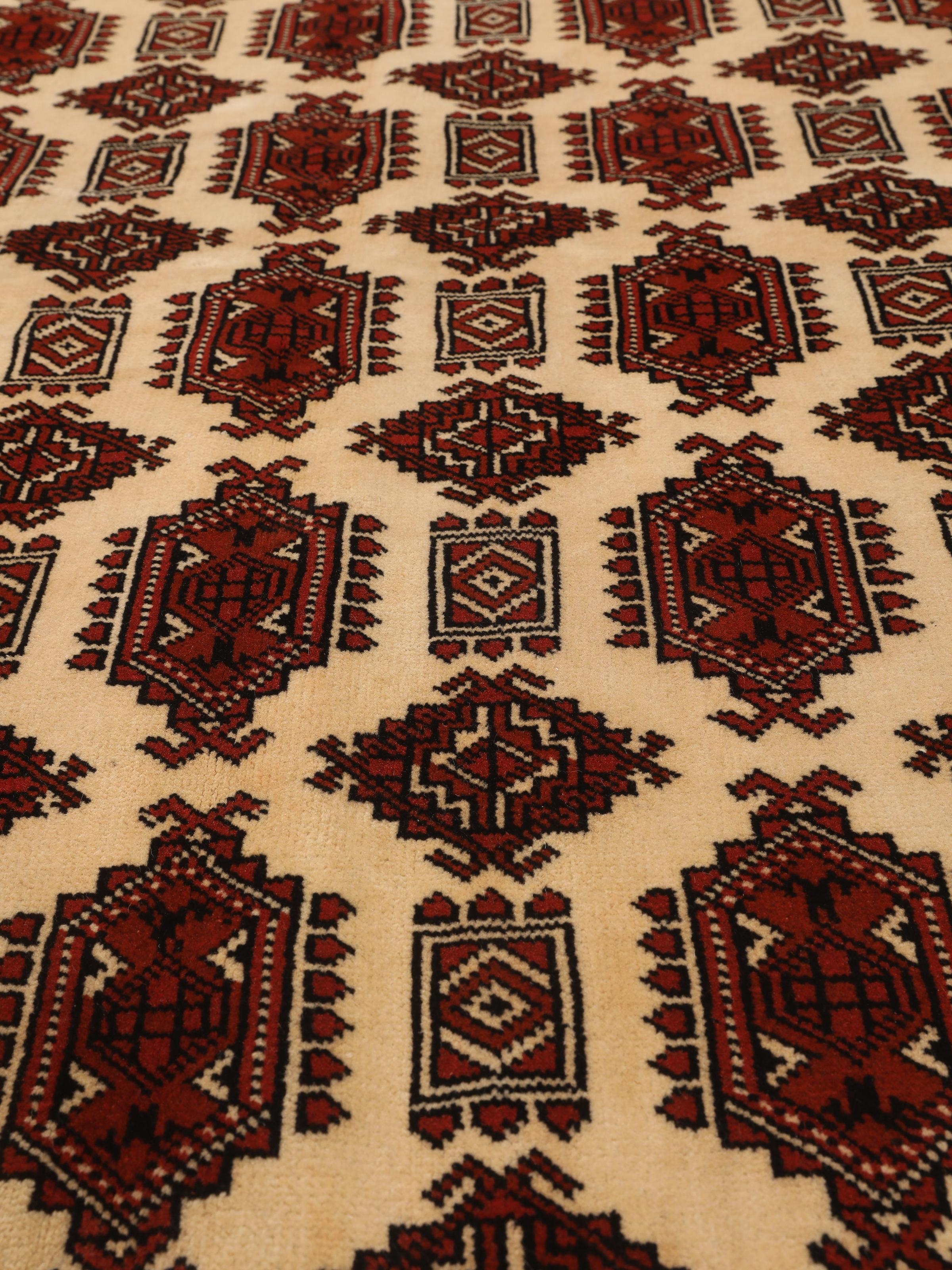
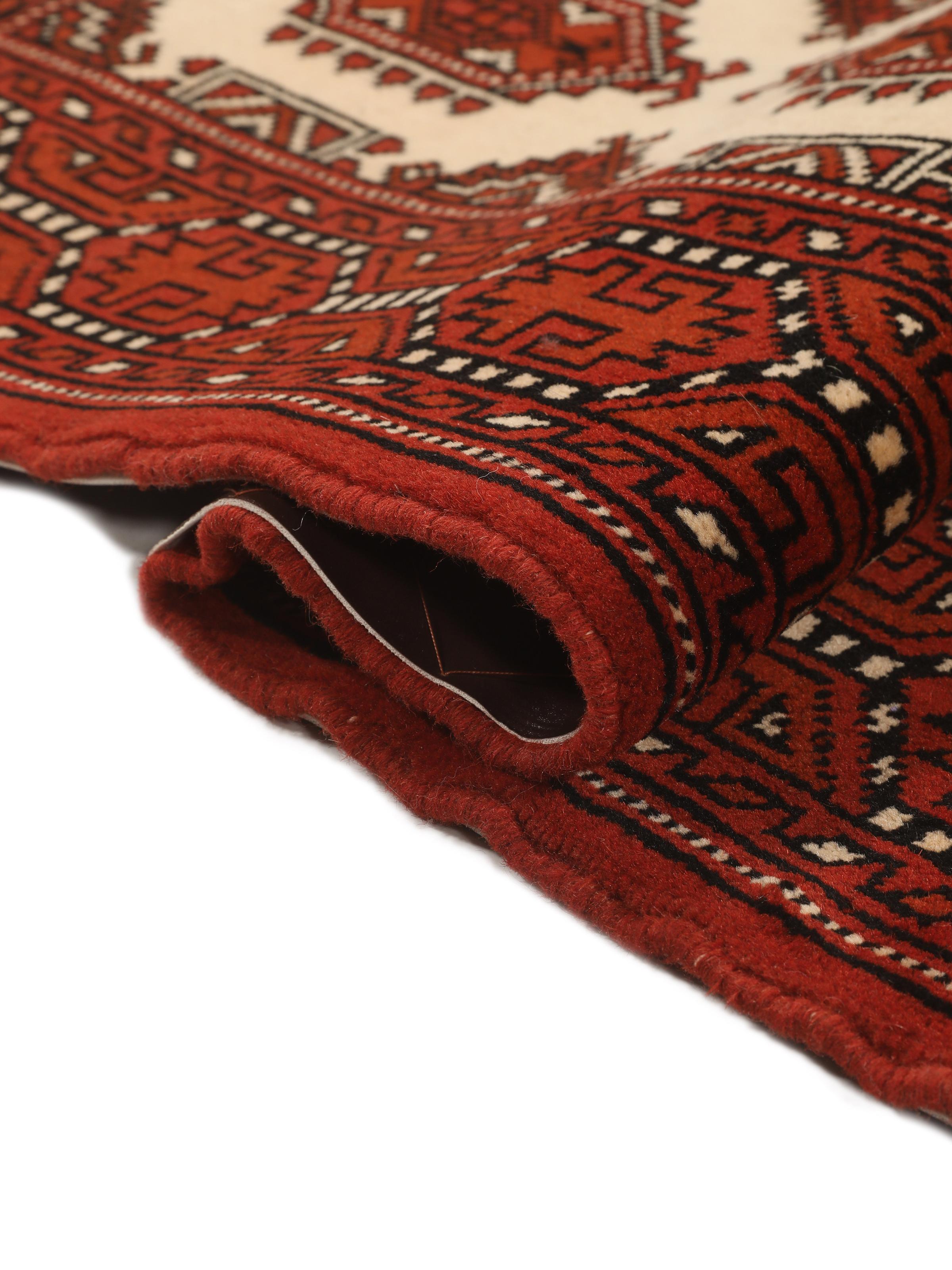
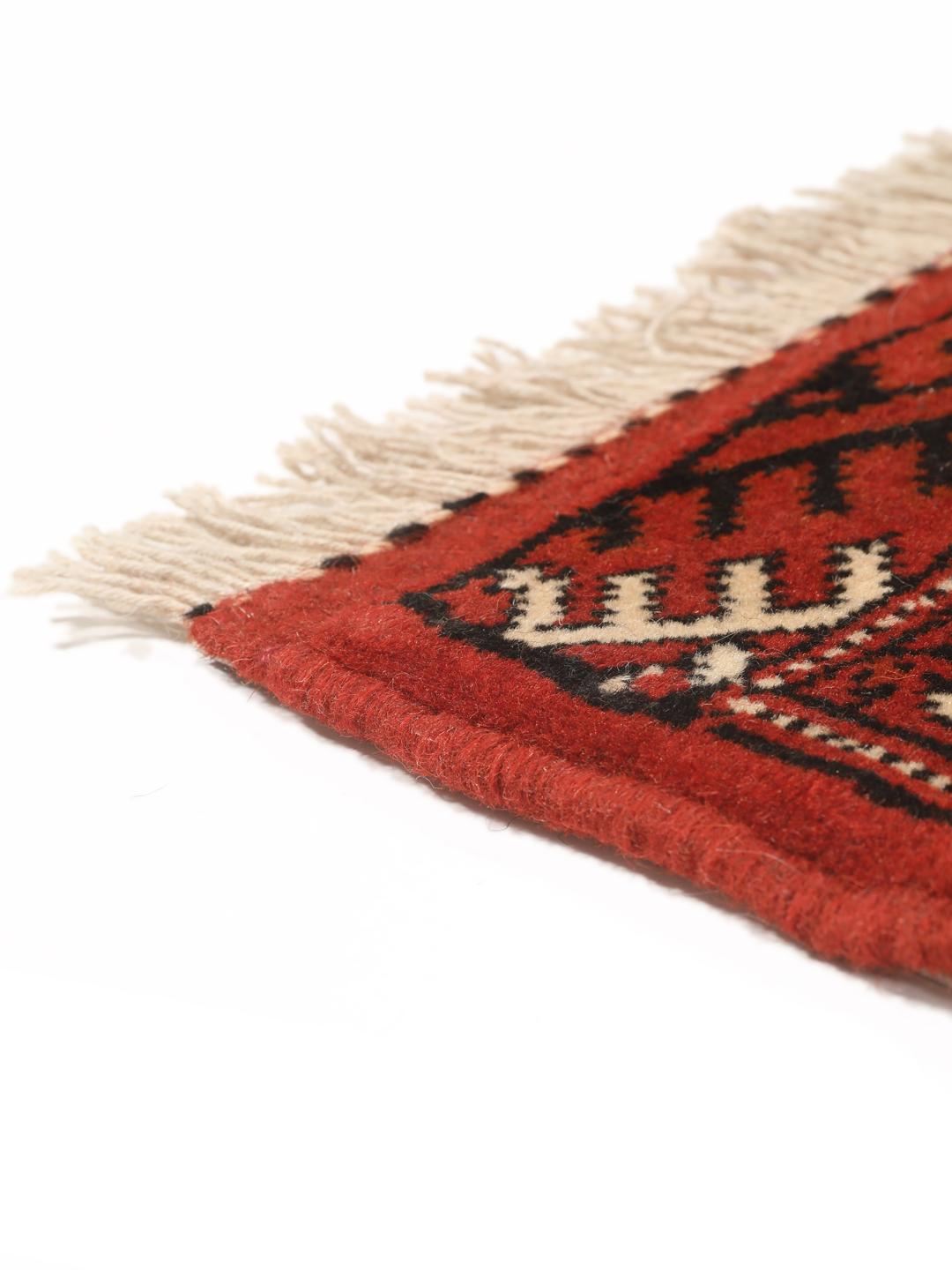
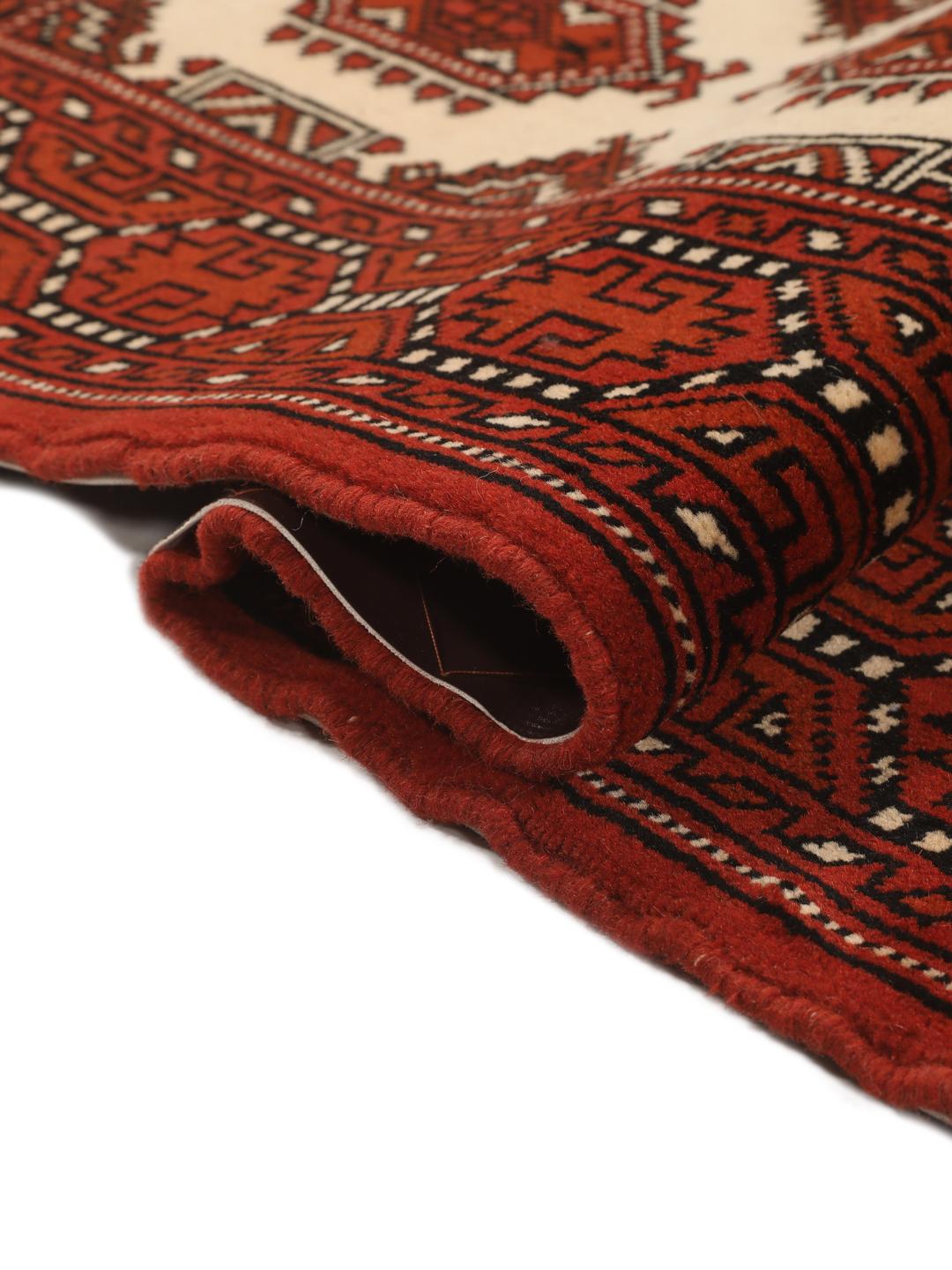
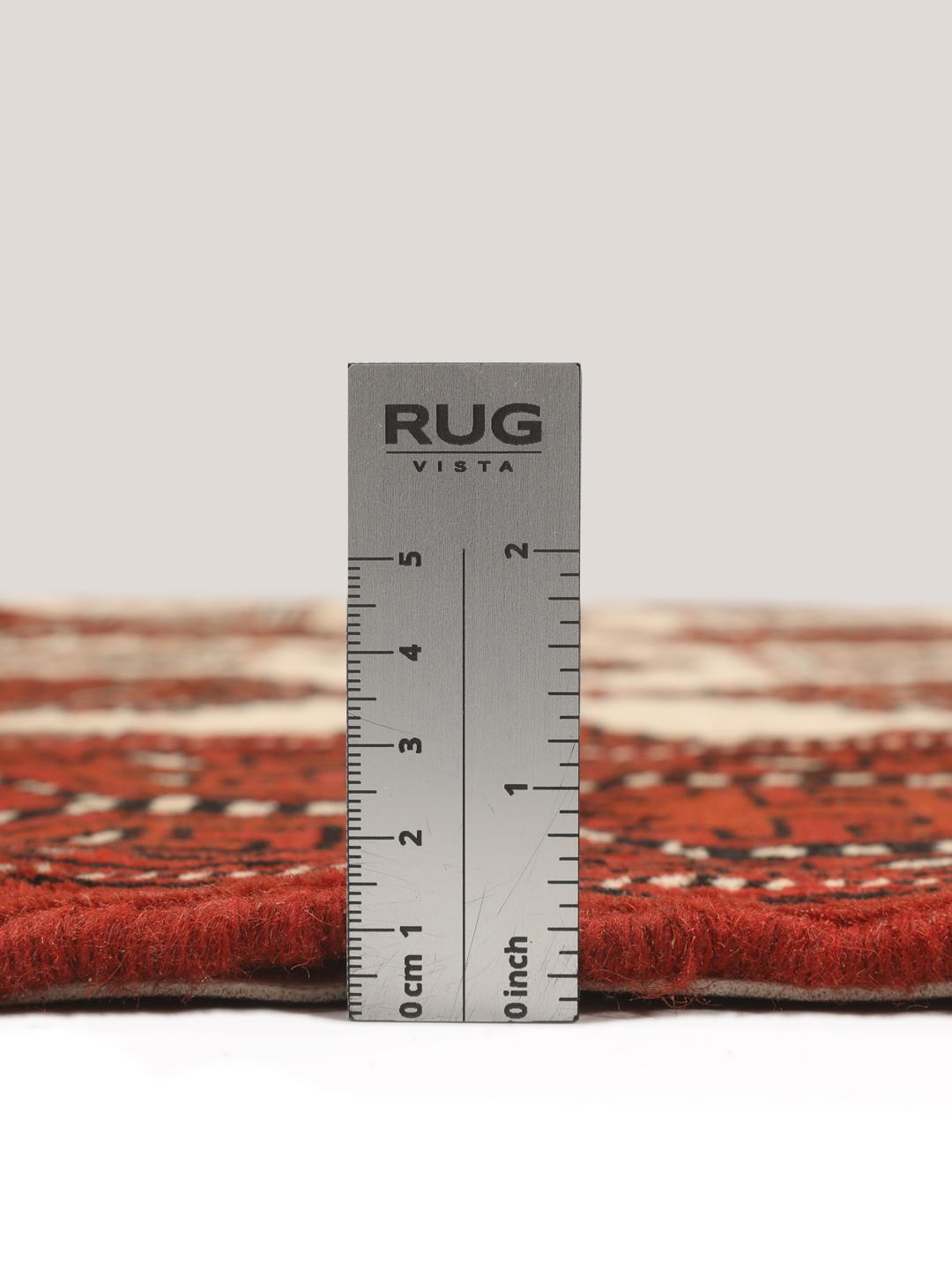
The term 'Turkaman' refers not just to a style, but to a rigorous method of construction. The use of high-quality wool, often spun into a durable yarn, ensures that the pile is both lustrous and resilient. This technical approach is vital, as it allows the rugs to maintain their rich colour and soft texture even after decades of use.
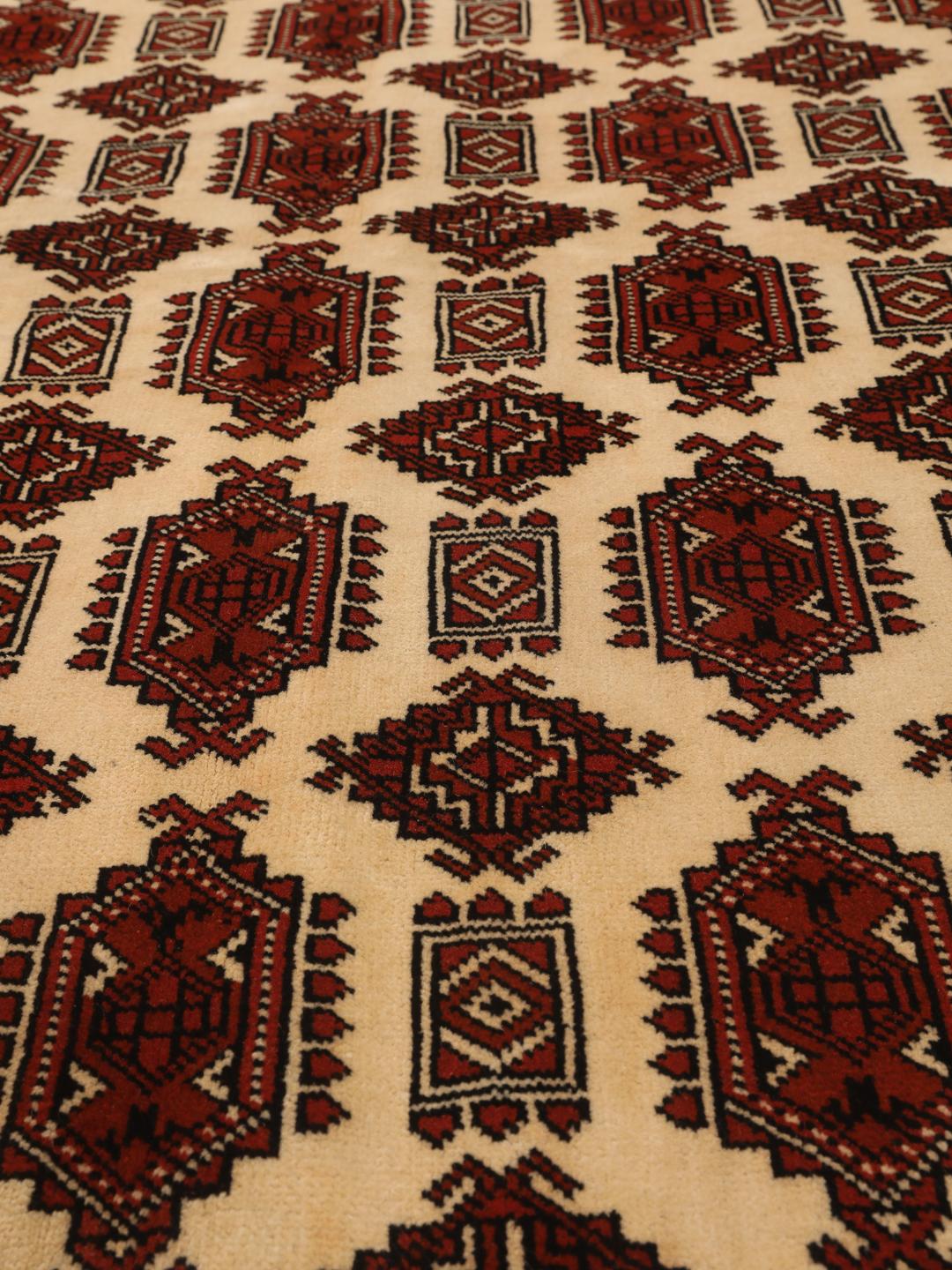
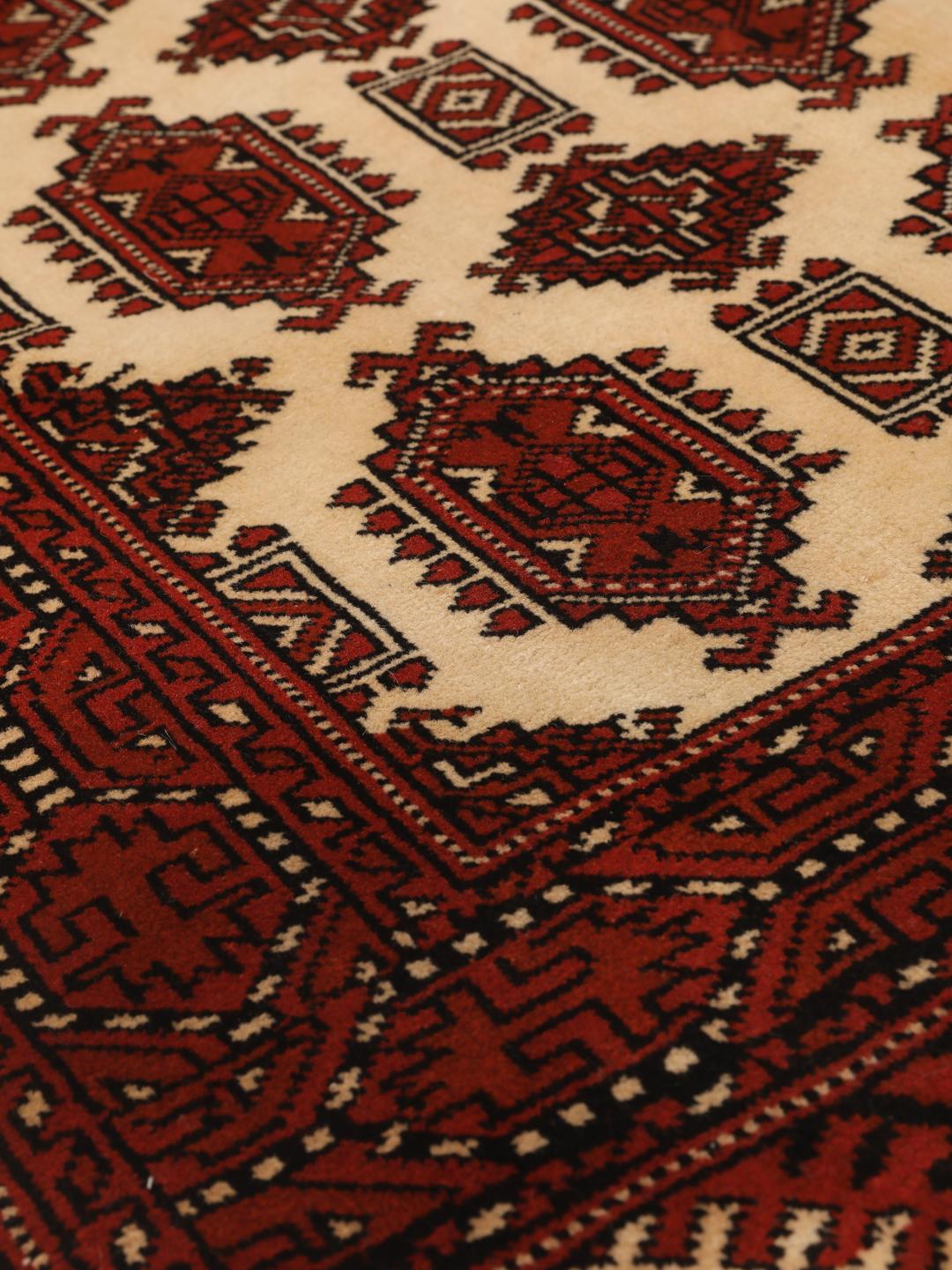
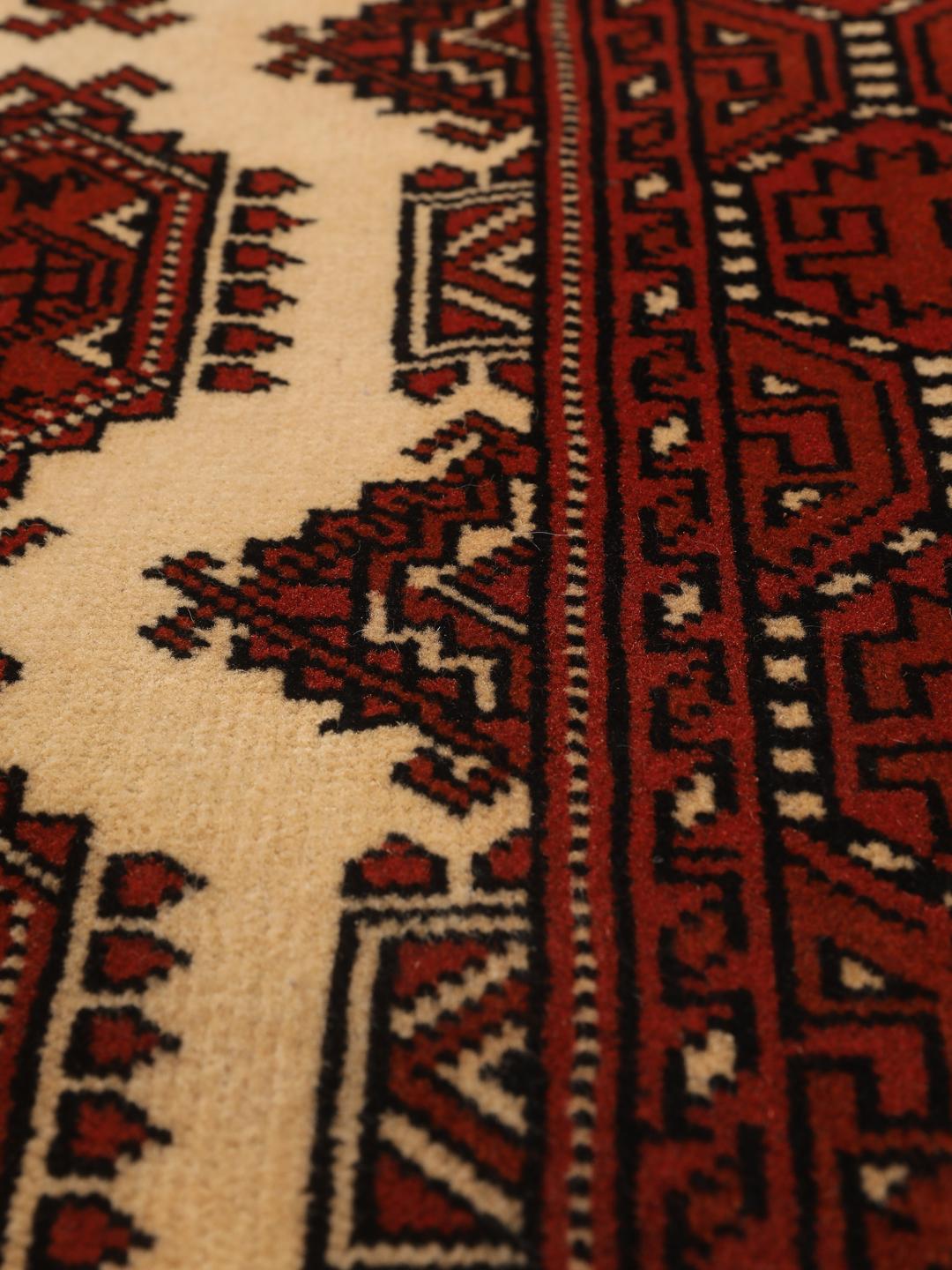
Visually, these rugs are defined by their iconic repeating motifs, most notably the 'gul'—a stylized, octagonal emblem that represents the history and identity of the weaving tribe. These medallions are typically arranged in a structured, rhythmic grid across the field, framed by complex, decorative borders that showcase a mastery of geometric design.
Owning a Turkaman rug is an investment in a living tradition. These pieces are highly valued by collectors and enthusiasts for their balance of artistic expression and technical skill. Each rug serves as a bridge to a historic way of life, offering a sense of cultural weight that mass-produced items simply cannot provide.