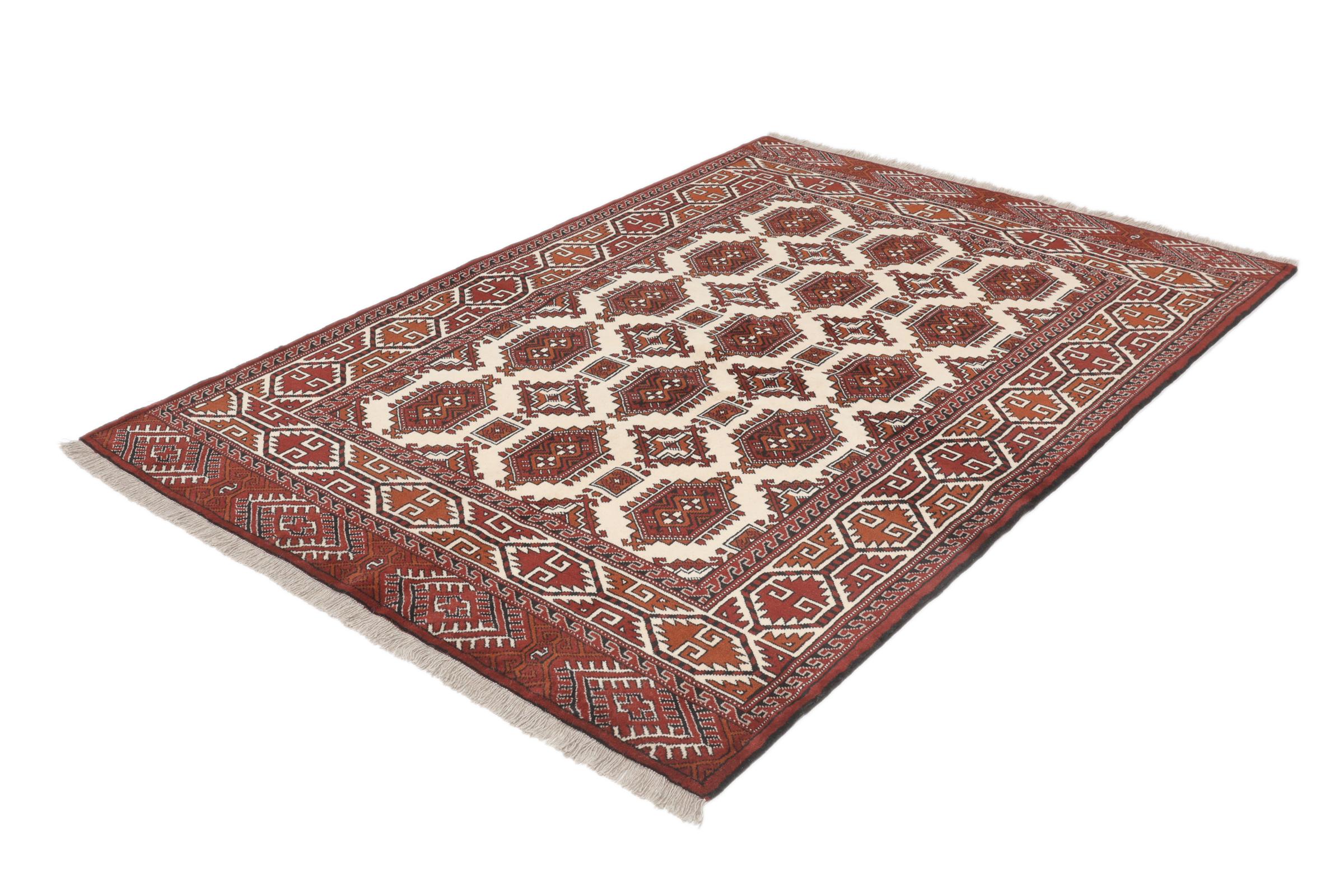
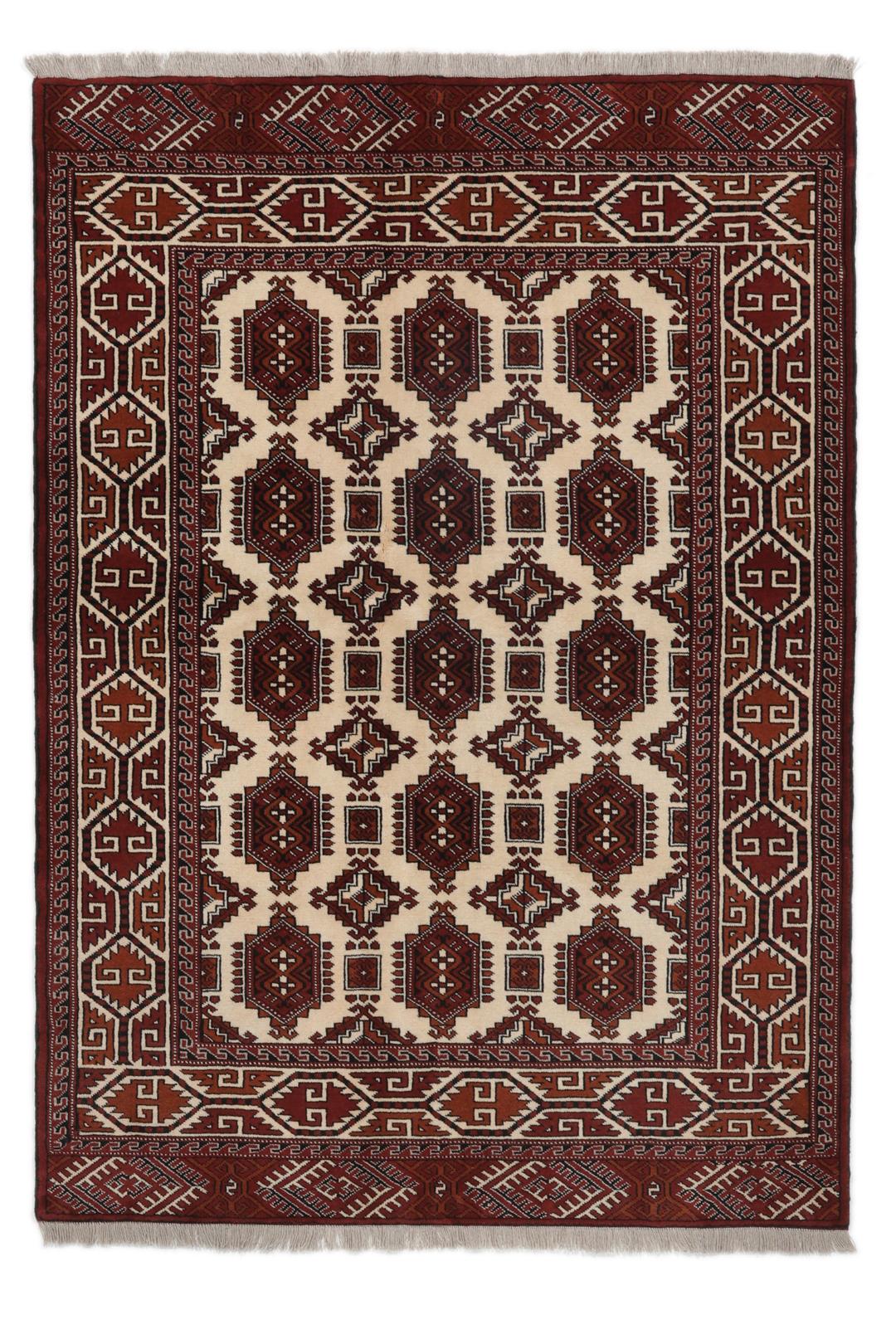
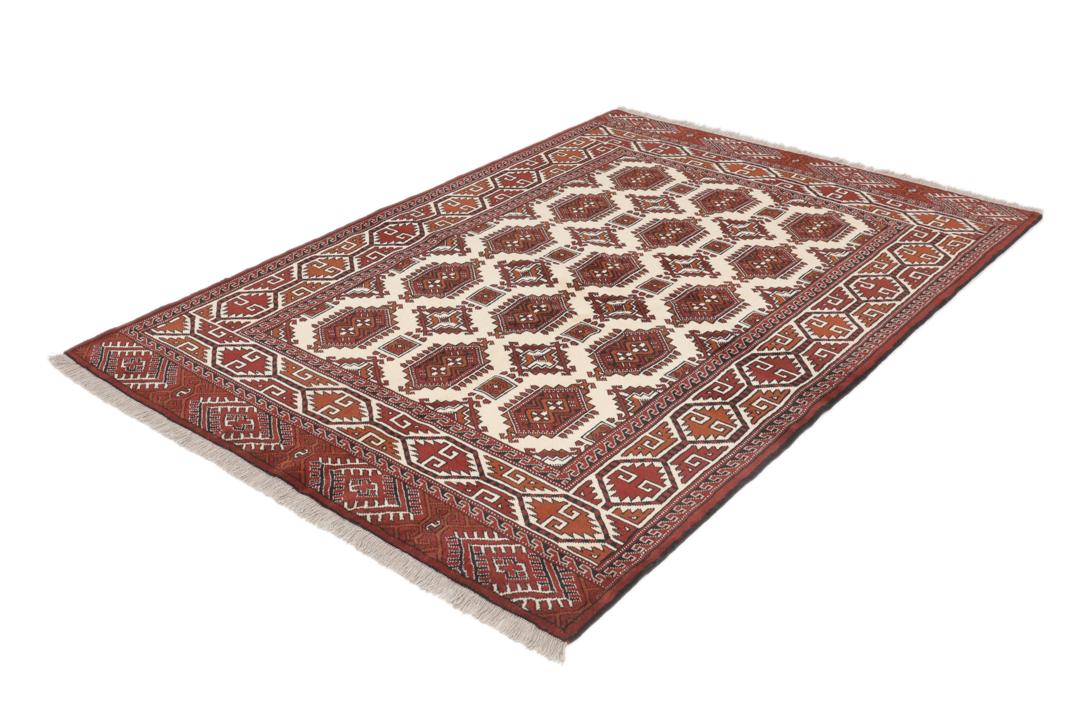
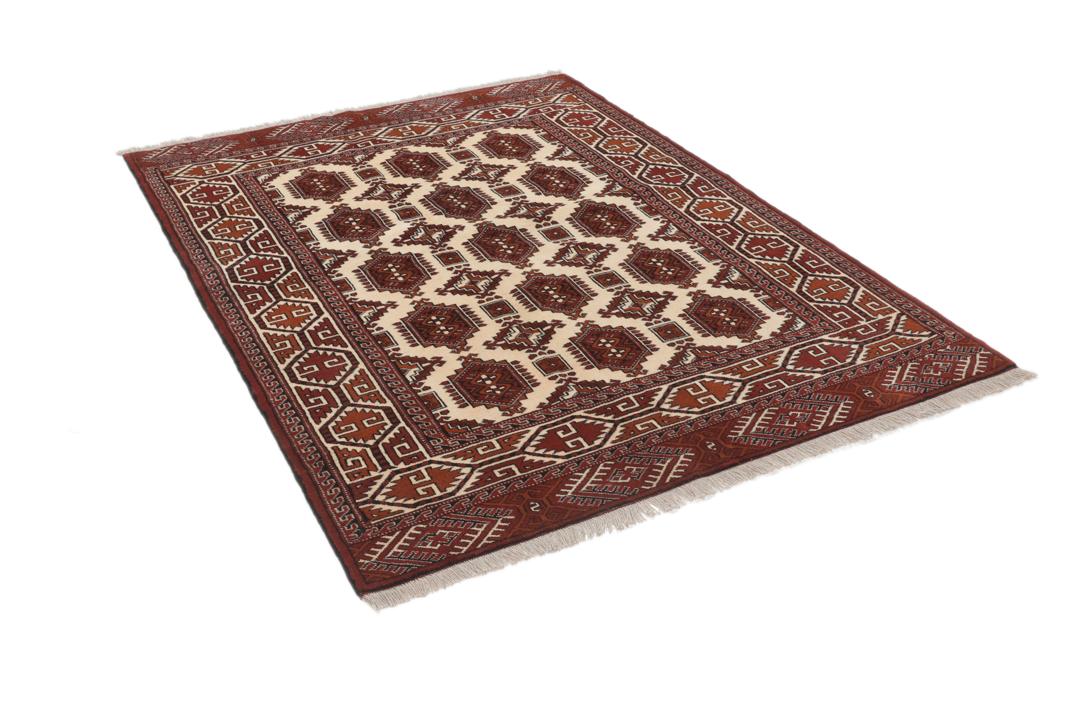
Turkaman rugs originate from the nomadic tribes of Central Asia, where weaving was not just a craft but a vital cultural expression. Over centuries, these traditions migrated and evolved across the Middle East, with various tribes developing their own distinct visual identities. Today, these rugs are celebrated for their connection to a storied past that values resilience and communal heritage.
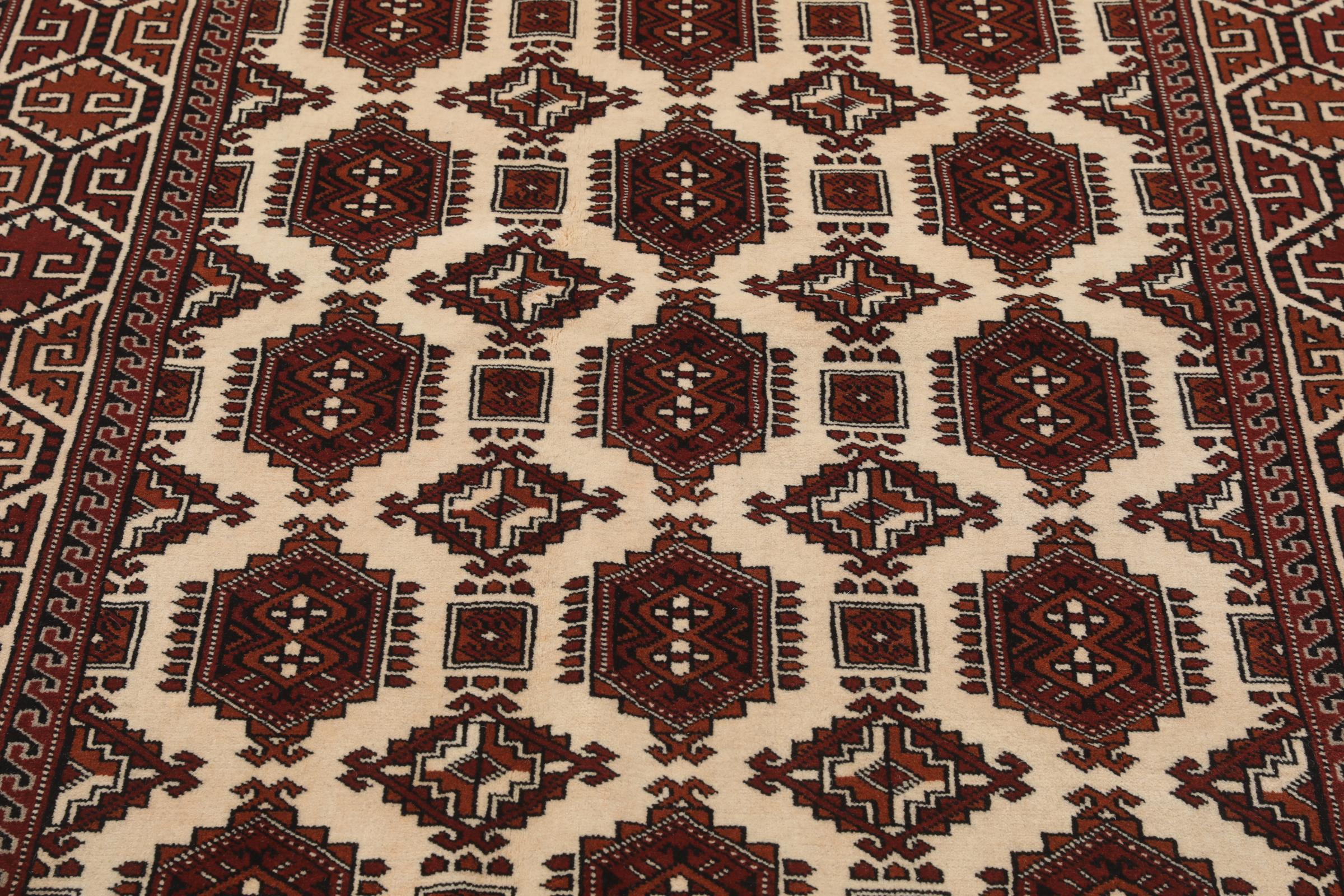
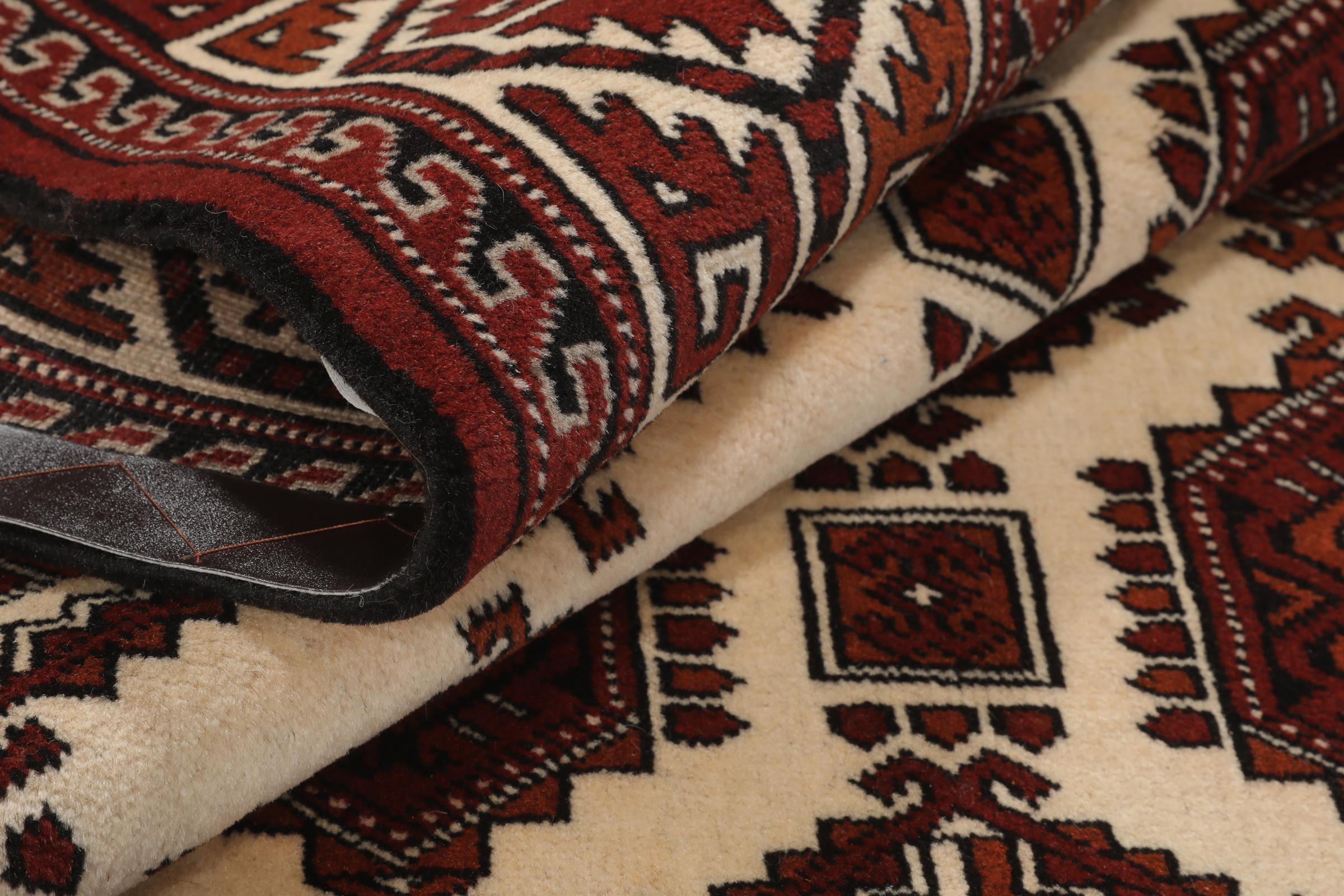
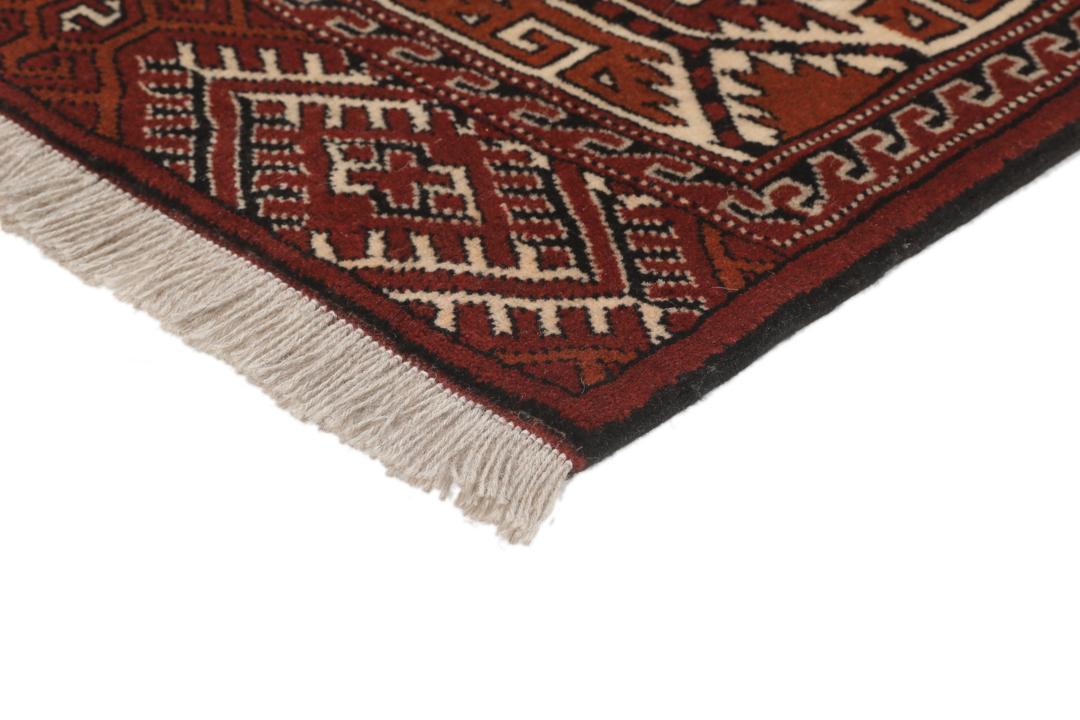
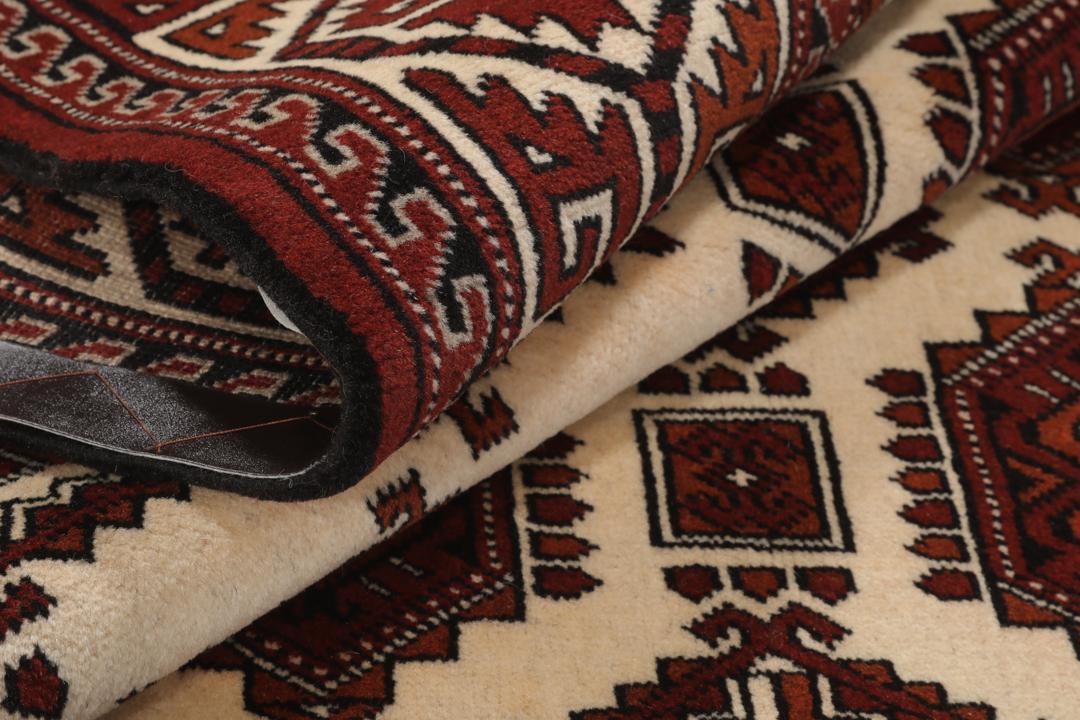
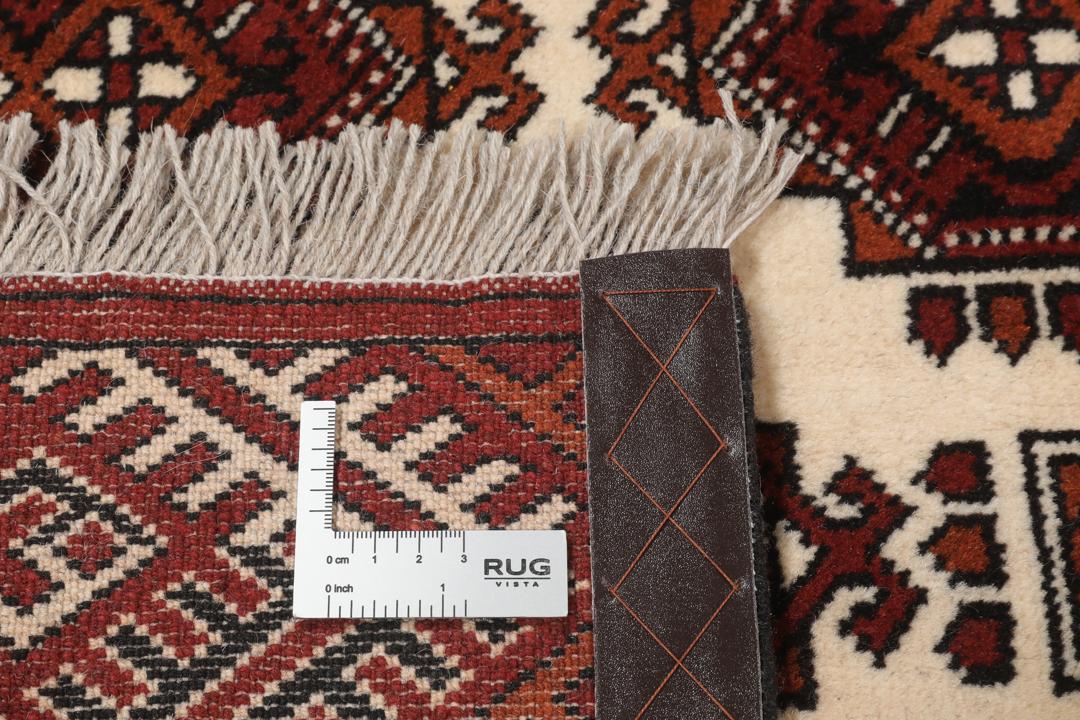
The terminology associated with these rugs often refers to the specific tribal methods of construction and the quality of the materials used. The hand-knotted process creates a dense, lustrous pile that is inherently resistant to wear. This technical mastery ensures that the rug is not only a decorative object but a functional tool designed for the practical needs of the home.
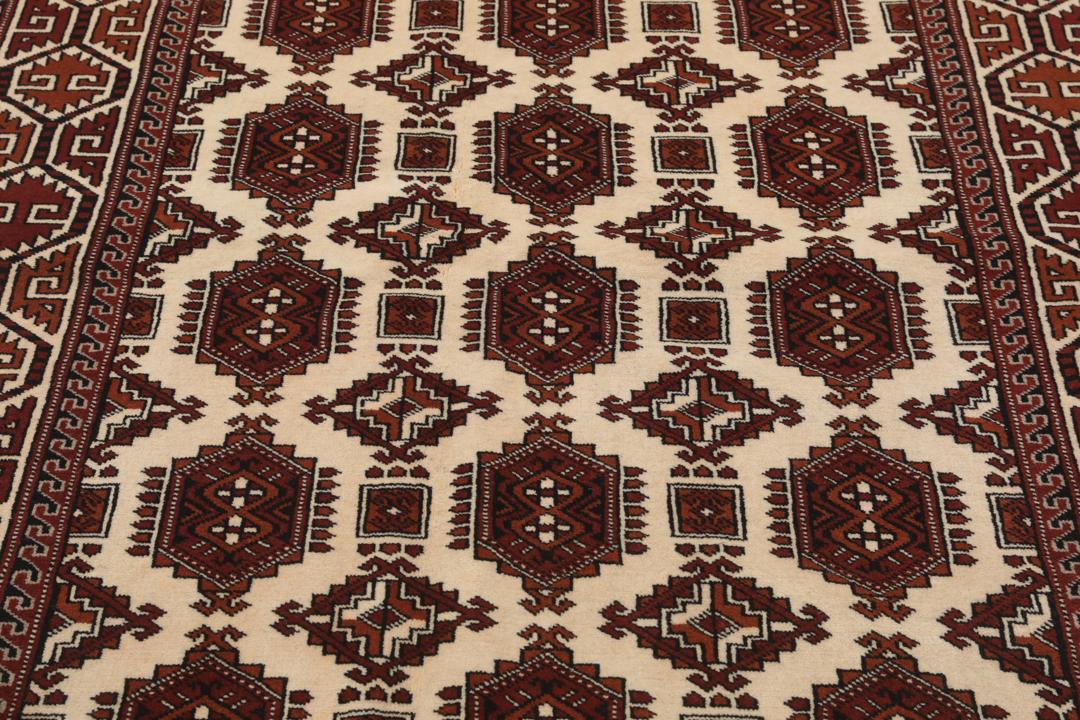
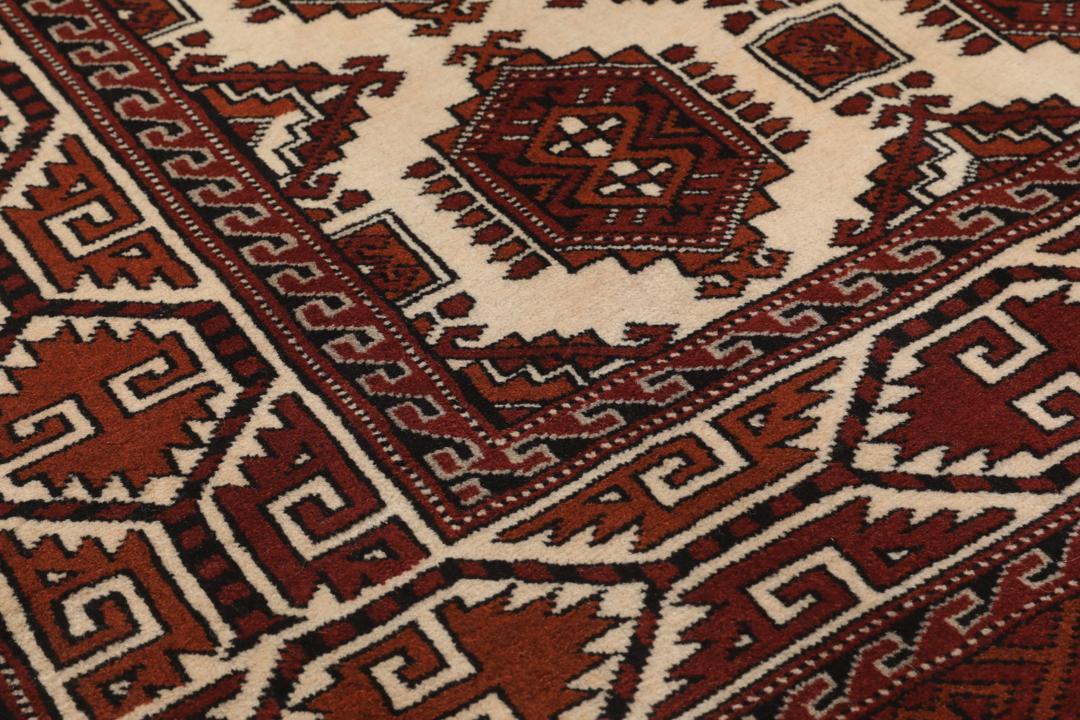
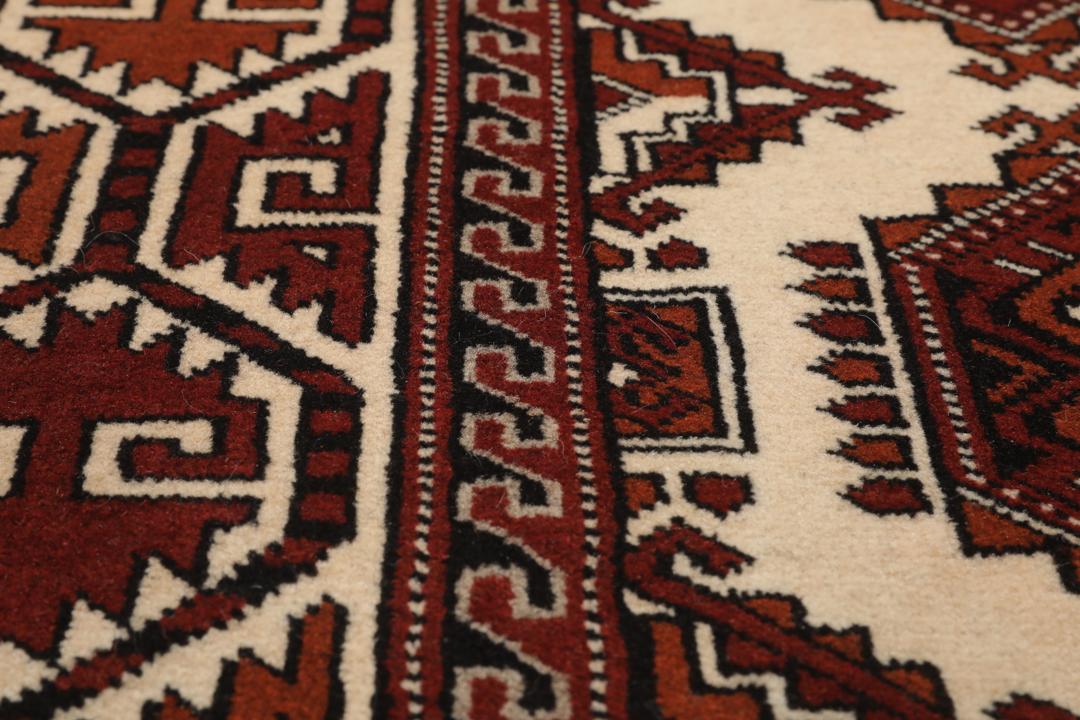
The signature design elements of Turkaman rugs are instantly recognisable, often defined by the repeating 'gul' or geometric medallion motifs. These patterns are usually enclosed by elaborate, rhythmic borders that frame the central field. The use of deep, earthy reds contrasted with lighter, neutral tones is a hallmark of the tradition, creating a sense of balance and harmony.
Owning a Turkaman rug is an invitation to bring a piece of living history into your home. Collectors value these pieces for their authenticity, the immense skill required to produce them, and their ability to anchor a room with a sense of cultural weight. It is more than just a floor covering; it is a testament to an enduring craft that celebrates the human touch.