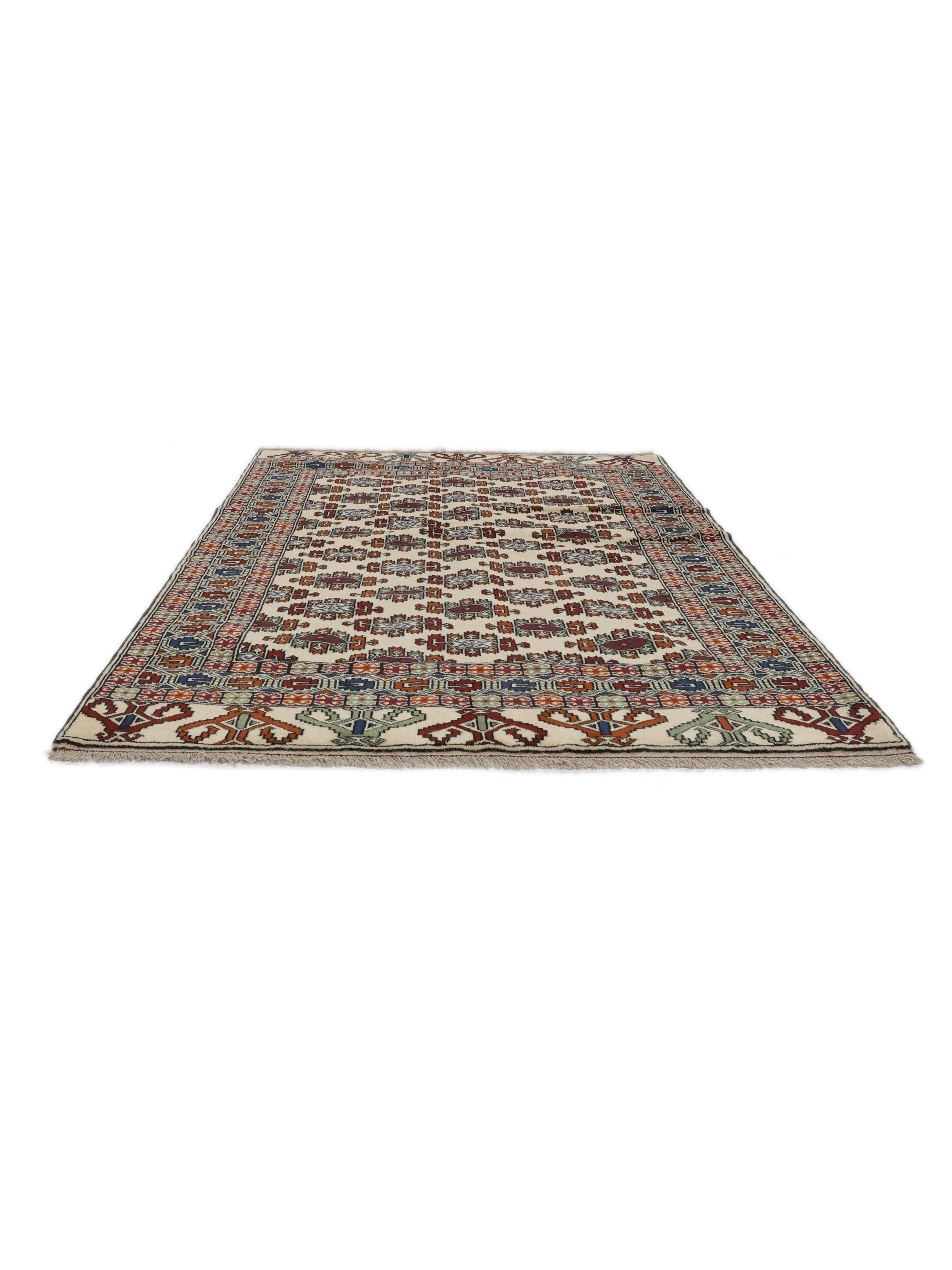
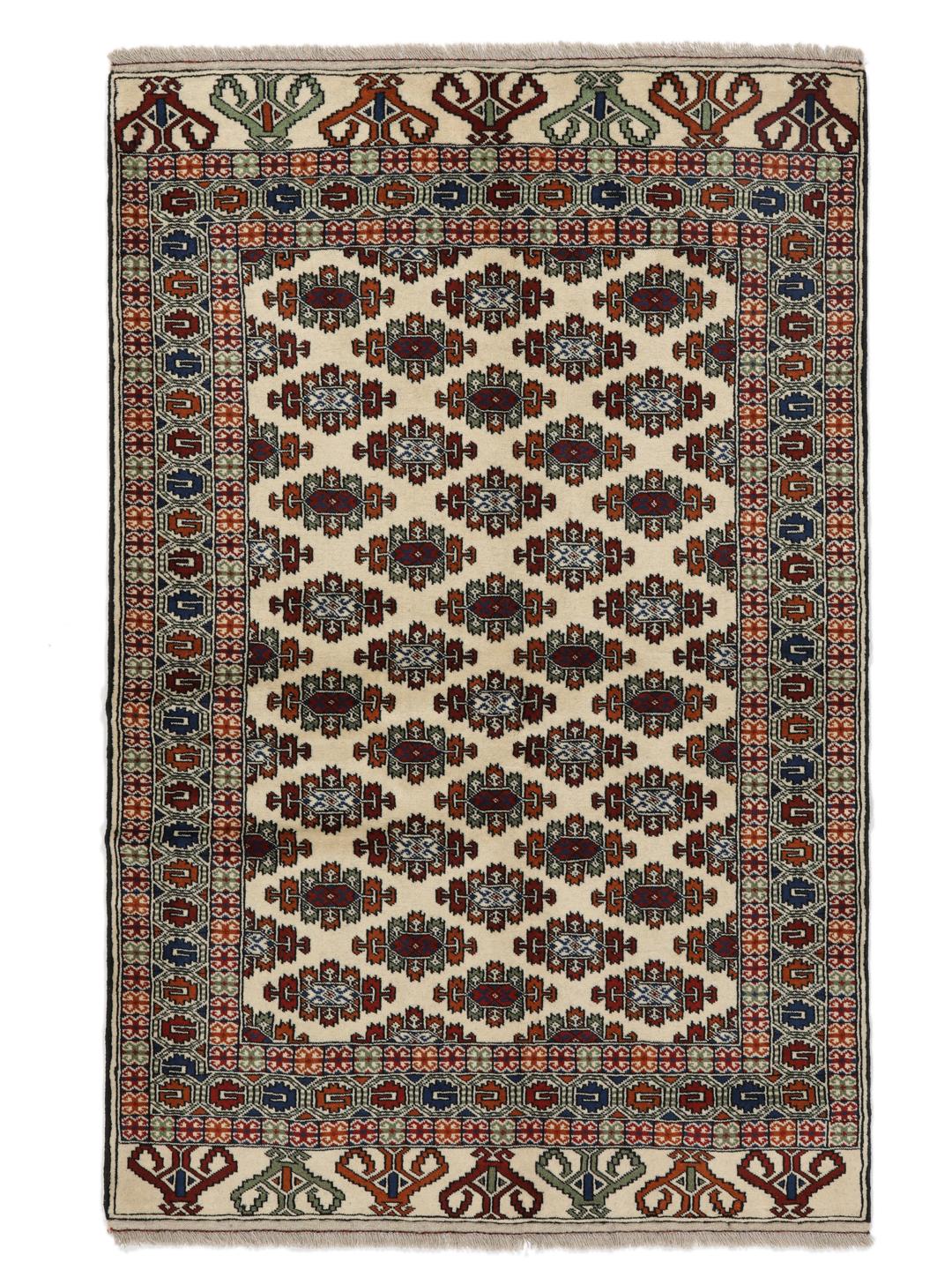
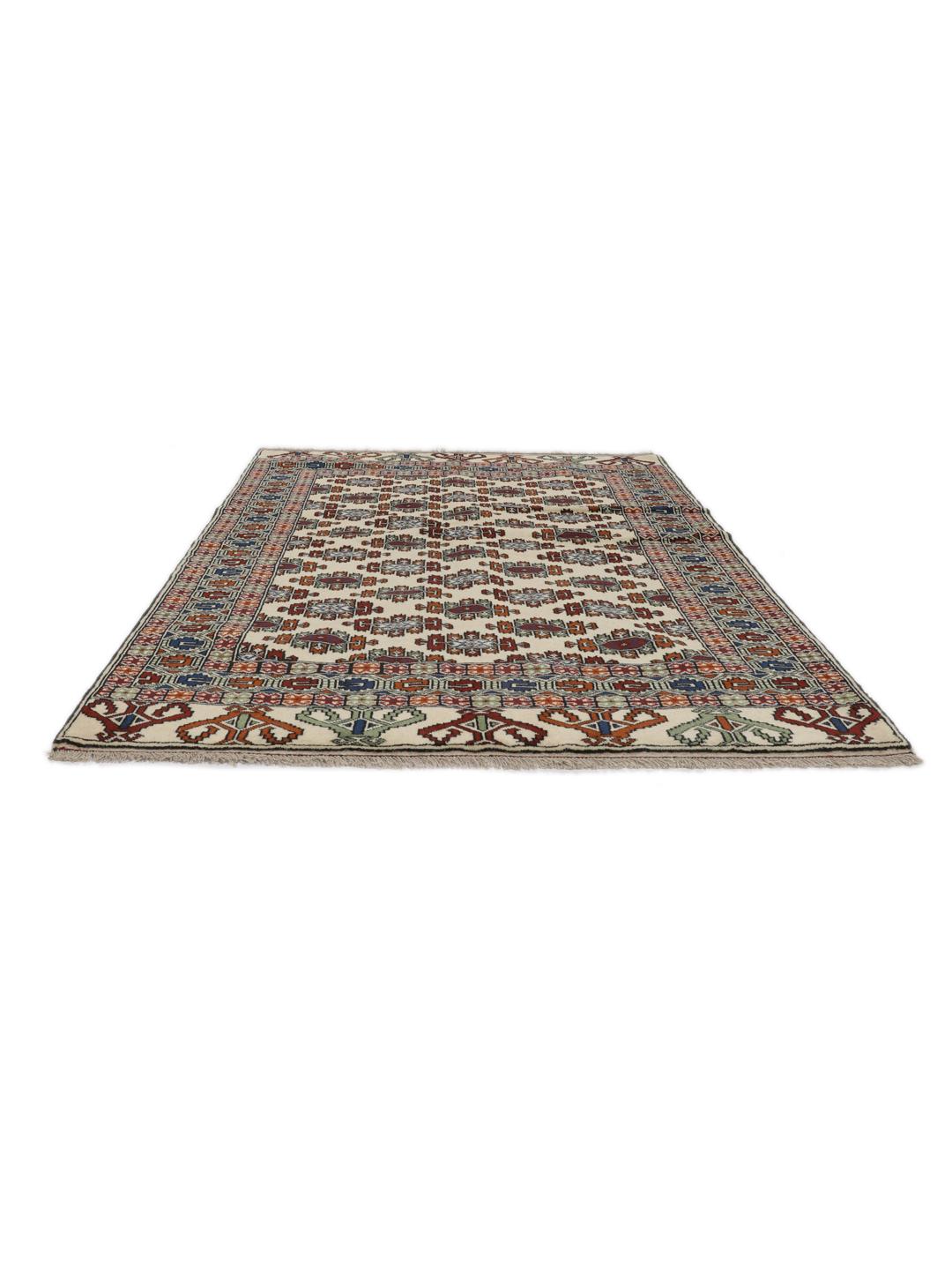
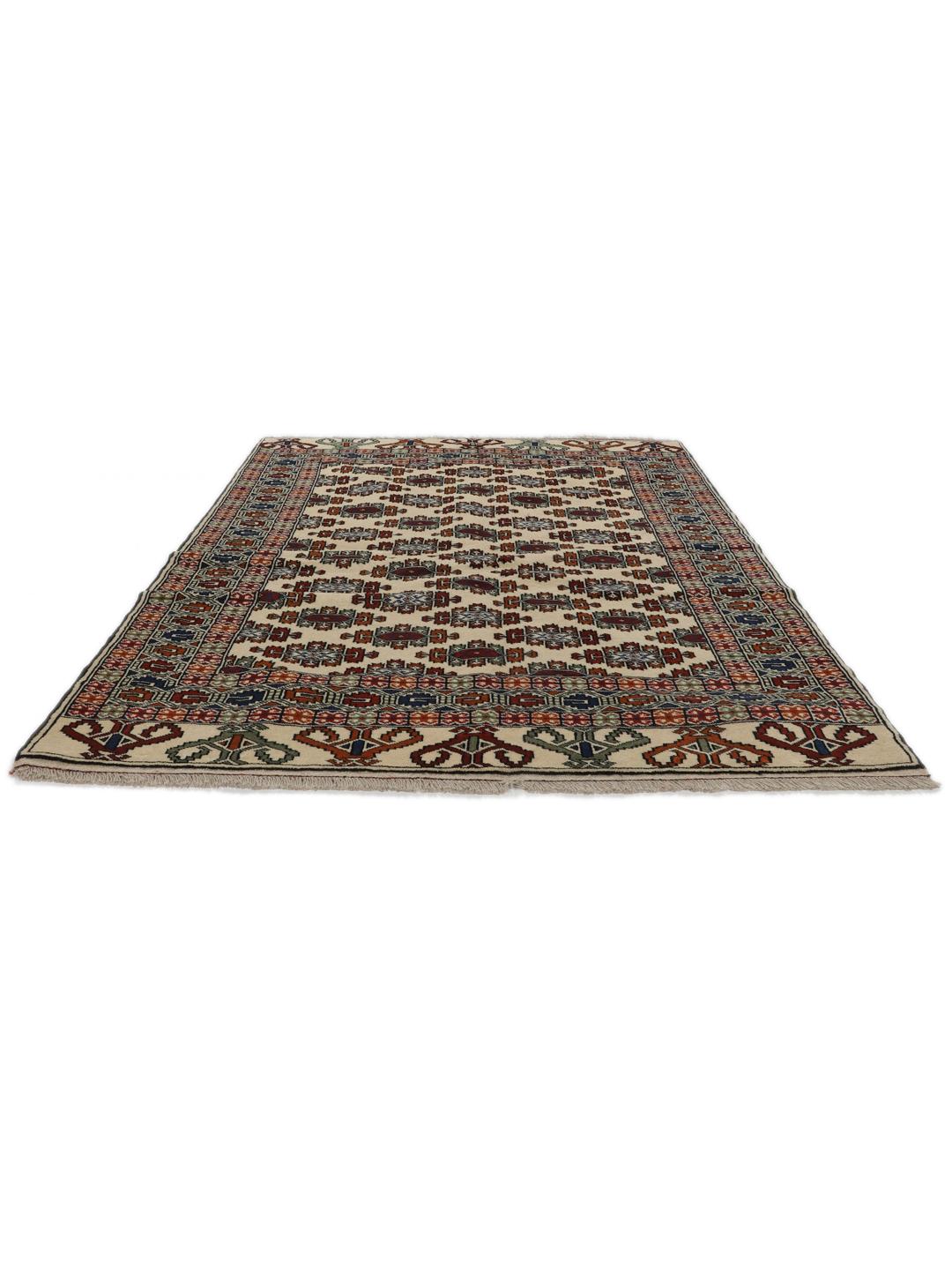
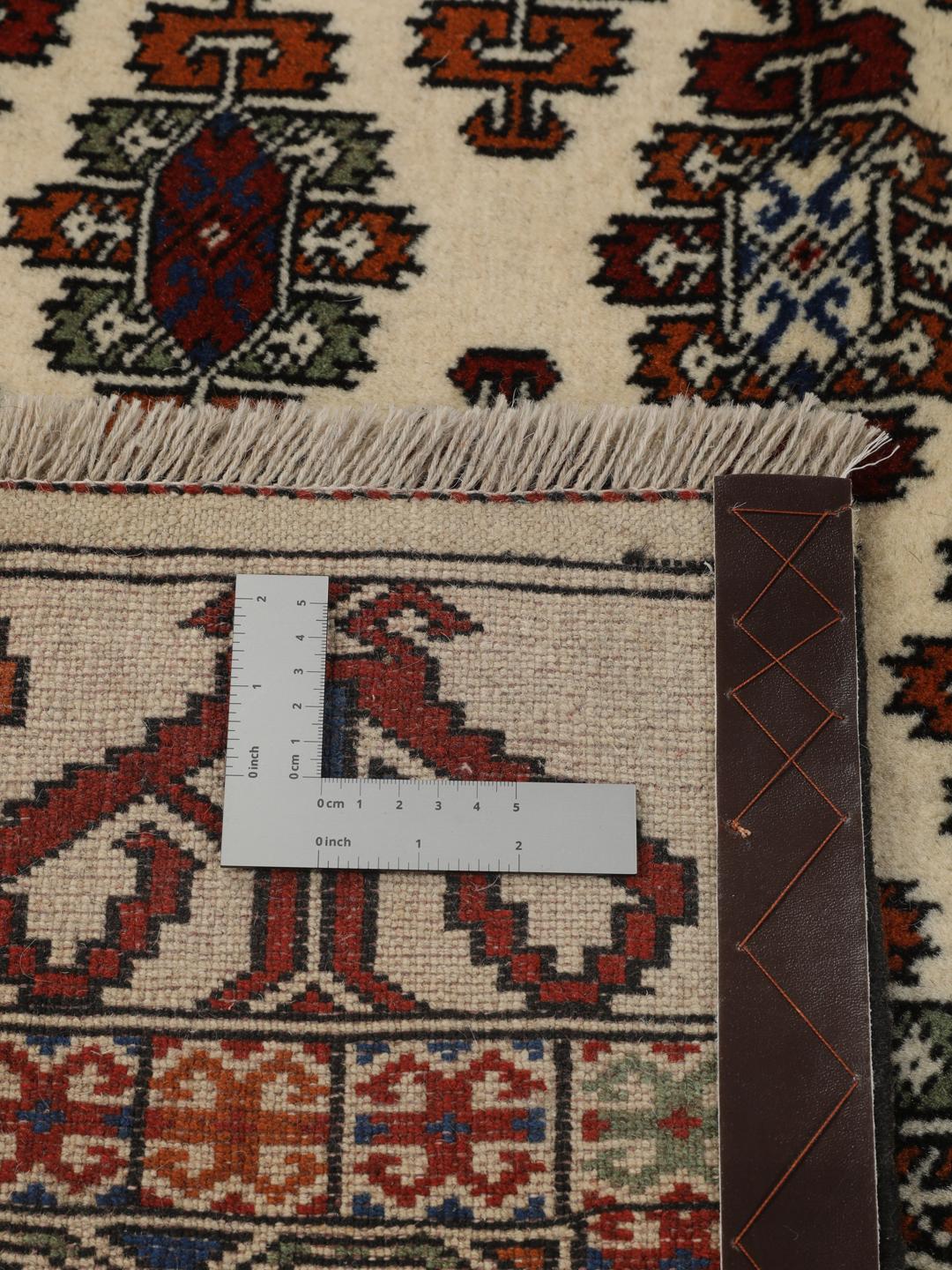
The Turkaman rug tradition traces its roots to the nomadic tribes of Central Asia and the Middle East, who developed these distinct weaving styles over centuries to create portable, durable, and beautiful textiles for their homes. These rugs are highly regarded for their rich, earthy colour palettes and the precision of their geometric compositions, reflecting a legacy of craft passed down through generations.
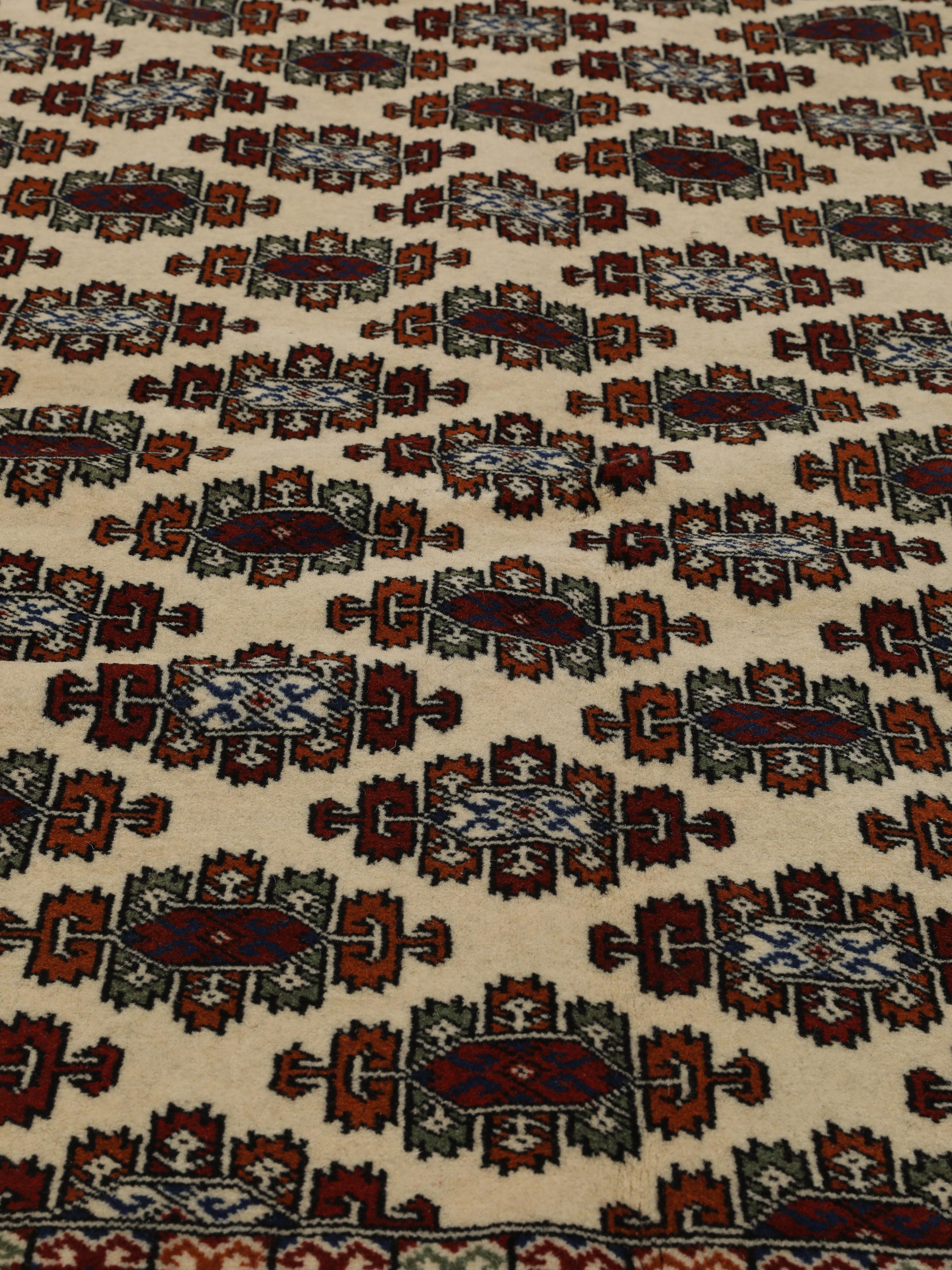
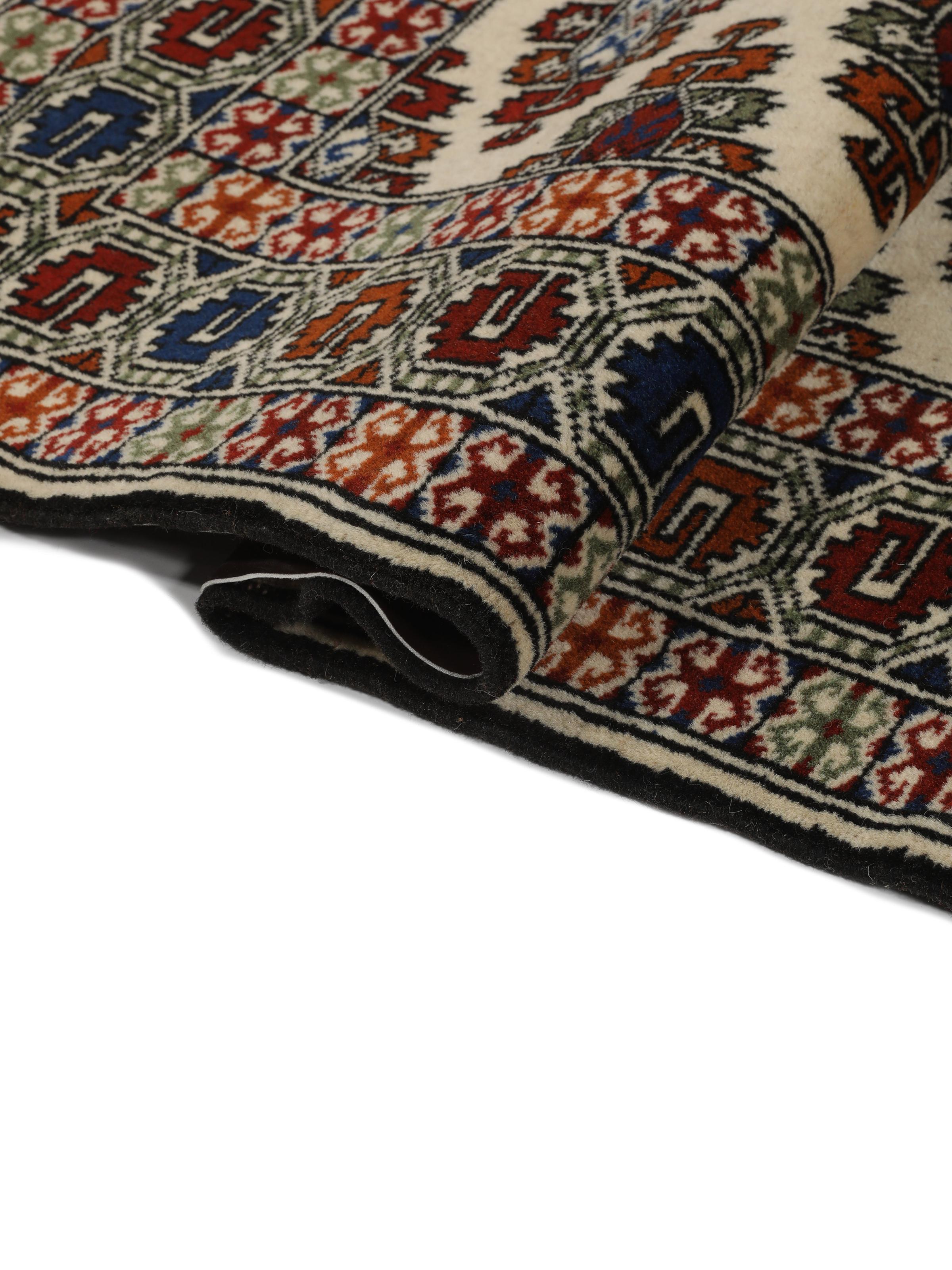
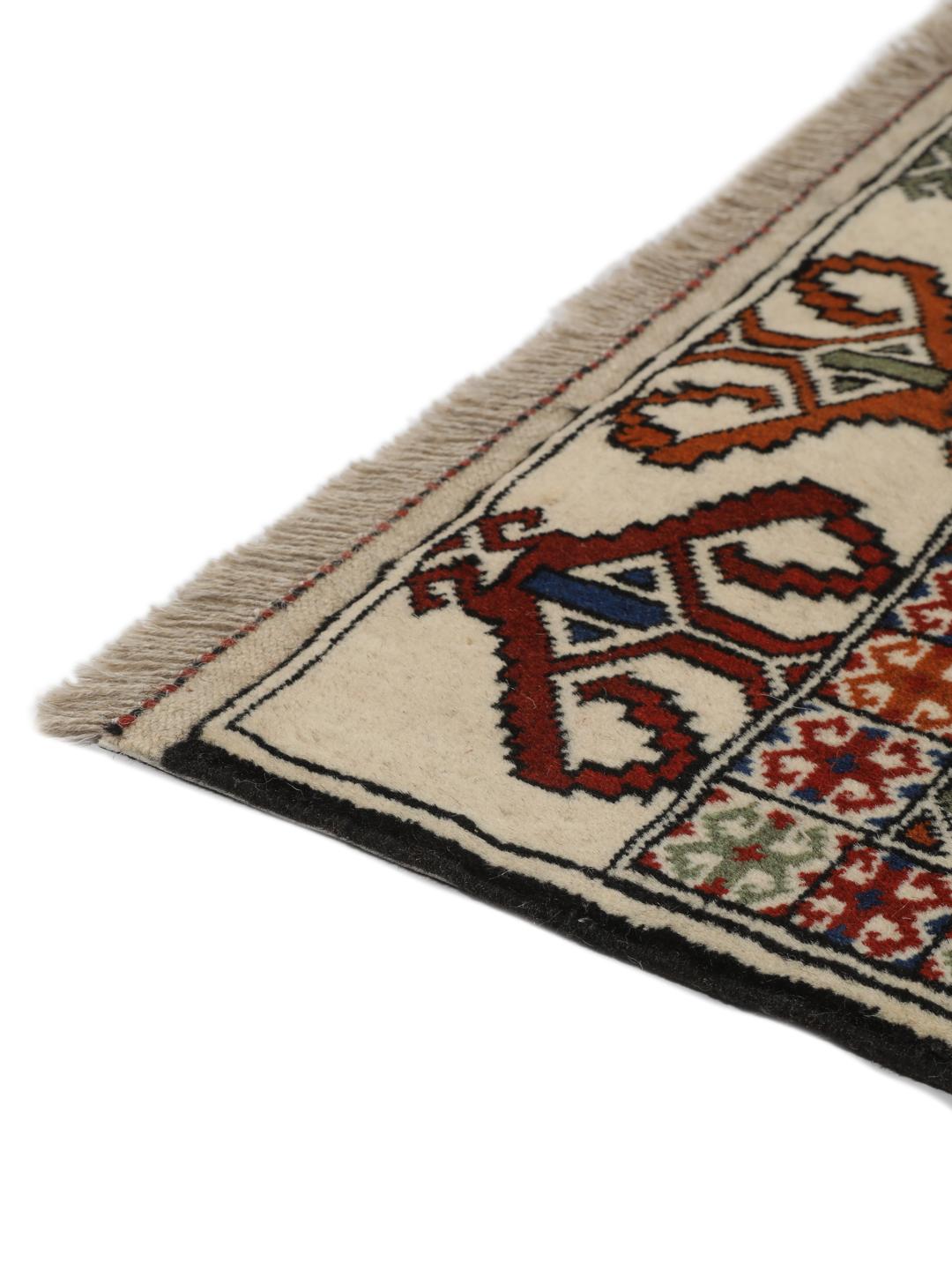
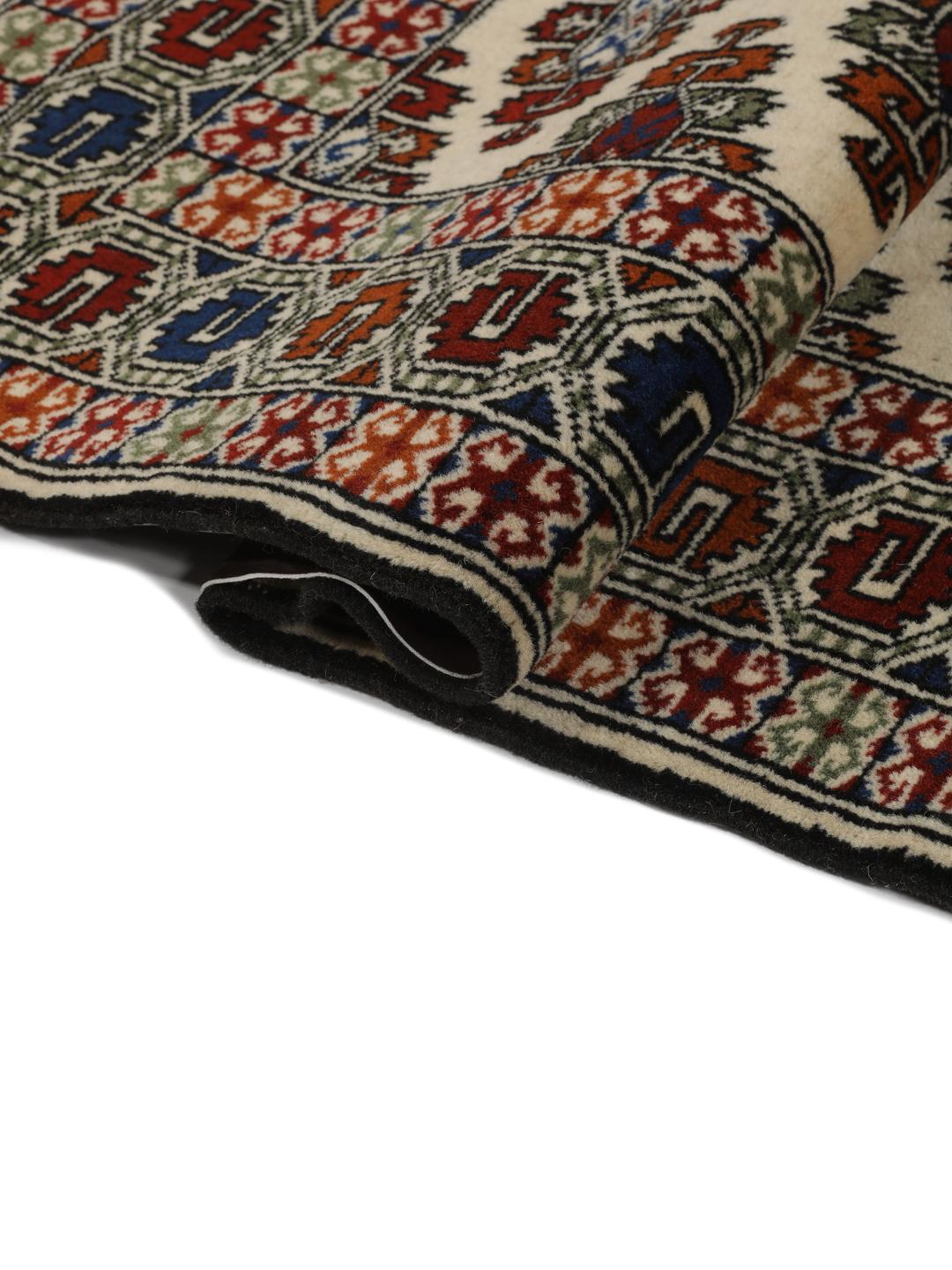
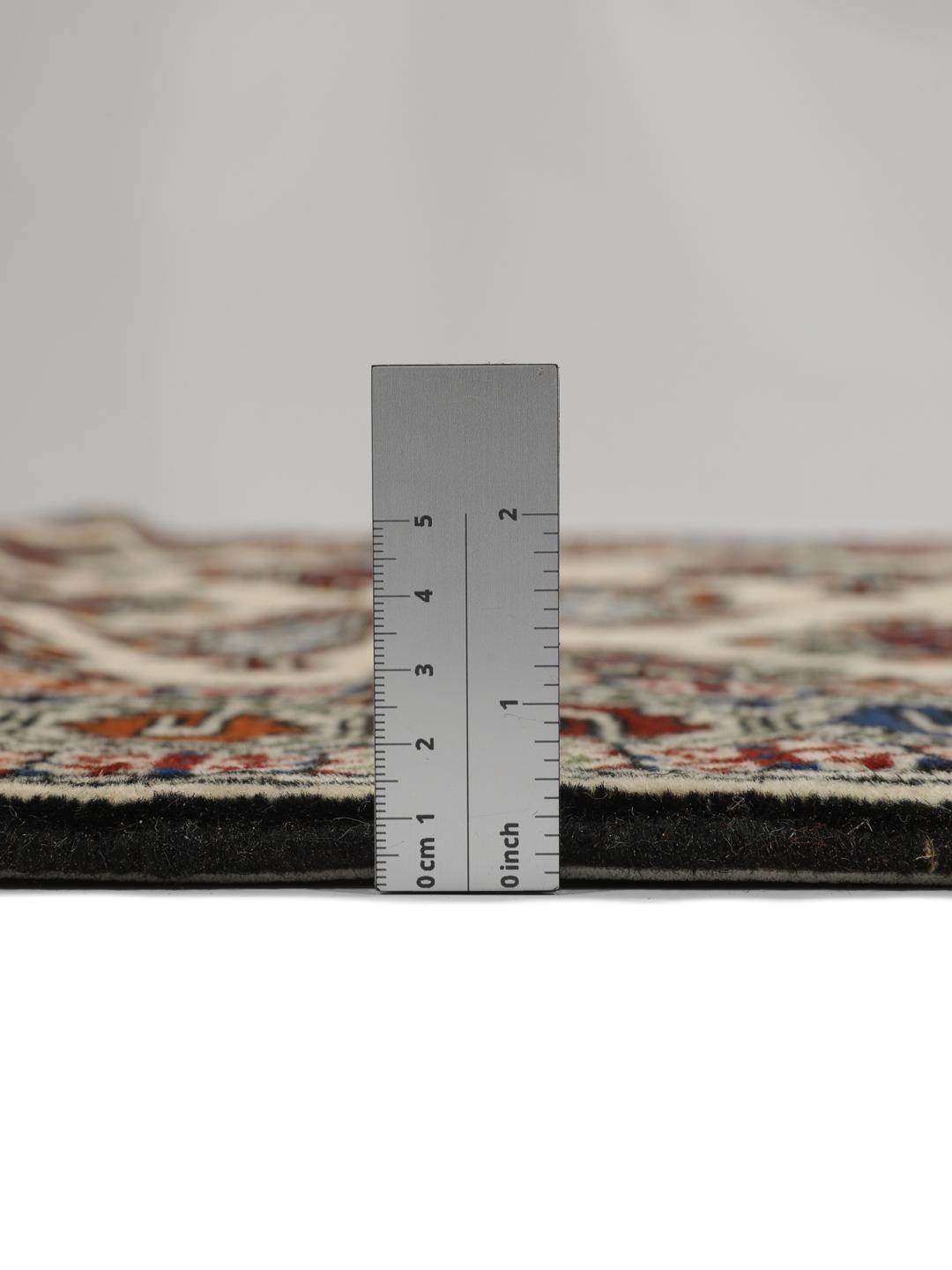
In the context of rug craft, the term Turkaman refers to a specific design language that emphasises structural integrity and intricate detail. The construction of these pieces often utilises a symmetric knot, which allows for a tighter, more uniform pile. This technical approach is what gives these rugs their signature durability and allows the fine, repeating patterns to stand out with such clarity.
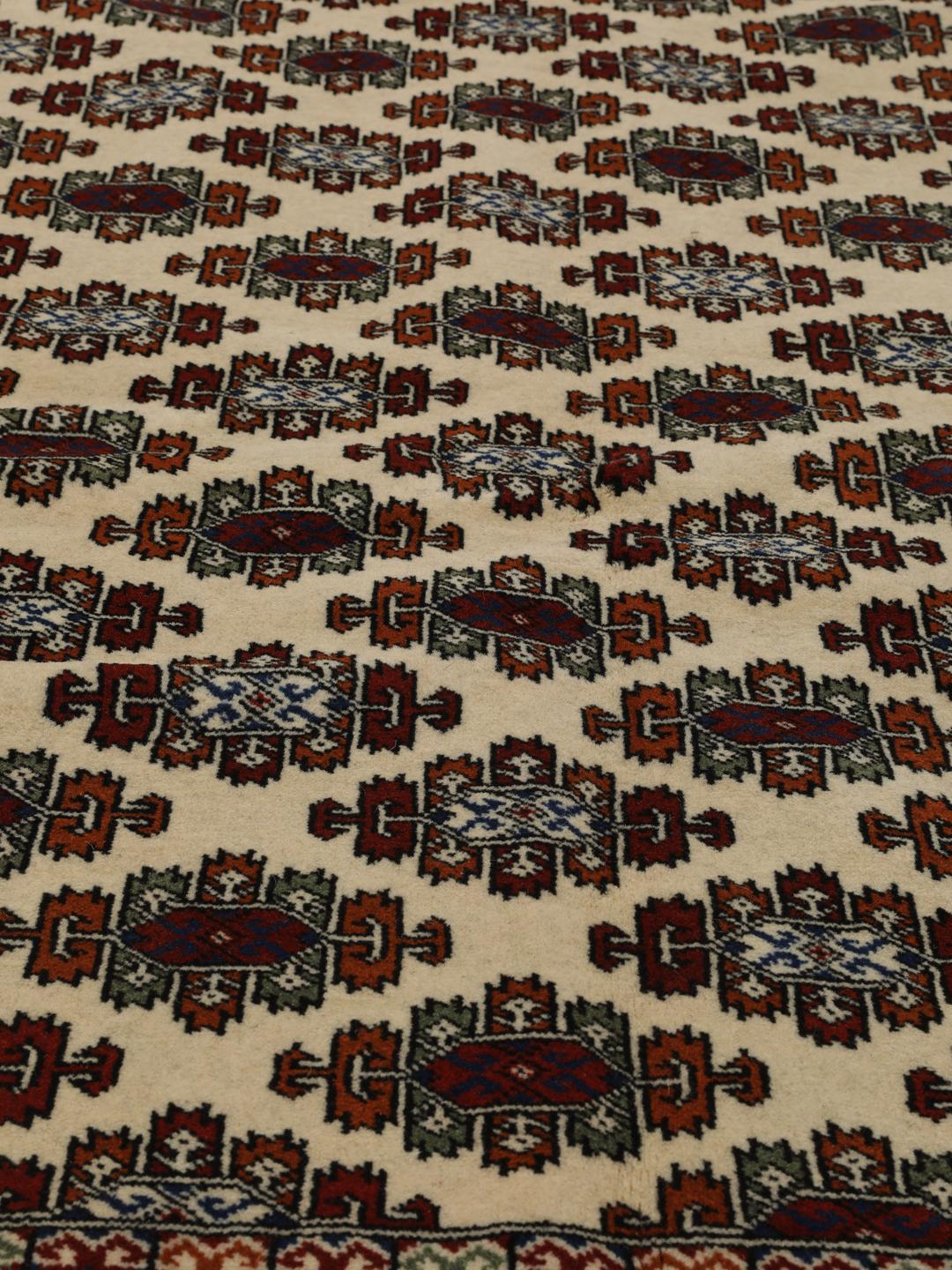
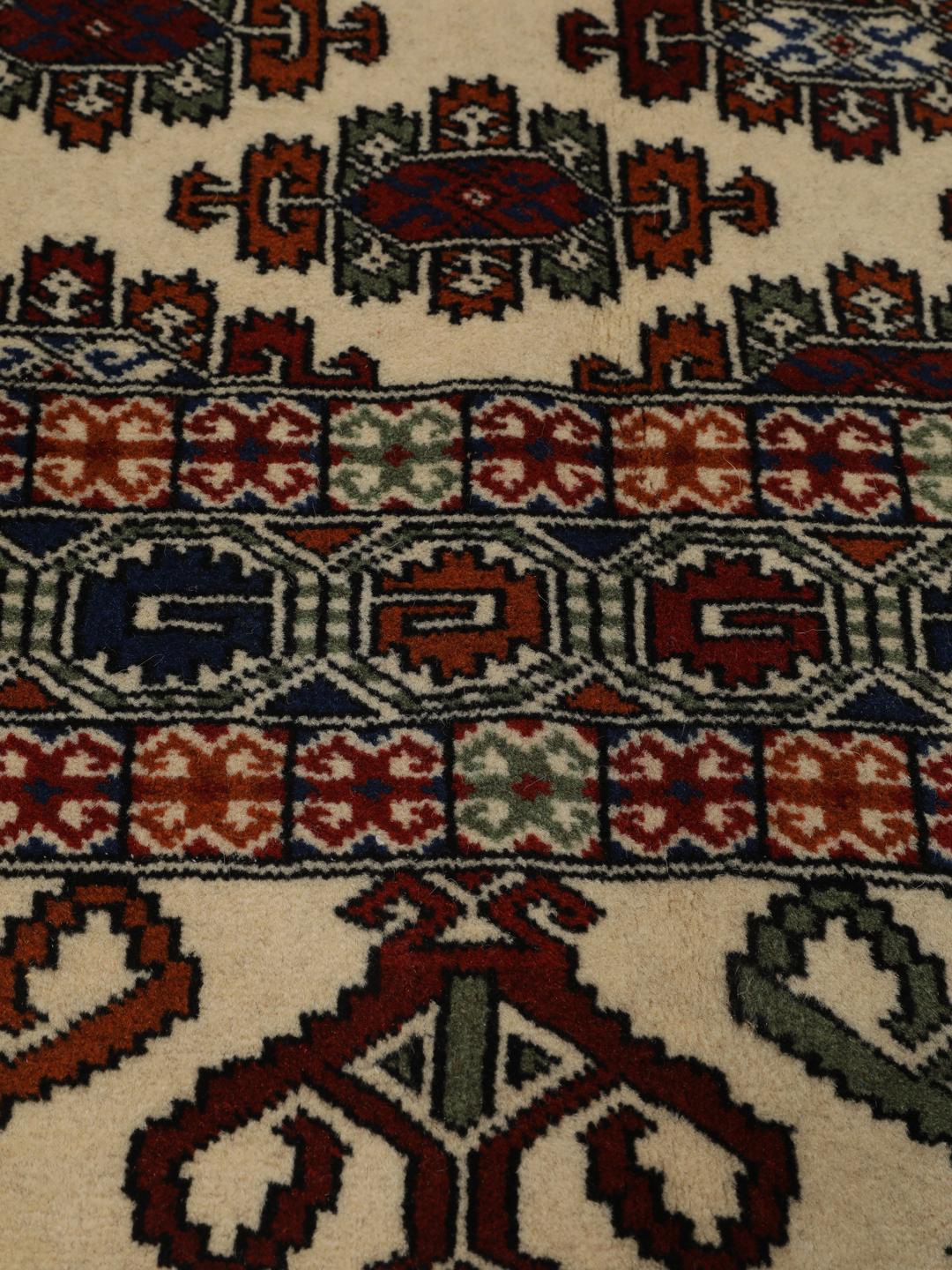
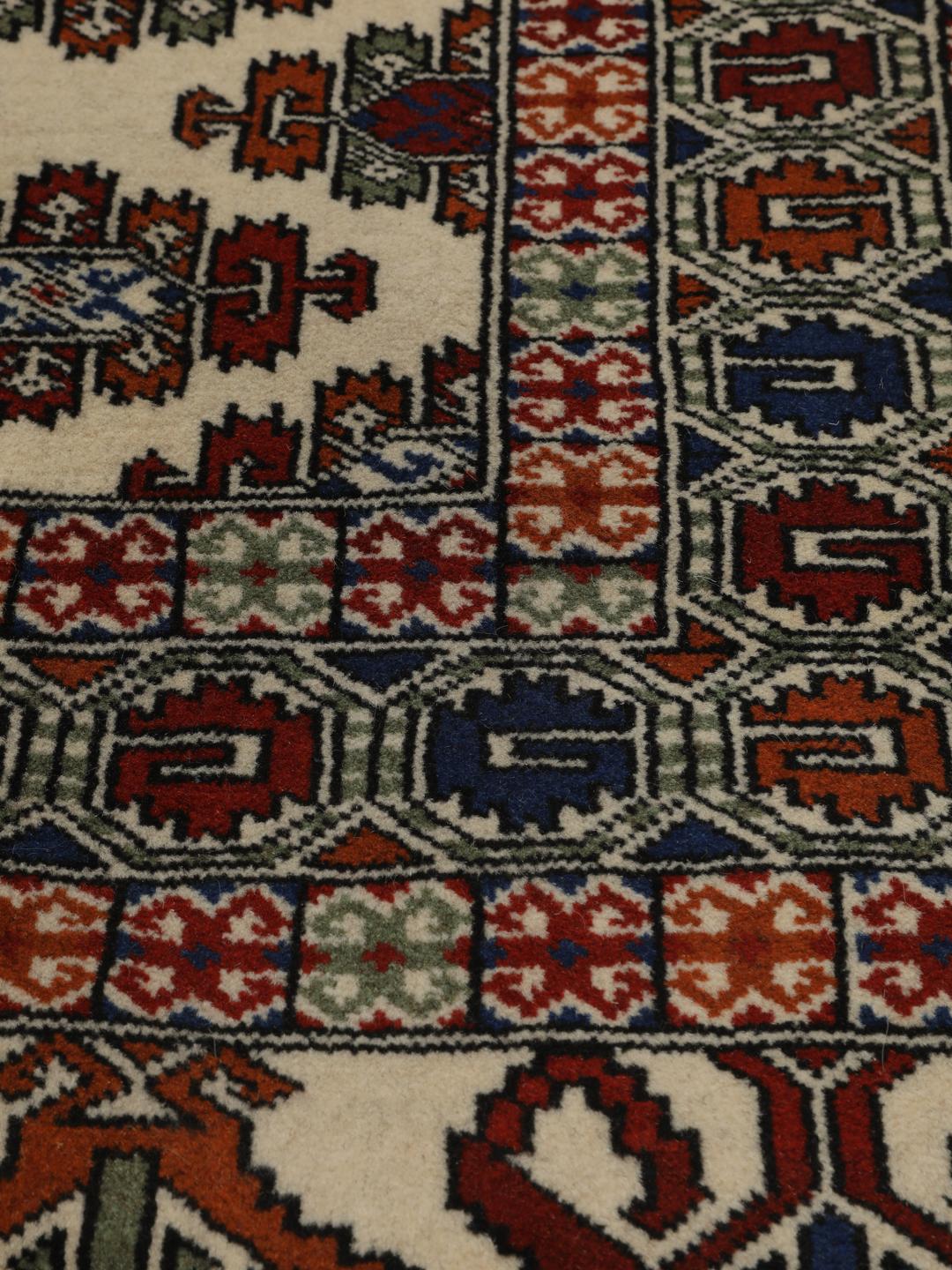
The visual language of the Turkaman style is defined by its iconic gul motifs, which are stylised, repeating medallions that often represent tribal emblems or nature-inspired imagery. These are typically arranged in a structured grid across the field, framed by complex, multi-layered borders that demonstrate a mastery of symmetry and balanced colour distribution.
For collectors and enthusiasts, a Turkaman rug represents more than just a floor covering; it is a connection to a profound cultural heritage. These rugs are valued for their ability to bring a sense of grounded, historical weight to a modern room, serving as a focal point that highlights the skill of the weaver and the enduring appeal of traditional, artisan-made textiles.