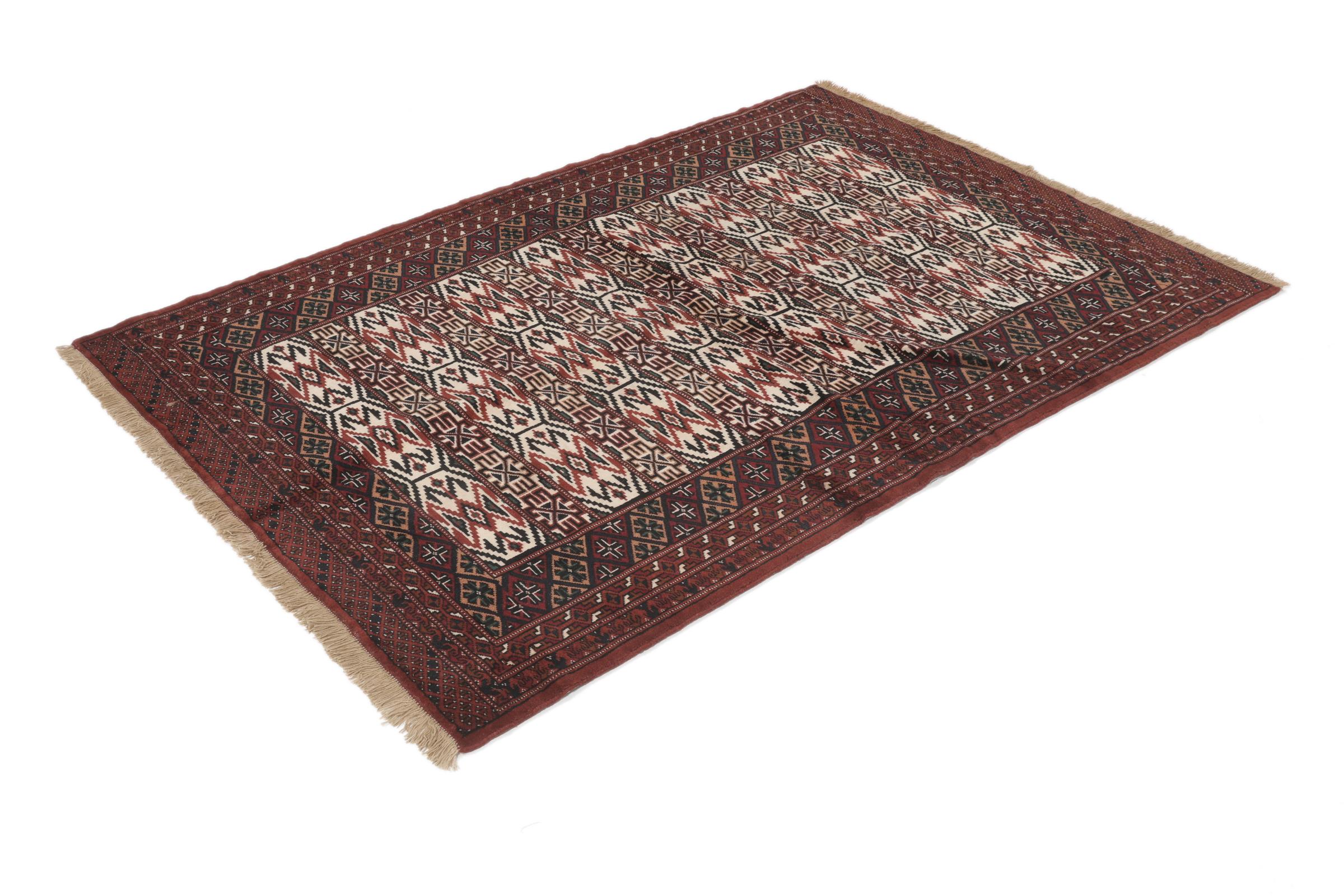
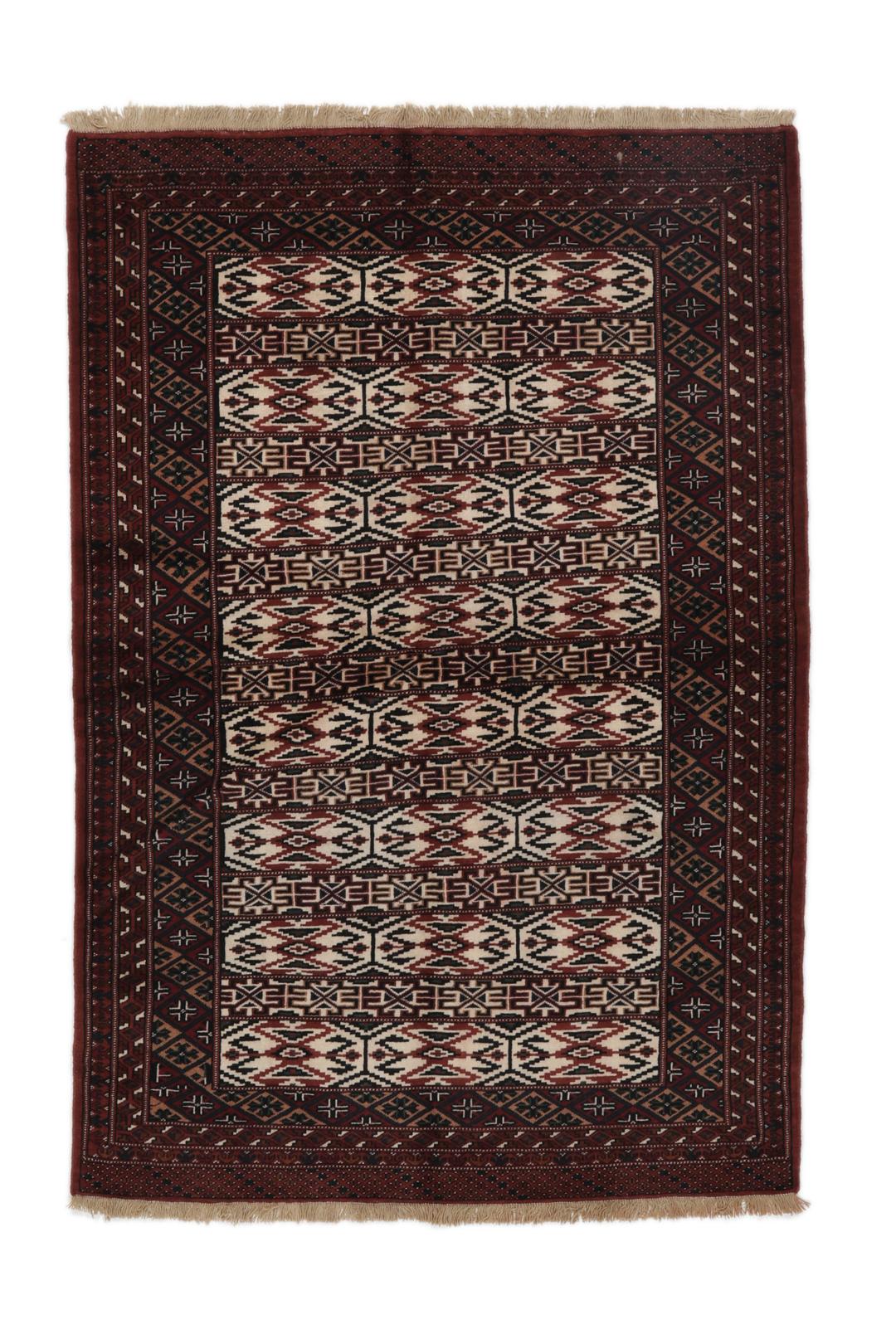
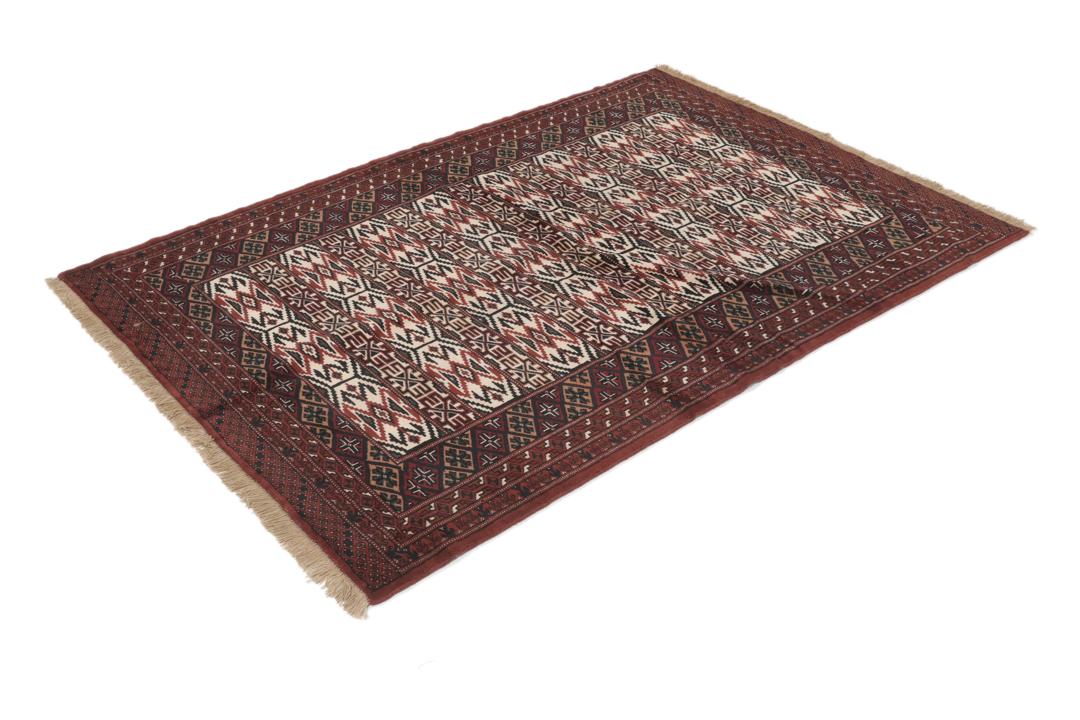
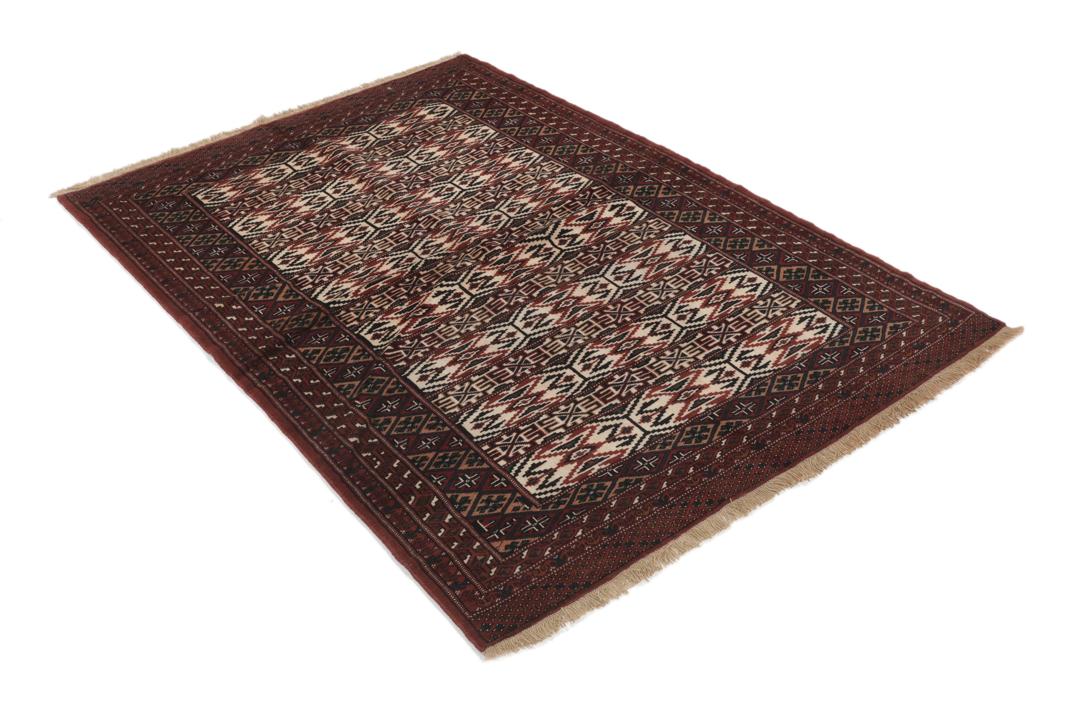
The Turkaman tradition originates from the nomadic tribes of Central Asia, known for their skill in creating durable, portable textiles that served as both functional floor coverings and expressions of cultural identity. Over centuries, these techniques migrated and evolved, with the finest contemporary examples often crafted in the Middle East.
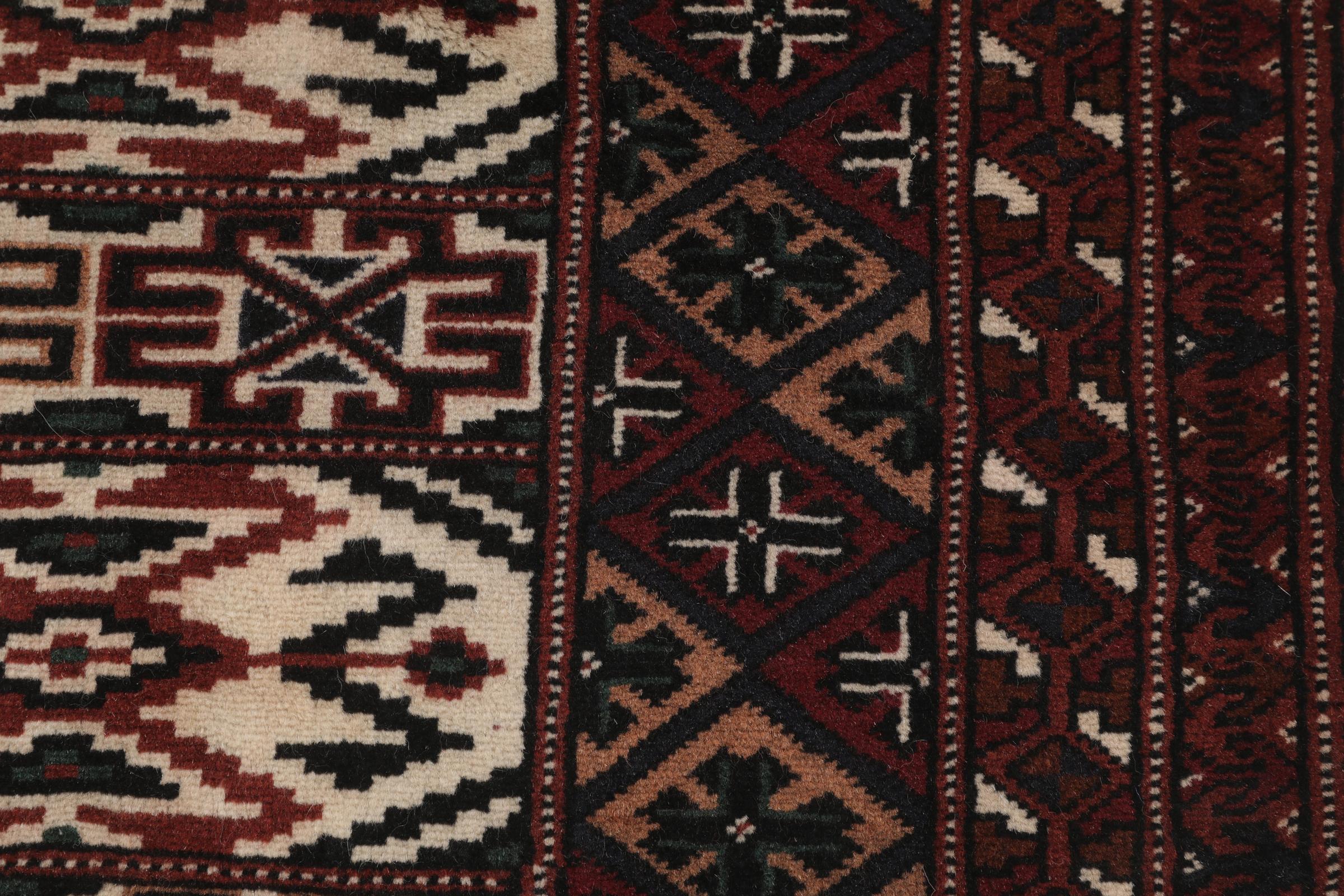
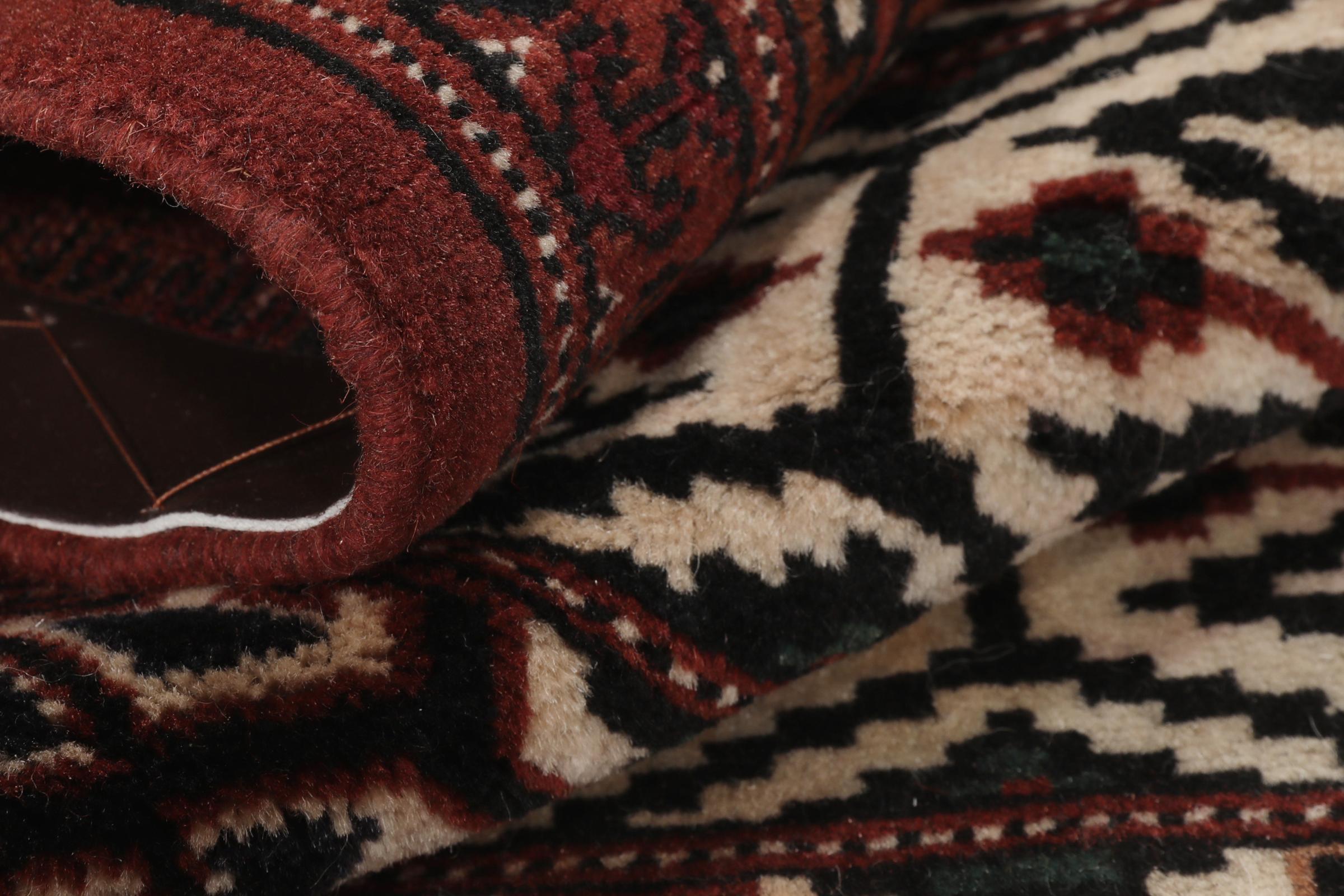
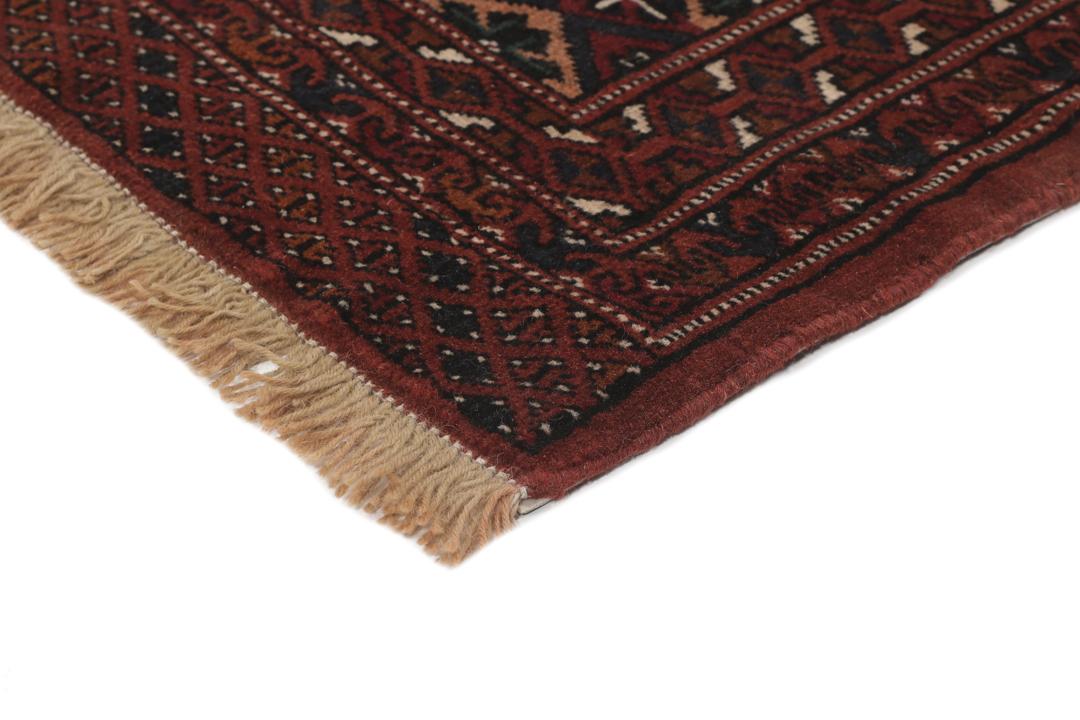
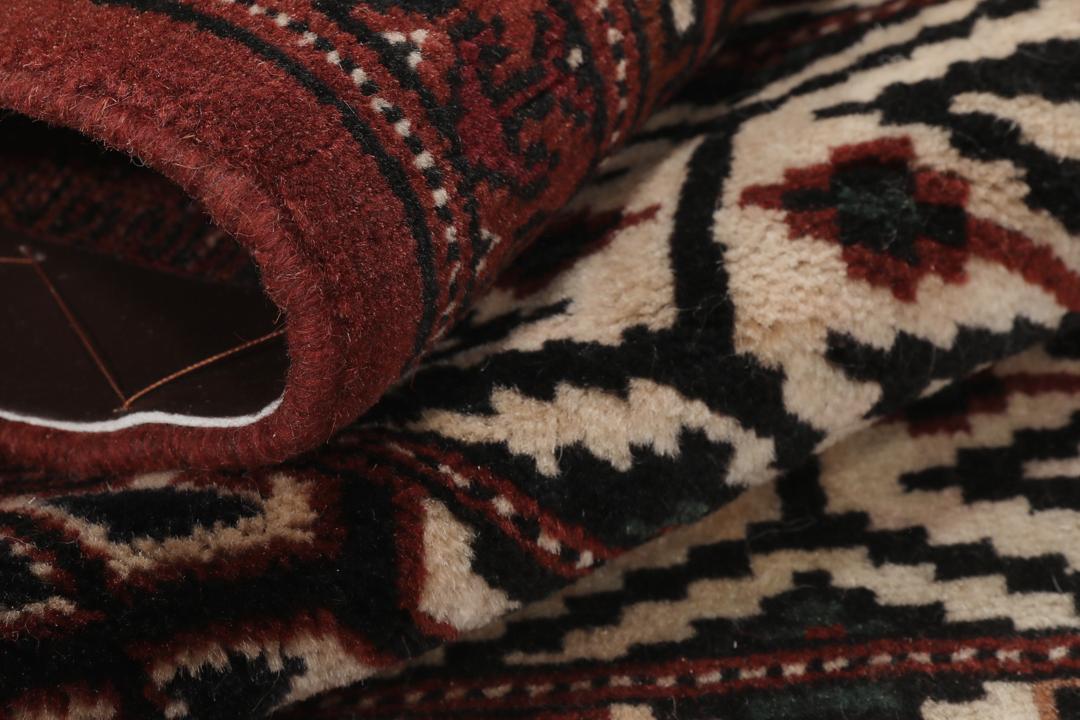
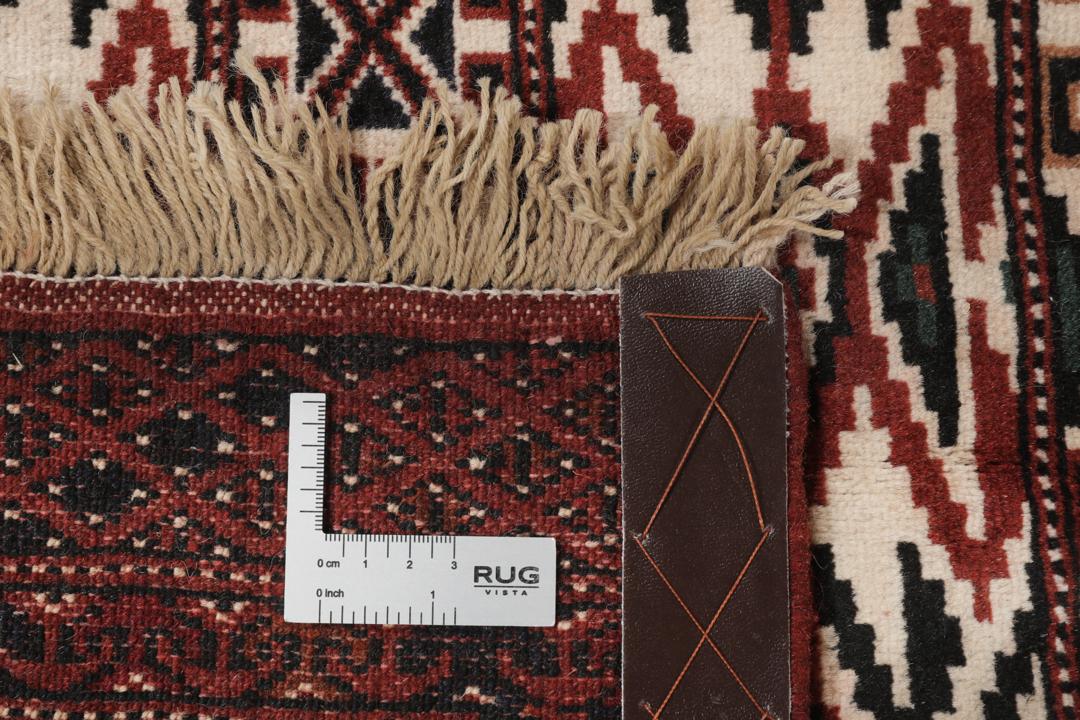
The craftsmanship behind these rugs is defined by a commitment to dense, sturdy construction. The term Turkaman refers to this specific lineage of weaving, which prioritises a tight weave that allows for intricate, long-lasting patterns that resist wear over time.
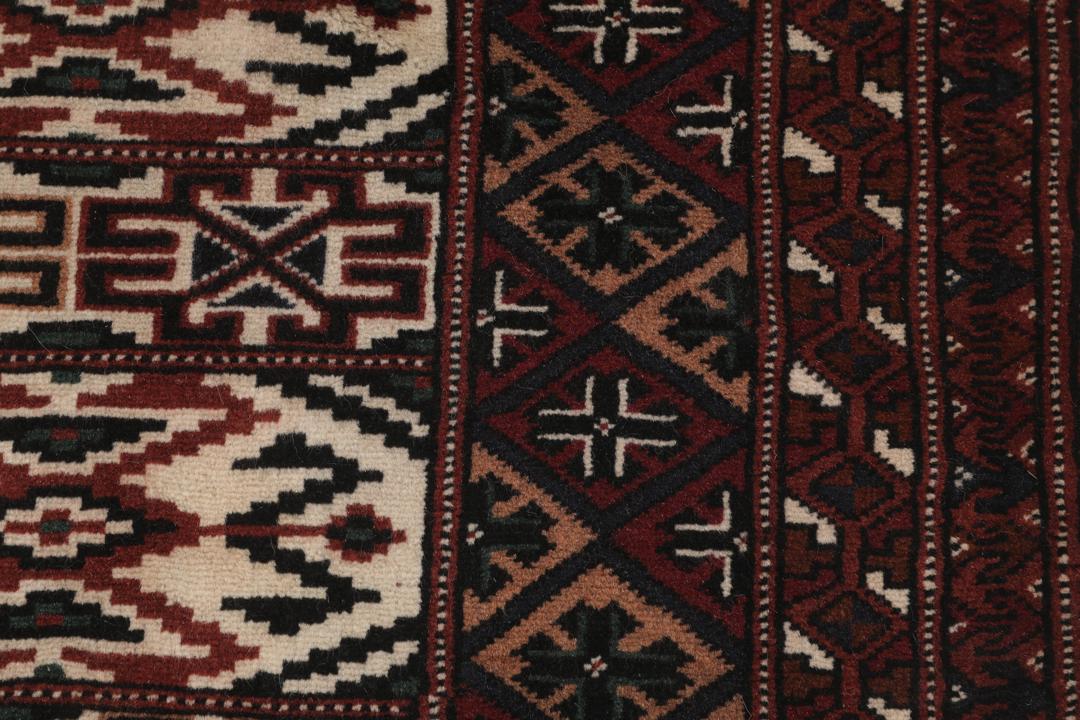
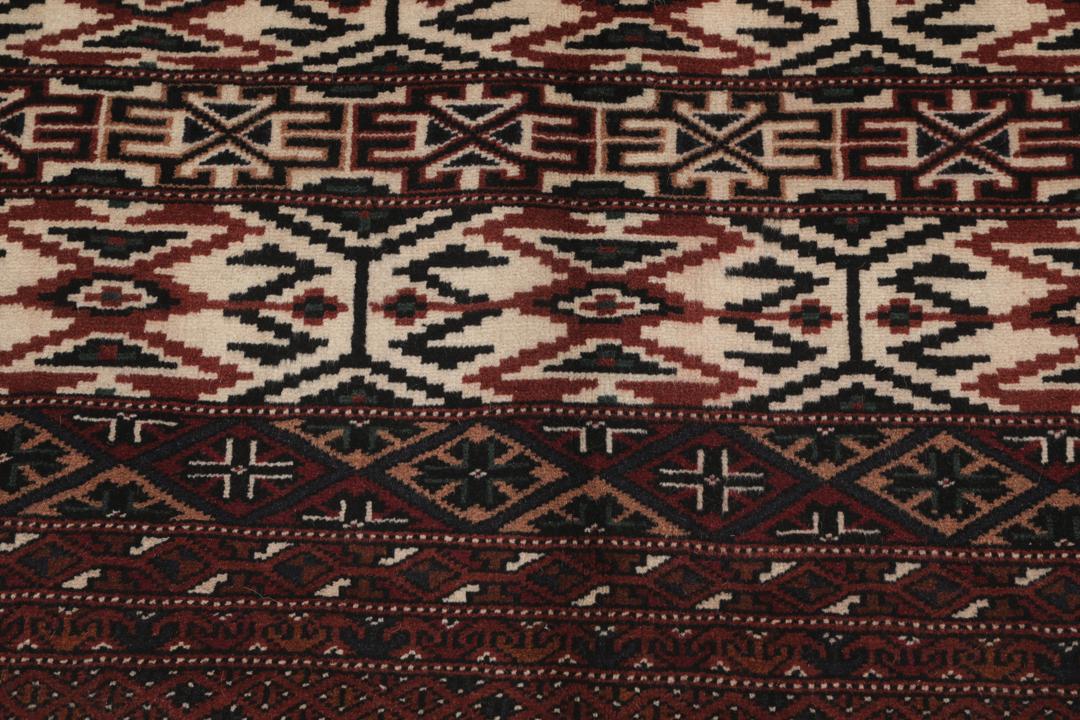
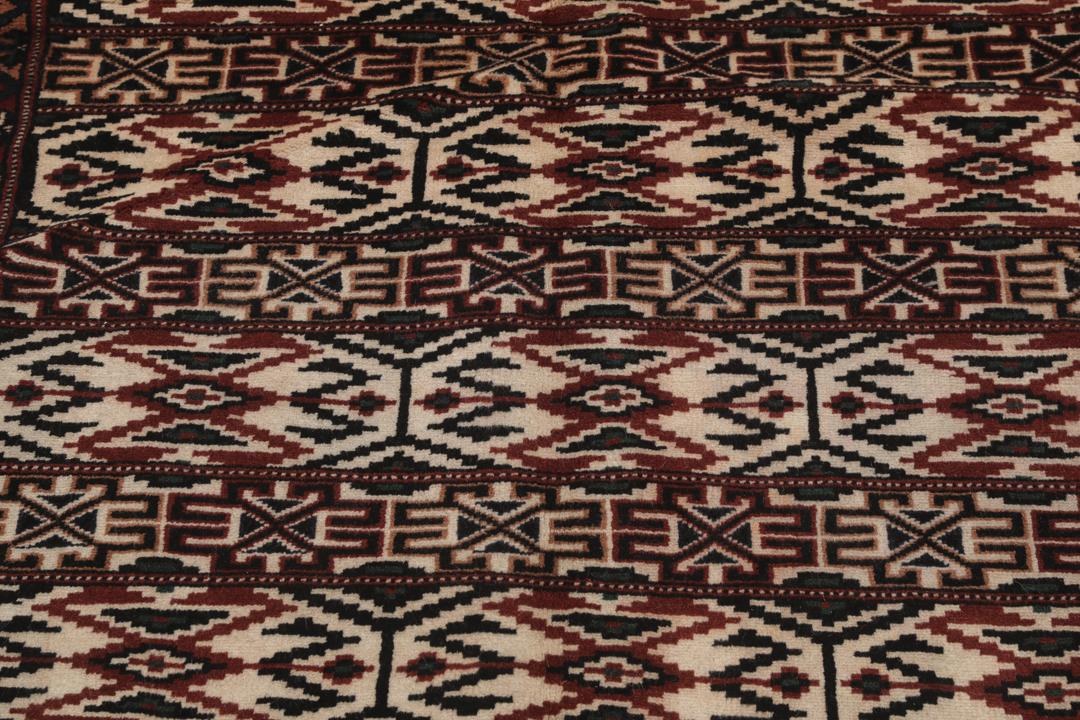
Visually, these rugs are celebrated for their iconic geometric language. The field is typically organised with repeating motifs, such as the classic gul, which are often arranged in structured, rhythmic rows. The borders are equally formal, framing the central design with precise, repetitive symbols that reflect the weaver's heritage.
Collectors and enthusiasts value these rugs for their cultural weight and the immense skill required to produce them. Owning a Turkaman piece is an investment in a living history, representing a bridge between ancient nomadic traditions and the contemporary home.