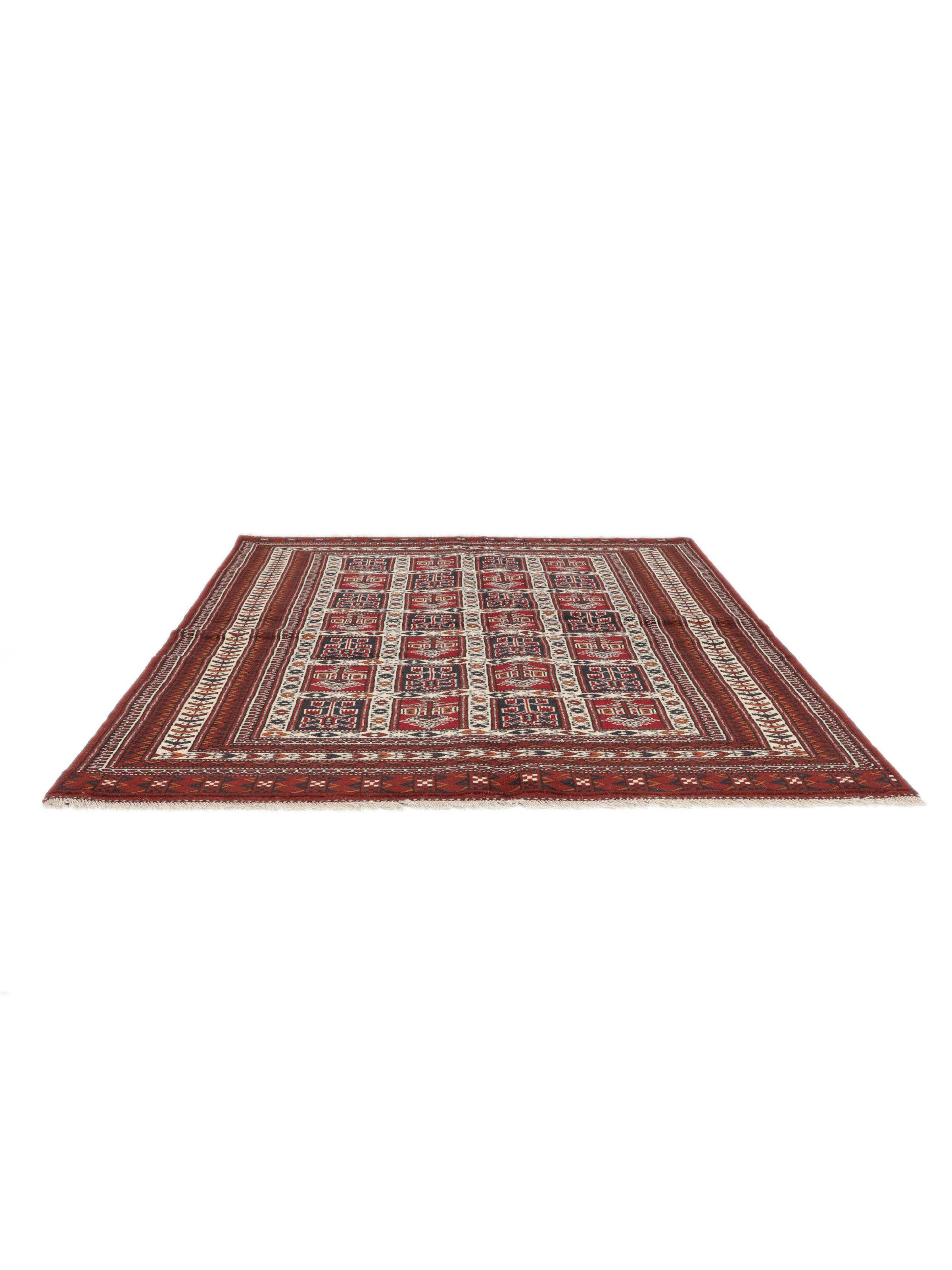
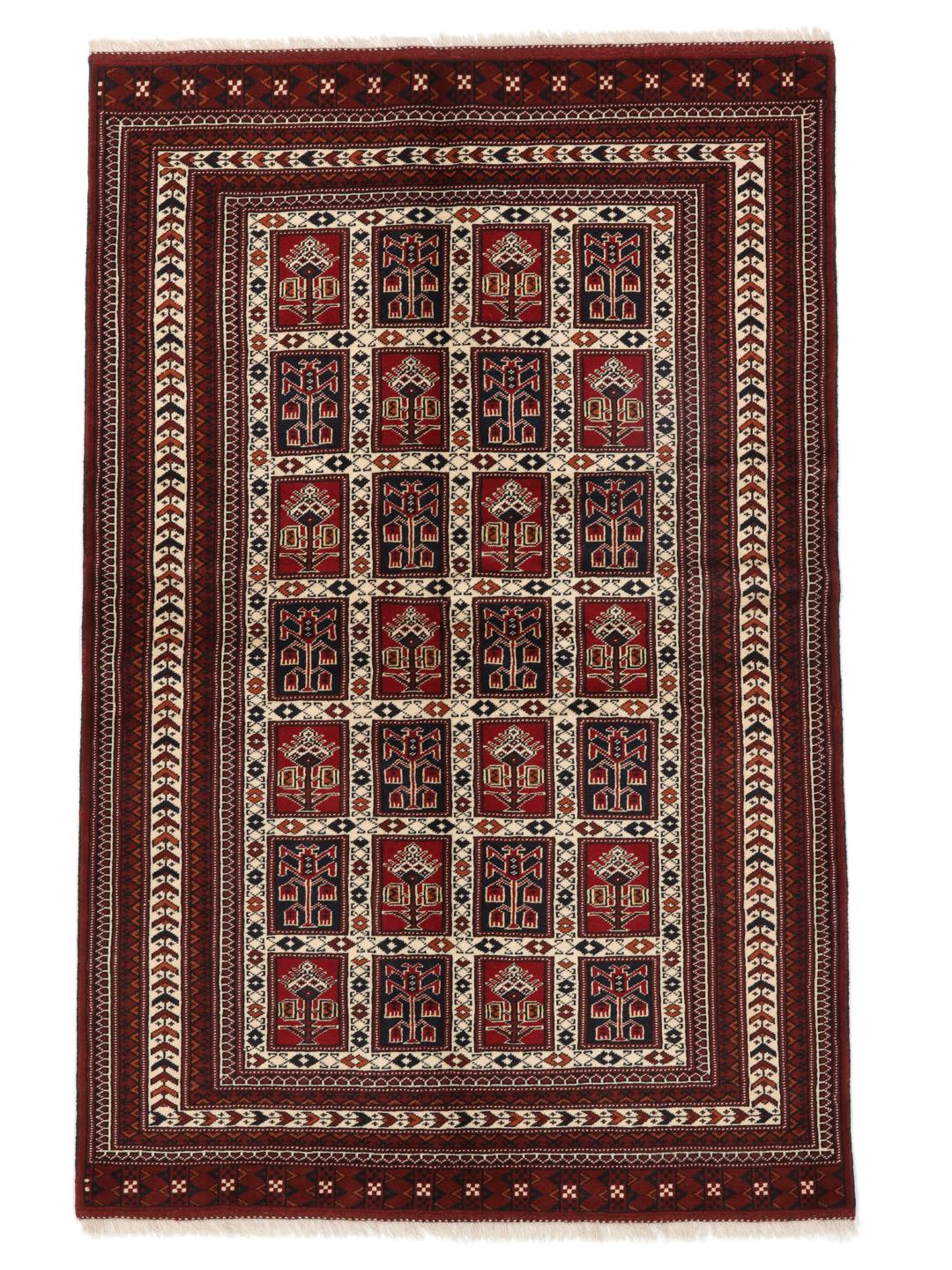
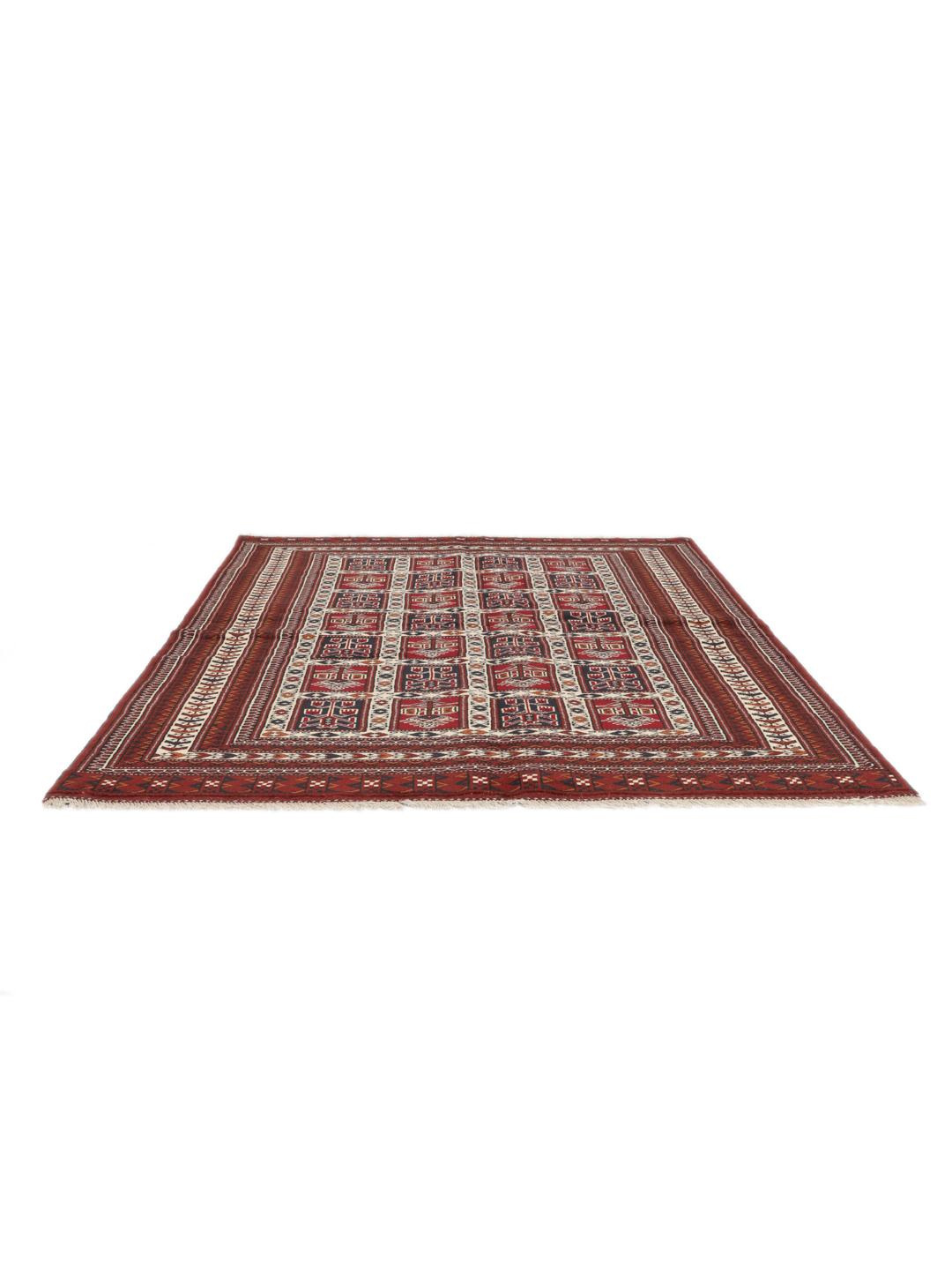
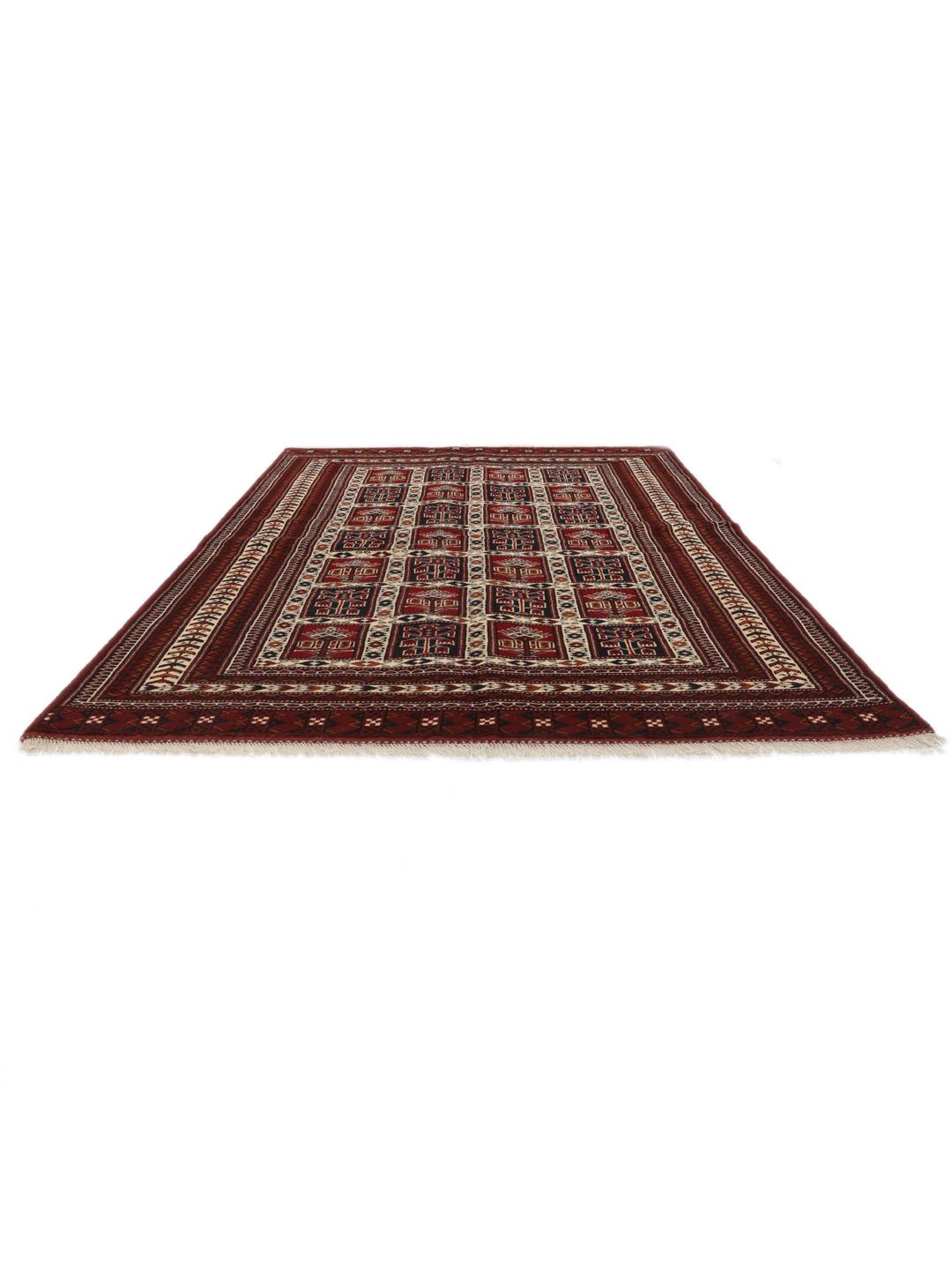
Turkaman rugs originate from the nomadic and semi-nomadic tribes of the Middle East and Central Asia. These rugs are renowned for their deep, rich red colour palettes, which were traditionally achieved through natural madder root dyes. Over centuries, these designs have evolved from tribal markers into a sophisticated art form, highly sought after for their iconic aesthetic and cultural heritage.
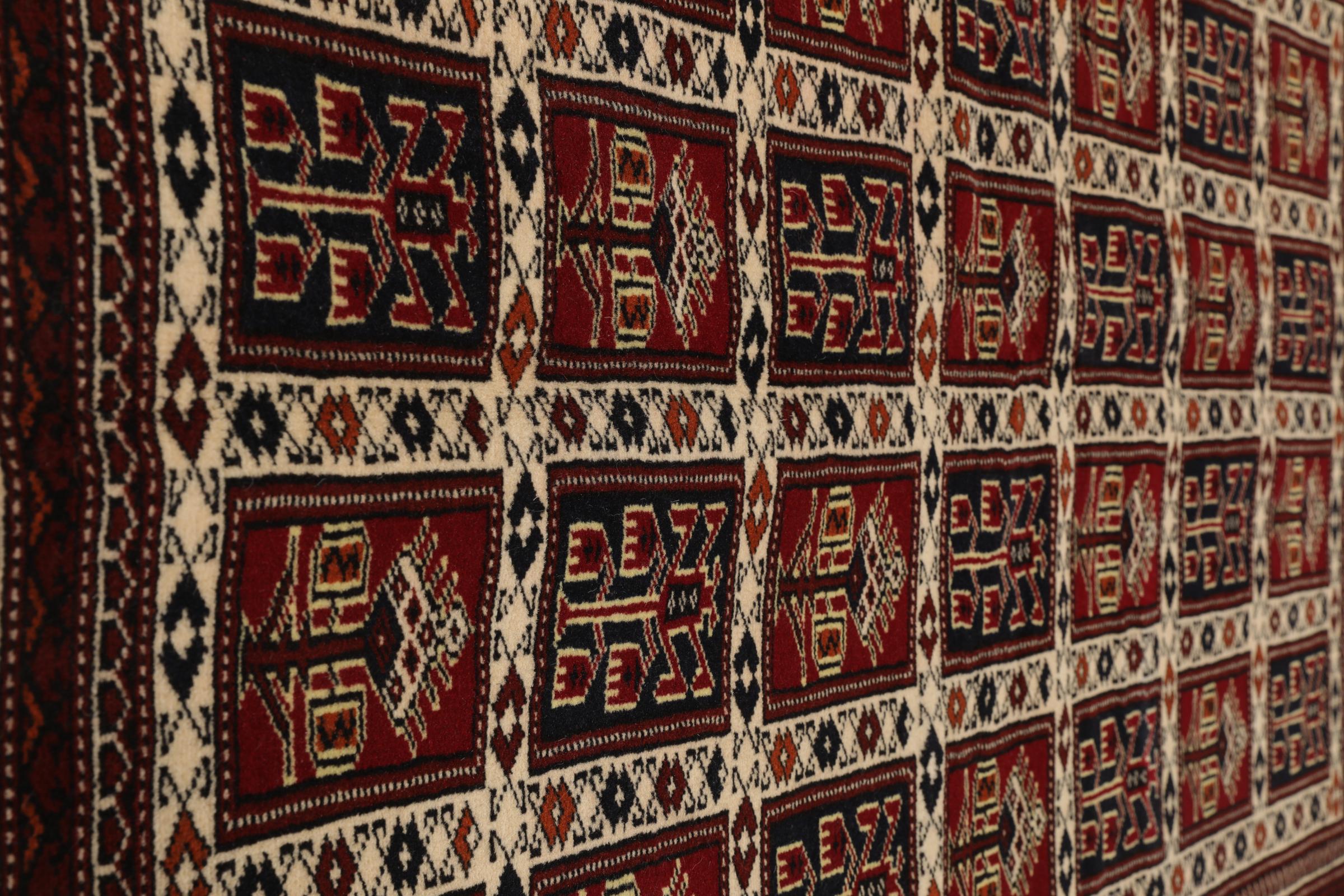
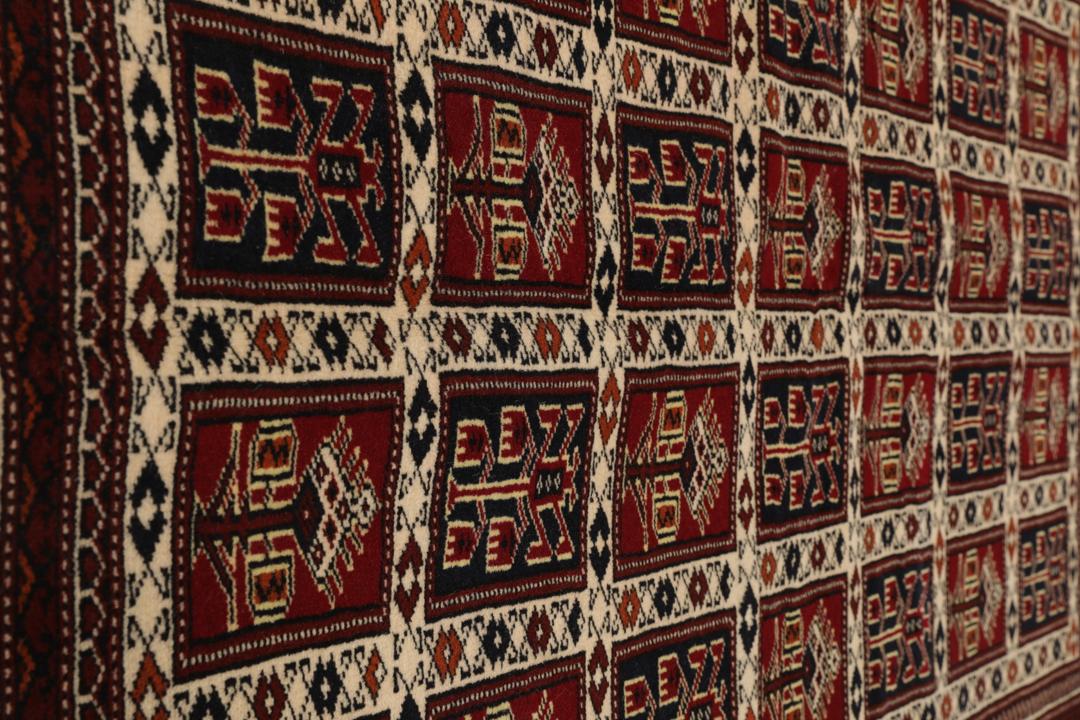
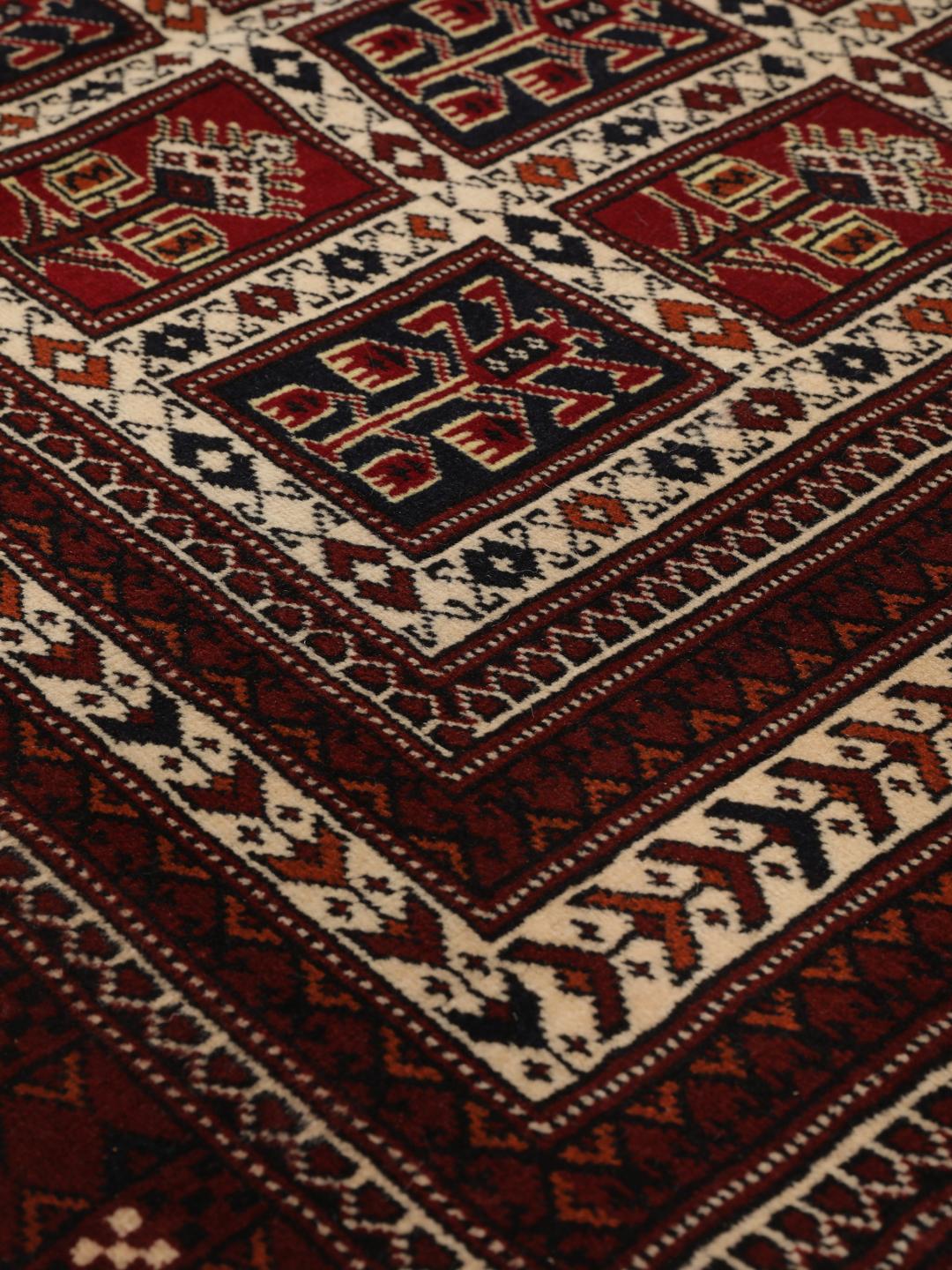
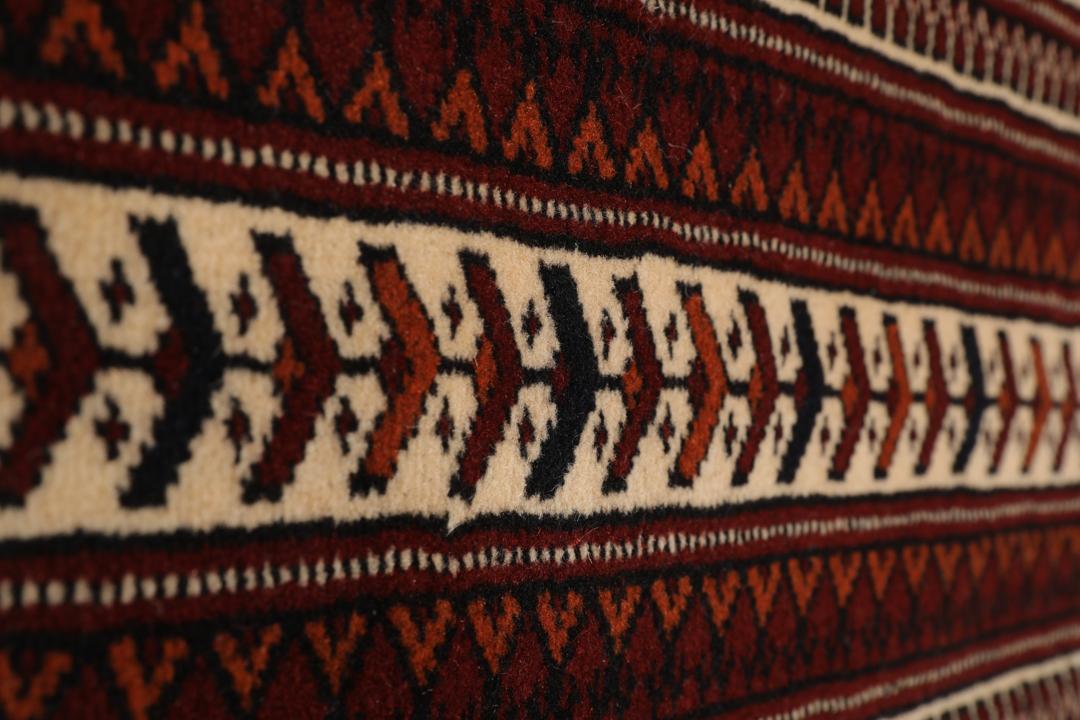
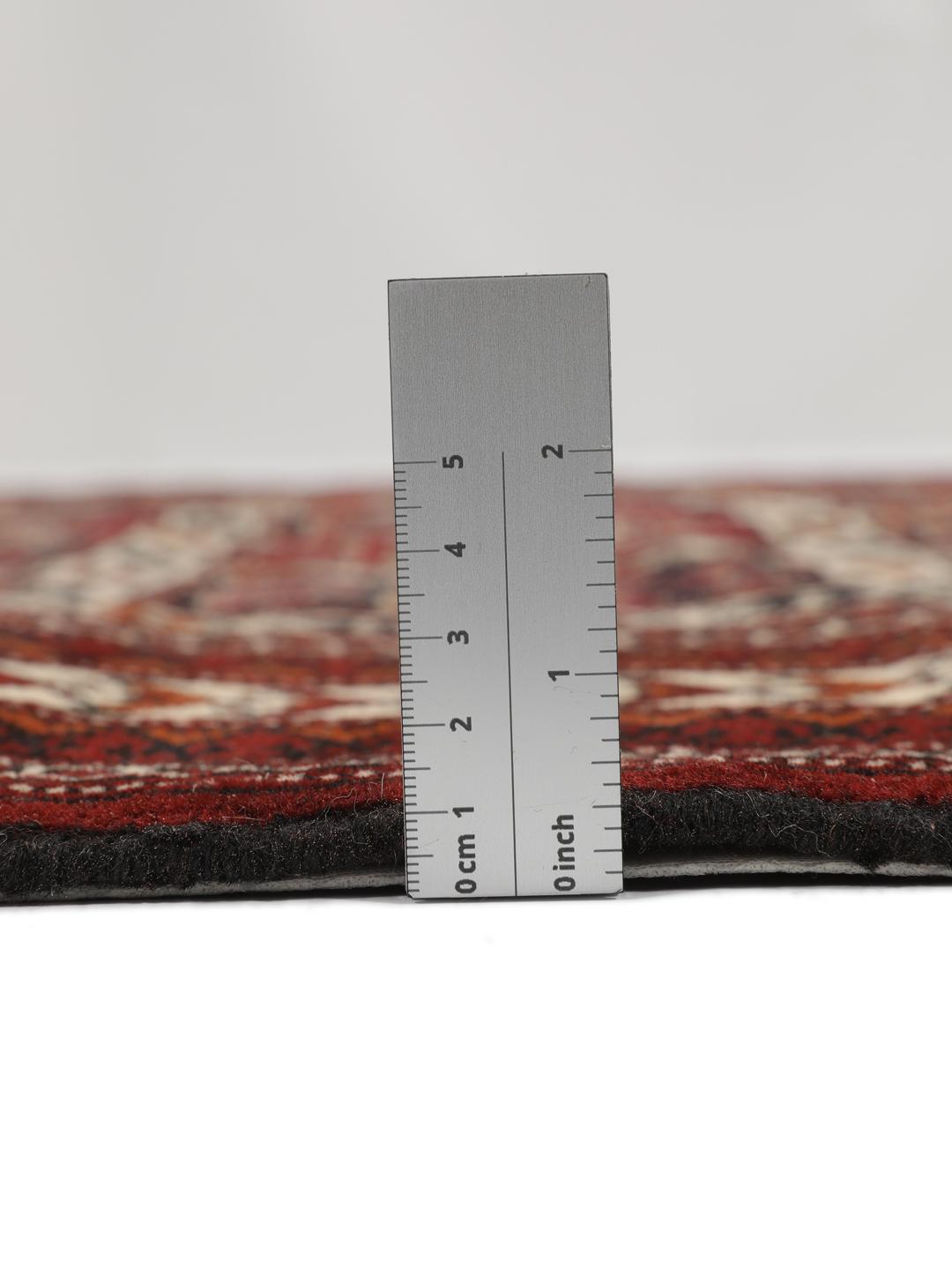
The term Turkaman refers to both the origin of the weaving style and the specific technical approach used by these master weavers. Their craft is characterised by a precise, rhythmic knotting technique that produces a very dense and uniform pile. This technical rigour is what allows these rugs to maintain such fine detail, ensuring that the complex geometric patterns remain crisp and clear even after generations of use.
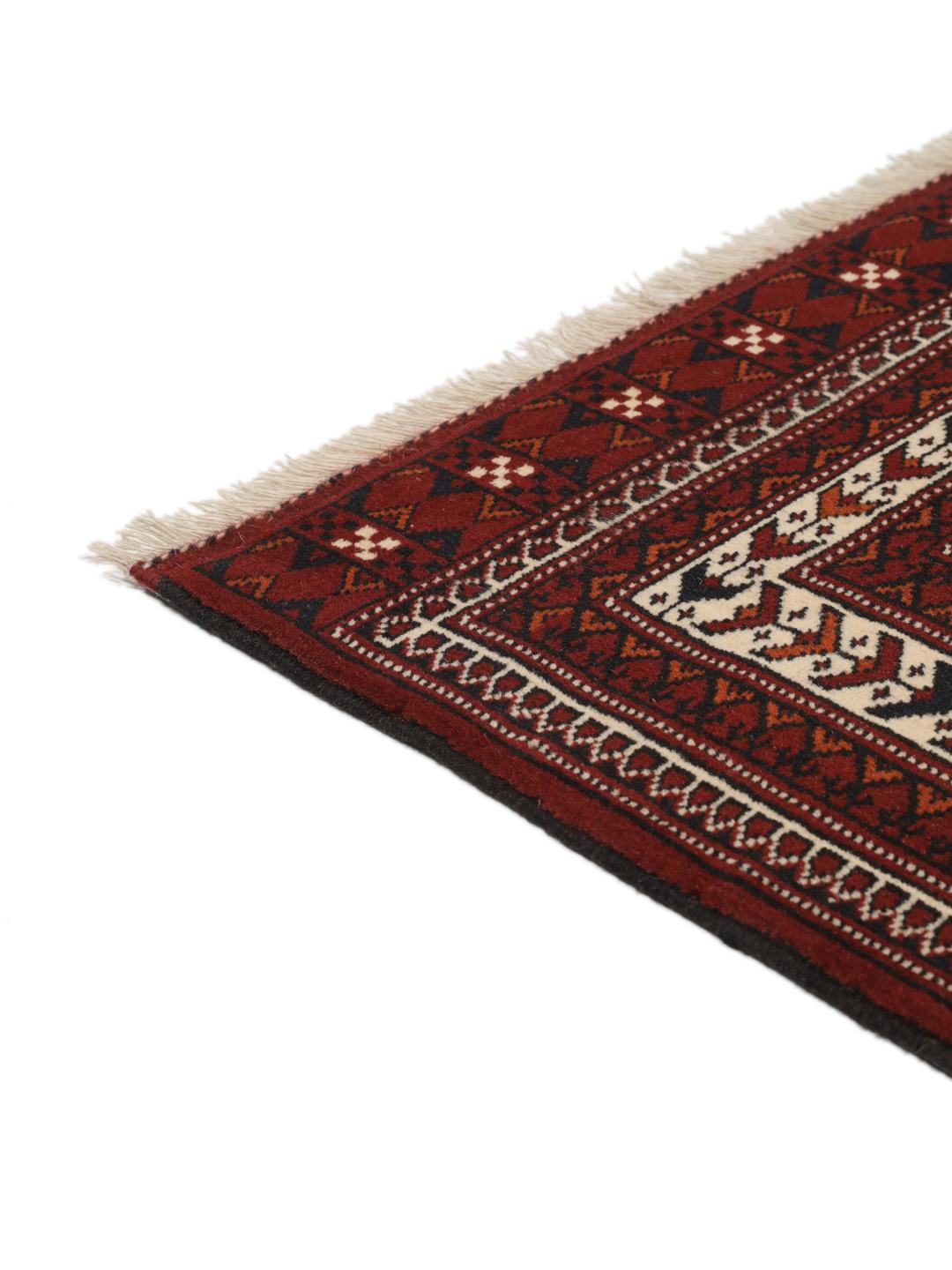
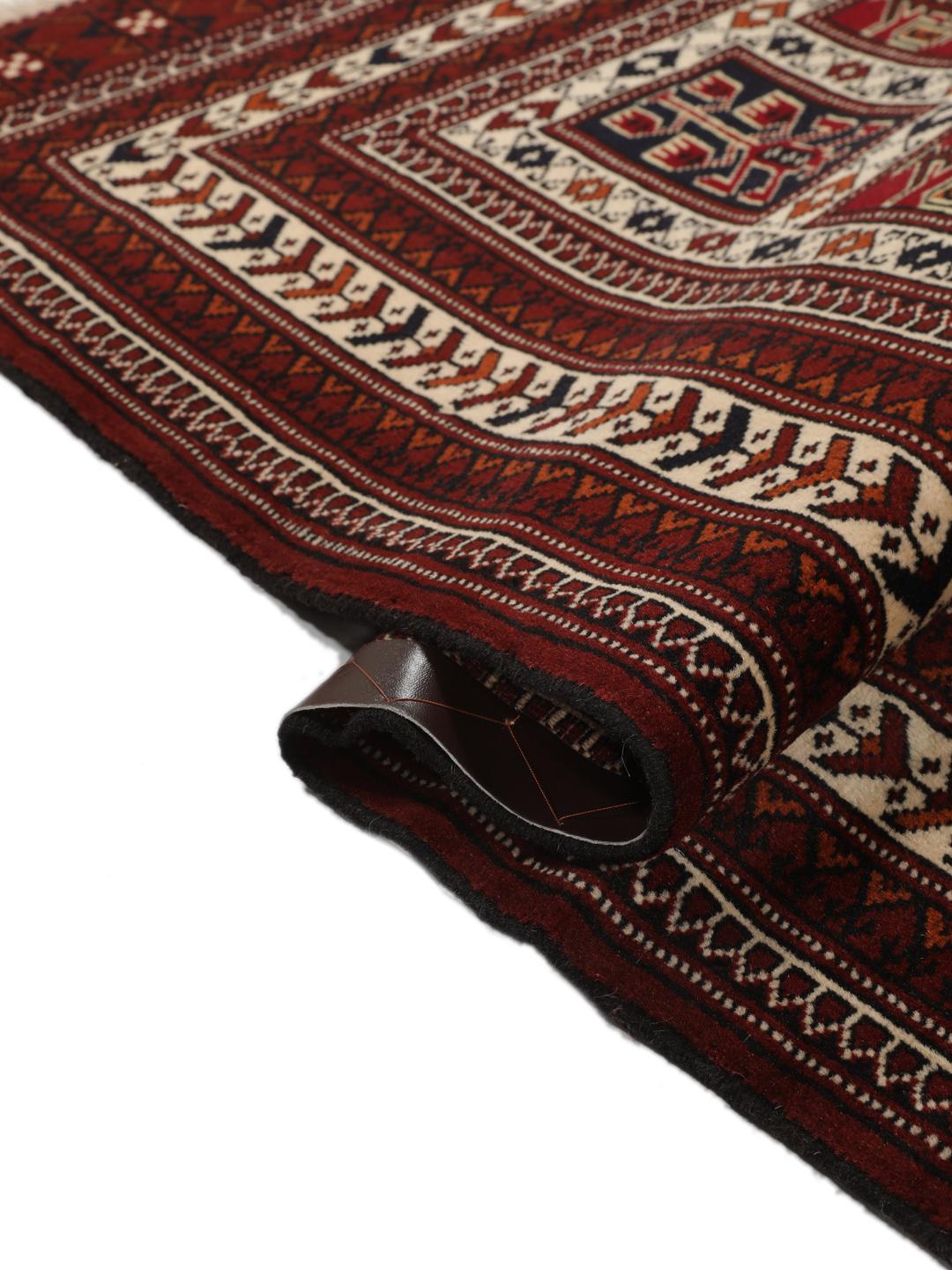
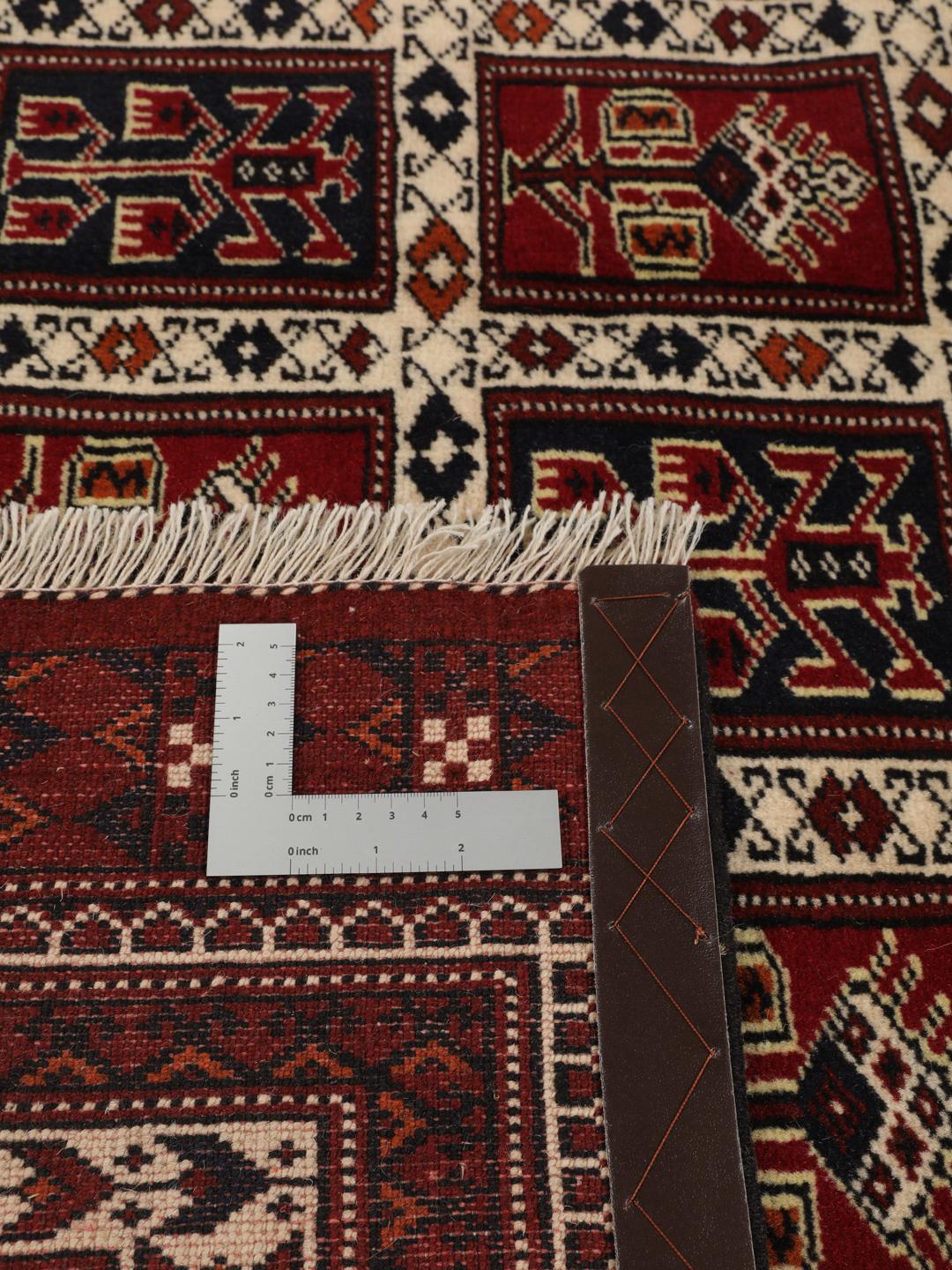
Signature design elements of these rugs include the repeating 'gul' motif, which often resembles an elephant foot or an octagonal medallion. These medallions are typically arranged in a structured grid, bordered by intricate geometric guard stripes and complex, repeating latch-hook patterns. The formal, symmetrical layout of this rug is a classic hallmark of the tradition, showcasing a balance between bold central icons and detailed, decorative borders.
Owning a piece from this tradition is an investment in human skill and historical legacy. These rugs are valued not just for their aesthetic beauty, but for the story of the artisans who hand-tie every element. By bringing this piece into your home, you are preserving a craft tradition that has been passed down through families for centuries, securing a piece of cultural history that only gains in character with age.