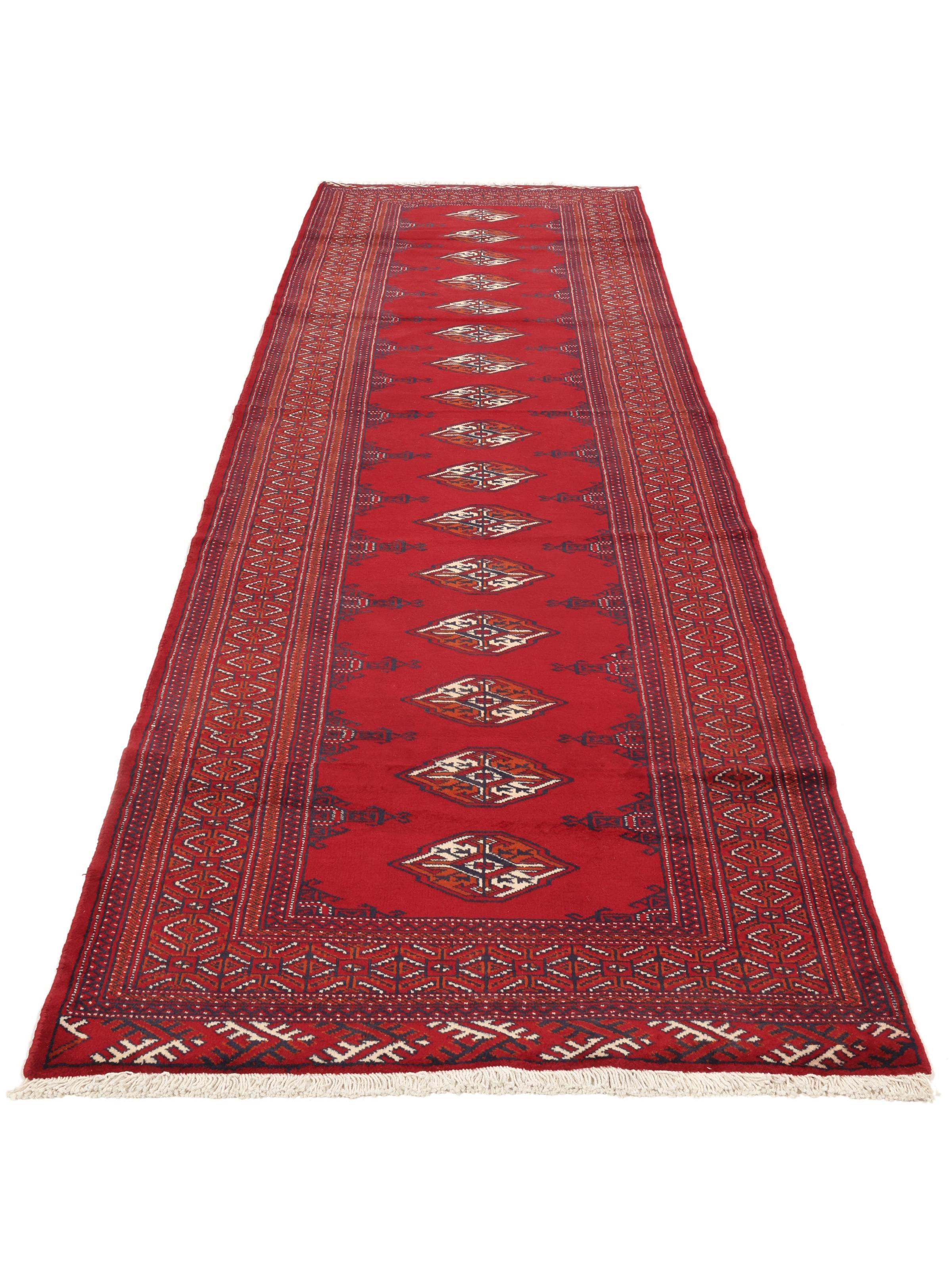
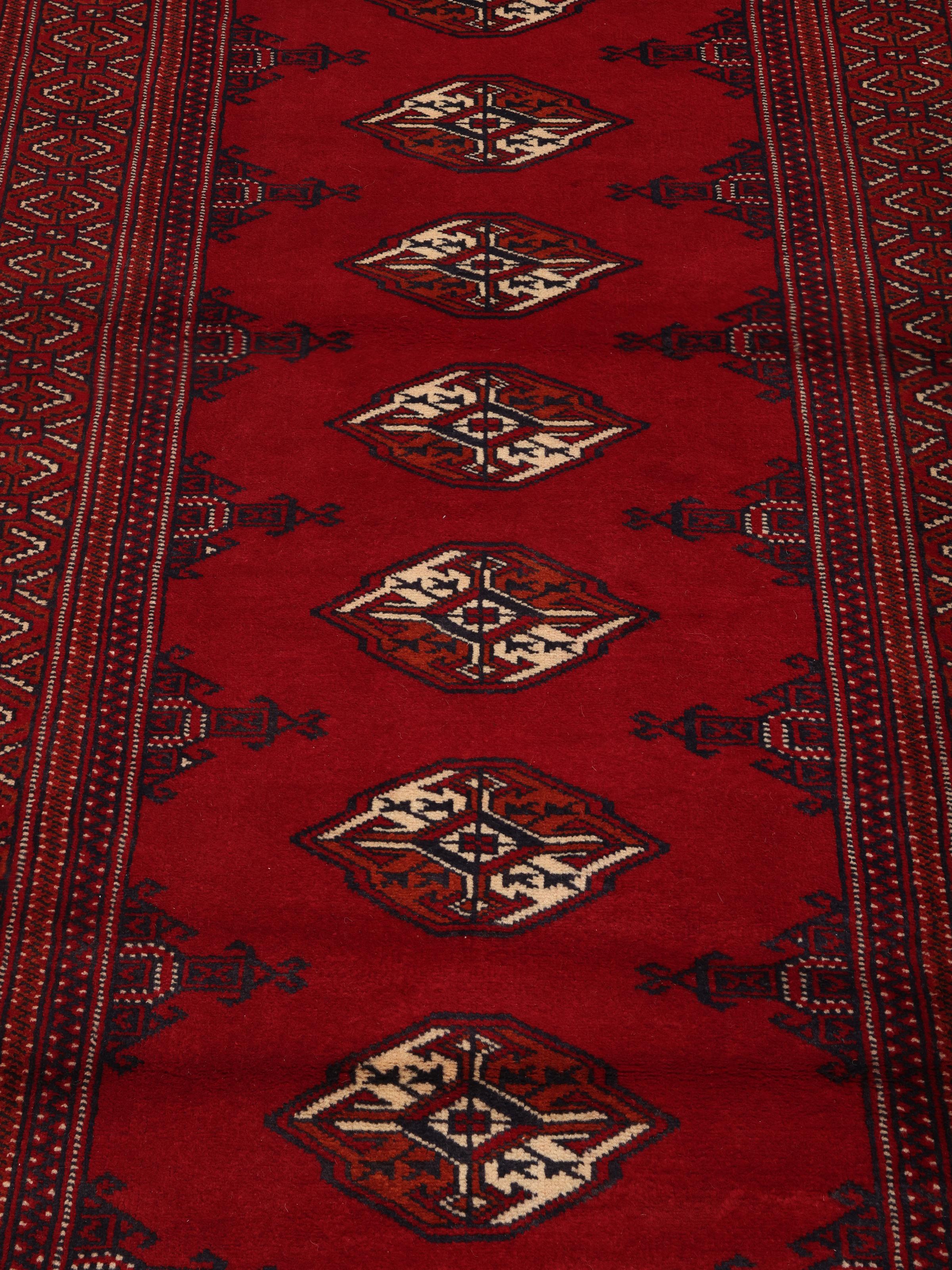
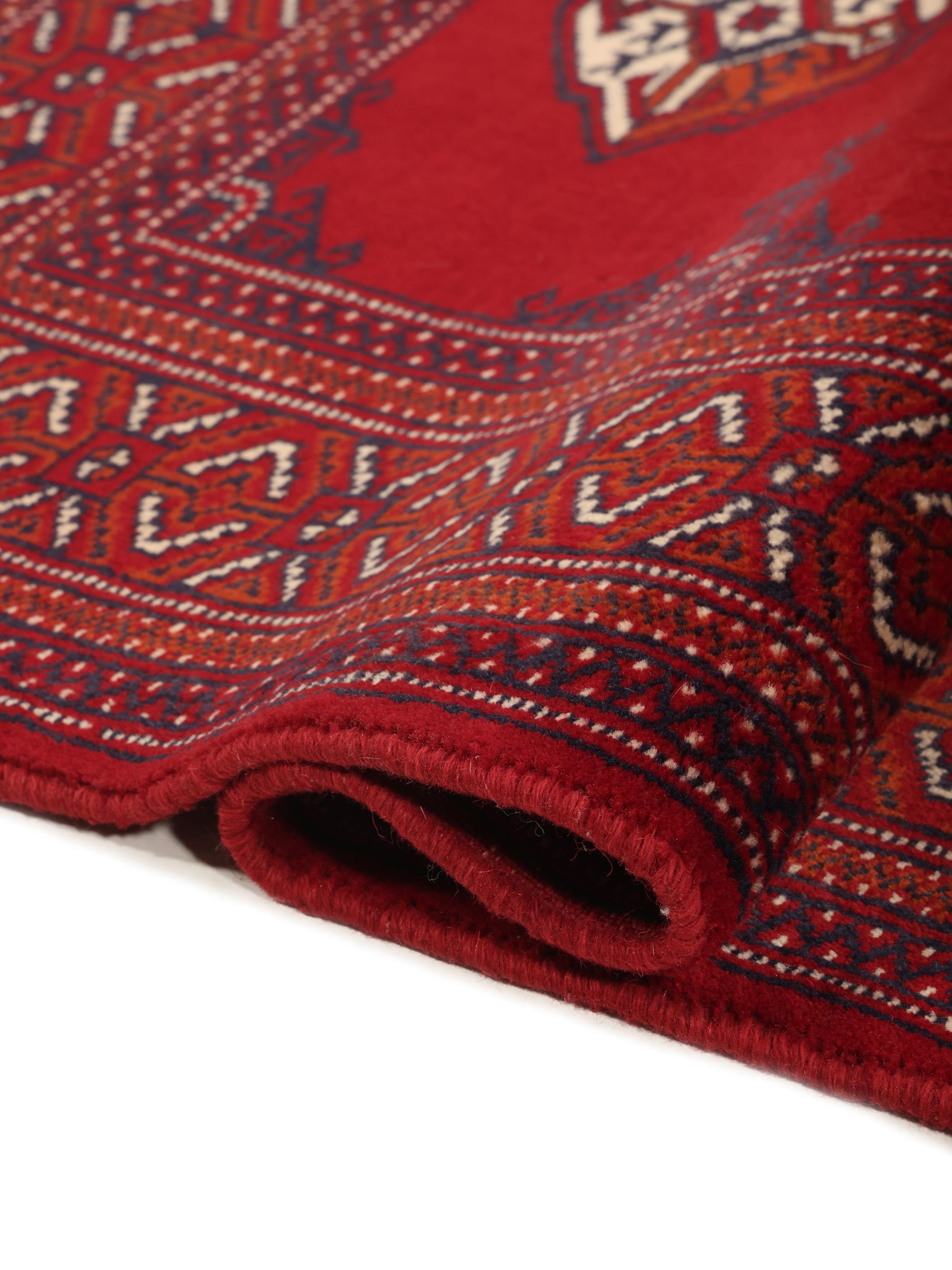
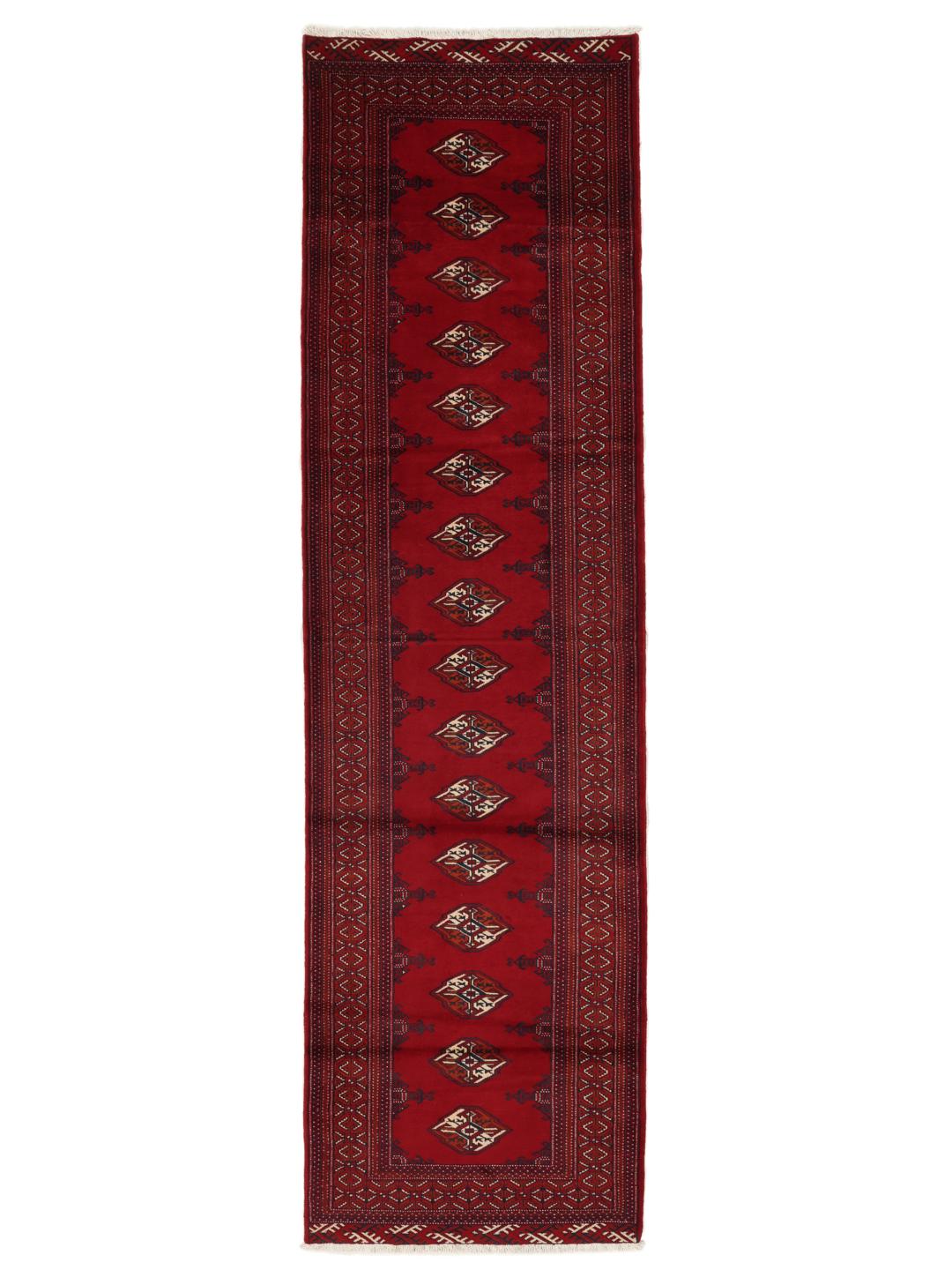
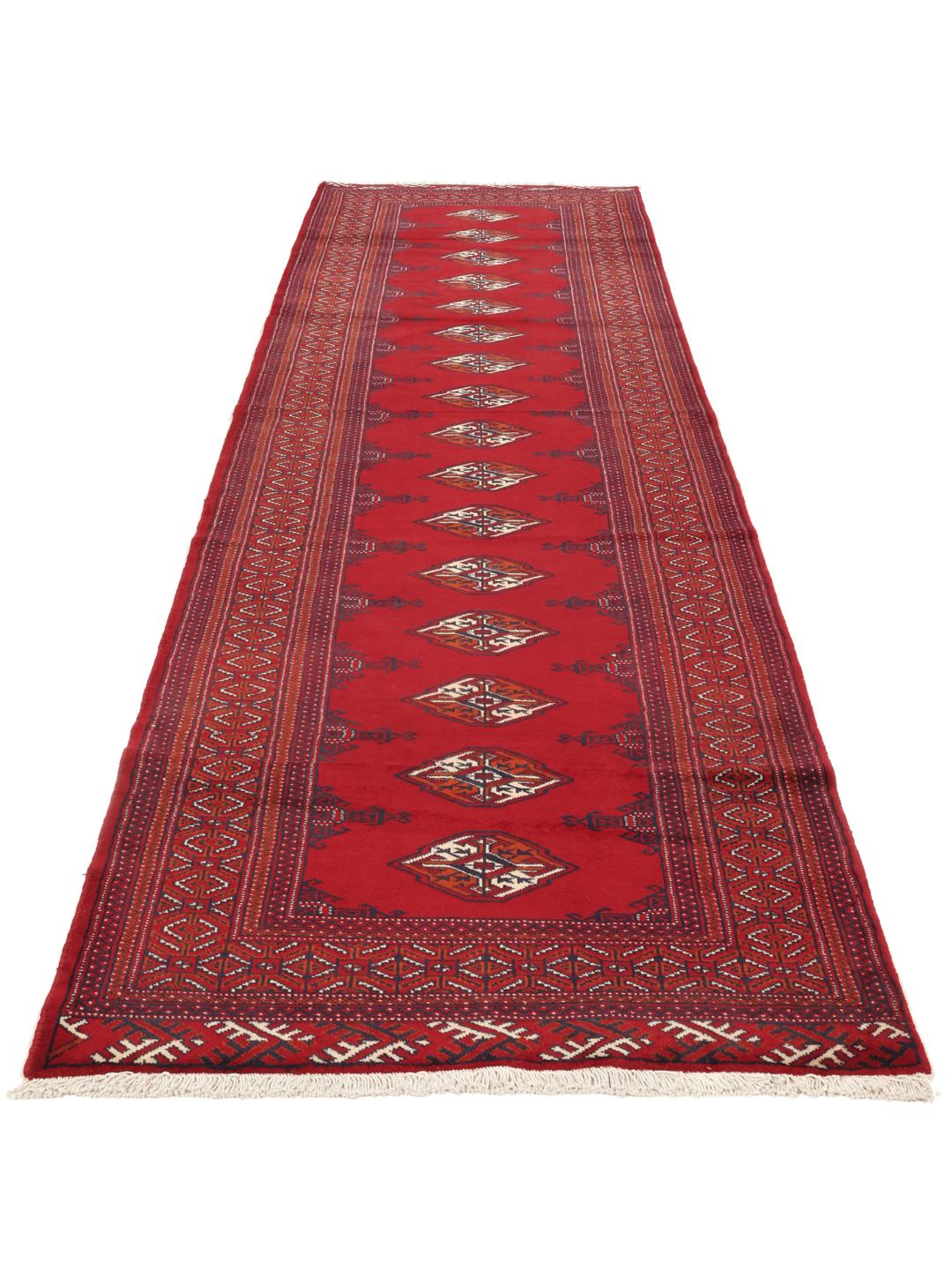
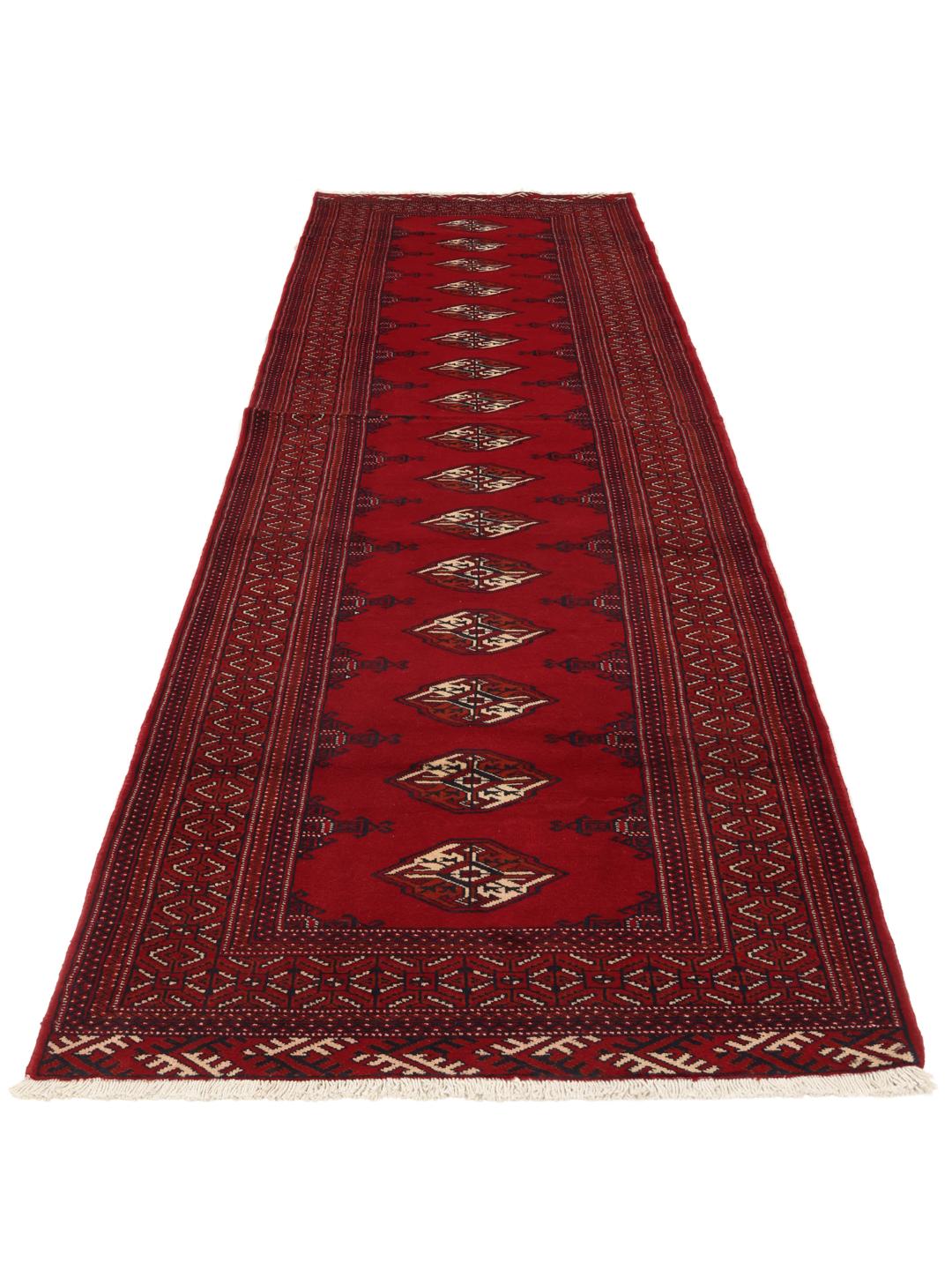
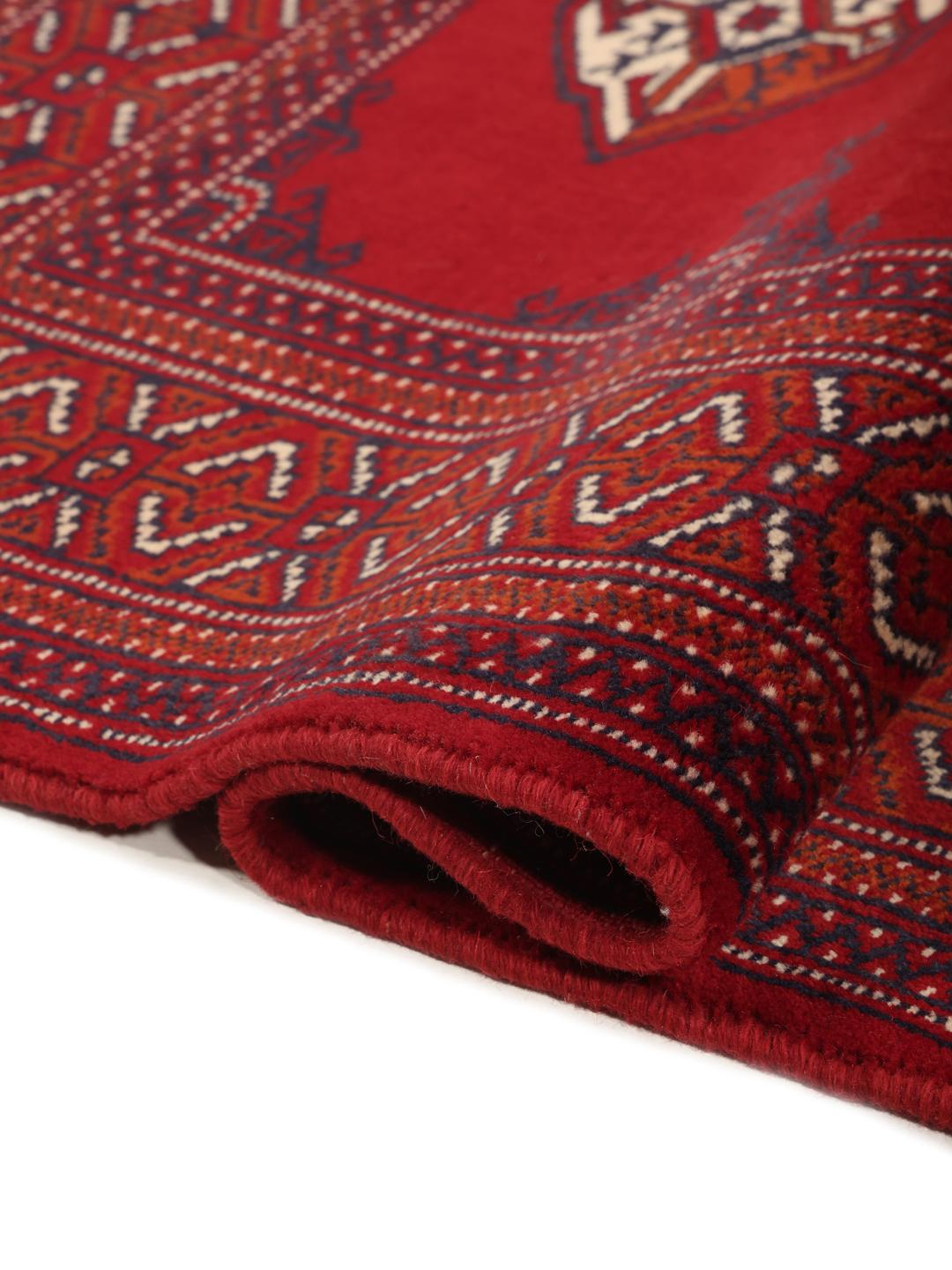
Turkaman rugs originate from the nomadic tribes of the Middle East, a region with a profound history of textile artistry. Historically, these rugs were woven by various tribal groups, each imbuing their creations with distinct cultural symbols and motifs that told the story of their heritage. Over centuries, these designs have evolved, yet they remain deeply connected to the nomadic lifestyle where portability and durability were paramount.
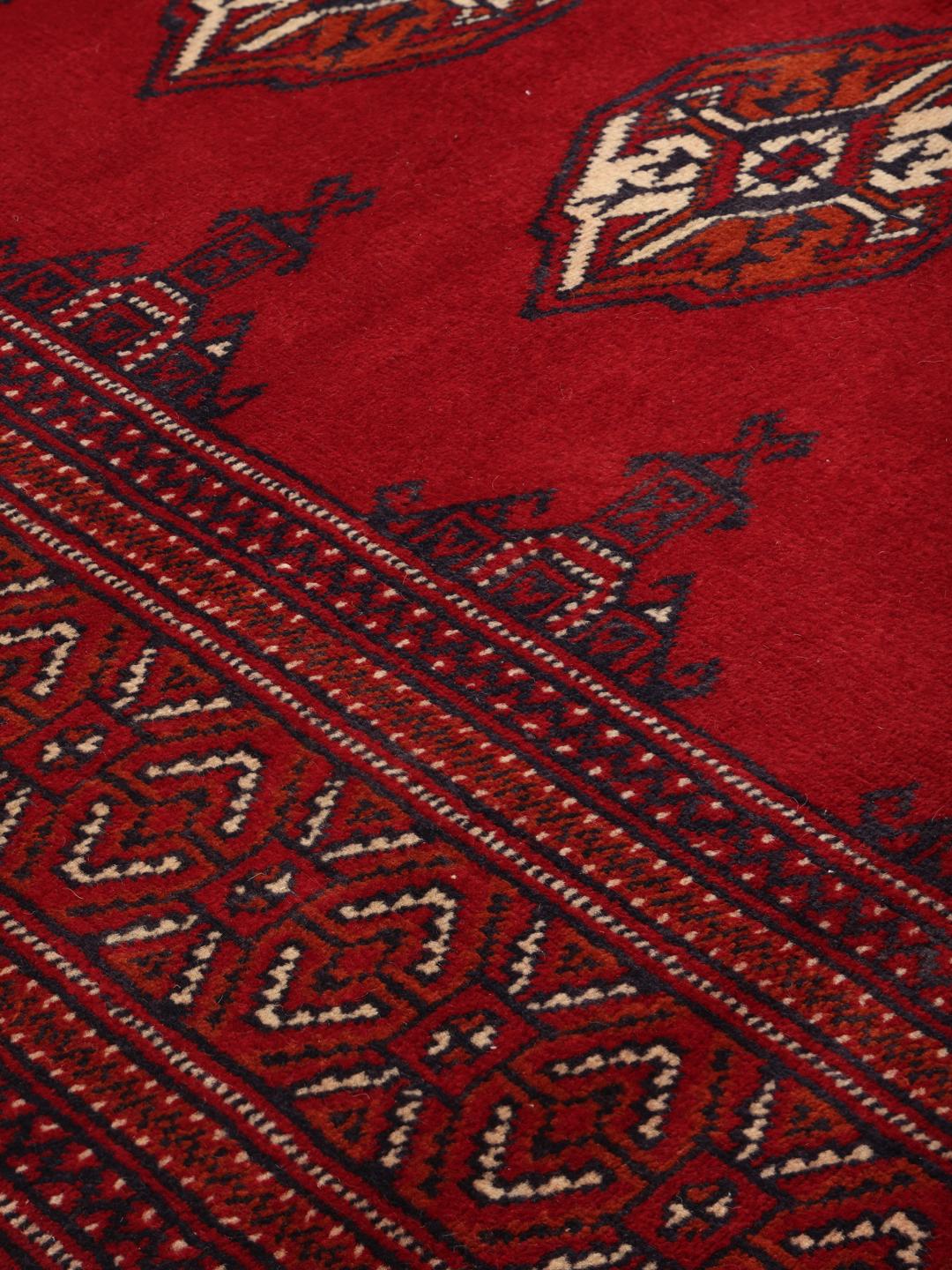
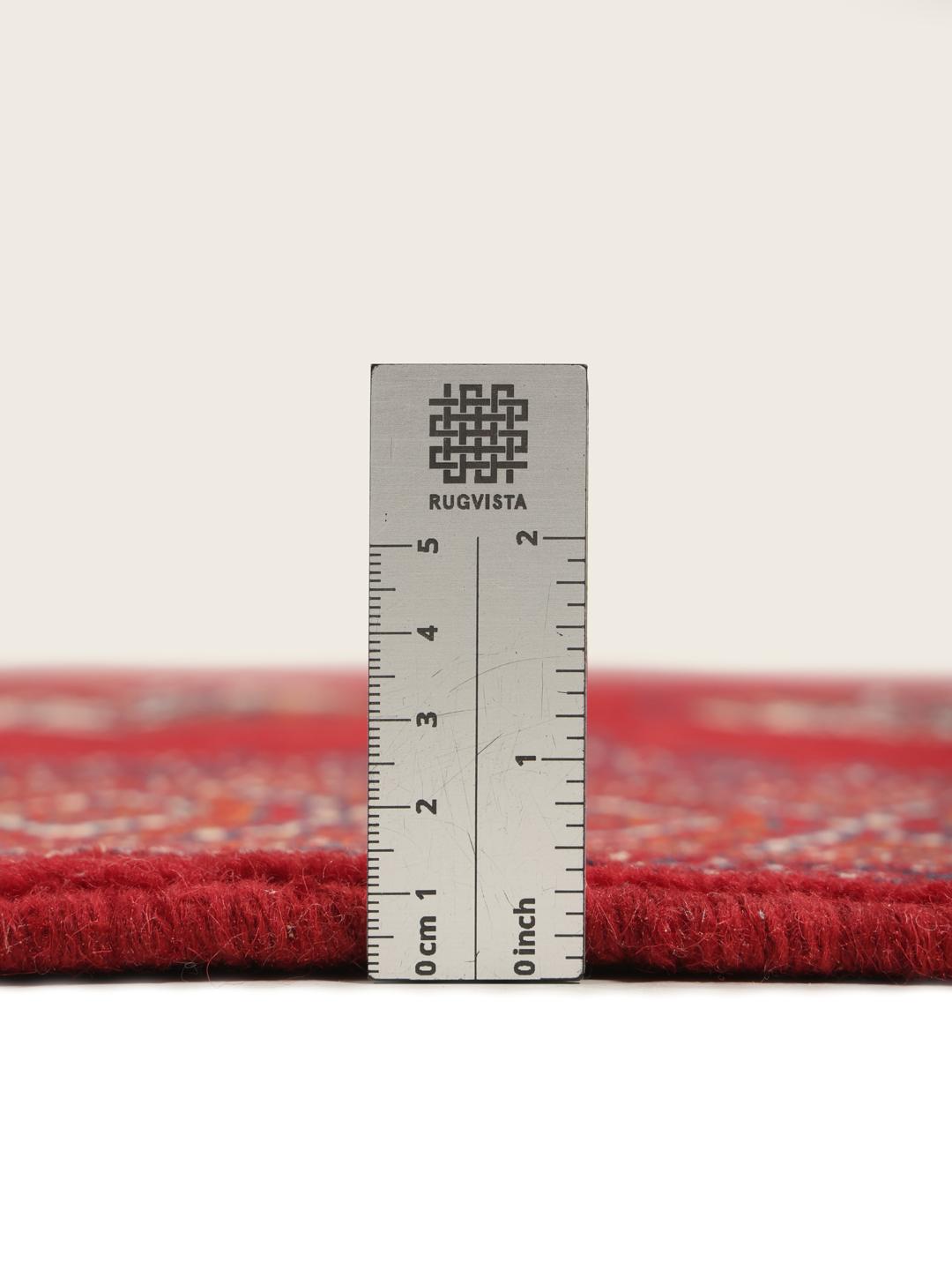
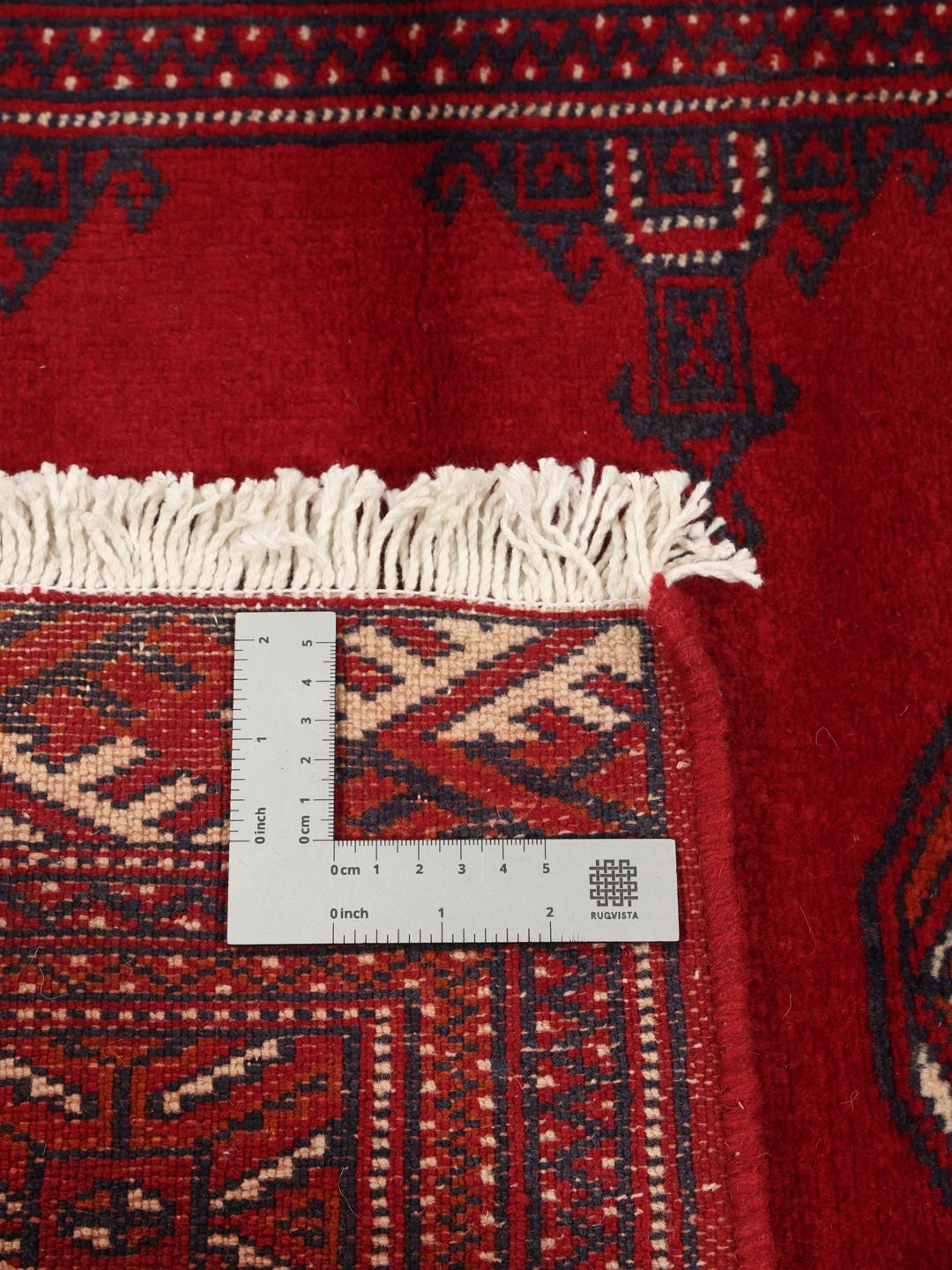
The term Turkaman refers to both the people and the specific style of weaving that emphasises a dense, resilient pile. These rugs are famously known for their intricate, repeating motifs and the use of high-quality wool. The technical proficiency required to produce such fine work is a hallmark of the tradition, ensuring that each piece can withstand the rigours of nomadic life while retaining its aesthetic beauty.
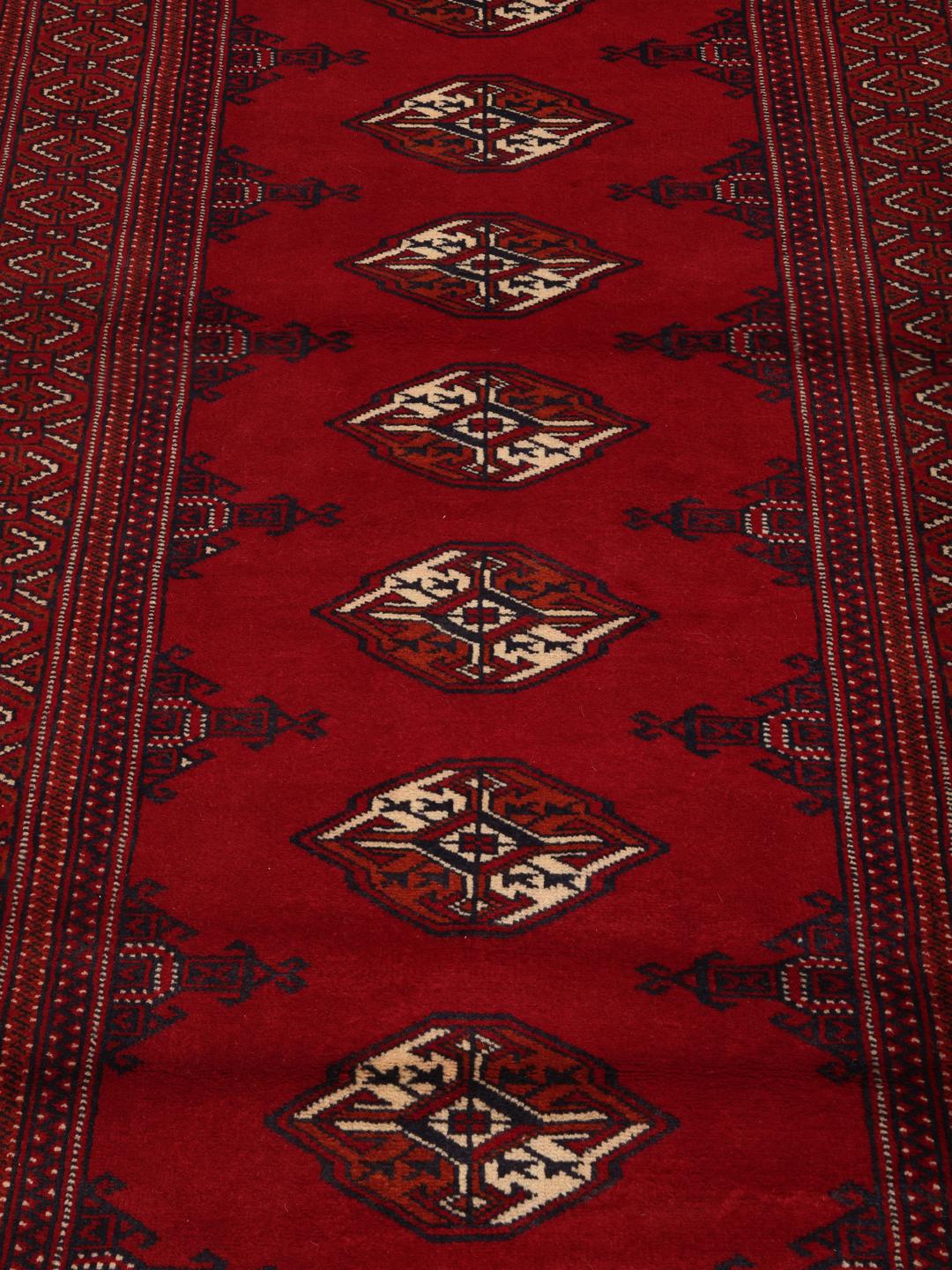
Signature design elements of the Turkaman tradition often include the repeating gul motif, which is an octagonal or elephant-foot shaped medallion. These are frequently arranged in a grid-like structure, framed by complex, decorative borders that showcase the weaver's precision. The deep, rich shades, particularly the iconic reds, are achieved through traditional dyeing processes that have been passed down through generations.
Owning a piece from this tradition is an opportunity to connect with a storied past. These rugs are highly valued by collectors not only for their visual impact but for the immense skill required to produce them. By bringing a Turkaman rug into your home, you are preserving a legacy of craftsmanship that has survived and thrived across centuries of history.