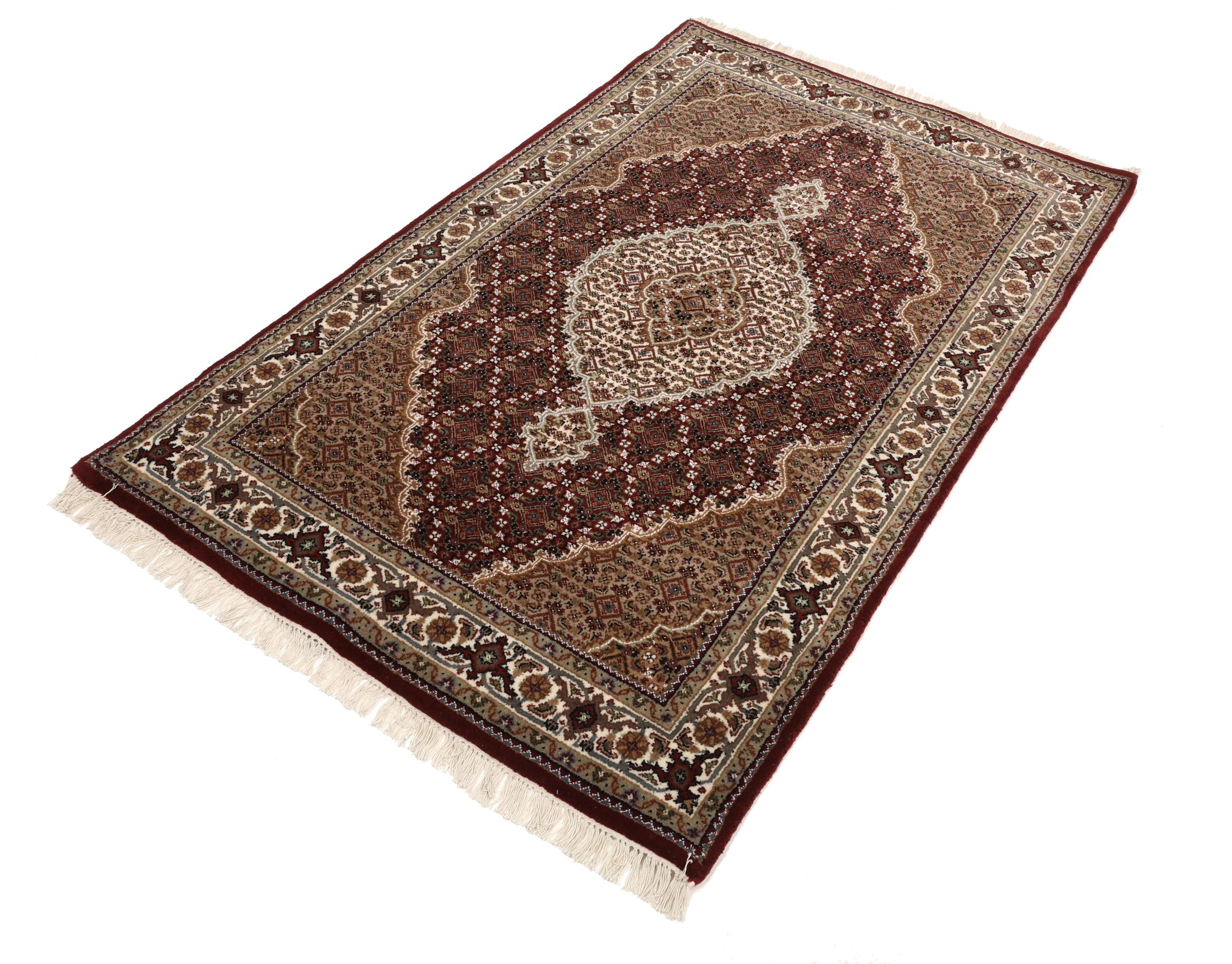
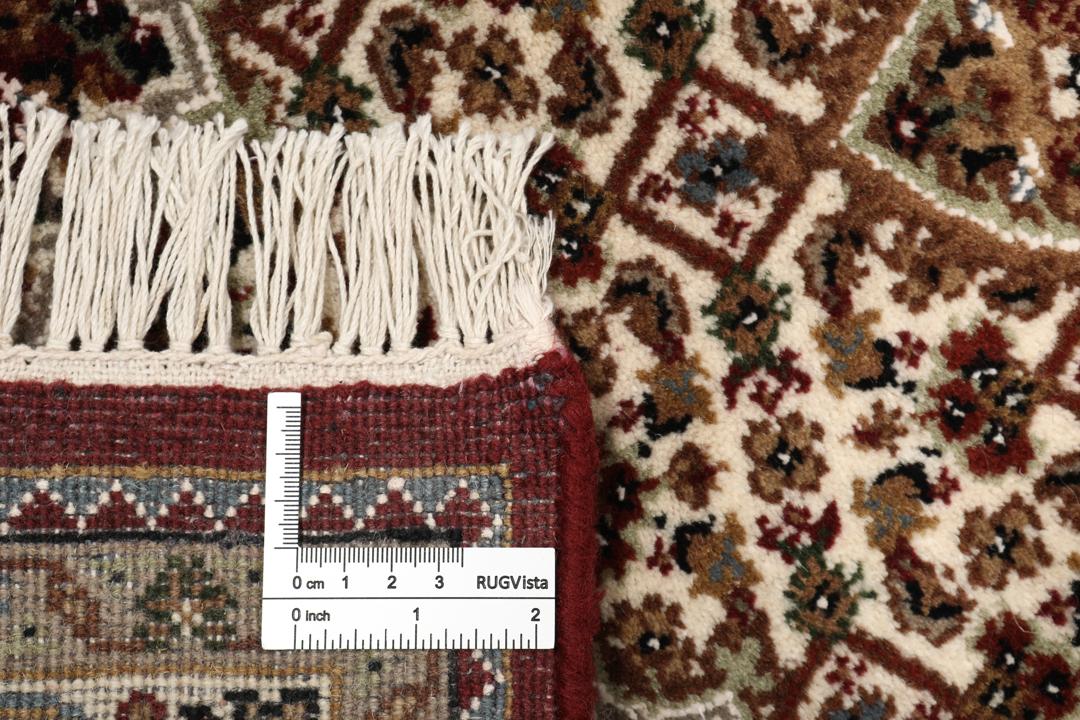
Tabriz rugs are named after the historic city of Tabriz, located in the Middle East, which has served as one of the most important centres for rug production for centuries. Historically, these rugs were produced in royal workshops, where the finest materials and most skilled artisans gathered to create pieces for the nobility. Today, the tradition has spread globally, with India becoming a prominent hub for creating high-quality rugs that honour the sophisticated design language of the original Tabriz workshops.
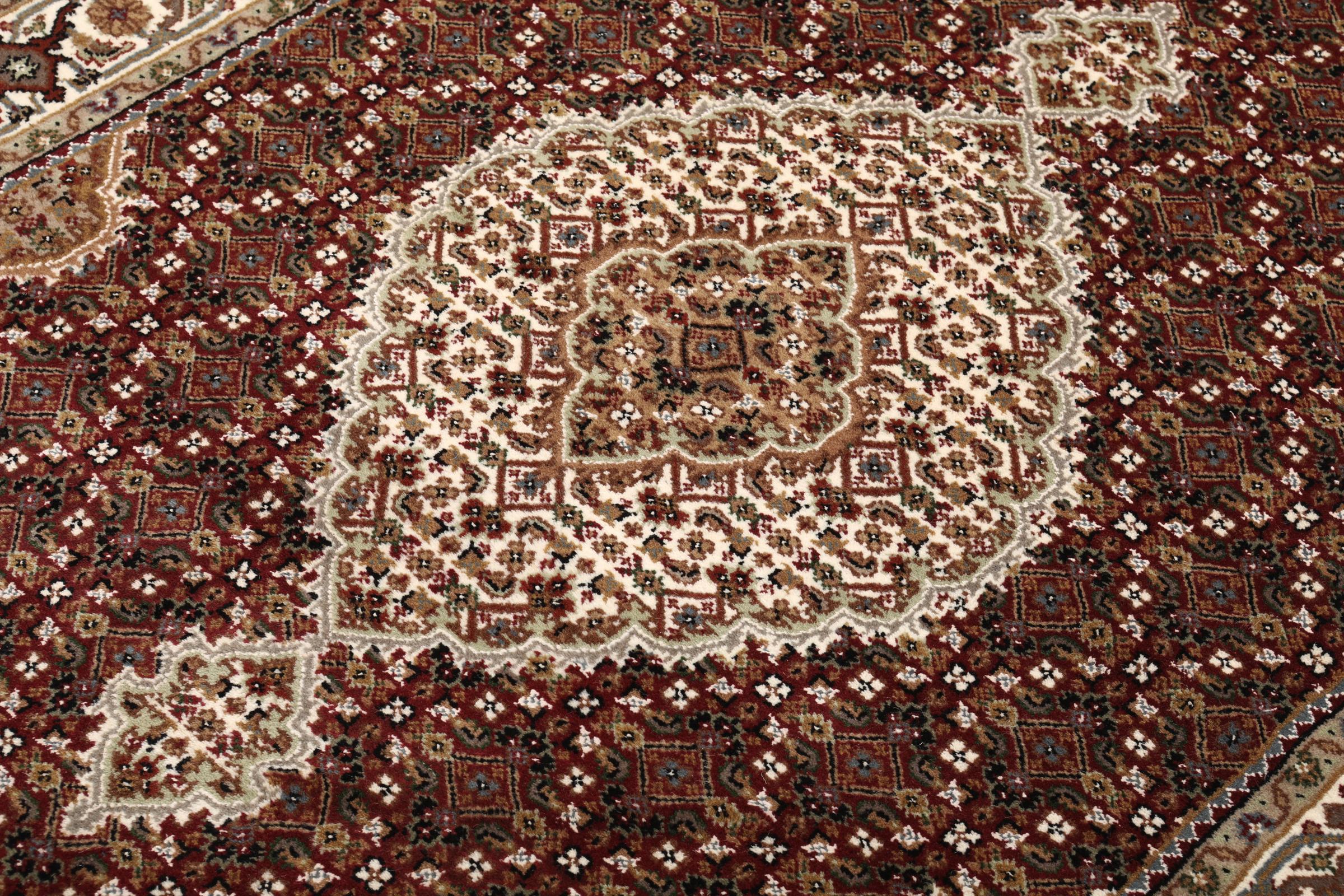
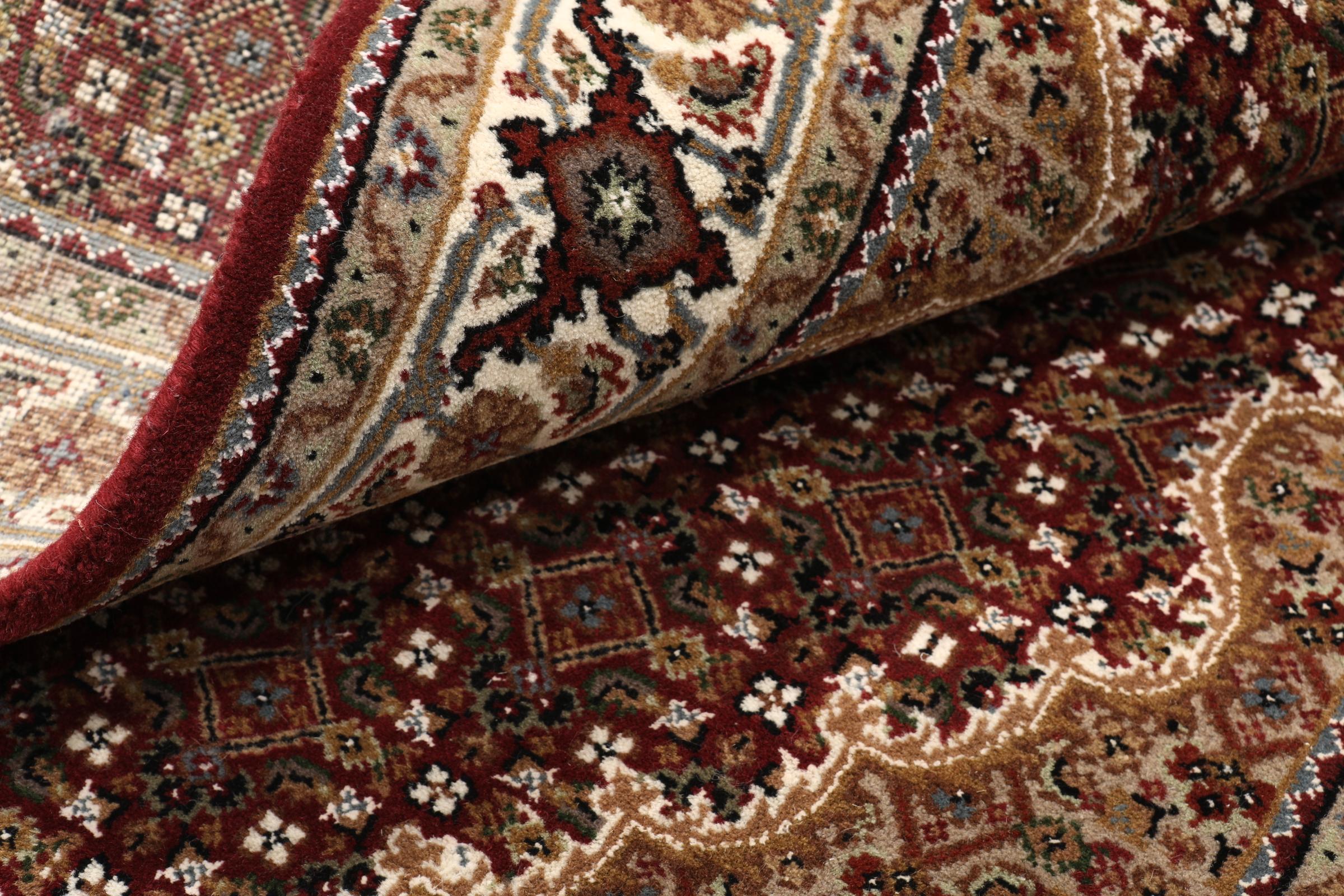
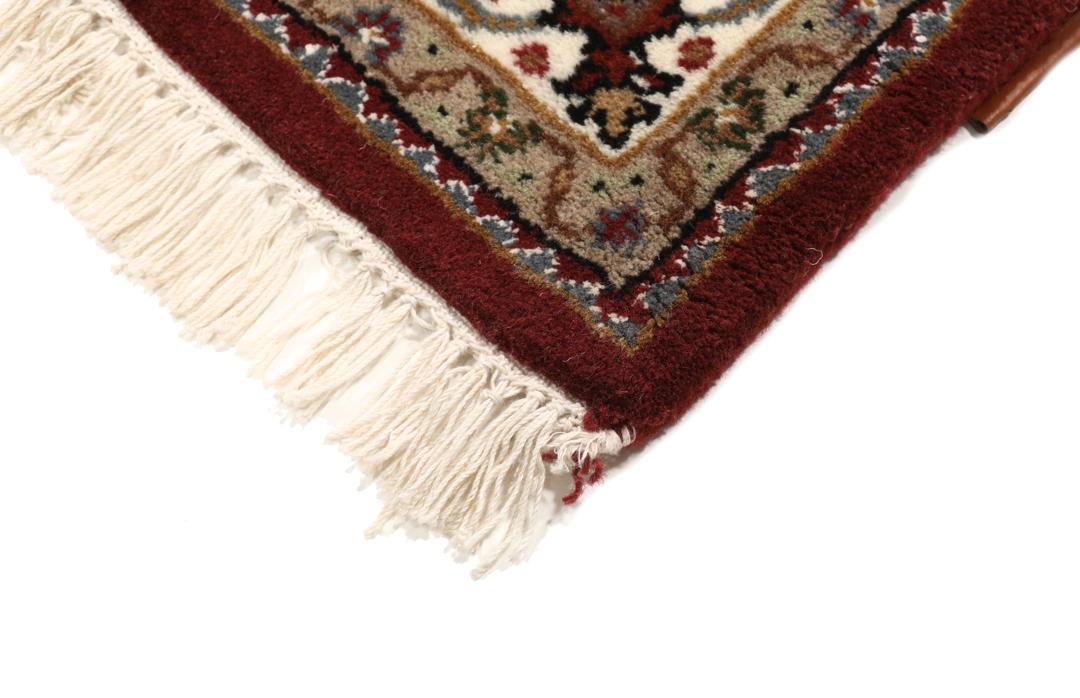
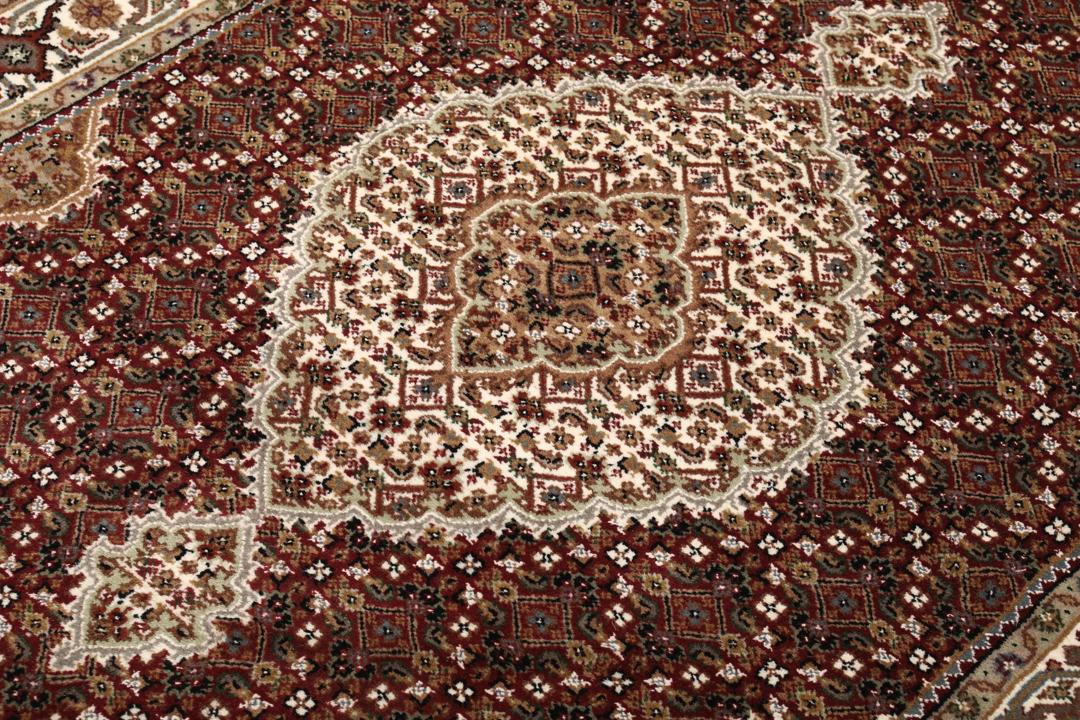
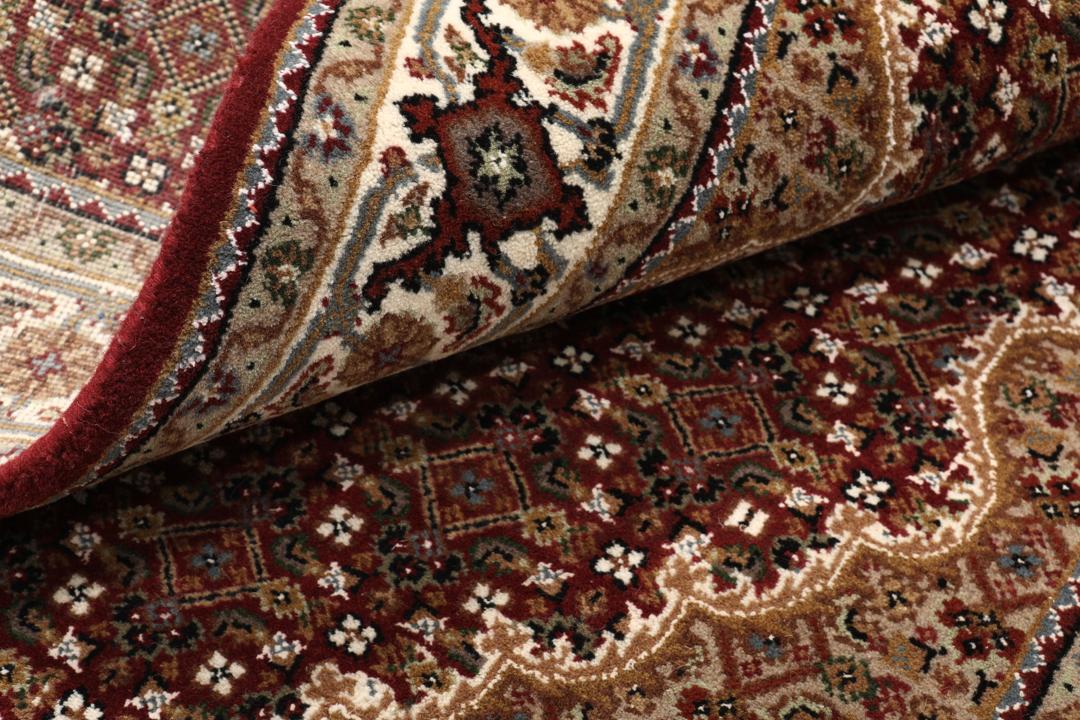
The term Tabriz is often associated with a high standard of precision in weaving and a diverse range of patterns. These rugs are known for their intricate designs, often featuring central medallions surrounded by elaborate floral or geometric motifs. The construction typically involves a dense knotting technique that allows for highly detailed patterns, resulting in a surface that is both durable and visually rich. This technical complexity is what makes Tabriz rugs so highly regarded among collectors.
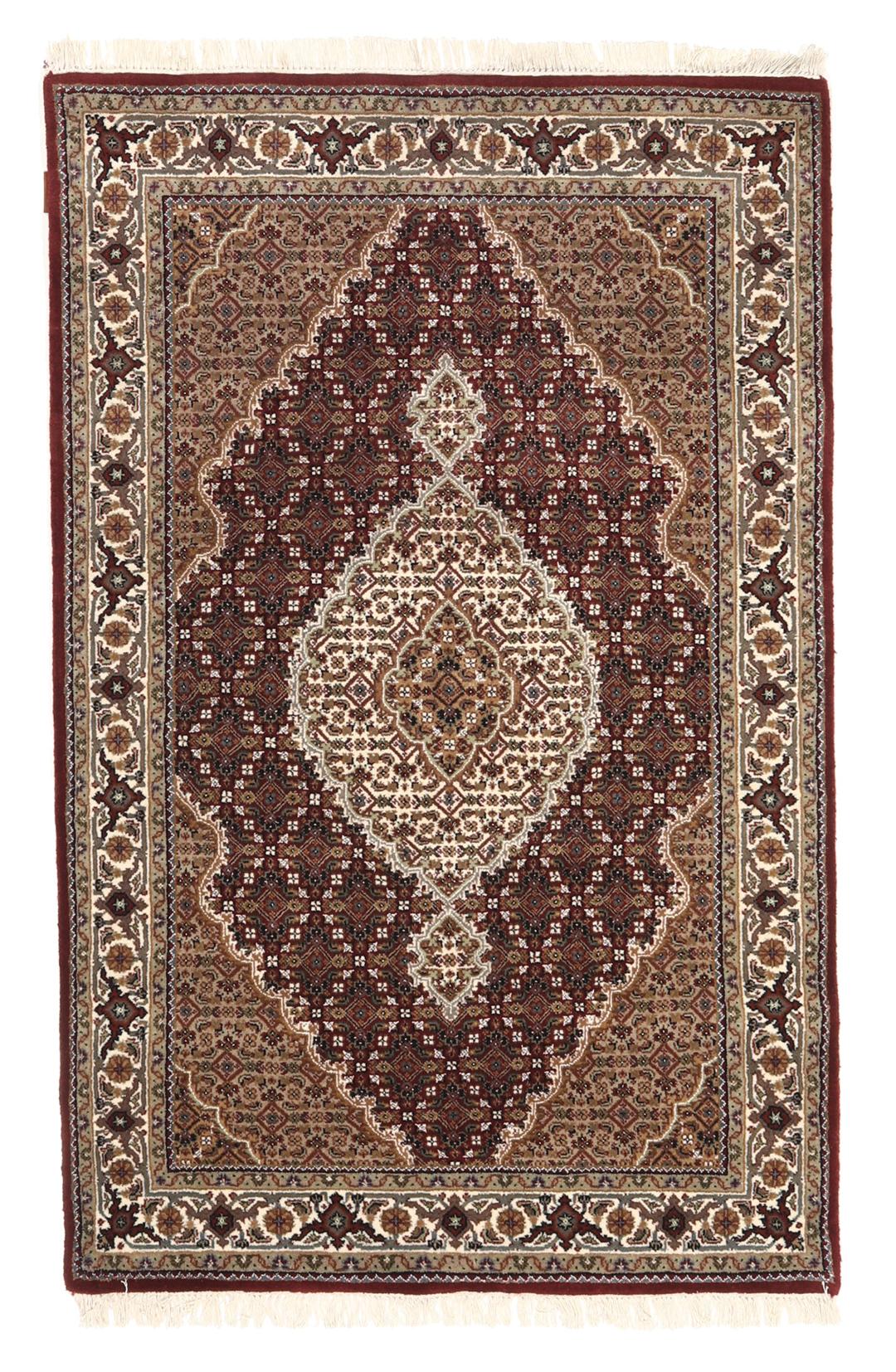
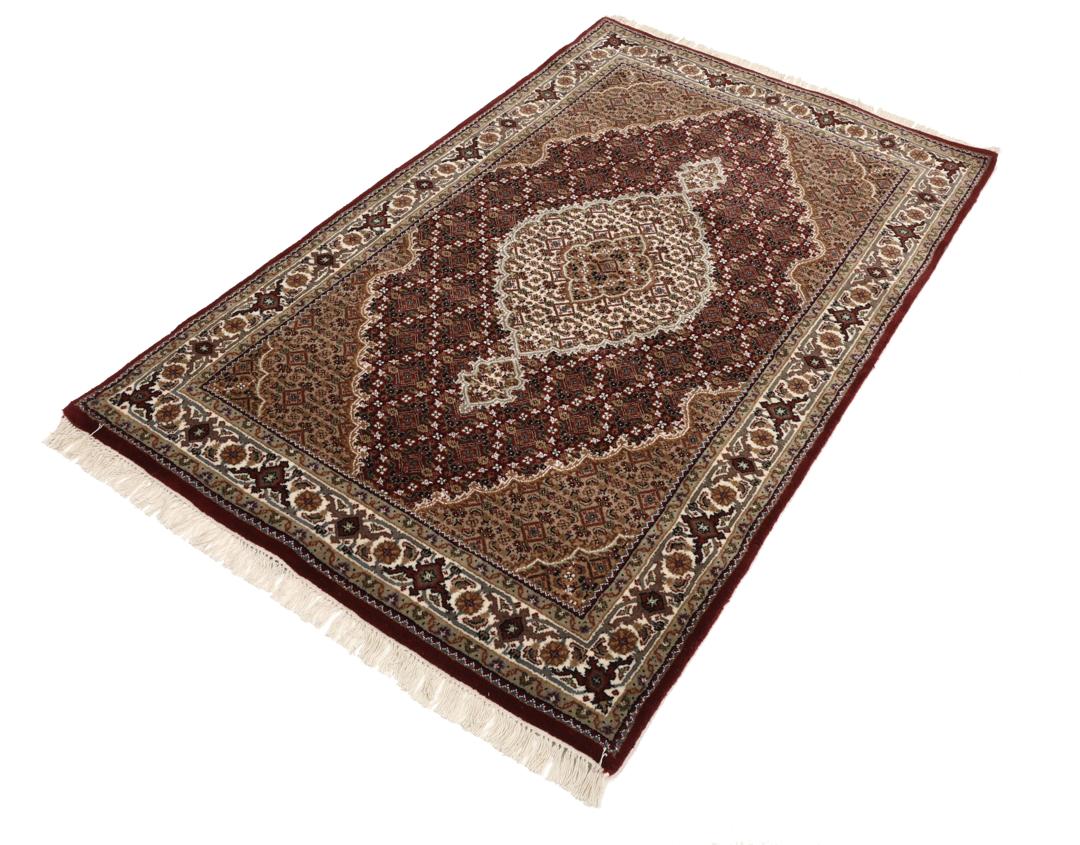
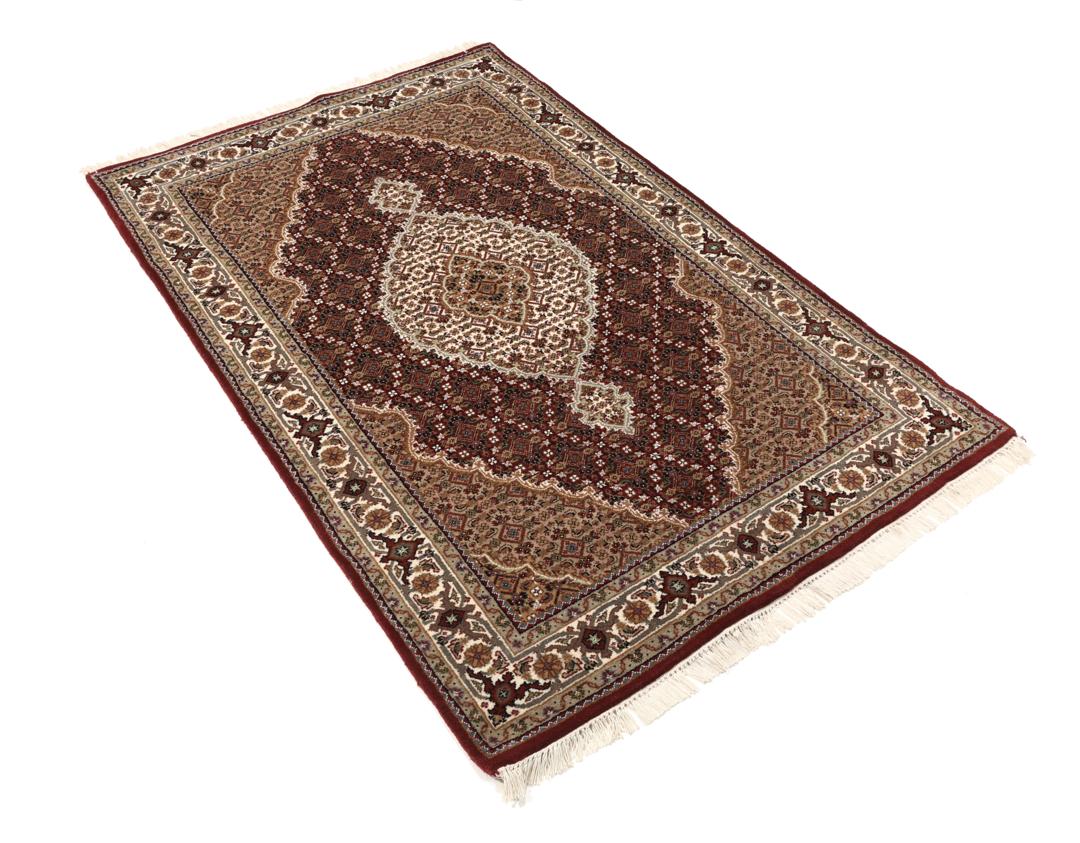
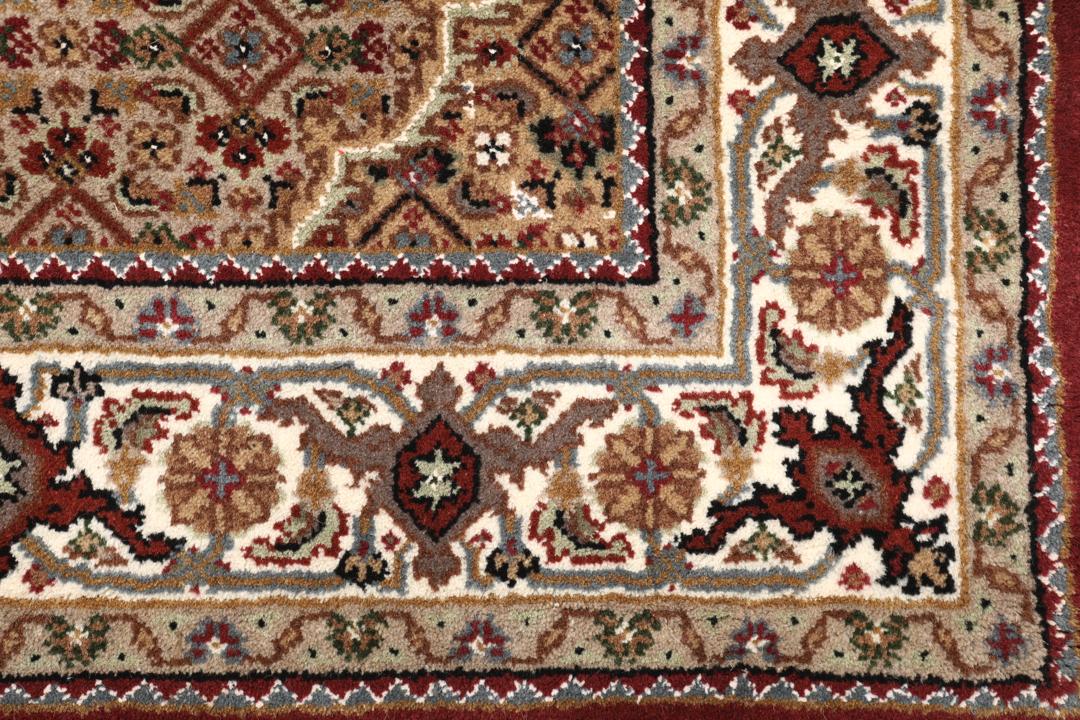
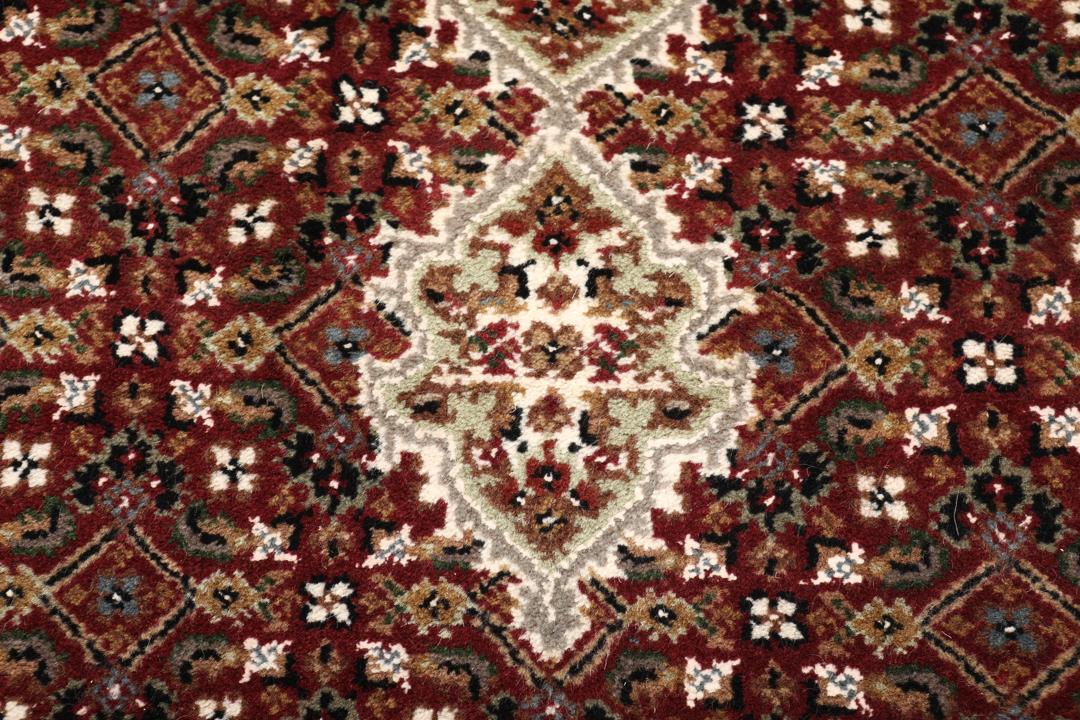
Design-wise, Tabriz rugs are celebrated for their balanced compositions. You will frequently find a dominant medallion at the centre, flanked by intricate floral scrollwork or geometric shapes that draw the eye inward. The borders are typically multi-layered and formal, framing the central field to create a sense of harmony. In this specific piece, the use of earthy tones and deep reds highlights the classic motifs, making it a standout example of this enduring design tradition.
Owning a Tabriz rug is an investment in cultural history and refined craft. These pieces are collected not just for their utility, but for the skill and heritage they represent. Because each rug is created by hand, it carries the spirit of its creator, making it more than just a floor covering. It is a piece that brings a sense of gravity and timeless style to any room, serving as a reminder of the artistic traditions that continue to thrive in the modern home.