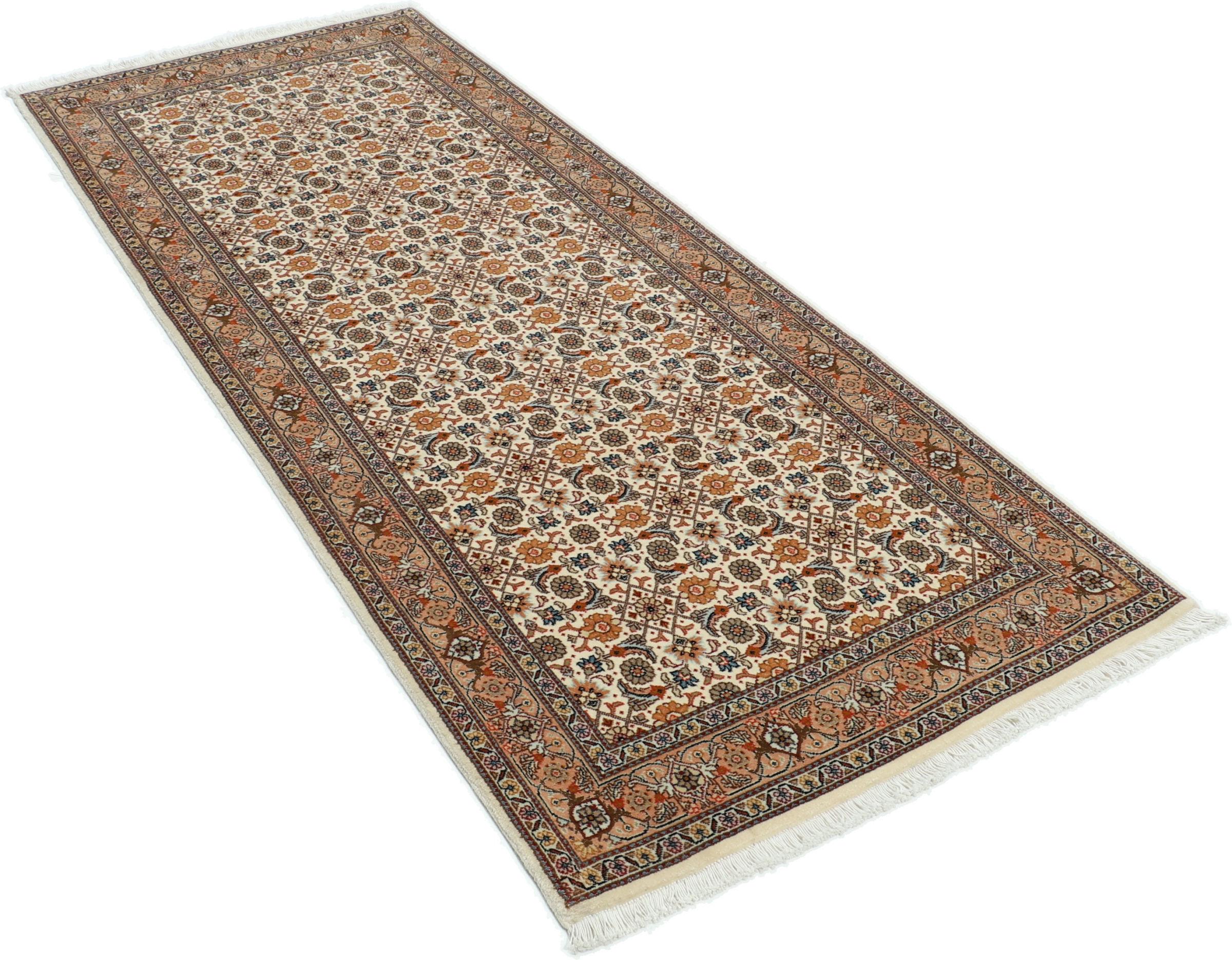
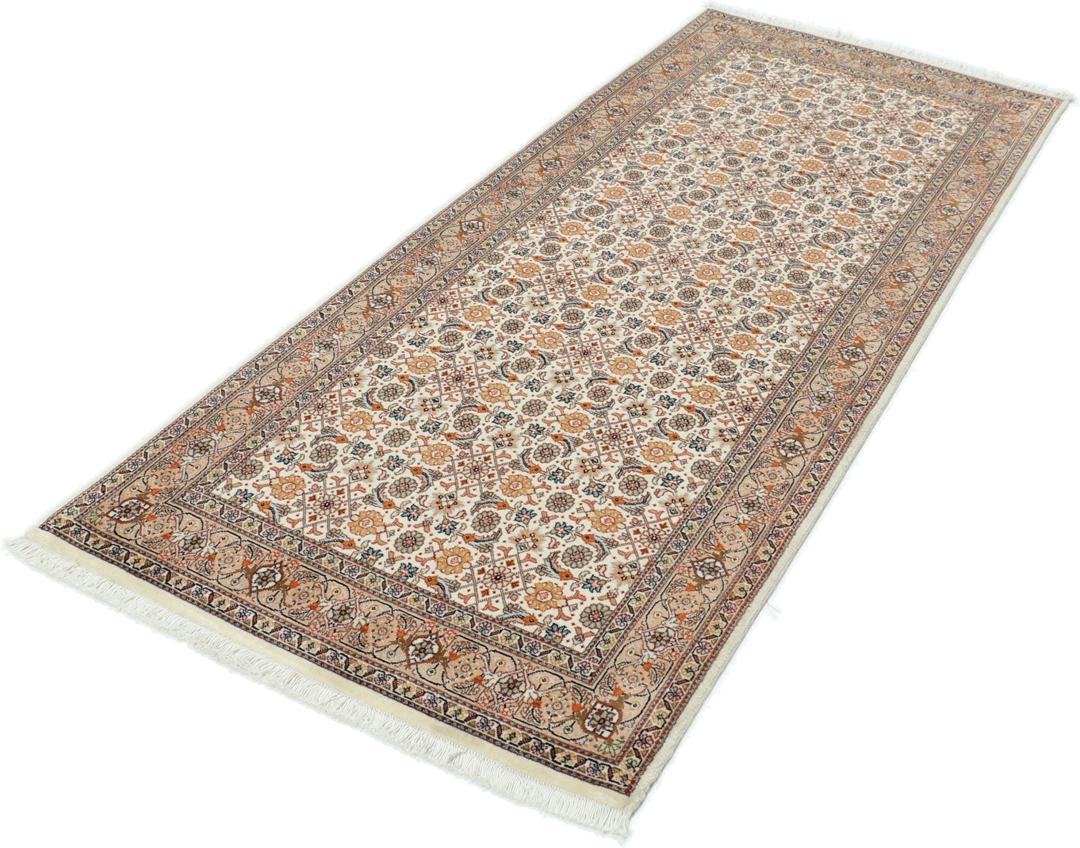
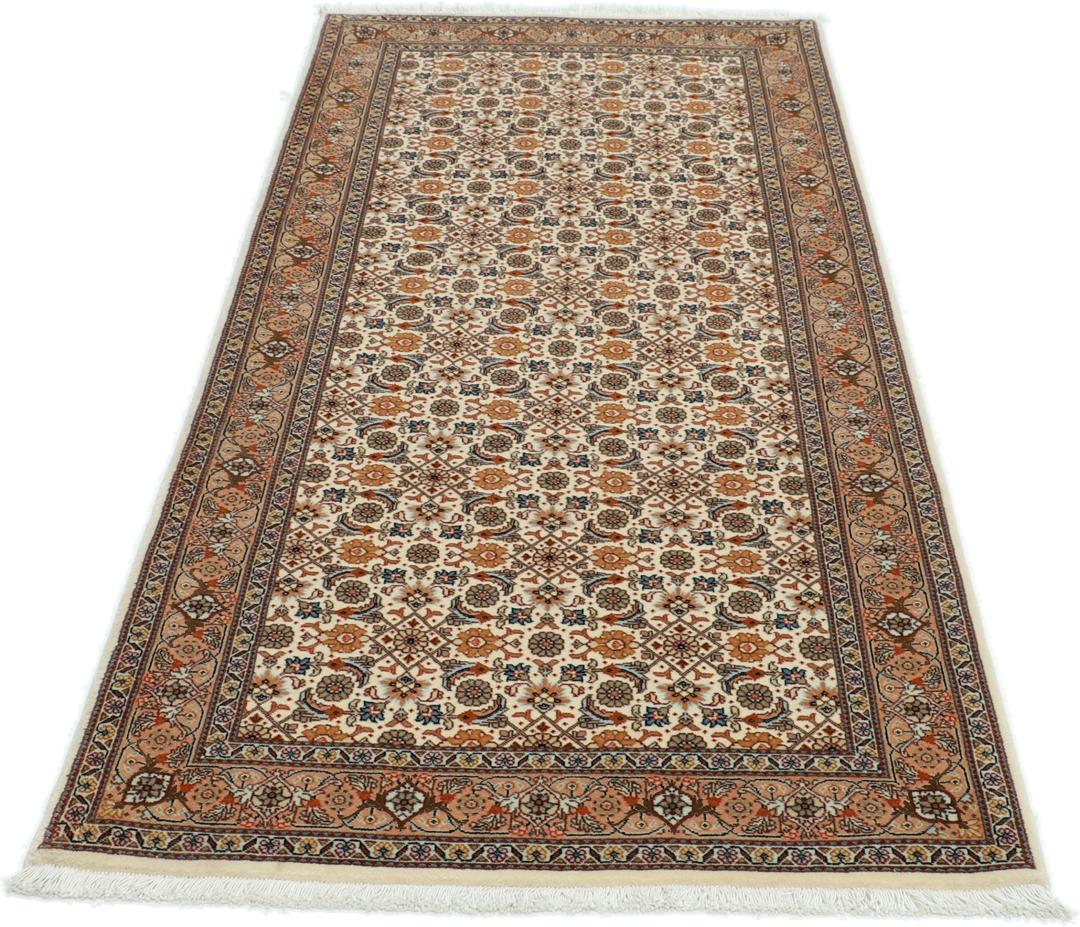
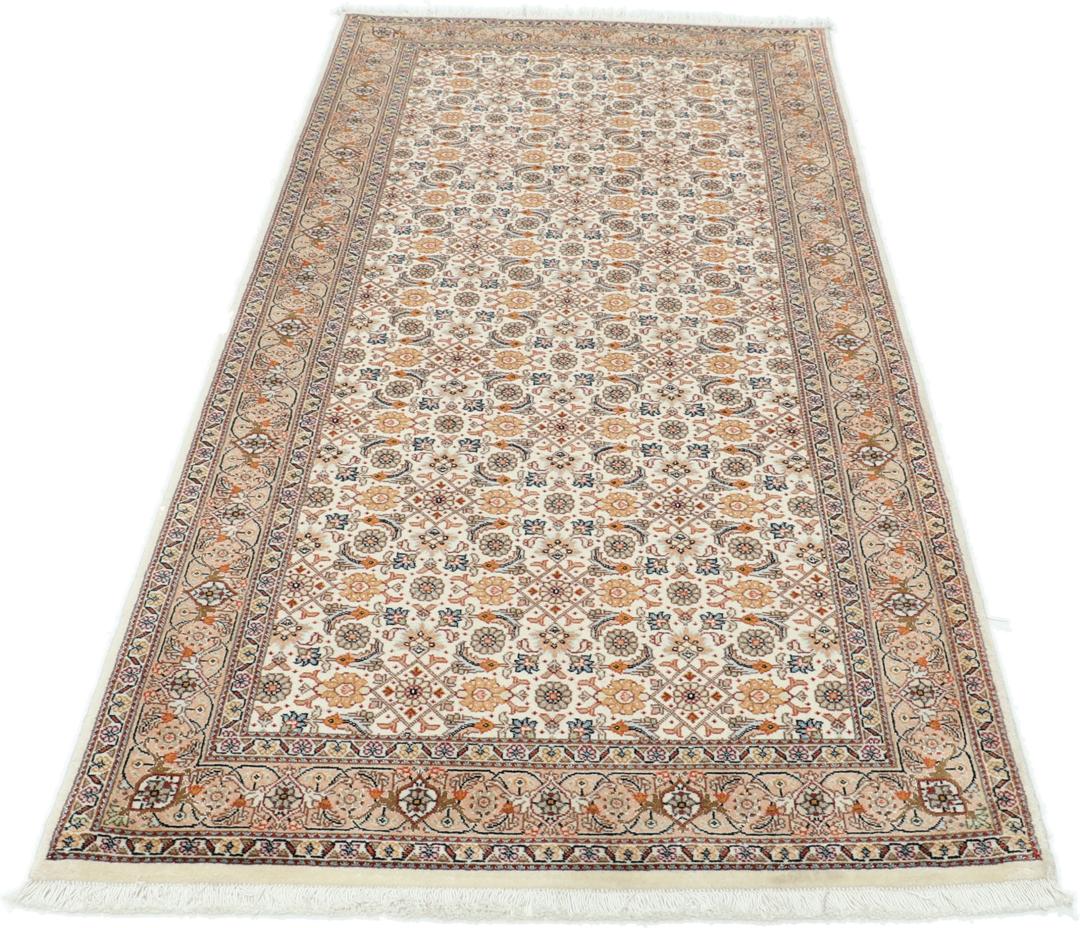
Tabriz, a historic city in the Middle East, has long been a centre for some of the world's most sophisticated weaving traditions. Historically situated as a major hub on the Silk Road, the city became a melting pot for artistic influences, leading to the development of a distinct style that emphasises immense detail and structural integrity. The Tabriz tradition is celebrated for its ability to draw upon classical themes while constantly evolving to meet the highest standards of artistic expression.
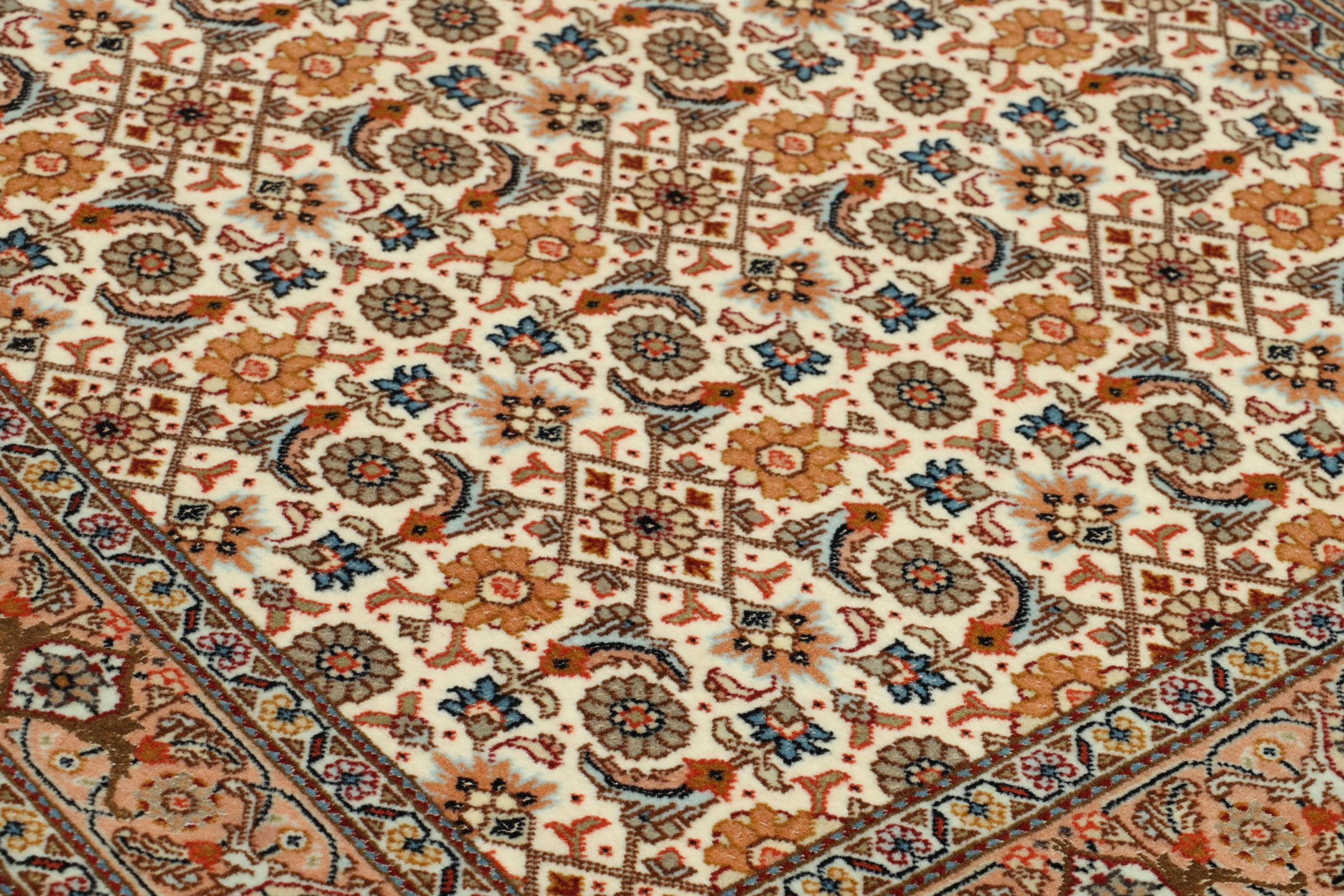
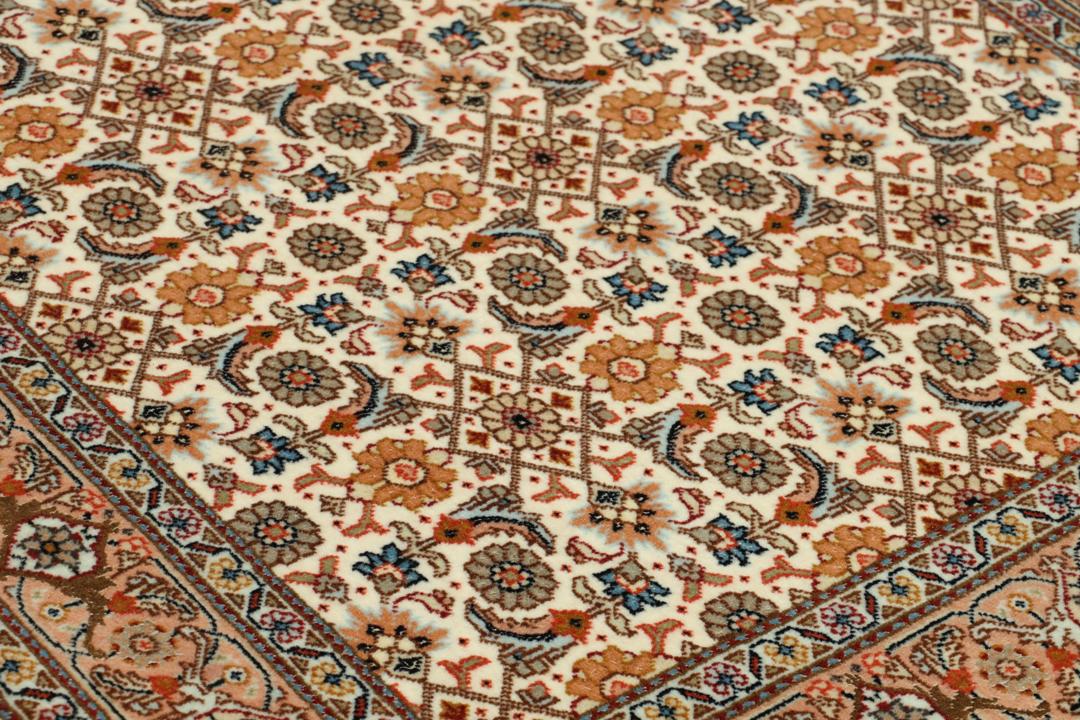
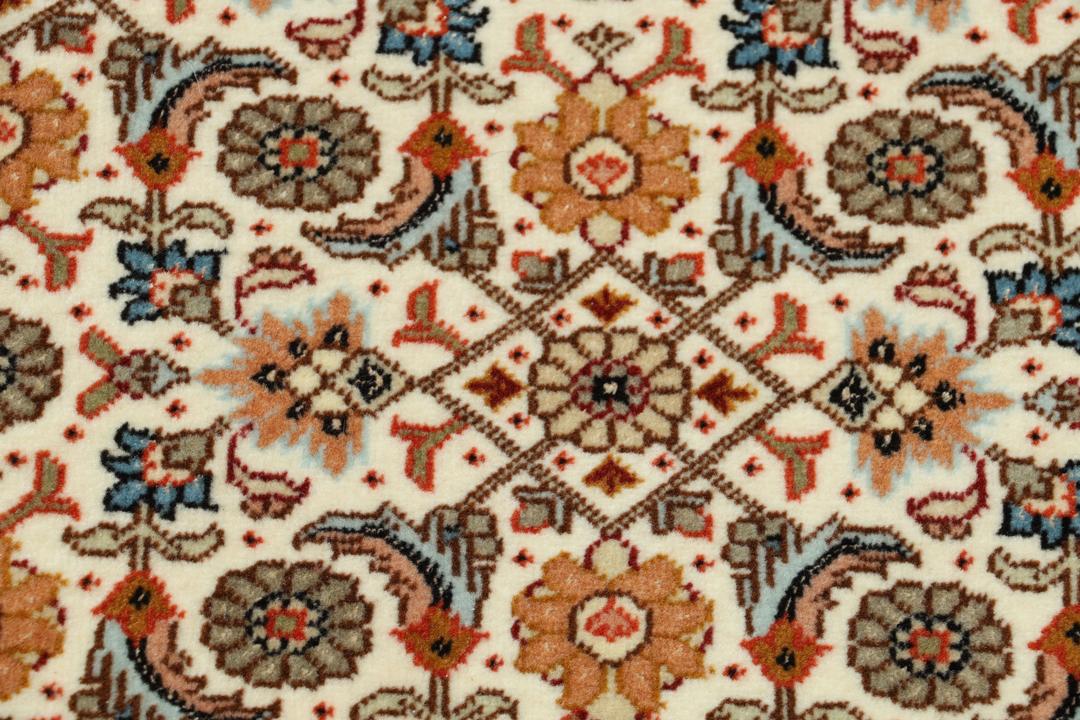
The term 'Raj' refers to the traditional system used to measure the fineness of a rug by counting the number of knots in a specific length of warp. A 50 Raj designation signifies a high-level of craftsmanship, resulting in a dense, tight weave that allows for the execution of incredibly complex and graceful patterns. This technical precision is what makes these rugs so sought after, as the fine knotting allows the artist to translate intricate floral and geometric designs with remarkable clarity.
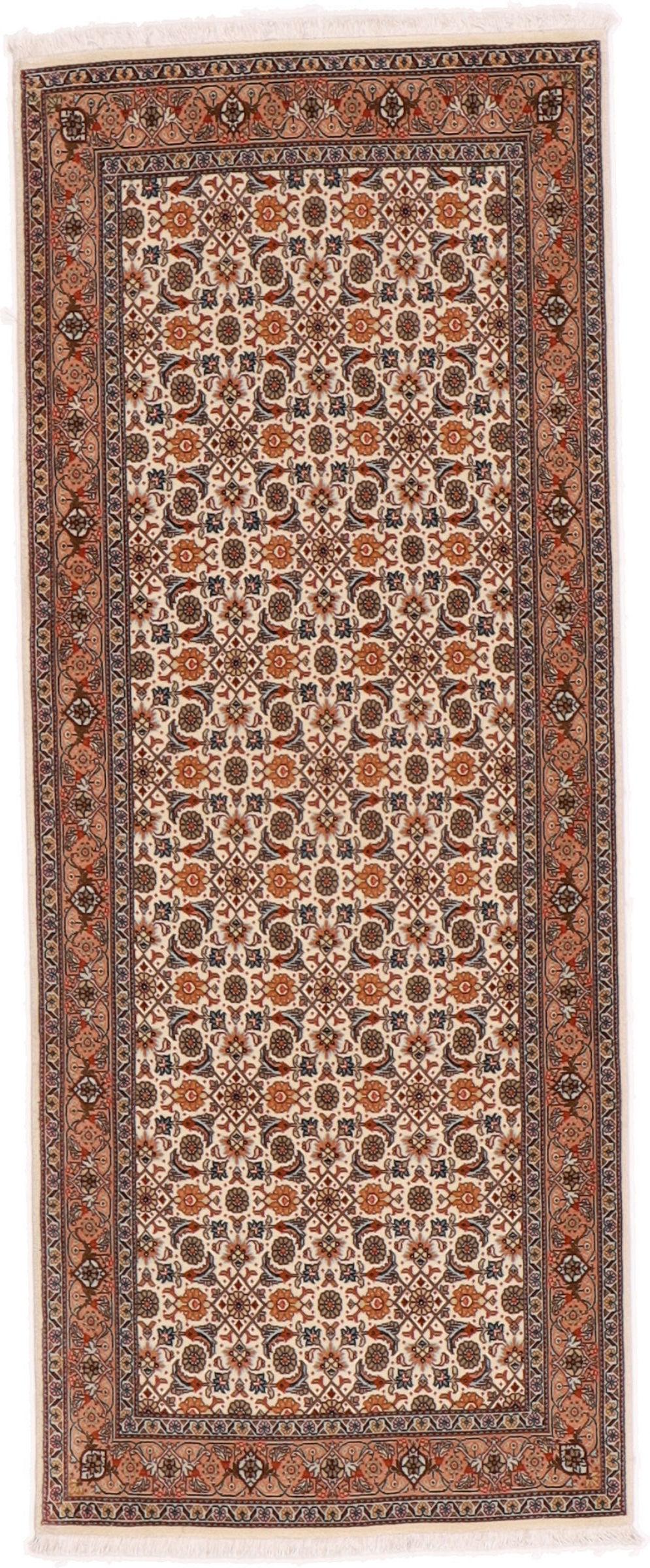
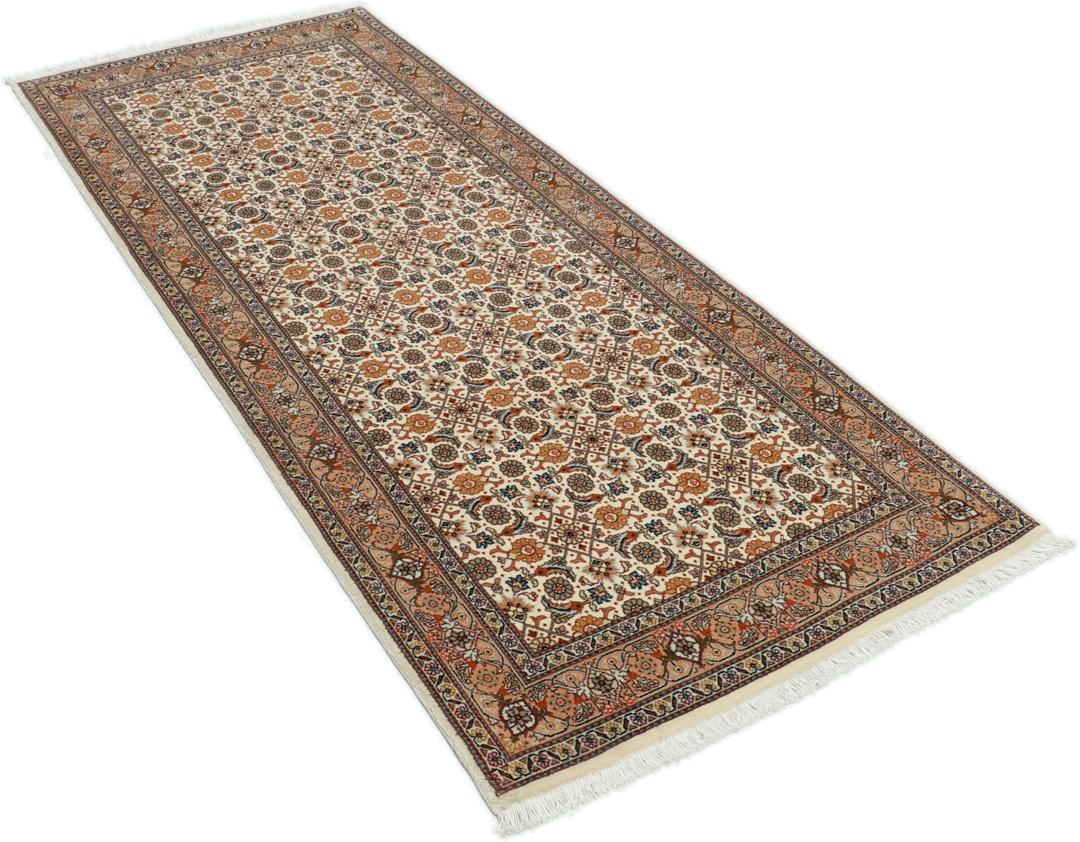
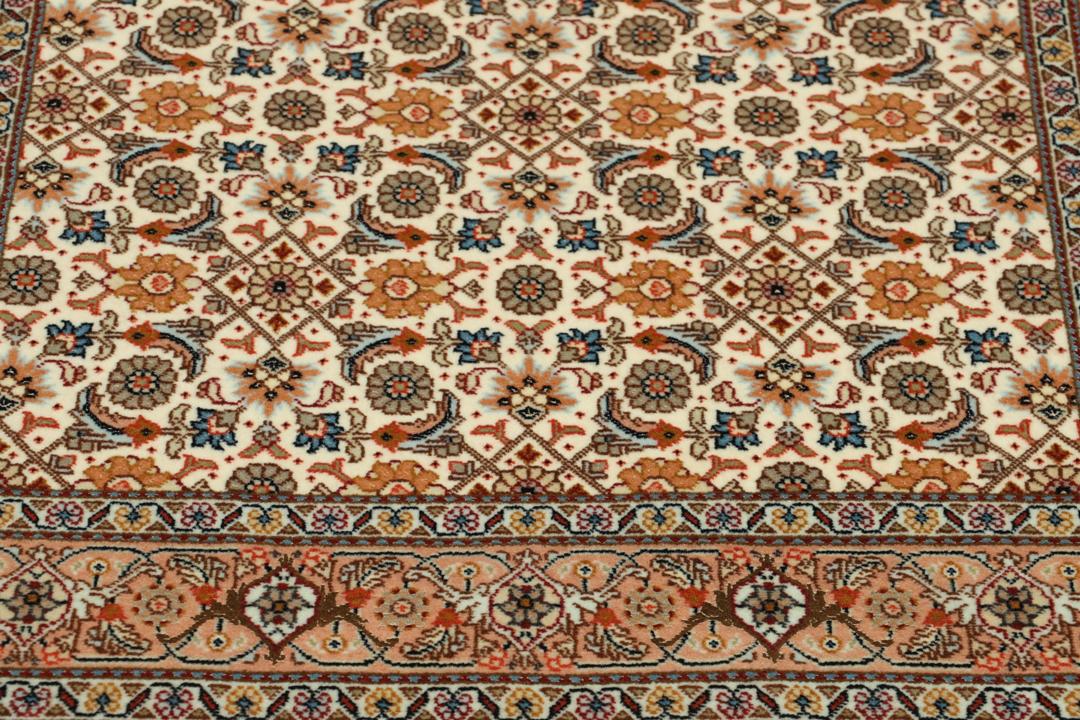
Signature elements of a Tabriz design often include ornate central medallions, balanced floral sprays, and elaborate borders that frame the composition. These patterns are not merely decorative but are deeply rooted in the artistic vocabulary of the region, often drawing inspiration from garden landscapes and classic architecture. The use of soft, natural colour palettes further enhances these motifs, creating a sense of balance and harmony that is characteristic of the finest examples from this tradition.
Owning a Tabriz rug is an investment in cultural heritage, representing a legacy of skill that has been passed down through generations of master weavers. These rugs are highly valued by collectors for their combination of artistic beauty and functional longevity. When you choose a piece from this tradition, you are not just acquiring a floor covering, but a connection to a rich history of artistry that values patience, precision, and the pursuit of perfection in every single stitch.