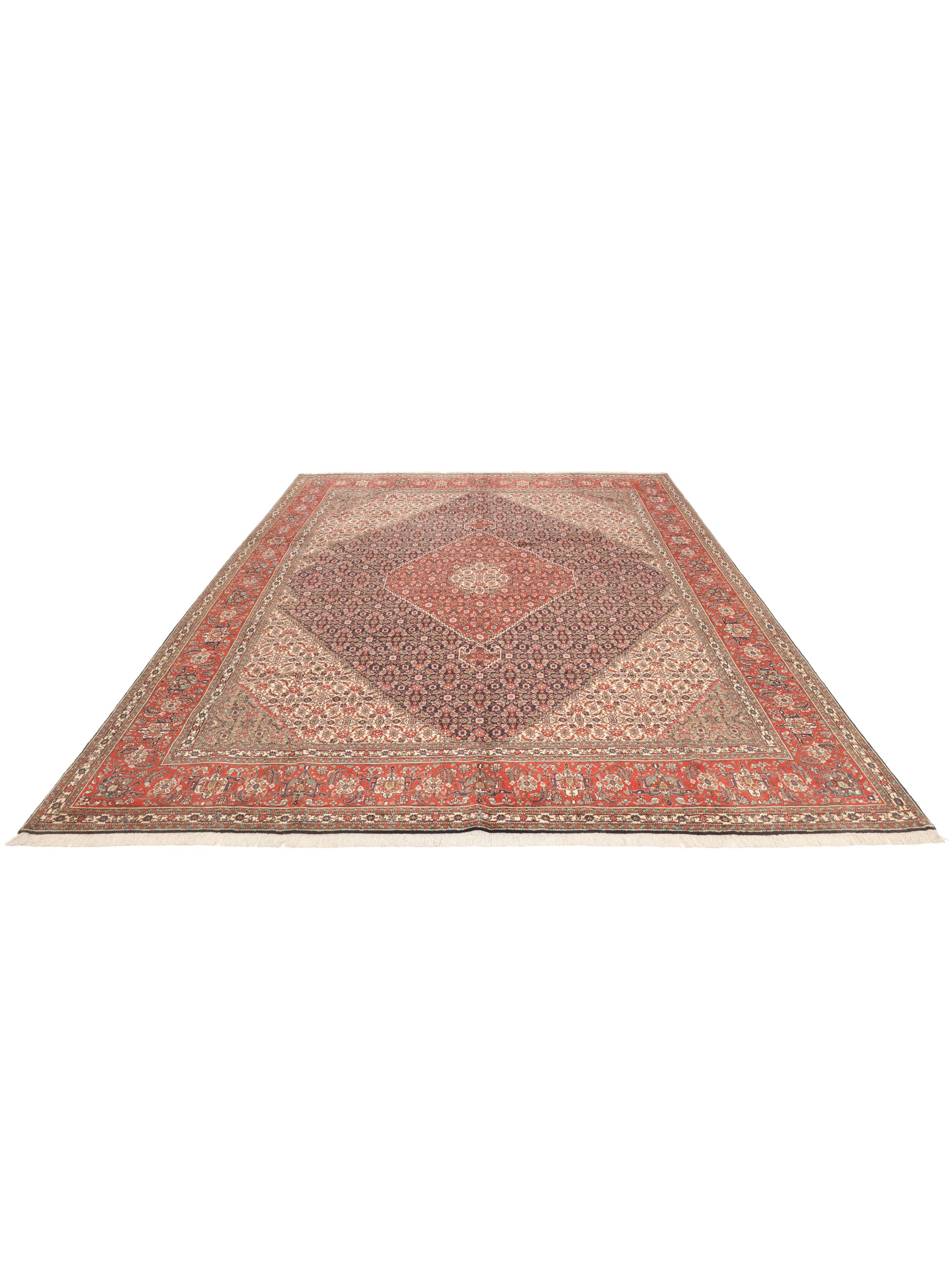
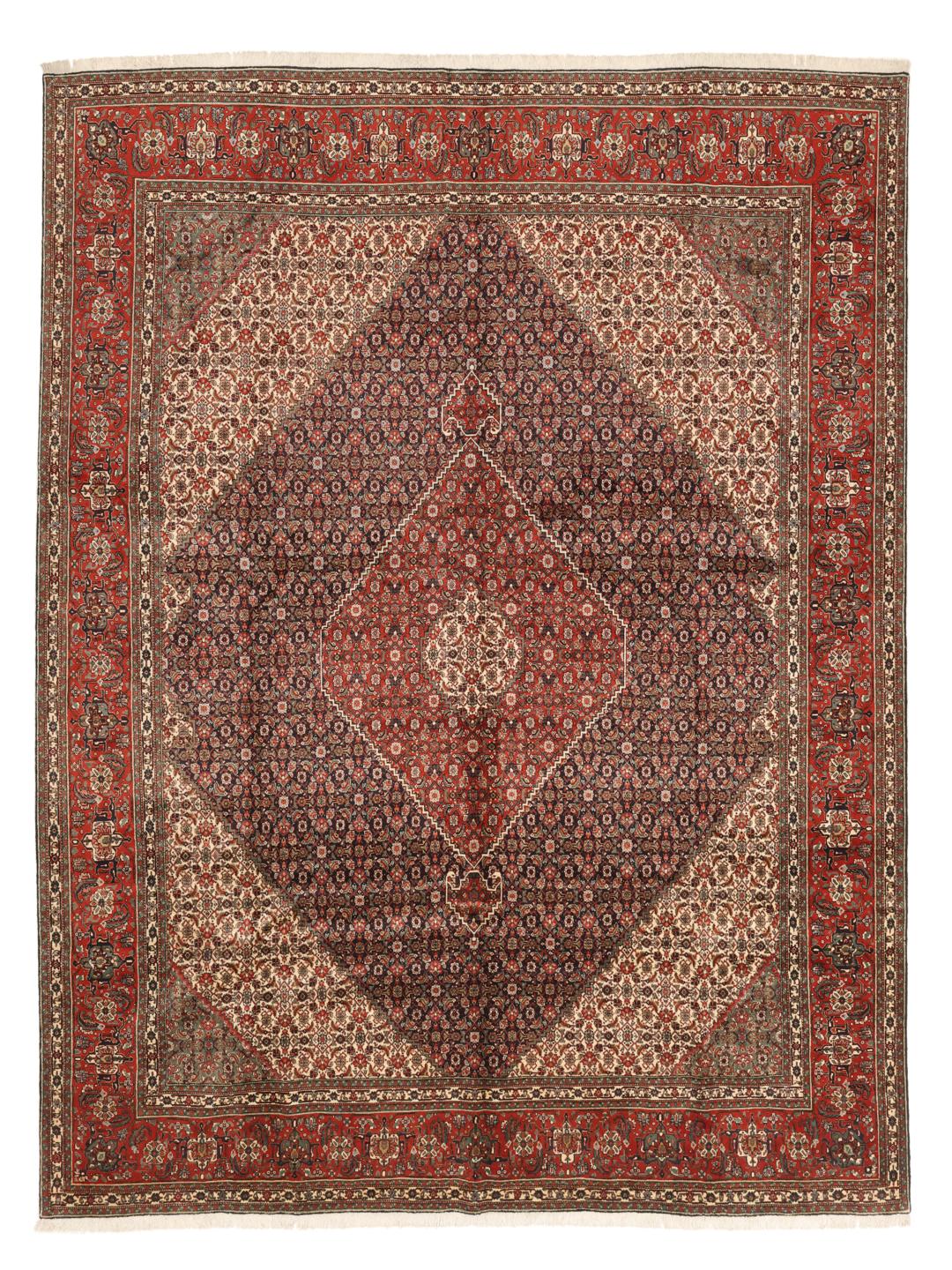
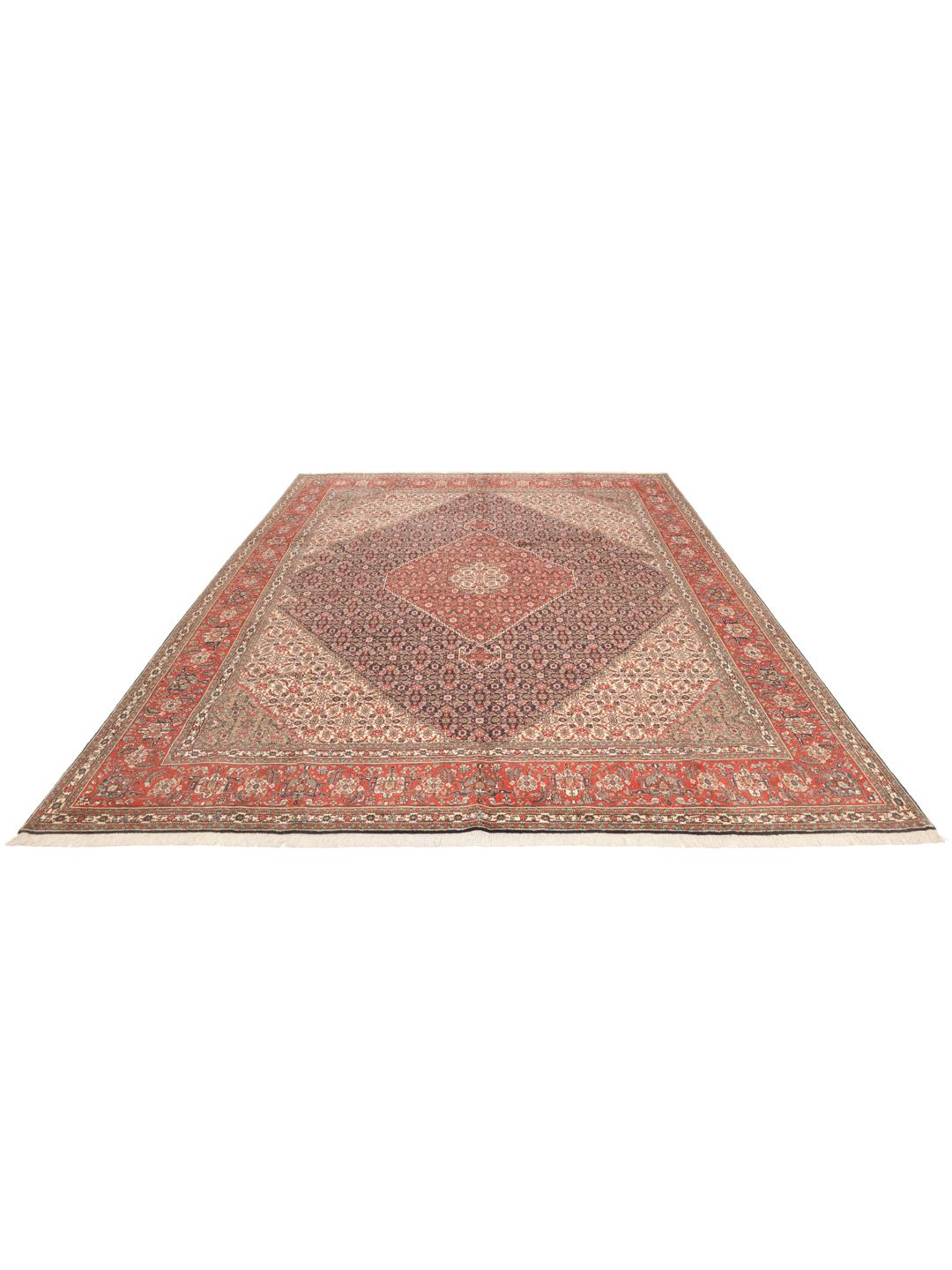
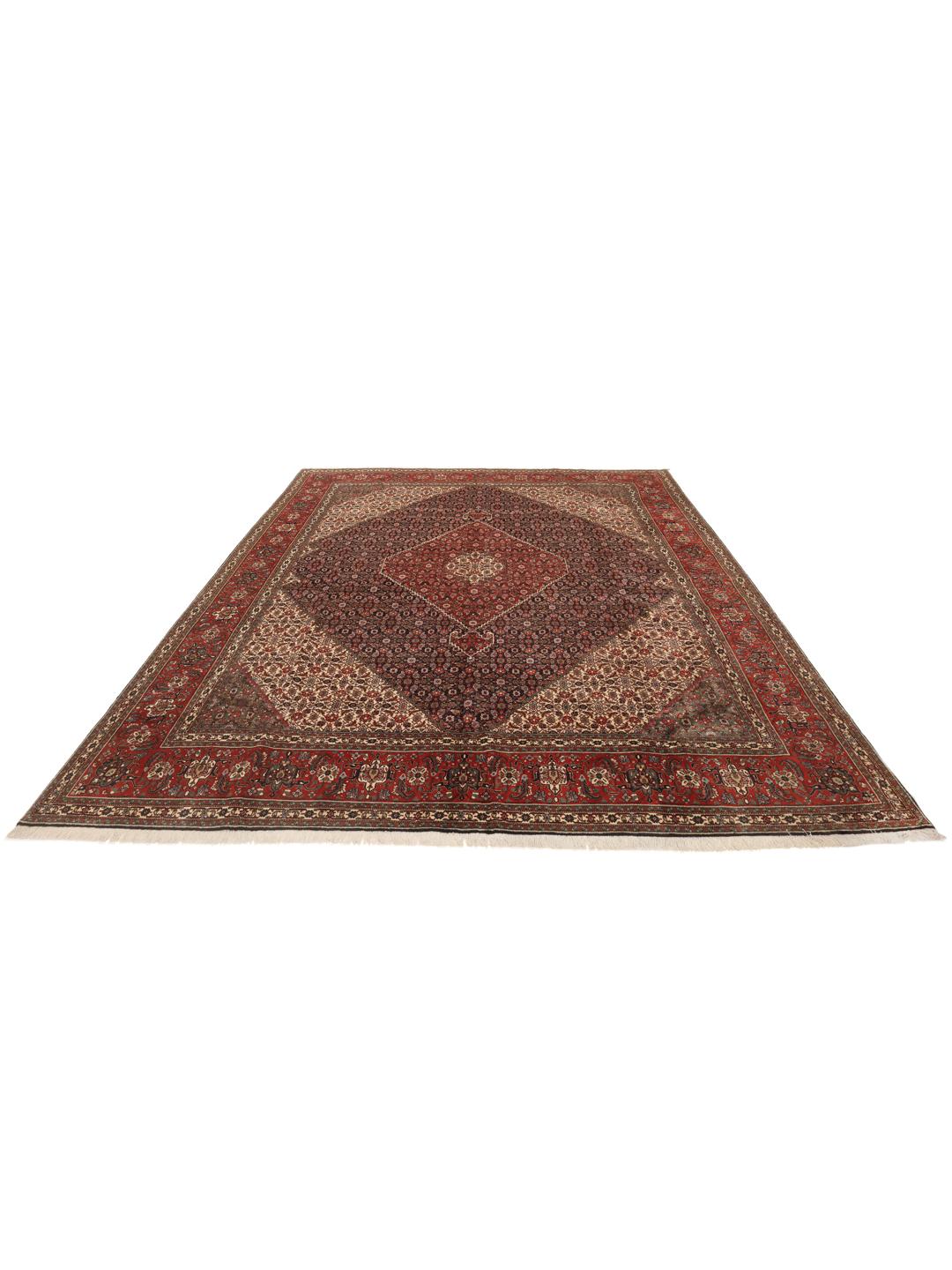
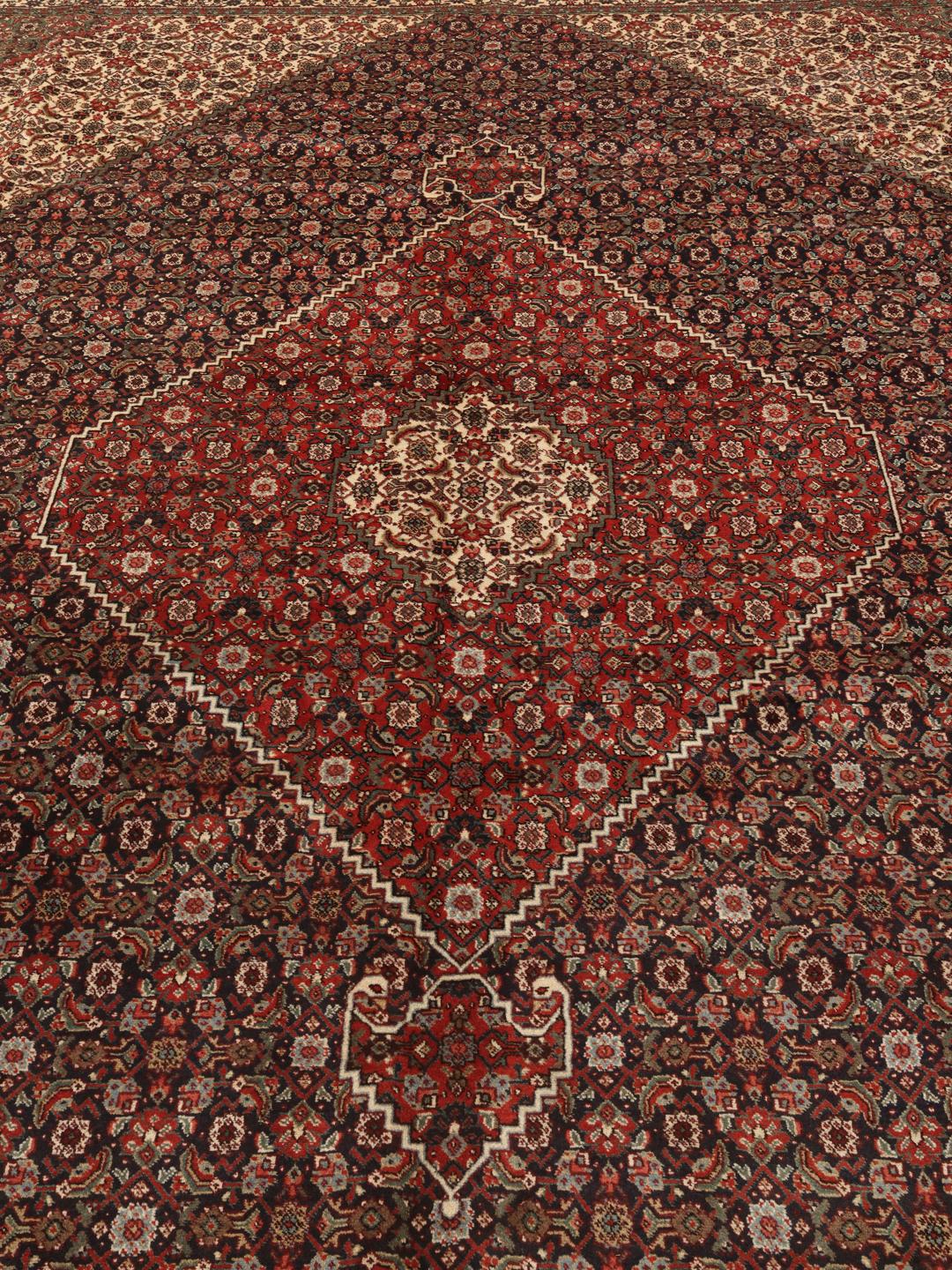
Tabriz rugs originate from the historic city of Tabriz in the Middle East, a centre of culture and trade that has been a focal point for weaving since the 16th century. Historically, these rugs were highly prized by royalty and nobility, often commissioned to display the wealth and sophistication of the ruling classes. The tradition has evolved over centuries, yet it remains firmly rooted in the pursuit of technical perfection and artistic harmony.
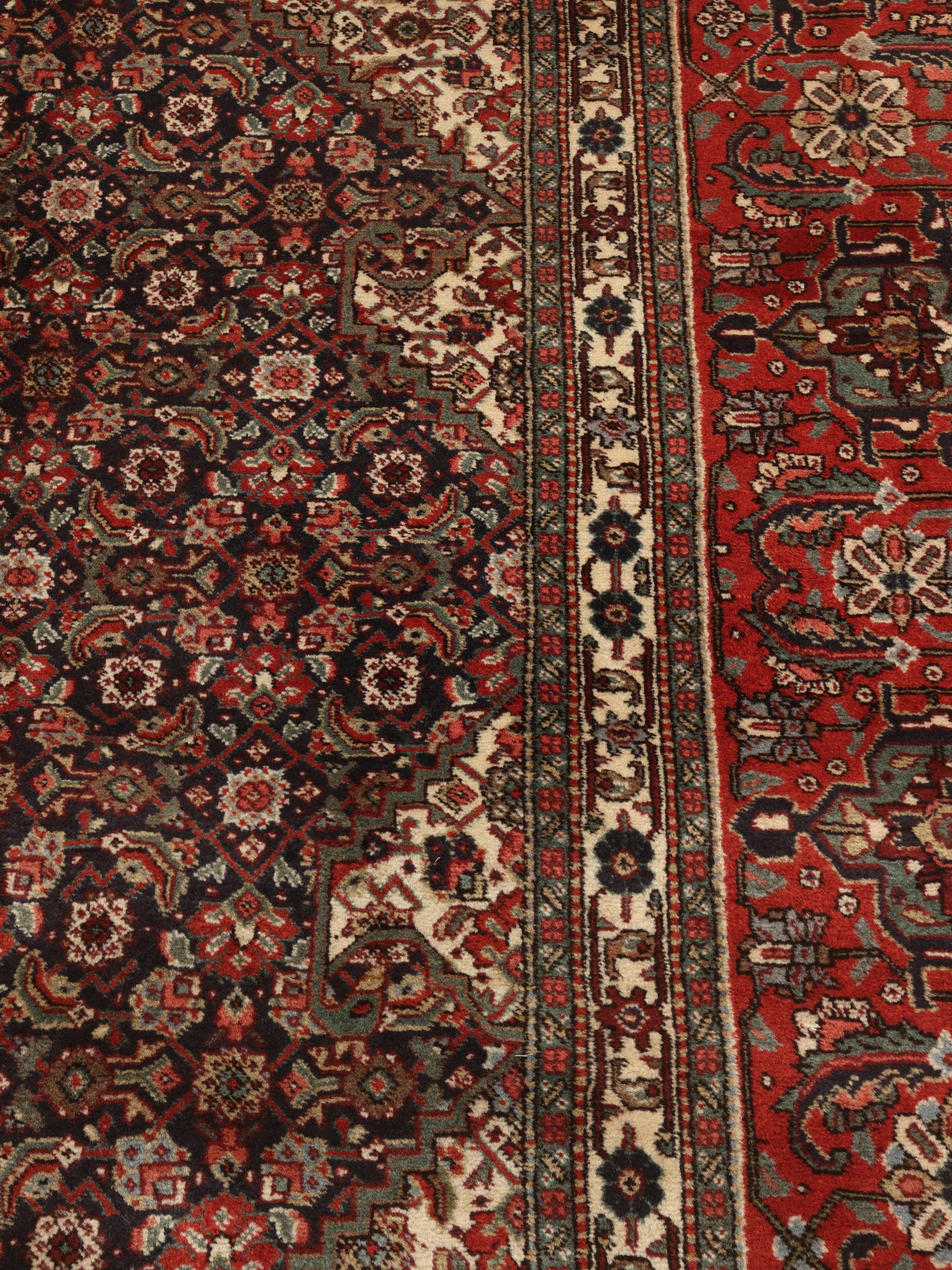
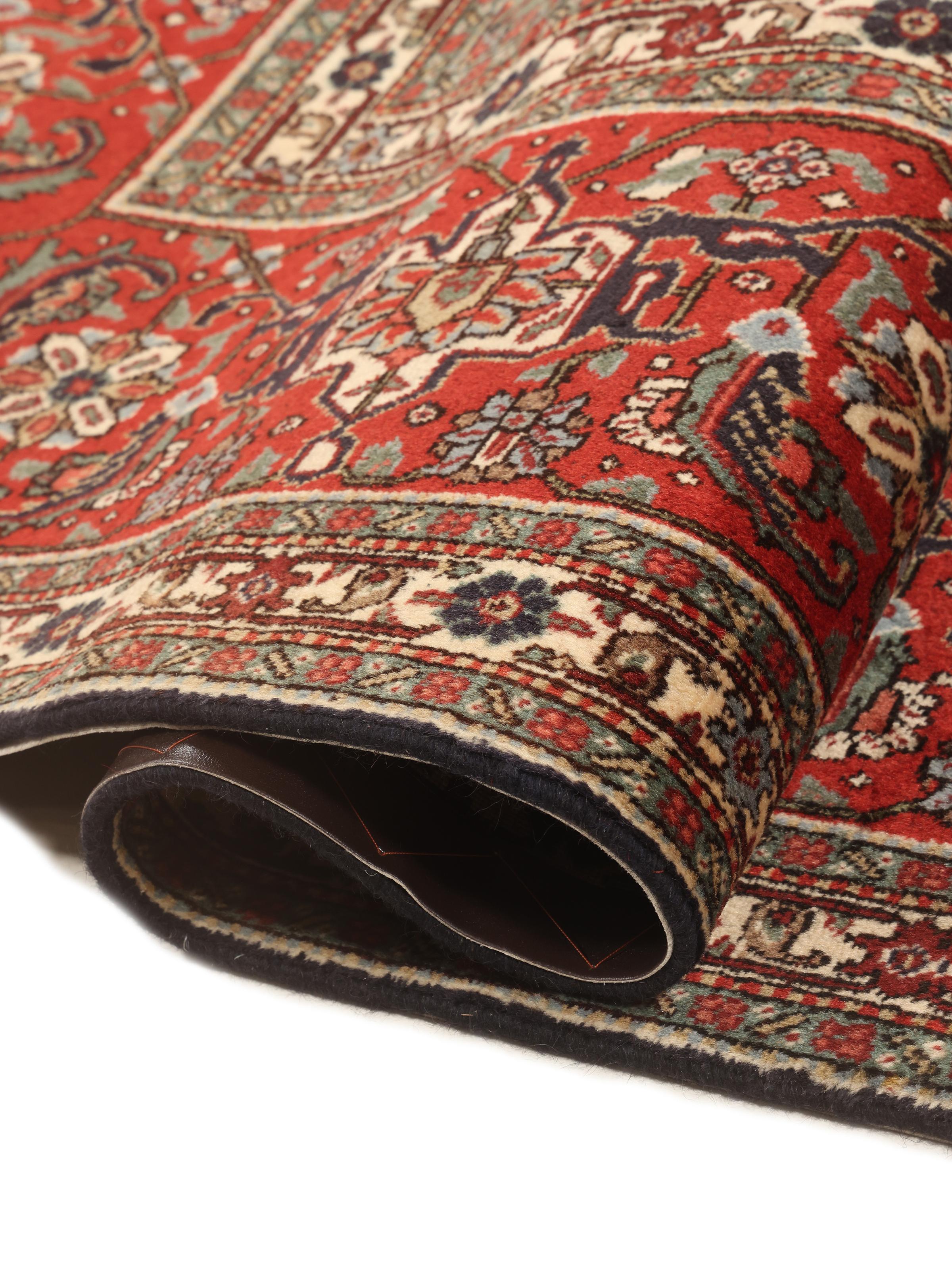
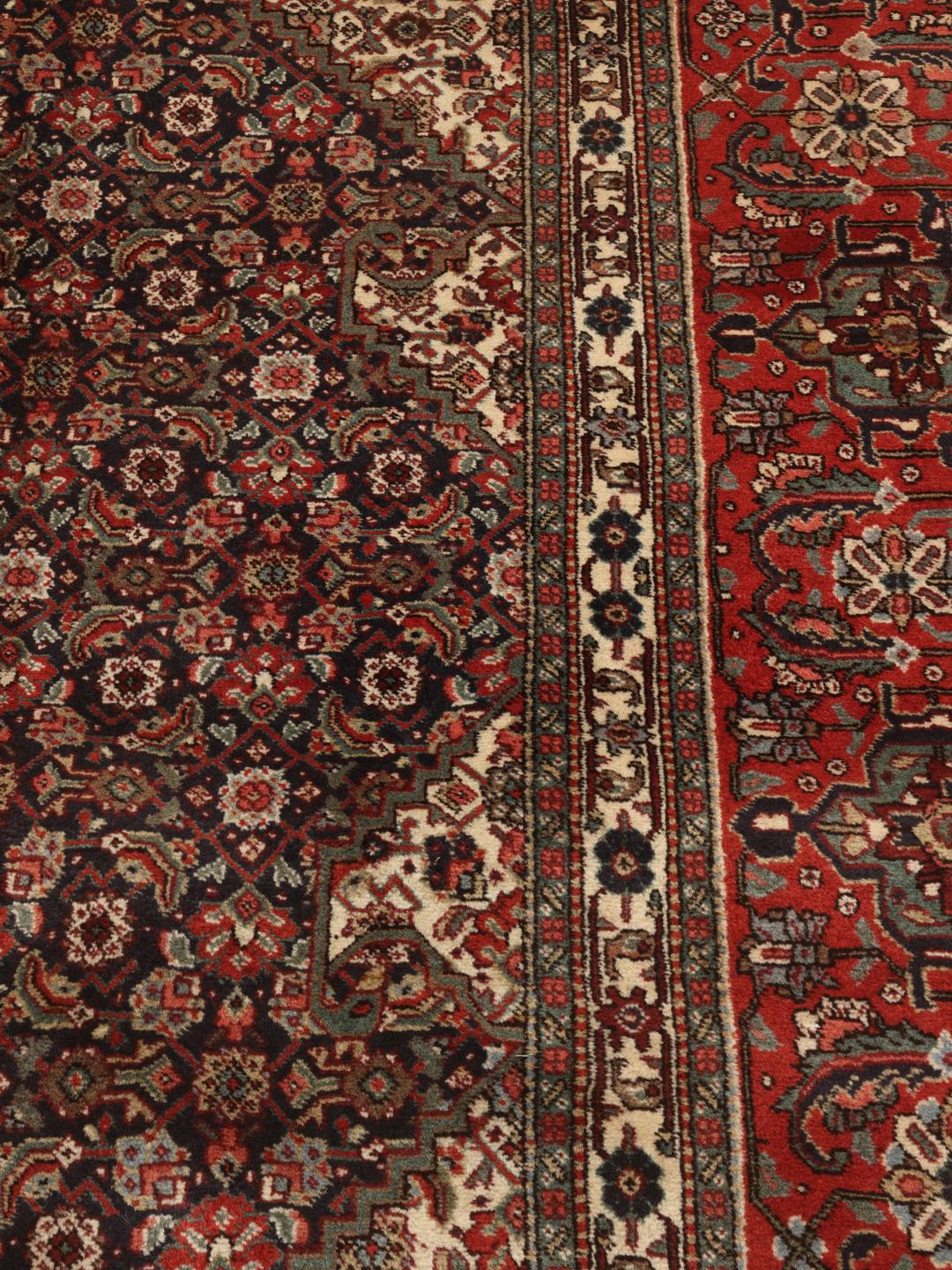
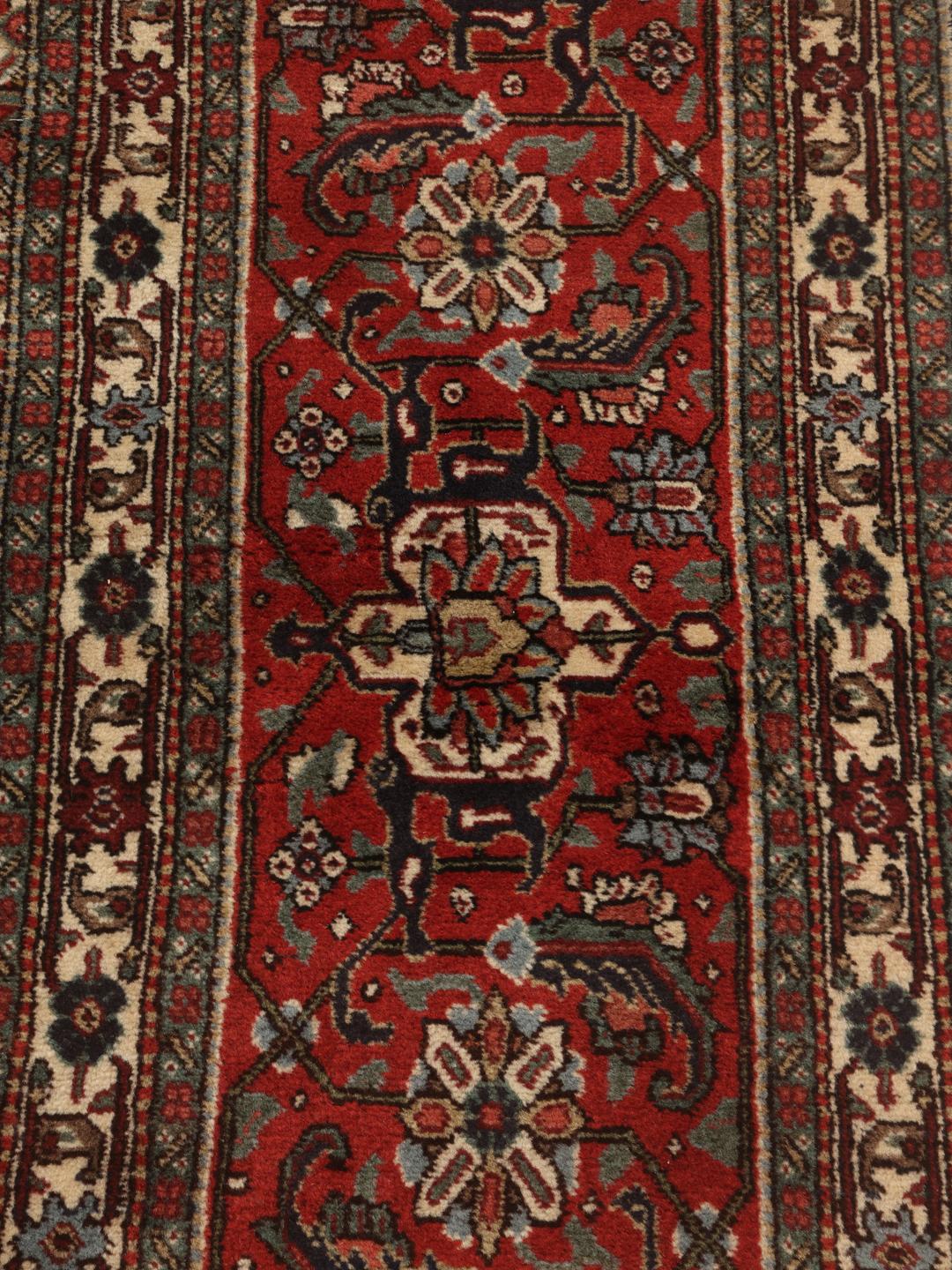
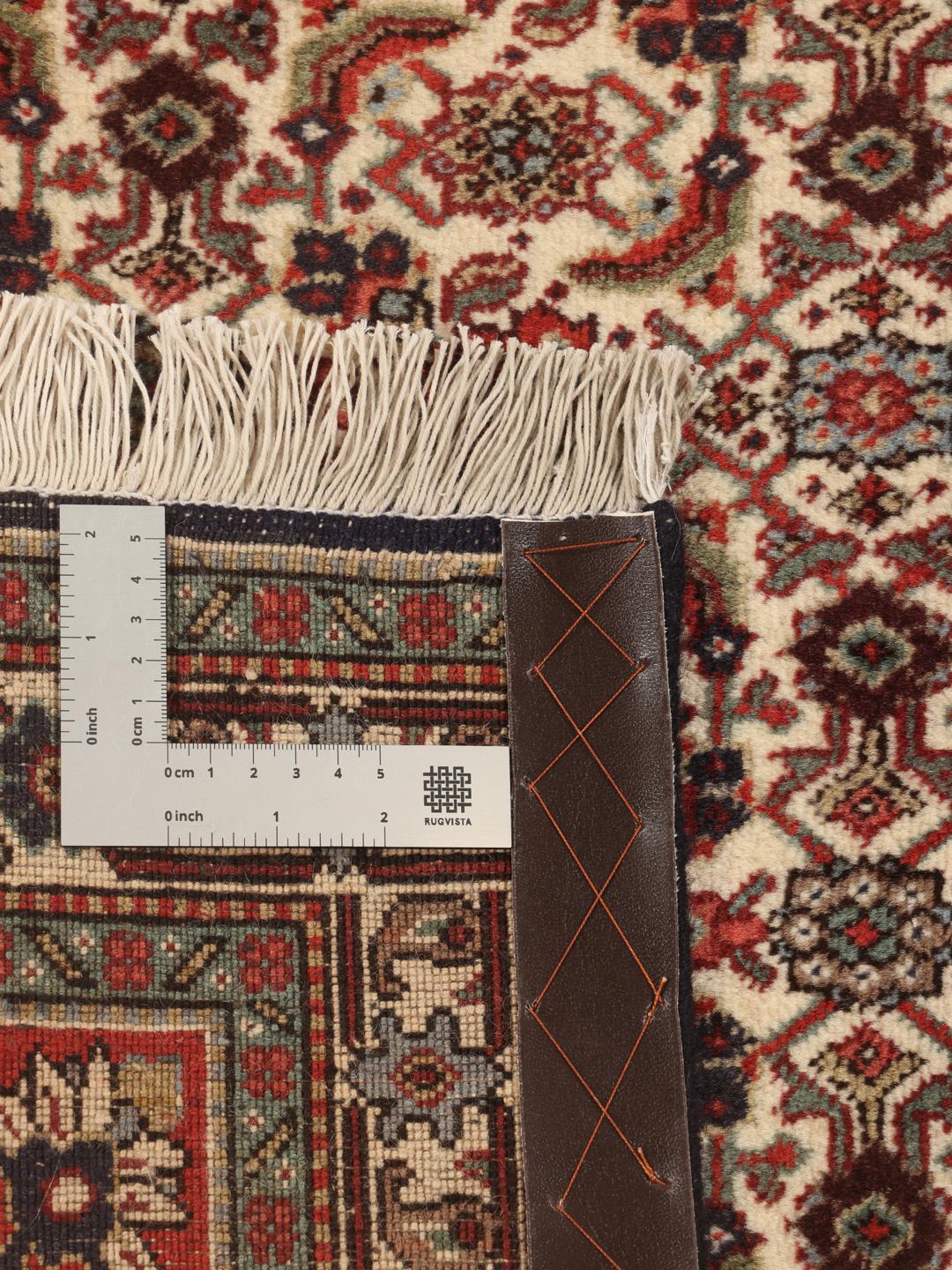
The term 40 Raj refers to the specific scale of the weaving, indicating a high degree of precision in the knotting process. In the world of fine rugs, the 'Raj' count is a vital indicator of quality, as it measures the number of knots along a specific length. This technical specification ensures a finer, more detailed pattern and a denser, more luxurious pile that provides both structural integrity and a refined aesthetic.
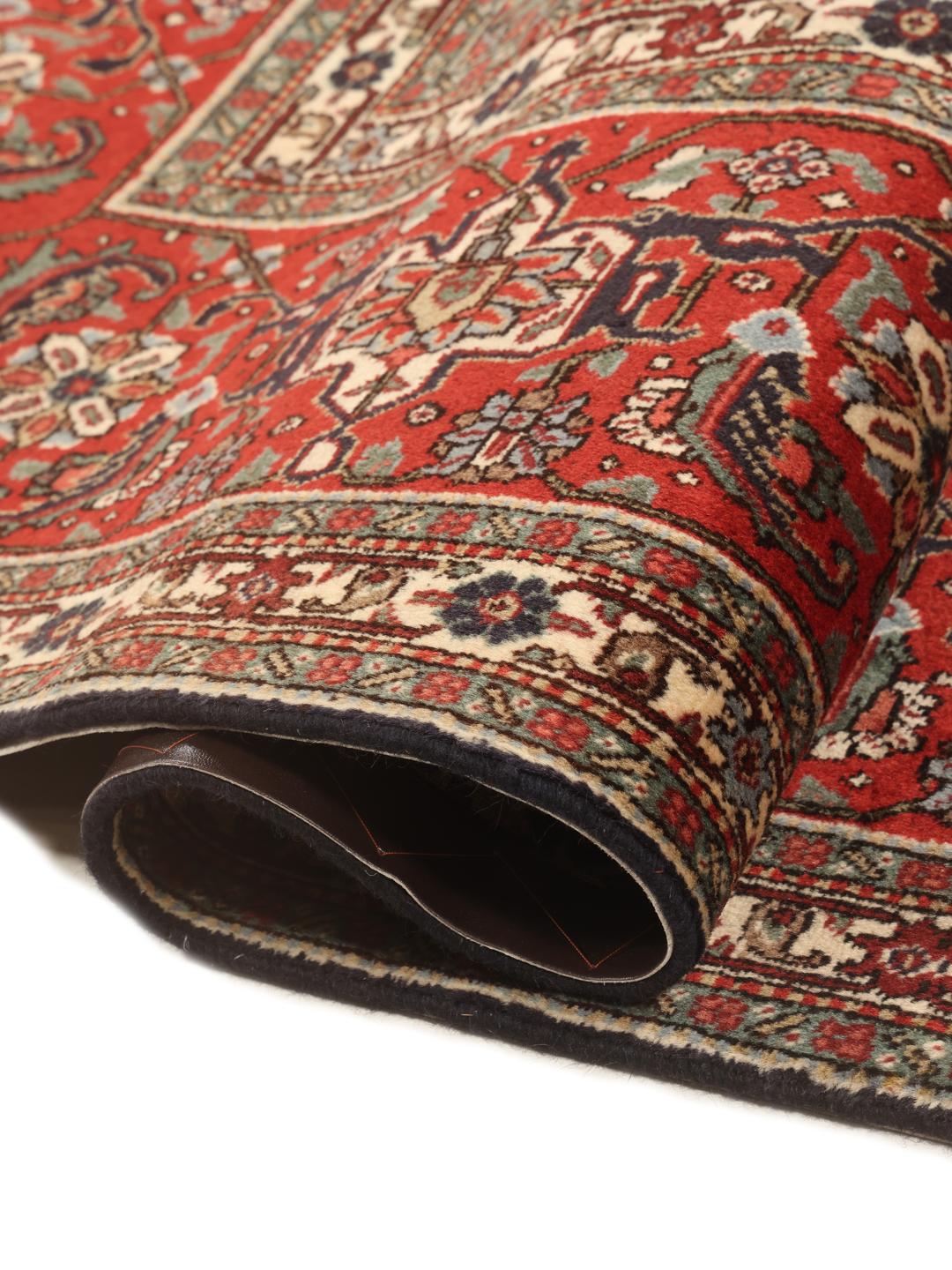
Design-wise, Tabriz rugs are famous for their sophisticated compositions, often featuring a central medallion surrounded by intricate floral motifs, palmettes, and scrolling vines. The borders are typically complex, framing the field with a precision that balances the ornate interior. While many designs draw from classical influences, individual weavers often introduce subtle variations in colour or motif, making every rug a personal expression within the wider tradition.
Collectors value Tabriz rugs for their combination of beauty and durability. They are seen as a hallmark of cultural heritage and a testament to the skill of the artisans who create them. Owning a piece from this tradition is an opportunity to connect with a long, storied history of craftsmanship, where every rug serves as a lasting record of the artisan's time, patience, and creative vision.