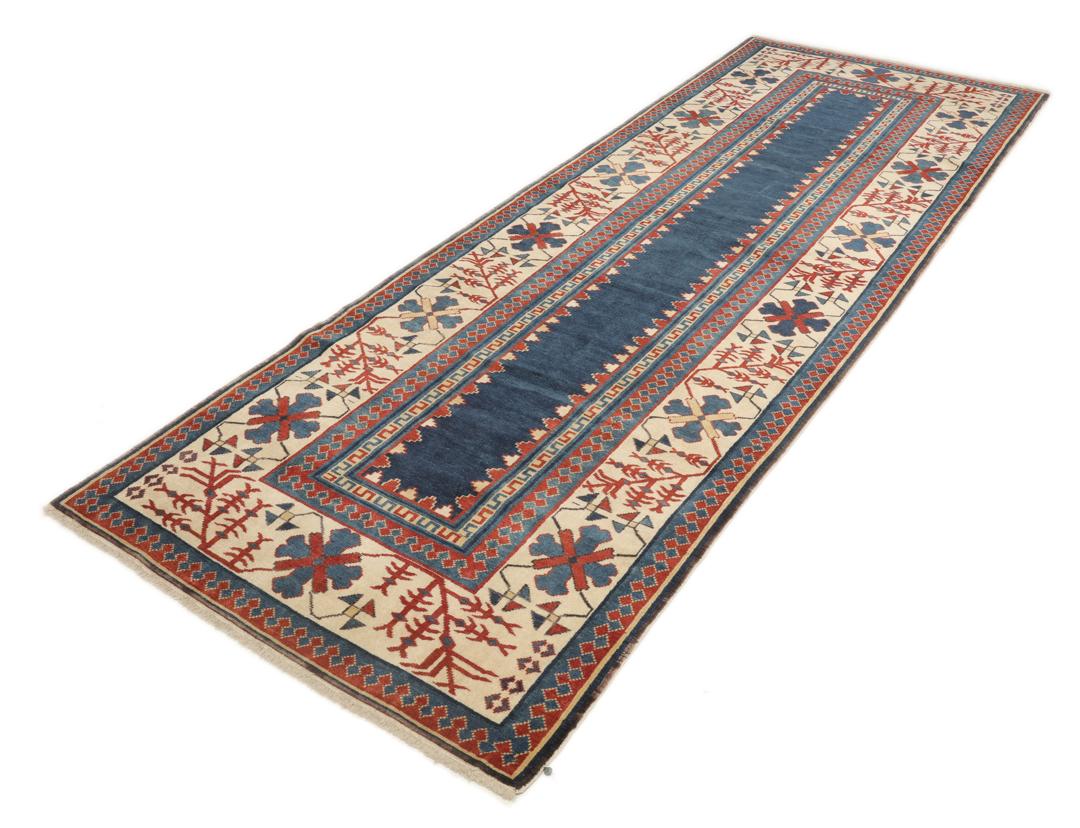
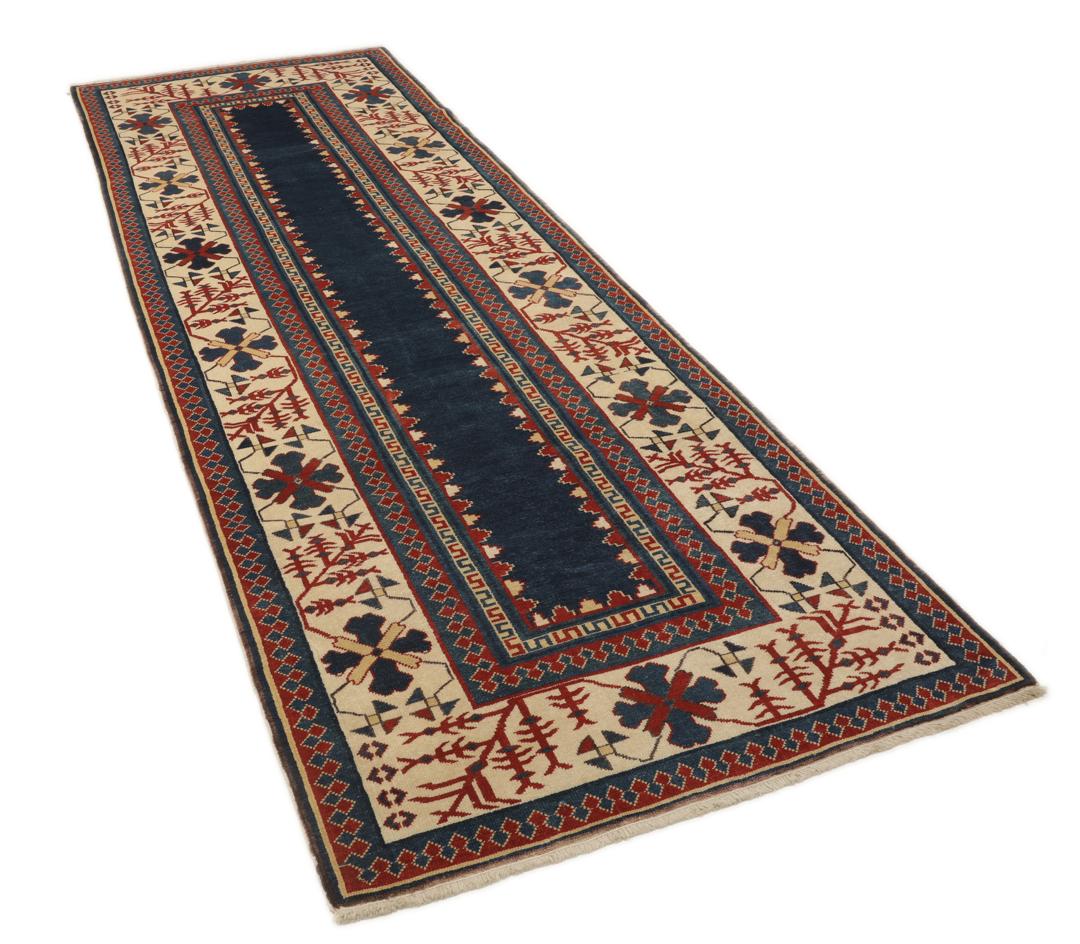
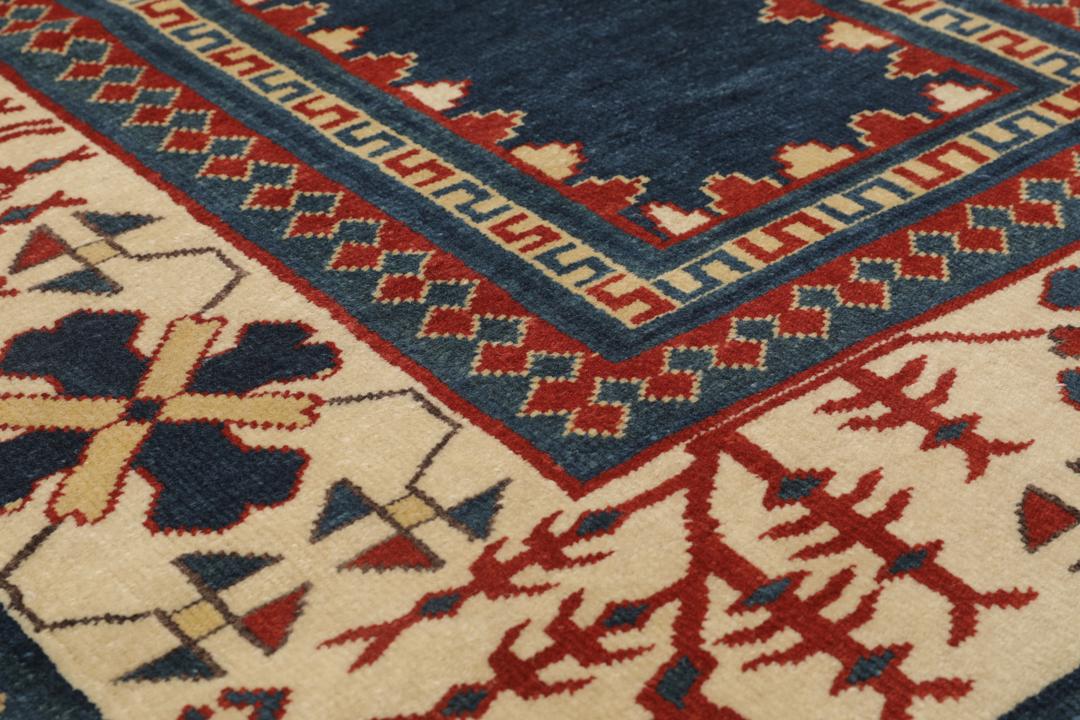
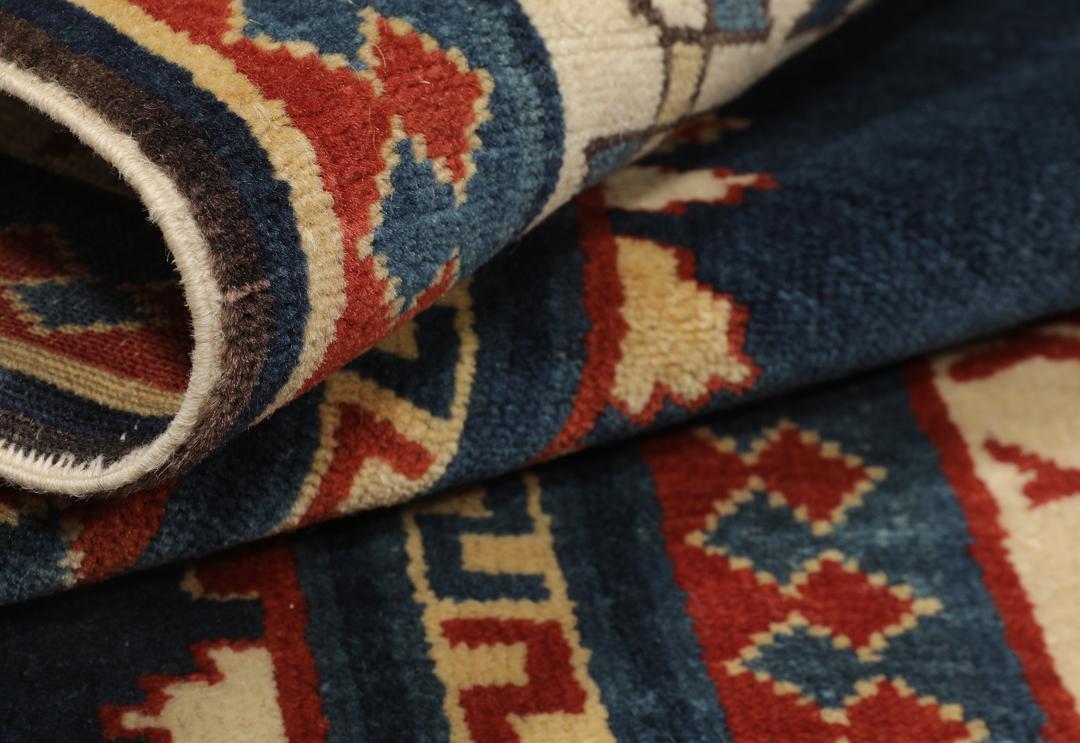
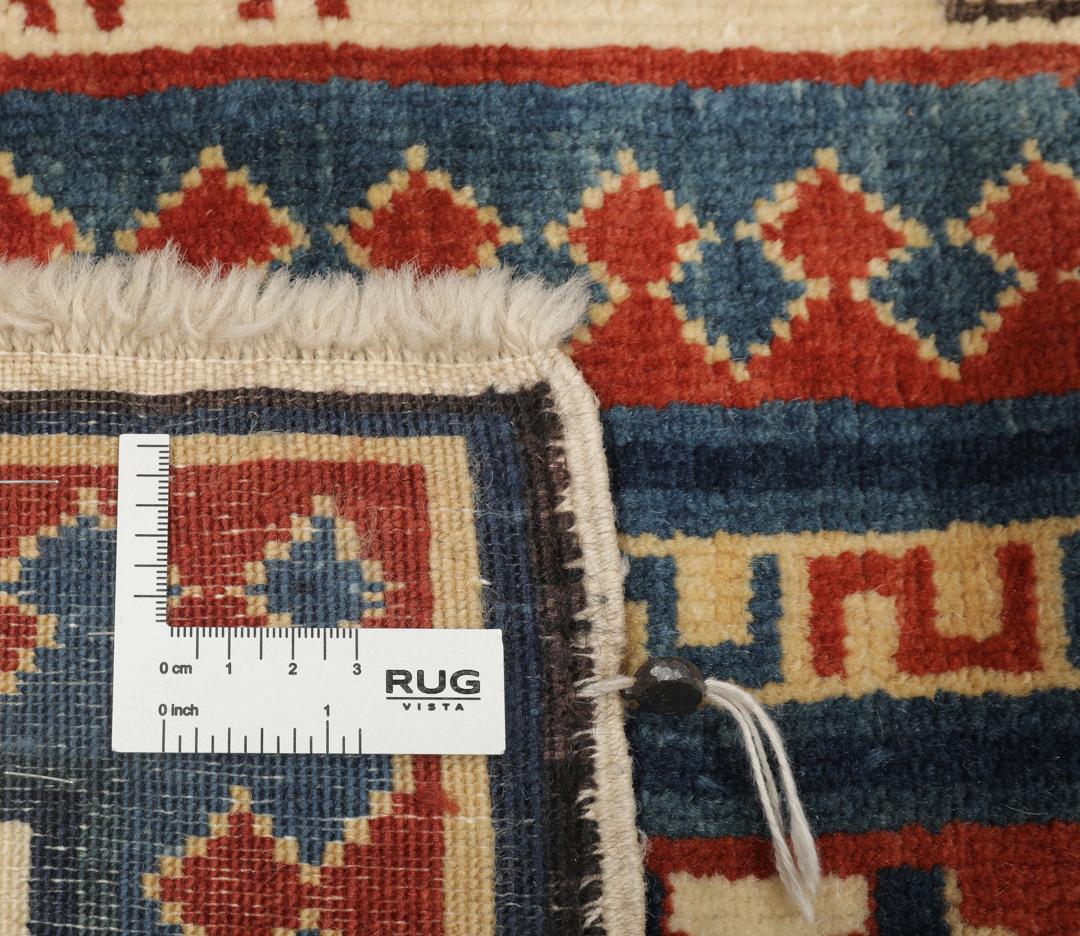
The Shirvan tradition traces its roots to the historic region of the same name in the eastern Caucasus, an area renowned for its centuries-old weaving culture. Historically, these rugs were produced in smaller, village-based workshops where techniques were passed down through generations. Today, the spirit of this tradition is kept alive by skilled weavers who continue to use these ancient methods in regions like Turkey, maintaining the classic visual language that defines the style.
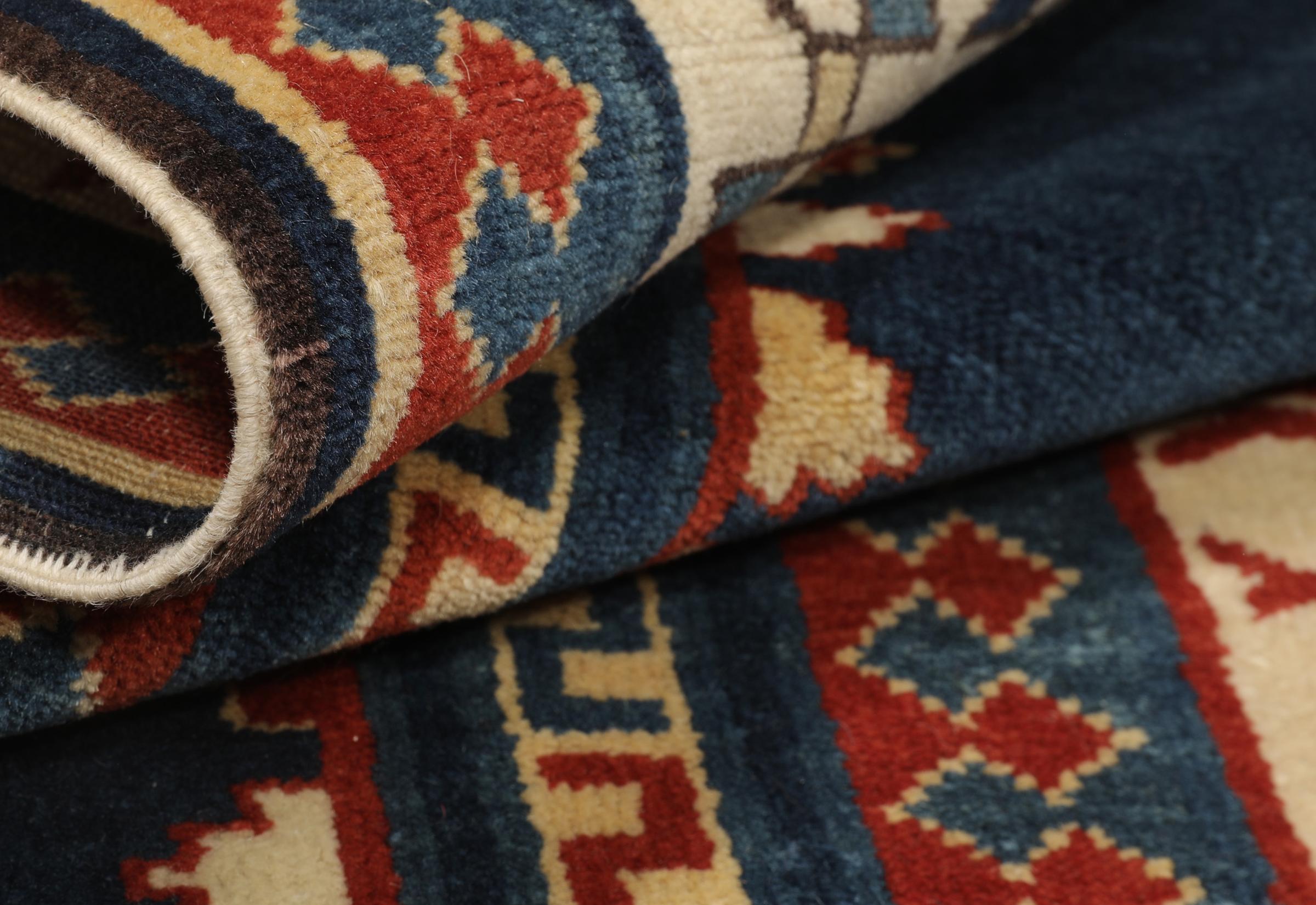
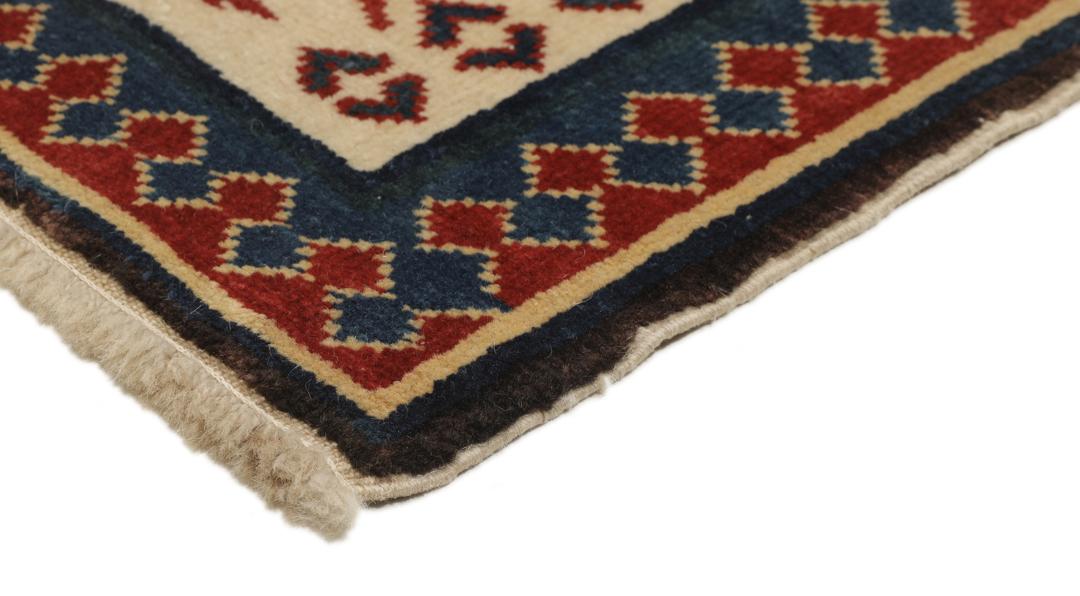
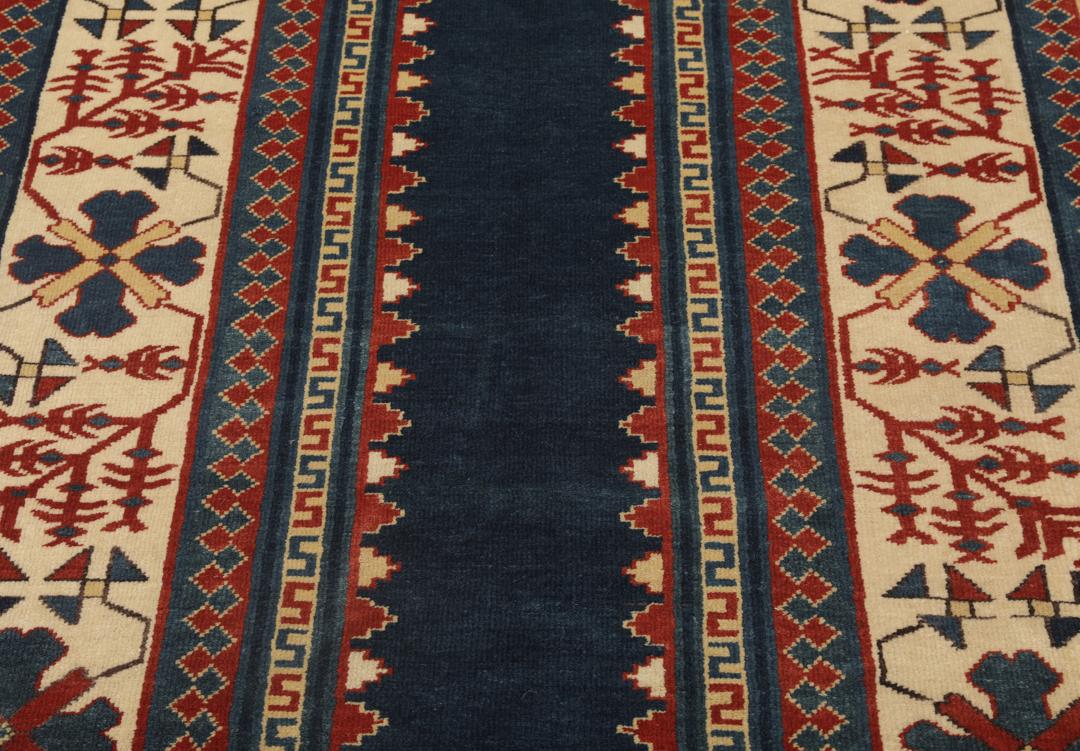
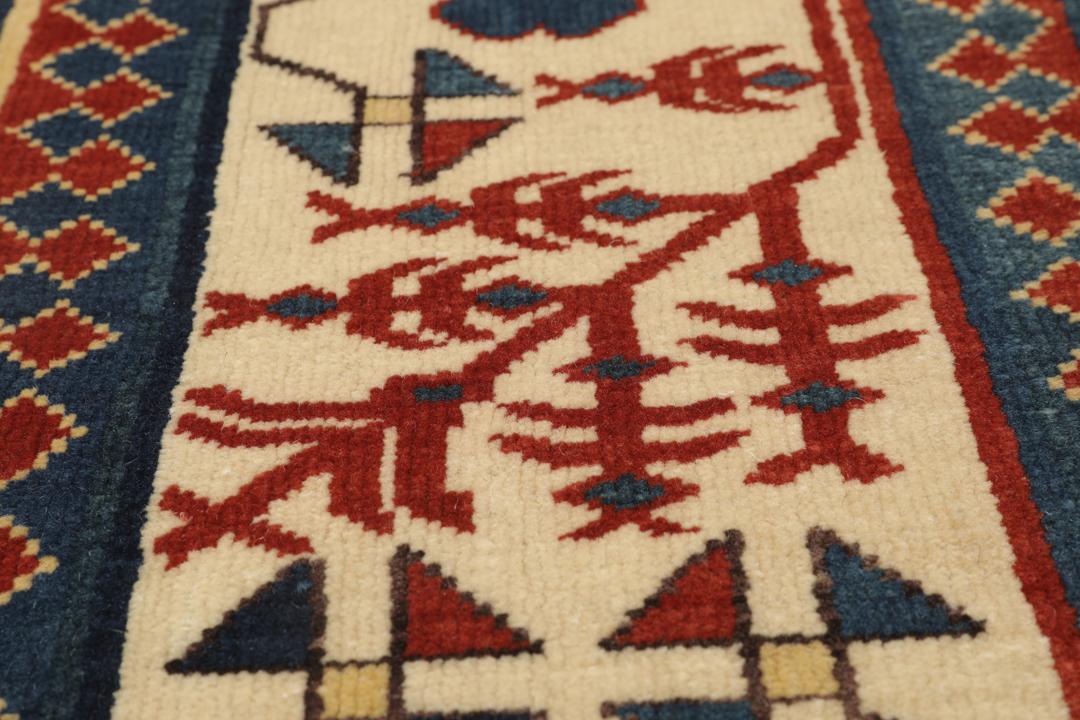
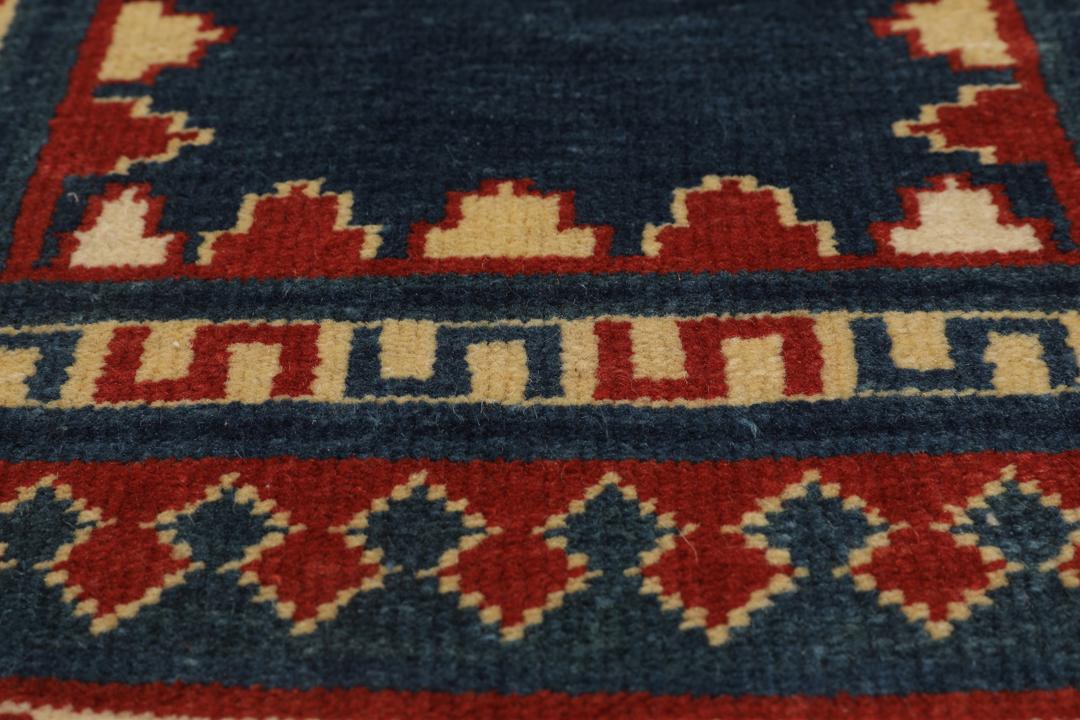
Shirvan rugs are famously recognised for their structured, geometric designs and their relatively dense, low-pile construction. The term 'Shirvan' refers to a specific design vocabulary that often includes stylised birds, latch-hook medallions, and intricate floral motifs. These elements are not merely decorative but are symbolic components that have been refined over time, making these rugs highly sought after by collectors who appreciate their historical significance.
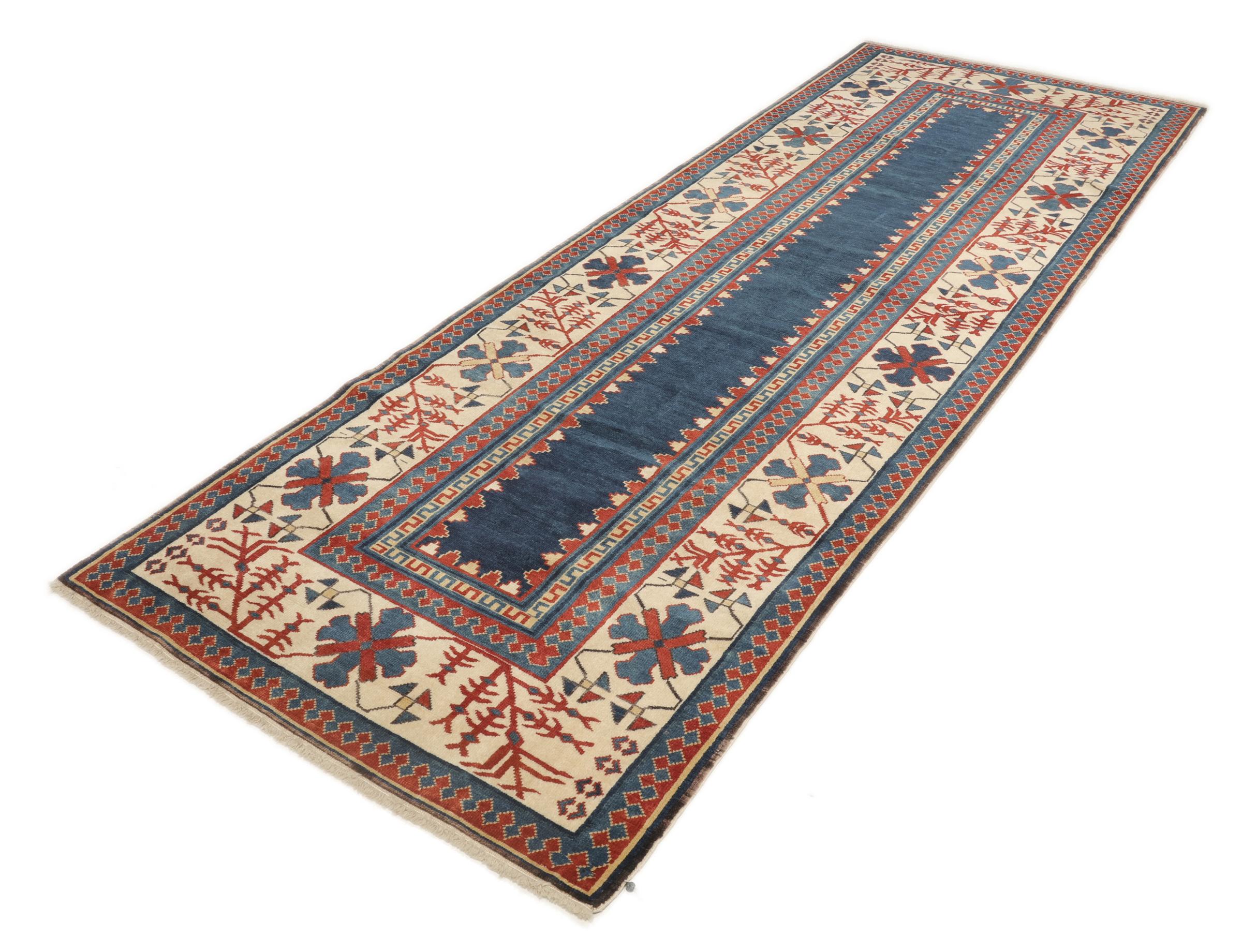
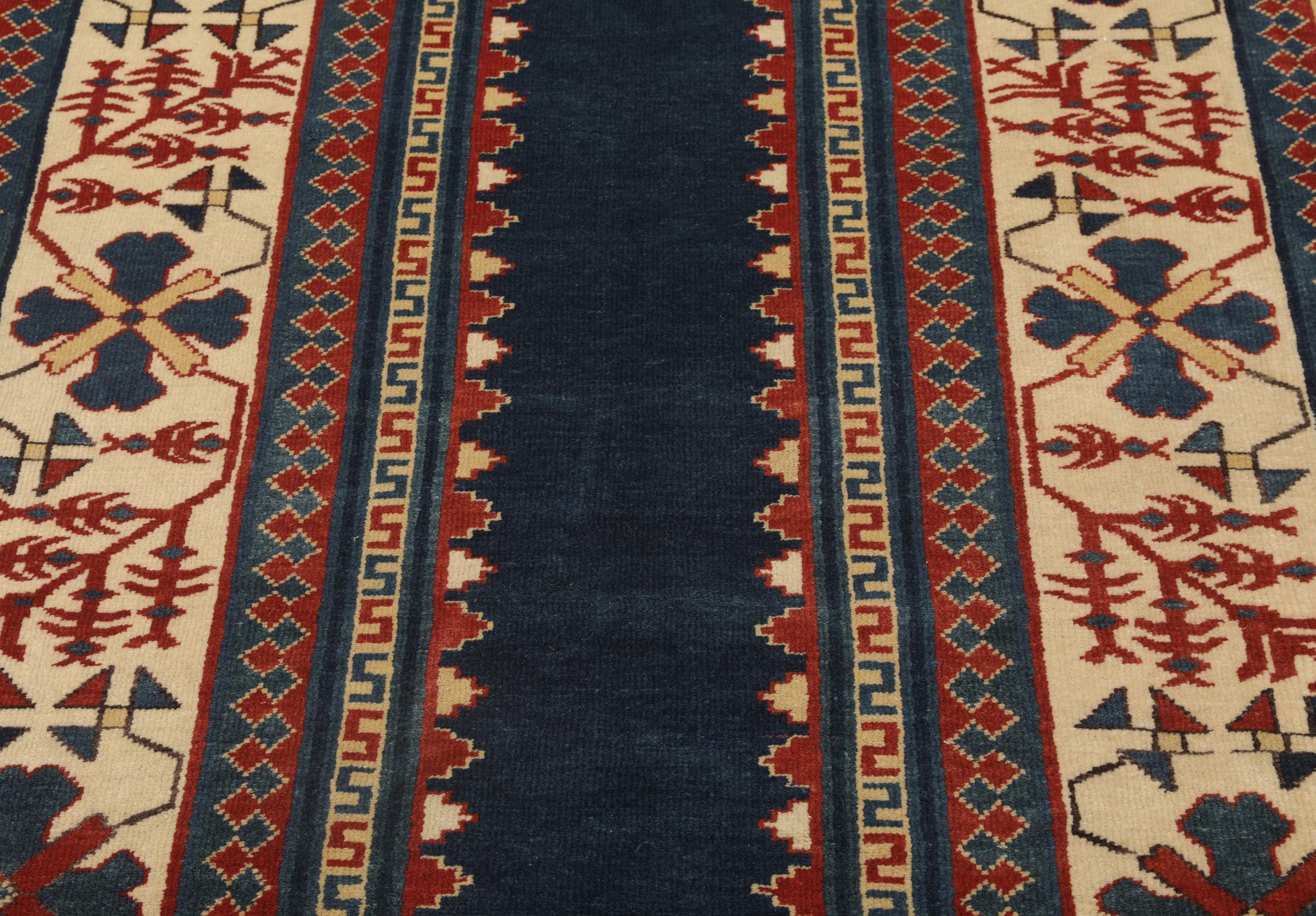
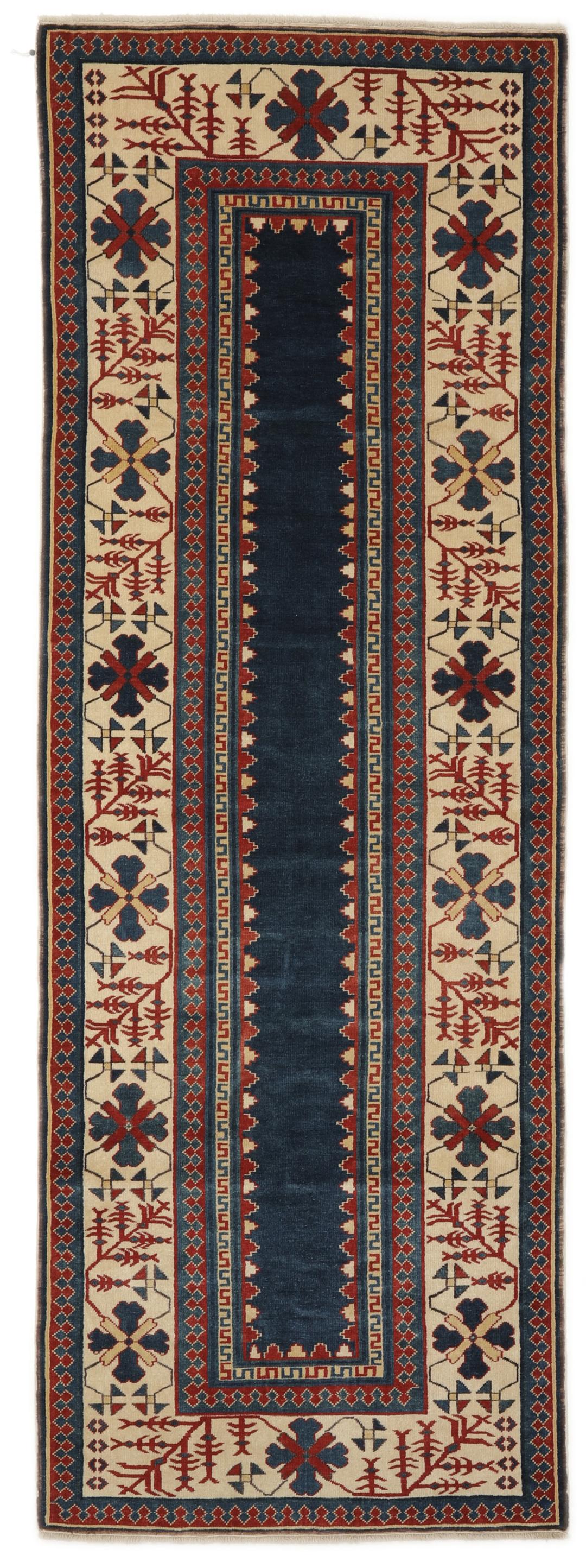
The visual language of this tradition is characterised by a disciplined use of space and colour. Typically, the field is framed by multiple, highly detailed borders that contain the central motifs, creating a sense of balance and order. The use of a deep, midnight blue as seen here is a classic choice, providing a dramatic contrast against the warm, earthy tones often used in the geometric patterns, which highlights the sharpness of the design.
Owning a Shirvan piece is an opportunity to connect with a rich legacy of artistry. These rugs are valued not just for their appearance, but for the human skill and cultural heritage they embody. By choosing a unique, older piece, you are acting as a custodian of a craft tradition that has defined floor coverings for centuries, ensuring that this level of artistry continues to be appreciated in modern homes.