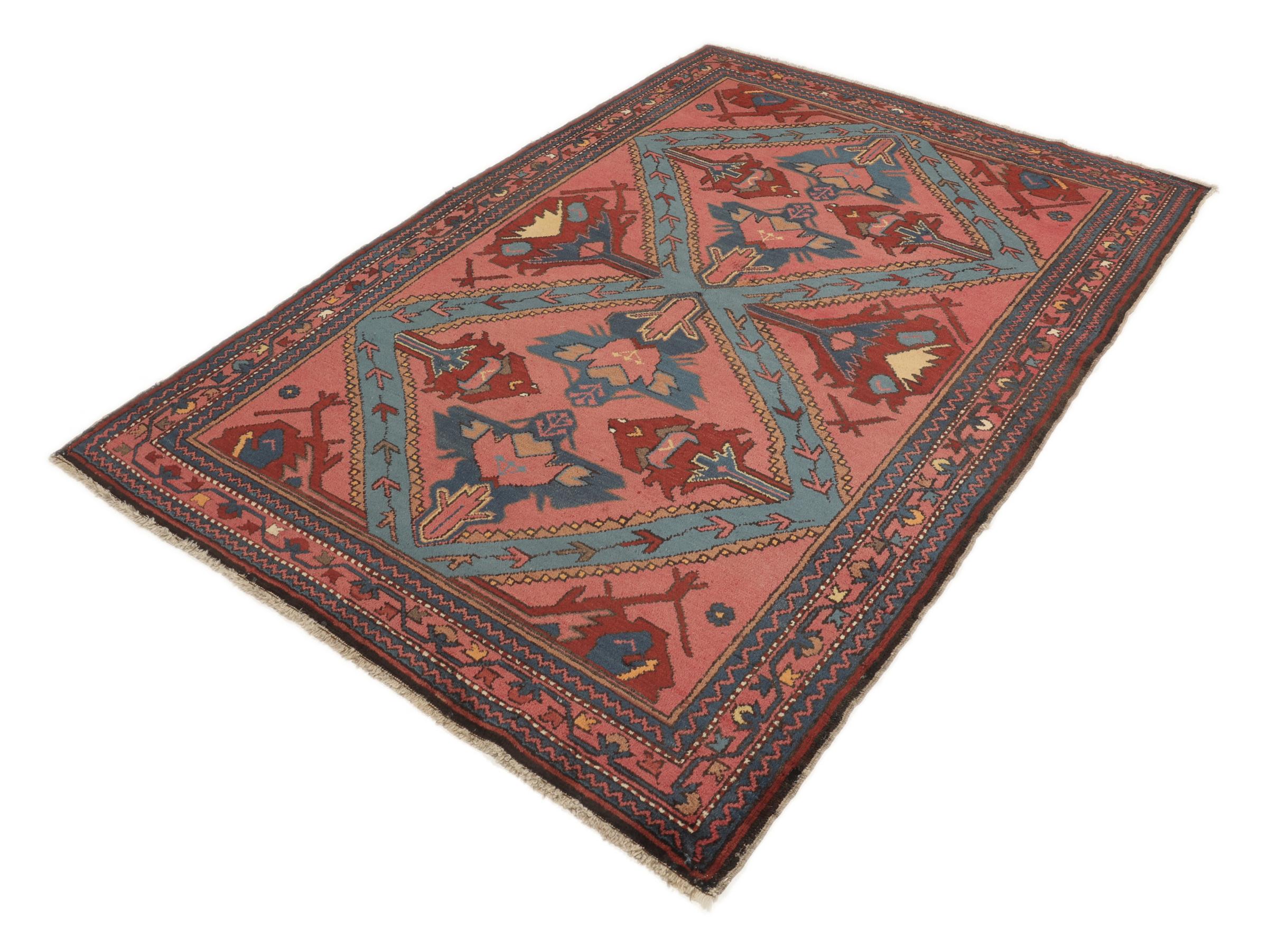
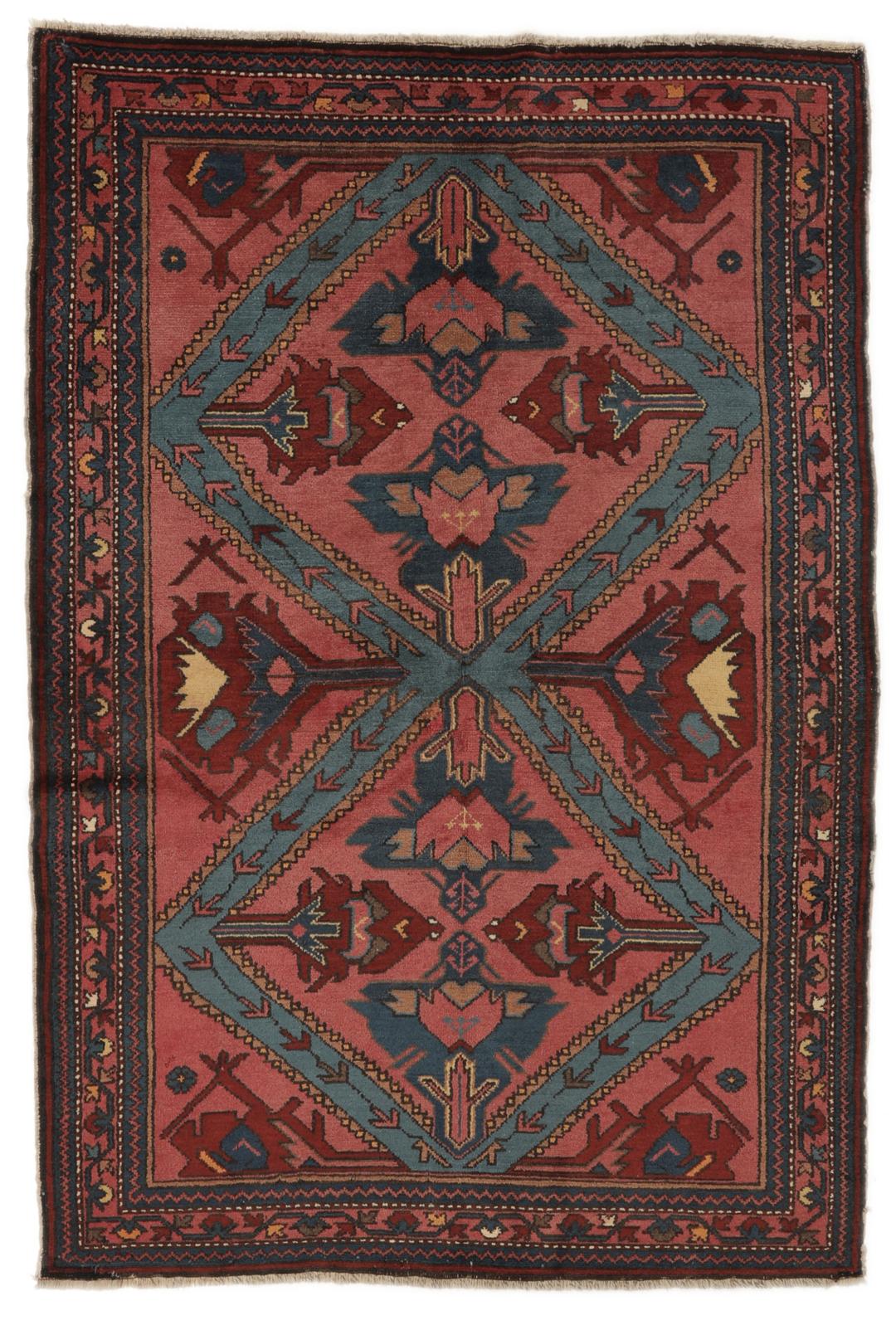
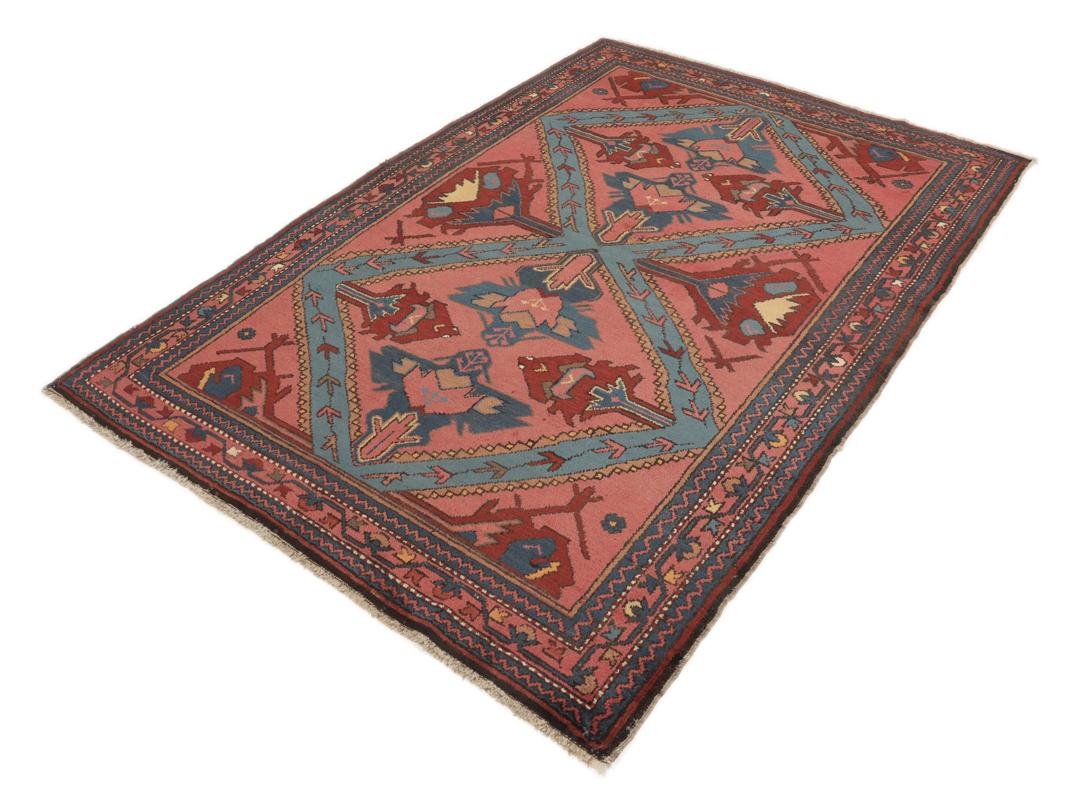
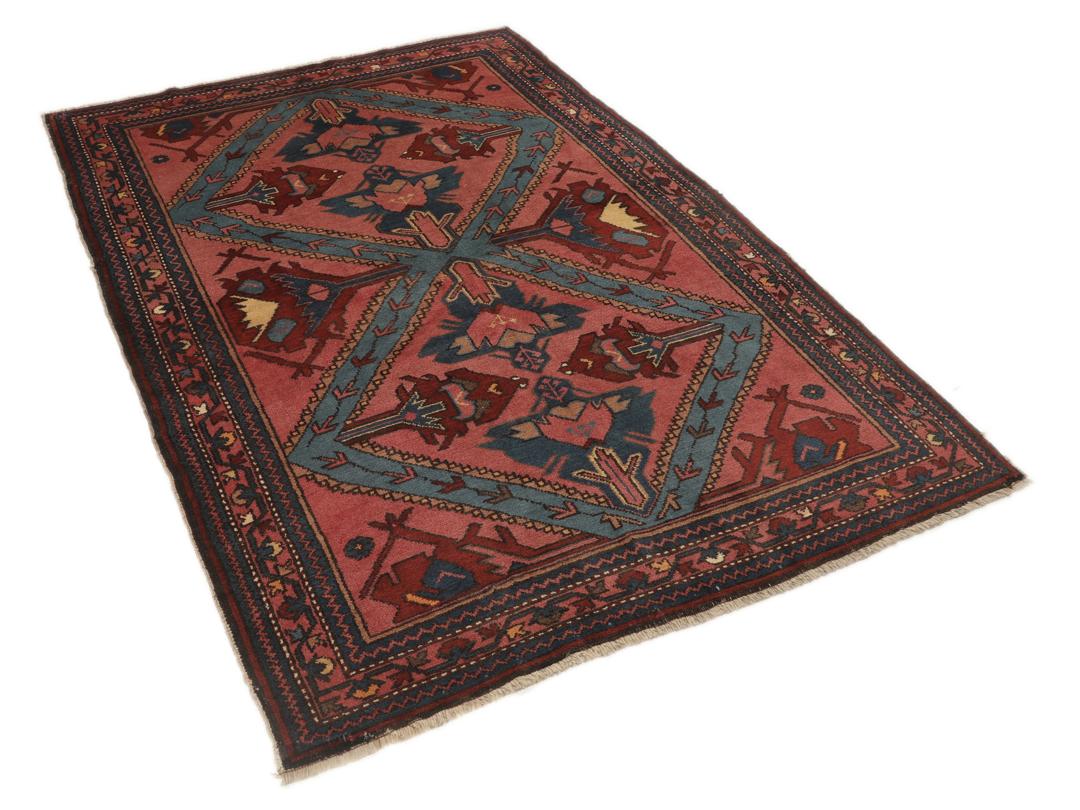
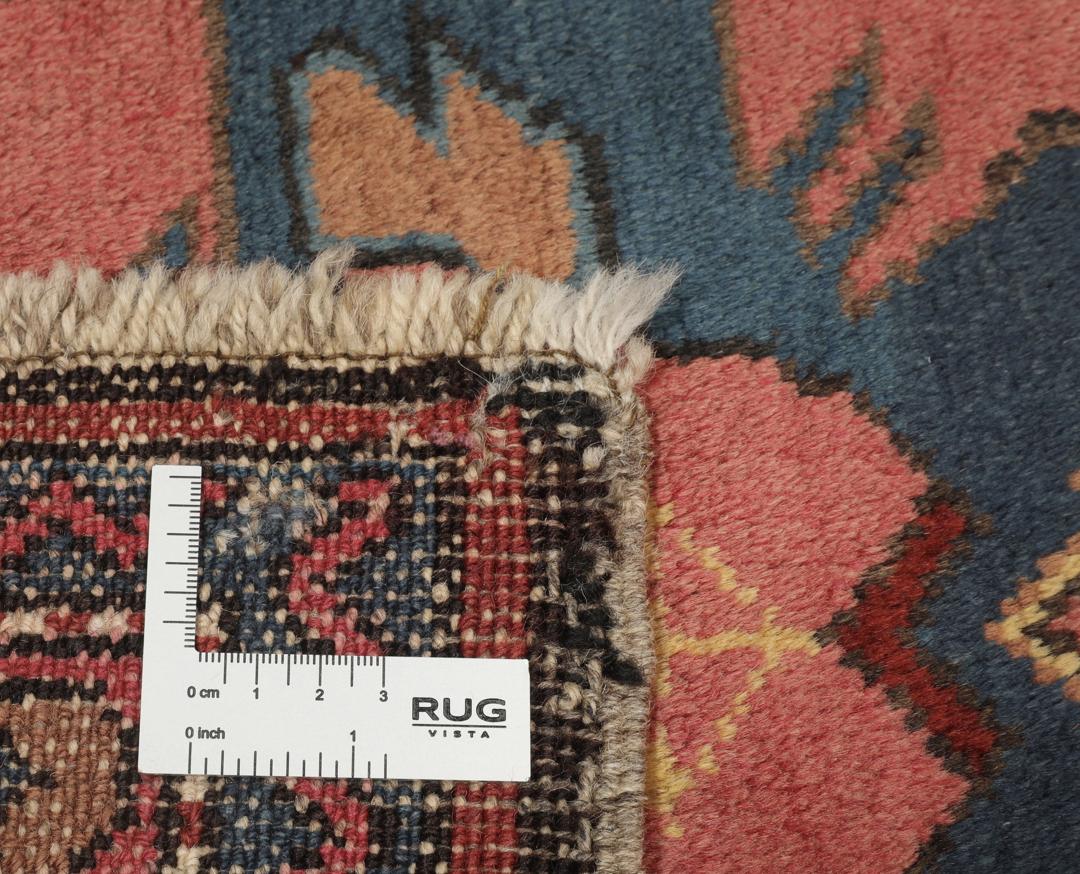
Shirvan rugs originate from the historic Shirvan region in the eastern Caucasus, an area renowned for its long-standing weaving heritage. These rugs are highly prized for their artistic expression and connection to the nomadic and settled cultures of the Caucasus, which have blended various influences over centuries. The pieces created in this region are often considered some of the most sophisticated examples of tribal weaving, reflecting the rugged landscape and cultural richness of their origin.
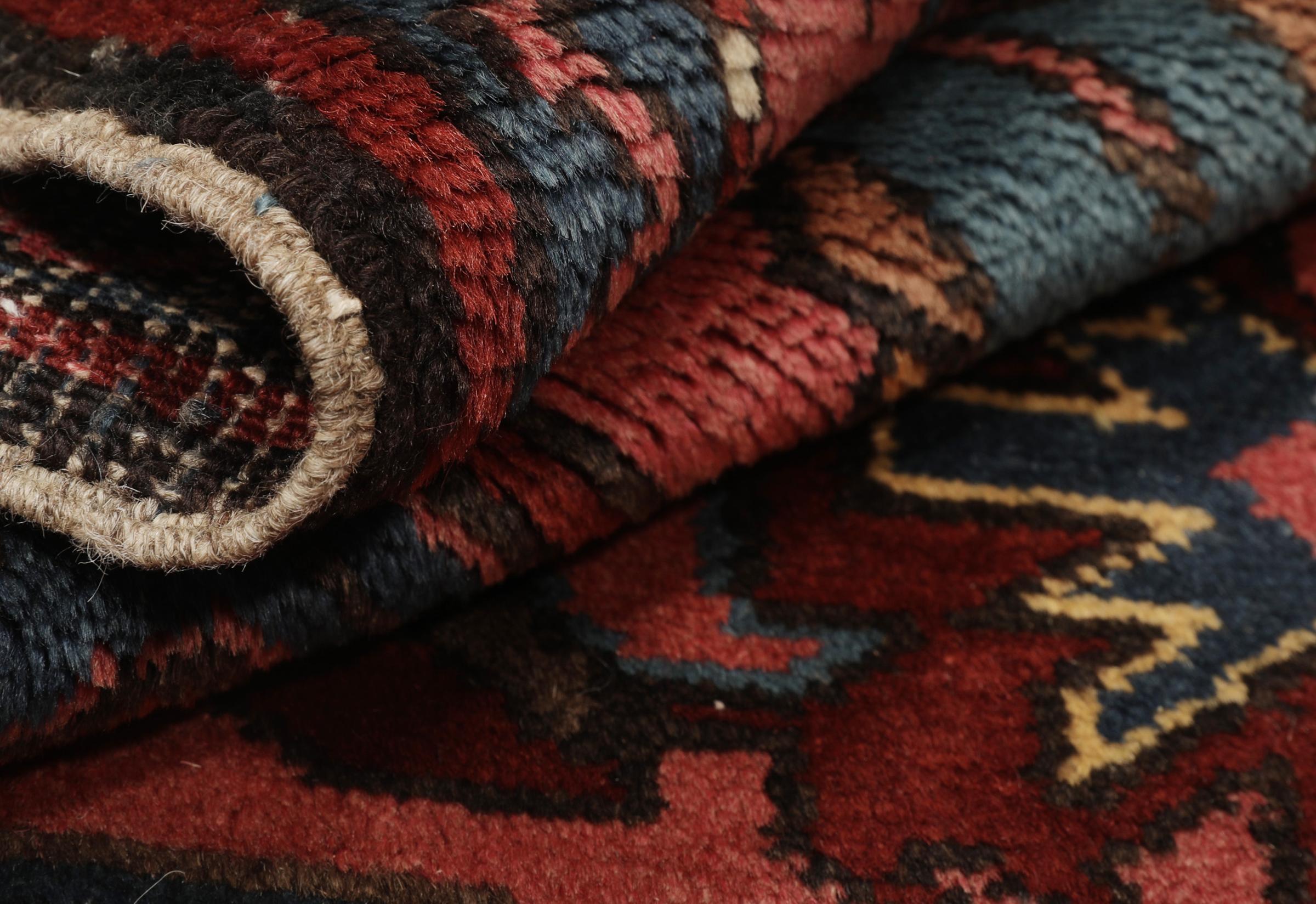
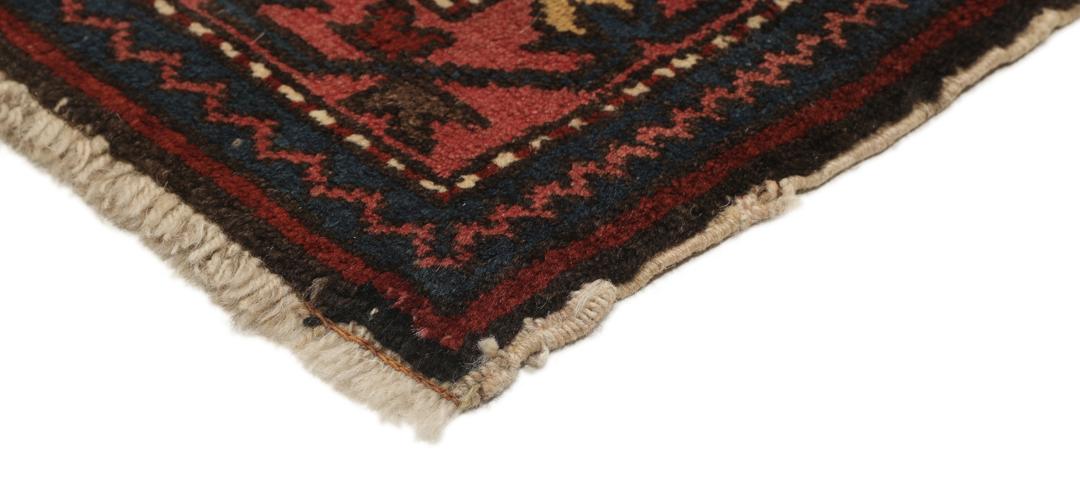
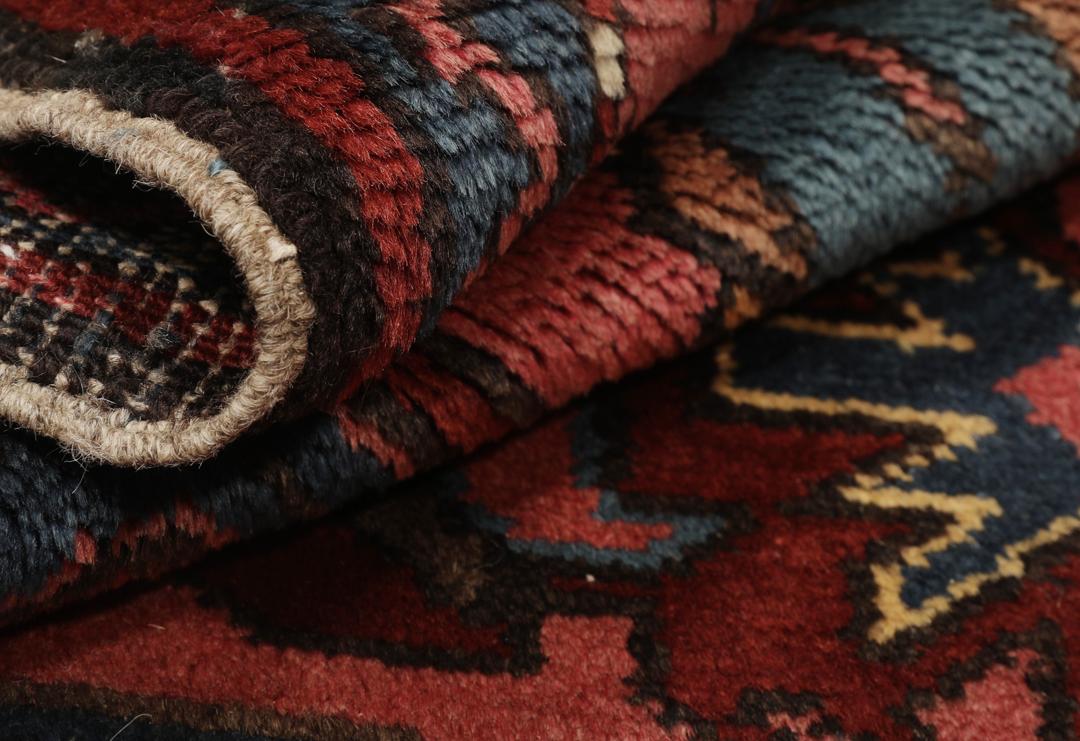
The terminology used to describe these rugs often refers to the specific village or tribal group where they were woven, with each location having its own nuances in technique and design. The construction typically involves a sturdy foundation, which ensures the rug maintains its shape and structural integrity over decades of use. This technical approach is fundamental to the durability that makes these pieces so sought after by those who appreciate high-quality textiles.
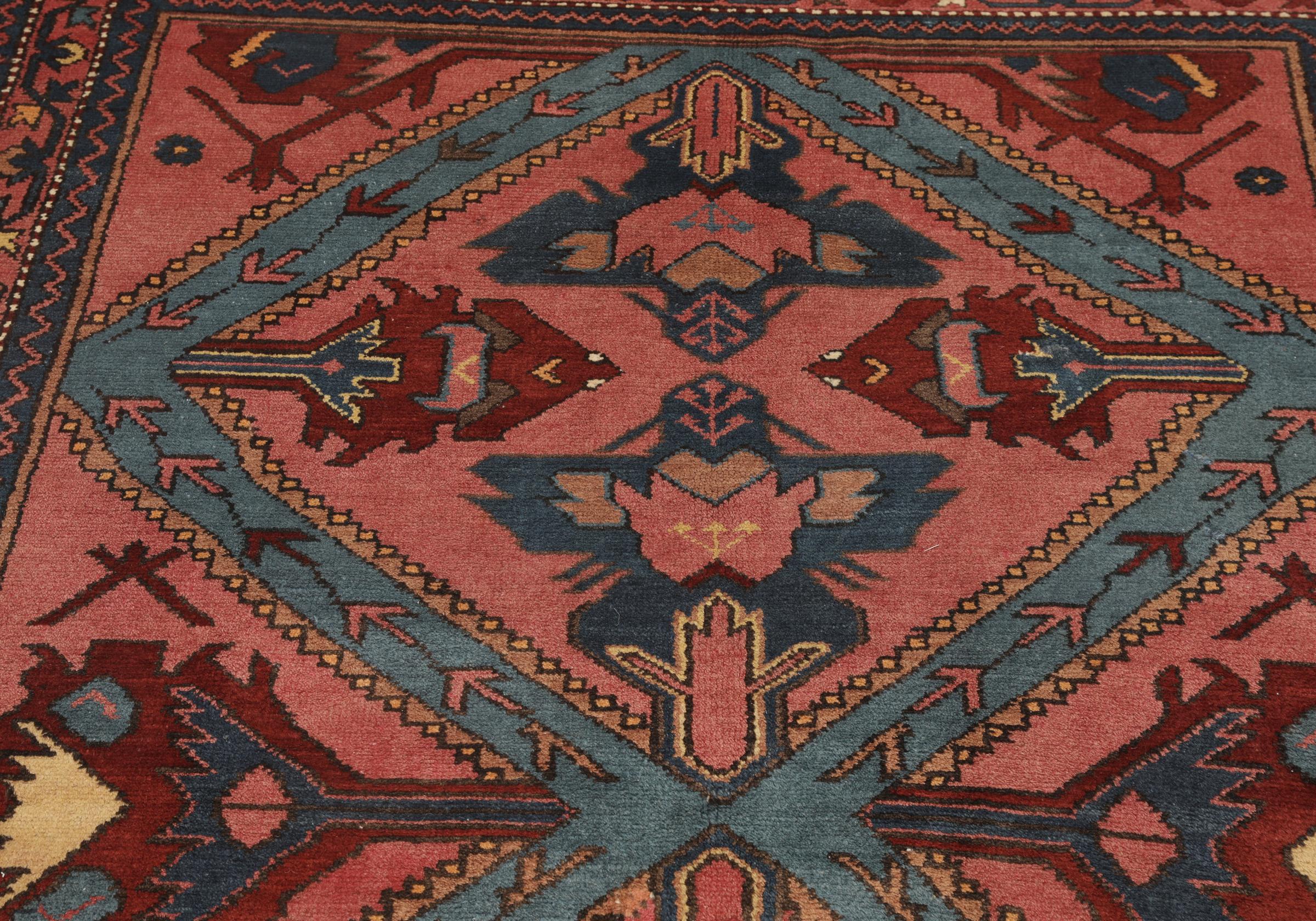
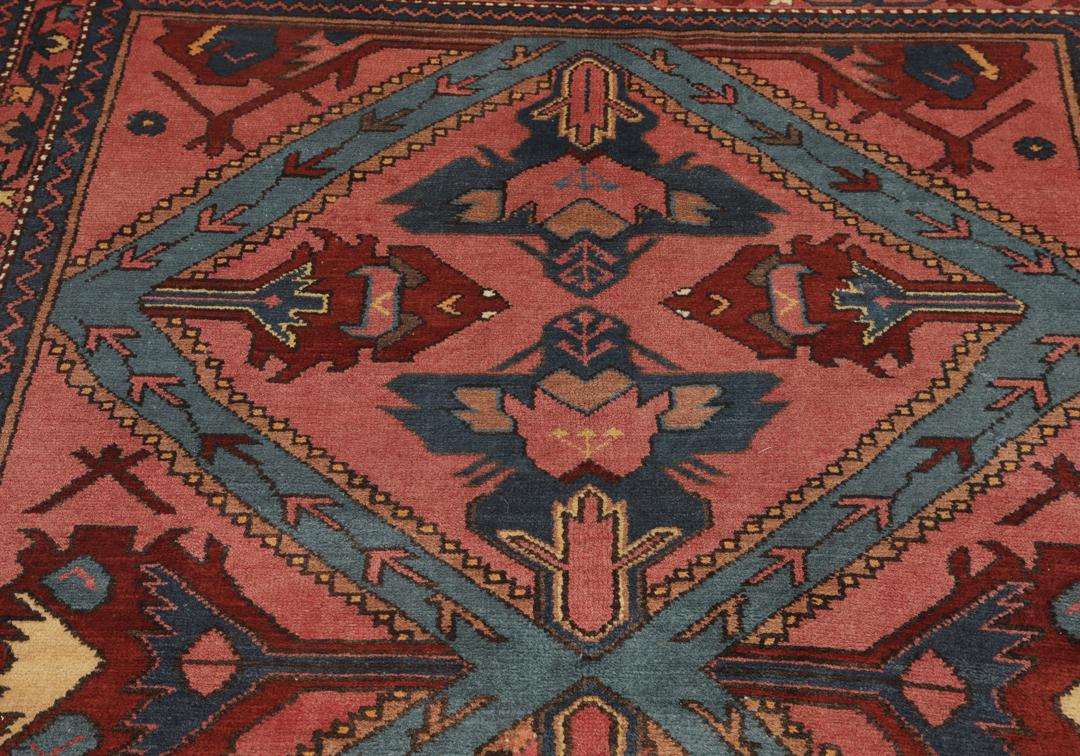
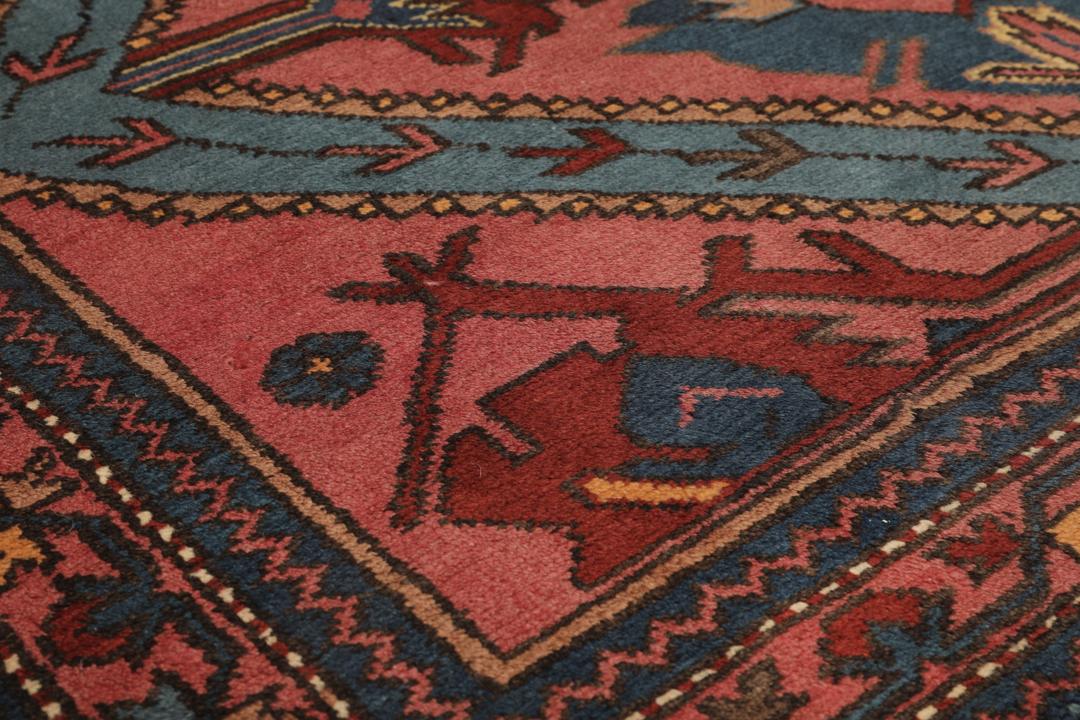
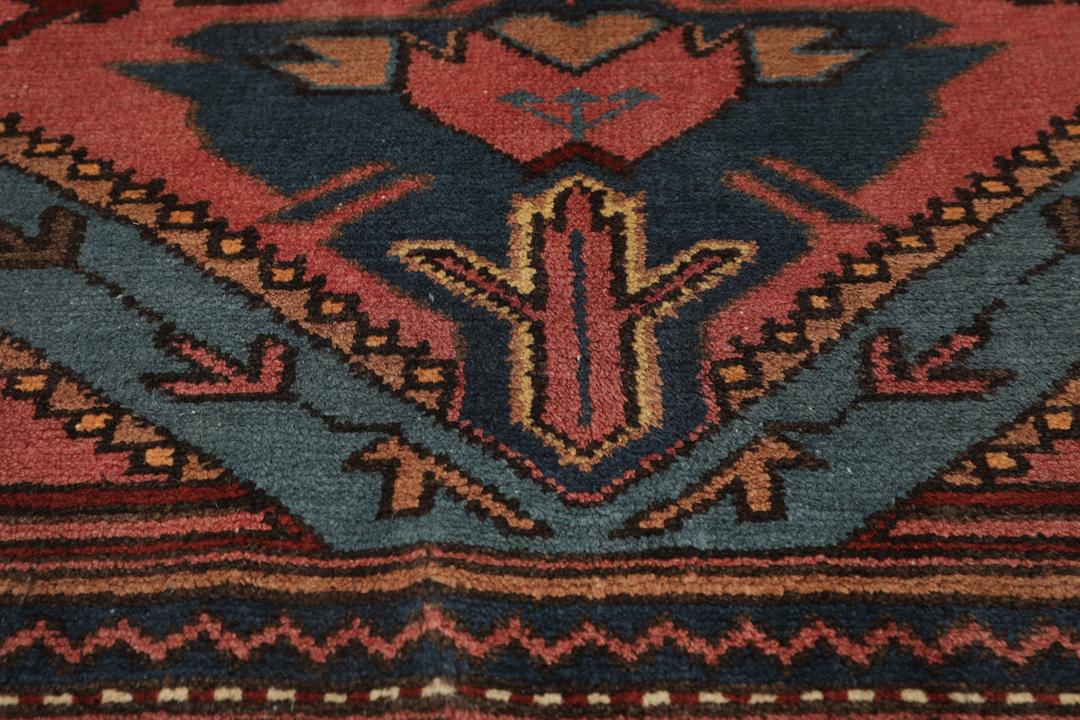
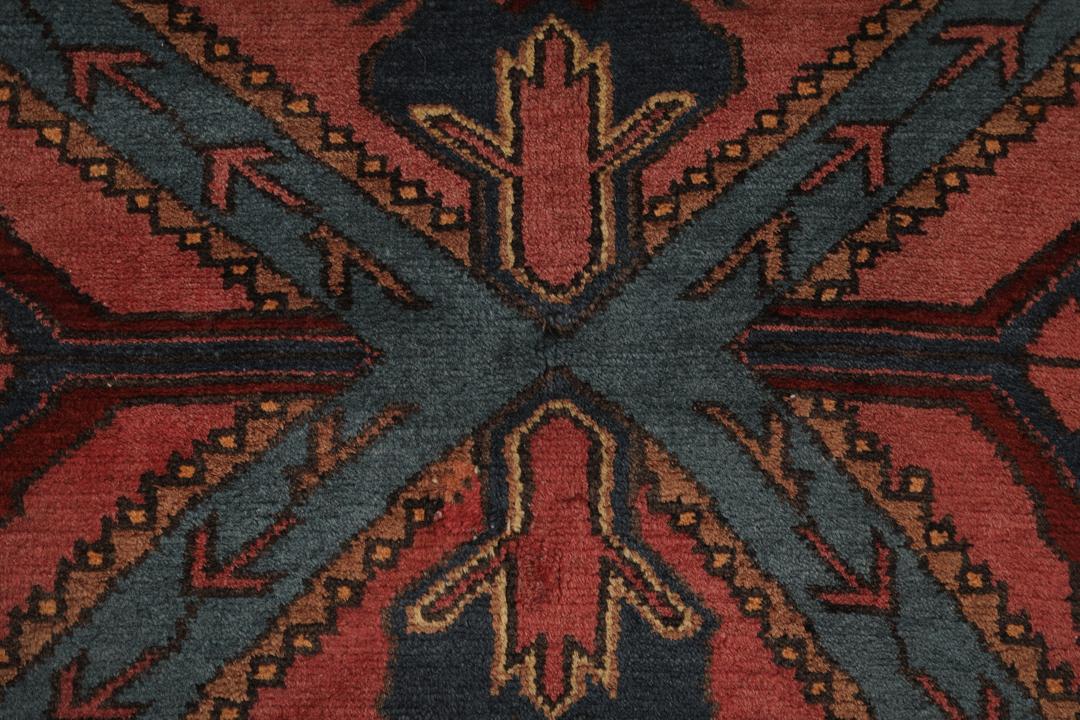
Signature design elements of the Shirvan tradition often feature bold, stylised geometric patterns and recurring motifs such as medallions, hooked diamonds, and intricate borders. These designs are not merely decorative but often carry symbolic meaning rooted in the cultural history of the Caucasus. The use of natural dyes, which develop a unique patina over time, is a hallmark of these rugs, contributing to their enduring visual appeal and status as collectible art.
Collecting a Shirvan rug is an investment in both history and traditional skill. These pieces are valued for their rarity and the authentic, human effort that went into every stitch. Owning one means preserving a piece of heritage that reflects the artistic spirit of the Caucasus, offering a sense of connection to a time when every rug was a singular expression of the weaver's talent and the region's cultural identity.