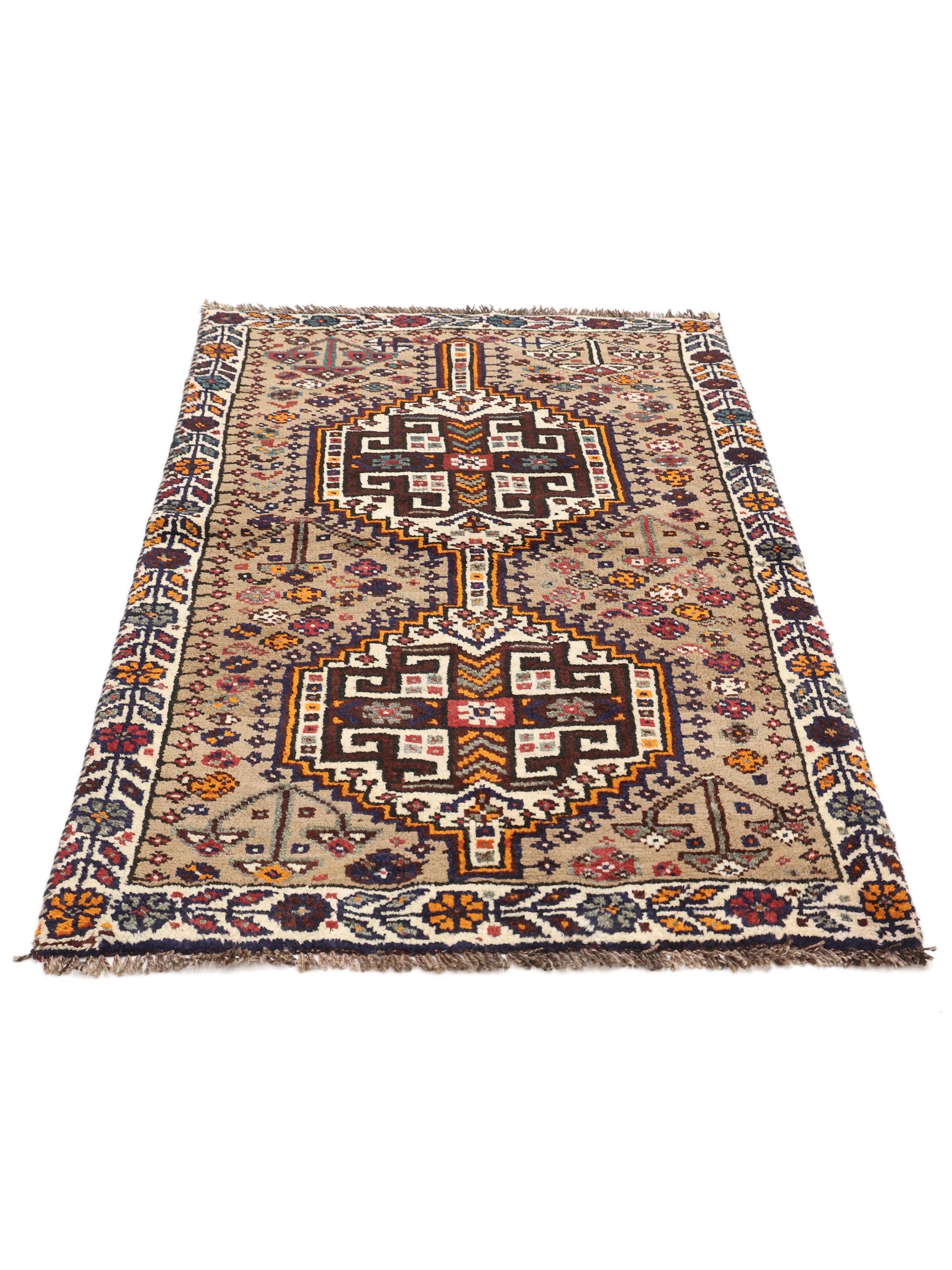
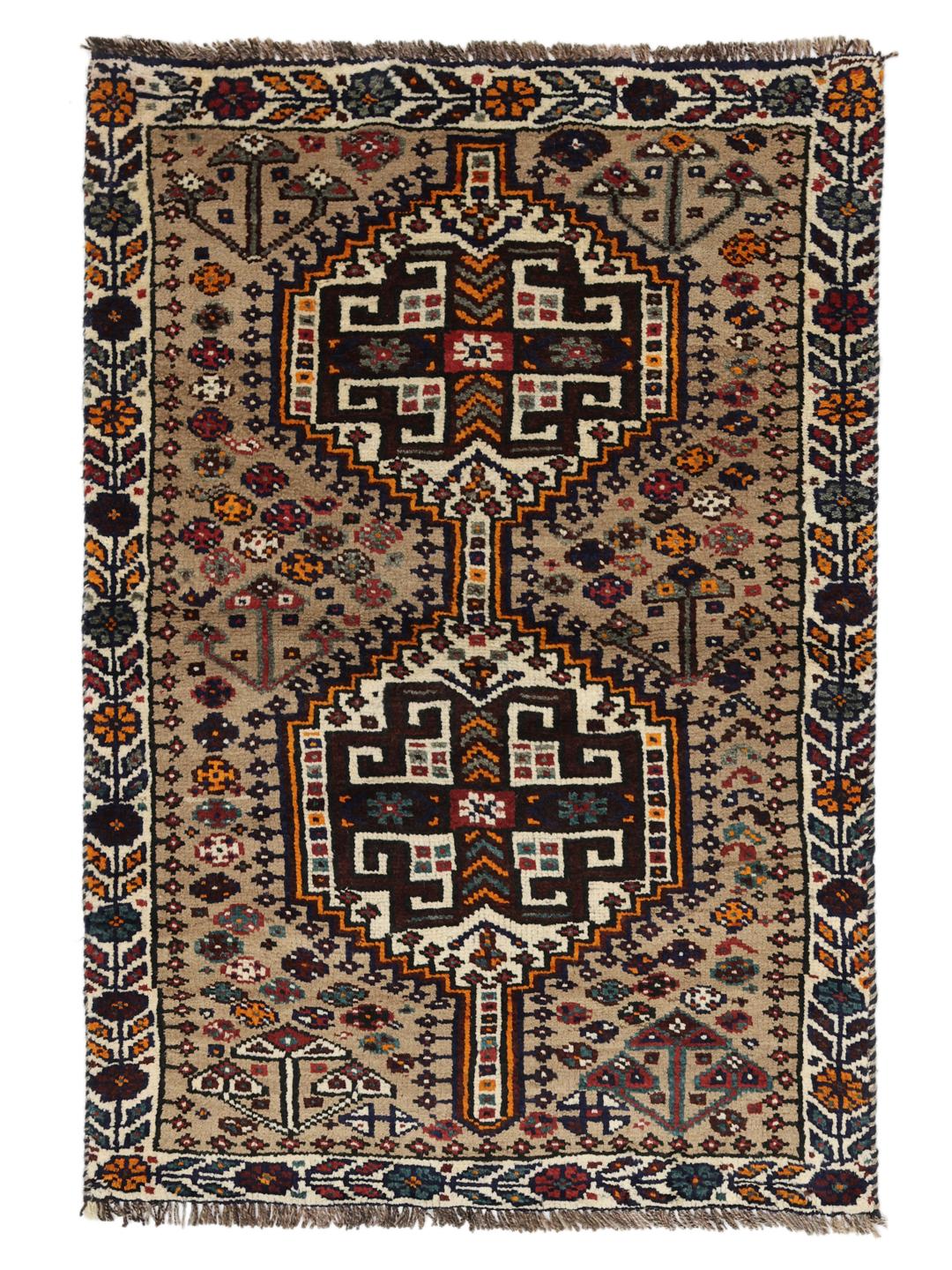
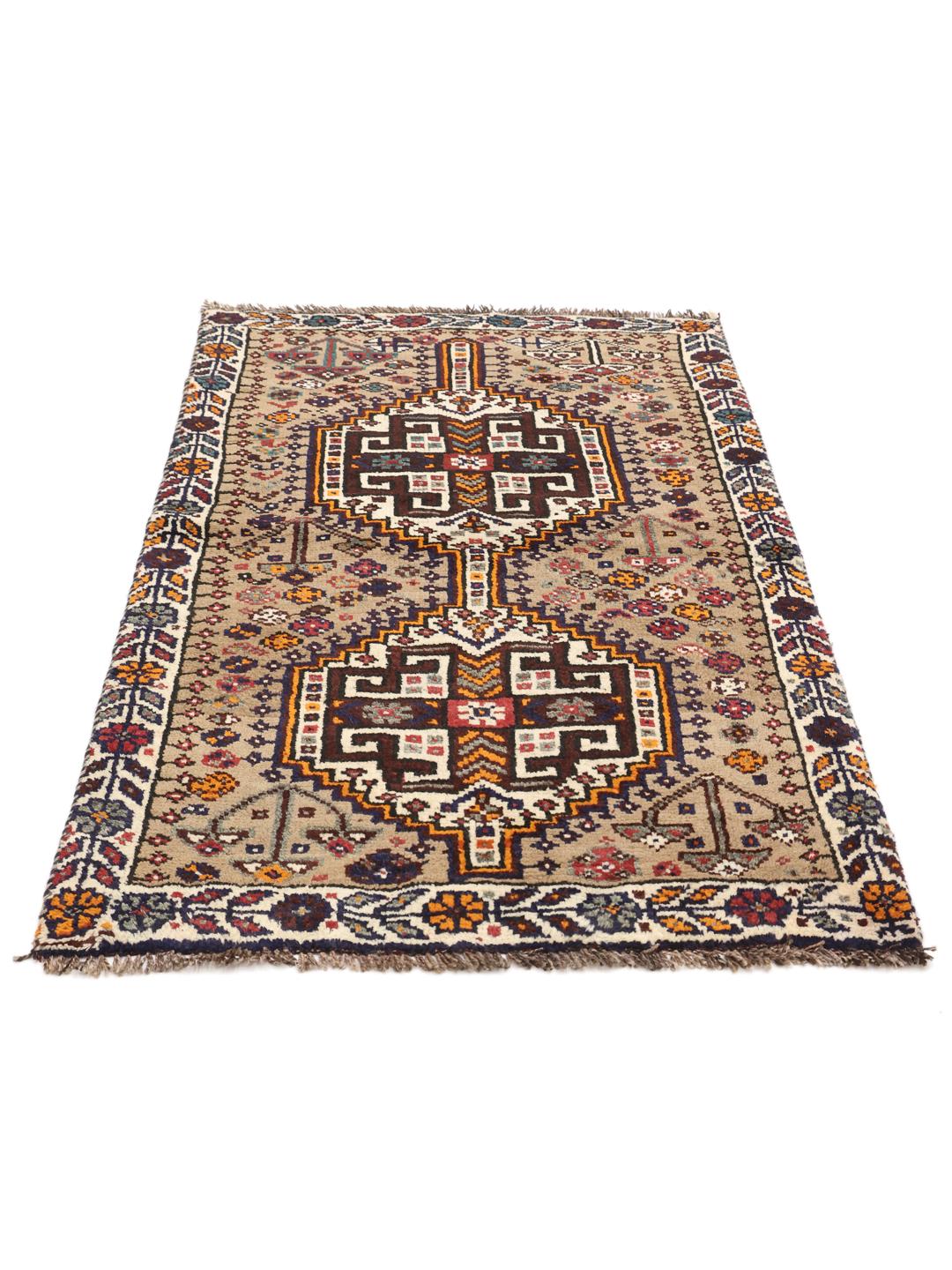
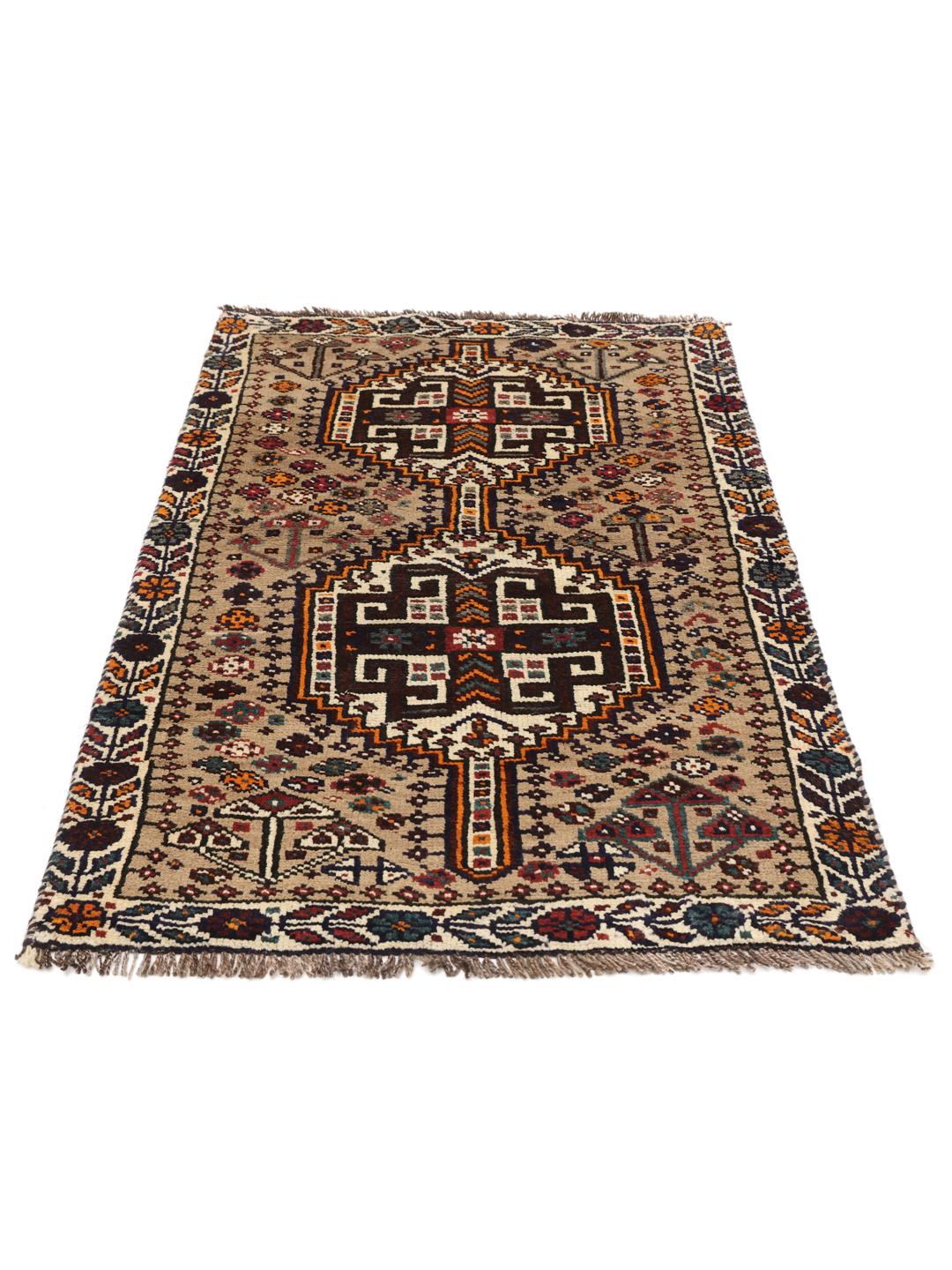
Shiraz rugs are deeply rooted in the nomadic and village traditions of the Fars province in the Middle East. These rugs are traditionally crafted by tribal weavers, including the Qashqai and Khamseh peoples, who have historically lived a migratory lifestyle. This heritage is reflected in the rug's patterns, which often draw inspiration from the natural surroundings and the cultural iconography of the region.
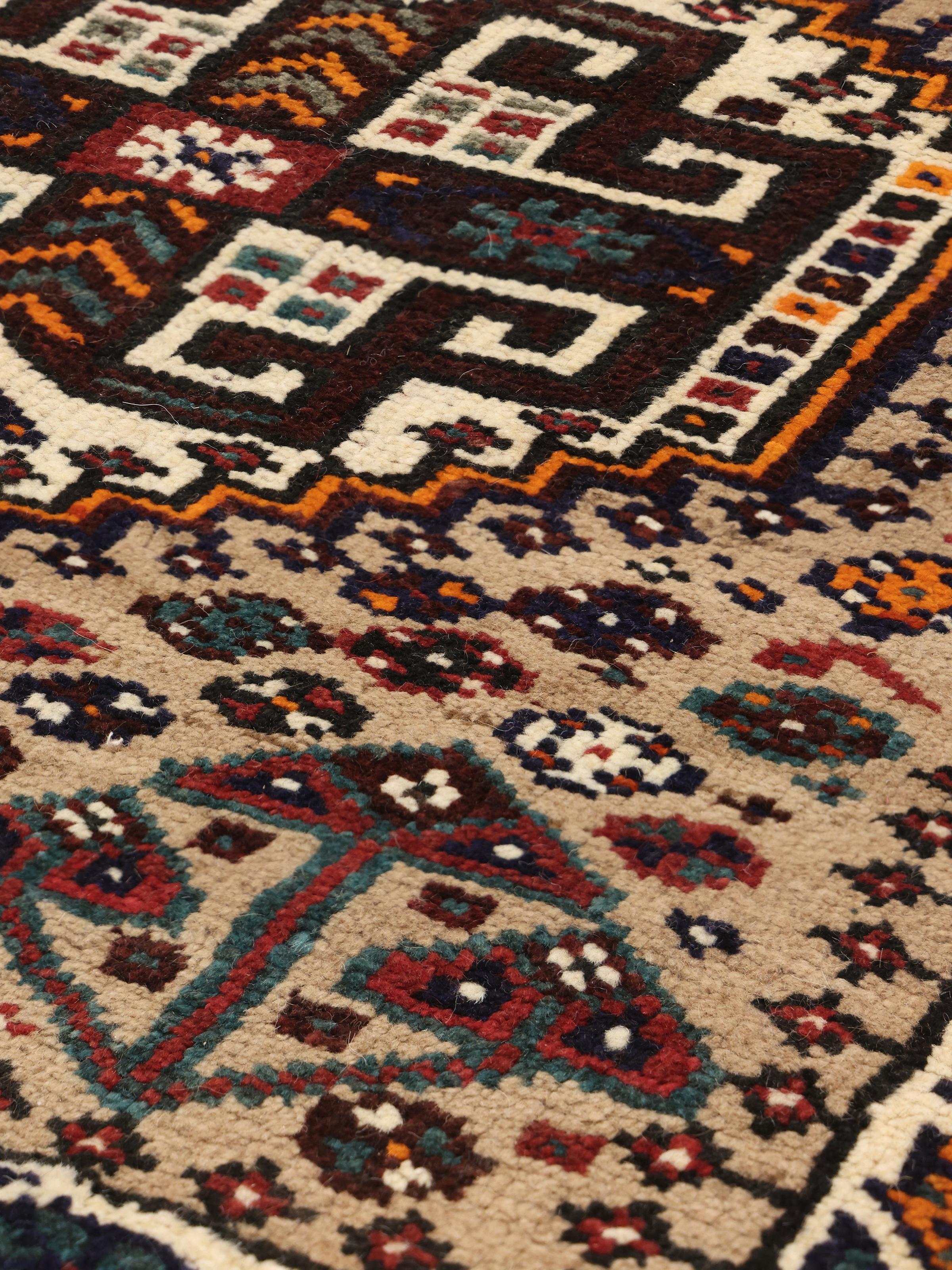
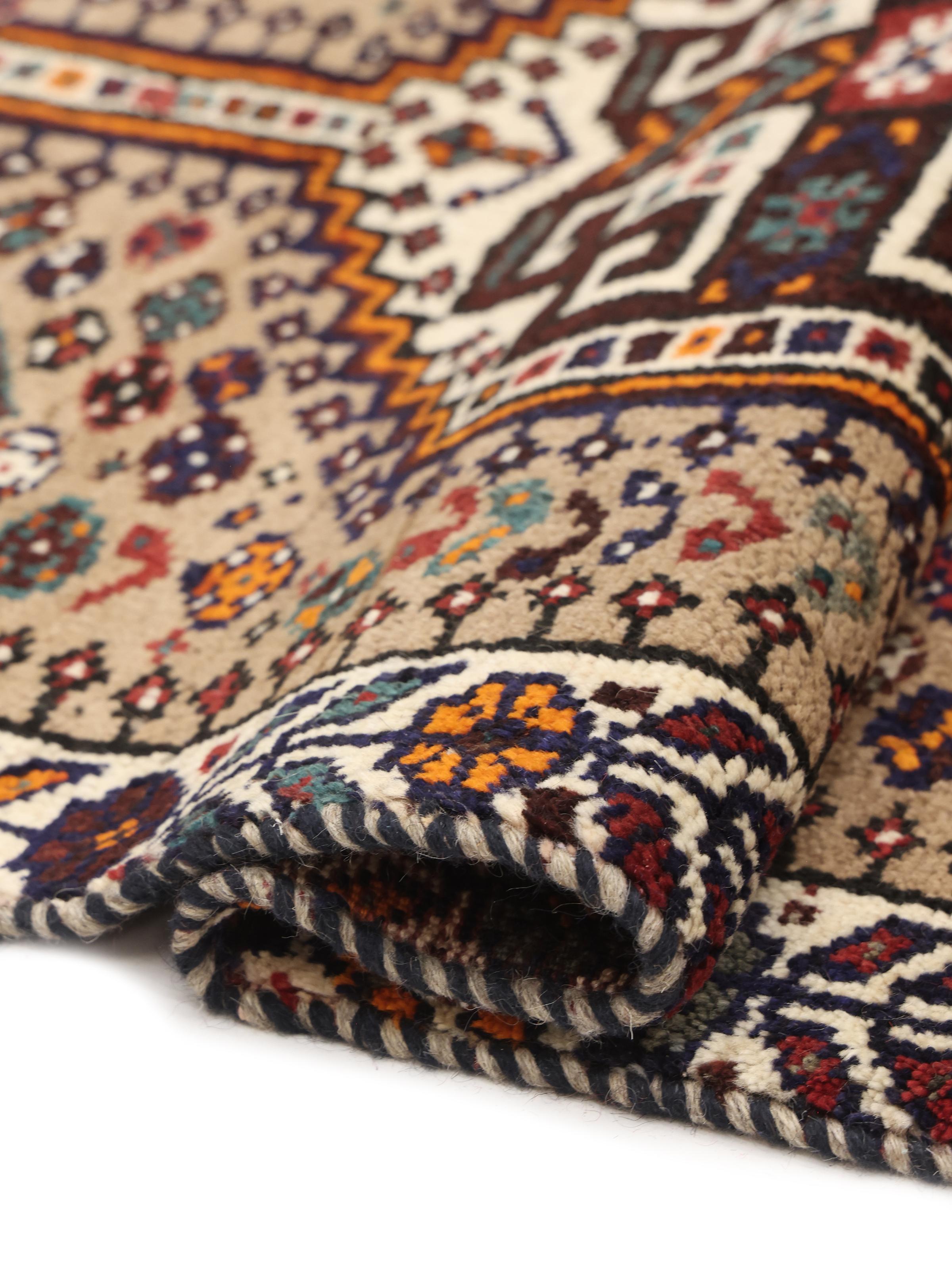
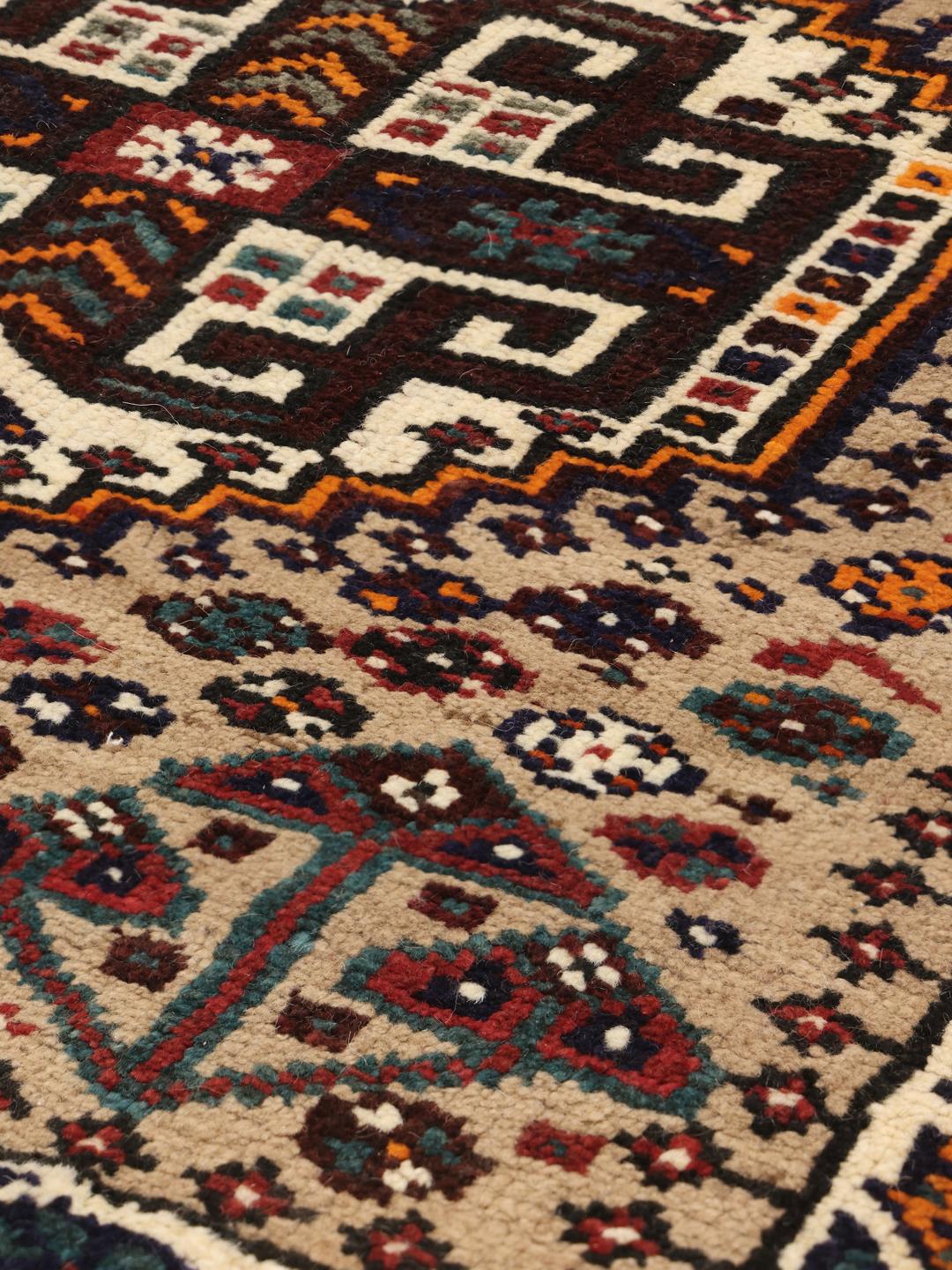
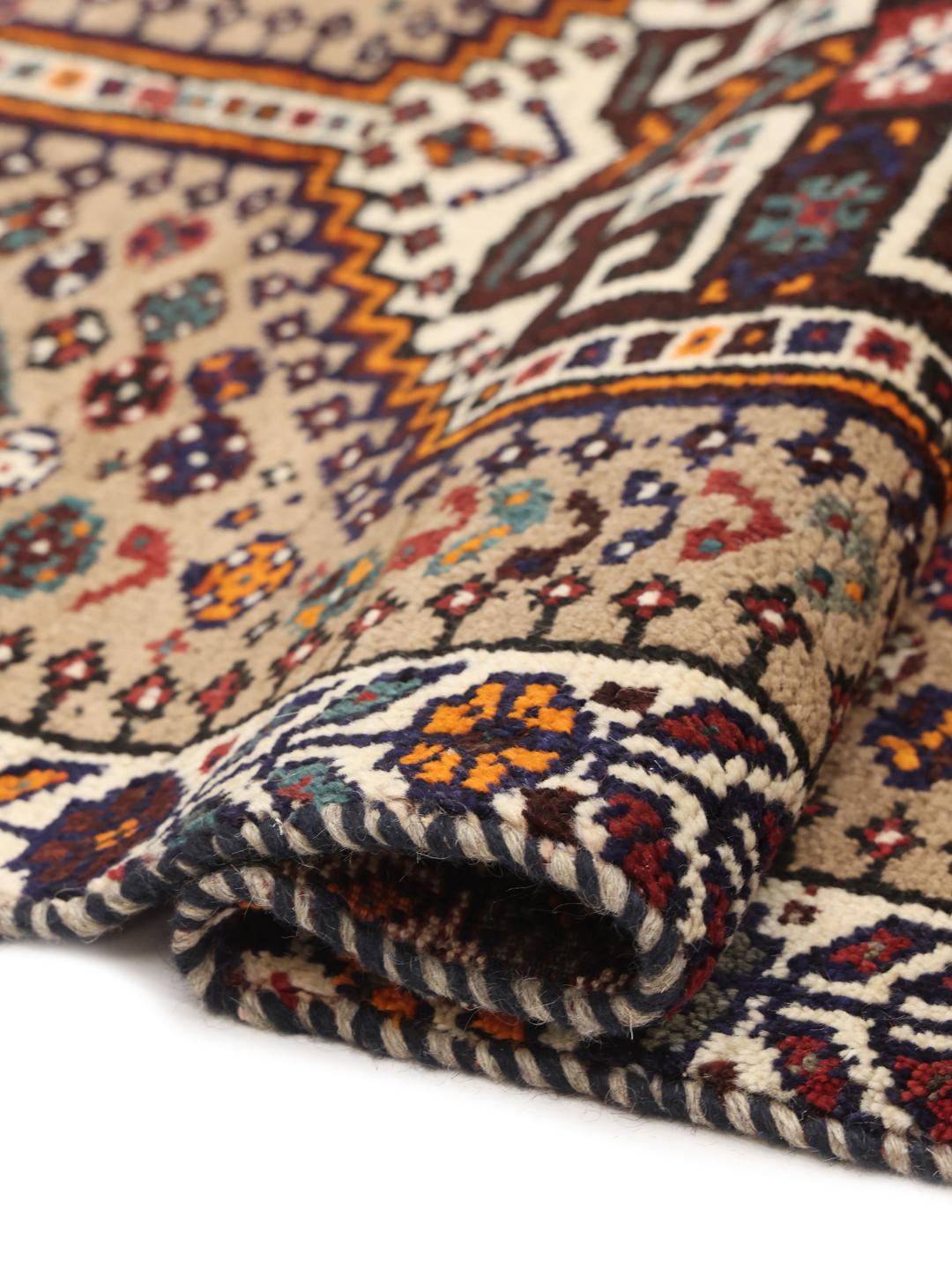
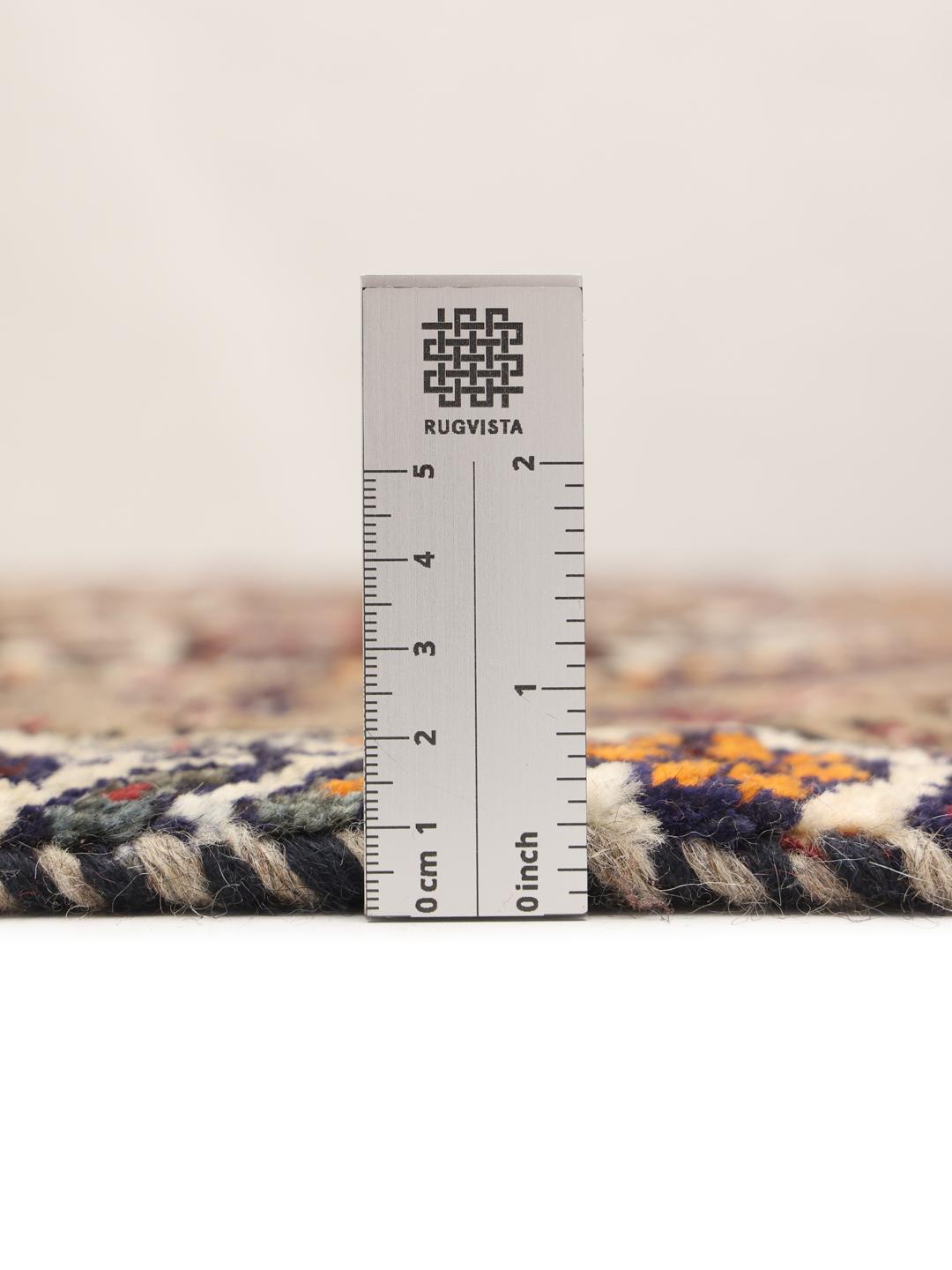
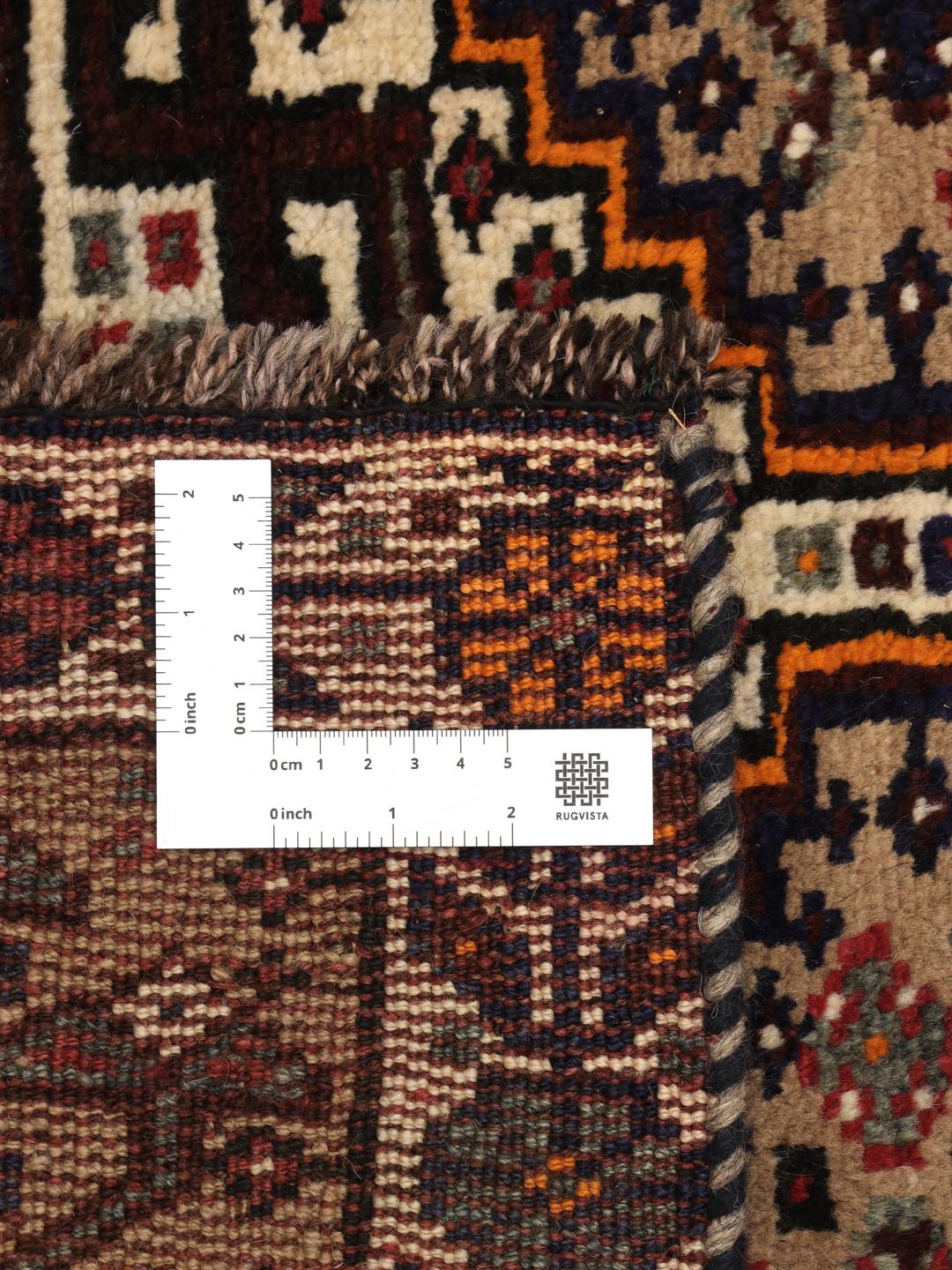
The term 'hand-knotted' refers to the traditional method where individual strands of wool are tied onto a foundation of warp and weft threads. This technique is essential to the quality of the rug, as it creates a pile that is incredibly resilient and capable of holding intricate, sharp-edged designs. The density and texture achieved through this manual process are what define the rug's character and ensure it remains a prized possession for years.
Visually, Shiraz rugs are famous for their expressive, geometric language. You will often see bold, repeating motifs such as medallions, diamond shapes, and stylised floral elements that reflect a simplified yet powerful aesthetic. While they share a common visual vocabulary, no two Shiraz rugs are ever identical because the weavers often work from memory and cultural tradition rather than rigid, pre-printed patterns.
These rugs are highly valued by collectors and interior enthusiasts alike for their authenticity and the human story behind every knot. Owning a Shiraz rug means bringing a piece of living history into your home. It represents a connection to the skilled artisans who maintain these ancient techniques, offering a level of character and soul that mass-produced items simply cannot match.