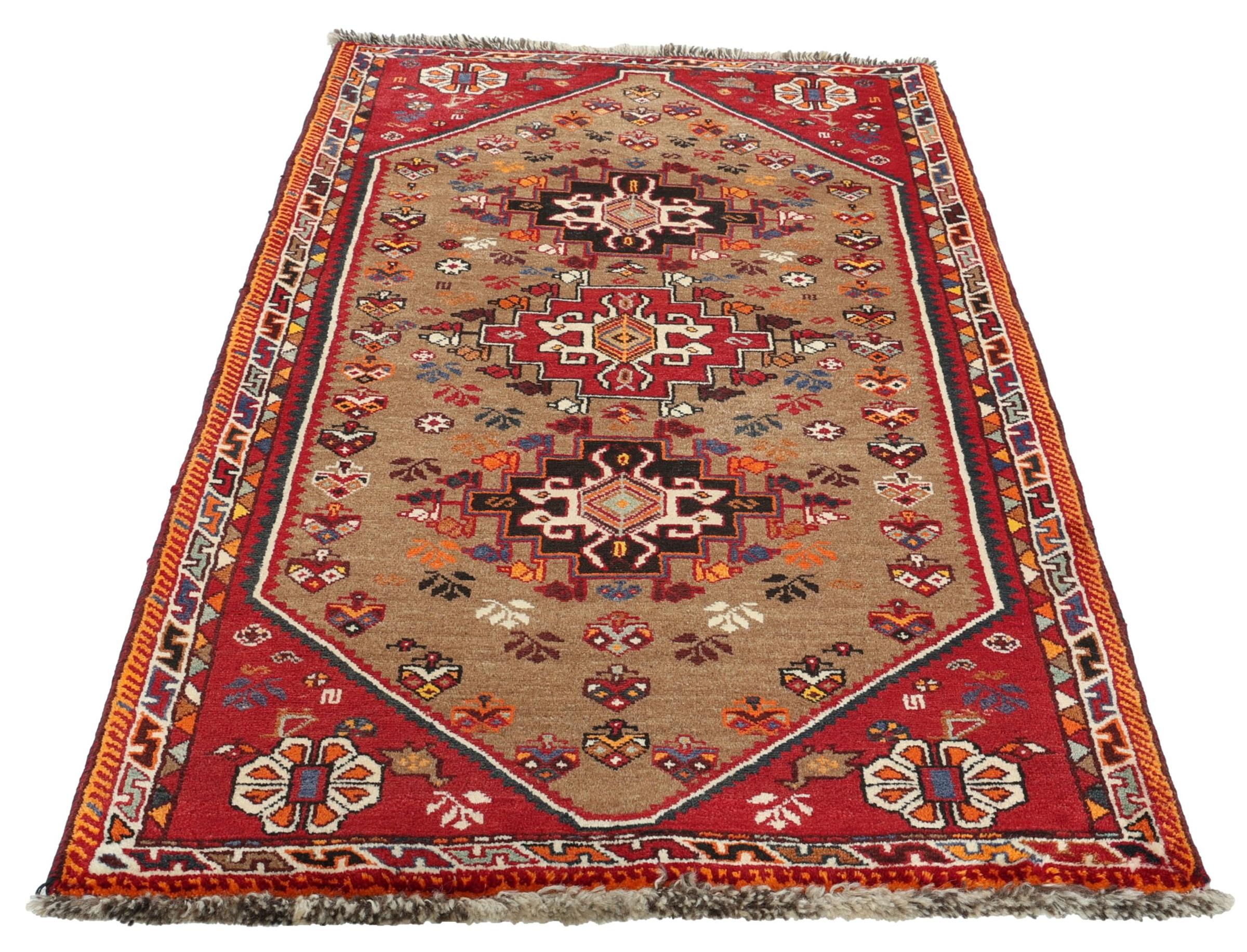
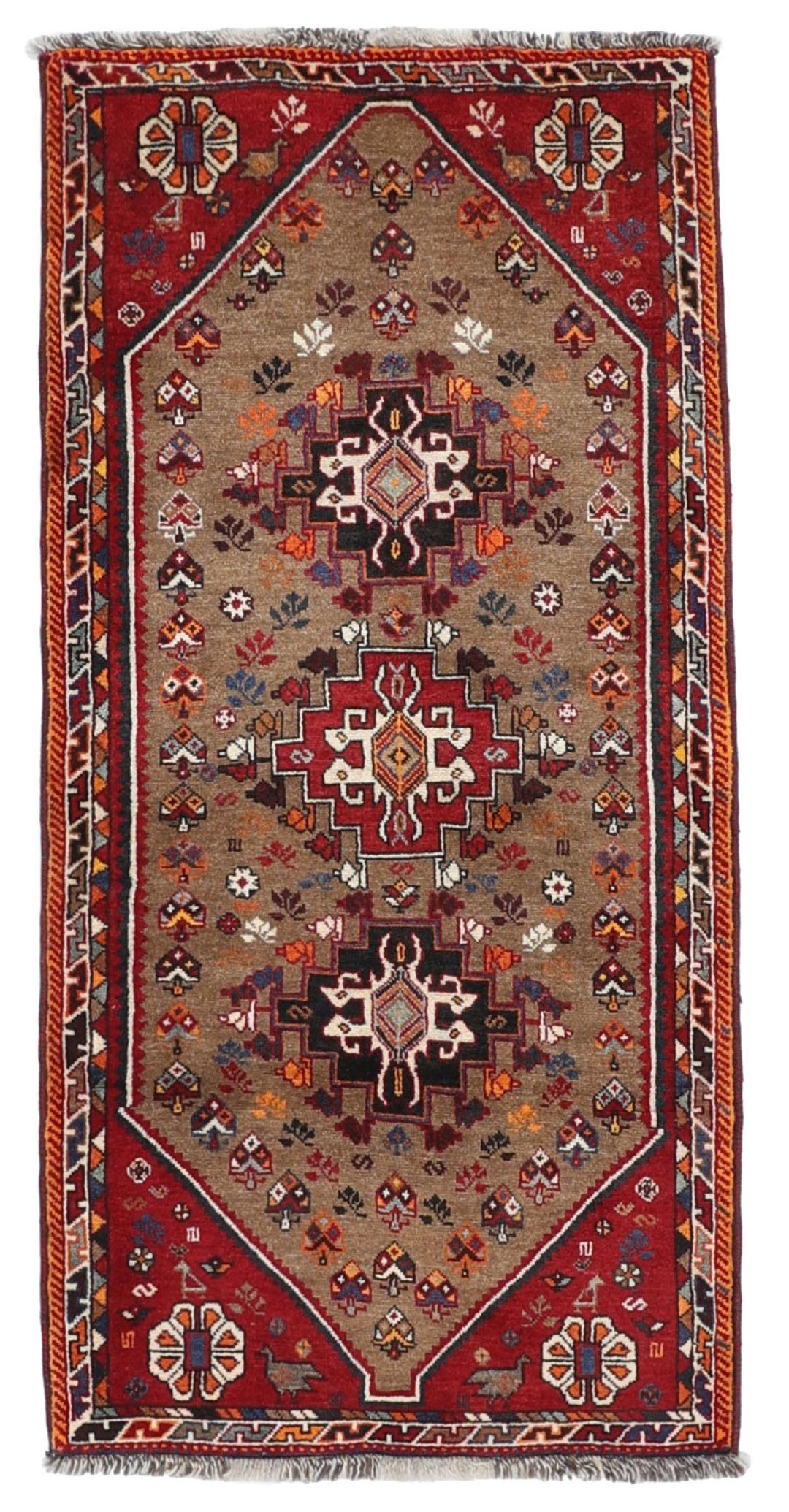
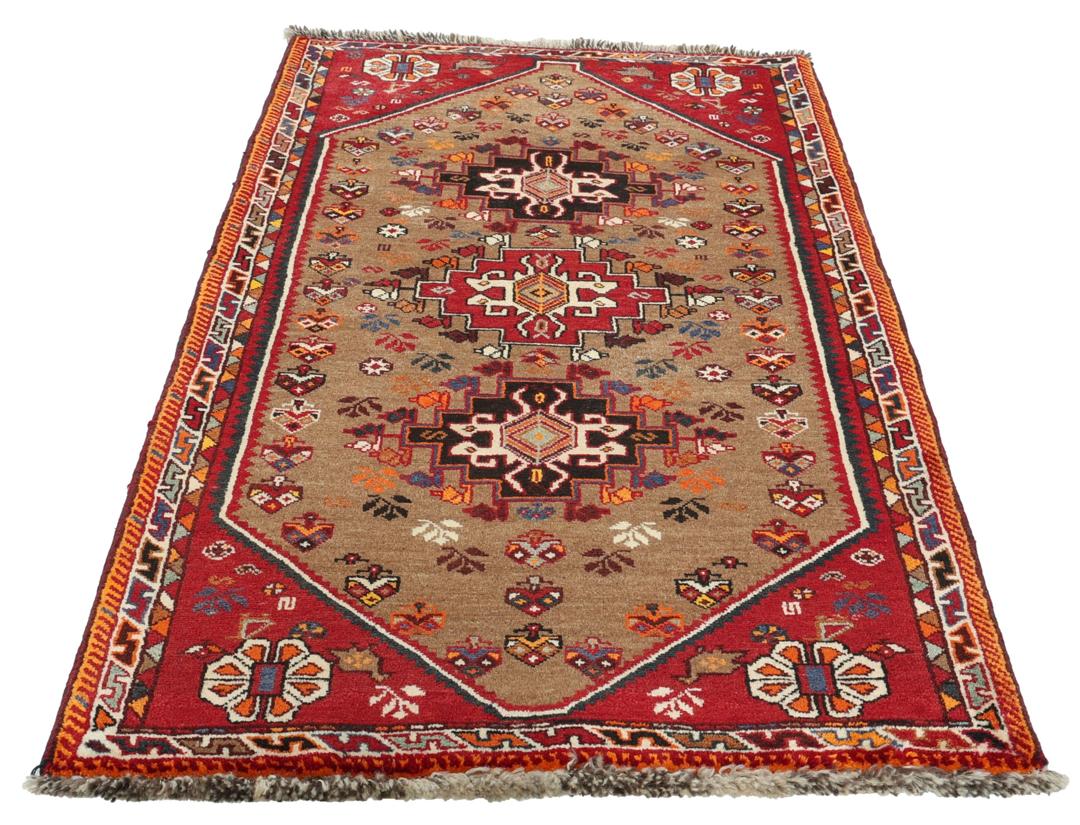
Shiraz rugs originate from the Fars province in the Middle East, a region with a deep-seated tradition of nomadic and village weaving. These rugs are famously crafted by tribes such as the Qashqai, who have passed down their design language through generations. Historically, these weavers worked on horizontal ground looms, which allowed them to easily transport their work as they moved with their flocks, imbueing each rug with the spirit of the landscape.
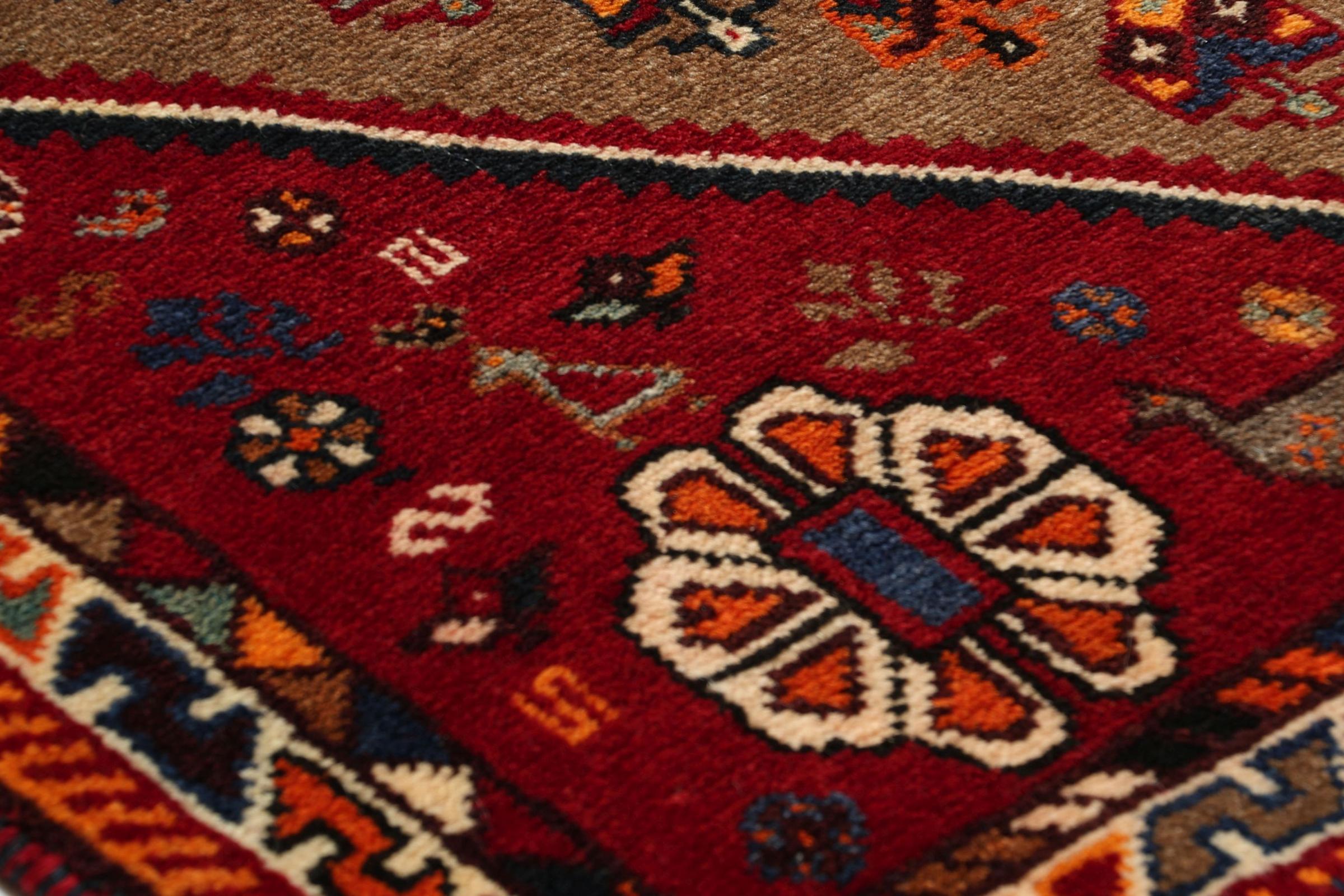
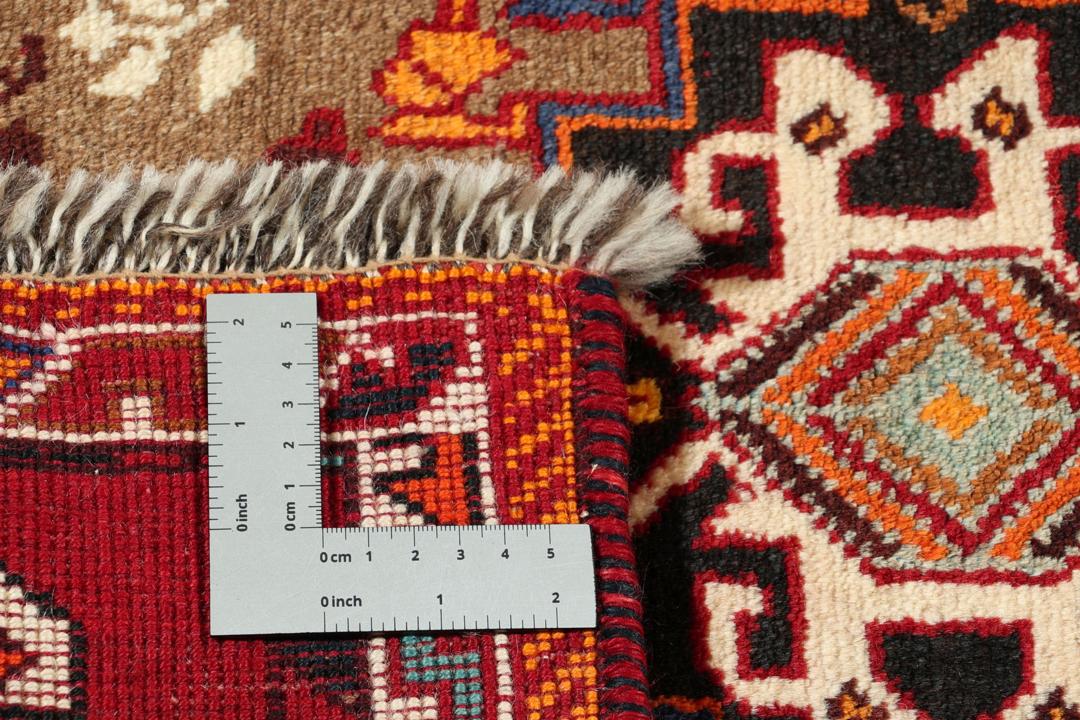
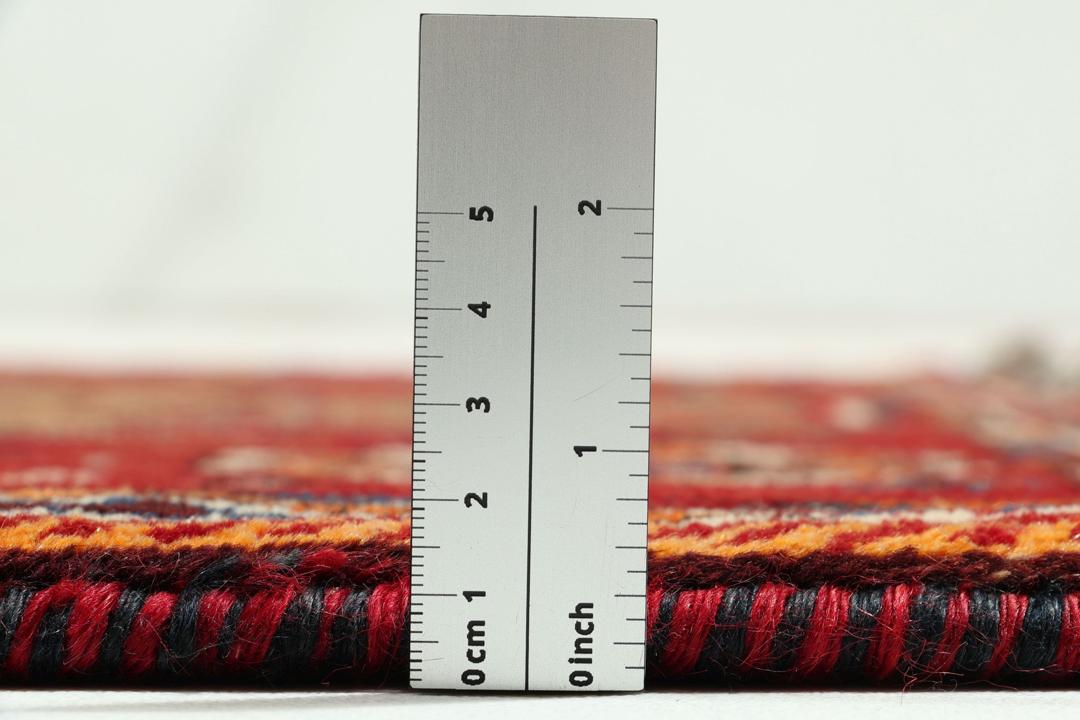
The technique used in these rugs is defined by their sturdy, all-wool construction. This choice of material is practical for nomadic life, as it is readily available and highly durable. The wool is often hand-spun, which gives the pile a slight variation in texture and colour—a characteristic known as abrash—that provides the rug with its authentic, organic appearance and depth that is highly sought after by collectors.
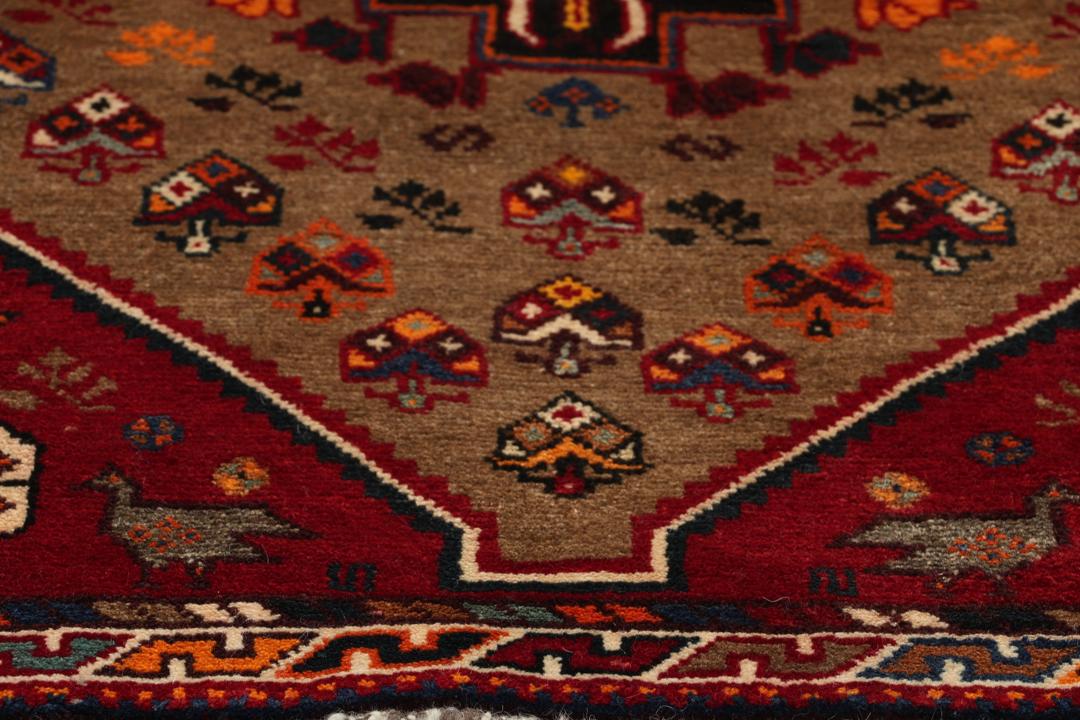
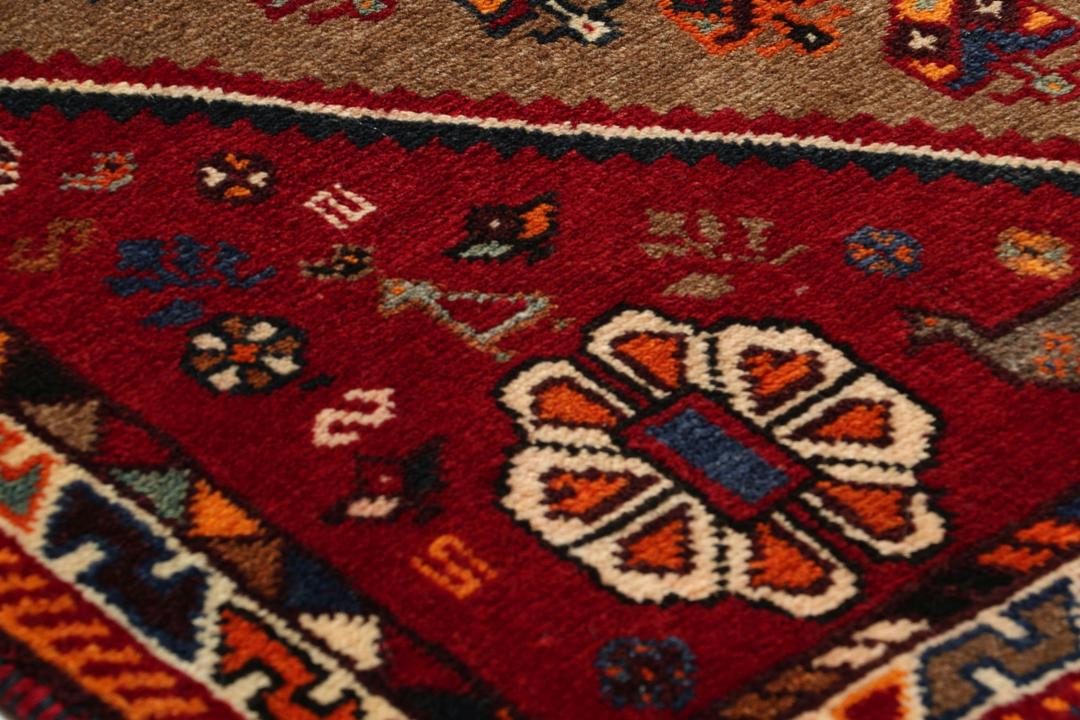
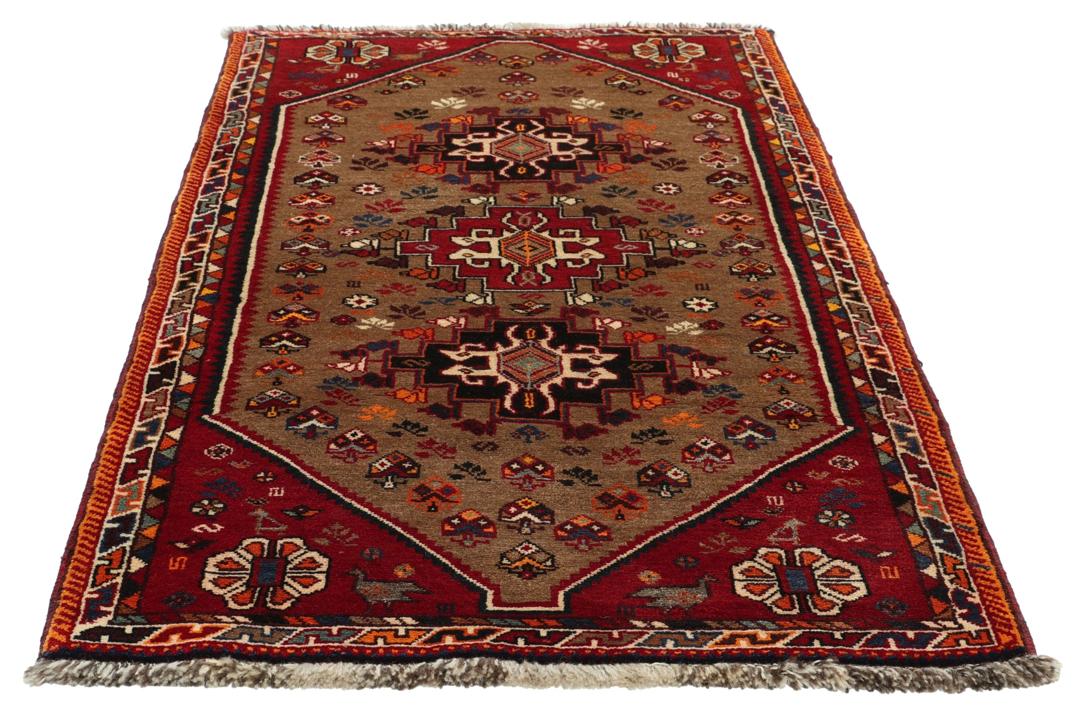
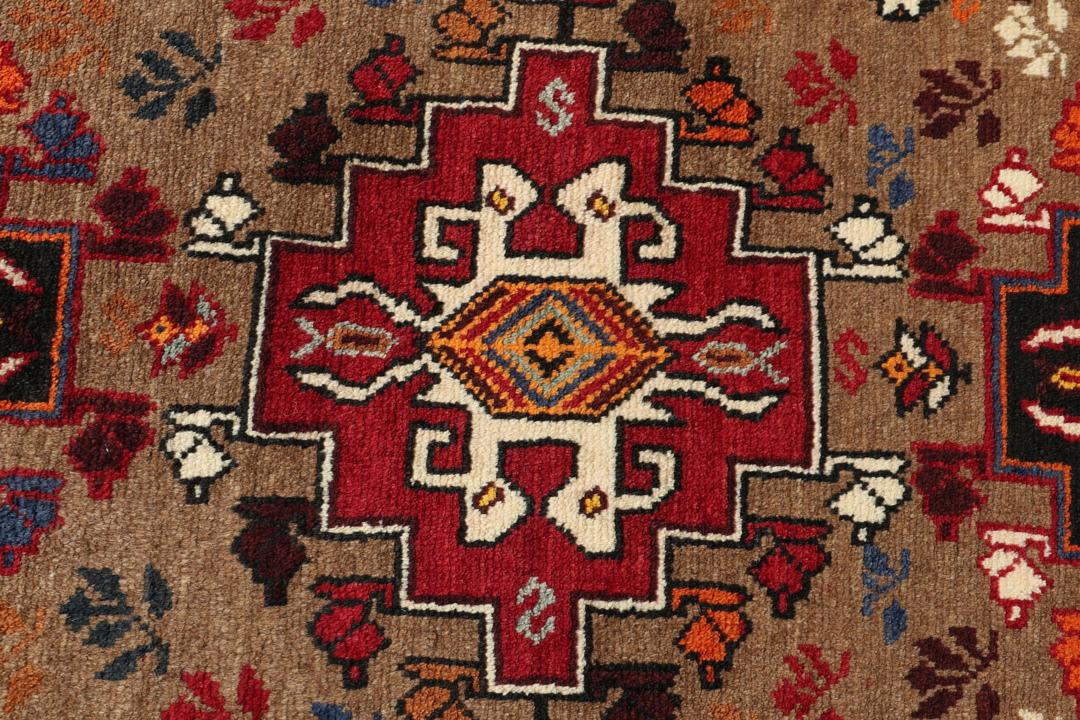
Design-wise, Shiraz rugs are known for their bold, geometric approach. They frequently feature central medallions, stylised floral elements, and traditional animal motifs that represent the weaver's natural surroundings. The borders are often complex, serving as a frame for the central field, and the use of deep reds, earthy browns, and blues is a hallmark of this tradition. Each motif is often a symbolic representation of tribal identity or local folk stories.
Collecting a Shiraz rug is an investment in human skill and cultural continuity. These pieces are valued not only for their aesthetic appeal but for the way they represent a specific moment in the life of the weaver and their community. By choosing a handmade piece from this tradition, you are continuing a long history of craft that values the human touch over industrial efficiency, ensuring that the legacy of these talented artisans remains a part of the modern home.