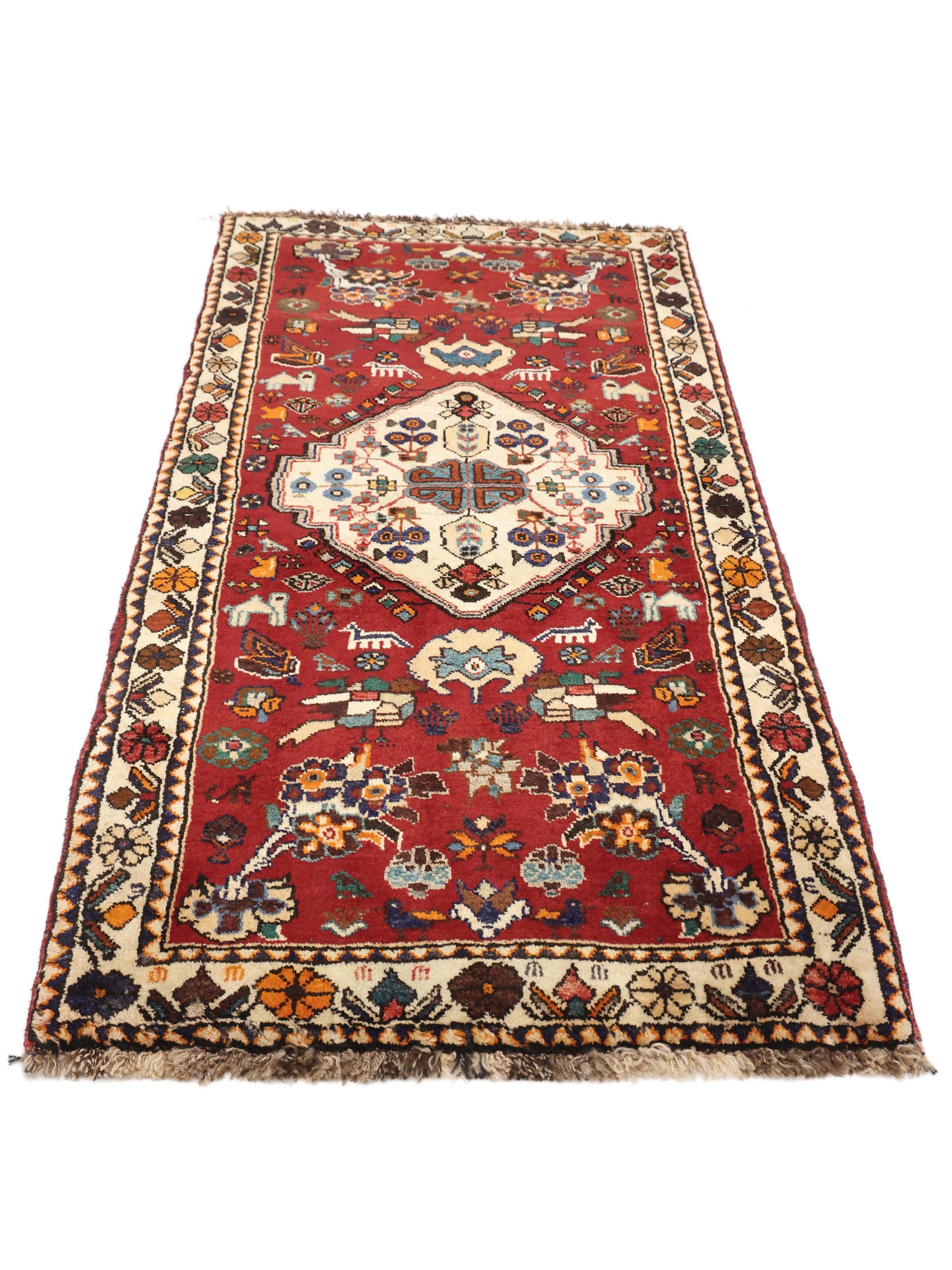
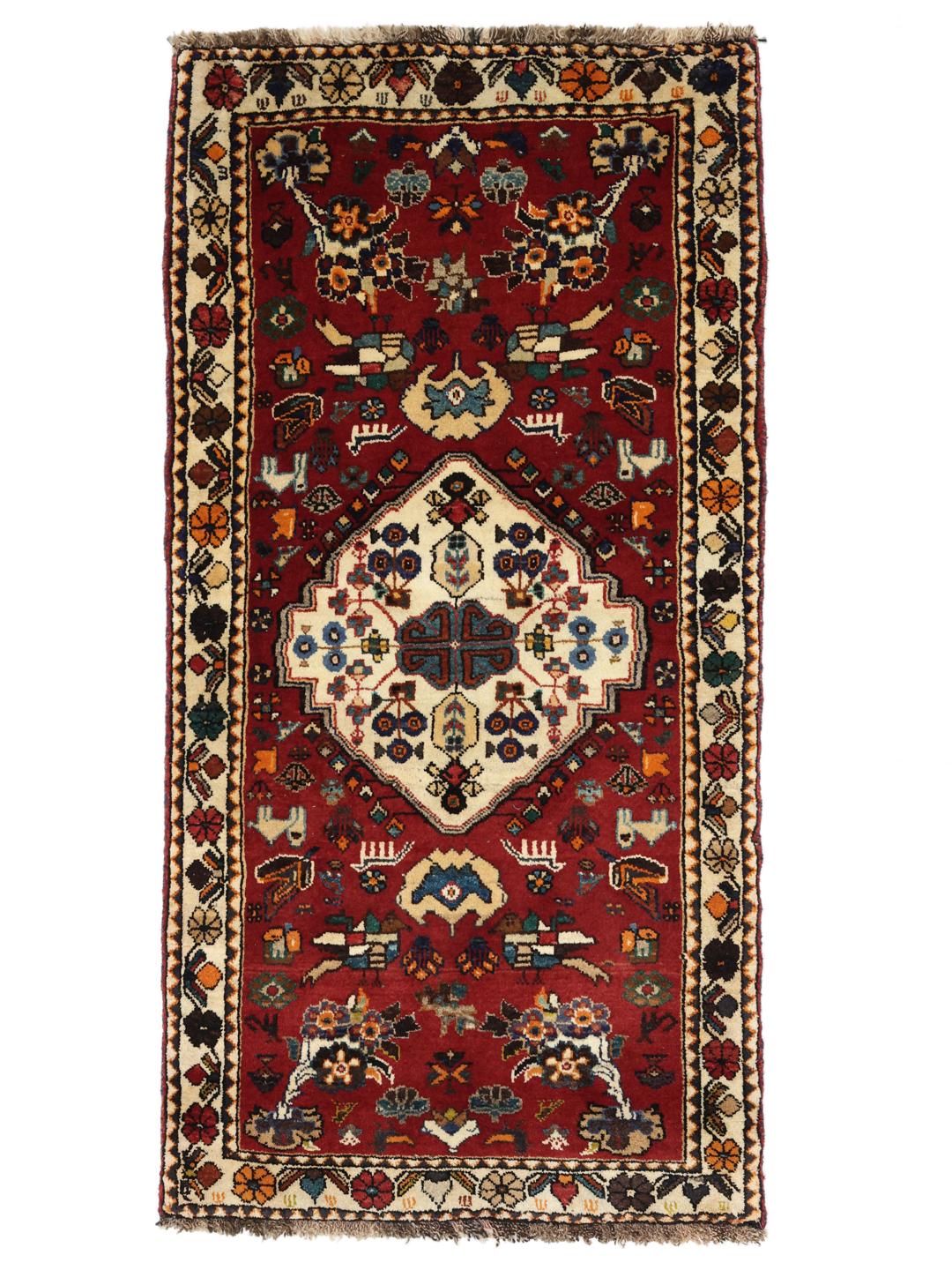
Shiraz rugs originate from the Fars province in the Middle East, a region renowned for its deep-seated nomadic weaving traditions. These rugs are primarily the work of various tribal groups, including the Qashqai, who have passed down their weaving techniques through generations. Unlike urban workshops that follow rigid pre-drawn patterns, these tribal weavers often create from memory and inspiration, resulting in rugs that feel organic and deeply connected to their environment.
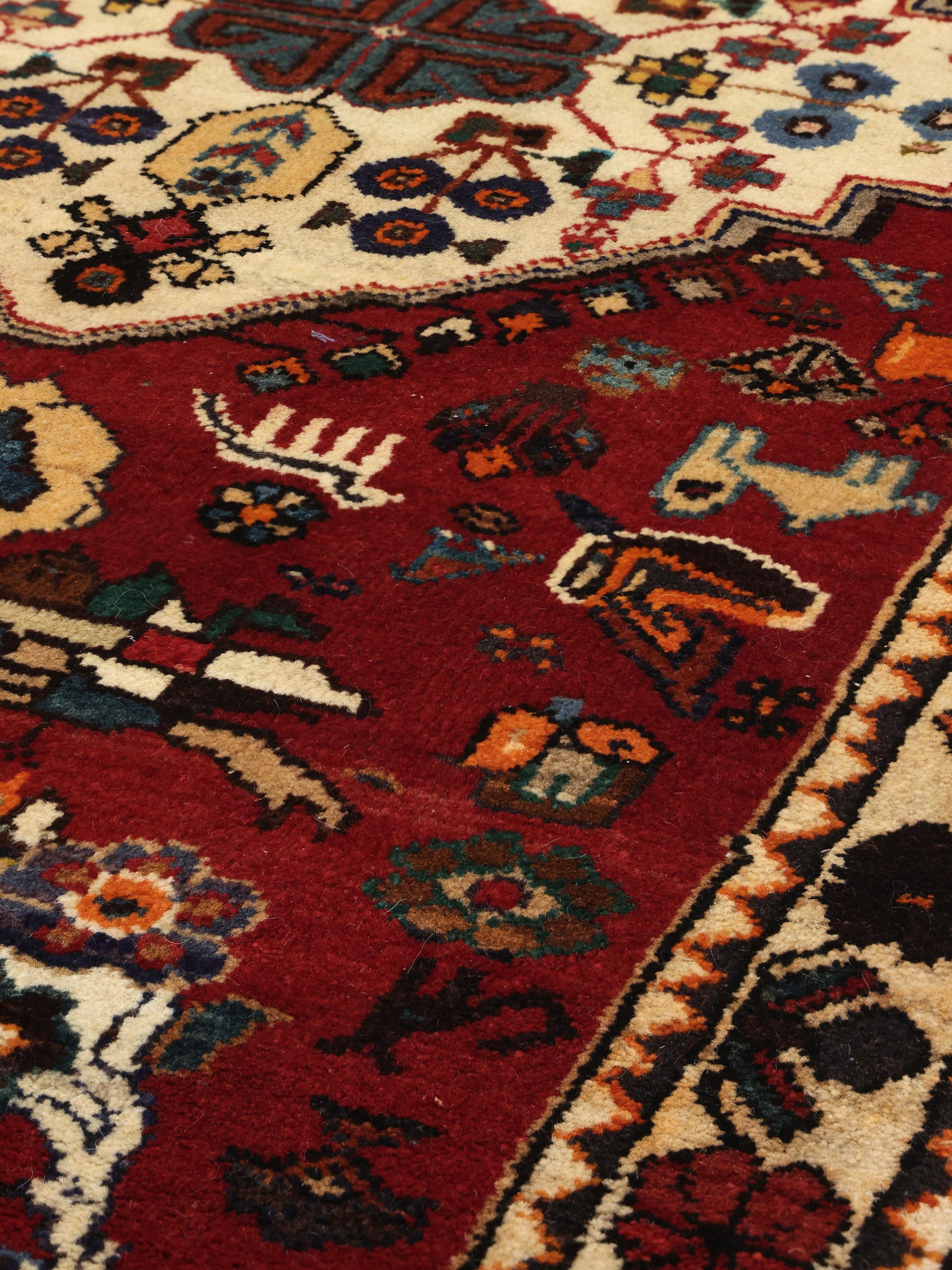
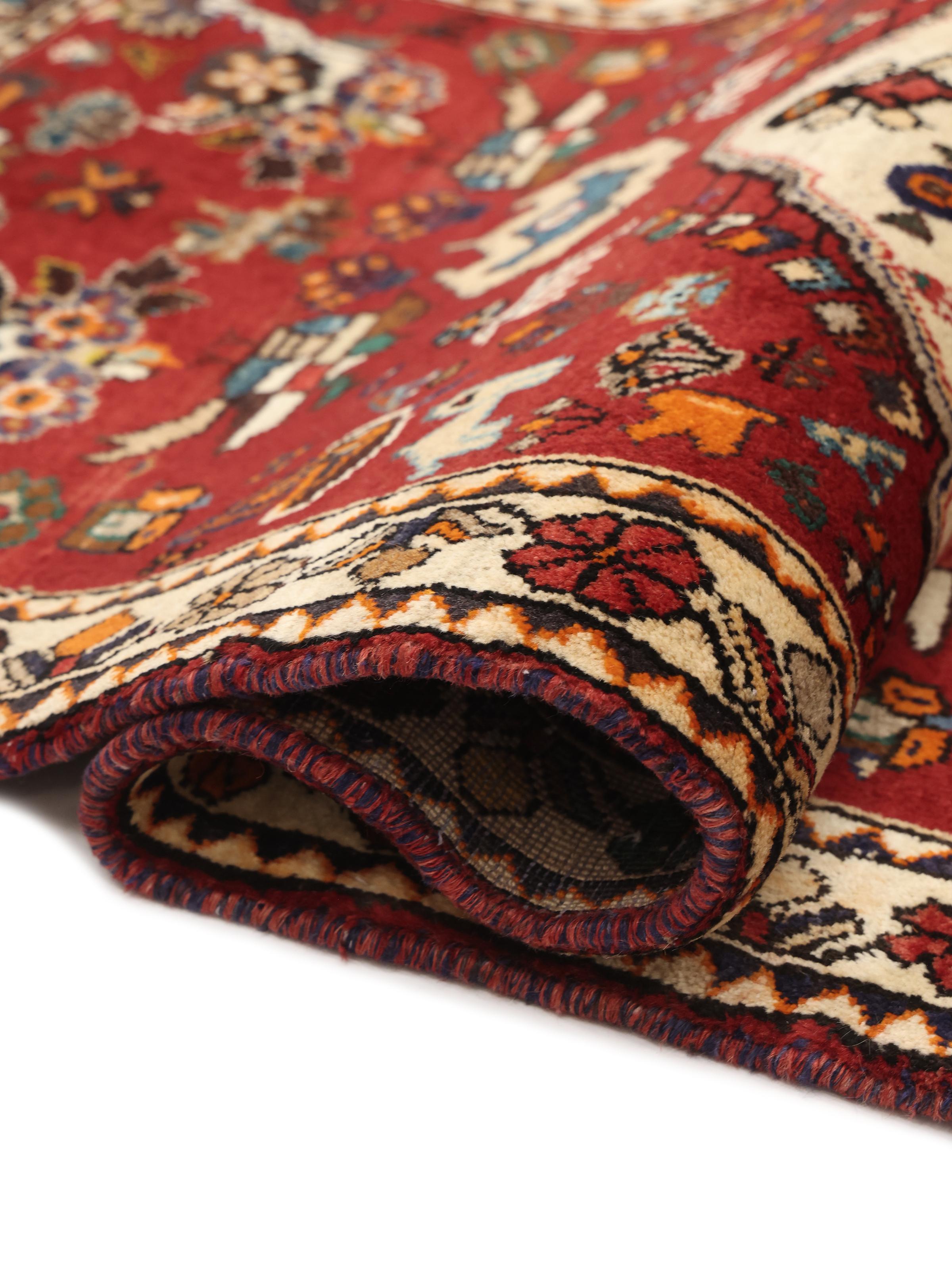
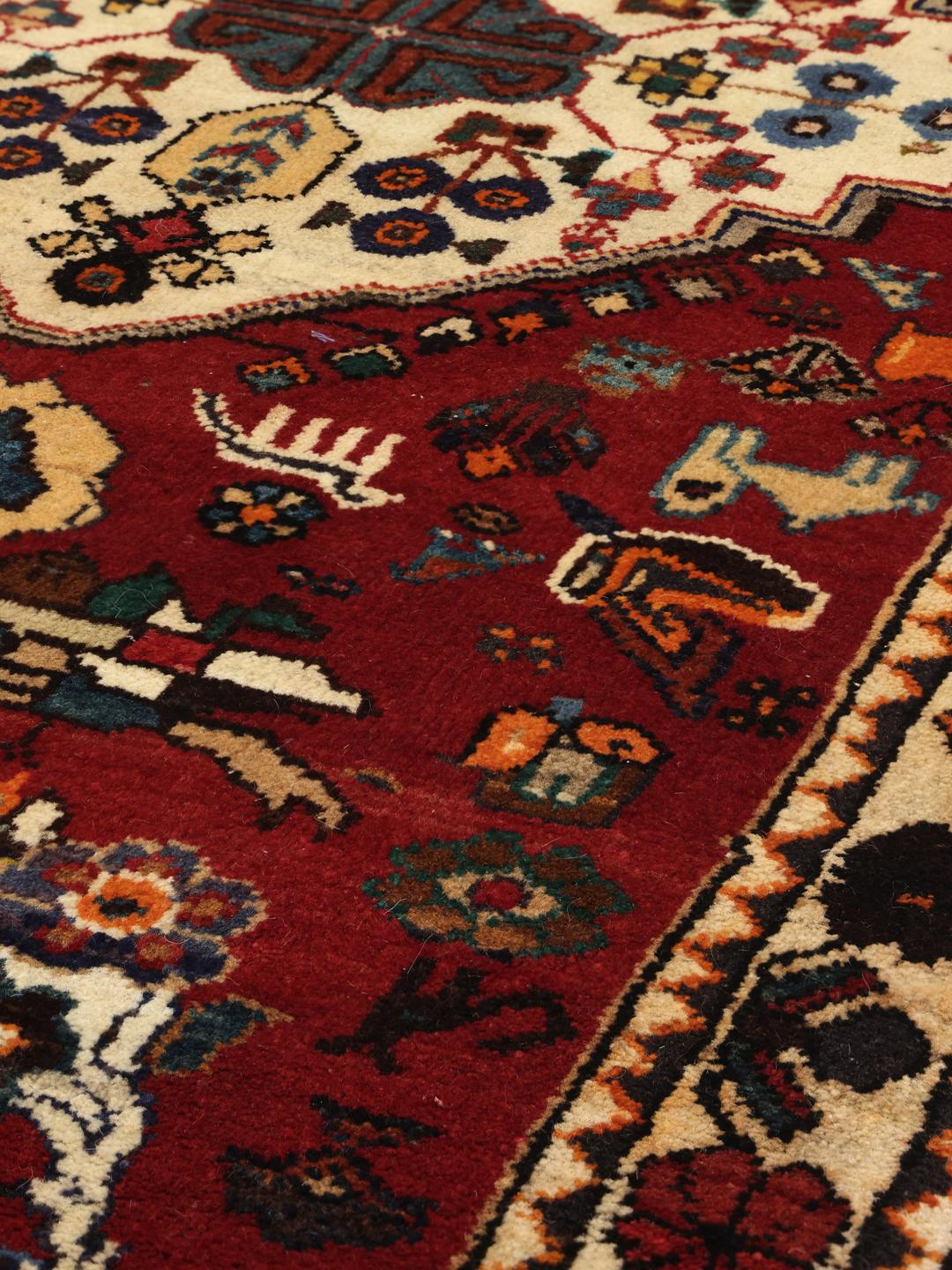
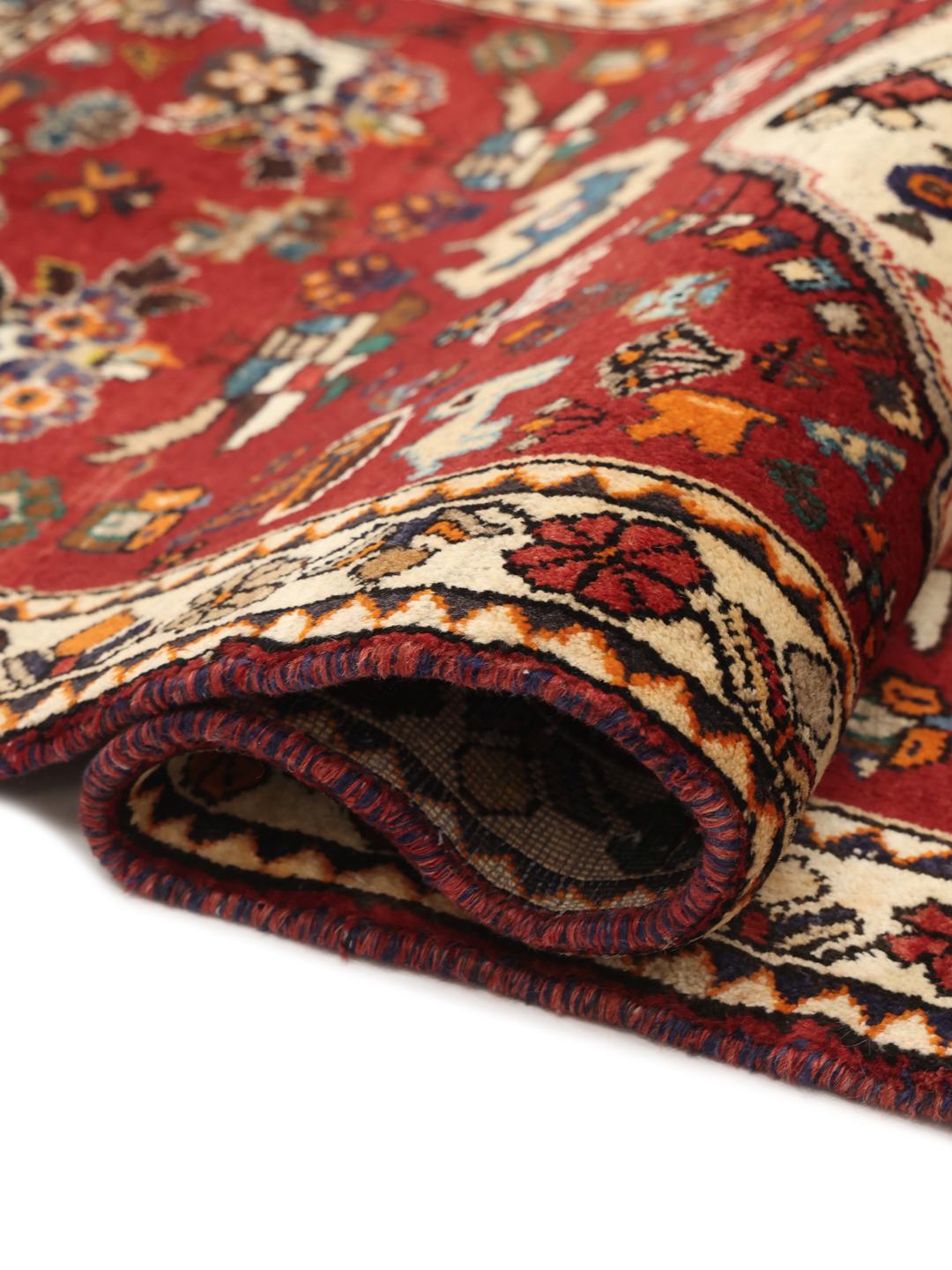
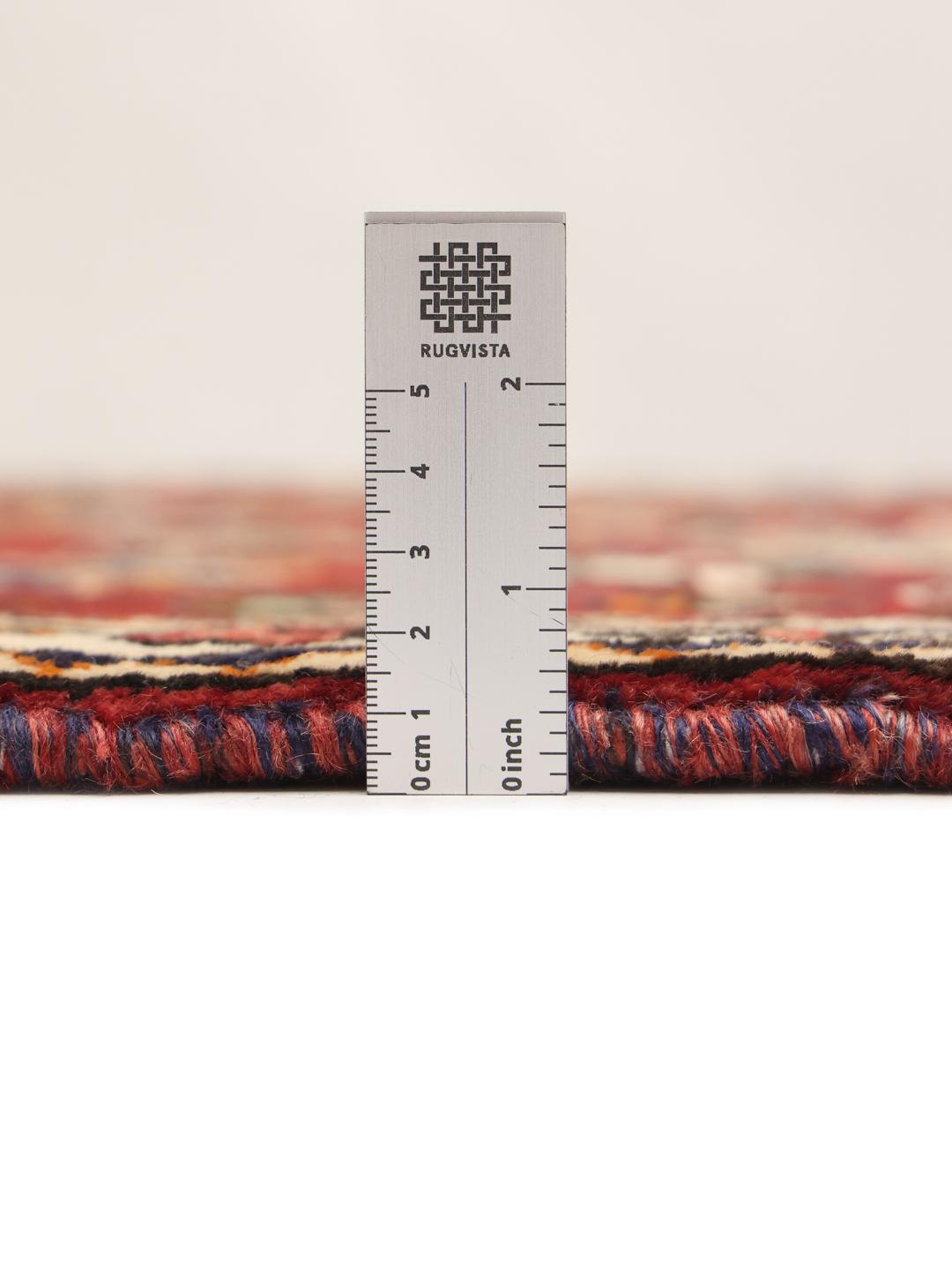
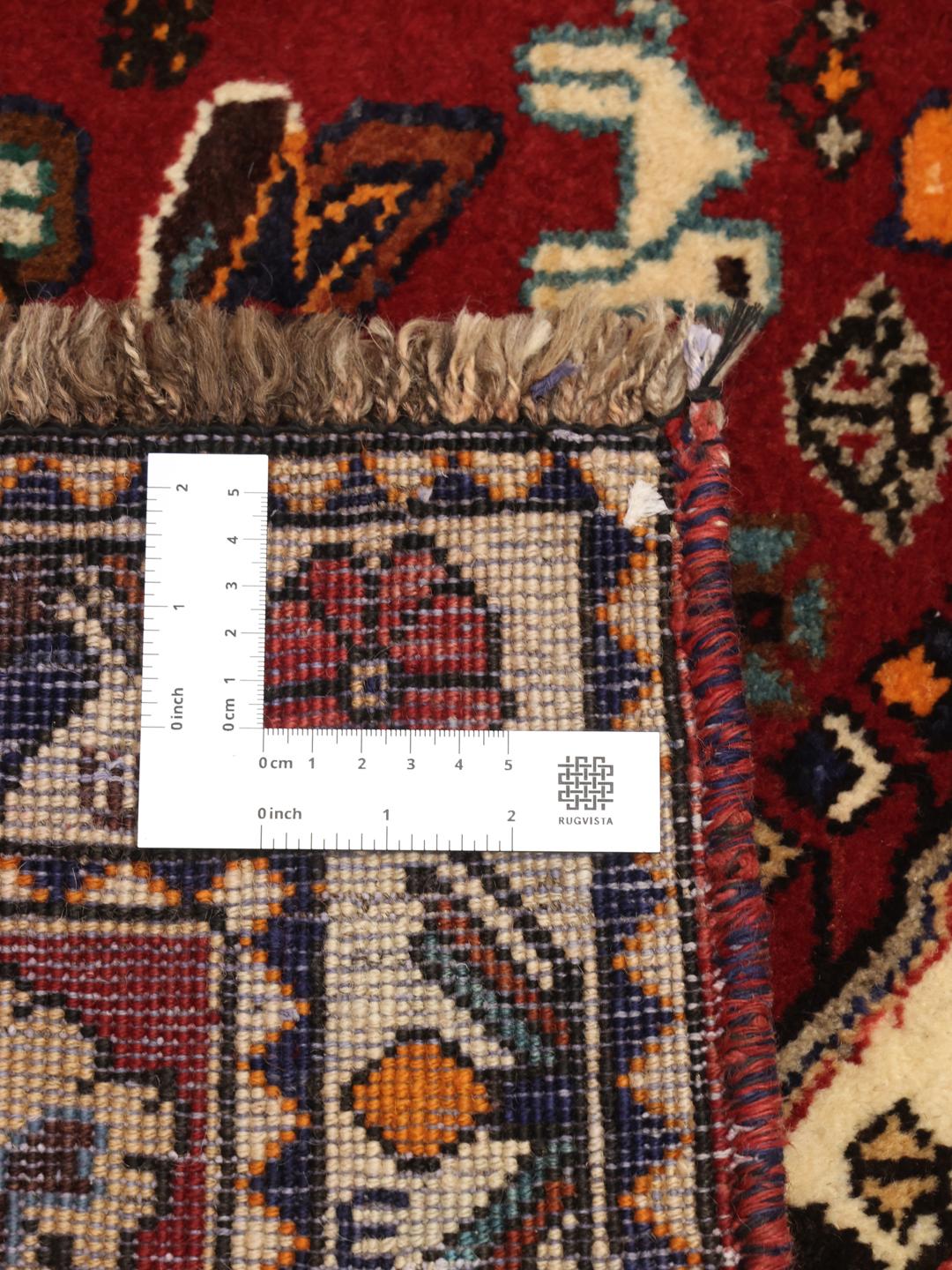
The craft of these rugs is defined by their unique construction, which often utilises a wool foundation for both the warp and weft. This all-wool composition provides the finished piece with a flexible yet sturdy structure, allowing the rug to drape beautifully and remain durable even in high-traffic areas. The use of natural, hand-spun wool is a hallmark of this tradition, lending the pile a slight variation in texture and tone that adds to its authentic charm.
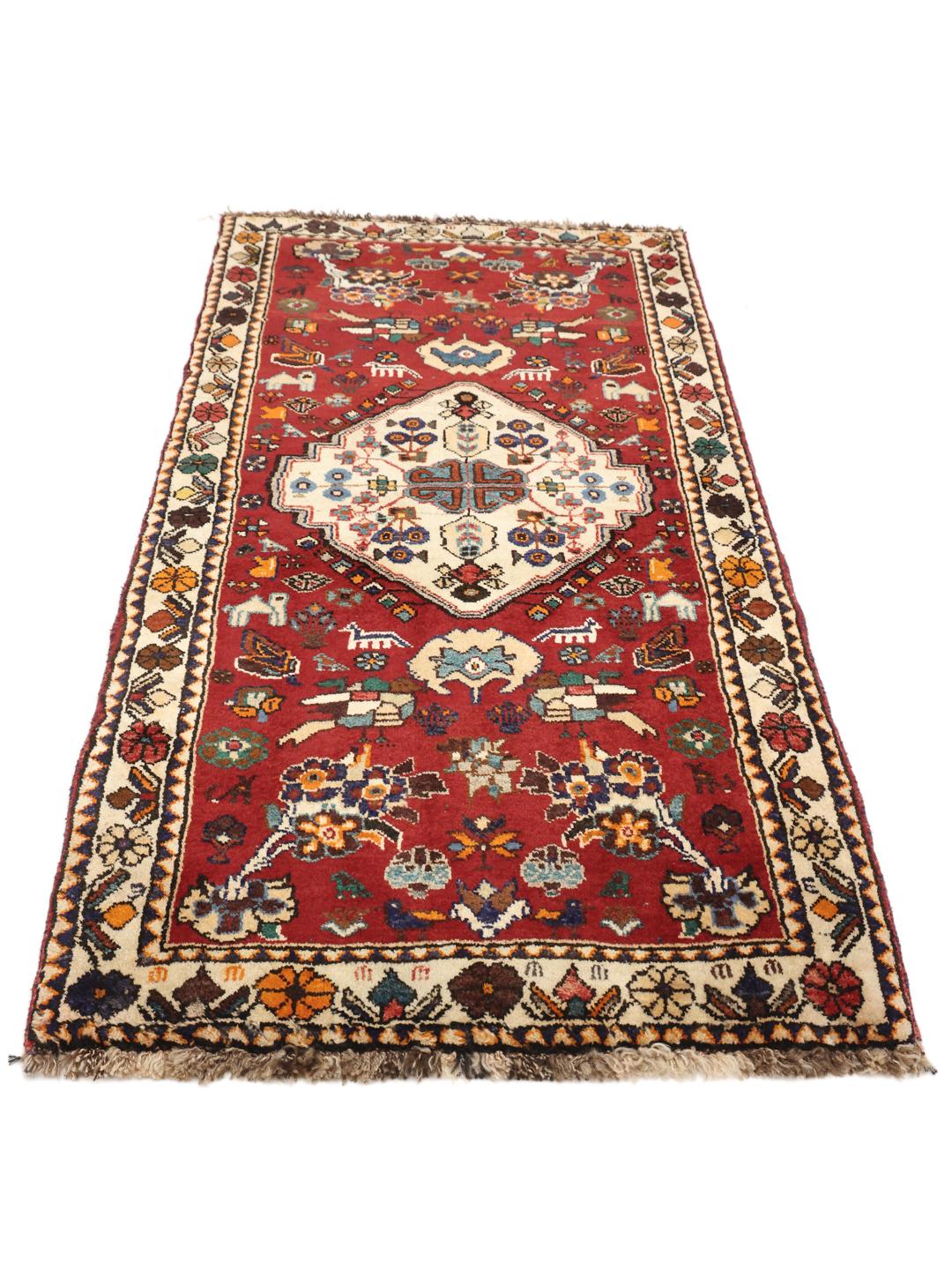
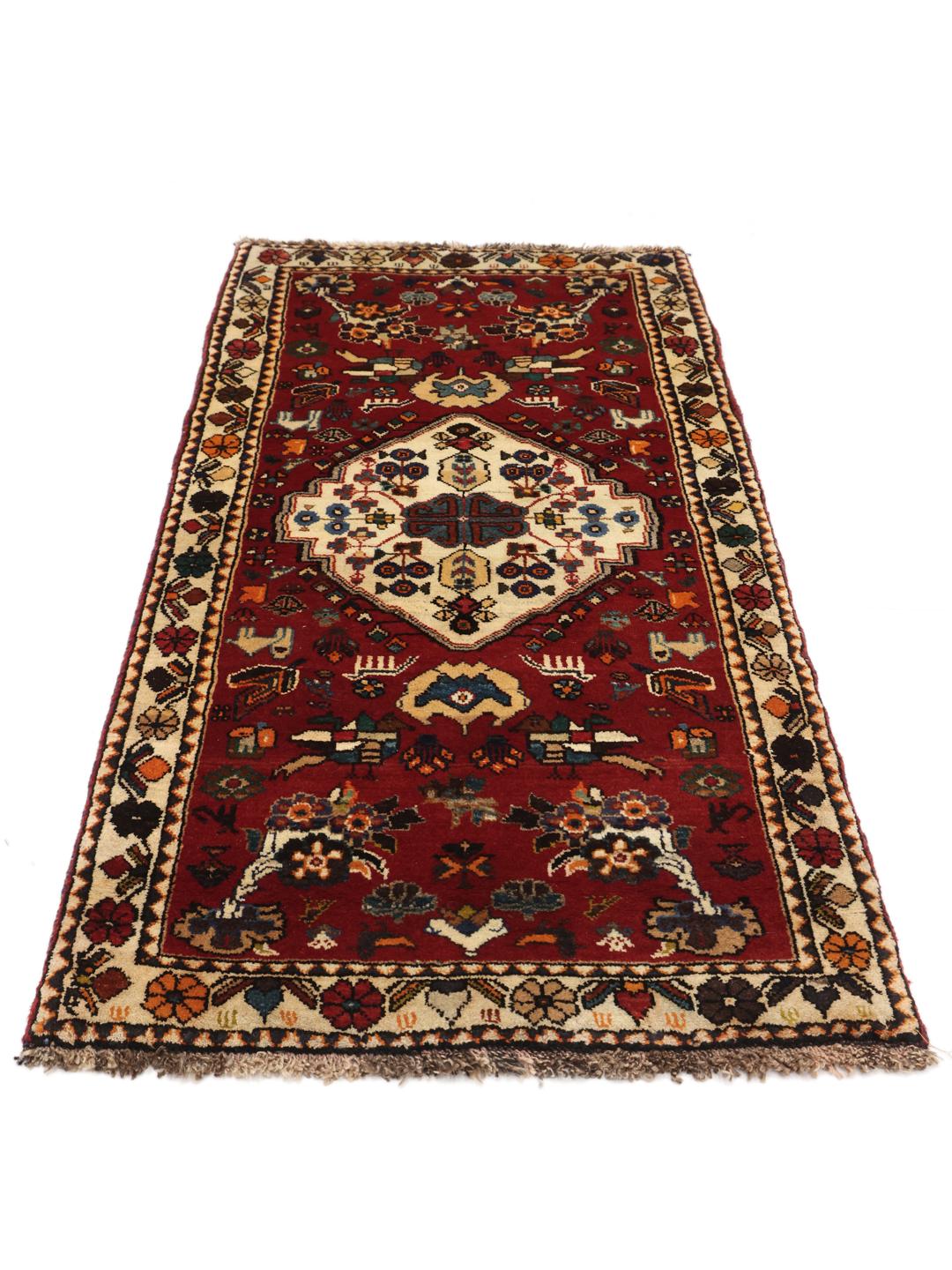
Visually, these rugs are celebrated for their bold, geometric design language. Common motifs include stylised floral elements, animals, and the iconic stepped medallion, all framed by intricate, multi-layered borders. The colour palettes are typically dominated by deep reds, warm ochres, and blues derived from local natural dyes. This specific piece captures that classic spirit, with its balanced arrangement of traditional symbols that tell a story of regional identity and artistic heritage.
Collecting these rugs is an invitation to engage with a living tradition of craftsmanship. They are valued not just for their aesthetic appeal, but for the skill and cultural narrative woven into every thread. Owning a piece from this tradition signifies an appreciation for the human element in design, offering a connection to the nomadic history of the Middle East that remains relevant and cherished in modern homes today.