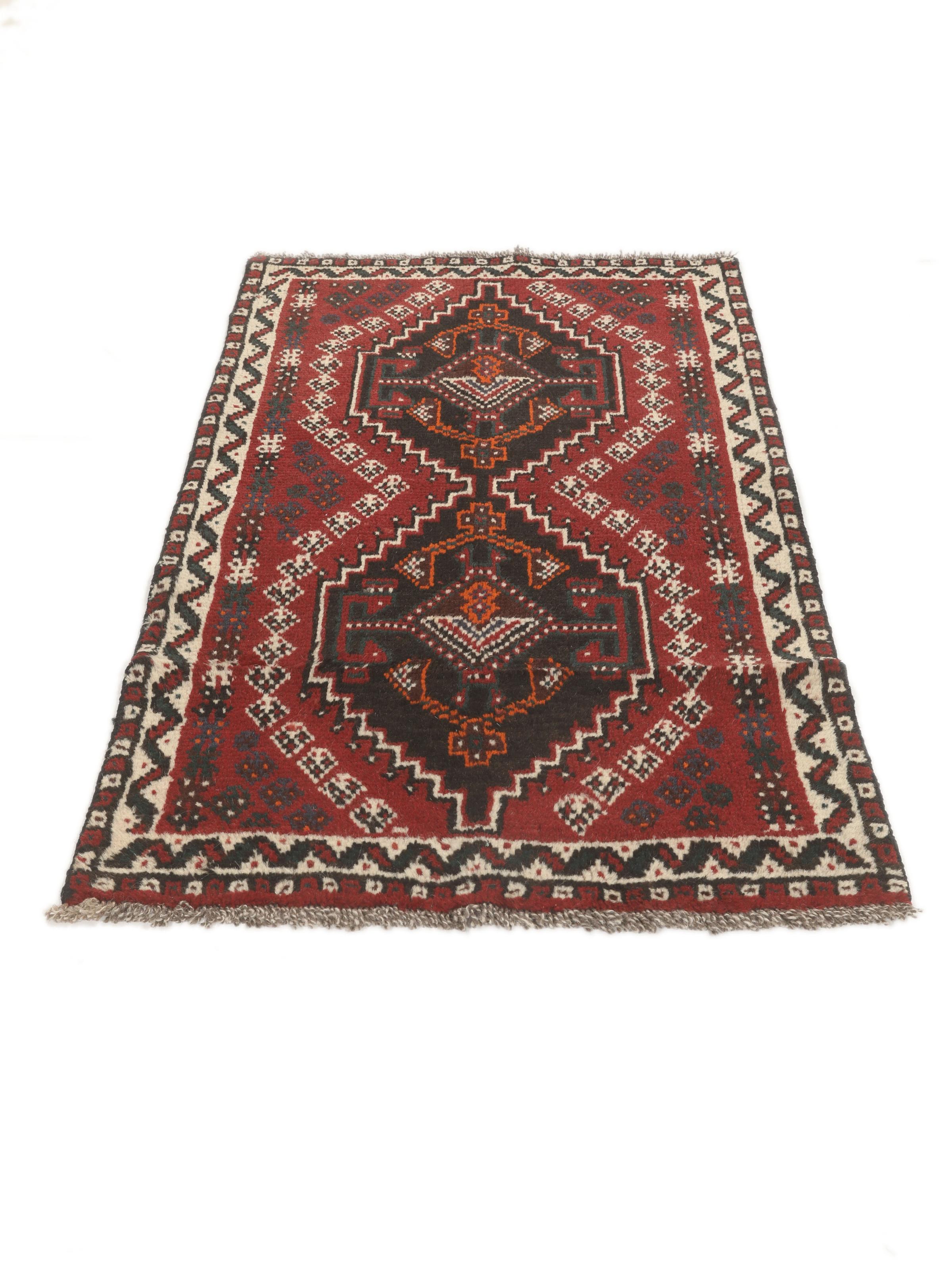
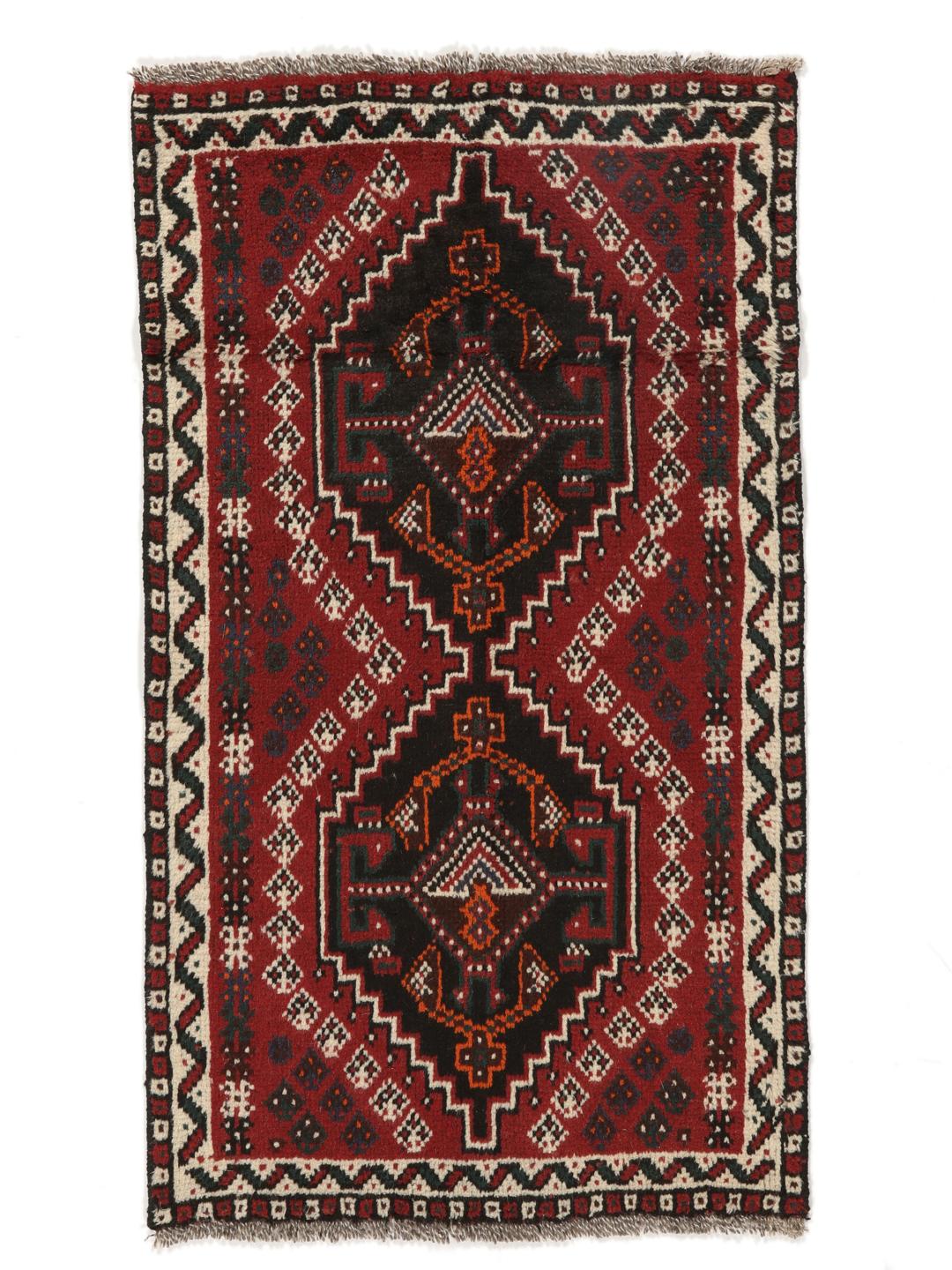
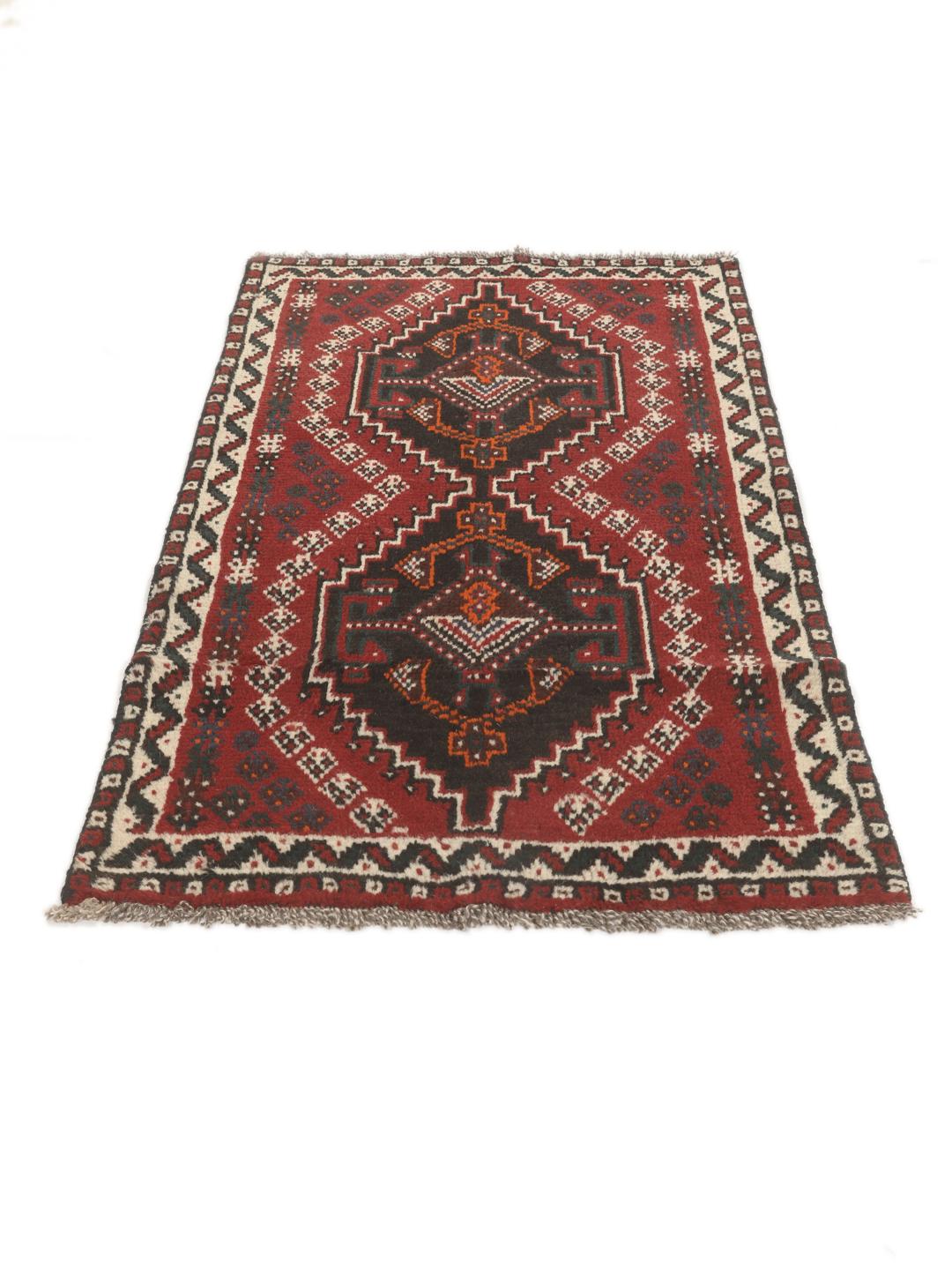
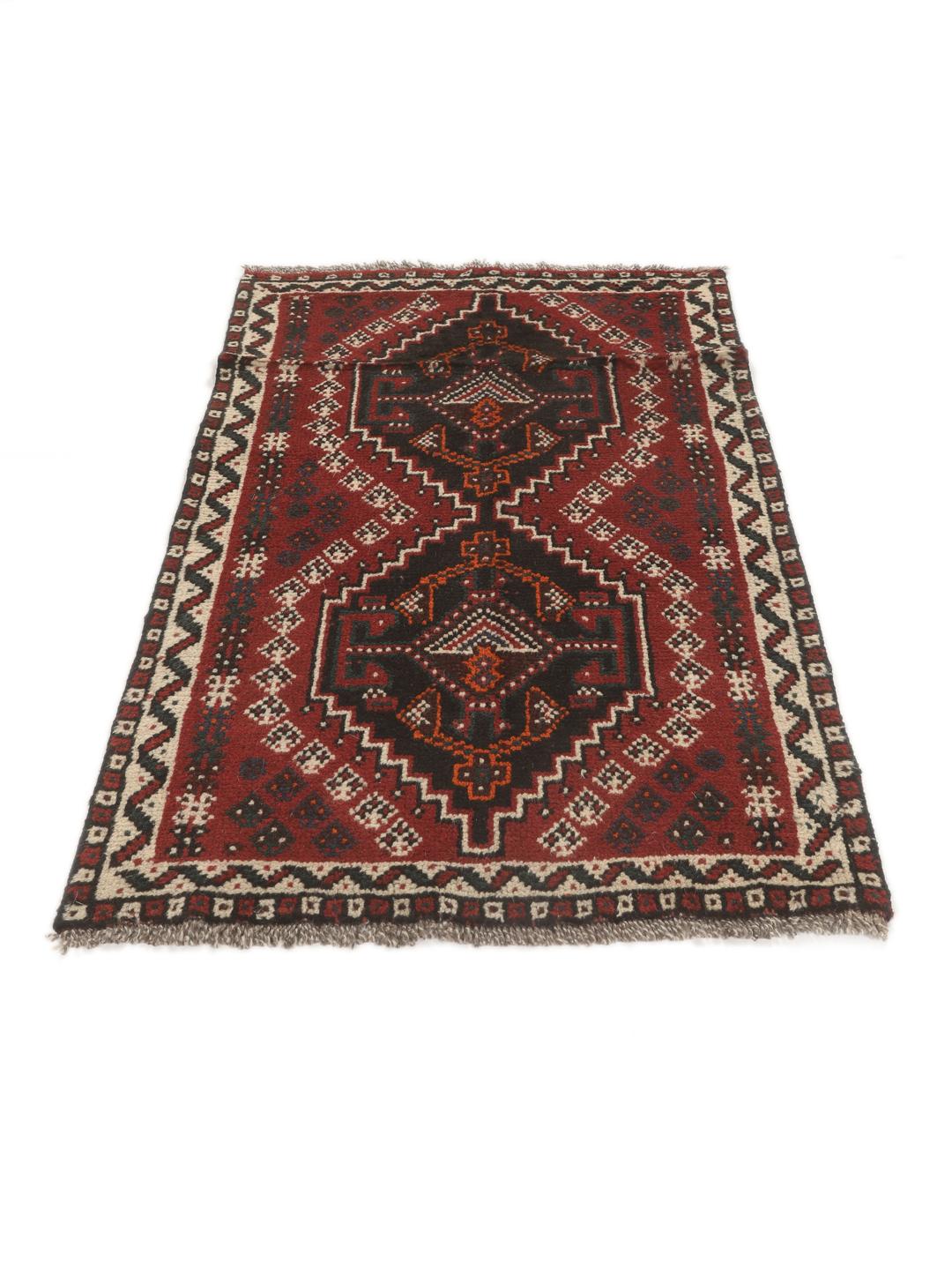
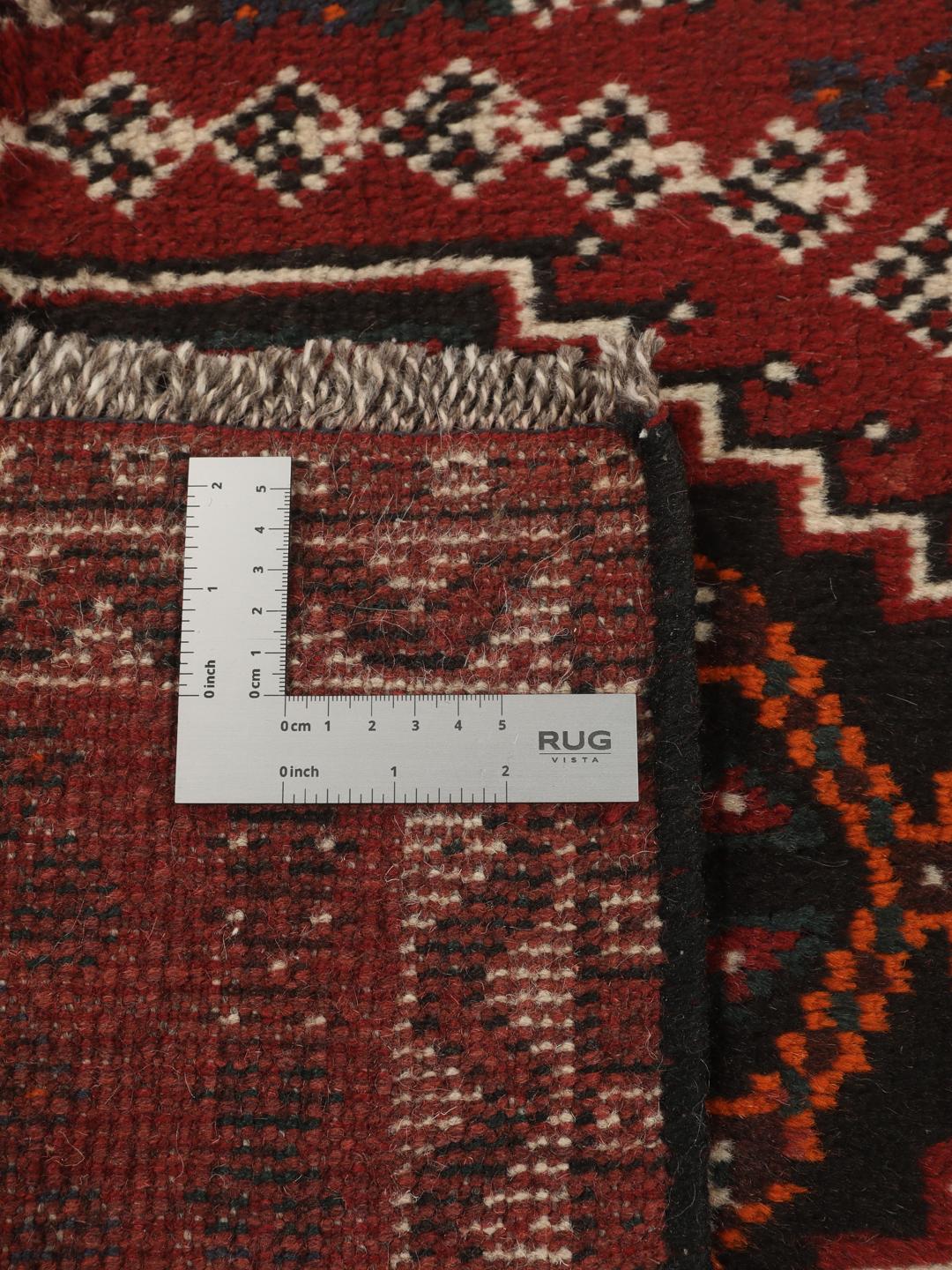
Shiraz rugs originate from the Fars province in the Middle East, a region deeply rooted in nomadic and village weaving traditions. These rugs are traditionally produced by tribal groups, most notably the Qashqai and other nomadic tribes who have historically moved with their flocks across the diverse landscape of the region, carrying their looms and weaving techniques with them as a fundamental part of their cultural identity.
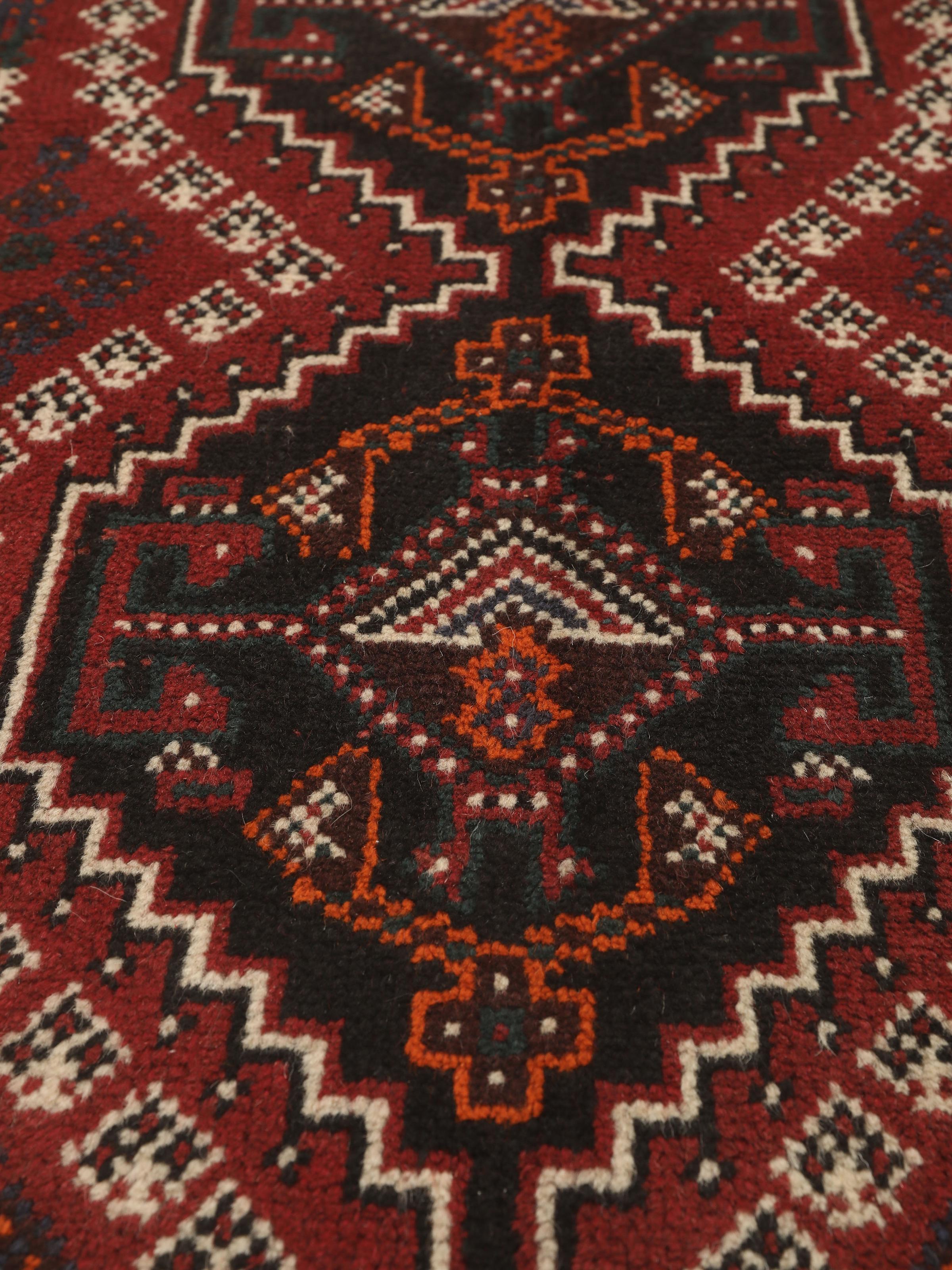
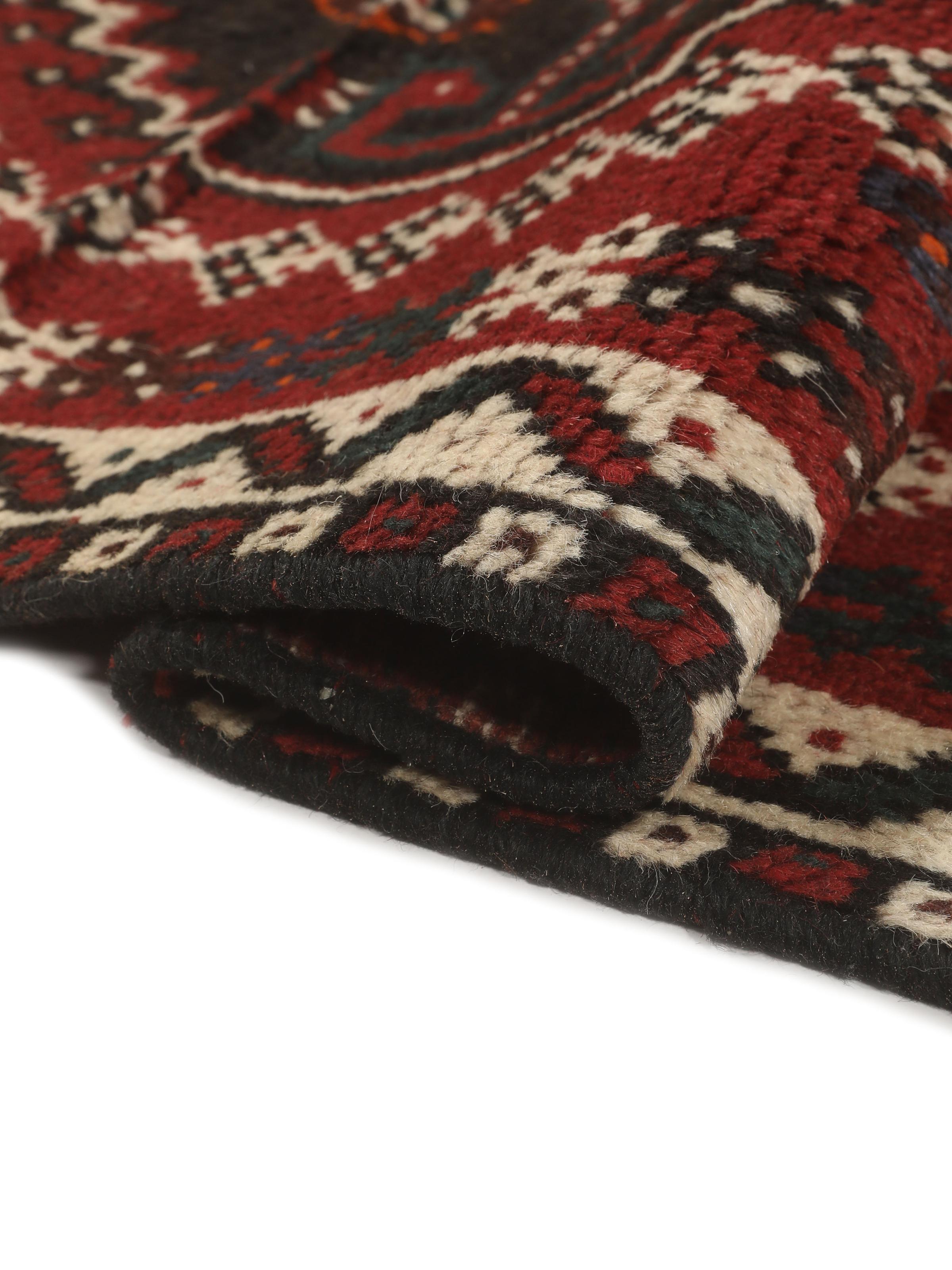
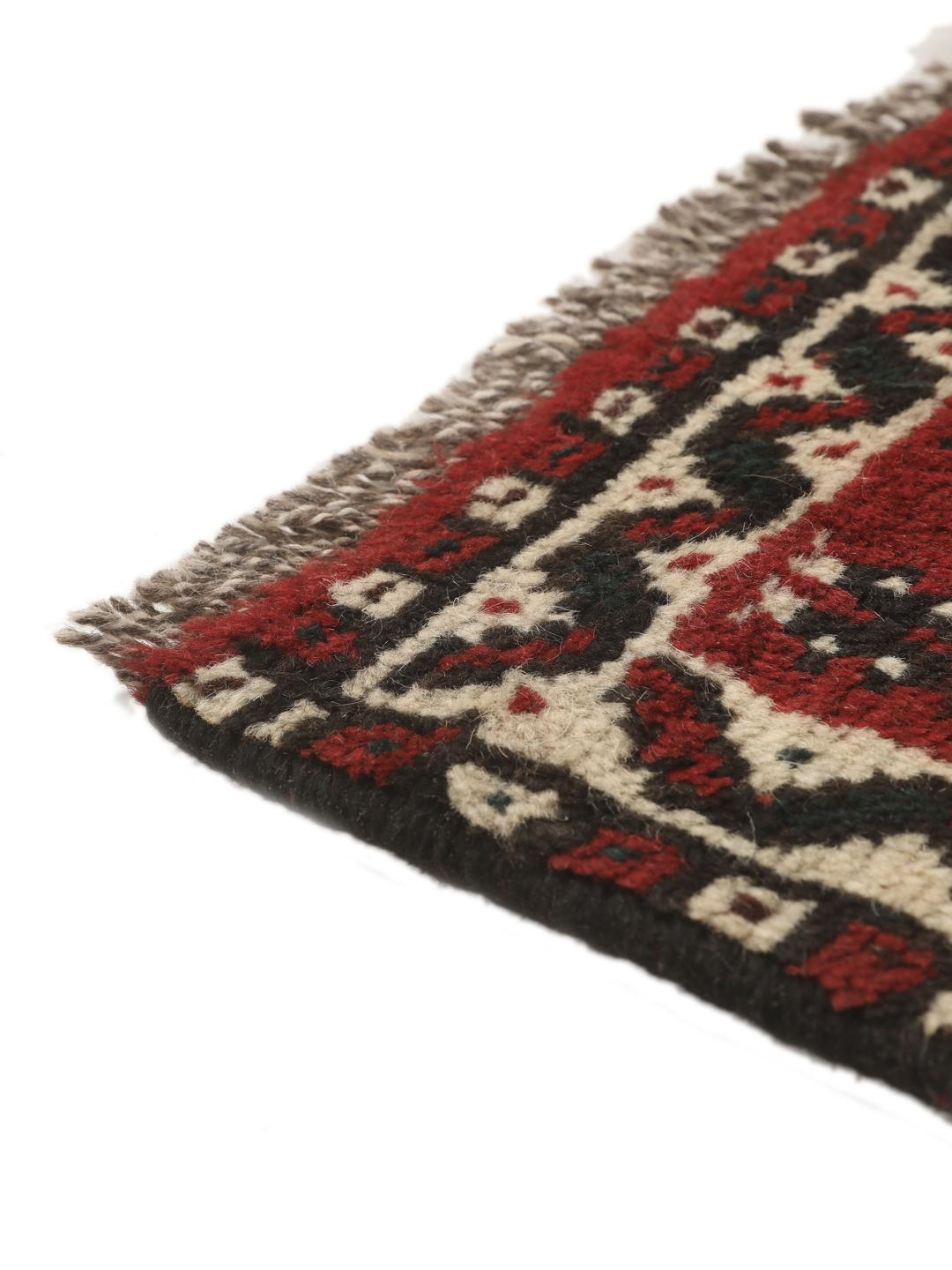
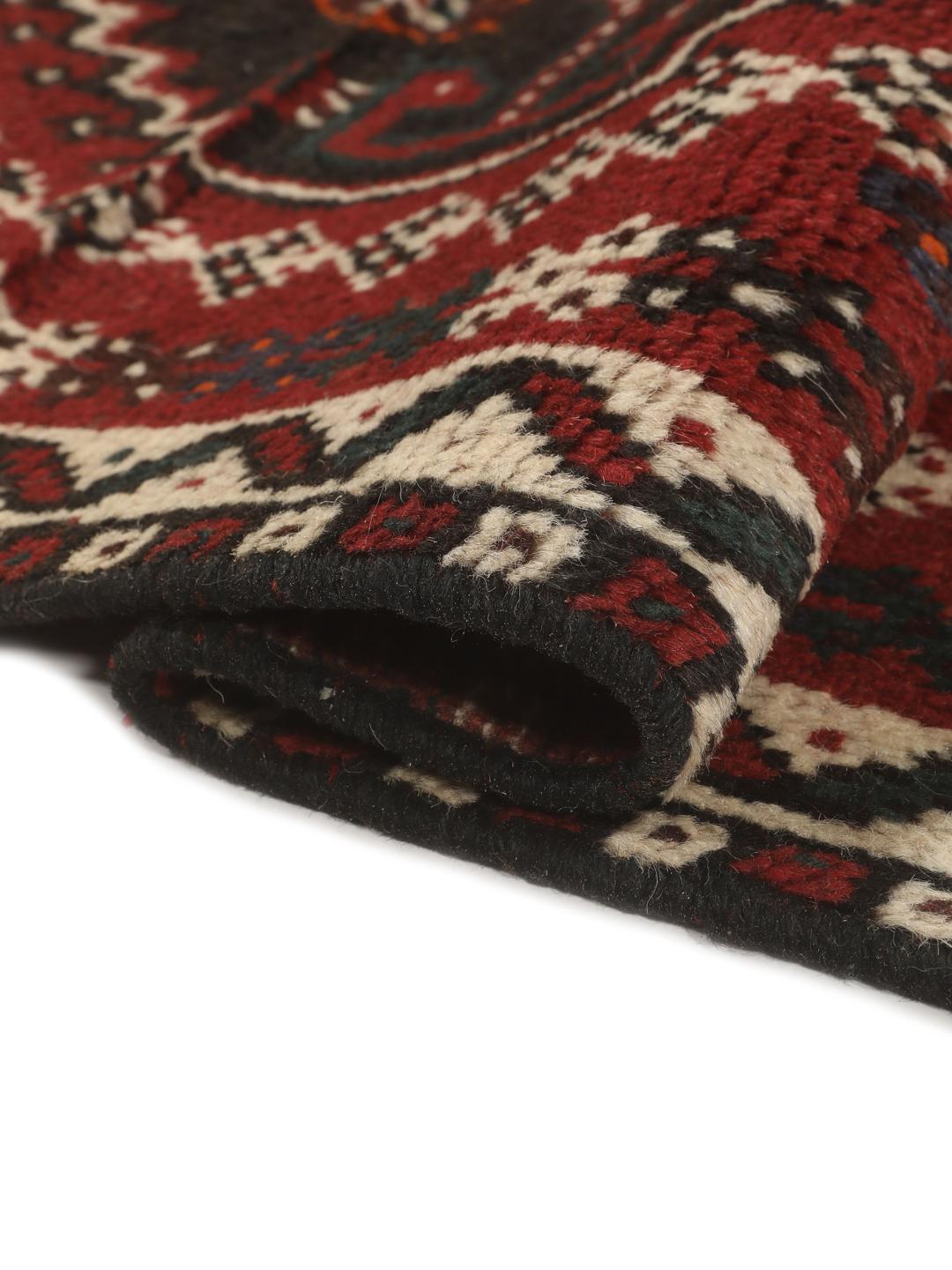
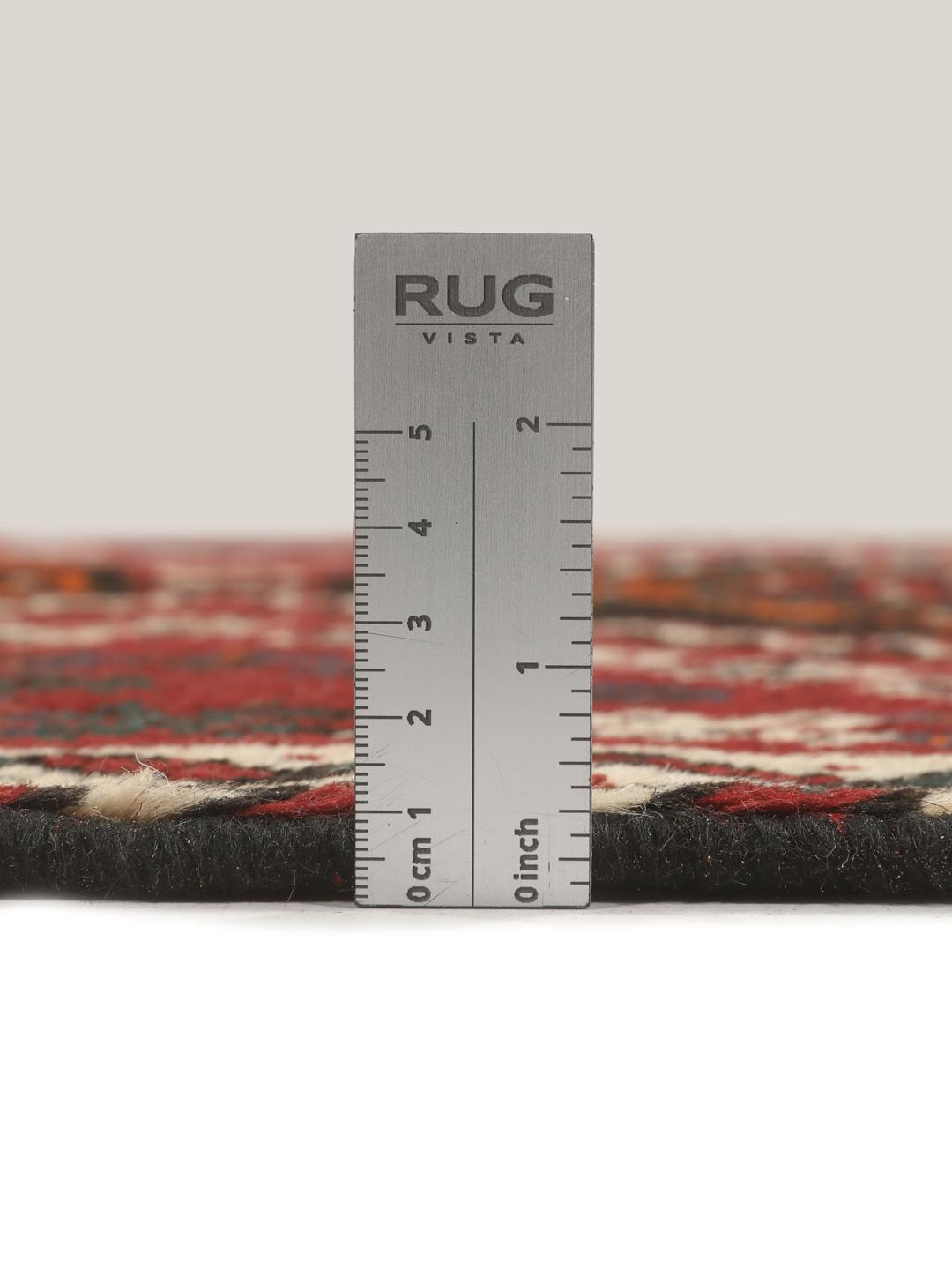
The construction of a Shiraz rug typically involves a foundation made entirely of wool, which contributes to the rug's natural flexibility and long-lasting nature. This all-wool composition is a hallmark of the tradition, ensuring that the finished piece is both durable and capable of developing a beautiful, soft patina over many years of use.
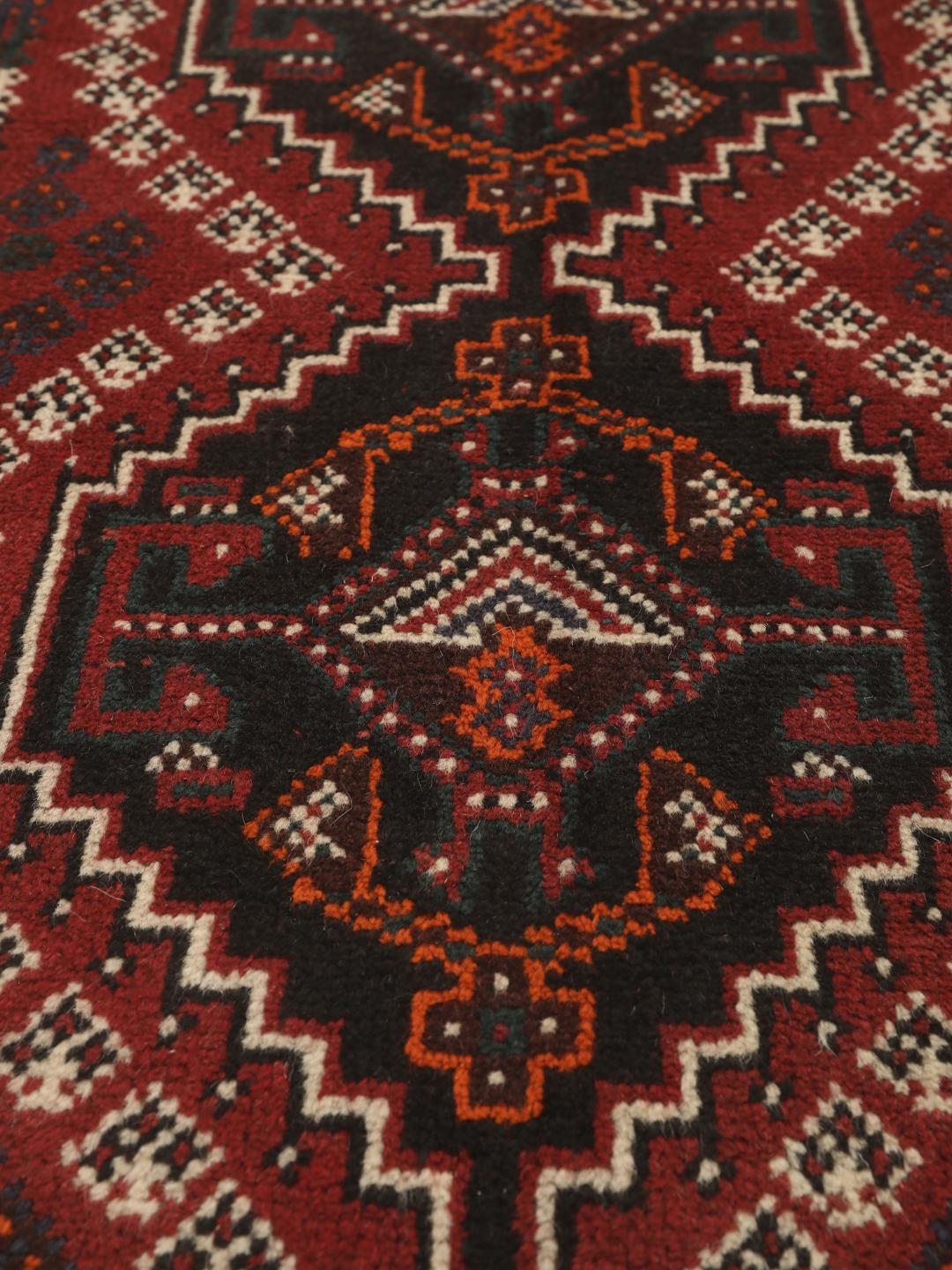
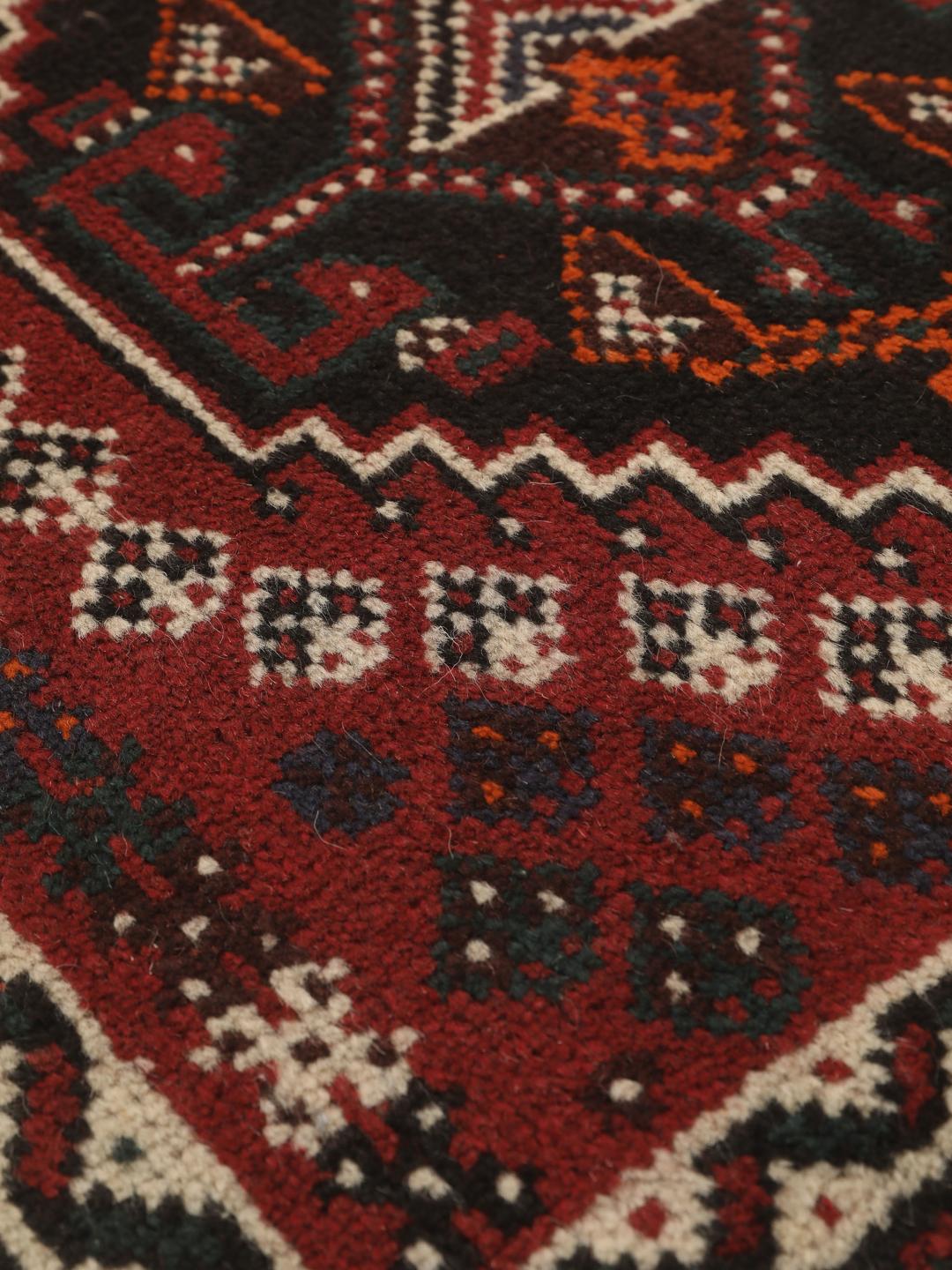
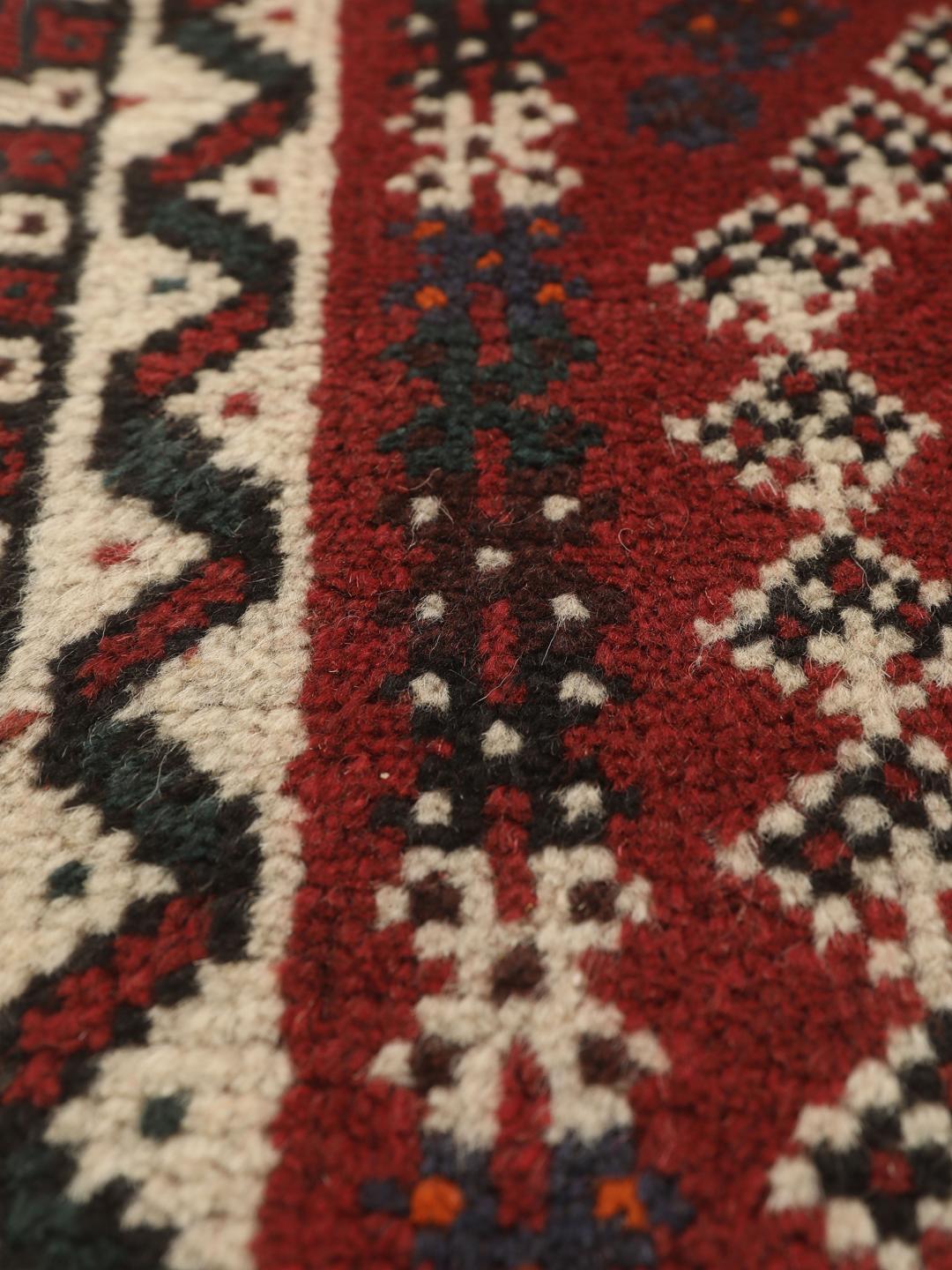
Visually, these rugs are celebrated for their bold, geometric designs, often featuring central medallions, stylised floral elements, and repeating tribal motifs. The colour palettes are typically derived from natural dyes, favouring rich reds, deep blues, and warm earth tones. A distinctive feature is the use of decorative-border elements, which often frame the field with intricate, repeating geometric patterns that showcase the weaver's artistic intuition.
Collecting a Shiraz rug is an opportunity to preserve a living heritage. These pieces are highly valued for their authentic, non-industrial character and the human stories woven into their fibres. Owning one is a testament to the appreciation of traditional craftsmanship and the enduring appeal of nomadic art, making it a meaningful addition to any thoughtful home collection.