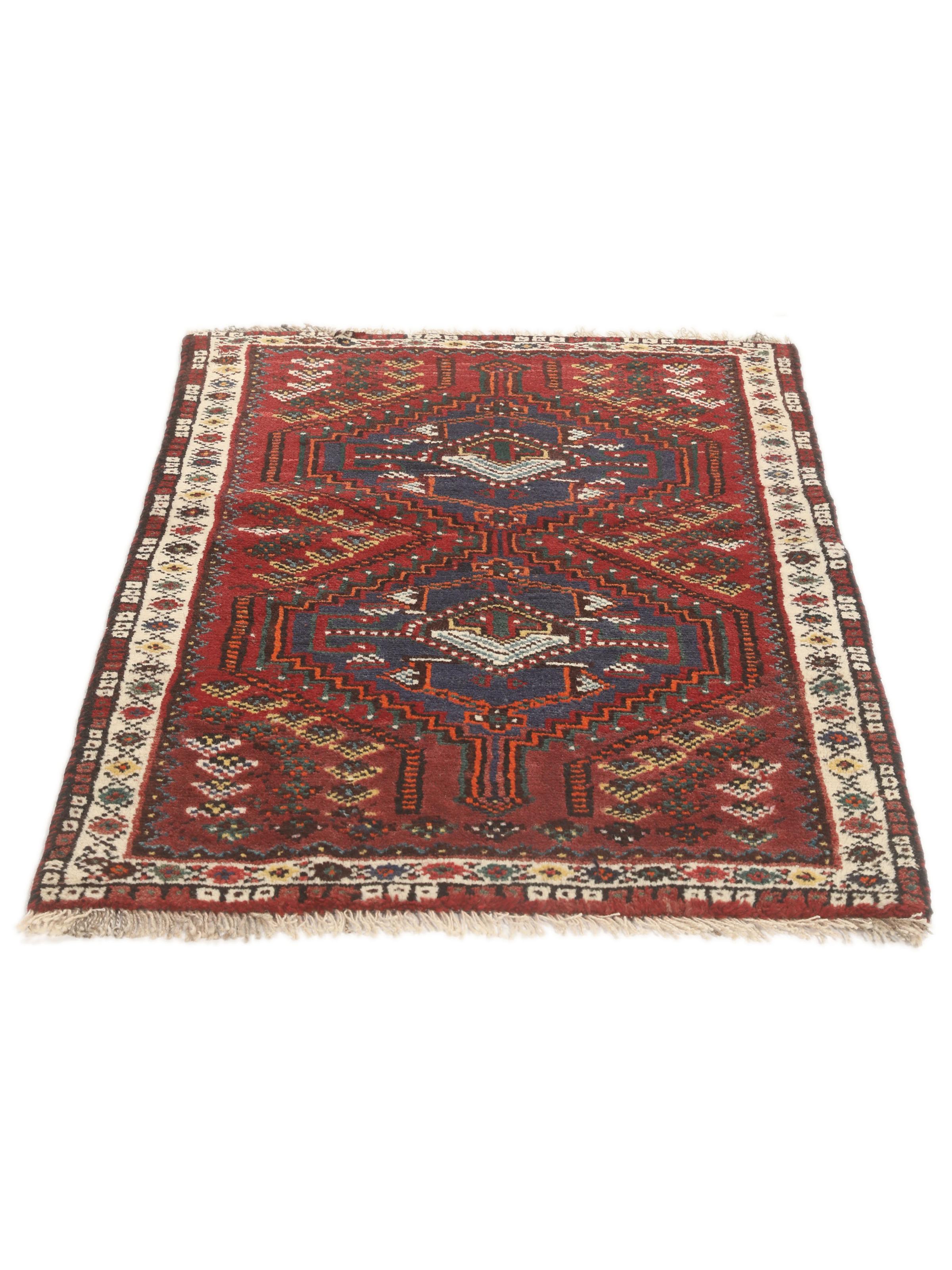
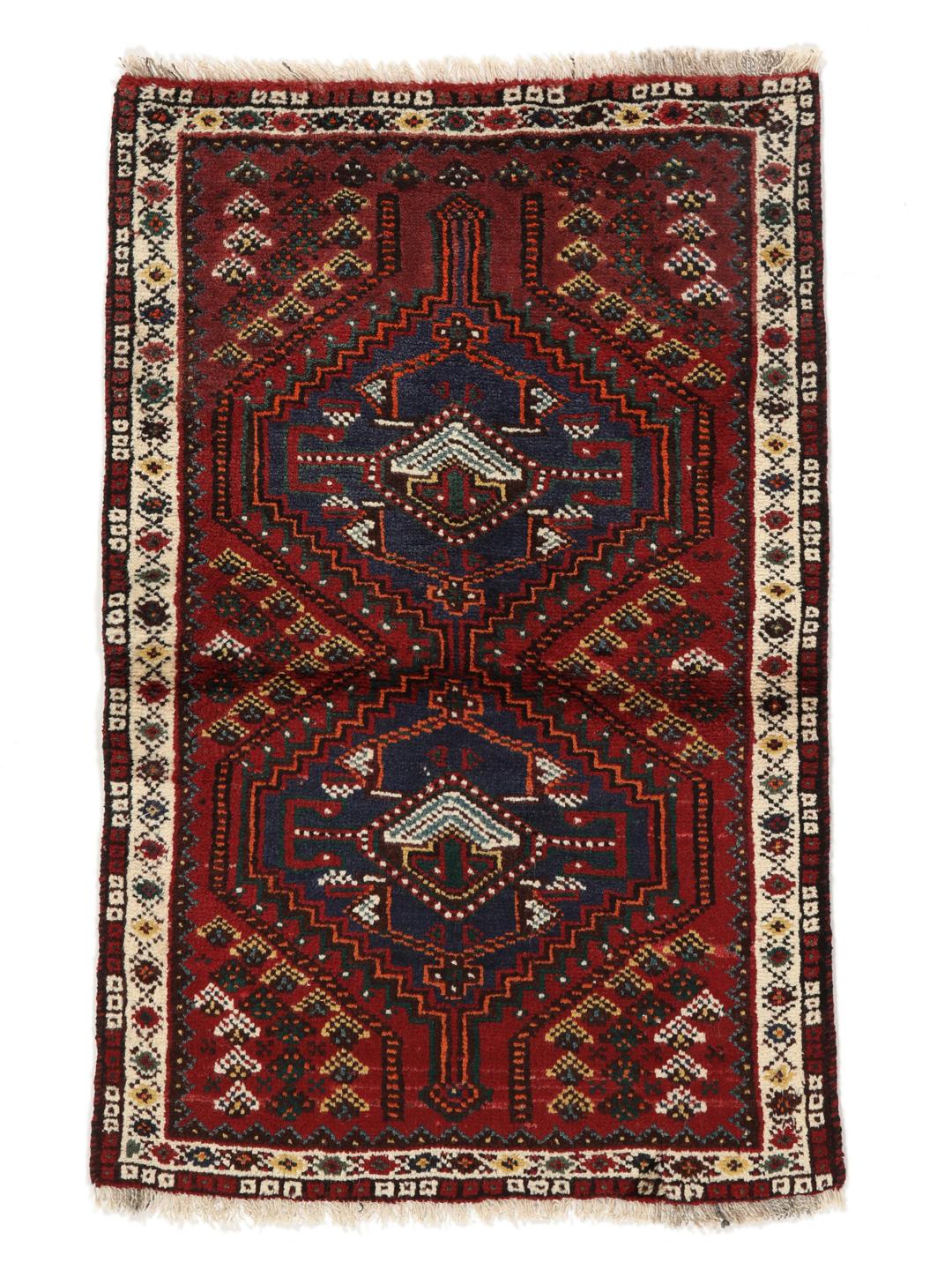
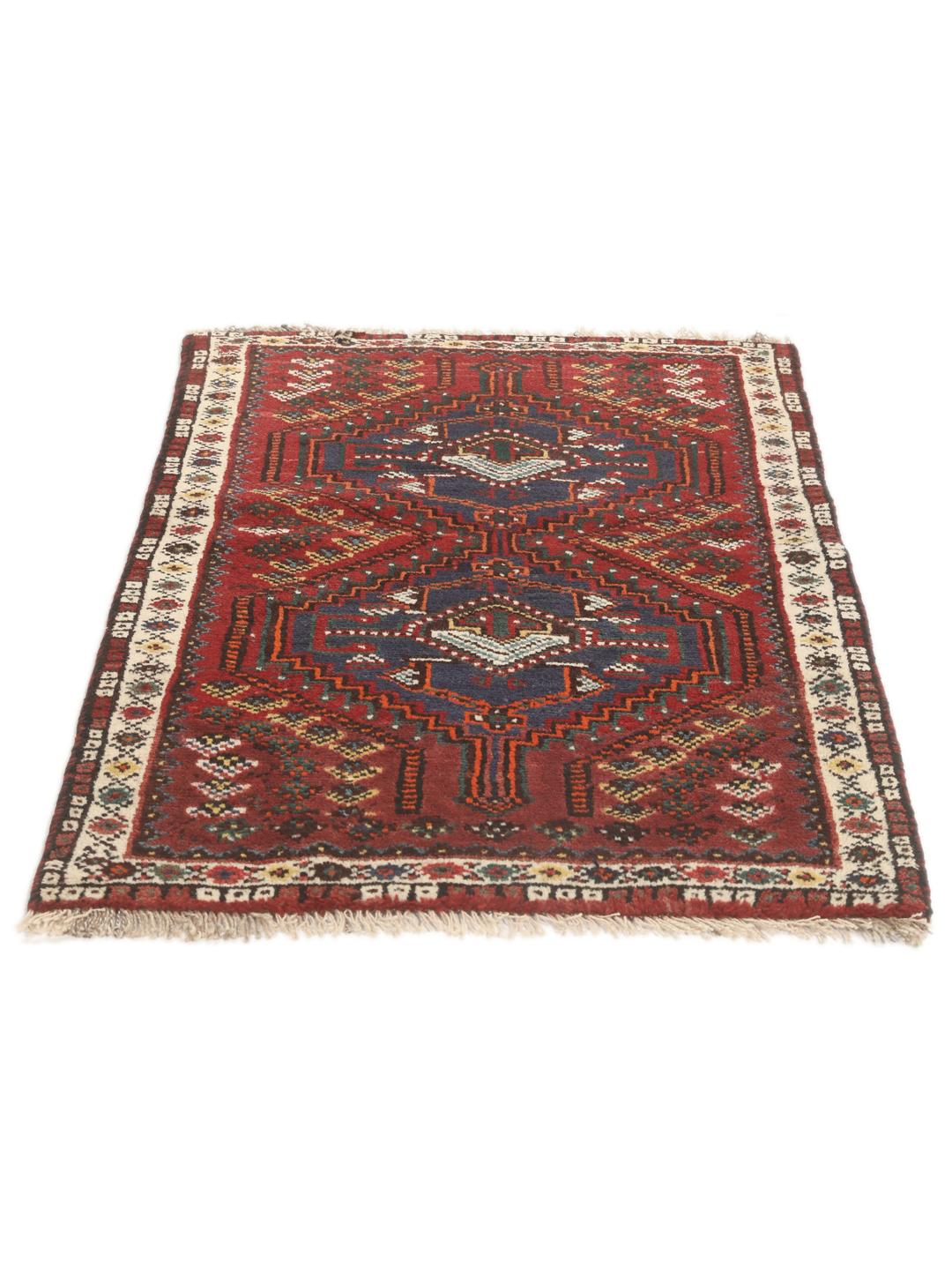
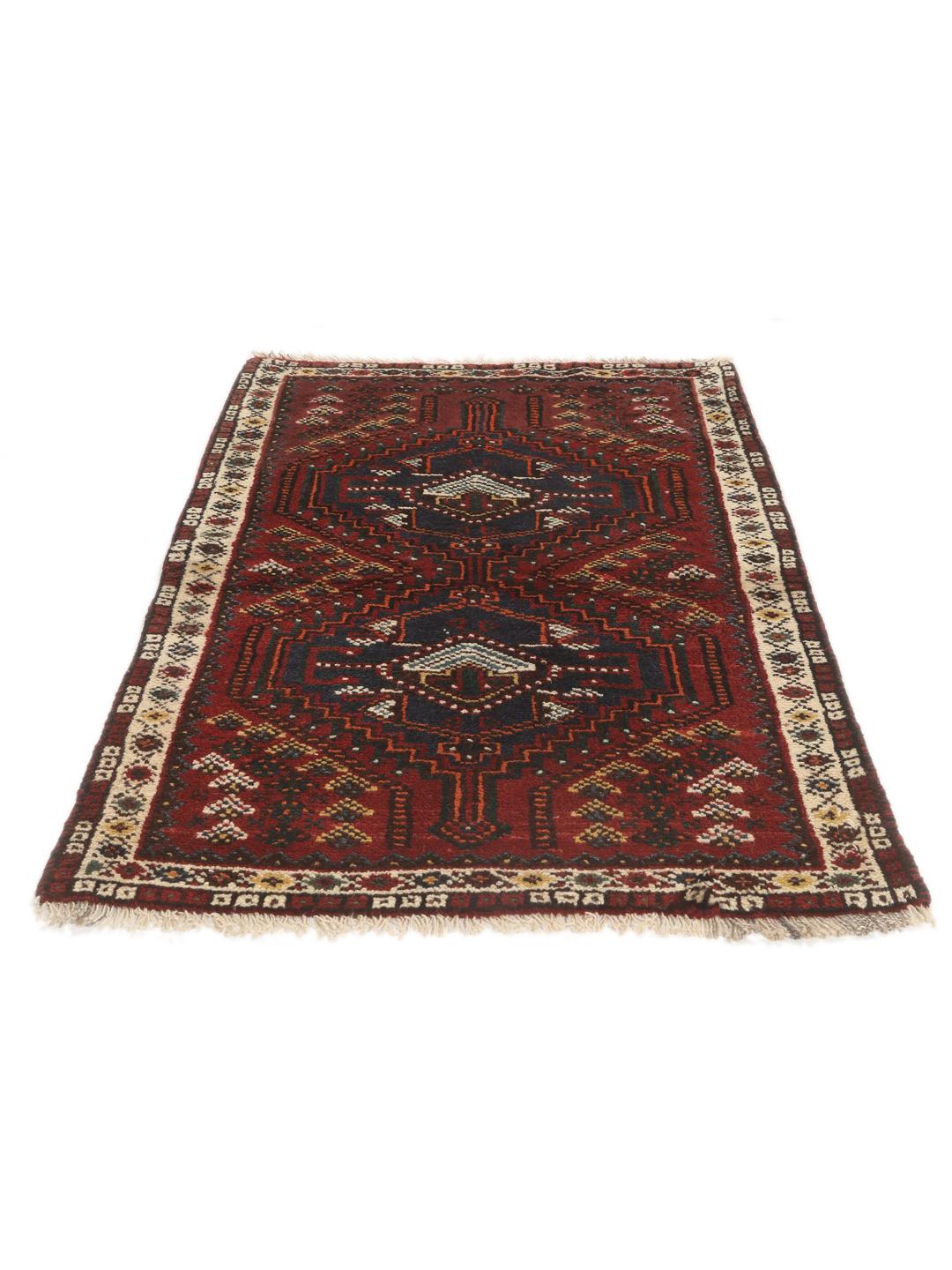
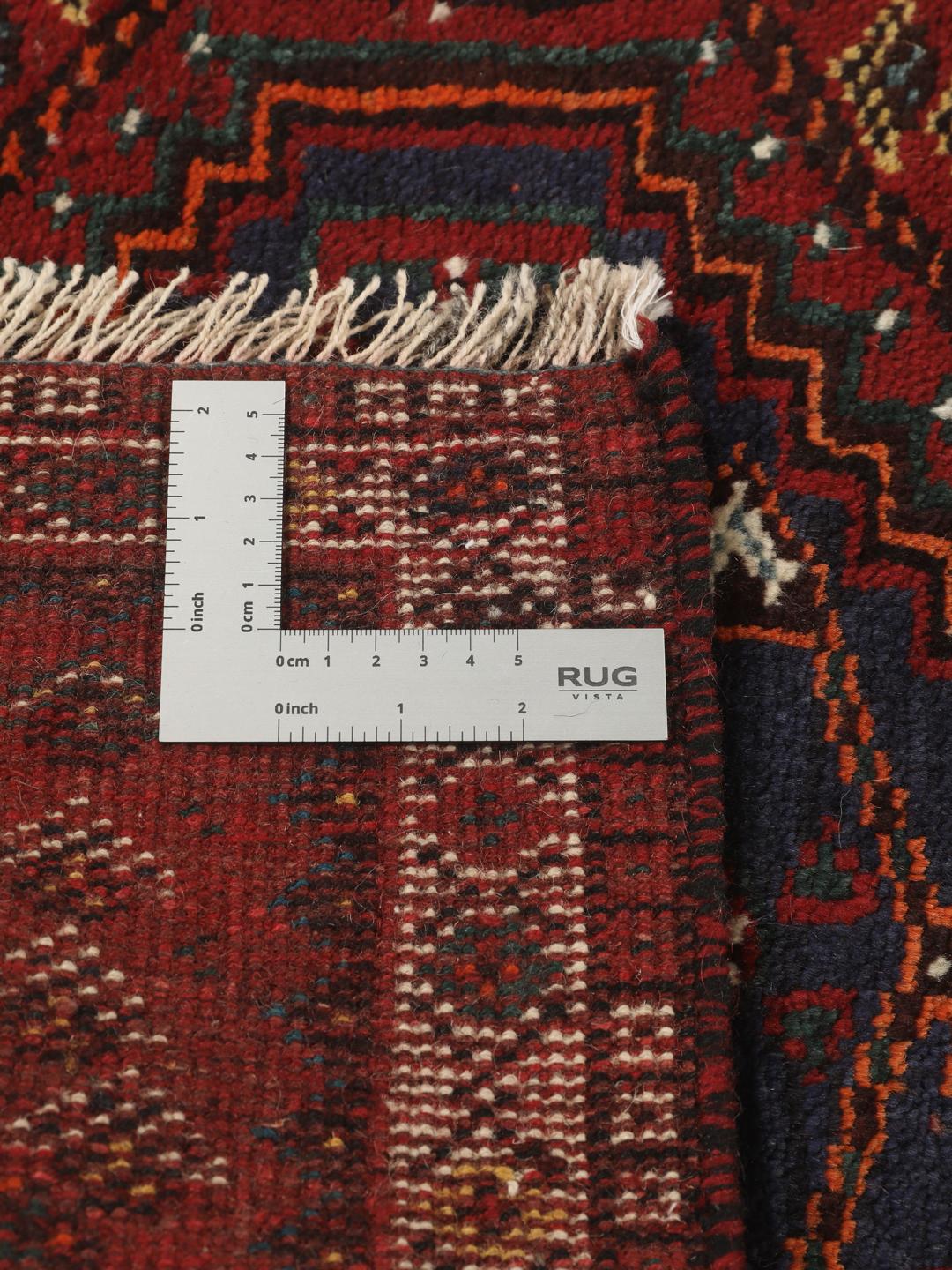
The Shiraz rug tradition originates from the Fars province in the Middle Eastern region, a territory rich in nomadic and village weaving history. These rugs are deeply connected to the tribal cultures of the Qashqai and other nomadic groups who have historically moved through the rugged landscape, bringing their unique design sensibilities with them.
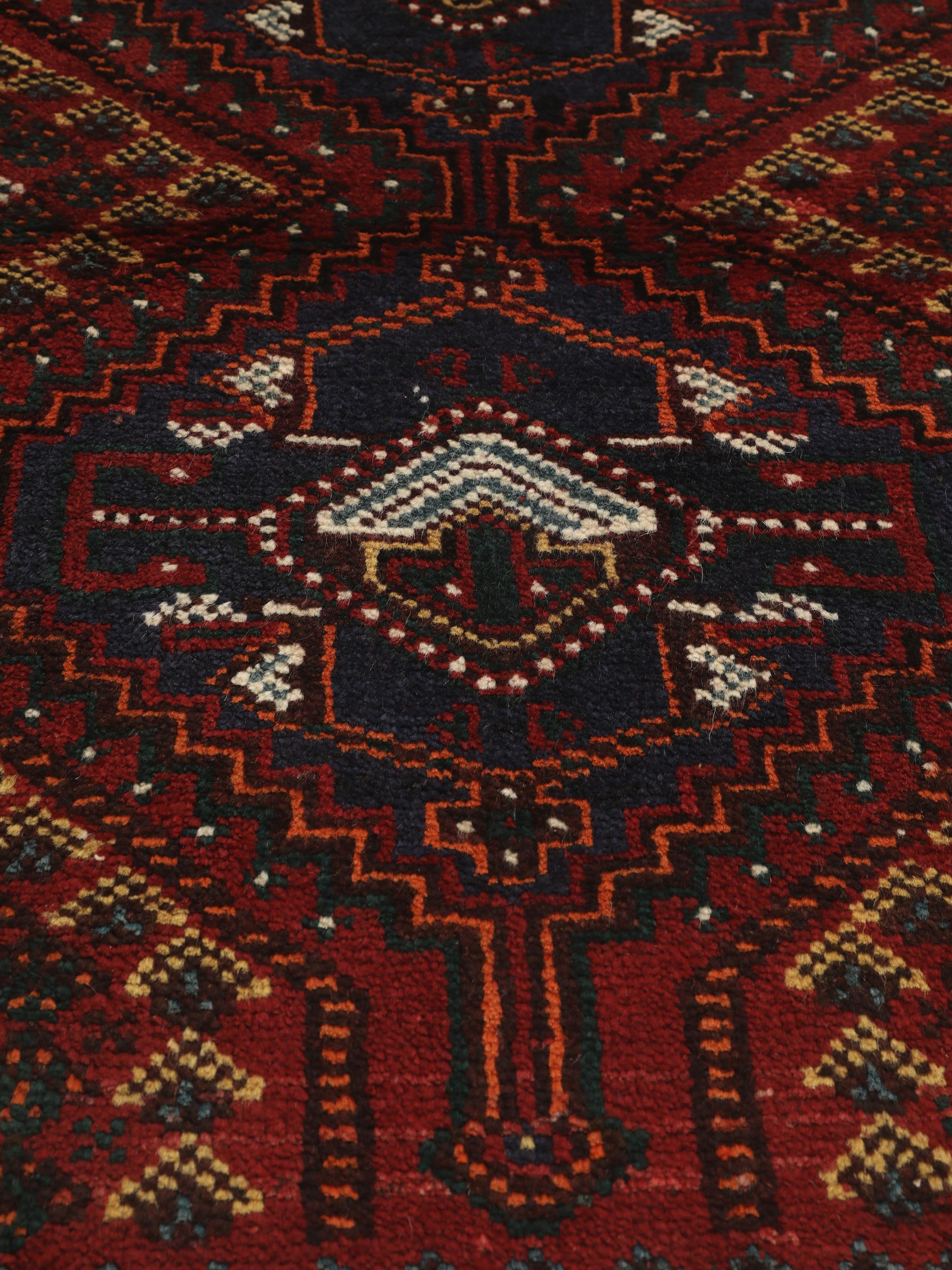
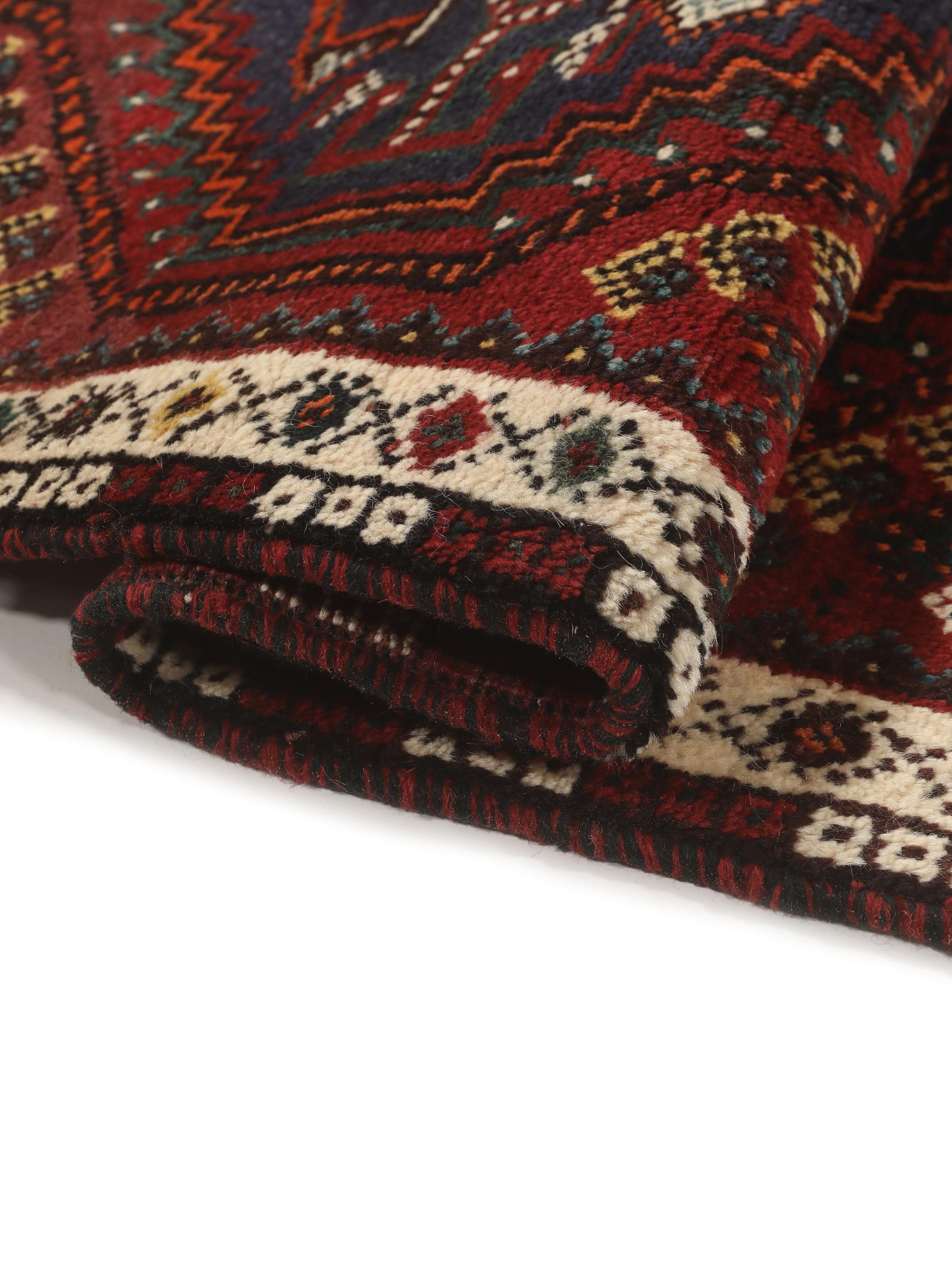
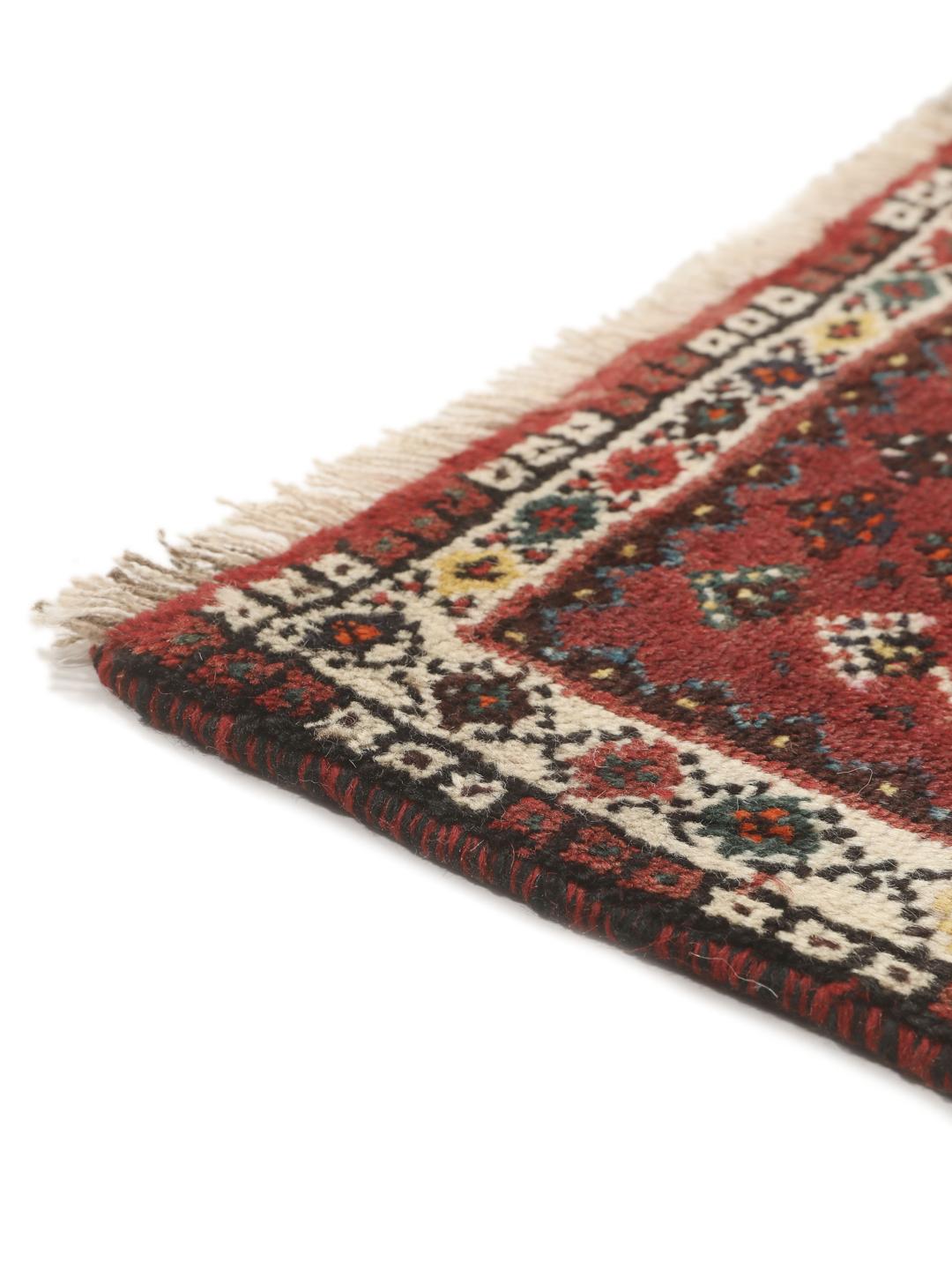
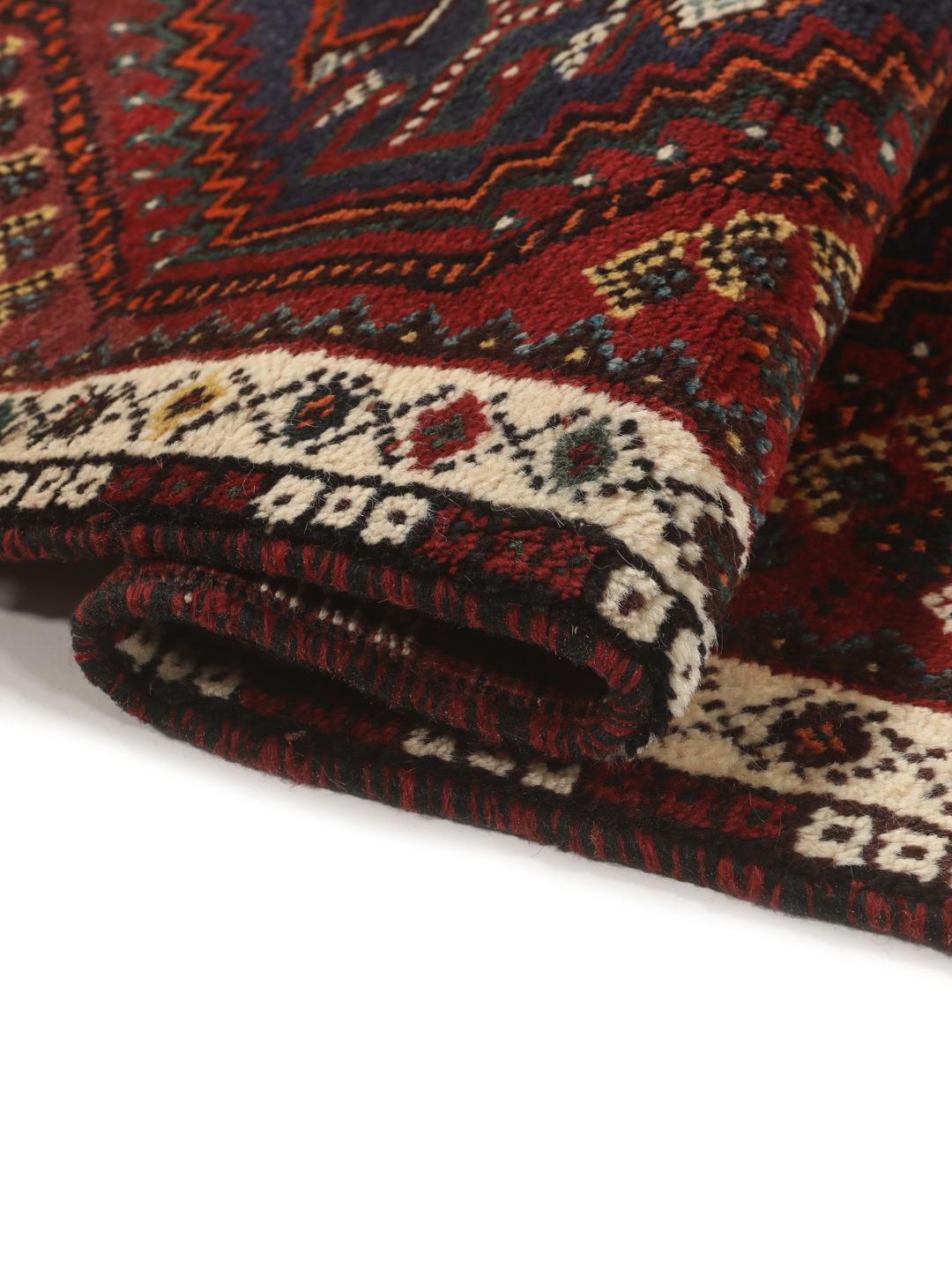
Shiraz rugs are defined by their use of Wool for the entire construction, which lends them a distinct, earthy character. The weaving process often involves a horizontal loom, which is easily transportable for nomadic life, allowing weavers to create these durable pieces while on the move.
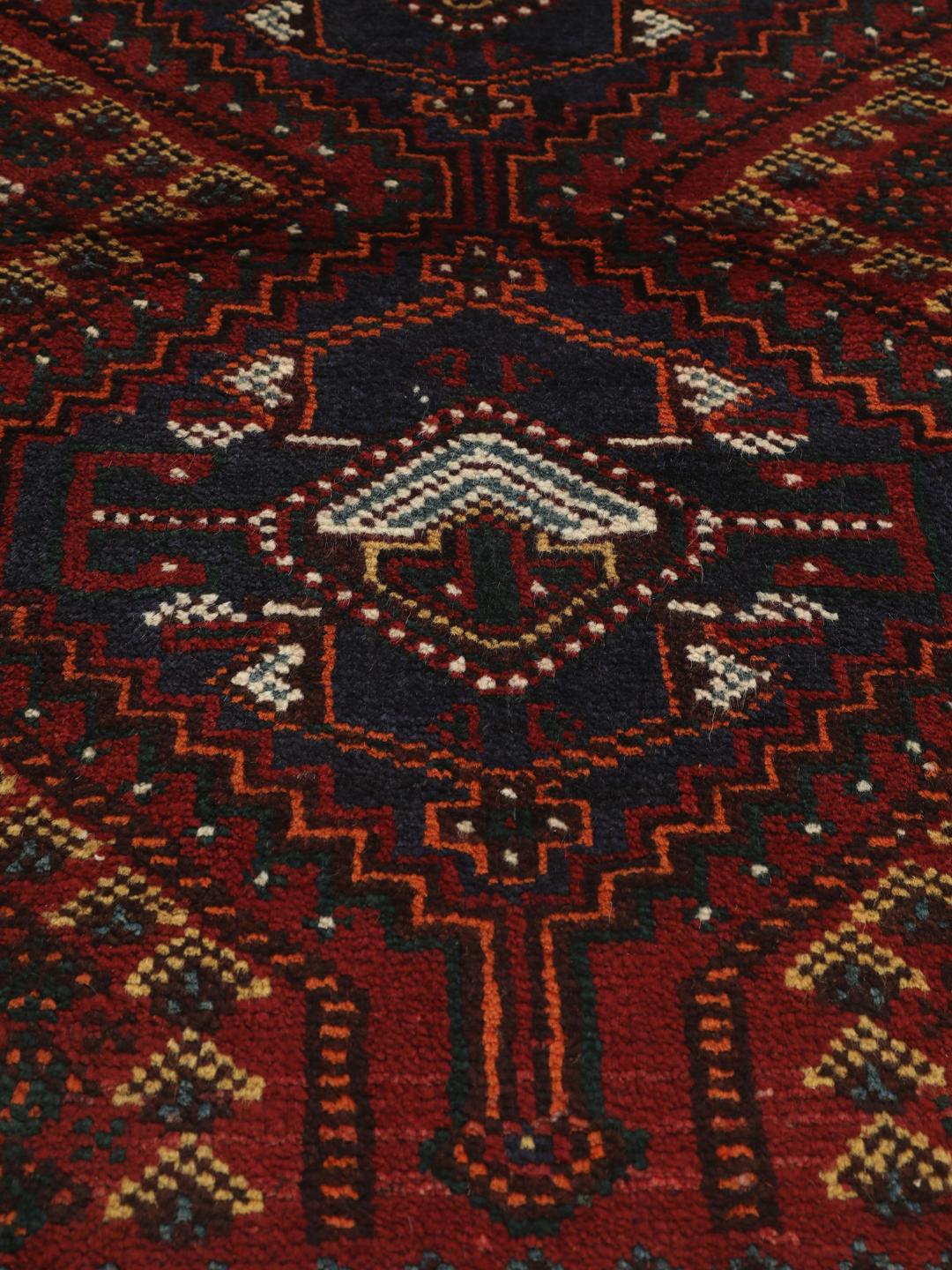
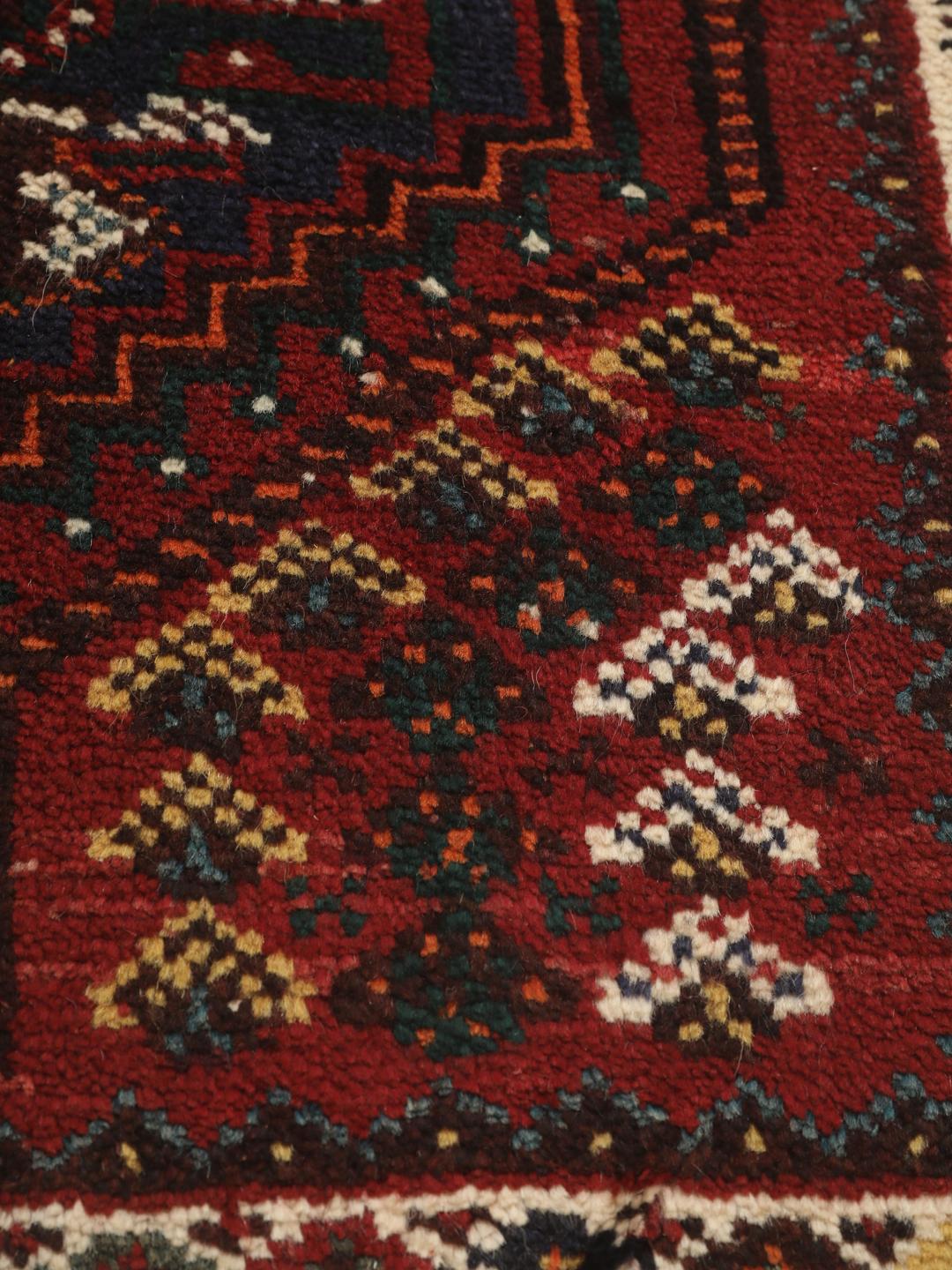
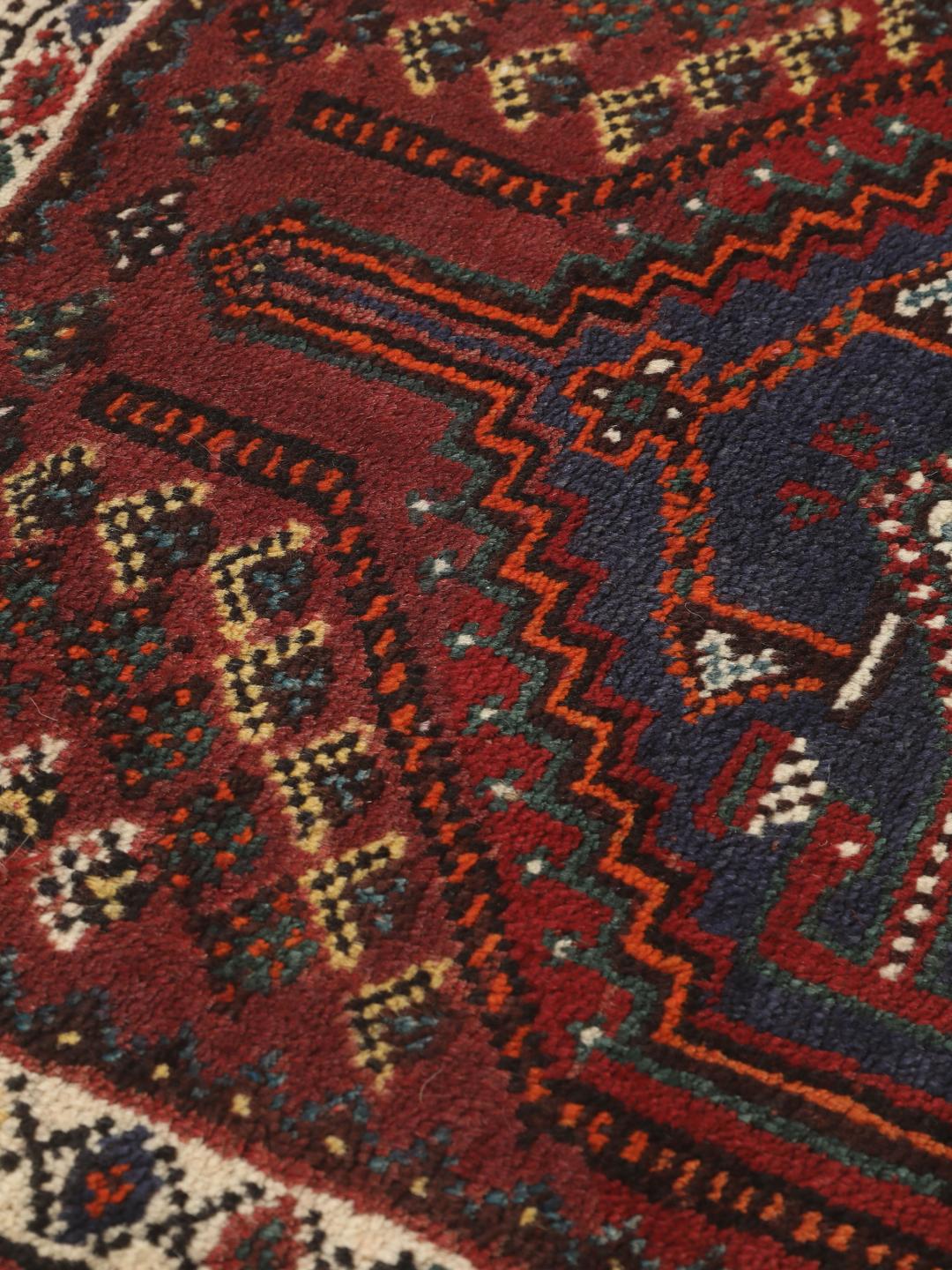
Design-wise, these rugs are celebrated for their bold, spontaneous geometric patterns and vibrant colour palettes, often dominated by deep reds, blues, and warm earth tones. The central medallion is a recurring motif, often surrounded by stylized animals, birds, and floral elements that reflect the weaver's natural surroundings and tribal identity.
Owning a Shiraz rug is an opportunity to connect with a storied tradition of craftsmanship. These rugs are highly valued by collectors for their authentic, non-commercialised approach to design, representing a cultural heritage that prioritises individual expression and skill over standardised production.