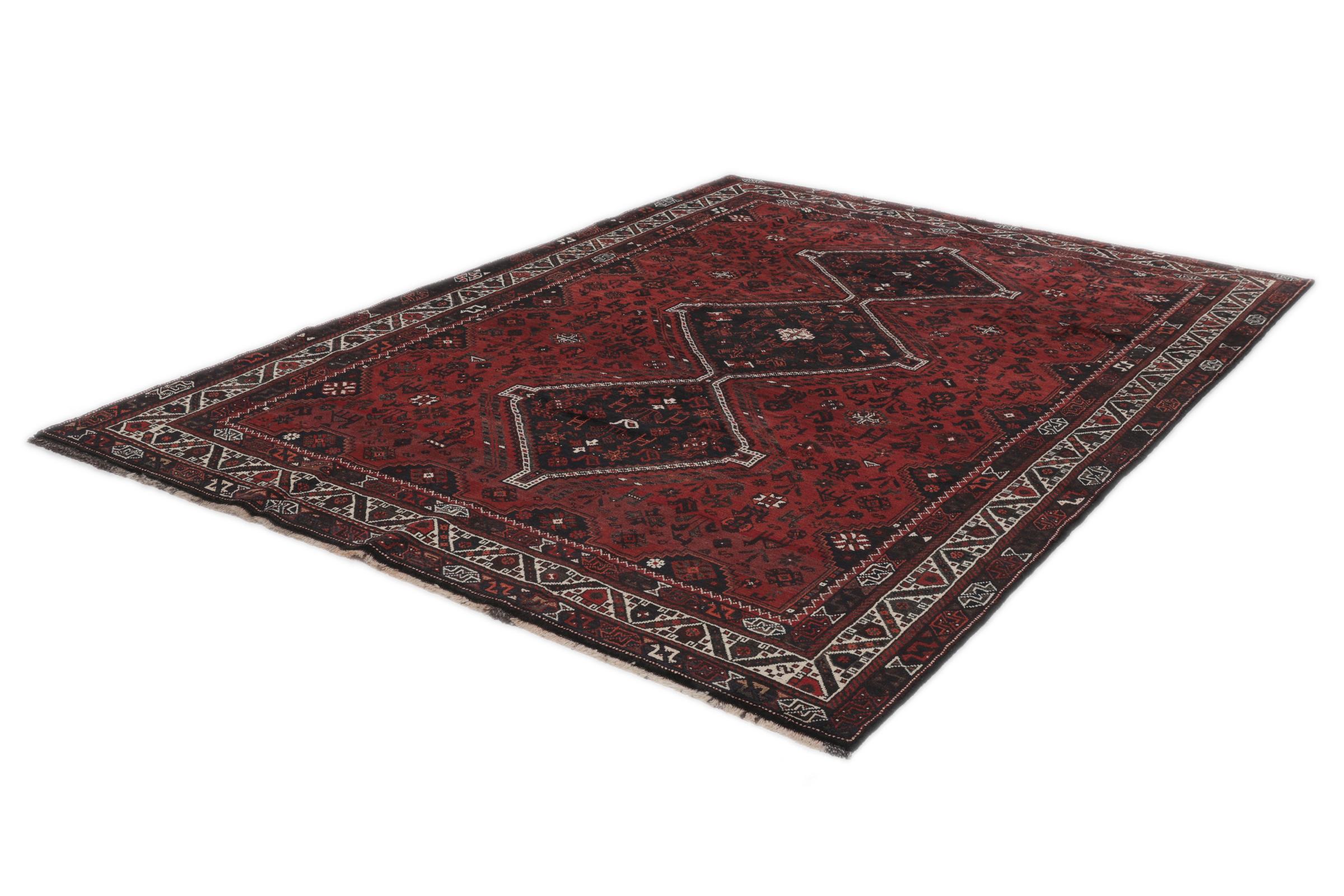
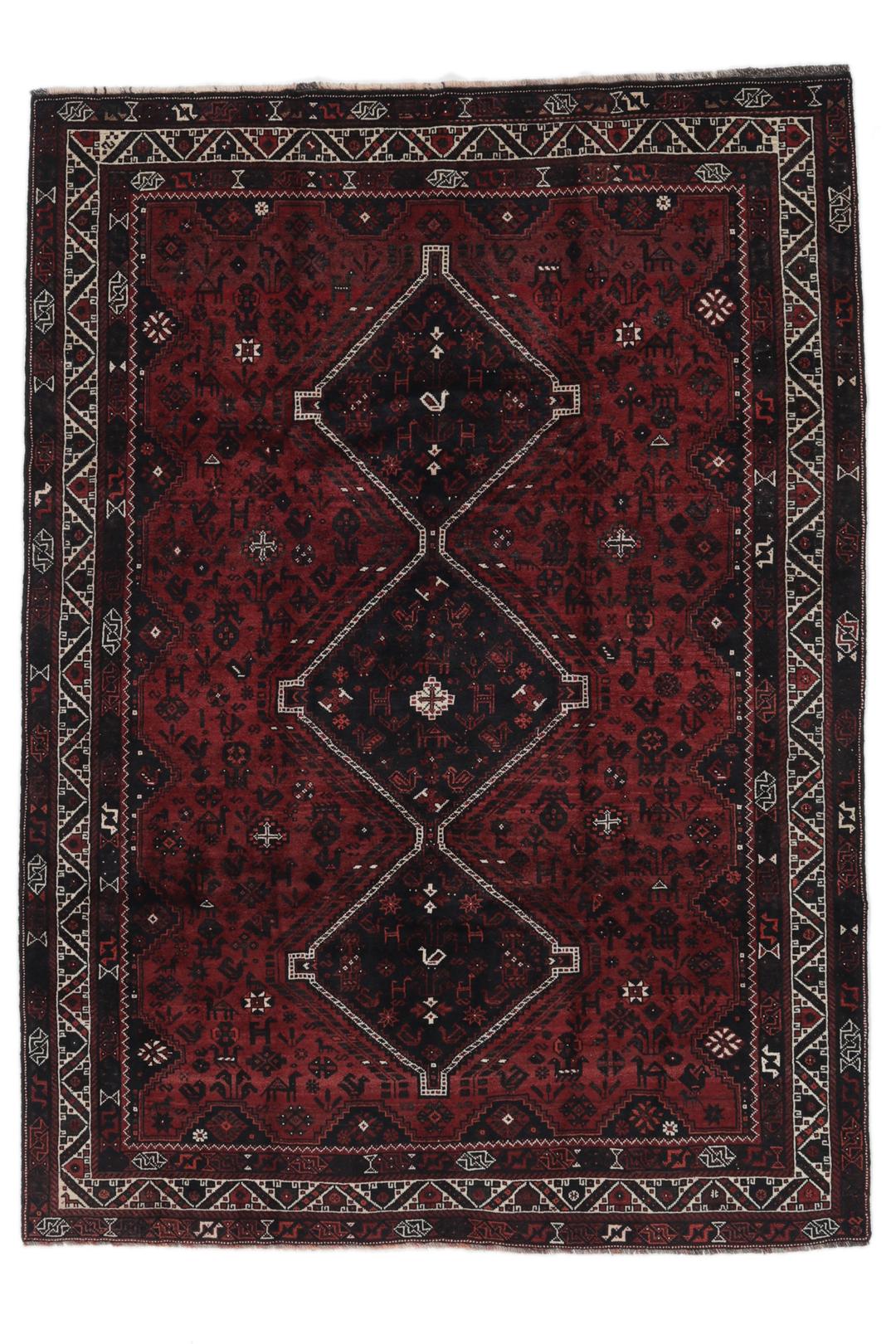
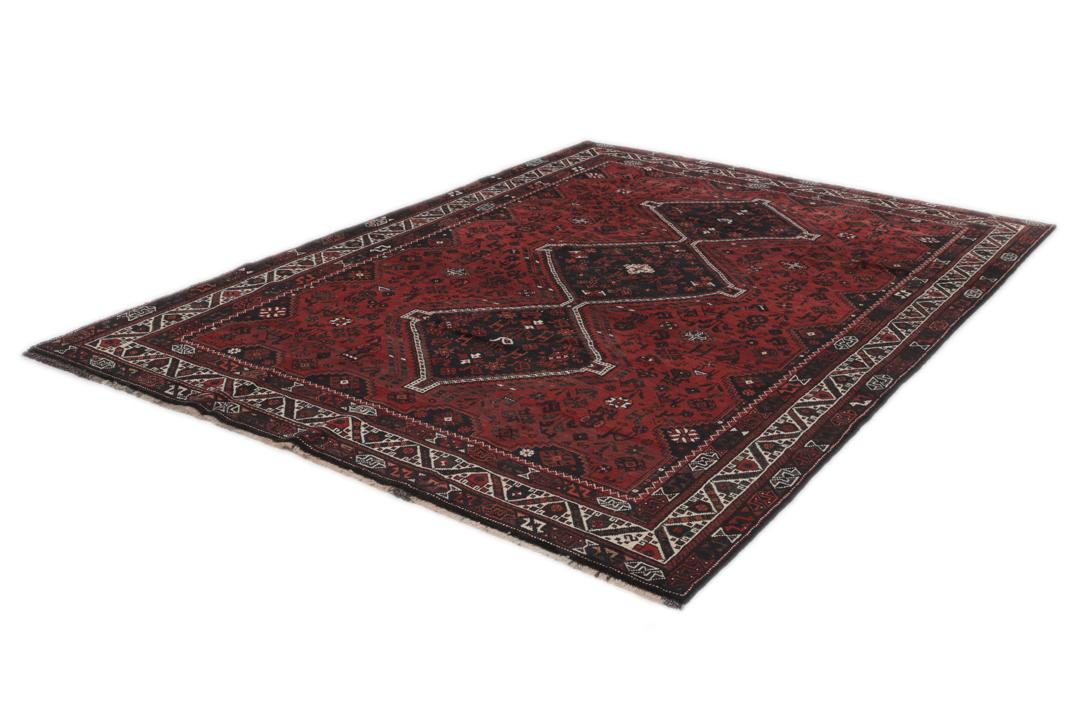
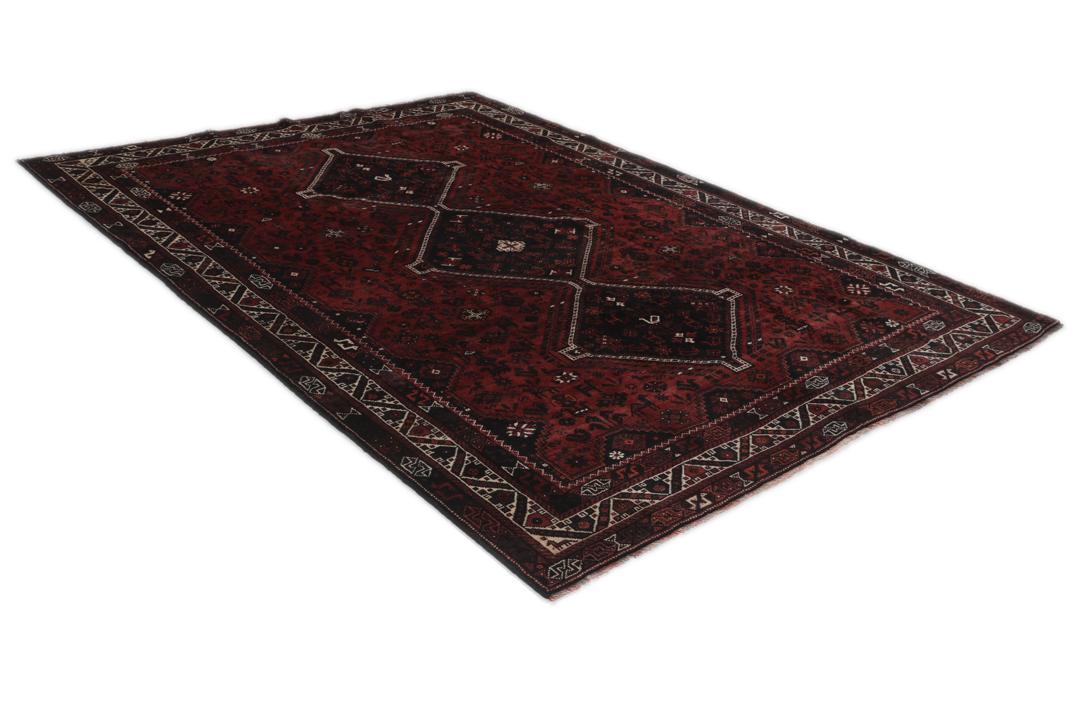
Shiraz rugs originate from the Fars province in the Middle East, a region with a long and storied history of nomadic and semi-nomadic weaving. These rugs are deeply connected to the tribal life of the Qashqai and other local groups, who have traditionally woven textiles to suit their migratory lifestyles, creating pieces that are both functional and deeply symbolic.
The term Shiraz refers to the city that served as the primary marketplace for these tribal weavers, where their work was gathered and traded. Unlike the more formal, urban-manufactured rugs, these pieces are celebrated for their organic, spontaneous designs and their reflection of the weaver's personal environment and cultural heritage.
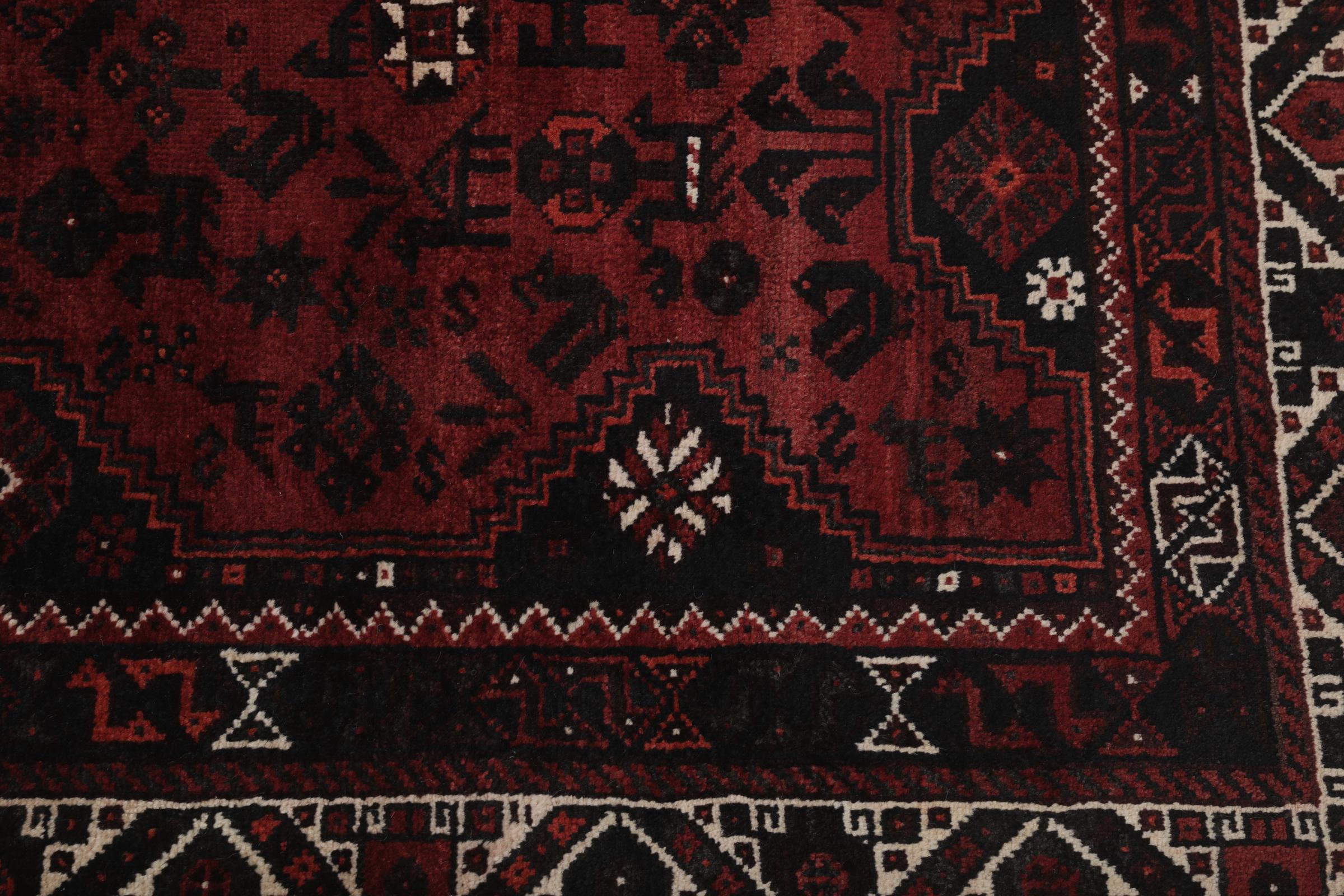
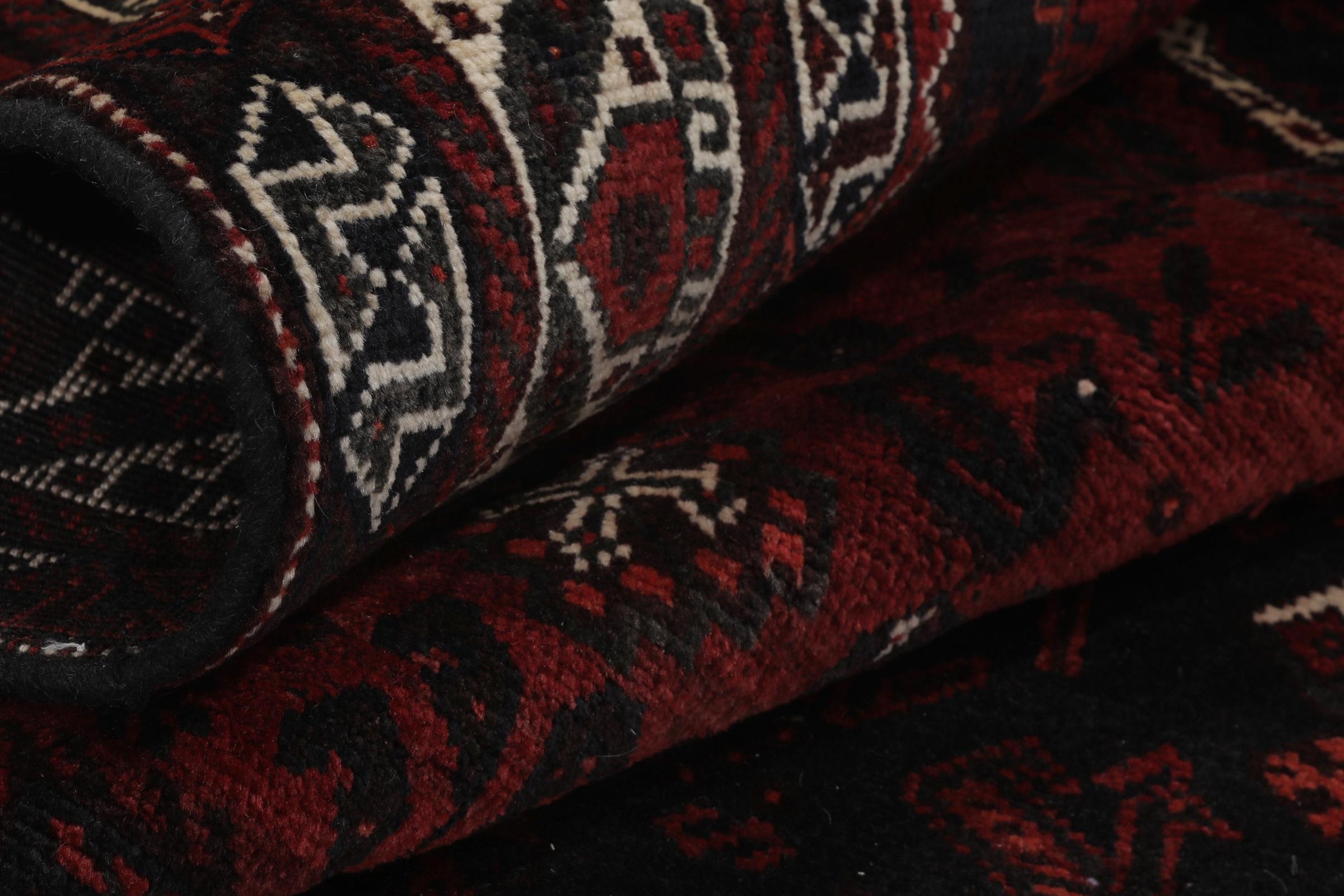
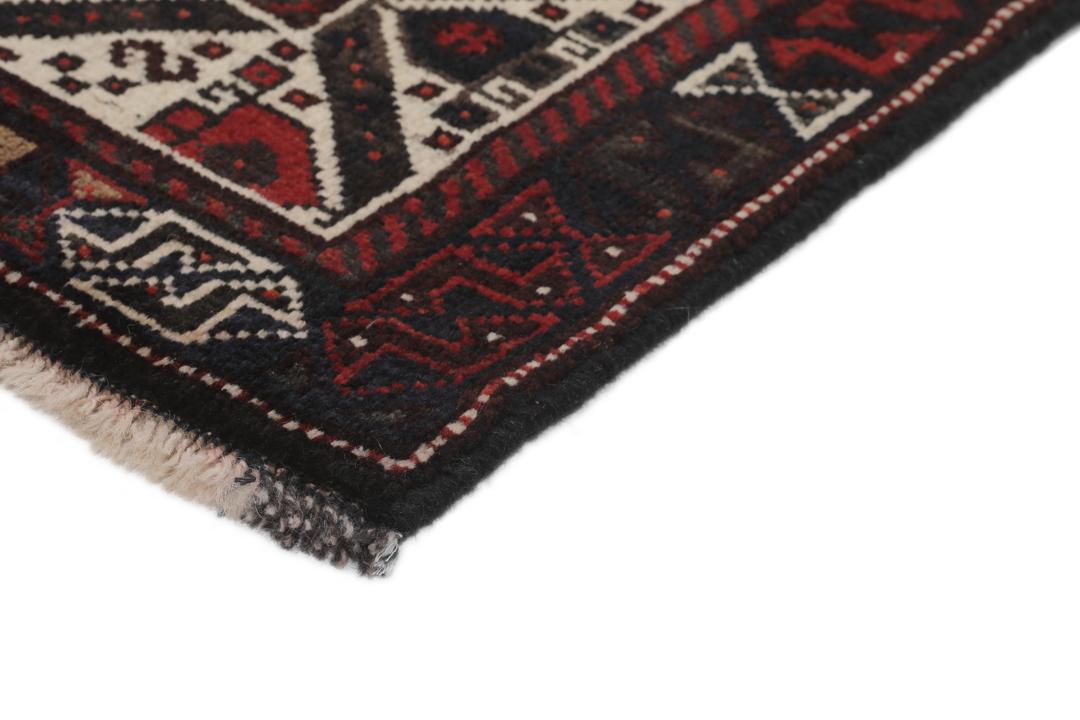
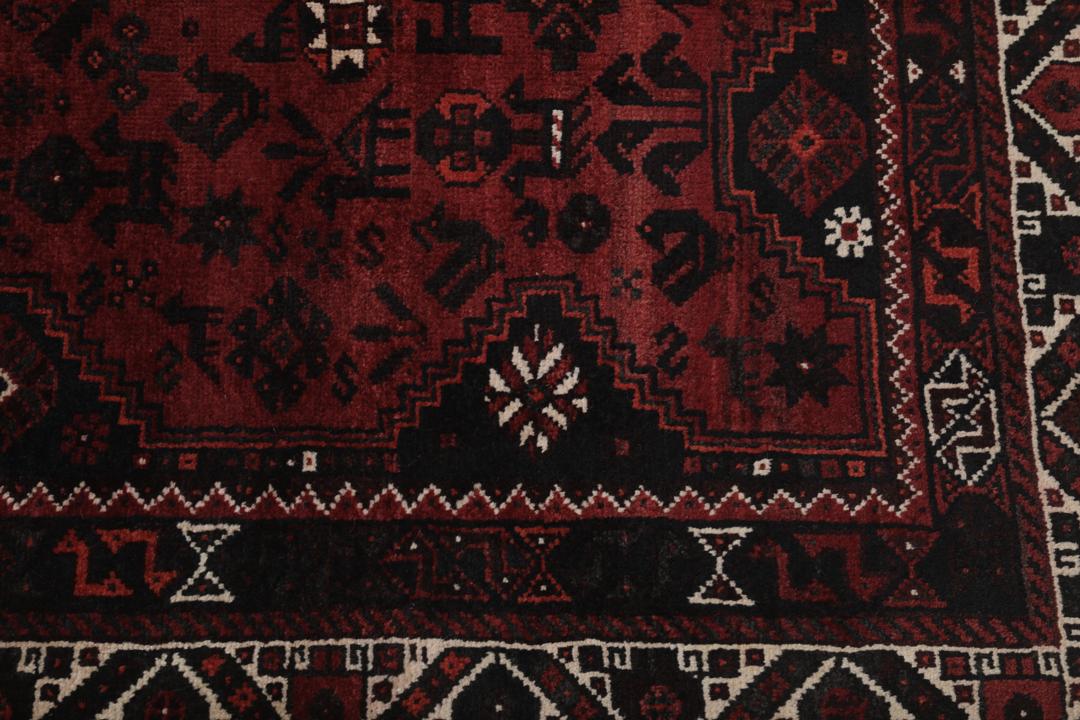
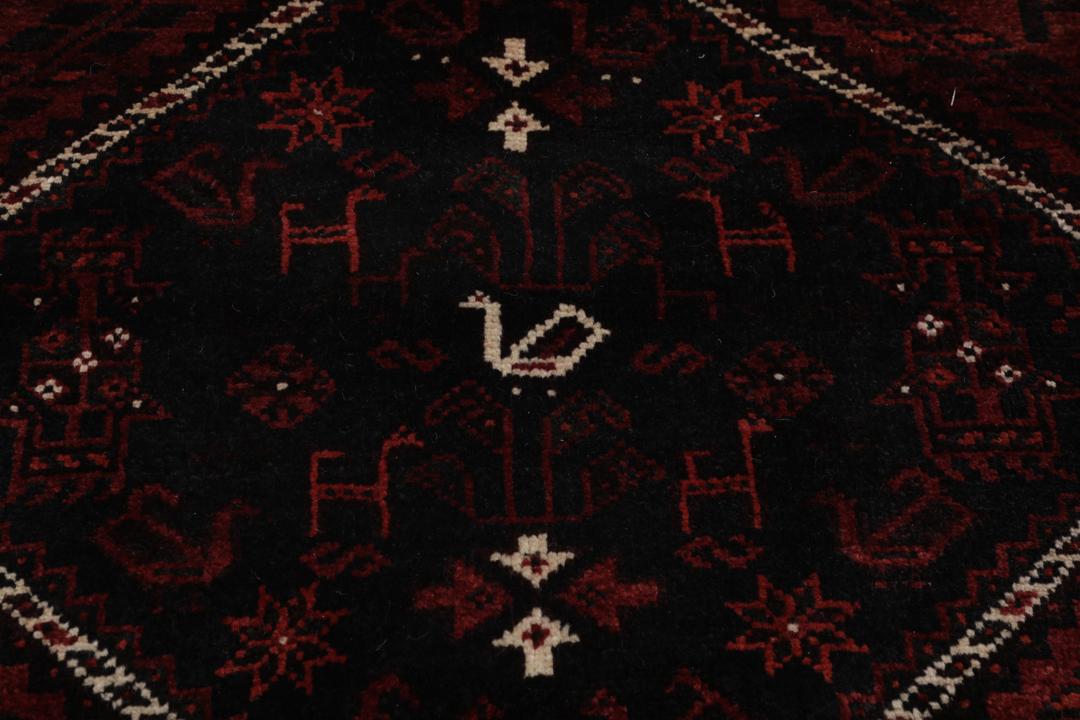
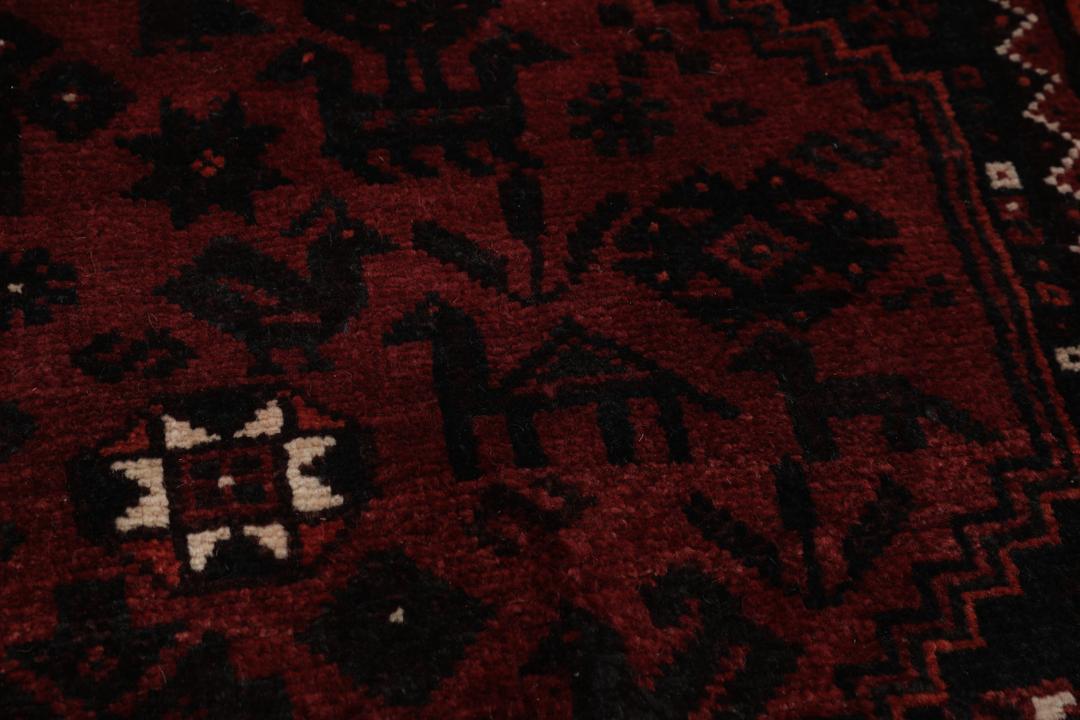
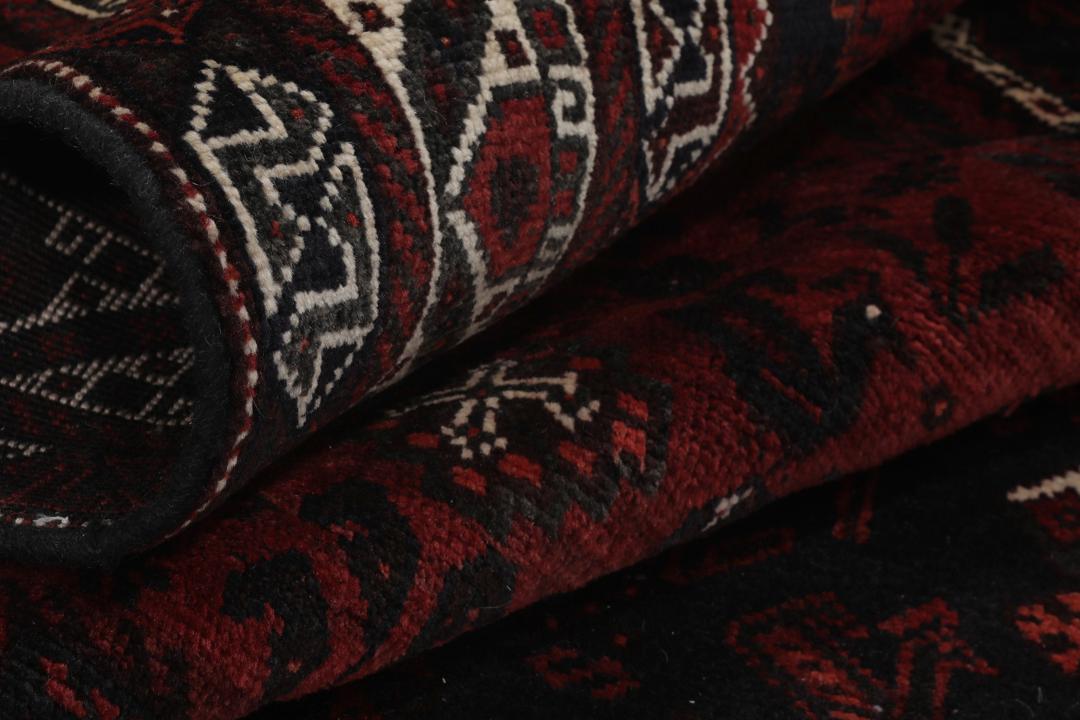
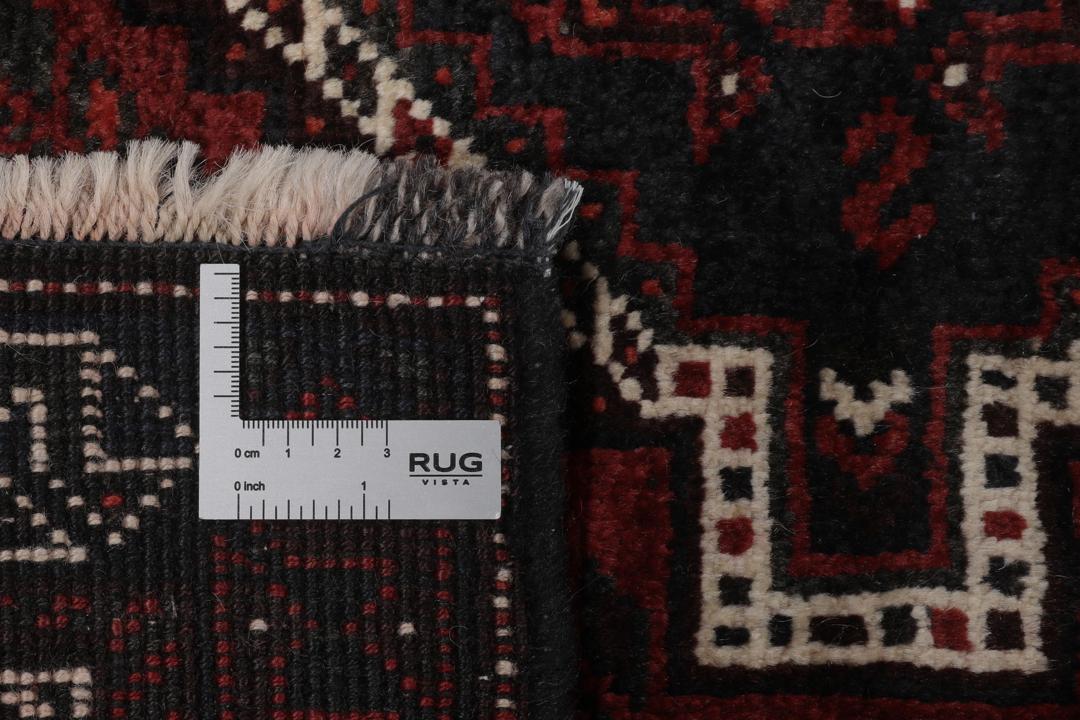
Signature design elements of a Shiraz rug often include geometric medallions, stylized animals, and floral motifs that are rendered with a charming, slightly asymmetrical flair. The borders are frequently decorated with intricate, repeating tribal patterns that frame the field, resulting in a harmonious balance between bold structure and detailed storytelling.
Collectors value these rugs for their authenticity and the human story woven into every inch. Owning a Shiraz is more than just a decor choice; it is an appreciation of a craft tradition that has persisted through generations, offering a rare glimpse into the artistry of the Middle Eastern tribal experience.