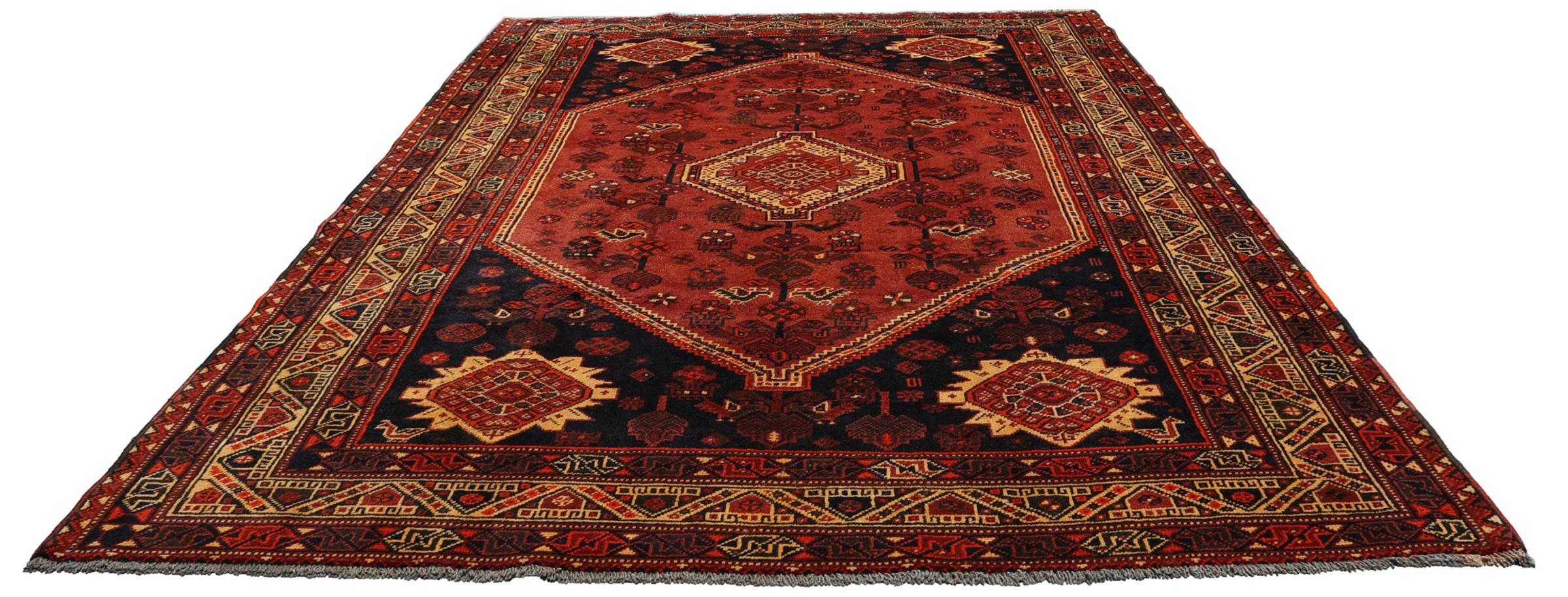
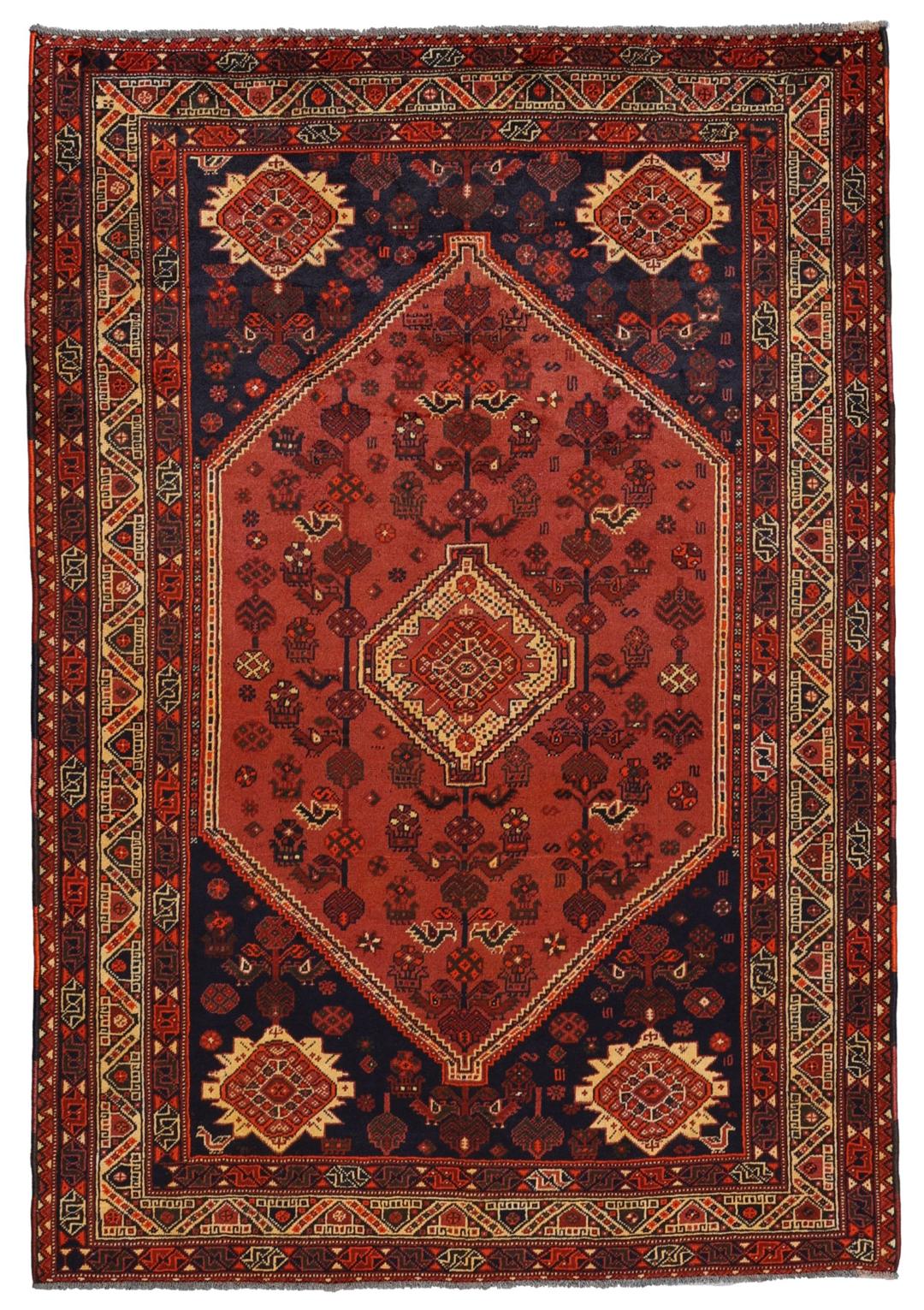
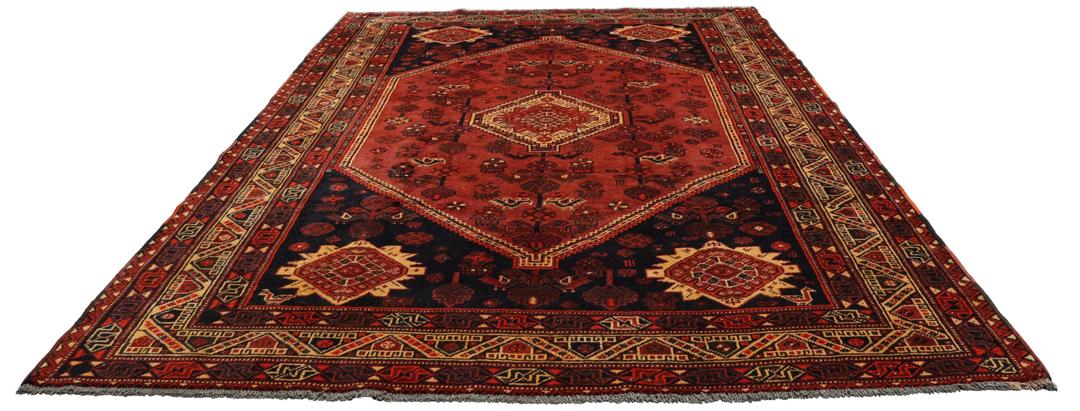
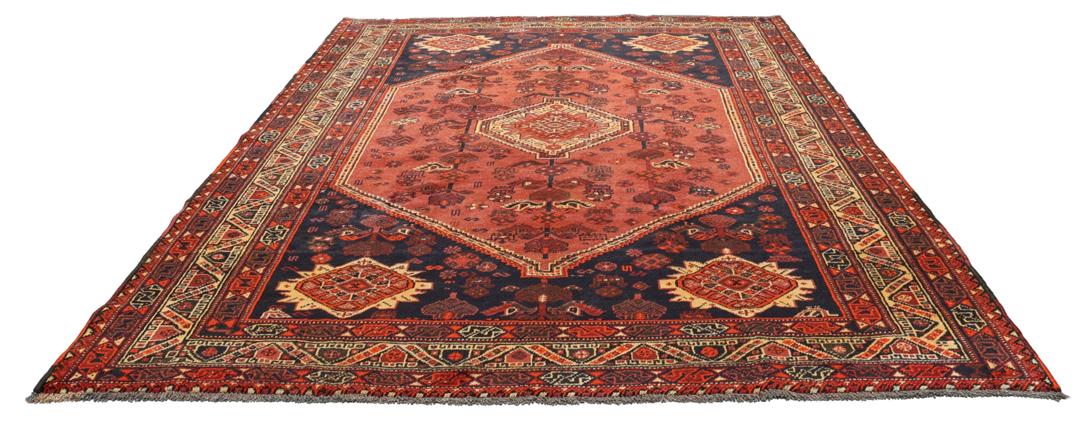
Shiraz rugs originate from the Fars province in the Middle East, a region with a long and storied history of nomadic and semi-nomadic weaving. These rugs are traditionally crafted by various tribal groups, including the Qashqai, who have passed down their design language through generations. The rugs are deeply connected to the landscape of the region, often reflecting the natural surroundings and the cultural identity of the weavers in their bold, expressive patterns.
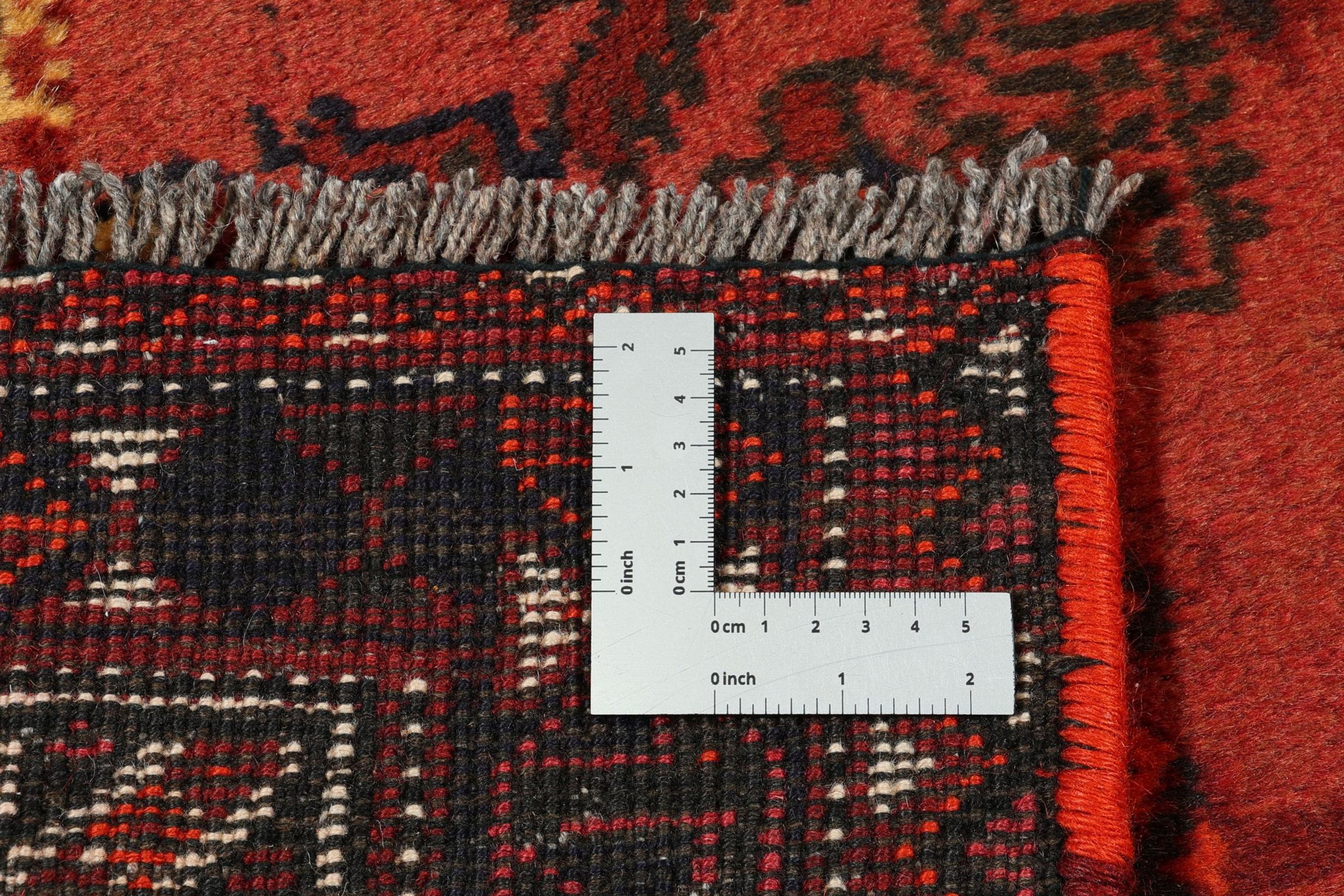
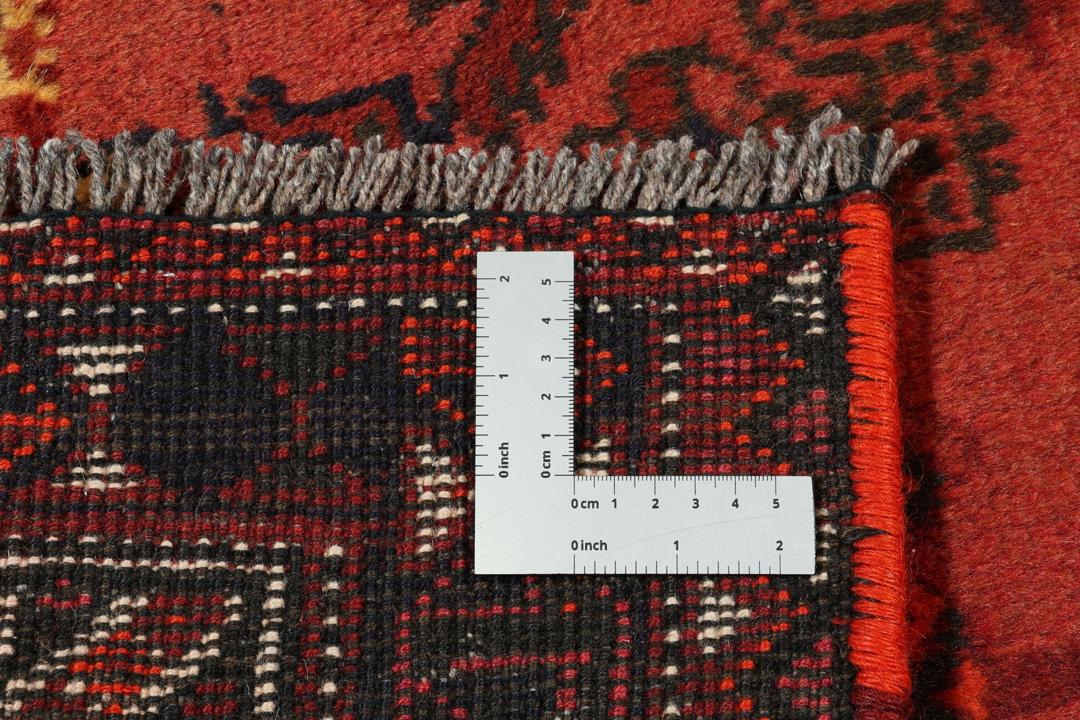
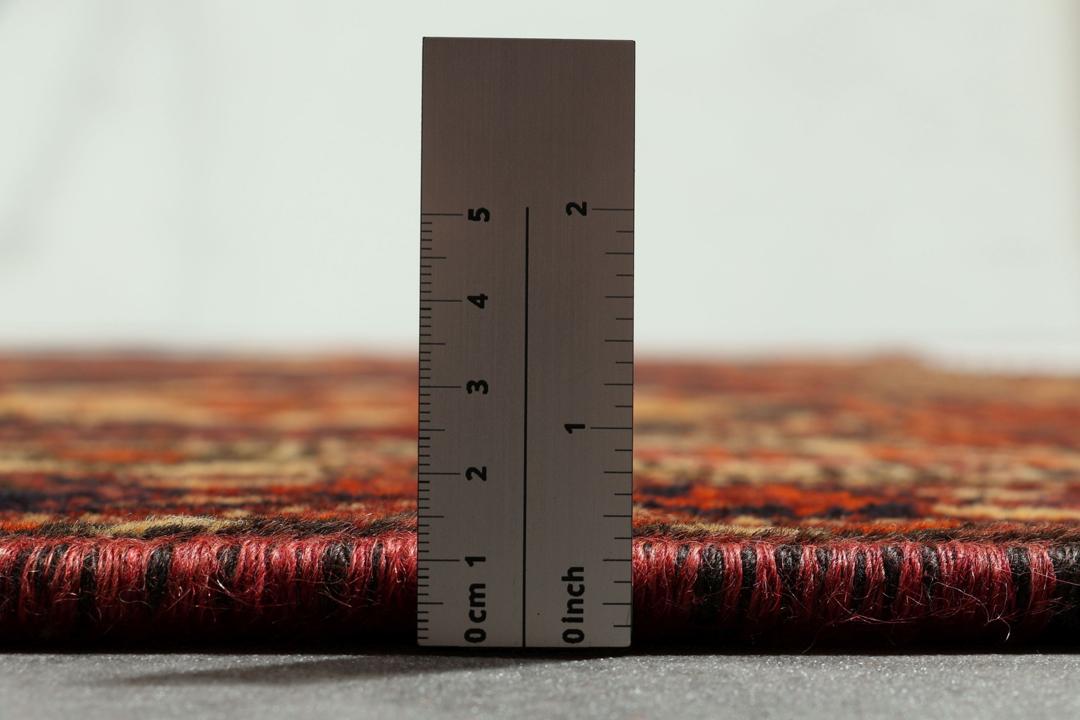
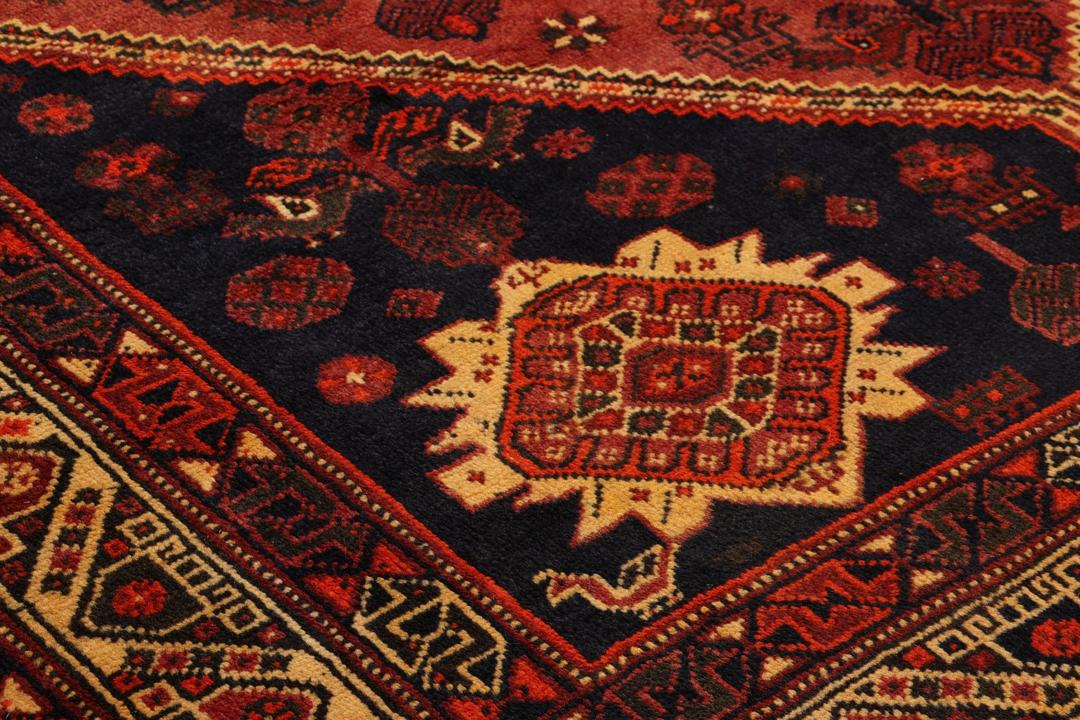
The construction of a Shiraz rug is defined by the use of wool for the pile, weft, and warp, creating a sturdy and resilient foundation. This all-wool composition is a hallmark of the tradition, providing the rug with its characteristic warmth and a slightly rustic, authentic texture. Unlike mass-produced alternatives, the hand-knotted construction allows for a natural variation in the pile that is highly sought after by those who appreciate the nuances of traditional craft.
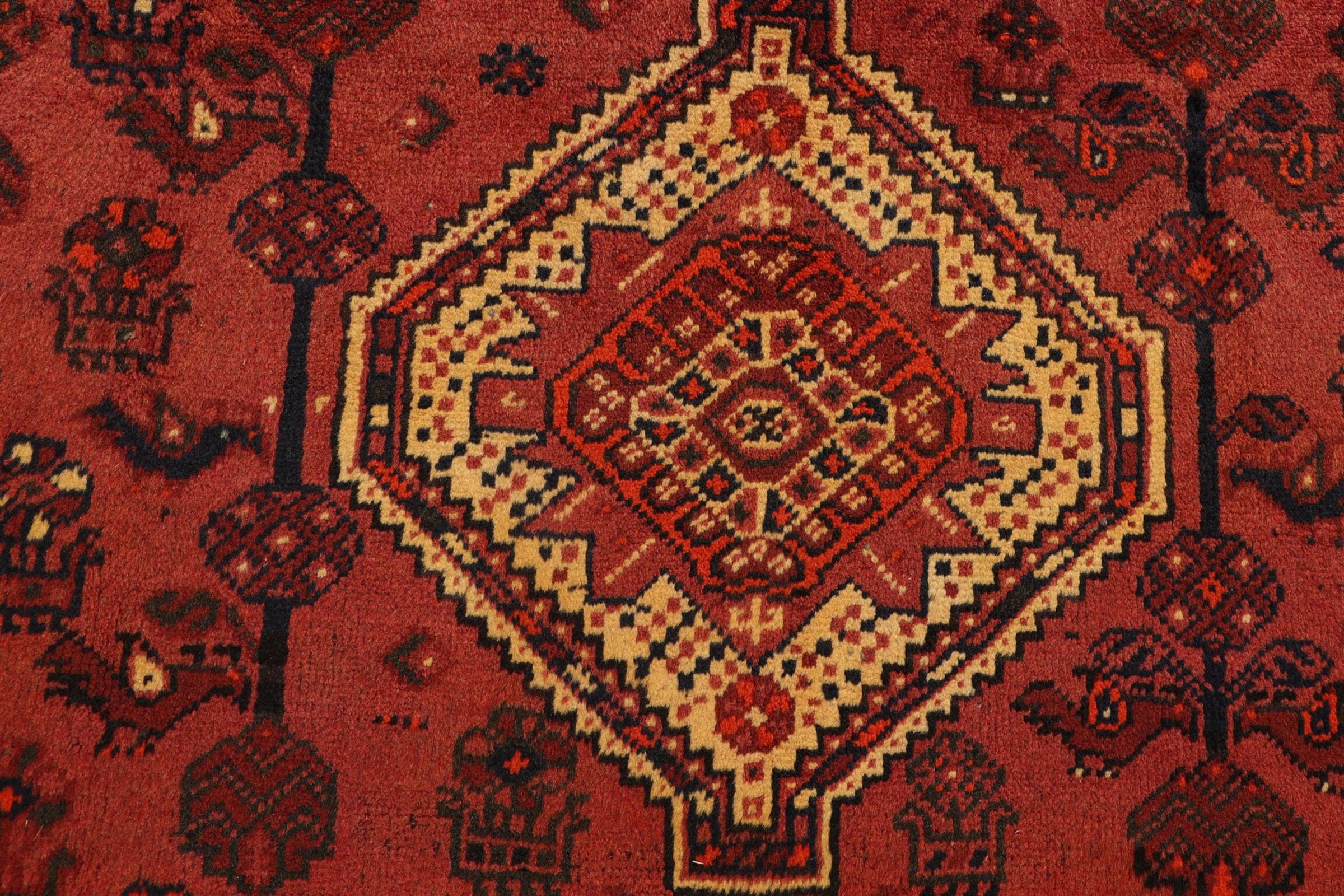
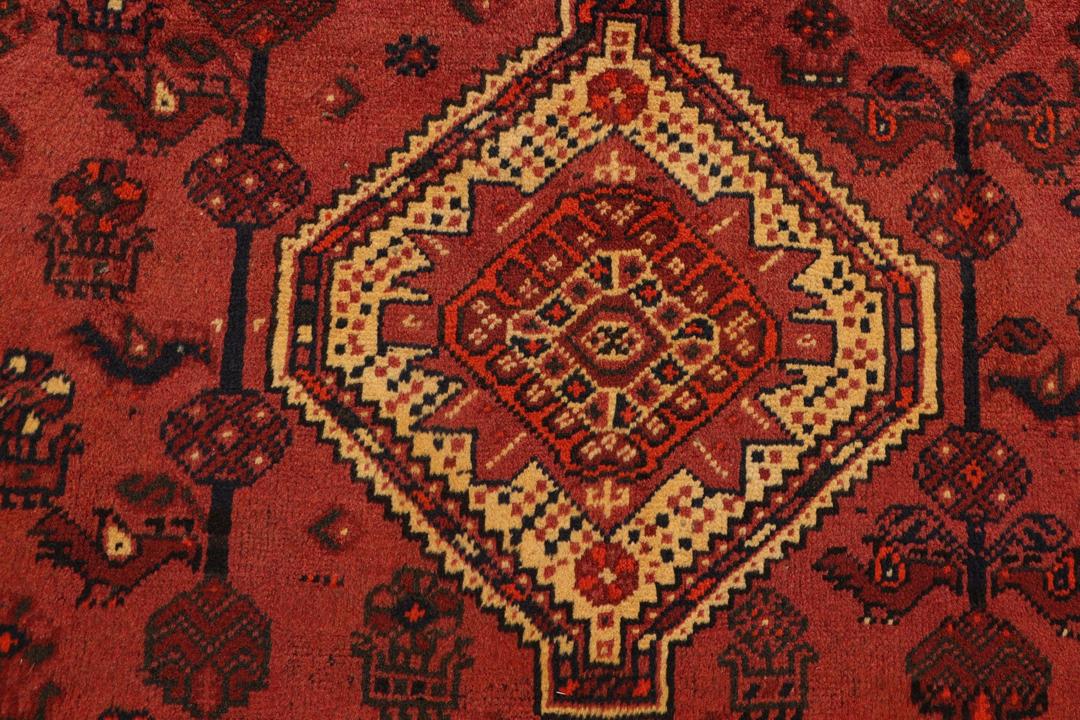
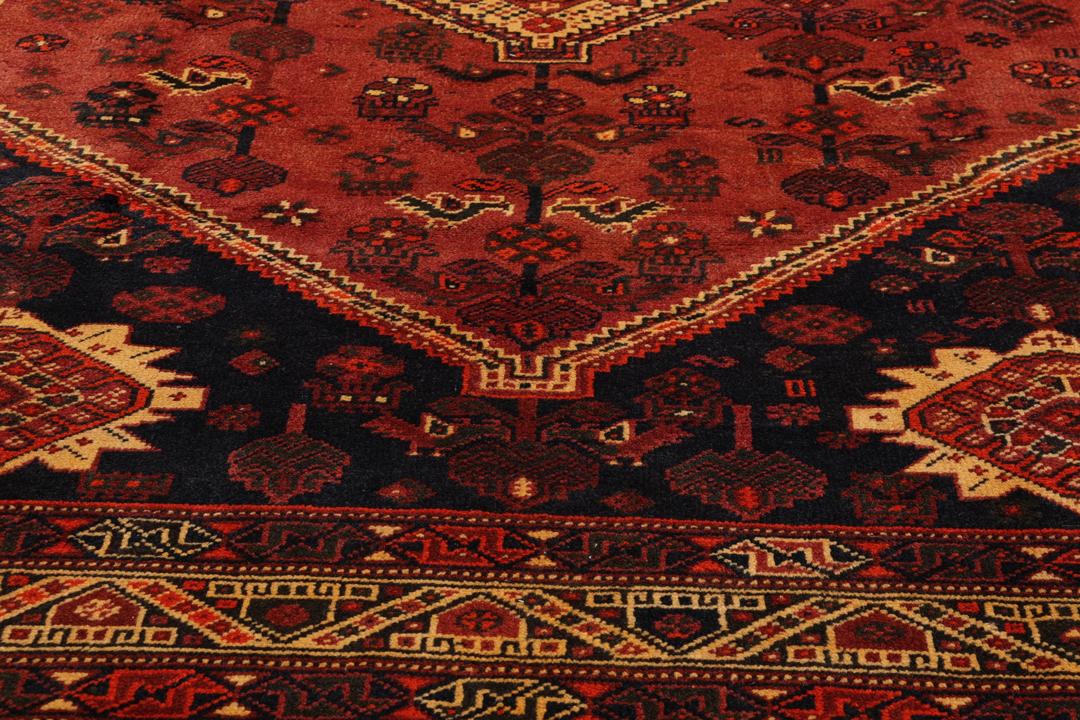
The visual language of these rugs is famously geometric, often featuring large, stylised medallions, repeating floral motifs, and zigzagging borders. The use of deep red and blue tones is iconic to the style, representing a classic palette that has remained popular for centuries. The designs are not just decorative but are often symbolic, with motifs that have been handed down through tribal lore to tell stories of the weavers' lives and heritage.
Valued by collectors for their authenticity and raw, tribal charm, these rugs are considered a bridge to a disappearing way of life. Owning a piece from this tradition means preserving a form of skill that relies entirely on the human hand and local materials. It is a commitment to a legacy of artistry that favours character and durability over the uniformity of modern industrial production, making every piece a significant cultural asset.