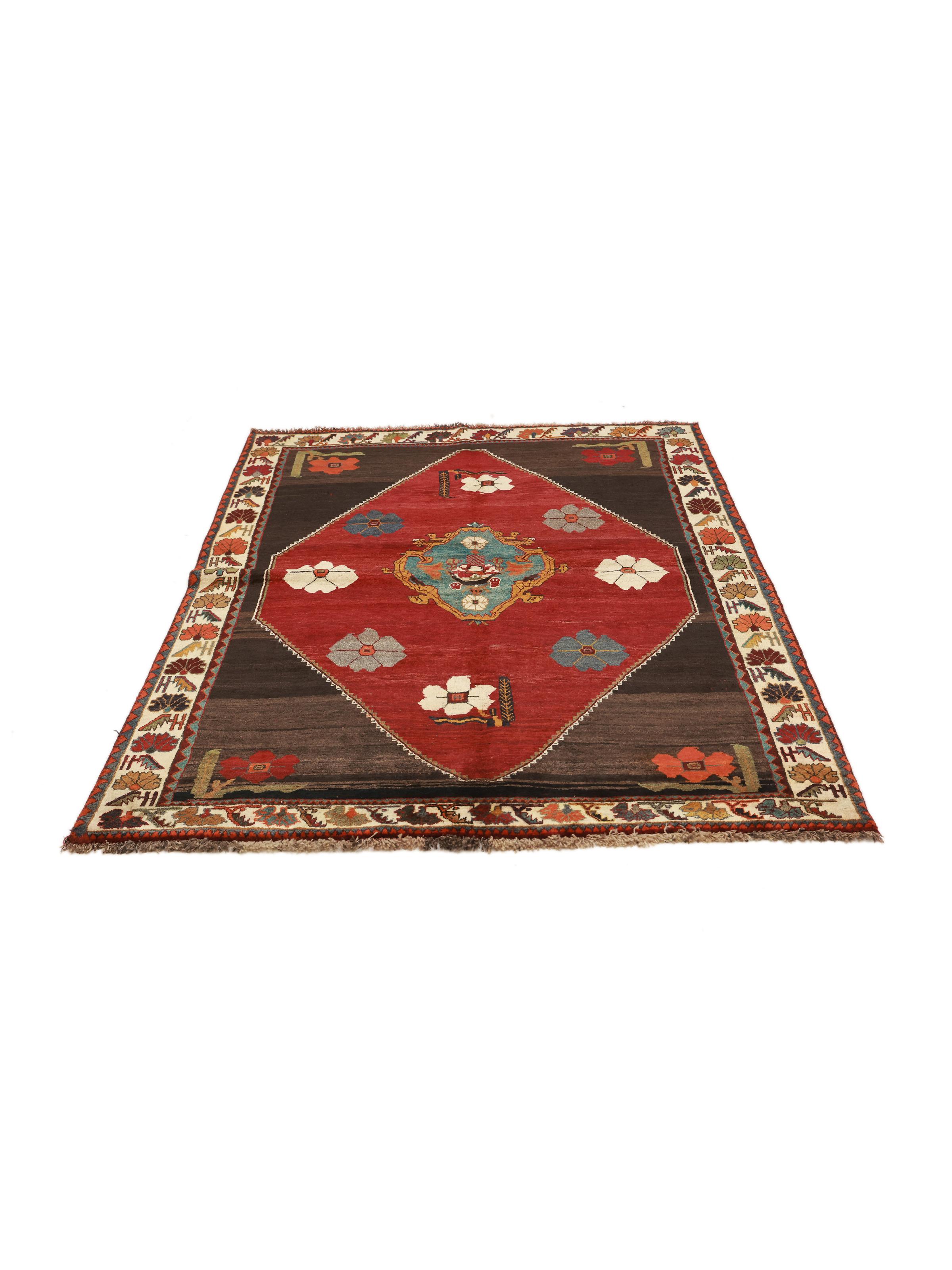
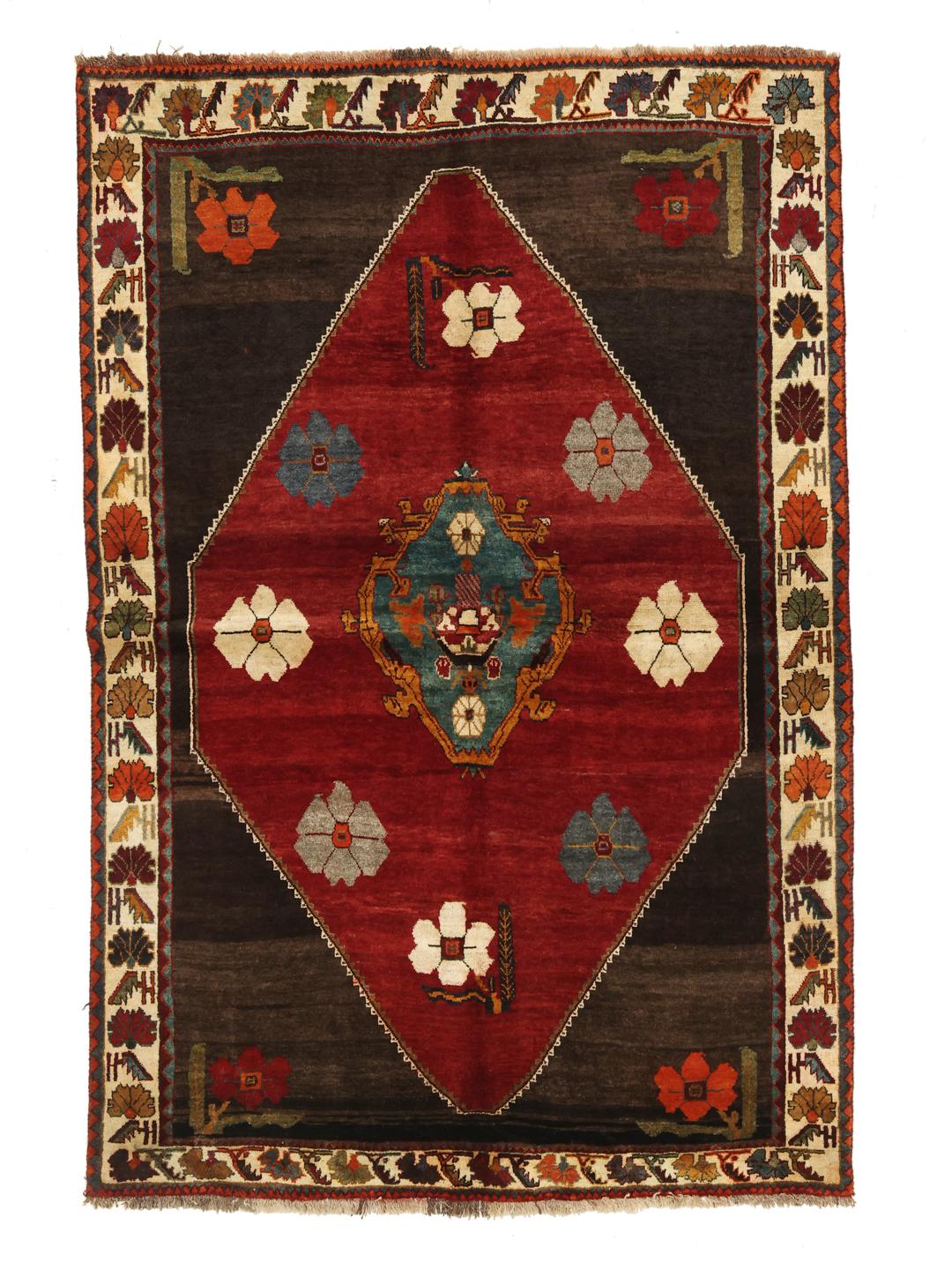
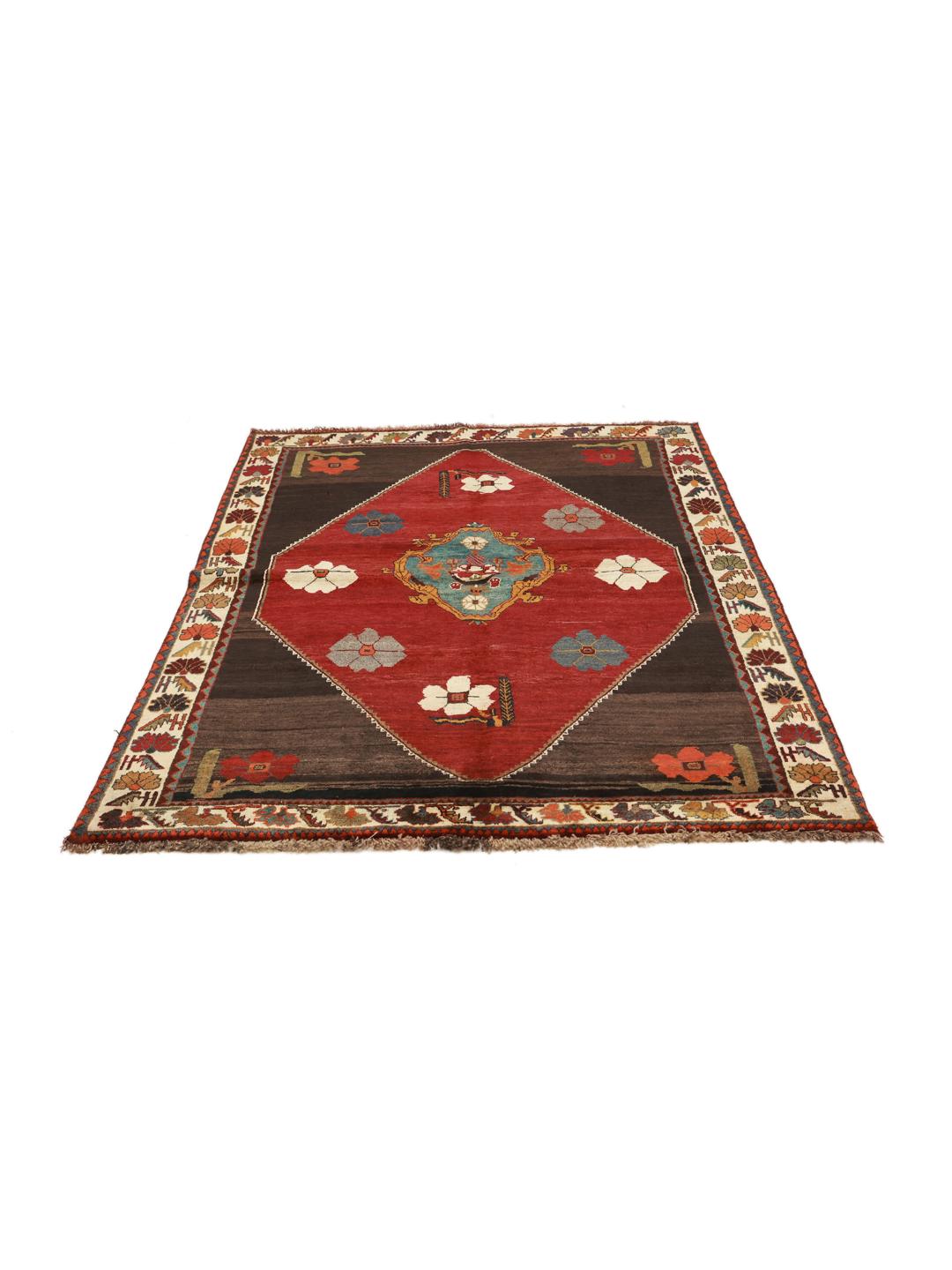
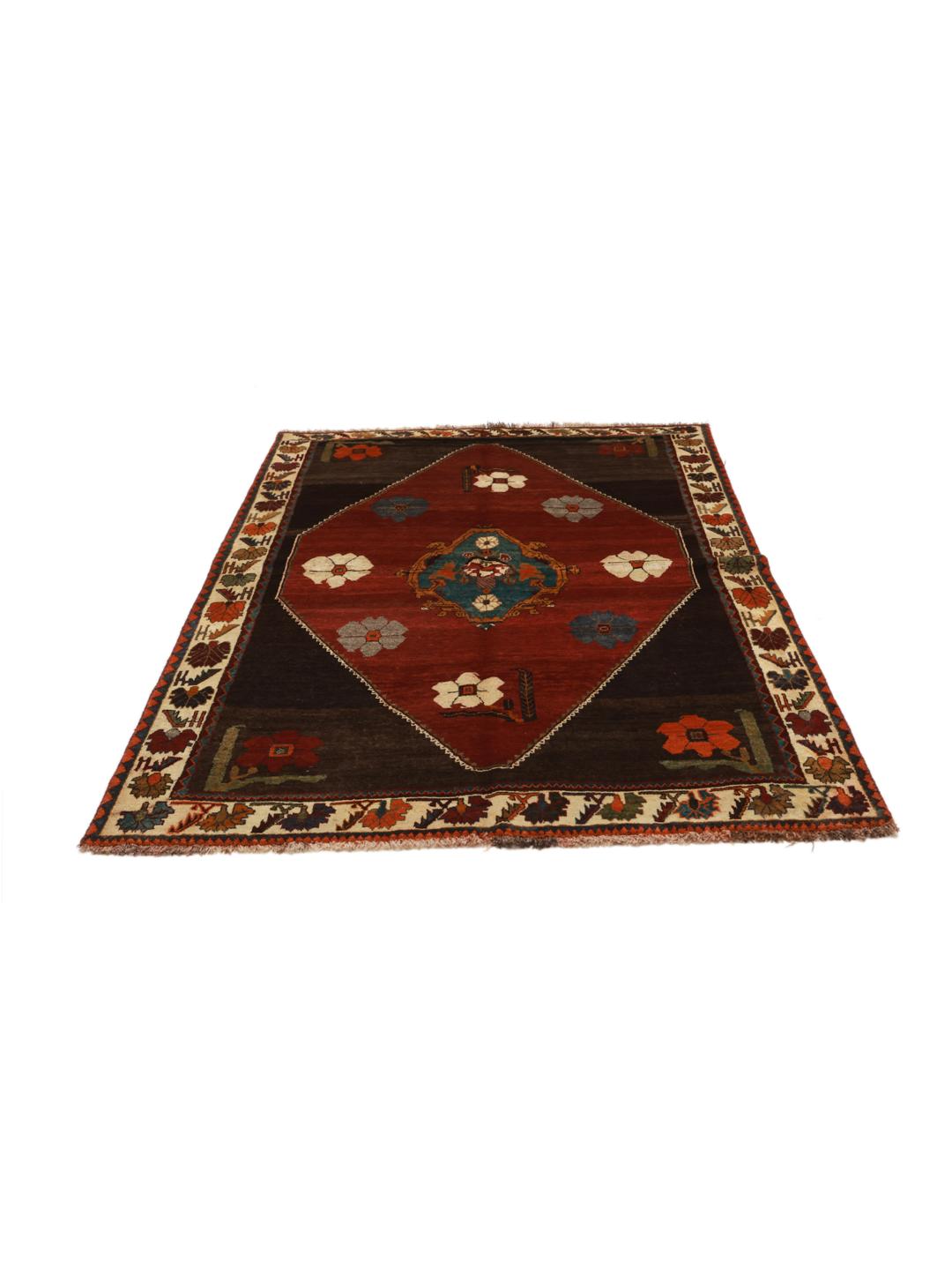
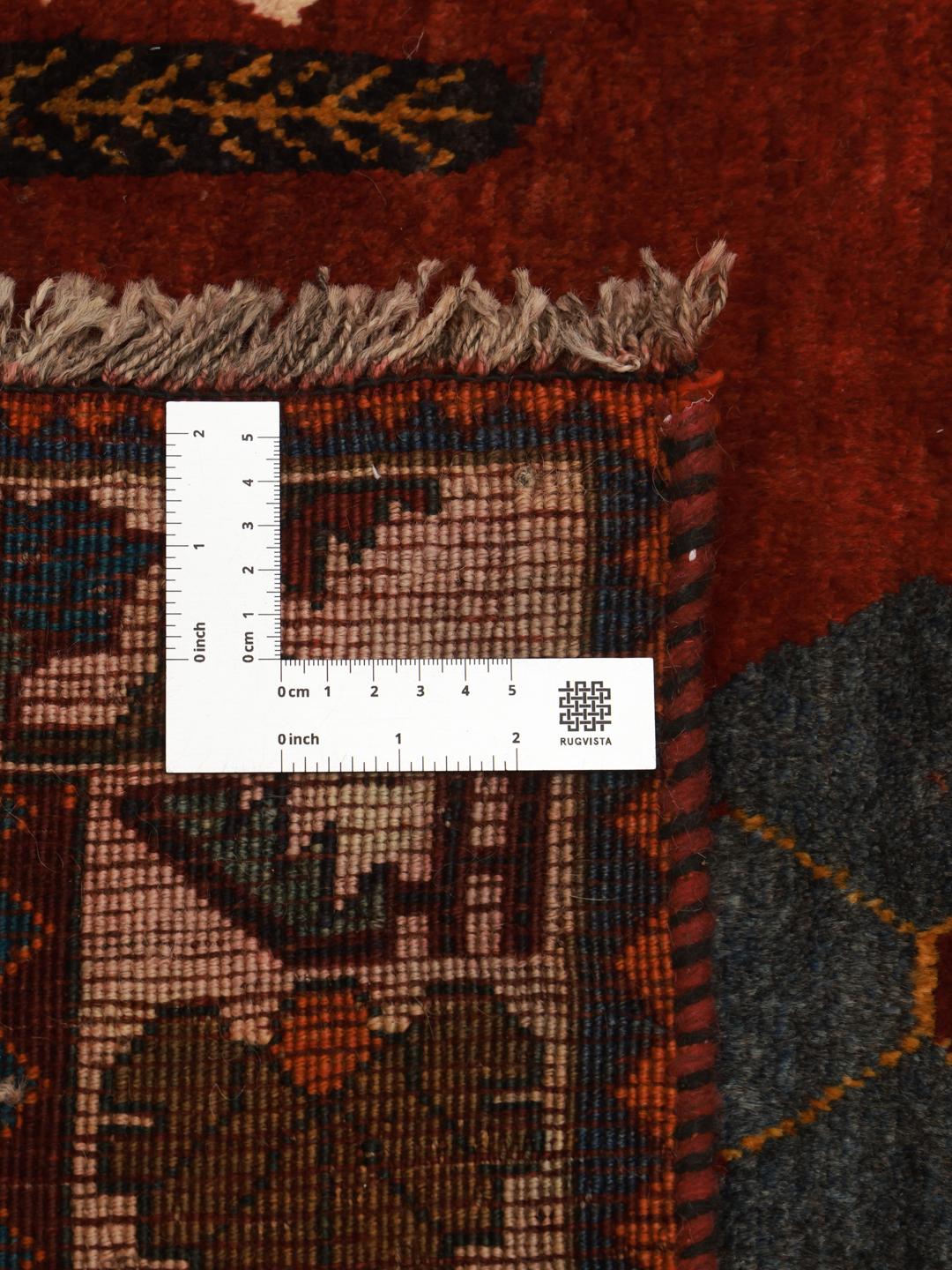
Shiraz rugs originate from the Fars province in the Middle East, a region with a long and storied history of nomadic and village weaving. These rugs are deeply connected to the Qashqai and other nomadic tribes who traditionally moved through the rugged landscapes of the area. The designs are not formal or pre-planned but are often improvised, reflecting the weaver's environment, their family heritage, and the natural world around them.
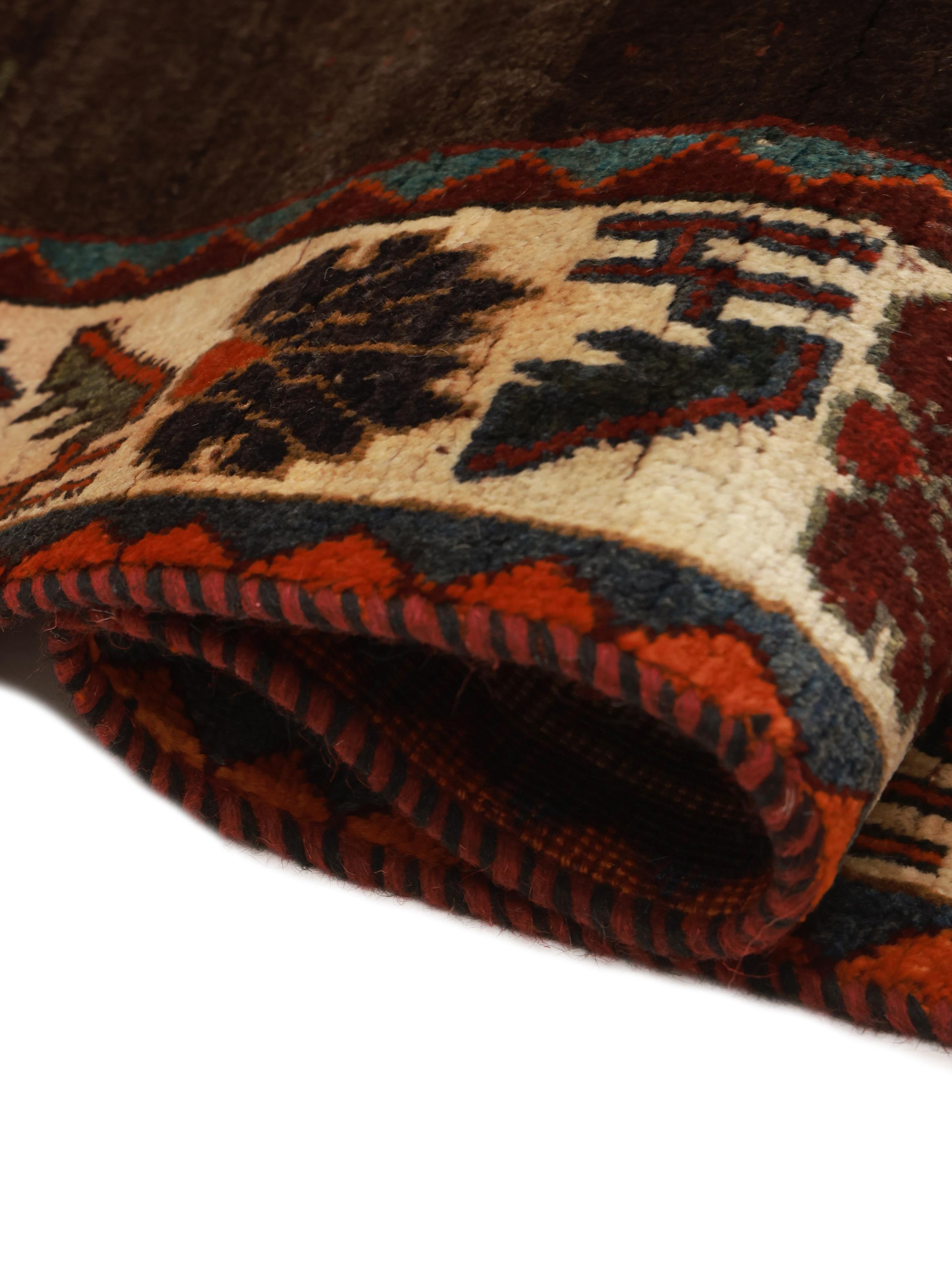
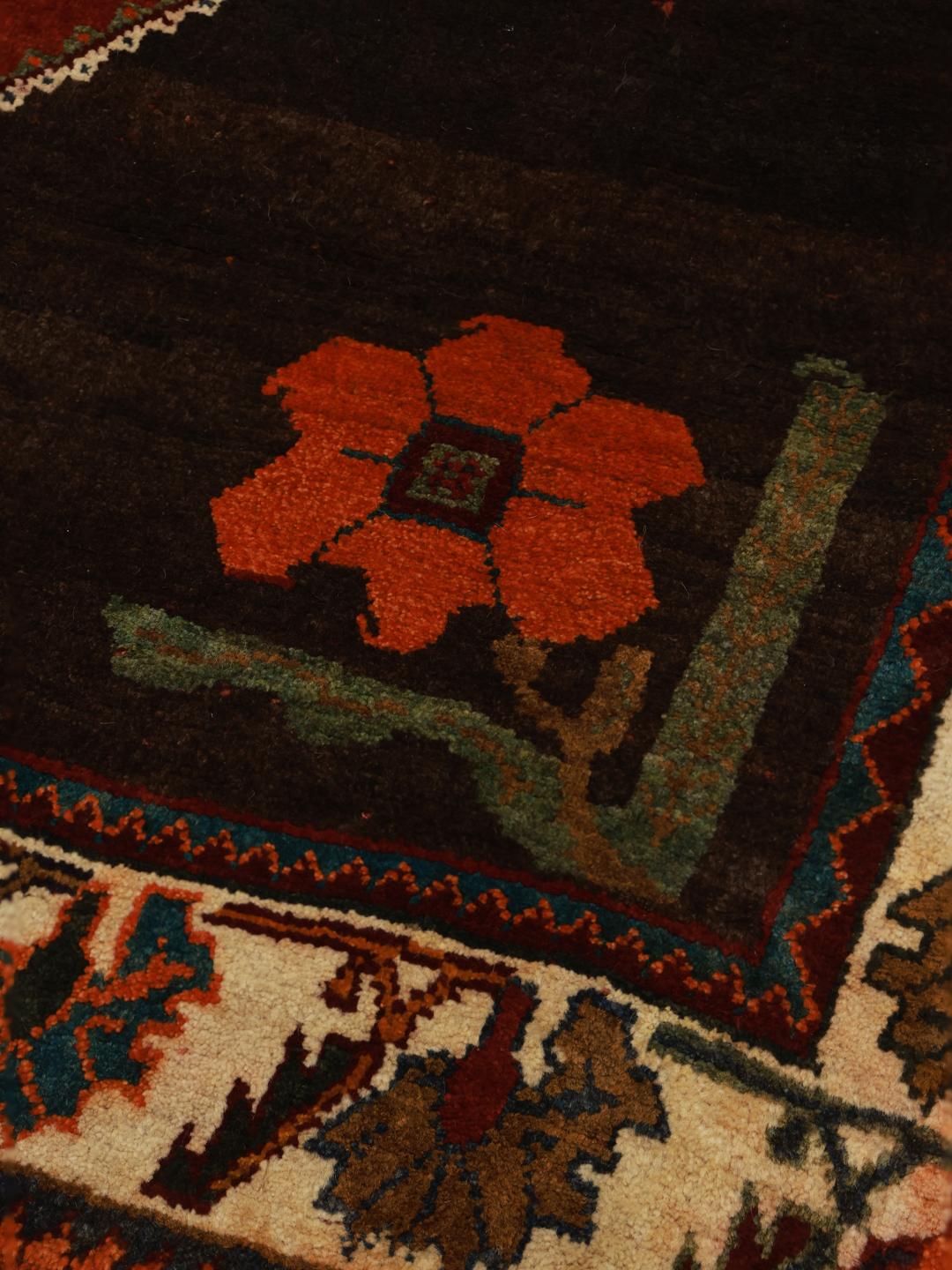
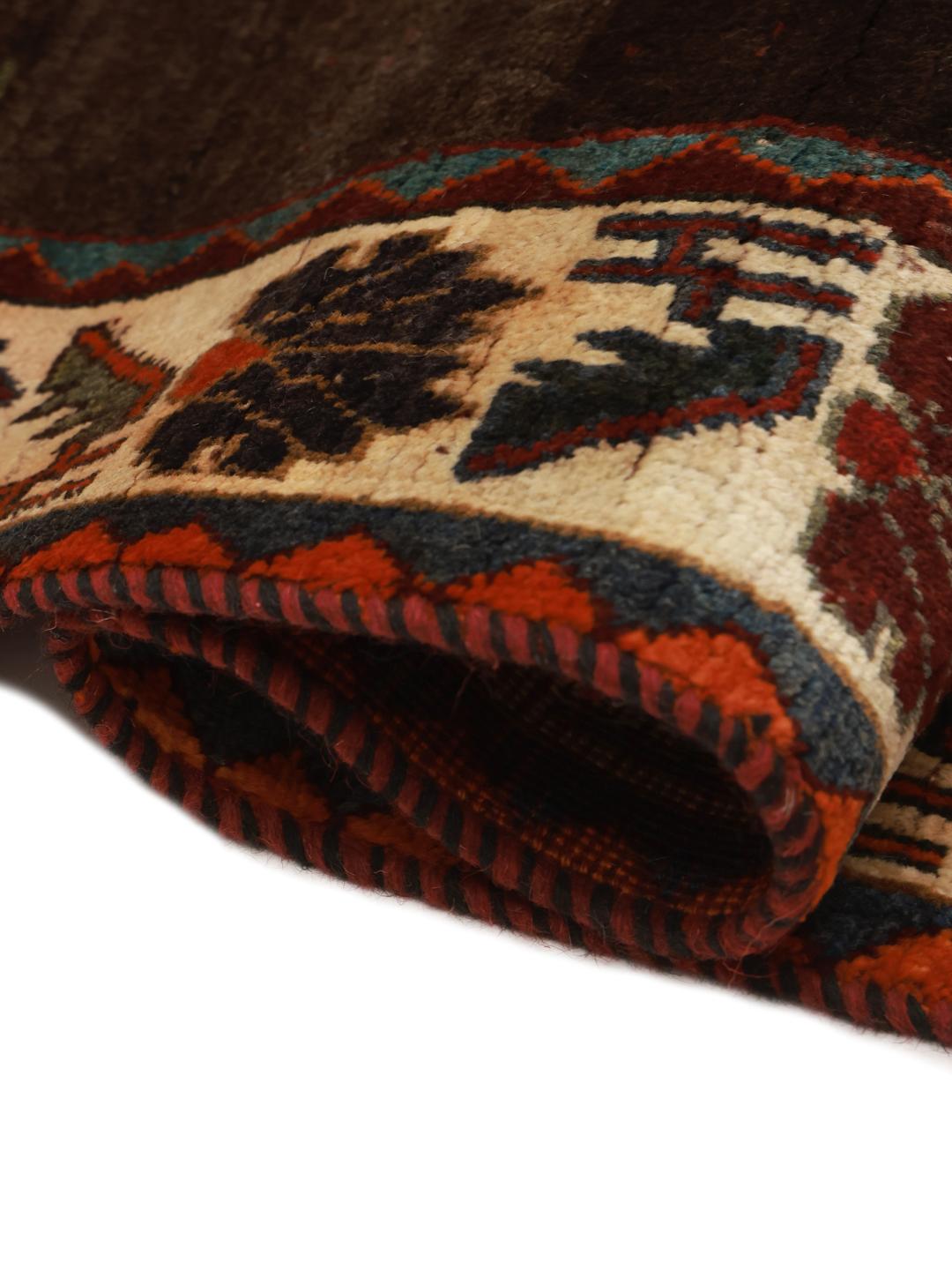
The term Shiraz is often used as a collective name for the rugs brought to the city of Shiraz to be traded in the local bazaars. These pieces are distinguished by their use of high-quality, lustrous wool, which is often sourced from local flocks. The wool is known for its resilience and ability to take deep, rich dyes, which contributes to the longevity and vibrant character of the rugs as they age.
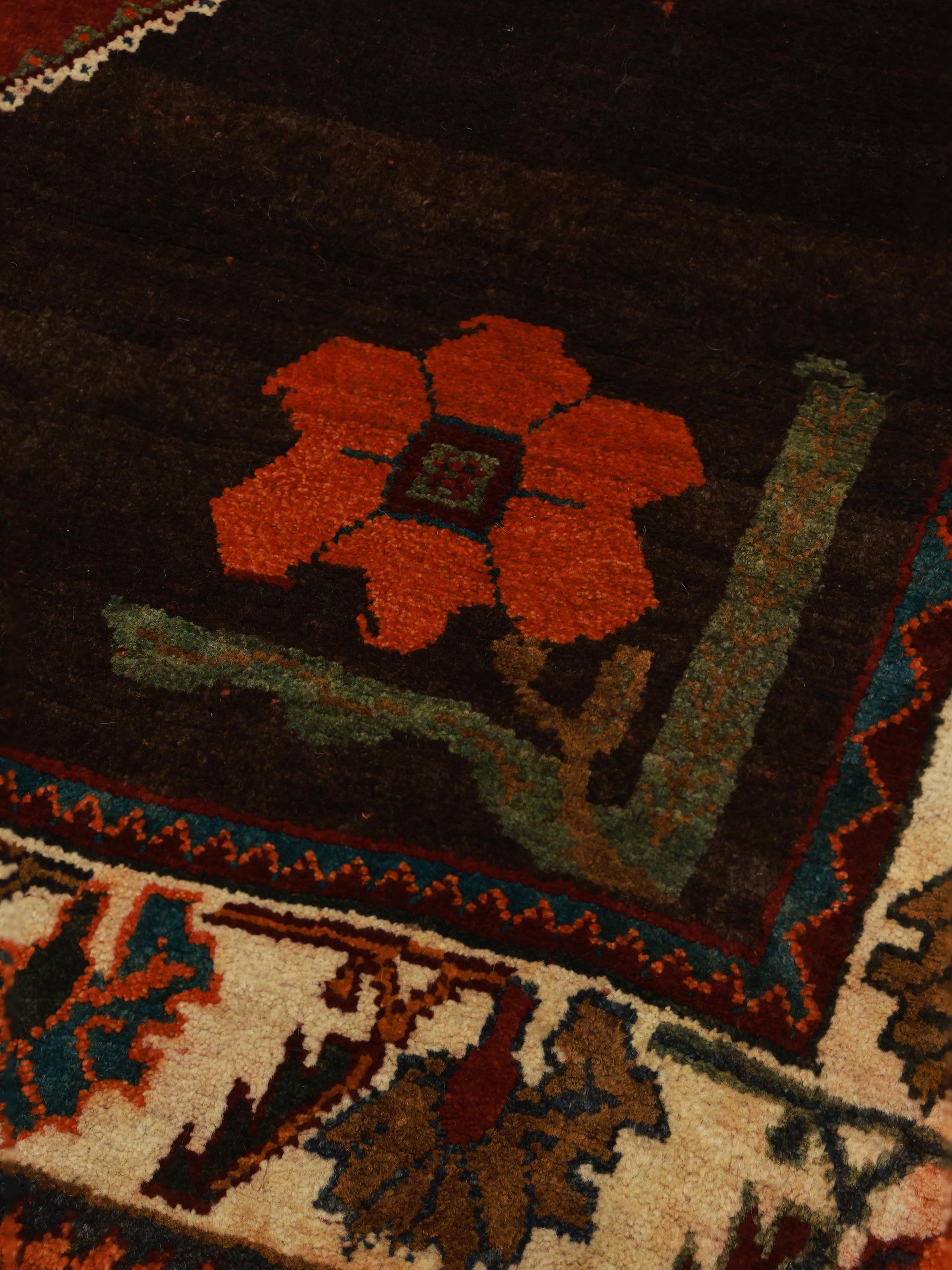
Visually, these rugs are celebrated for their expressive, often geometric, interpretation of floral motifs. While formal carpets might feature symmetrical vines, a Shiraz rug often presents flowers as bold, stylised medallions or charming, simplified shapes. The borders are frequently decorated with complex patterns that frame the field, providing a structured contrast to the more free-flowing artistry found in the centre.
Collecting a Shiraz rug is an investment in cultural tradition. These pieces are valued for their lack of pretension and their raw, authentic beauty. They represent a way of life that is rapidly changing, making each hand-knotted piece a rare survivor of a nomadic craft. By owning one, you are preserving a link to a centuries-old tradition that values individual expression and the mastery of simple, natural materials.