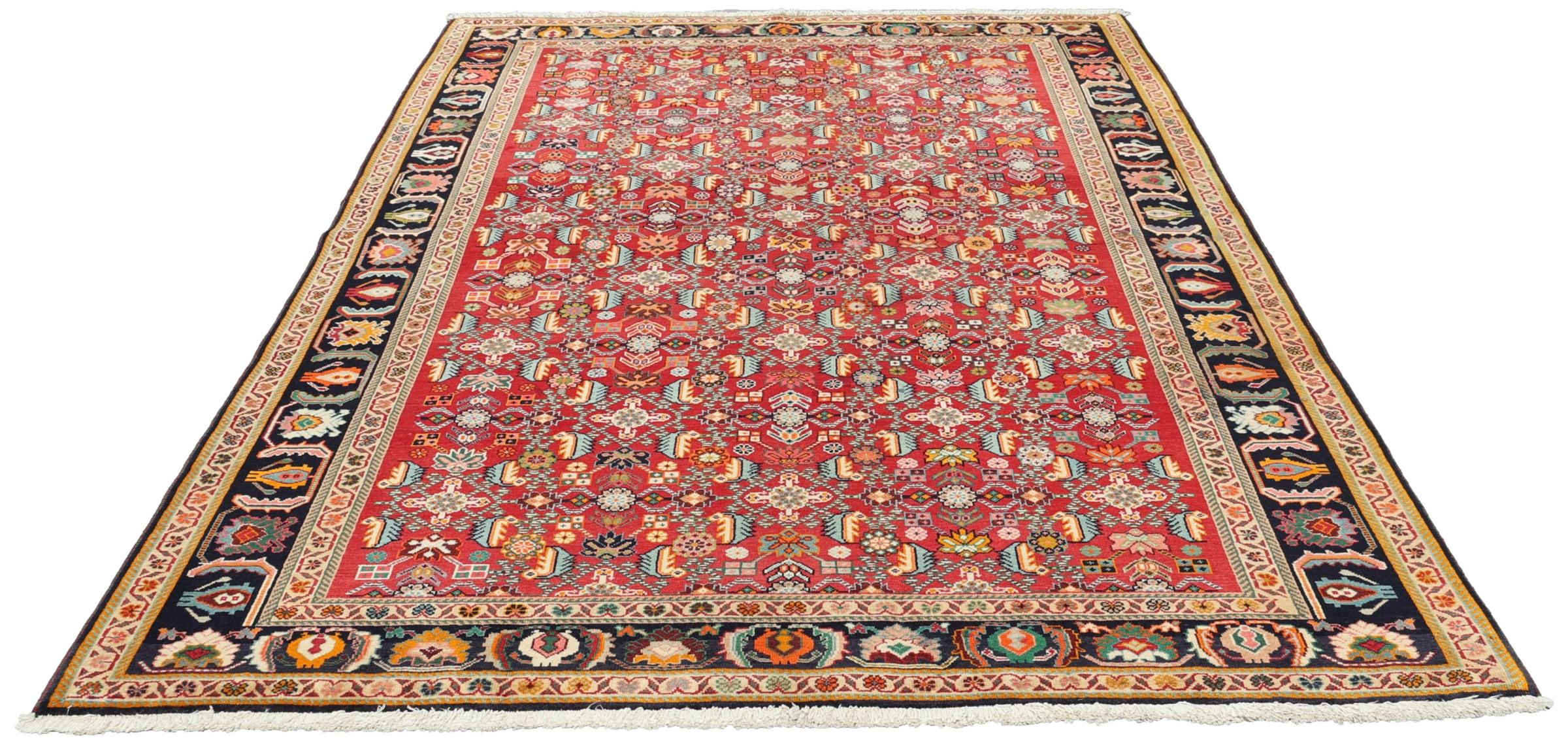
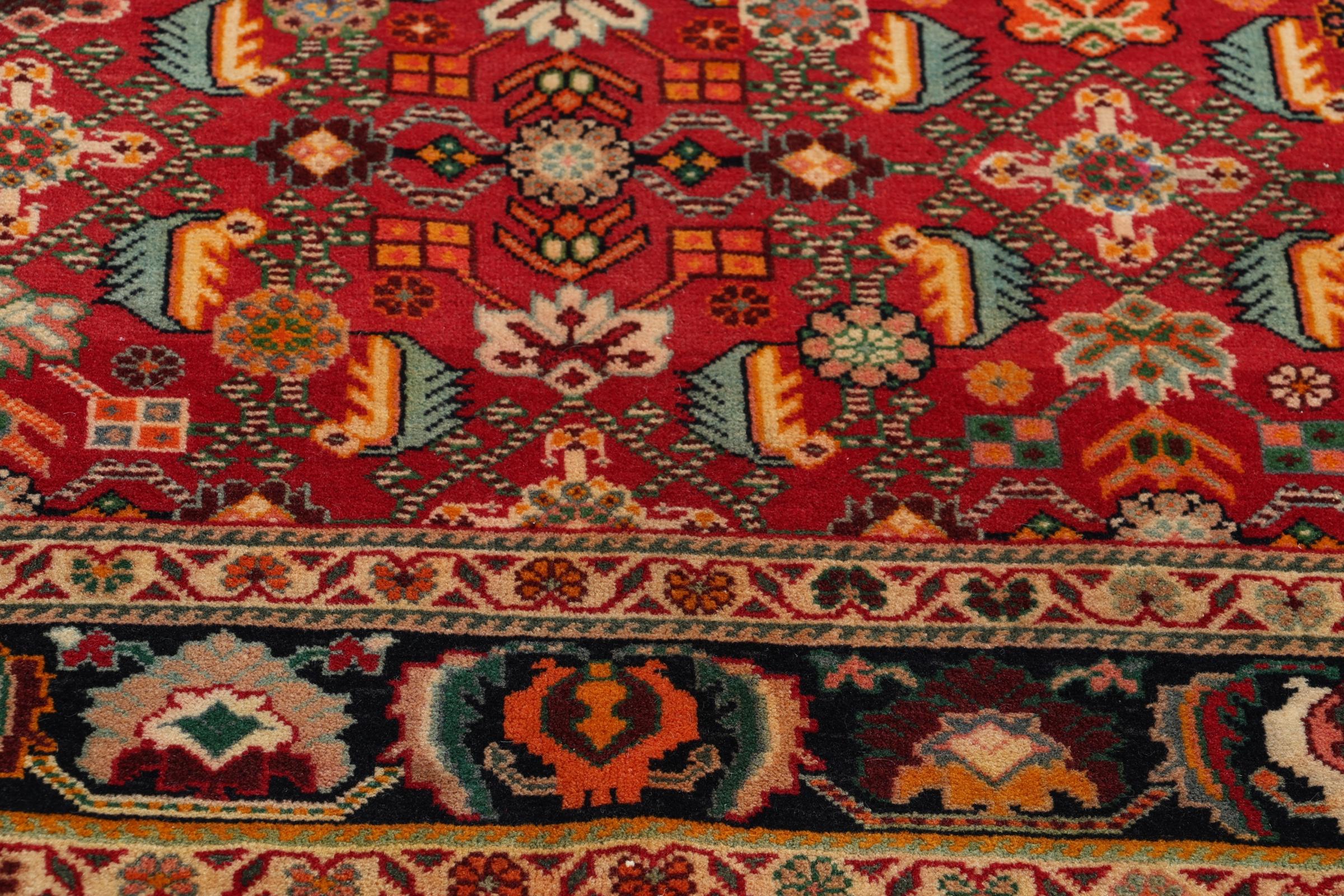
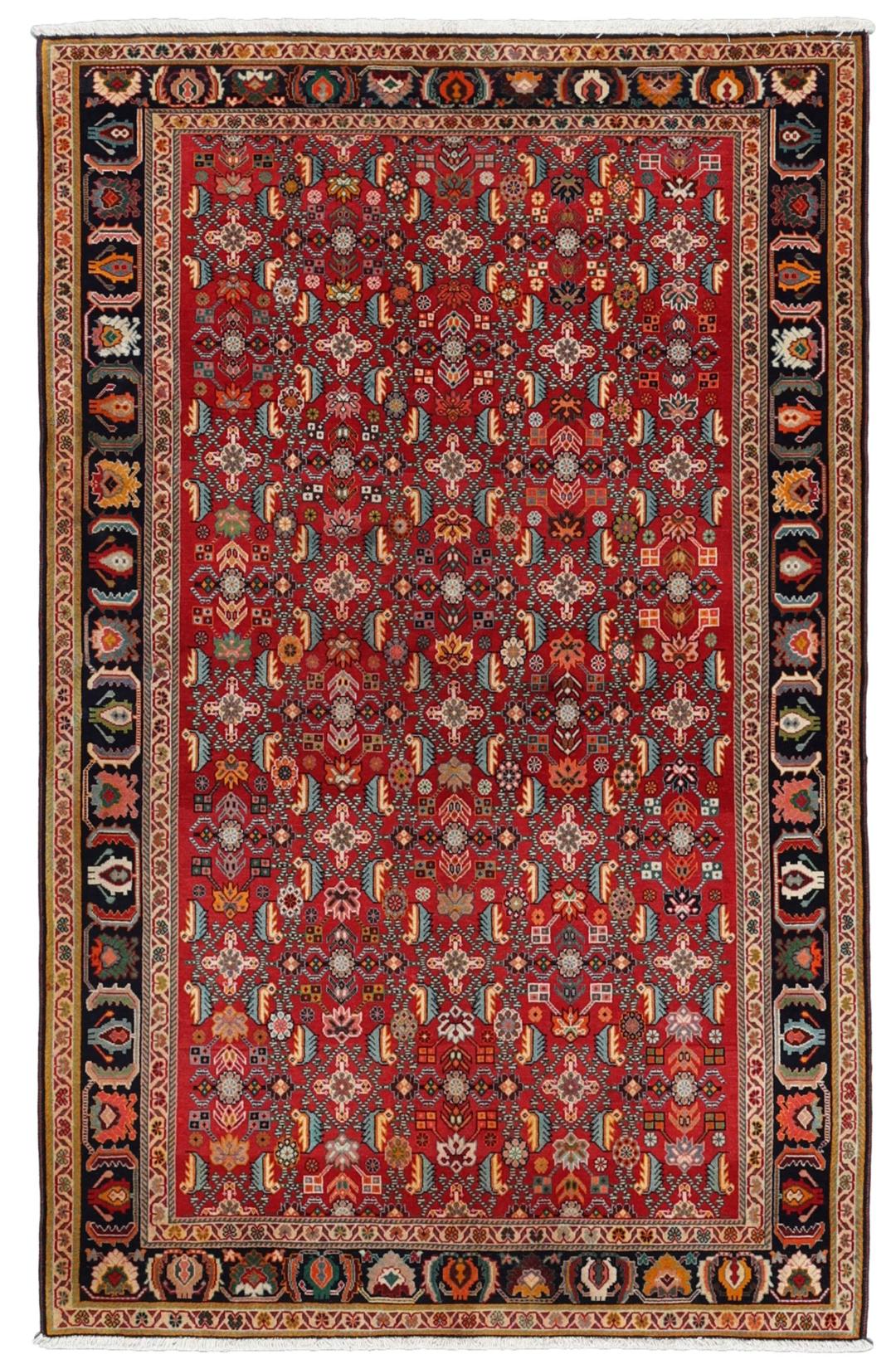
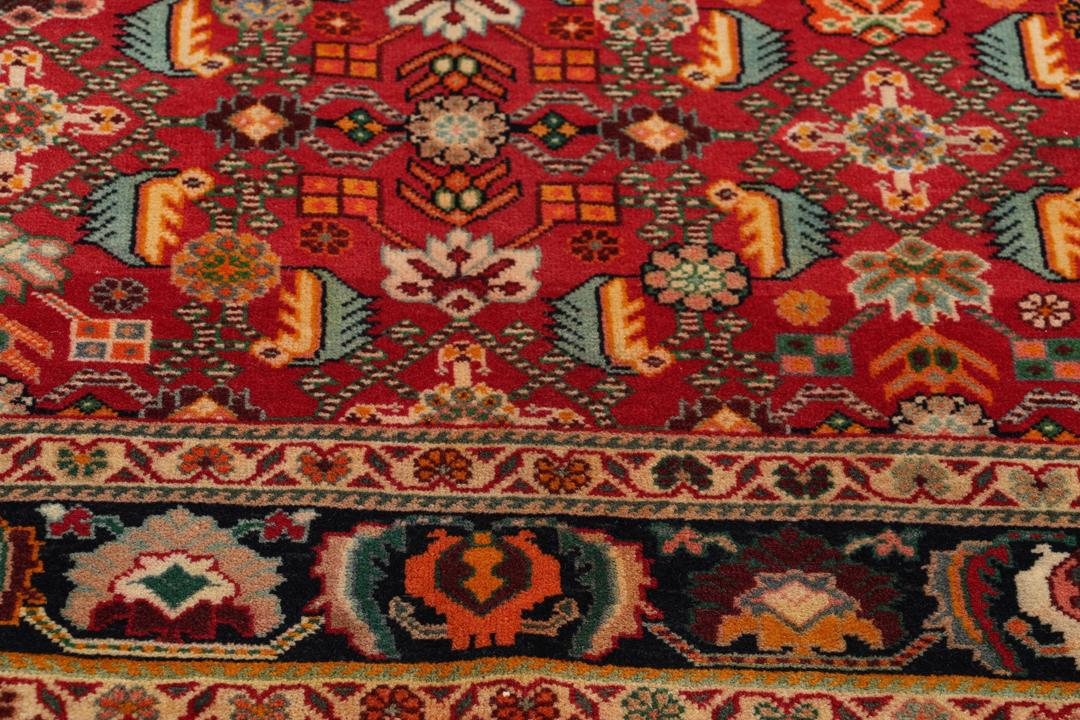
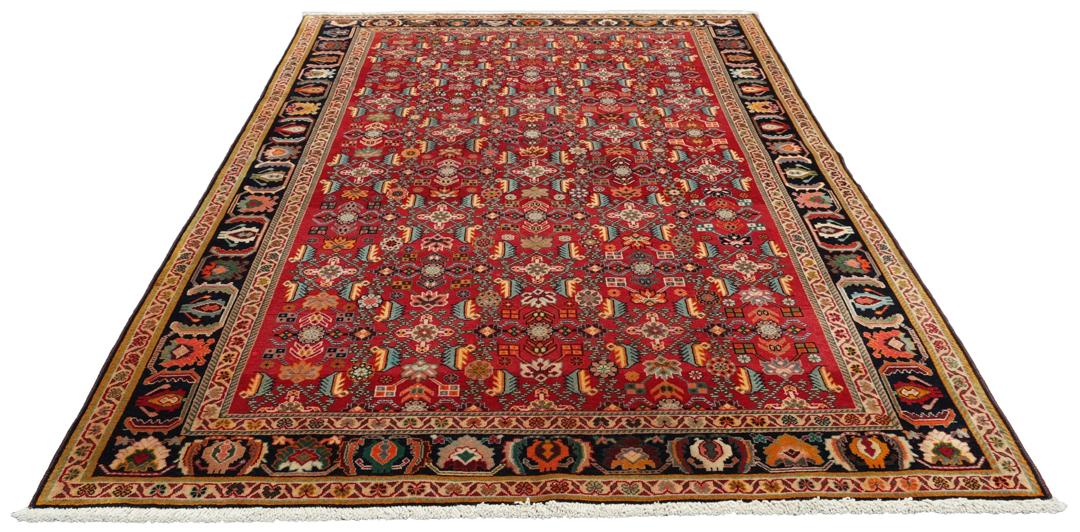
The Shiraz rug tradition originates from the Fars province in the Middle East, an area long associated with the nomadic and semi-nomadic tribes of the region. These rugs are deeply rooted in the cultural identity of groups such as the Qashqai and Khamseh, who have historically expressed their tribal lore and environment through their weaving. The designs are often created from memory, passed down through generations, making each rug a living document of their heritage.
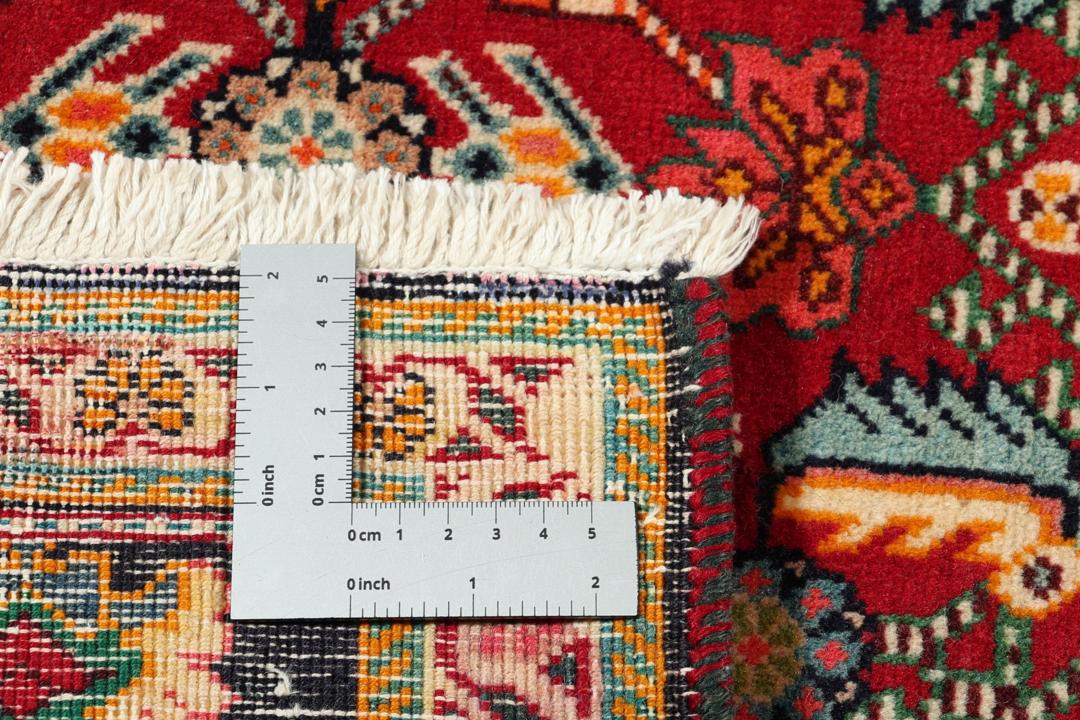
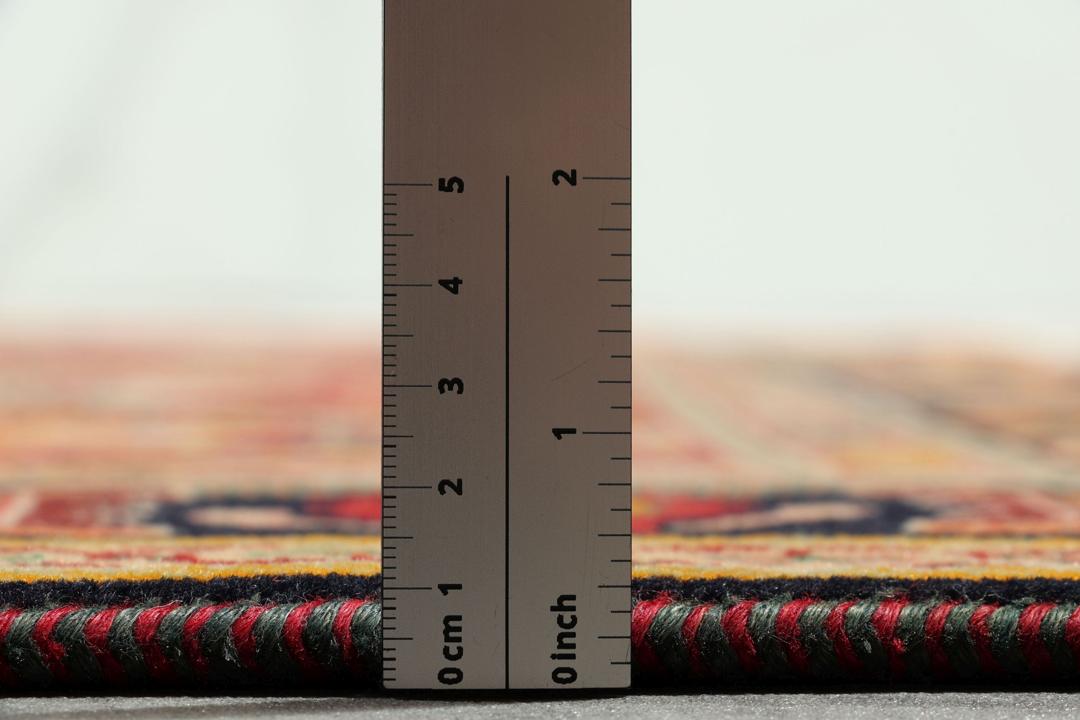
Technically, the Shiraz is defined by its use of a wool foundation, which provides a sturdy and flexible structure. The wool is known for its natural lanolin content, which gives the pile a soft yet resilient feel that ages gracefully. This construction is a hallmark of regional craft, prioritising a balance between aesthetic beauty and the practical needs of nomadic life, where rugs had to be both portable and durable.
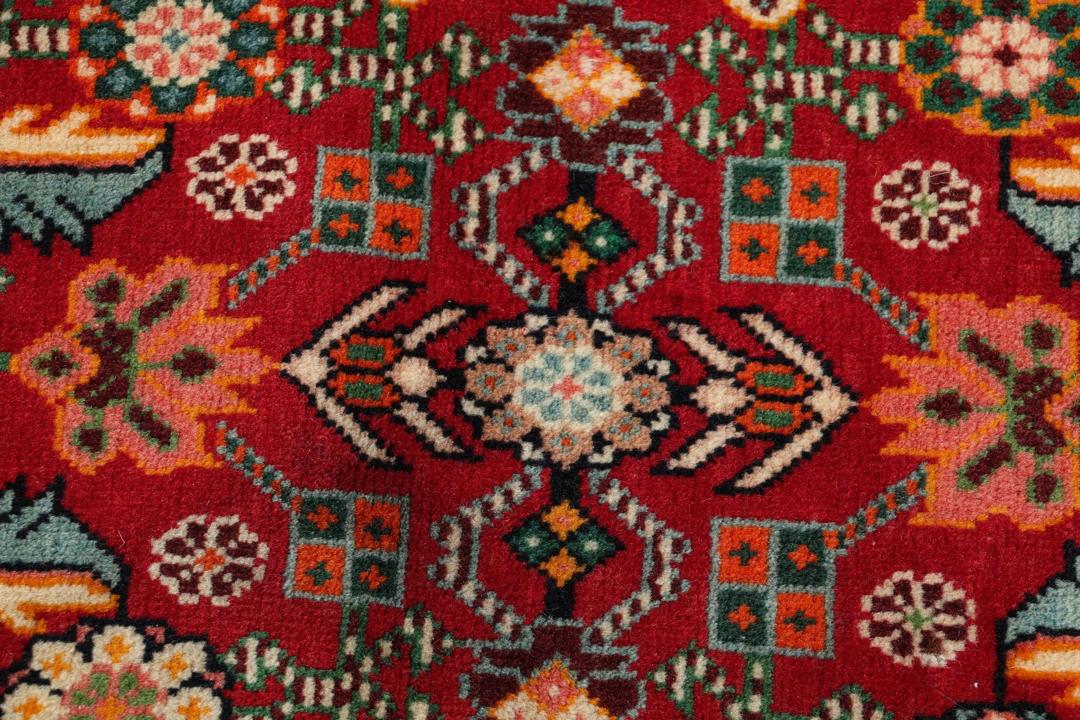
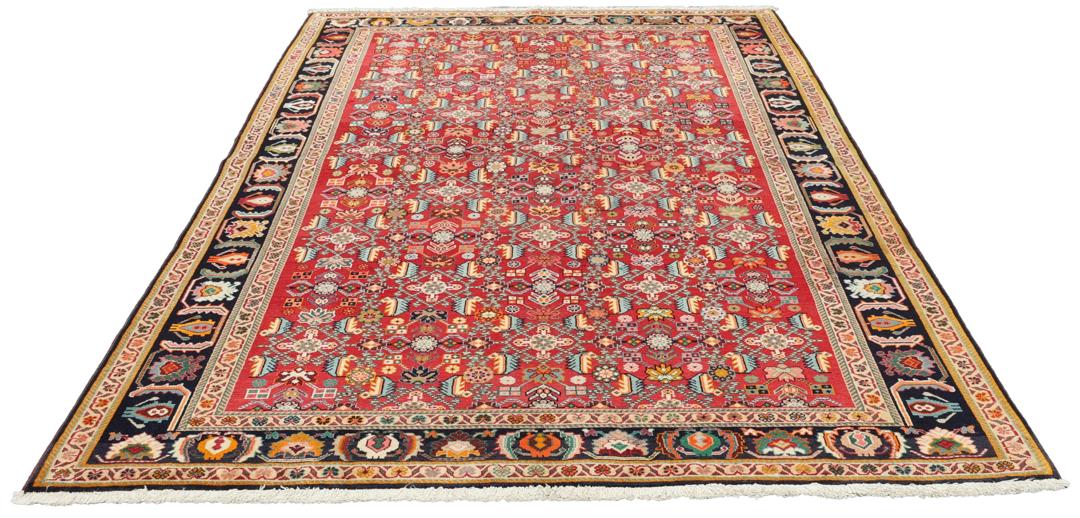
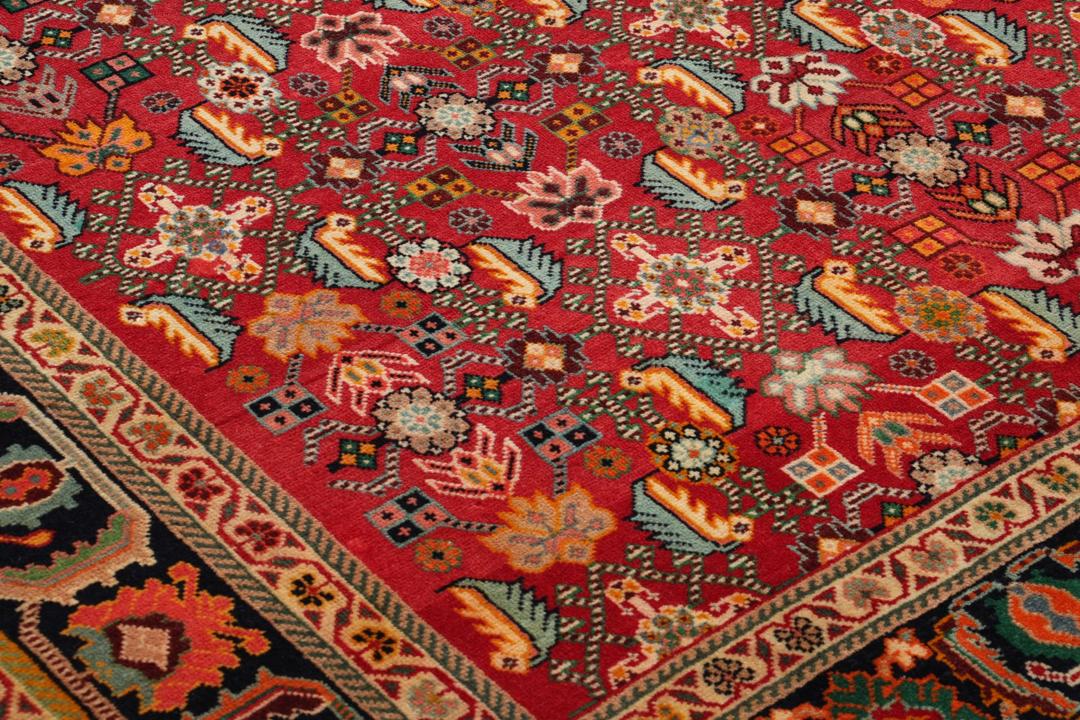
Visually, these rugs are celebrated for their geometric design language, often featuring central medallions surrounded by stylised floral motifs, birds, and tribal symbols. The borders are typically complex, framing the field with repeating patterns that create a sense of harmony. The use of bold, earthy colours is a signature trait, often derived from natural dyes that have been used in the region for centuries to achieve deep, lasting saturation.
Owning a Shiraz rug is more than just a decor choice; it is an act of preserving a profound craft tradition. These rugs are highly valued by collectors for their authenticity and the skill required to produce them. Because they are hand-knotted by artisans who draw upon their own cultural history, they possess a character and depth that mass-produced textiles cannot match, making them a lasting centerpiece for any home.