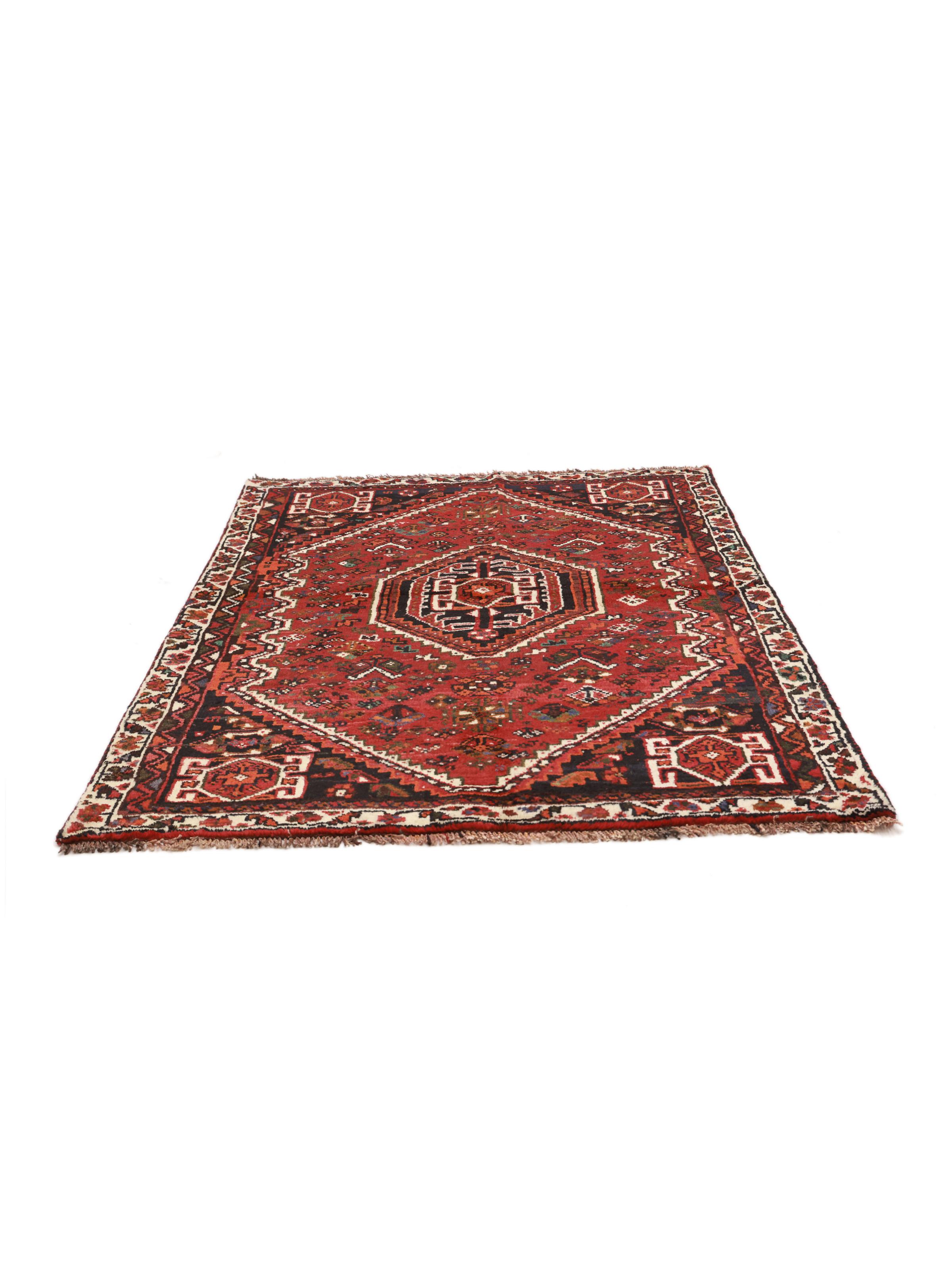
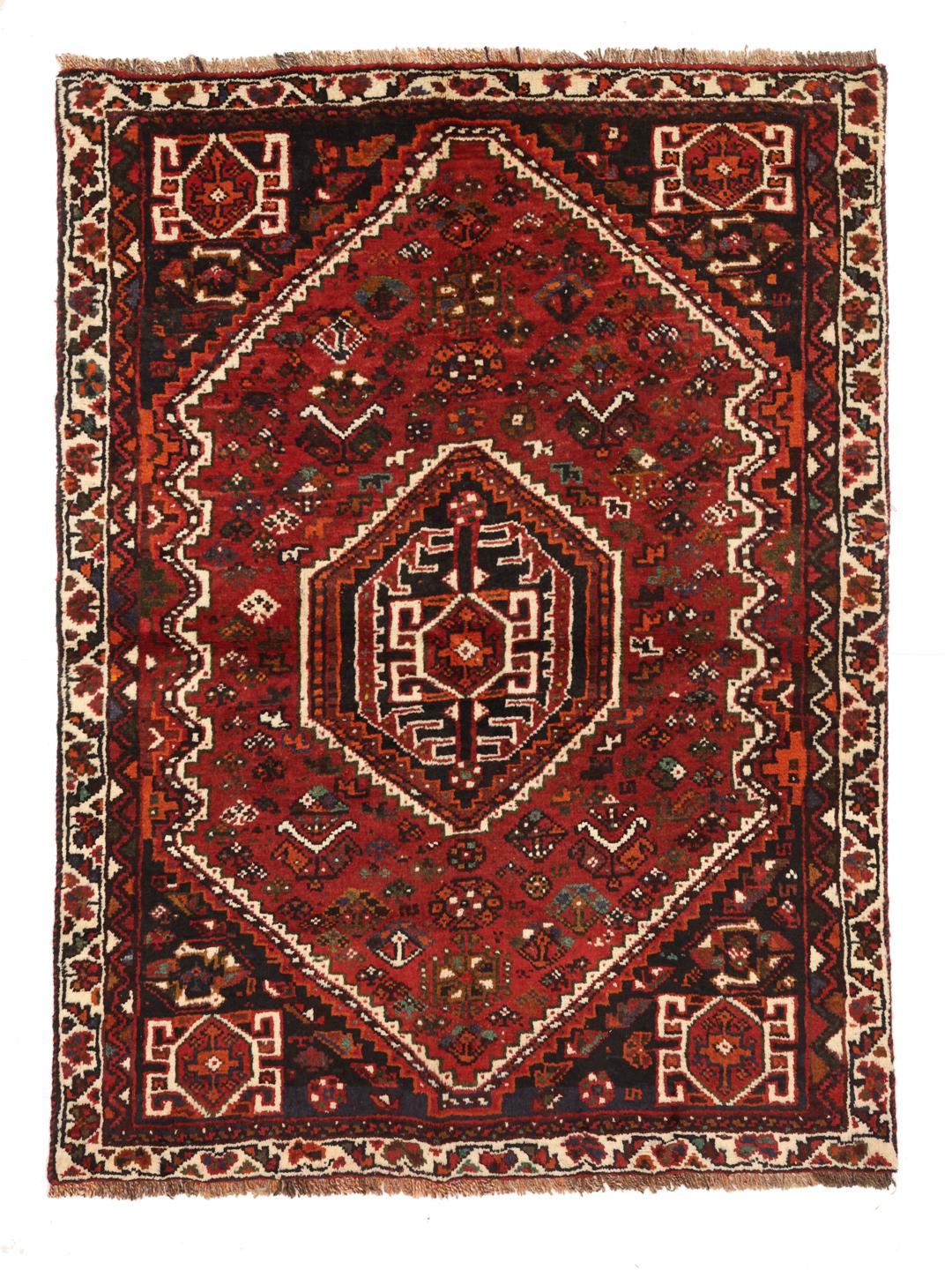
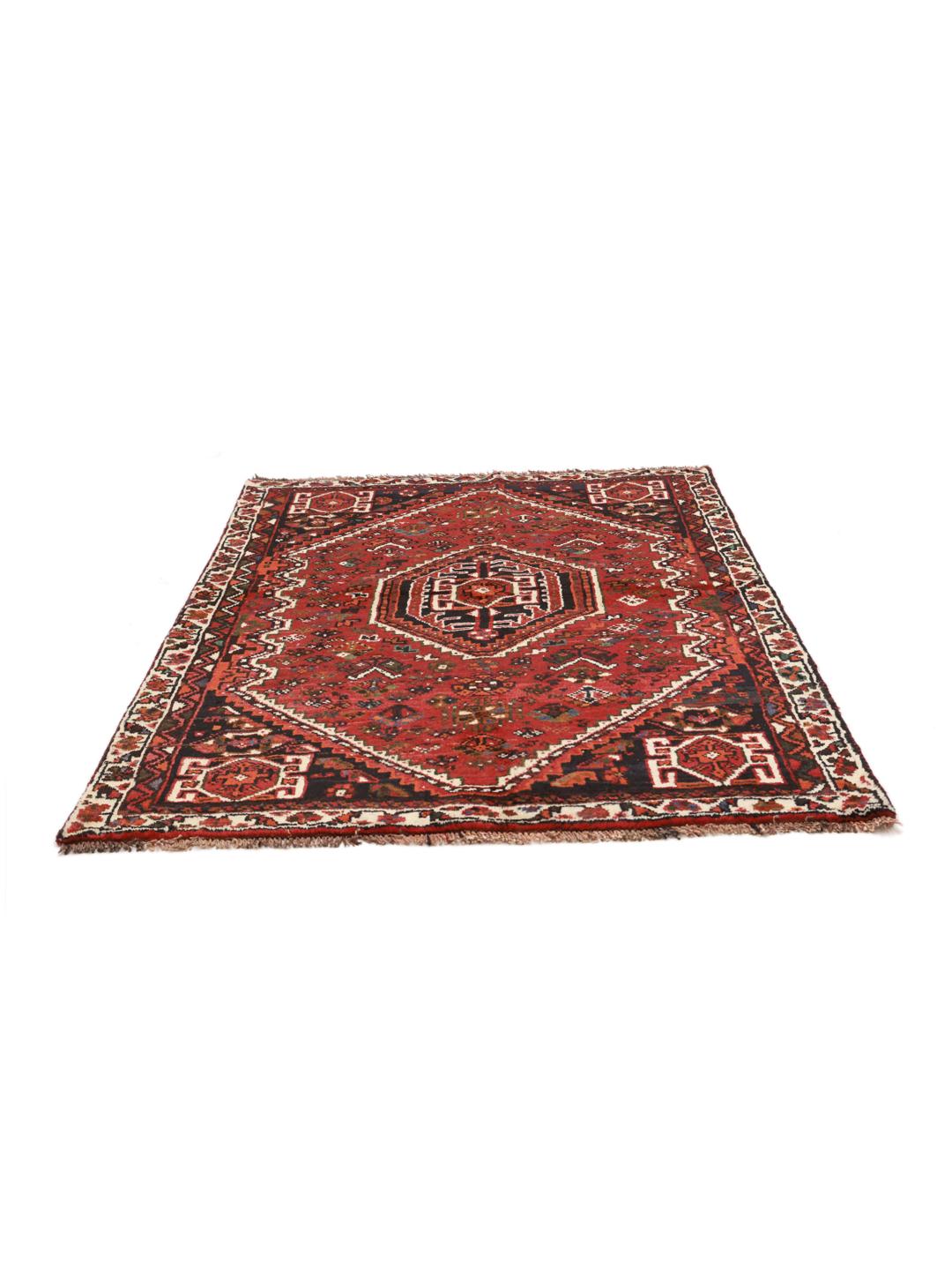
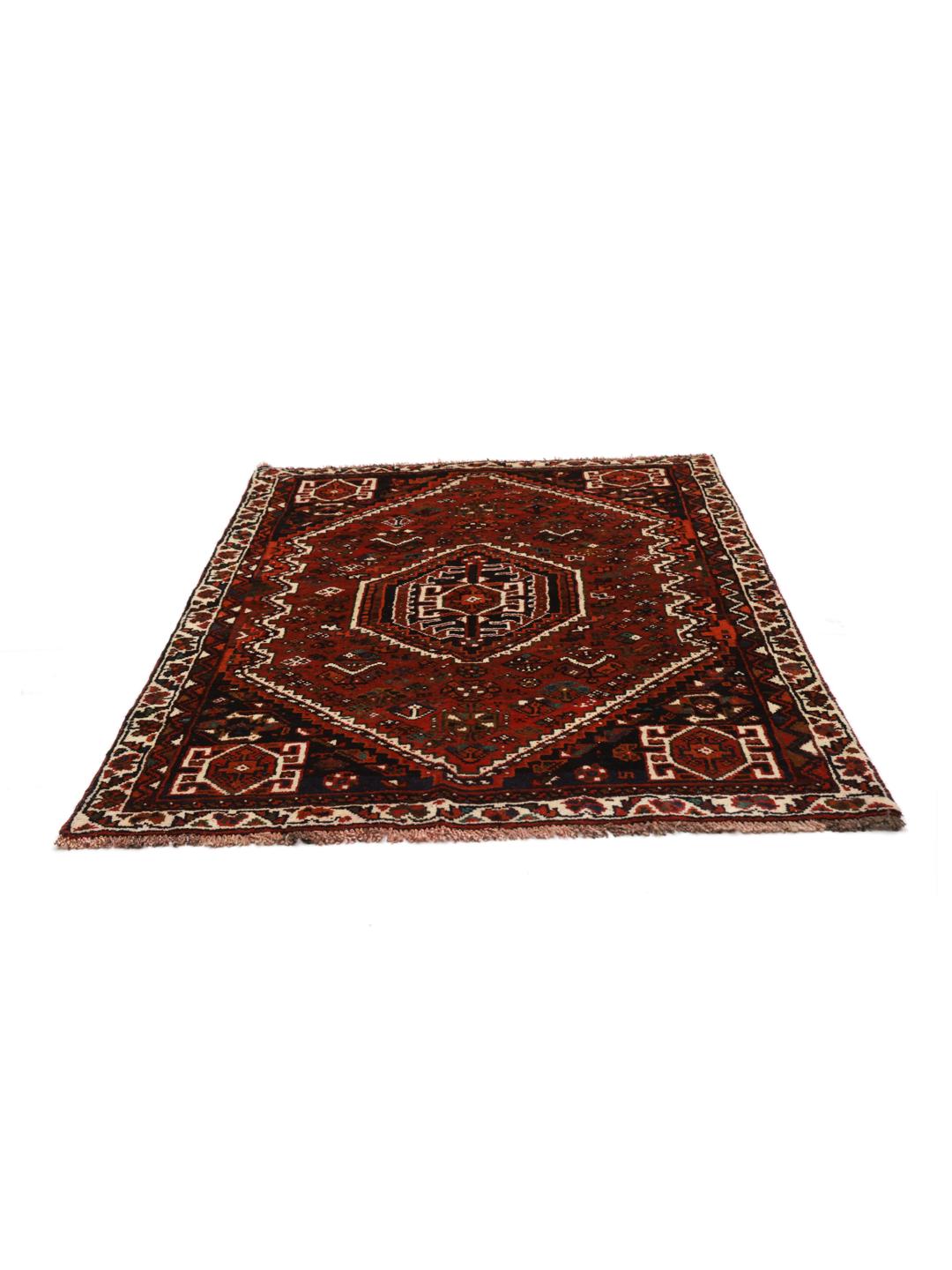
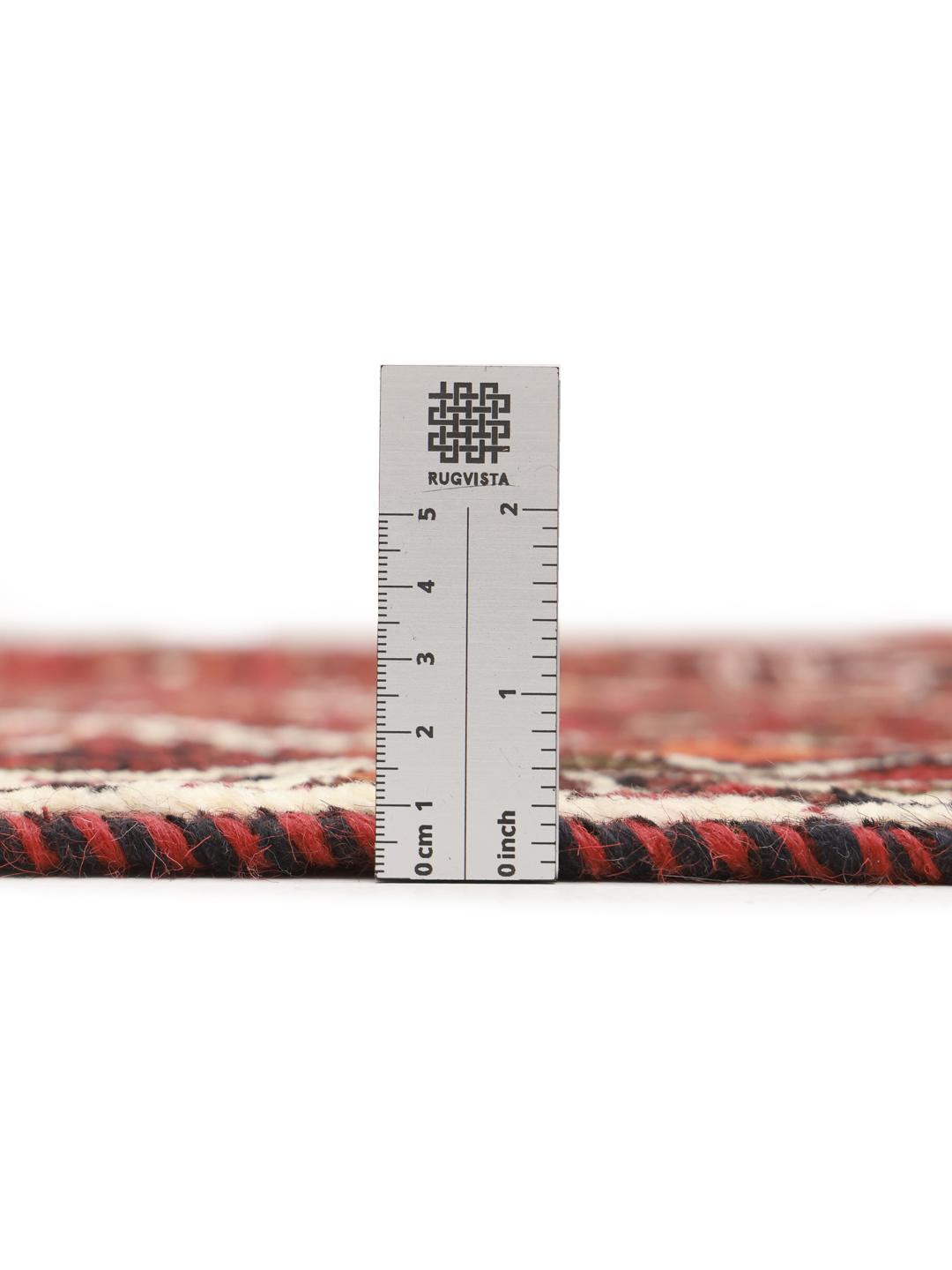
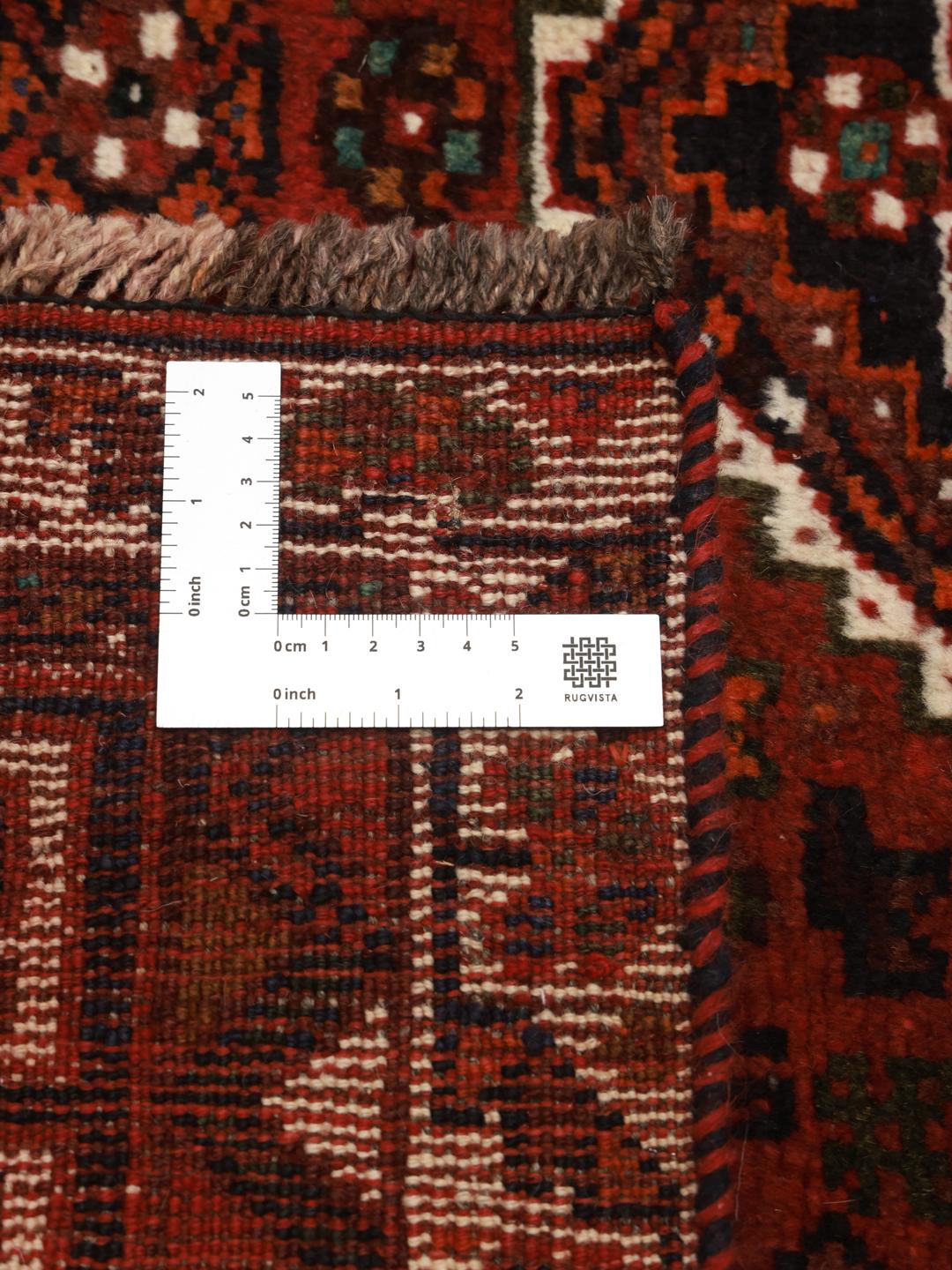
The Shiraz rug tradition originates from the nomadic tribes of the Fars province in the Middle East. These rugs are deeply tied to the cultural identity of the Qashqai and other tribal groups who have migrated across these landscapes for centuries, carrying their weaving traditions with them as a way to preserve their heritage.
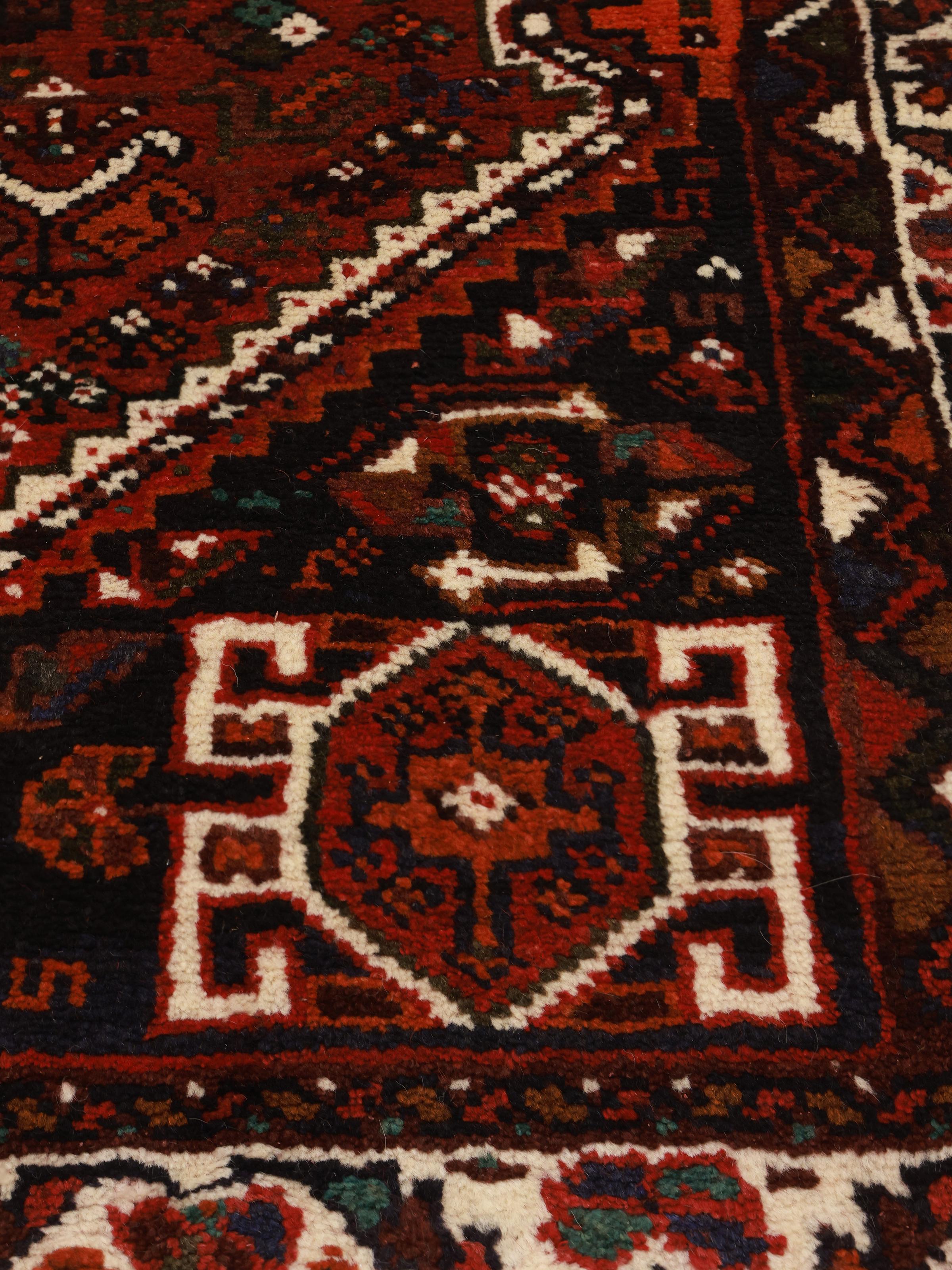
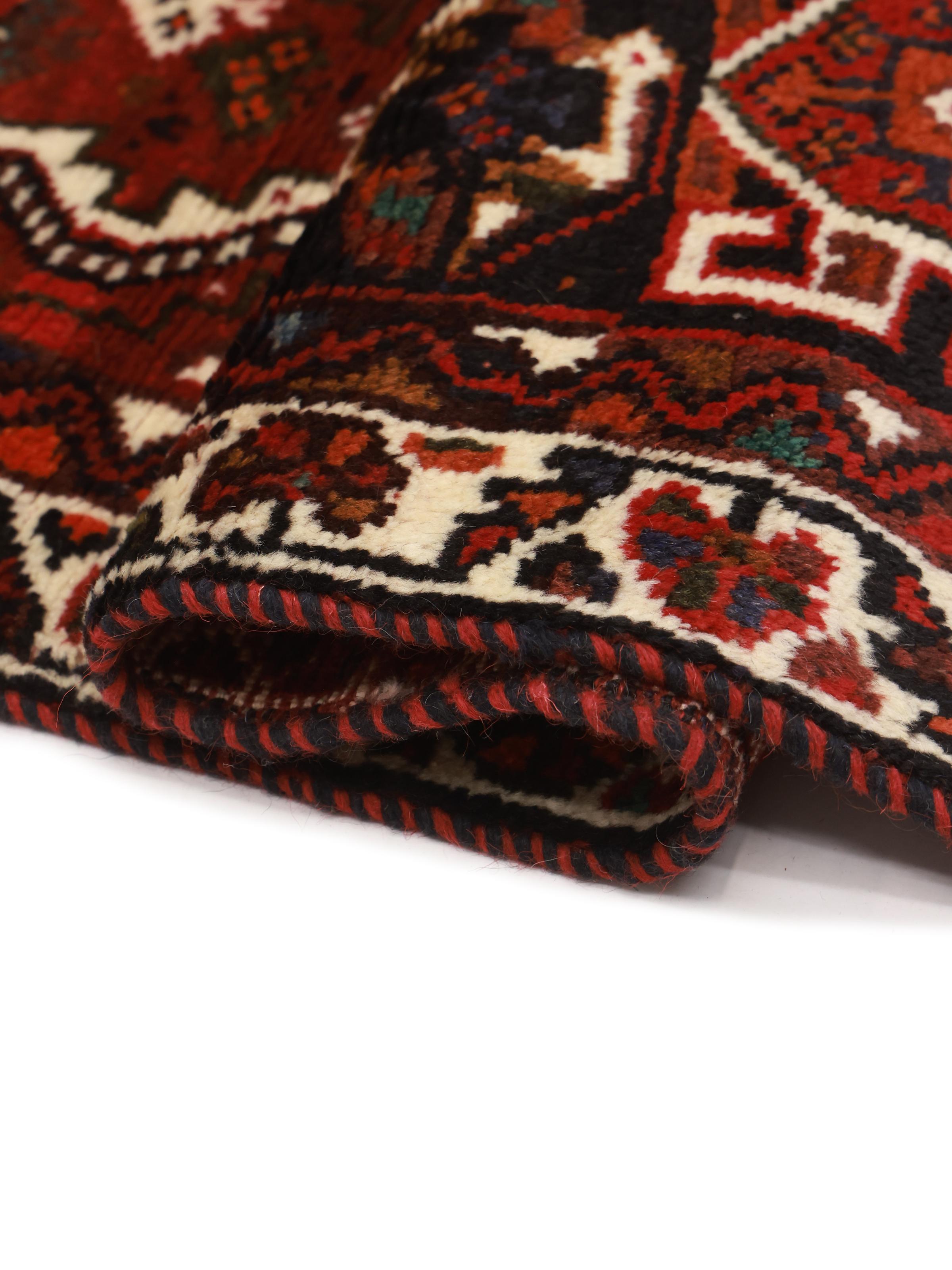
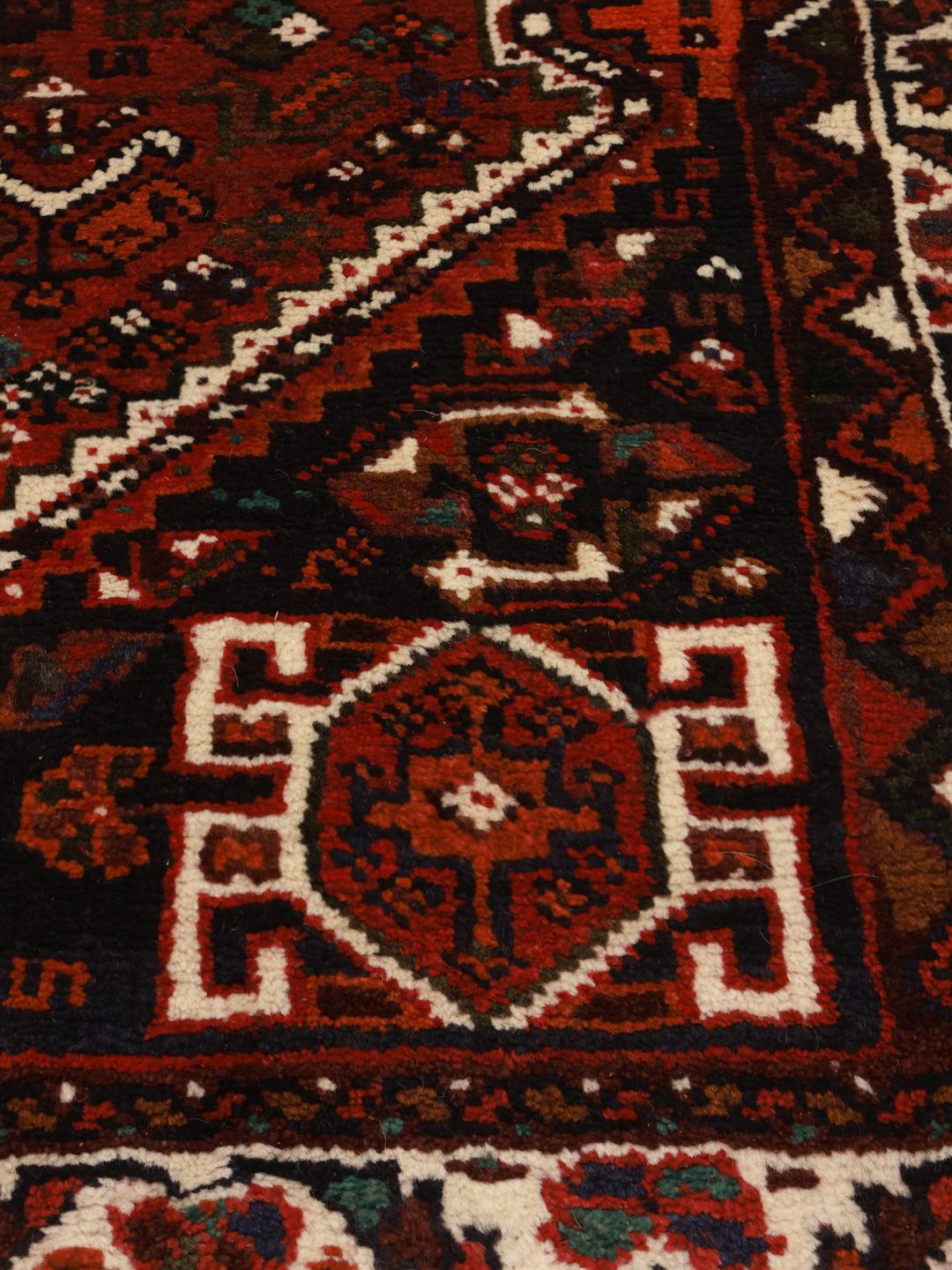
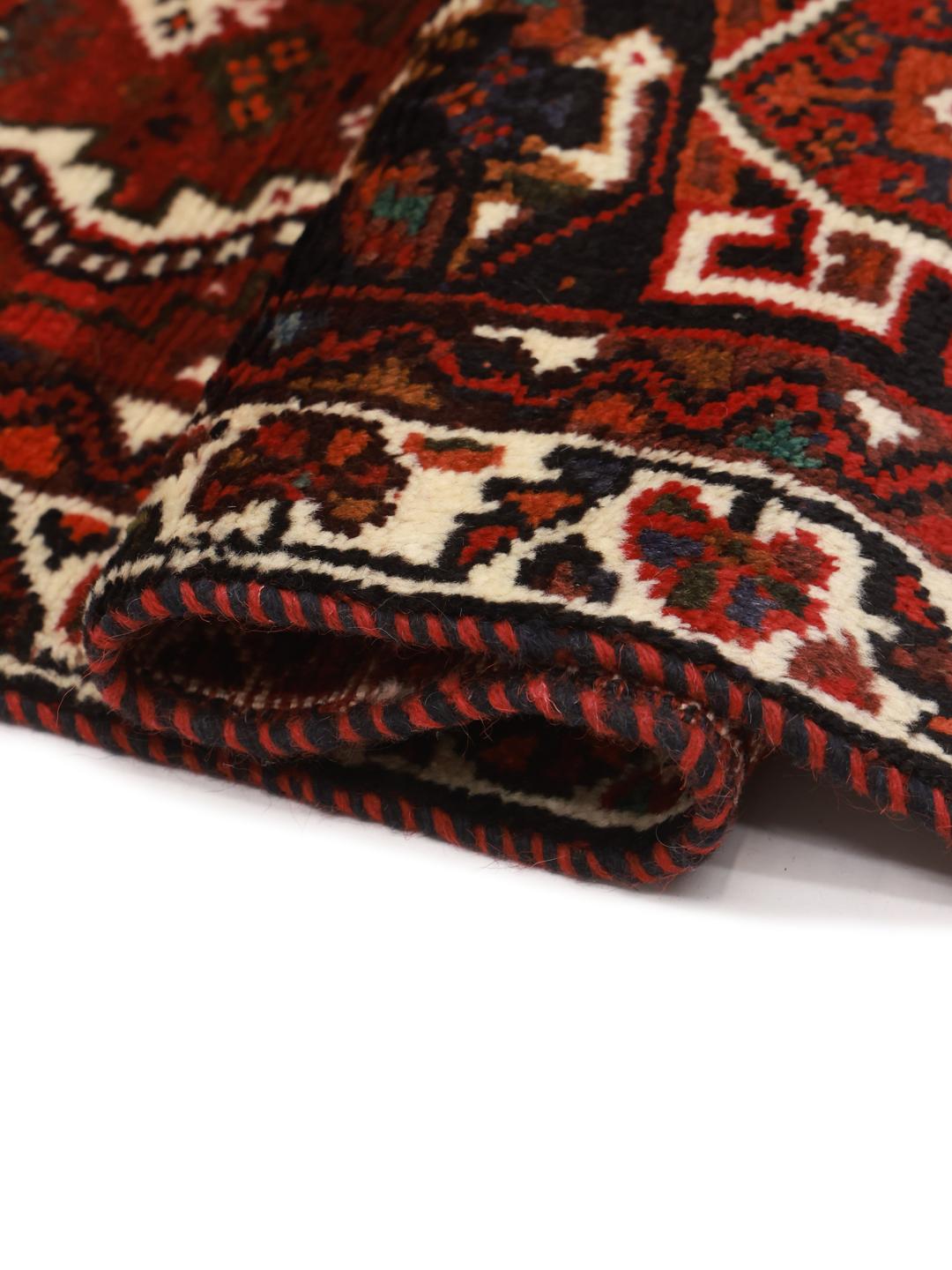
Shiraz rugs are distinguished by their reliance on traditional, memory-based patterns rather than pre-drawn sketches. This allows each weaver to infuse their own creative interpretation into the piece, resulting in the organic, slightly irregular beauty that collectors value. The use of high-quality wool, sourced from local herds, is essential to the soft yet sturdy texture these rugs are known for.
Visually, these rugs are defined by their bold geometric language. You will often see centrally placed medallions, stylised floral elements, and repeating tribal motifs that tell stories of the natural world. The borders are typically intricate and formal, providing a strong frame for the more expressive, free-flowing designs found in the central field.
Collecting a Shiraz rug is an investment in a living craft that has survived the pressures of modernisation. Because they are still produced using methods that have remained largely unchanged for generations, these rugs represent a direct link to the past. Owning one means you are supporting the continuation of a profound artistic legacy.