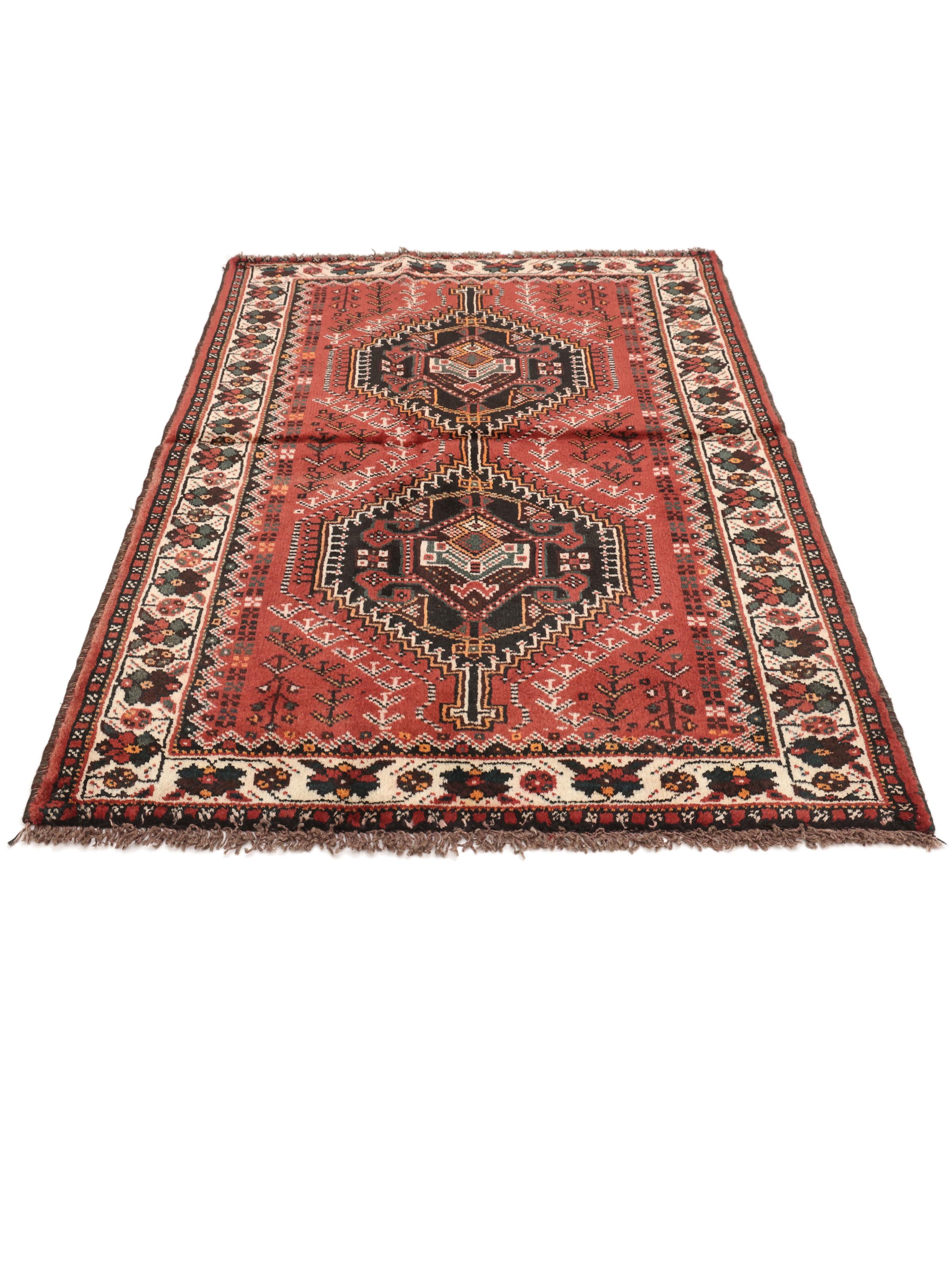
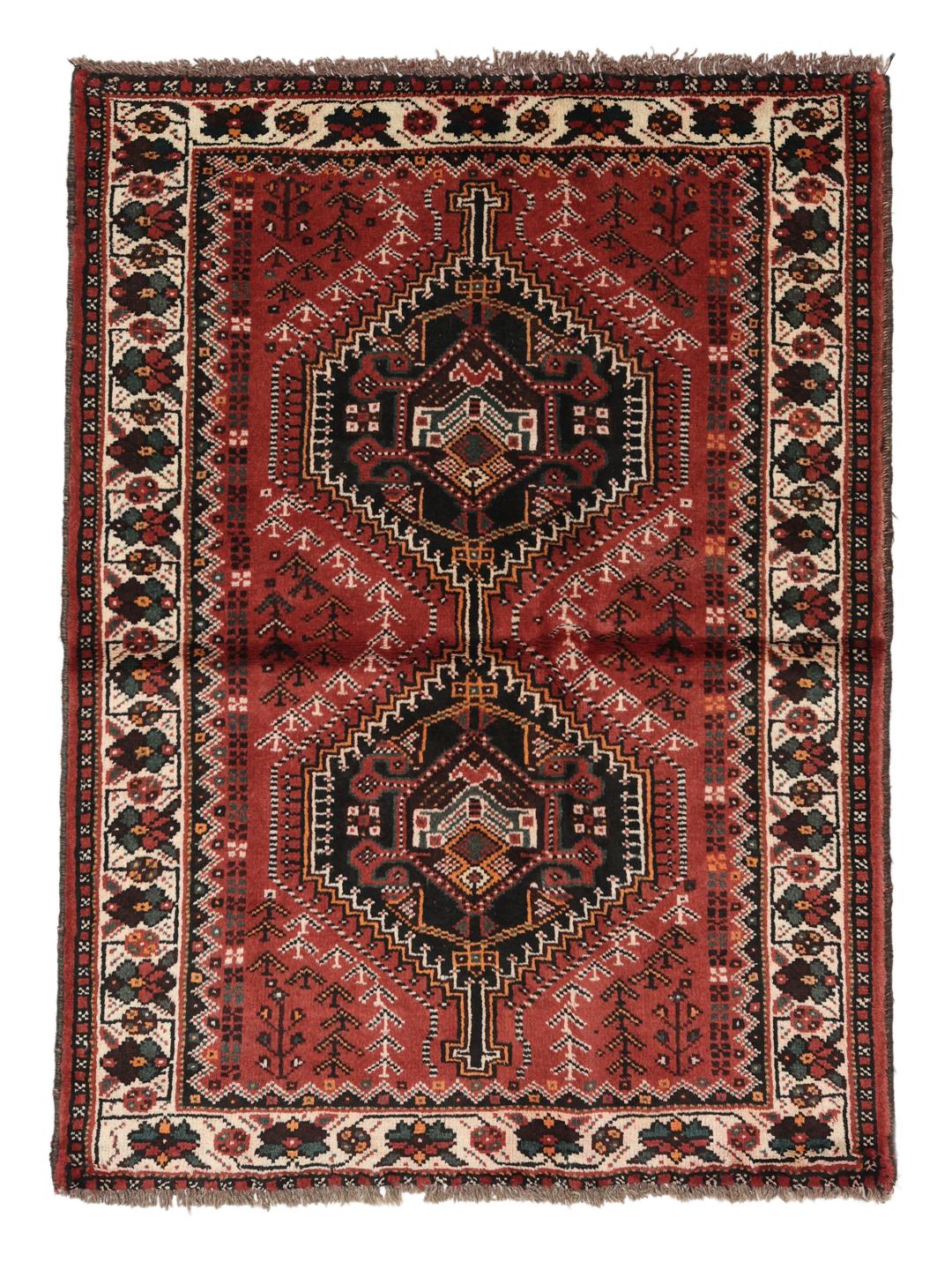
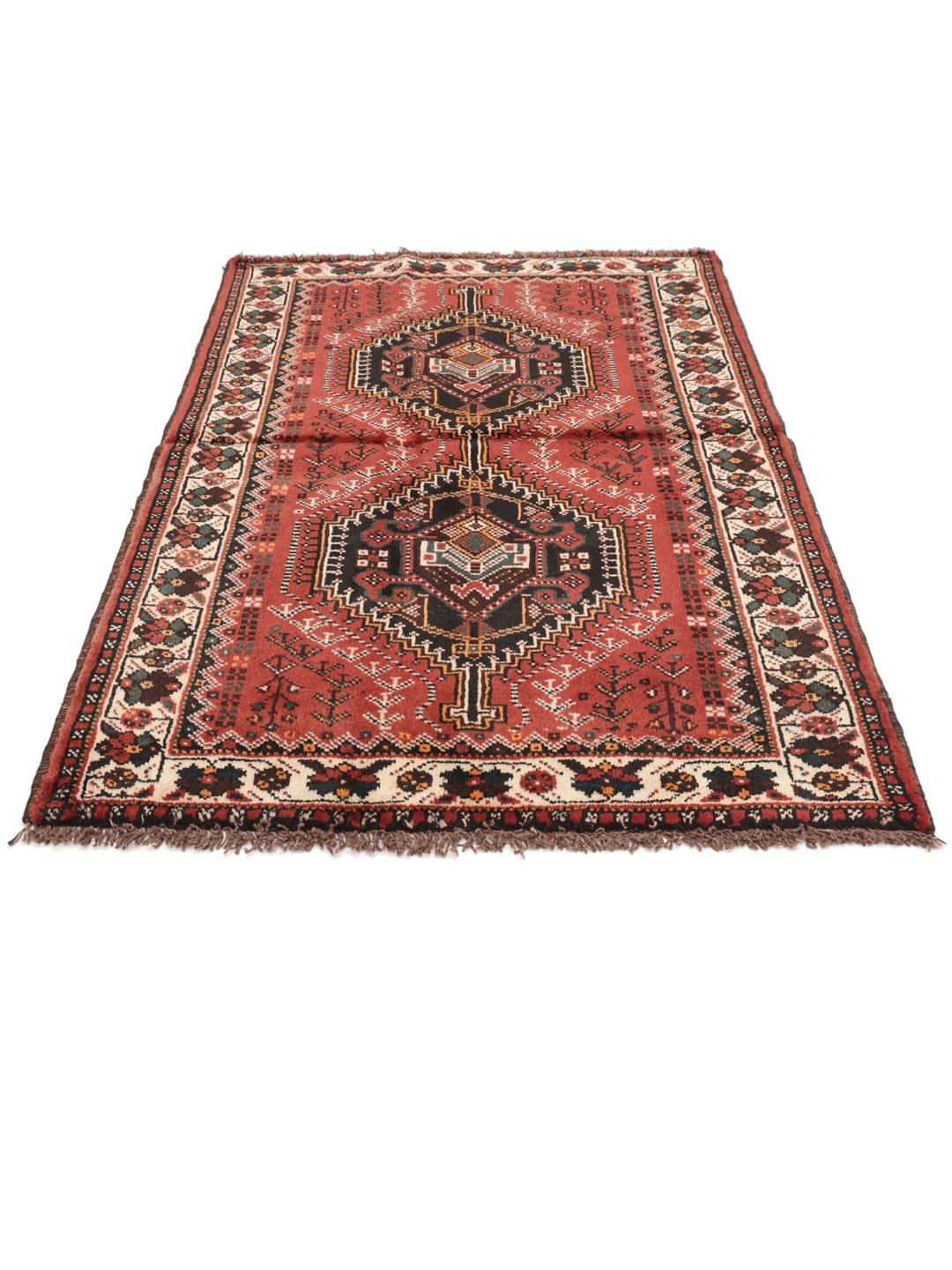
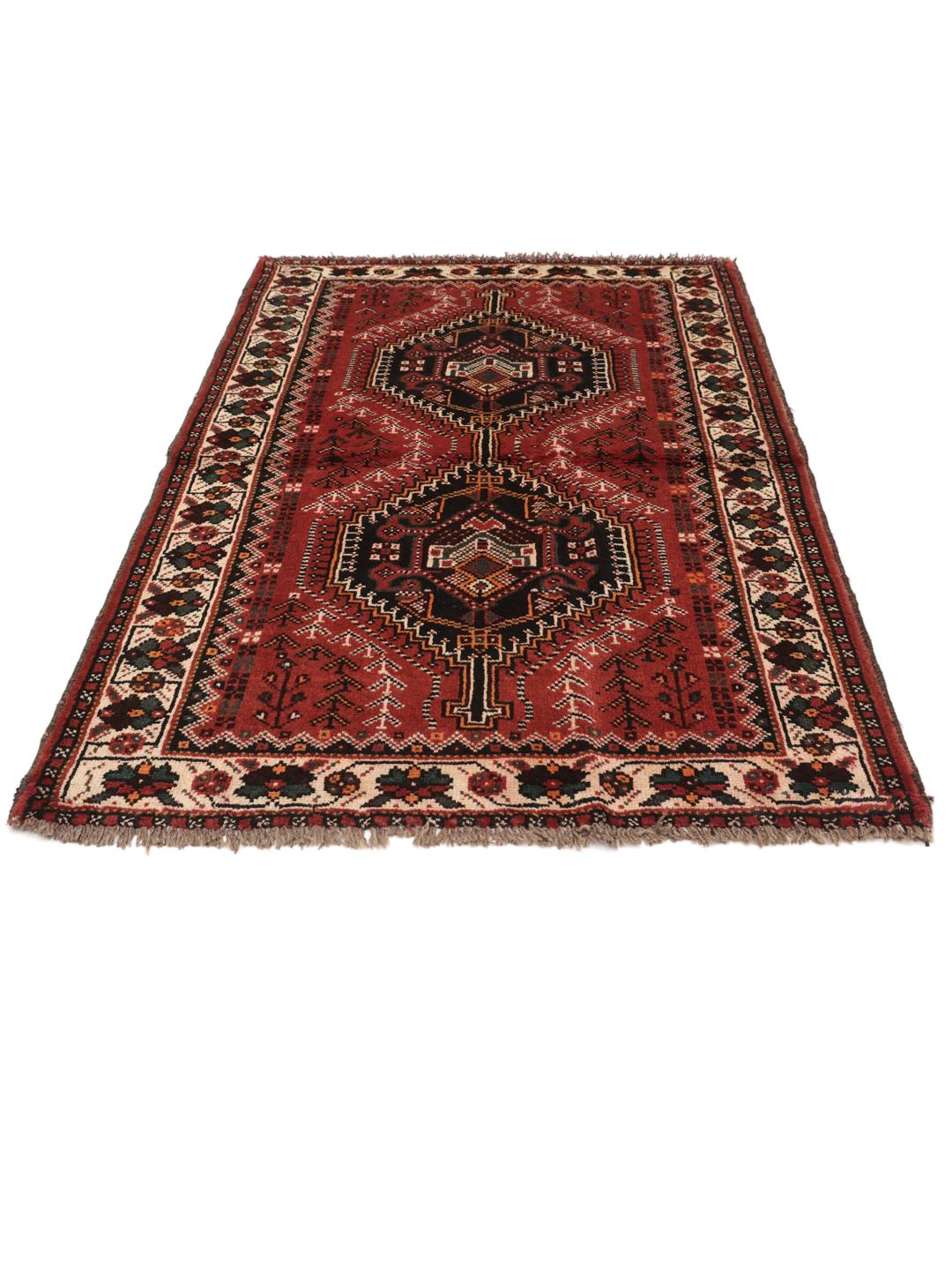
Shiraz rugs originate from the Fars province in the Middle East, a region with a deep-rooted history of tribal weaving. These rugs are traditionally crafted by nomadic and semi-nomadic groups, reflecting the diverse cultural influences and the rugged landscapes of the area. They are celebrated for their authentic, unrefined charm which sets them apart from more formal, court-style carpets.
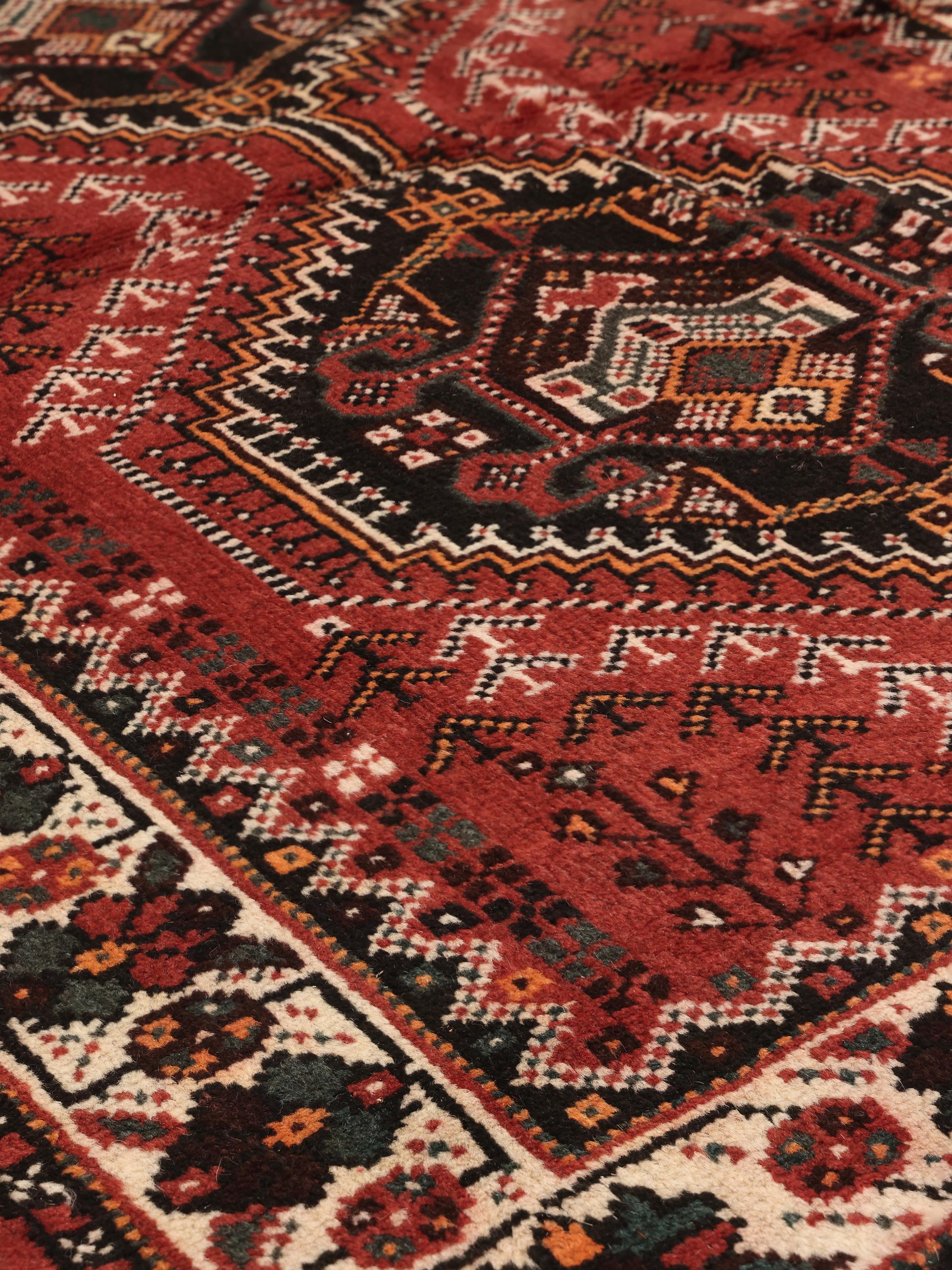
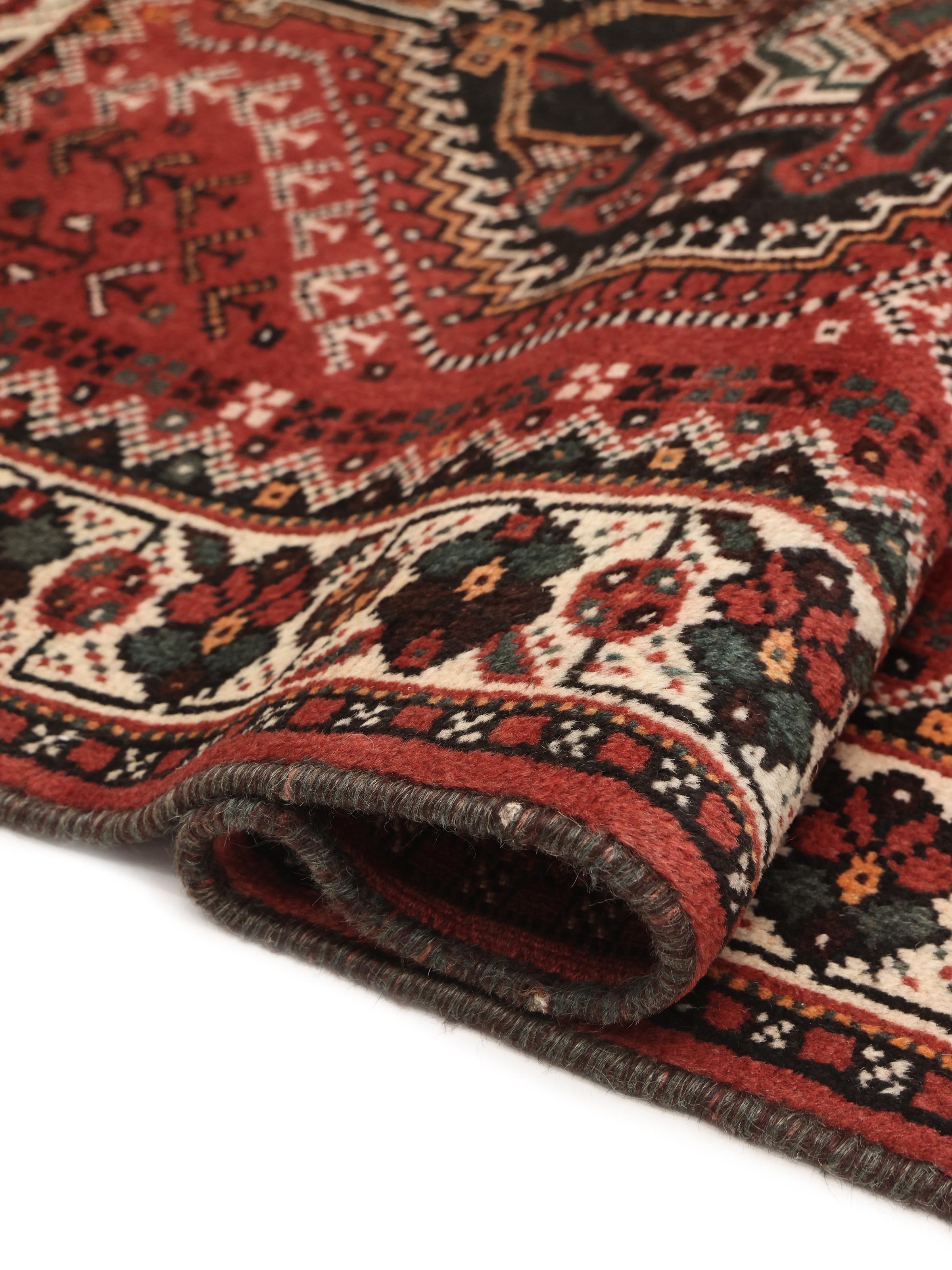
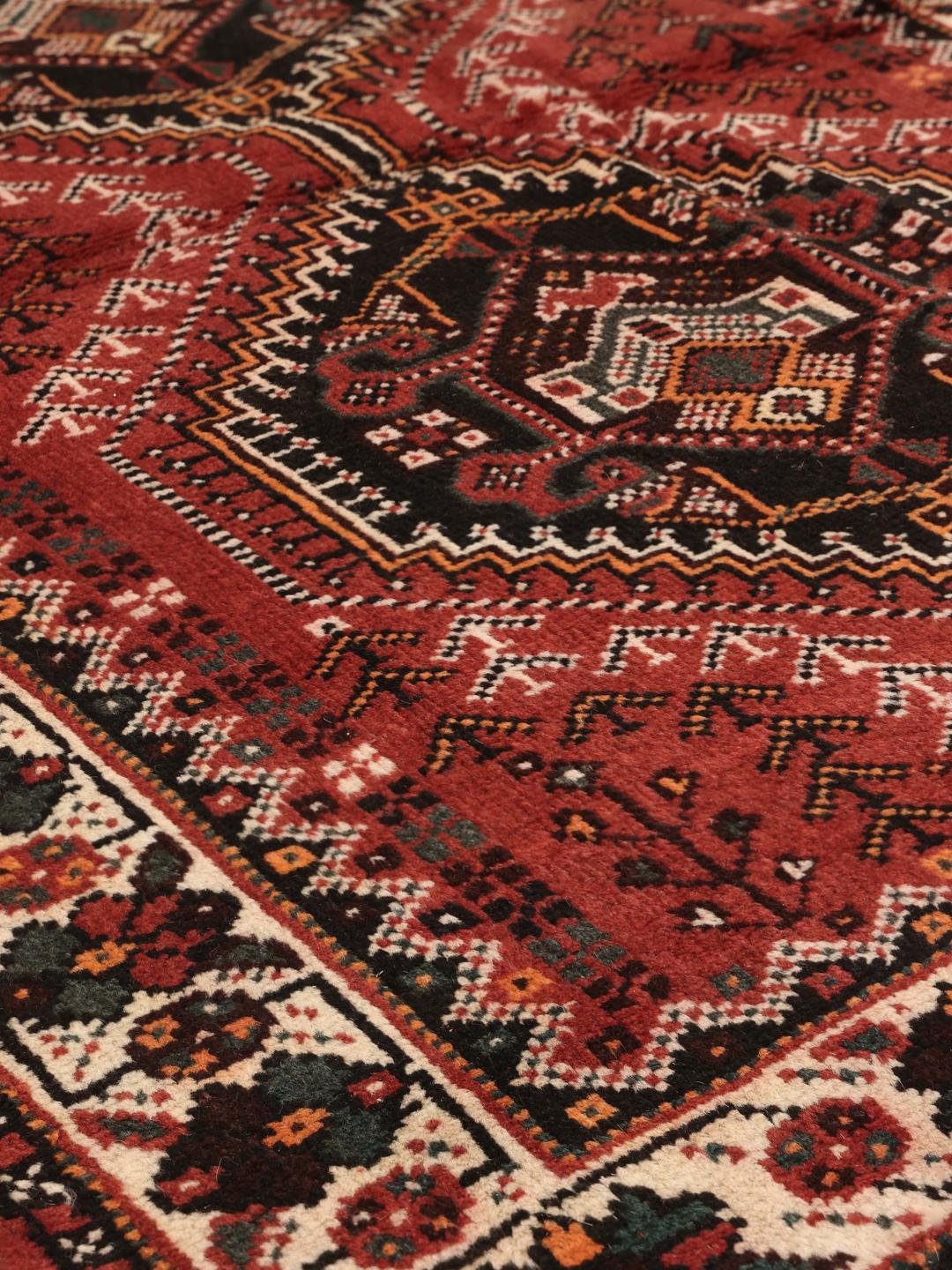
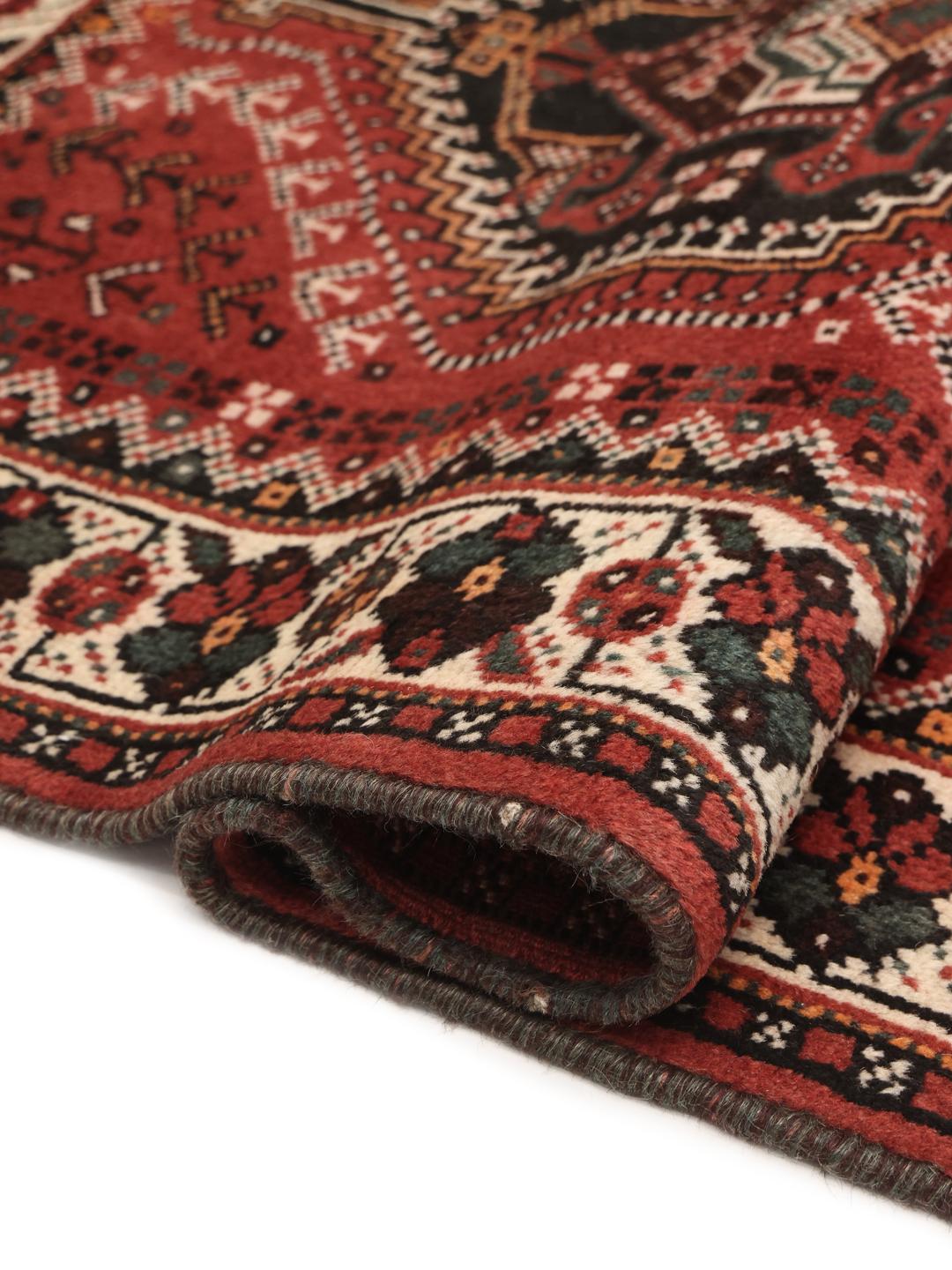
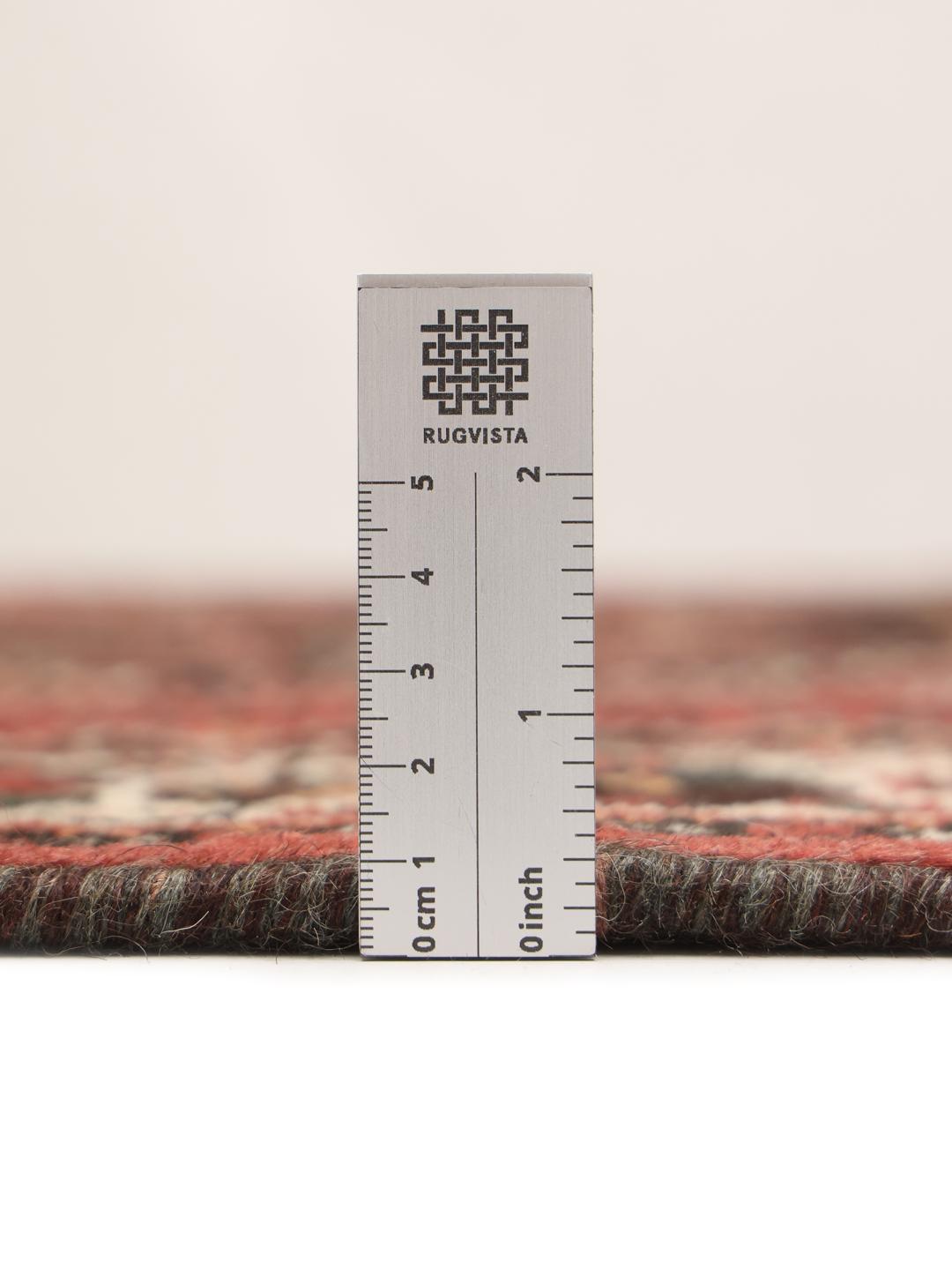
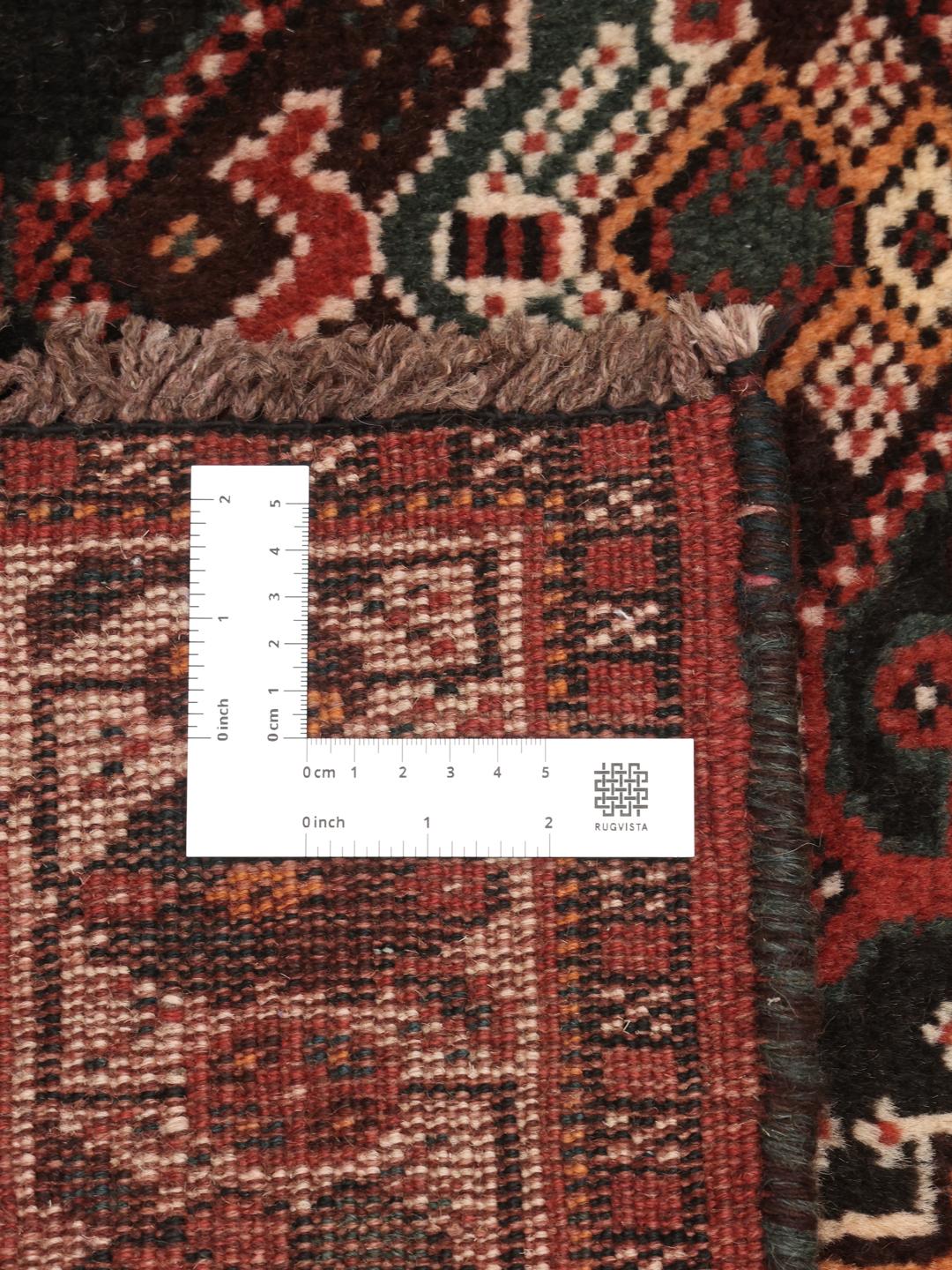
The term hand-knotted refers to the technique where each individual knot is tied by hand onto the warp threads. This method is the gold standard of rug making, resulting in a pile that is significantly more durable and lustrous than machine-made alternatives. For the owner, this means a product that can withstand years of use while retaining its original character and warmth.
The design language of a Shiraz rug is defined by its tribal aesthetic, often featuring bold geometric medallions, stylised animals, and repeating floral motifs. The borders are typically decorated with intricate, multi-layered geometric patterns that frame the central field. It is common to see these rugs utilise rich, natural-looking tones that evoke the earth and sky of their home region.
Collector value in Shiraz rugs lies in their individuality and the undeniable human element present in every stitch. Because they are not mass-produced, each rug acts as a record of the weaver's personal expression and the tribal heritage of the Fars province. Owning one is an investment in a living tradition, offering a sense of depth and authenticity that modern replicas cannot replicate.