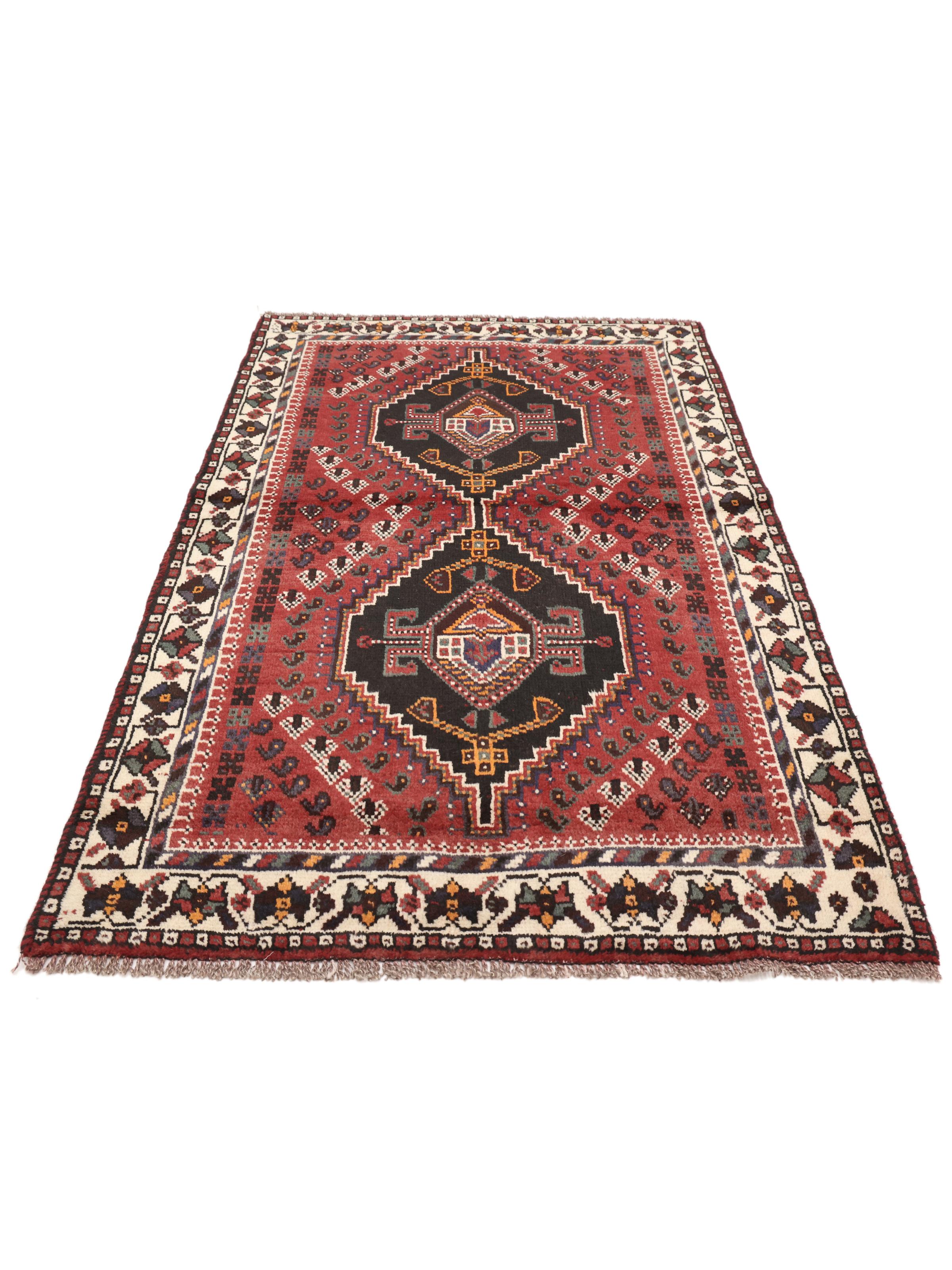
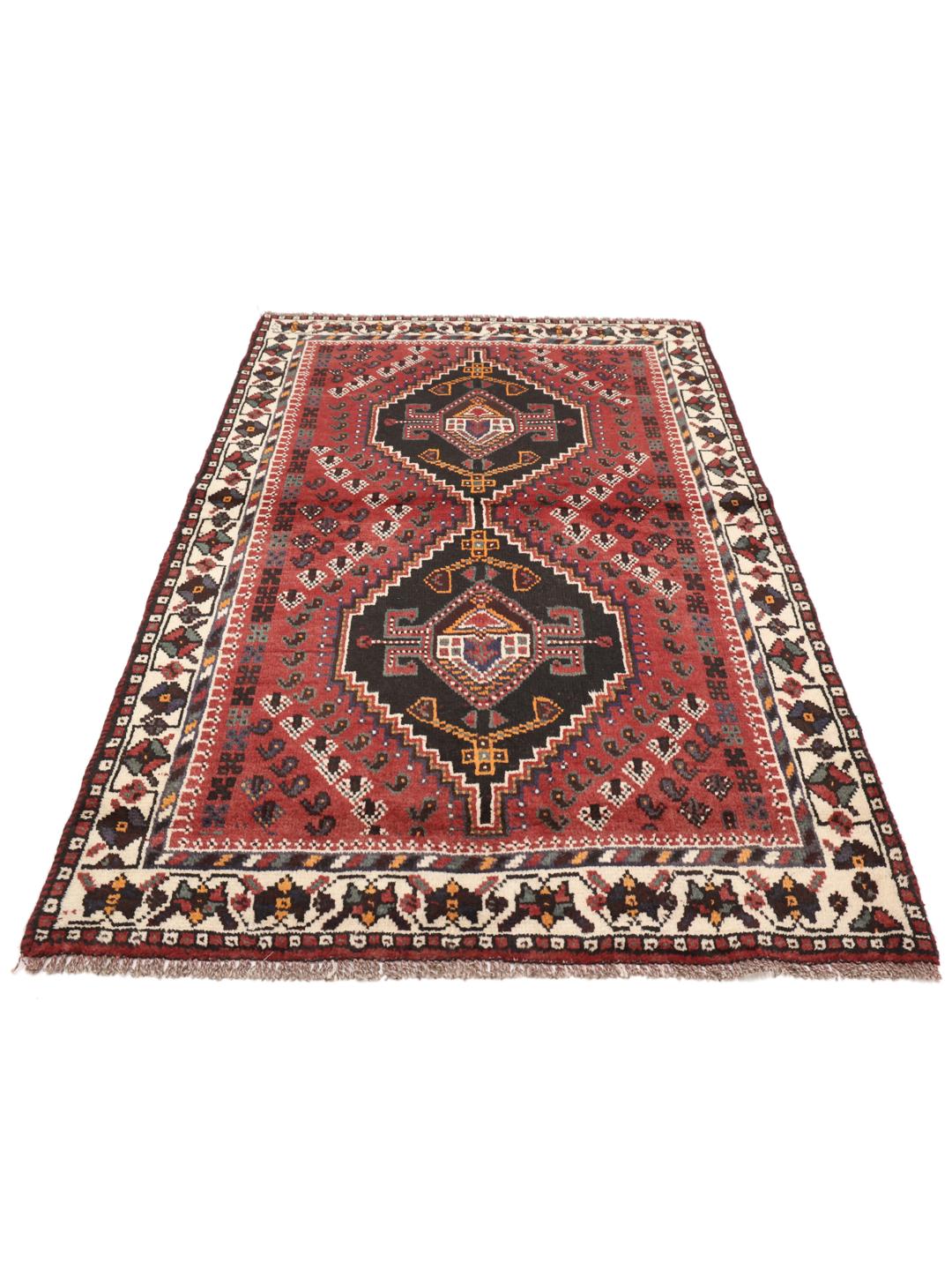
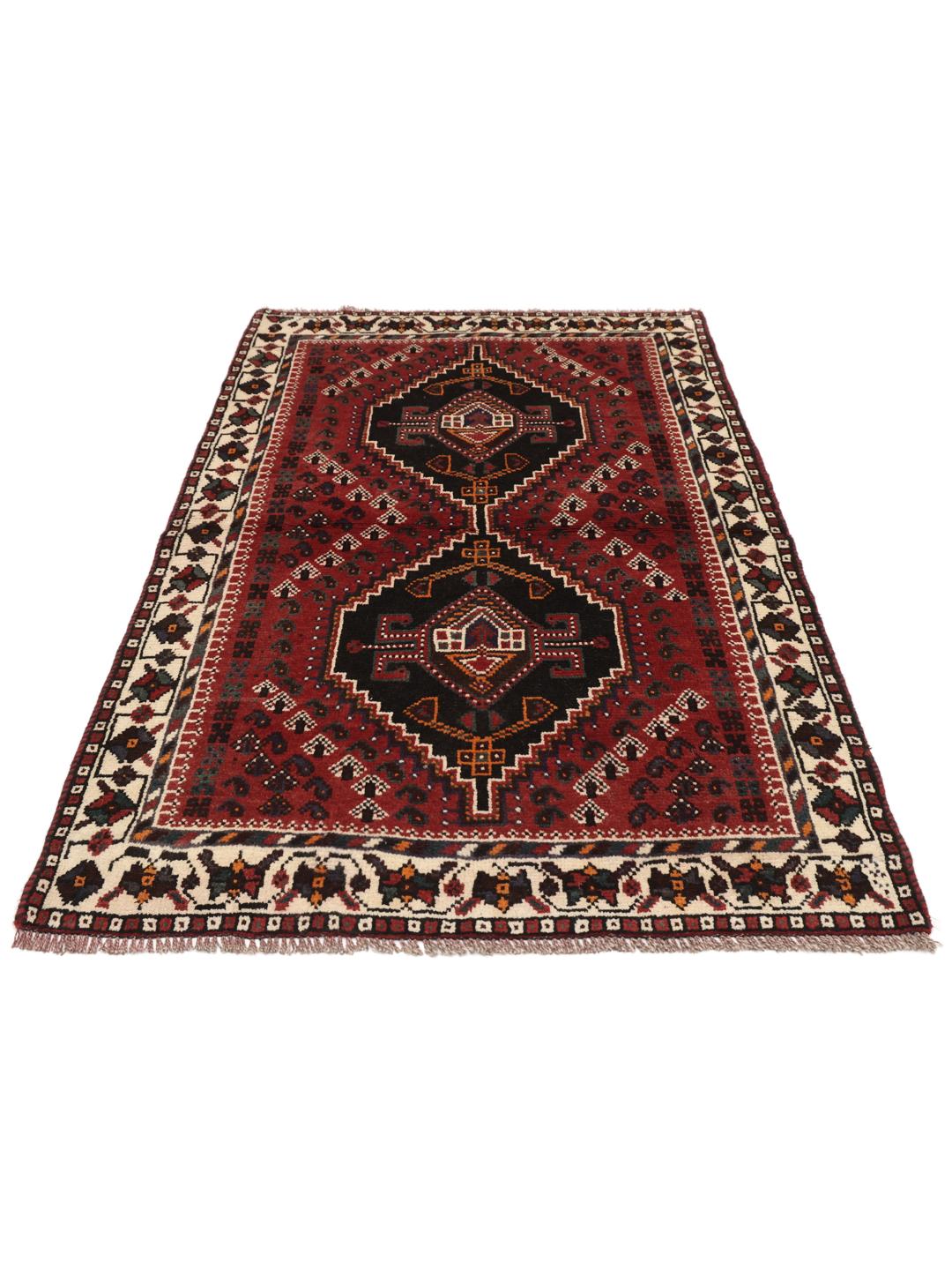
The Shiraz rug tradition originates from the Fars province in the Middle East, a region with a deep-rooted history of nomadic and semi-nomadic weaving. These rugs are historically connected to the Qashqai and other tribal groups who have migrated through the rugged landscapes of the Zagros Mountains for centuries, carrying their weaving traditions with them.
The term Shiraz refers to the regional market centre where these tribal rugs were historically traded. Unlike the highly formalised styles found in urban workshops, Shiraz rugs are known for their spontaneous and expressive nature, reflecting the cultural heritage and personal storytelling of the tribes who create them.
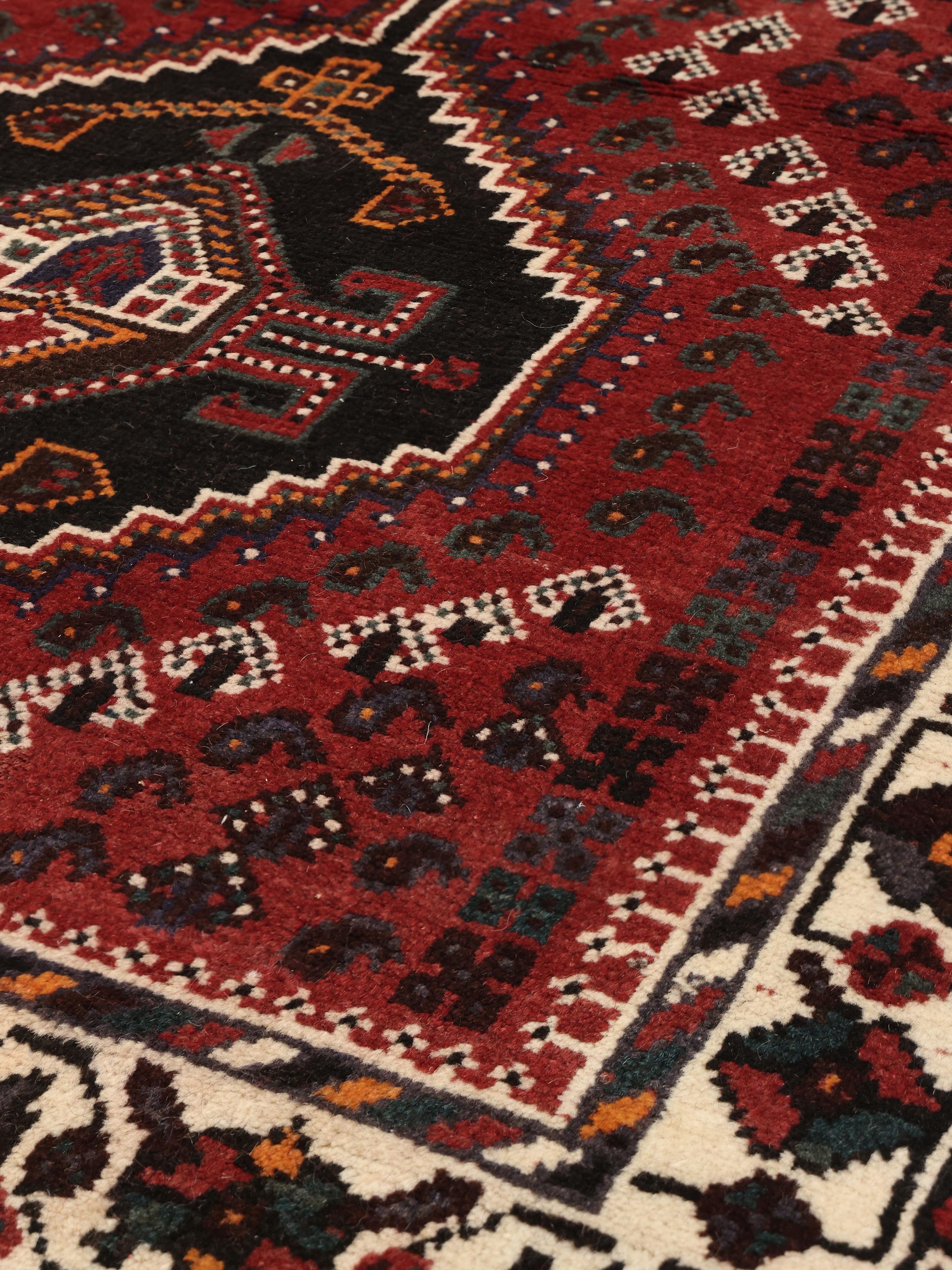
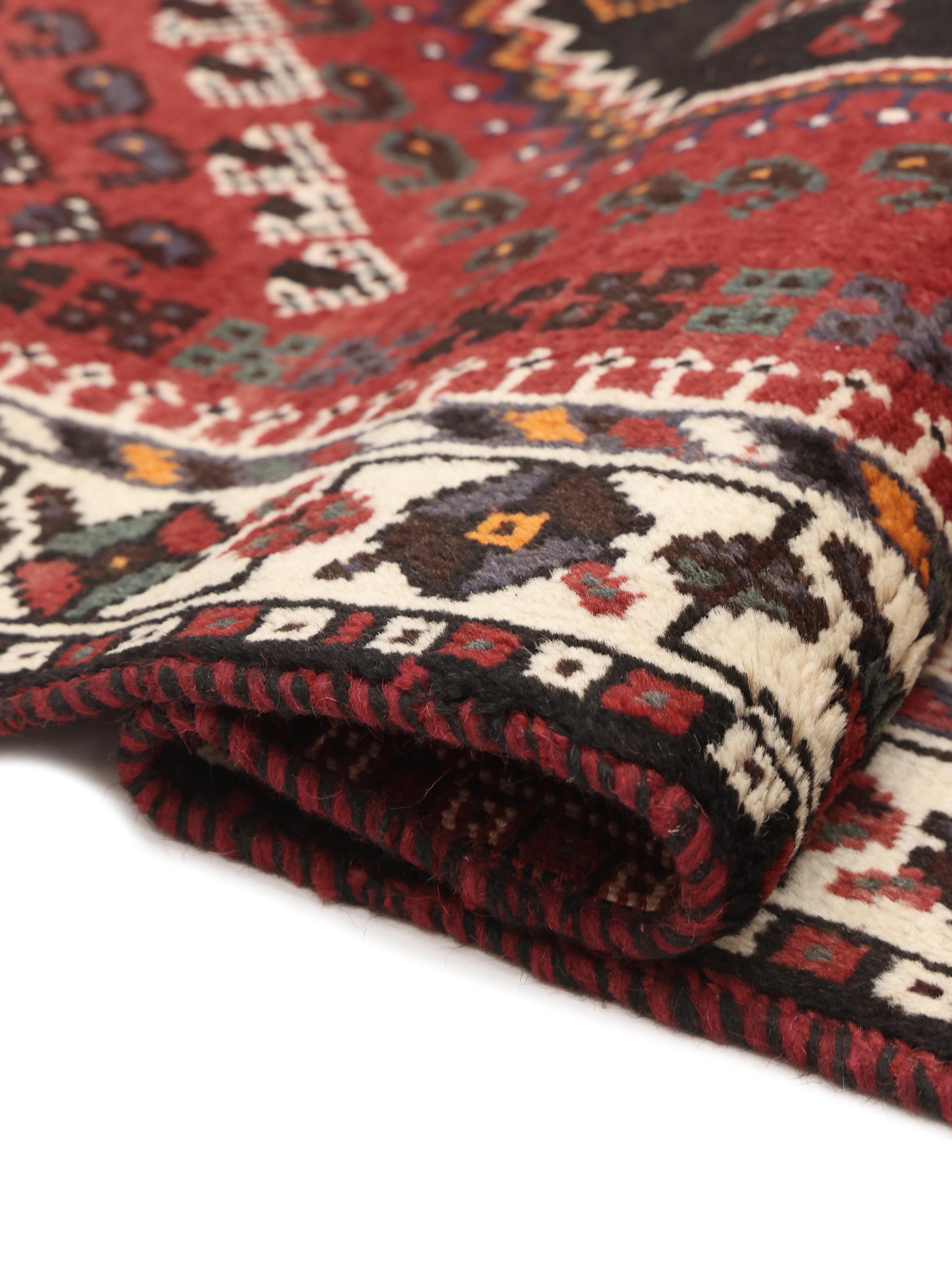
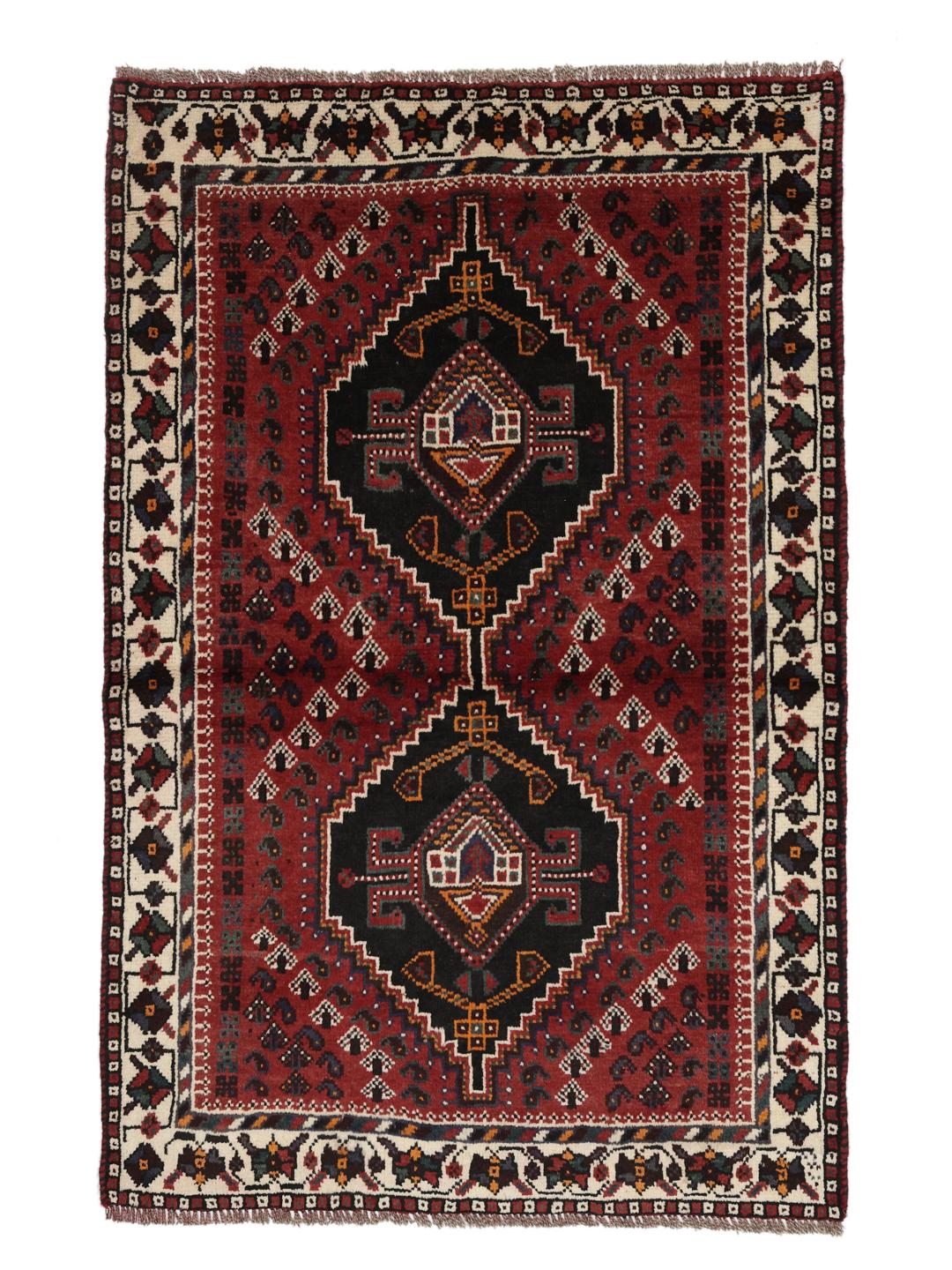
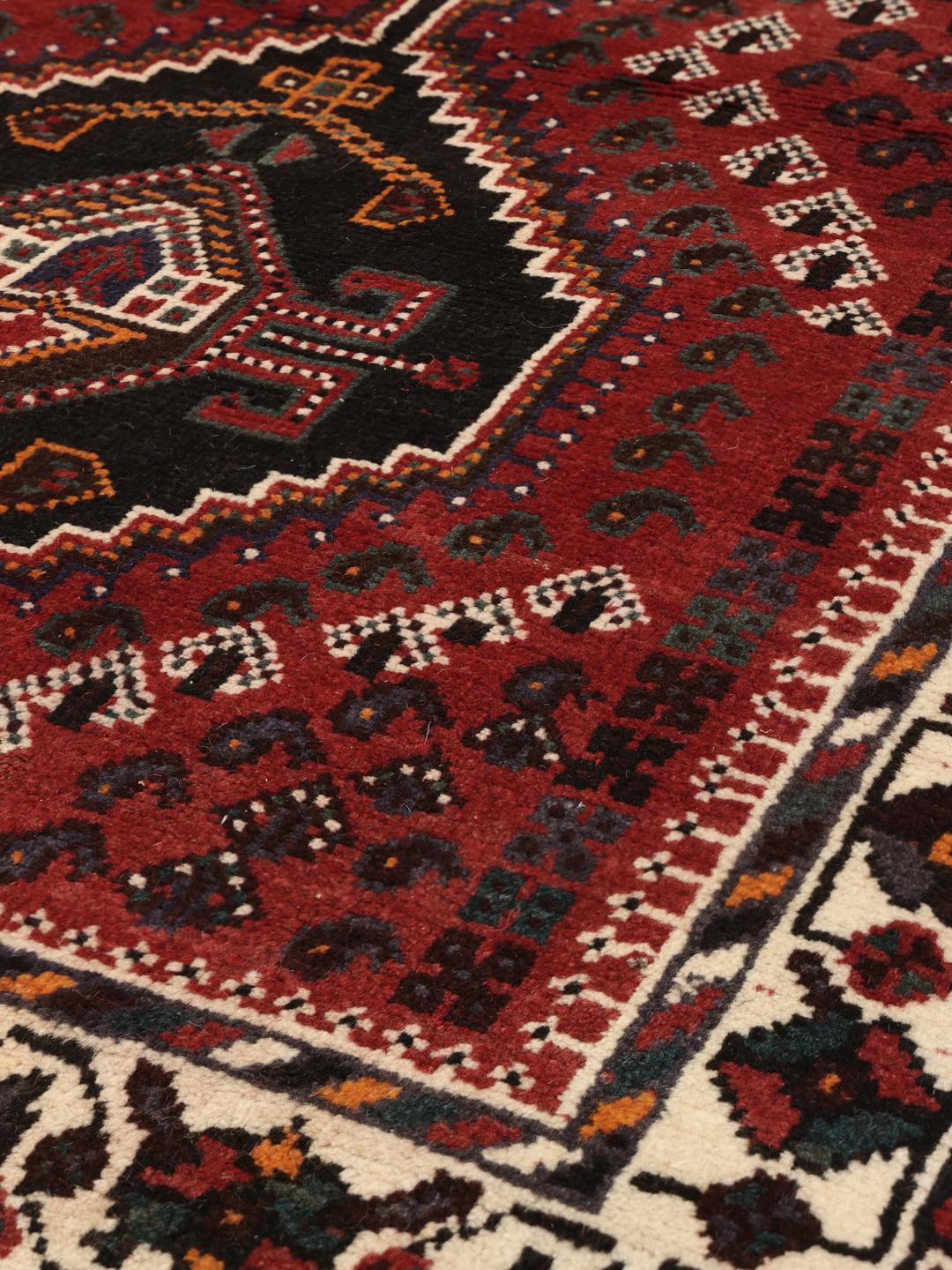
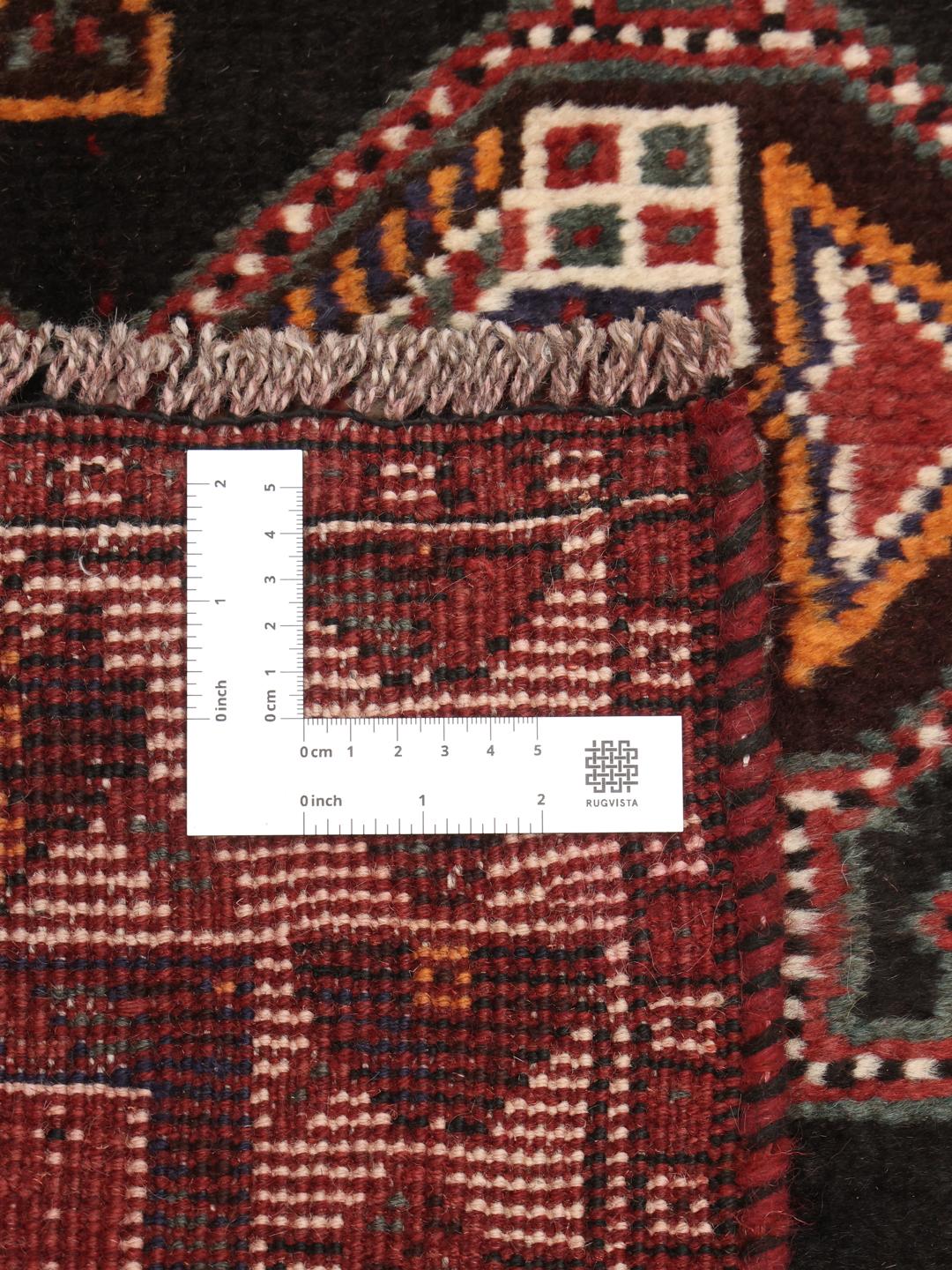
Signature design elements often include bold, geometric medallions, stylised animal motifs, and intricate, multi-layered borders. The use of deep reds and dark, earthy tones is classic to the region, often contrasted by lighter, neutral accents that highlight the sharpness of the pattern. These designs are not merely decorative but often contain symbolic meanings rooted in the daily lives and beliefs of the weavers.
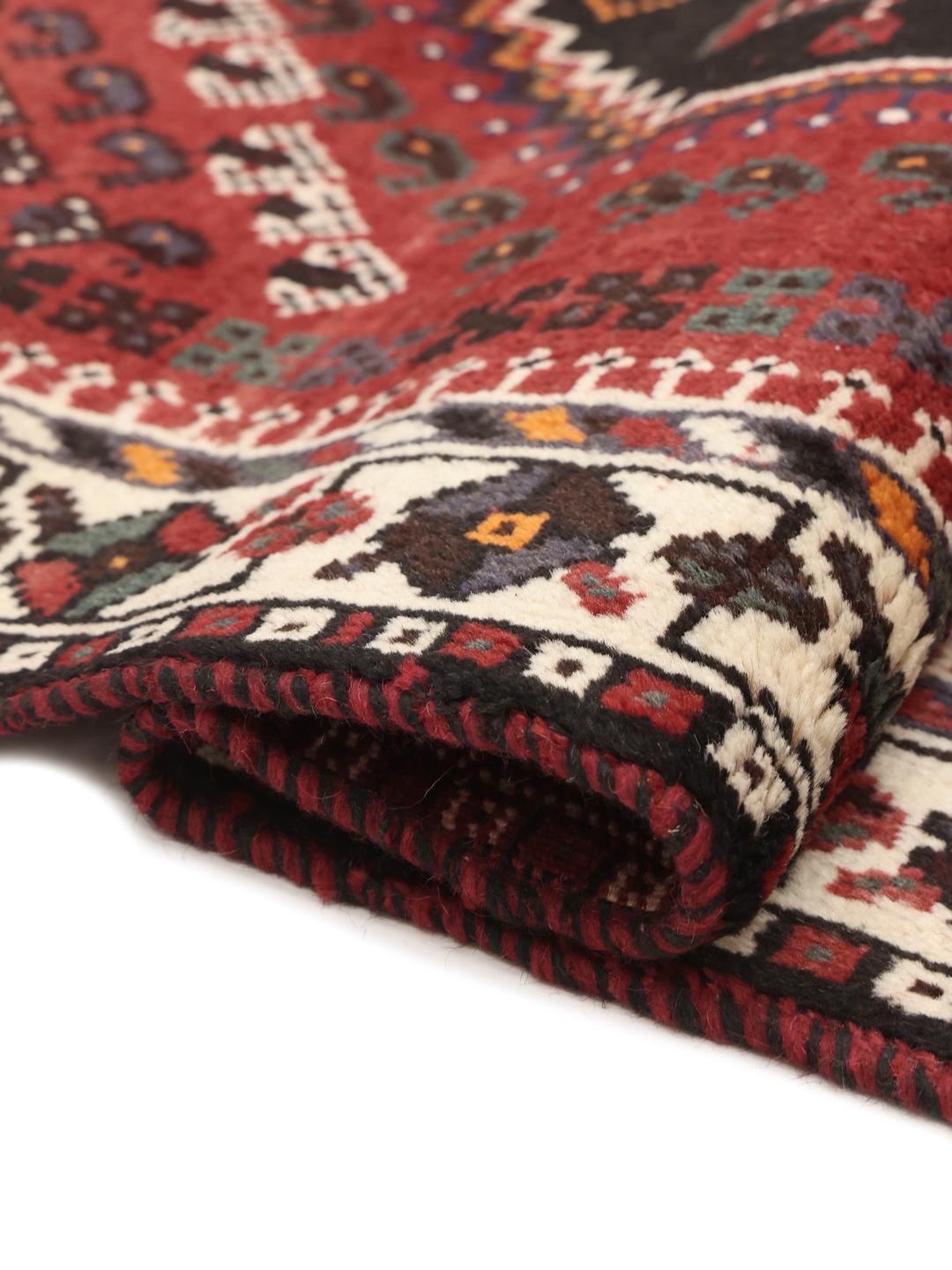
Owning a piece from this tradition is a way to connect with a lineage of craft that has remained largely unchanged for generations. These rugs are highly valued by collectors for their authentic, tribal aesthetic and the undeniable skill required to produce them without the aid of modern technology, making them a meaningful addition to any home.