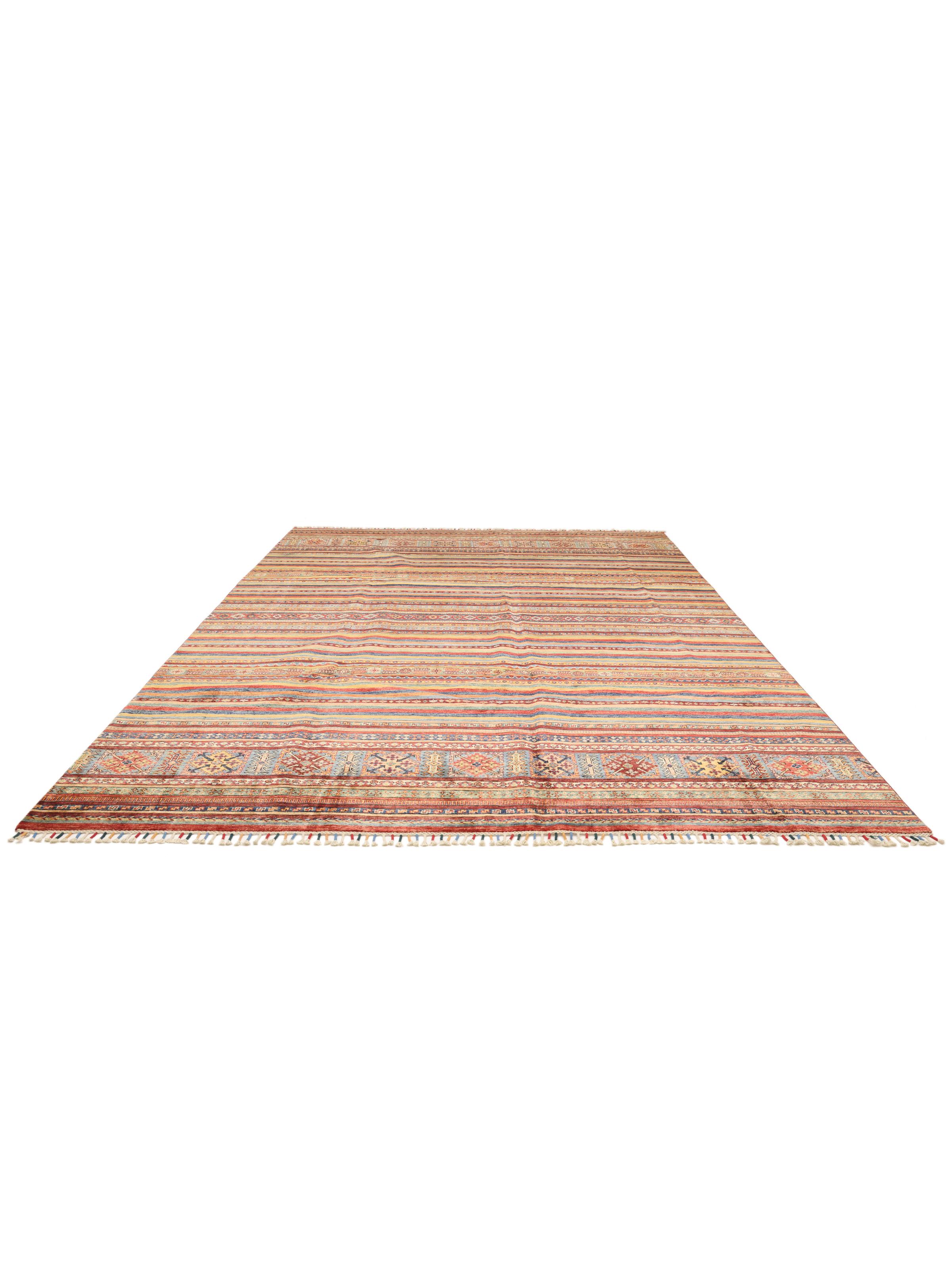
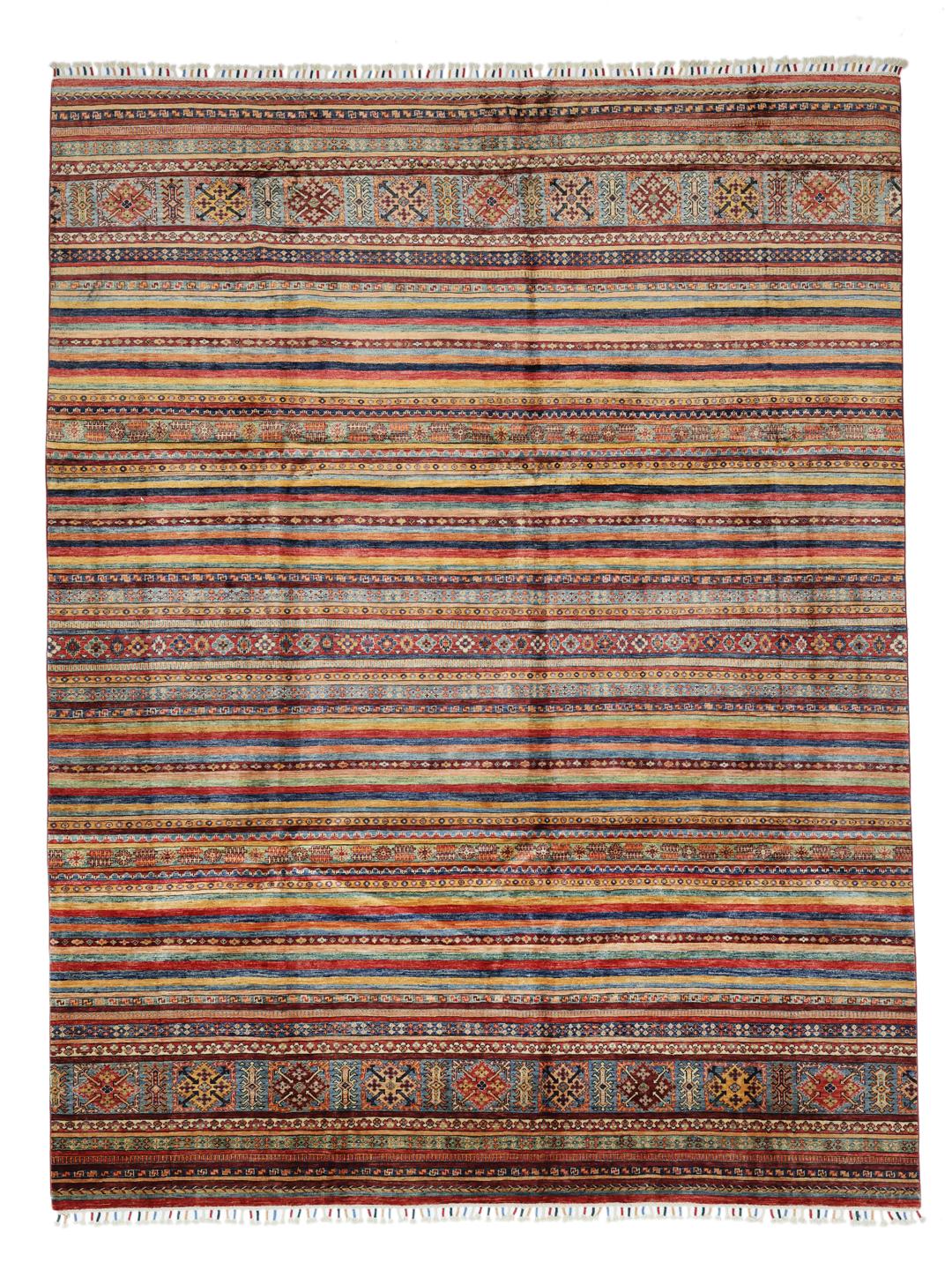
The Shabargan rug tradition is deeply tied to the nomadic and settled weaving cultures of Afghanistan. For generations, these rugs have been crafted in the northern regions of the country, where local traditions have evolved to incorporate both ancient tribal motifs and more structured, linear designs. These rugs are highly regarded for their ability to synthesise regional cultural identity with functional home utility.
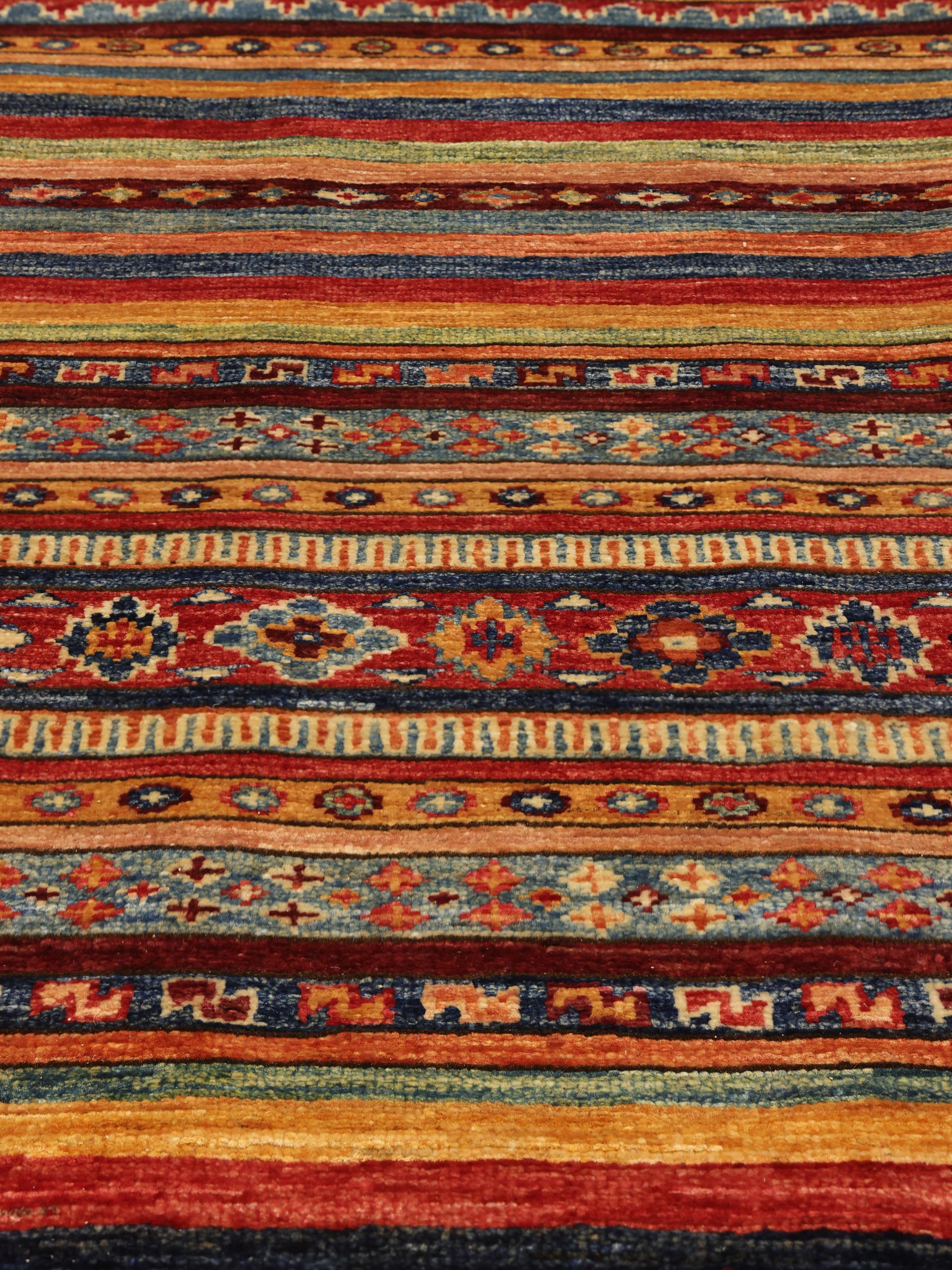
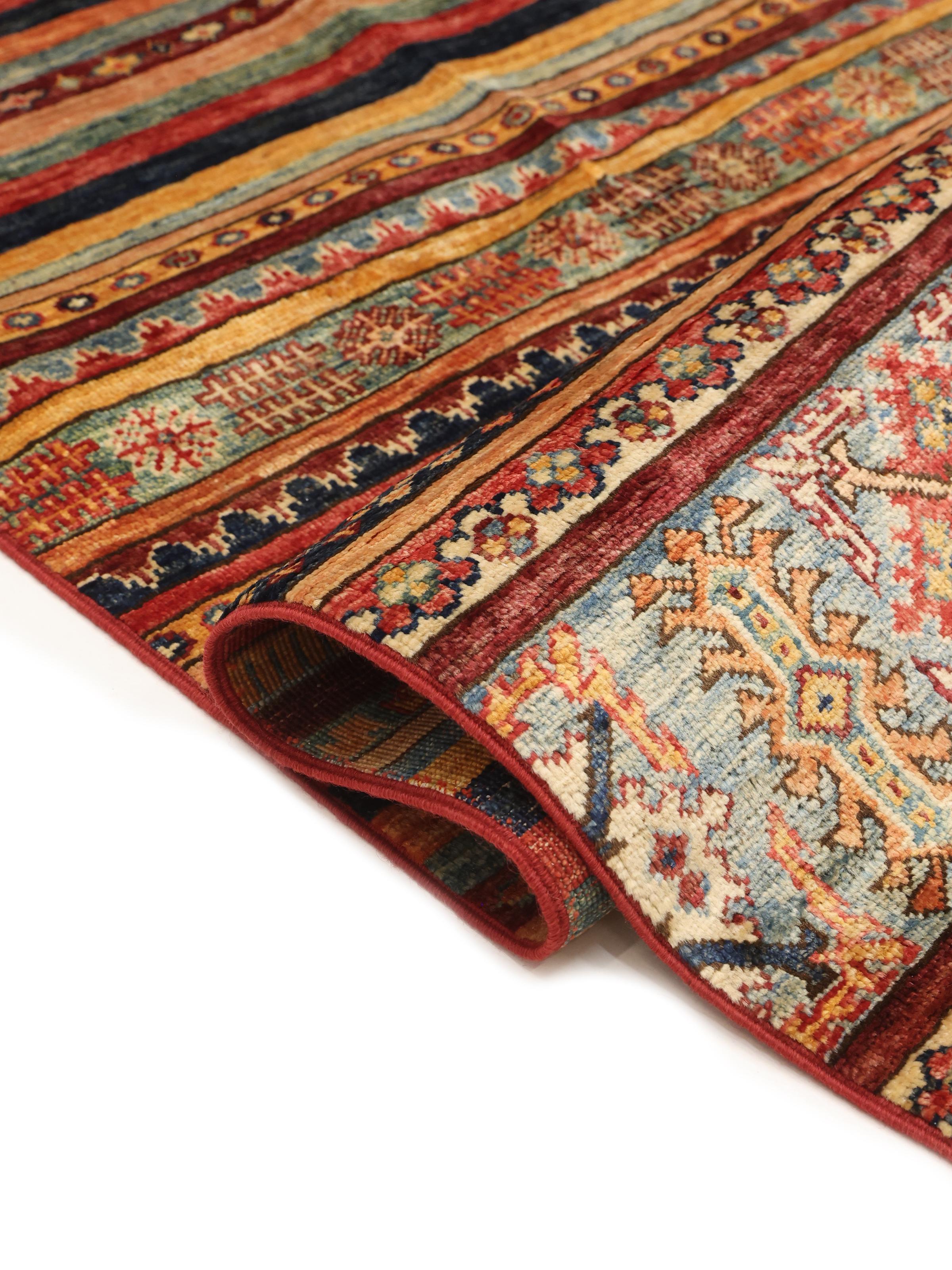
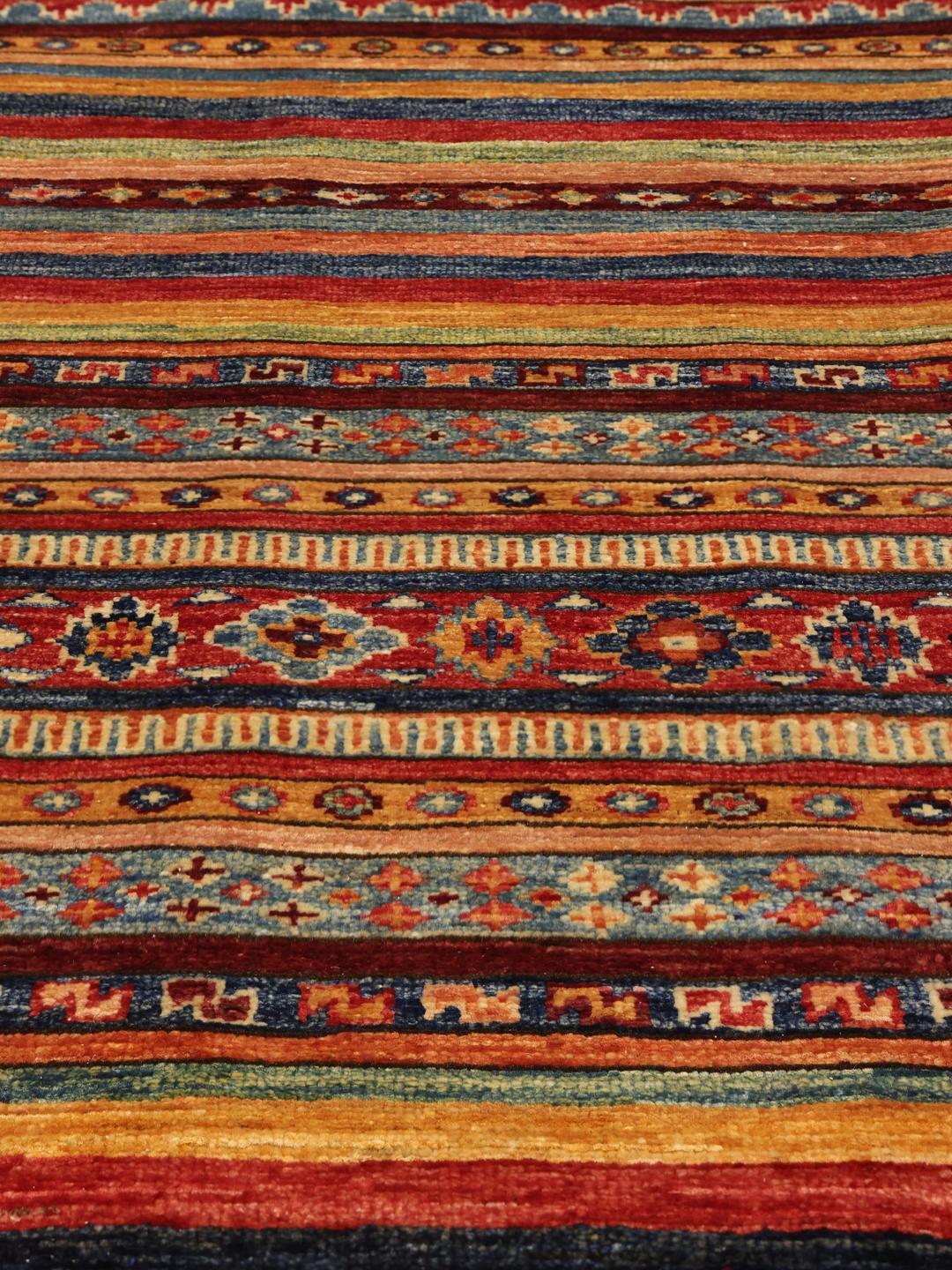
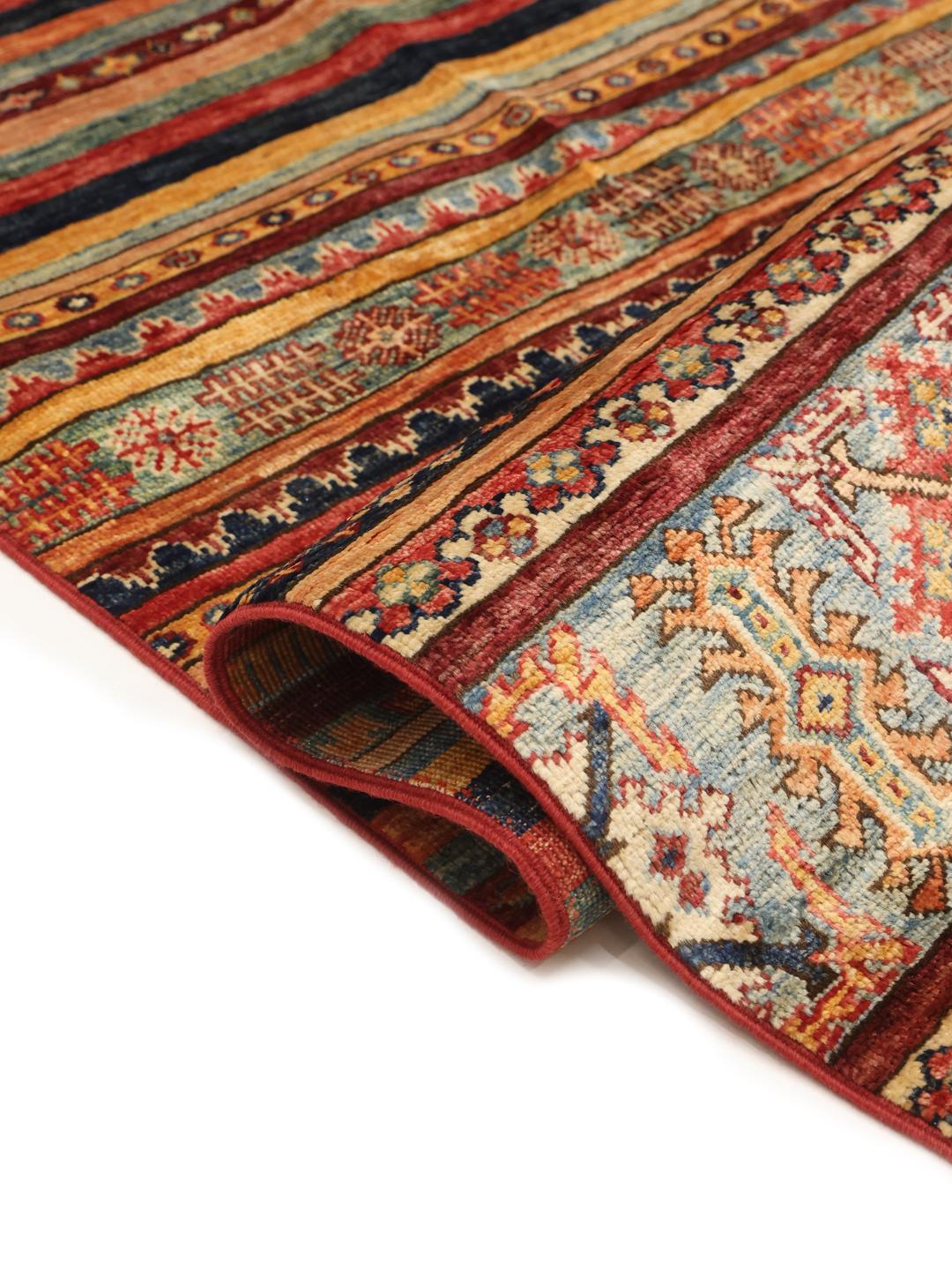
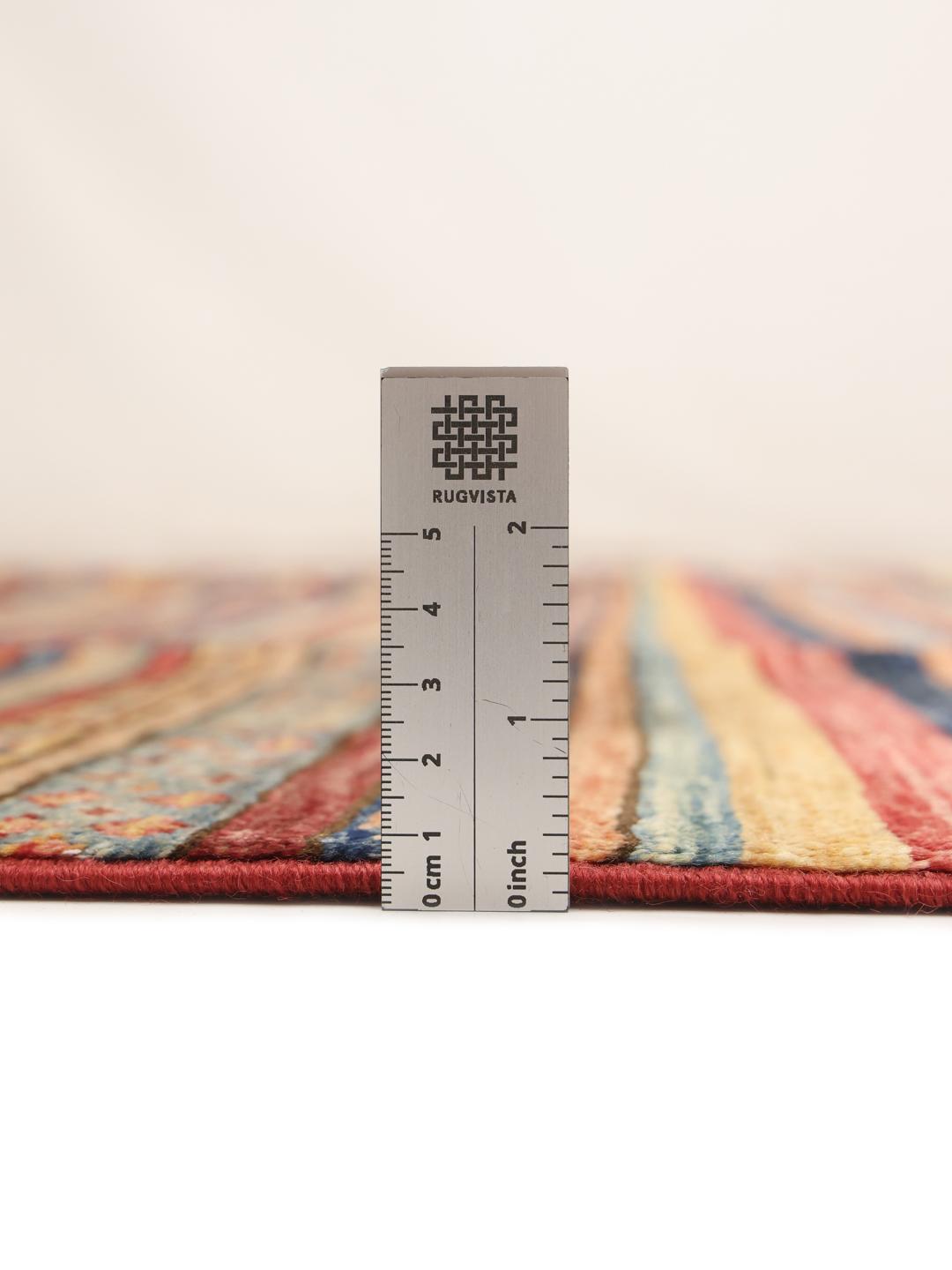
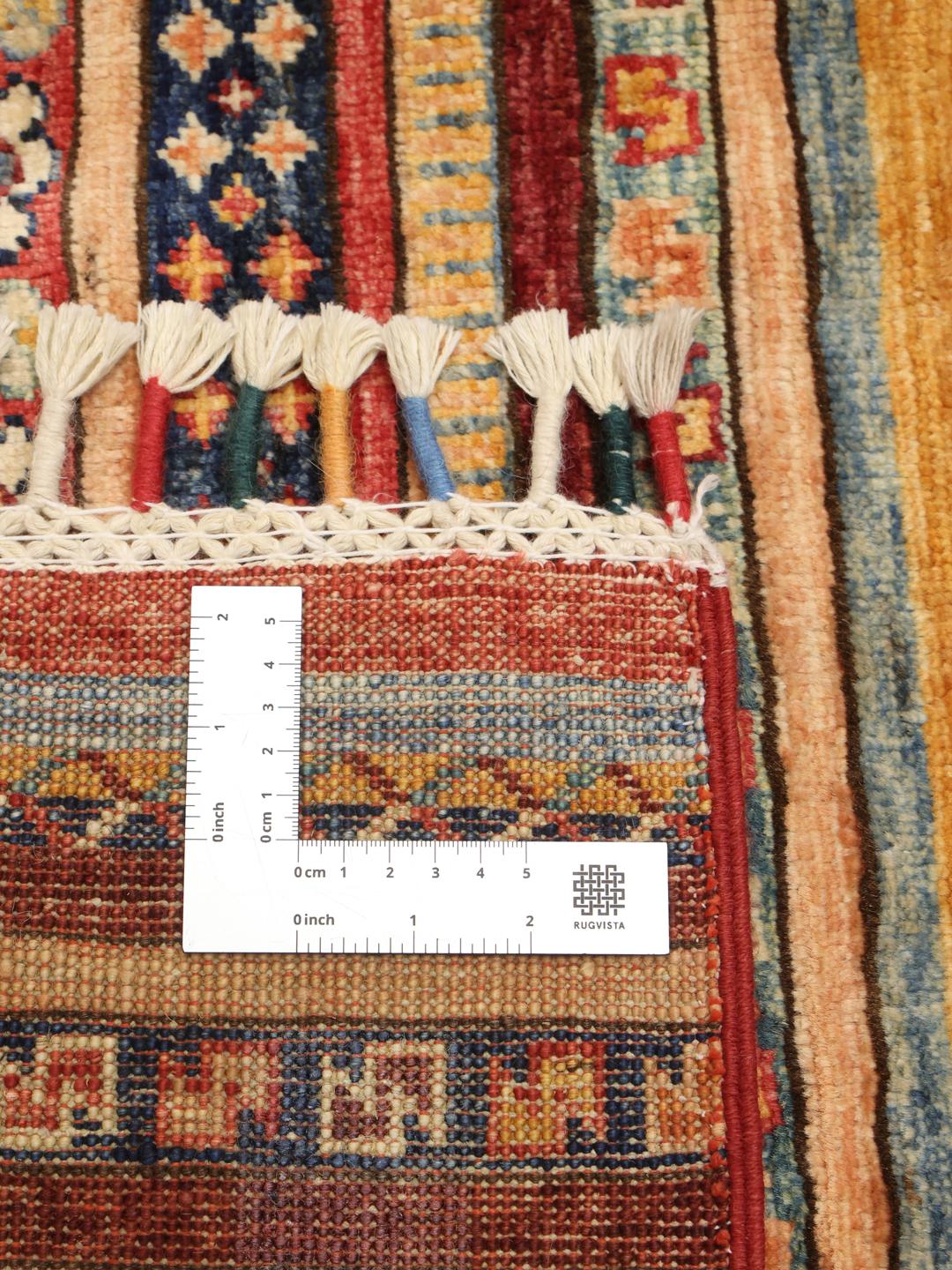
The construction of these rugs relies on traditional techniques passed down through families, where the density and pile height are calibrated to produce a durable and insulating surface. The use of hand-spun wool is central to this craft, as it allows for natural colour variations and a soft, resilient texture that synthetic materials simply cannot replicate. This commitment to traditional construction is what gives these pieces their distinctive weight and feel.
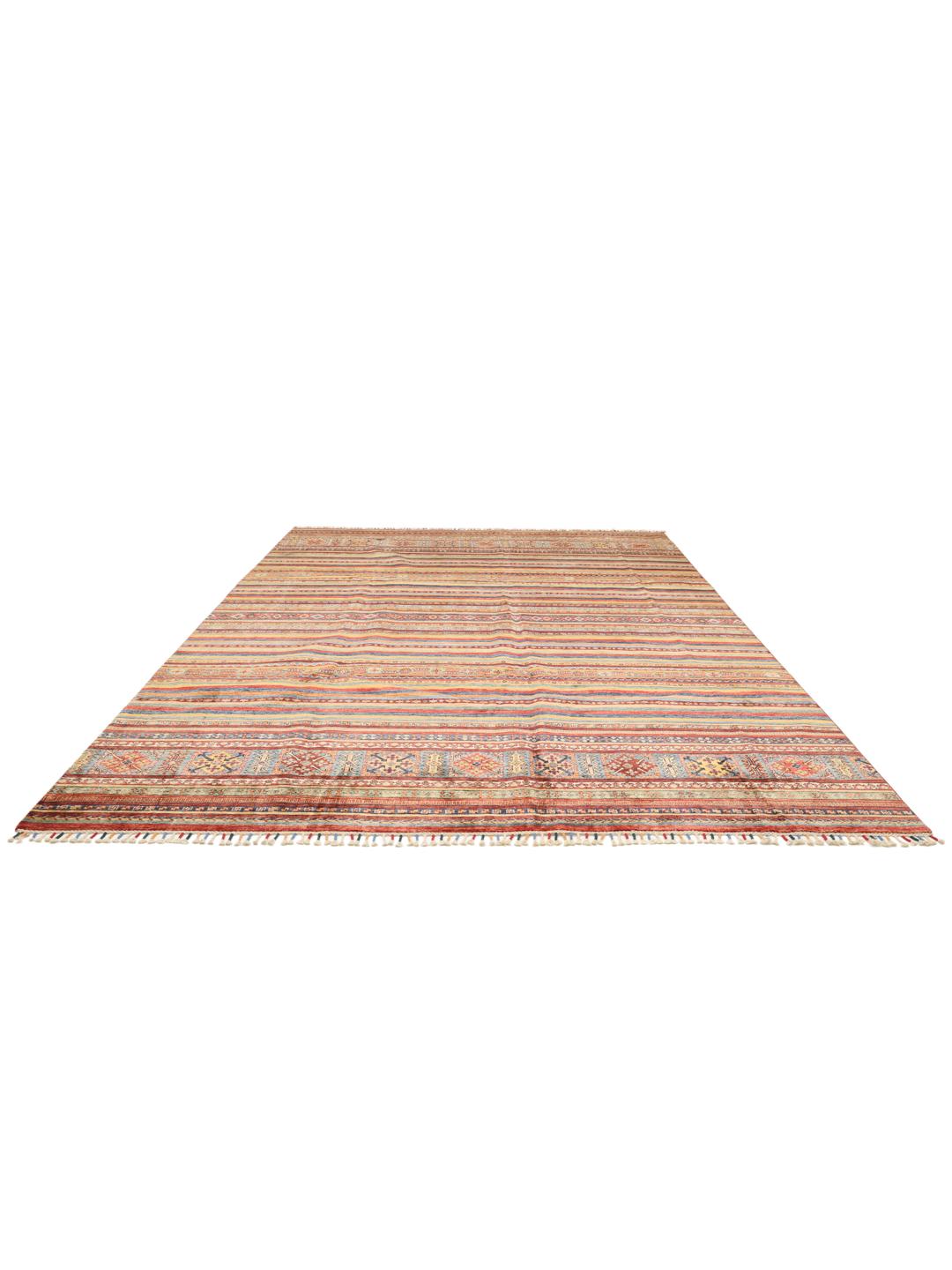
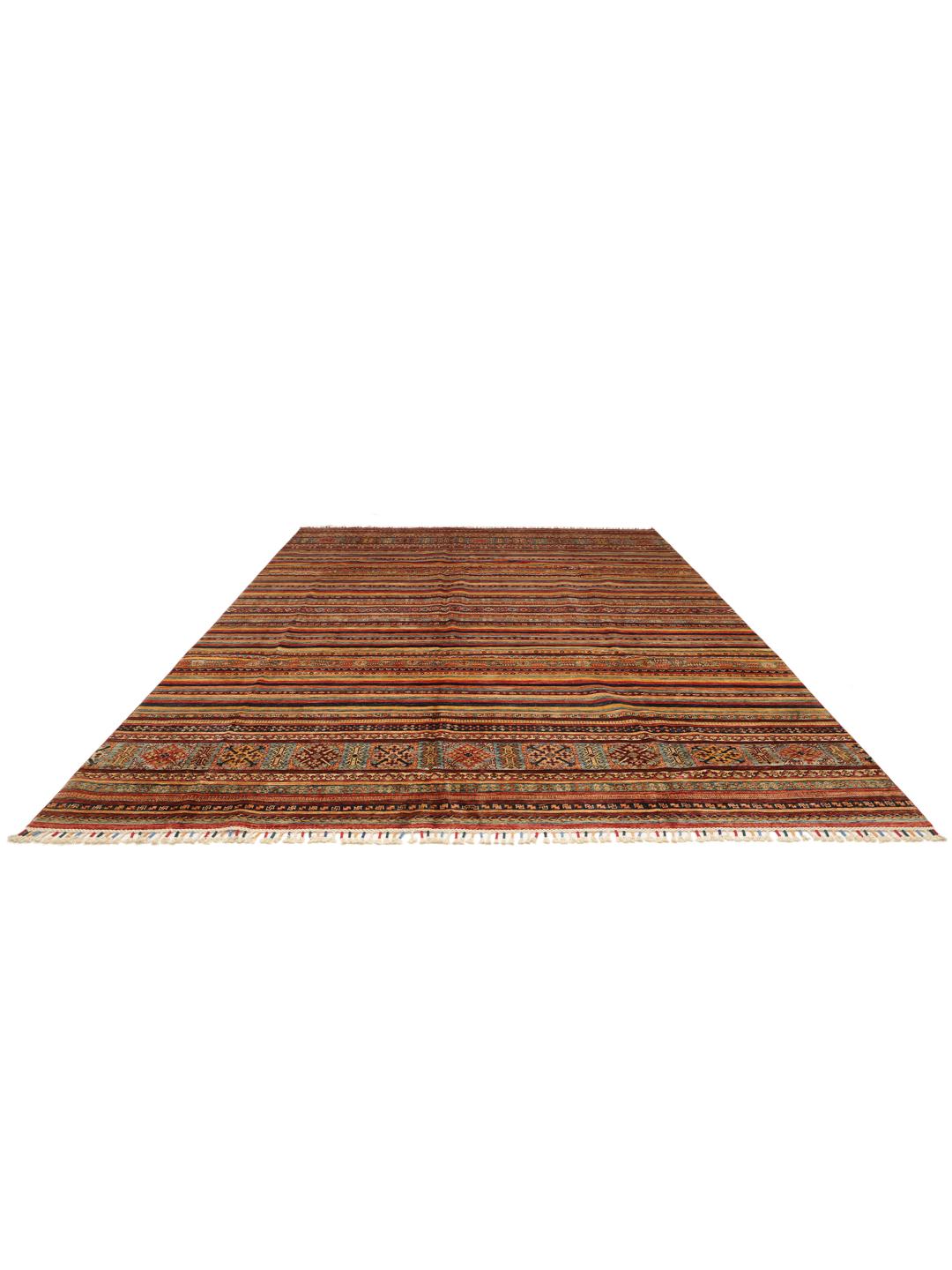
Visually, these rugs are defined by their complex patterns, often featuring a blend of traditional guls or geometric medallions and rhythmic, multi-coloured horizontal bands. These stripes often represent the diverse landscapes and cultural influences of the region, creating a visual language that is both chaotic and harmonious. The borders are typically finished with decorative elements that frame the central field, providing a sense of order to the overall composition.
Collectors value Afghan rugs for their authenticity and the palpable connection they offer to a rich, enduring craft heritage. Owning a piece from this tradition is an investment in human skill and cultural history. These rugs are not merely decorative items but are recognised as lasting legacies that bridge the gap between traditional craftsmanship and the needs of a modern, stylish home.