Afghan rug making is a deeply rooted tradition that reflects the resilience and artistic spirit of the region. For centuries, weavers in Afghanistan have been celebrated for their ability to transform raw, high-quality Wool into durable textiles that carry the cultural narratives of their nomadic and settled communities.
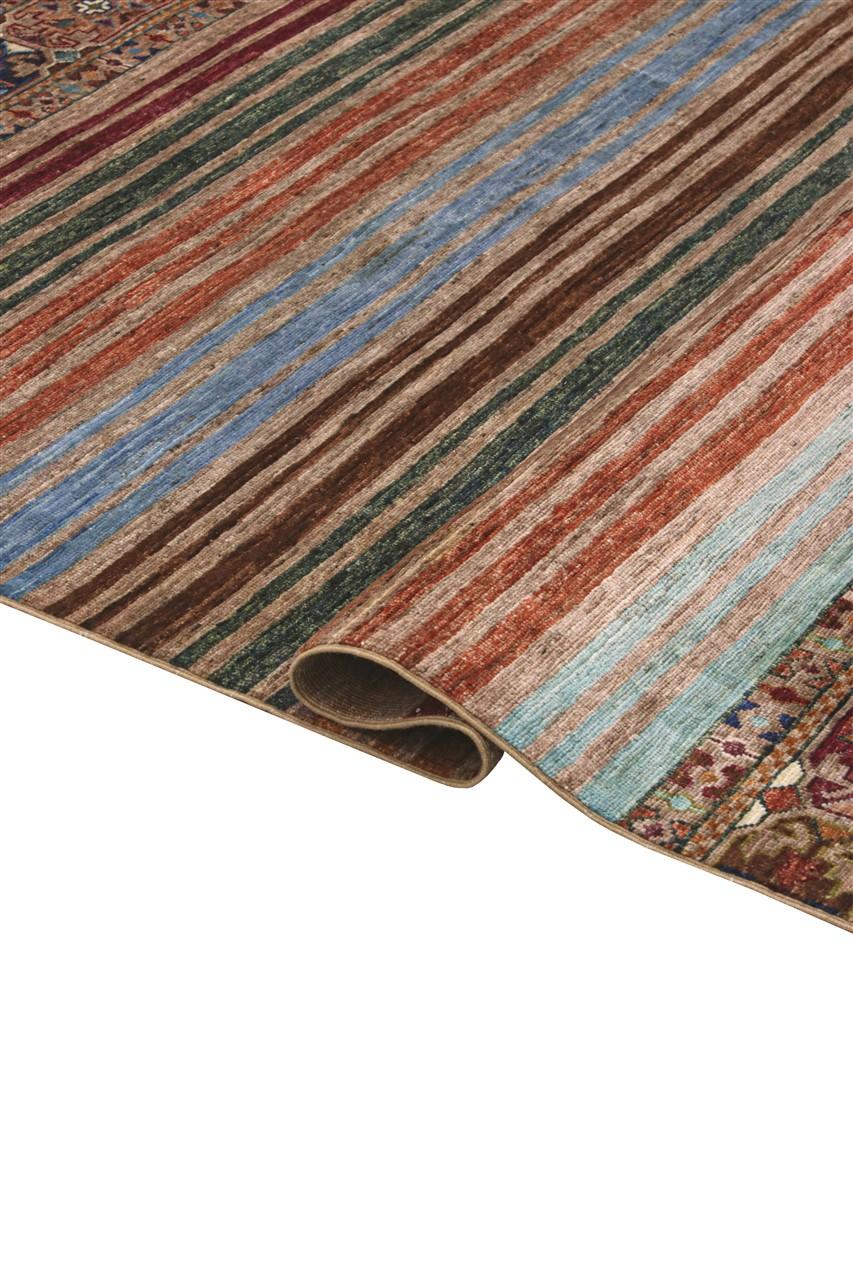
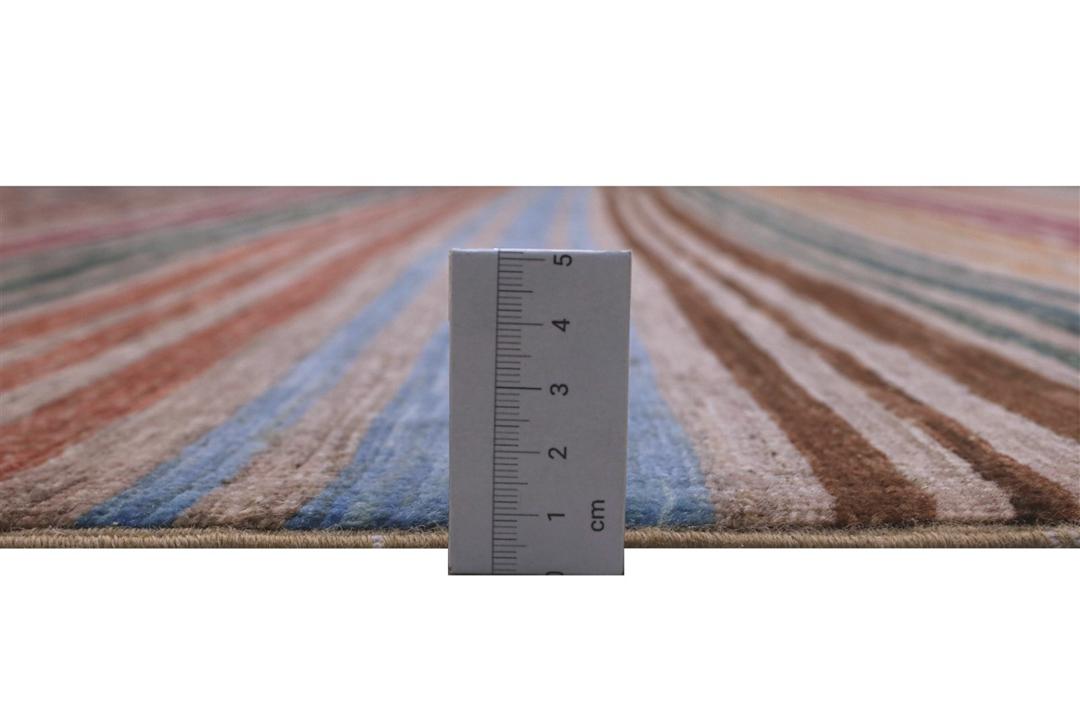
The craftsmanship behind these rugs is defined by a dedication to traditional hand-knotting techniques passed down through generations. This method ensures each piece is not only visually stunning but also built to endure, with a structure that creates a dense and lustrous pile. The choice of Wool is central to this, prized for its natural lanolin content, which provides both a soft touch and inherent resistance to wear.
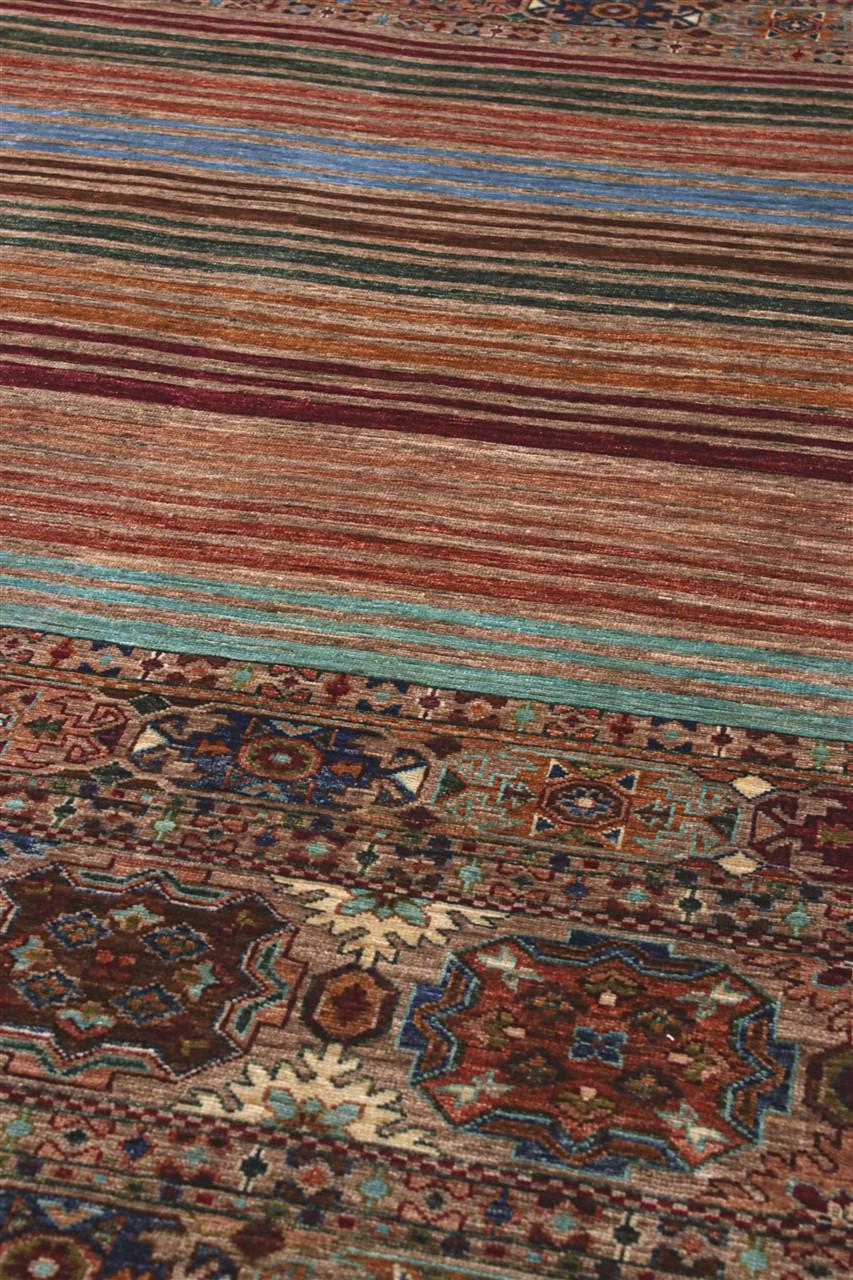
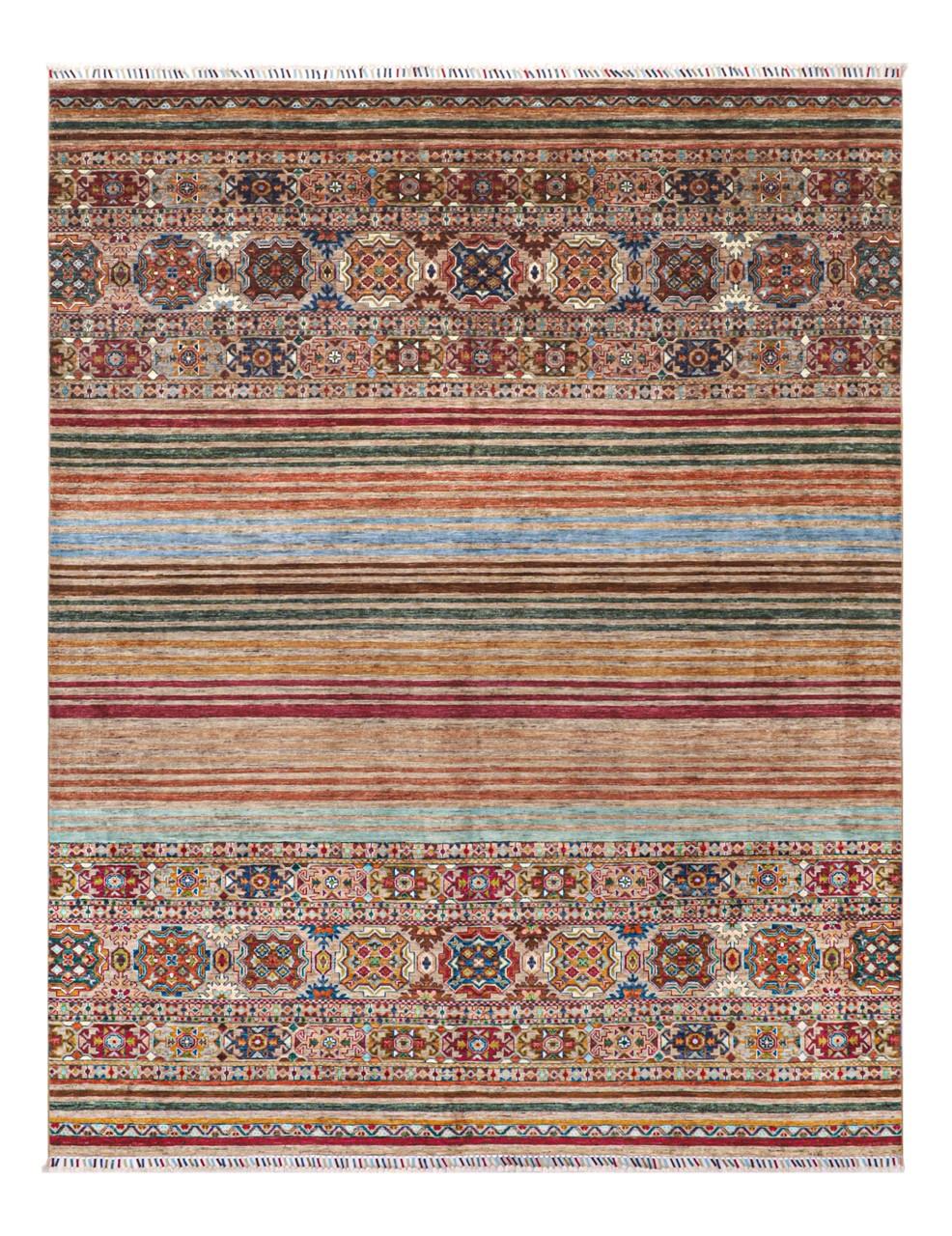
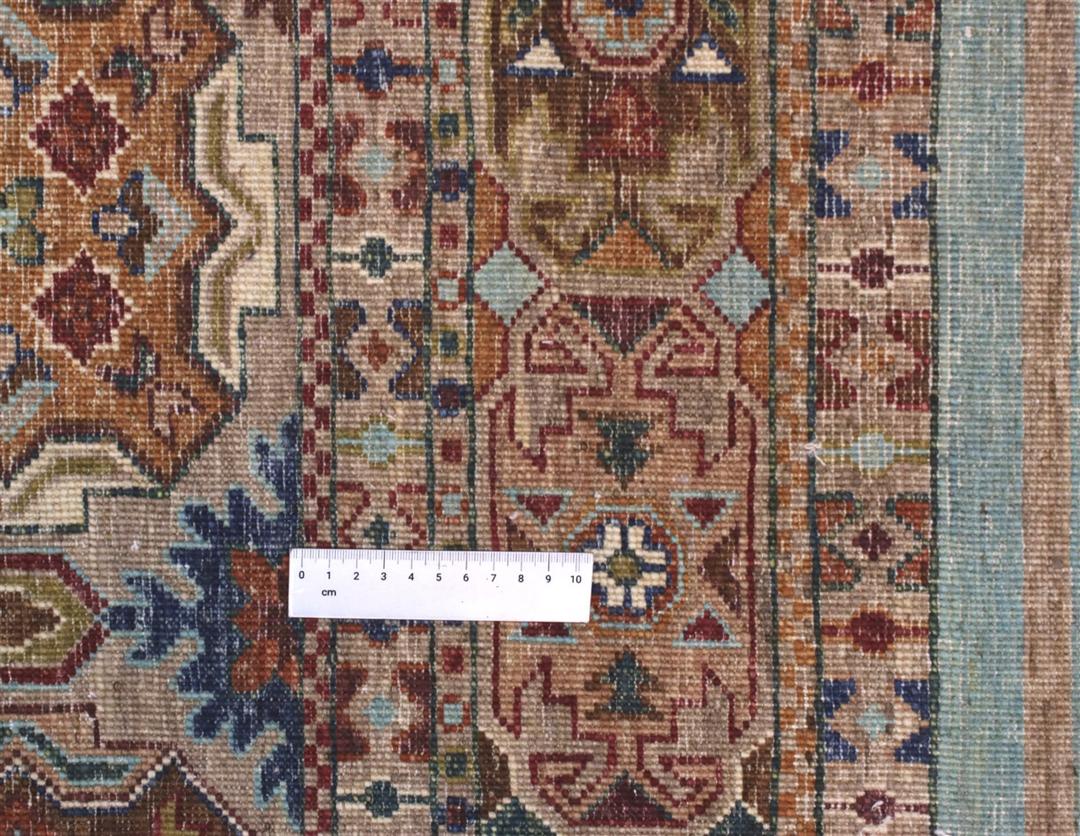
The design of this rug is particularly notable for its combination of wide, colourful stripes and intricate geometric borders. Such patterns are often inspired by local tribal motifs, where each shape and colour choice can hold symbolic meaning. The use of vibrant, harmonious colours is a hallmark of this tradition, reflecting the landscape and the rich history of textile arts in the region.
Collectors value Afghan rugs for their authenticity and the human story woven into every thread. Owning a piece like this is more than just a decor choice; it is an appreciation of a heritage that values skill, time, and the pursuit of beauty. These rugs are considered heirlooms, destined to become more cherished as they age and integrate into the life of a home.