The Heriz region, situated in the northwestern part of the Middle East, is world-renowned for its distinct style of weaving. These rugs are highly prized for their durability and bold, large-scale geometric patterns. The term Serapi is often used to describe the finest, oldest, and most artistic examples of the Heriz tradition, characterised by a more open design and a finer, more sophisticated colour palette compared to standard regional output.
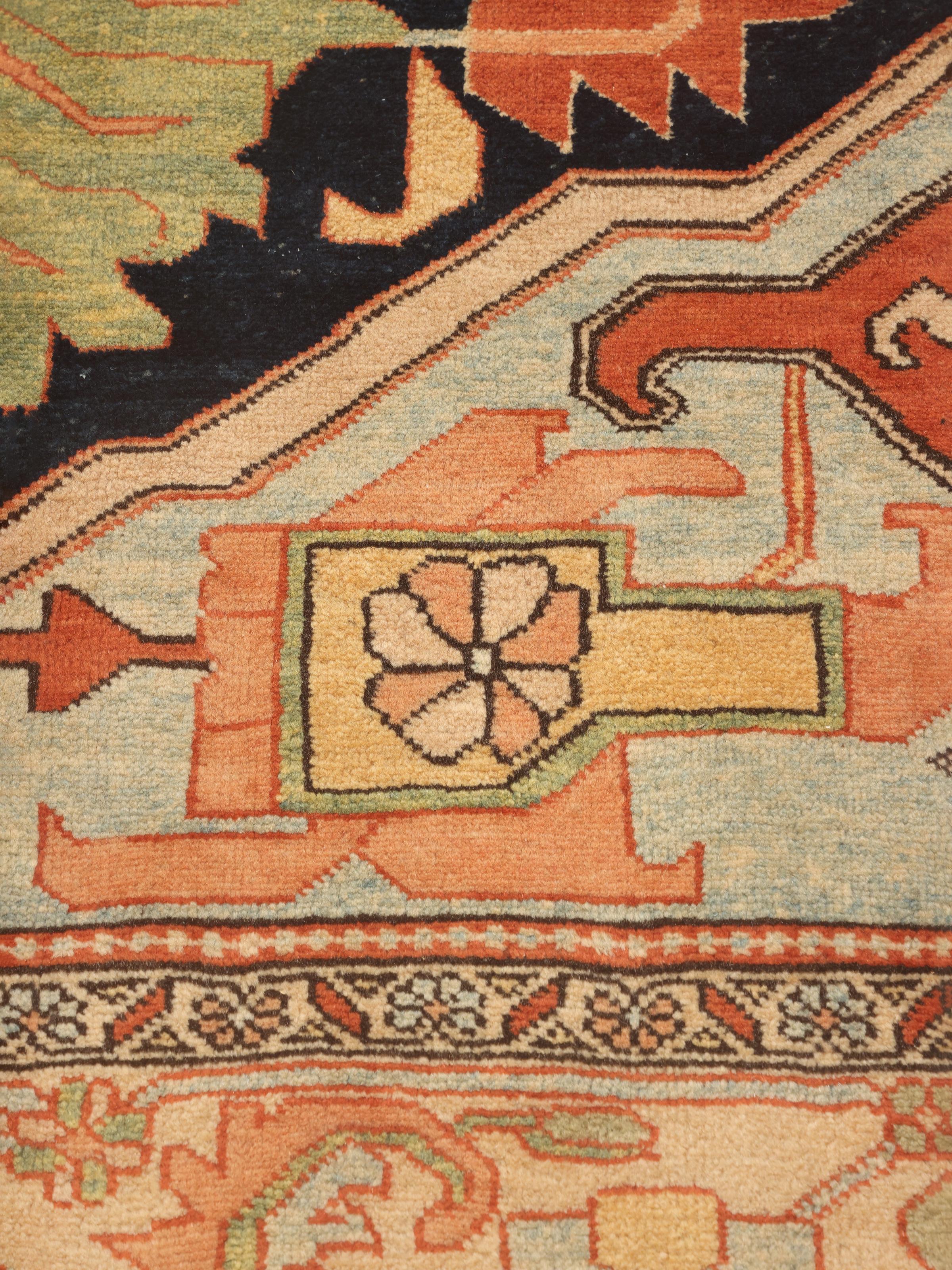
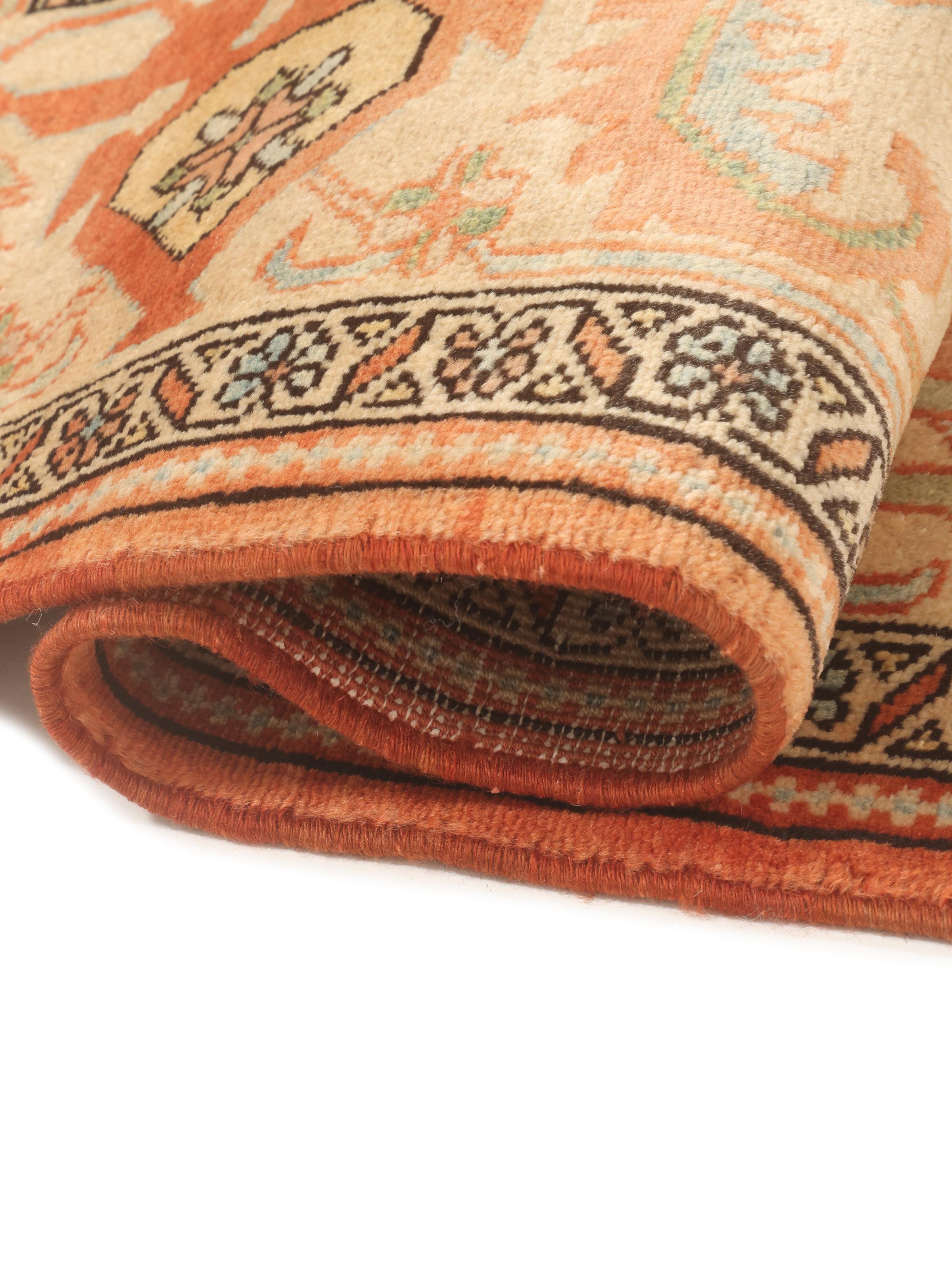
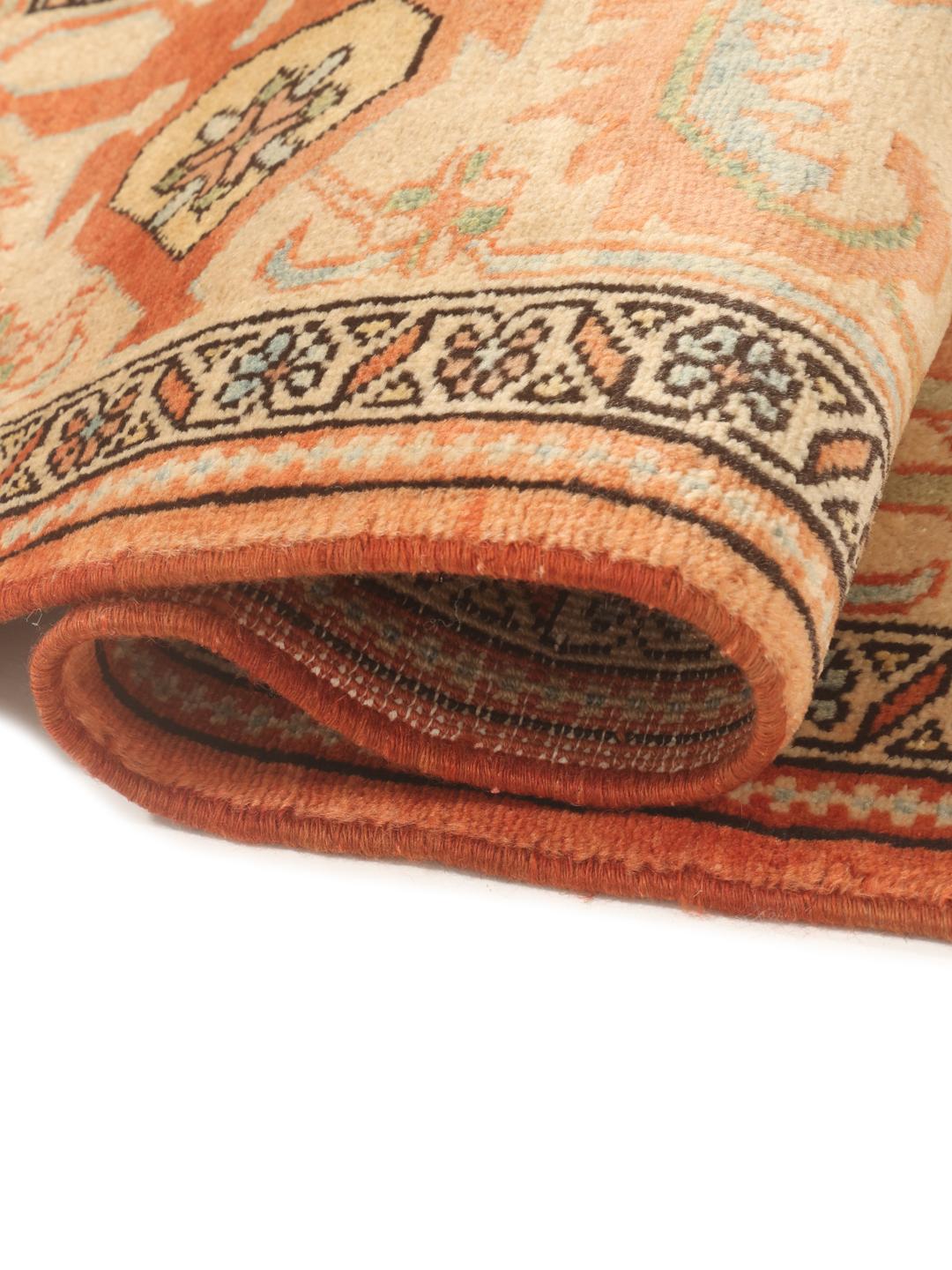
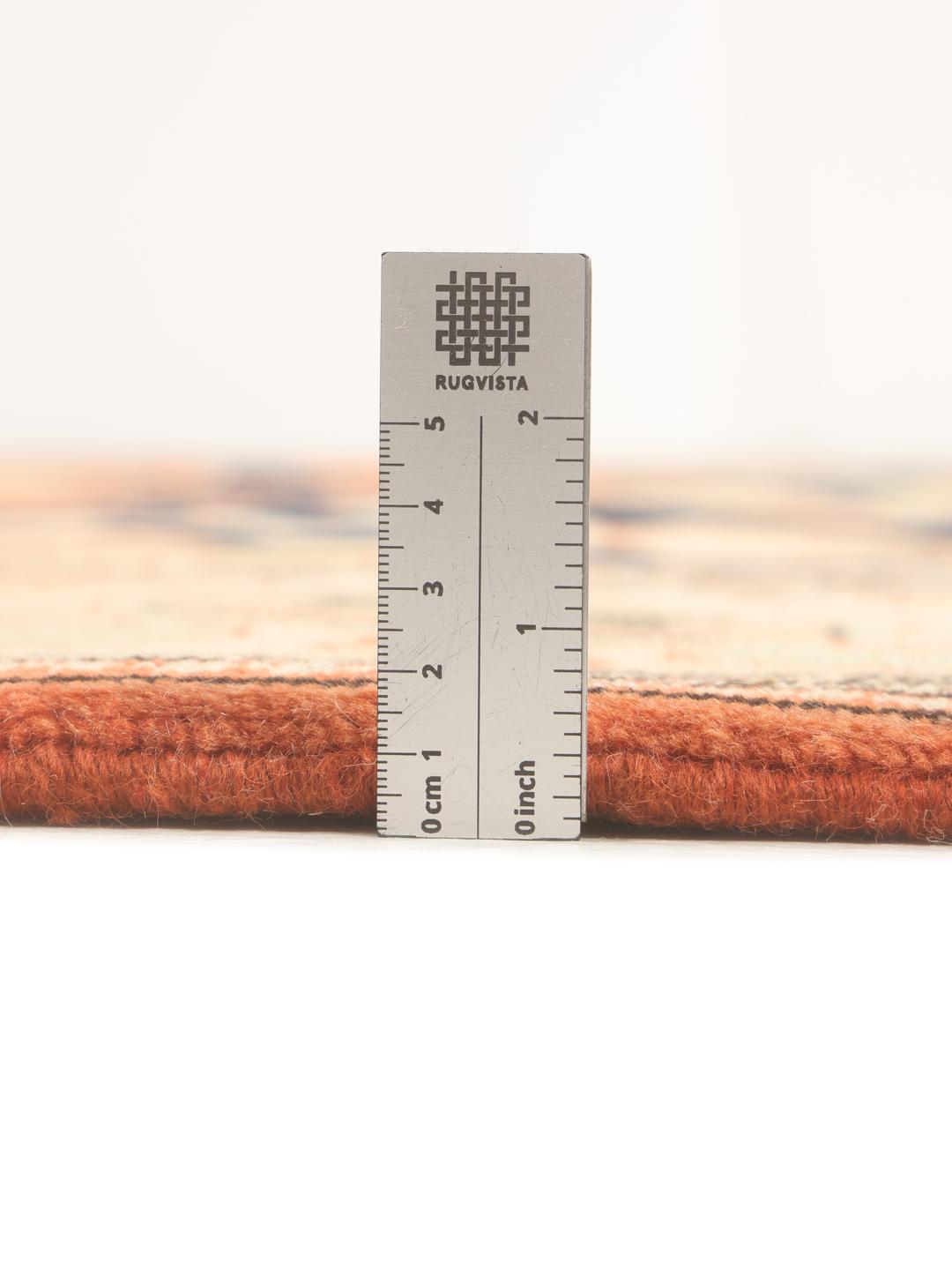
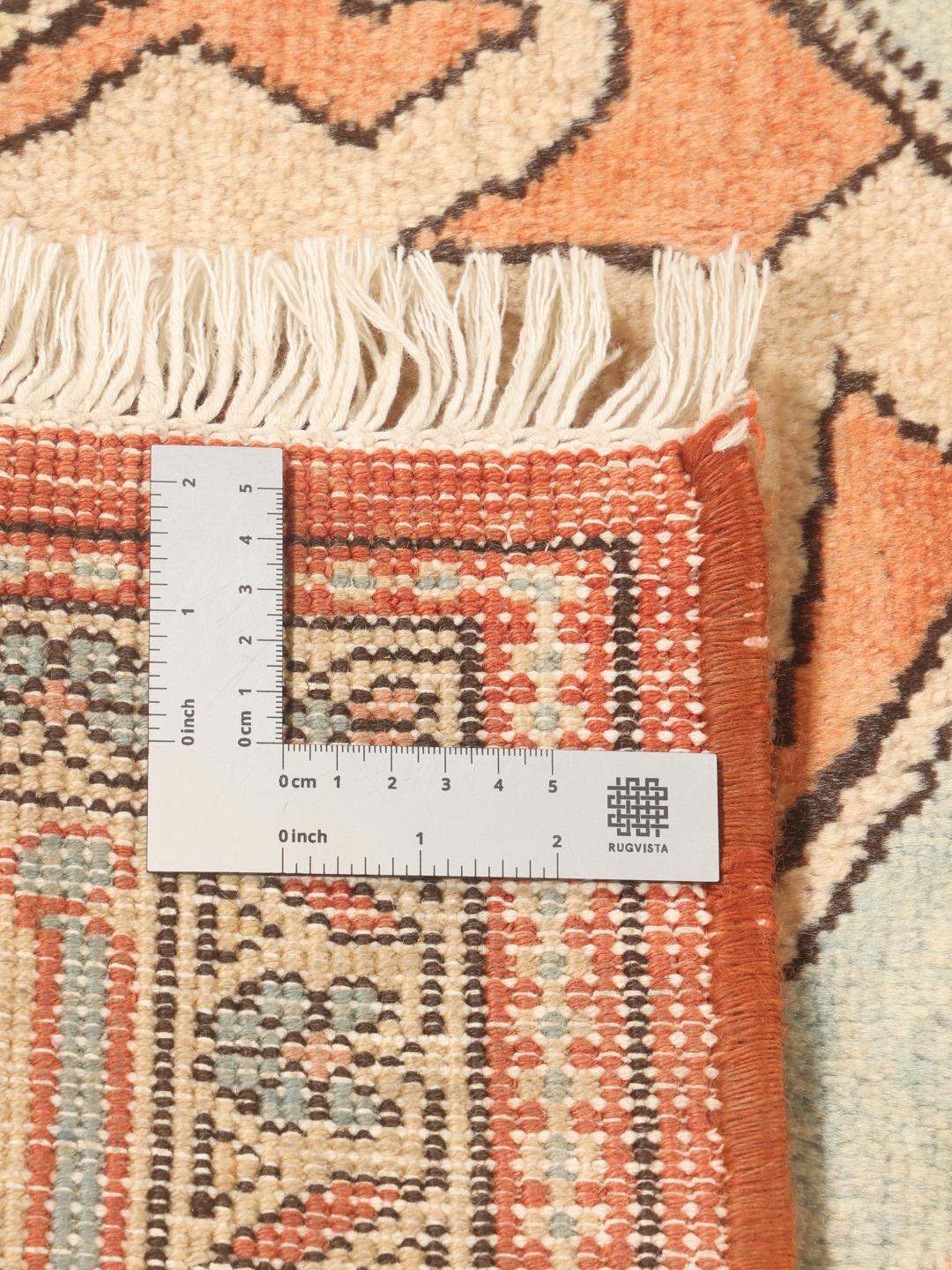
The technical quality of these rugs is rooted in their sturdy foundation. The use of a thick wool pile knotted onto a robust cotton base is a signature of this tradition. This construction is not merely for show; it is designed to endure. The wool is known for its resilience, while the foundation provides the necessary strength to support such a large and heavy weave, ensuring the rug remains stable and durable over decades of use.
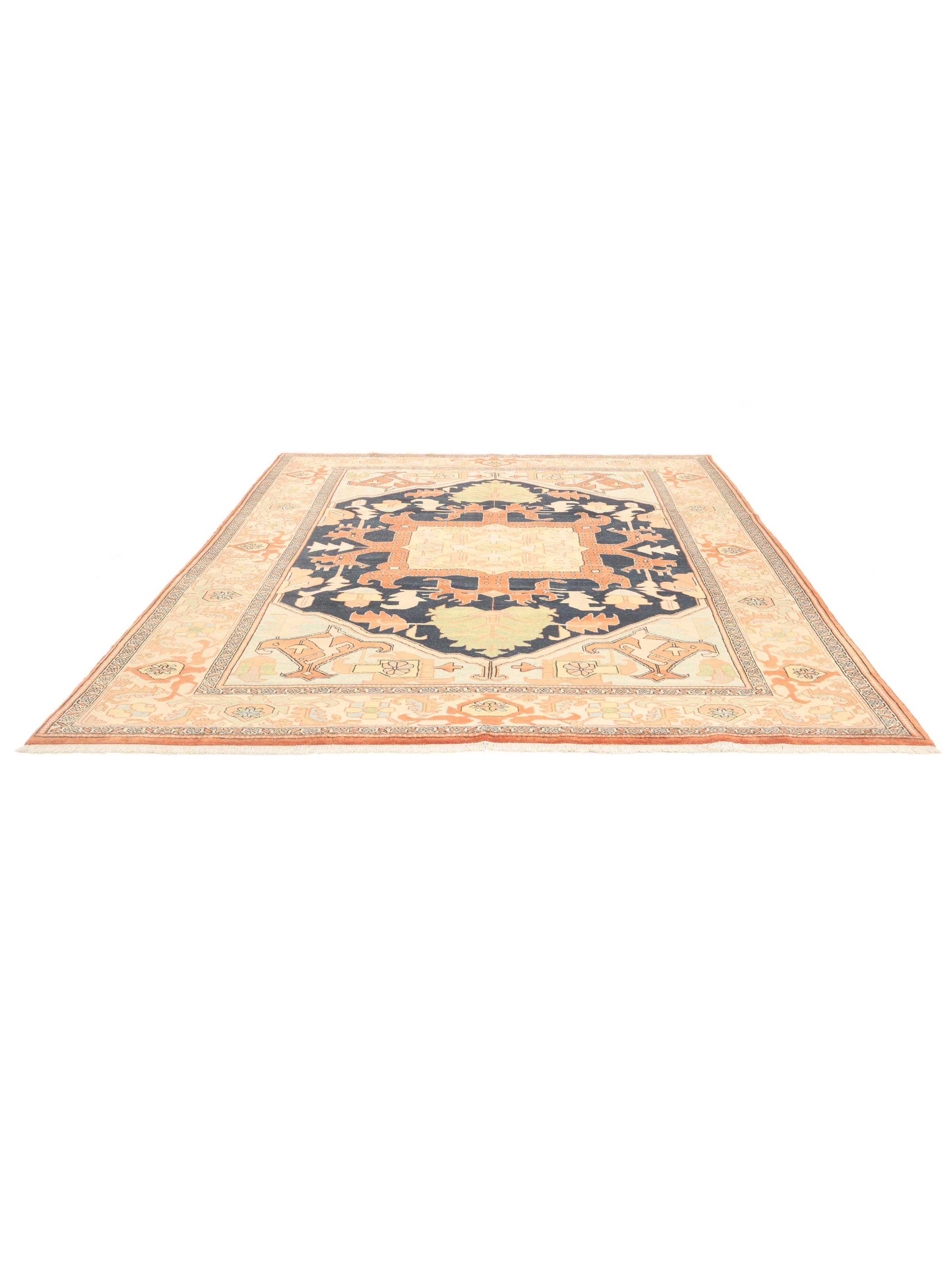
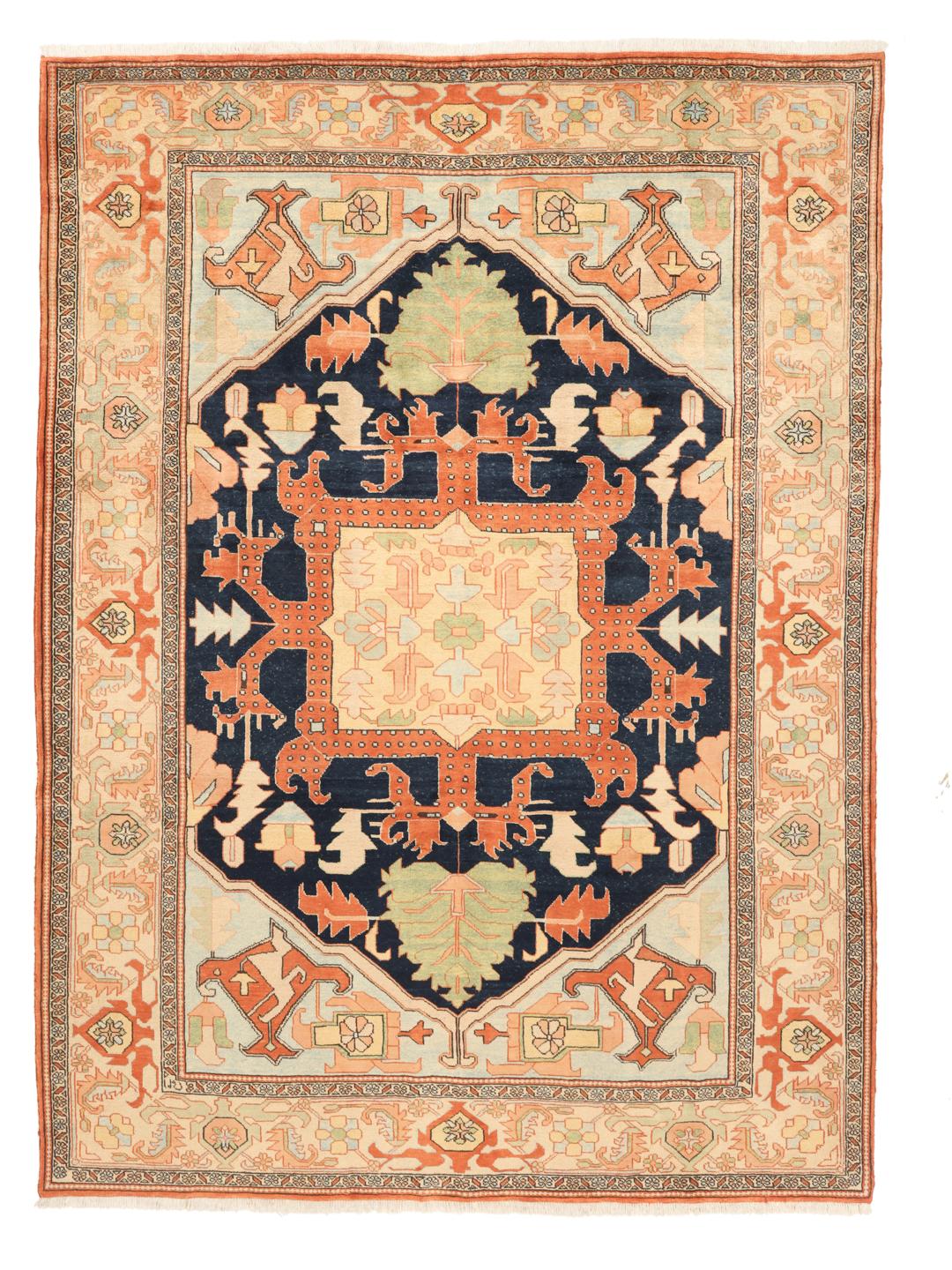
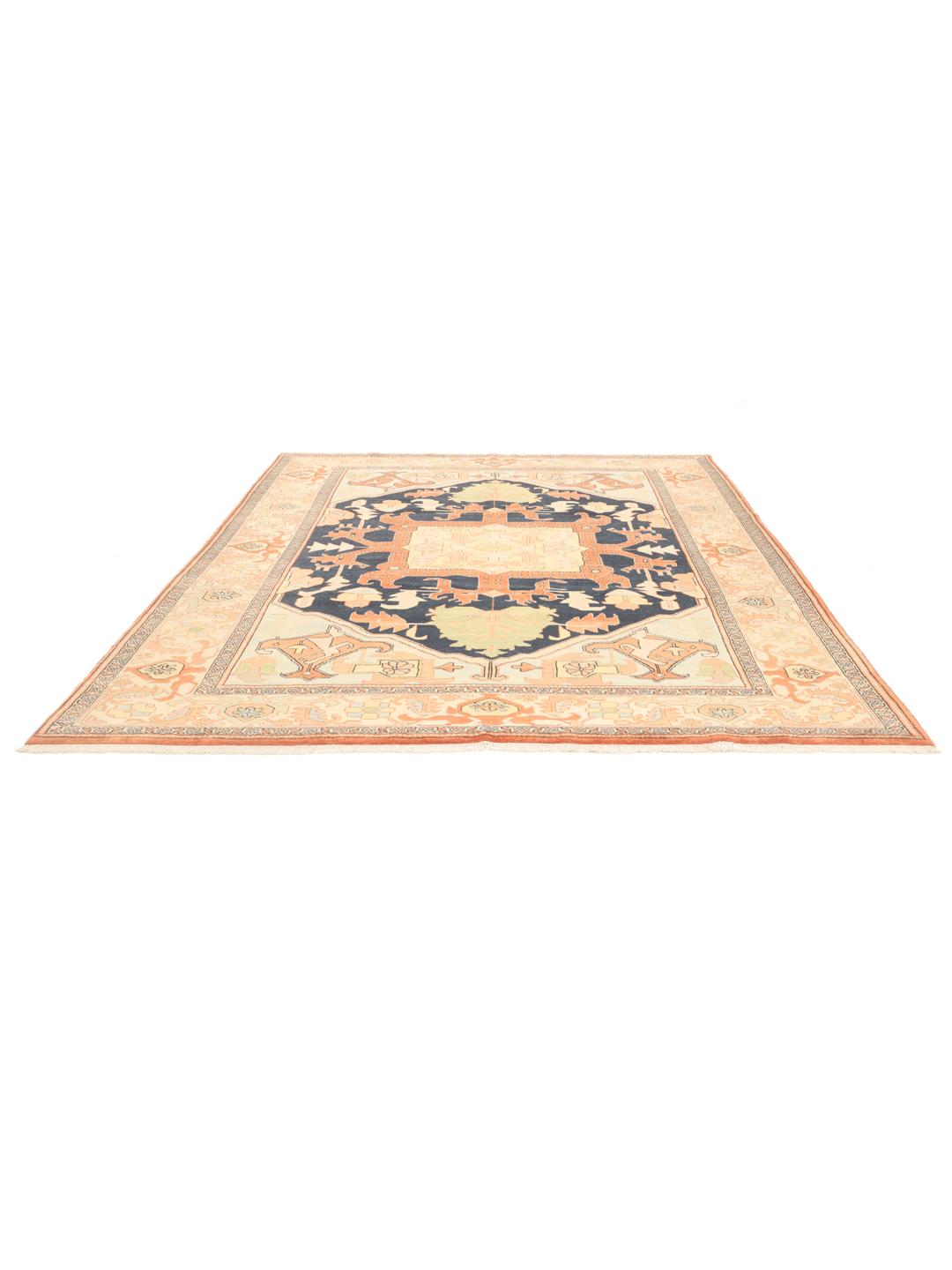
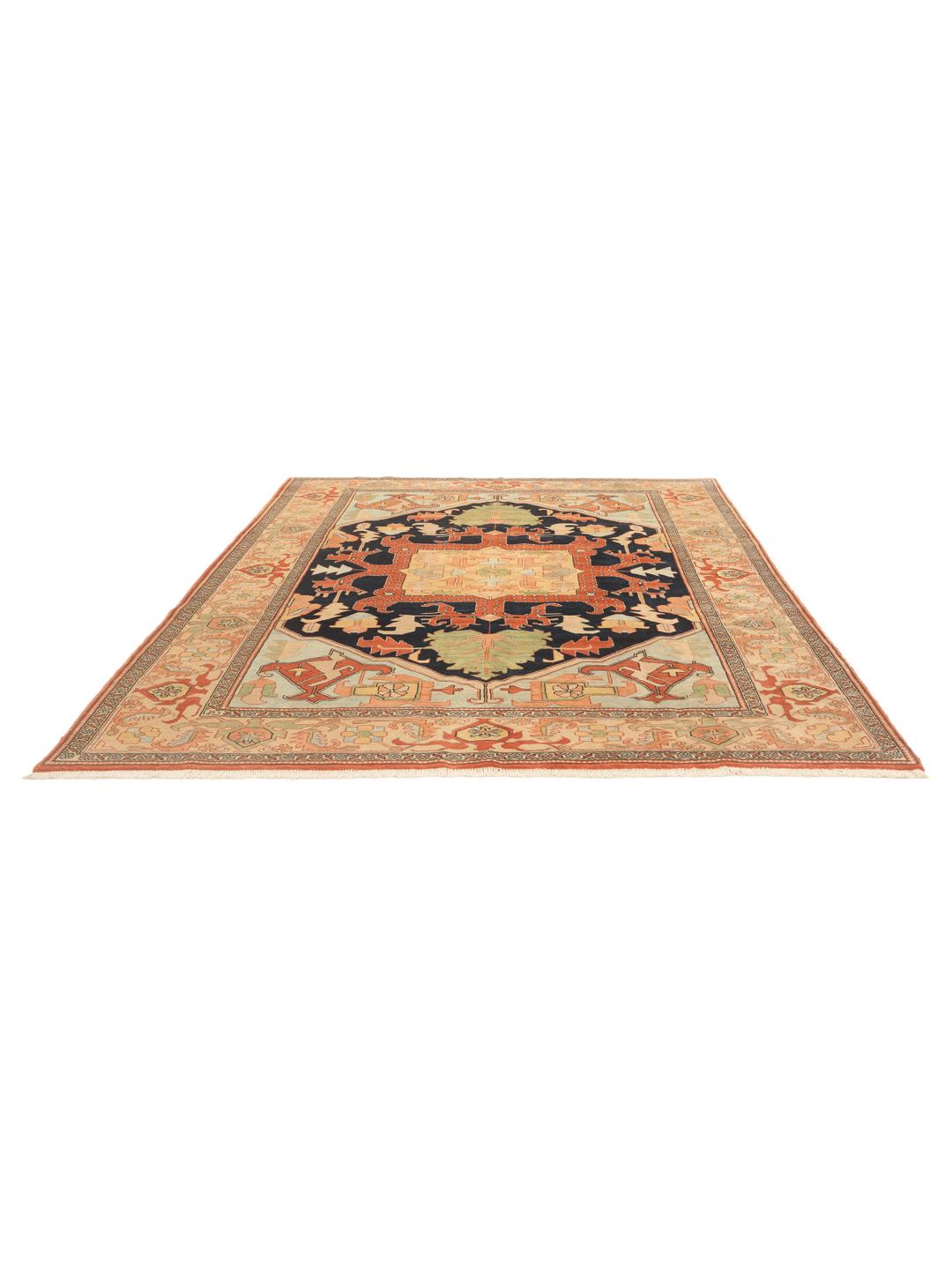
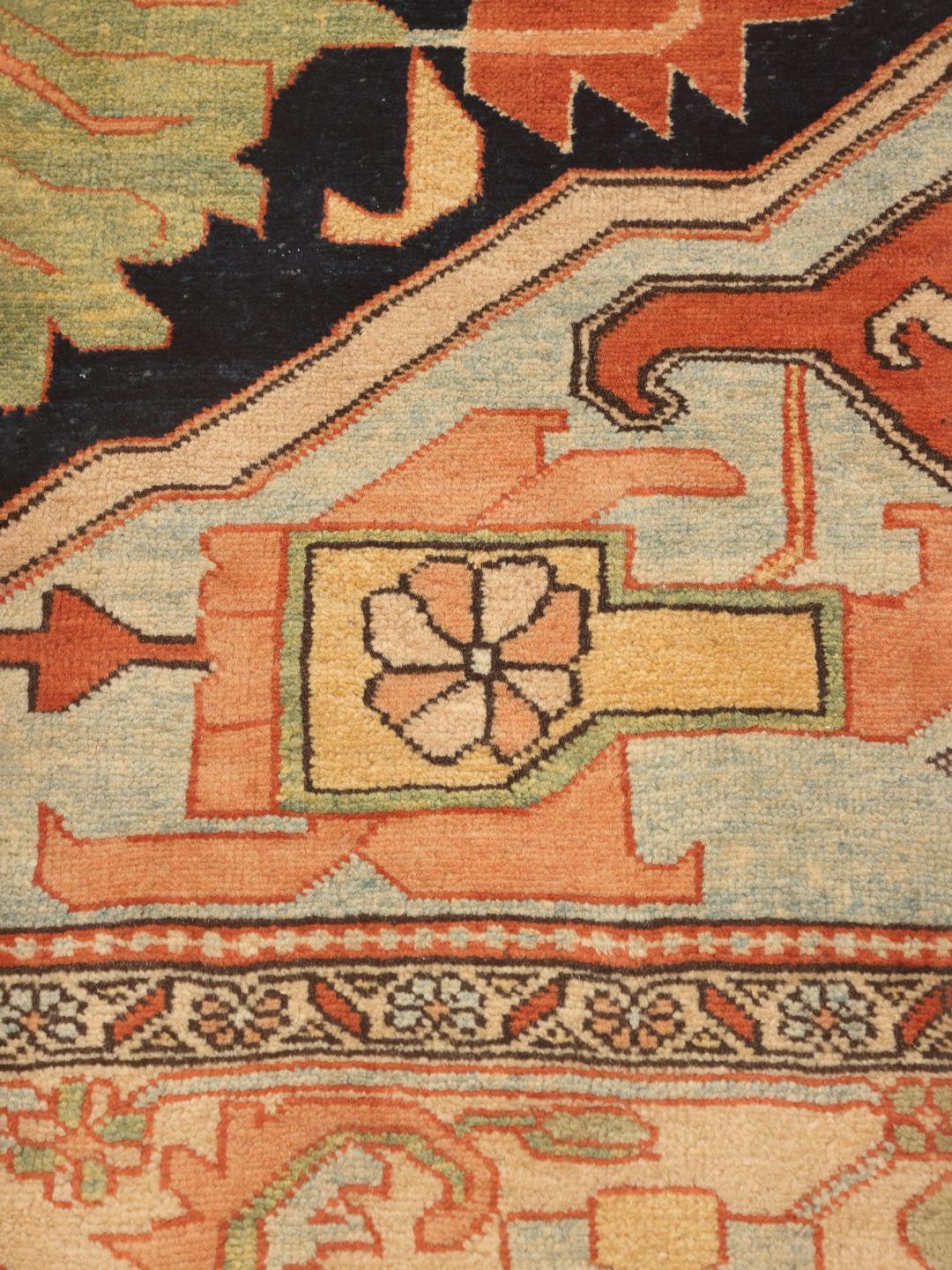
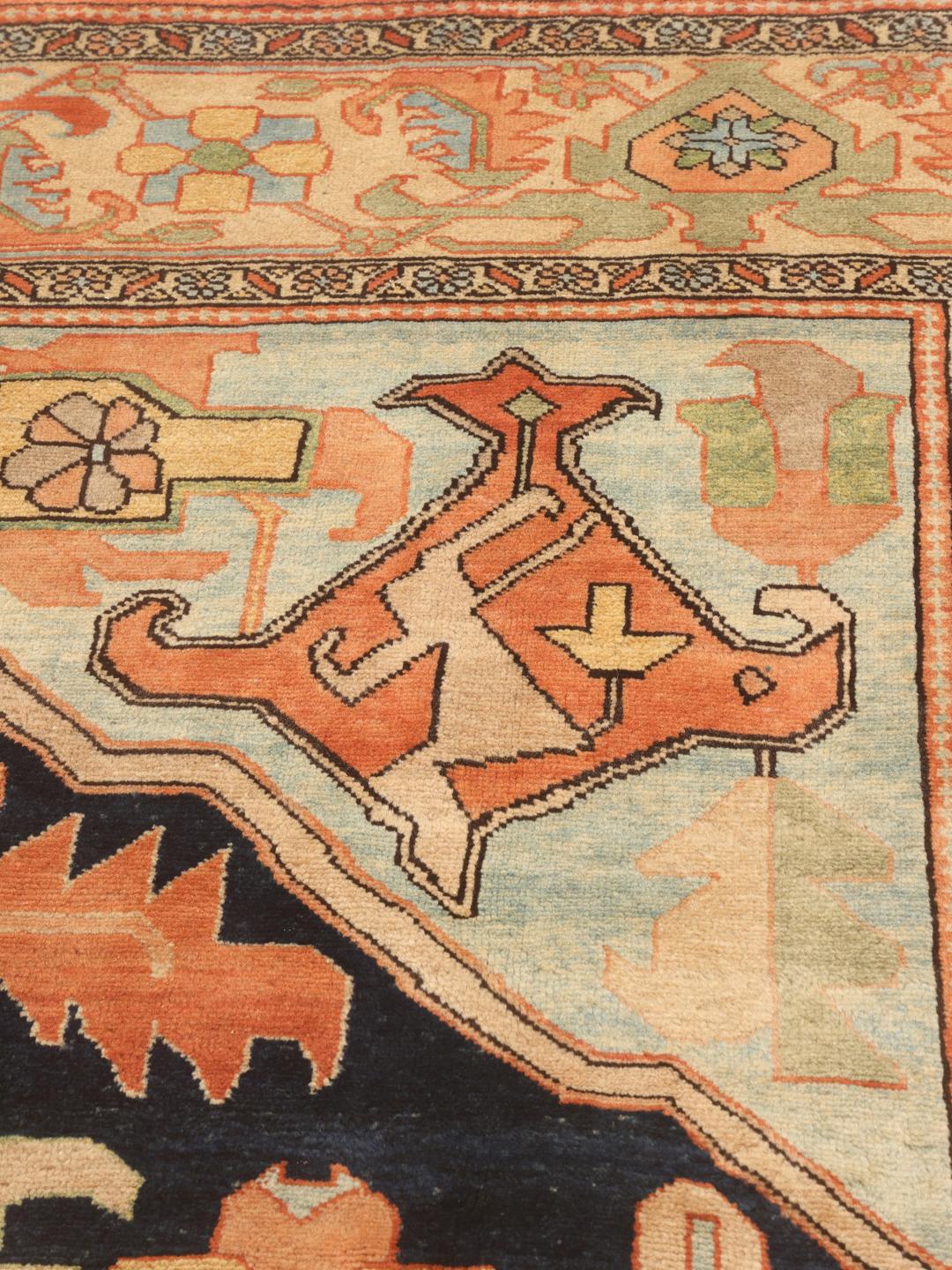
Visually, the Heriz Serapi is famous for its massive, stylized medallion that often dominates the field. The motifs are deeply symbolic, drawing from centuries of local folklore and artistic heritage. The borders are typically wide and filled with complex, repeating patterns that frame the central design, creating a sense of order and balance. The colours are traditionally derived from natural dyes, giving them a depth and complexity that subtly change with the light.
Collecting a Serapi rug is an investment in cultural heritage. These pieces are not just functional floor coverings but represent a specific moment in time and the skill of a master weaver. Their popularity among collectors stems from the unique blend of rustic strength and elegant design. Owning such a rug is a mark of appreciation for the history, the human effort, and the artistic vision that defines this storied tradition.