Senneh rugs originate from the region surrounding the city of Sanandaj, formerly known as Senneh, in the western part of the Middle East. This area has long been a hub for highly skilled weavers who are celebrated for their ability to create rugs with exceptional detail and refined floral motifs. The tradition is deeply embedded in the local culture, where generations of weavers have honed their craft to produce pieces that are as much about storytelling as they are about utility.
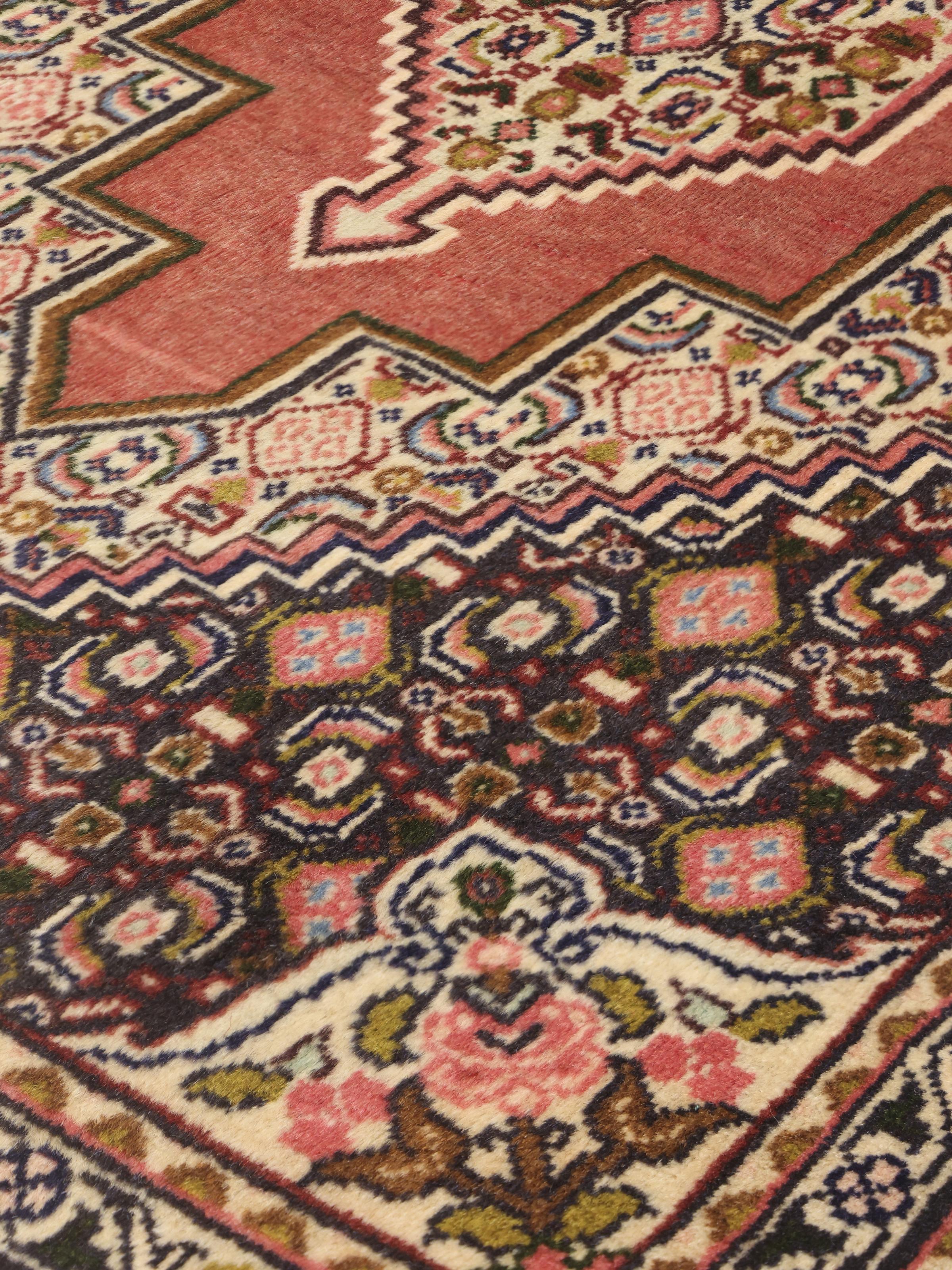
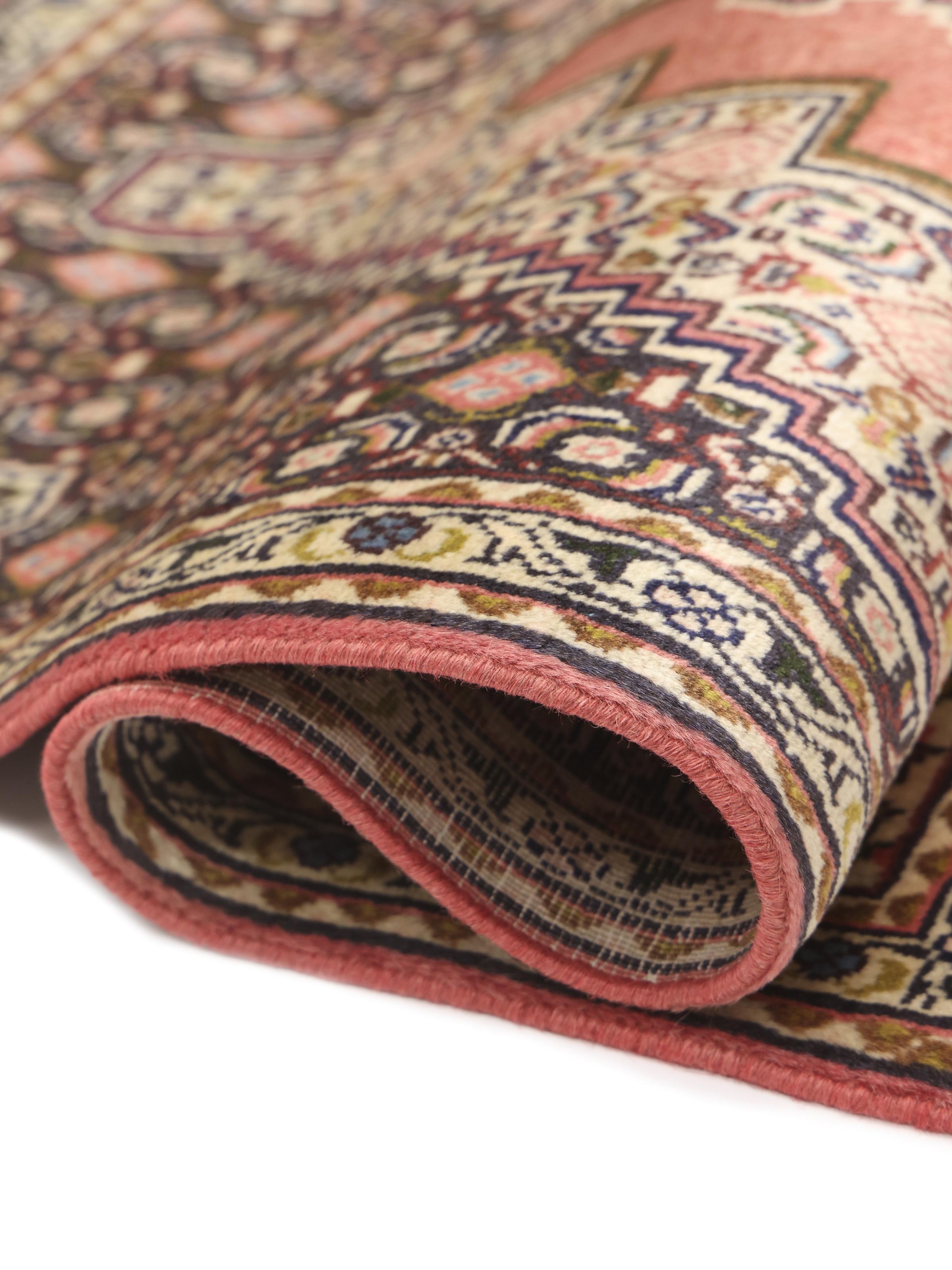
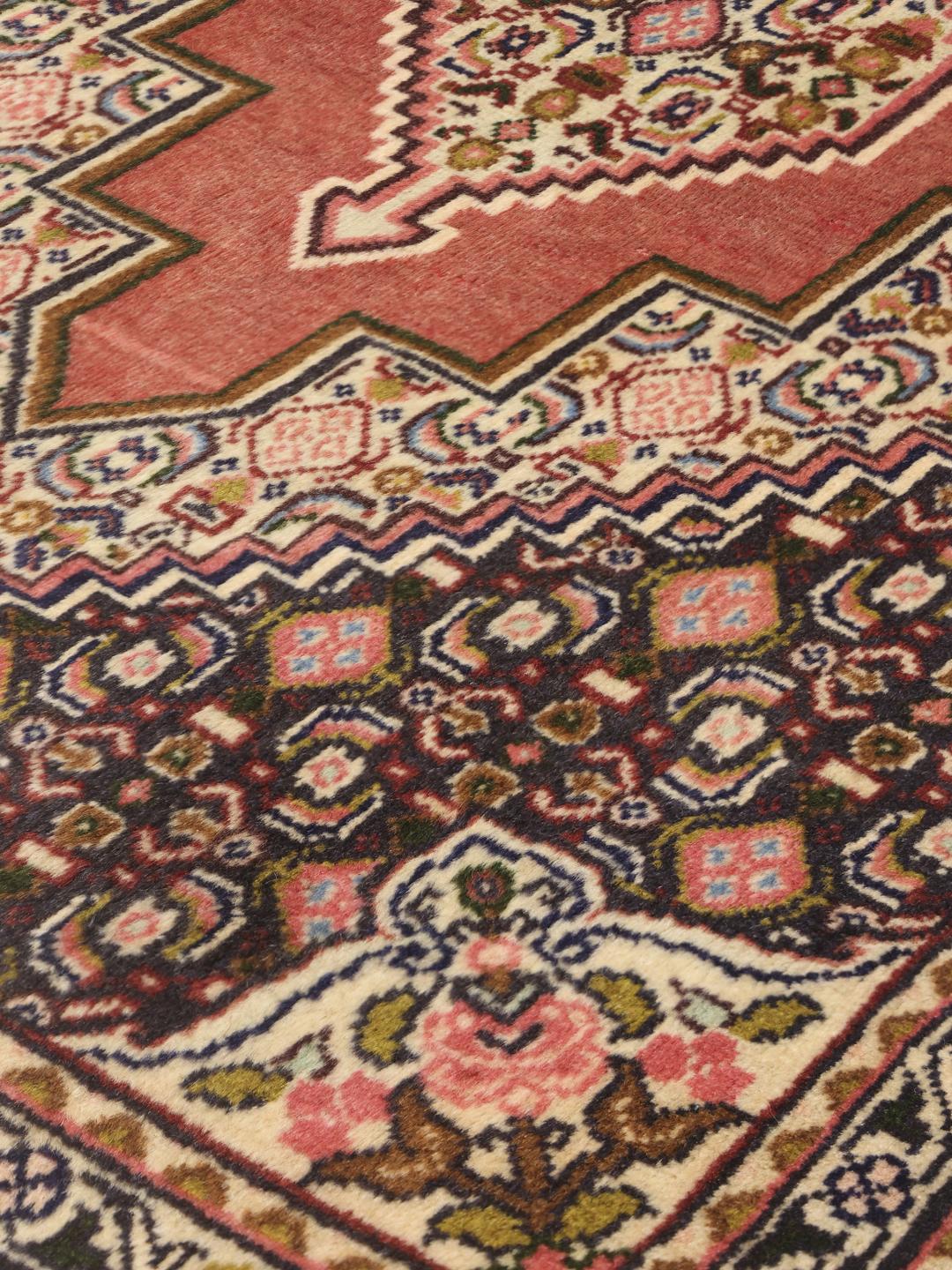
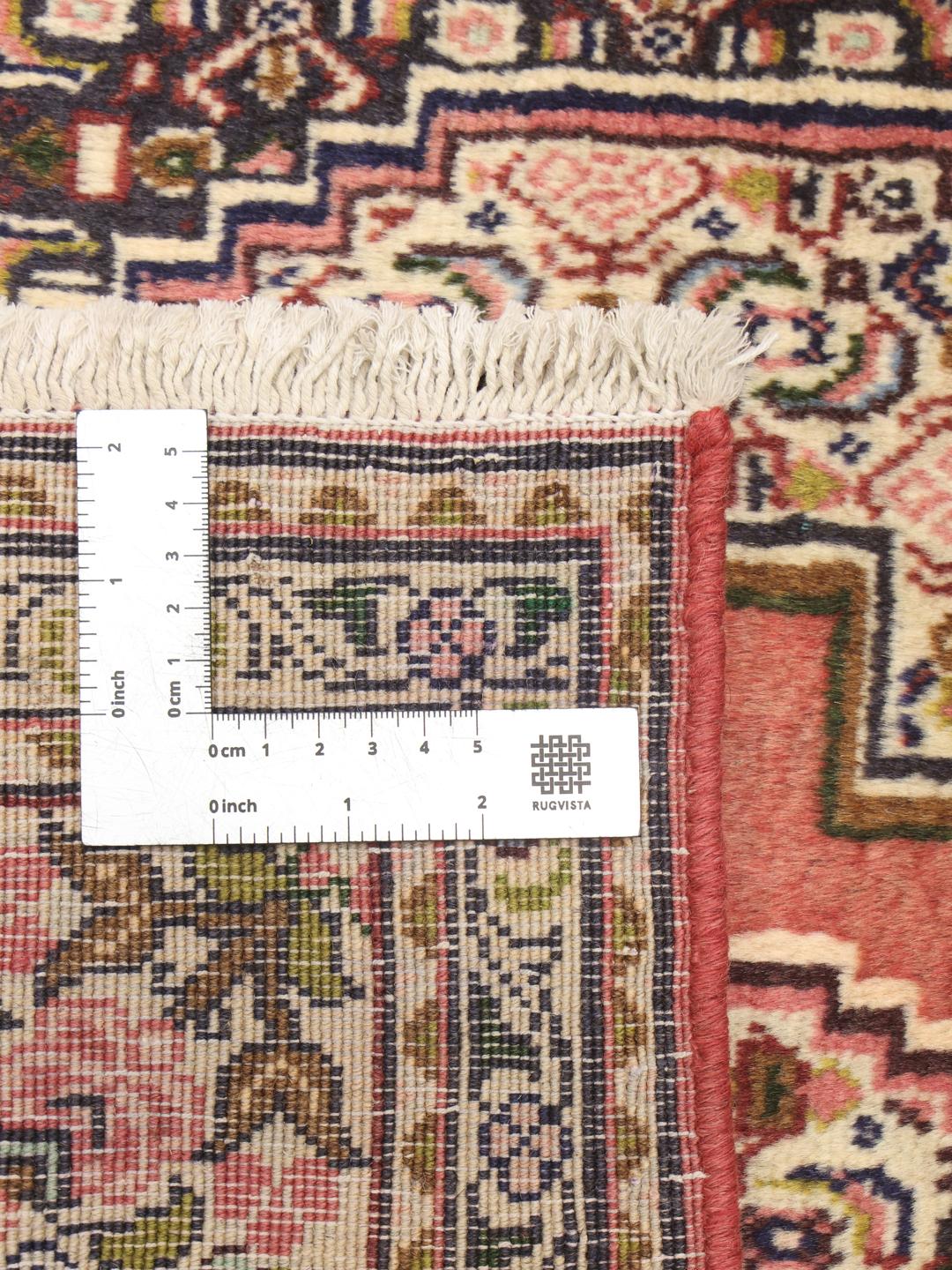
The term Senneh is often associated with the 'Senneh knot', also known as the asymmetrical knot. This specific technique allows for a more fluid and intricate rendering of patterns compared to the symmetrical knot. For the customer, this means a rug that can achieve finer curves and more complex, delicate designs, resulting in a more sophisticated and visually rich appearance that serves as a testament to the artisan's precision.
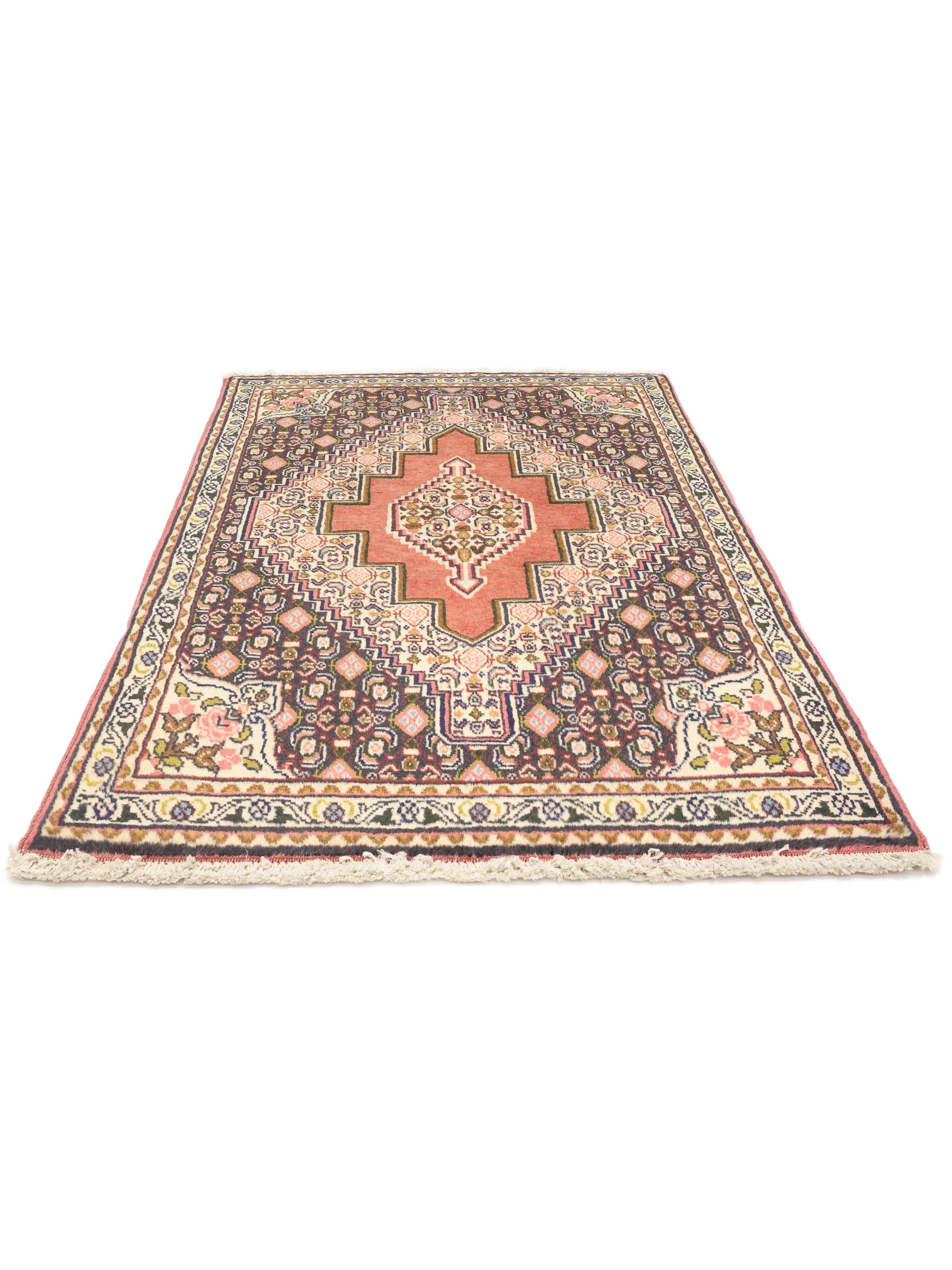
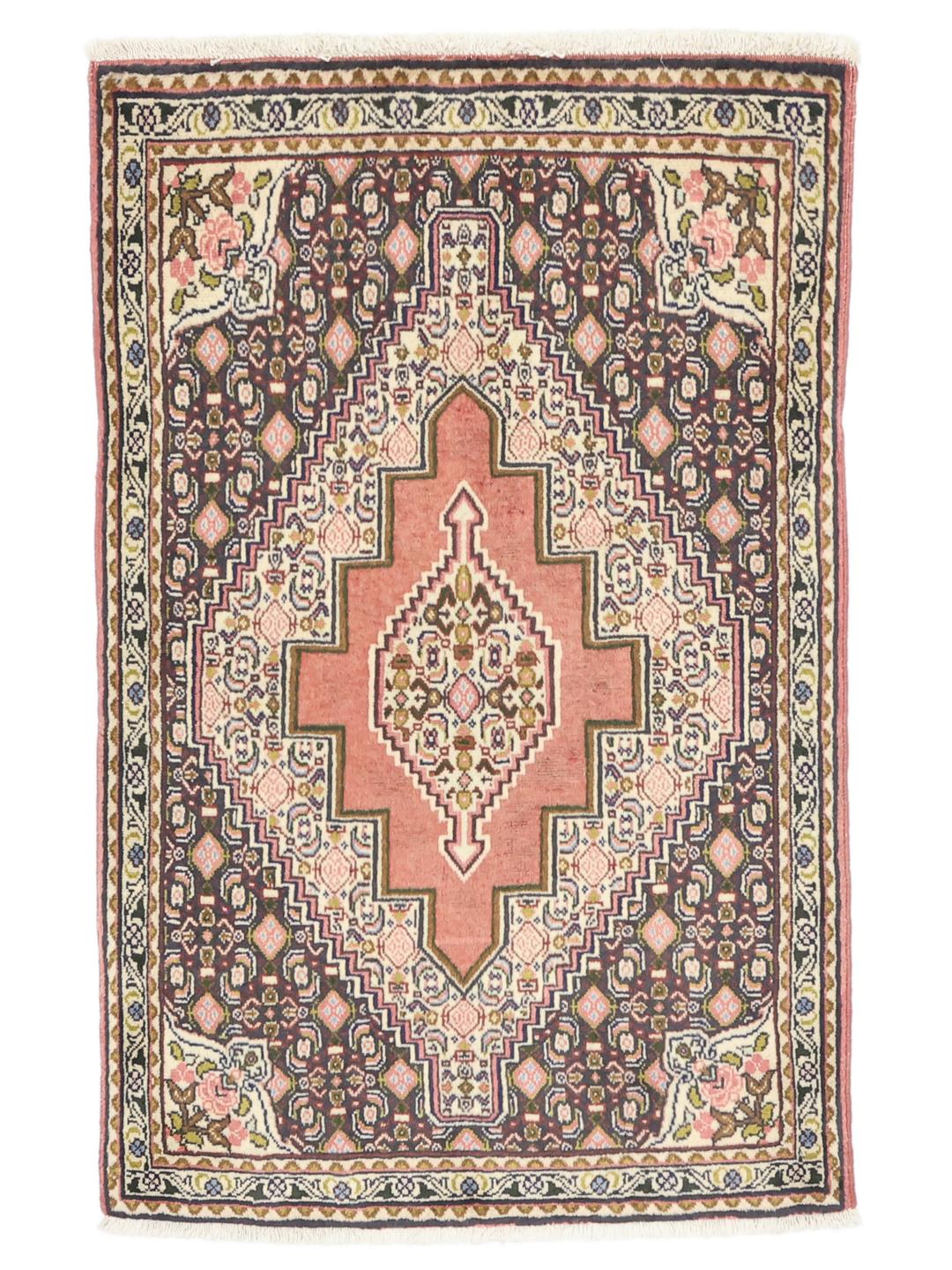
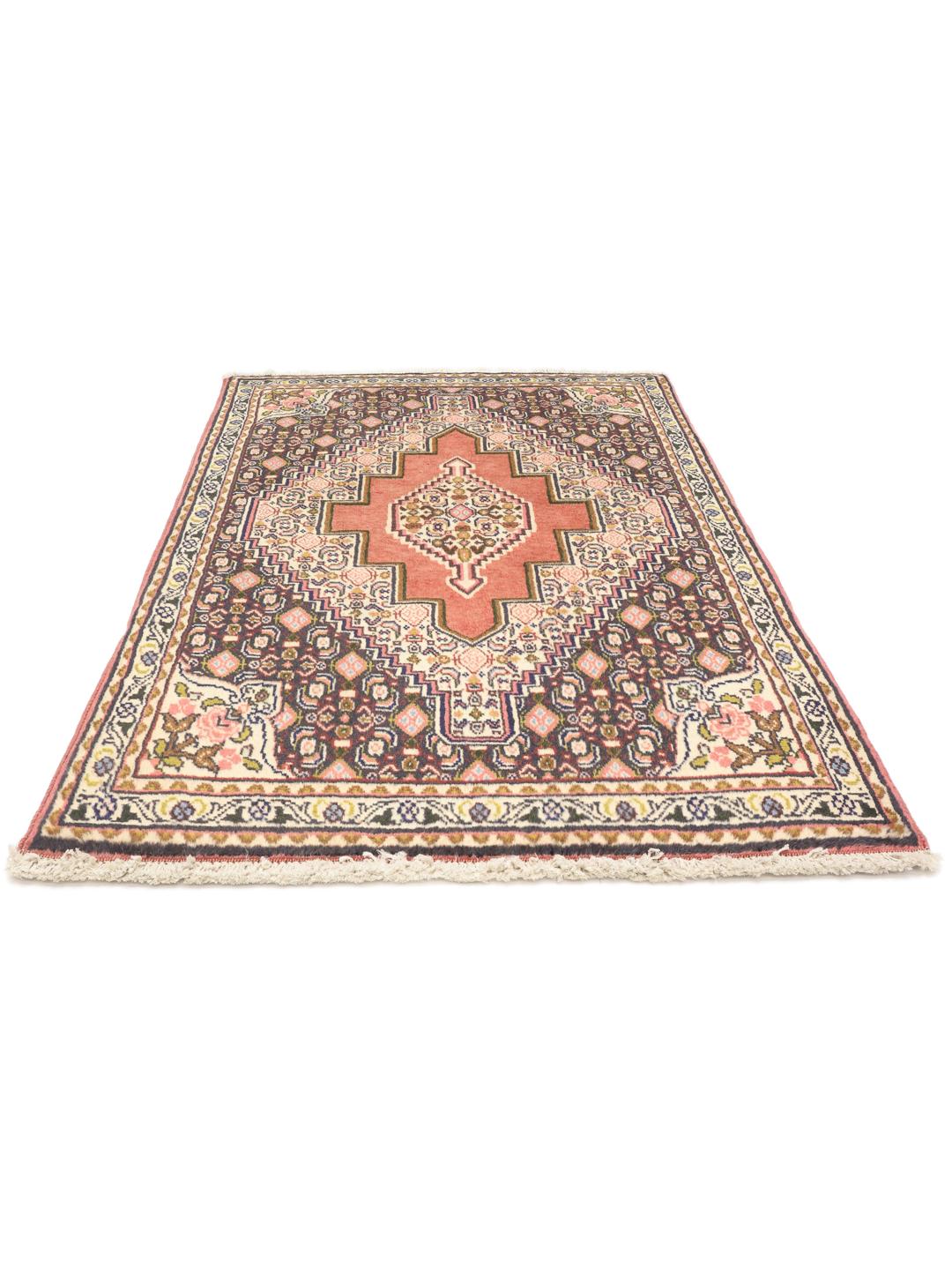
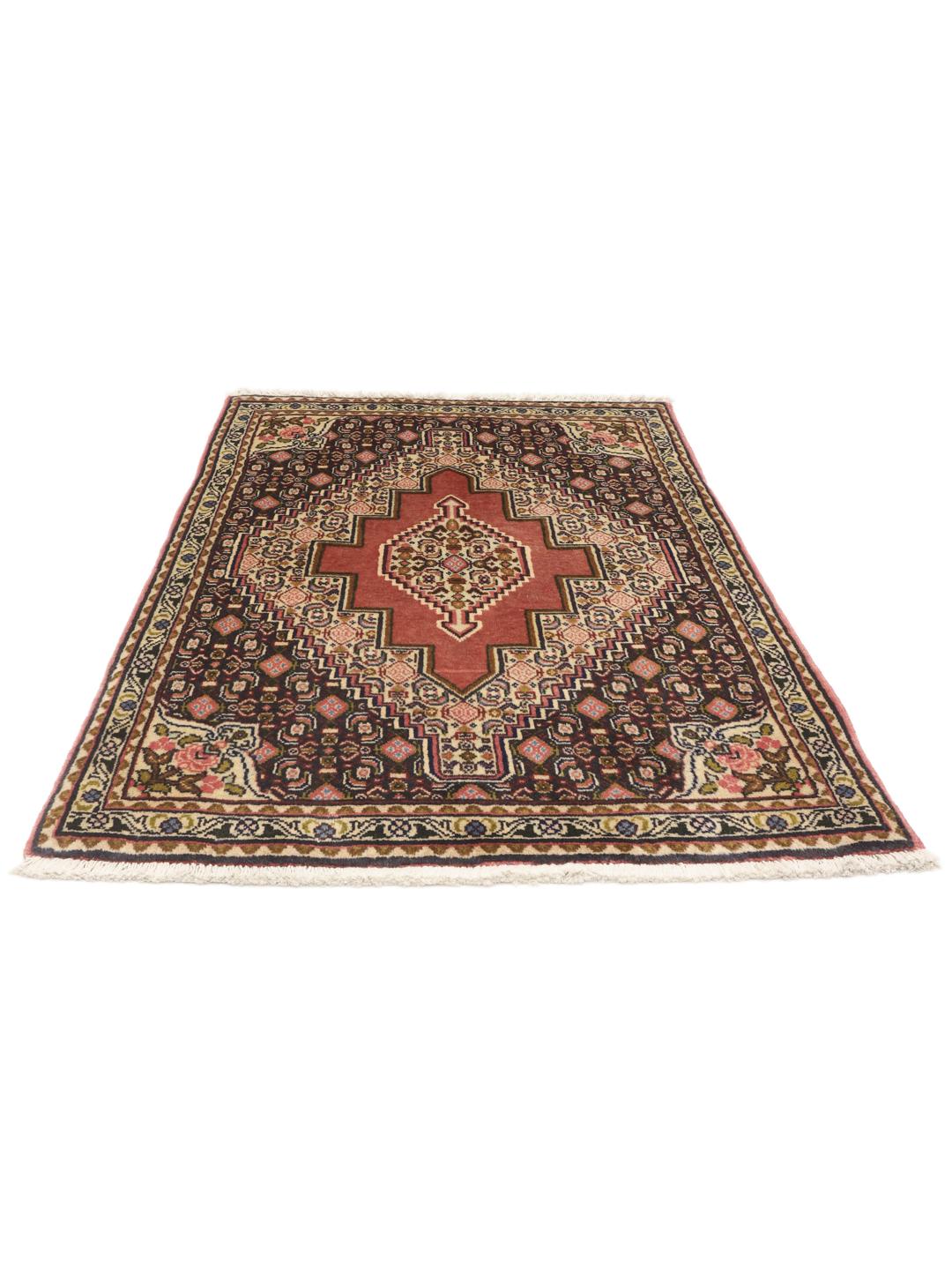
Signature design elements of Senneh rugs often include the classic Herati pattern or delicate floral sprays, frequently centred around a prominent medallion. This particular rug features a beautifully balanced composition where the central medallion is framed by rich, dark tones and intricate floral details. The contrast between the soft pink and the deeper hues creates a striking visual depth that is characteristic of the finest examples from this weaving tradition.
Owning a piece from this tradition is an investment in cultural heritage and long-term craftsmanship. These rugs are highly valued by collectors not just for their beauty, but for the history they represent. By bringing a Senneh rug into your home, you are connecting with a legacy of Middle Eastern artistry, ensuring that your space is enriched by a piece that embodies skill, tradition, and enduring quality.