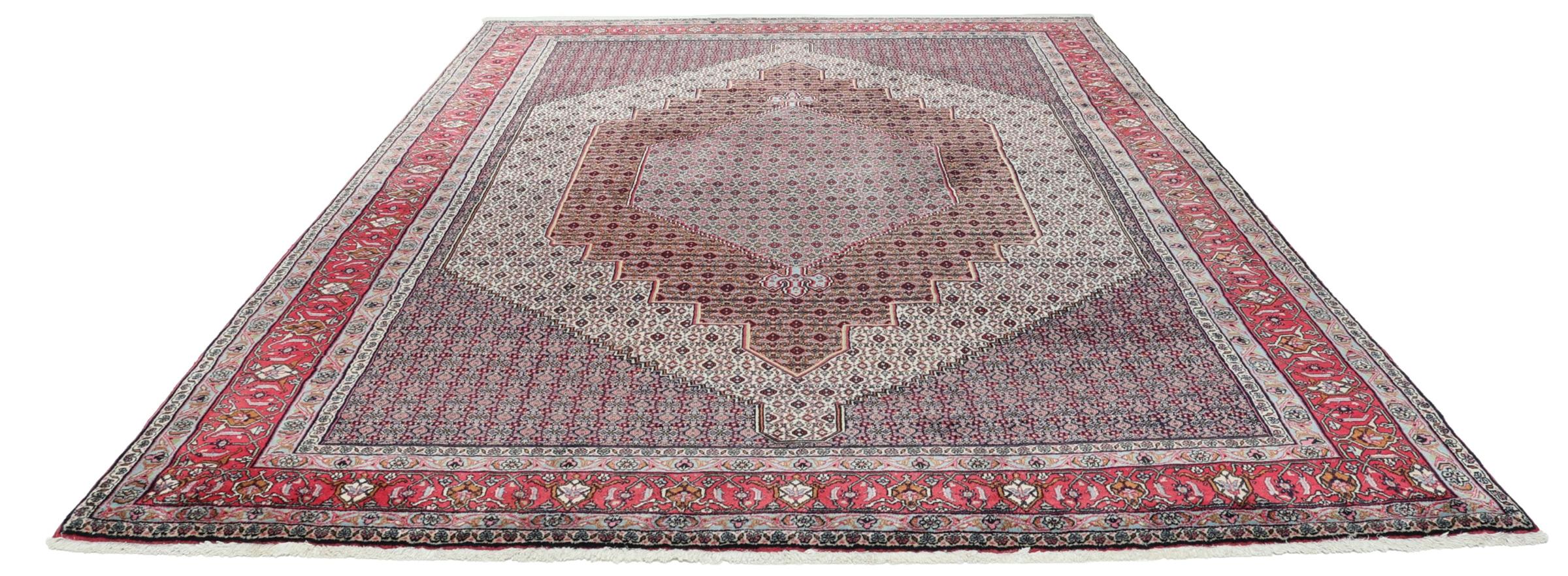
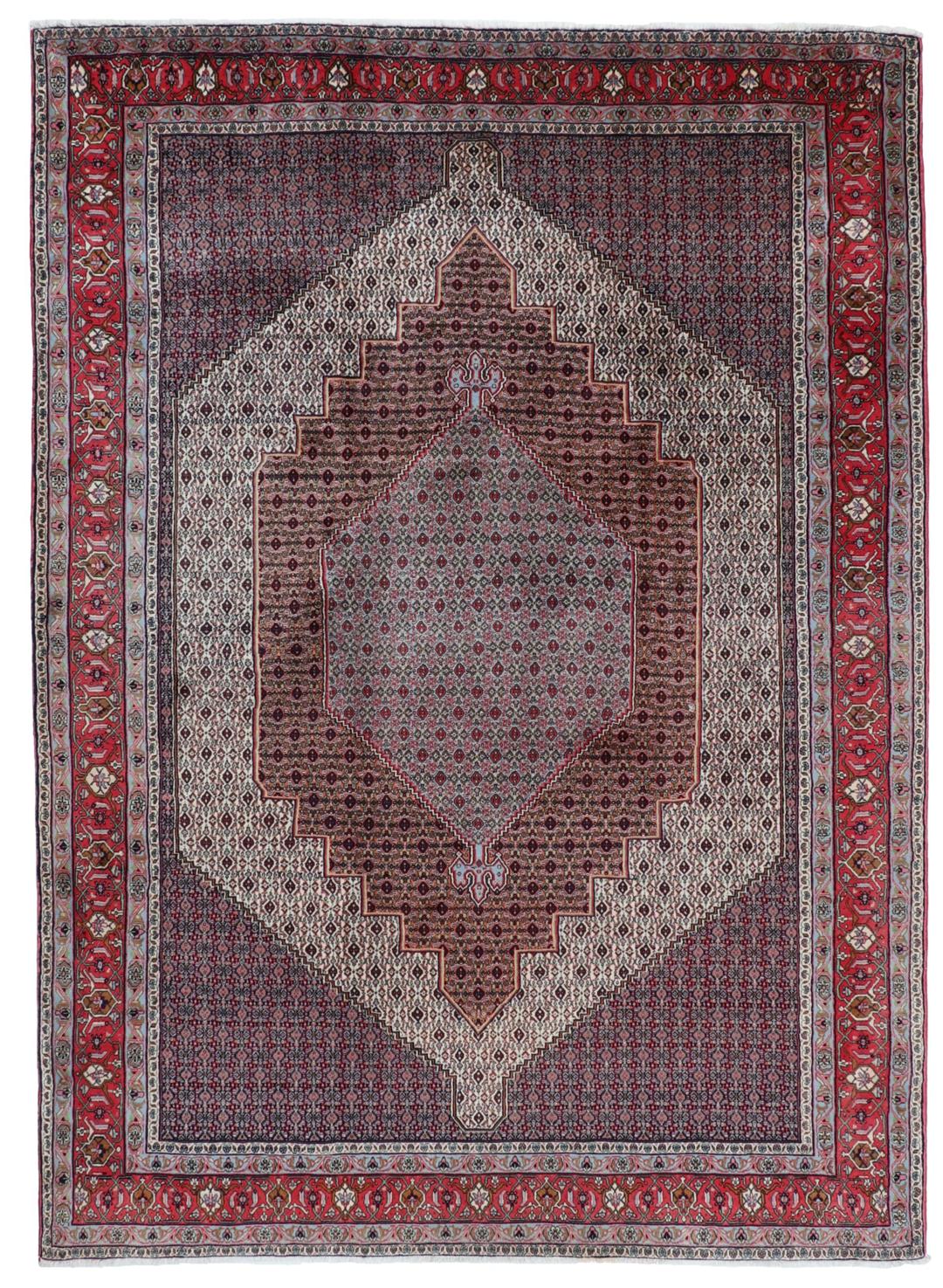
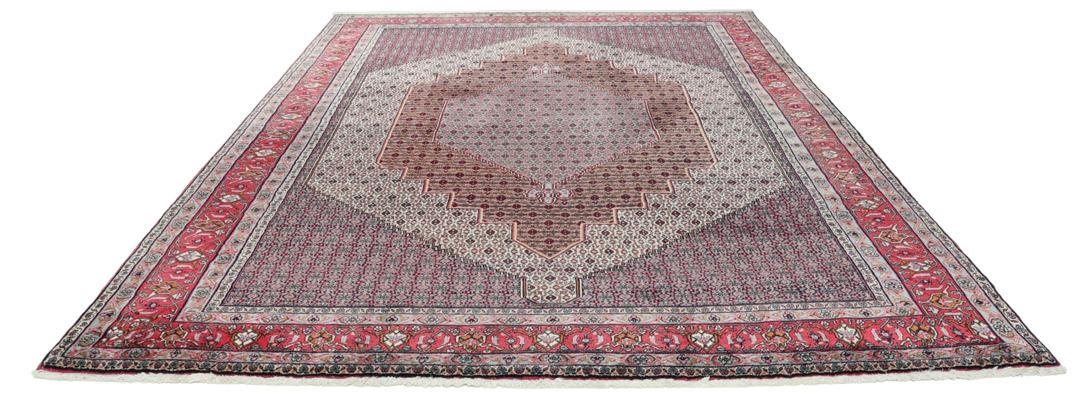
Senneh rugs originate from the Kurdish region of the Middle East, specifically from the city known today as Sanandaj. This area has long been a centre for sophisticated weaving, where artisans have developed a distinct visual language that sets their work apart from other regional traditions. The history of these rugs is deeply entwined with the cultural identity of the Kurdish people, reflecting both their nomadic roots and their settled, urban artistic developments.
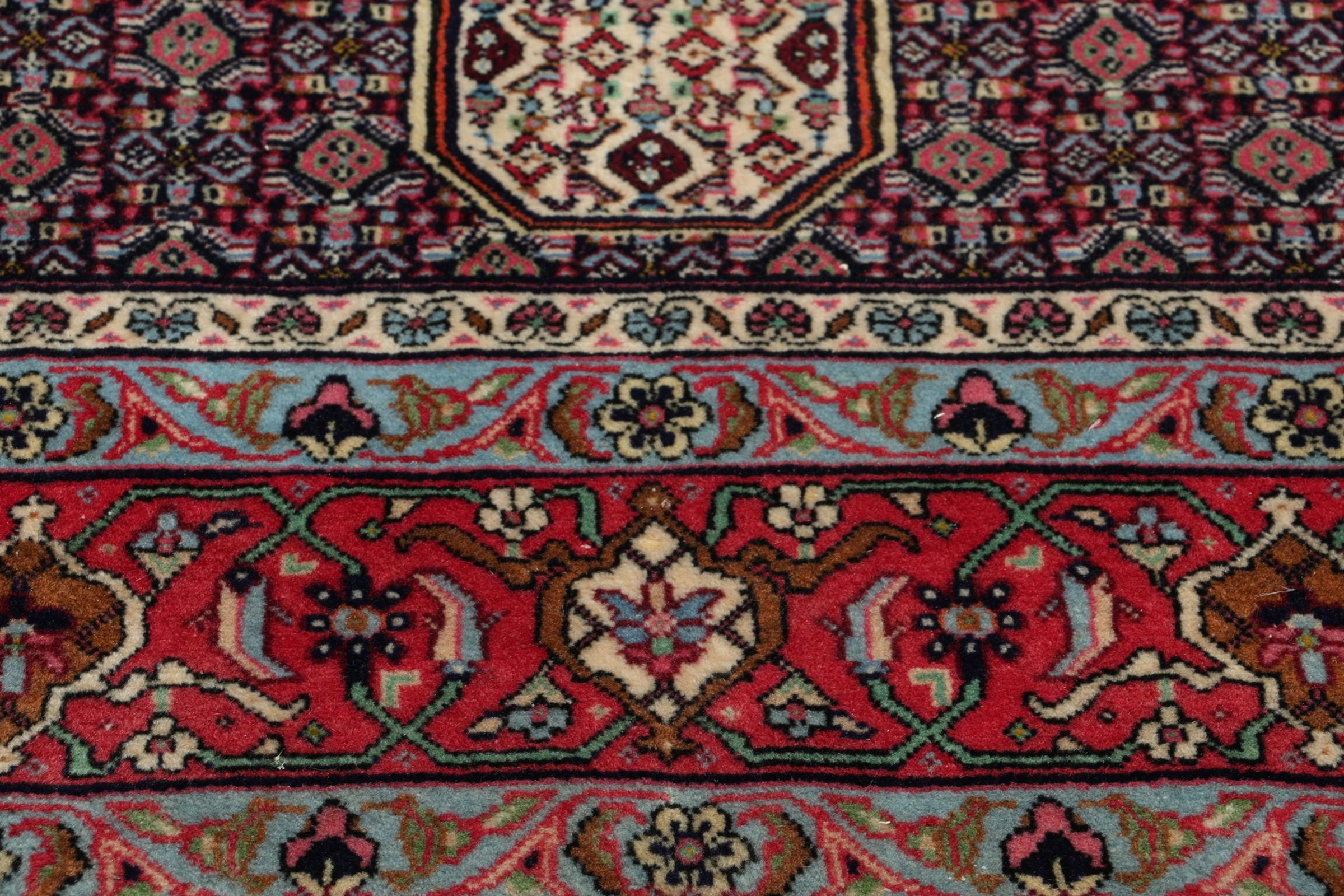
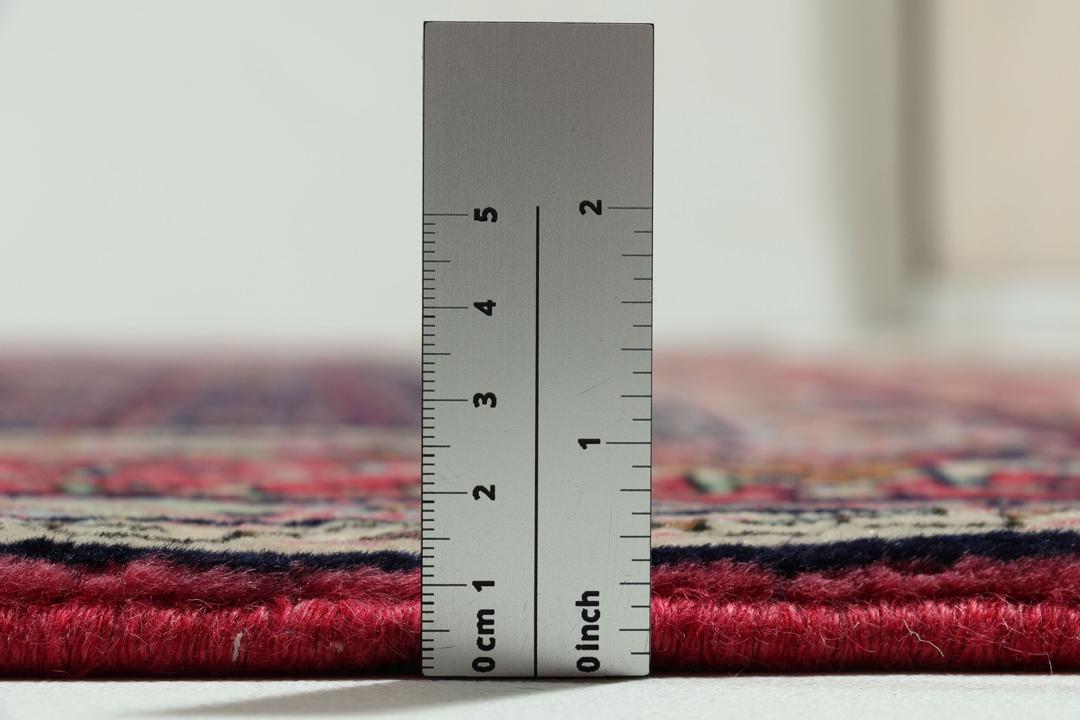
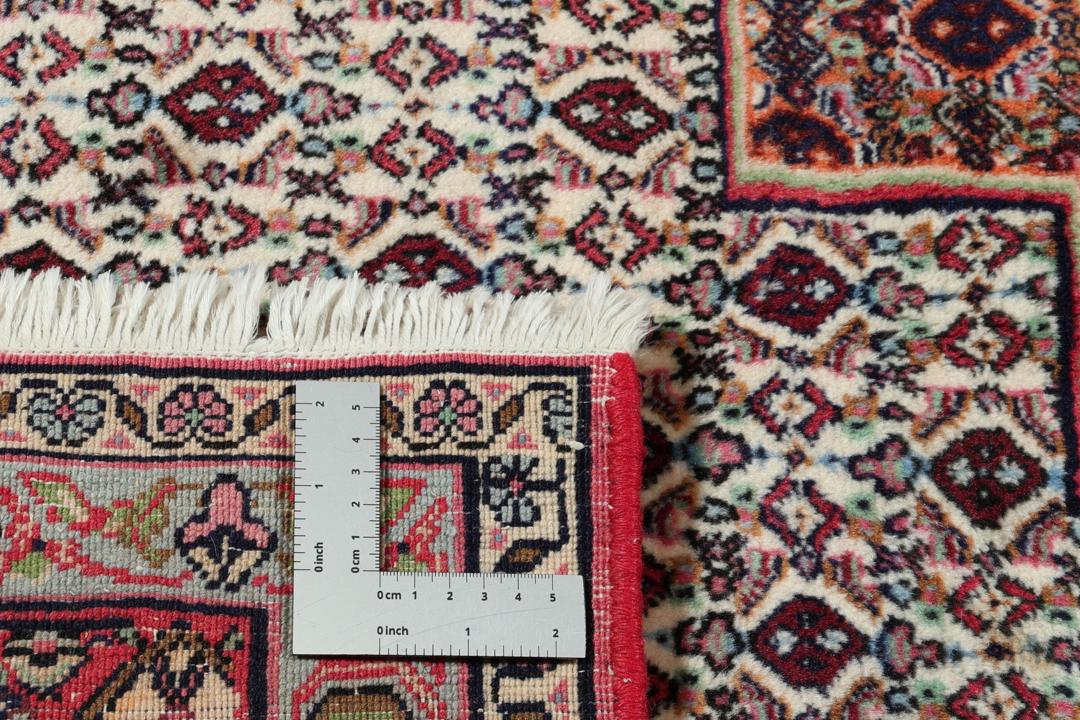
The term Senneh refers to a specific, refined style of knotting that is highly valued for its precision. Unlike some regional styles that focus on bold, chunky designs, Senneh weaving is defined by its delicacy and the ability to render fine, flowing patterns. This technical approach requires a high level of mastery, and the resulting density of the pile provides a lustrous finish that enhances the depth of the colours used in the design.
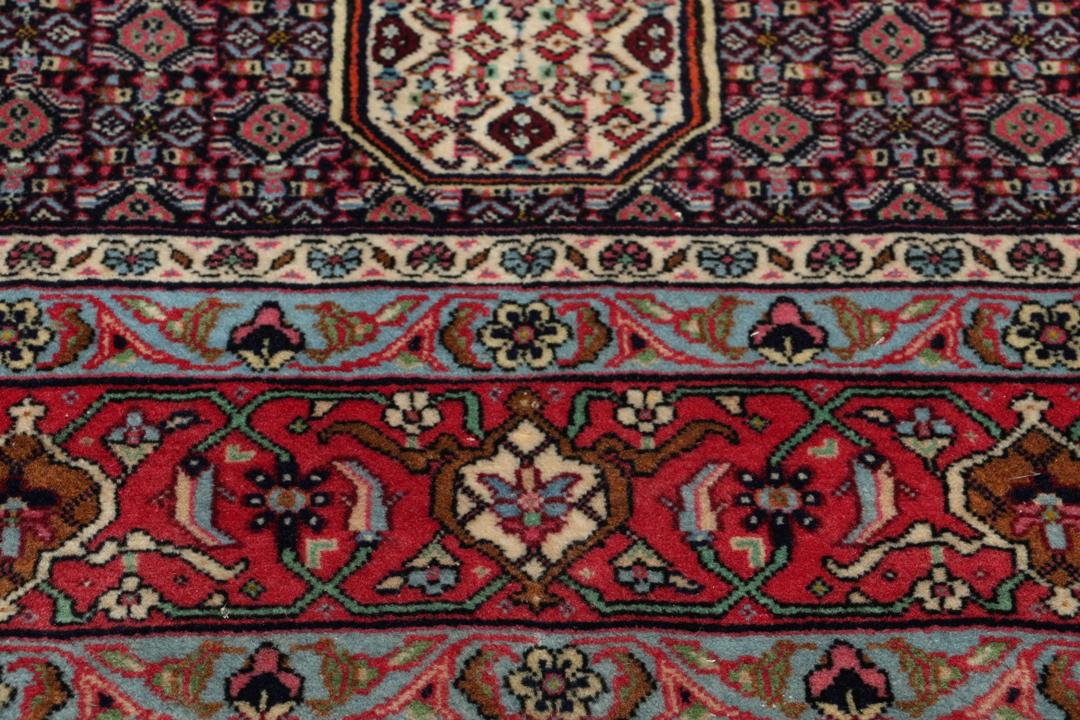
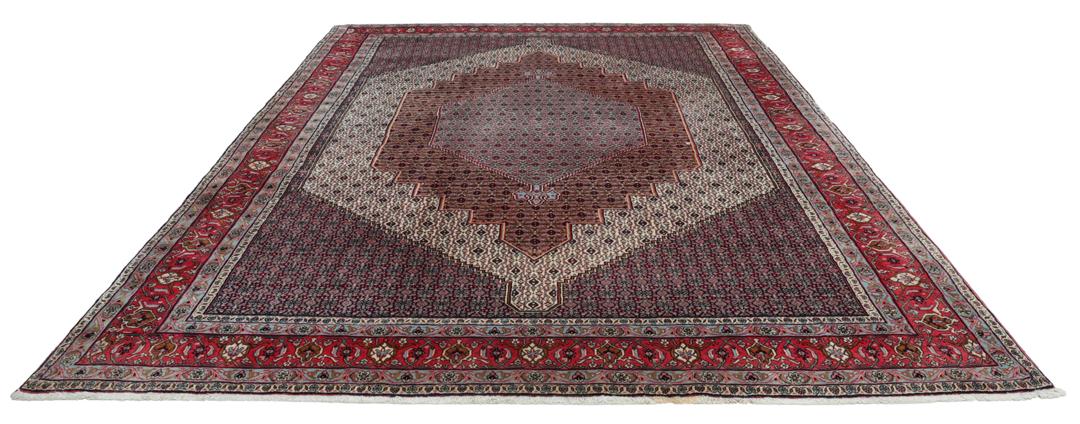
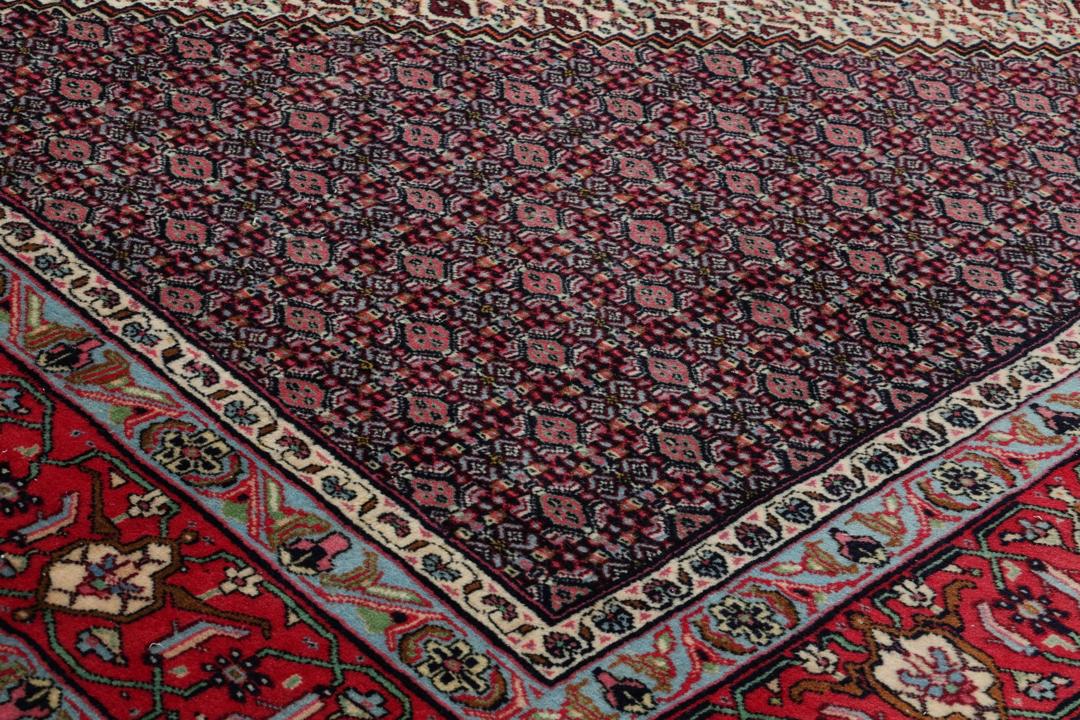
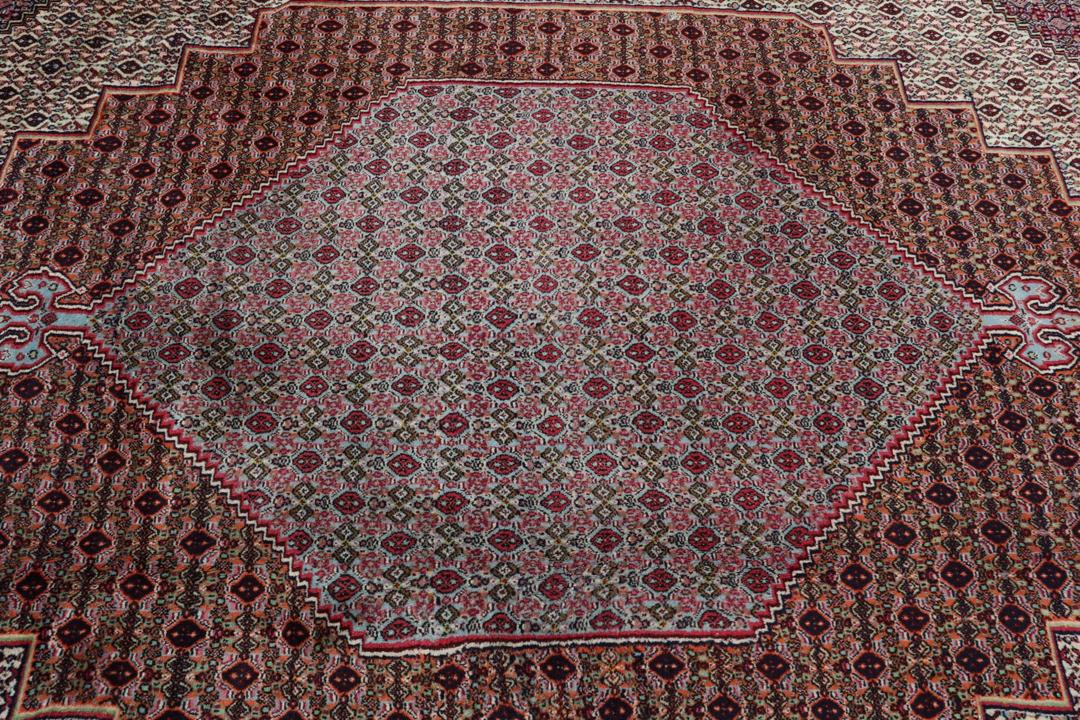
Signature design elements of the Senneh tradition often include the iconic Herati motif—a floral pattern consisting of a central rosette surrounded by leaves—or elaborate, diamond-shaped medallions. This particular rug showcases a sophisticated arrangement that balances field and border, using a traditional colour palette to create a sense of harmony. The contrast between the intricate central medallion and the surrounding field is a hallmark of the finest examples from this tradition.
Collecting a Senneh rug is more than just purchasing a floor covering; it is an investment in a living heritage. These rugs are prized by collectors globally for their unique combination of durability, fine detail, and cultural significance. Owning such a piece means preserving a long-standing tradition of human skill, ensuring that this form of artistic expression continues to be appreciated for its beauty and complexity.