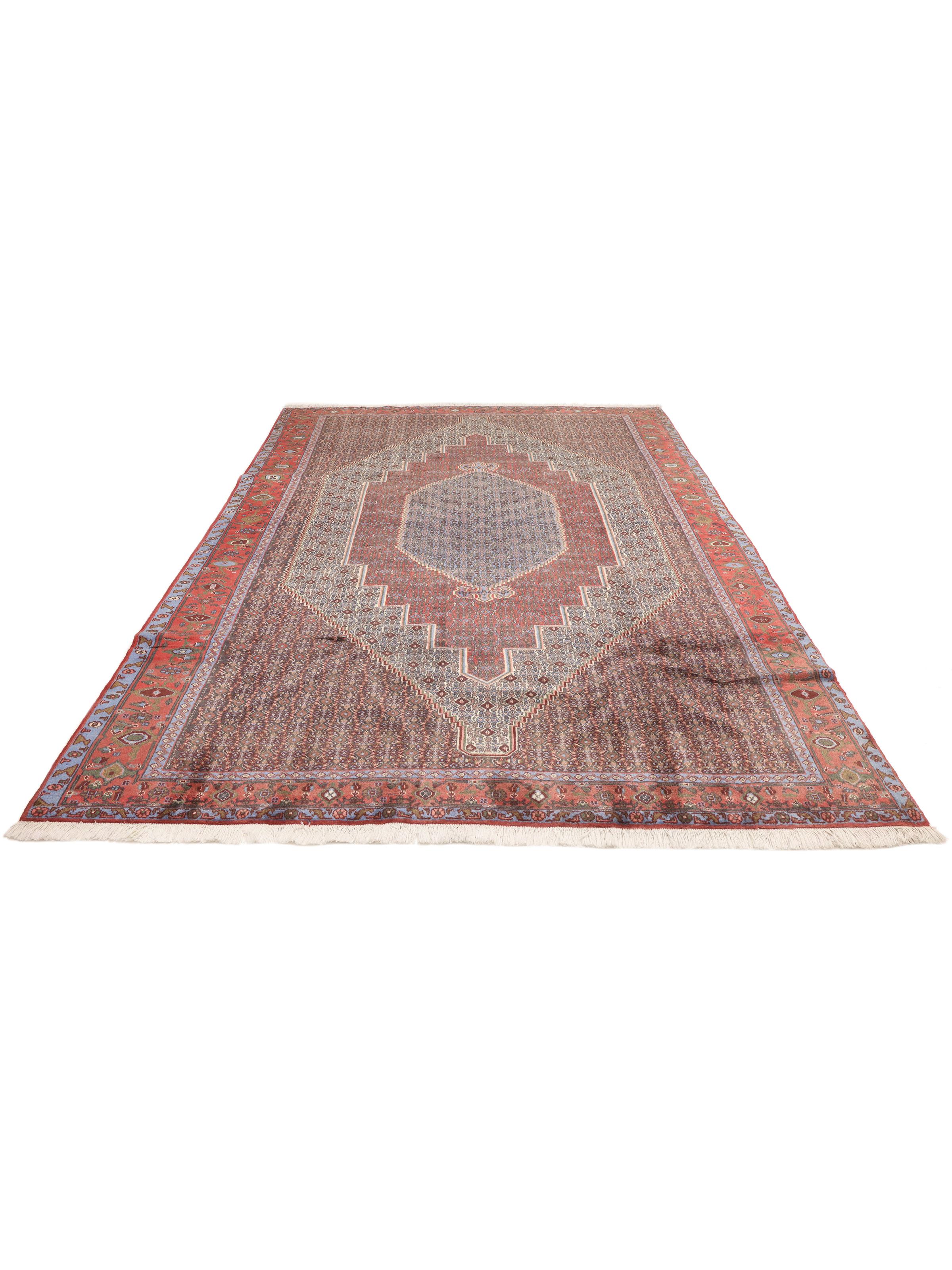
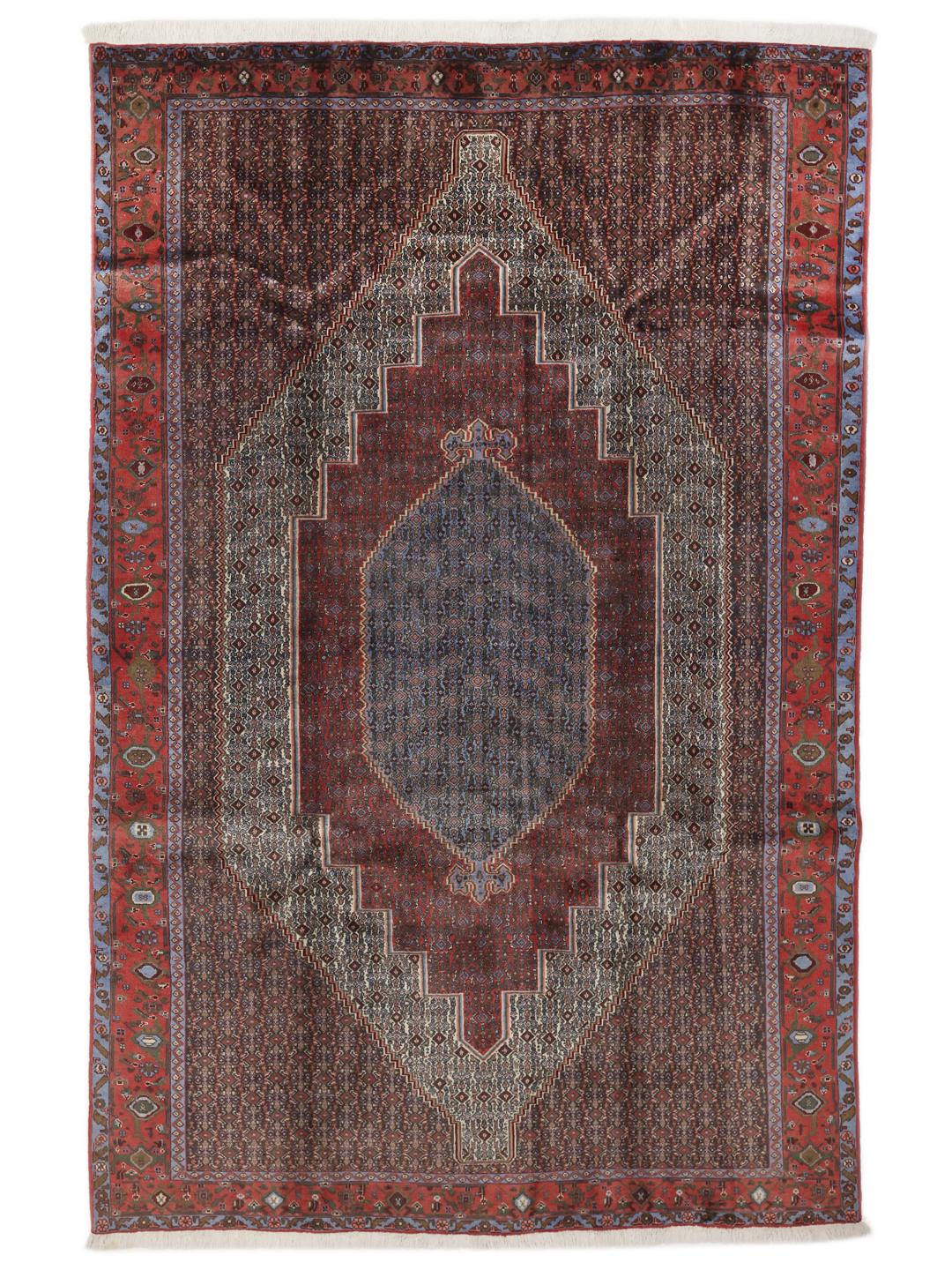
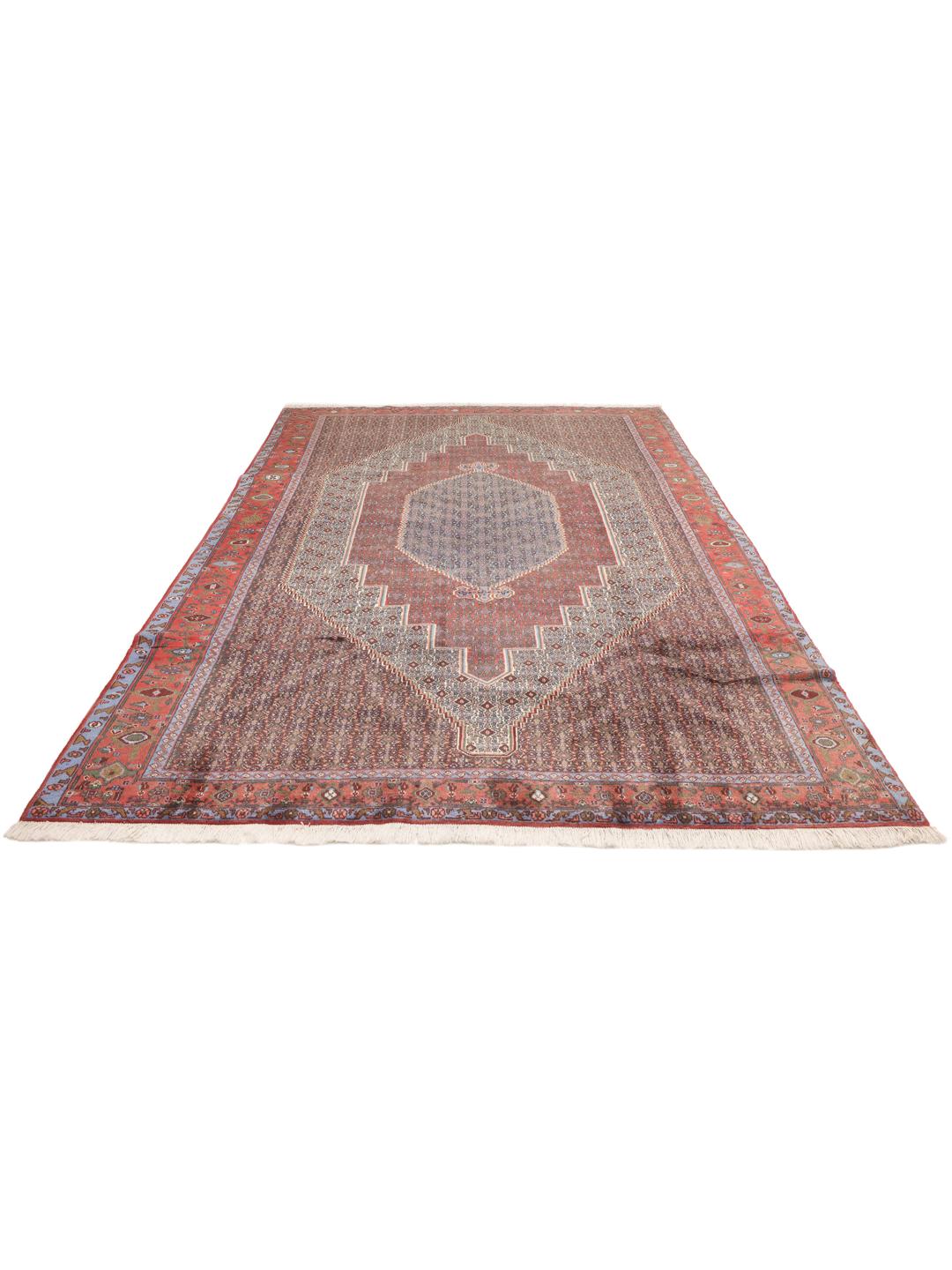
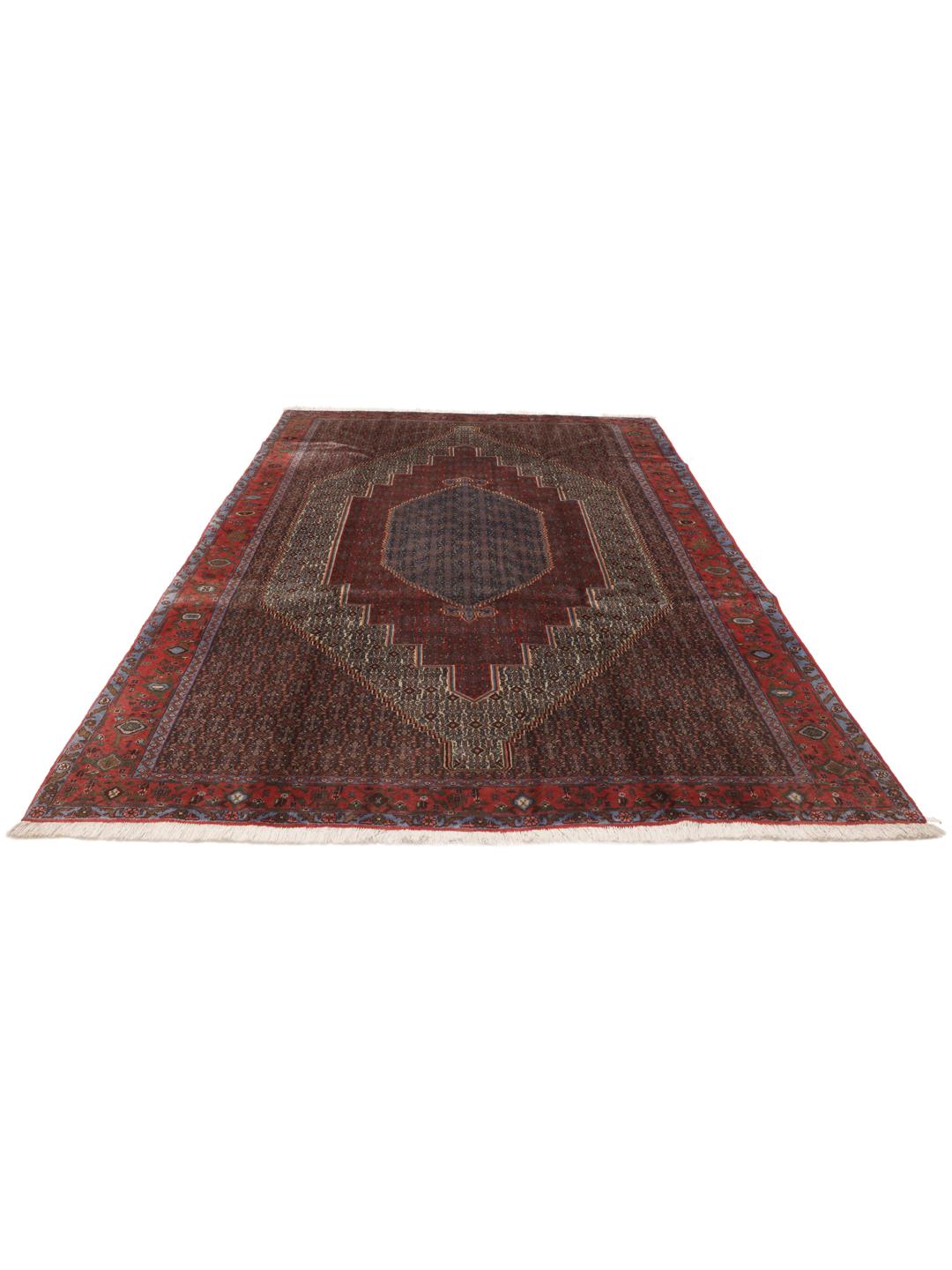
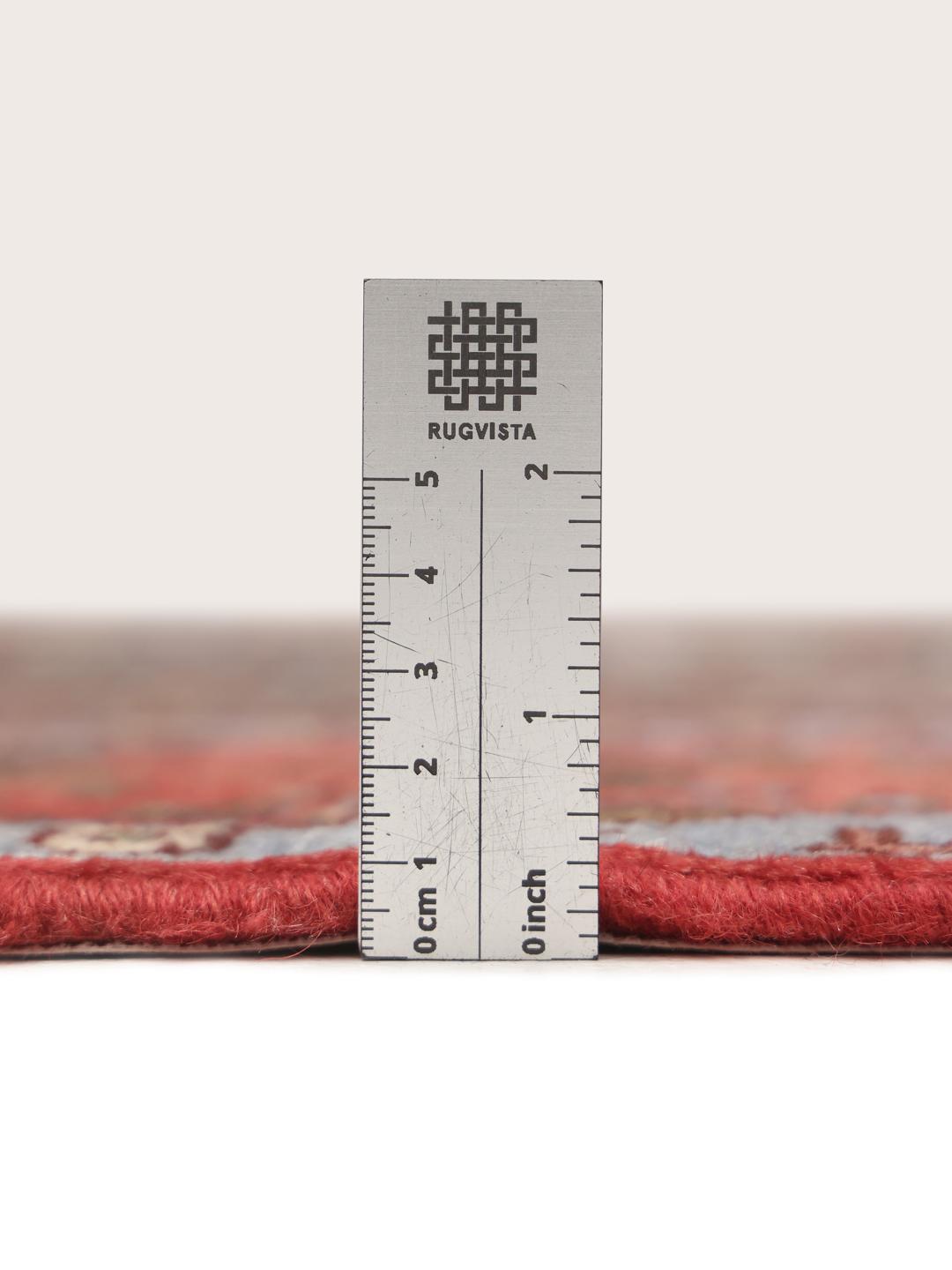
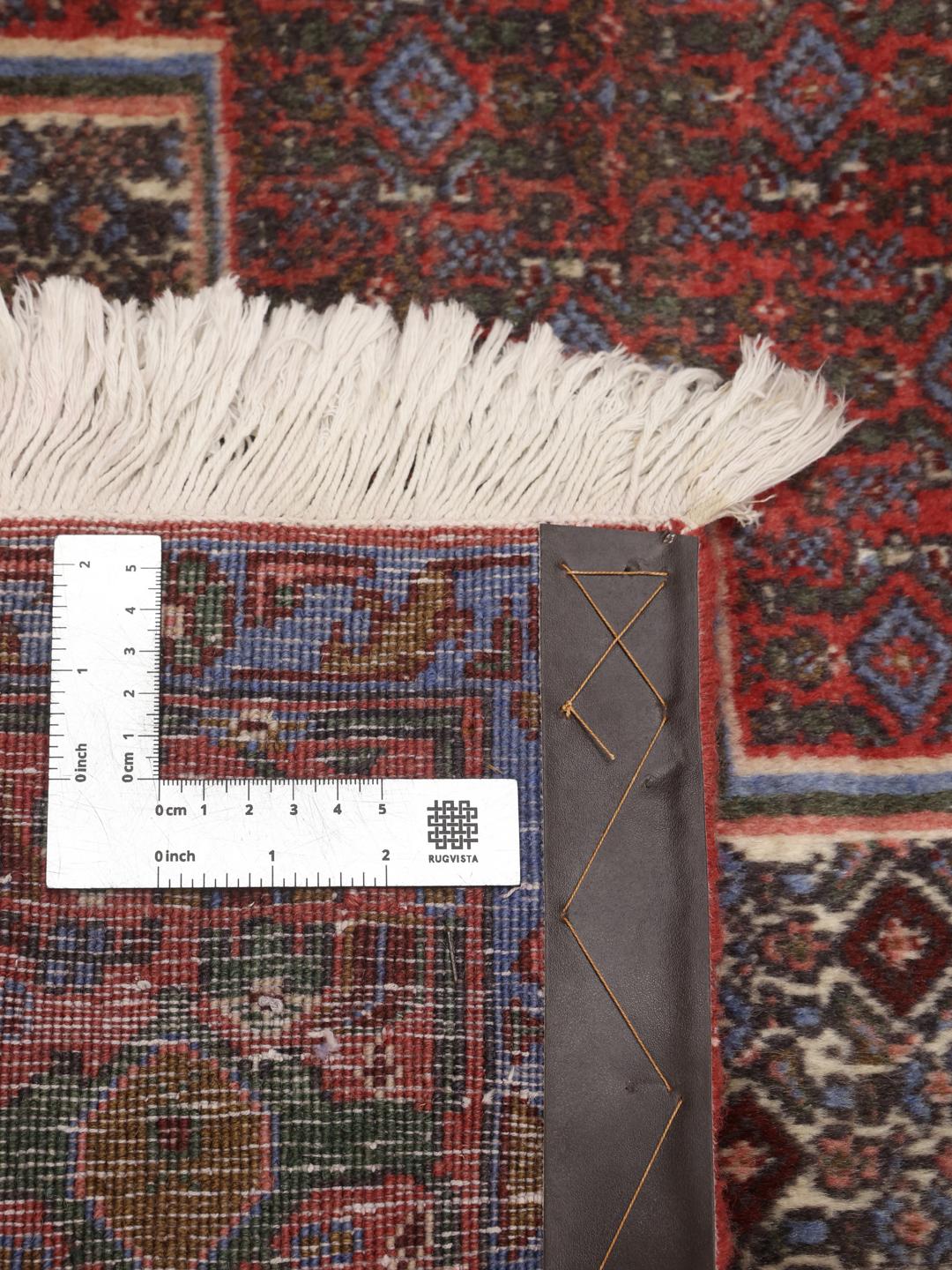
Senneh rugs originate from the Sanandaj region in the western part of the Middle East, a city historically known as the capital of the Kurdistan province. This area has a long-standing reputation for its unique weaving traditions, which have been refined over centuries by local communities. These rugs are highly regarded for their sophistication and the distinctive way they blend tribal influence with more formal, city-based design aesthetics.
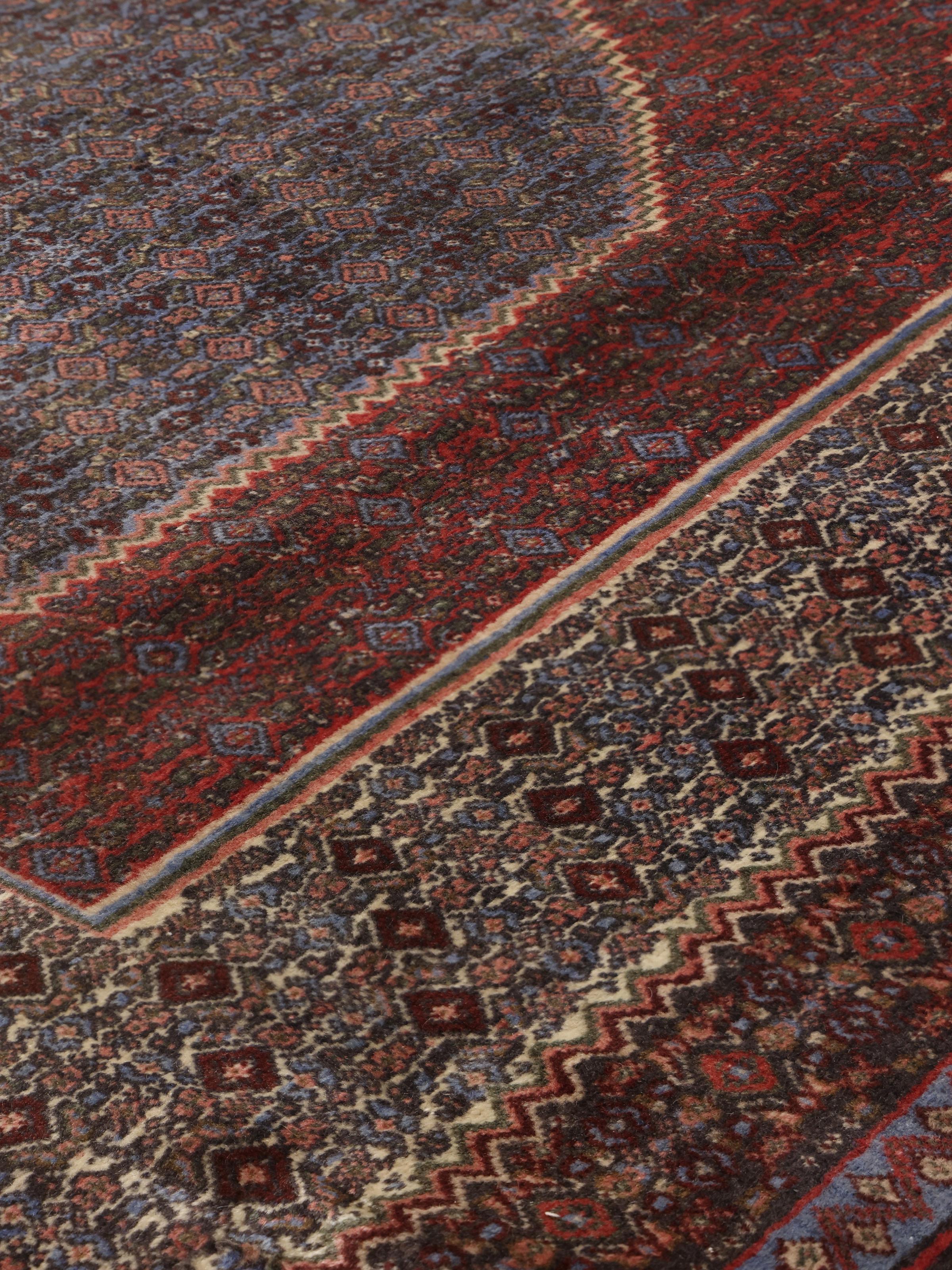
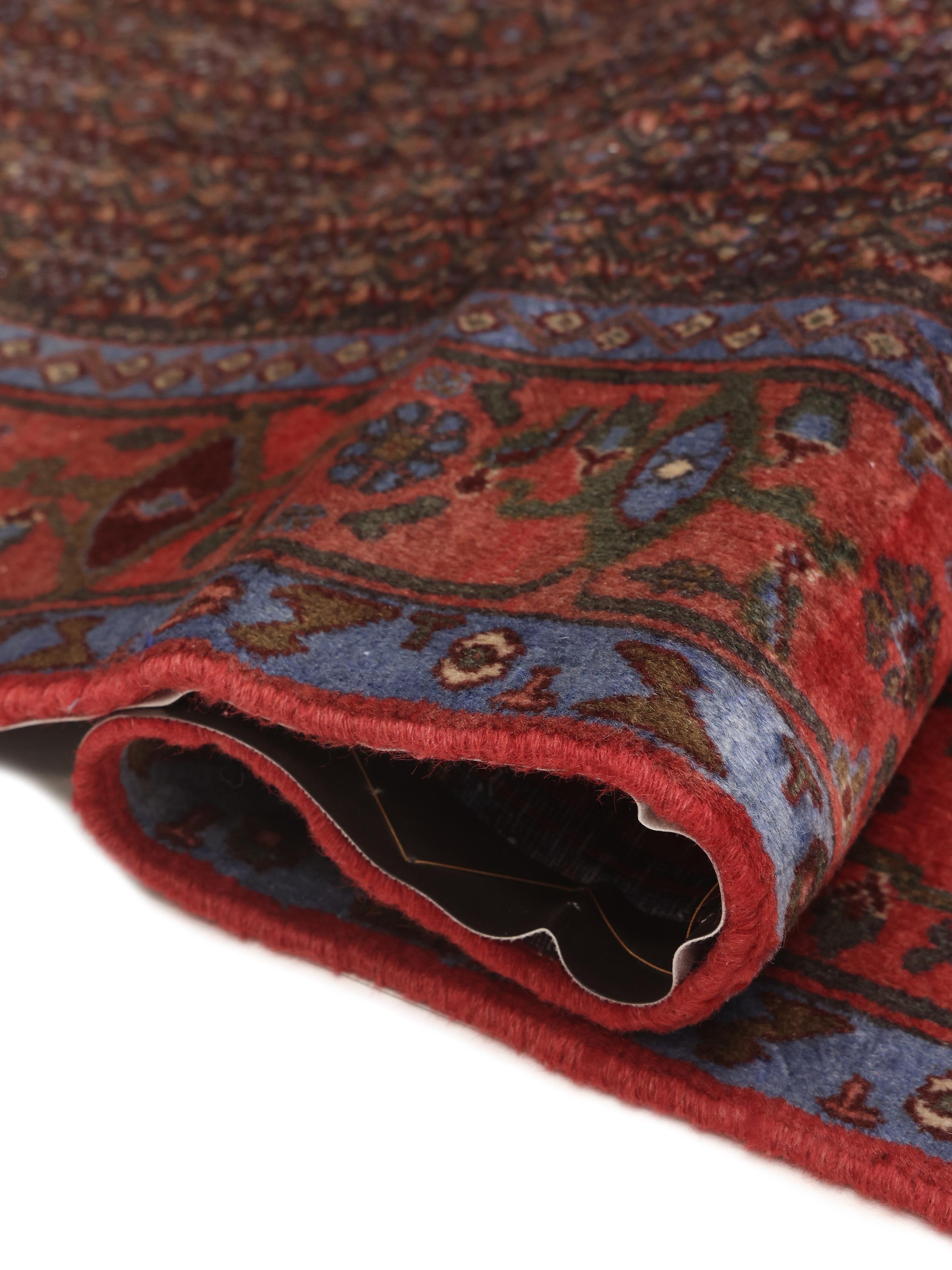
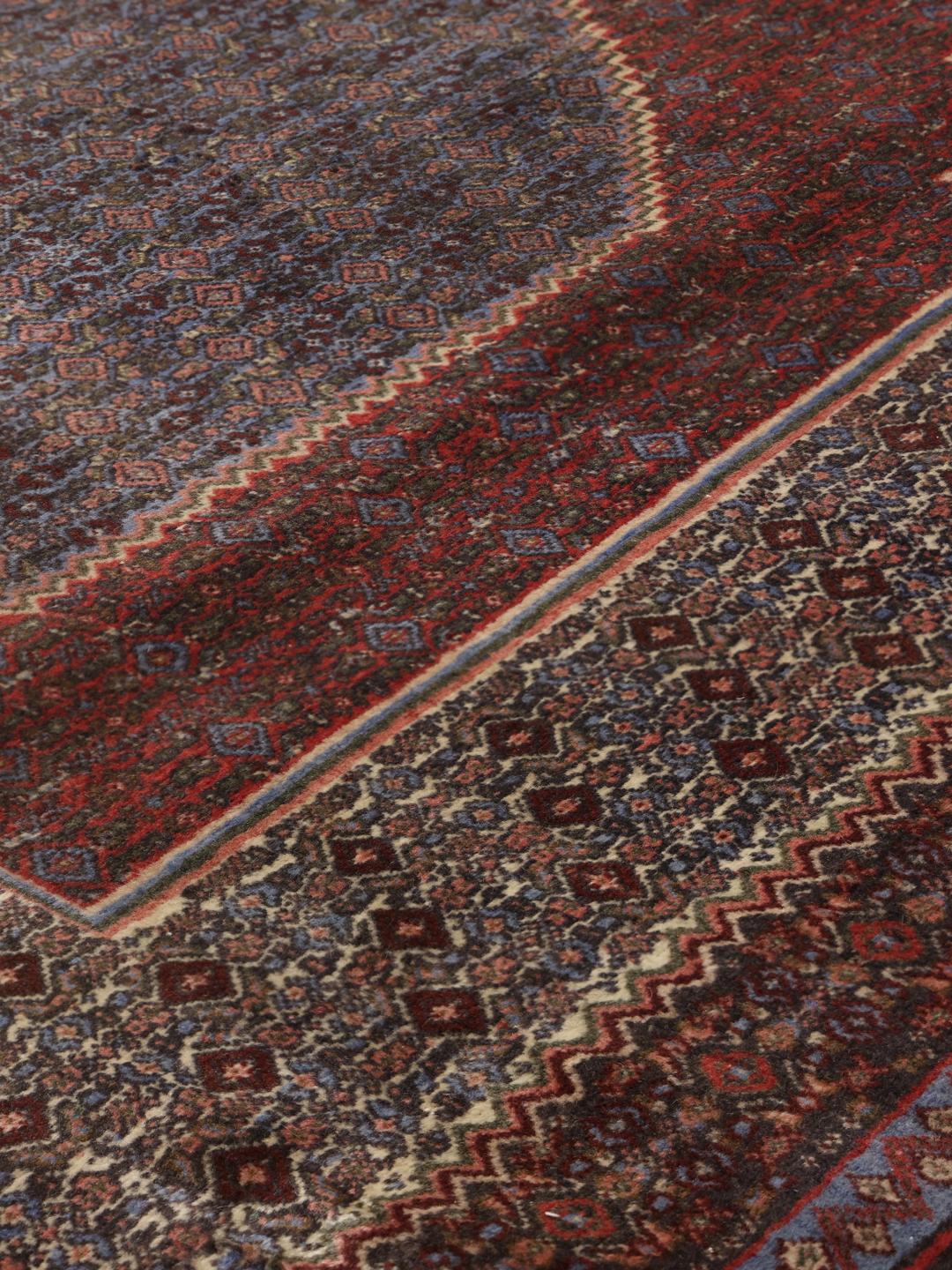
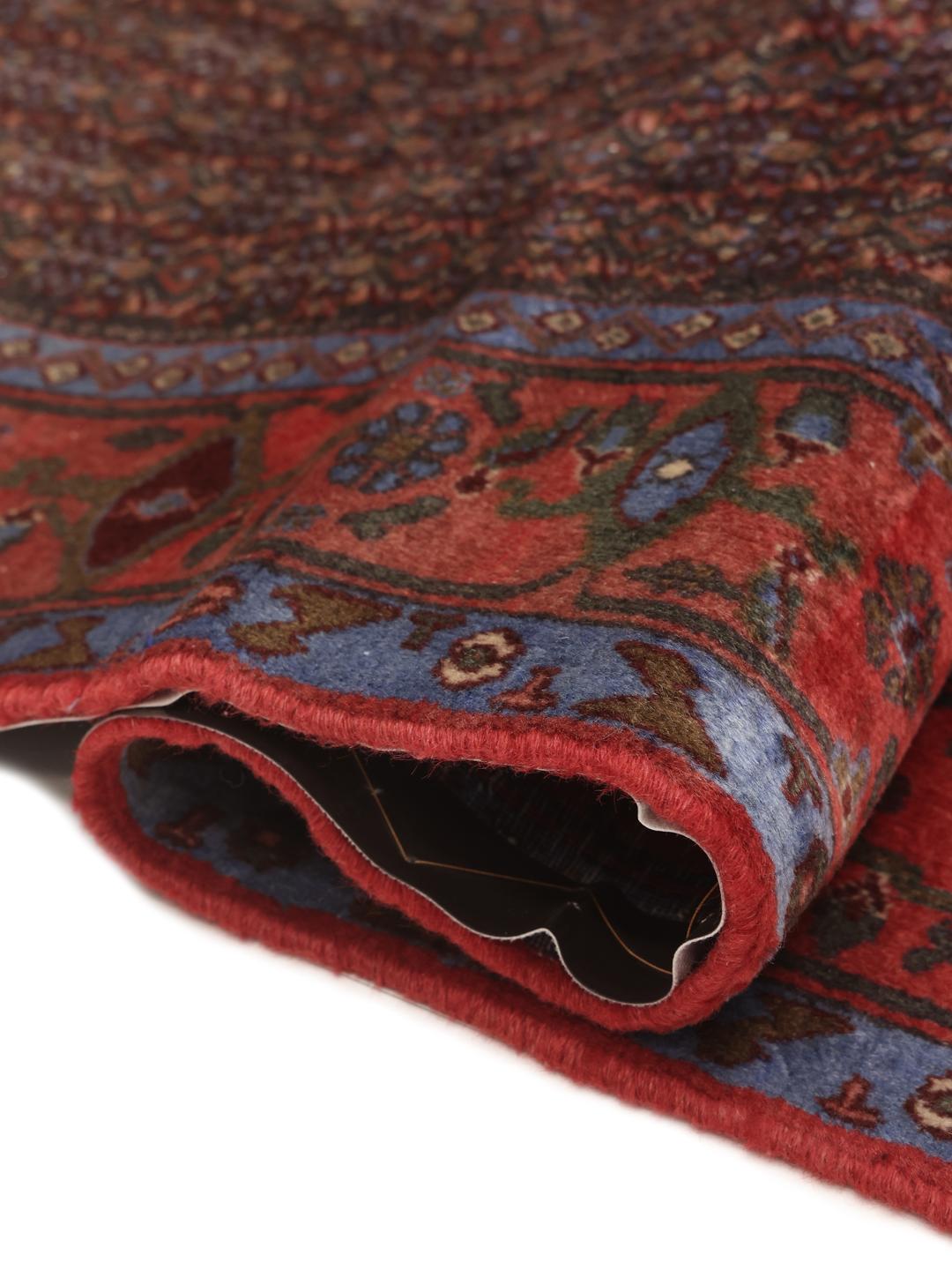
The term Senneh refers to both the geographical origin and a specific, highly skilled weaving technique. These rugs are often characterised by their use of a single-weft construction, which results in a thinner, more flexible, and incredibly durable fabric. This technical approach allows the artisans to achieve a high degree of detail, making the patterns appear exceptionally sharp and refined compared to other regional styles.
Visually, Senneh rugs are famous for their intricate, often geometric or floral-inspired motifs. While they frequently showcase a central medallion, the surrounding field is typically filled with delicate, repeating patterns such as the 'herati' or 'boteh' designs. The colour palette often leans towards deep, saturated reds and blues, which provides a dramatic backdrop for the lighter, more complex details woven into the pattern.
Collecting a Senneh rug is an opportunity to own a piece of cultural history that reflects the skill and patience of generations of weavers. These rugs are valued not just for their beauty, but for their ability to maintain their integrity and charm over time. Owning one is a commitment to preserving a traditional craft, offering a sense of depth and authenticity that is hard to find in modern home decor.