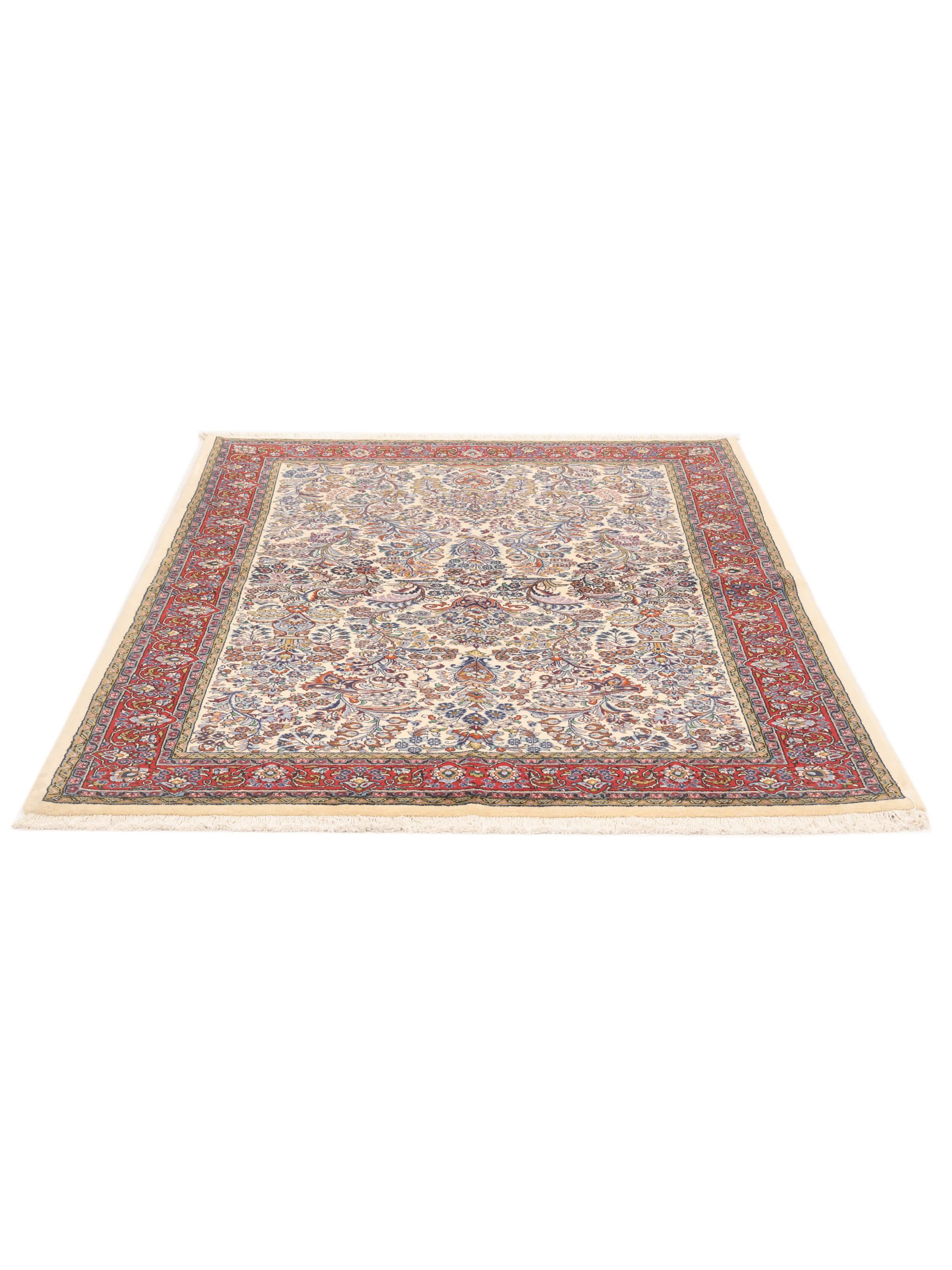
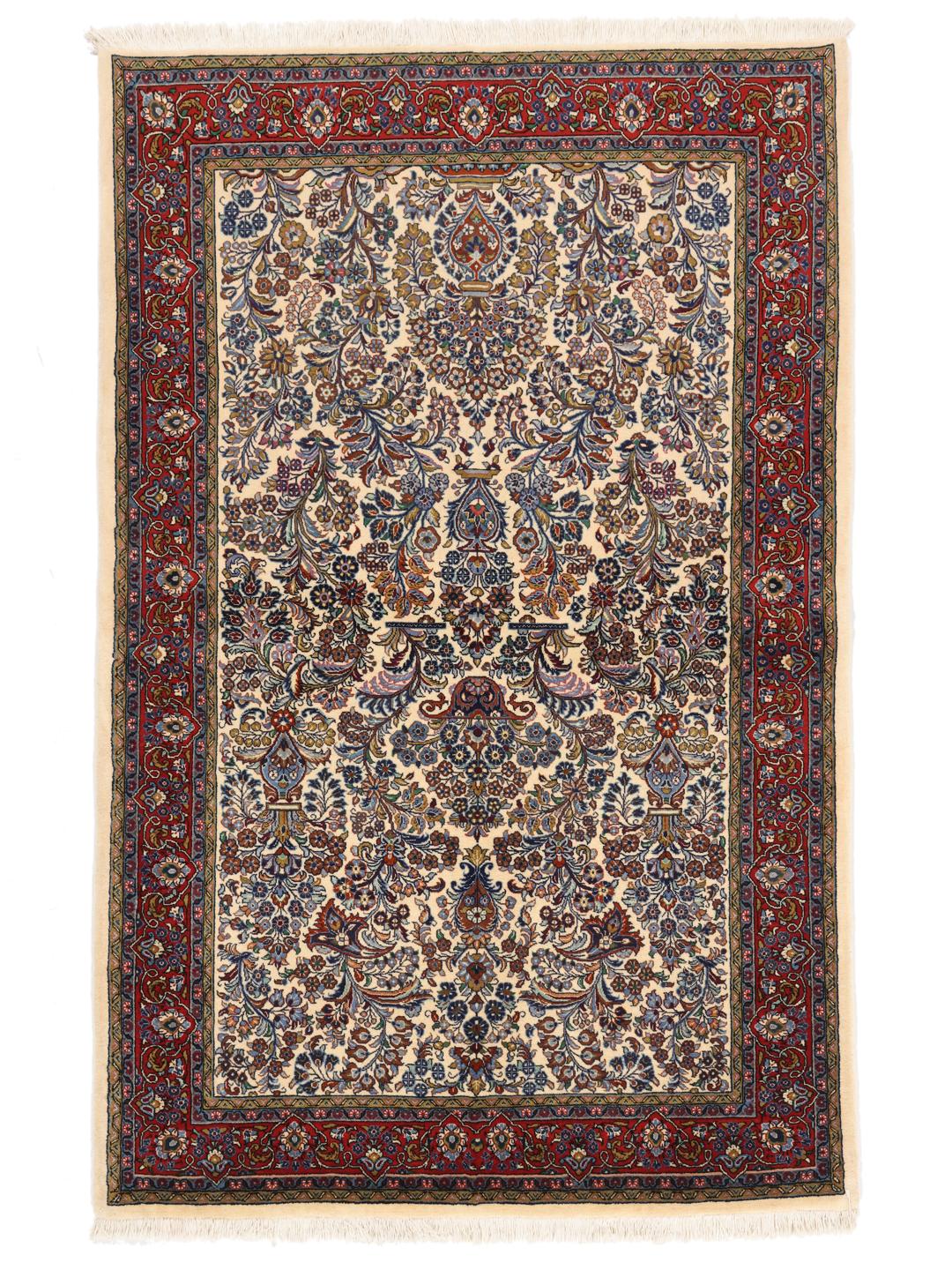
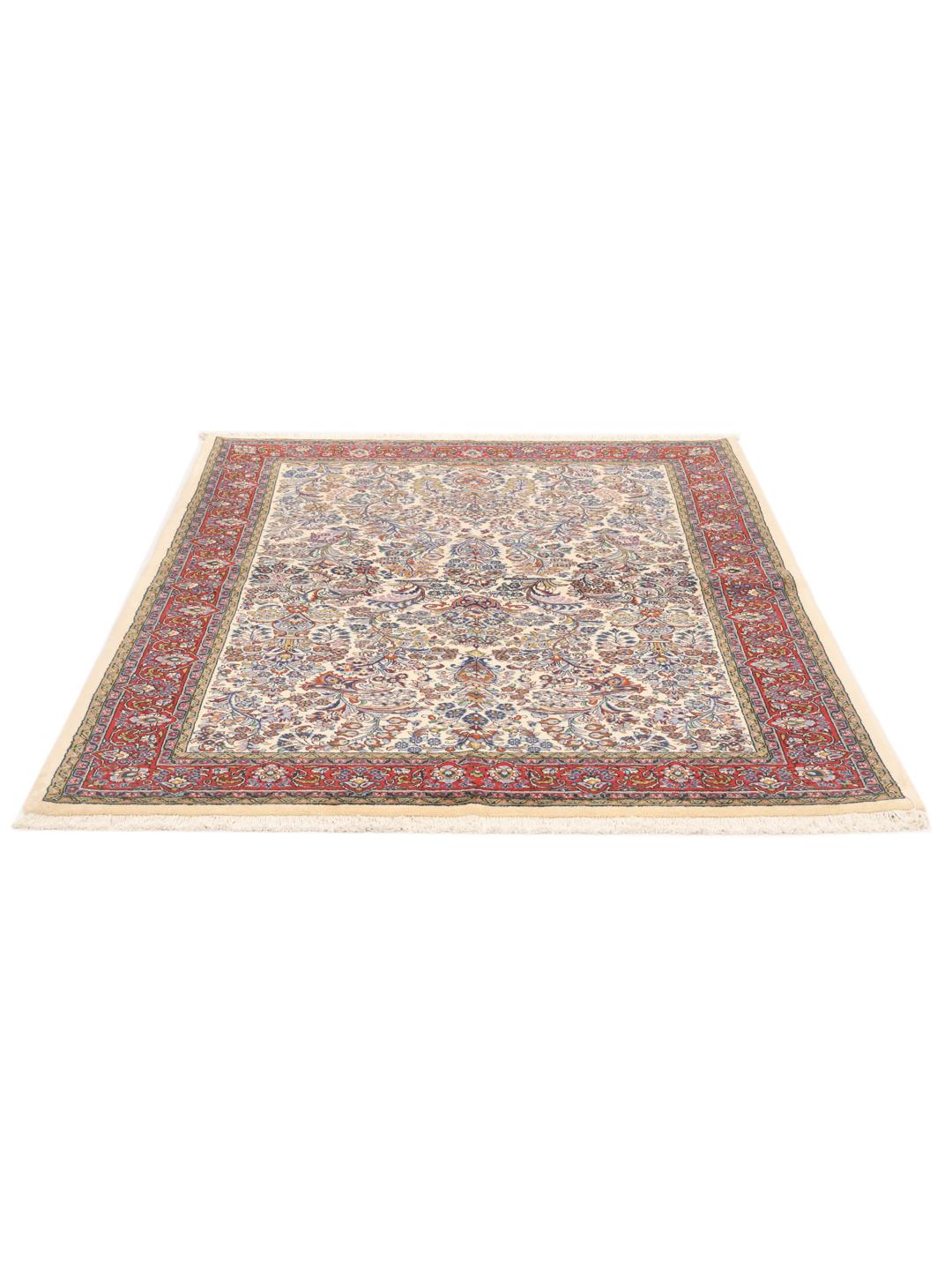
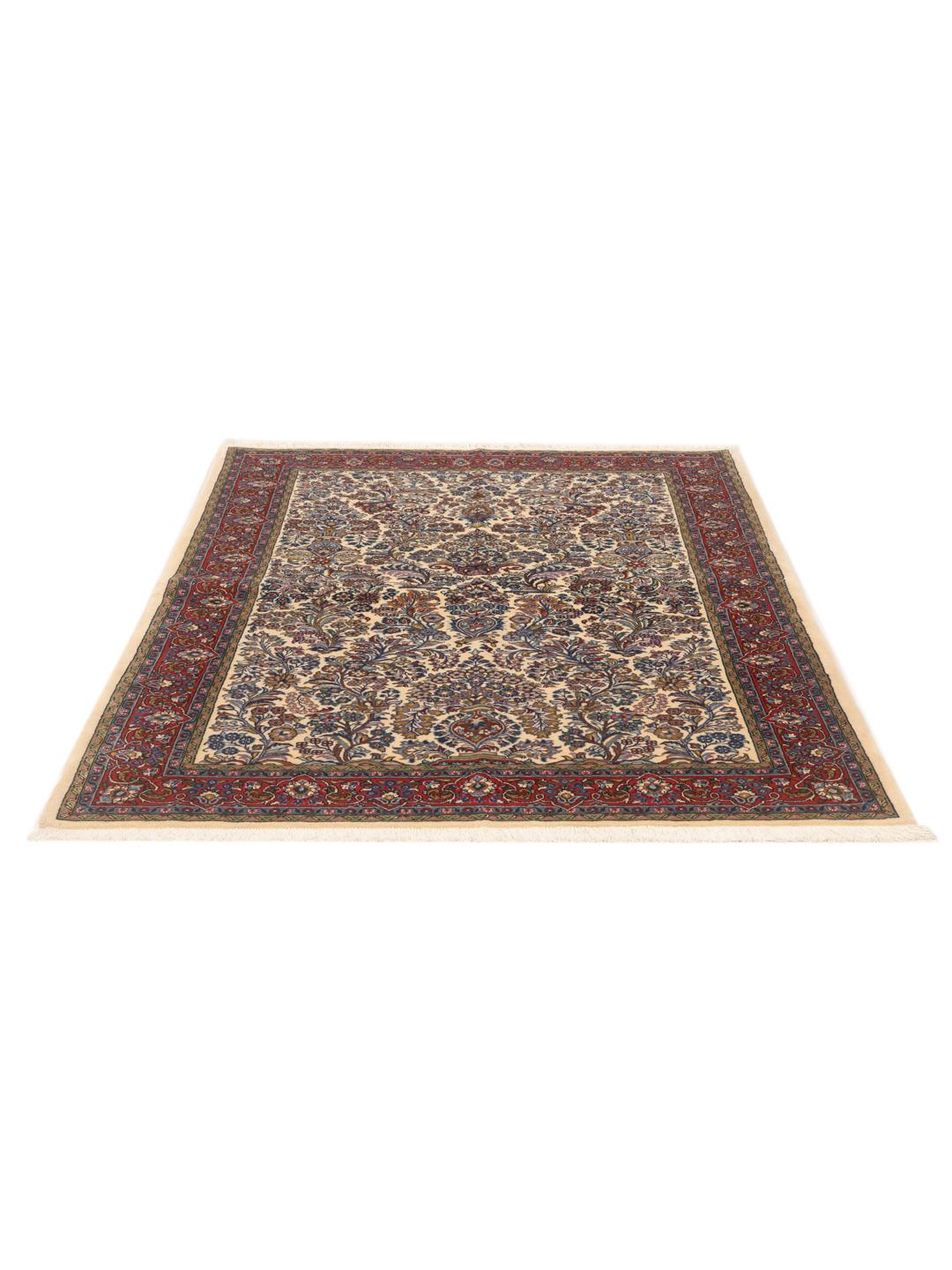
The Sarough rug tradition finds its roots in the small, unassuming village of Sarouk in the Markazi Province of the Middle East. Historically, this region became famous for its ability to produce rugs of exceptional durability and high-quality wool, which quickly caught the attention of international markets in the early 20th century. These rugs evolved to feature a distinctively dense foundation and elaborate, flowing floral designs that departed from more rigid geometric styles.
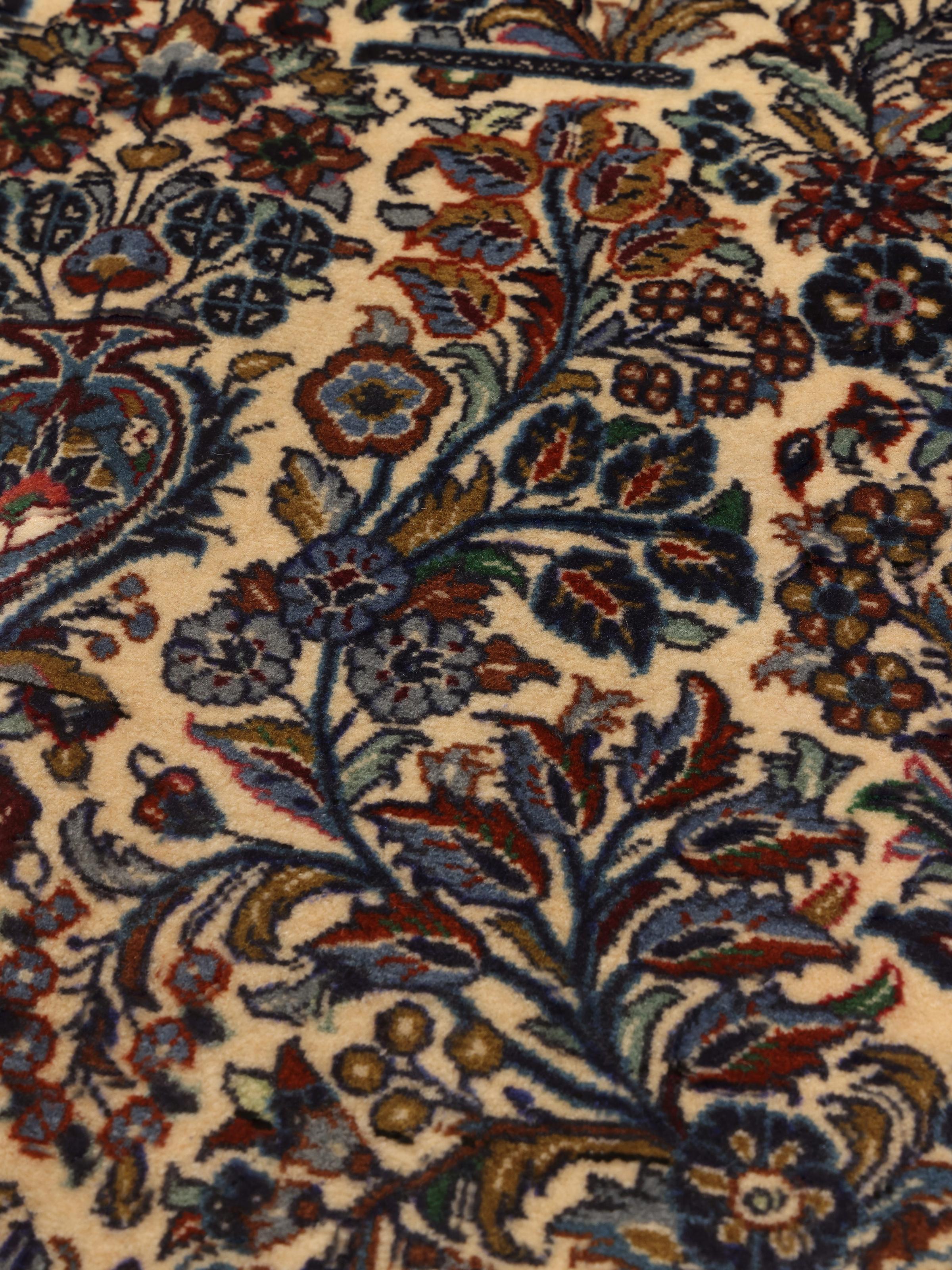
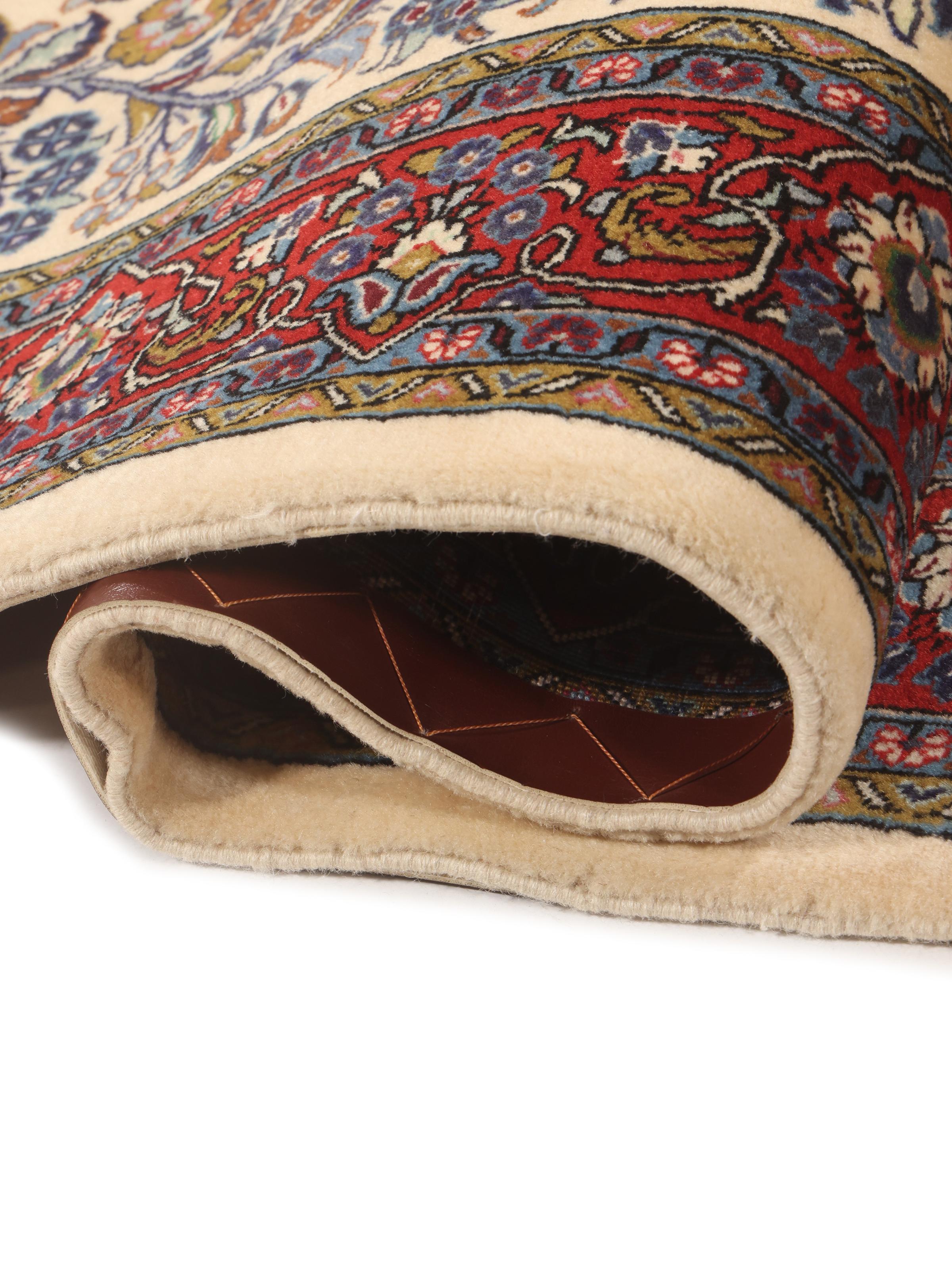
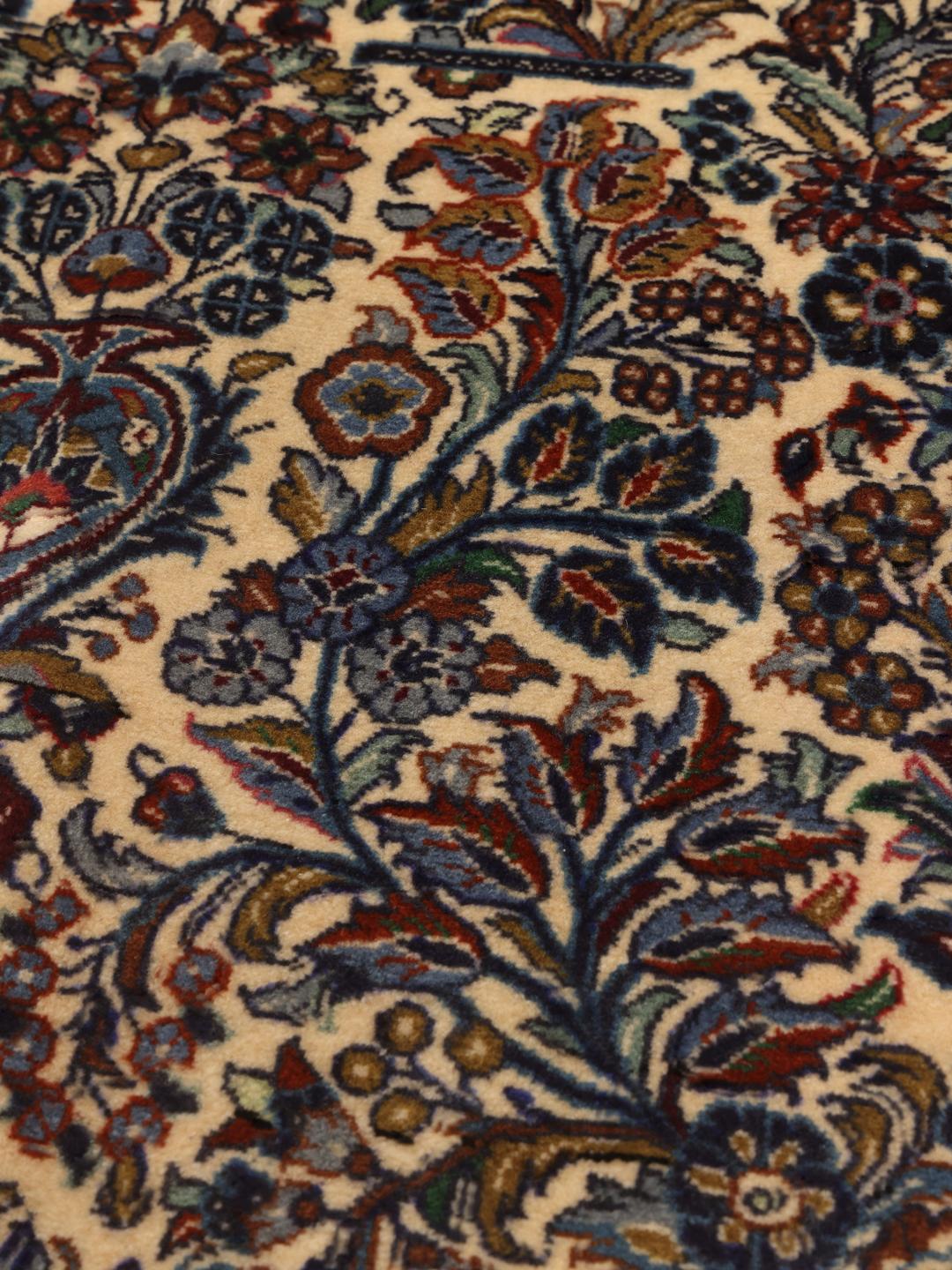
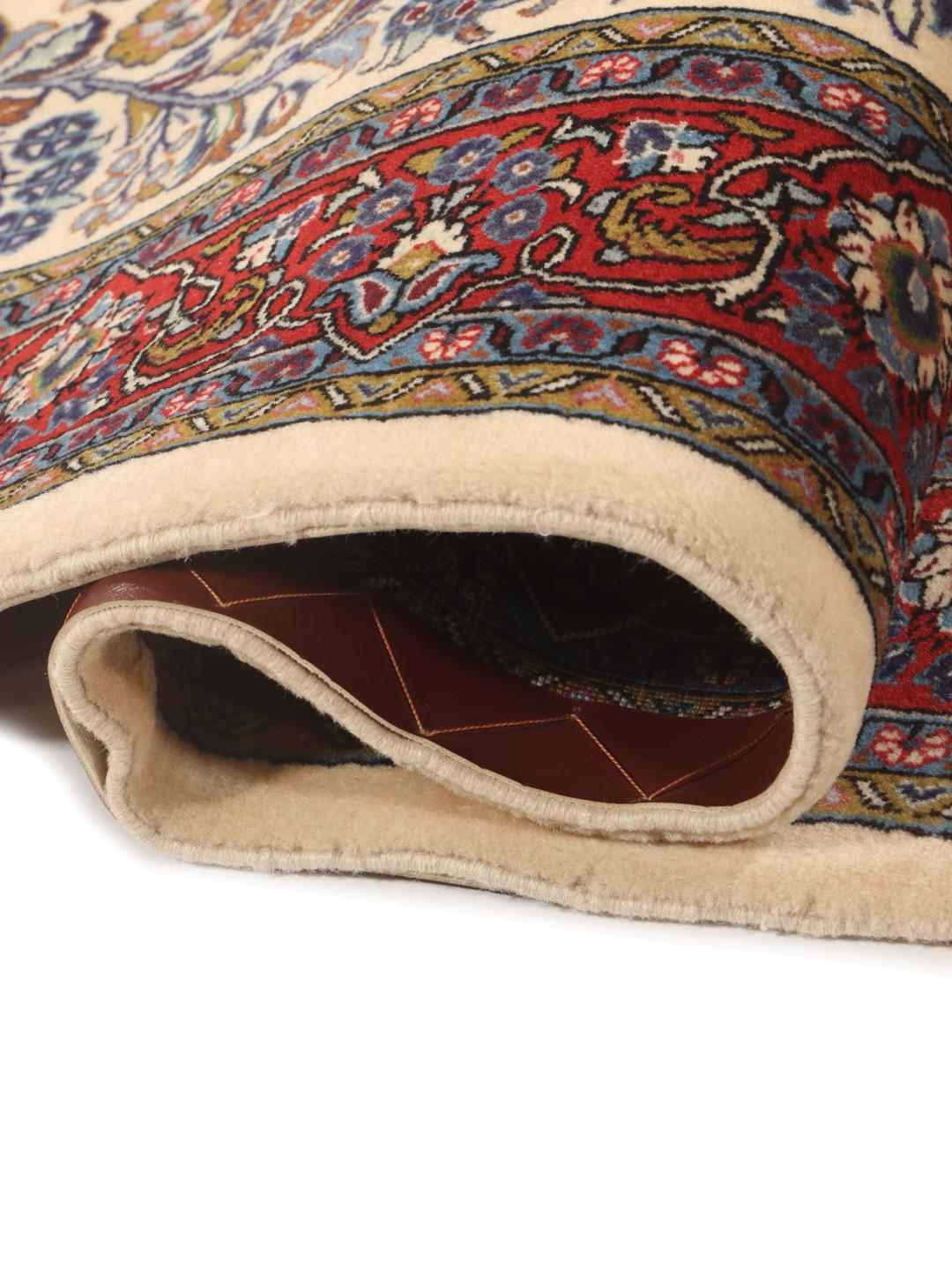
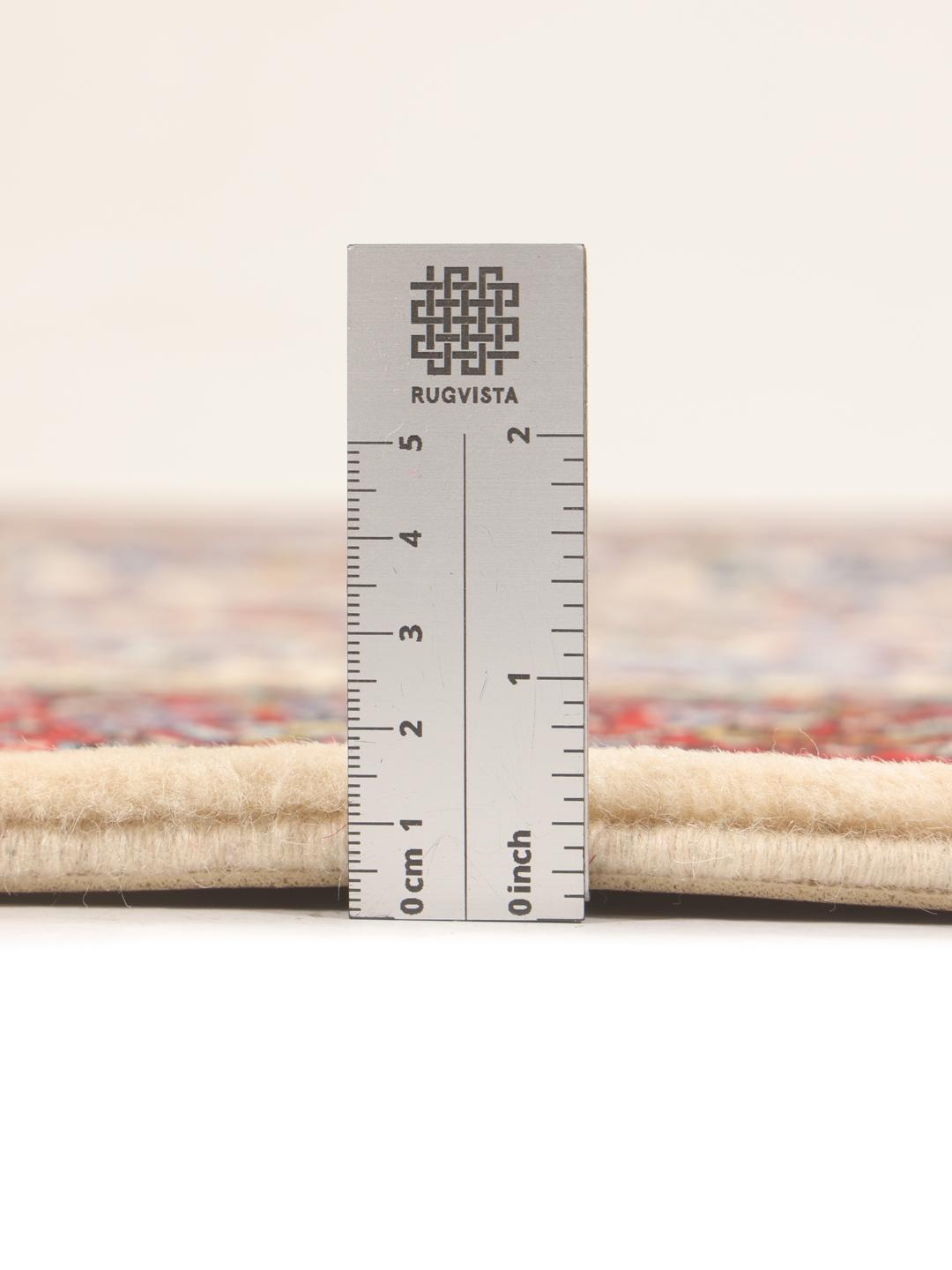
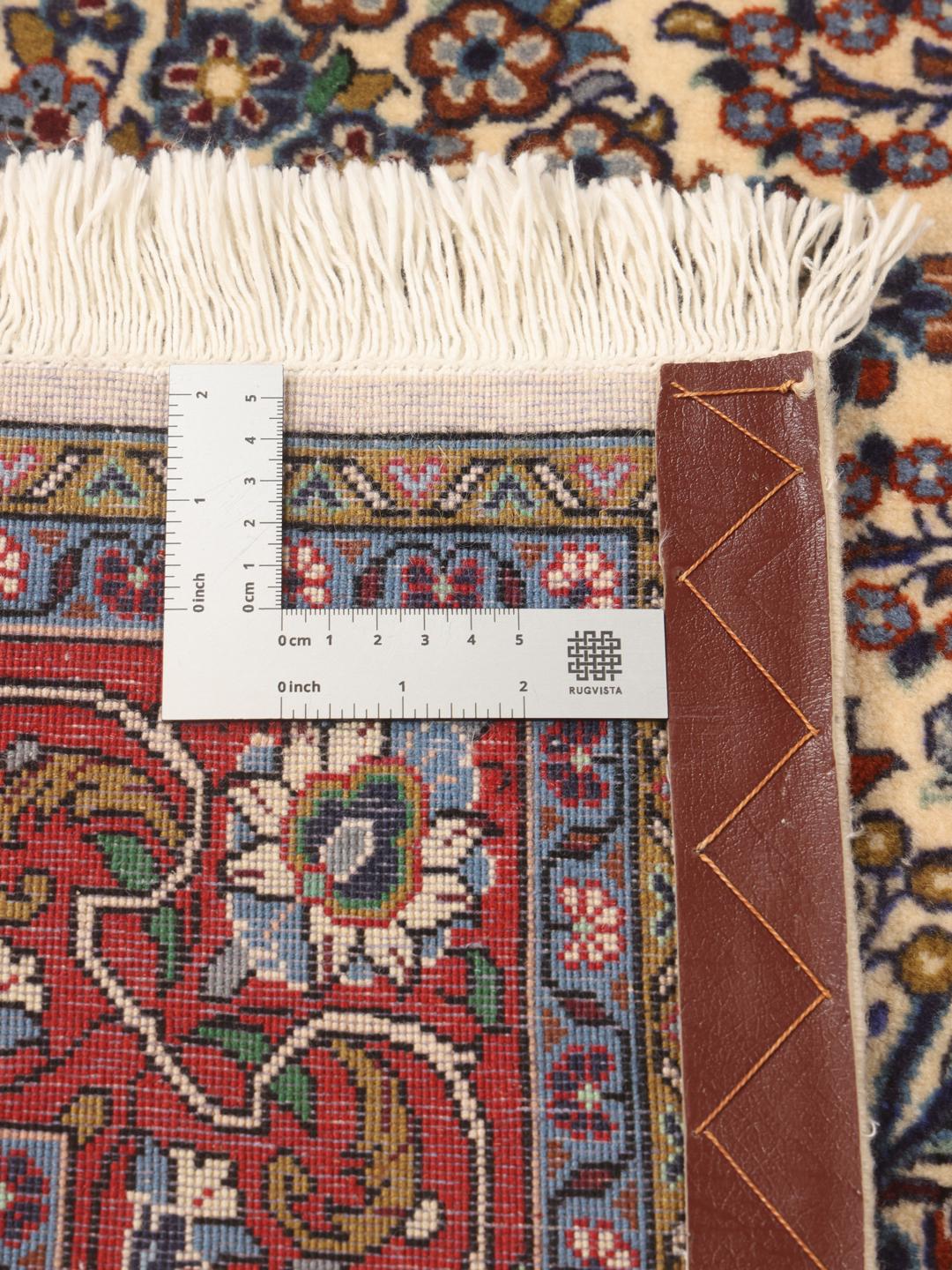
The term Sarough signifies a specific approach to construction that prioritises a tight, sturdy weave. In this tradition, artisans use a technique that creates a very dense pile, which is not only luxurious to the touch but also incredibly resistant to wear. This technical choice is why these rugs have remained sought after for generations; the tight knotting allows the intricate patterns to remain crisp and clear, even after years of active use in a busy home.
Visually, these rugs are characterised by an organic, flowing floral language. The field is often filled with scrolling vines, palmettes, and blossoms that seem to grow naturally across the surface, typically framed by a sophisticated, wide border. While traditional examples often feature deep reds and blues, the artistry lies in how these colours are balanced to create a sense of harmony and depth that feels both balanced and dynamic.
Owning a Sarough is more than just purchasing a floor covering; it is an investment in a legacy of skill. These pieces are highly valued by collectors because they represent a peak of domestic craft where utility and beauty are perfectly aligned. To bring one into your home is to connect with a long lineage of artisans who poured their expertise into every single knot, ensuring that the final result is a lasting, culturally significant treasure.