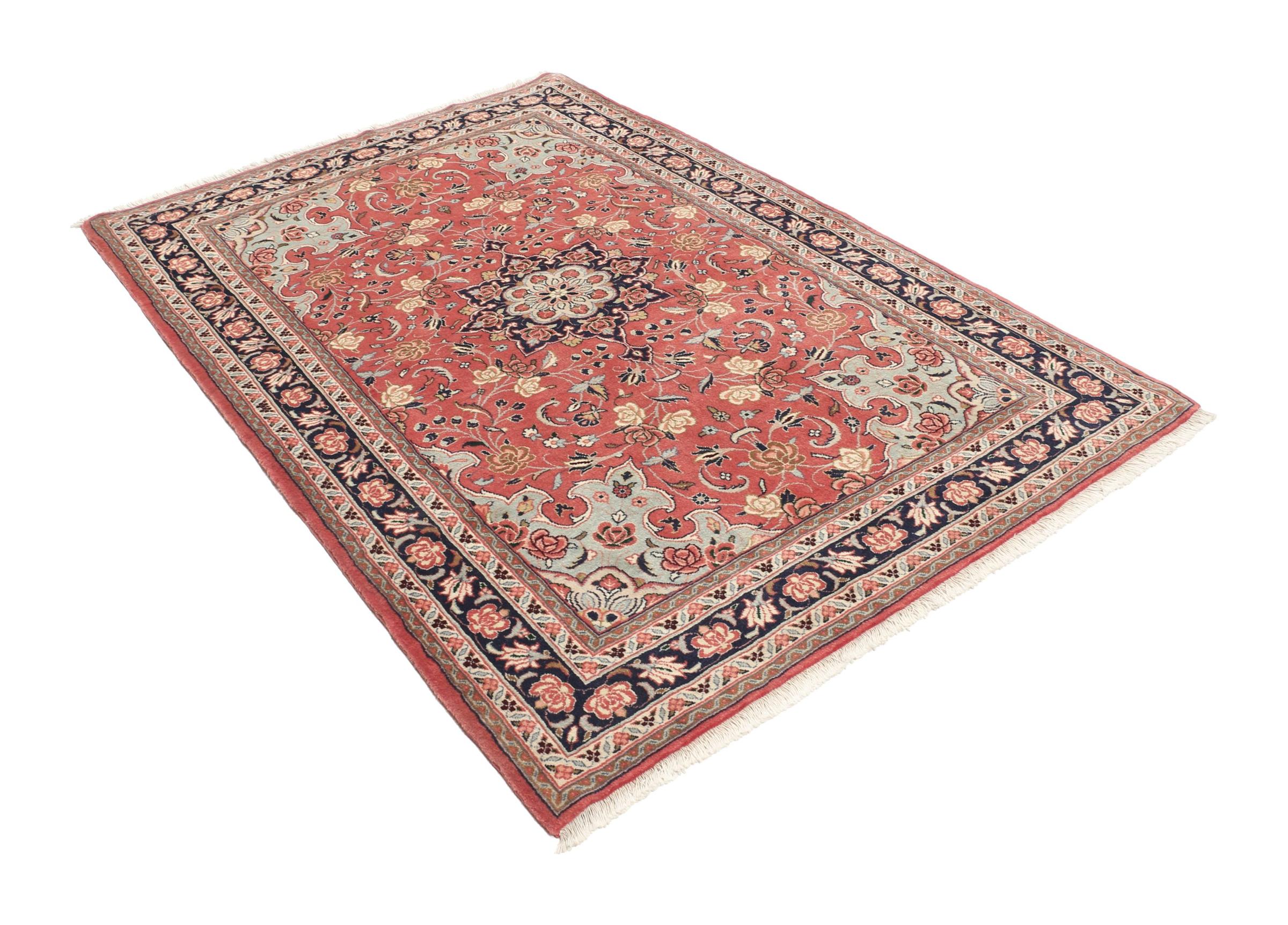
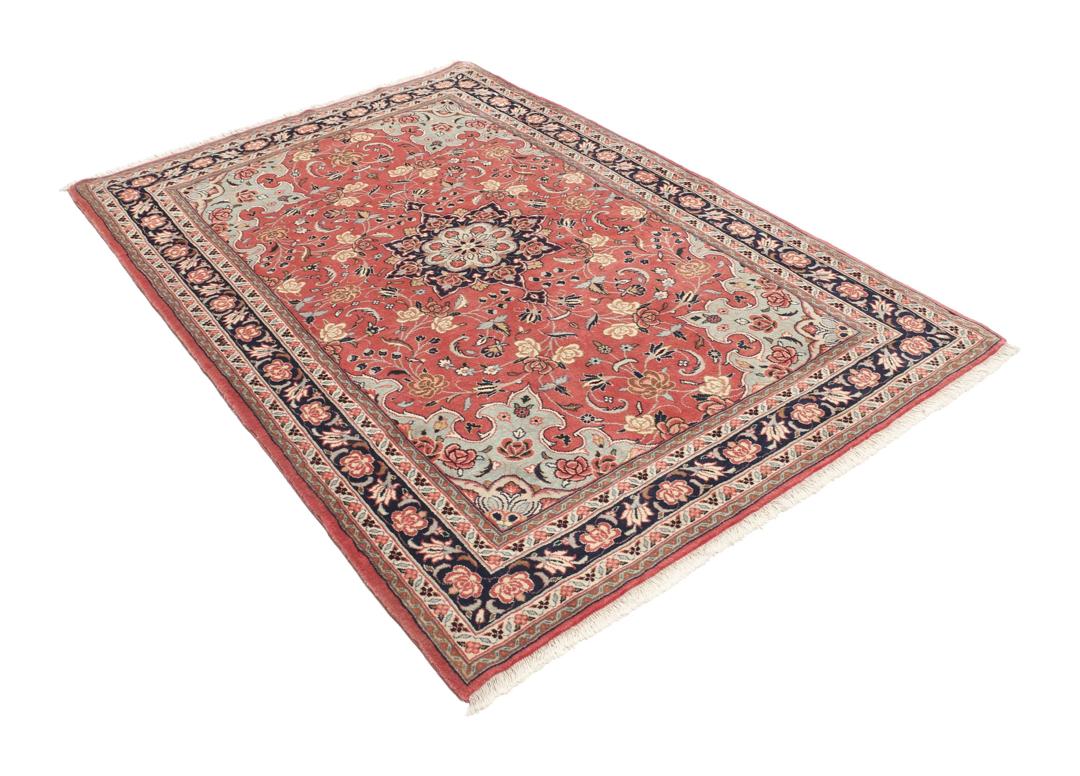
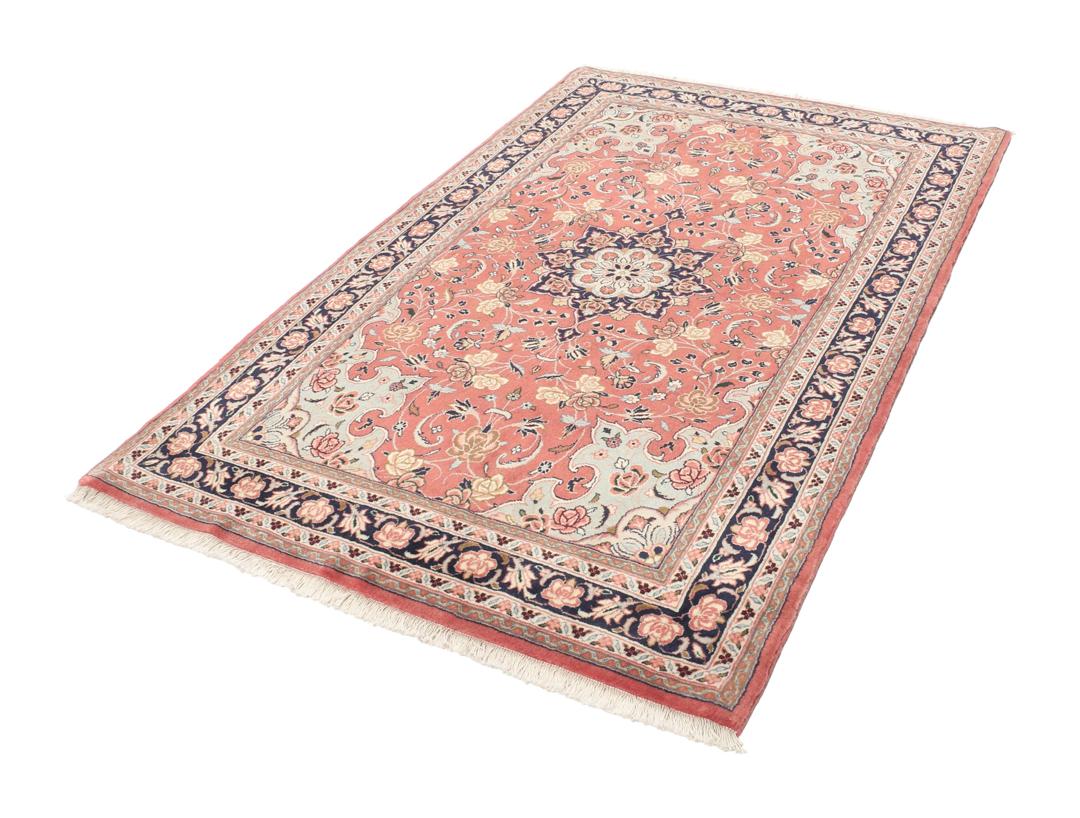
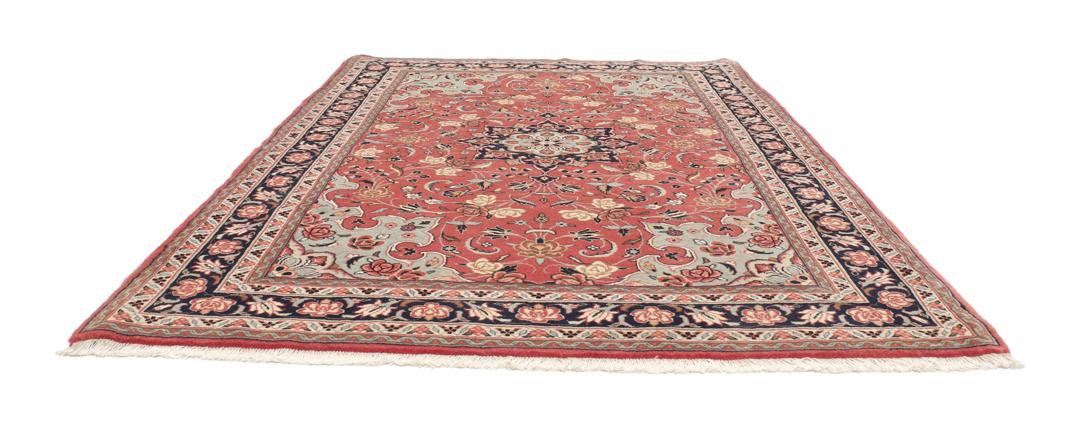
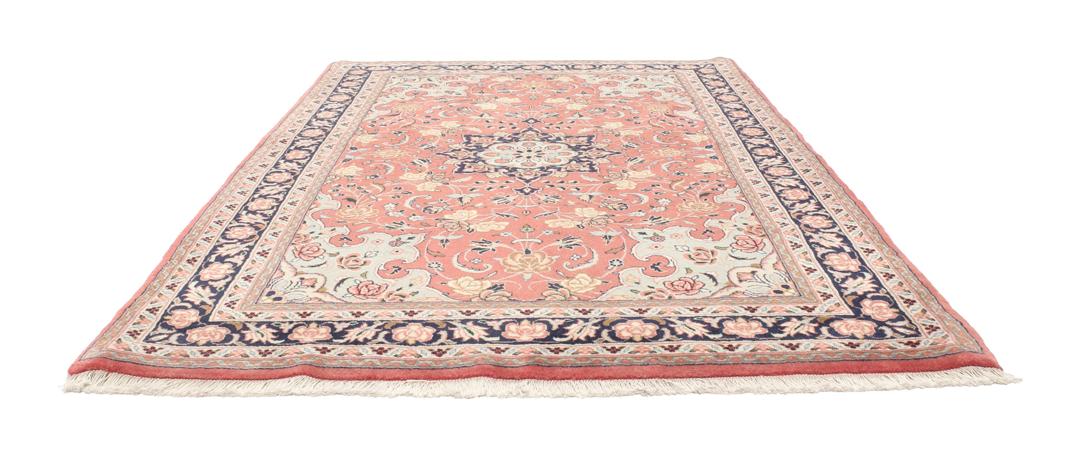
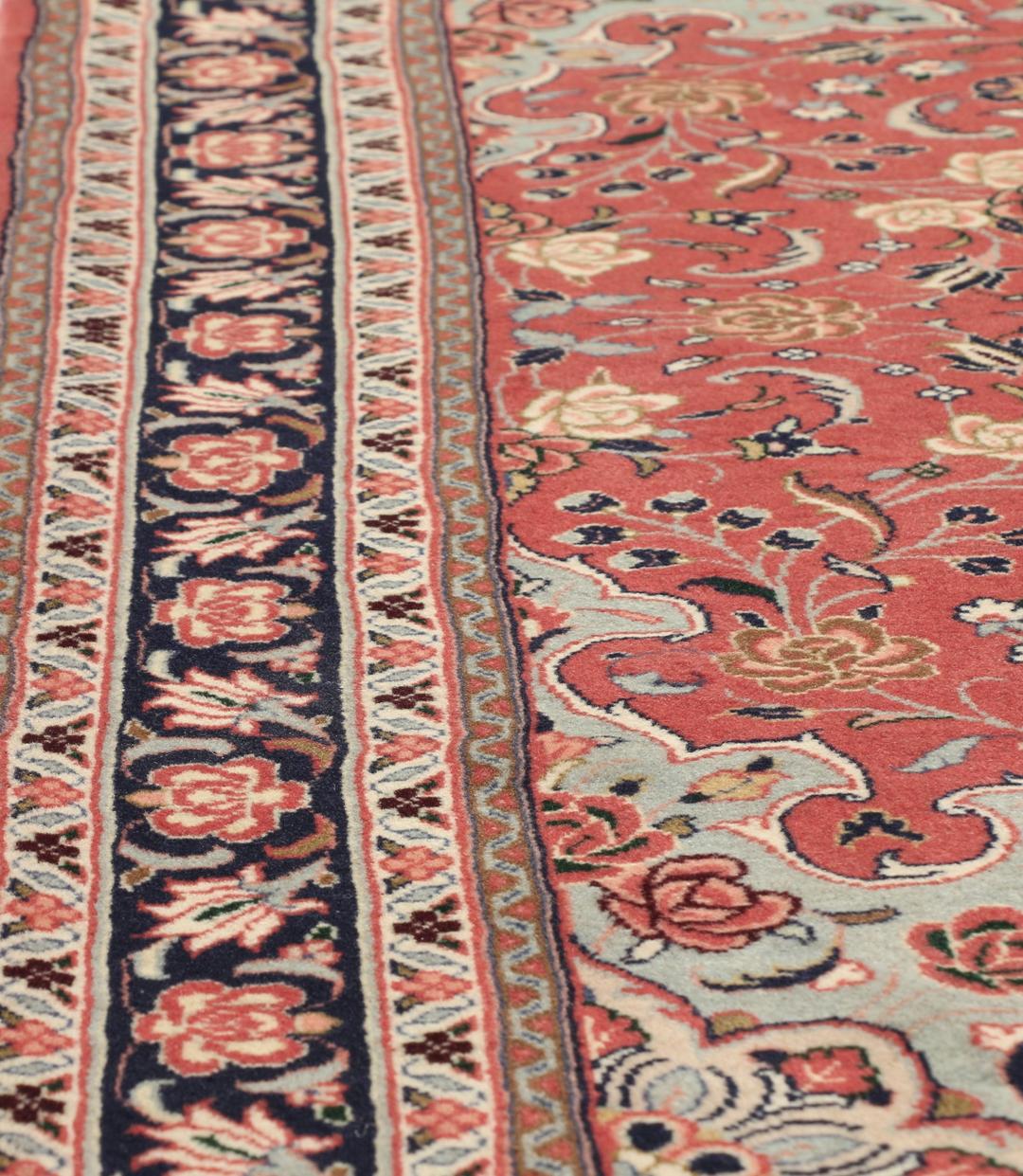
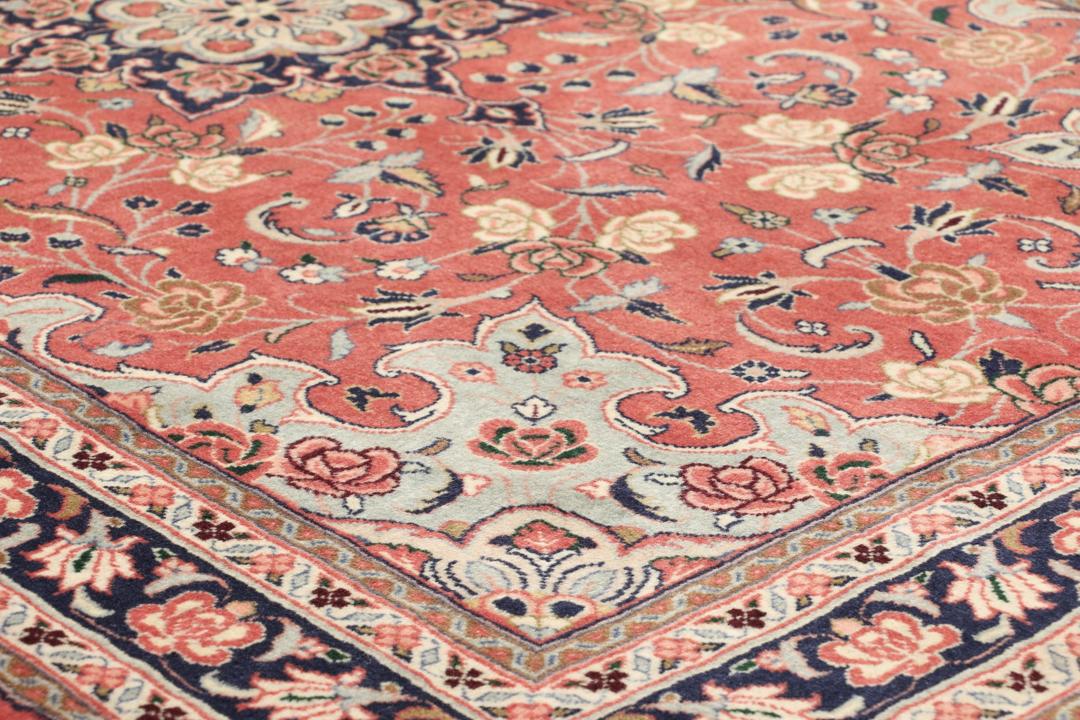
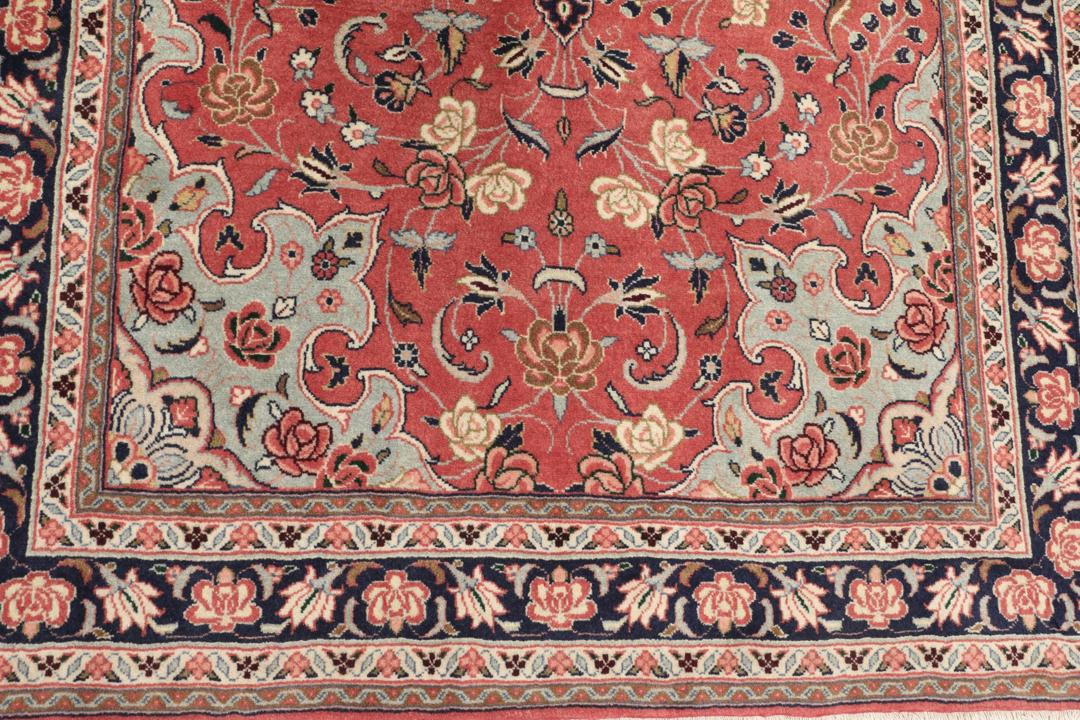
The Sarouk tradition originates from the village of Sarouk in the Arak region of the Middle East, a place long celebrated for its contributions to weaving history. These rugs became world-renowned in the early 20th century for their exceptional durability and their ability to blend traditional artistry with a sophisticated, refined aesthetic that appealed to homes across the globe.
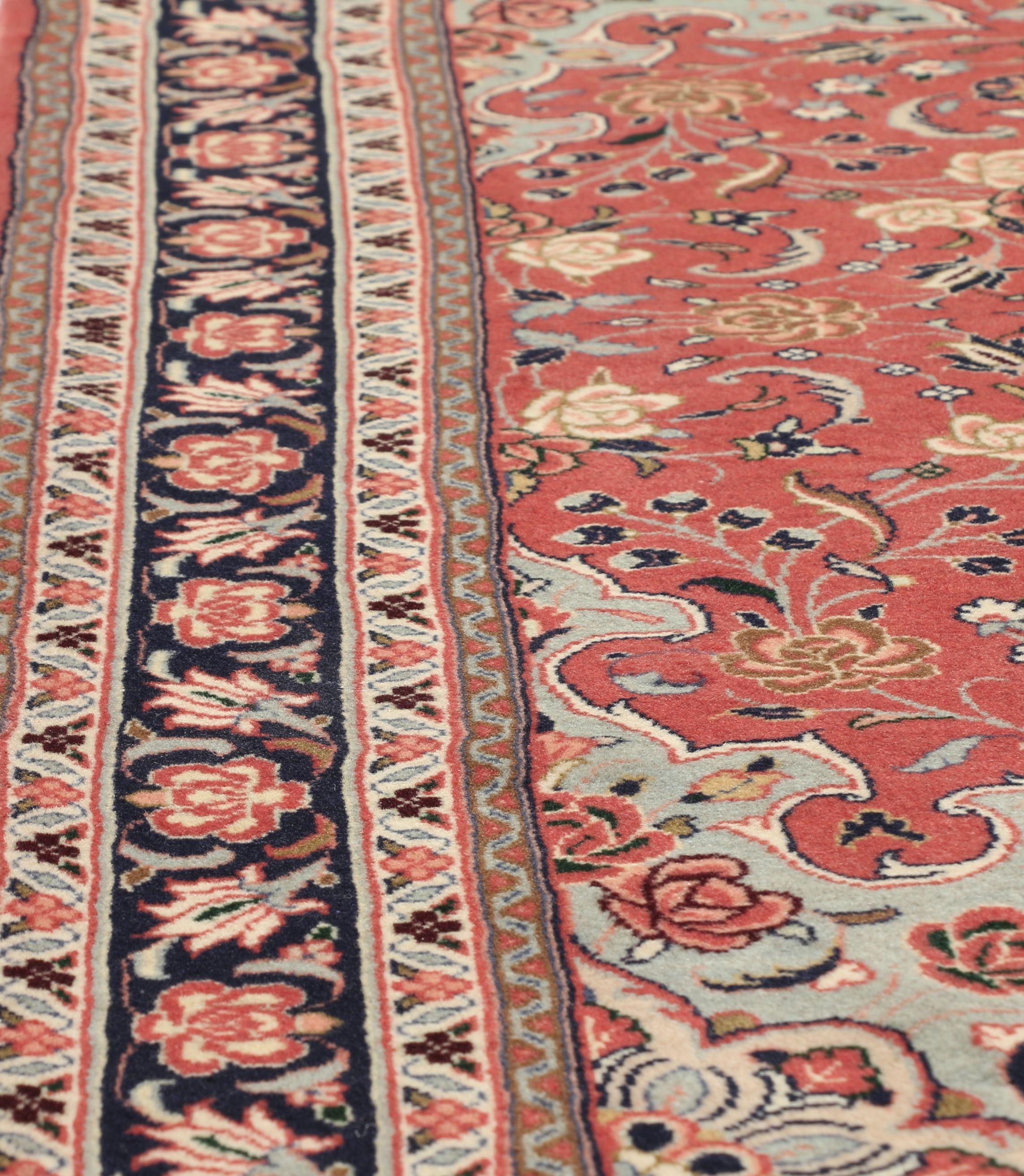
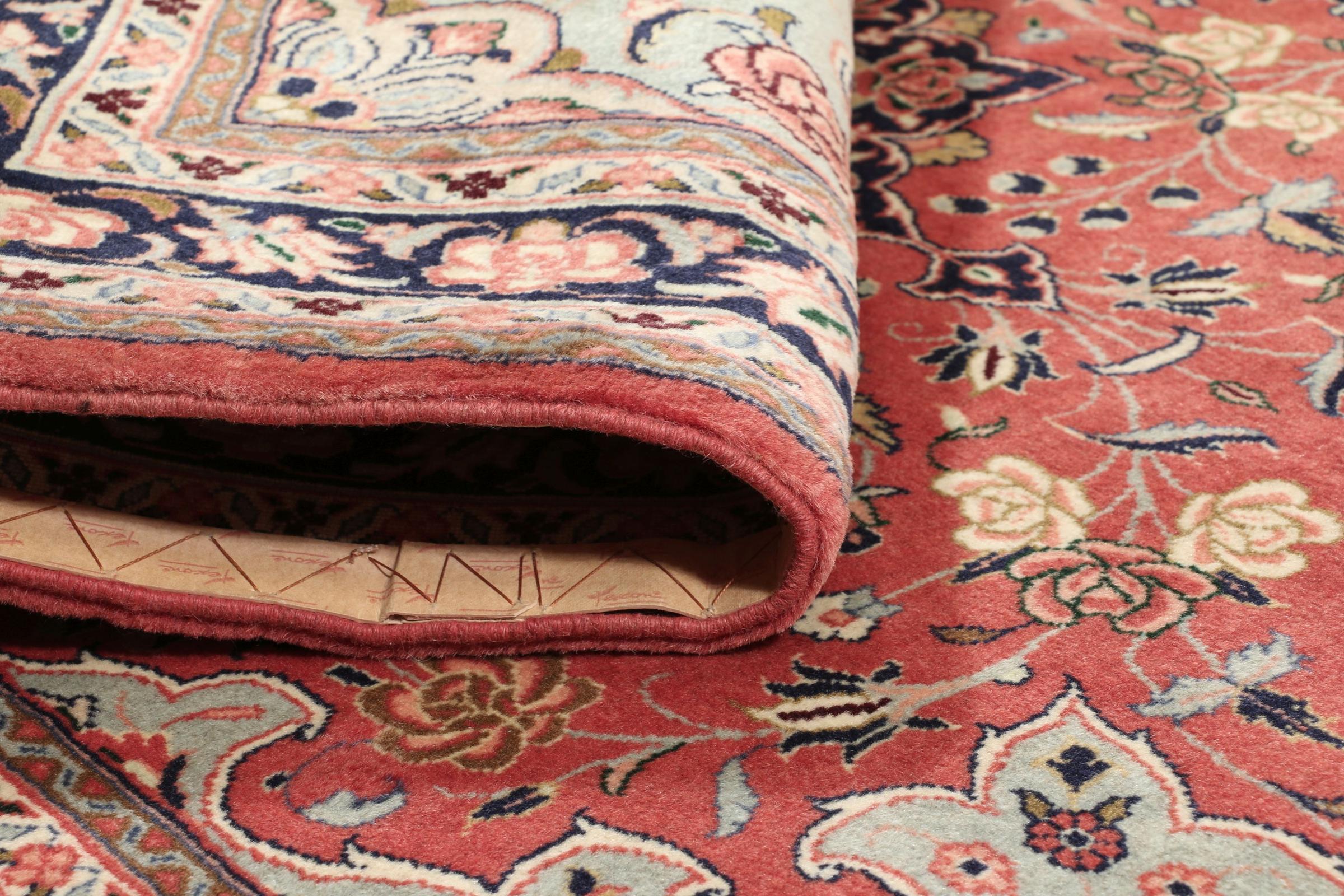
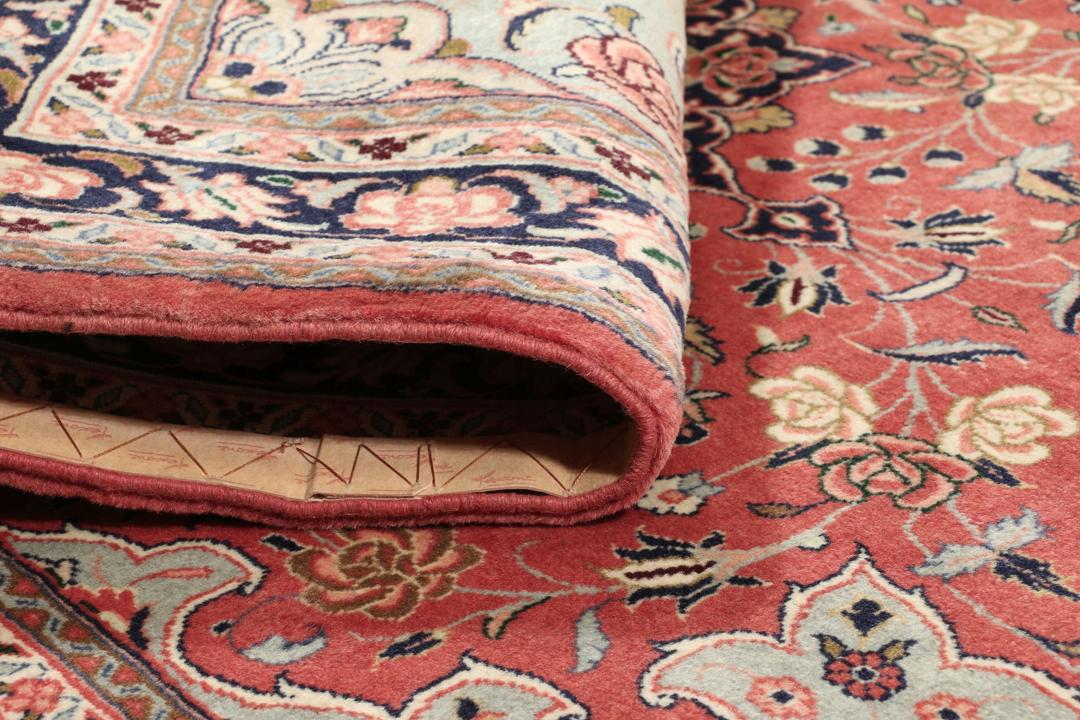
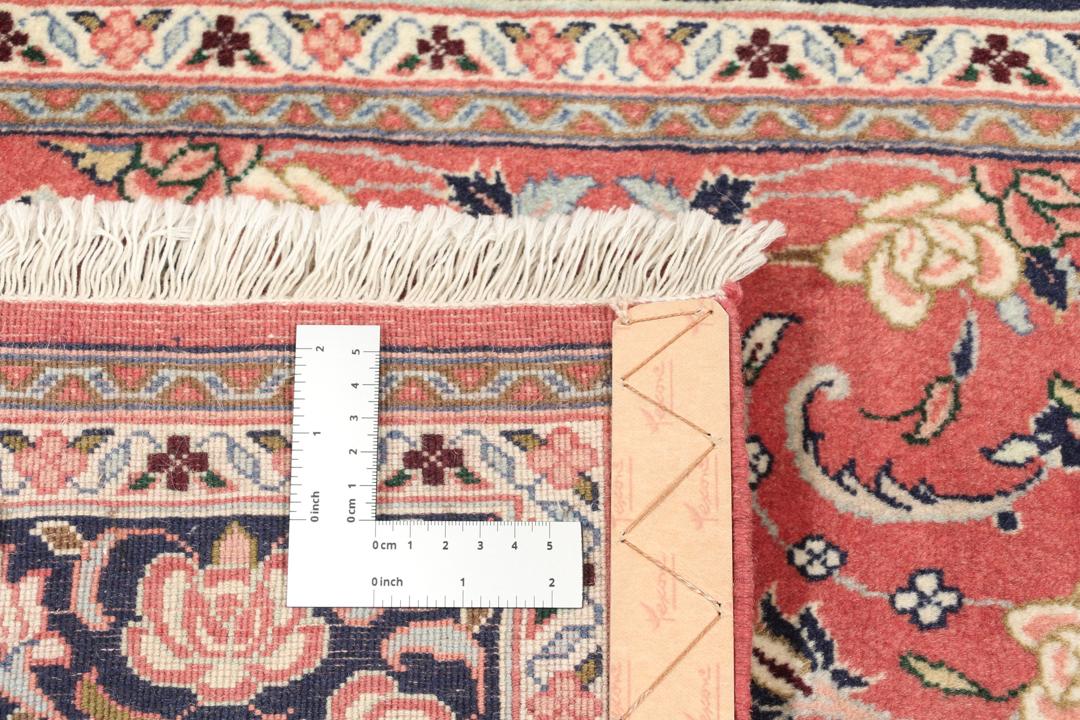
The construction of a traditional Sarouk is defined by the use of high-quality wool that is known for its density and lustre. The term hand-knotted refers to the technique where each pile yarn is individually tied to the foundation, a method that allows for the creation of complex, curved floral patterns that are much more difficult to achieve in other, simpler weaving styles.
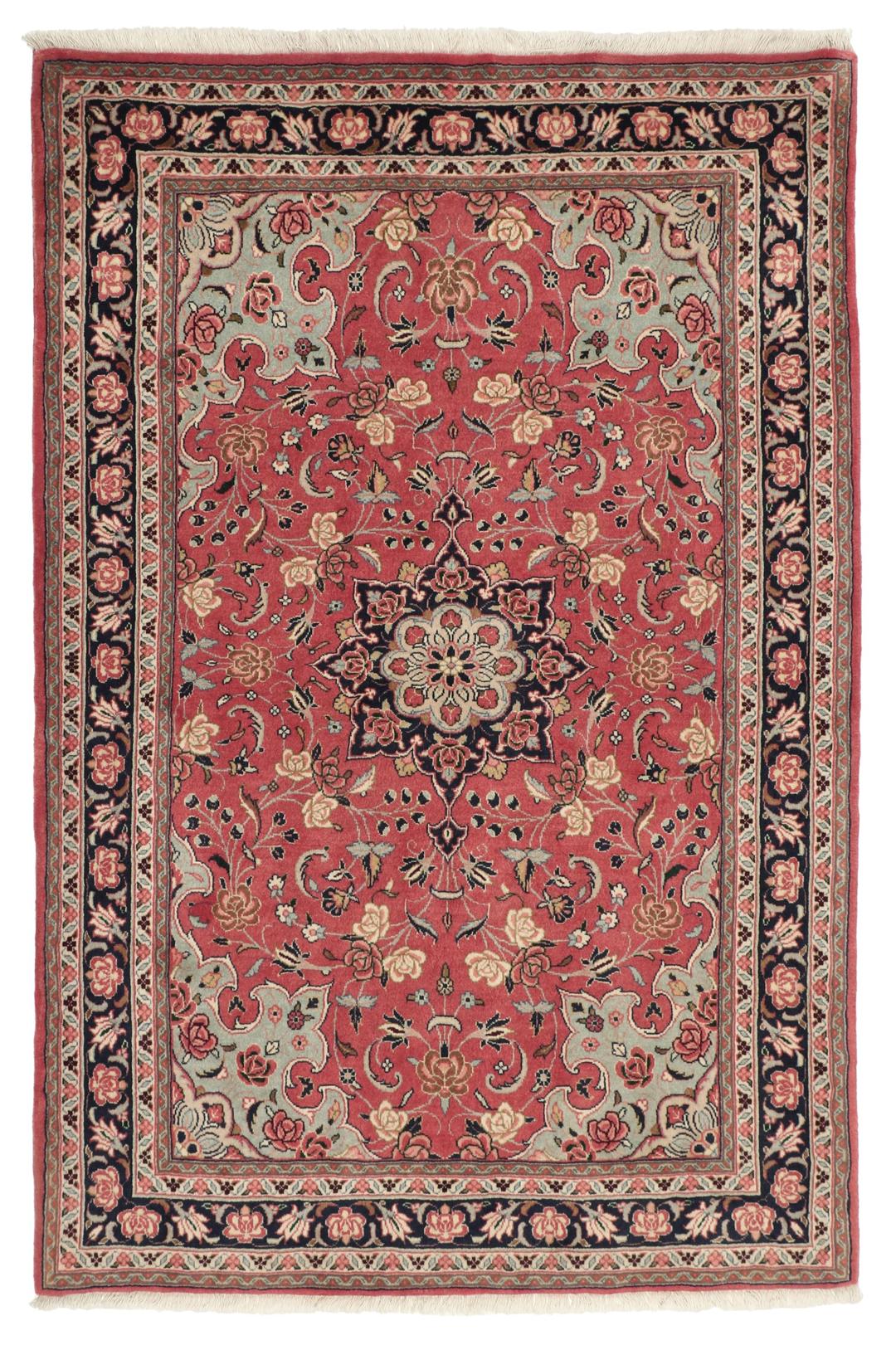
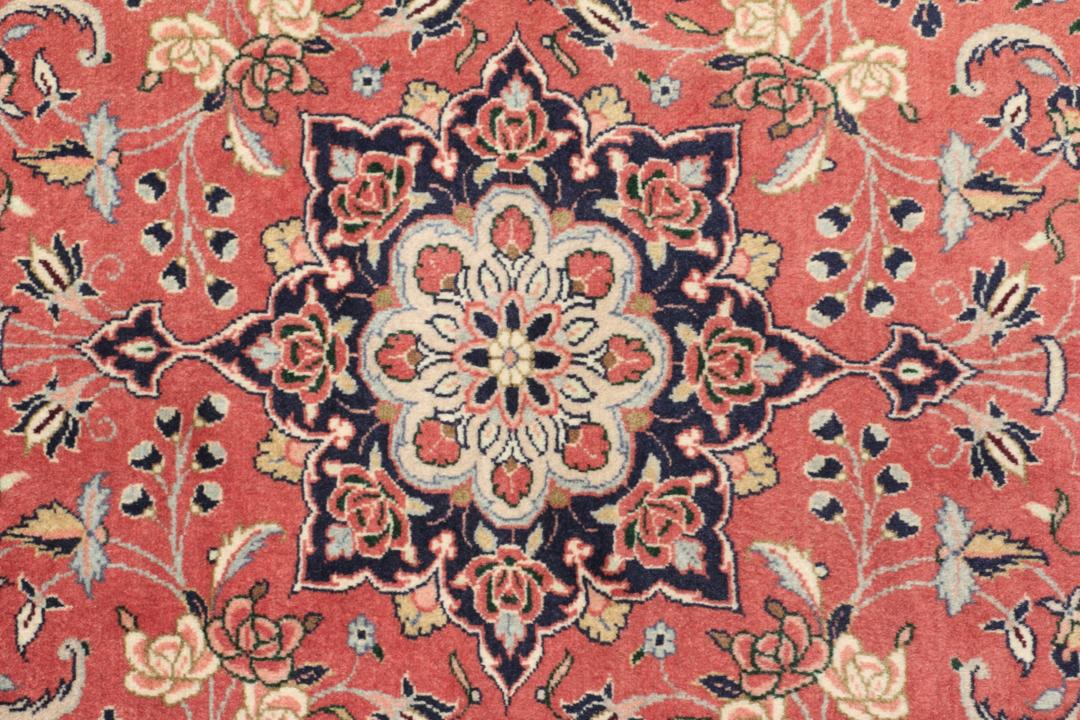
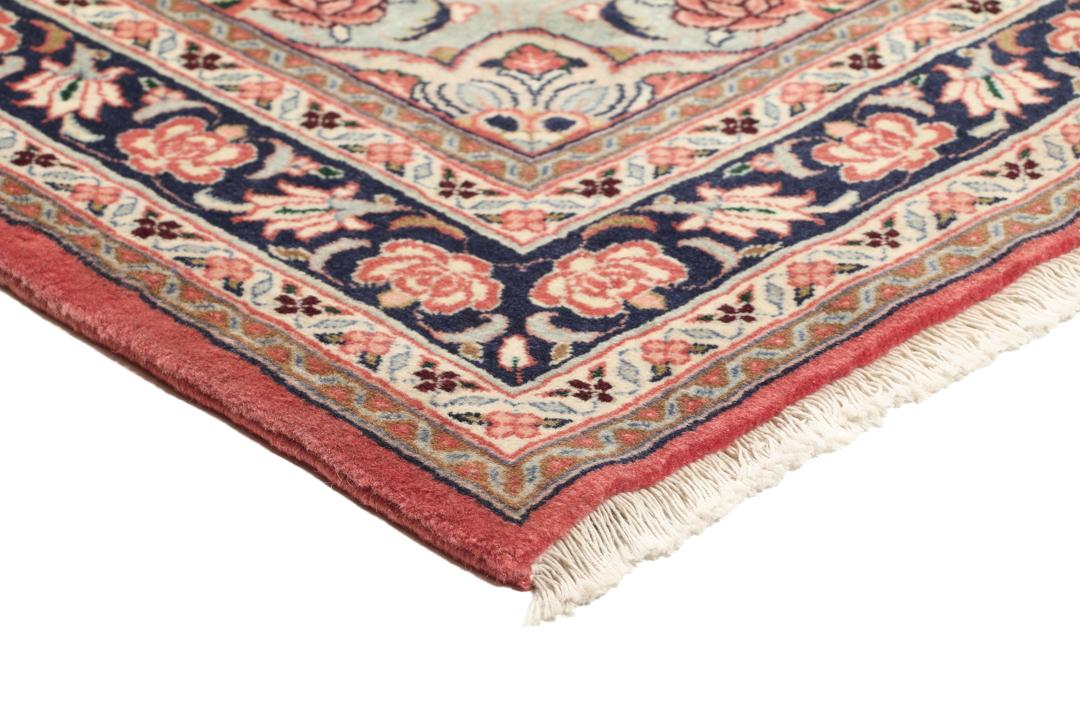
Visually, these rugs are often defined by their flowing, curvilinear floral designs, often centred around a striking medallion. While red backgrounds are traditional for this style, the specific artistic interpretation of the floral sprays and the border motifs can vary, making each piece a unique reflection of the weaver's personal skill and local design heritage.
Collecting a rug from this tradition is an investment in cultural heritage and human skill. Because these pieces are made by hand, they hold a level of authenticity that connects the modern home to centuries of design evolution. Owning one is a way to preserve a craft that values longevity, patience, and the pursuit of beauty in every knot.