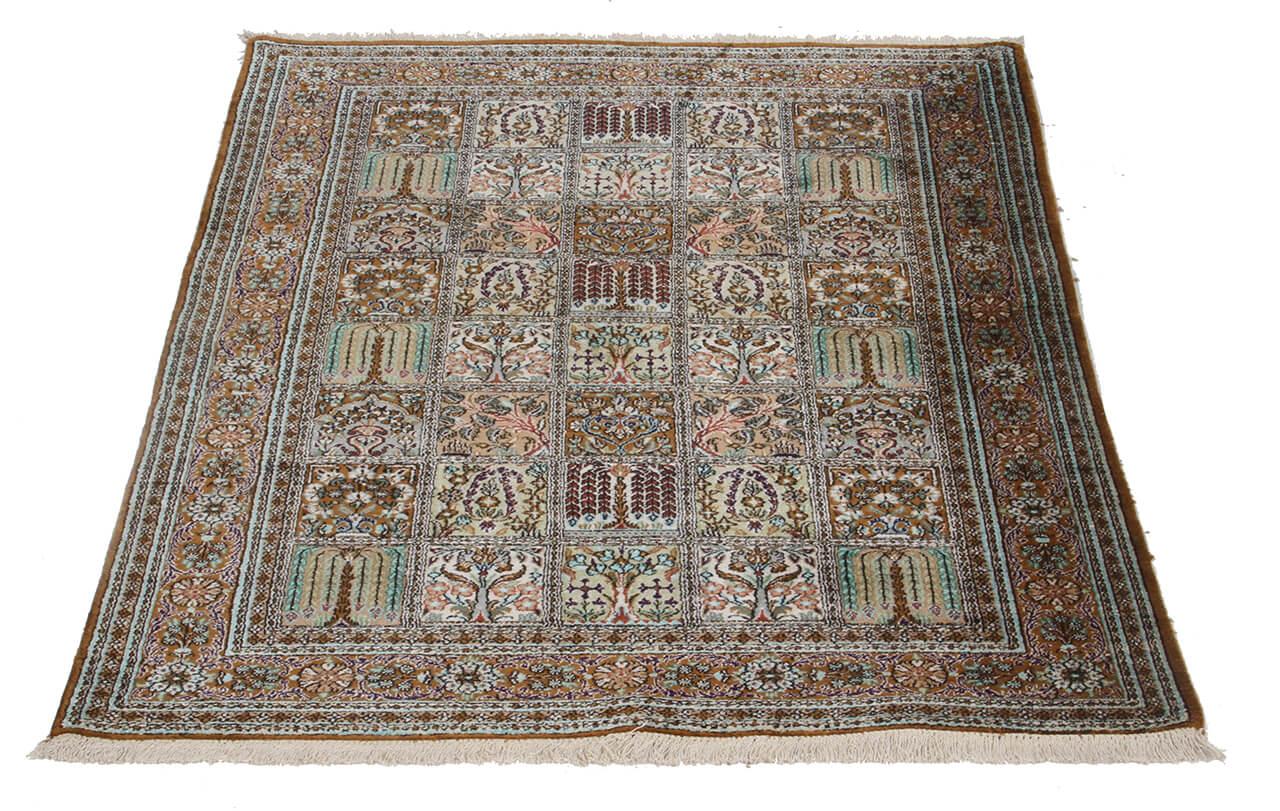
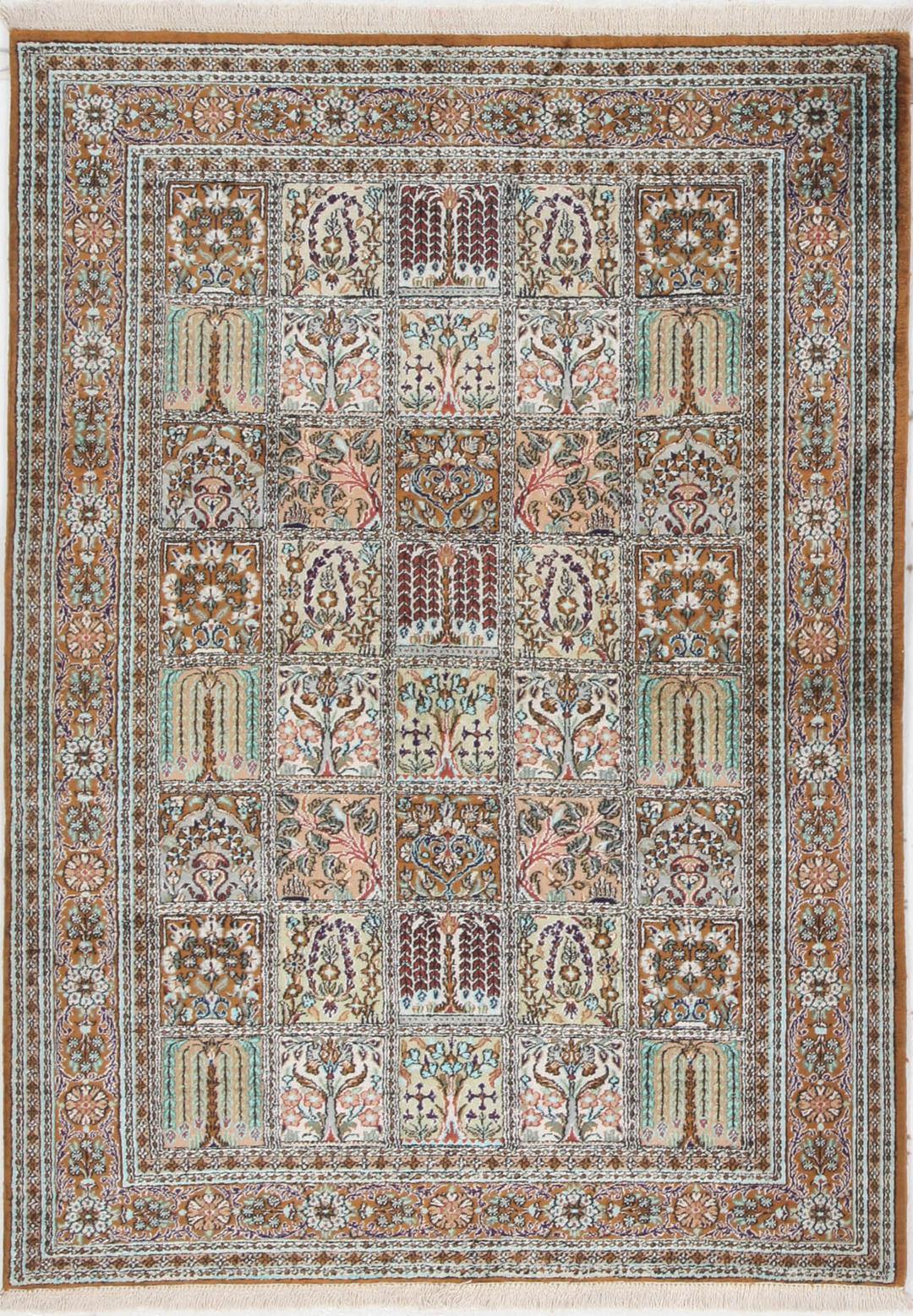
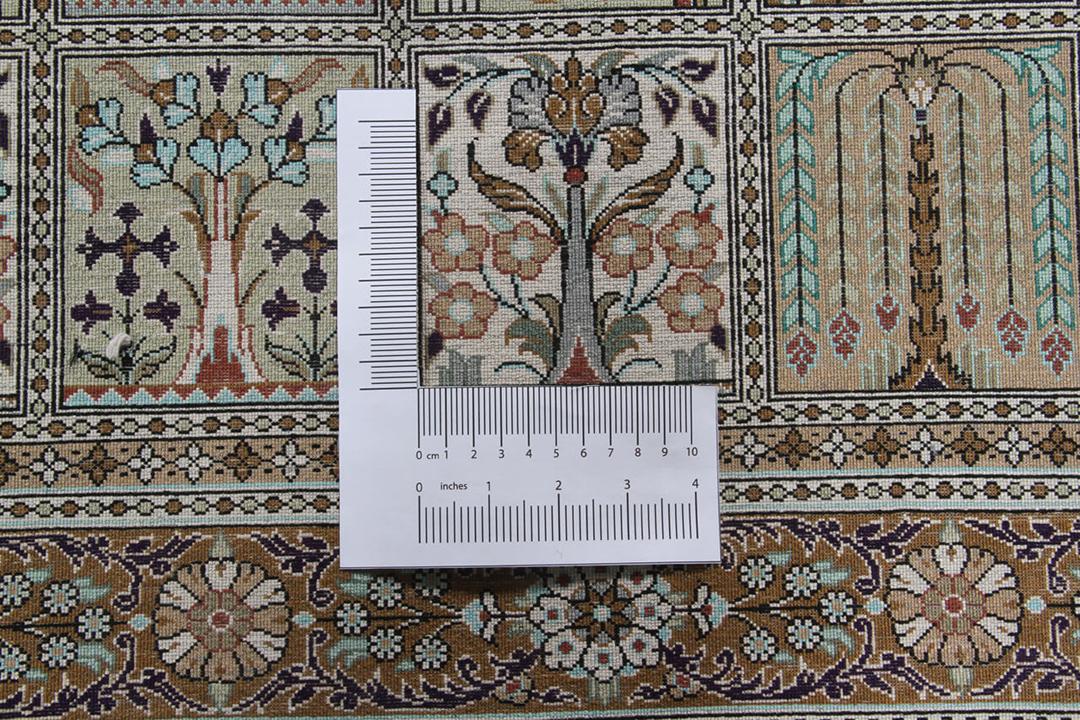
Qum rugs, originating from the holy city of Qum in the Middle East, represent a relatively modern but highly prestigious chapter in the long history of rug weaving. While other regions have centuries-old traditions, the Qum weaving industry emerged more significantly in the 20th century, quickly establishing a reputation for the use of the finest materials and an uncompromising standard of technical perfection.
The term 'silk' in this context refers to the primary material used for both the pile and the foundation, which is a hallmark of the Qum tradition. Working with silk requires a different set of skills compared to wool, as the threads are finer and more delicate, demanding a steady hand and extreme precision. This material choice is what gives these rugs their signature sheen and allows for the incredibly high knot density that defines their aesthetic.
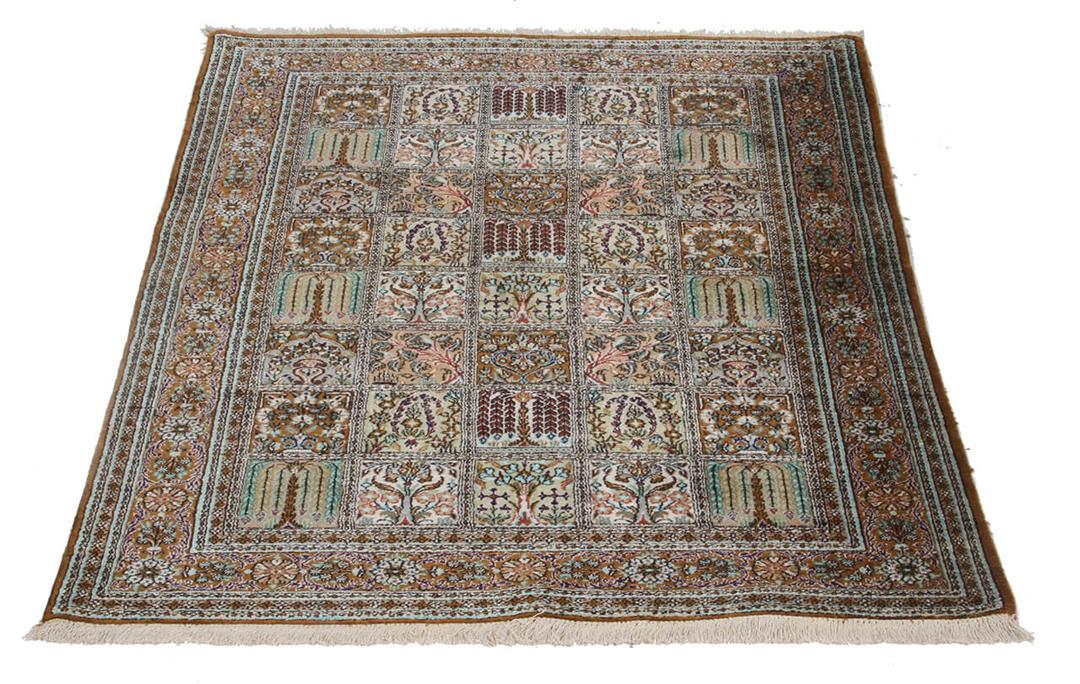
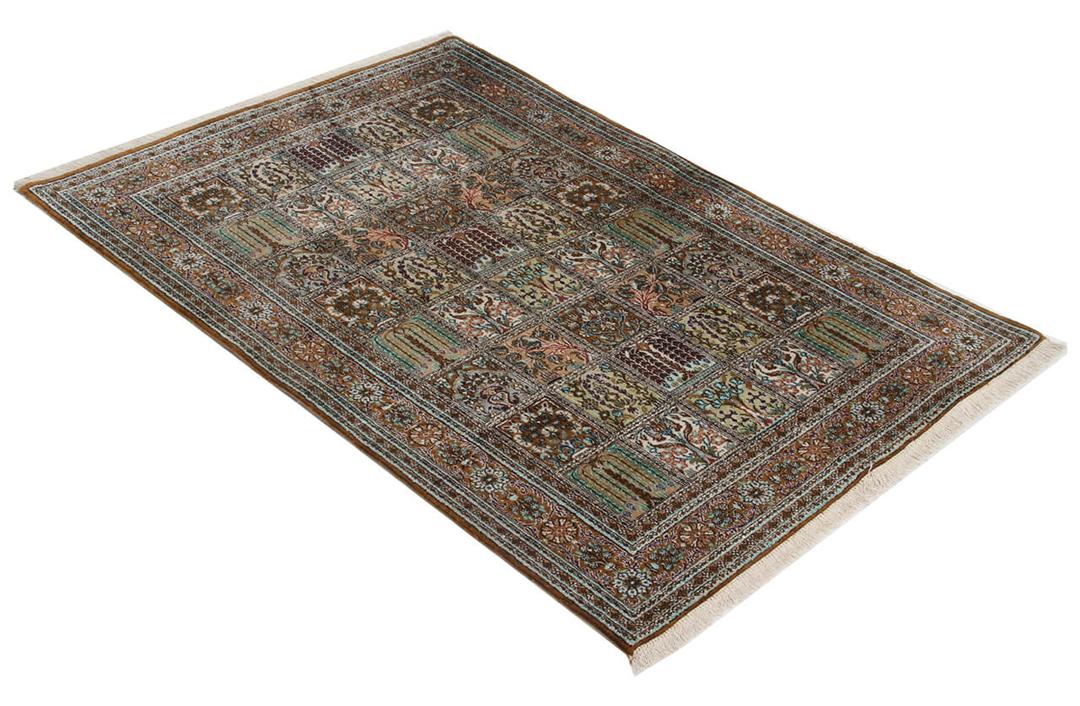
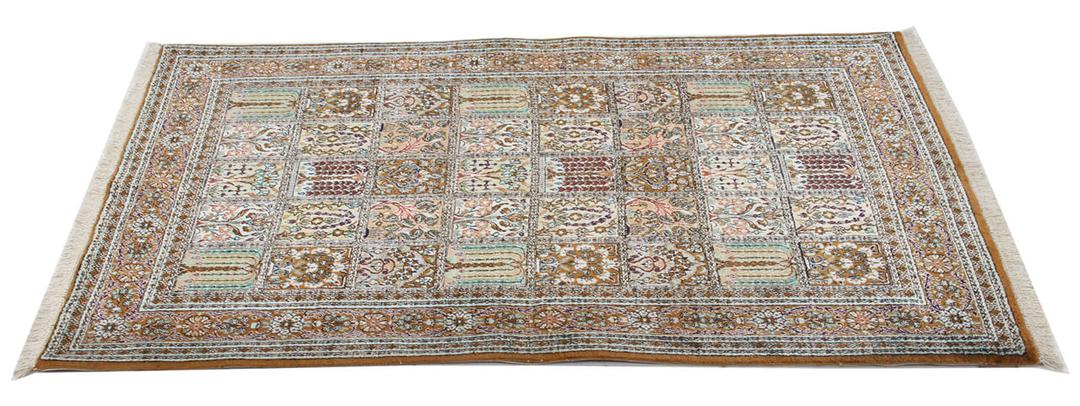
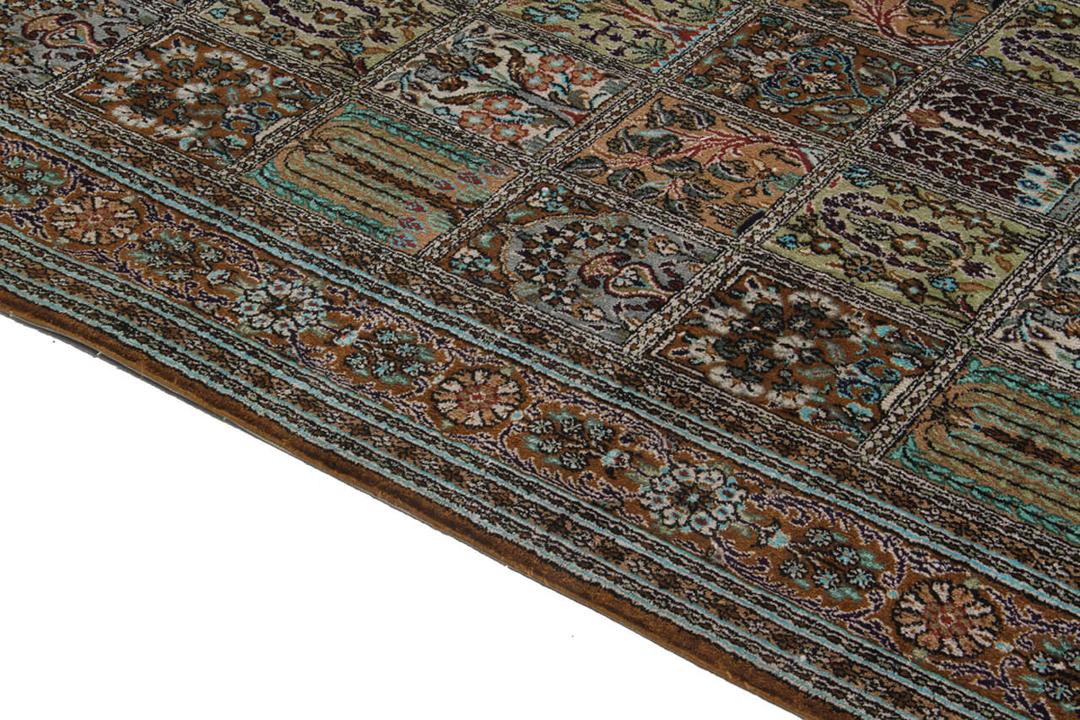
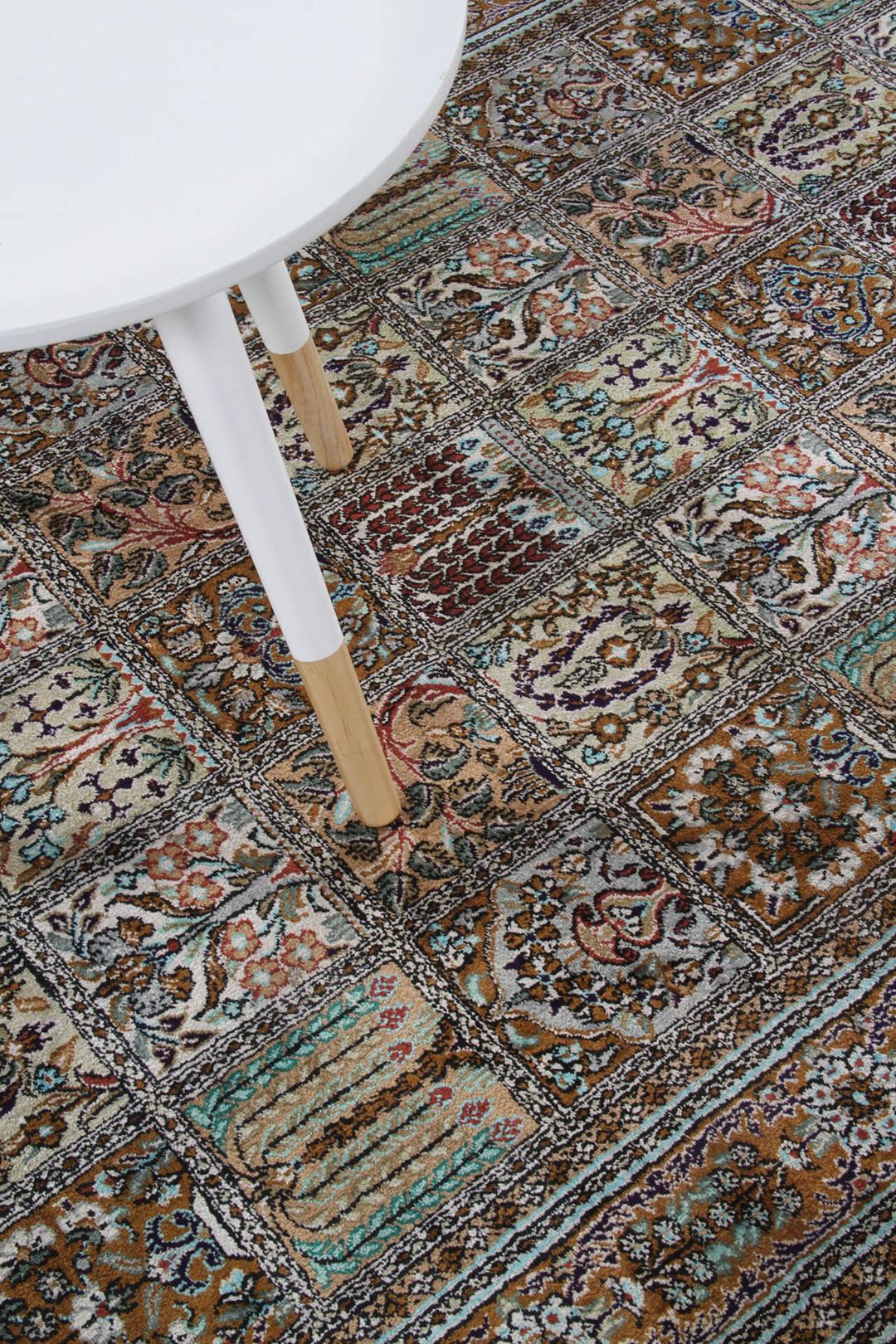
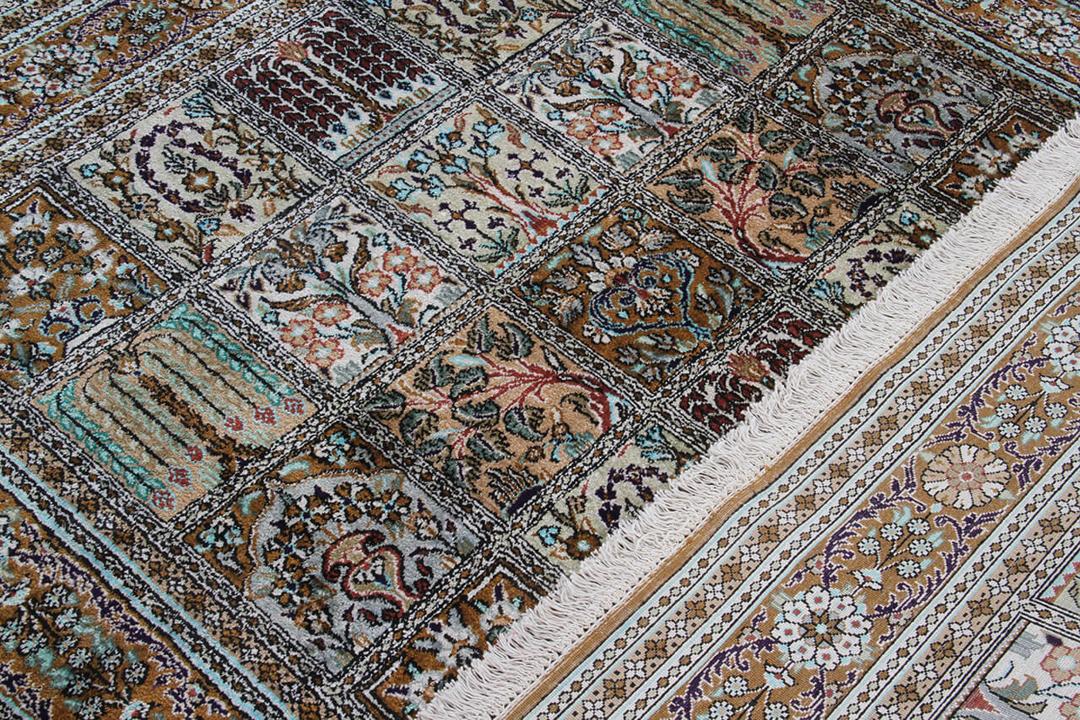
The design language of Qum rugs is famously diverse, often drawing inspiration from the rich heritage of classical Middle Eastern garden themes, intricate floral 'Shah Abbas' patterns, and geometric grids. This specific piece features a structured grid layout, where each cell houses distinct, ornate botanical motifs. This style reflects a move towards organised, decorative beauty, making the rug function almost like a woven tapestry for the floor.
Owning a Qum silk rug is a significant statement of appreciation for heritage and refined skill. These pieces are highly sought after by collectors not just for their beauty, but for the profound dedication required to bring them into existence. They serve as a bridge between ancient artistic sensibilities and modern interior design, representing a legacy of craftsmanship that remains unmatched in the world of textiles.