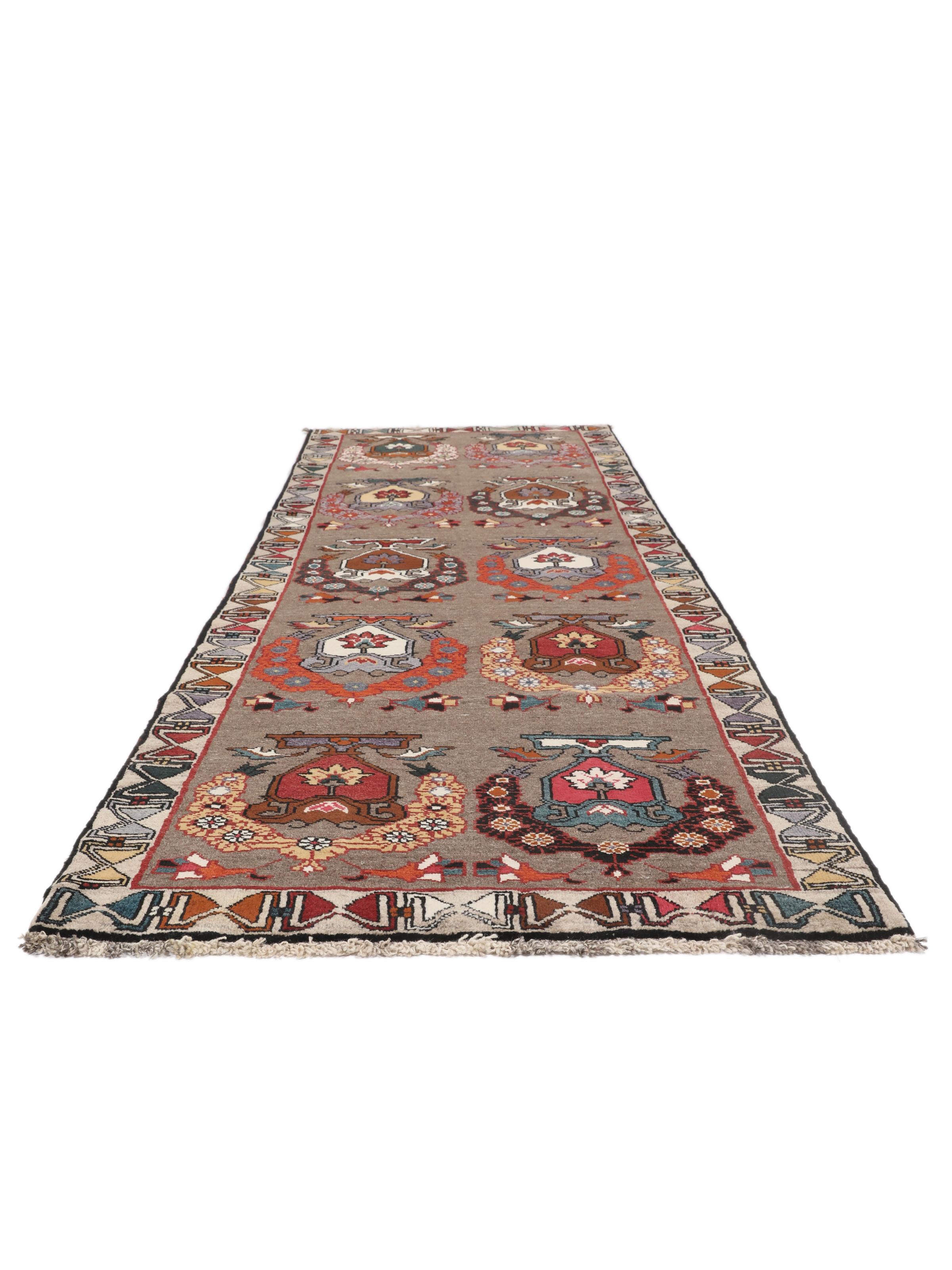
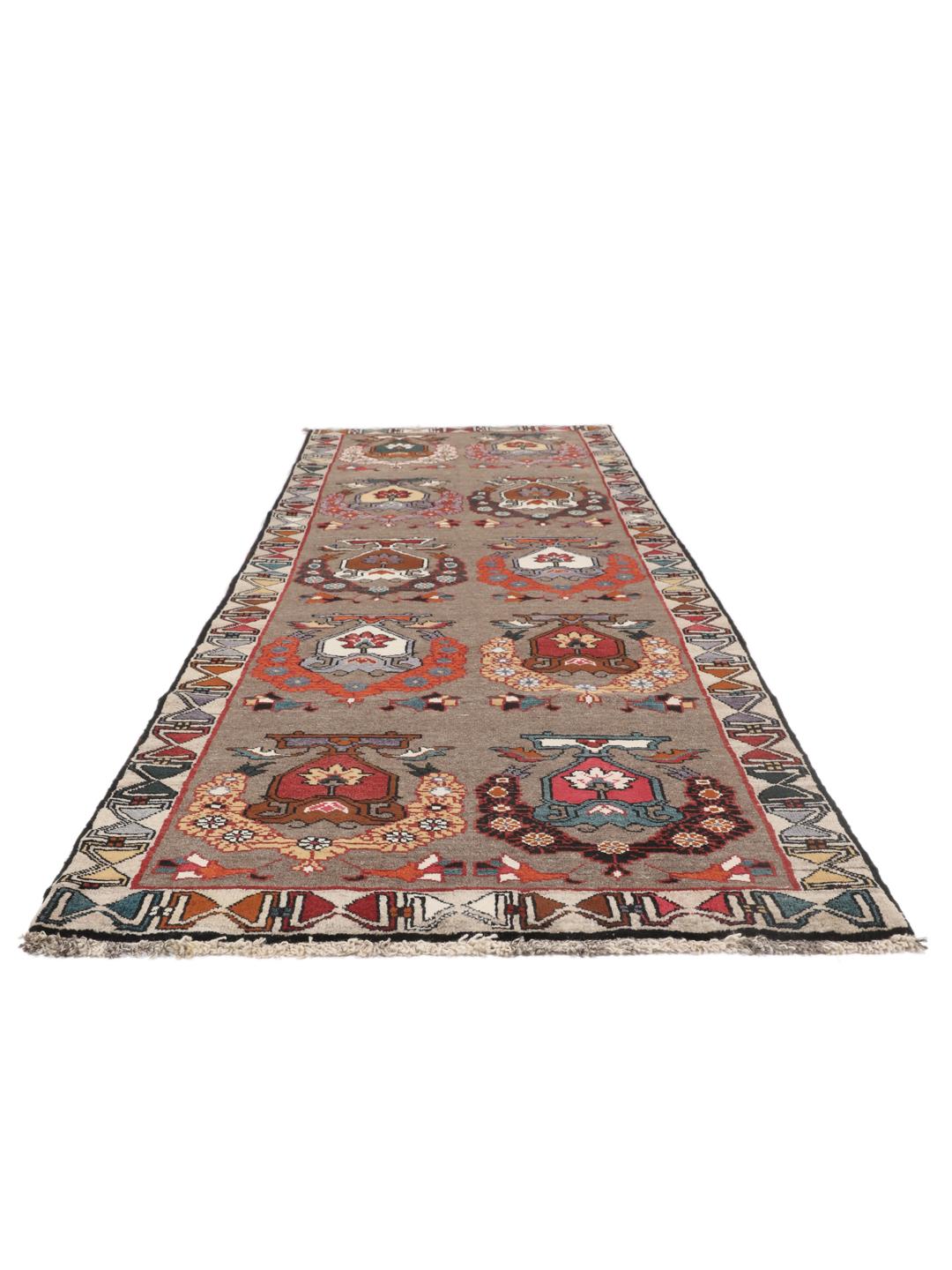
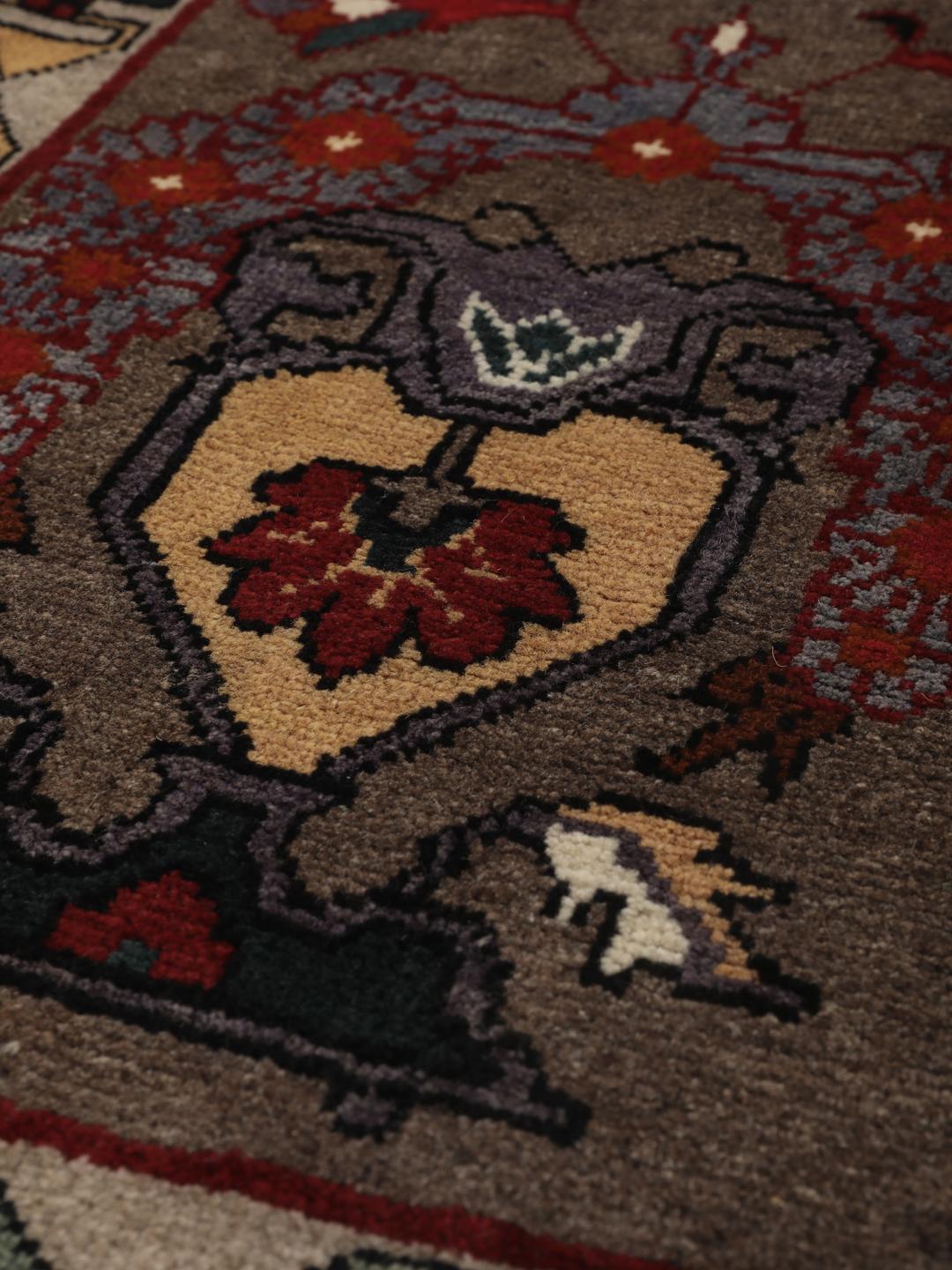
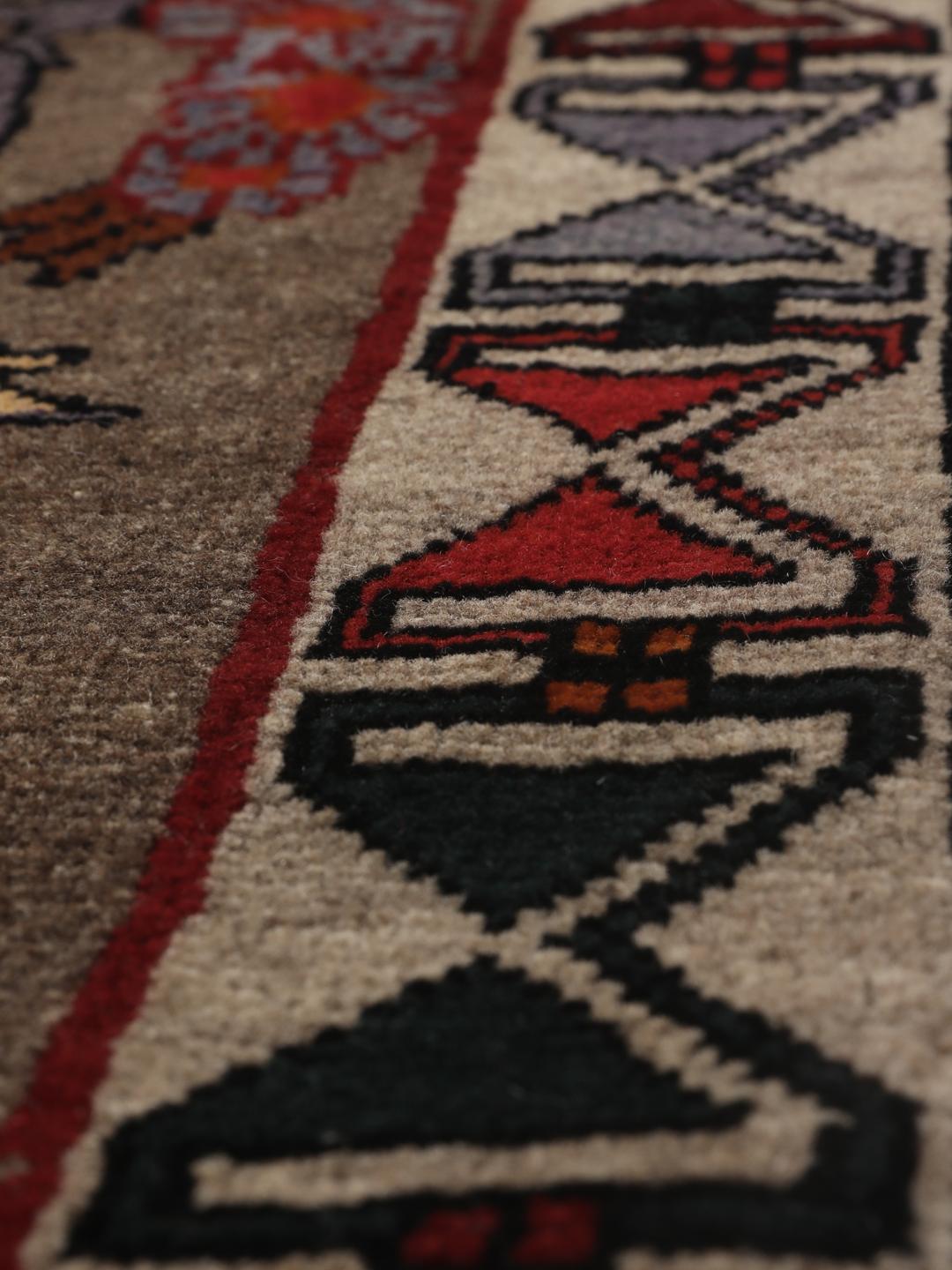
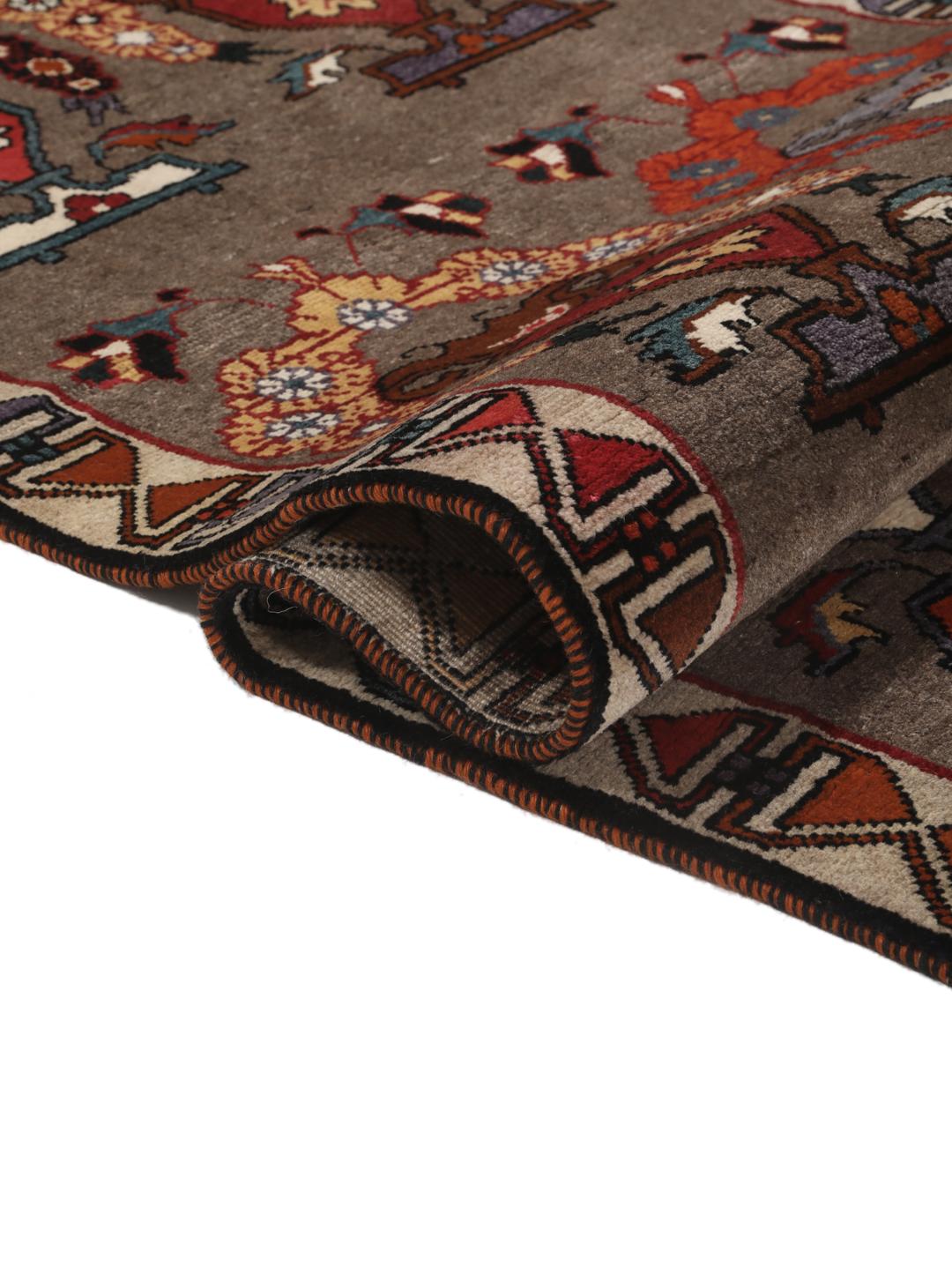
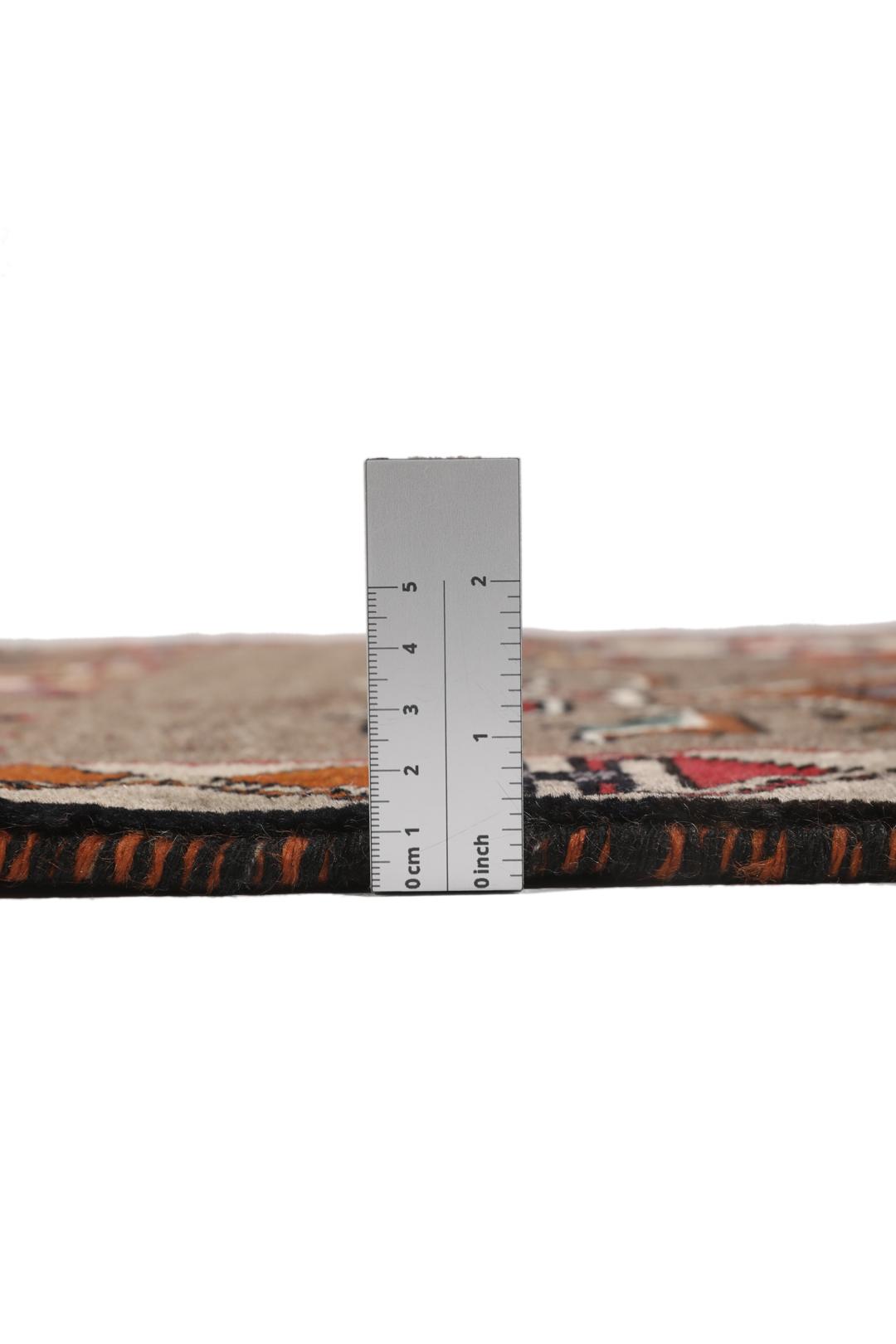
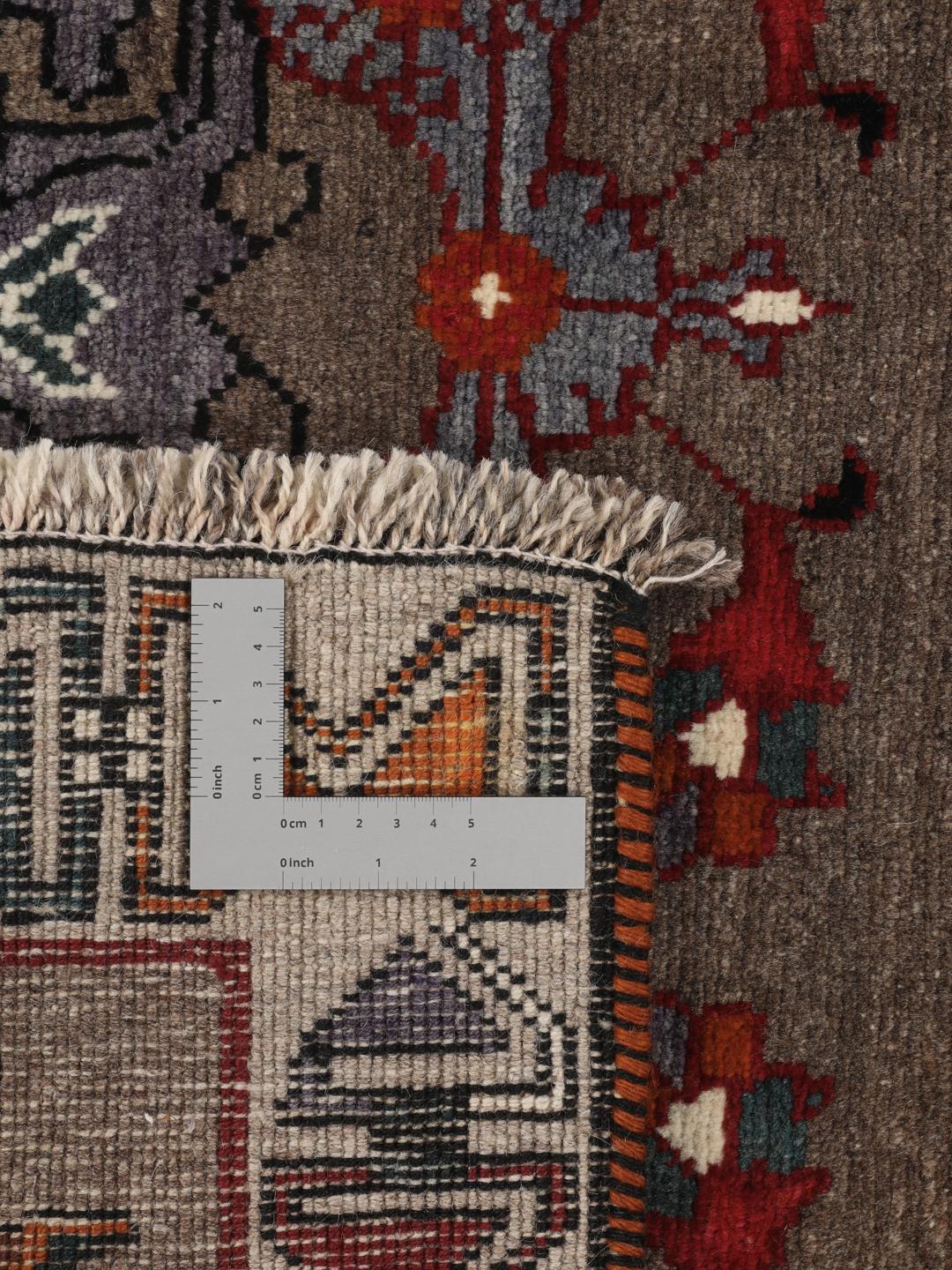
The Ghashghai rugs originate from the nomadic tribes of the Middle East, specifically the Qashqai confederacy that has traversed the mountains and valleys of the region for centuries. These rugs are deeply tied to the lifestyle of the nomads, who traditionally wove them on portable horizontal looms while moving with their herds.
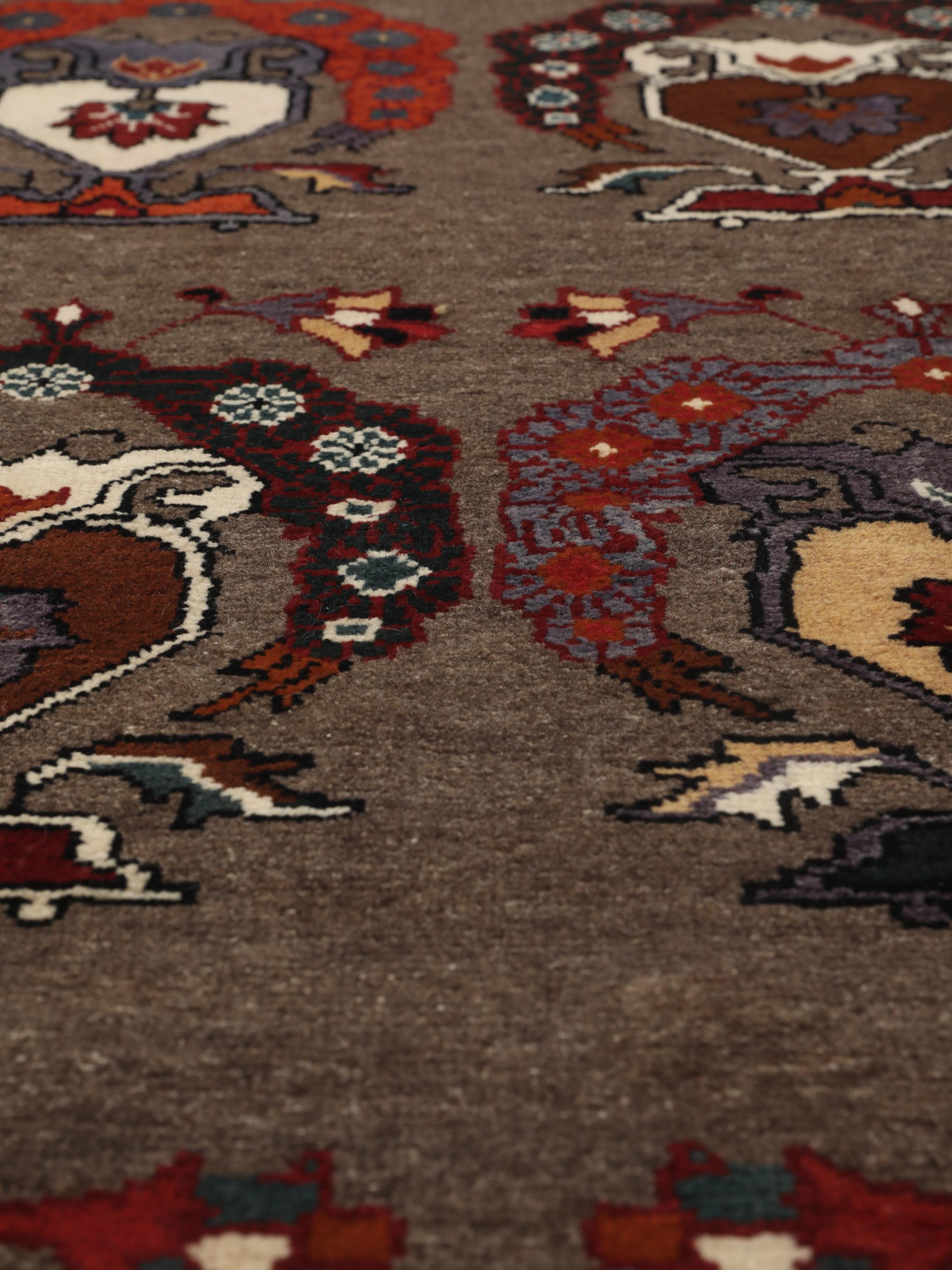
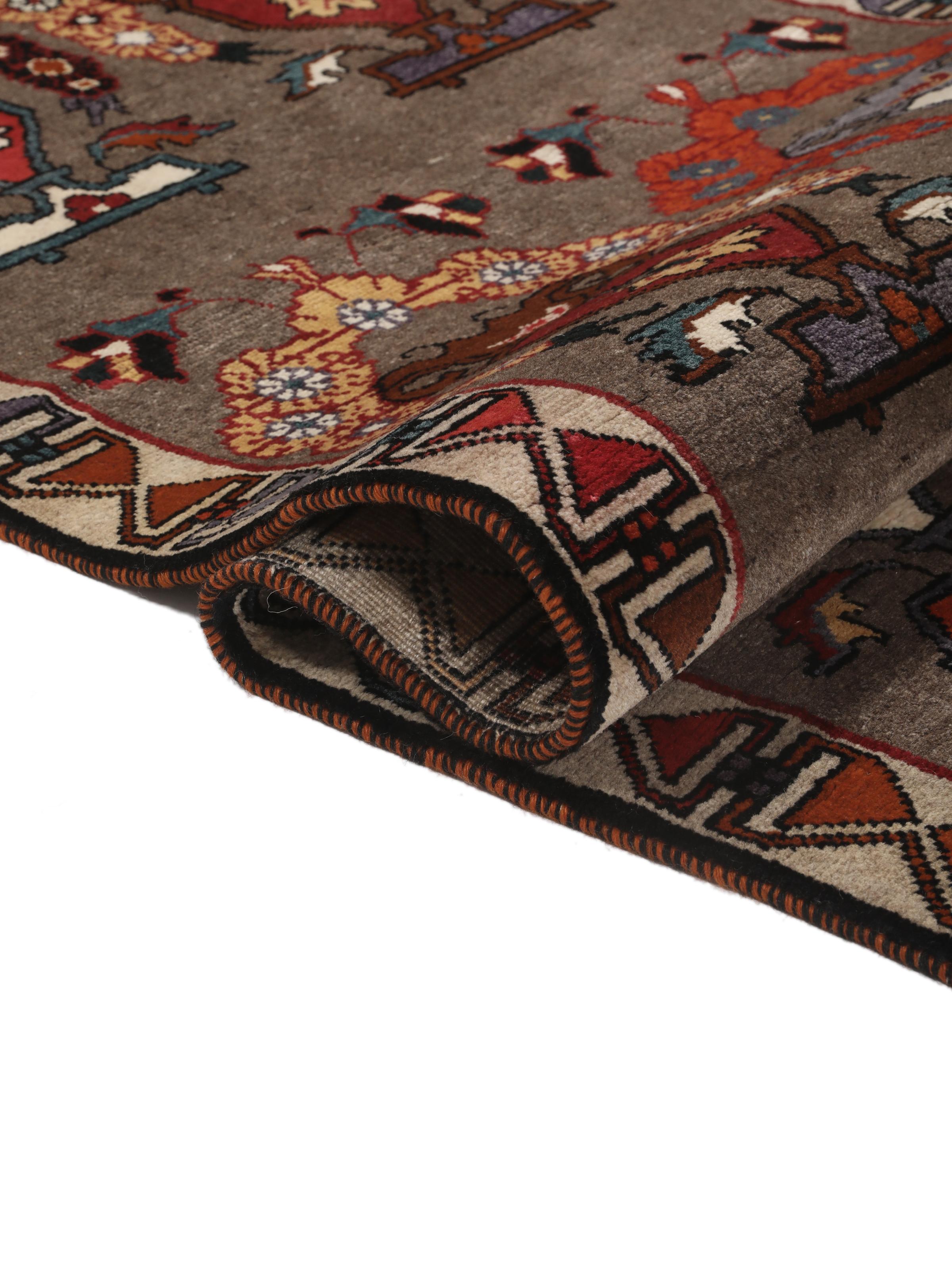
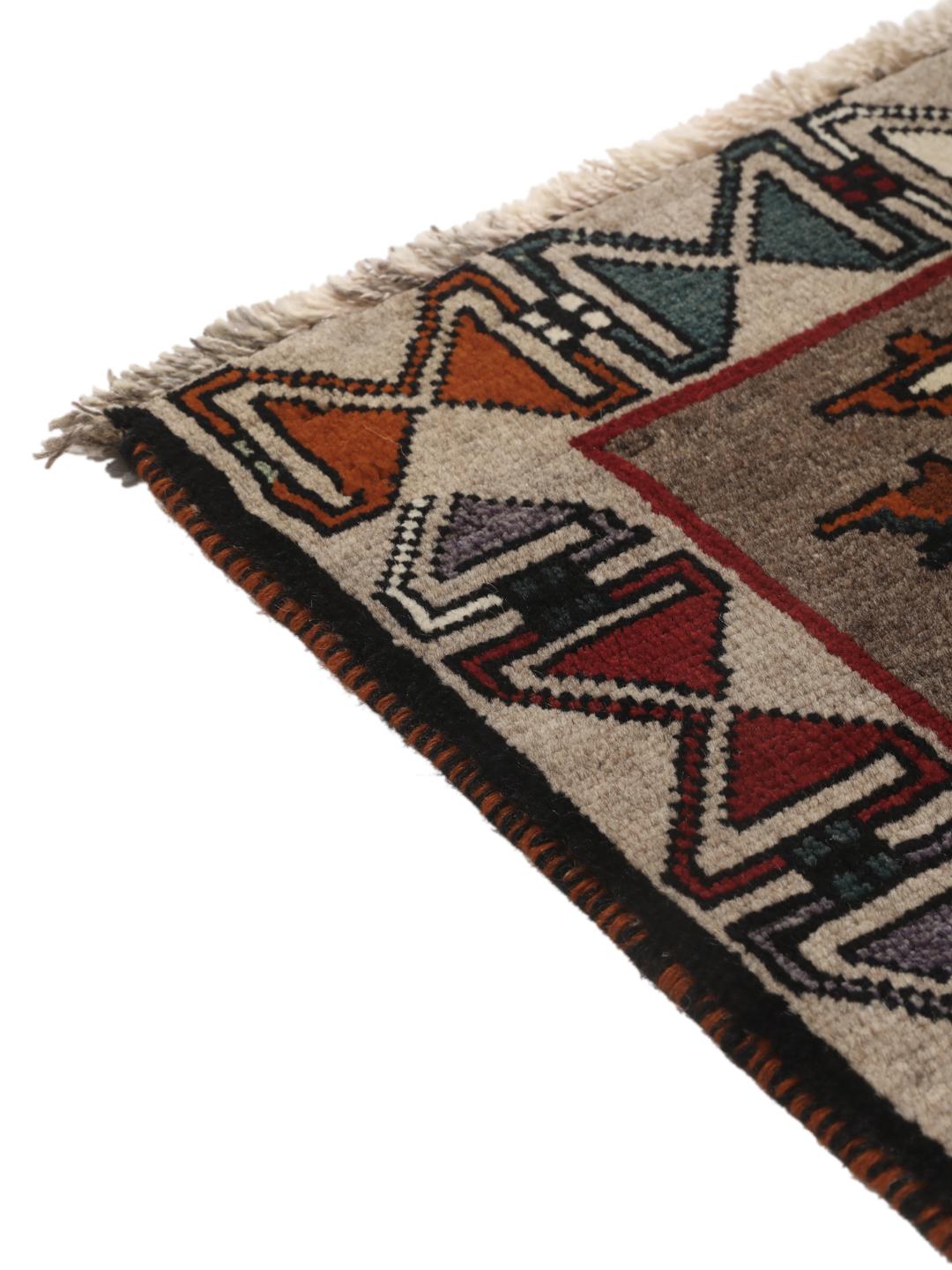
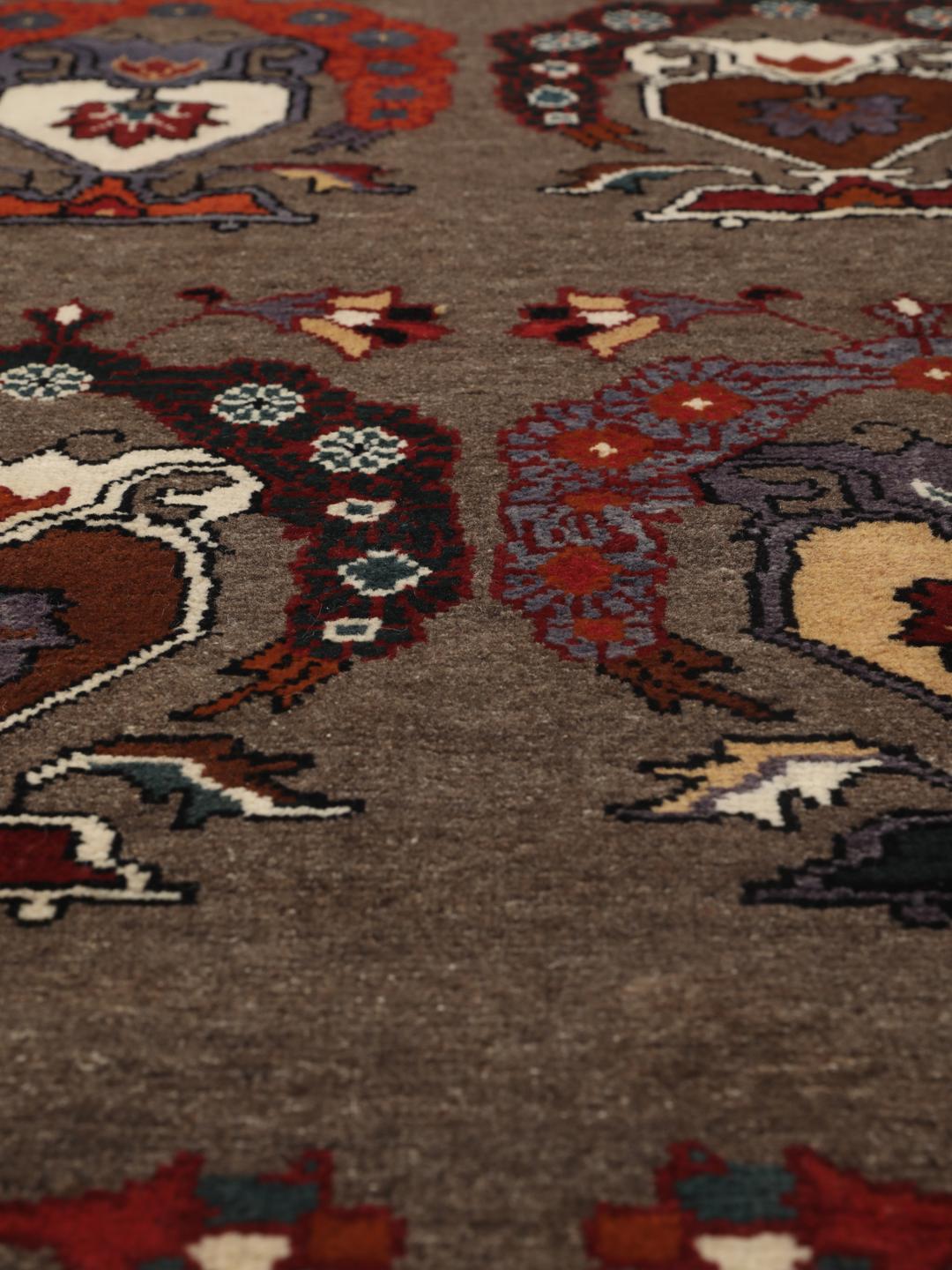
The term hand-knotted refers to the traditional method where individual strands of wool are tied onto the warp threads, creating the pile. This technique is central to the quality of these pieces, allowing for the intricate, curvilinear, and geometric designs that characterise the Qashqai style and providing a durability that allows the rug to be passed down through generations.
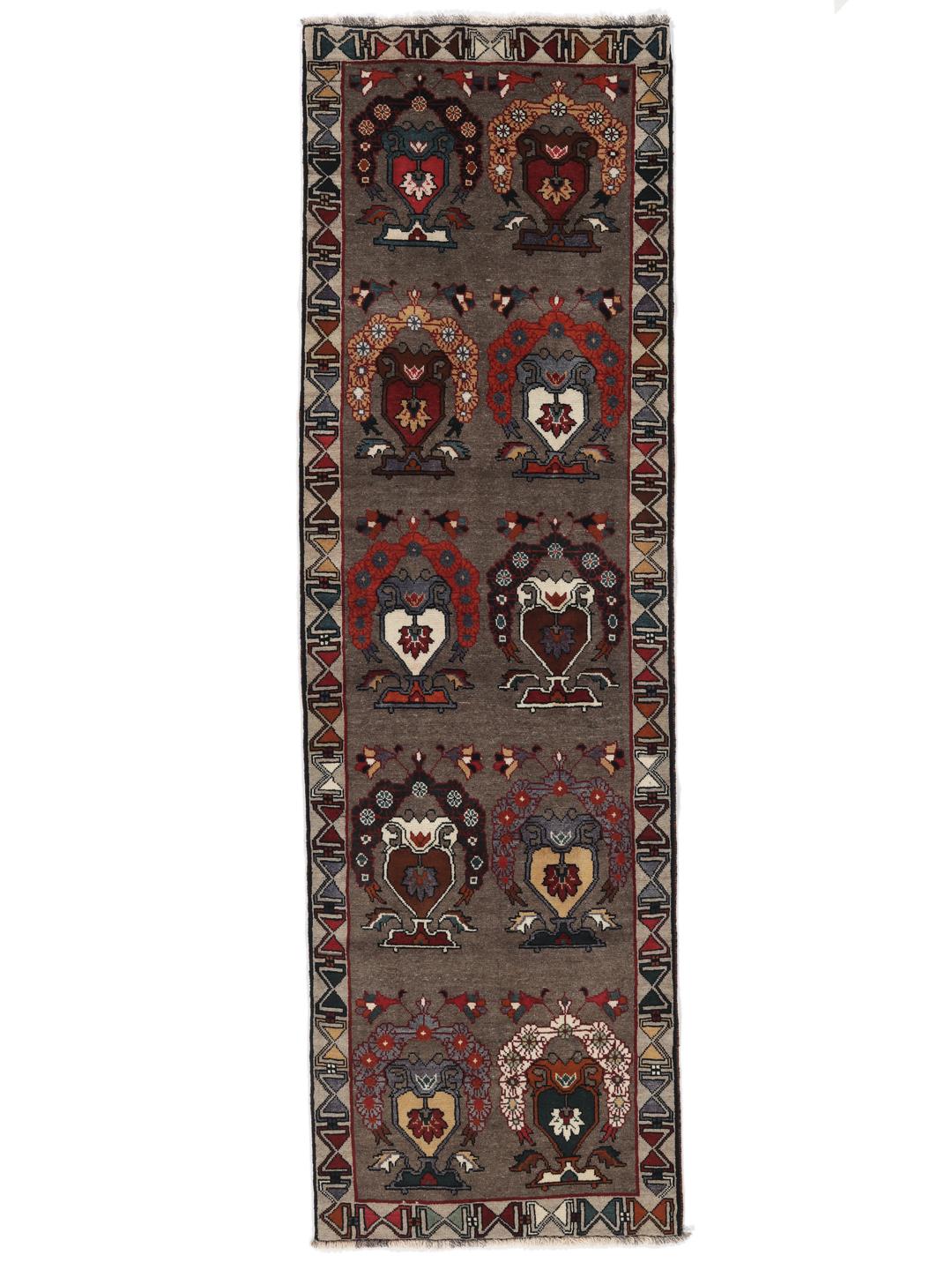
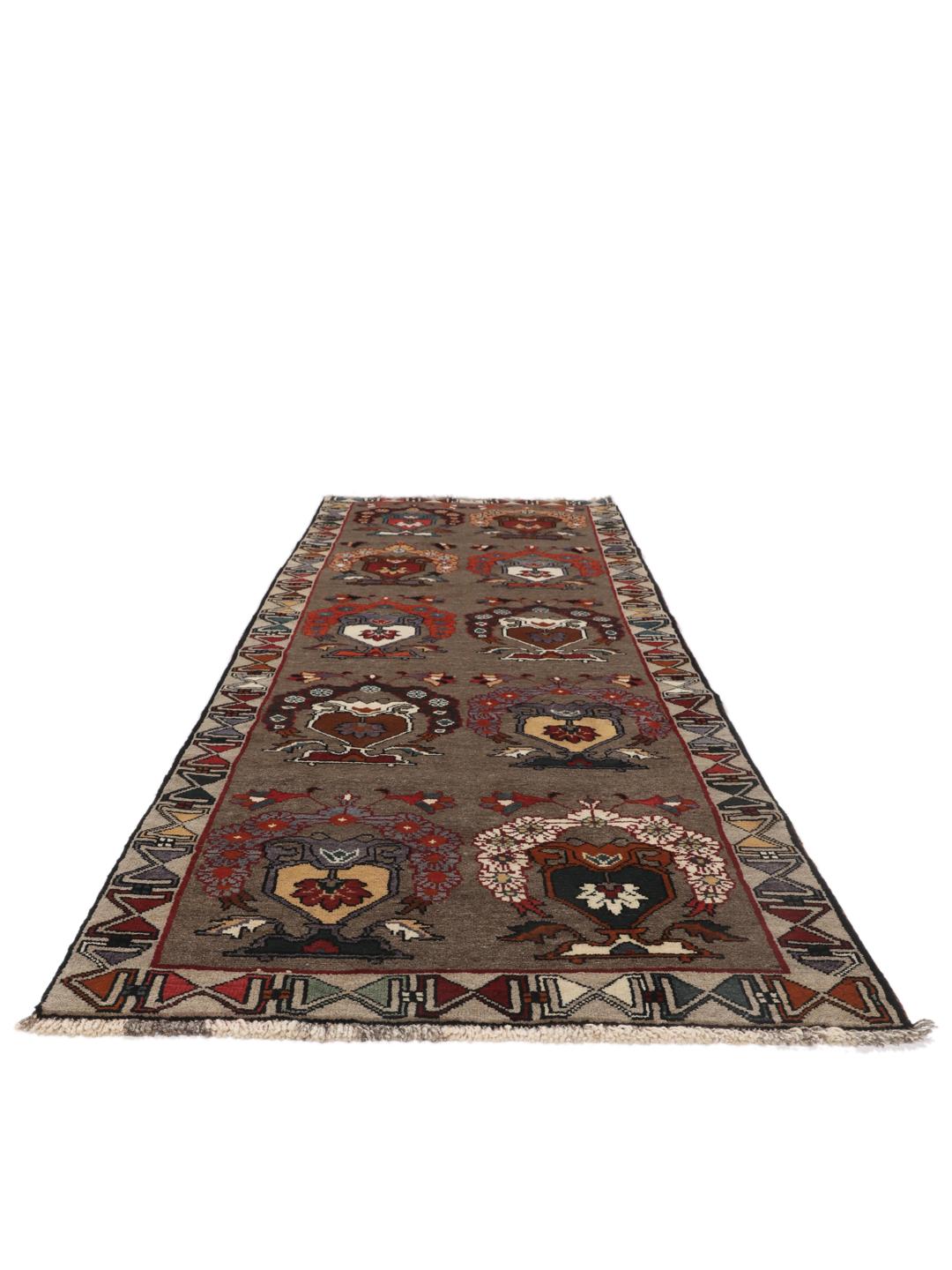
Visually, these rugs are defined by their expressive tribal language. You will often find stylised floral motifs, geometric medallions, and symbols representing the natural world, all rendered in a palette derived from local vegetable dyes. This particular piece showcases the iconic tribal patterns that tell a story of the maker's environment and cultural heritage.
Collecting Ghashghai rugs is an appreciation of a vanishing, time-honoured craft. Because each rug is created by hand without a formal blueprint, it captures the spontaneity and creative spirit of the individual weaver. Owning one is not just about floor decor but about preserving a legacy of skill and cultural identity.