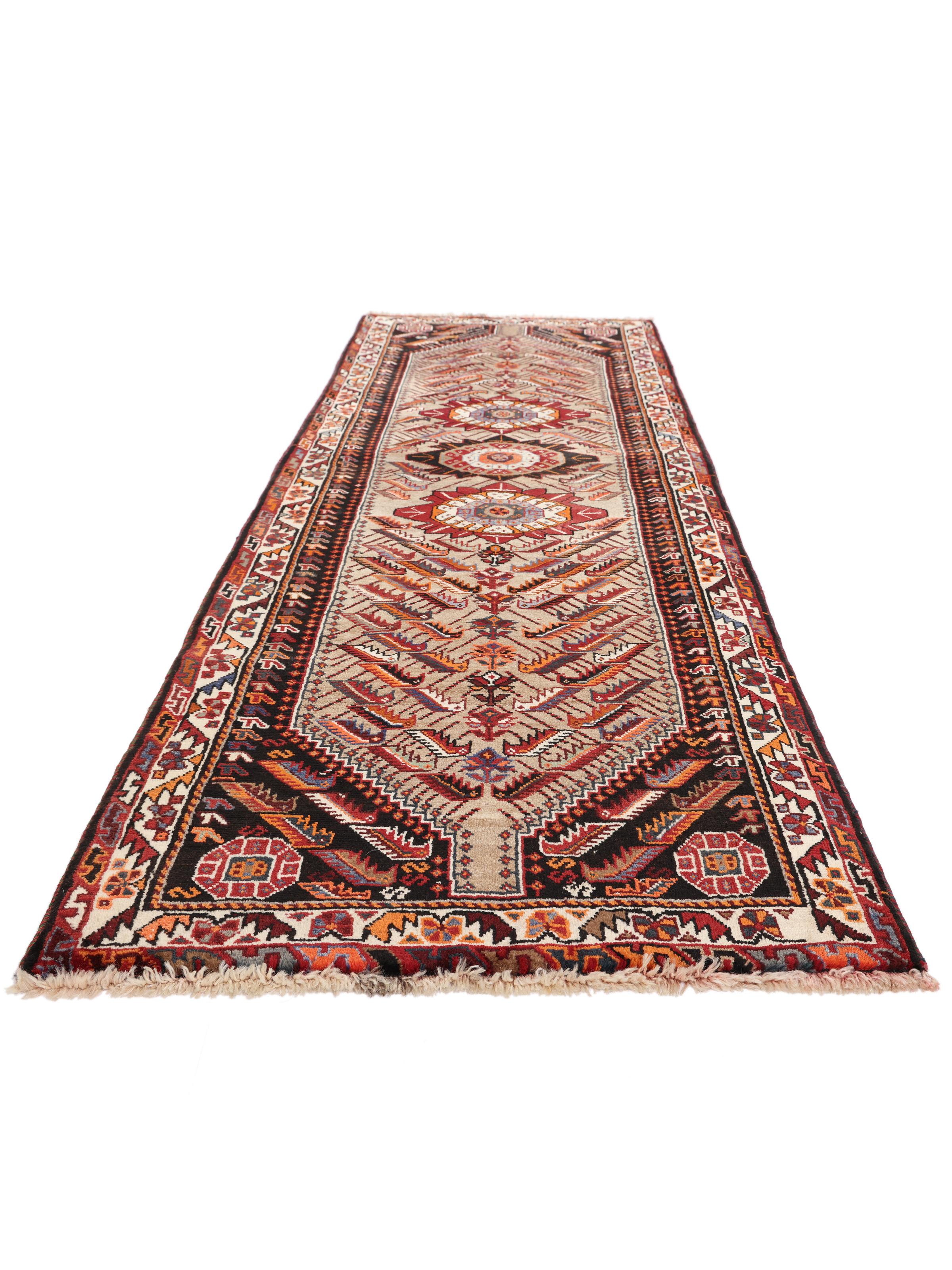
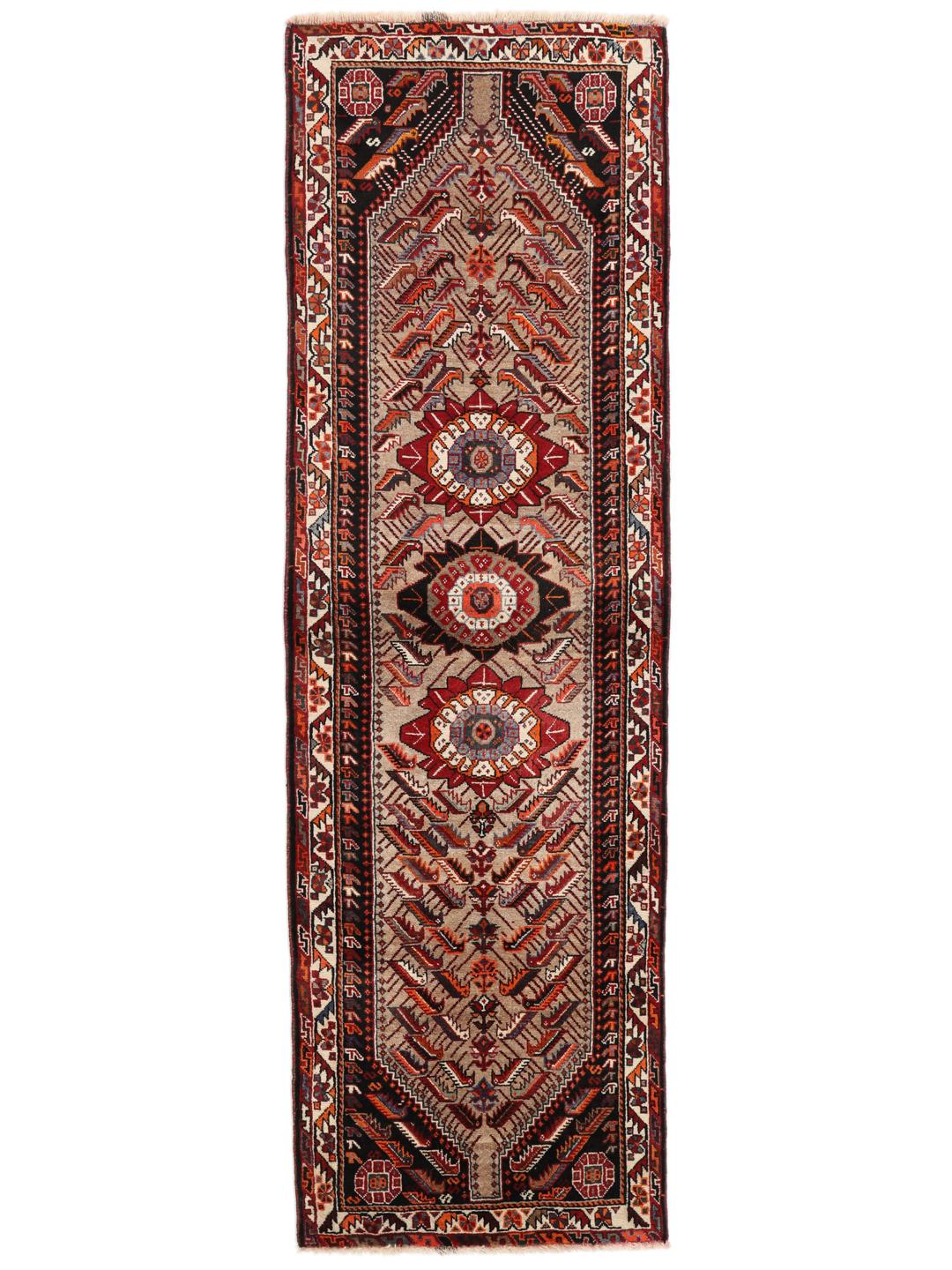
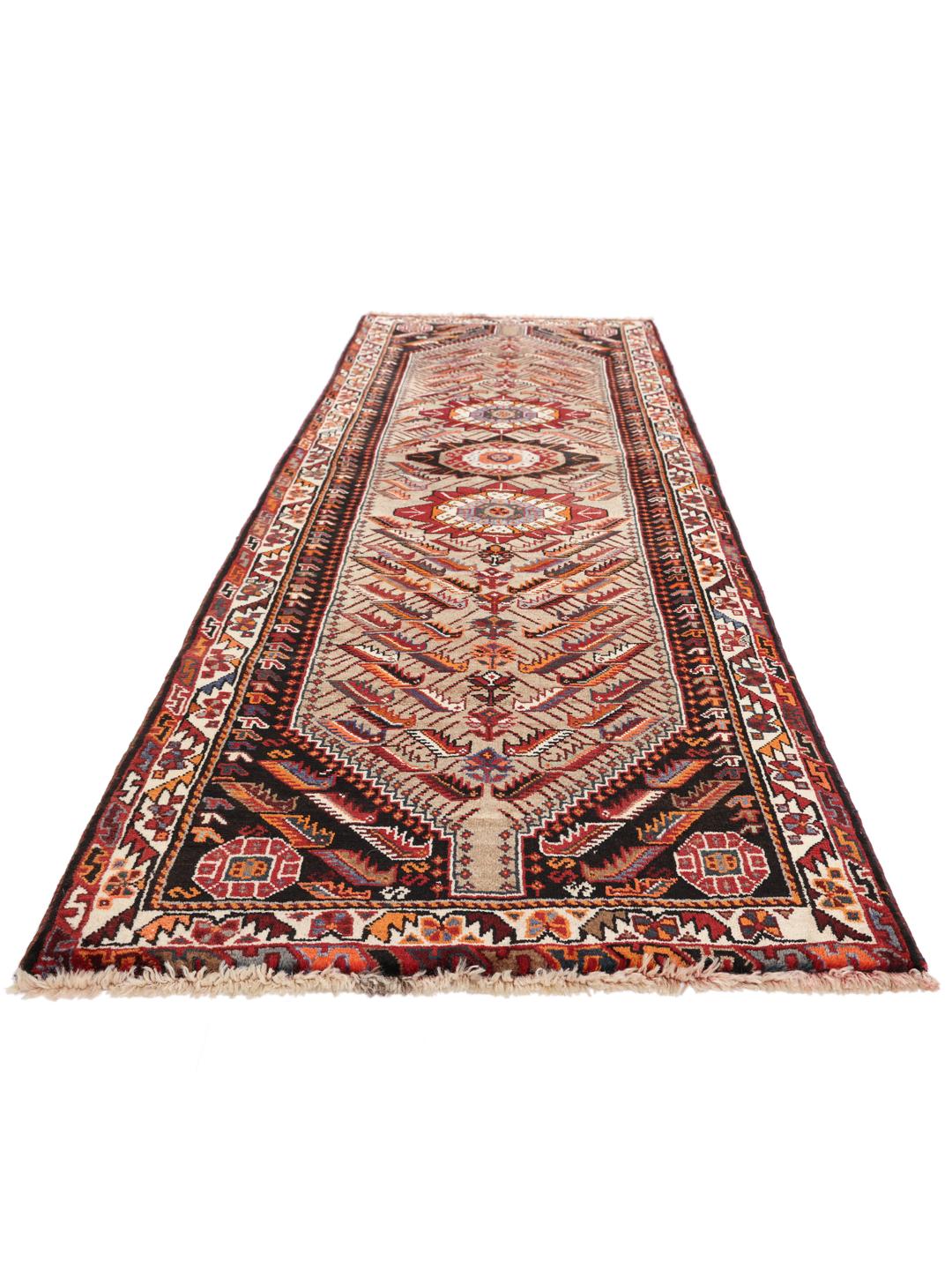
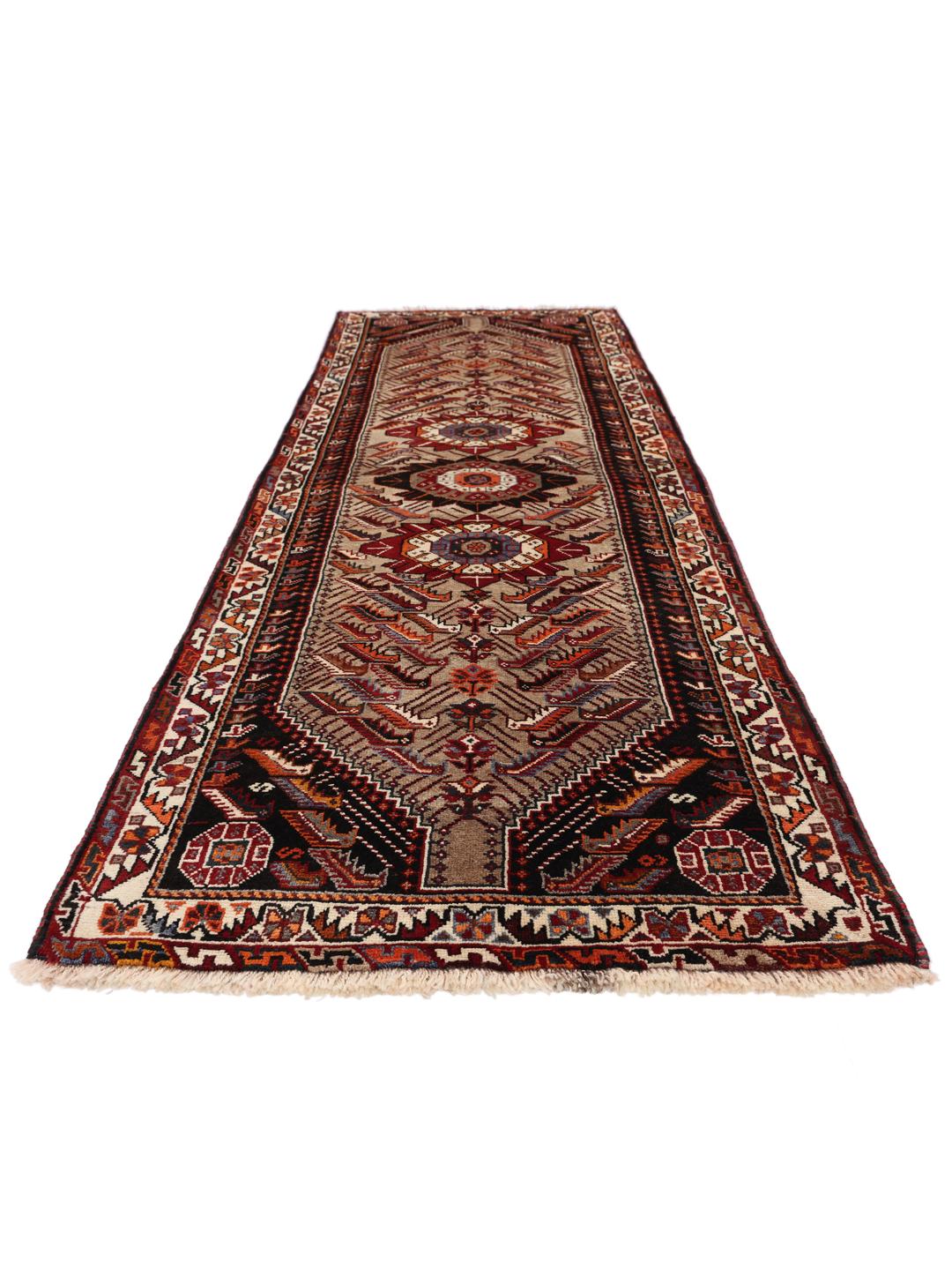
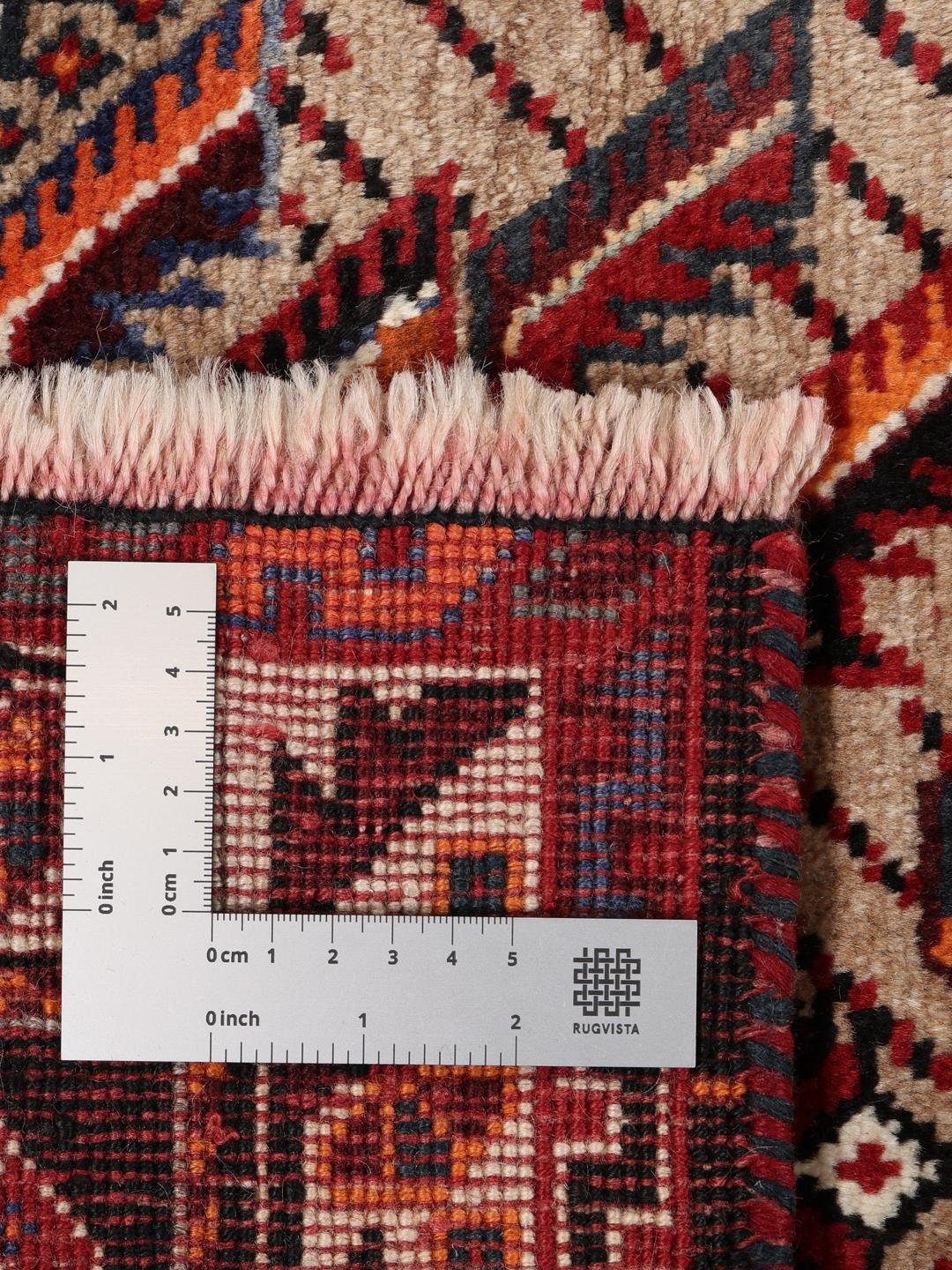
The Ghashghai rugs originate from the nomadic tribes of the Middle East, a region with a profound history of weaving that spans centuries. These tribes, who historically traversed mountainous landscapes, developed a distinct visual language based on the environment around them. Their rugs are not just floor coverings but are essential components of nomadic life, traditionally used as bedding, storage bags, and decorative elements within tents.
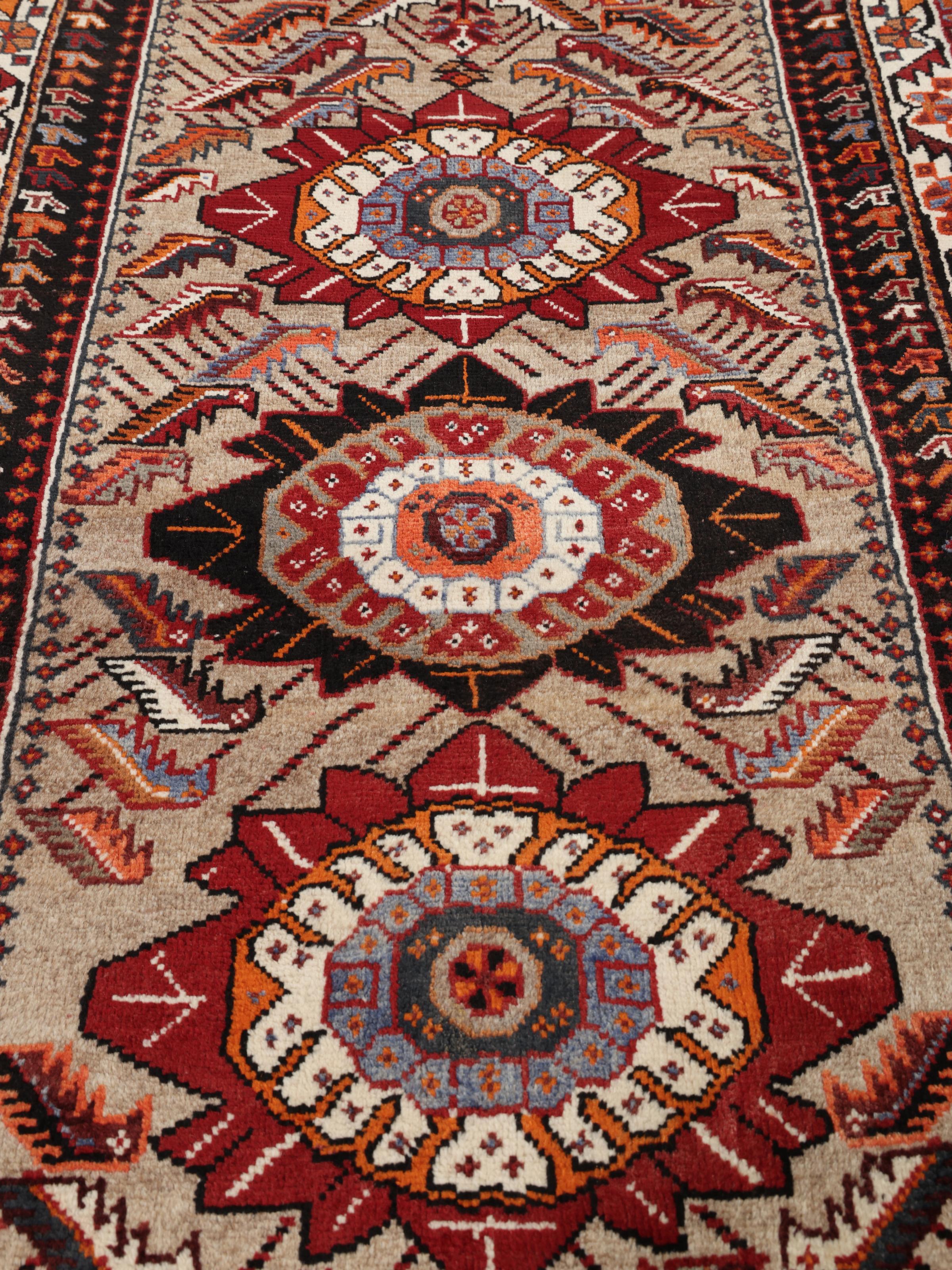
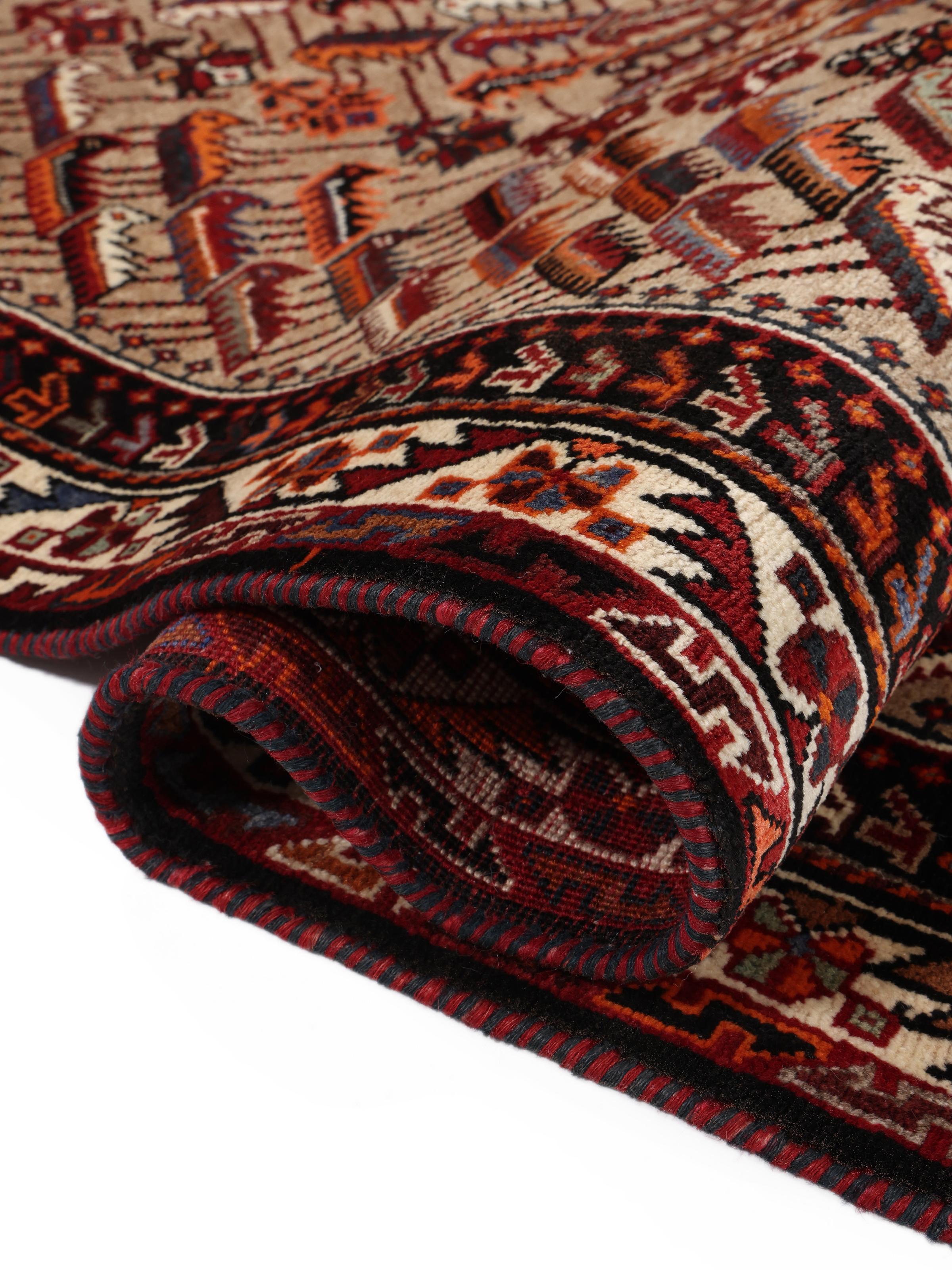
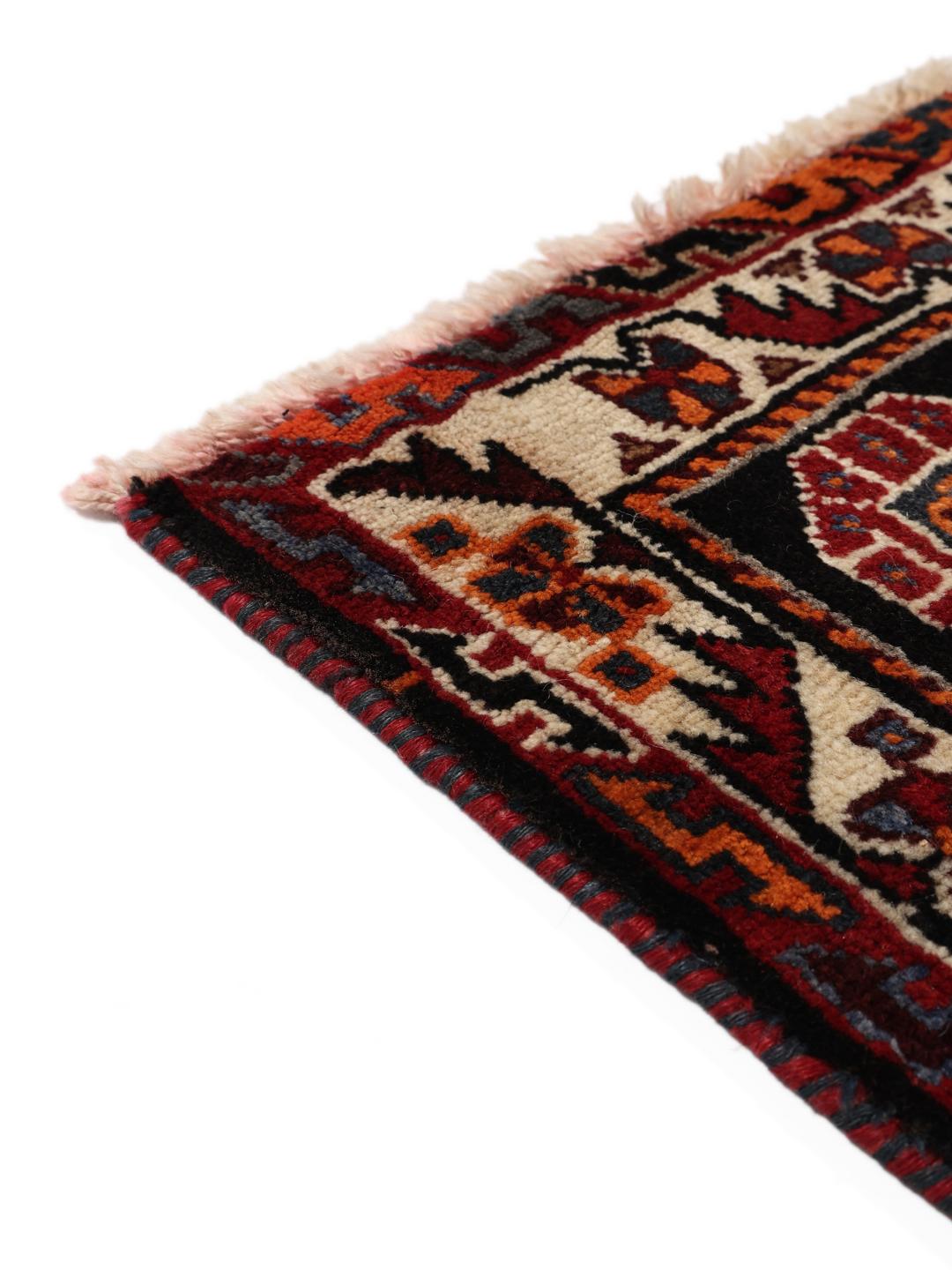
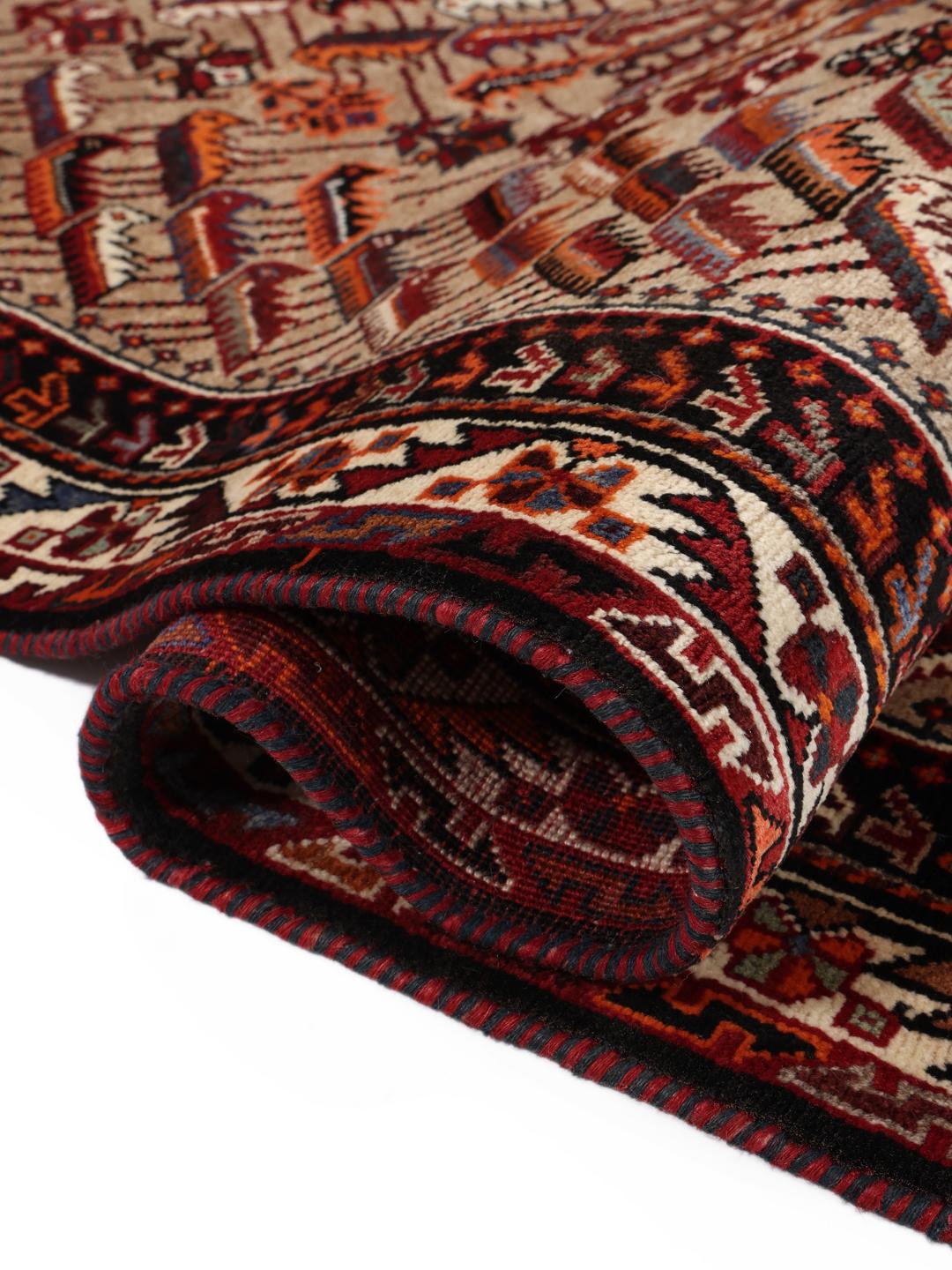
The construction of these rugs is defined by a deep commitment to tradition, utilising wool sourced from the tribes' own flocks. This results in a material that is naturally durable and rich in character. The technique of hand-knotting is passed down through generations, with every family developing their own subtle variations in tension and knotting style, which adds to the authentic, non-industrial feel of each rug.
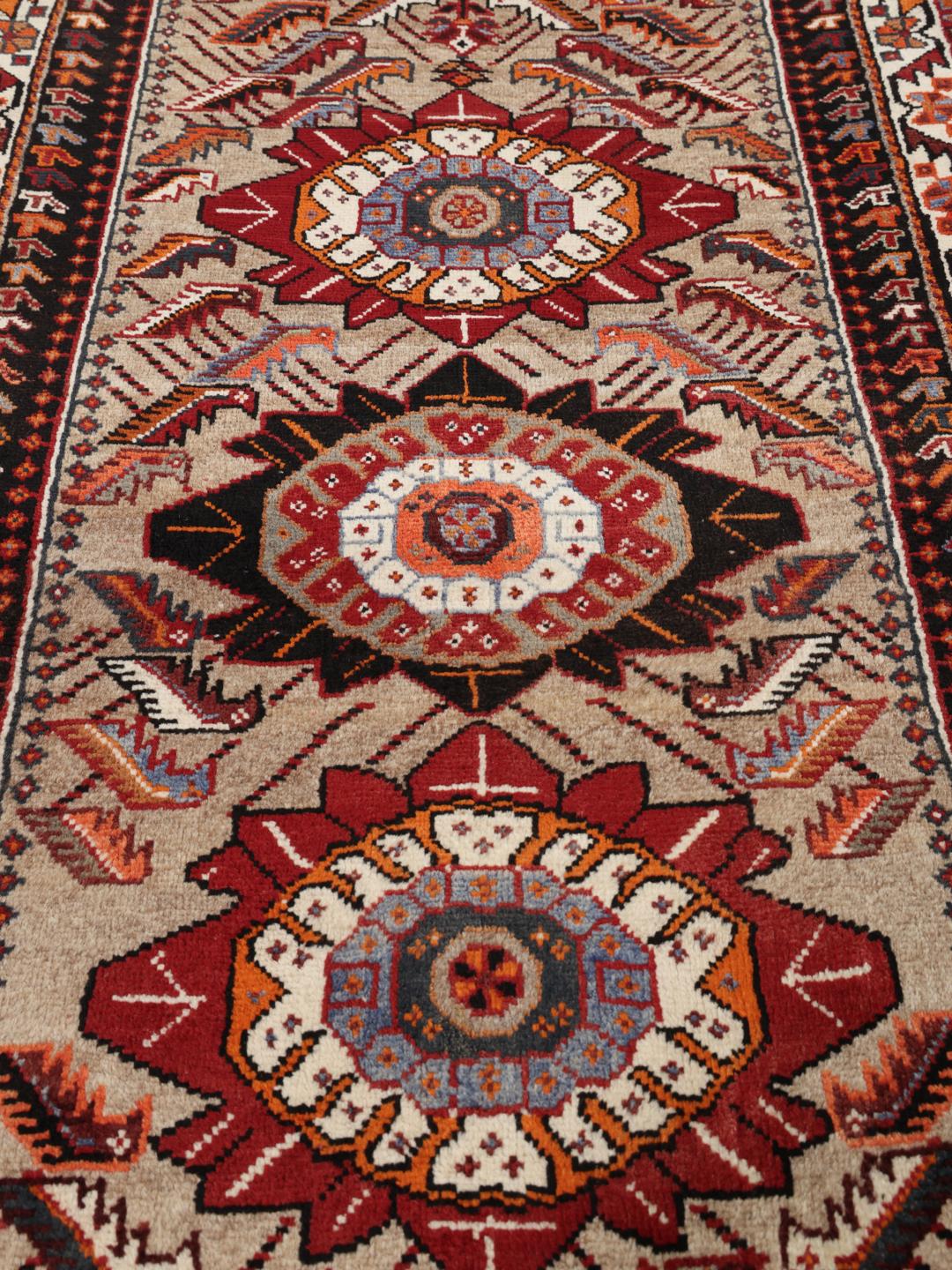
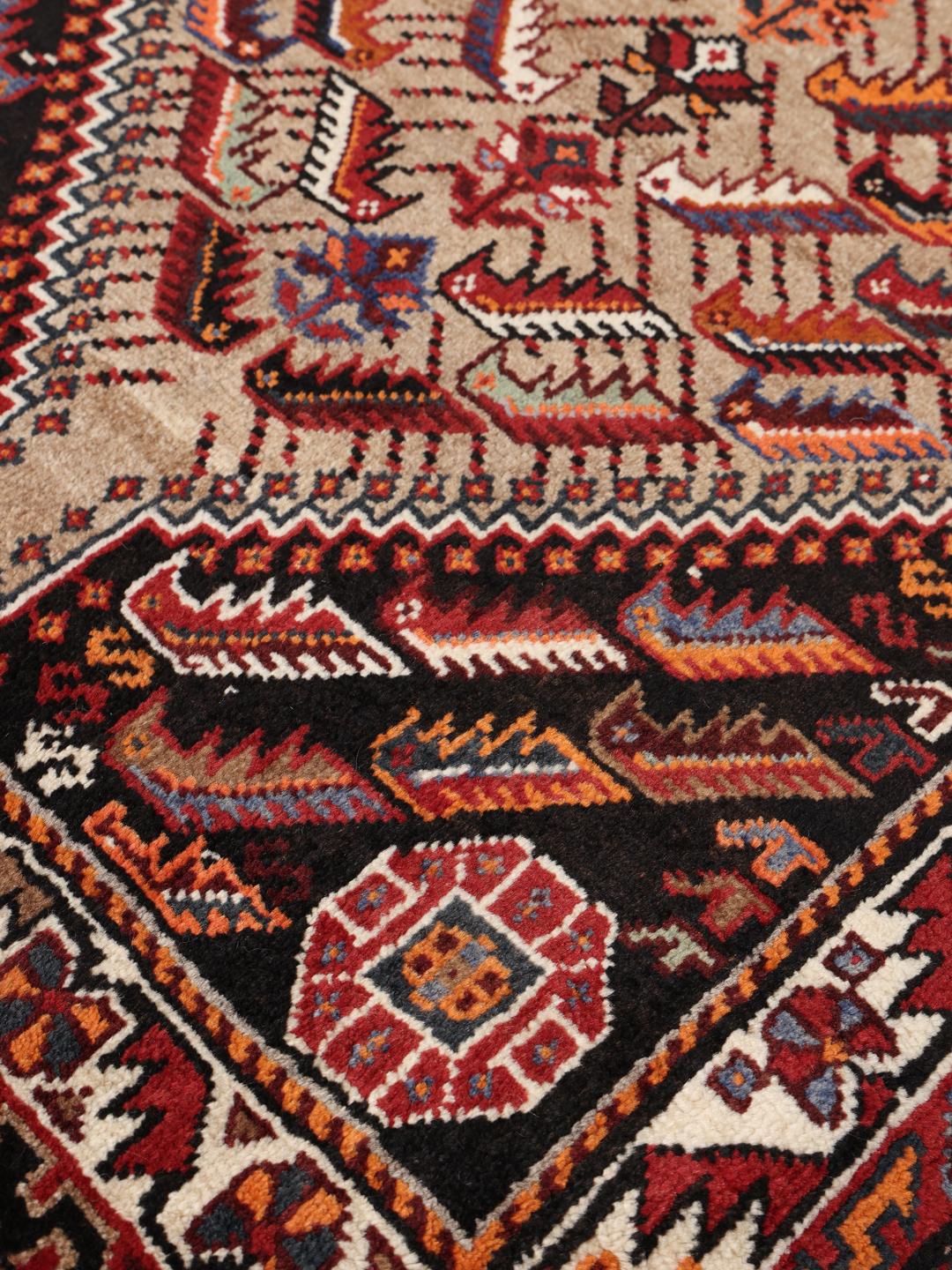
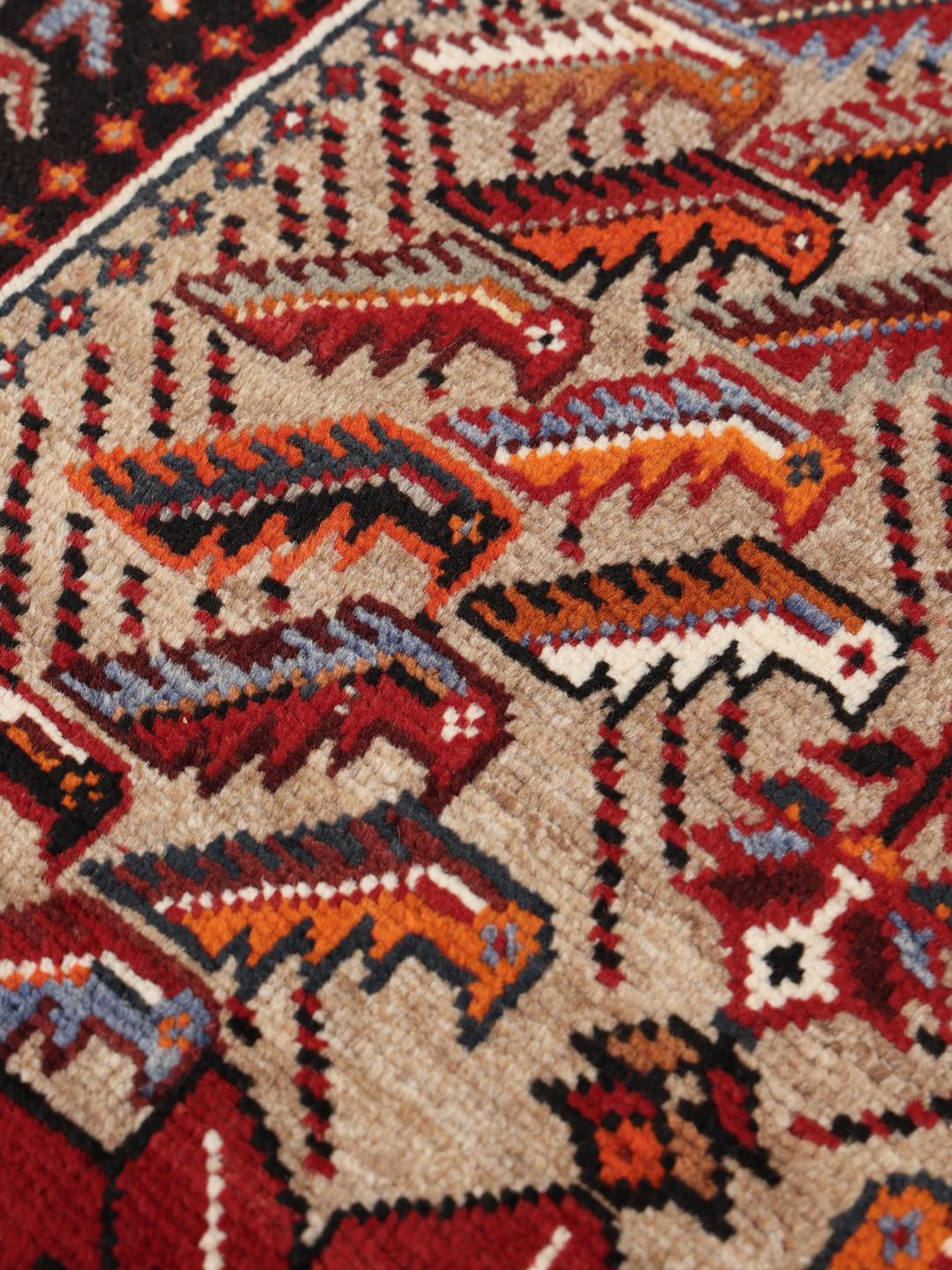
Visually, Ghashghai rugs are celebrated for their geometric artistry and bold, symbolic motifs. The design often centres around stylised medallions, birds, and floral elements that are abstracted into geometric forms. The borders are frequently elaborate, framing the central field with repeating patterns that draw the eye inward. The use of deep reds and earthy browns is a signature of this tradition, reflecting the natural dyes historically extracted from local flora and minerals.
Today, these rugs are highly sought after by collectors who appreciate the cultural weight and human effort embedded in every knot. Owning a Ghashghai piece is an investment in a storied tradition that values utility as much as beauty. It serves as a bridge to a nomadic past, bringing a sense of history and enduring quality to a modern home environment.