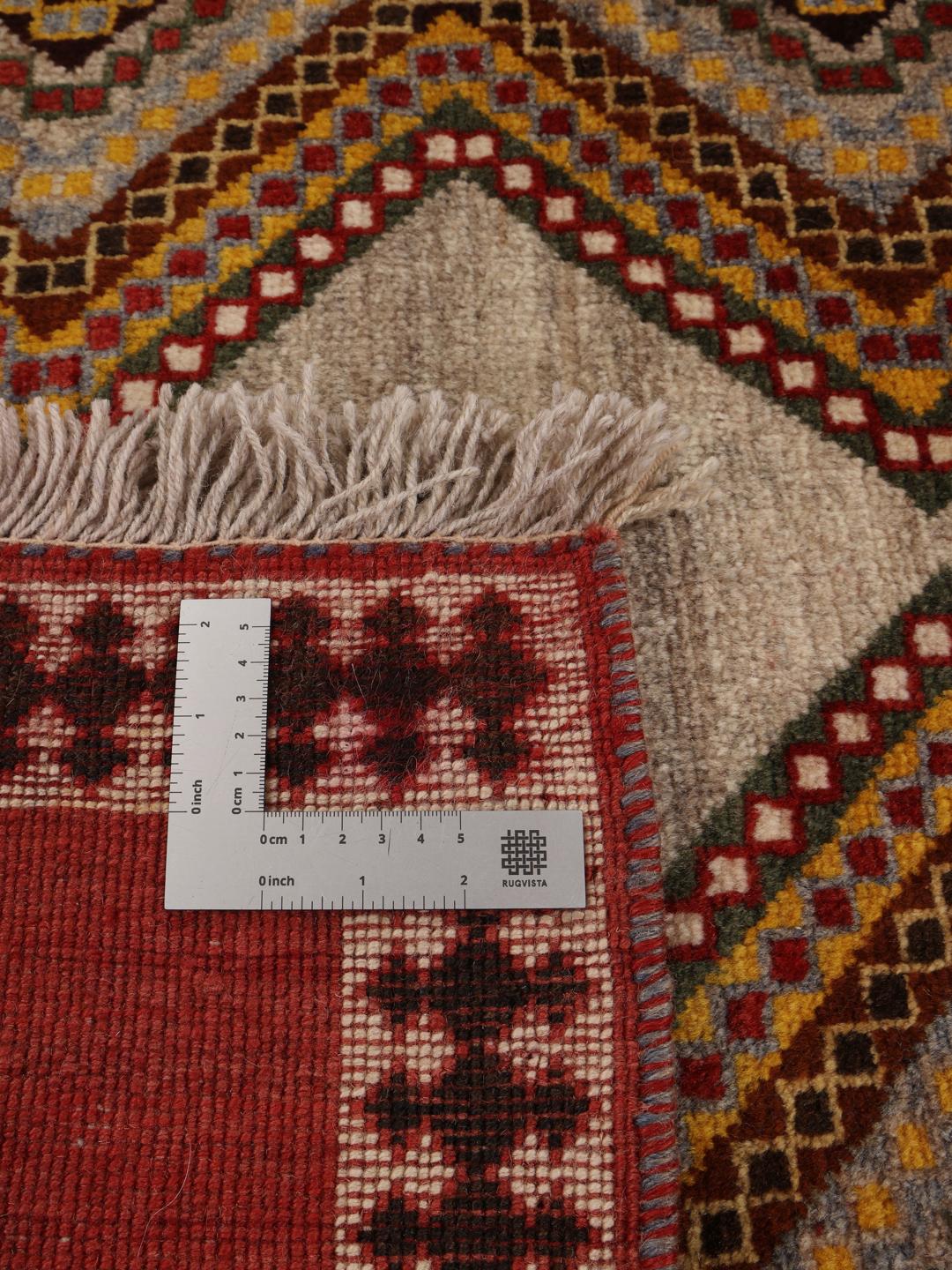
The Qashqai rugs originate from the nomadic and semi-nomadic tribes of the Zagros Mountains in the Middle East. For centuries, these weaving communities have produced rugs that are deeply reflective of their environment and cultural identity. Unlike city-based workshops, these tribal weavers often worked on horizontal looms, allowing them to carry their craft with them as they moved with the seasons.
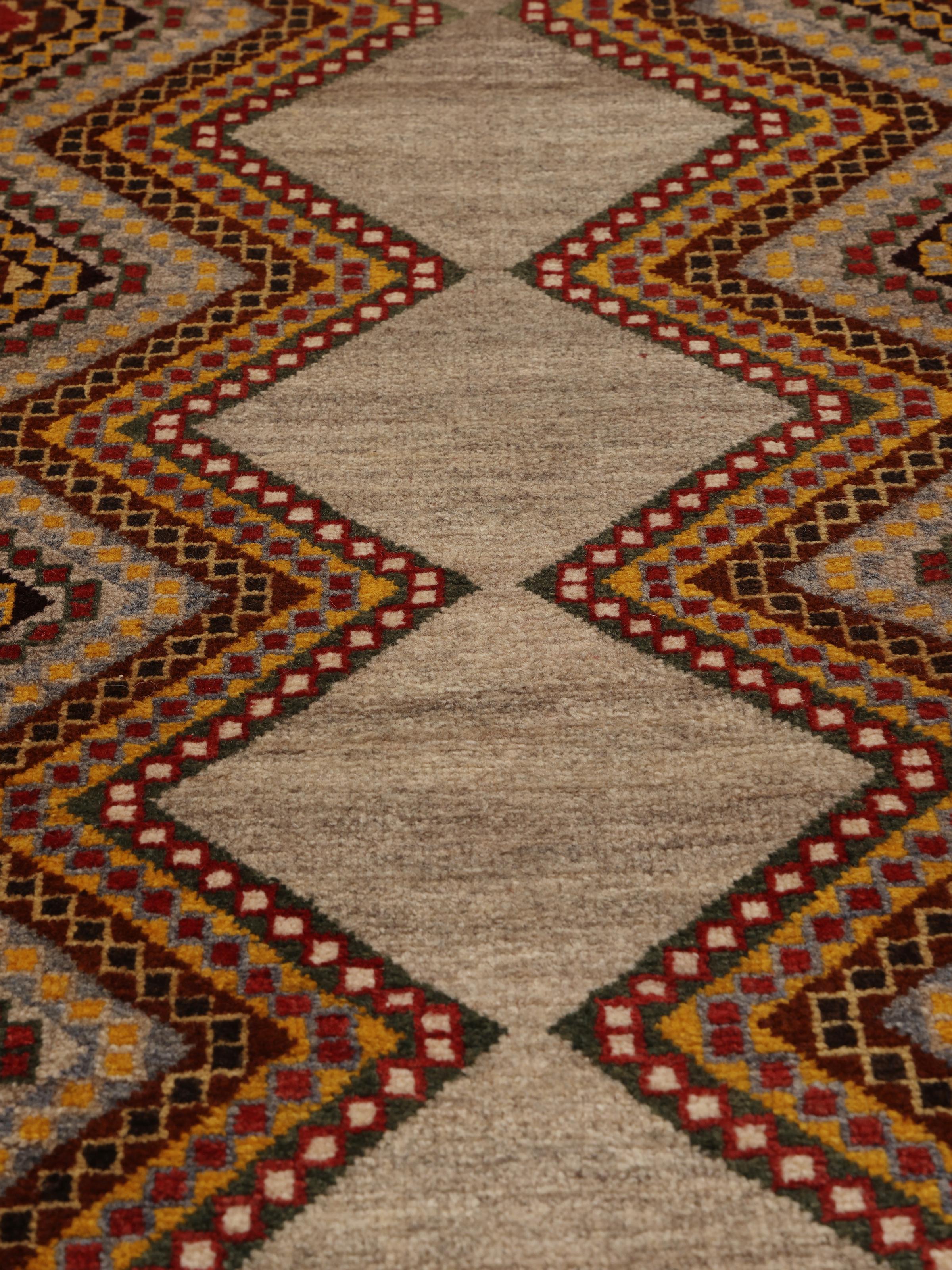
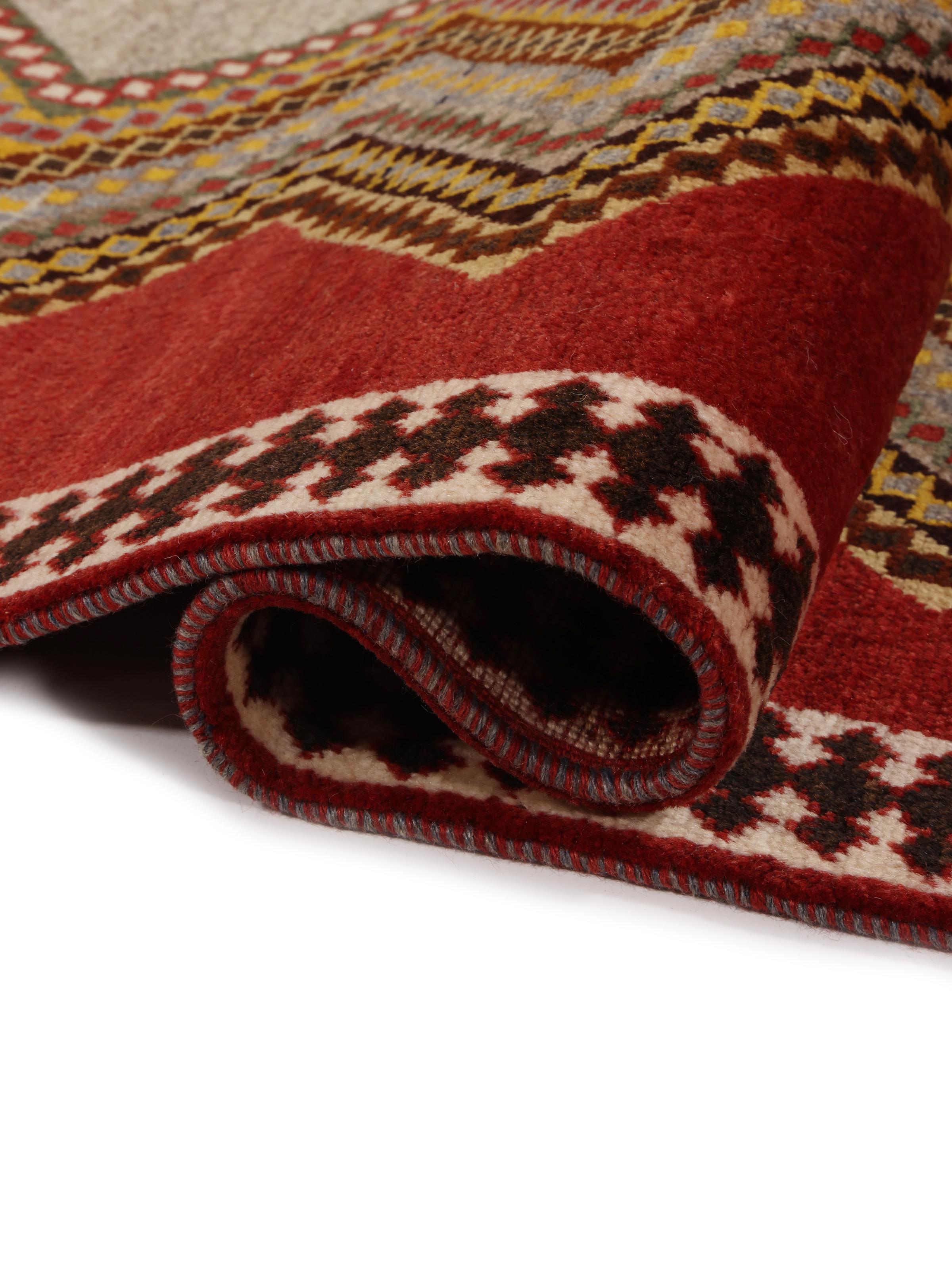
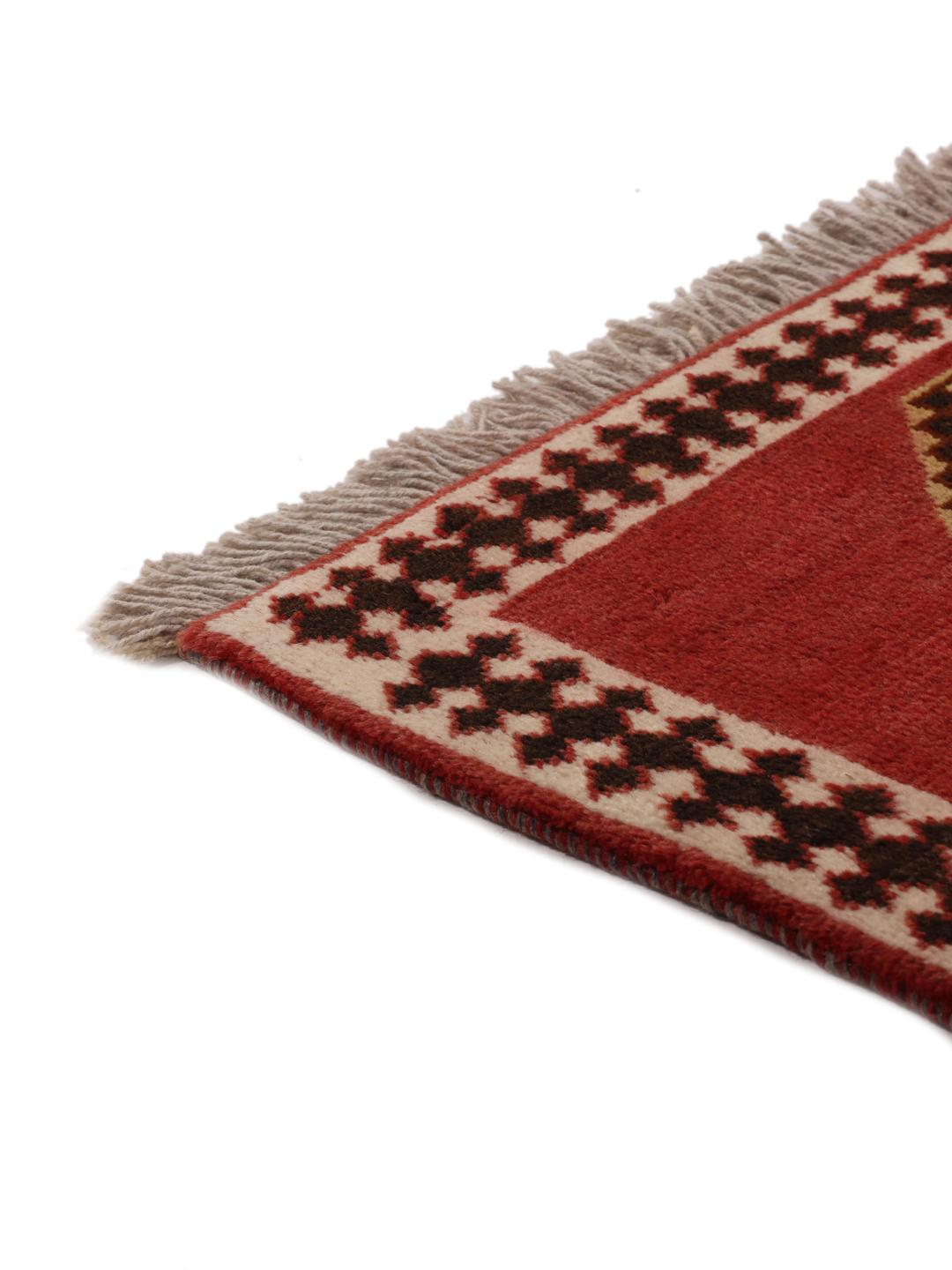
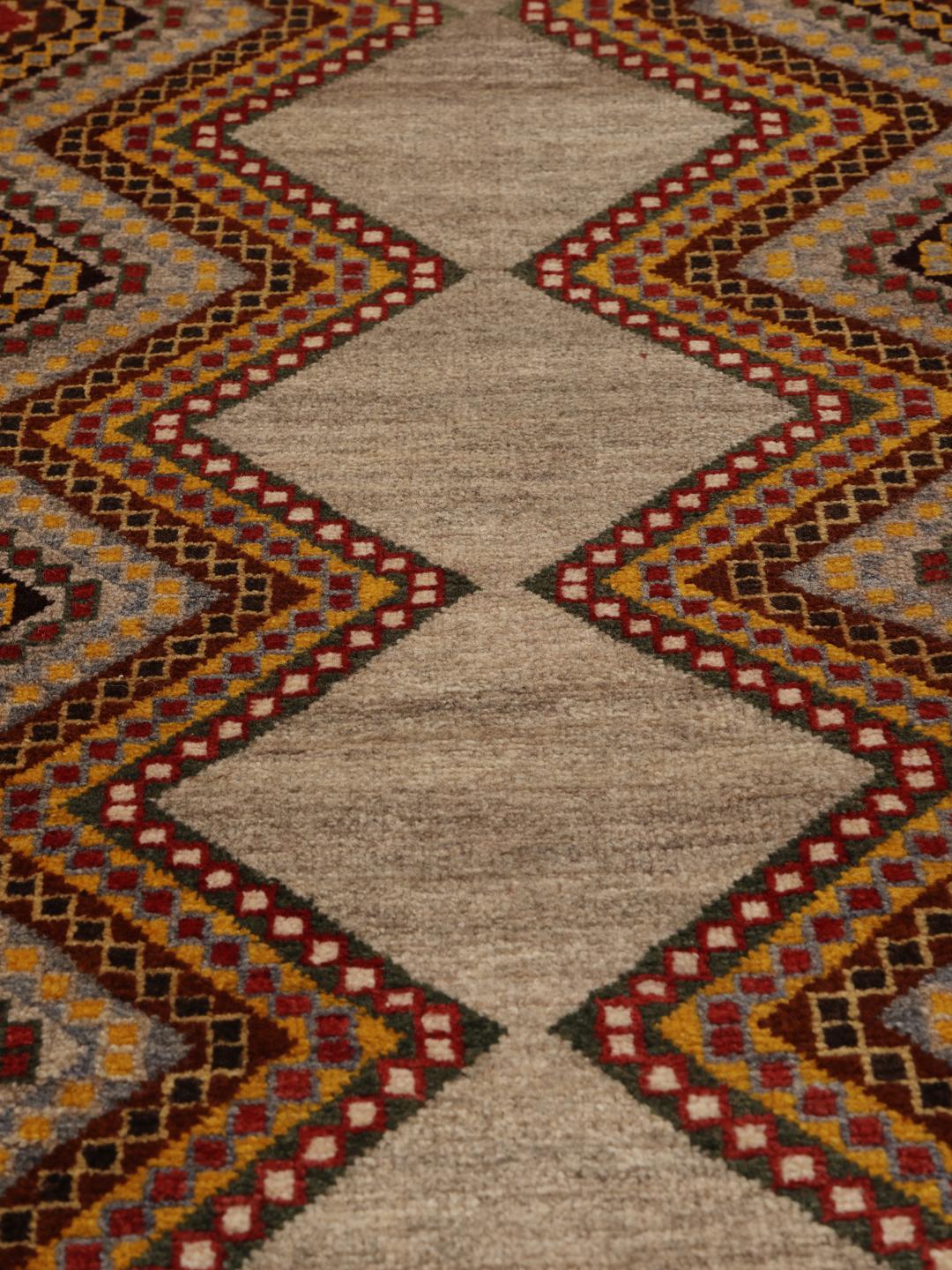
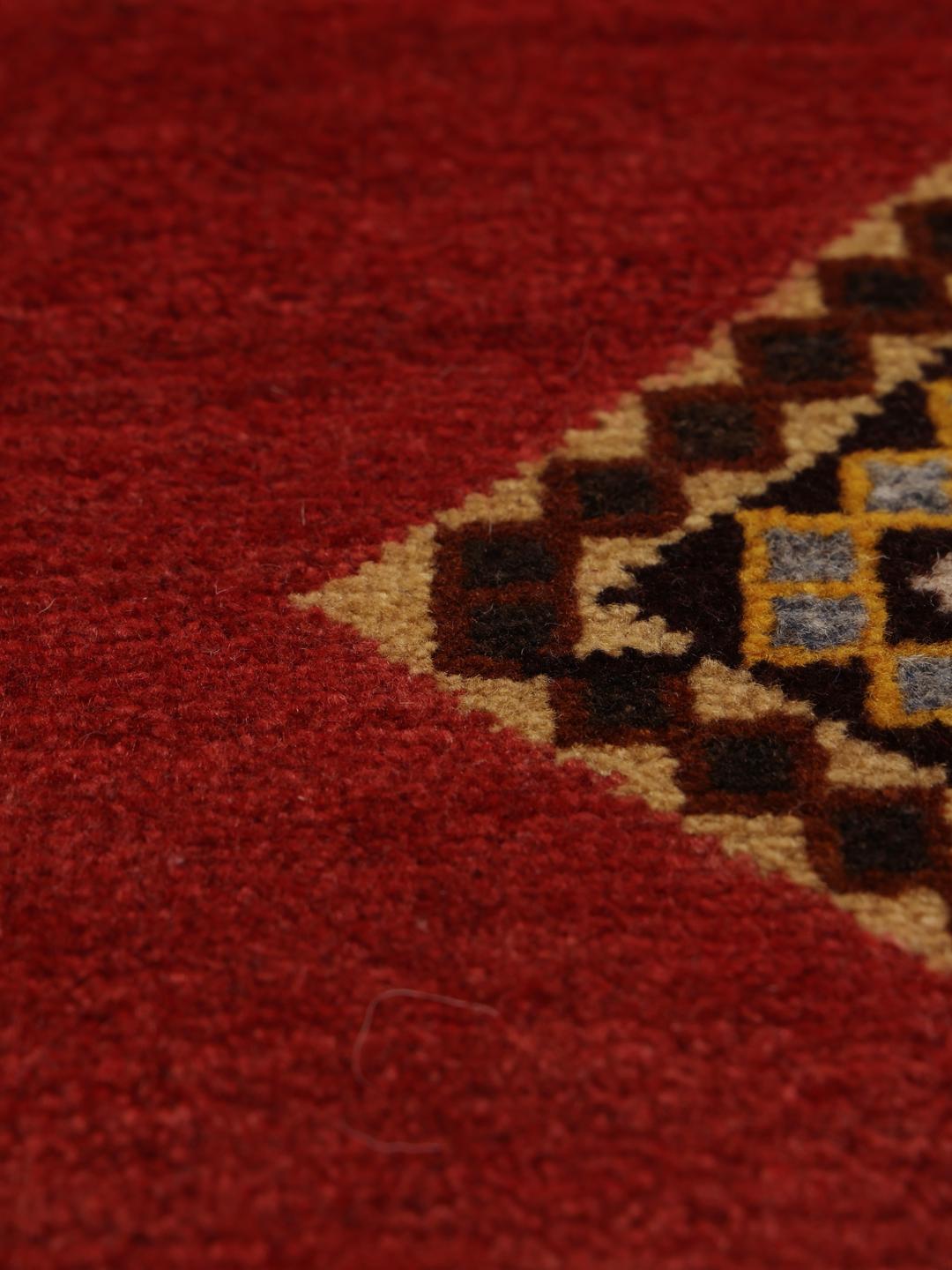
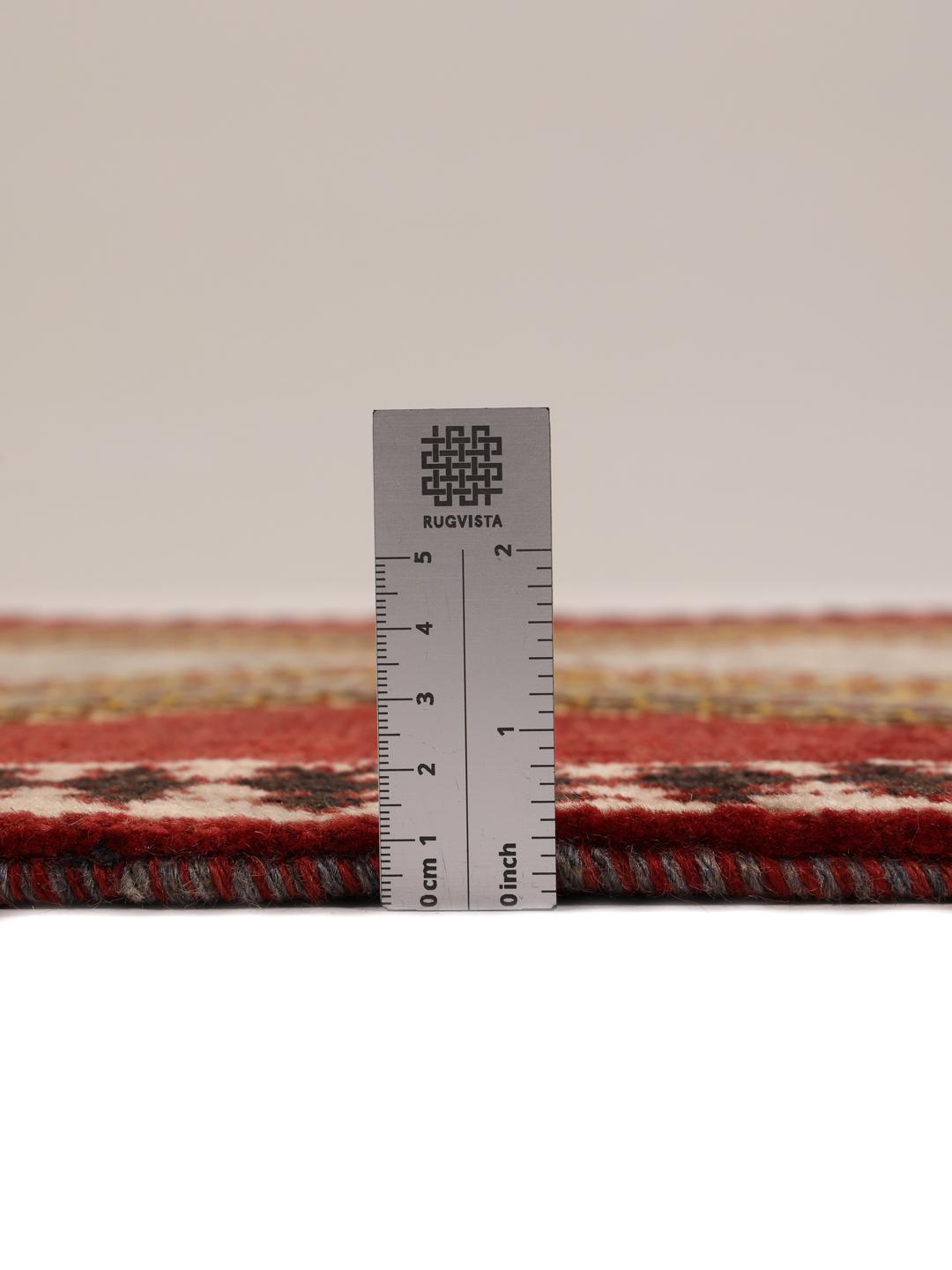
The term 'hand-knotted' refers to the technique where individual lengths of wool are tied around the warp threads of the foundation. This creates a durable, dense pile that is resistant to wear. In Qashqai tradition, the wool is often of superior quality, prized for its natural sheen and ability to hold vibrant, traditional dyes derived from local plants and minerals.
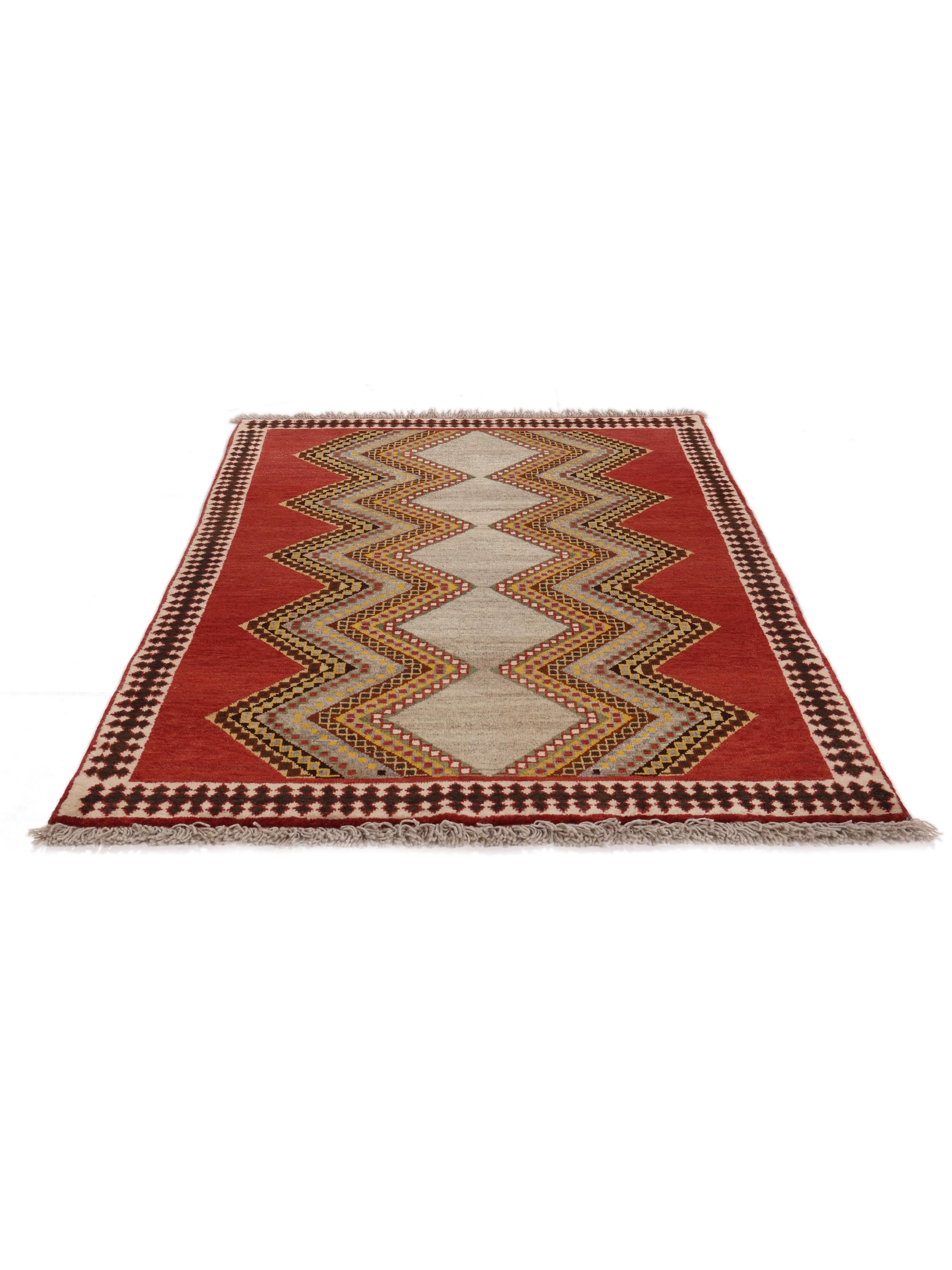
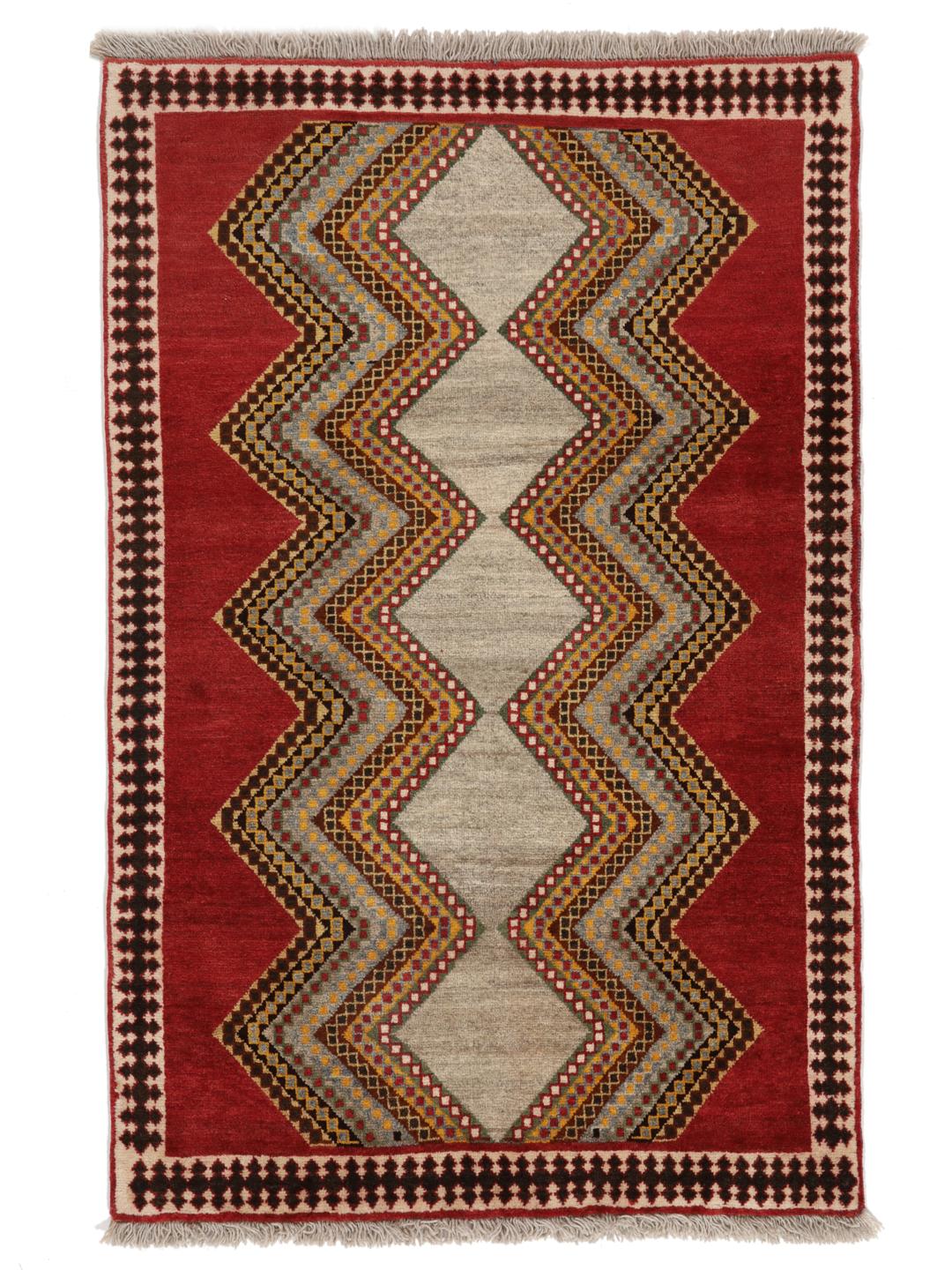
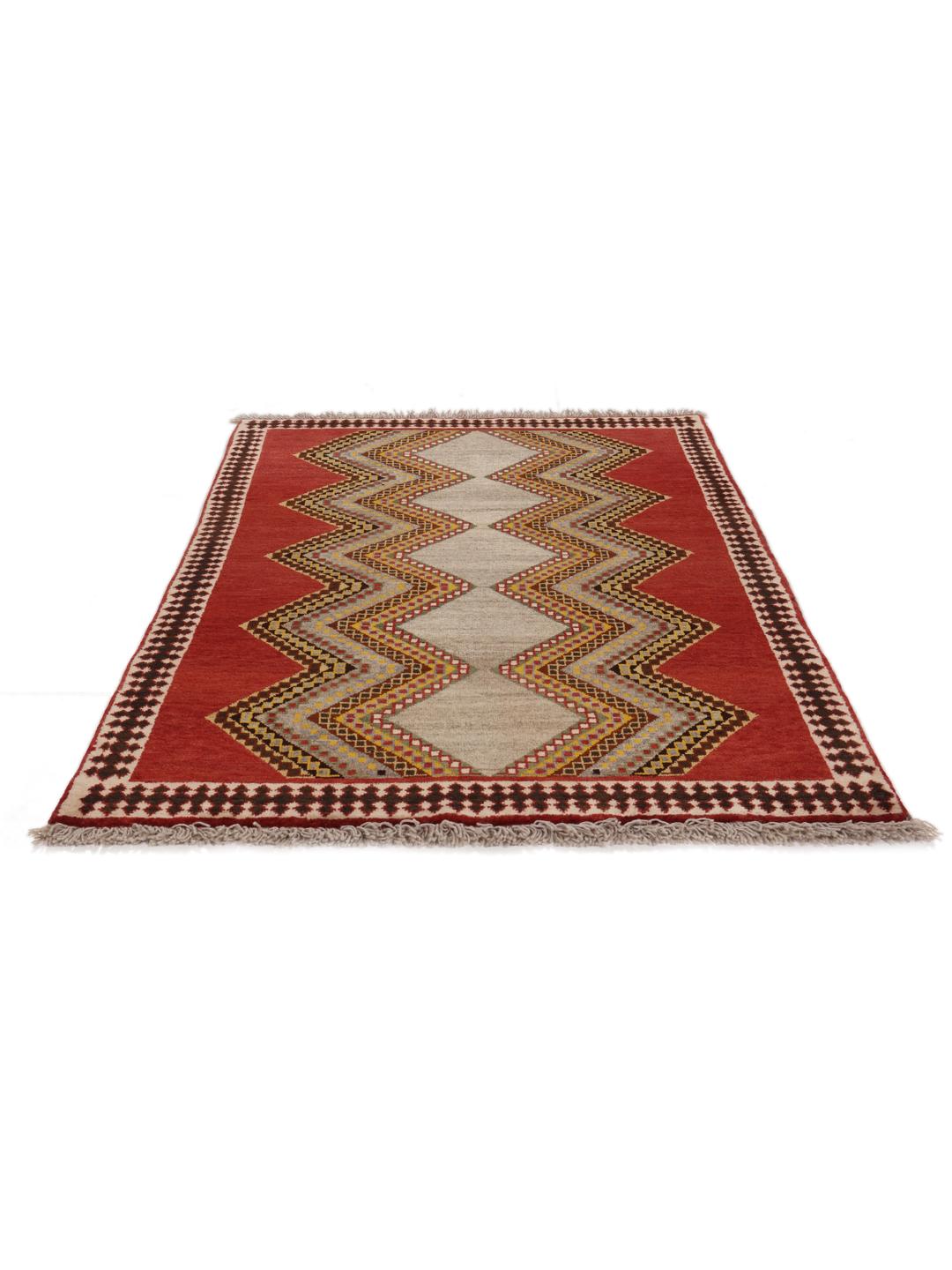
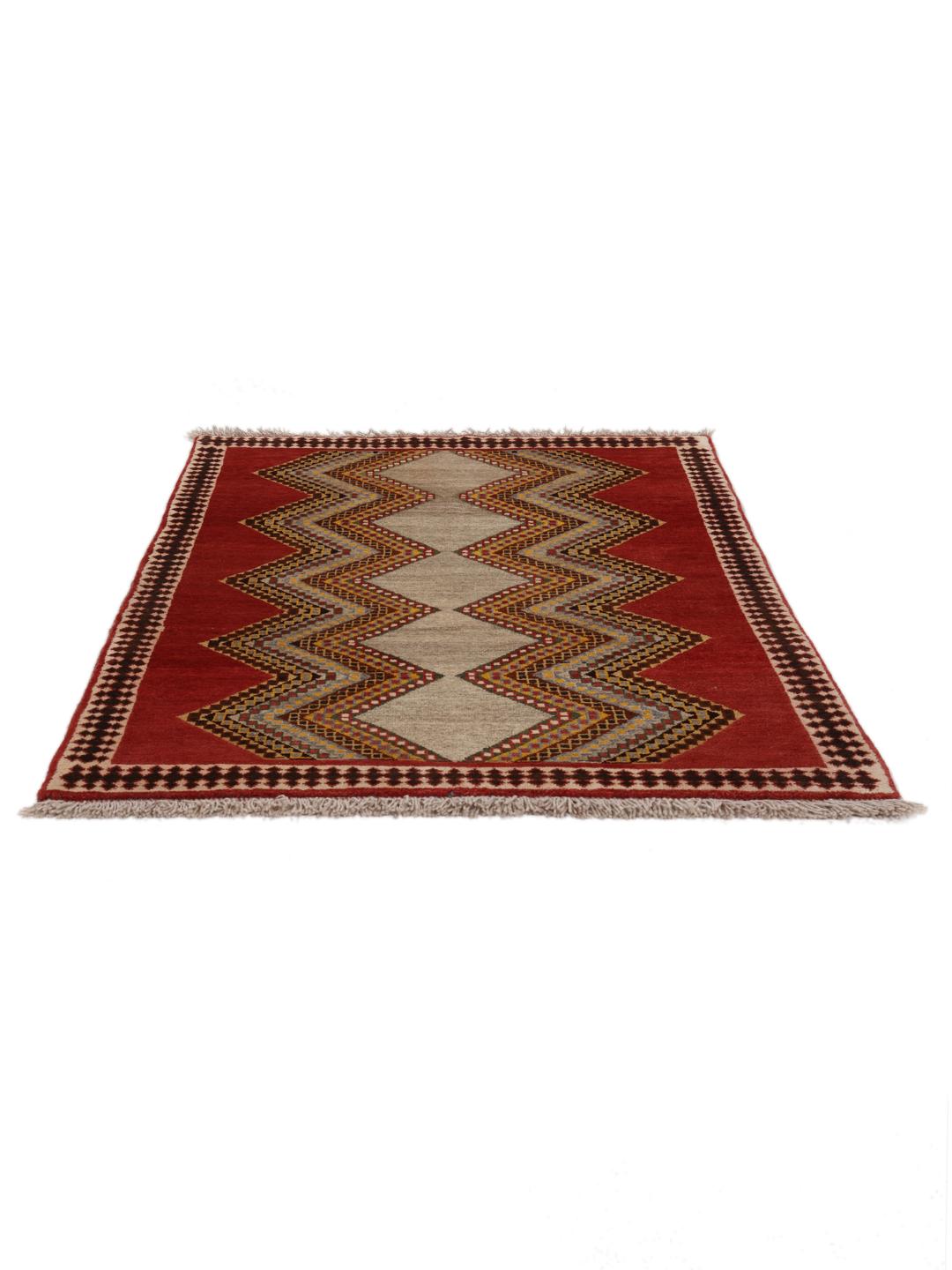
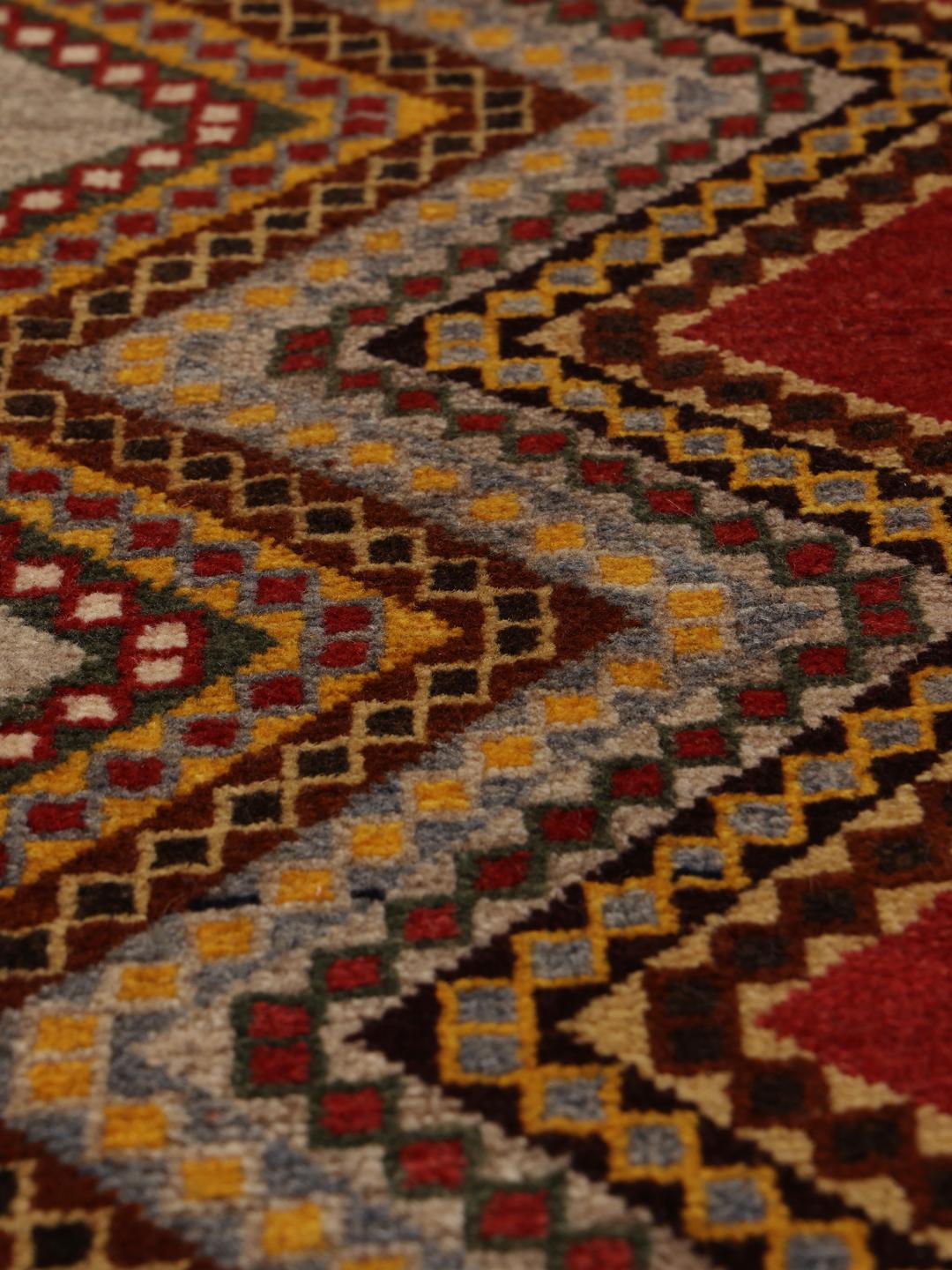
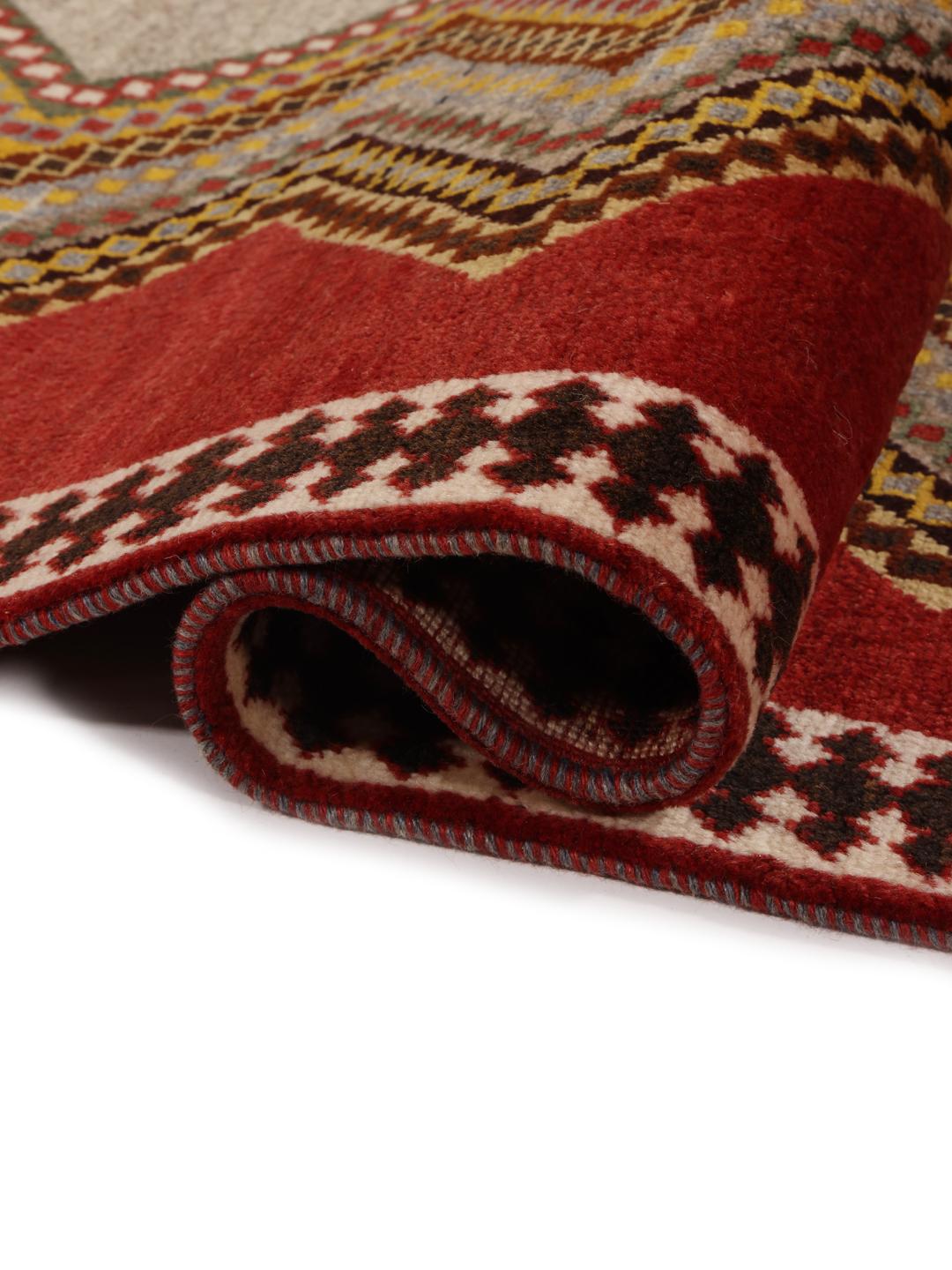
Visually, Qashqai rugs are celebrated for their geometric language. You will often see stylised floral motifs, diamonds, and animals, all arranged with a sense of spontaneity that distinguishes them from more formal urban designs. The use of a central medallion or a repeated diamond pattern, as seen in this piece, is a hallmark of the style, often framed by complex, multi-layered borders.
Collectors value Qashqai rugs for their authenticity and the human story behind every knot. Owning one is an investment in a living tradition that has survived for generations. These rugs are not merely decorative items; they are keepers of a tribal heritage, representing a level of skill and artistic freedom that is increasingly rare in the modern world.