Chinese rug traditions are deeply rooted in centuries of cultural expression, often drawing inspiration from silk weaving, porcelain designs, and philosophical symbols. These rugs are renowned for their open fields and distinct, artistic compositions that prioritise balance and harmony, reflecting the aesthetic values of the region's long history.
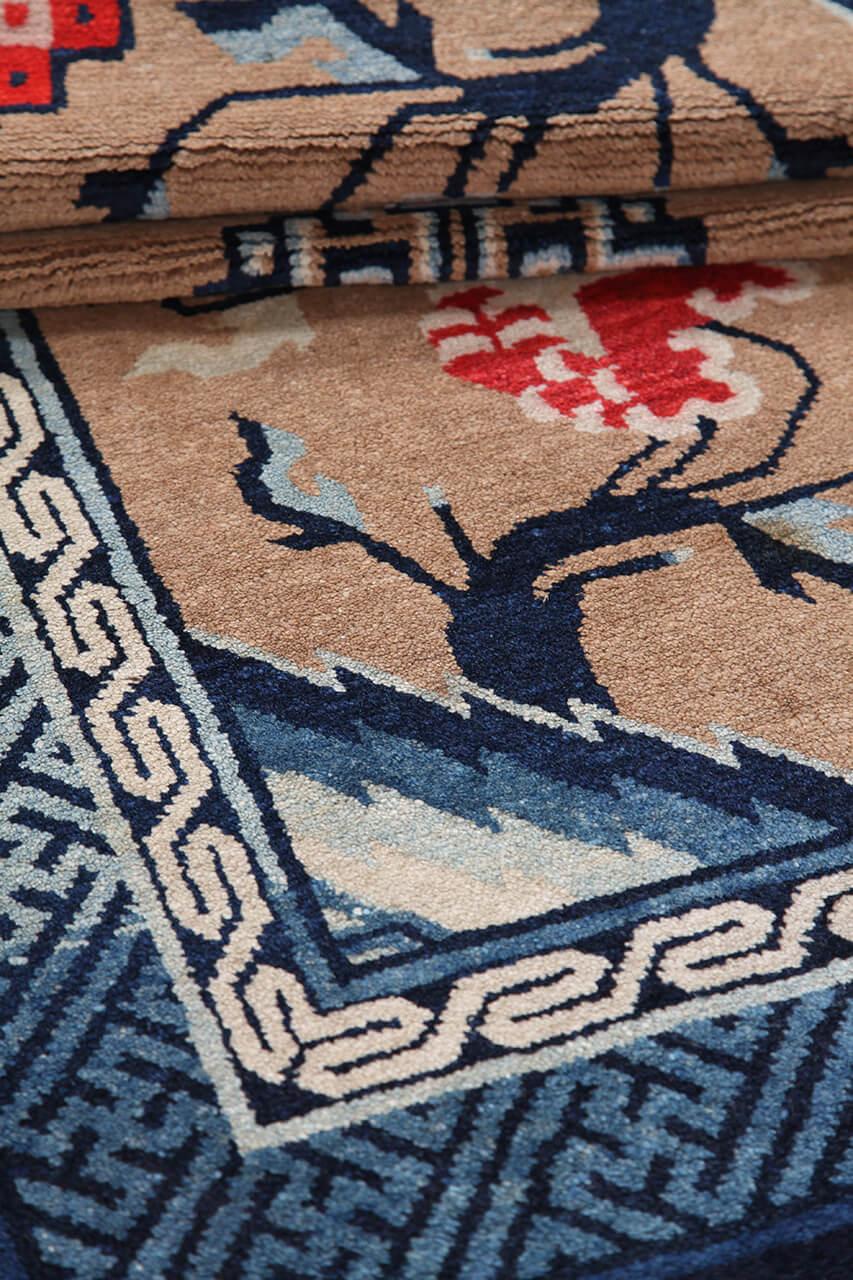
The terminology surrounding these pieces often relates to the specific knotting techniques and the quality of the Wool used. A hand-knotted construction is the gold standard, ensuring that the Wool pile is secured firmly to the foundation. This method not only creates a more durable product but also allows for the intricate, precise patterns that are characteristic of traditional Chinese weaving.
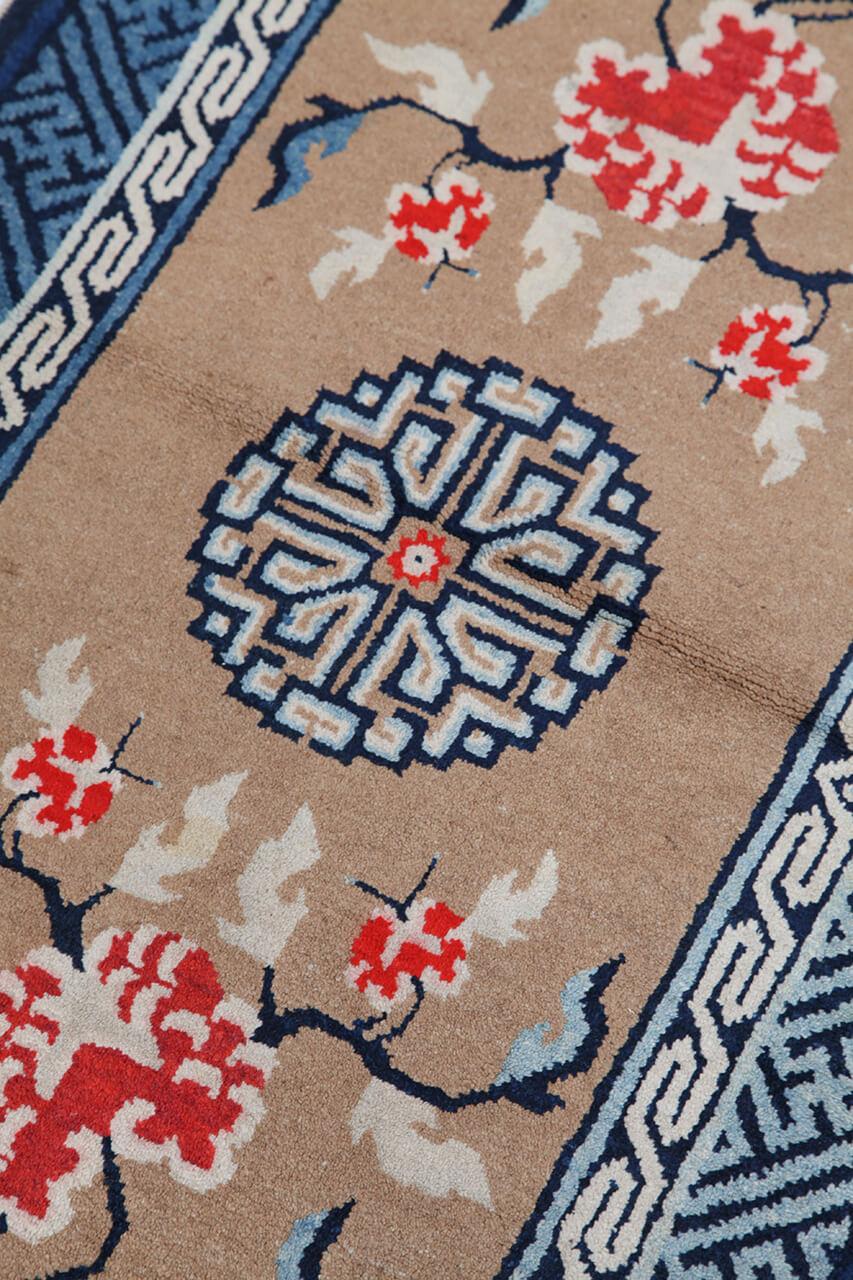
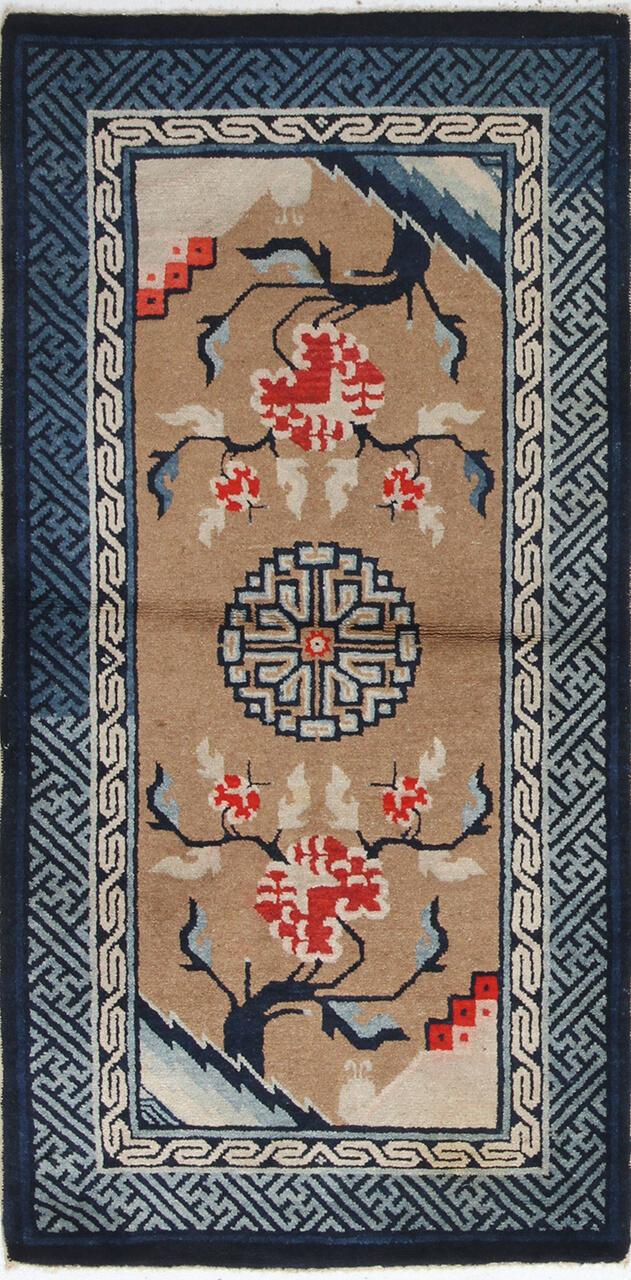
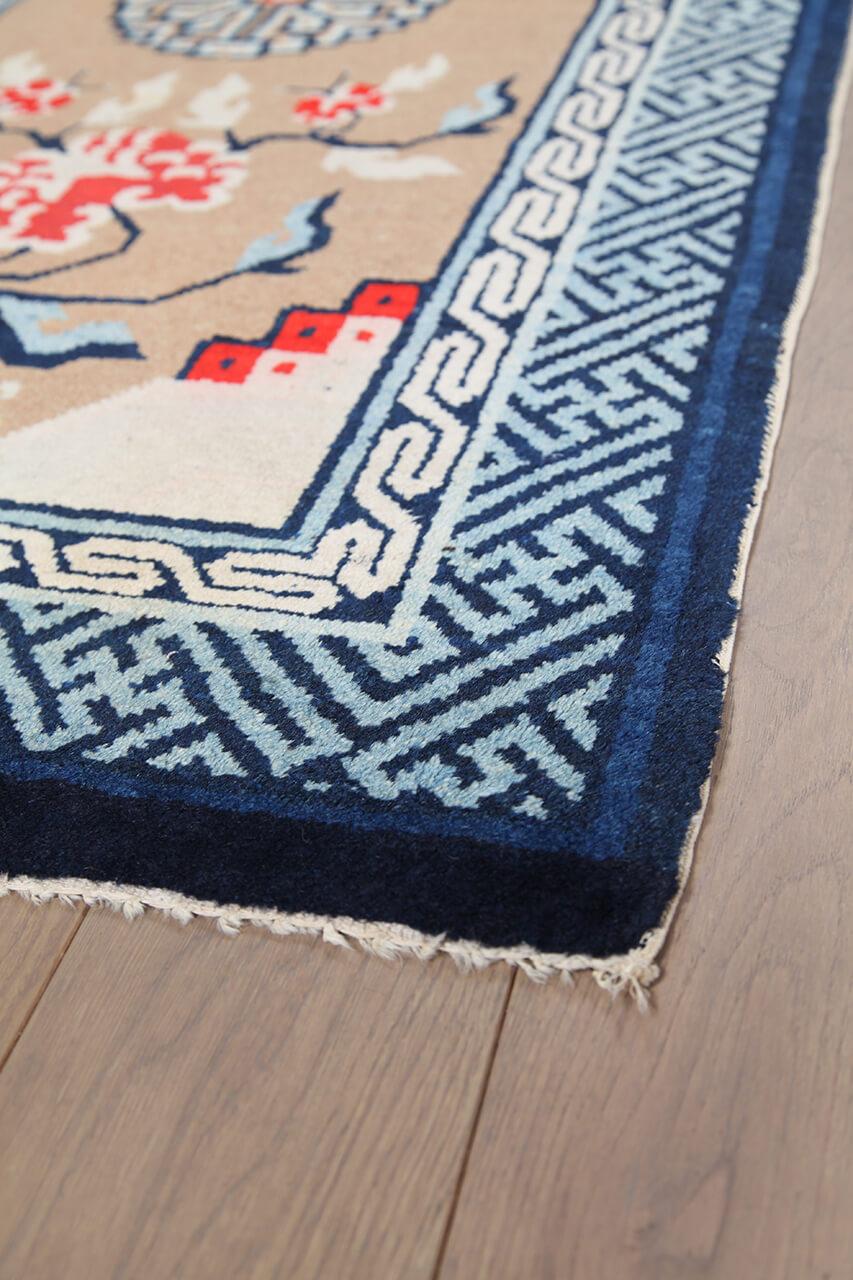
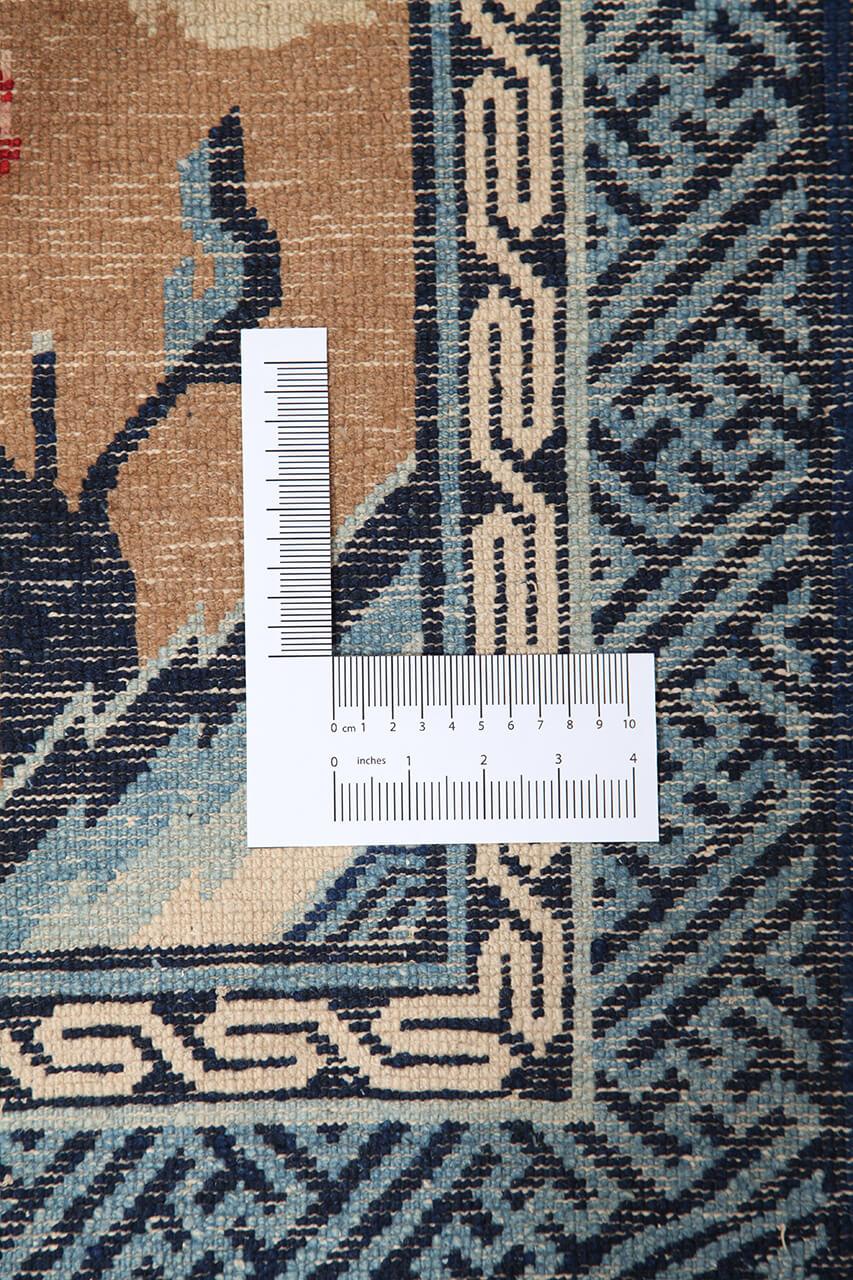
Signature design elements in this category frequently include floral motifs, such as peonies or lotus blossoms, which are often arranged around a central medallion. The border patterns, like the geometric fretwork seen here, provide a structured frame for the more organic shapes in the field. Such motifs are not merely decorative but carry symbolic meanings related to prosperity, longevity, and natural beauty.
Collecting antique rugs from China is an investment in both art and heritage. These pieces are valued for the unique stories they tell and the exceptional skill required to produce them. Owning such a rug provides a tangible connection to the past, offering a sense of depth and cultural weight that mass-produced items cannot replicate.